Soil Science - 2. Weathering and Soil Formation
0.0(0)
 Studied by 2 people
 Call Kai
 Learn
Learn Practice Test
 Spaced Repetition
 Match
Match Flashcards
 Knowt Play
Card Sorting
1/70

Earn XP
Description and Tags
Last updated 6:59 AM on 12/9/22
Name | Mastery | Learn | Test | Matching | Spaced | Call with Kai |
|---|
No analytics yet
Send a link to your students to track their progress
71 Terms
1
New cards
Rocks
soil material from minerals
2
New cards
Minerals
naturally occurring inorganic substances
3
New cards
Igneous rock
solidification of molten magma
4
New cards
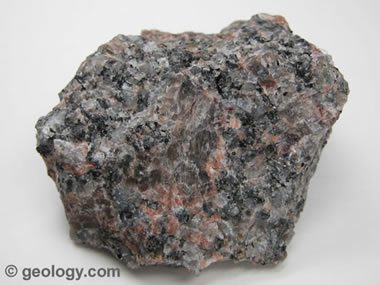
Granite
felsic intrusive
rich in SiOAlNaK
rich in SiOAlNaK
5
New cards
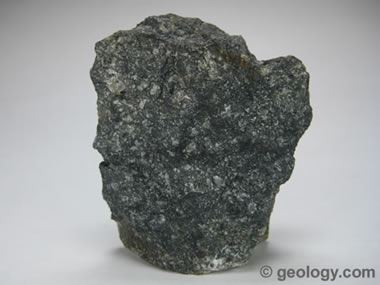
Peridotite
denses coarse grained
Olivine and Pyroxene
Olivine and Pyroxene
6
New cards
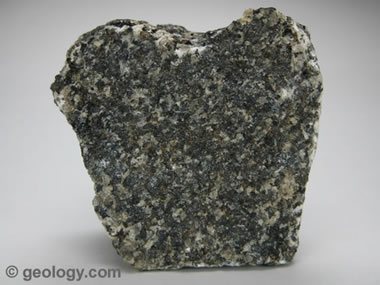
Gabbro
coarse grained/dark colored
Plagioclase and Augite
Plagioclase and Augite
7
New cards
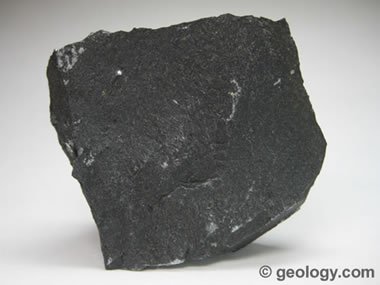
Basalt
mafic extrusive
rich in MgFe
rich in MgFe
8
New cards
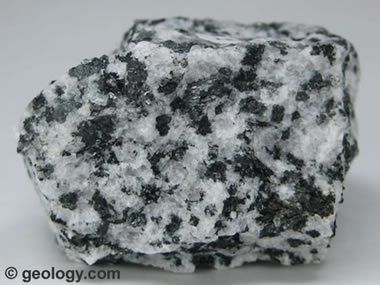
Diorite
intrusive
Biotite and Hornblende
Biotite and Hornblende
9
New cards
Sedimentary rock
accumulation or deposition of small particles
cementation of particles on the floor of bodies water
cementation of particles on the floor of bodies water
10
New cards
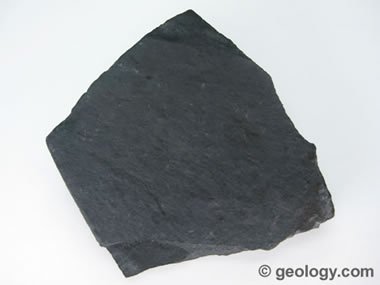
Shale
clastic clay size
flat sheets
flat sheets
11
New cards
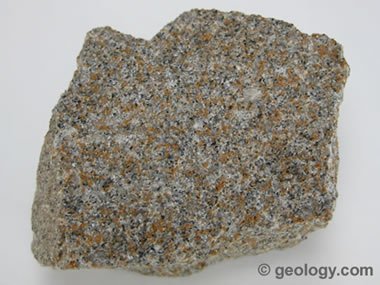
Sandstone
clastic
sand accumulation
sand accumulation
12
New cards
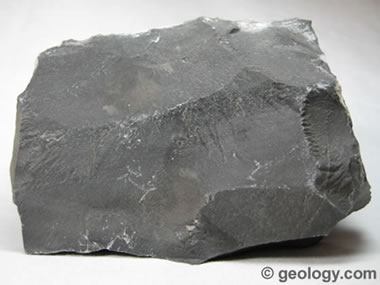
Limestone
calcium carbonate
shell, coral, fecal
precipitation
no Mg
shell, coral, fecal
precipitation
no Mg
13
New cards
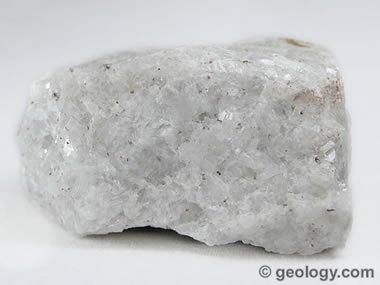
Dolomite
carbonate, dolomite material
CaMg(CO3)2
CaMg(CO3)2
14
New cards
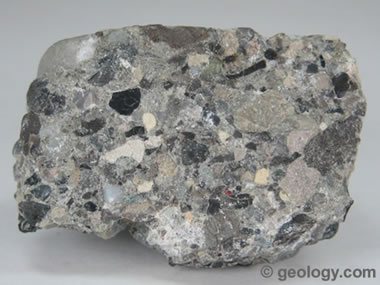
Conglomerate
coarse grained >2mm
15
New cards
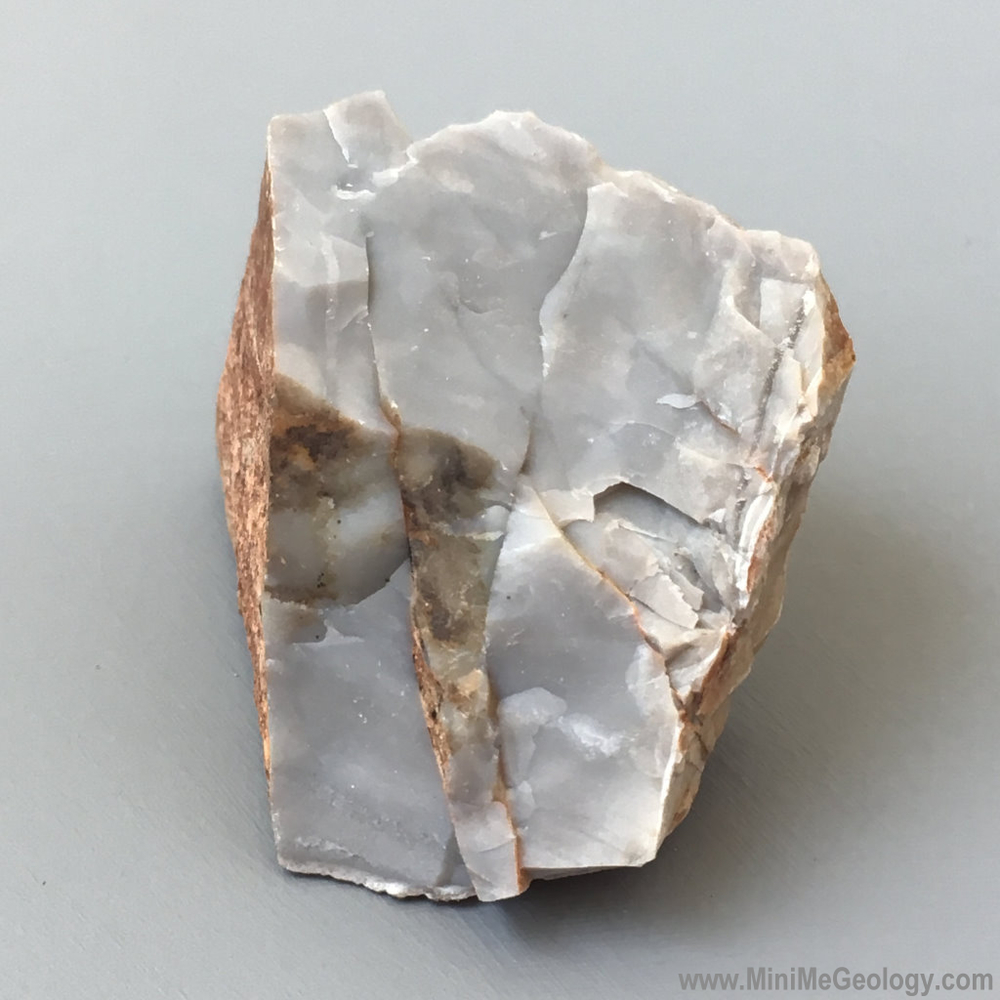
Chert
hard fine grained
crystals of quartz
SiO2
crystals of quartz
SiO2
16
New cards
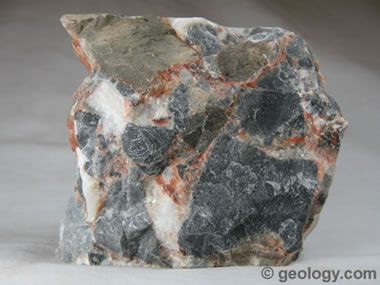
Breccia
broken fragments
17
New cards
Metamorphic rock
metamorphism of original rock
18
New cards
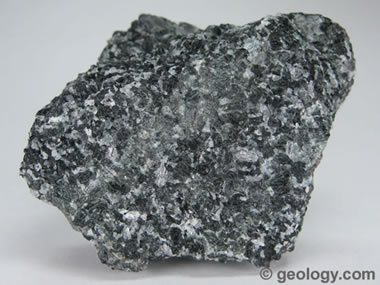
Amphibolite
non-foliated
foliated=thin sheets
recrystallization
hornblende & plagioclase
foliated=thin sheets
recrystallization
hornblende & plagioclase
19
New cards
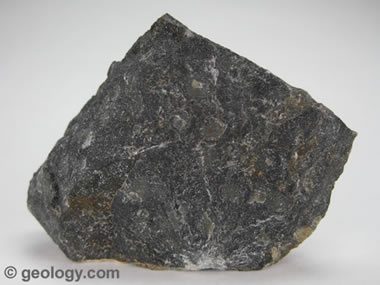
Hornfels
fine grained non-fo
contact metamorp
baked
contact metamorp
baked
20
New cards
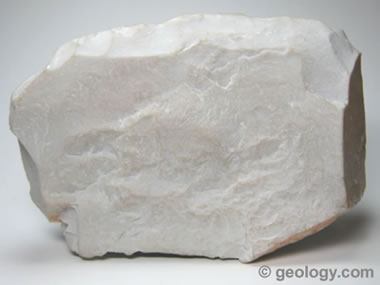
Novaculite
fine grained siliceous
21
New cards
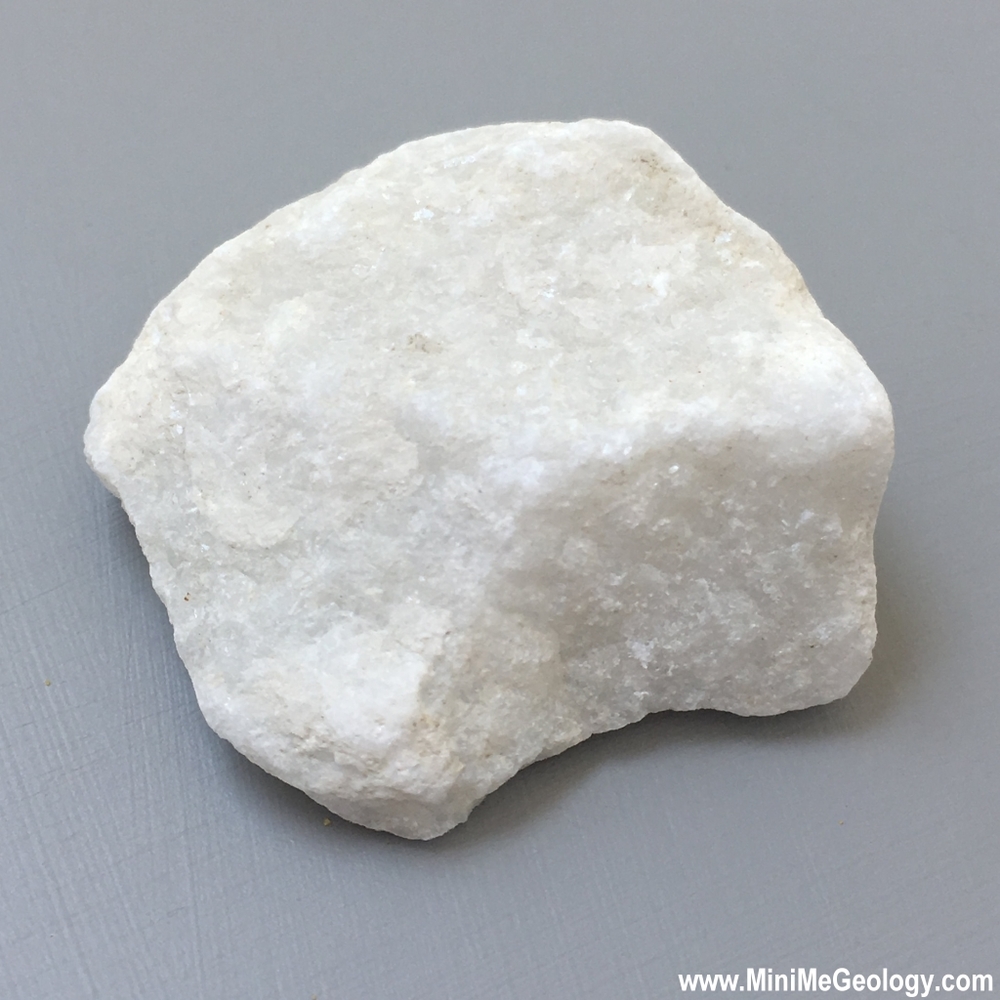
Marble
non-foliated
metamorphism of limestone/dolomite
metamorphism of limestone/dolomite
22
New cards
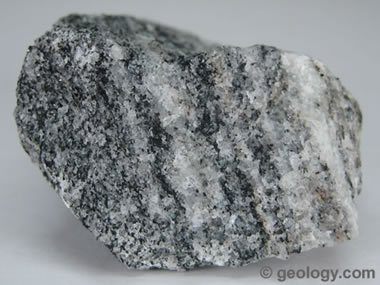
Gneiss
banded
quartz or feldspar
quartz or feldspar
23
New cards
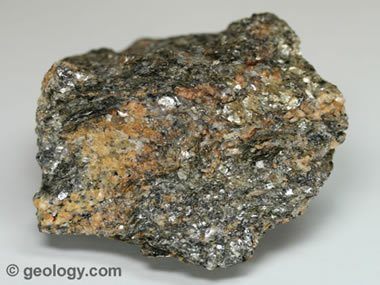
Schist
well developed mica
Mica=group of silicate minerals
i>phyllite,gneiss
Mica=group of silicate minerals
i>phyllite,gneiss
24
New cards
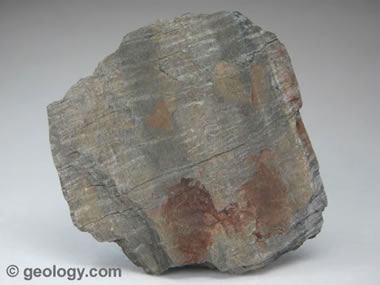
Phyllite
very fine grained mica
i>schist,slate
i>schist,slate
25
New cards
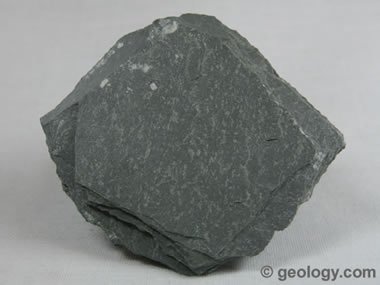
Slate
foliated
metamorphism of shale
metamorphism of shale
26
New cards
Parent material
unconsolidated chemically weathered
pedogenic process
initial state
pedogenic process
initial state
27
New cards
Residual Parent Material
type of PM
long and intense weathering
landscape=stable
in situ
composed of 3 class
long and intense weathering
landscape=stable
in situ
composed of 3 class
28
New cards
Transported Parent Material
type of PM
loose or surficial
basis of agents for movements and deposition
loose or surficial
basis of agents for movements and deposition
29
New cards
Alluvium
water transported; close to river banks
30
New cards
Lacustrine
water transported; lakes (taal lake)
31
New cards
Marine
water transporter; oceans whereas waves contribute
32
New cards
Eolian deposits
wind transported sand-size, sand dunes for short distances
33
New cards
Loess
wind transported silt-size for longer distances
34
New cards
Volcanic ash
wind transported ash, light weight for longest distances
35
New cards
Colluvium
transported due forces of gravity/erosion
coarse
coarse
36
New cards
Glacial till
moving ice sheet
37
New cards
Cumulose
type of PM
organic deposits developed
organic deposits developed
38
New cards
Climate
most important factor influencing physical and chemical properties of soil
39
New cards
Precipitation
causes leaching
40
New cards
Climate
the long-term pattern of weather in a particular area
warm moist > rapid plant growth > ↑OM
warm moist > rapid plant growth > ↑OM
41
New cards
Bioturbation
mixing of decompose with the upper part soil
42
New cards
Relief
orientation of land respect to the direction of the sun
43
New cards
shallow slope
north facing slope aspect
44
New cards
Soil formation
age of the soil; whereas constant age is observed
45
New cards
Soil thickness
major indication of soil age
46
New cards
Human
directly/indirectly affect the soil formation and considered the 6th factor
47
New cards
Soil Formation
“genesis” continuous but slow process
48
New cards
Transformation
weathering of primary minerals whereas PM > Silicate and decomposition of OM whereas decomposes and are incorporated
49
New cards
Physical weathering
breakdown of minerals by physical forces
50
New cards
Chemical weathering
decomposed, dissolved or loosed by chemical processes; “biogeochemical”
51
New cards
Wetting and Drying
wet soils > prone > swelling > shrinks
shrinkage and swelling
shrinkage and swelling
52
New cards
Freezing and Thawing
water expands when frozen > pushes soil > breaks
53
New cards
Heating and Cooling
extreme temperature > soil expands > contracts
54
New cards
Grinding or Rubbing
grinding against > disintegration (abrasion by water)
55
New cards
Unloading
pressure > compressed
56
New cards
Organisms
roots > pushed > soil
57
New cards
Oxidation
oxygen combines > other elements > softening > easily to break
rusting
rusting
58
New cards
Dissolution
minerals > dissolve directly > water > ions carry away
59
New cards
Carbonation
CO2 & rainwater > forms carbonic acid > reacts with the minerals
60
New cards
Hydrolysis
water molecules split = H+ & OH-
feldspar > clay mineral > crumbles easily
feldspar > clay mineral > crumbles easily
61
New cards
Hydration
minerals absorb water > expands > stress > disintegration
62
New cards
Translocation
transfers of soil constituents involving inorganic and organic form calcareous hardpan
63
New cards
Downward translocation
organic food material is manufactured by leaves and is translocated downward to stem and the roots for consumption and storage
-stops where the wetting front stops
-stops where the wetting front stops
64
New cards
Upward translocation
It takes place mainly during the germination of seeds, tubers etc., when stored food after being converted into soluble form is supplied to the upper growing parts of the young seeding till it has developed green leaves
- stops at the soil surface when water evaporate
- stops at the soil surface when water evaporate
65
New cards
Additions
inputs of materials to the soil profile
as plant life begins > om starts to accumulate
OM increases CEC
as plant life begins > om starts to accumulate
OM increases CEC
66
New cards
Losses
most losses occur by leaching;
water moves > dissolves minerals > transports > soil
grazing
wet soil > N > gas > lose in atmosphere
water moves > dissolves minerals > transports > soil
grazing
wet soil > N > gas > lose in atmosphere
67
New cards
Laterization
removes silica
leaving sesquioxides to concentrate in the solum
most common in tropics
leaving sesquioxides to concentrate in the solum
most common in tropics
68
New cards
Calcification
precipitation and accumulation of (CaCO3)
B horizon enriched with calcium carbonate
most common in warm, semi-arid; grassland vegetation
B horizon enriched with calcium carbonate
most common in warm, semi-arid; grassland vegetation
69
New cards
Salinization
accumulation of salts near the soil surface
common in arid and semi-arid
common in arid and semi-arid
70
New cards
Podzolization
formation of podzols
leached soil < cool, humid places
leaches solum (opposite of calcification)
creates the sublayer in A horizons
cool and moist climate; pine forests
leached soil < cool, humid places
leaches solum (opposite of calcification)
creates the sublayer in A horizons
cool and moist climate; pine forests
71
New cards
Gleization
formation of gley horizon
accumulation of OM in upper layer
blue-gray
accumulation of OM in upper layer
blue-gray
 Note
Note  Flashcards (66)