Schizophrenia & Psychosis
 Studied by 0 people
 Call Kai
 Learn
Learn Practice Test
 Spaced Repetition
 Match
Match Flashcards
 Knowt Play
1/32

There's no tags or description
Looks like no tags are added yet.
Name | Mastery | Learn | Test | Matching | Spaced | Call with Kai |
|---|
No analytics yet
Send a link to your students to track their progress
33 Terms
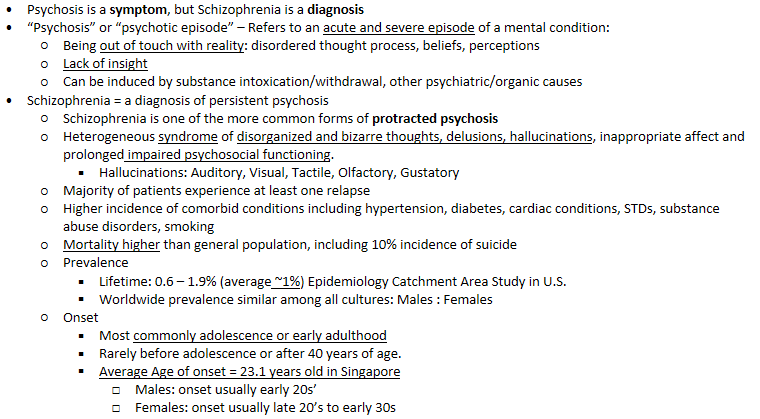
Psychosis vs schizophrenia
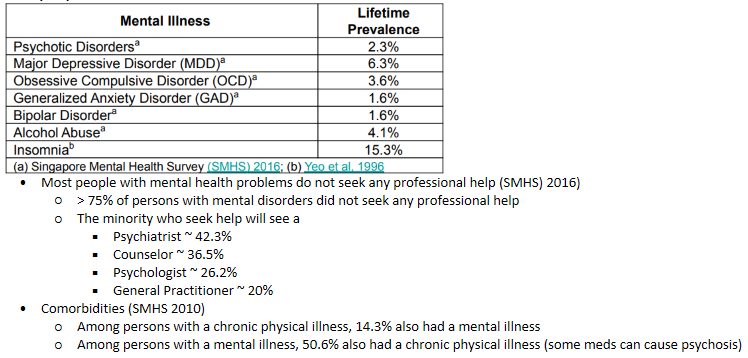
Local perspectives/stats
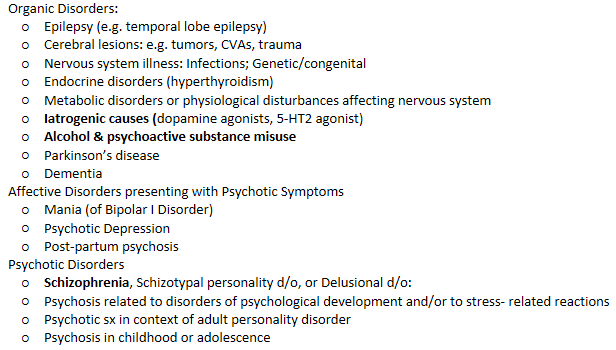
Diagnoses with associated psychotic symptoms
Etiology of schizophrenia
Primary pathophysiological abnormality may occur in one of various neurotransmitters
e.g. dysregulation of dopaminergic (DA), serotonergic (5HT) and glutamatergic functions
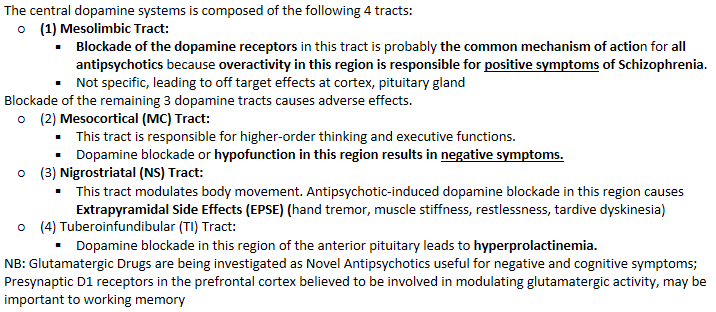
Dopamine dysregulation: Especially overactivity in the mesolimbic pathway (linked to positive symptoms) and underactivity in the mesocortical pathway (linked to negative symptoms)
Others: e.g. PG, NA, GABA, Cyclic nucleopeptides, Somatostatin, other neuropeptides
Etiology of schizophrenia - Factors implicated in Genesis & Course of Schizophrenia
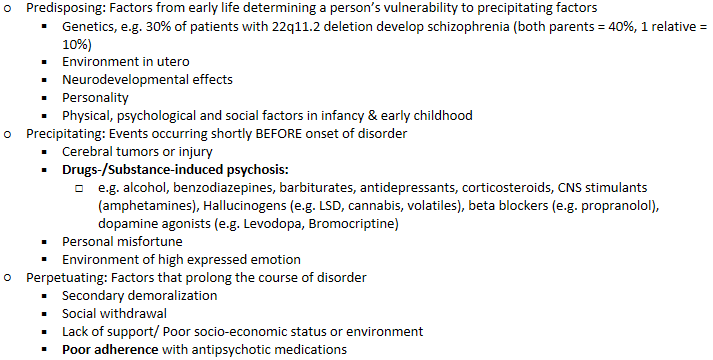
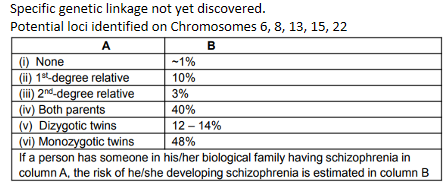
Etiology of schizophrenia - genetics
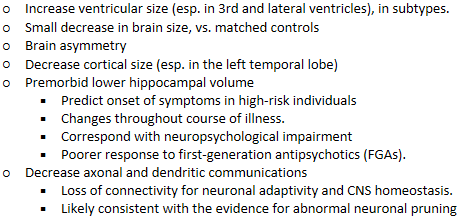
Etiology of schizophrenia - CAT scans and MRI studies
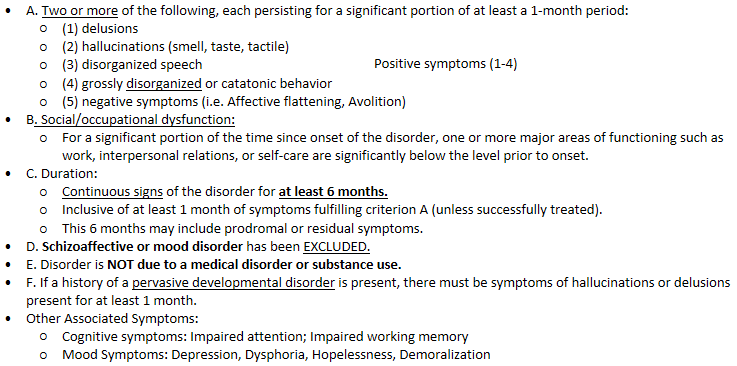
Clinical presentation - DSM-5 Criteria for Schizophrenia:
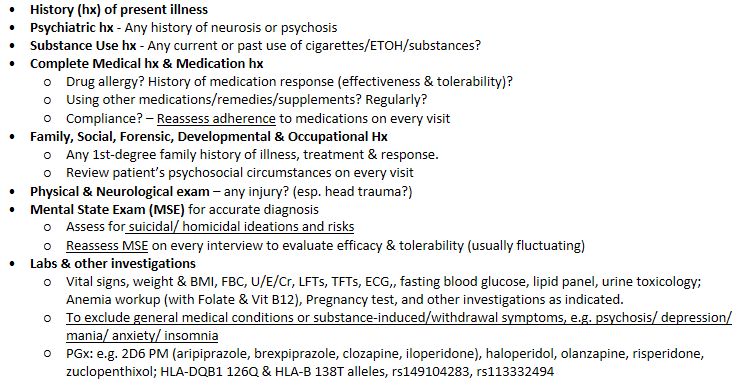
Clinical presentation - general assessment
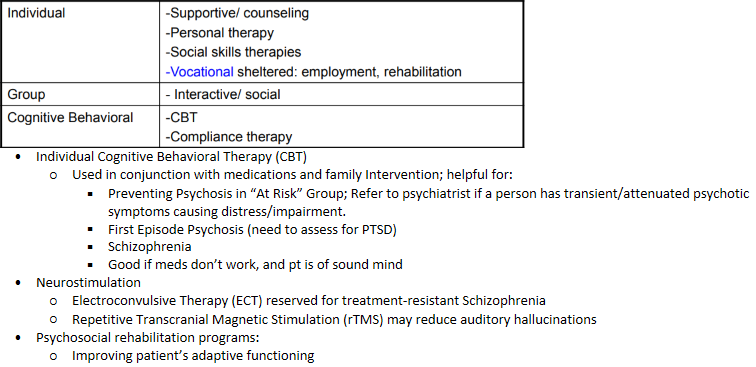
Non-pharm management
Dopamine Pathways - Antipsychotic Effects
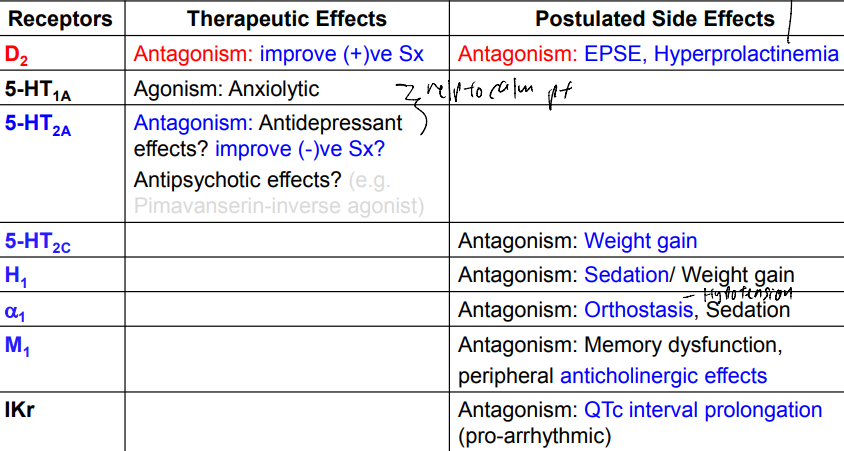
Dopamine Pathways - receptor affinities and clinical implications
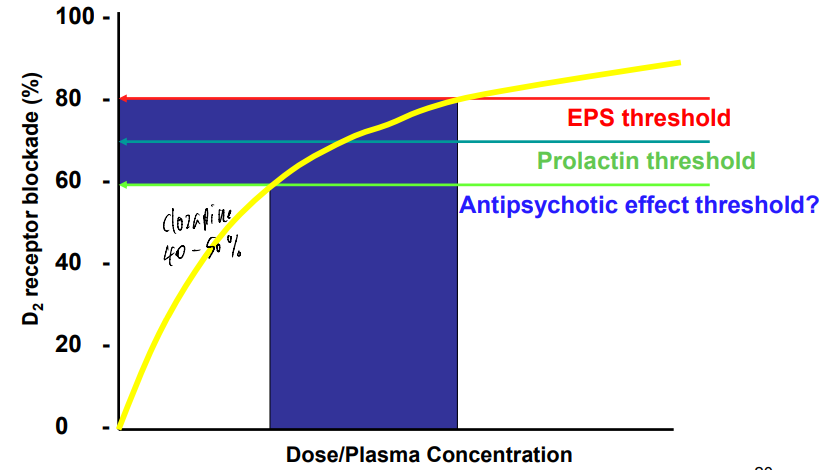
Dopamine Pathways - Hypothetical Thresholds for Antipsychotic Drug Effects: D2 receptor blockade
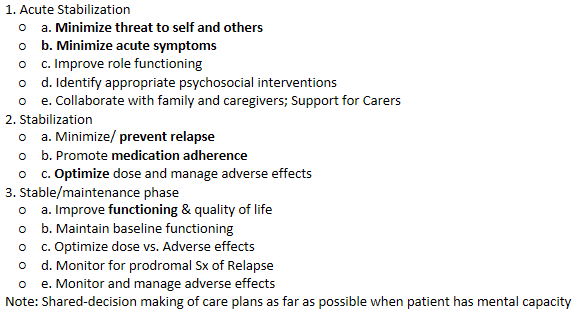
Pharm management - therapeutic goals
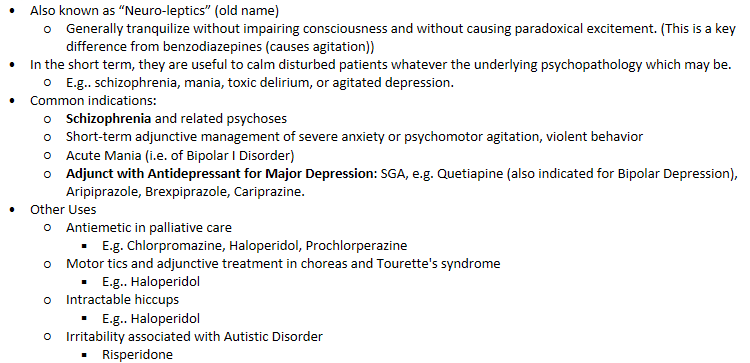
Pharm management - antipsychotics
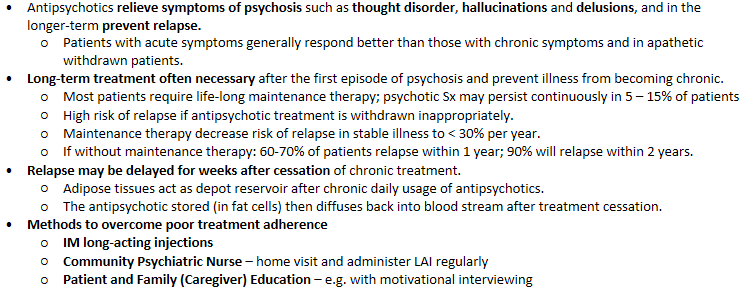
Pharm management - Antipsychotics for schizophrenia
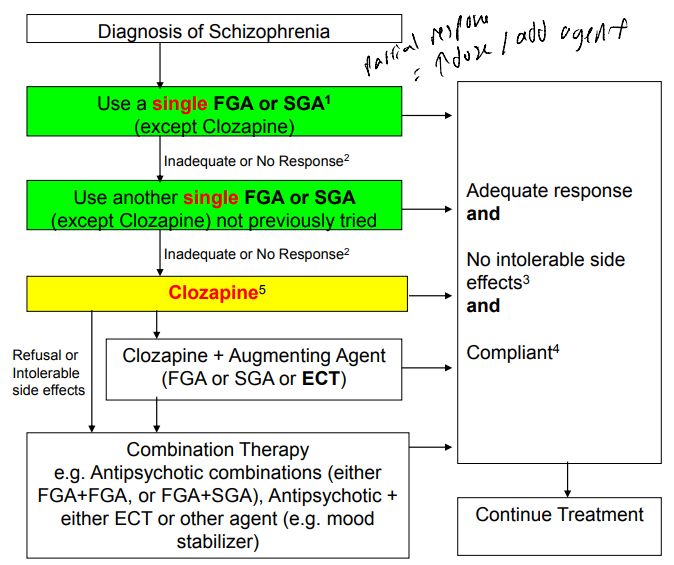
Pharm management - Treatment algorithm for schizophrenia
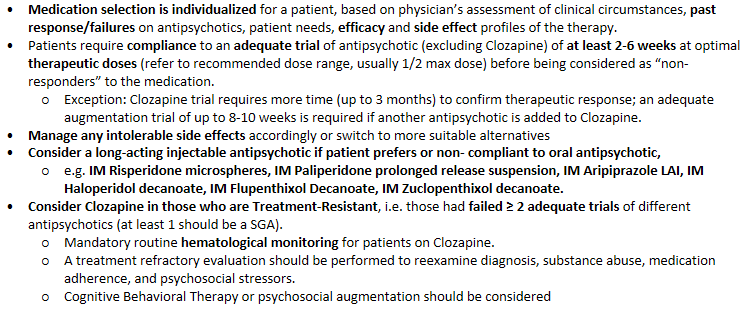
Pharm management - Antipsychotic Selection
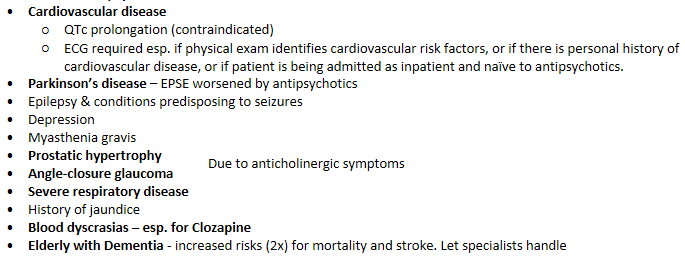
Pharm management - Precautions to antipsychotic use
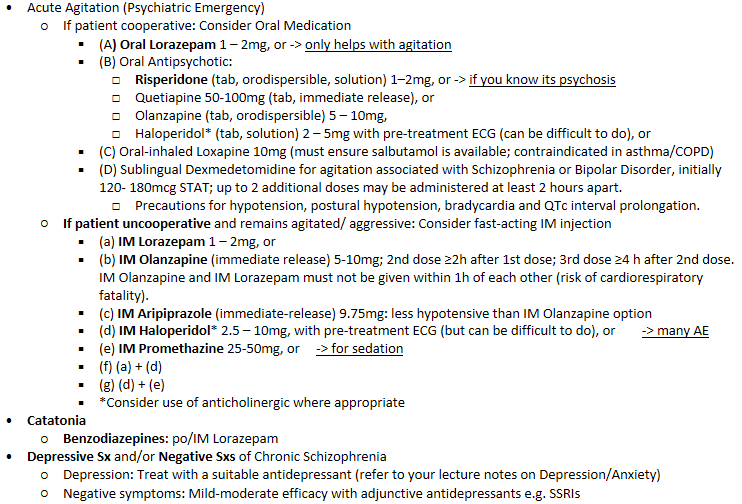
Pharm management - adjunctive treatment
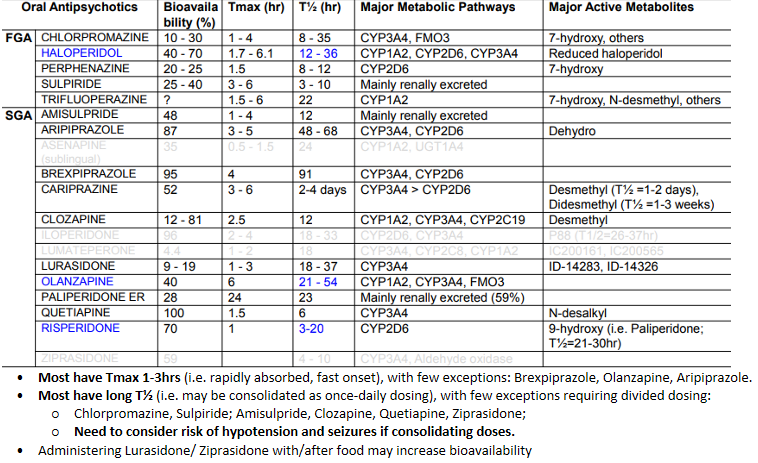
Pharm management - PK of antipsychotics
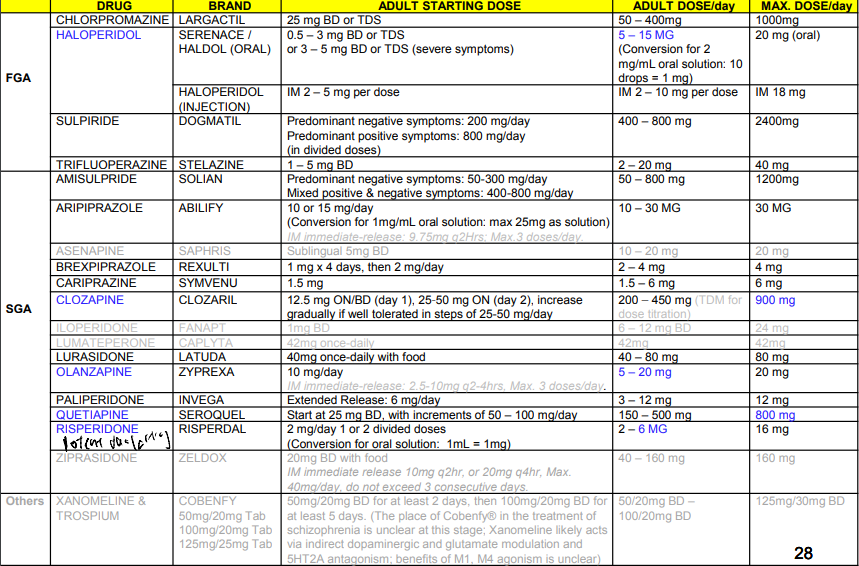
Pharm management - Dosing of oral antipsychotics
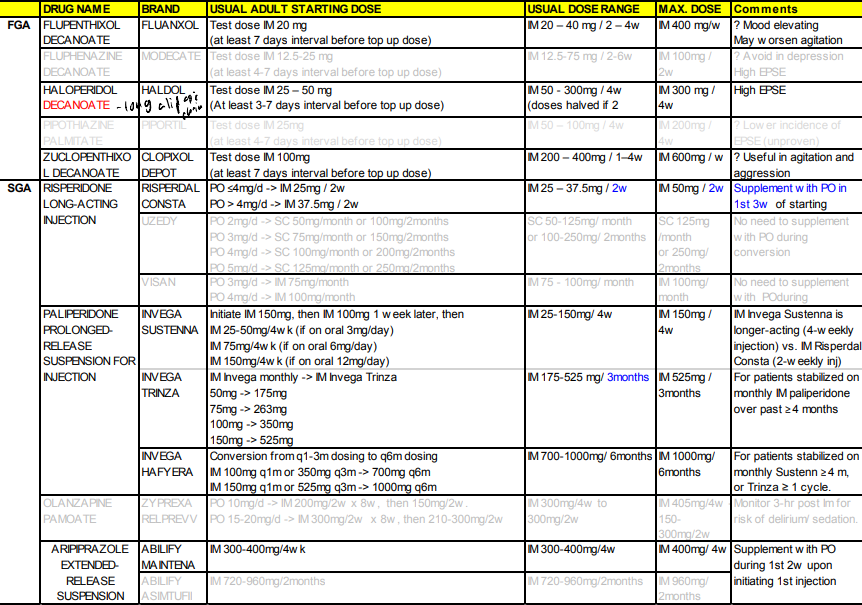
Pharm management - Dosing of IM long-acting antipsychotics (LAI)
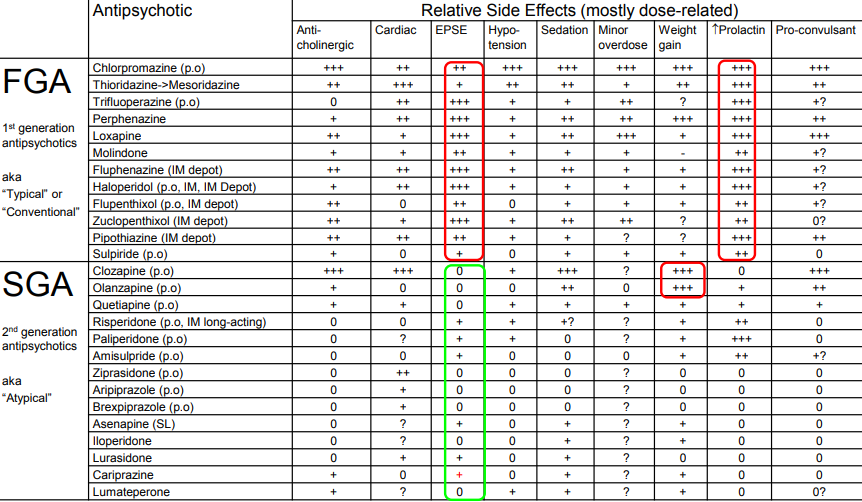
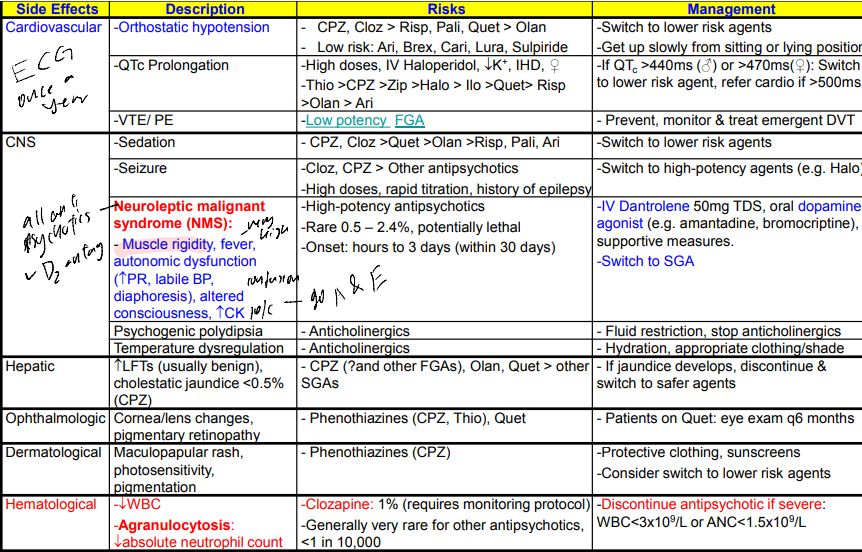
Pharm management - SE of antipsychotics
SE of antipsychotics - management of serious SE
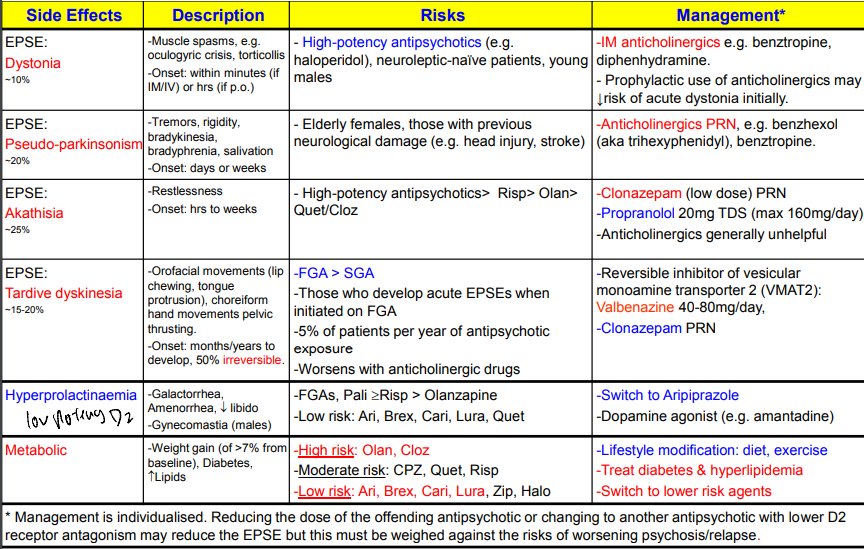
SE of antipsychotics - management of common SE
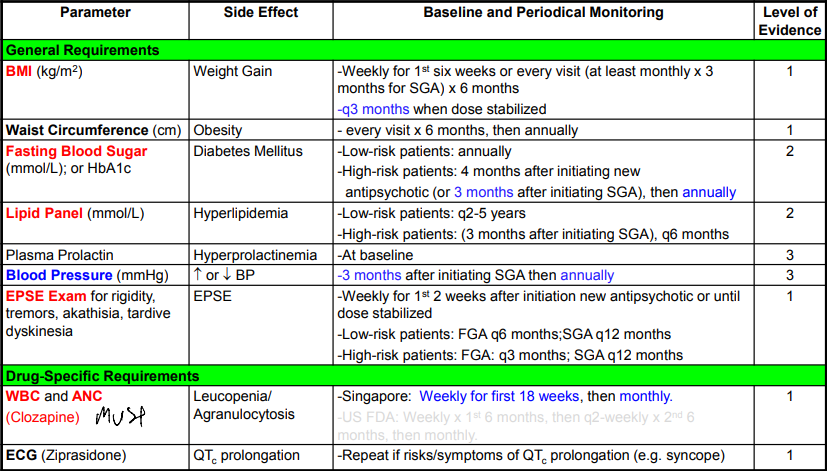
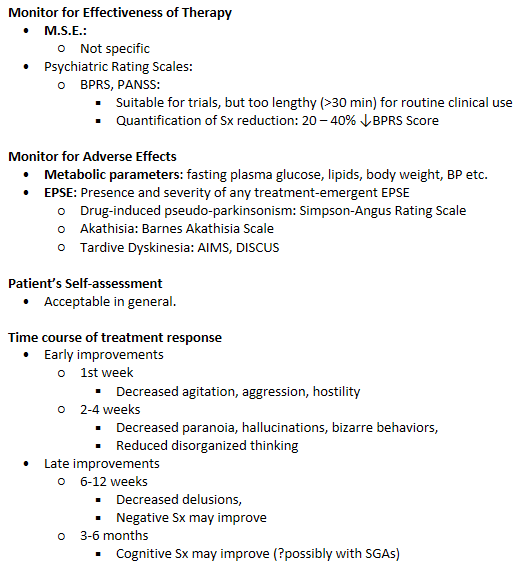
SE of antipsychotics - monitoring
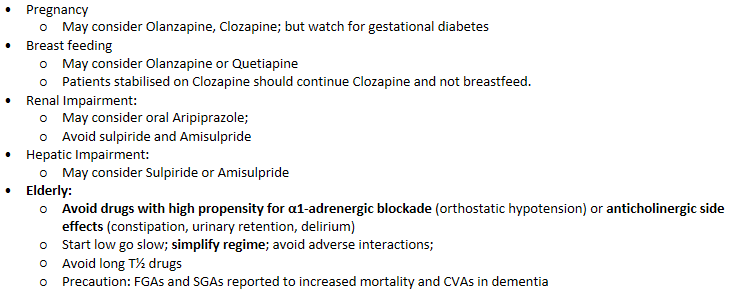
Special populations - caution & specialist consultations
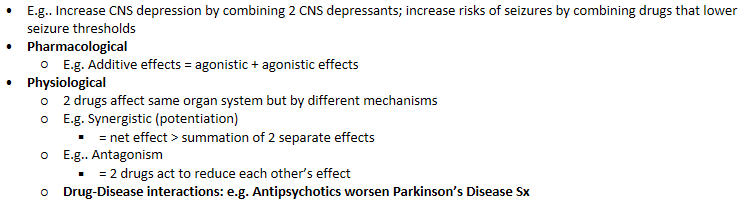
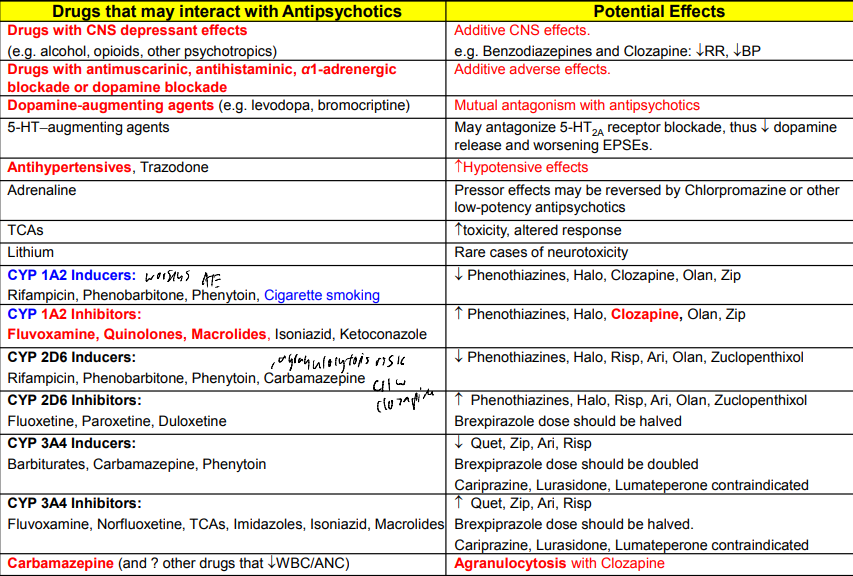
antipsychotics drug interactions - PD
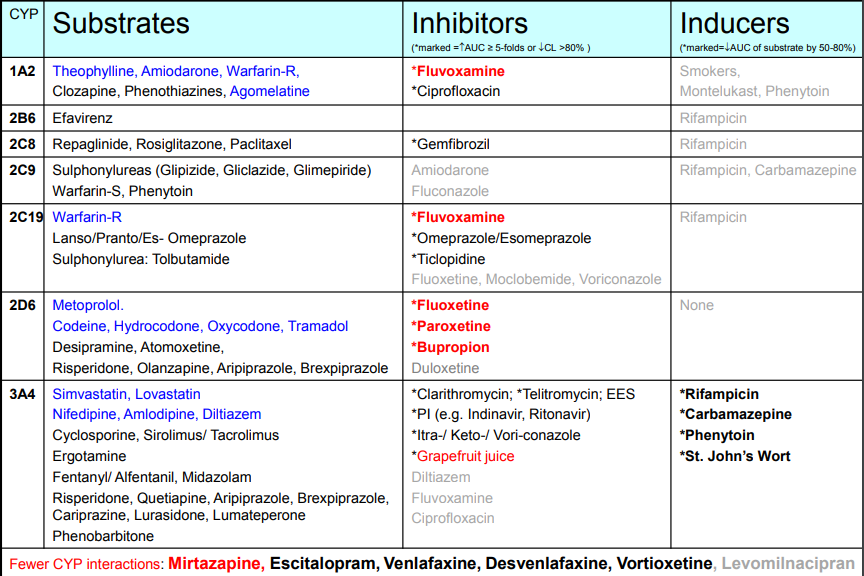
antipsychotics drug interactions - PK
Please refer to Lecture Notes on Depression
Phase I Reactions: Oxidation, Reduction, Hydrolysis
Large family of isozymes (Cytochrome P450: CYP 1A2, 3A4, etc.)
Phase II Reactions: Coupling (e.g. glucuronidation)
antipsychotics drug interactions - CYP interactions
antipsychotics drug interactions - Clinically Significant Interactions with Antipsychotics
Evaluation of therapeutic outcomes
 Note
Note  Flashcards (101)