BIO 150 - Natural Selection and Evolution
 Call Kai
 Learn
Learn Practice Test
 Spaced Repetition
 Match
Match Flashcards
 Knowt Play
1/42

Earn XP
Description and Tags
Does not have SPECIATION AND EXTINCTION
Name | Mastery | Learn | Test | Matching | Spaced | Call with Kai |
|---|
No analytics yet
Send a link to your students to track their progress
43 Terms
Theory of Natural Selection; Alfred Wallace
Charles Robert Darwin (1809-1882)
H.M.S. Beagle’s naturalist (1831-1836)
Investigated geology
Made natural history collections
Galapagos Islands – west of Ecuador (S. America)
Collected 31 birds belonging to 12 species of finches
• Published _______________ jointly with ______________ in 1858
Published On the Origin of Species in 1859
Father of Evolution
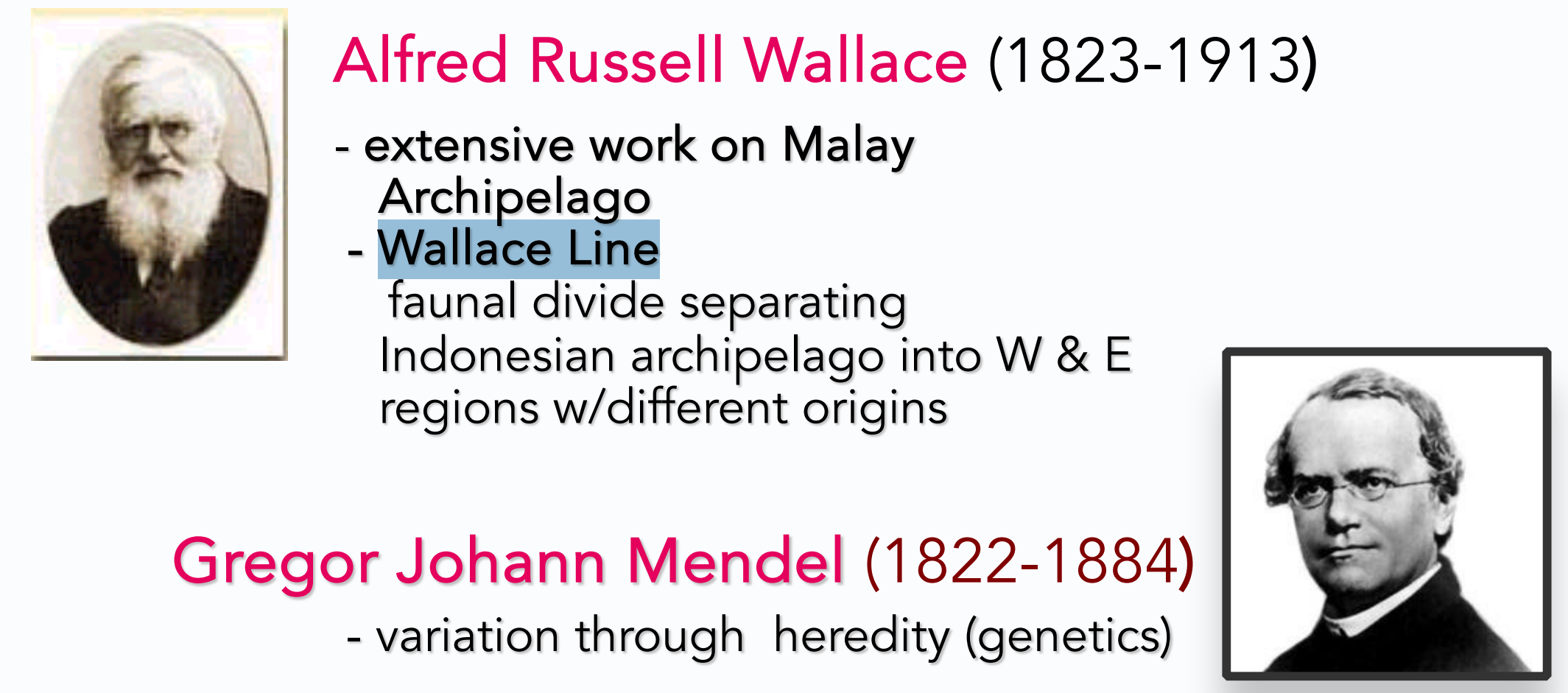
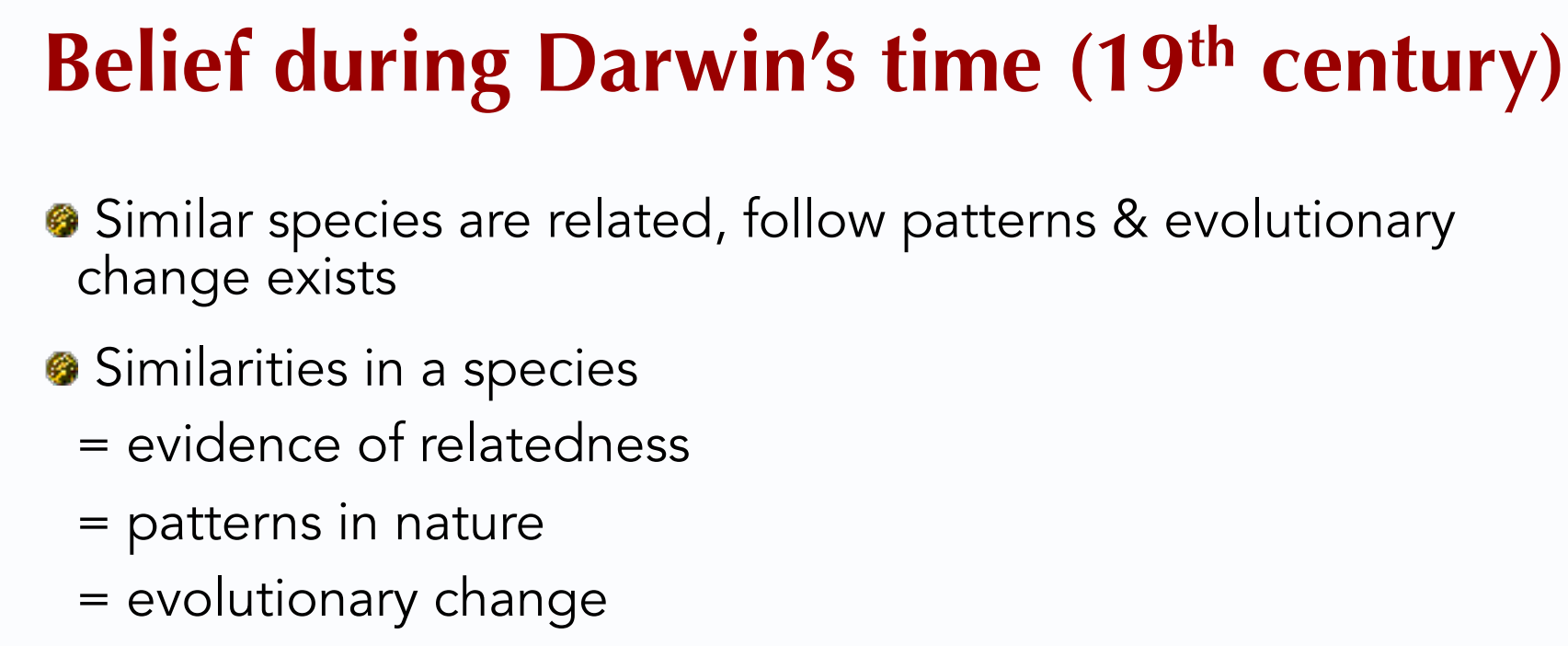
__________________ - faunal divide separating Indonesian archipelago into W & E regions w/different origins
mutation
natural selection
migration
gene flow
random changes in gene frequencies/genetic drift
THE (R)EVOLUTION OF THE THEORY
5 Evolutionary Processes:
___________
___________
___________
___________
___________
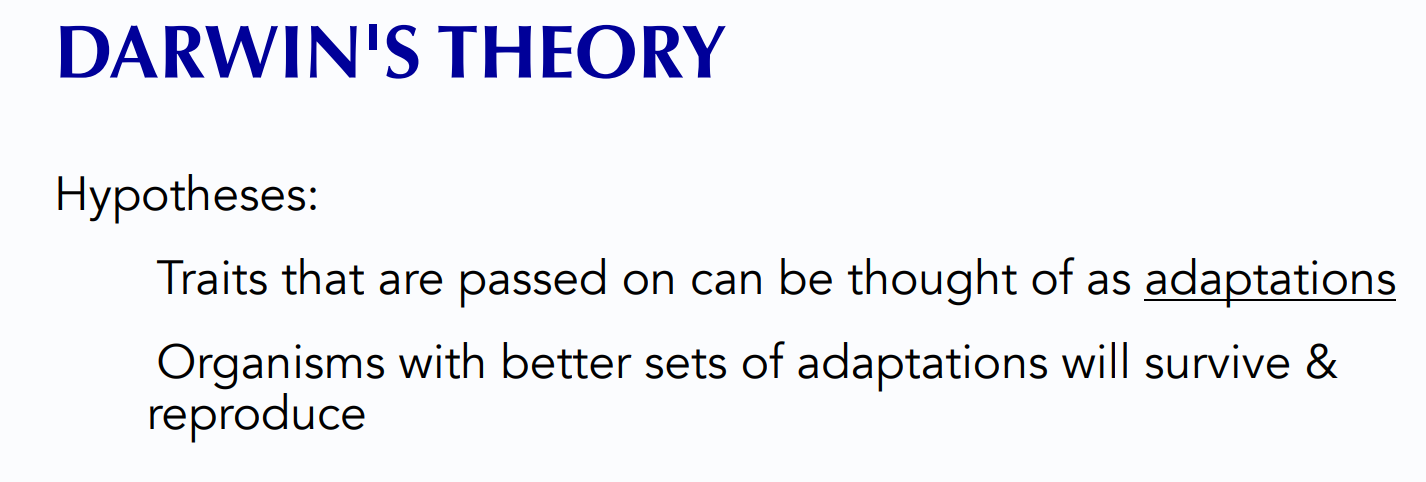
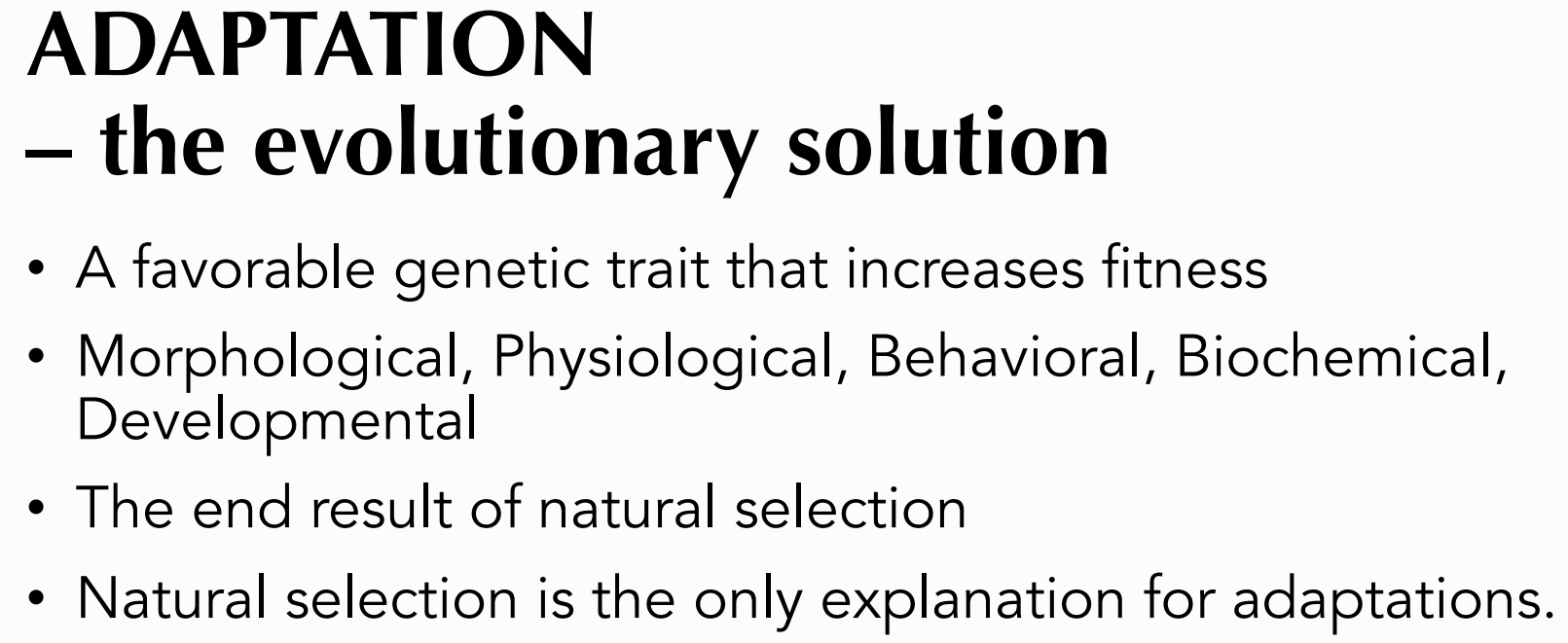
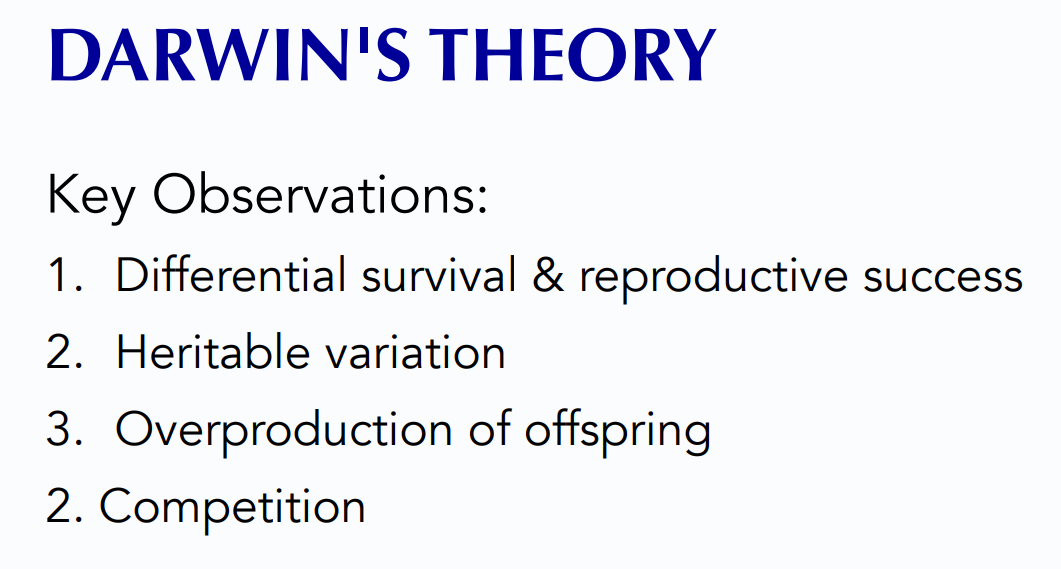
adaptation
________________ - the process by which a species becomes fitted to its environment; it is the result of natural selection’s acting upon heritable variation over several generations.
Abaptation
______________ - The process by which the present match between organisms and their environment, and the constraints on this match, have been determined by evolutionary forces acting on ancestors.
Abaptation
Adaptations; Abaptations
_____________ - The heritable characteristics of an organism are consequences of the past.
Present _____________ are consequences of past ______________
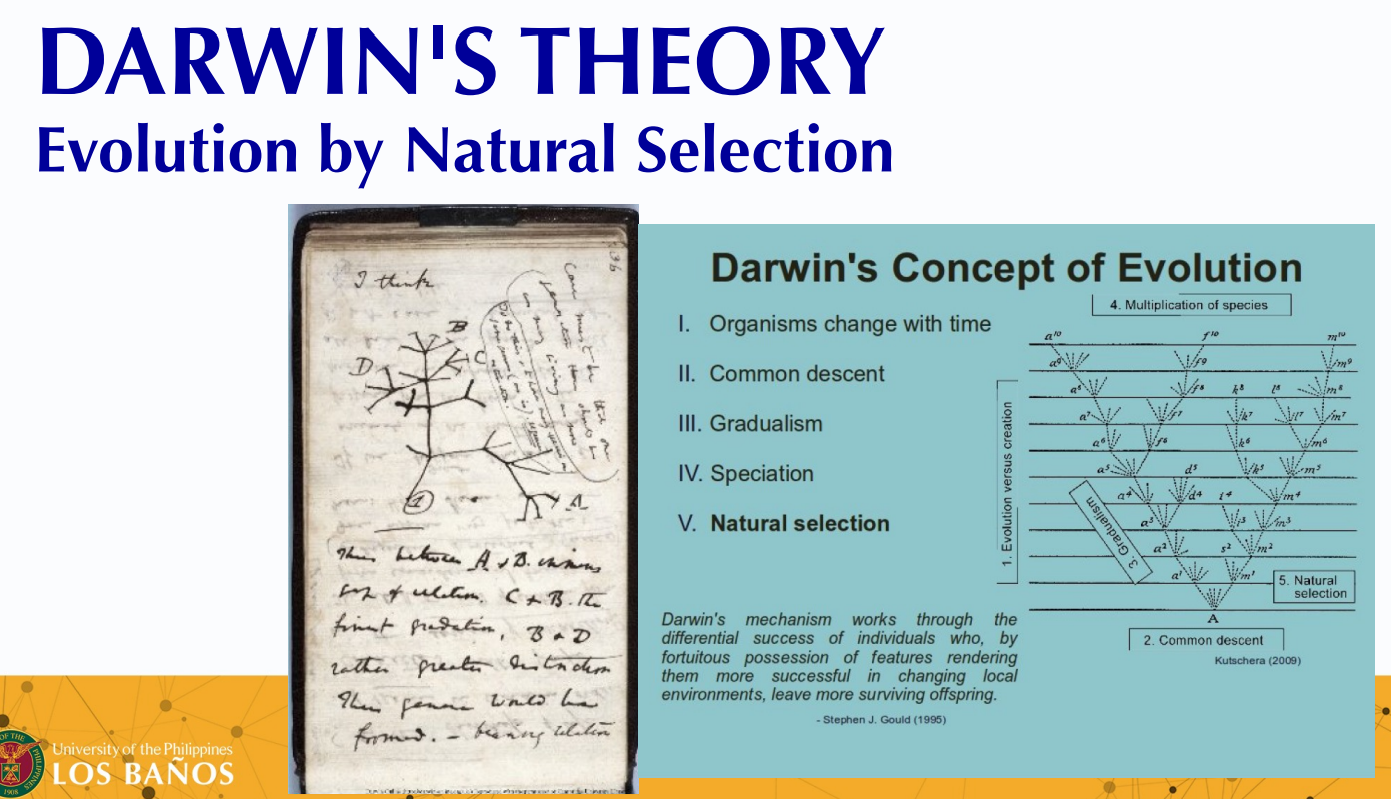
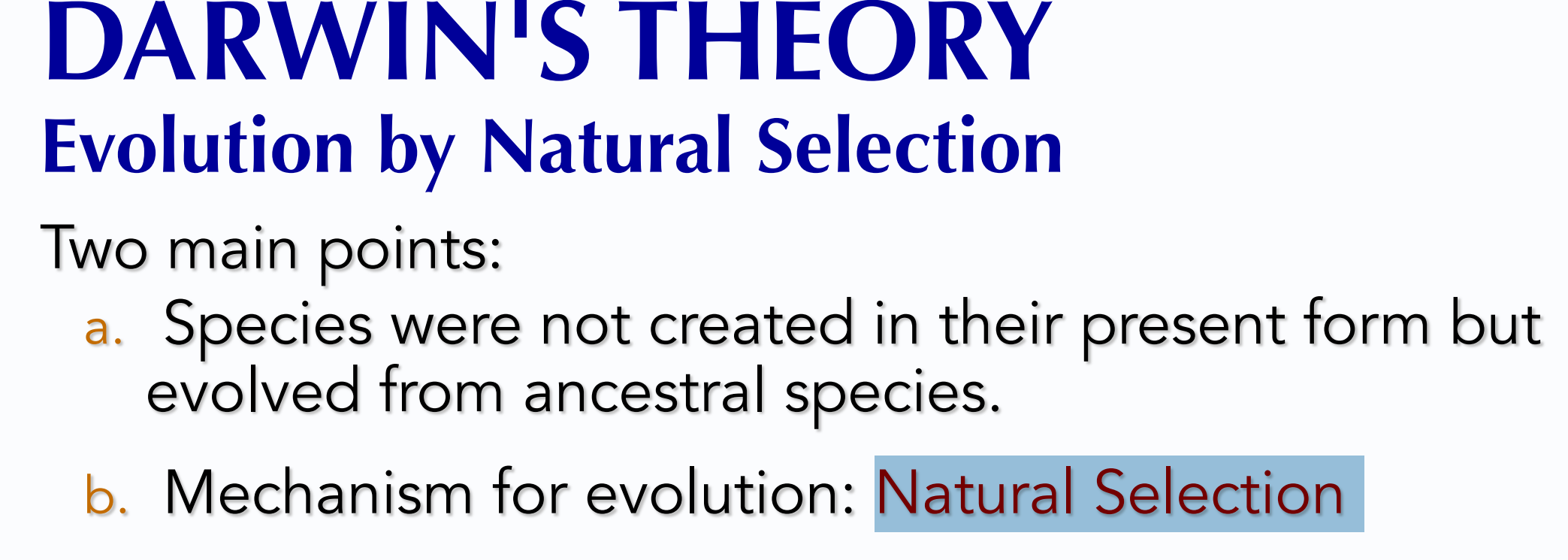
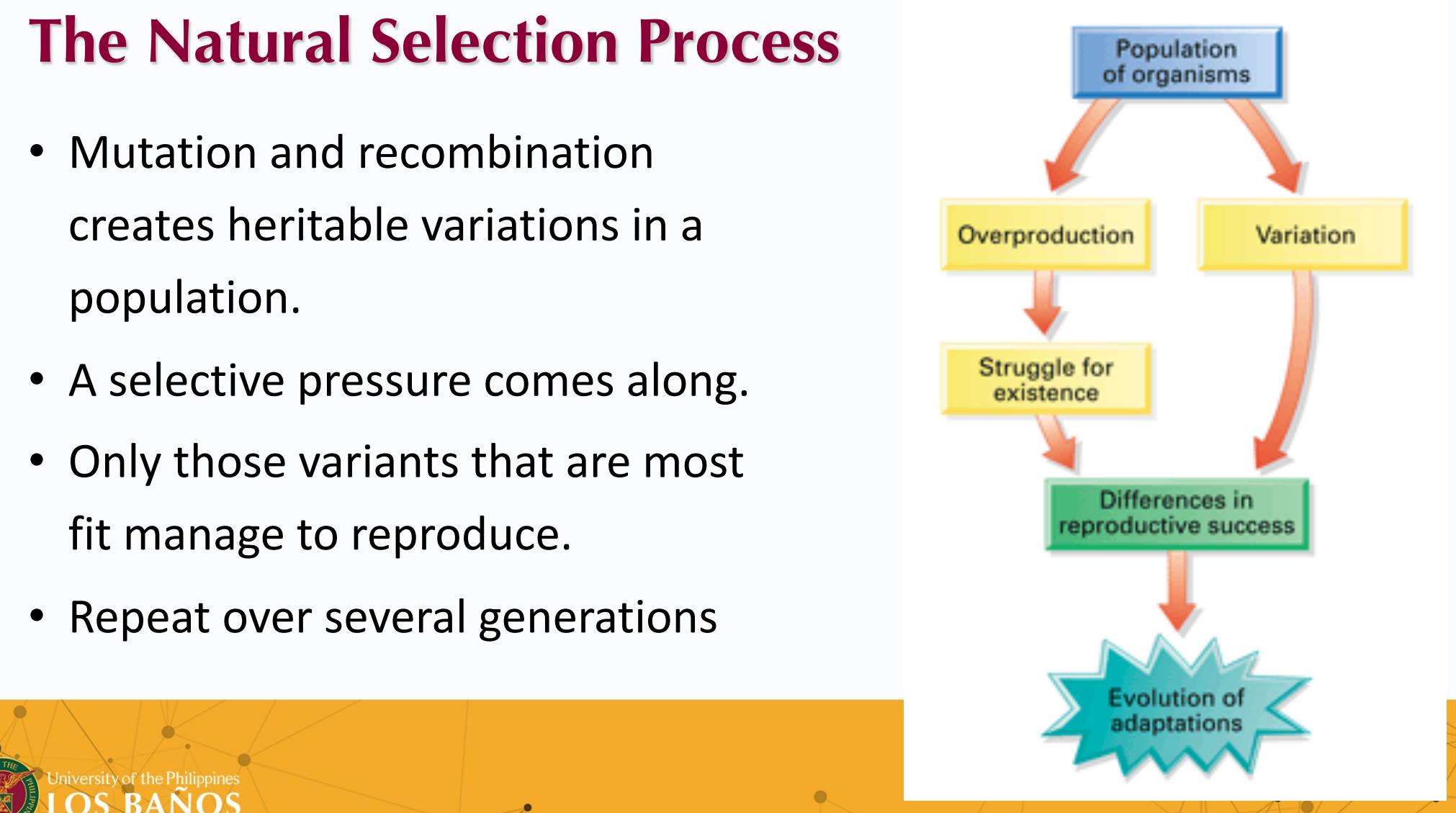
What is the mechanism for evolution?
Equilibrium Theory of Island Biogeography by MacArthur and Wilson (1960)
The theory states that small, protected areas isolated by modified habitats behave like “islands” and will lose some of their original species until a new equilibrium is reached, depending on the area’s size, richness & diversity, & its degree of isolation from other similar habitats.
Equilibrium Theory of Island Biogeography by MacArthur and Wilson (1960)
This theory predicts the possible number of species in an area depending on island size, distance from colonizing sources and stabilized local extinctions.
Biogeographic regions
_____________________ are results of long-term plate movements that isolated plates and brought plates together via land bridges and coalescence.
They are considered as Earth’s biological subdivision sharing similar organisms and different from those found in other regions.
Nearctic – N. America (U.S., Canada & parts of Mexico)
Palearctic – Eurasia
Ethiopian – Africa (sub-Saharan Africa)
Australian – Australia & New Guinea
The following are the Terrestrial Biogeographic Regions including the areas comprising these regions:
__________ – N. America (U.S., Canada & parts of Mexico)
__________ – Eurasia
__________ – Africa (sub-Saharan Africa)
__________ – Australia & New Guinea
Oriental – SE Asia
Neotropical – C & SAmerica; most of Mexico
Oceanian – Antarctica & Pacific Islands
The following are the Terrestrial Biogeographic Regions including the areas comprising these regions:
__________ – SE Asia
__________ – C & SAmerica; most of Mexico
__________ – Antarctica & Pacific Islands
Eastern Atlantic - Europe & W. Africa
Western Atlantic – NE & South America
Eastern Pacific – NW & South America
The following are the Marine Biogeographic Regions including the areas comprising these regions:
__________ - Europe & W. Africa
__________ – NE & South America
__________ – NW & South America
Indo-Western Pacific - China, SE Asia
Indian Ocean – between E Africa & around India
The following are the Marine Biogeographic Regions including the areas comprising these regions:
__________ - China, SE Asia
__________ – between E Africa & around India
Artificial Selection
________________ - The selective breeding of domesticated plants and animals by man
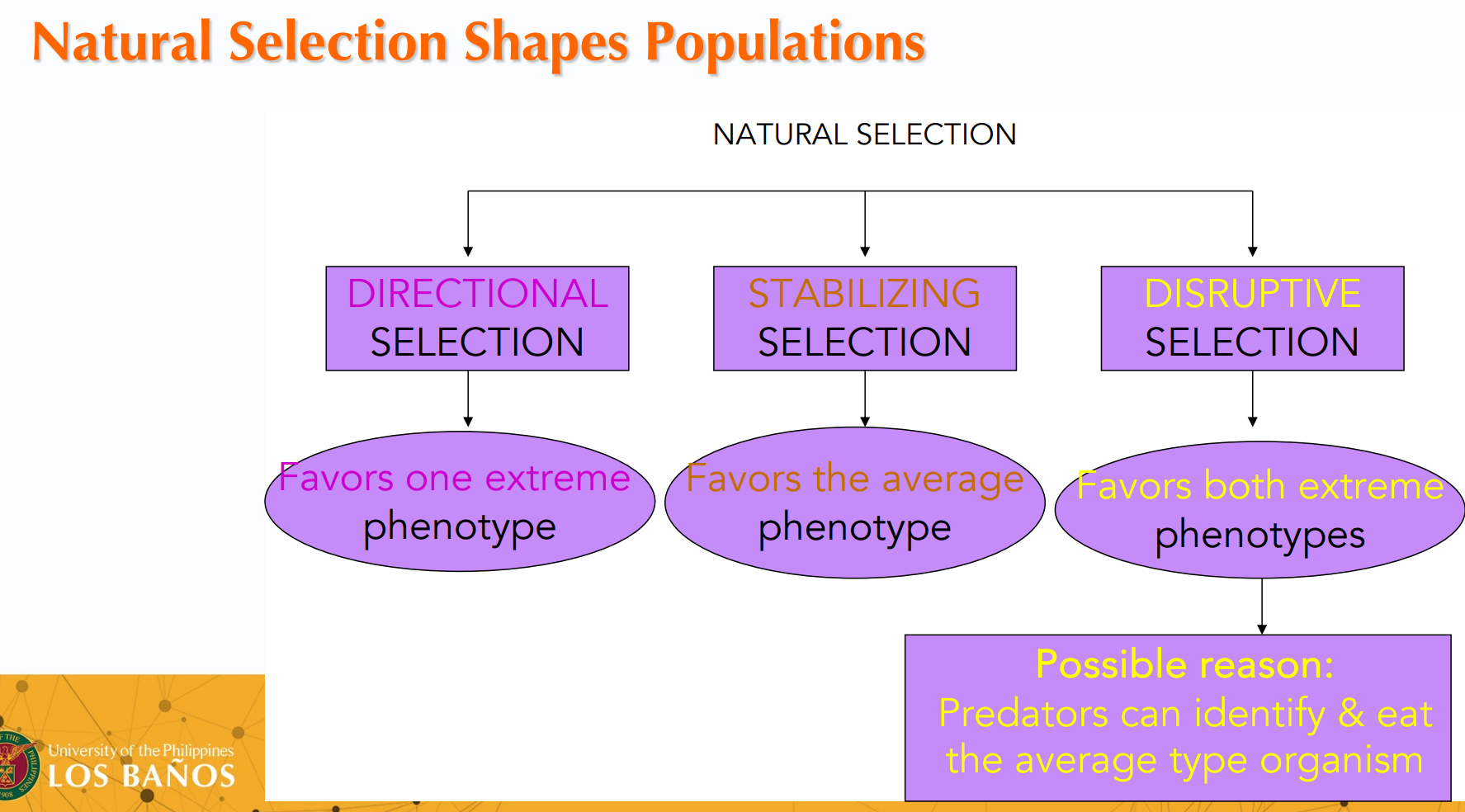
Directional
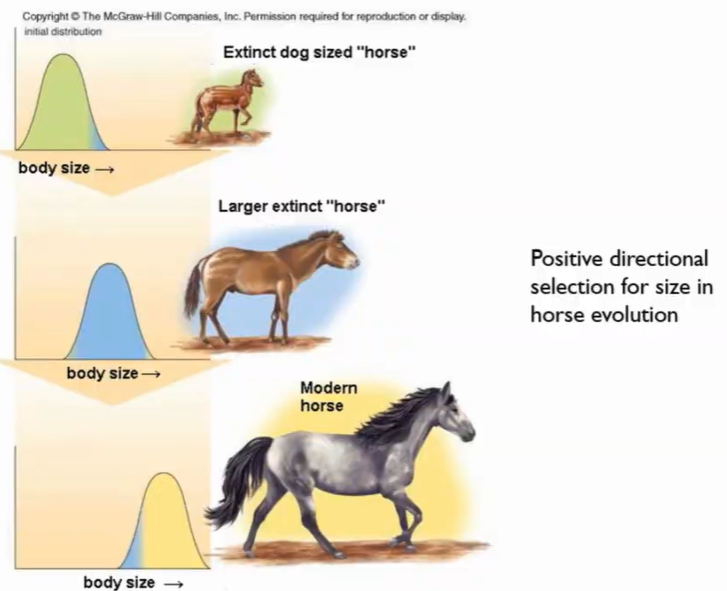
Modes of selection
_________________ - moves the frequency towards one direction; may be positive or purifying (removal of certain alleles.)
Stabilizing
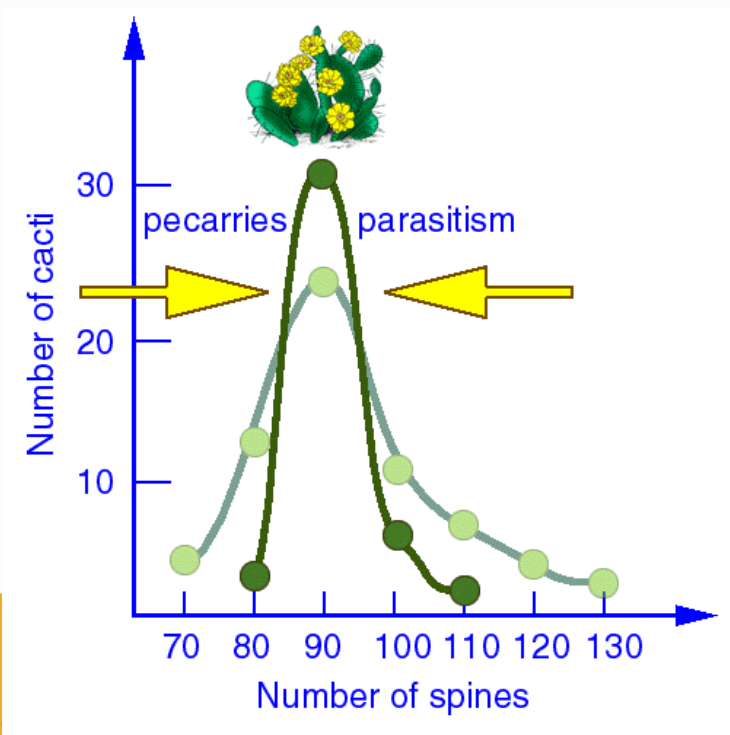
Modes of selection
_______________ - occurs when there is heterozygous advantage
Diversifying
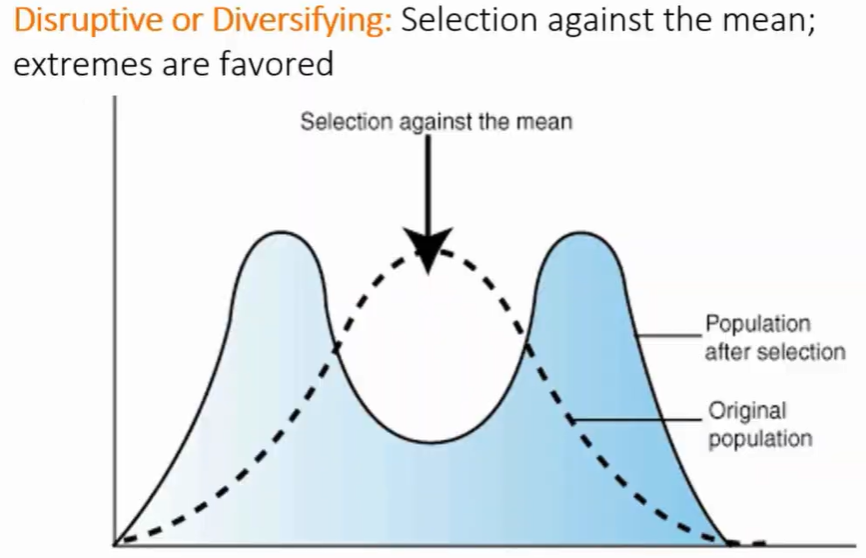
Modes of selection
________________ - selection against the mean; extremes are favored;
EVOLUTION
The change in genetic composition of a population over many generations
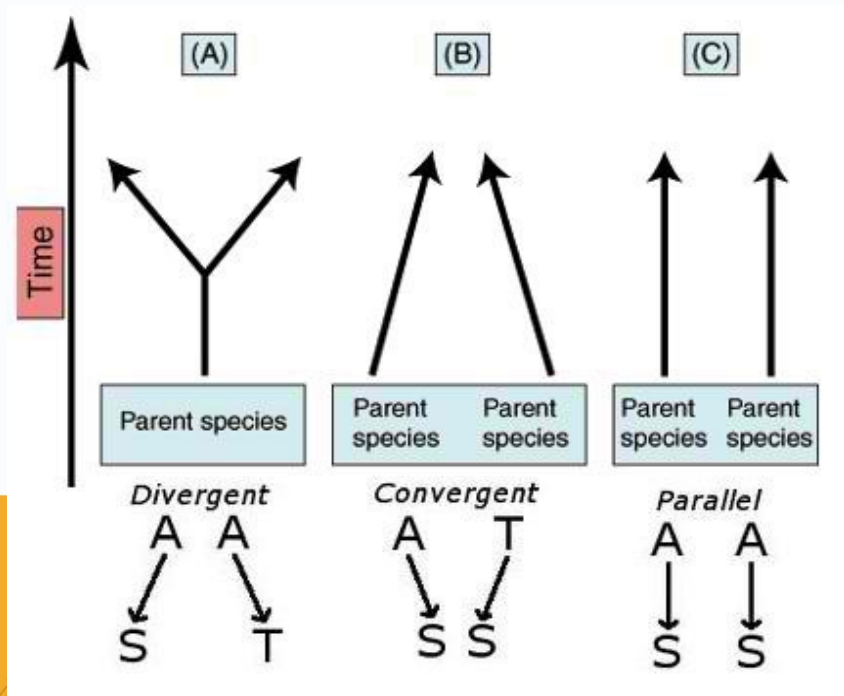
Divergent Evolution
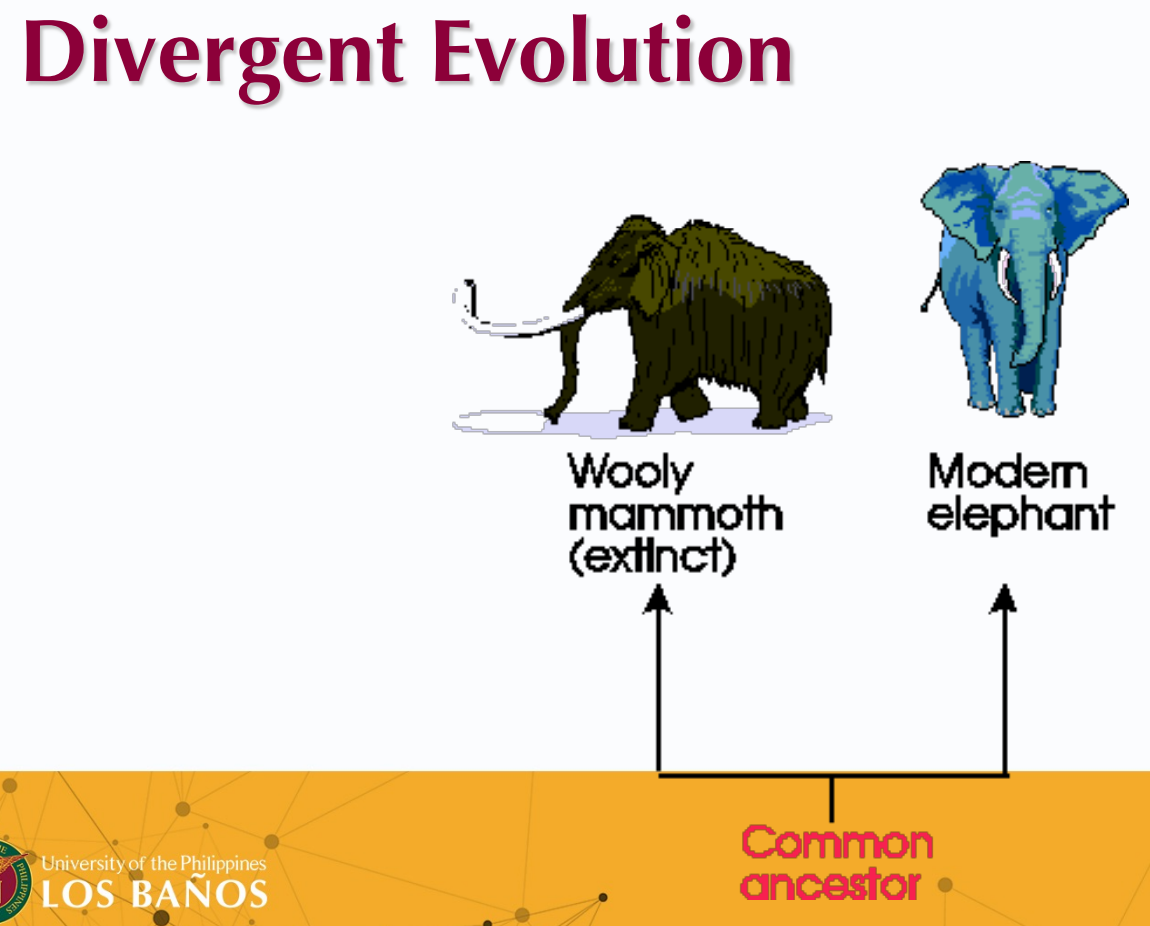
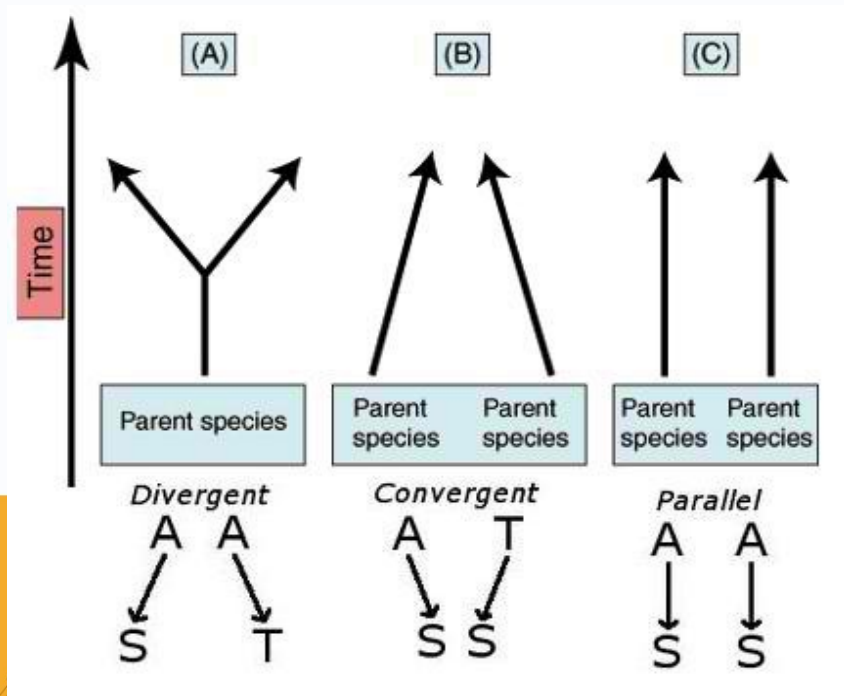
__________________
From a common phyletic line, but evolved into different species
Different species came about from being exposed to different environments
Adaptive Radiation
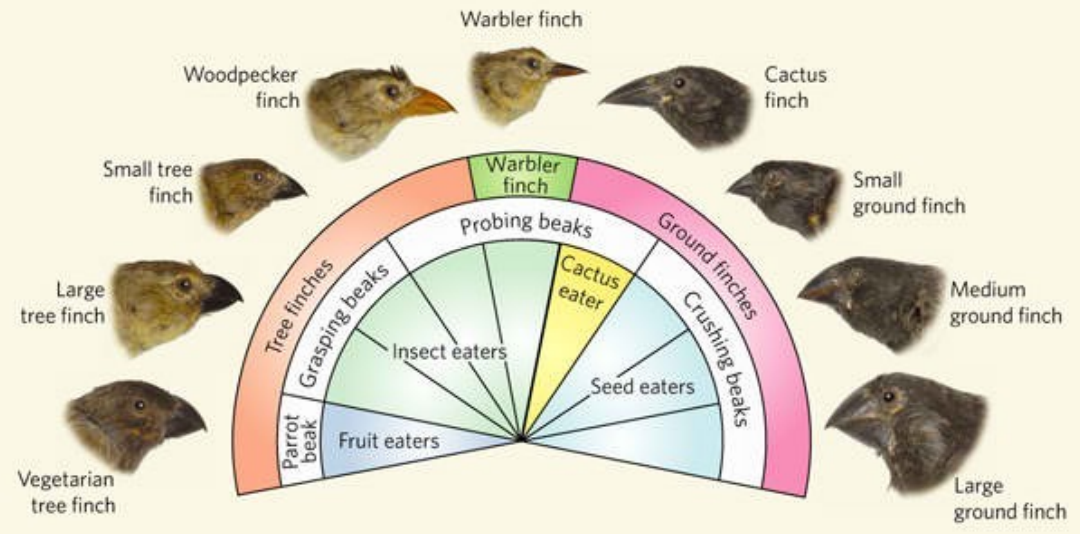
____________________
Emergence of numerous species from a common ancestor introduced to new and diverse environments.
Convergent Evolution
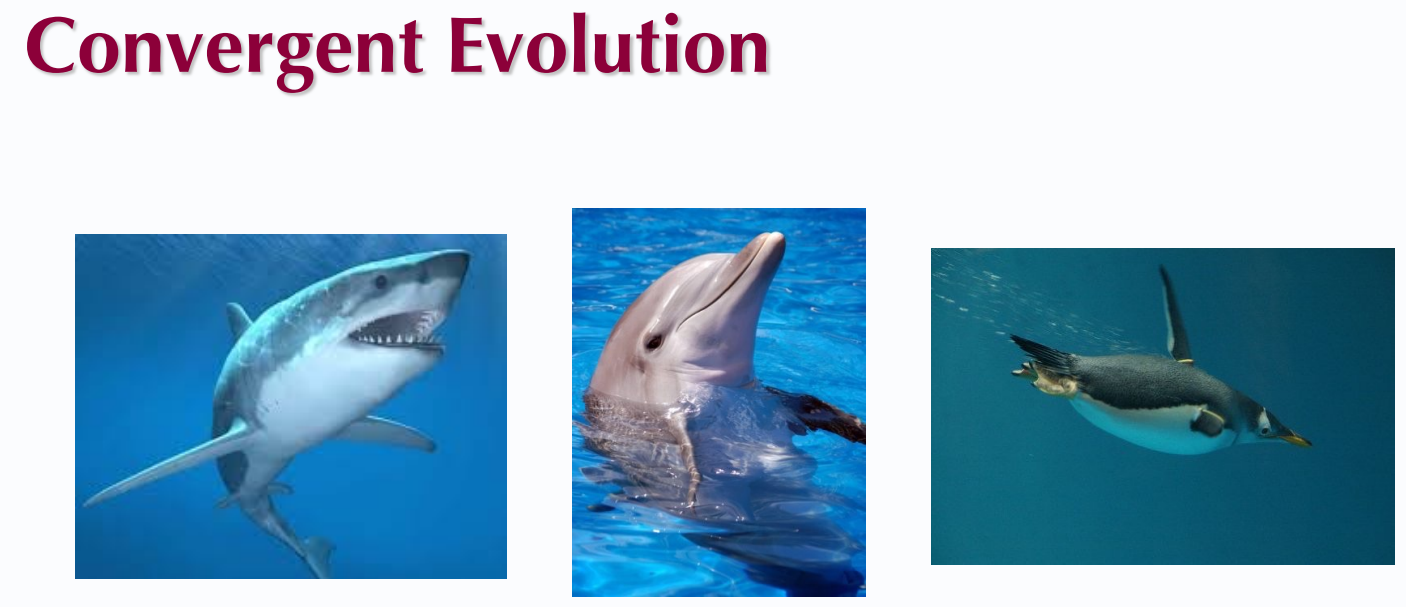
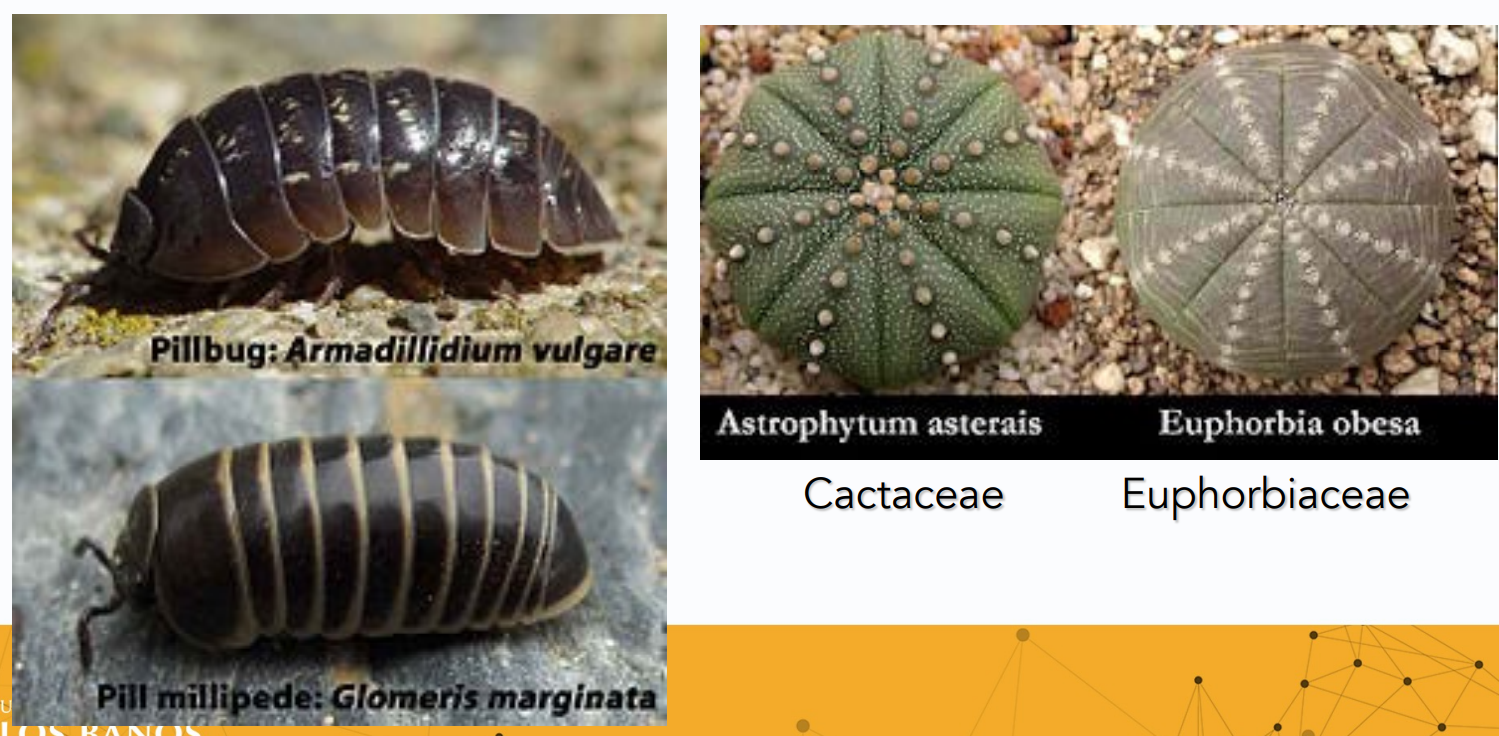
_________________
From different phyla but evolved the same characteristics
Different species resemble each other which came about from living in similar environments
Parallel Evolution
_______________
From same phyletic lines but separated by history
e.g. placental & marsupial mammals
Fossil
biogeography
anatomy; development
Molecular
Data used to study evolution
_________ records
Historical ____________
Comparative _________ and ___________
___________ data
Biological Species Concept
SPECIATION
How do species originate?
________________ - a group of morphologically similar organisms that interbreed in nature and are reproductively isolated from all other such groups
Phylogenetic
Morphological
____________________ species concept – species is an irreducible (basal) cluster of organisms that is diagnosably distinct from other such clusters
______________ species concept – based on distinctive morphological features
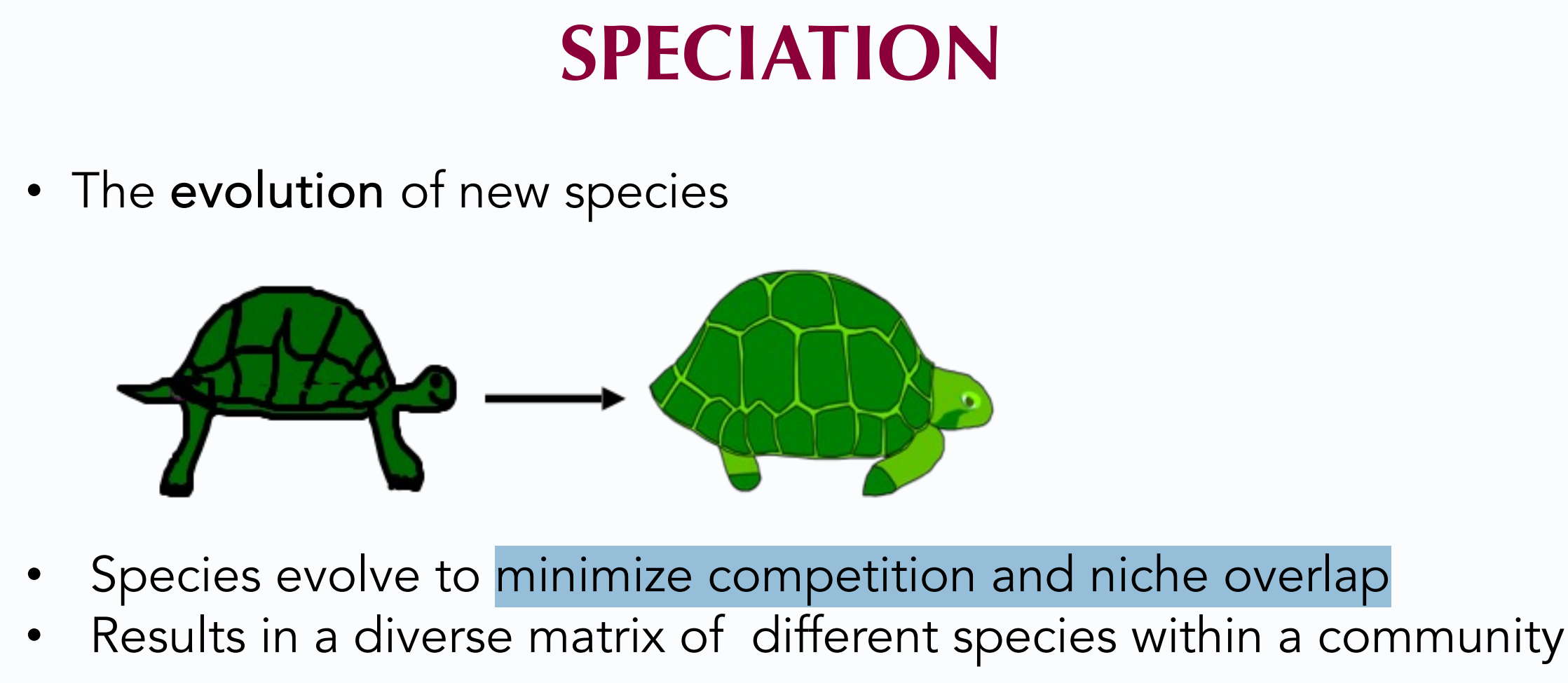
Why do species evolve?
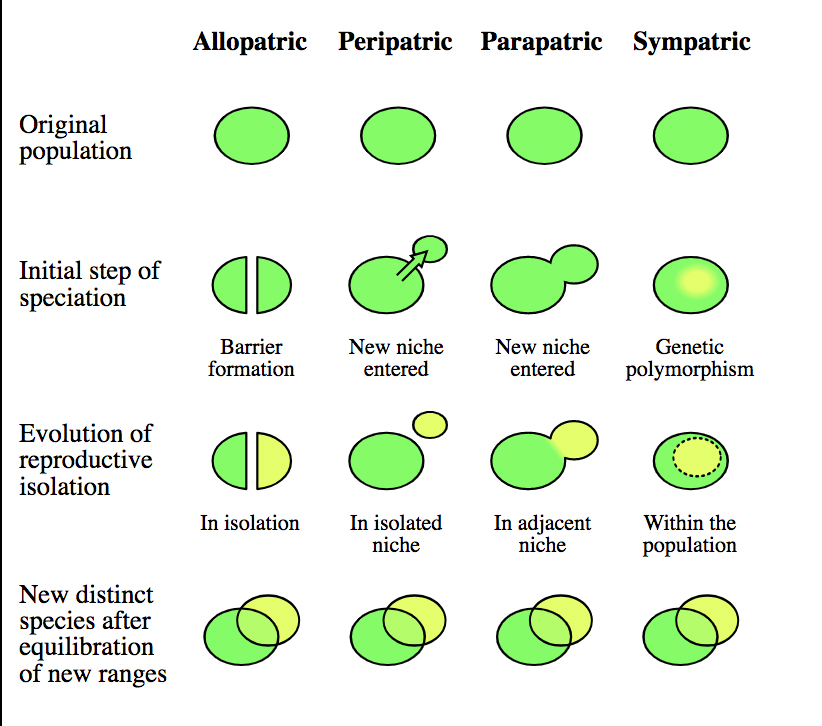
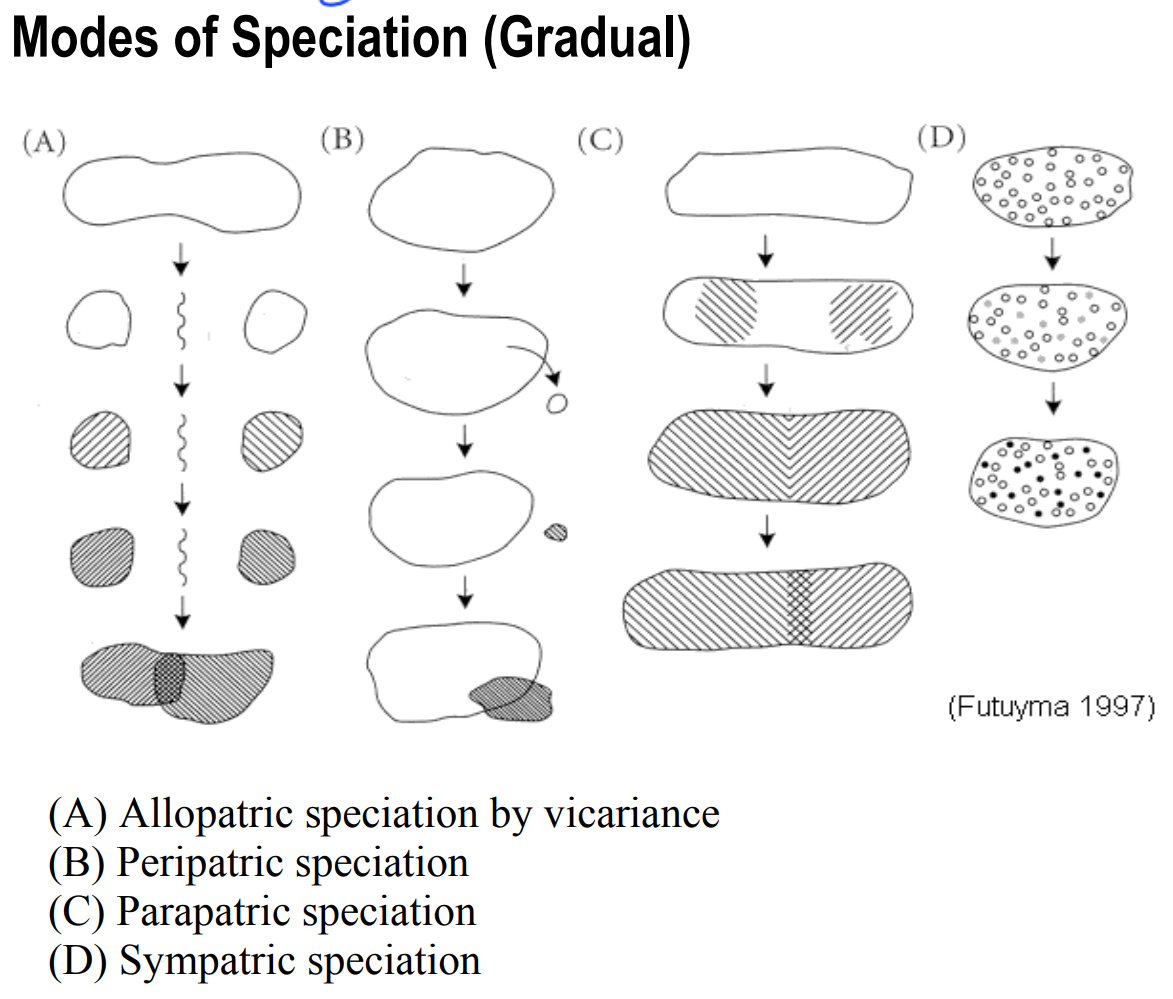
Allopatric speciation (by vicariance)
Modes of Speciation
the evolution of genetic reproductive barriers between populations that are geographically separated by a physical barrier
Peripatric speciation
Modes of Speciation
occurs when a small subset of a population is isolated (becomes peripheral), and genetic drift and natural selection drive evolution of reproductive isolation between the source and founding populations
Parapatric speciation
Modes of Speciation
occurs when divergent selection is stronger than gene flow between populations in adjacent areas
limited interbreeding
Parapatric speciation
Modes of Speciation
limited interbreeding
ranges do not overlap but are immediately adjacent to each other (minimal contact)
Sympatric speciation
Modes of Speciation
occurs when a biological barrier to gene exchange arose within an initially randomly mating population without spatial segregation of incipient species.
Sympatric speciation
Modes of Speciation
sexual selection by females may drive __________ speciation
Sympatric speciation
Modes of Speciation
involves abrupt genetic changes that quickly leads to reproductive isolation of a group of individuals
Ex. polyploidization
Sympatric speciation
Modes of Speciation
genetic changes enable members of a species to occupy a new niche within the same geographic range
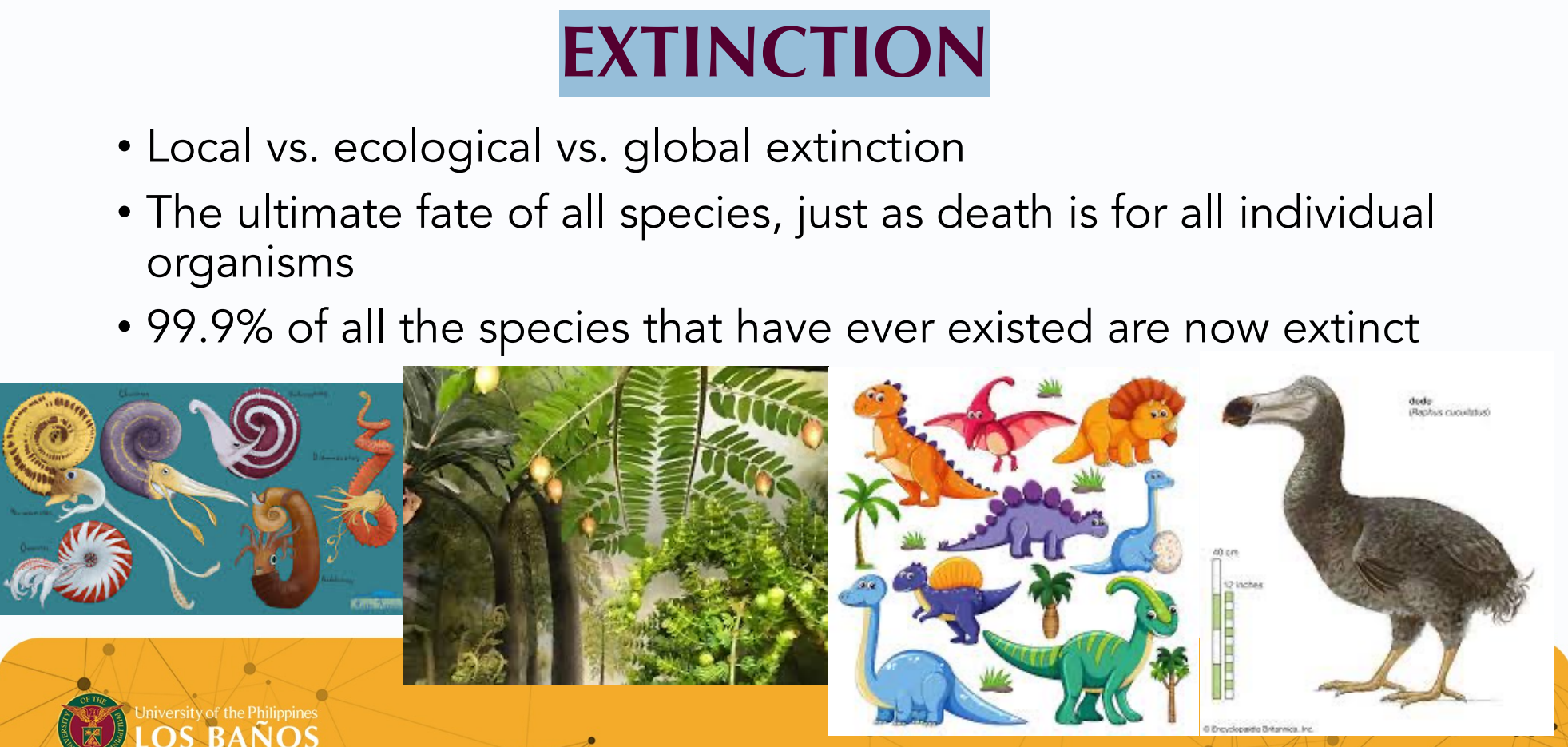
The ultimate fate of all species, just as death is for all individual organisms
environment
genes
mutations; quickly
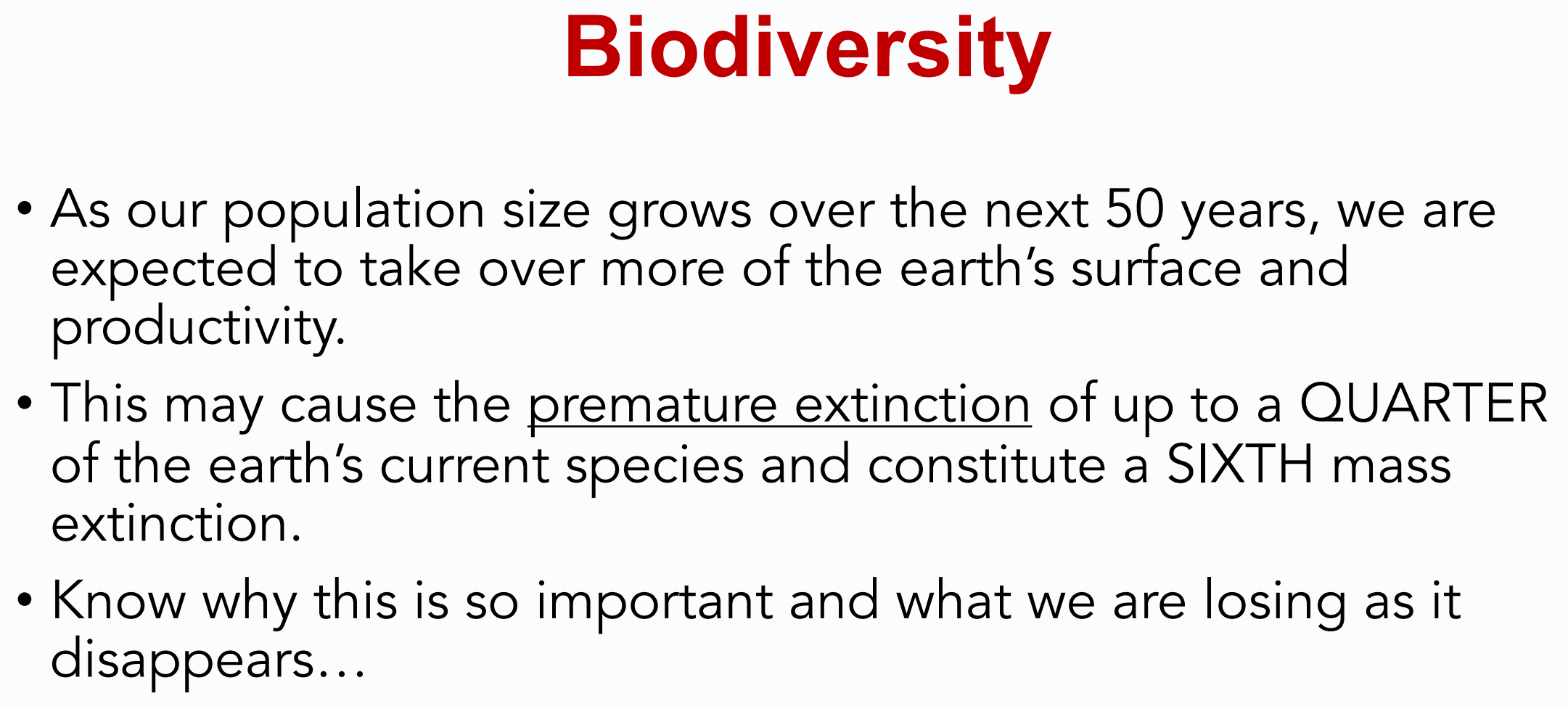
Extinction in the Context of Evolution
IF
the _____________ changes rapidly
the species living in these environments do not already possess __________ which enable survival in the face of such change
random __________ do not accumulate __________ enough then,
All members of the unlucky species may die.
Genetics and Demographics
Extinction Extinction caused by humans goes as far as thousands of years ago. In the Americas, large animals became extinct around the same time as the first human presence there. It is typically caused by opening of new niches that some organisms cannot readily adapt to or by removing interspecific competition. The main causes of extinction include the following:
____________________ - Small populations increase risk of extinction Mutations can cause a flux in natural selection which overrules the expression of beneficial genetic traits. Shallow gene pools may promote massive inbreeding leading to loss of genetic diversity.
Habitat degradation
Extinction Extinction caused by humans goes as far as thousands of years ago. In the Americas, large animals became extinct around the same time as the first human presence there. It is typically caused by opening of new niches that some organisms cannot readily adapt to or by removing interspecific competition. The main causes of extinction include the following:
__________________ - It is considered one of the most influential causes of extinction. It may be due anthropogenic or natural occurrences.
Toxicity
Extinction Extinction caused by humans goes as far as thousands of years ago. In the Americas, large animals became extinct around the same time as the first human presence there. It is typically caused by opening of new niches that some organisms cannot readily adapt to or by removing interspecific competition. The main causes of extinction include the following:
___________________ - Increasing toxicity leads to increasing competition for habitat resources. Toxicity can kill off species directly through food/water & indirectly via sterilization. It can occur in a single or over several generations.
Habitat destruction
Extinction Extinction caused by humans goes as far as thousands of years ago. In the Americas, large animals became extinct around the same time as the first human presence there. It is typically caused by opening of new niches that some organisms cannot readily adapt to or by removing interspecific competition. The main causes of extinction include the following:
_____________________ - Elimination of living space can cause change in habitat such as changing rainforest to pasture lands. It leads to diminished resources and thus increasing competition. Recently, most habitat destruction is due to human causes. Natural processes such as volcanic eruption, flood and drought can also destroy habitats.
Predator introduction
Extinction Extinction caused by humans goes as far as thousands of years ago. In the Americas, large animals became extinct around the same time as the first human presence there. It is typically caused by opening of new niches that some organisms cannot readily adapt to or by removing interspecific competition. The main causes of extinction include the following:
__________________ - Invasive alien species may be transported by humans on or not on purpose. Predators can eat other species and compete with food sources. They may also introduce diseases that may prove lethal to the prey or other species they may encounter.

