Chapter 18 pt 2: The History of Life: From the First Eukaryotes to Humans
 Studied by 0 people
 Call Kai
 Learn
Learn Practice Test
 Spaced Repetition
 Match
Match Flashcards
 Knowt Play
1/9

Earn XP
Description and Tags
These flashcards cover key vocabulary related to the history of life on Earth, including concepts from evolutionary biology, the emergence of multicellular organisms, and the evolution of humans.
Name | Mastery | Learn | Test | Matching | Spaced | Call with Kai |
|---|
No analytics yet
Send a link to your students to track their progress
10 Terms
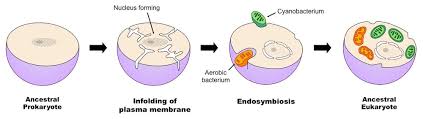
Endosymbiosis
A relationship where one organism lives inside another, leading to the development of eukaryotic cells.
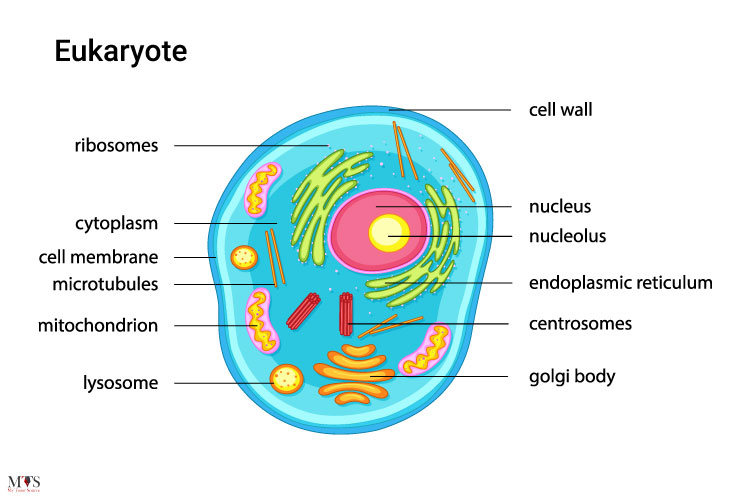
Eukaryotes
Organisms with cells that have a nucleus and other structures enclosed by membranes.
Cambrian Explosion
A period around 541 million years ago when many new types of multicellular life rapidly appeared.
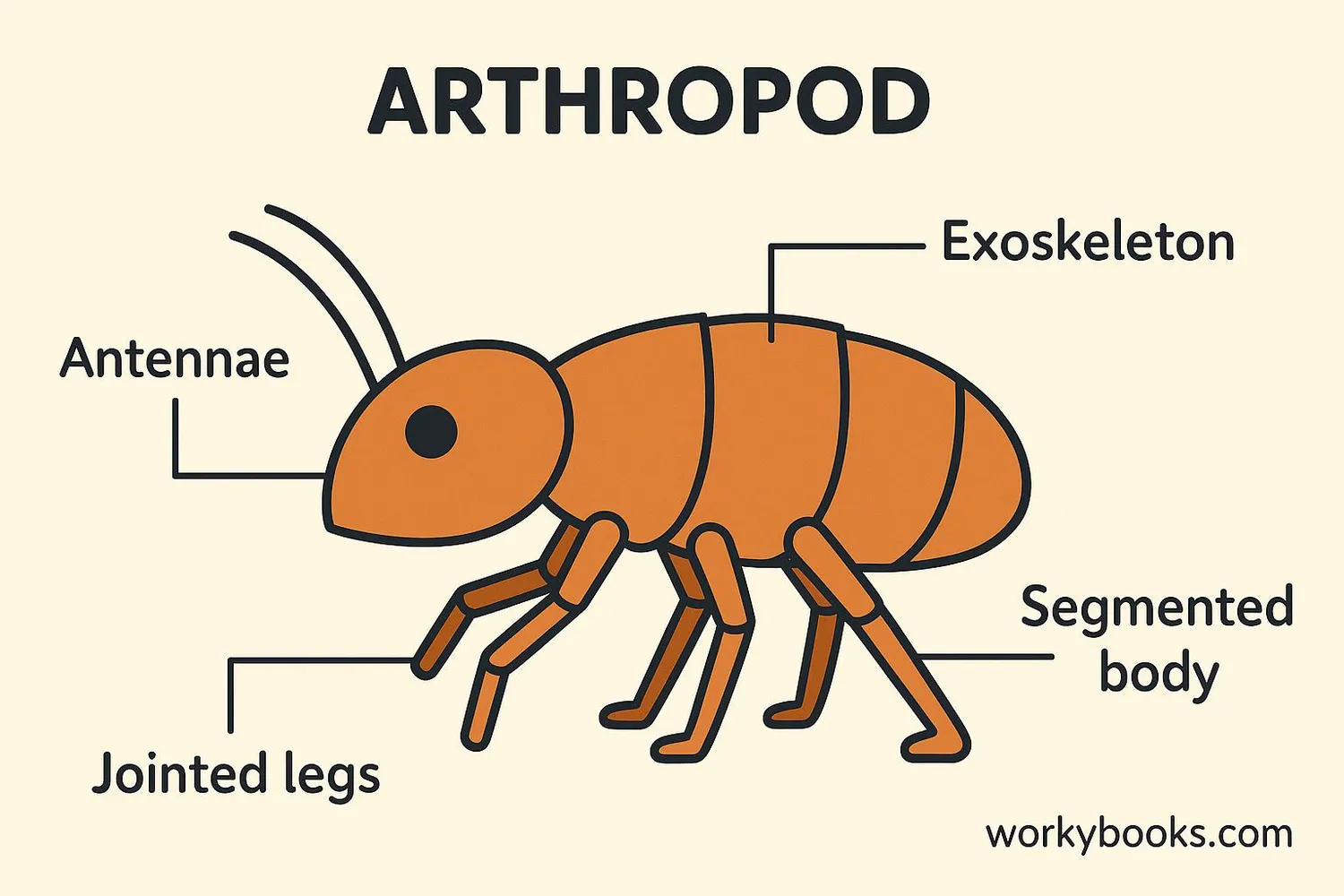
Exoskeleton
A hard outer covering that supports and protects arthropods.
Multicellularity
The state of an organism being made of many cells, allowing for more complex life forms.
Biological Extinction
When an entire species or group of organisms dies out, reducing the variety of life.
Continental Drift
The slow movement of Earth's continents, which changes climates and environments.
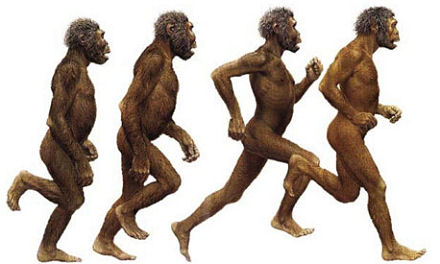
Hominins
The group of species that includes modern humans and our ancient relatives, known for walking on two legs.
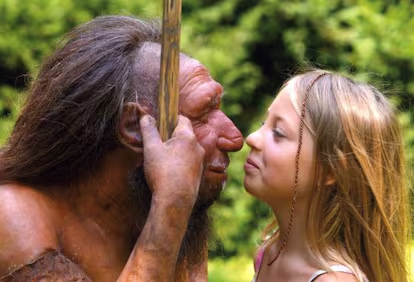
Neanderthals
An ancient human species that lived in Europe and Asia from about 400,000 to 40,000 years ago, closely related to modern humans.
Cultural Evolution
The way culture and behaviors develop and are passed down through learning from one generation to the next.
 Note
Note  Flashcards (78)