Building blocks and biological functions of the four classes of macromolecules that make up the human body: Carbohydrates, Lipids, Nucleic Acids & Proteins
 Call Kai
 Learn
Learn Practice Test
 Spaced Repetition
 Match
Match Flashcards
 Knowt Play
1/55

There's no tags or description
Looks like no tags are added yet.
Name | Mastery | Learn | Test | Matching | Spaced | Call with Kai |
|---|
No analytics yet
Send a link to your students to track their progress
56 Terms
What are macromolecules
Large polymers made of repeating units called monomers

What is a monomer
A small, repeating building block of a polymer
What is a polymer
A chain-like molecule made of many monomers
What are the four classes of macromolecules
Carbohydrates
Lipids
Nucleic acids
Proteins
What elements do carbohydrates contain
Carbon
Hydrogen
Oxygen
Example of a carbohydrate
Glucose (C₆H₁₂O₆)
What are the building blocks of carbohydrates
Monosaccharides (simple sugars)
What is a monosaccharide
A single sugar monomer
(e.g., glucose)
What is a disaccharide
Two sugar monomers joined together
(e.g., sucrose, lactose)
What is a polysaccharide
Many sugar monomers linked together
(e.g., glycogen)
Main function of carbohydrates
Provide energy for cellular function
How does glucose provide energy
It is used to make ATP
What is glycogen
A storage form of glucose in the body
What are the three types of lipids?
Triglycerides
Phospholipids
Steroids
Building blocks of triglycerides
Fatty acids and glycerol
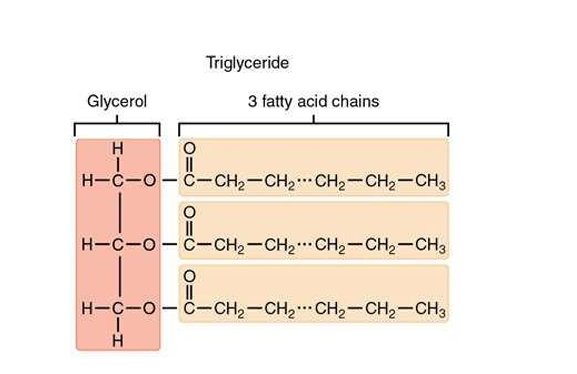
Functions of triglycerides
Long‑term energy storage
Thermal insulation
Protection from mechanical traum
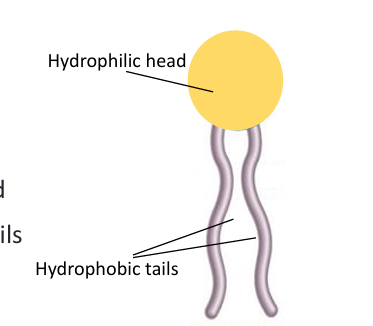
Structure of a phospholipid
Hydrophilic “water‑loving” head
Hydrophobic “water‑fearing” tails
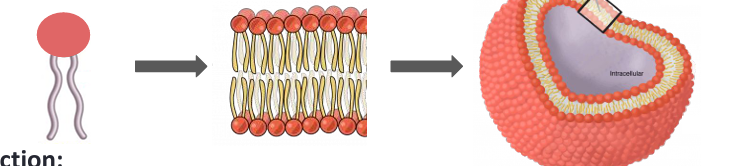
Function of phospholipids
Form the phospholipid bilayer of all cell membranes
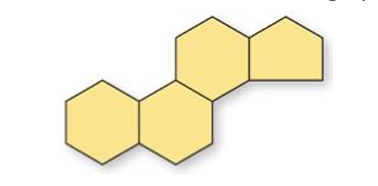
What is the basic structure of steroids
Flat molecules made of four interlocking hydrocarbon rings
Why is cholesterol essential for cell membranes
It helps maintain membrane stability and fluidity
How is cholesterol related to hormones
It is the precursor for hormones, which act as chemical messengers regulating physiological processes
How is cholesterol related to vitamin D
It is required to produce vitamin D, essential for bone growth
What are bile salts and how are they related to cholesterol
Bile salts are made from cholesterol and aid in fat digestion
What are nucleic acids
The largest molecules in the body; they store and transmit genetic information
What are the two types of nucleic acids
DNA (deoxyribonucleic acid)
RNA (ribonucleic acid)
What are the building blocks of nucleic acids
Nucleotides
What are the three components of a nucleotide
A phosphate group
A ribose sugar
A nucleotide base
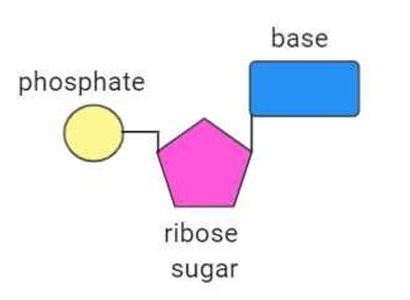
Key difference between DNA and RNA
DNA stores genetic information
RNA helps build proteins
What is the main function of nucleic acids
They store and transmit hereditary information
How do nucleic acids relate to proteins
They provide the instructions for building every protein in the body
What is a gene
A segment of DNA that contains instructions for making one protein
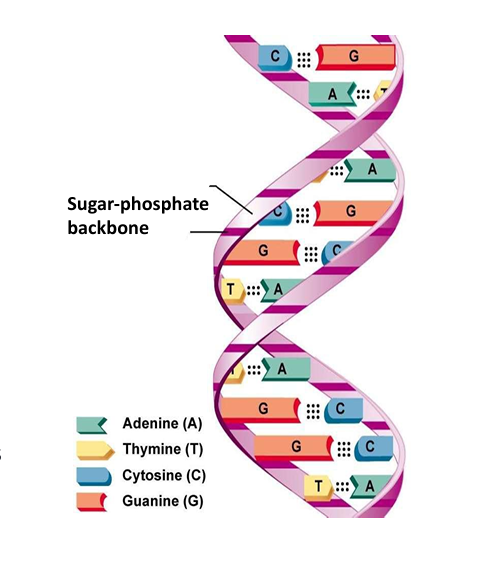
What is the structure of DNA
A double helix formed from two strands of nucleotides
What holds the two DNA strands together
Complementary base pairing between nucleotide bases
What is the structure of RNA
A single strand of nucleotides
What is the main function of RNA
It carries out protein synthesis as instructed by DNA
How does RNA relate to DNA
DNA provides the instructions
RNA performs the steps needed to build proteins
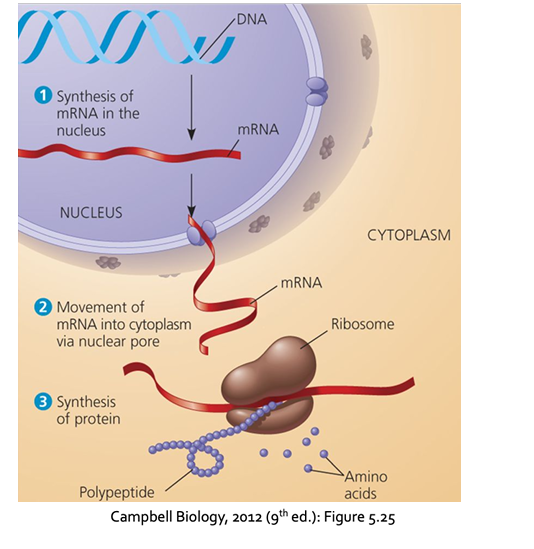
What is transcription
The process where a DNA sequence is copied into a complementary strand of mRNA, allowing genetic instructions to leave the nucleus and move to the ribosome
What is translation
The process where the ribosome reads mRNA and uses tRNA to assemble amino acids in the correct order, building a protein according to the original DNA instructions
What is ATP
An adenosine nucleotide with two extra phosphate groups (three total)
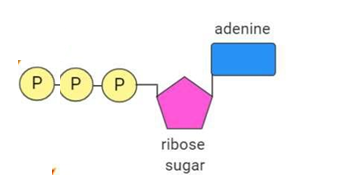
Why does ATP store energy
he bonds between phosphate groups hold potential energy
How does ATP release energy
Breaking a phosphate bond releases energy for cellular functions
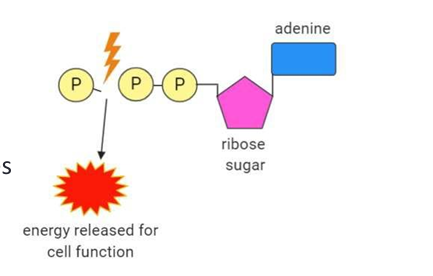
What is the main role of ATP
It provides an easily accessible energy source for the cell
What are the building blocks of proteins
Amino acids
What determines a protein’s function
Its structure — the specific 3‑D shape it folds into
What are the two structural types of proteins
Fibrous proteins
Globular proteins
What determines the structure of a protein
The identity and sequence of amino acids.
How the amino‑acid chain folds into its 3‑D shape.
How do amino acids form peptides and proteins
Amino acids link together by peptide bonds to form peptides (short chains).
As more amino acids join, peptides grow into polypeptides, which fold into specific 3‑D shapes to become functional proteins
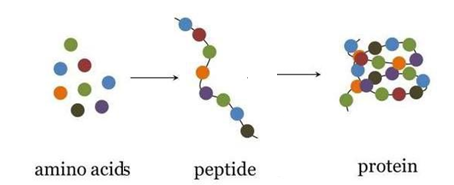
What are fibrous proteins
Elongated
Strand‑like
Stable proteins that provide mechanical support and tensile strength
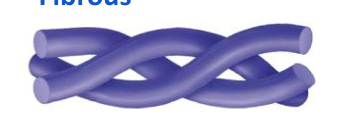
Examples of fibrous (structural) proteins
Keratin and collagen
What are globular proteins
Compact
Spherical
Chemically active proteins crucial for biological processes
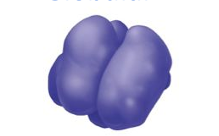
Examples of globular (functional) proteins
Hormones and enzymes
What type of protein is an enzyme
A globular, functional protein that speeds up chemical reactions
Why does protein structure matter
A protein’s function depends entirely on its 3‑D shape; any change in structure can alter or destroy its function
What is protein denaturation
When a protein’s shape is altered so much that its function is lost; the nature of the protein has been changed
Why must the body maintain stable internal conditions
Because the function of every cell, tissue, organ, and system depends on properly shaped proteins
What internal changes can cause protein denaturation
Changes in pH and temperature

