Scientific Method
 Call Kai
 Learn
Learn Practice Test
 Spaced Repetition
 Match
Match Flashcards
1/19

There's no tags or description
Looks like no tags are added yet.
Name | Mastery | Learn | Test | Matching | Spaced | Call with Kai | Chat |
|---|

20 Terms
After you write your problem and do your research what do you do next?
Write a hypothesis
Independent Variable
The variable that I CAN change in an investigation.
dependent variable
The variable that is measured. It responds to the change made by the experimenter.
control group
The group that does not get any changes. It is the "normal" I compare my results to it.
constants
What I need to keep the same in an experiment. I should have at least 3.
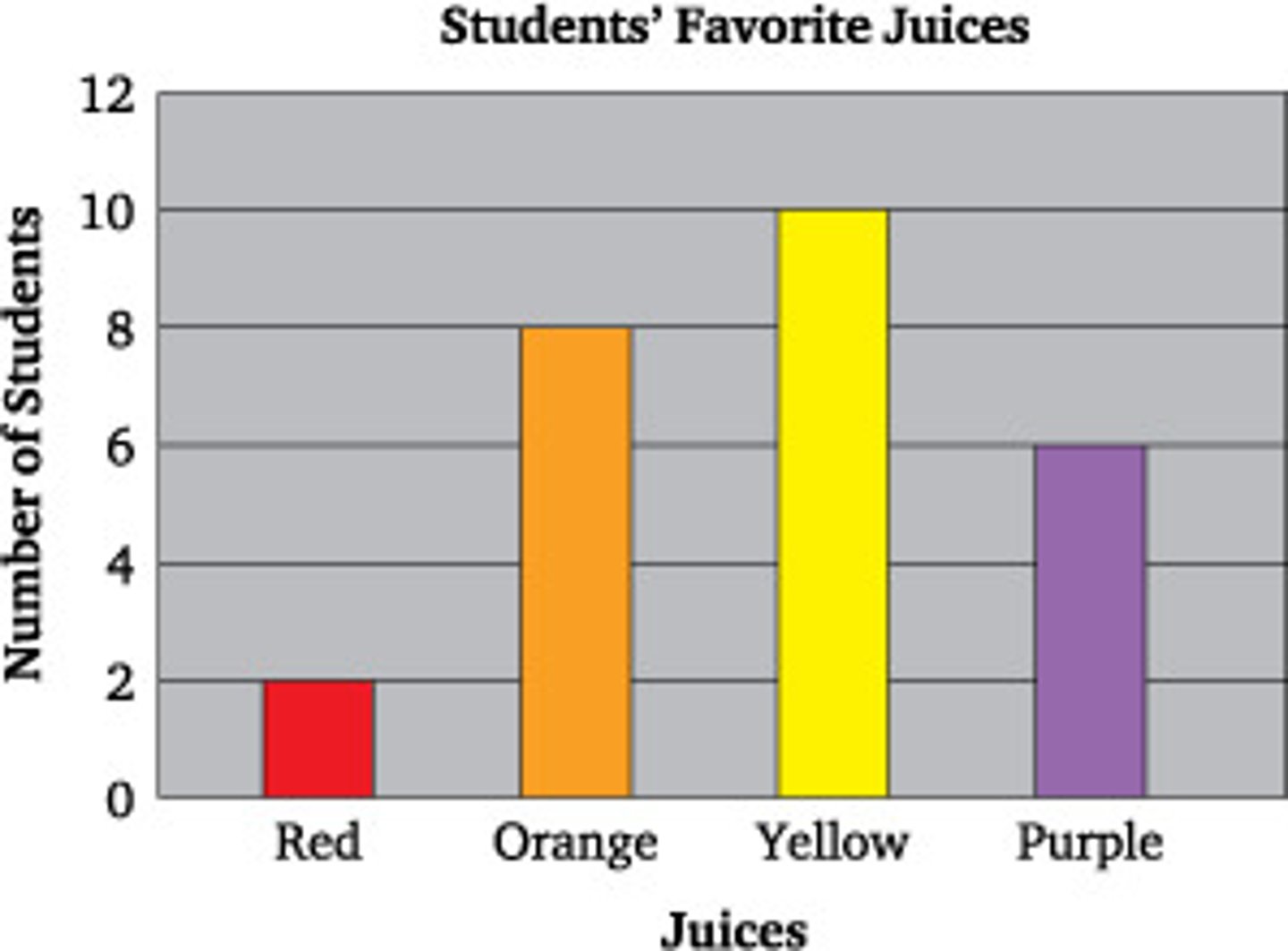
Use a bar graph to
compare data
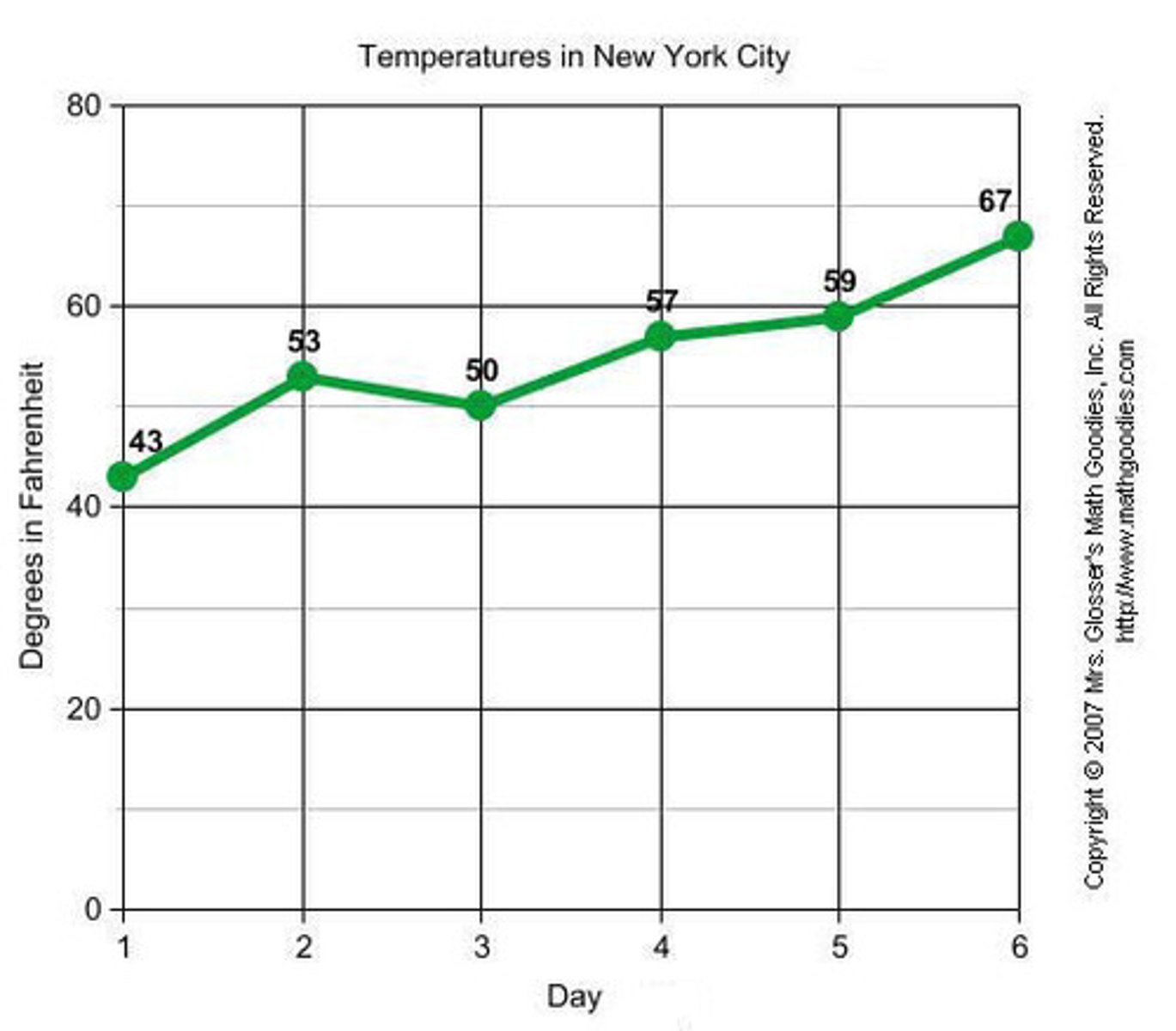
Use a line graph
to show change over time
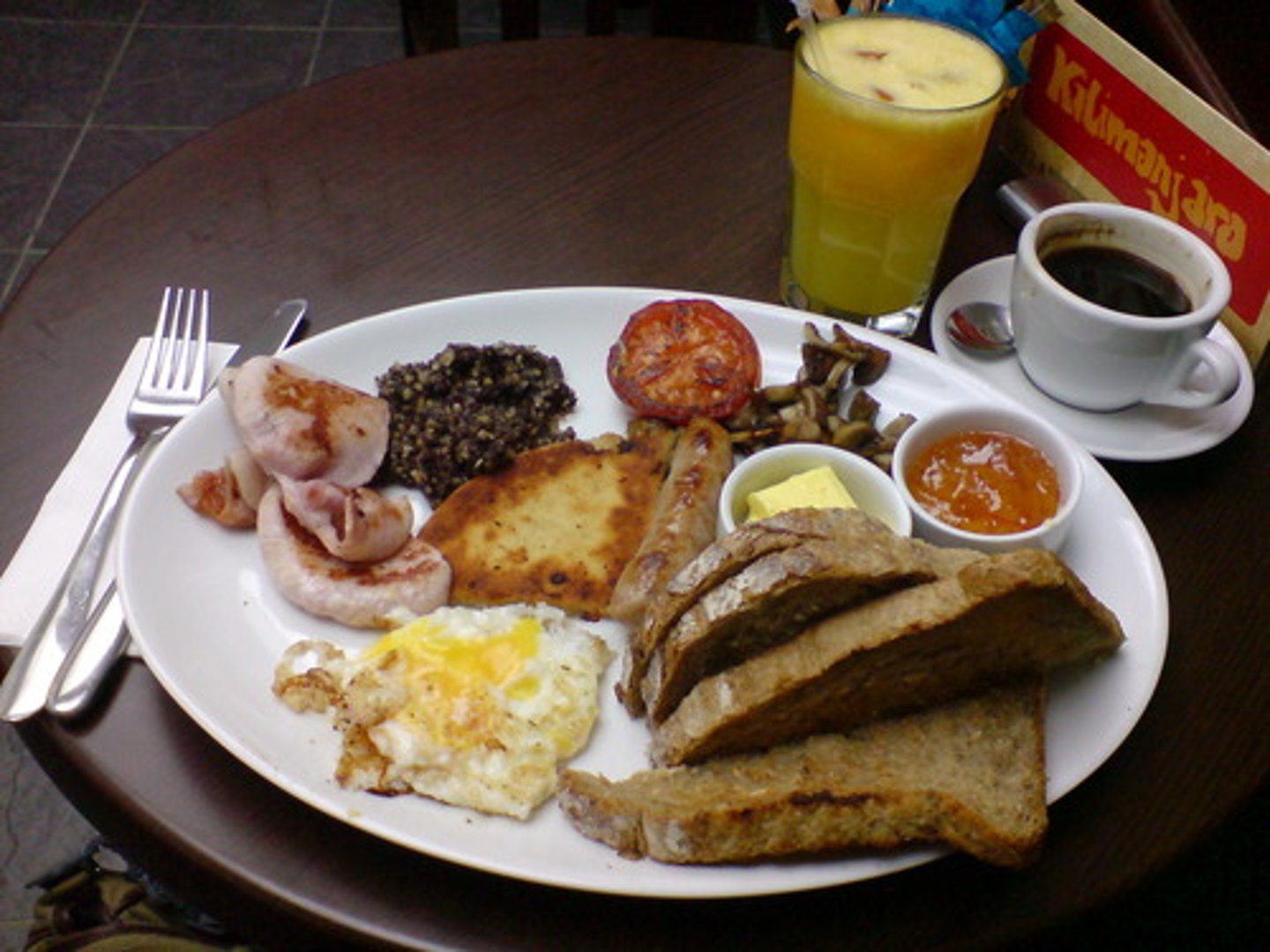
Eating breakfast in the morning increases the ability to learn in school. What is the IV?
Eating breakfast

Eating breakfast in the morning increases the ability to learn in school. What is the DV?
The ability to learn
Eating breakfast in the morning increases the ability to learn in school. What should stay constant?
The time they eat, the amount of food, the type of food

Eating breakfast in the morning increases the ability to learn in school. What is the control group?
Those that don't have time to eat breakfast in the morning
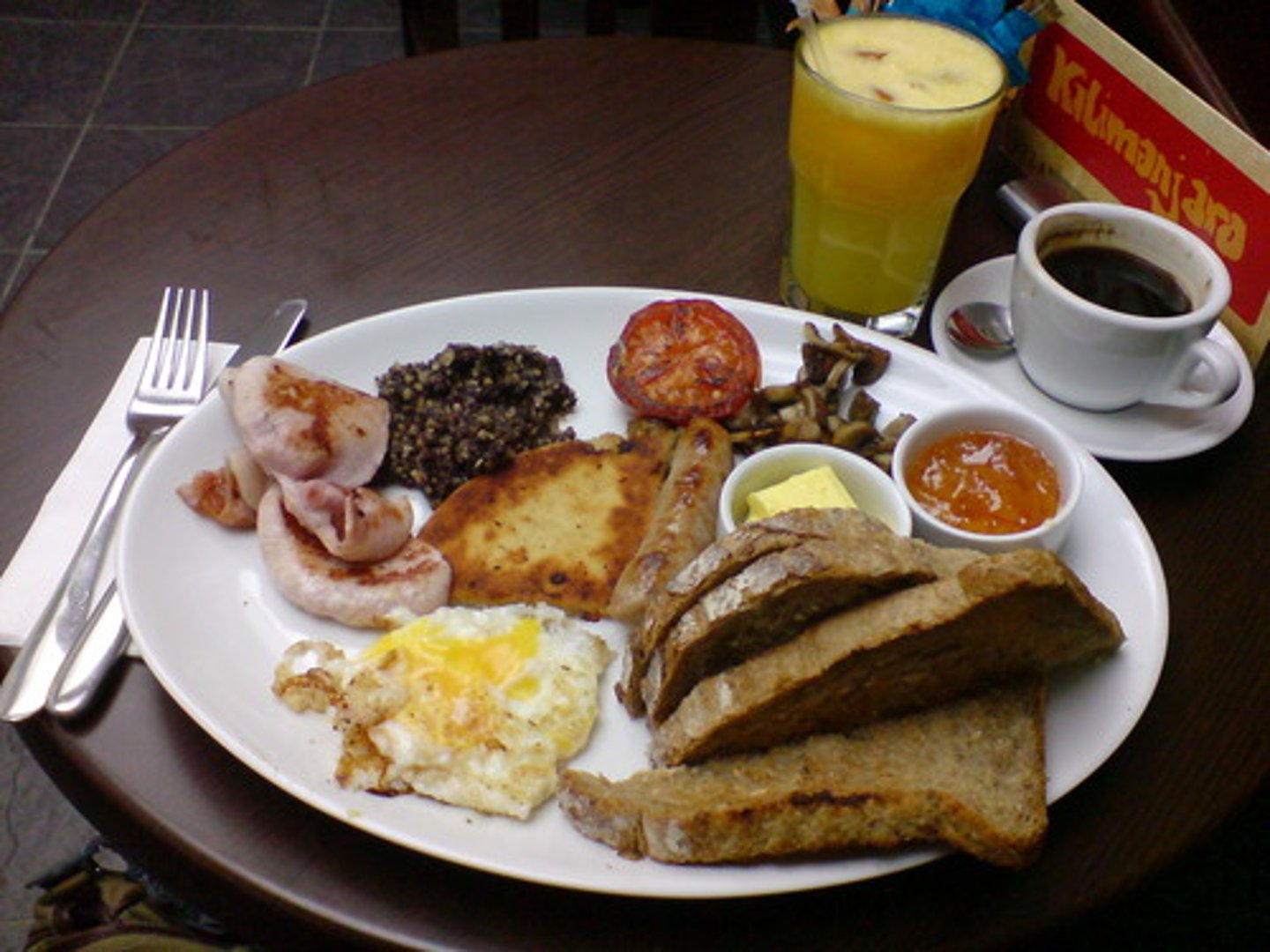
qualitative observations
observations made by the 5 senses. (seeing, feeling, touching, smelling, tasting.)
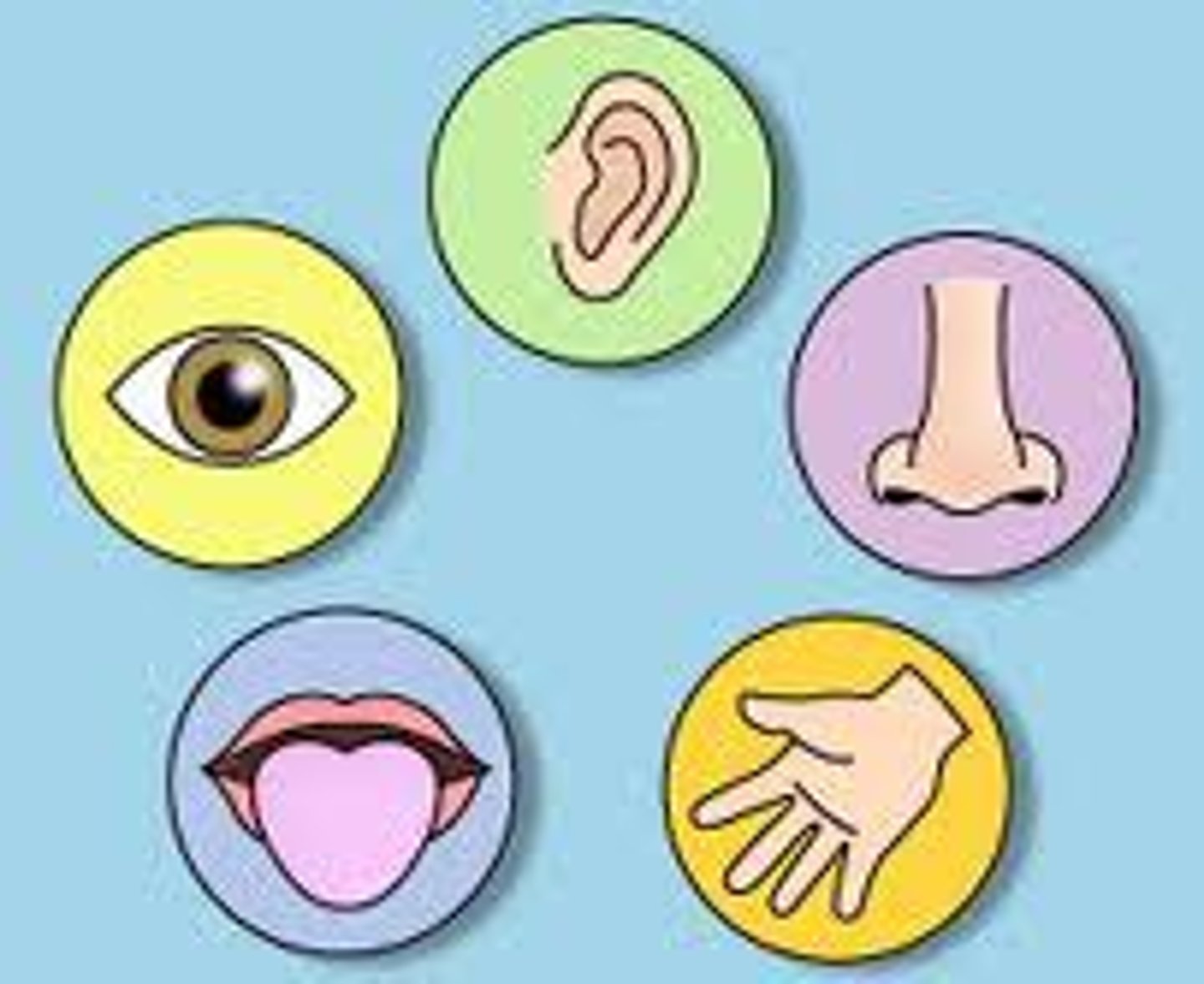
quantitative observations
An observation that deals with a number or amount

Hypothesis
An educated guess. Written as If..then...because
The format of a problem statement/testable question...
How does ___affect___?
Experimenting
when you are testing your hypothesis

Observe and analyze.
when you study the data from the experiment
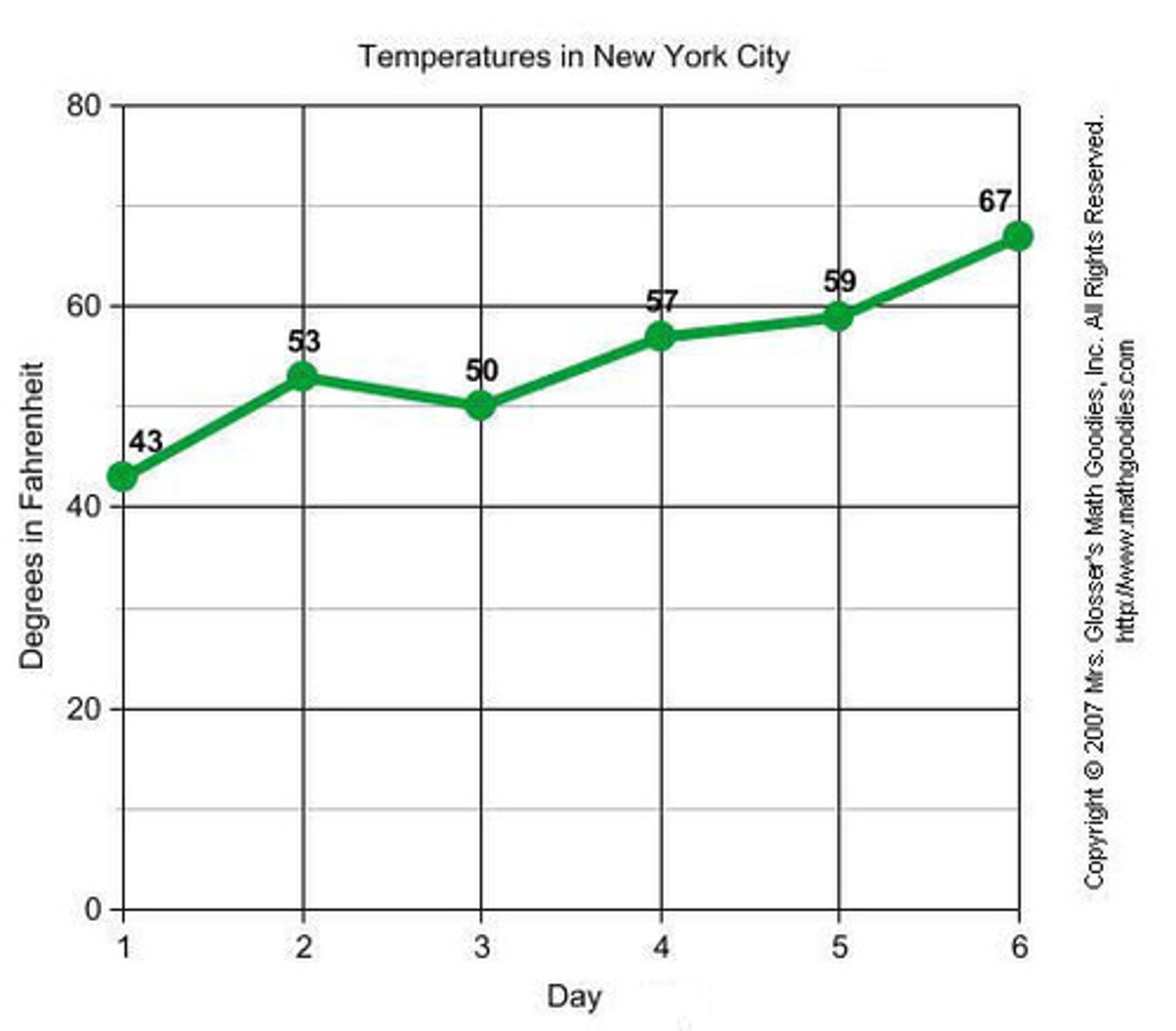
Line graph
A graph that show changes that occur over time
bar graph
a graph that shows comparisons among two or more items
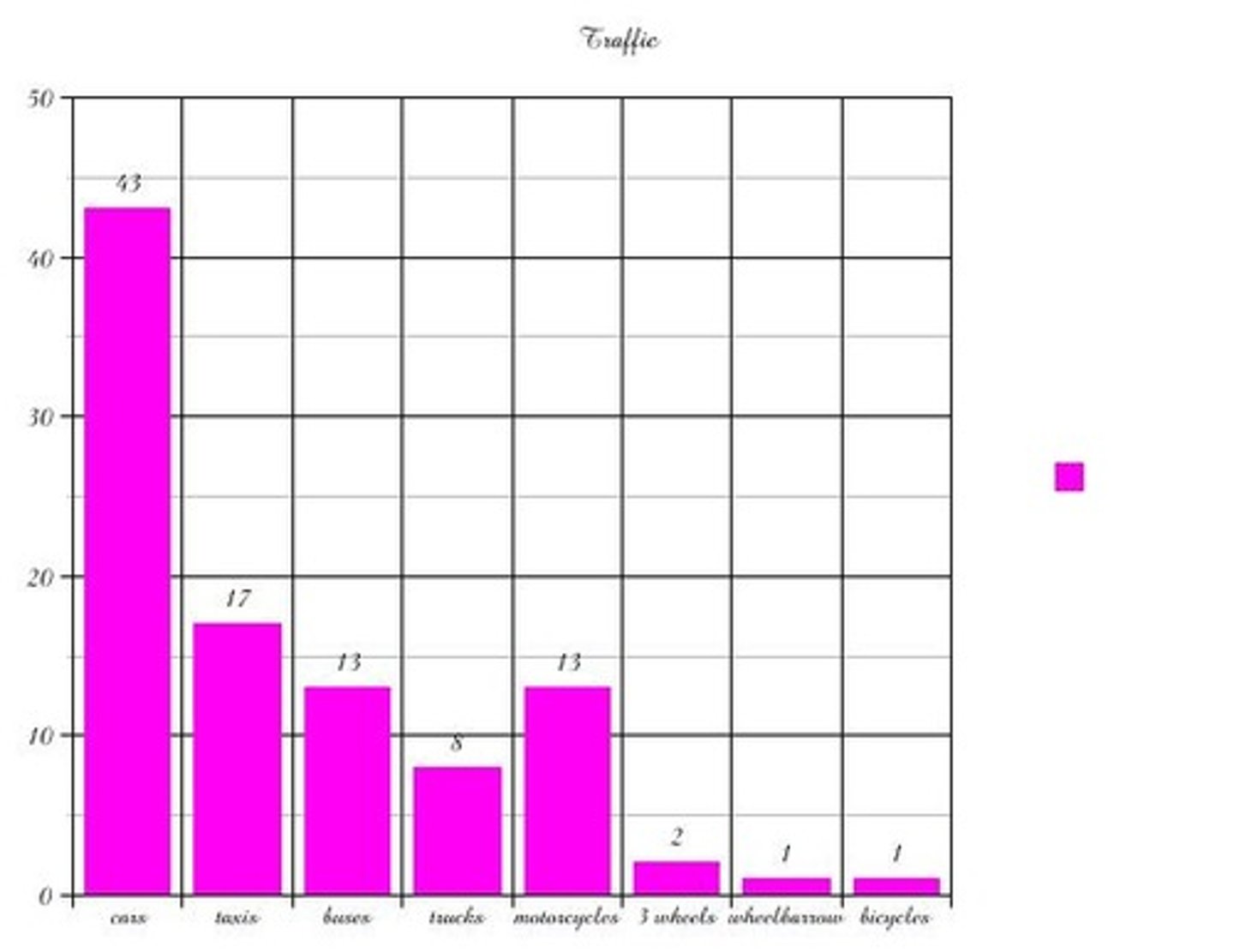
An example of when to use a bar graph
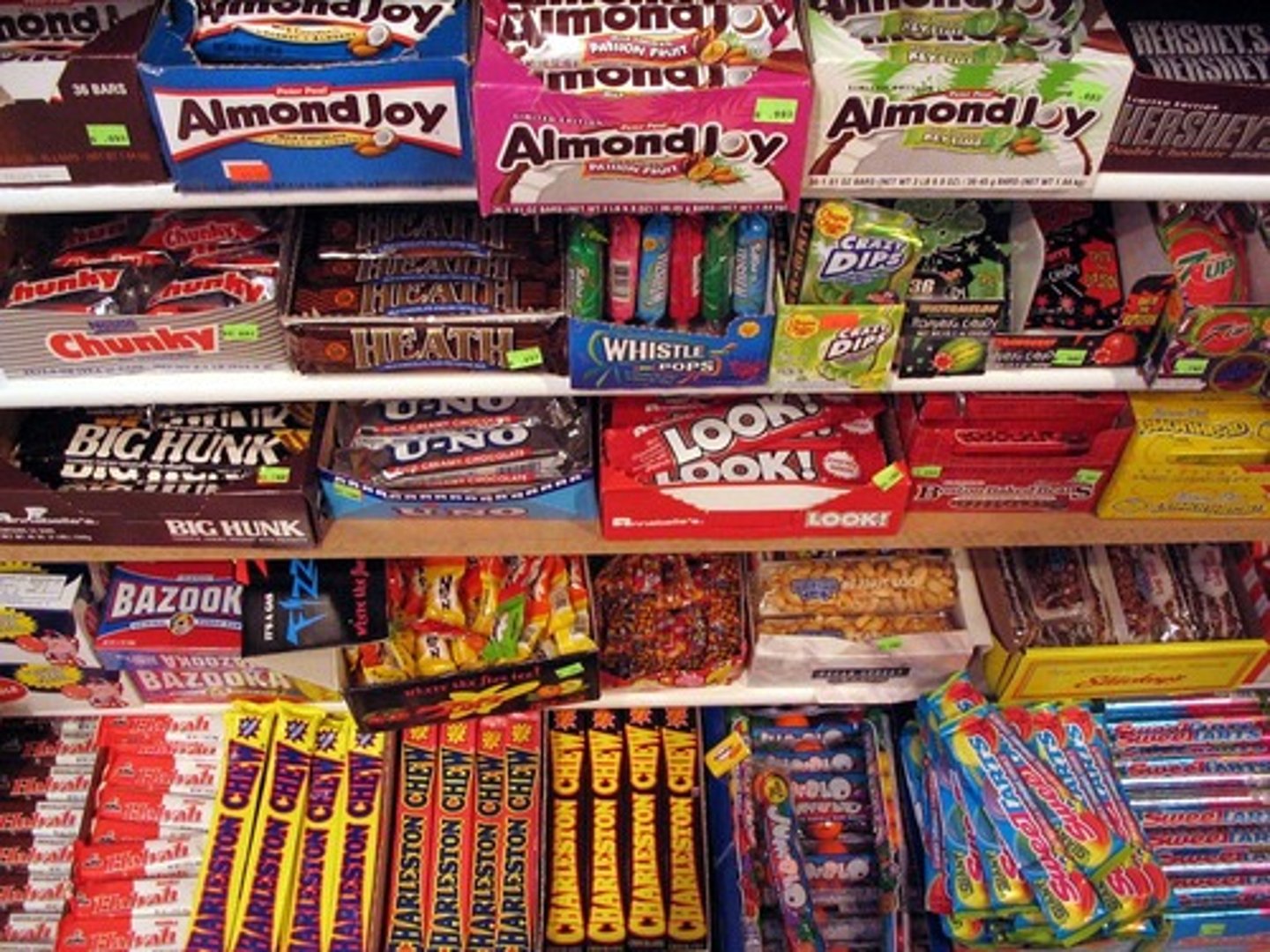
Favorite type of candy bar