Bio Lab Midterm
 Call Kai
 Learn
Learn Practice Test
 Spaced Repetition
 Match
Match Flashcards
 Knowt Play
1/72

There's no tags or description
Looks like no tags are added yet.
Name | Mastery | Learn | Test | Matching | Spaced | Call with Kai |
|---|
No analytics yet
Send a link to your students to track their progress
73 Terms
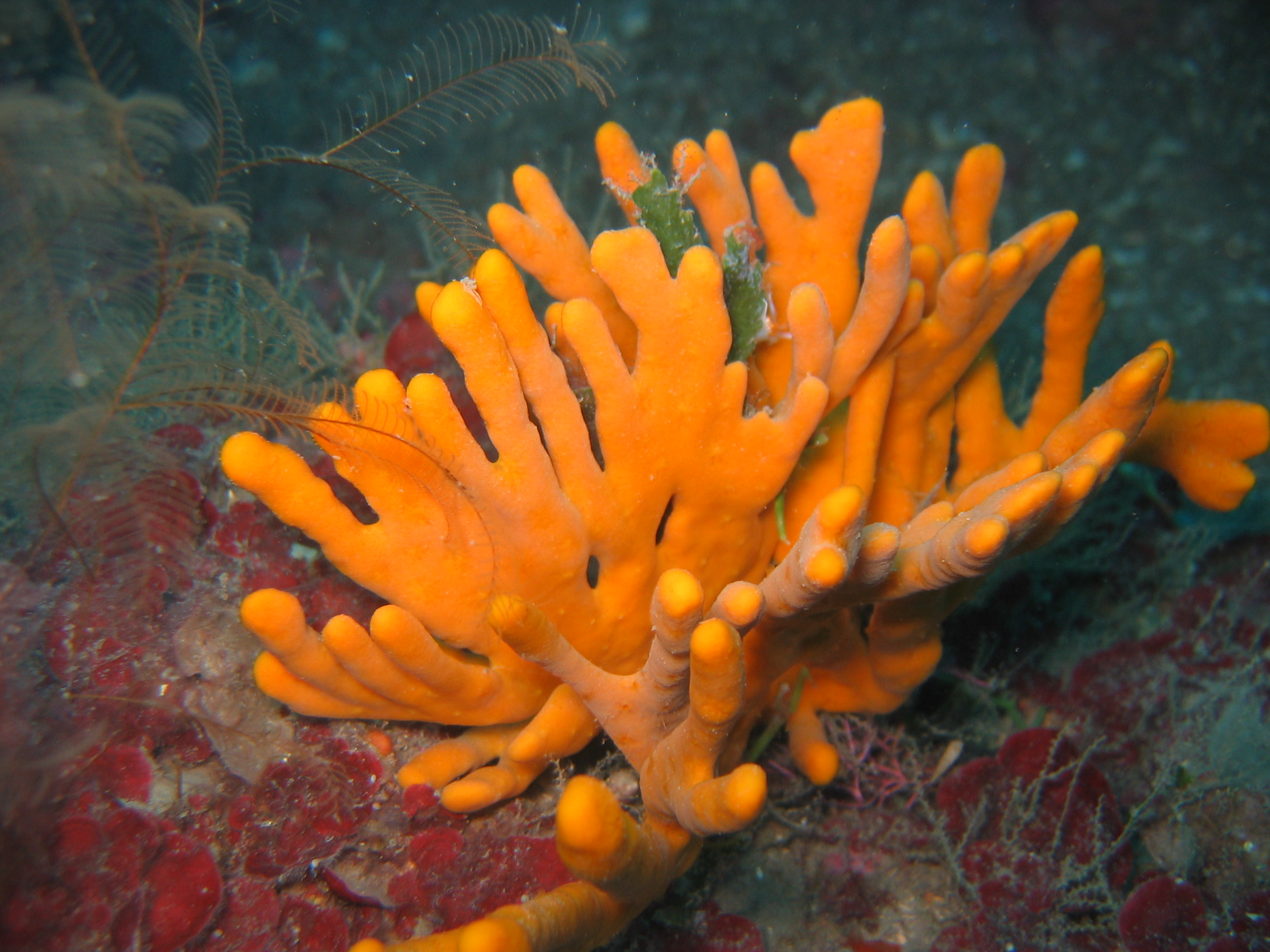
Phylum: Porifera | Visible traits: asymmetry, pores (holes)
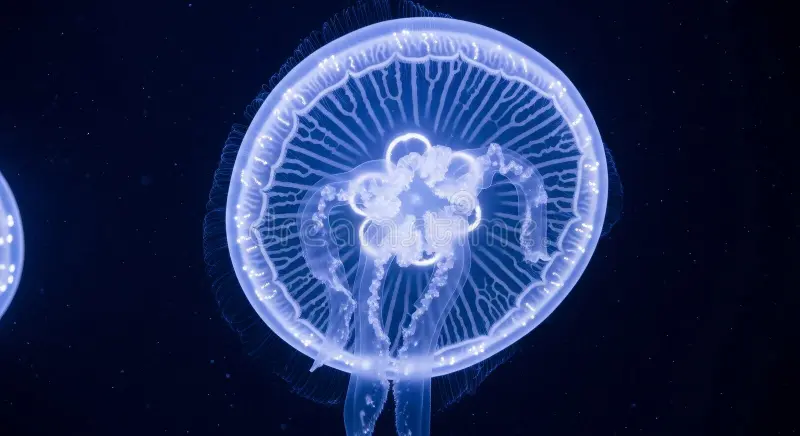
Phylum: Cnidaria | Visible traits: radial symmetry, medusa (bell shape)
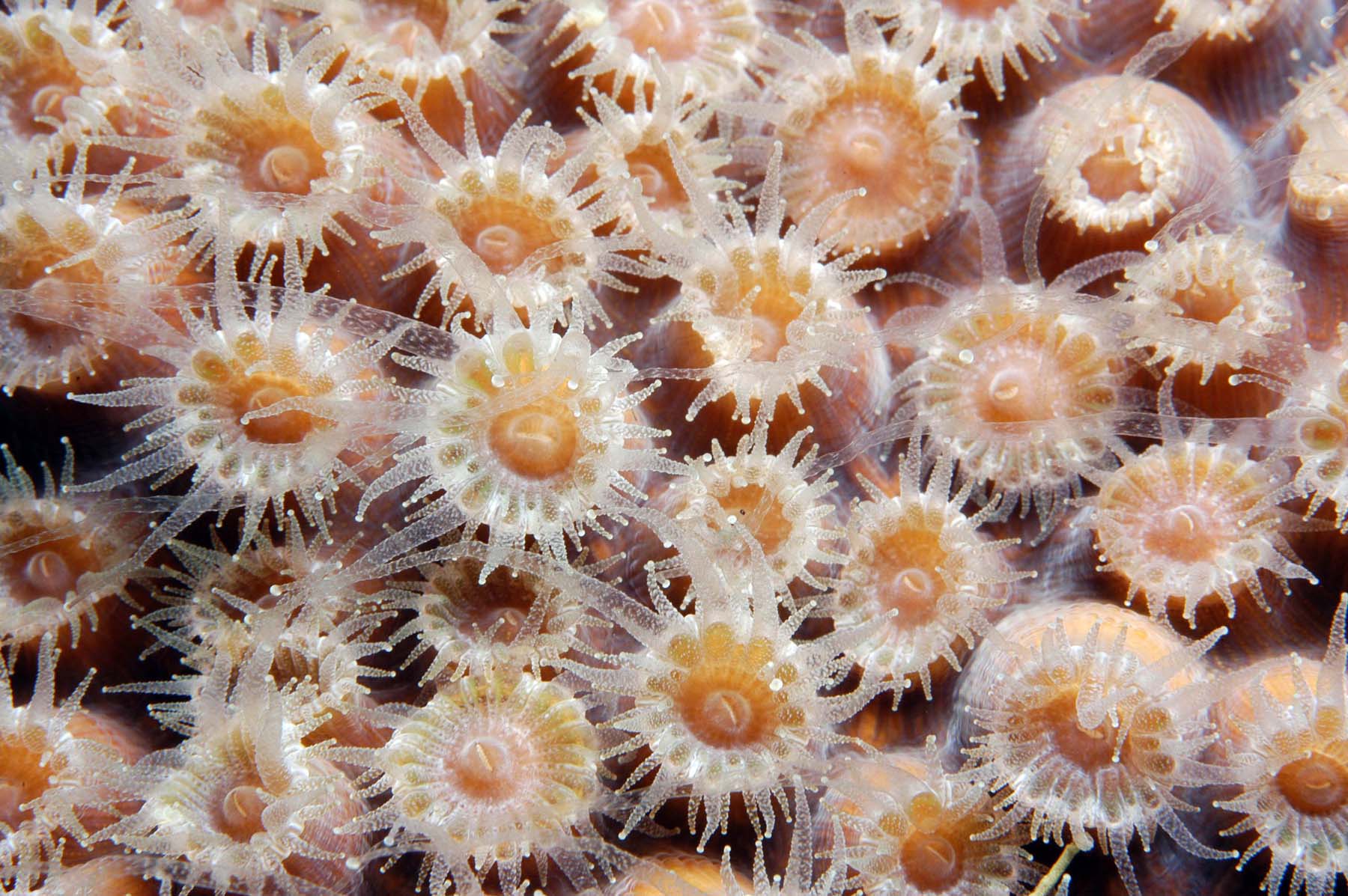
Phylum: Cnidaria | Visible traits: radial symmetry, polyp form (attached)
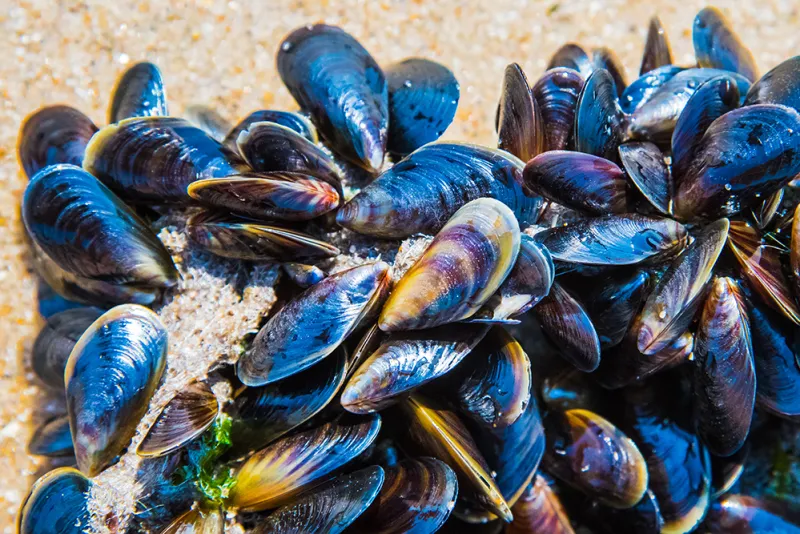
Phylum: Mollusca | Visible traits: hard shell, soft body inside
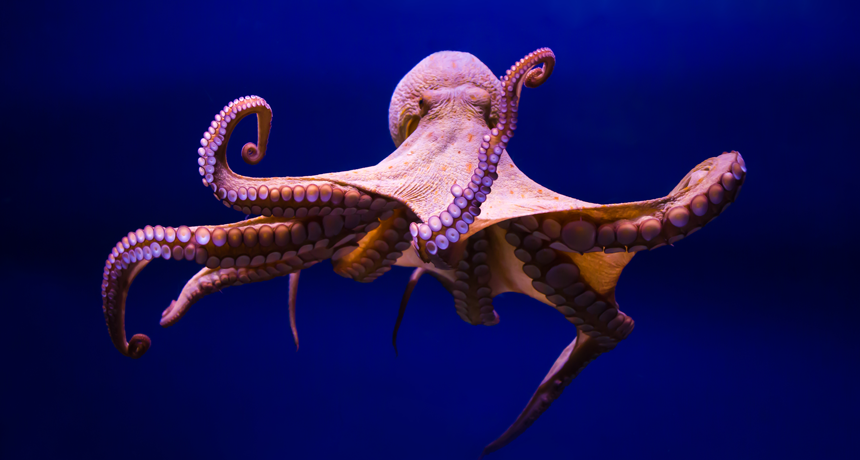
Phylum: Mollusca | Visible traits: soft body, tentacles, no visible shell
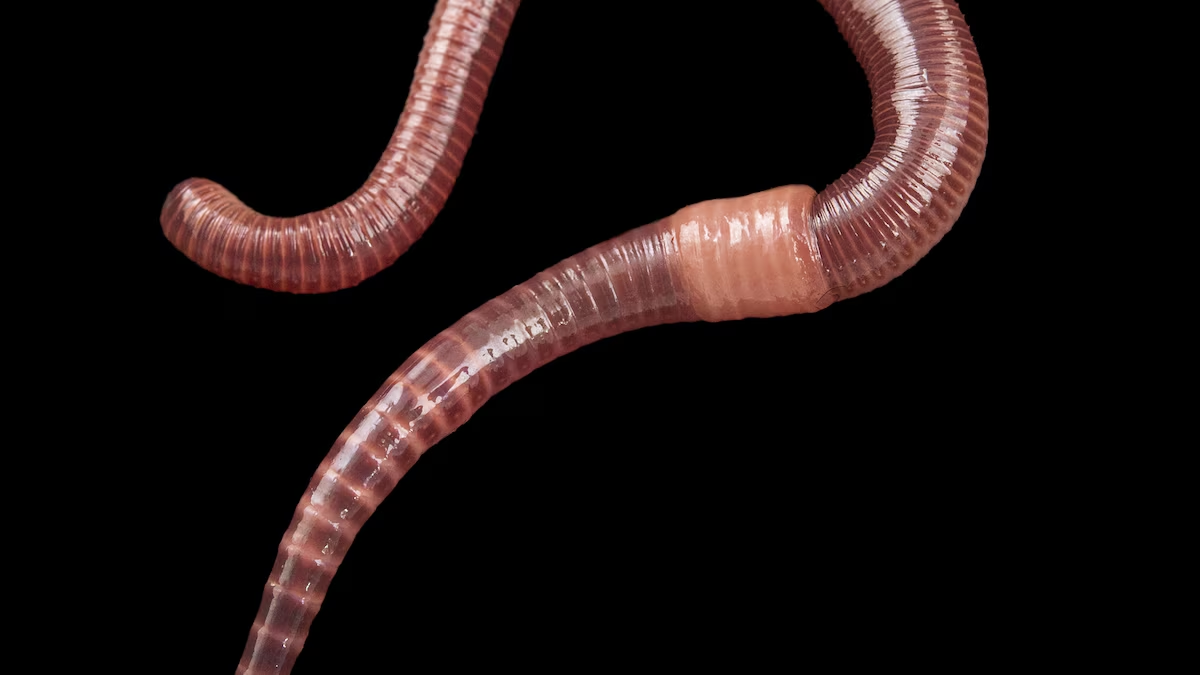
Phylum: Annelida | Visible traits: segmented body (rings)
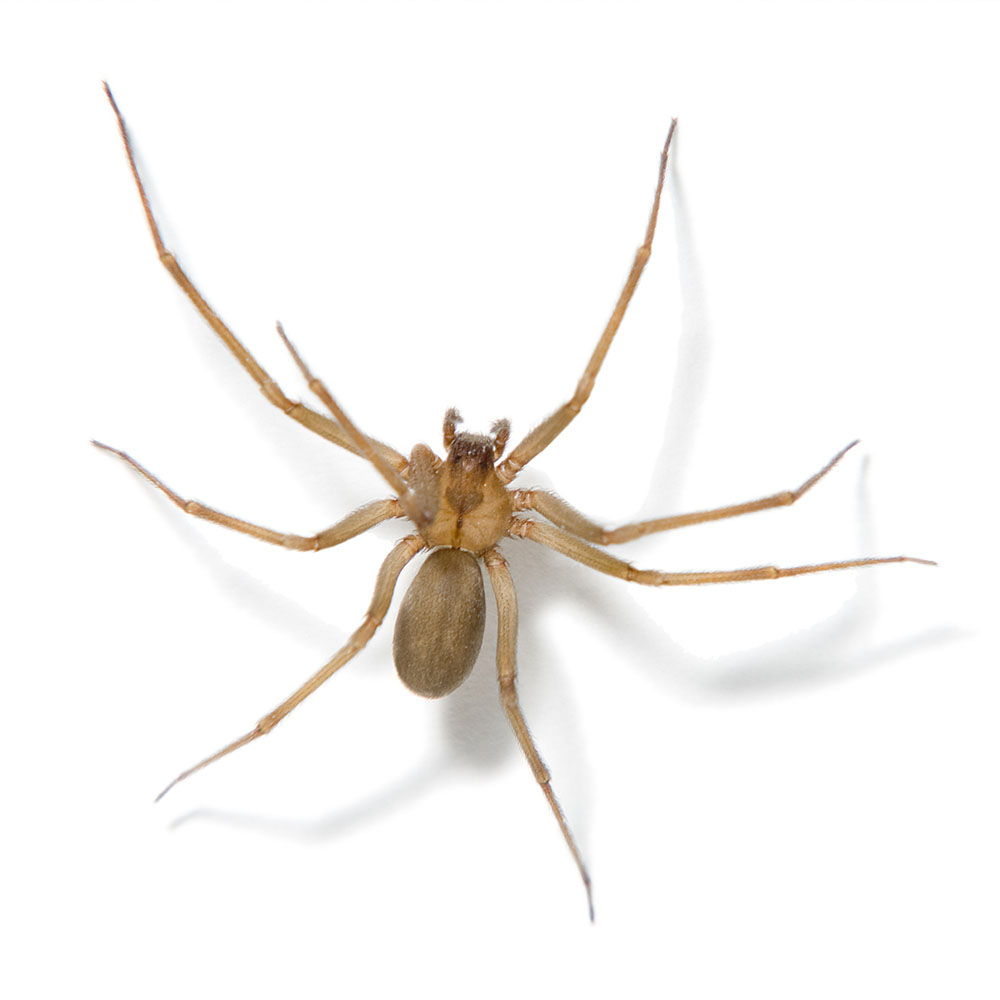
Phylum: Arthropoda | Visible traits: exoskeleton, jointed legs
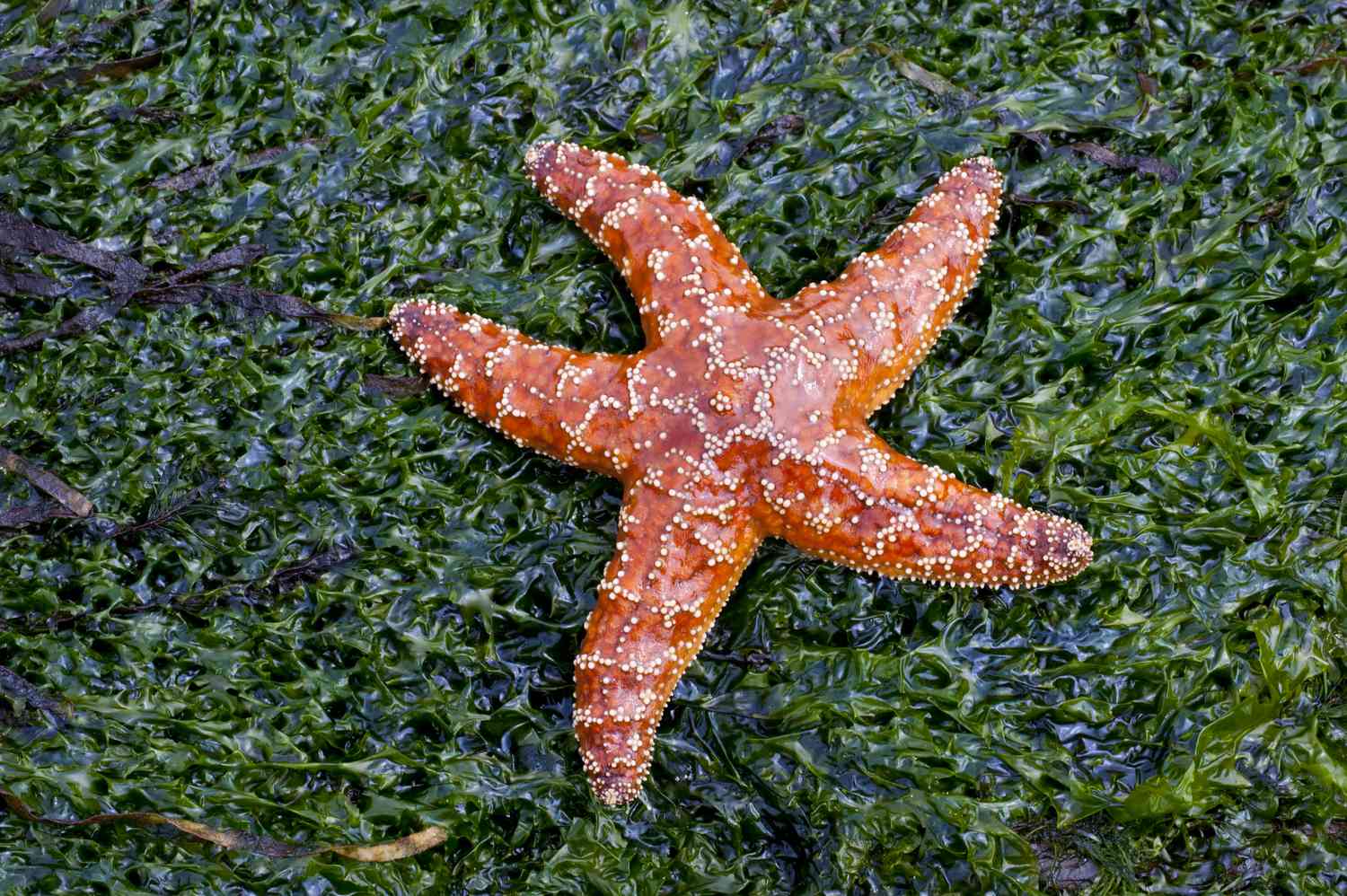
Phylum: Echinodermata | Visible traits: pentaradial symmetry (5 arms)
Echinodermata (sea cucumber) identification
Phylum: Echinodermata | Visible traits: elongated soft body
Chordata identification
Phylum: Chordata | Key trait: backbone (not always visible)
Total magnification formula
total magnification = ocular × objective
If ocular = 10x and objective = 40x, total magnification?
400x
What happens to field of view when magnification increases?
decreases
What happens to working distance when magnification increases?
decreases
What happens to brightness when magnification increases?
decreases
What happens to detail when magnification increases?
increases
Why must you calibrate ocular micrometer?
scale changes with magnification
Depth of field definition
how much of specimen is in focus at once

