AP Human Geography, Unit 4: Political Geography Pt. 1+2+3
 Studied by 2 people
 Call Kai
 Learn
Learn Practice Test
 Spaced Repetition
 Match
Match Flashcards
 Knowt Play
1/36

There's no tags or description
Looks like no tags are added yet.
Name | Mastery | Learn | Test | Matching | Spaced | Call with Kai |
|---|
No analytics yet
Send a link to your students to track their progress
37 Terms
Nation
A large number of people sharing a common culture, language, and history that desires sovereignty.

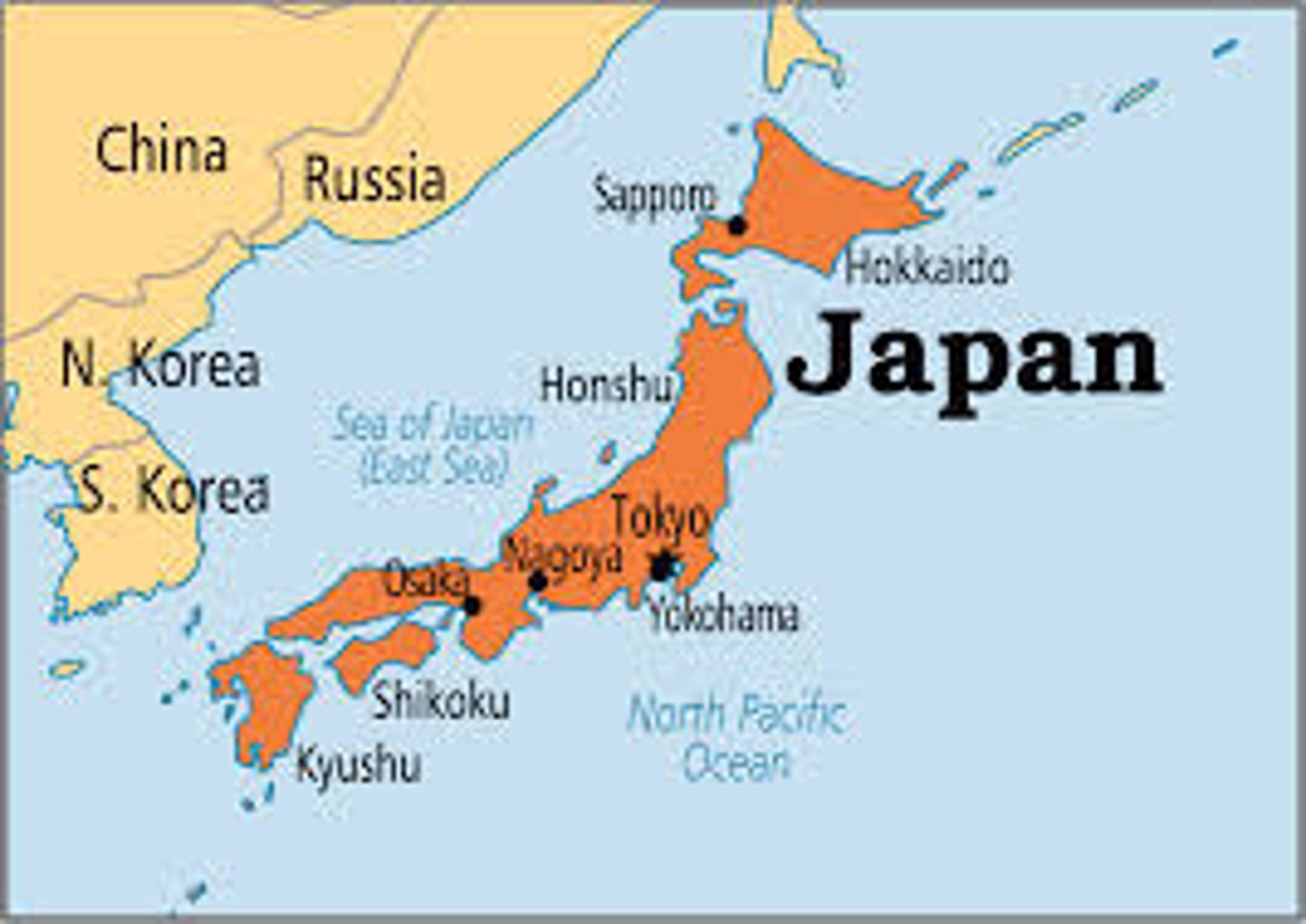
Nation State
A sovereign state where its political boundaries align with its uniform nation.
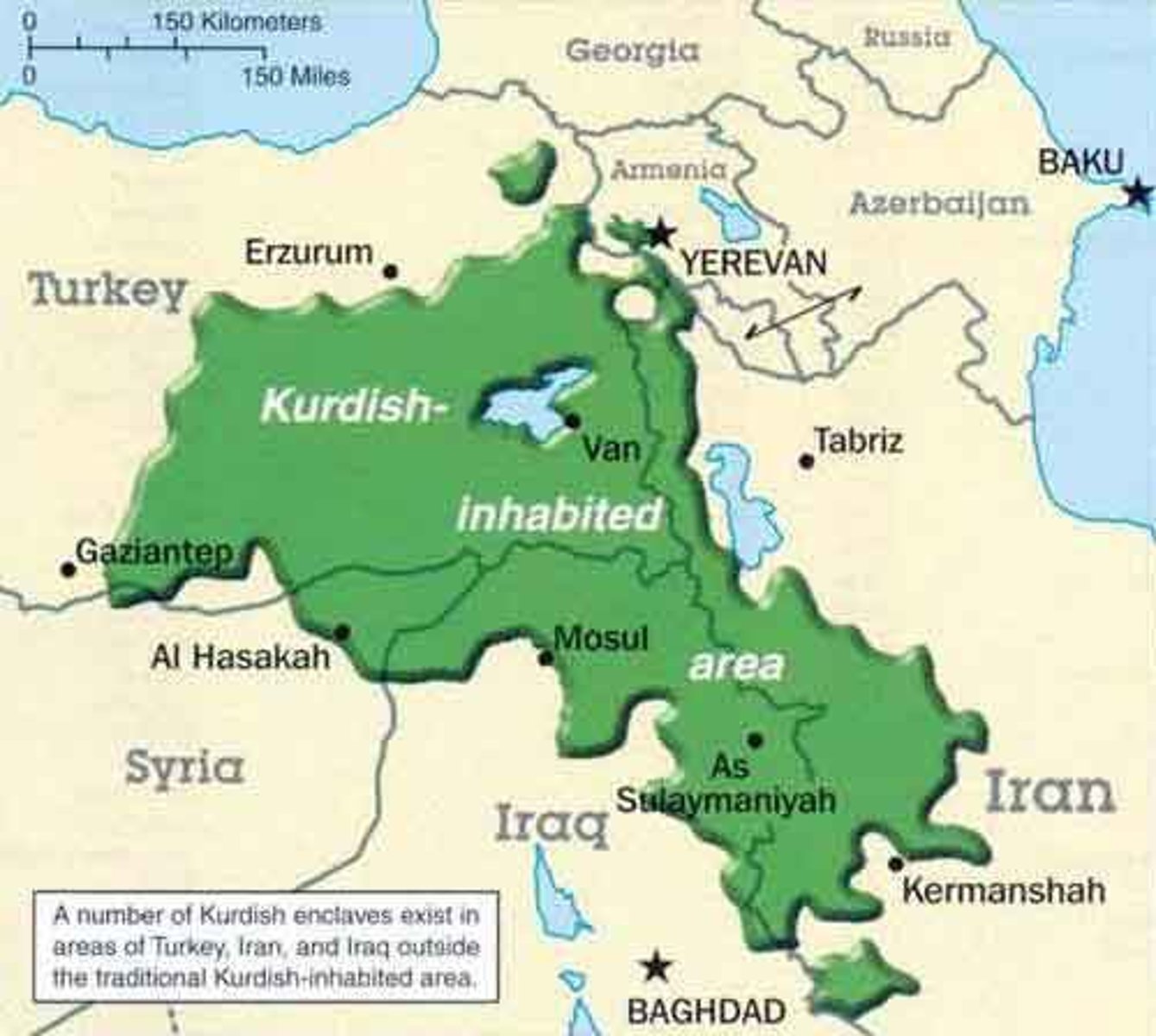
Stateless Nation
A nation that lacks its sovereign state and has a desire for it.
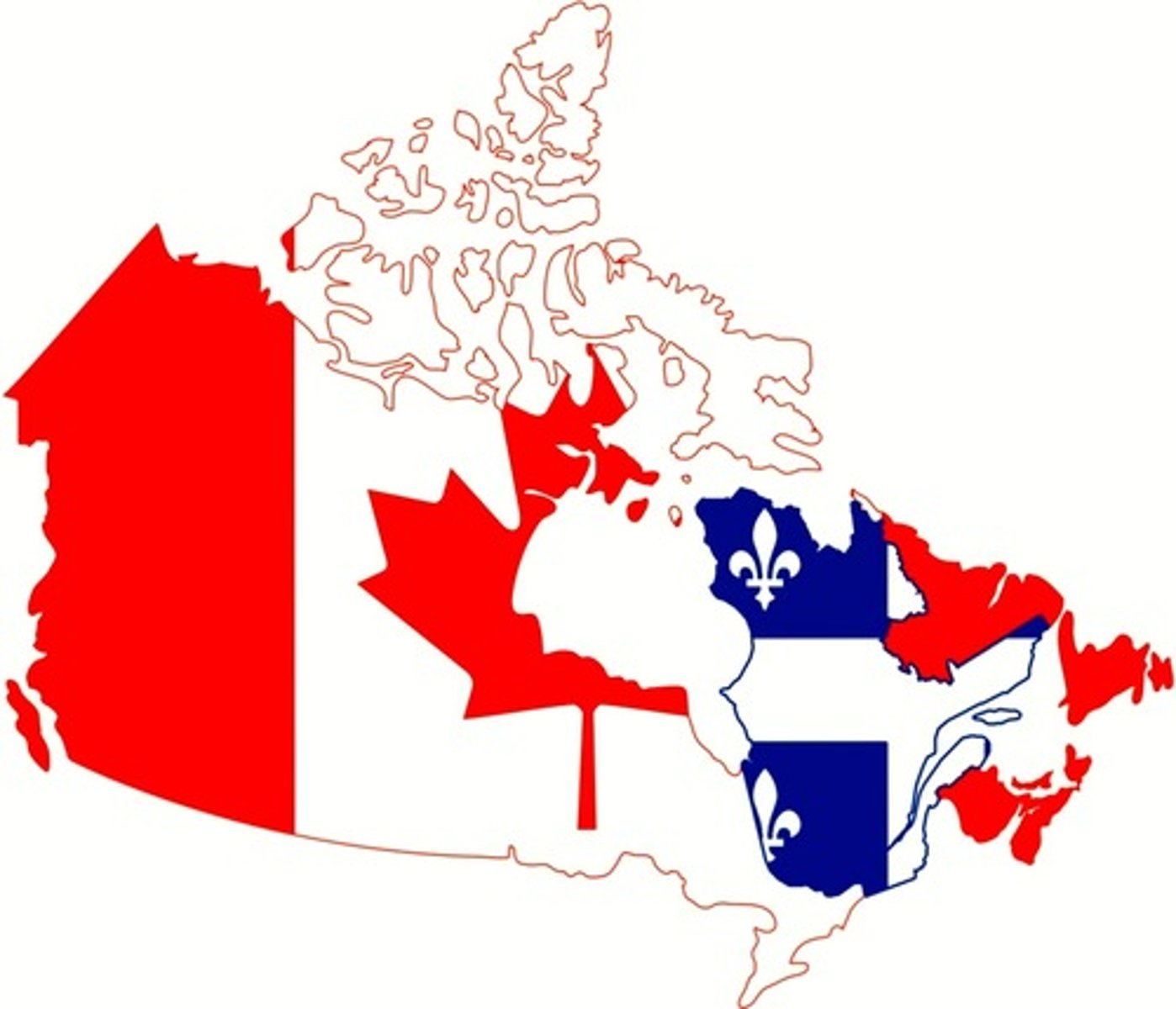
Multinational State
A sovereign state that contains two or more distinct nations within its boundaries.
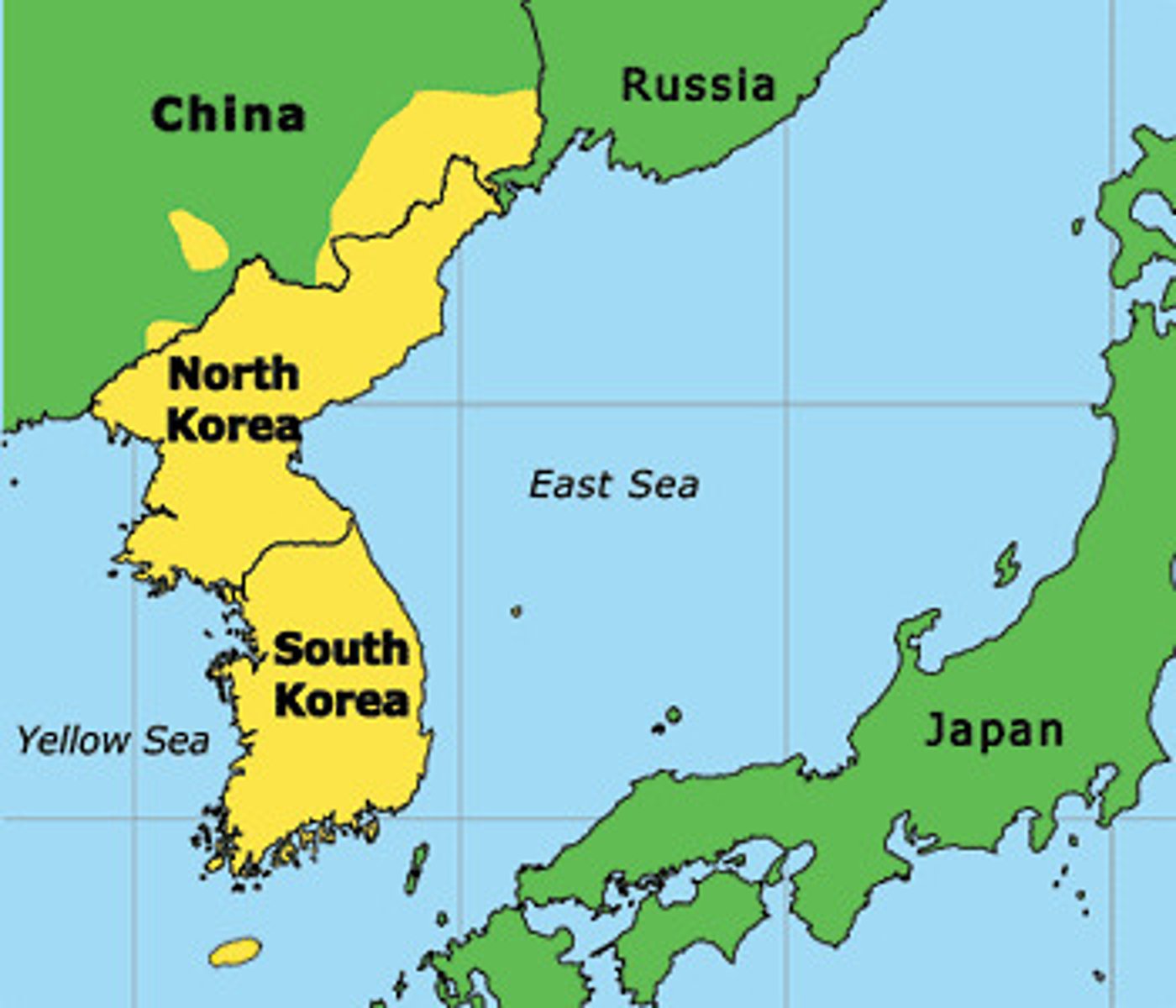
Multistate Nation
A nation that is divided into two or more sovereign states, yet still maintaining its cohesive identity.
Failed State
A fragile sovereign state where its political authority has deteriorated to the point where it cannot provide for its society any longer.
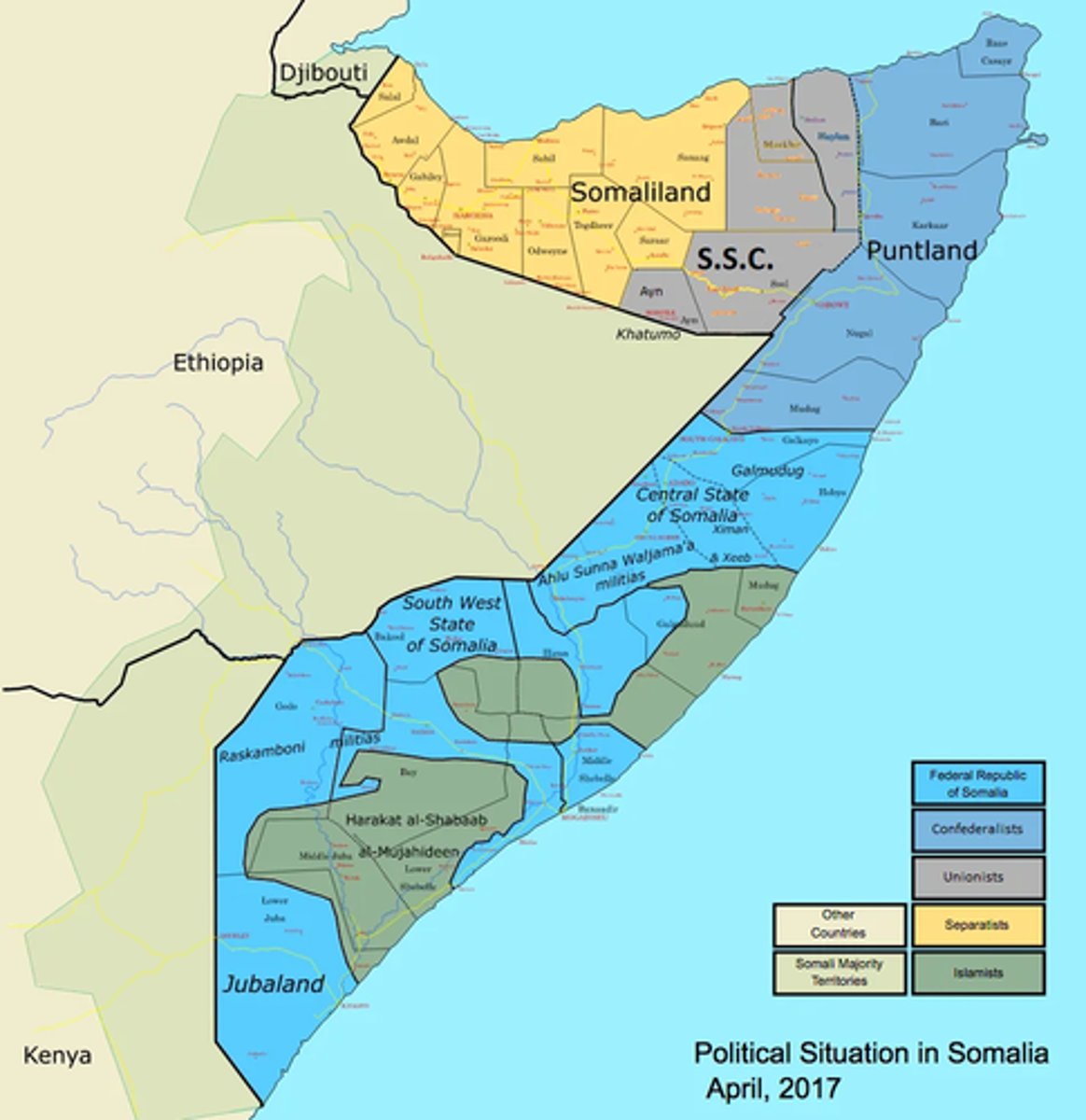
Autonomous Region
A territory within a sovereign state formed with high authority of self-governance intended to become a centripetal force.
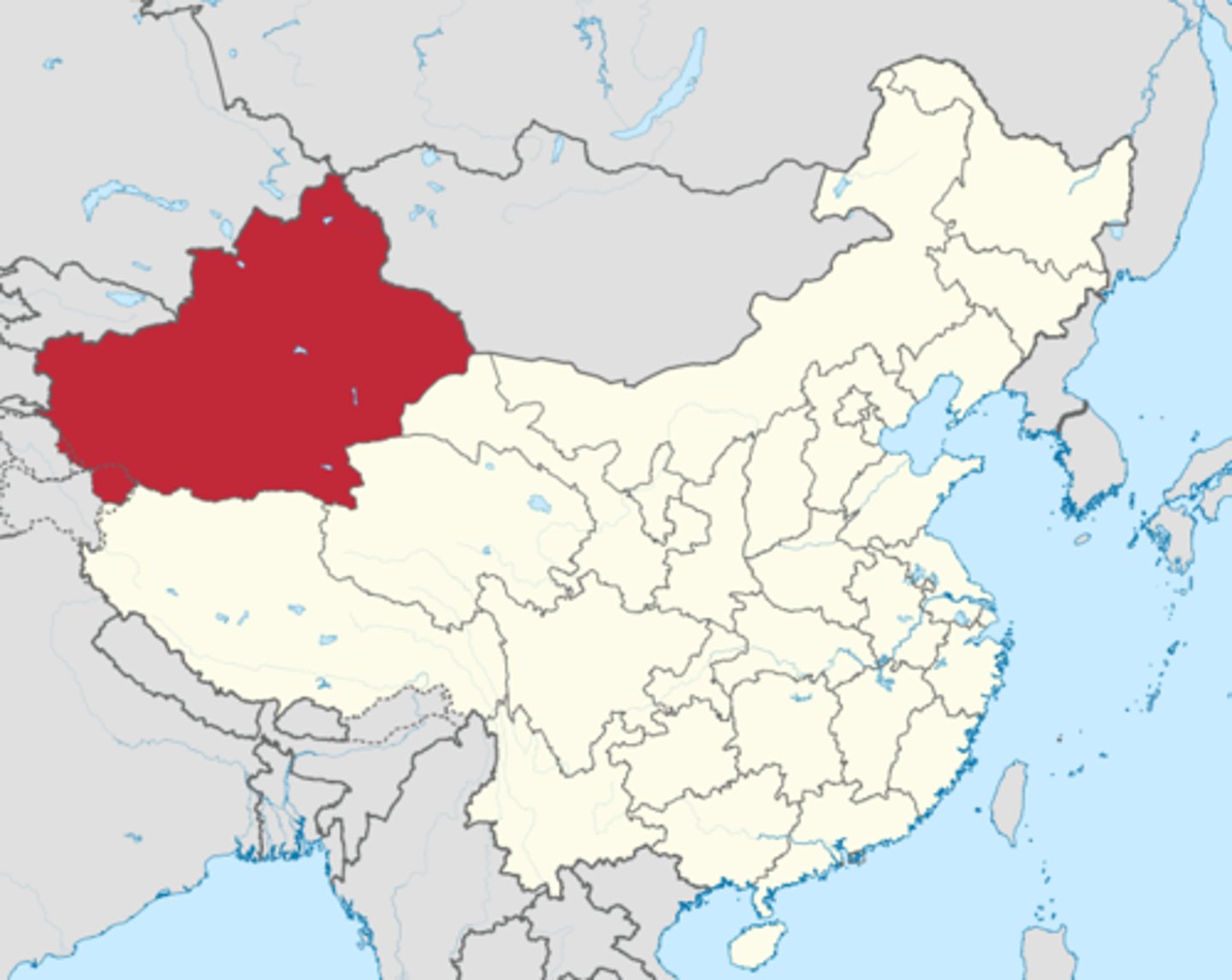
Semiautonomous Region
A territory within a sovereign state formed with moderate authority of self-governance, but the central government ultimately manages external decisions.
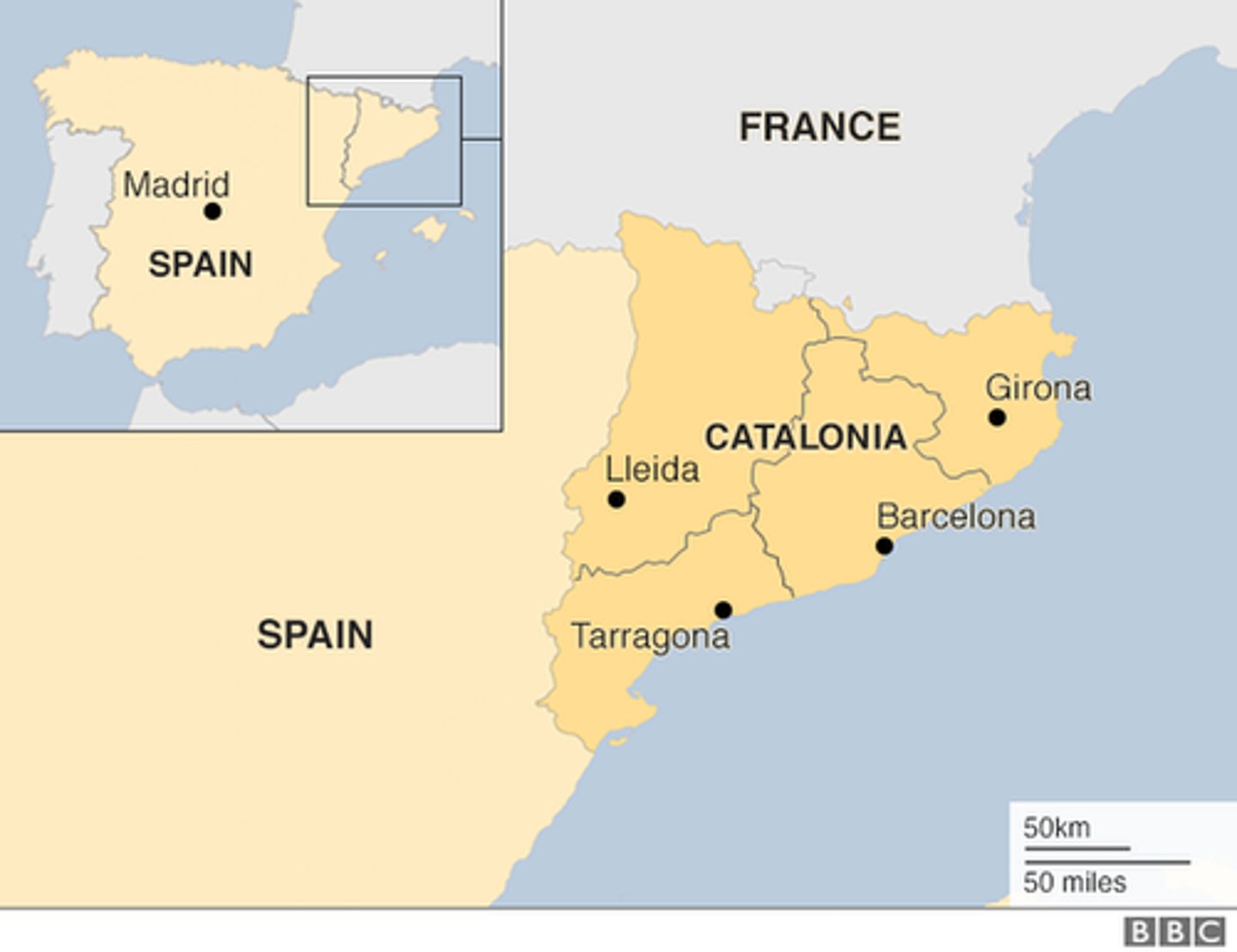
Colonialism
The process in which a sovereign state places control over another for economic, political, and/or social gain, exploiting its people and resources.
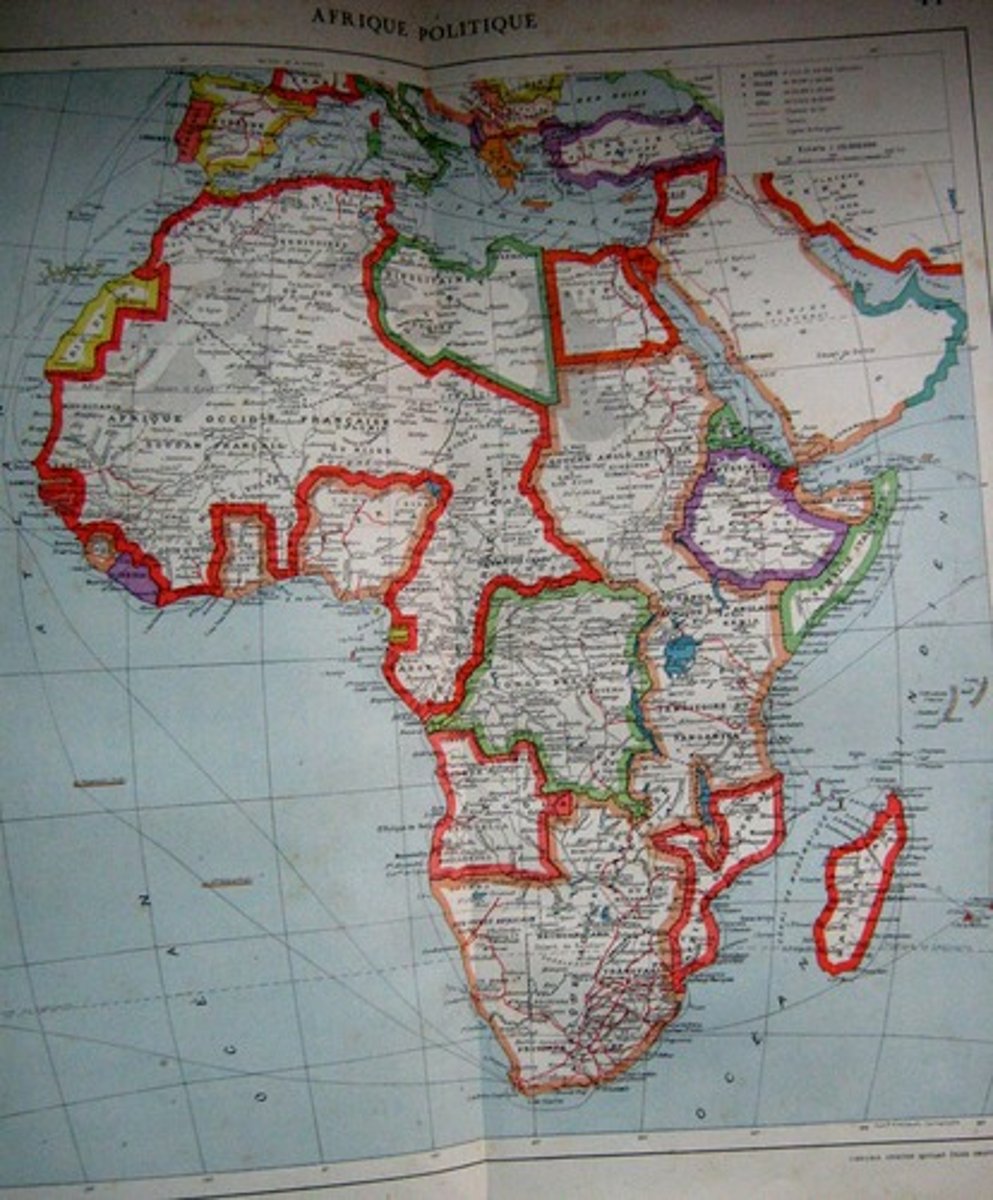
Imperialism
The policy in which a sovereign state expands their control over another through forceful means.
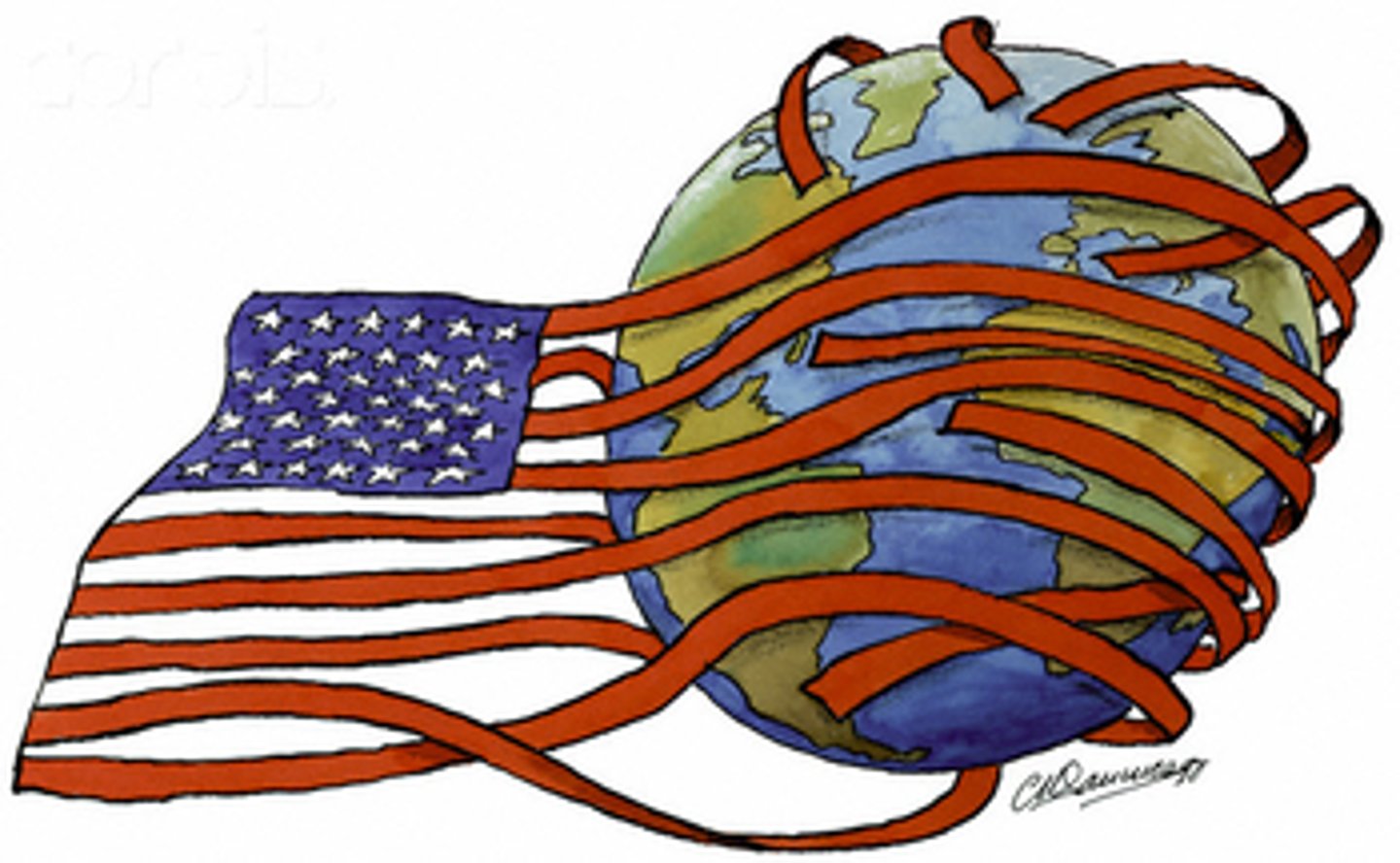
Neocolonialism
The practice of using indirect economic, political, and/or social pressures to control an independently developing nation rather than using traditional colonization.
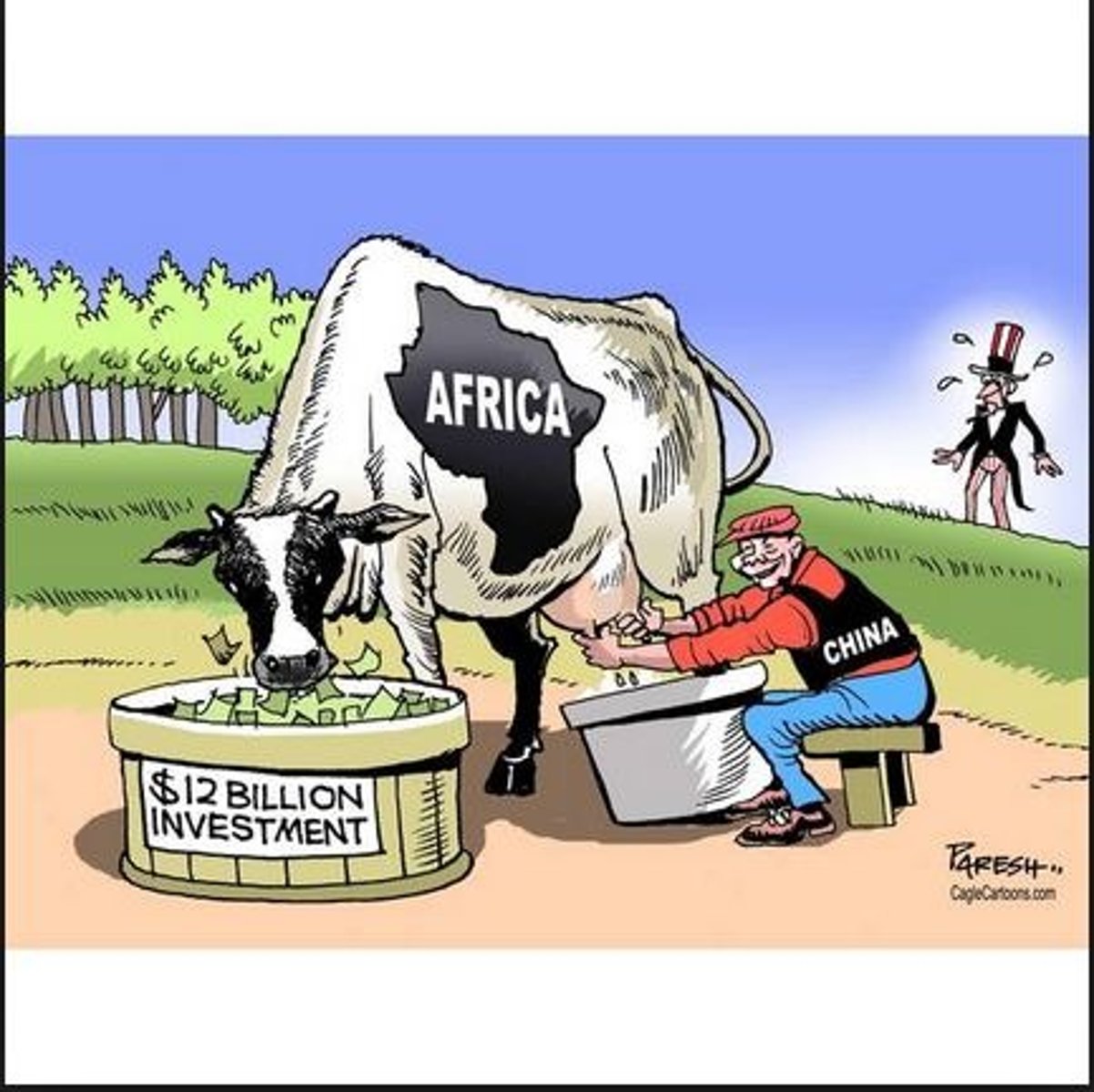
Shatterbelt
A geopolitically unstable region caught between external sovereignties' competition, leading to internal fragmentation.
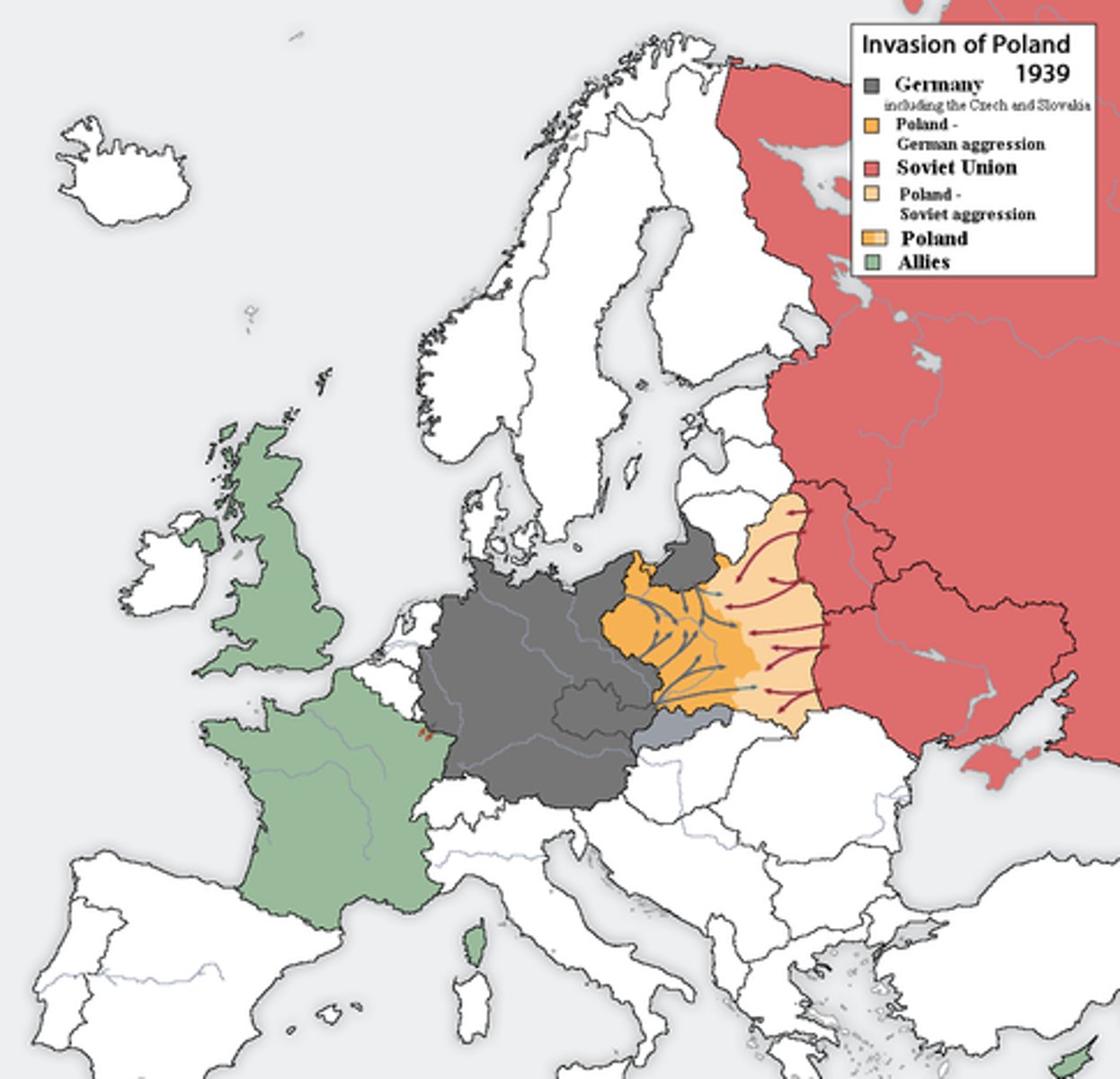
Choke Point
A narrow, highly strategic geographic passageway that facilitates movements between regions.
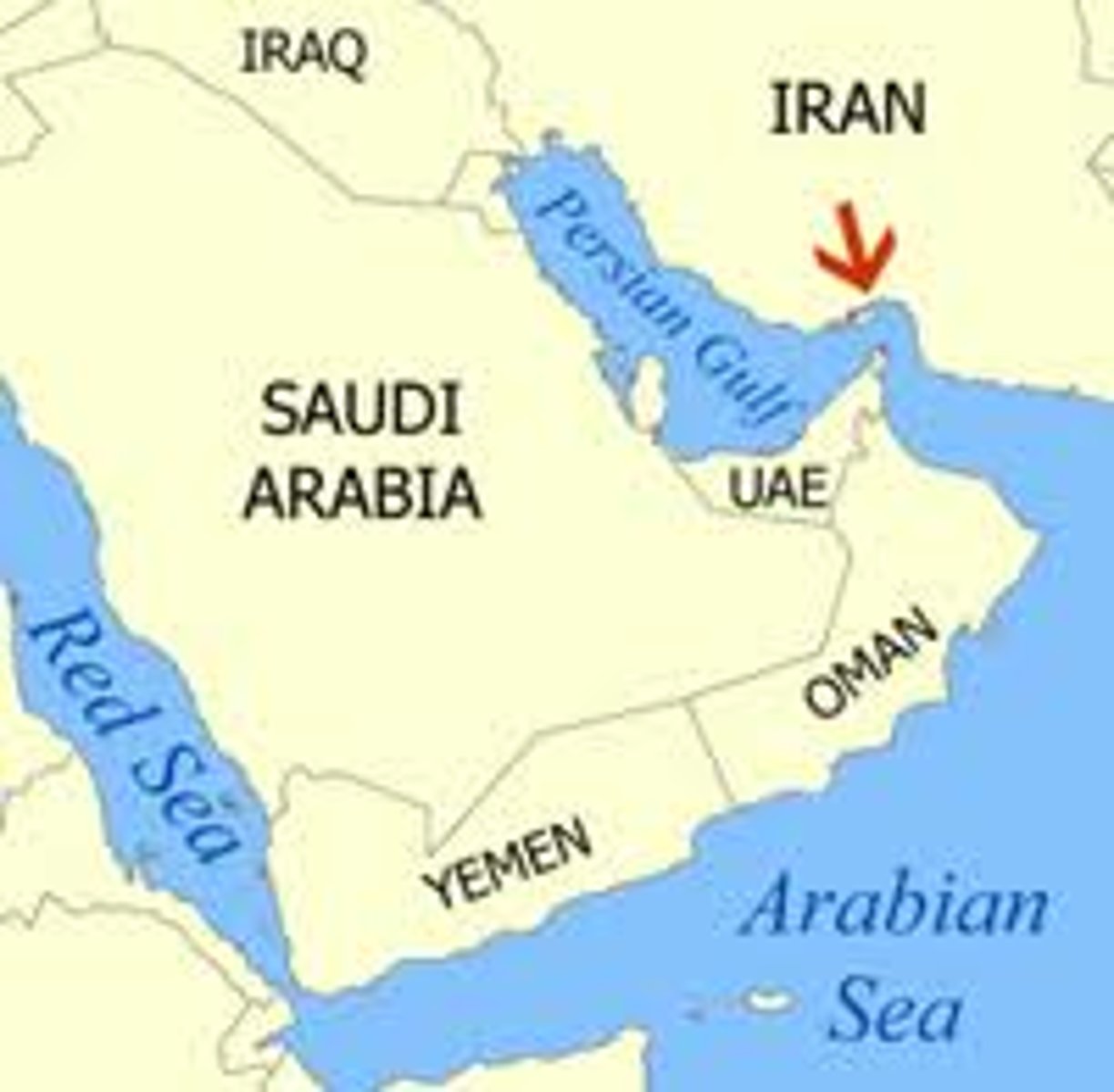
Territoriality
A people's political claim and sense of place to a specific geographic area.
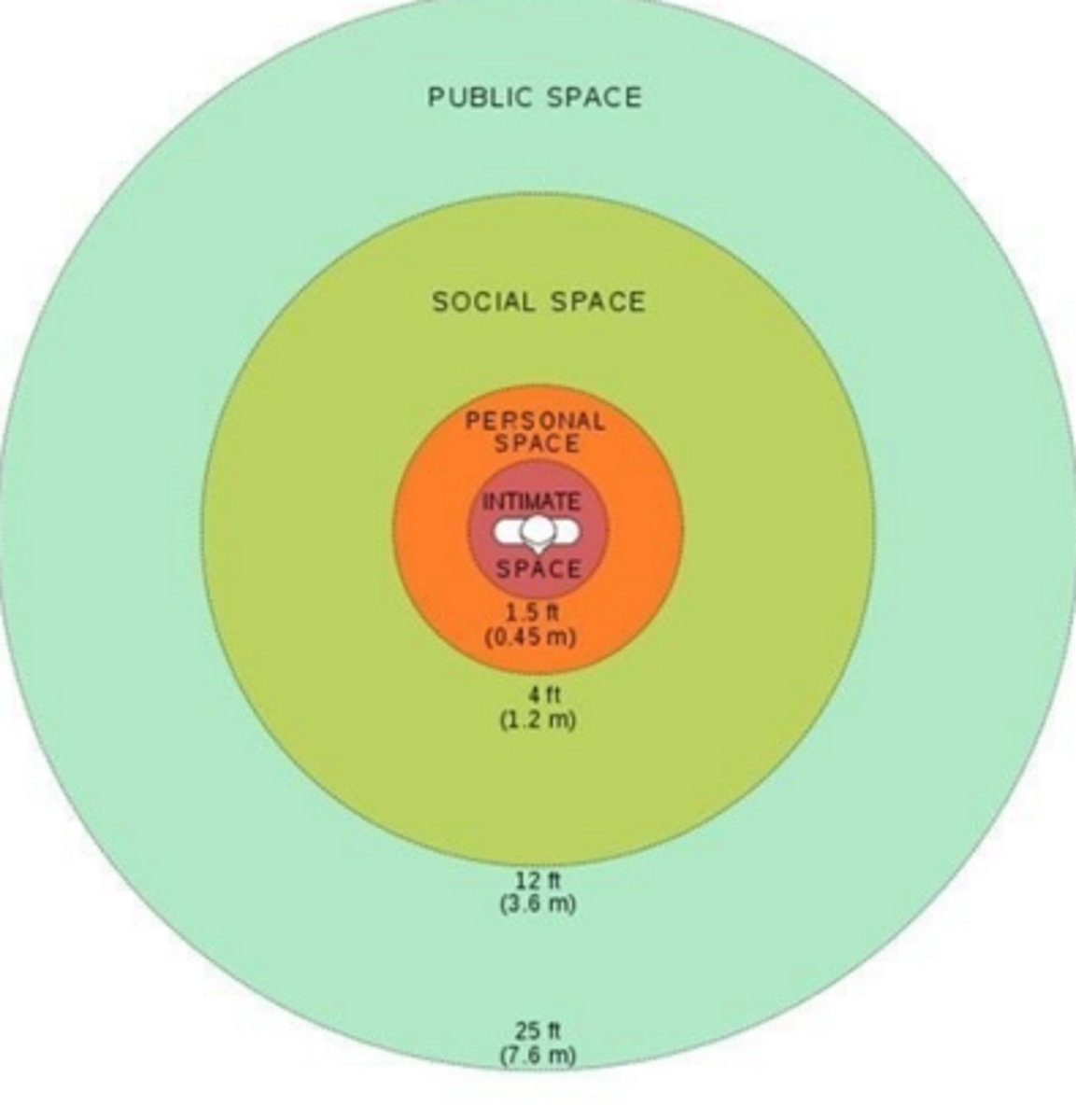
Boundary
An invisible line or barrier that defines a state's sovereignty and territory.
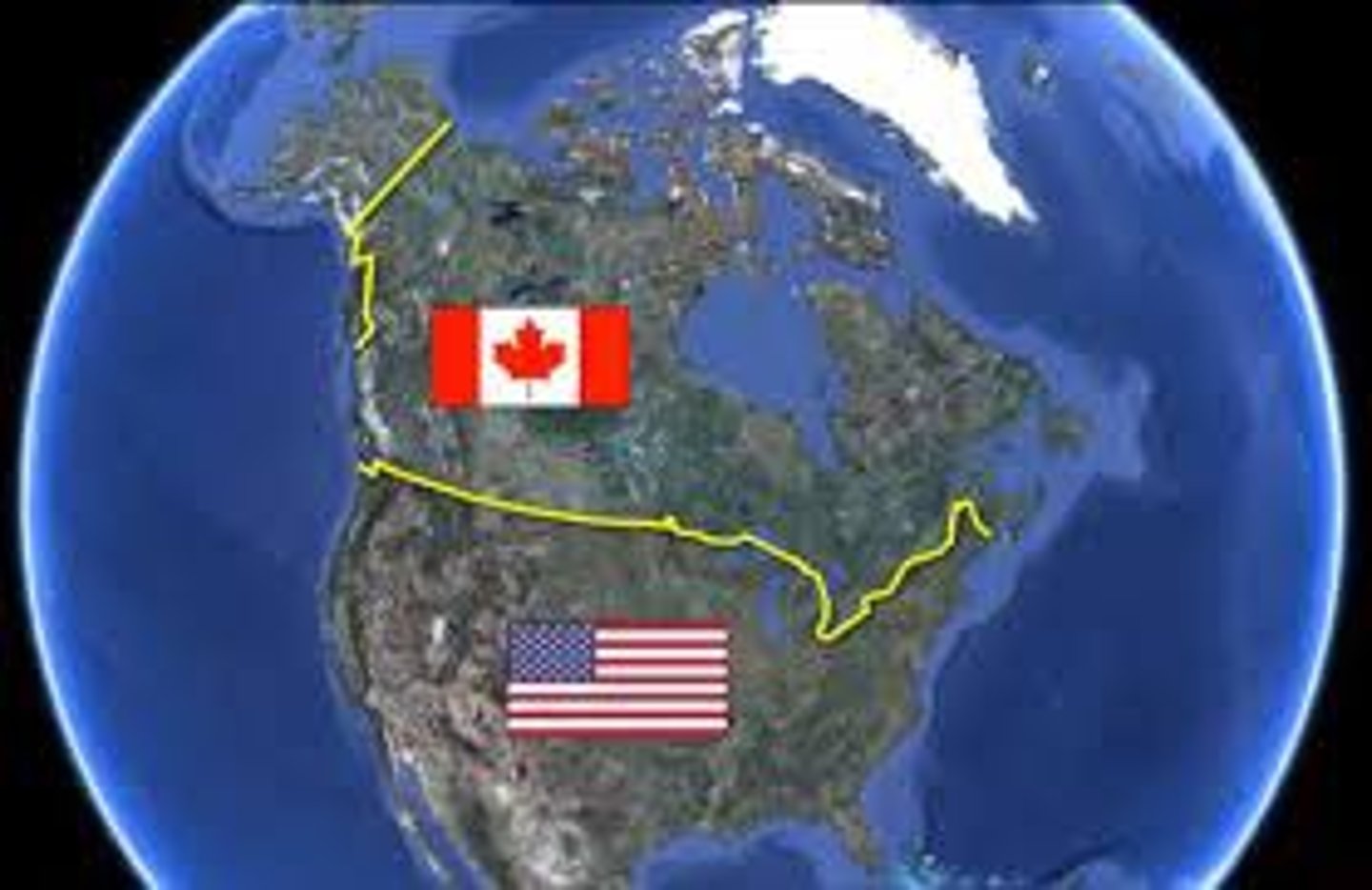
Relic Boundary
A boundary that no longer functions politically but is still visible on the cultural landscape.

Superimposed Boundary
A boundary established by an external sovereignty forcefully, disrespecting the cultural landscape.
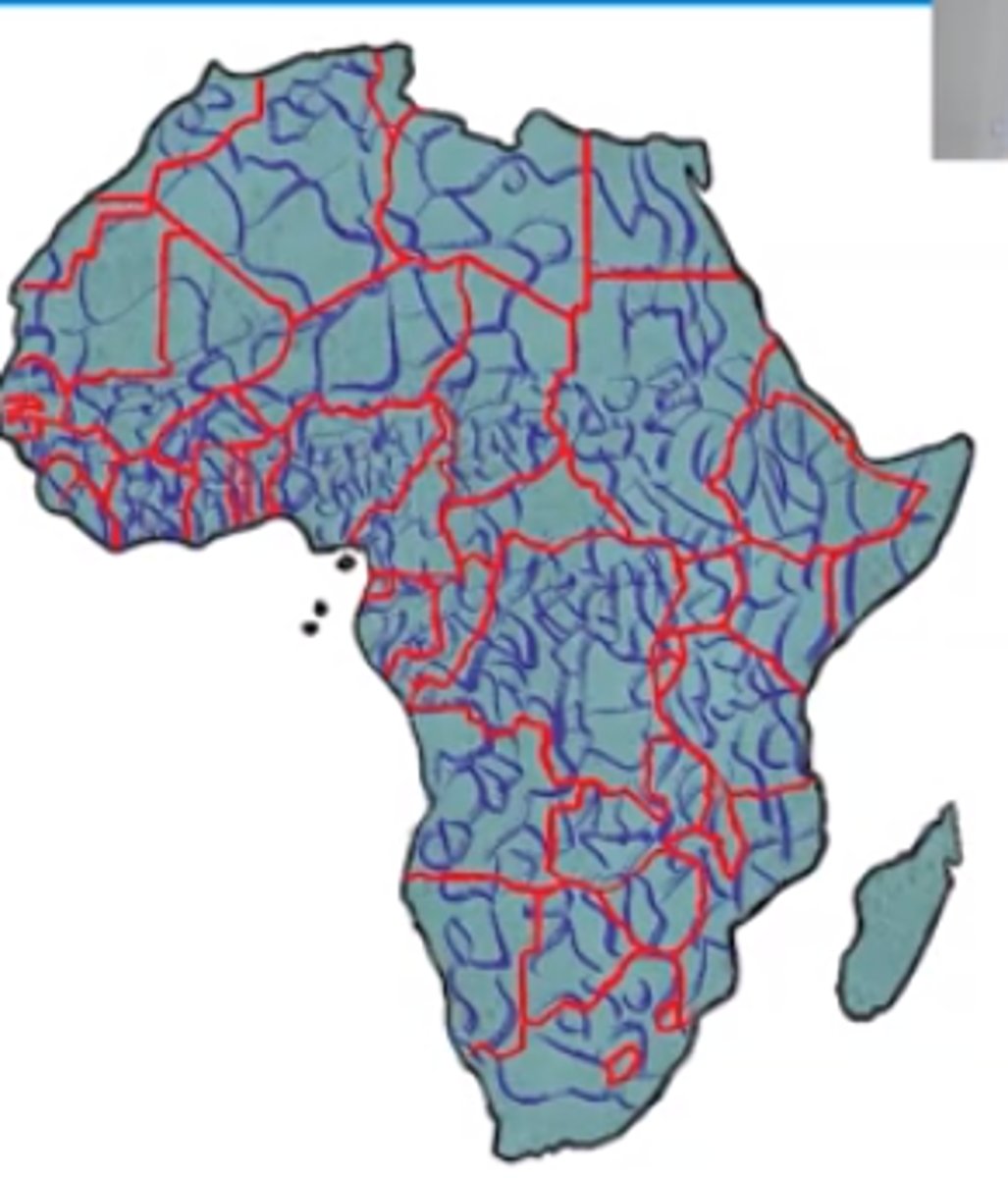
Subsequent Boundary
A boundary established after a geographic area is populated and reflects off the cultural landscape.
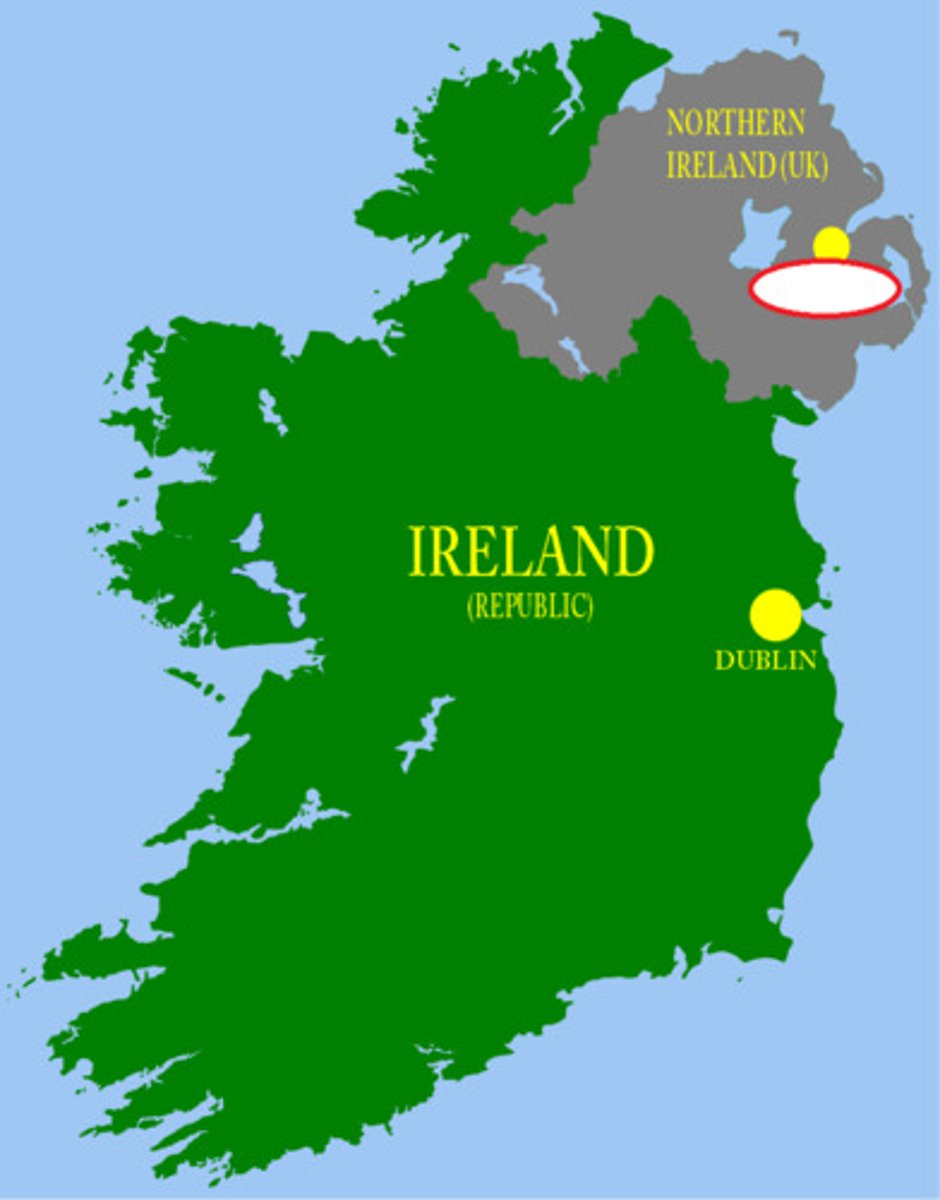
Antecedent Boundary
A boundary established before a geographic area's population and cultural landscape are developed.
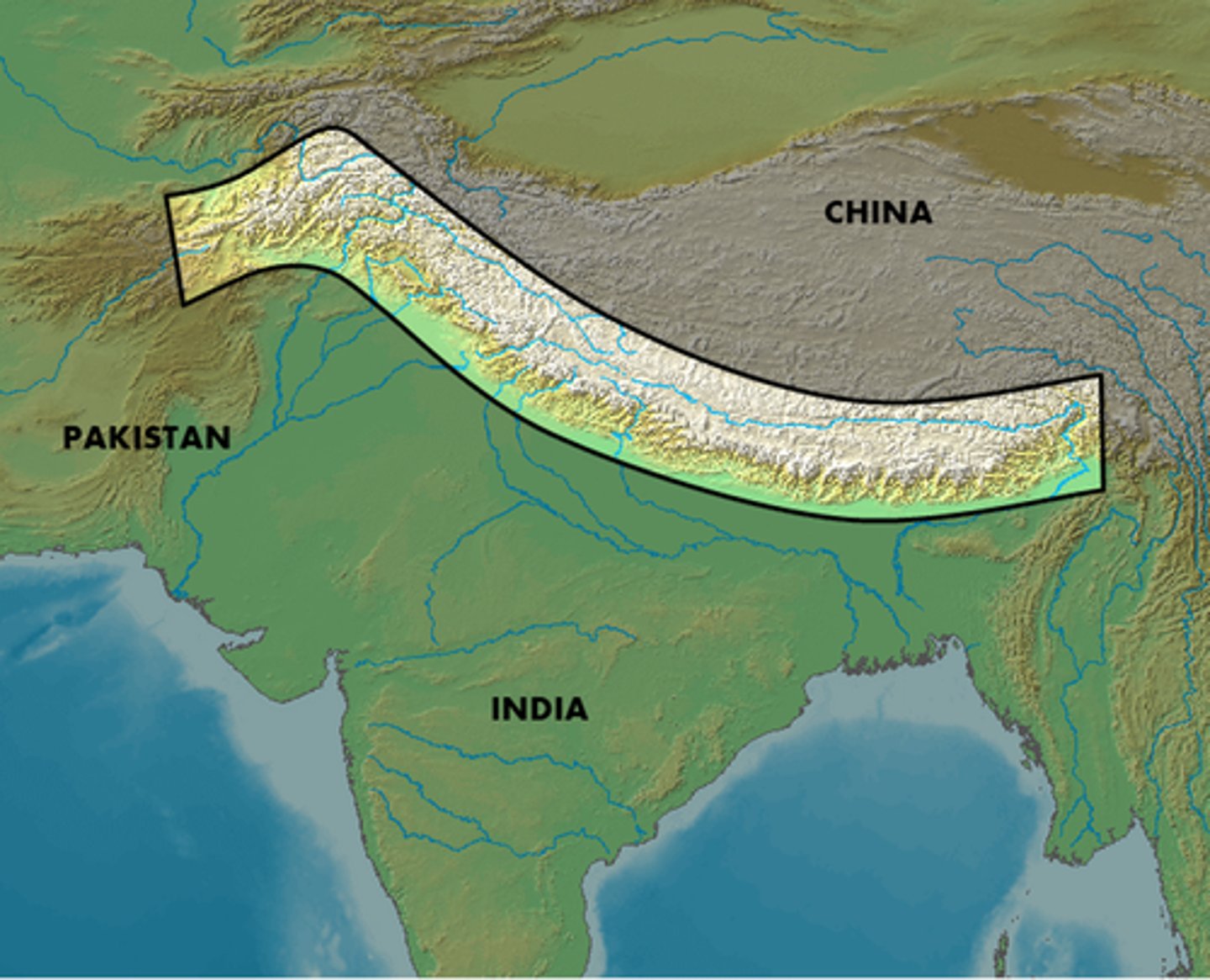
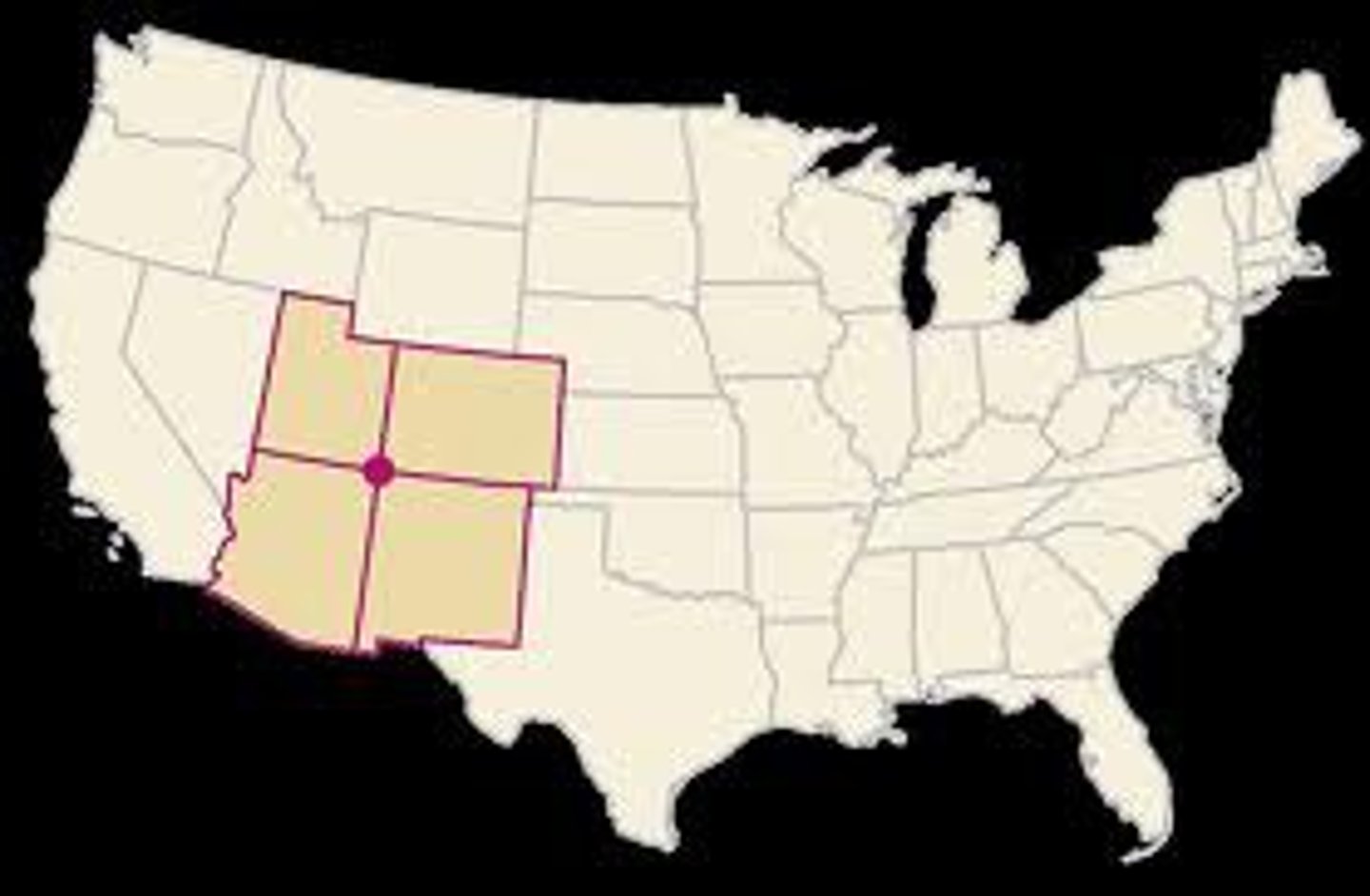
Geometric Boundary
A mathematical boundary established and often depicted by latitudes and longitudes (straight lines), disregarding the cultural landscape.
Consequent Boundary
A boundary that considers the cultural landscape and accommodates existing cultural differences.
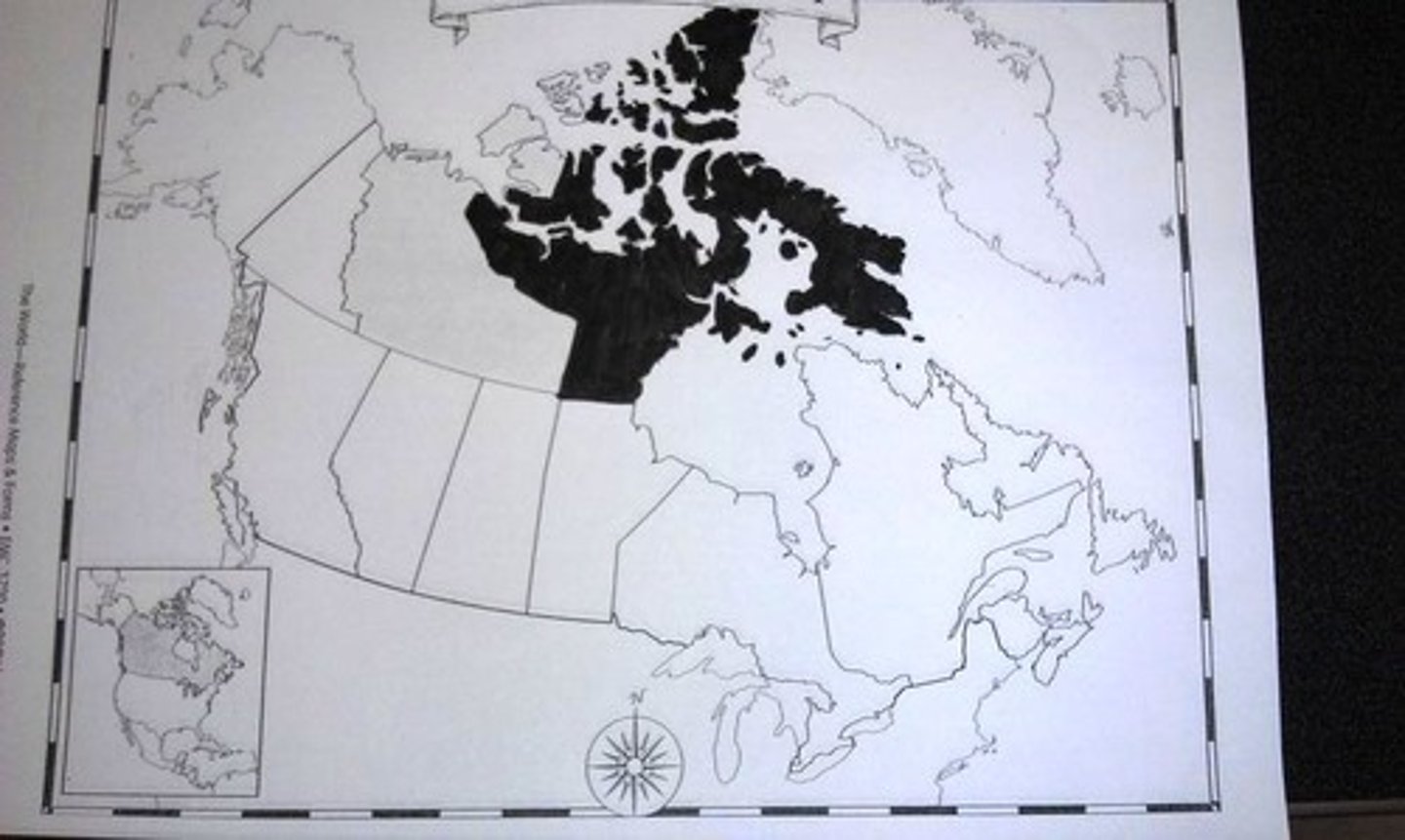
Delimitation
The process in which a boundary legally documented is officially drawn onto a map.
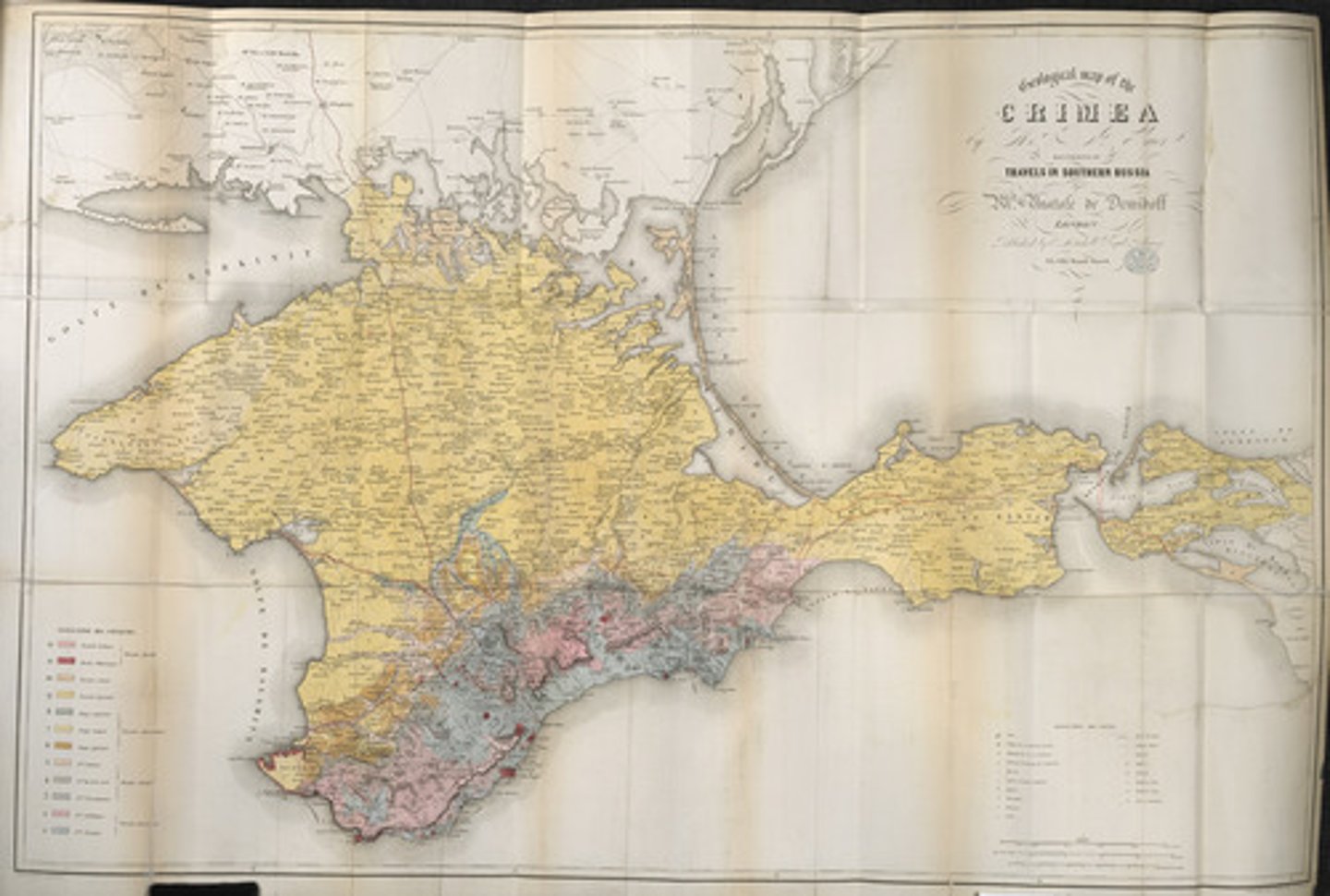
Demarcation
The process in which a boundary is physically marked on the cultural landscape and separates territories.
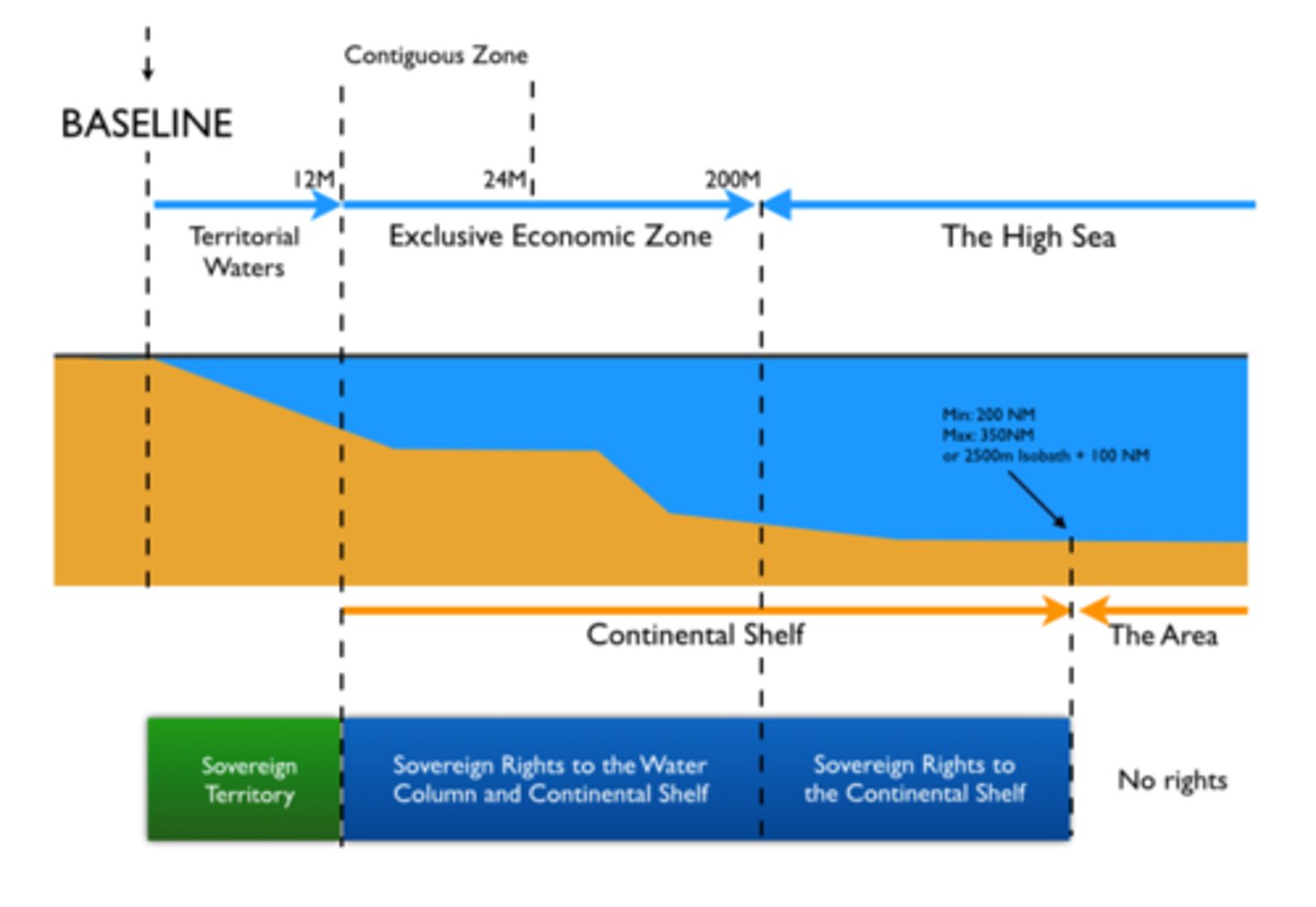
UN Convention on Law of Sea
A major international treaty that states sovereign states' ocean territories and rights.
Voting District
A geographic area defined by internal boundaries within a sovereign state where individuals vote for representatives for the legislative body.
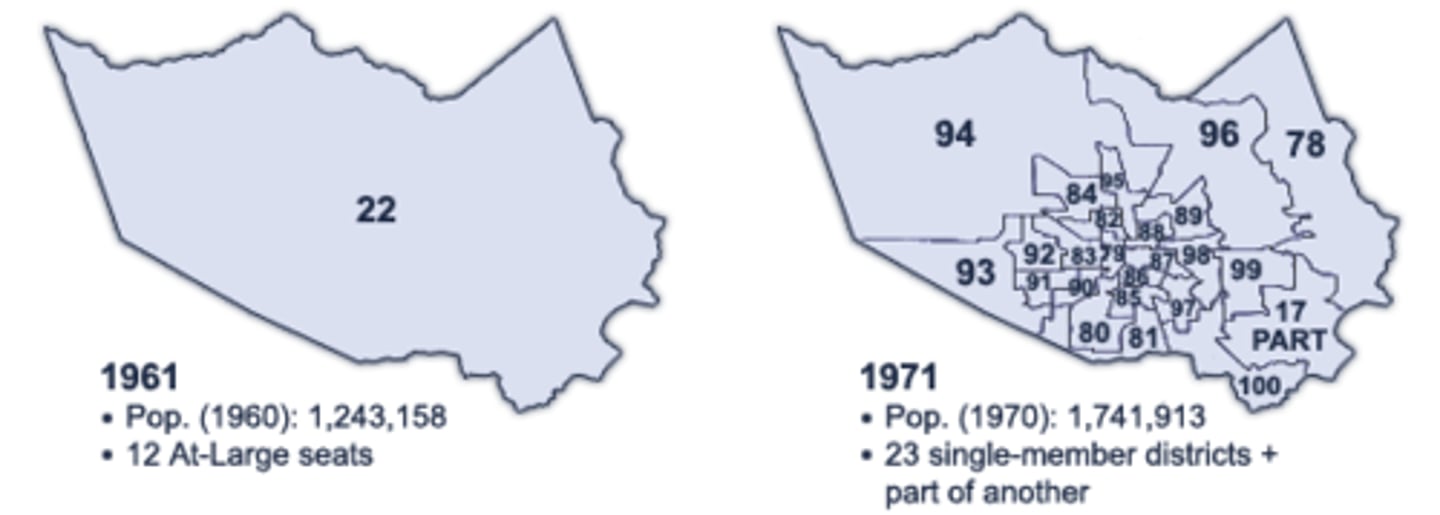
Redistricting
The process of redrawing the internal boundaries of voting districts to keep populations equal.
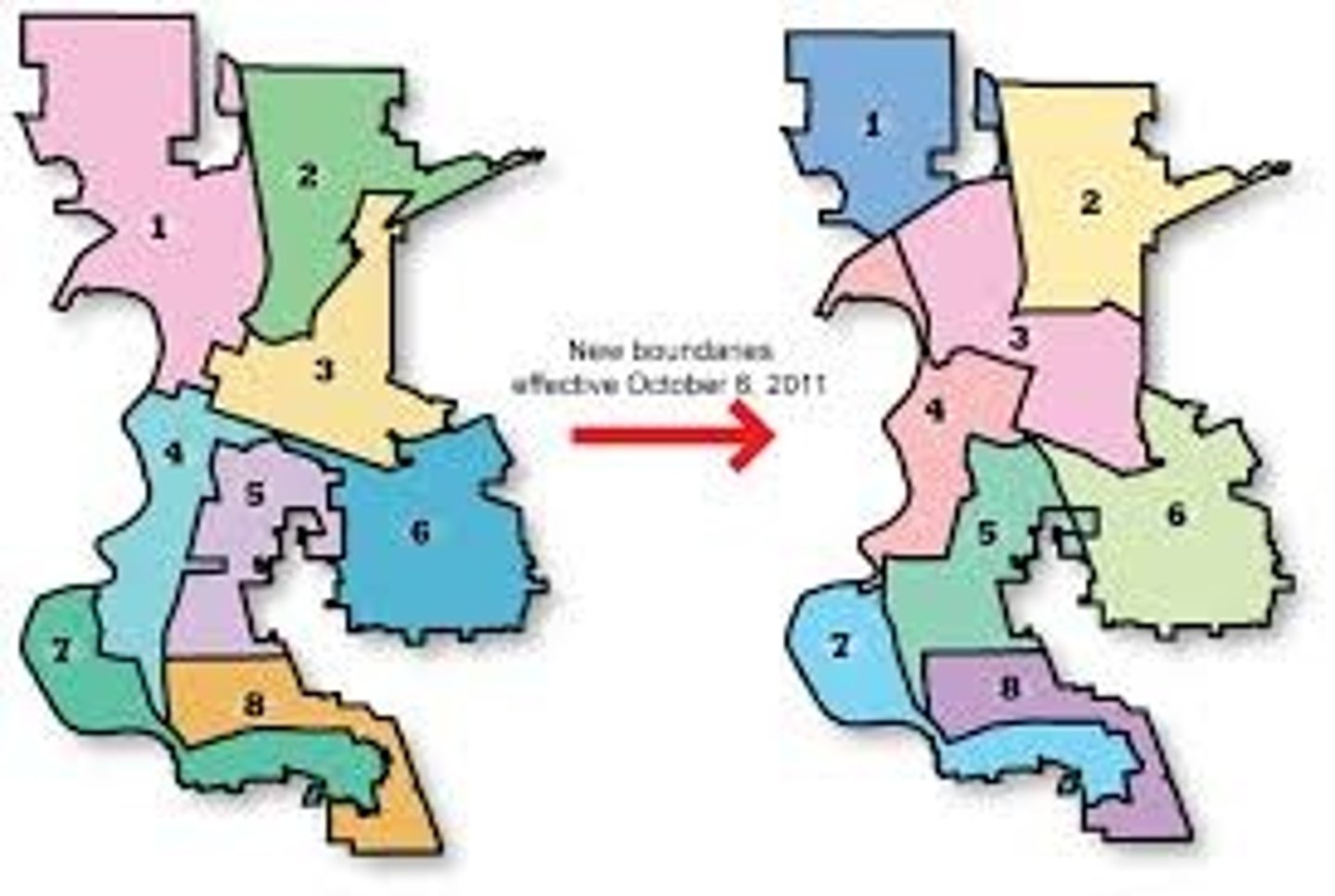
Gerrymandering
The political manipulation of the internal boundaries of voting districts to favor a party for the outcome of elections.

Unitary State
A sovereign state where the central government is the supreme authority among its sub-national units with fostered uniformity.
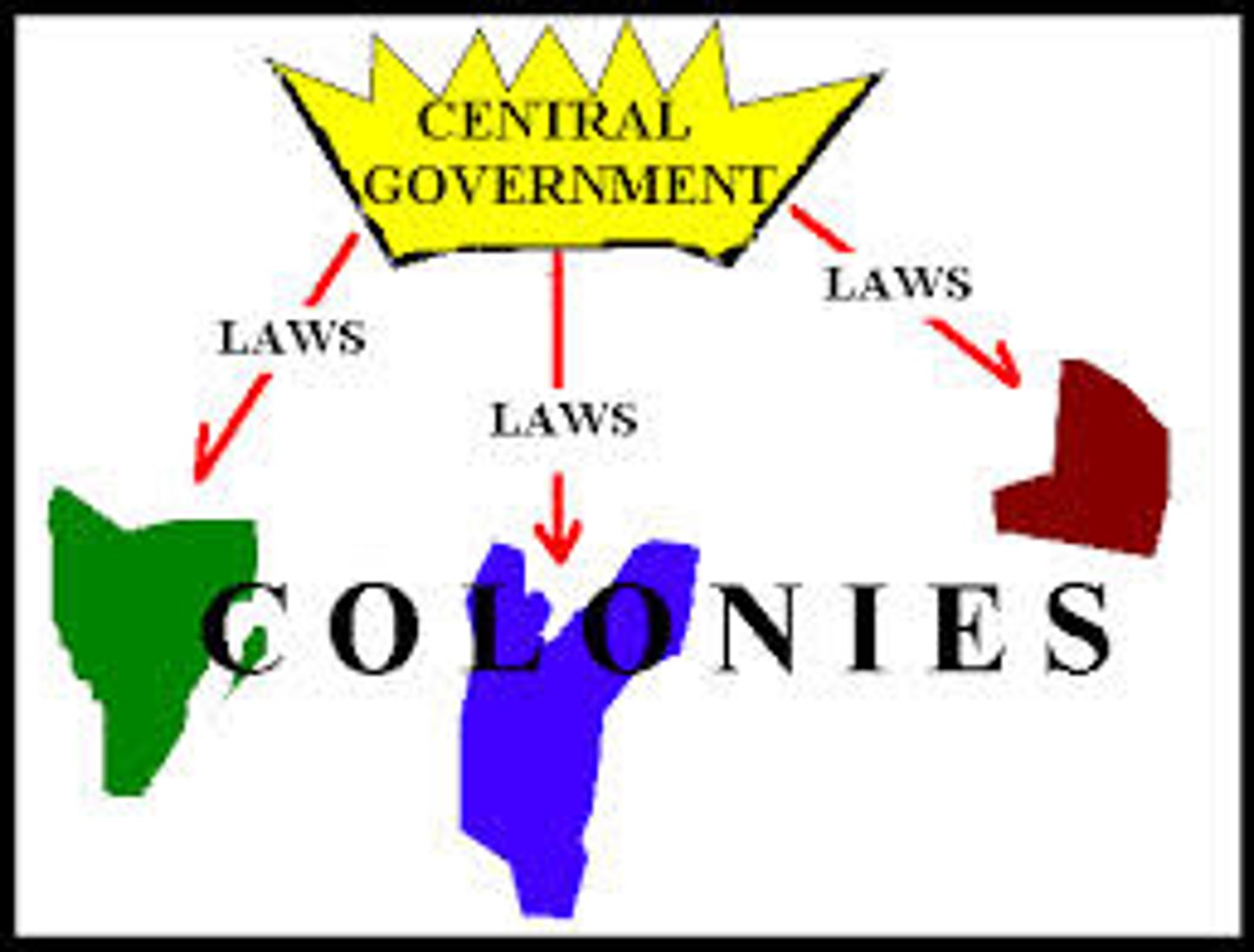
Federal State
A sovereign state where authority is permanently divided among its sub-national units with fostered diversity.
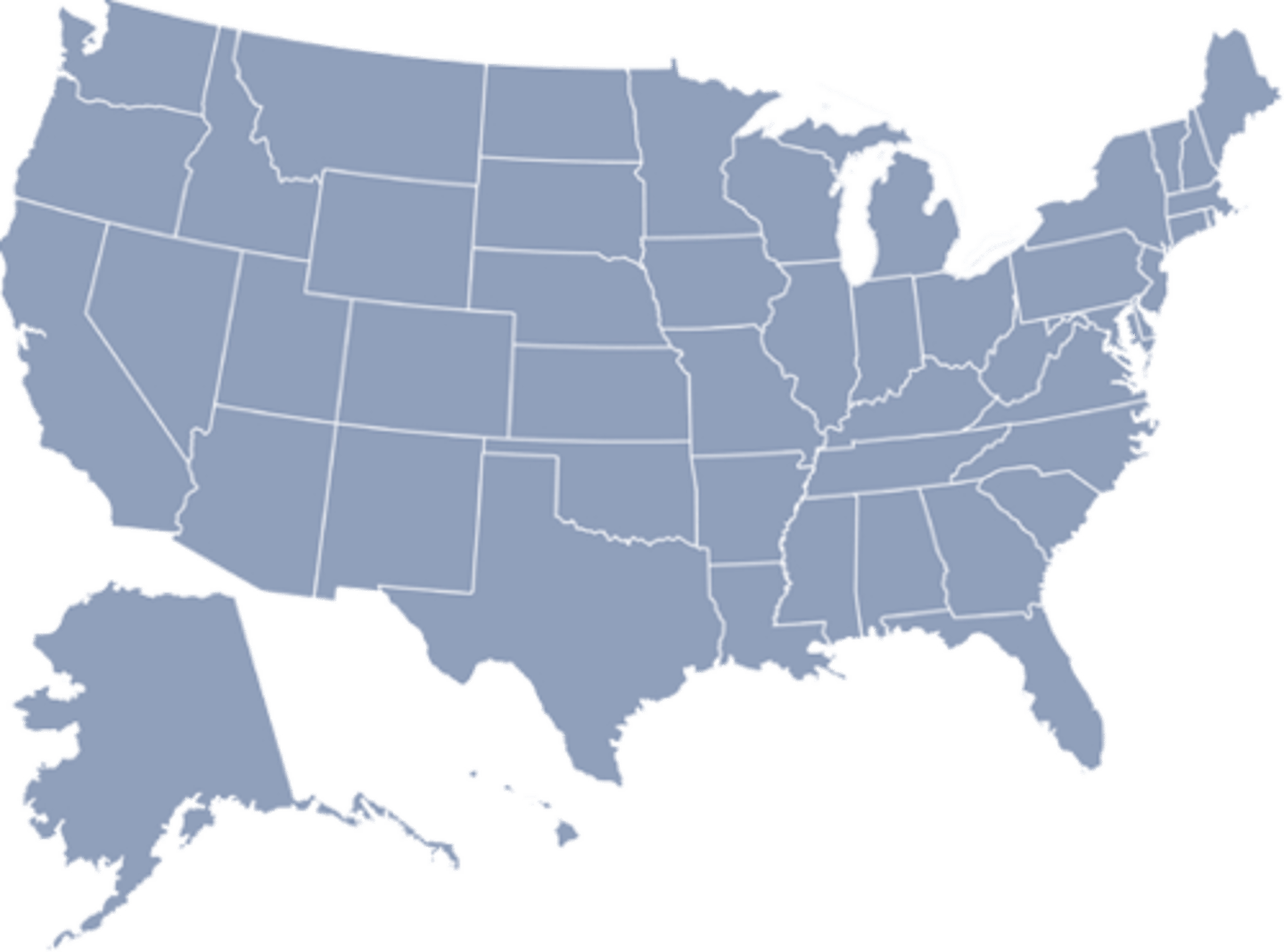
Devolution
The transfer of borrowed authority from the central government to regional governments within a sovereign state.

Ethnic Separatism
The advocacy for authority when an ethnic group identifies more with their nation rather than the sovereign state as a whole.

Ethnic Cleansing
The process in which a sovereign state forcefully tries to eliminate an ethnic group to create an ethnically homogeneous region.

Terrorism
The systematic use of violence by non-state actors to intimidate a population or to coerce governments about political demands.
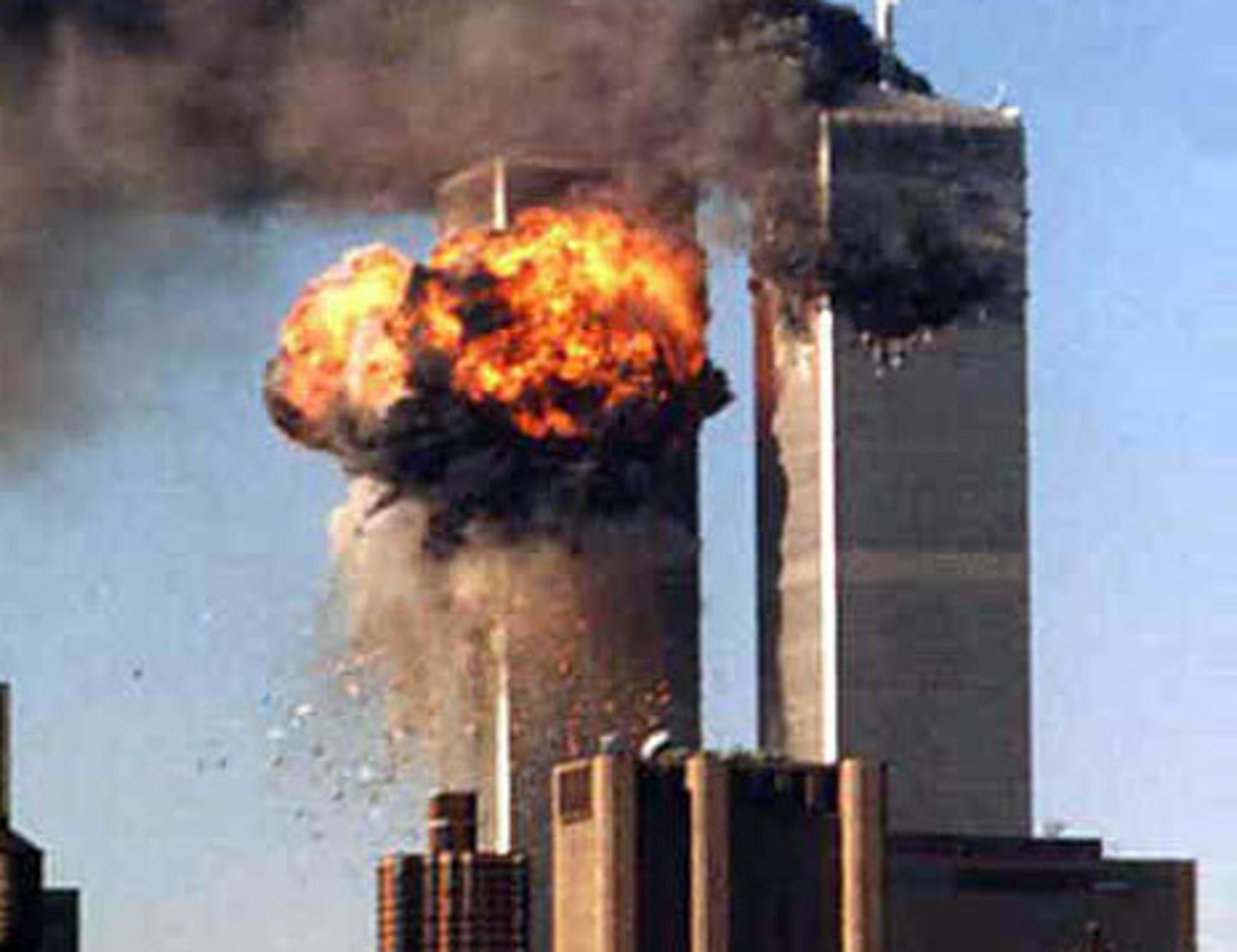
Irredentism
A nationalist movement or policy where a sovereign state arguably claims divided territory to reunite its nation.
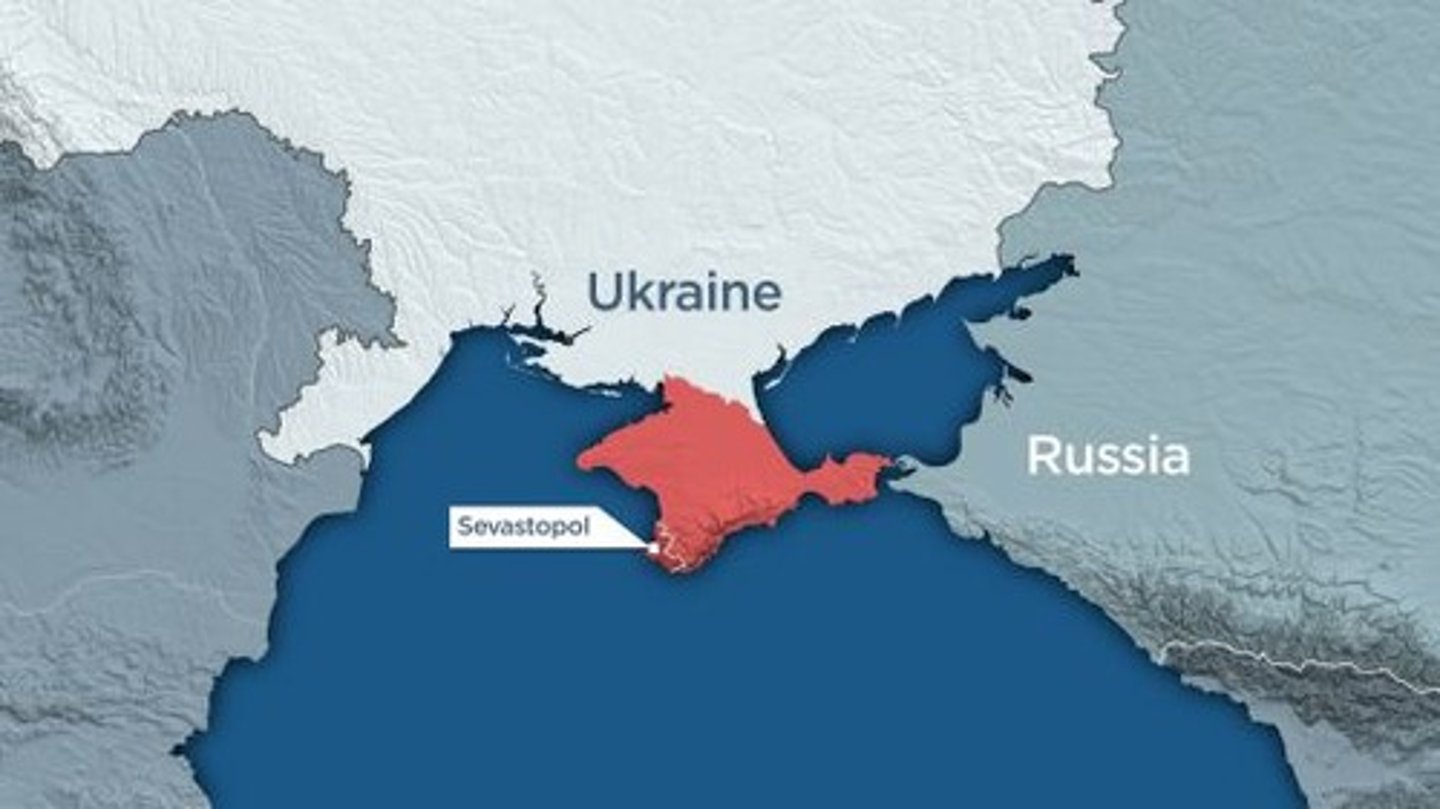
Supranationalism
The process in which multiple independent sovereign states relinquish some power to unite into a larger political entity with shared goals.

Ethnonationalism
A form of nationalism where a nation is defined by shared ethnicity, believing they should have their independent sovereign state.

Cultural Cohesion
The concept where shared cultural traits as a centripetal force culturally unify a nation to strengthen the sovereign state.

 Note
Note  Flashcards (50)