Unit 5B - Timber
0.0(0)
 Studied by 3 people
 Call Kai
 Learn
Learn Practice Test
 Spaced Repetition
 Match
Match Flashcards
 Knowt Play
Card Sorting
1/109

Earn XP
Description and Tags
Last updated 5:36 PM on 12/20/22
Name | Mastery | Learn | Test | Matching | Spaced | Call with Kai |
|---|
No analytics yet
Send a link to your students to track their progress
110 Terms
1
New cards
2 types of timber finishes
1. Rough sawn
2. Planed all round (PAR)
2
New cards
Uses of rough sawn timber
1. Exterior tasks
2. Where finish doesn’t matter
3
New cards
Uses of PAR
1. Furniture
2. Internal features
1. Windows
2. Doors
4
New cards
Seasoning
Reduction of moisture content in timber
5
New cards
Common moisture contents
1. Green timber: >50%
2. Exterior use:
6
New cards
Air-drying
Timber is stacked so that air can circulate
7
New cards
Air-drying time
\~25mm/year (plank thickness that seasons)
8
New cards
Air-drying results
Moisture content reduces to 18% (in the UK)
9
New cards
Kiln-drying
Heat and pressure is used to reduce moisture content
10
New cards
Kiln-drying advantages
1. Lower moisture content
2. Less prone to faults
3. Kills bacteria/insects that might attack wood
4. Faster process - can be sold sooner
5. No land needed for storage whilst seasoning takes place
11
New cards
Kiln-drying disadvantages
1. More expensive
2. Bad for the environment
12
New cards
Manufactured board
Natural timber is combined with adhesive
Waste, low-grade and recycled timber can be used
Usually a pale brown natural finish
Waste, low-grade and recycled timber can be used
Usually a pale brown natural finish
13
New cards
Methods of manufactured board production
1. Lamination
2. Compression
14
New cards
Lamination
Layers of wood are bonded together with adhesives
15
New cards
Compression
Wood is shredded/chipped/pulped → heated and compressed under high pressure
Normally adhesives bond the particles together
Normally adhesives bond the particles together
16
New cards
Laminated boards
1. Plywood
2. Blockboard
17
New cards
Compressed boards
1. OSB (oriented strand board)
2. MDF (medium density fibreboard)
3. Chipboard
4. Hardboard
18
New cards
Veneer
Thin slice of natural timber
19
New cards
Veneer uses
Manufactured boards are covered in them
Commonly seen on MDF and plywood
Commonly seen on MDF and plywood
20
New cards
Methods of veneer production
1. Rotary
2. Knife cut
21
New cards
Rotary veneer production
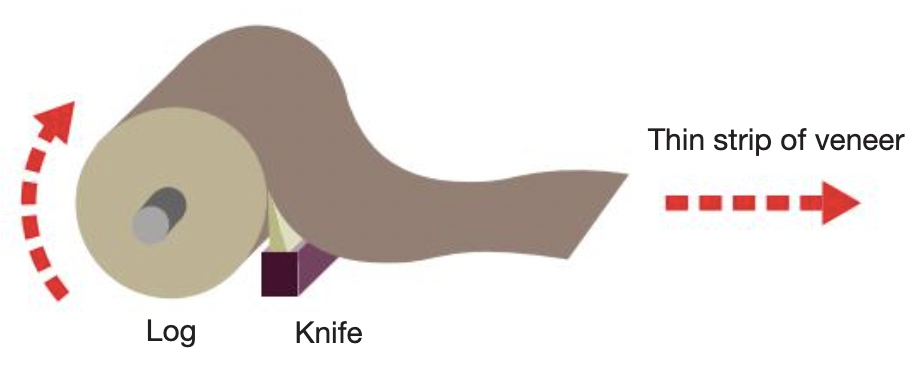
22
New cards
Manufactured boards advantages
1. Available in large sheets & very stable - saves time joining narrow planks together
2. No defects/faults - less waste
3. No knots/resink pockets - avoids waste & protects tools that blunt easily
4. Smooth finish
5. Use low grade, recycled and waste wood
6. Many finishes, veneers and laminates
23
New cards
Manufactured boards disadvantages
1. Adhesives can contain hazardous particles or VOCs
2. Machining some (e.g. MDF) releases small particles - easily inhaled (even w/ mask)
3. Tools can blunt easily due to adhesive
4. Common wood joints are ineffective
5. Edges are hard to finish
6. Prone to absorb moisture
24
New cards
Wood is sustainable
We can grow new trees to replace those used for timber and fuel
25
New cards
Unsustainable timber supply
Often obtained illegally
Used much faster than it can be replaced
Used much faster than it can be replaced
26
New cards
Problems of unsustainable timber supply
Desertification - land degradation where an area becomes increasingly less fertile and changes itself to a desert by losing flora/fauna - caused by deforestation
Contributes to global warming
Contributes to global warming
27
New cards
Provenance of wood
Supplier should prove that wood is sustainably harvested
28
New cards
Organisations that ensure timber supply is regulated
1. FSC (Forest Stewardship Council)
2. PEFC (Programme for the Endorsement of Forest Certification)
29
New cards
Measurement format
*Length x width x thickness* - planks/boards
*Length x diameter* - rods/dowels
*Length x diameter* - rods/dowels
30
New cards
Manufactured boards sizes
Series of standard sizes
Thickness starts at 3 & 4mm, from 6mm goes up in threes - 9mm → 12mm etc.
Thickness starts at 3 & 4mm, from 6mm goes up in threes - 9mm → 12mm etc.
31
New cards
Single veneer thicknesses
Thicknesses range from 0.4 → 4.5mm - commonly 1.5mm
32
New cards
Manufactured board sheets
Full sheet is *2440 x 1220 mm* - based on old imperial standard of *8 x 4 feet*
Boards are usually available in half/quarter sheets and commonly smaller
Many DIY and timber stores offer cutting services for exact sizes
Boards are usually available in half/quarter sheets and commonly smaller
Many DIY and timber stores offer cutting services for exact sizes
33
New cards
Plank widths
Widths increase in 25mm stages - based on an imperial inch
Common size is *50 x 25 mm* - frame and carcass construction (rough sawn)
PAR would be \~ *45 x 20 mm* ∵ material removed on all sides for planing
PAR sizes always 2-3mm less per side in width & thickness - 5mm less width & thickness will be available
Reduction must be considered - inaccurate construction sizes
Common size is *50 x 25 mm* - frame and carcass construction (rough sawn)
PAR would be \~ *45 x 20 mm* ∵ material removed on all sides for planing
PAR sizes always 2-3mm less per side in width & thickness - 5mm less width & thickness will be available
Reduction must be considered - inaccurate construction sizes
34
New cards
Plank lengths
Lengths vary, often bought by metre
Commonly 1.2m, 1.5m, 1.8m, 2.4m, 3m, 3.6m, increasing to max 4.8m
Commonly 1.2m, 1.5m, 1.8m, 2.4m, 3m, 3.6m, increasing to max 4.8m
35
New cards
Moulding
Specially shaped section of wood
36
New cards
Architrave
Common type of moulding around door frames
37
New cards
Skirting board
Another form of moulding in older-style houses
38
New cards
Dowel rods
Circular sections of timber, can be ridged for use in wood joints
39
New cards
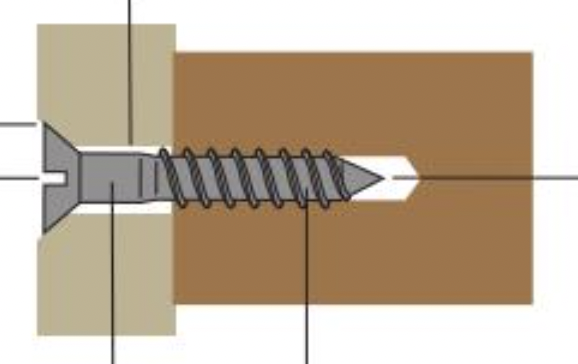
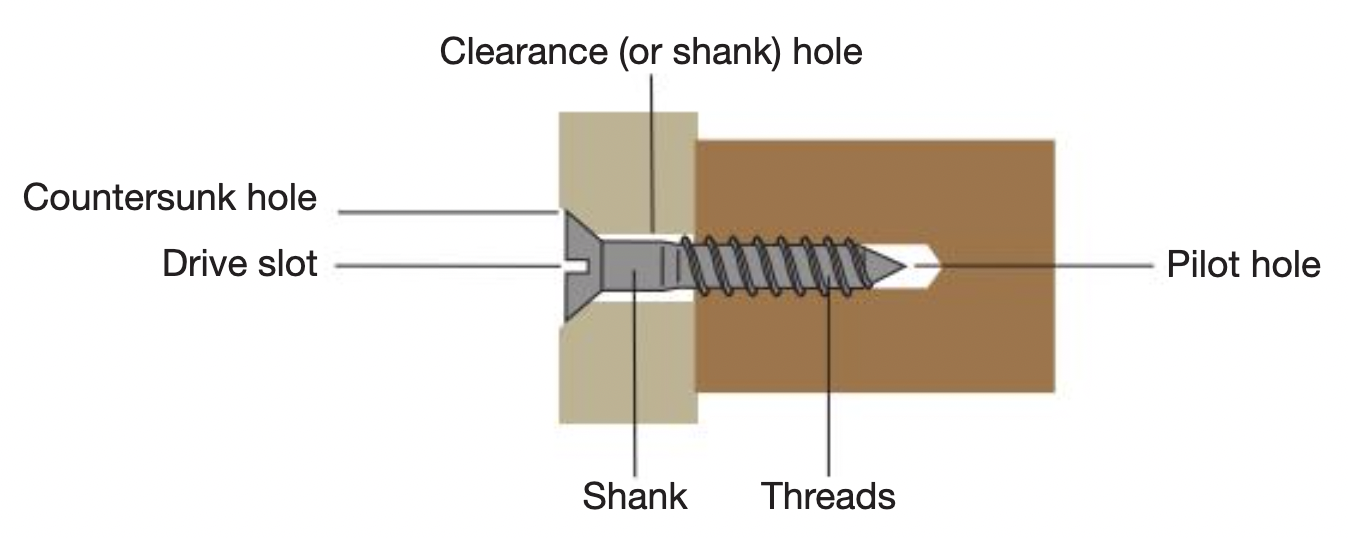
Woodscrews
Join 2 pieces of wood
Different lengths and diameters
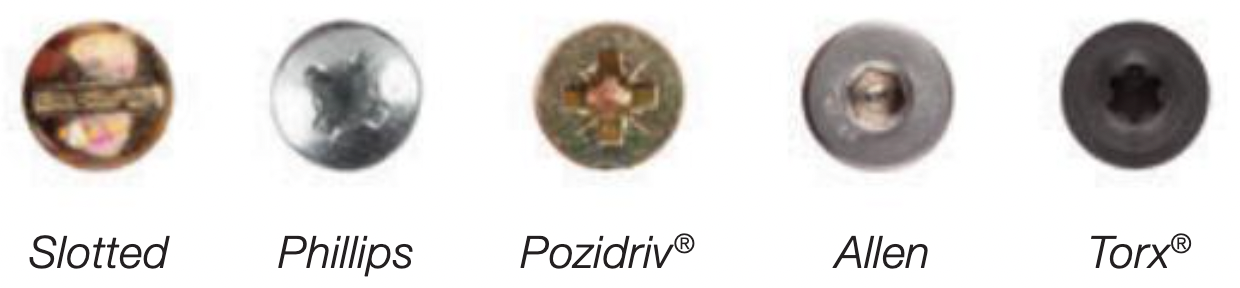
Different driving methods - slotted/Phillips/Pozidriv most common
Allen & Torx becoming used more - more reliable connection with powered screwdrivers so fewer stripped heads
Different lengths and diameters
Different driving methods - slotted/Phillips/Pozidriv most common
Allen & Torx becoming used more - more reliable connection with powered screwdrivers so fewer stripped heads
40
New cards
41
New cards
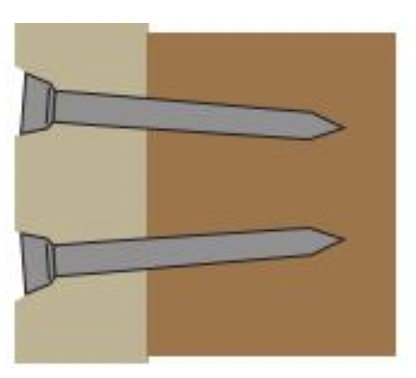
Dovetail nailing
Skewing nails or pins at an angle so that there is less chance that they come loose through force or vibrations
42
New cards
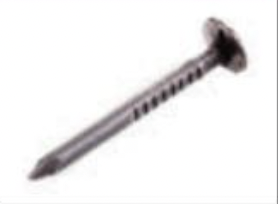
Round wire nail
All-purpose, wide flat head, can galvanise it for exterior use
43
New cards
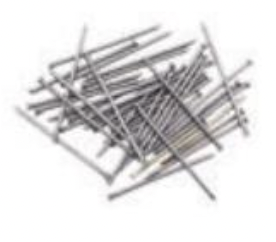
Panel pin
Thin diameter, discrete small head, pin punch used to set below surface
44
New cards
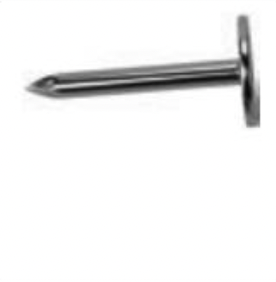
Clout pin
Very wide head, often galvanised, used in roofing felt and plasterboard
45
New cards
Oval wire nail
Shaped nail, small head, prevents splitting, best for interior use
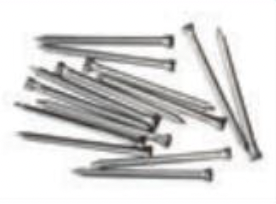
46
New cards
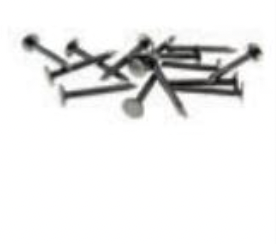
Tack
Sharp, short wide head, used to attach material e.g. upholstery to wood
47
New cards
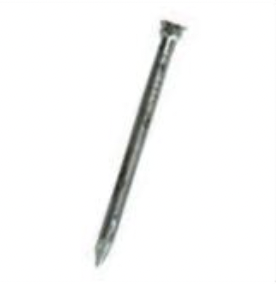
Lost head nail
Thicker panel pin, used where head shouldn’t be visible, pin punch used
48
New cards
Knock-down fittings
Temporary
Join 2/sometimes 3 pieces of wood usually with screws
Easily dismantled for storage/transportation
Flat pack furniture relies on them
Join 2/sometimes 3 pieces of wood usually with screws
Easily dismantled for storage/transportation
Flat pack furniture relies on them
49
New cards
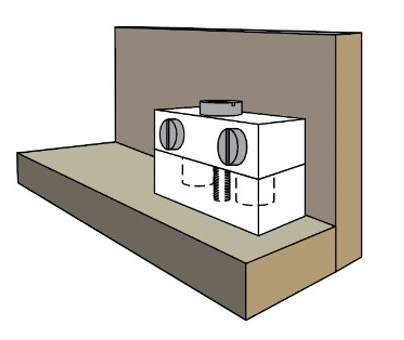
Connecting/block fitting
50
New cards
Cross dowel fitting
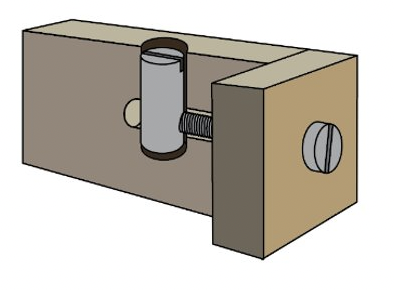
51
New cards
Cam lock fitting
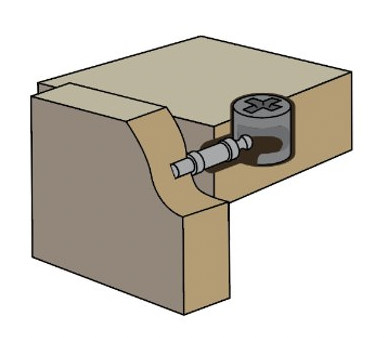
52
New cards
Hinges
Attach door, windows etc. to frames/carcases
Usually metal, commonly polished brass or steel
Sold in pairs
Usually metal, commonly polished brass or steel
Sold in pairs
53
New cards
Rebating
Recessing the hinge to ensure flush fit
54
New cards
Butt hinge
Standard for doors/windows
Needs rebating
Needs rebating
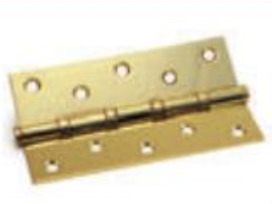
55
New cards
Flush hinge
Less robust than butt hinge
No rebating
No rebating
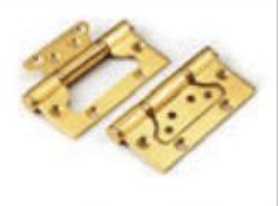
56
New cards
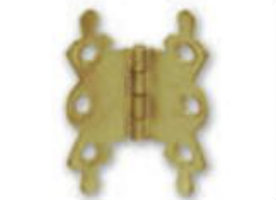
Butterfly hinge
Decorative version of butt hinge
Used in cabinets
Used in cabinets
57
New cards
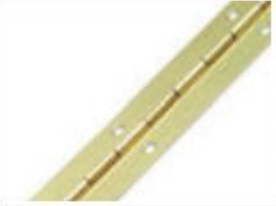
Piano hinge
Long, butt style hinge
Cut to required length
Fine, close join possible
Cut to required length
Fine, close join possible
58
New cards
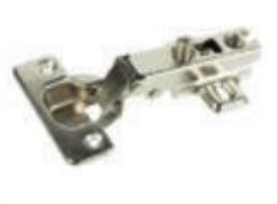
Concealed hinge
Flat pack furniture
Specialist jig needed
Specialist jig needed
59
New cards
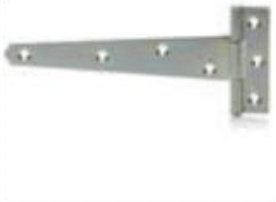
Tee hinge
Galvanised/painted/black japanned for outdoor use on sheds and gates
60
New cards
Factors in drilling
1. Drill bit type - correct amount of material removed
2. Speed - slower if bit is larger to avoid scorching wood
3. Depth - may not want to fully drill through
4. Feed rate - avoid excessive strain on drill bit
61
New cards
Pillar drill
Accurate
Can drill larger holes in thicker materials
Can drill larger holes in thicker materials
62
New cards
Cordless drill
Adaptable
Variable speeds for drill
Clutch can help avoid over-tightening
Variable speeds for drill
Clutch can help avoid over-tightening
63
New cards
Wood drill bit
Drill holes in wood
Flutes remove waste
Flutes remove waste
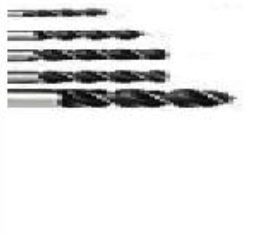
64
New cards
Twist drill bit
General purpose bit - also used on plastic and metal
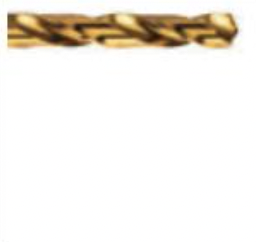
65
New cards
Countersunk bit
Bit for countersunk screw holes - allows screw to be flush
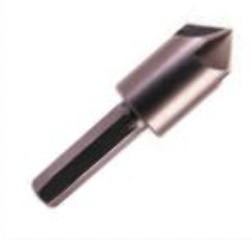
66
New cards
Hole saw
Drills large holes
Easily overheats ∵ high peripheral speed
Easily overheats ∵ high peripheral speed
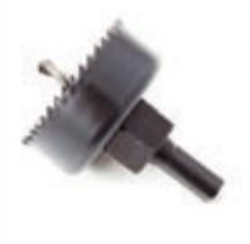
67
New cards
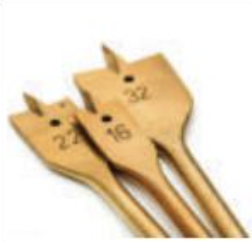
Flat bit
Efficiently makes large holes
Efficiently removes waste
Long shank for greater depth
Efficiently removes waste
Long shank for greater depth
68
New cards
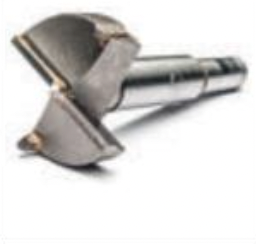
Forstner bit
Accurate hole-cutting bit
Good for flat-bottomed/partial thickness holes
Good for flat-bottomed/partial thickness holes
69
New cards
Saws
Tenon, rip, cross-cut, coping and band
Cut material and joints to size
Cut material and joints to size
70
New cards
Saws for cutting straight lines
Tenon saw, rip saw, cross-cut saw

71
New cards
Saw for cutting joints
Tenon saw
72
New cards
Saw for cutting large panels
Rip and cross-cut saw
73
New cards
Saw for curved lines
Coping saw
74
New cards
Band saw
Powered saw
Straight cuts/gentle curves in thick/thin material
Straight cuts/gentle curves in thick/thin material
75
New cards
Scroll saw
Powered saw
Curves in thin material
Curves in thin material
76
New cards
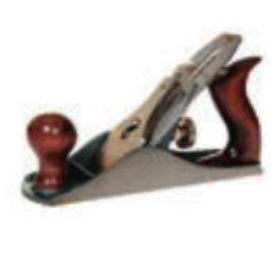
Smoothing plane
Removes very thing layers
Smooths/flattens along grain
Smooths/flattens along grain
77
New cards
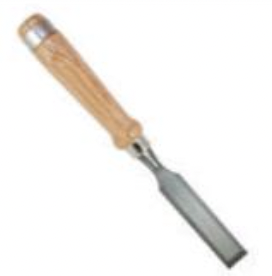
Chisel
Different versions
Used with mallets to form rebates/recesses
Used with mallets to form rebates/recesses
78
New cards
Rasp
Like a file
Very rough teeth - fast material removal
Different profiles
Very rough teeth - fast material removal
Different profiles
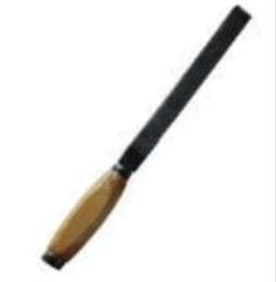
79
New cards
Surform
Fast material removal
Sharp but brittle grater-like blade
Different profiles
Sharp but brittle grater-like blade
Different profiles
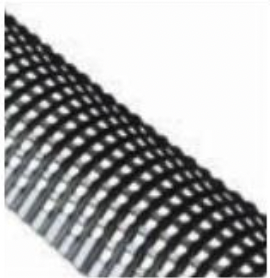
80
New cards
Disc/Belt Sander
Sand easy to reach sections
Material safely held
Material safely held
81
New cards
Bobbin sanders
Cylindrical - sand internal curves
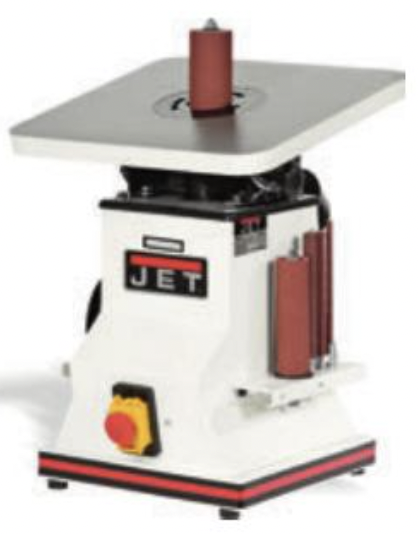
82
New cards
Glasspaper
Best for hard-to-reach areas
Apply different amount of force
Different grades measured in grit density
Lower grits are coarse and scratch, higher grits are smooth and polish
Apply different amount of force
Different grades measured in grit density
Lower grits are coarse and scratch, higher grits are smooth and polish
83
New cards
Wood lathes
Turn bowls/spindles
Slower speed for larger diameter
Special chisels - scraper, gouge, parting tool
Slower speed for larger diameter
Special chisels - scraper, gouge, parting tool
84
New cards
Former/Jig
Used in laminating
Object held against them, pressure applied with clamps/vacuum
Curves can be quite complex
Object held against them, pressure applied with clamps/vacuum
Curves can be quite complex
85
New cards
Bending wood
Can make ornate shapes and curves
Soaking in water - increases moisture content and makes wood more flexible
Soaking in water - increases moisture content and makes wood more flexible
86
New cards
Steaming
1hr/25mm of thickness - steamer box is faster
Thinner wood = tighter radius
Wood bent around former, clamped (same as laminating), dry for 1 hour
Few days to dry
Thinner wood = tighter radius
Wood bent around former, clamped (same as laminating), dry for 1 hour
Few days to dry
87
New cards
Best/Worst woods for bending
Best - oak, hickory, elm, walnut and ash
Softwoods/tropical hardwoods generally don’t bend as well
Softwoods/tropical hardwoods generally don’t bend as well
88
New cards
Butt join
Weak - little surface area for adhesive
Pins/nails common
Pins/nails common
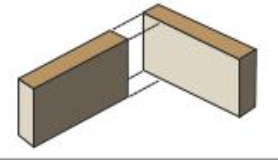
89
New cards
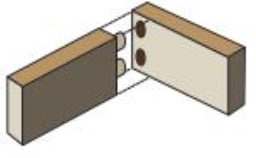
Dowelled joint
Wooden dowels add strength and rigidity
Dowels glued for strength
Dowels glued for strength
90
New cards
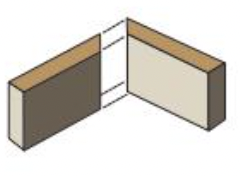
Mitre joint
Ends cut to 45°
More attractive than butt joint - used in picture frames/surrounds
Weak - little surface area
Metal splines can strengthen
More attractive than butt joint - used in picture frames/surrounds
Weak - little surface area
Metal splines can strengthen
91
New cards
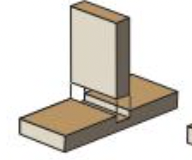
Housing joint
Stronger joint - larger surface are for adhesives
Physical advantage - wood supported on 3 sides
Physical advantage - wood supported on 3 sides
92
New cards
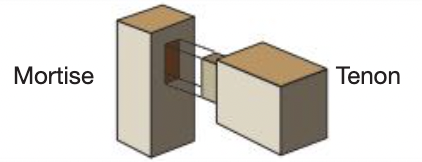
Mortise and tenon joint
Used in tables/chairs
Strong - very large surface area for glue
Physical advantage - tenon
Strong - very large surface area for glue
Physical advantage - tenon
93
New cards
Advantages of flat-pack furniture
1. Compact - easy to transport
2. Low cost
3. Many styles & finishes
4. Easy to assemble
5. Can disassemble for storage/moving
94
New cards
Disadvantages of flat-pack furniture
1. Needs to be constructed - additional cost?
2. Less robust than traditional furniture
3. Can be complex to build
4. Weak to moisture
5. Chips/breaks more easily
95
New cards
CNC (Computer Numerical Control) routers (flat) & lathes (cylindrical)
Great repetitive accuracy
Very high level of detail
Available in large formats
Can make ornate shapes
Can work with large panels
Work quickly - screw holes/slots/patterns cut in 1 process
Can save/reuse templates - save minimise waste
Can produce large quantities of identical items
Very high level of detail
Available in large formats
Can make ornate shapes
Can work with large panels
Work quickly - screw holes/slots/patterns cut in 1 process
Can save/reuse templates - save minimise waste
Can produce large quantities of identical items
96
New cards
QC (Quality Control)
Checking product is made correctly - ensure dimensionally accurate, safe
97
New cards
Tolerance
Allowed range/variation of measurements in a product
98
New cards
Go/no go gauge
Set to min/max tolerance - allowed variation in measurement of a product
Place gauge onto product part - easily rejected if size is wrong
Place gauge onto product part - easily rejected if size is wrong
99
New cards
Reasons for finishes
Aesthetics & Protection
100
New cards
Aesthetics finishes
1. Match/contrast with existing materials
2. Enhance natural grain
3. Give a shine/sheen or matt finish
 Note
Note  Flashcards (64)