Biology Unit 2 Cell Structure
 Call Kai
 Learn
Learn Practice Test
 Spaced Repetition
 Match
Match Flashcards
 Knowt Play
1/75

There's no tags or description
Looks like no tags are added yet.
Name | Mastery | Learn | Test | Matching | Spaced | Call with Kai |
|---|
No analytics yet
Send a link to your students to track their progress
76 Terms
Prokaryotic
Single celled organisms, lack membrane bound organelles
Eukaryote
Have membrane bound organelles, more complex
What do all cells have
Plasma Membrane, Cytoplasm, Genetic Material, Ribosomes
Plasma Membrane
Responsible for movement in and out of the cell, mosaic of components (fluidity)
What are the two types of transport mechanisms
Active and Passive
Passive transport
Does not require ATP, High concentration to lo
Active transport
Requires protein and ATP, Low concentration to high
What is active transport mainly for
Charged molecules
Large Molecules
Bulk Transport
Concentration gradient
The difference in solute concentration in and out of the cell
Increased difference in concentration equals what?
Faster rate of diffusion
What are the two types of diffusion
Diffusion
Facilitated Diffusion
Diffusion
Single substance moves down its concentration gradient
Facilitated diffusion
Substance moves down the concentration gradient, requires a transport protein
Faster rate of diffusion
Increased Temperature
Increased surface area : volume ratio
Slower rate of diffusion
Increased mass of molecule
Increased membrane thickness
Increased length across membrane
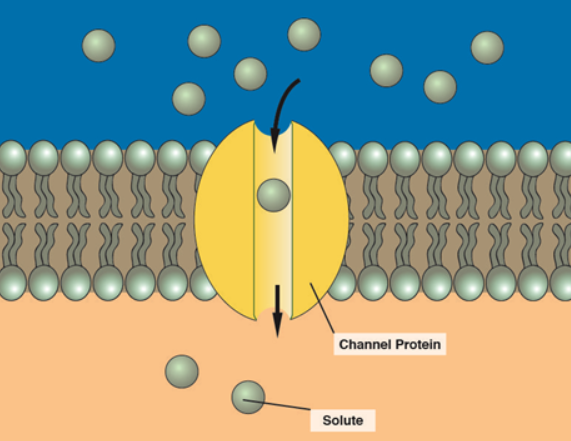
Channel Proteins
Create hydrophilic holes in membranes for molecules to move down concentration gradient
Aquaporins
channel proteins specifically for water
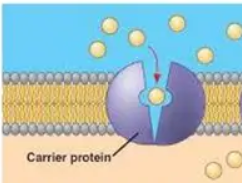
Carrier Proteins
Physically must bind to the solute in order to move it across membrane
Osmosis
Diffusion of Water down its concentration gradient, Important for cell function, Passive
Hypertonic solution
Higher concentration outside the cell (Water moves out)
Hypotonic Solution
Lower concentration outside the cell (Water moves in)
Isotonic Solution
Same concentration outside cell
What happens when a cell expands to much
Cell Lysis
What happens when a plant cell shrinks too much
Plasmolysis
What are the three types of transport proteins
Uniporter
Symporter (Co Transport)
Antiporter (Co transport)
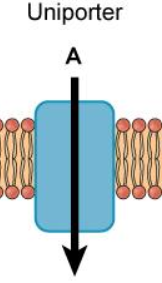
Uniporter
Movement of one molecules
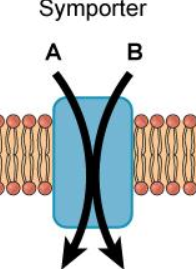
Symporter
Both molecules go in same direction
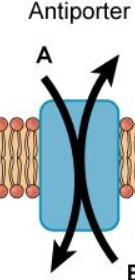
Antiporter
Molecules go in different directions
What are bulk transporters
Endocytosis and Exocytosis
The two types of endocytosis
Phagocytosis and Pinocytosis
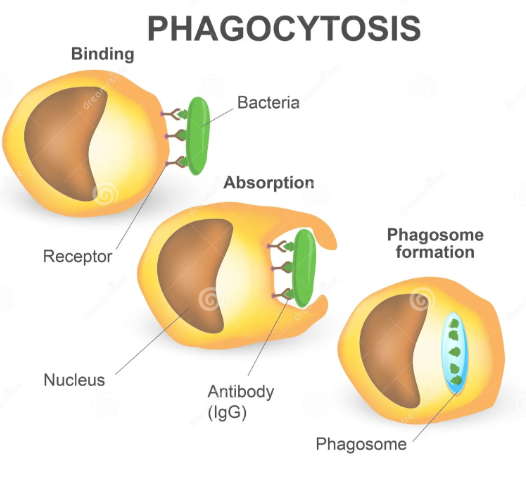
Phagocytosis (Cell Eating)
Taking in large, undissolved molecules, Vesicle merges with the lysosome to form a phagolysosome
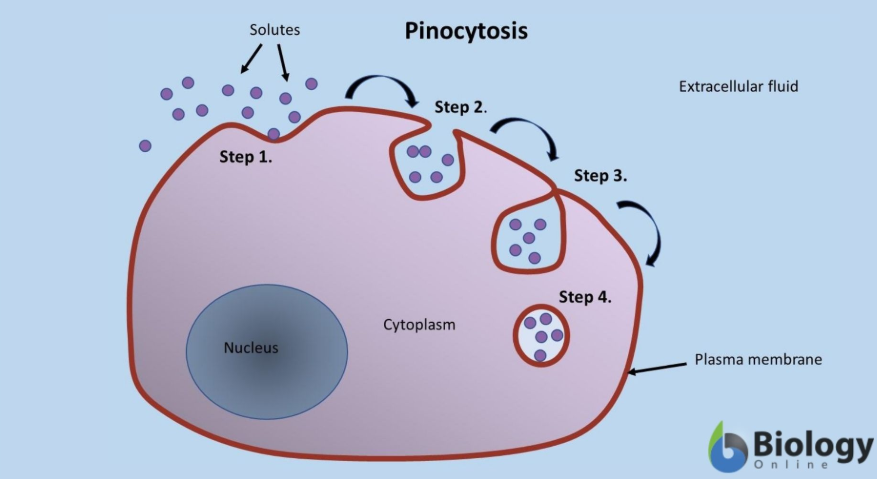
Pinocytosis (Cell Drinking)
Taking in extracellular fluid
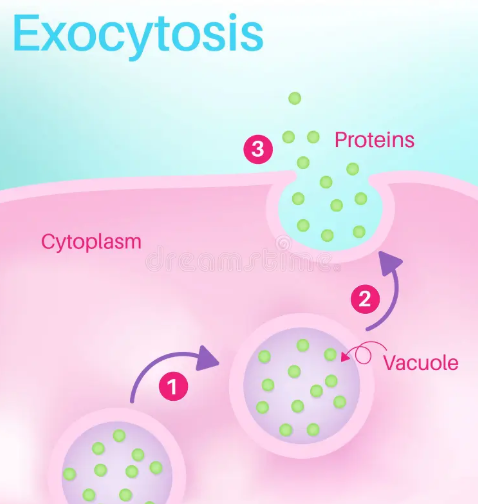
Exocytosis
Removing material from the cell
Cytoplasm
Gel that holds the cell together
What kind of protein filaments is the cytoskeleton made up of?
Microfilaments
Intermediate filaments
Microtubules
Microfilaments (Actin Filaments)
Narrowest filament, Help with cell movement and shape
Intermediate filaments
Middle sized, purely structural, anchors the nucleus and other organelles in place
Microtubules
Widest filament, help cells resist compression, provides vesicle tracks, work in mitosis by moving chromosomes around
Where does protein synthesis (translation of mRNA) occur
Ribosomes
What are ribosomes composed of
Large and small subunits
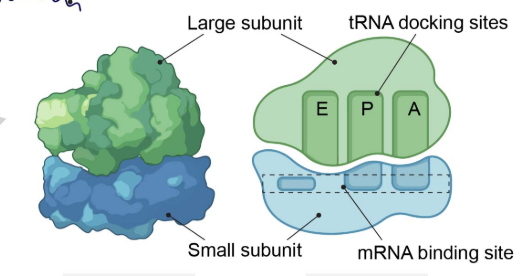
Free floating Ribosomes
Make proteins for within the cell
Rough ER Ribosomes
Make proteins for outside the cell
What do prokaryotes have in their cell walls
Peptidoglycan
Which cells are bigger Prokaryote or Eukaryote
Eukaryote
What shape is the DNA of prokaryotes
Circular
Where do prokaryotes complete DNA replication, transcription, and translation
All in the same place
Flagella (Prokaryote)
Allow for movement (rotary motion)
Magnetosomes (Prokaryote)
Respond to magnetic forces
Pili/Fimbriae for Prokaryotes
Help with attachment and sexual reproduction (not all prokaryotes have it)
What shape is the DNA for eukaryotic cells
Linear
Nucleus
Holds your DNA, where DNA replication and transcription occur
What is the nuclear structure composed of
Nuclear Envelope
Chromatin
Nucleolus
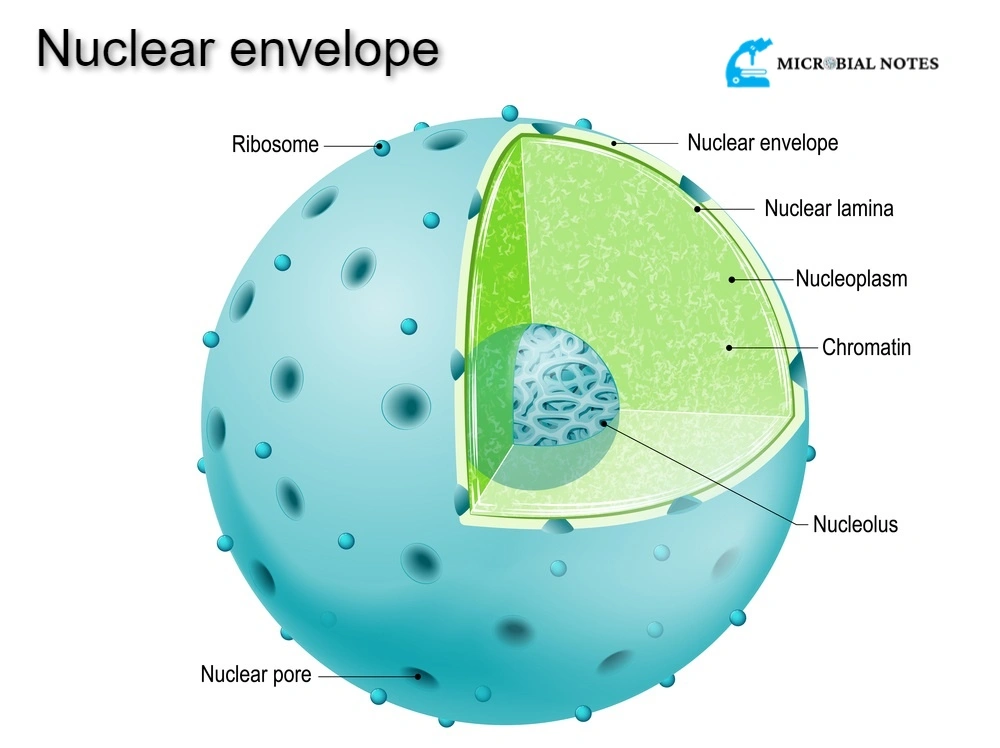
Nuclear envelope (membrane)
Double layer of phospholipids that has nuclear pores that allow molecules in and out of the nucleus
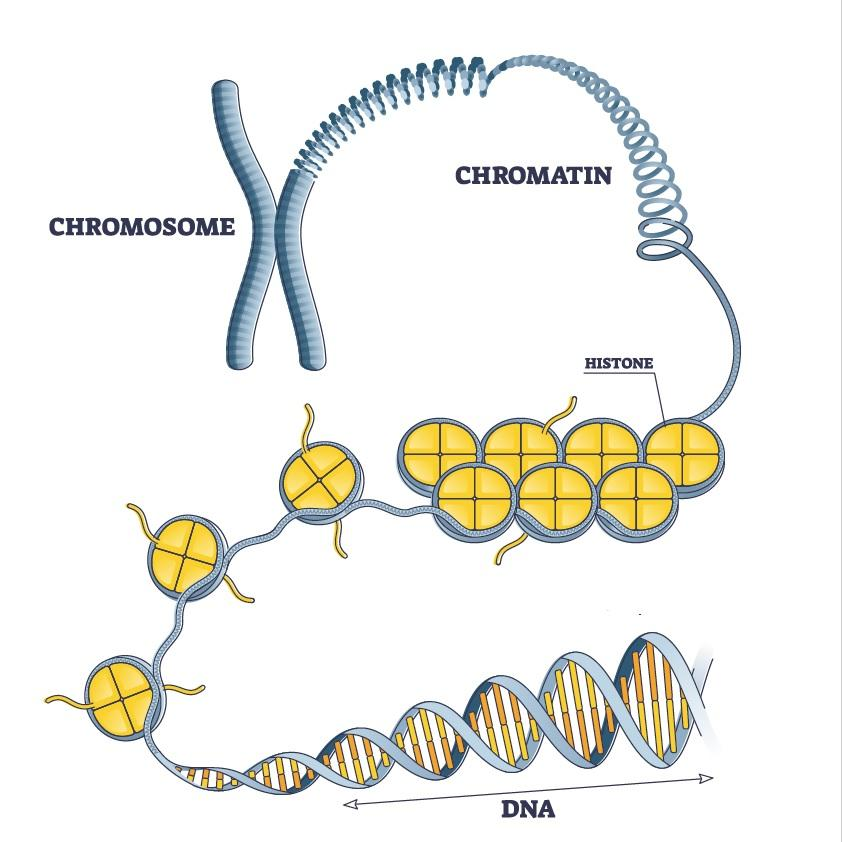
Chromatin
Make up chromosomes and is only distinguishable during cell replication
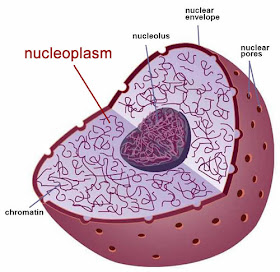
Nucleolus (Dark Spot)
Holds the DNA that encodes rRNA
Rough ER
Has ribosomes, helps with production and movement of protein
Smooth ER
Lipid synthesis, metabolism and hormone synthesis (fatty acids)
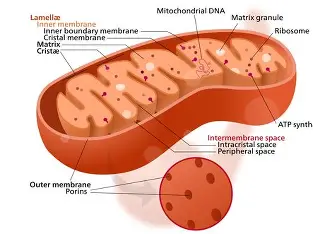
Where does cellular respiration take place?
Mitochondria
Why is the Mitochondria considered the powerhouse of the cell
Creates ATP by breaking down sugars
Who do you inherit Mitochondria from
Maternal Parent, has DNA that get’s replicated just like nuclear DNA
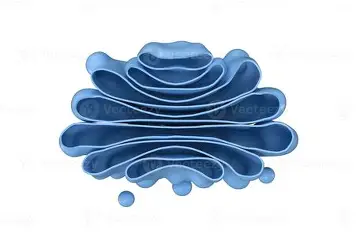
Golgi Apparatus
Takes protein from rough ER, processes them more and then transports them
Peroxisomes
Process reactive oxygen species necessary for metabolism
Vesicles
Transport material into and out of cell
Vacuoles
Storage of waste (animal cells) or water (plant cells)
Can eukaryotes have flagella or cilia
Yes, but different functions, for movement
Centrosomes
Initiates cell division
Lysosome
The digestive component of a cell, breaks down molecules for nutrients
What digestive enzymes to lysosome use
Lysozymes
What are the specialized features in Plant Cells
Cell Wall
Chloroplasts
What is the cell wall made of
Cellulose and Chitin for fungi
Chloroplasts
Where photosynthesis occurs, Has DNA from cyanobacterial ancestors
What do all modern photosynthetic organisms have
chlorophyll -A
Stroma
Fluid within chloroplasts
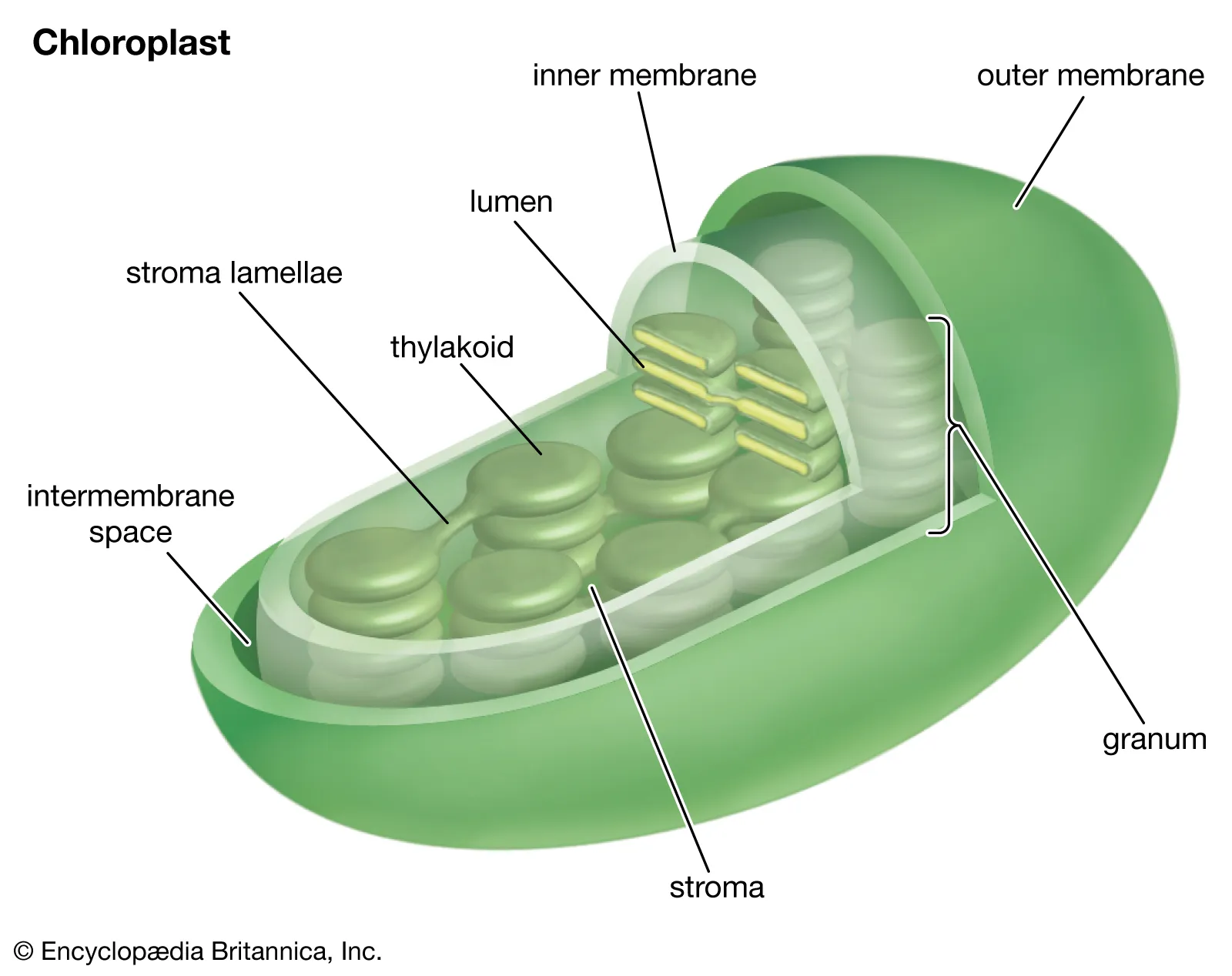
Thylakoid
Stacked up to form a grana
What is inside a thylakoid
Lumen, photosynthesis occurs in here
Can prokaryotes still be photosynthetic
Yes, they don’t have chloroplasts, but they can have thylakoids

