Charles Darwin
 Call Kai
 Learn
Learn Practice Test
 Spaced Repetition
 Match
Match Flashcards
1/25

There's no tags or description
Looks like no tags are added yet.
Name | Mastery | Learn | Test | Matching | Spaced | Call with Kai |
|---|
No analytics yet
Send a link to your students to track their progress
26 Terms
Charles Darwin
English naturalist, geologist and biologist, best known for his contributions to the science of evolution.
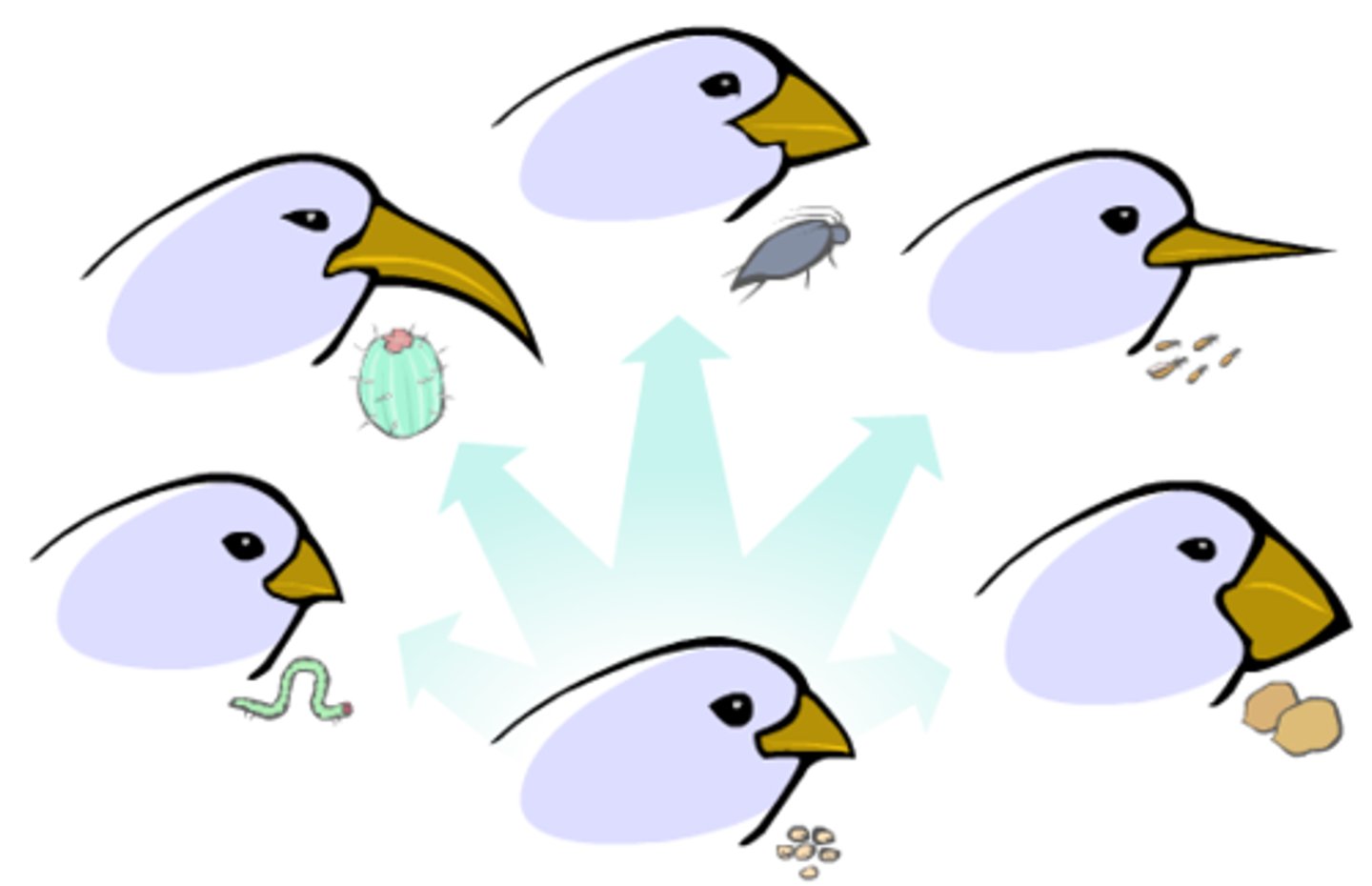
Adaptation
Any inherited trait, either physical or behavior that makes an individual more apt to survive in it's environment
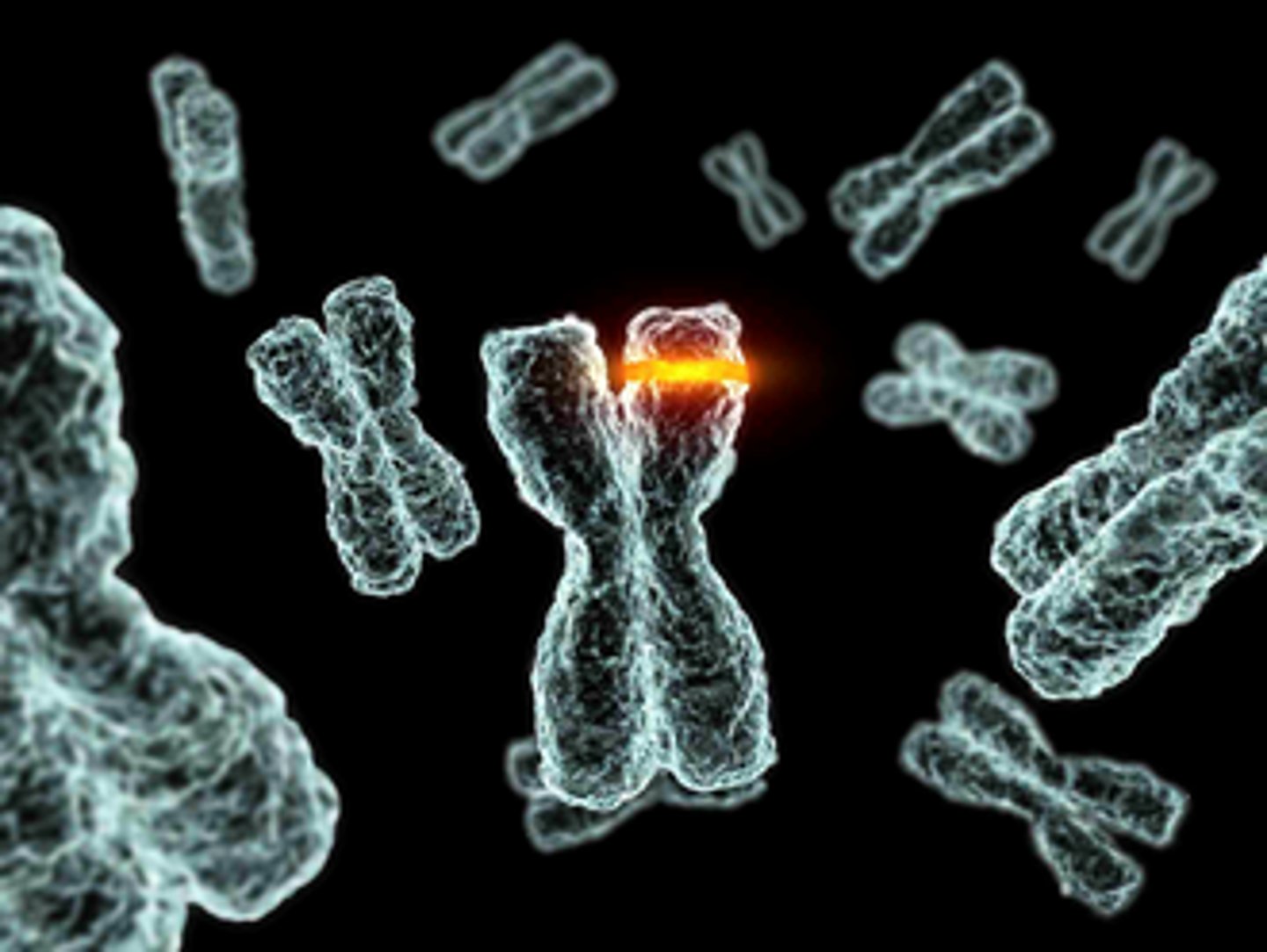
Mutation
Genetic diversity can be increased with changes in DNA
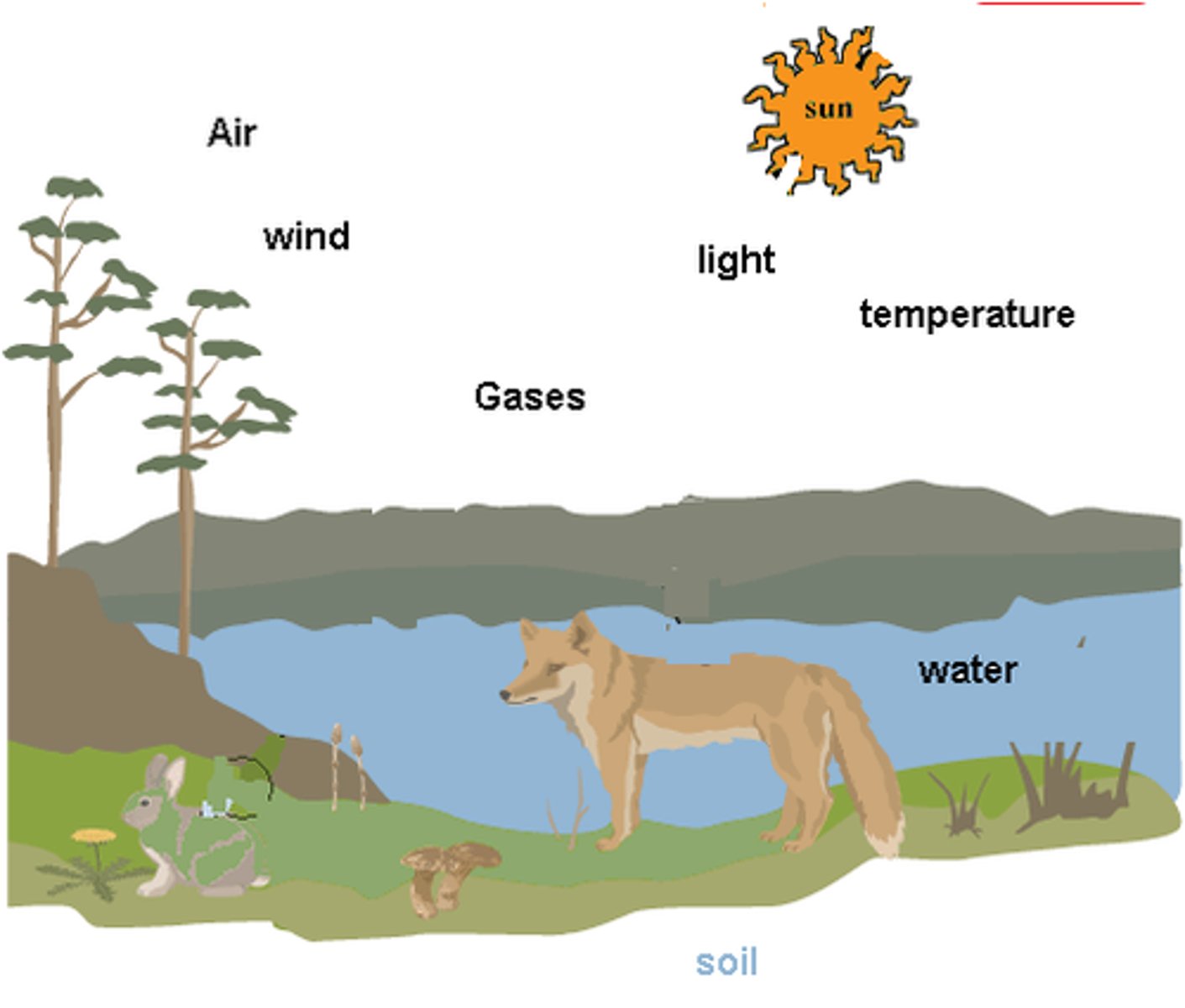
Limiting Factors
Conditions that limit the growth, abundance, or distribution of an organism or a population.
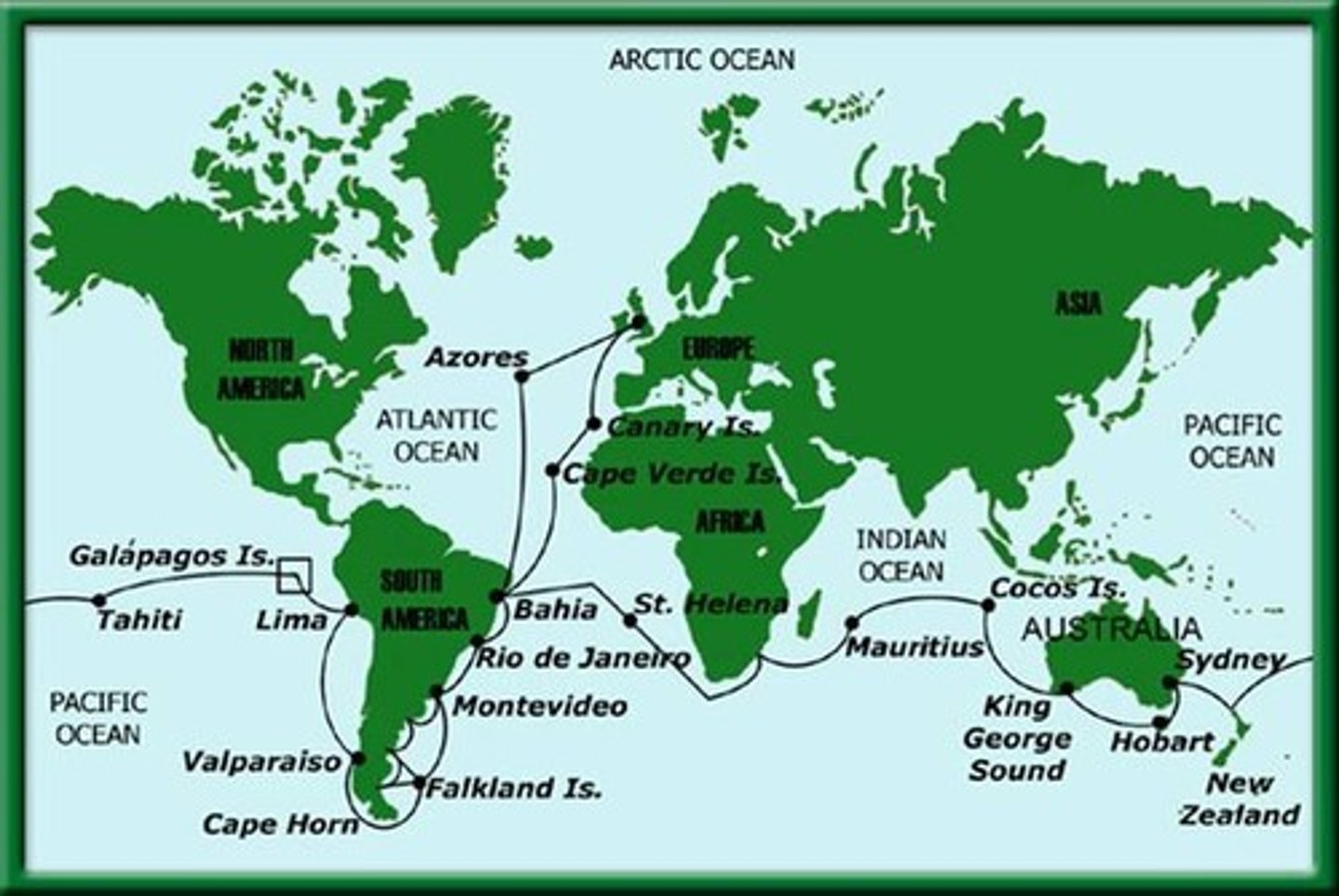
HMS Beagle
The ship that took Charles Darwin around the world to study evolution.
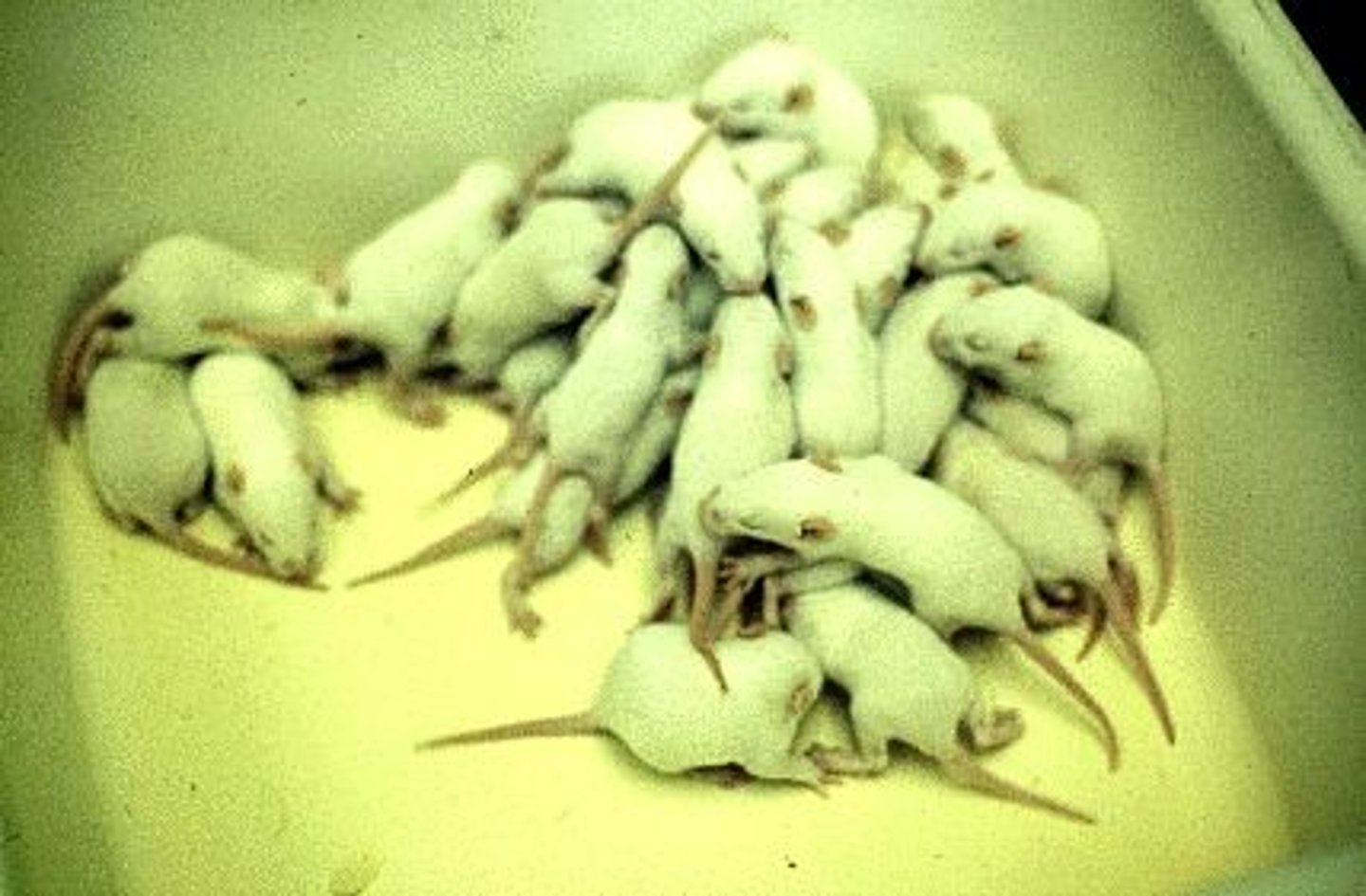
Overproduction
More offspring are born than can possibly survive
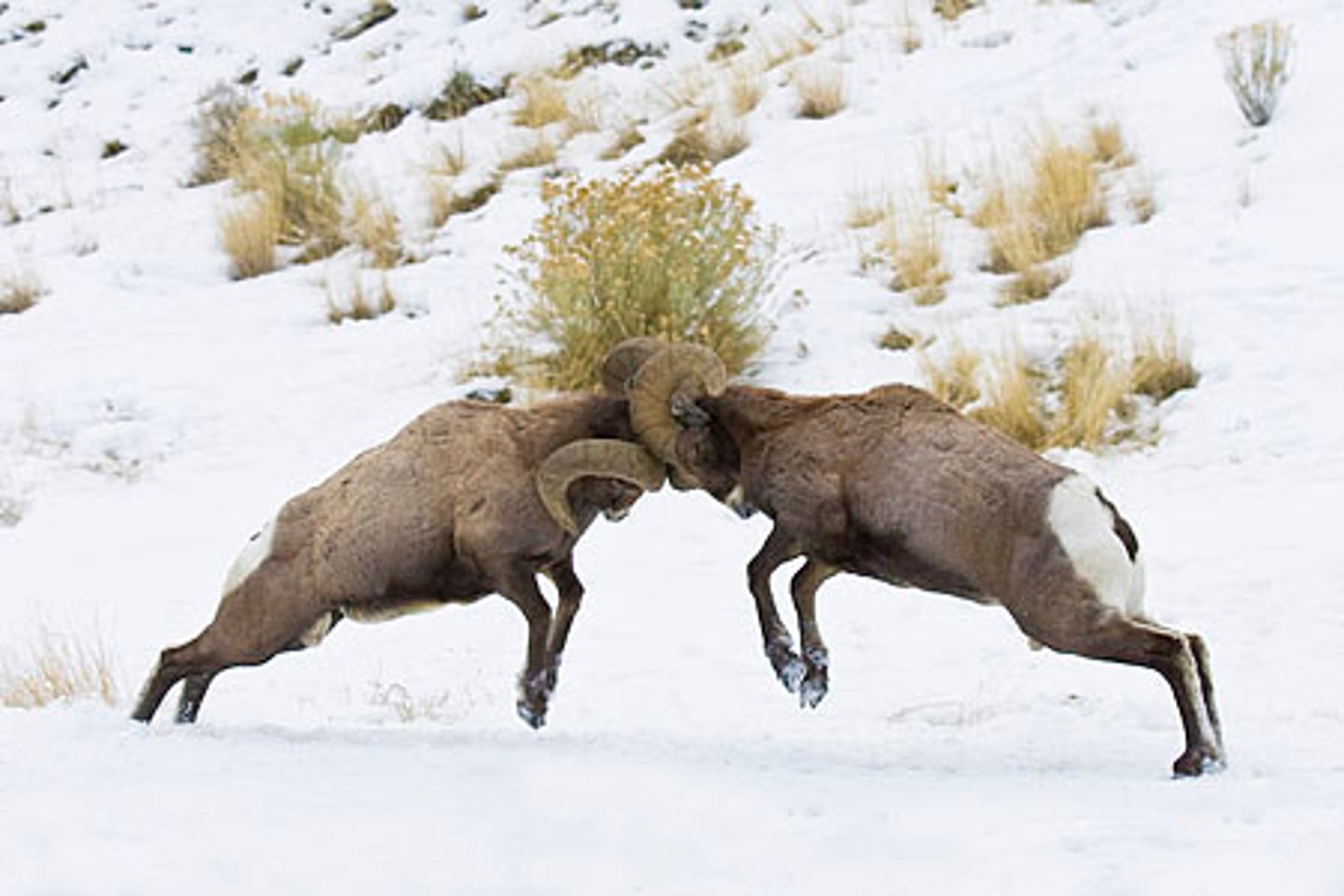
Struggle for Existence
Competition between living things to survive.
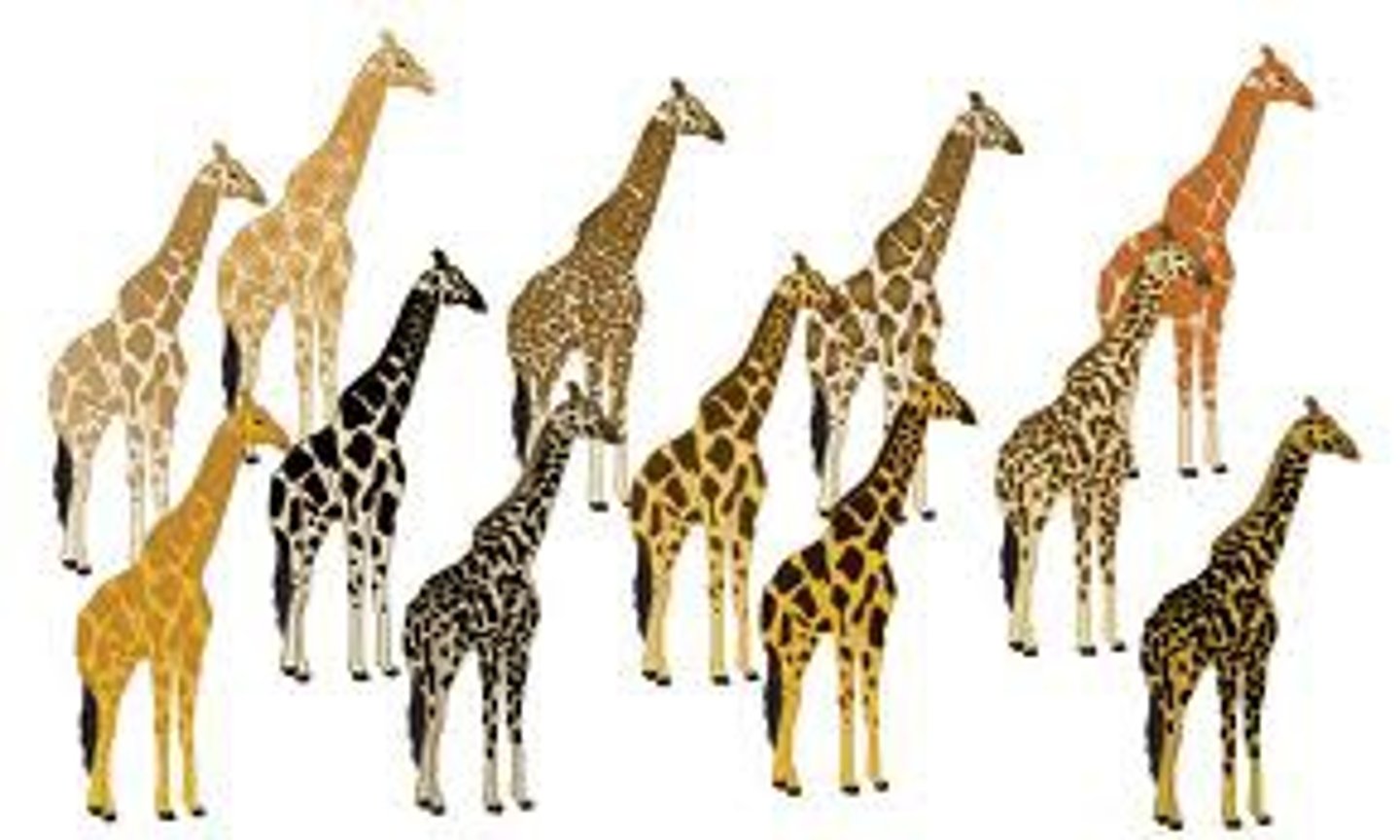
Genetic
Members of a population are different from one another because of this type of variation
Survival Of the Fittest
Another term for natural selection
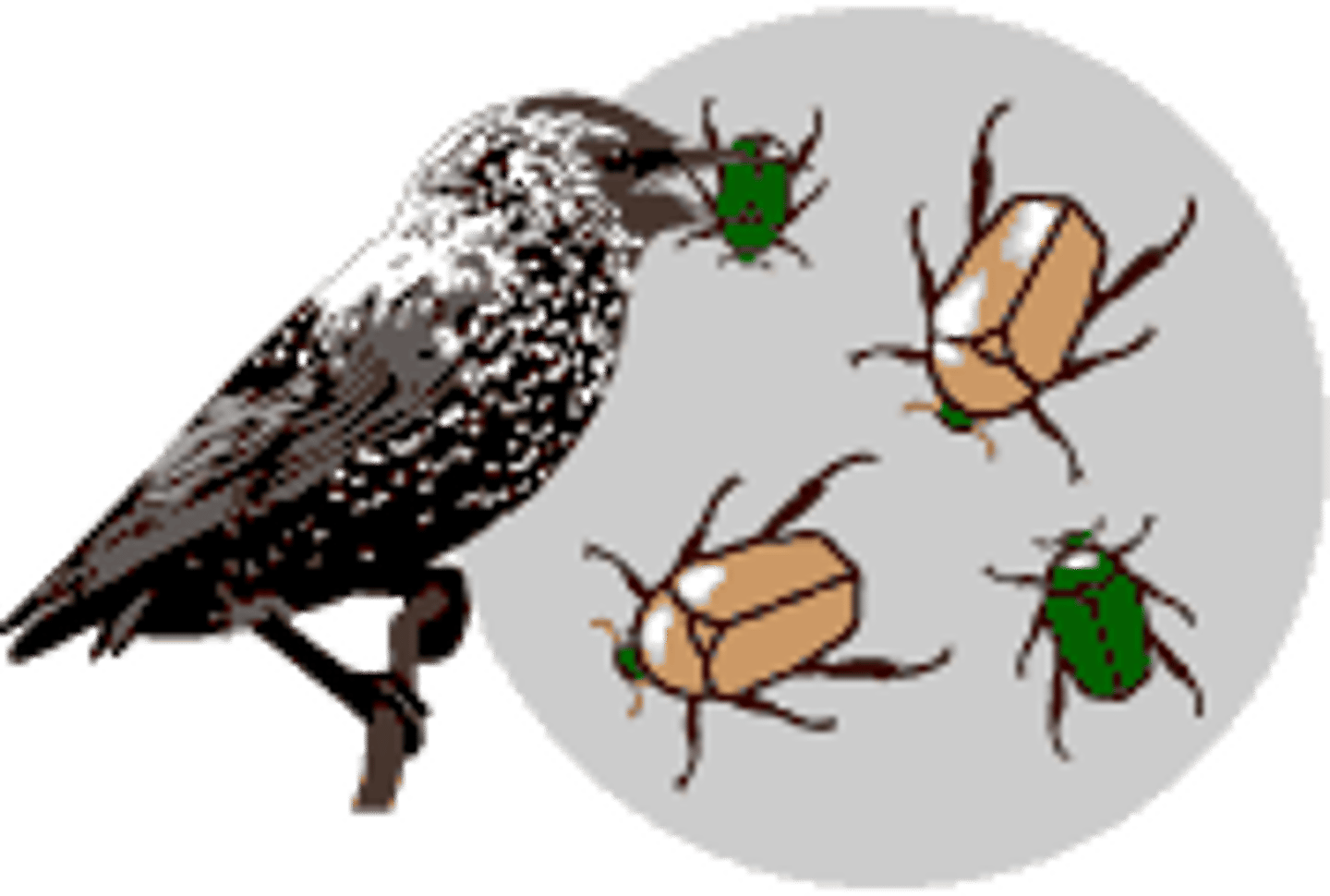
Speciation
The evolutionary process by which populations evolve to become distinct species.
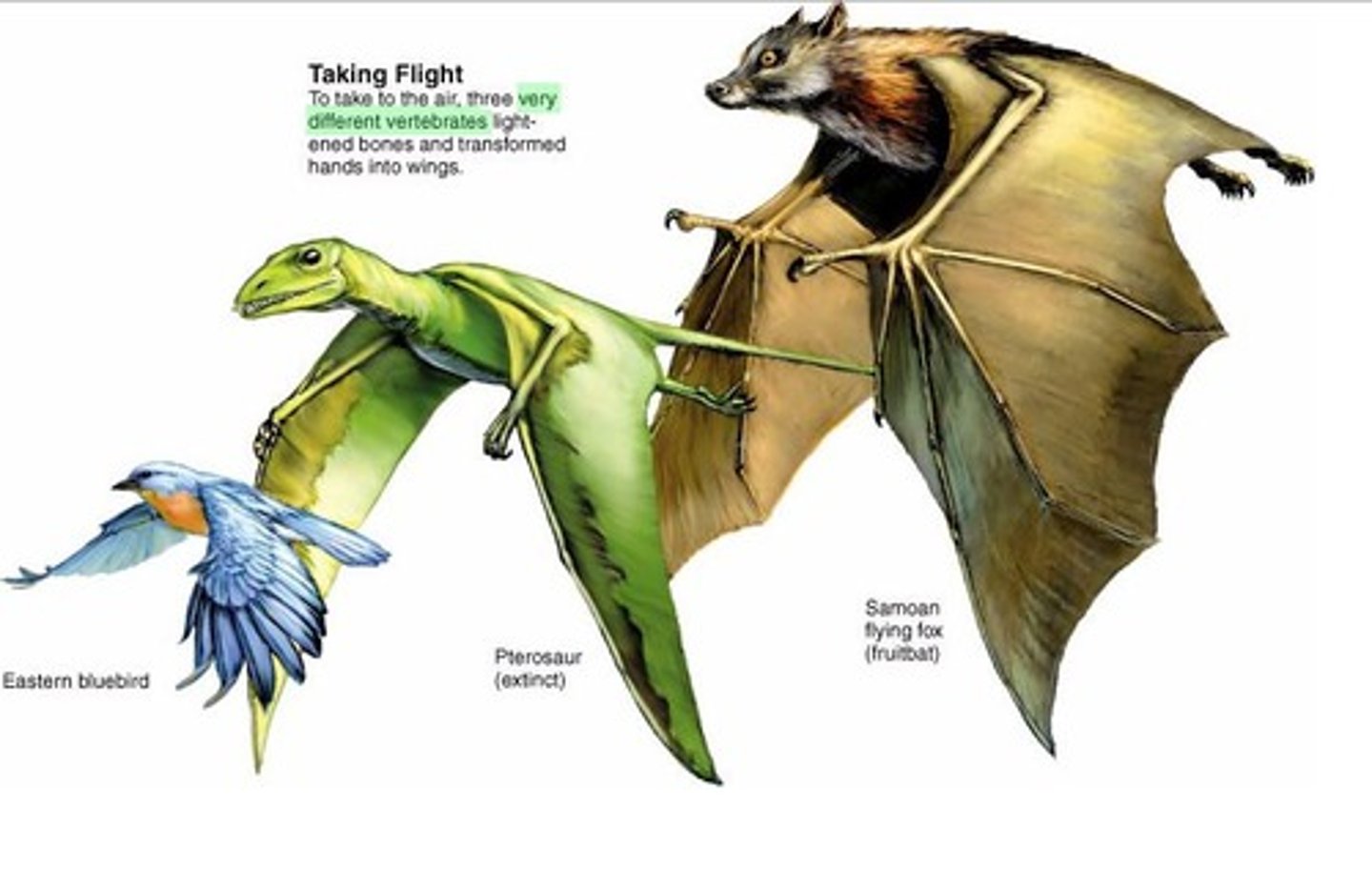
Natural Selection
The process whereby organisms better adapted to their environment tend to survive and produce more offspring
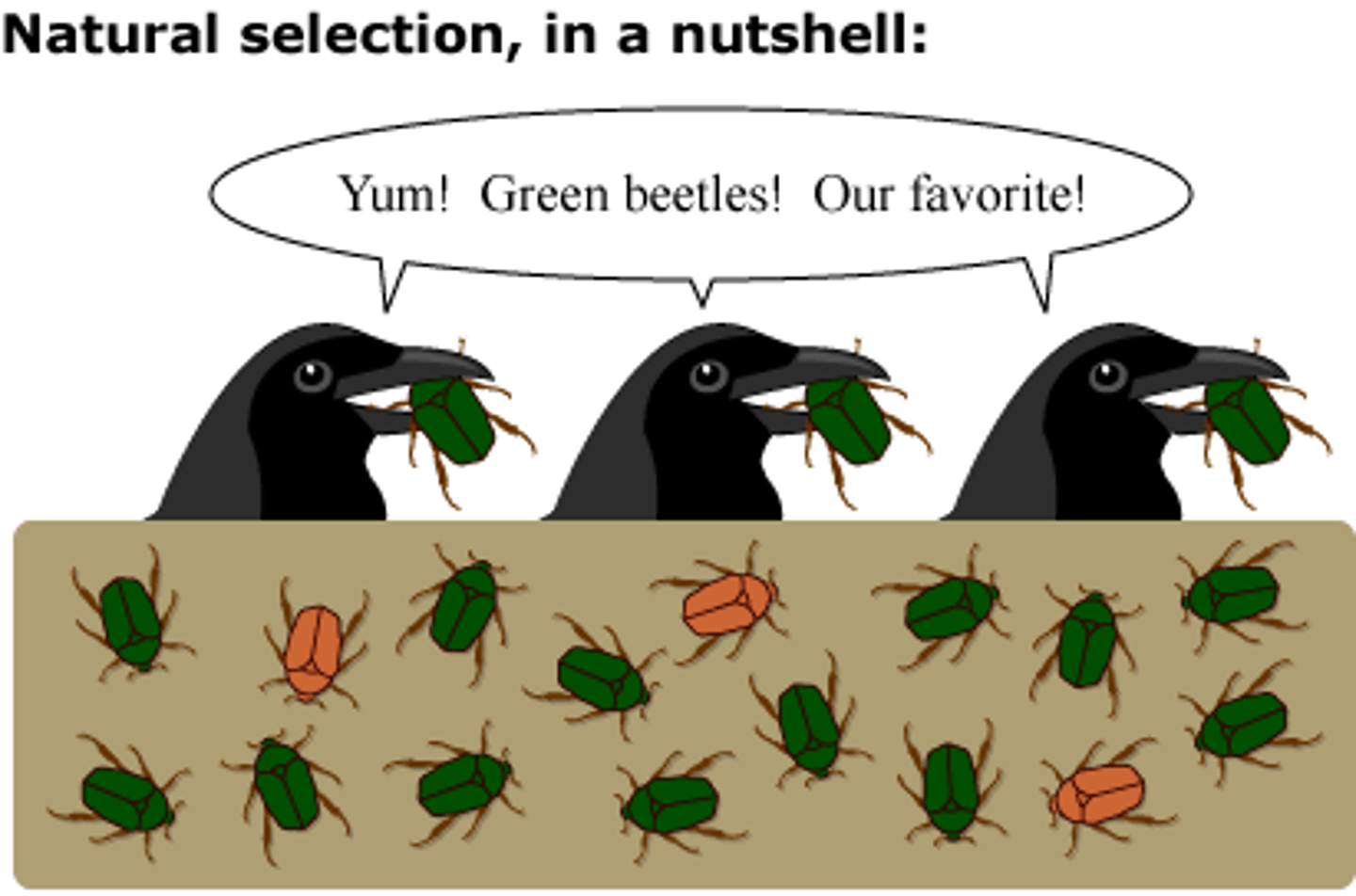
Extinction
Species, family, or other larger group having no living members.
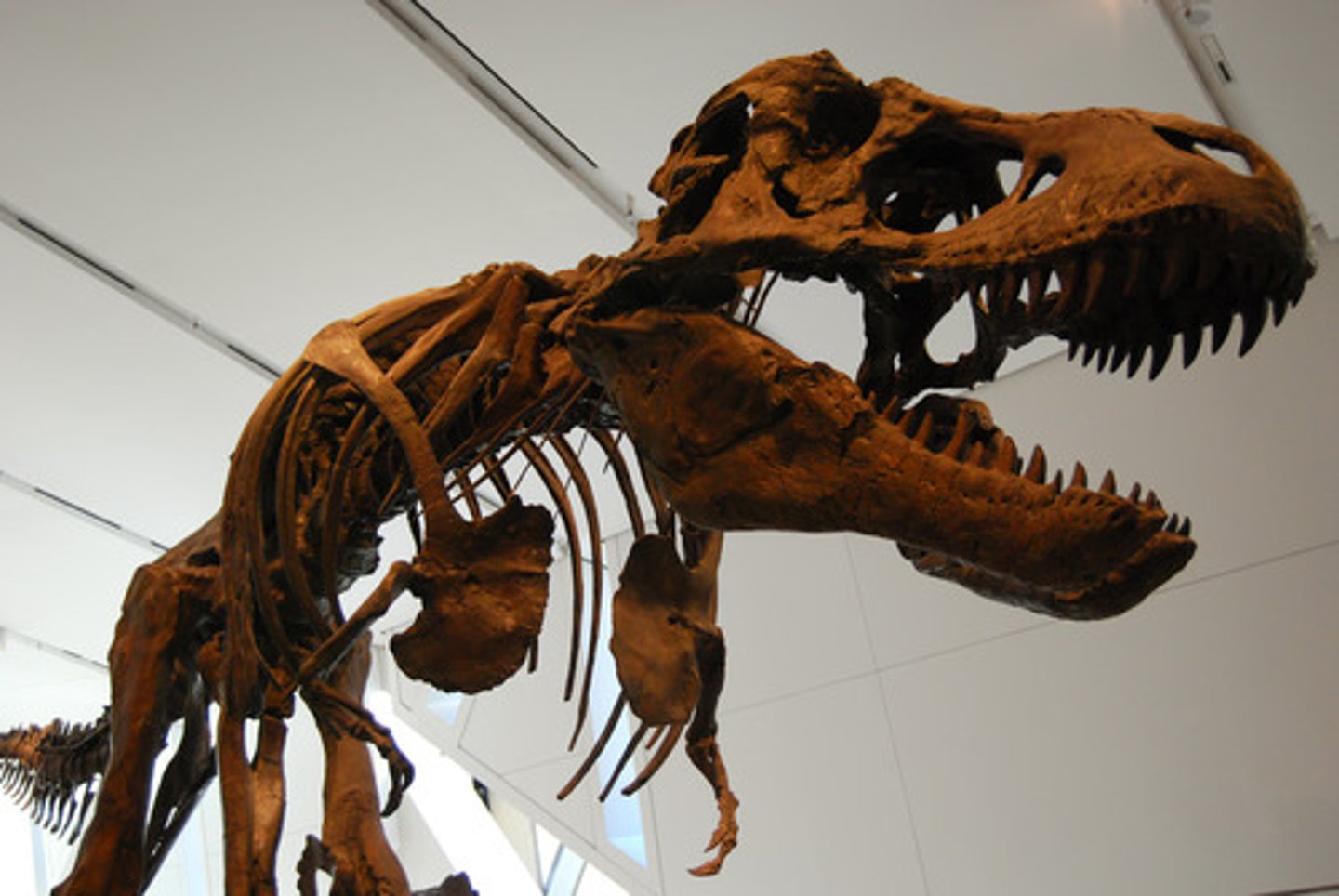
Habitat
The natural home or environment of an animal, plant, or other organism.
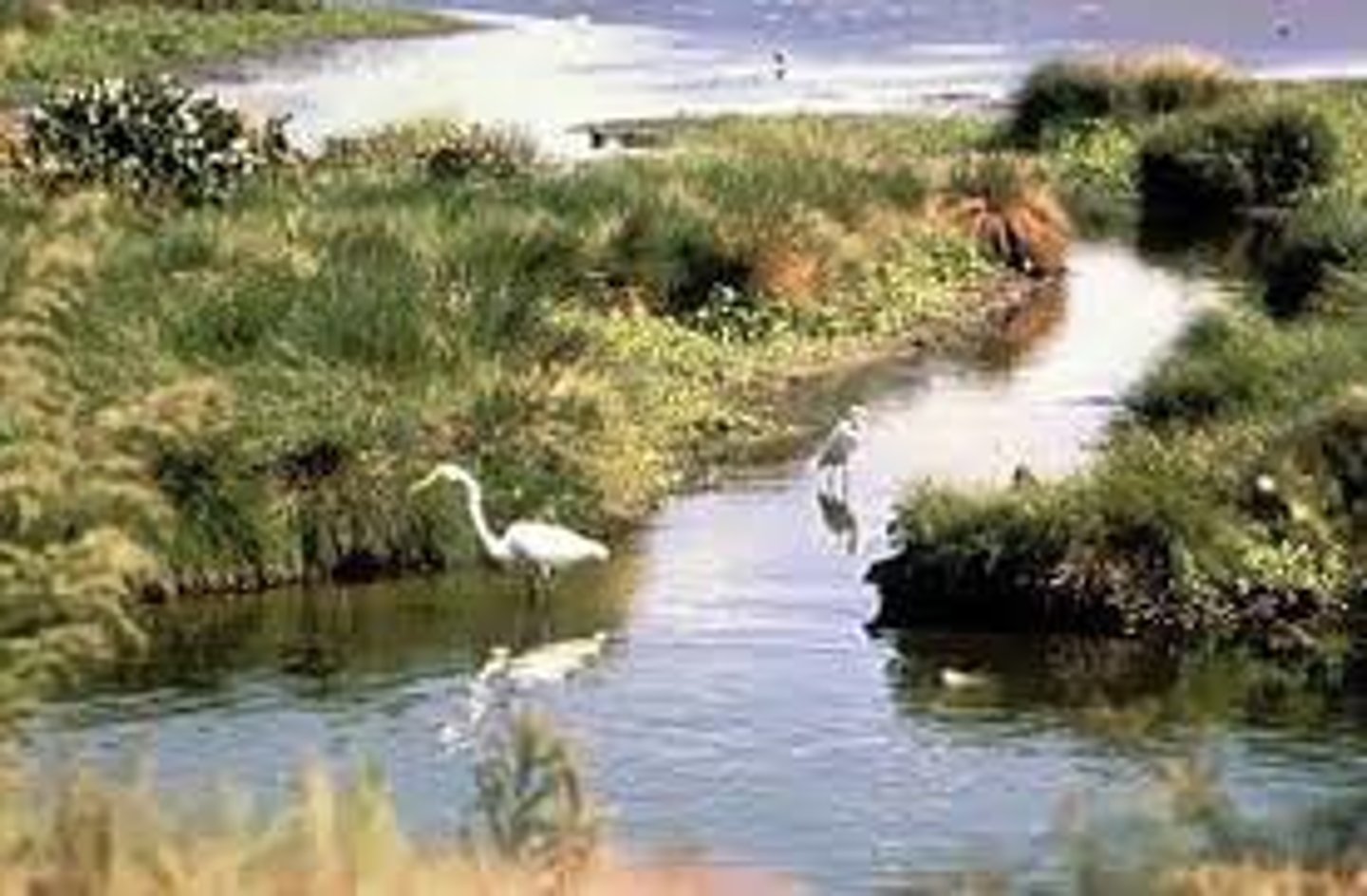
Species
A group of living organisms consisting of similar individuals capable of reproducing fertile offspring
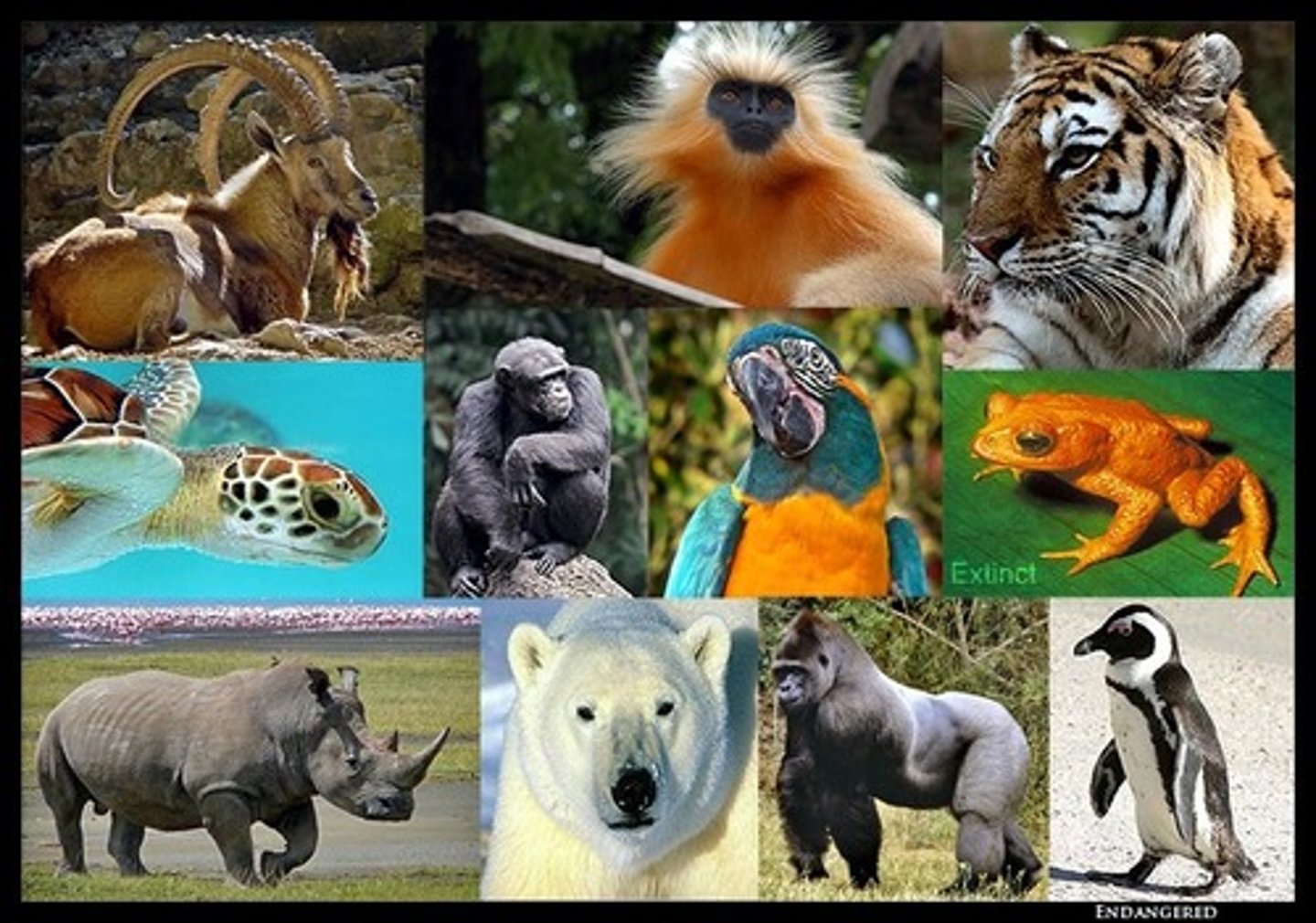
Population
All of the members of the same species living within a defined area.
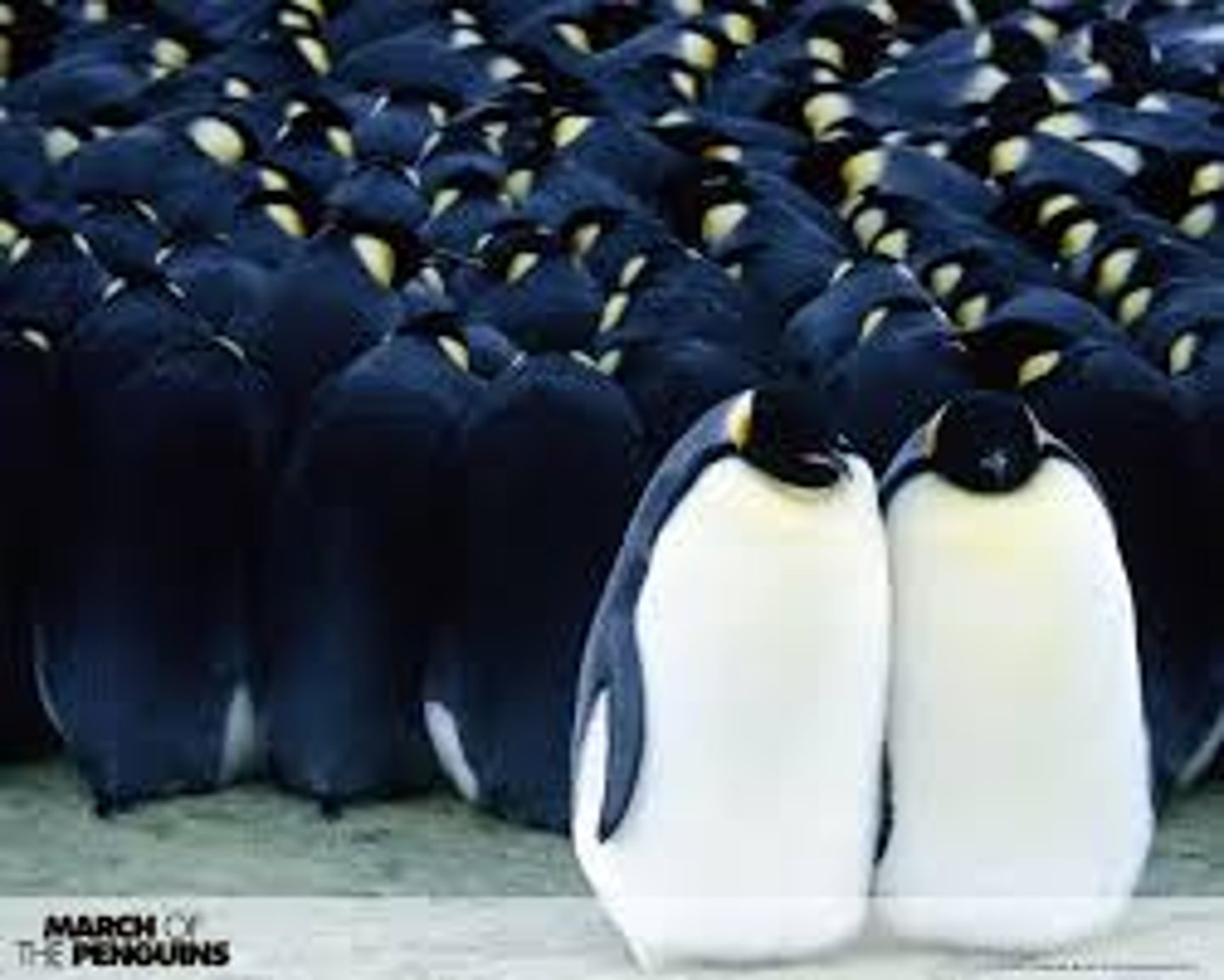
Immigration
When an individual moves into a new area from a different population

emigration
When an individual leaves an area and enters a different population
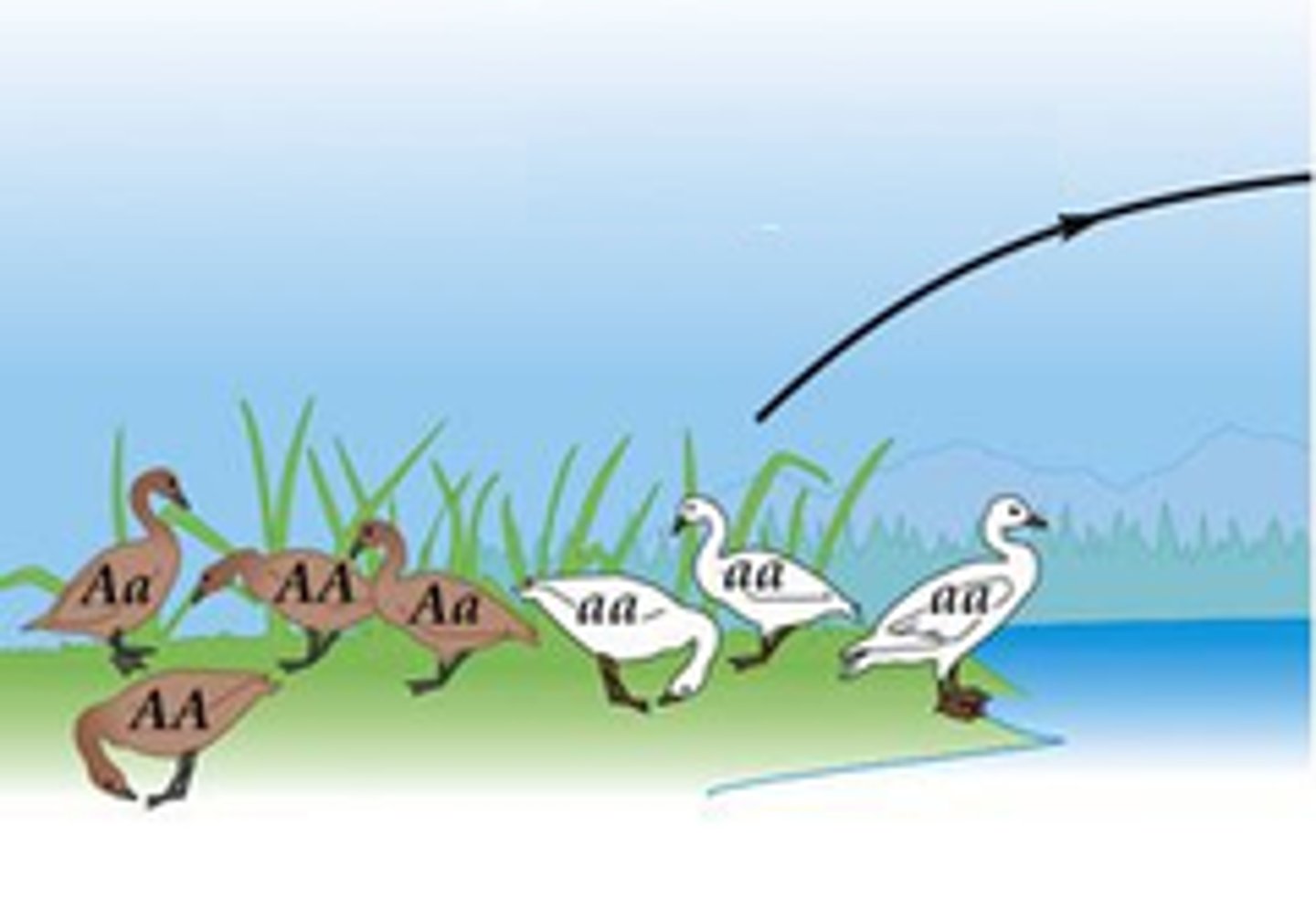
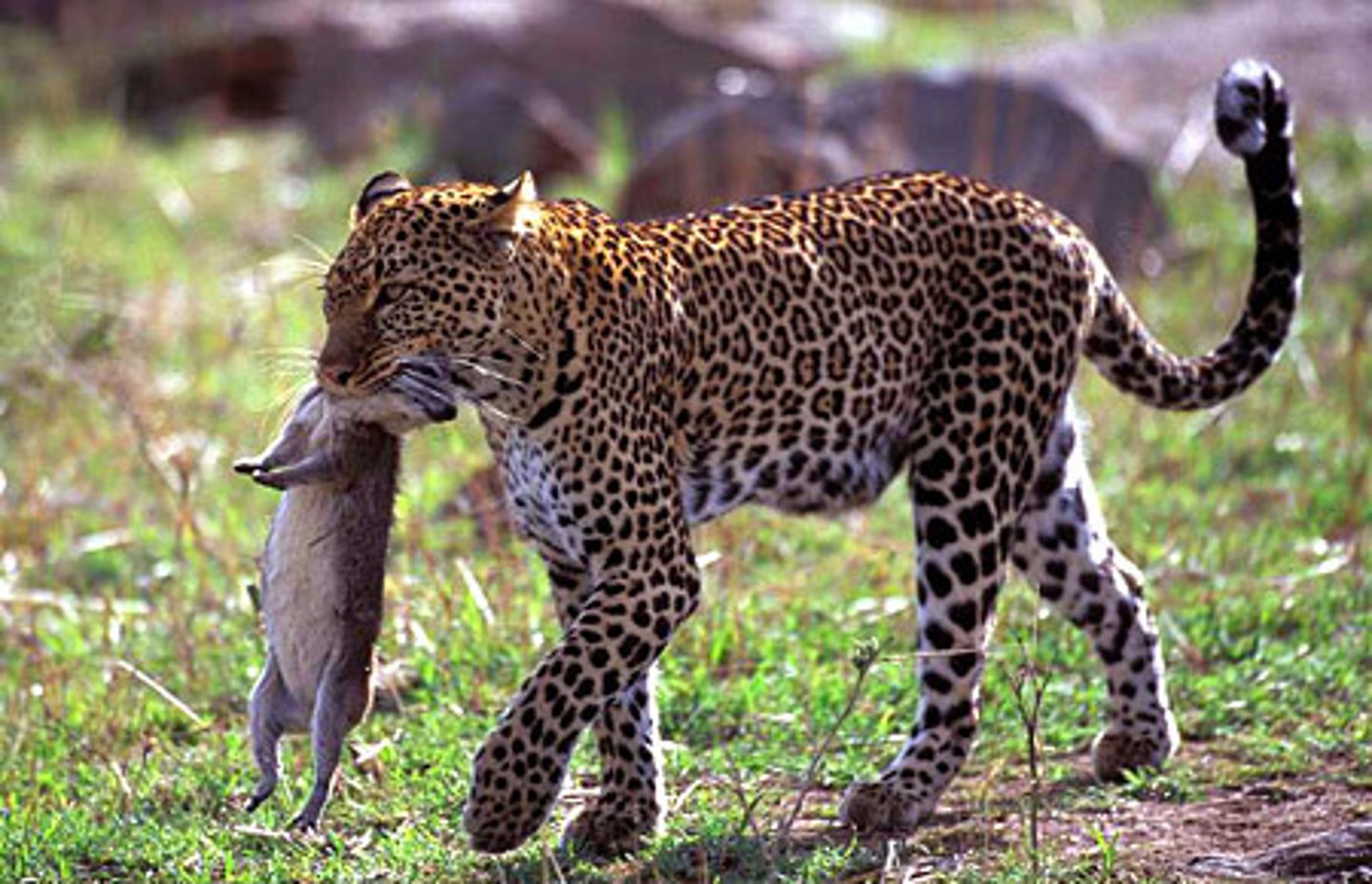
Predator
An animal that naturally preys on others.
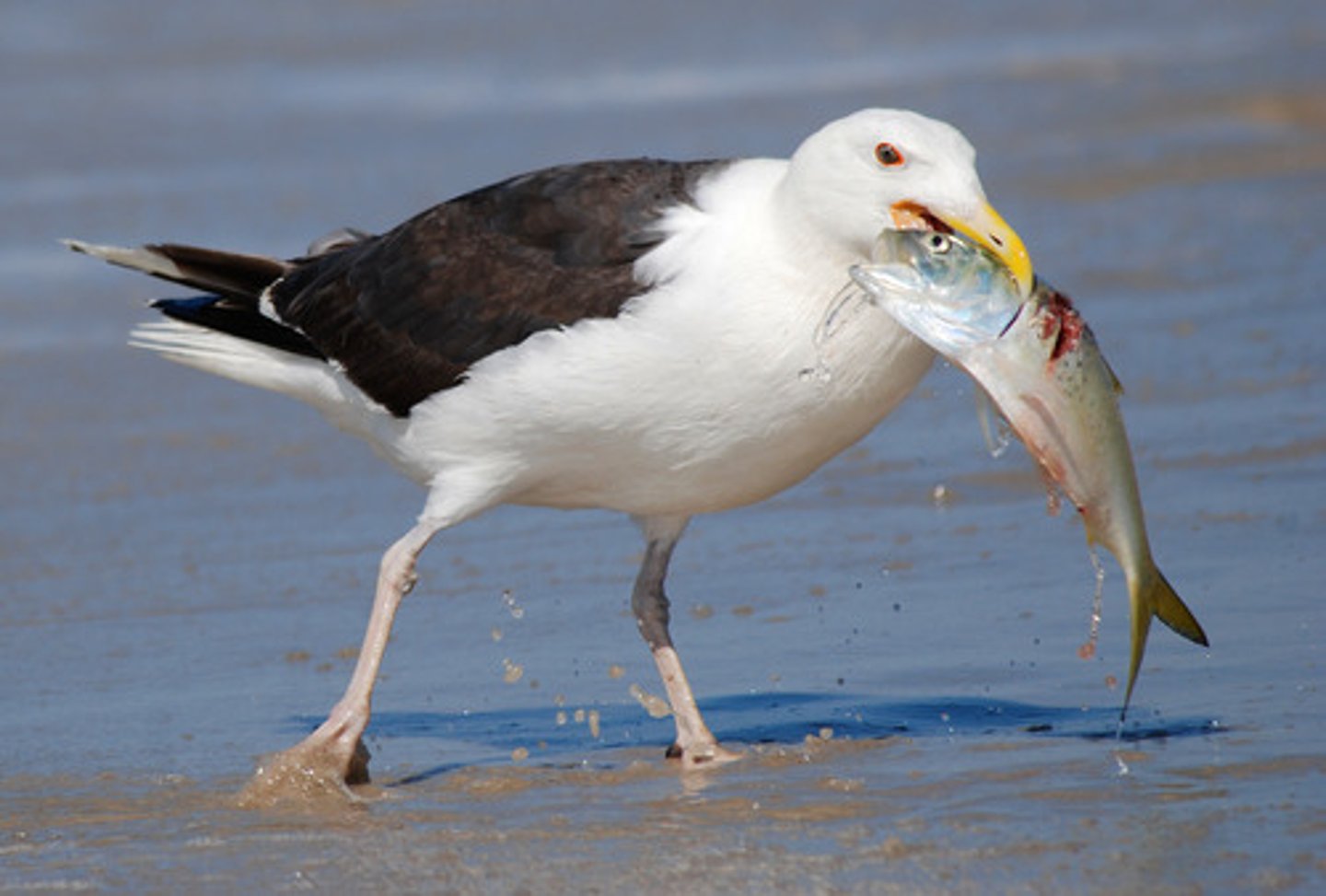
Prey
An animal that is hunted and killed by another for food.
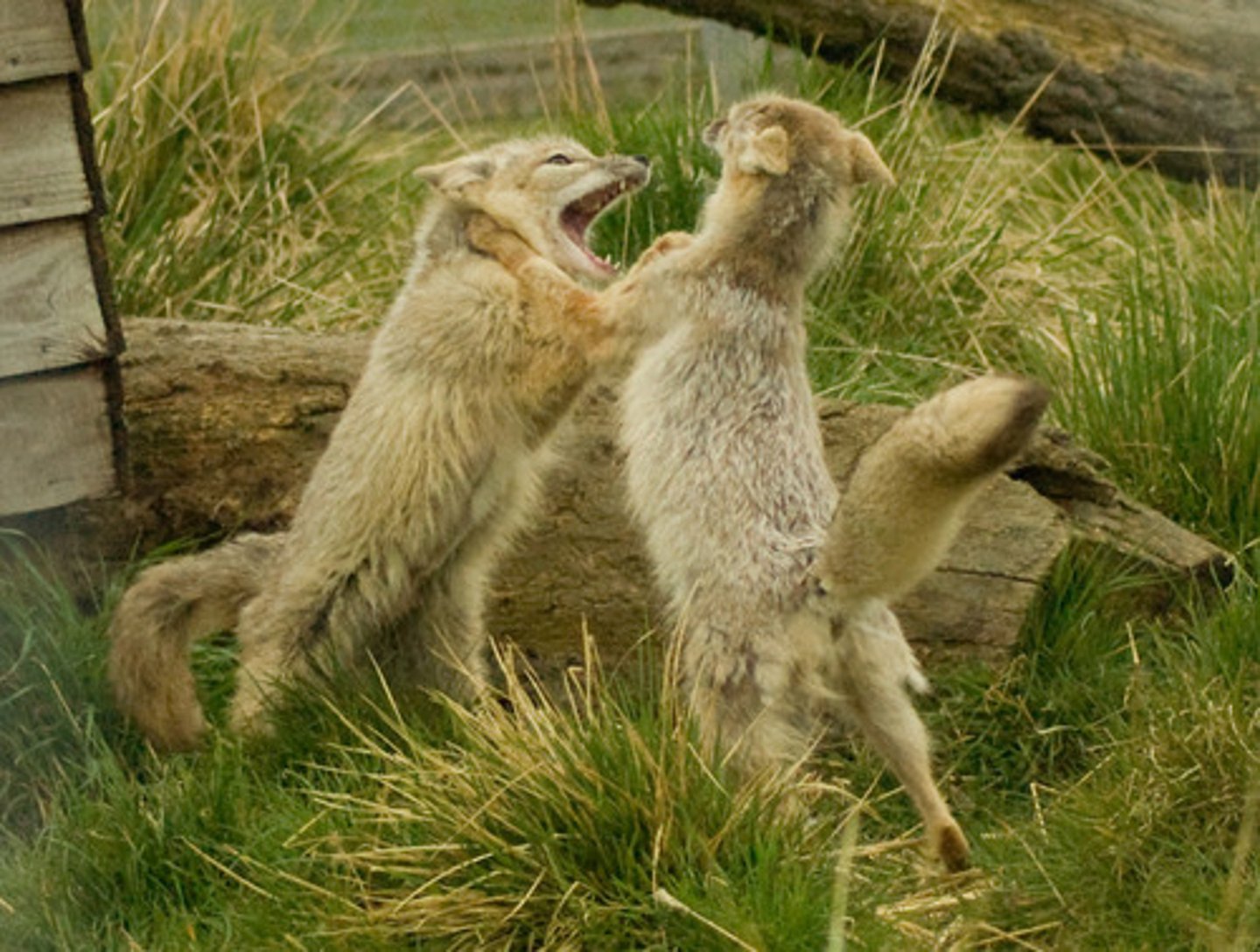
Competition
The activity or condition of competing.
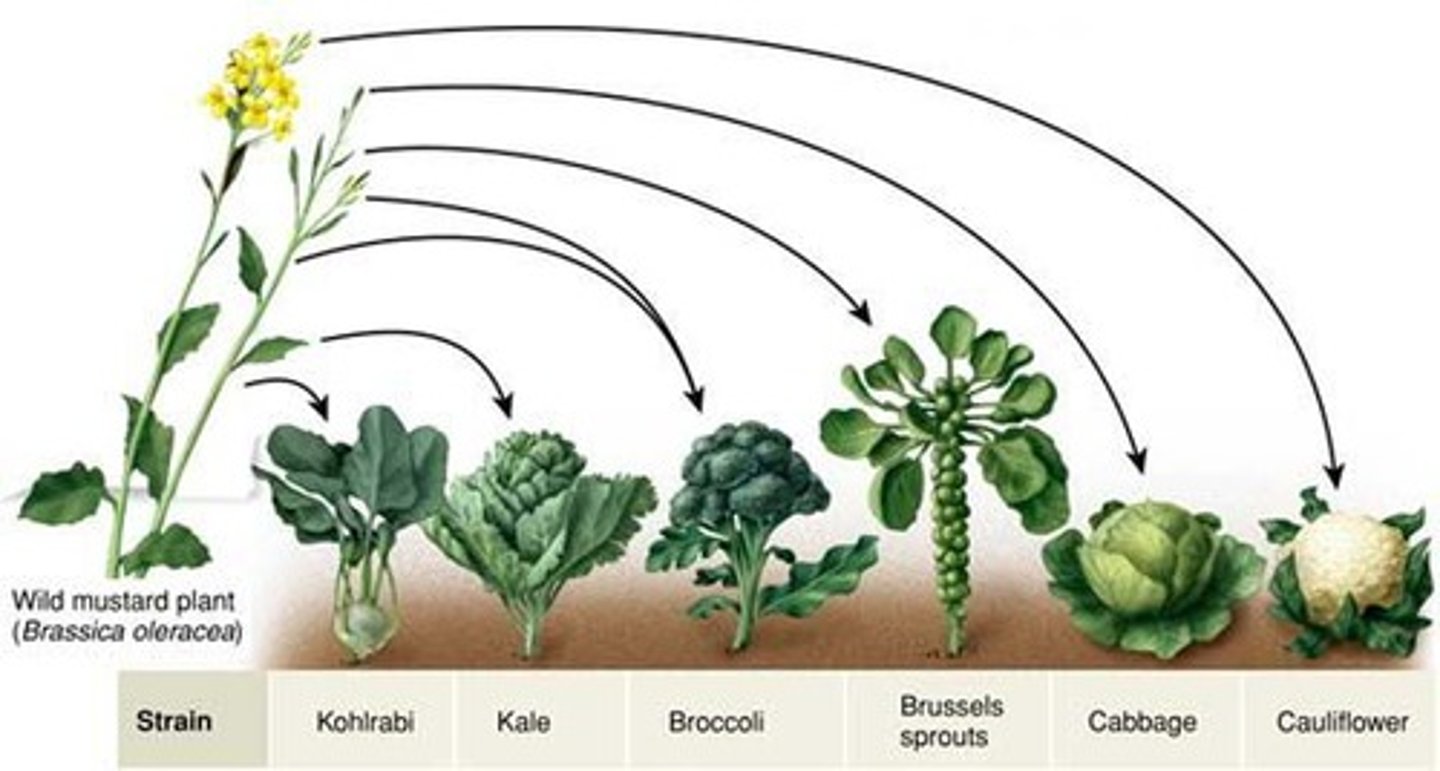
artificial selection
Farmers inspired Darwin because he saw how they changed their populations of animals and plants by selecting who to breed
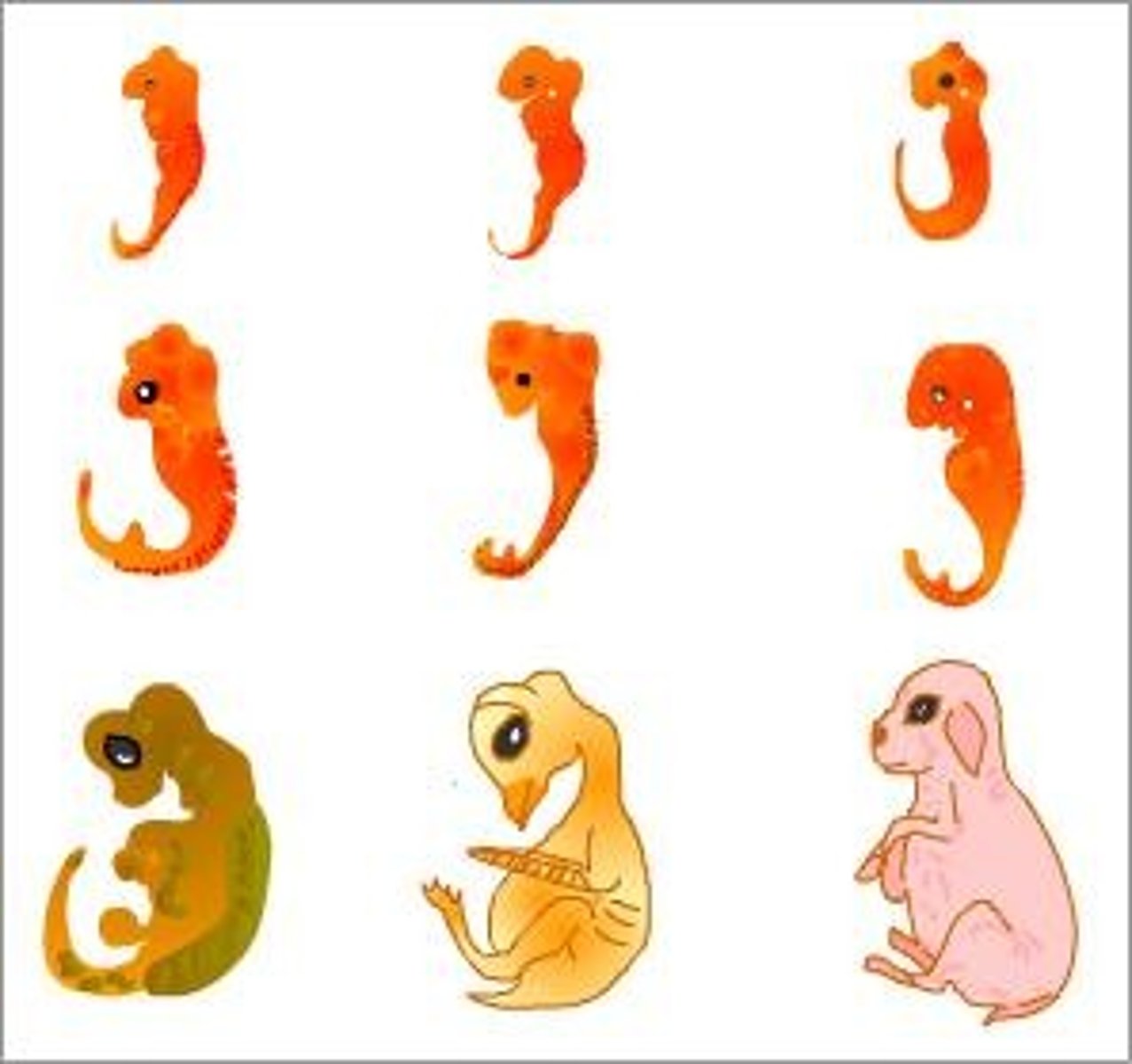
embryology
Darwin studied the development of vertebrate embryos and suggested that their similarities suggested common ancestory
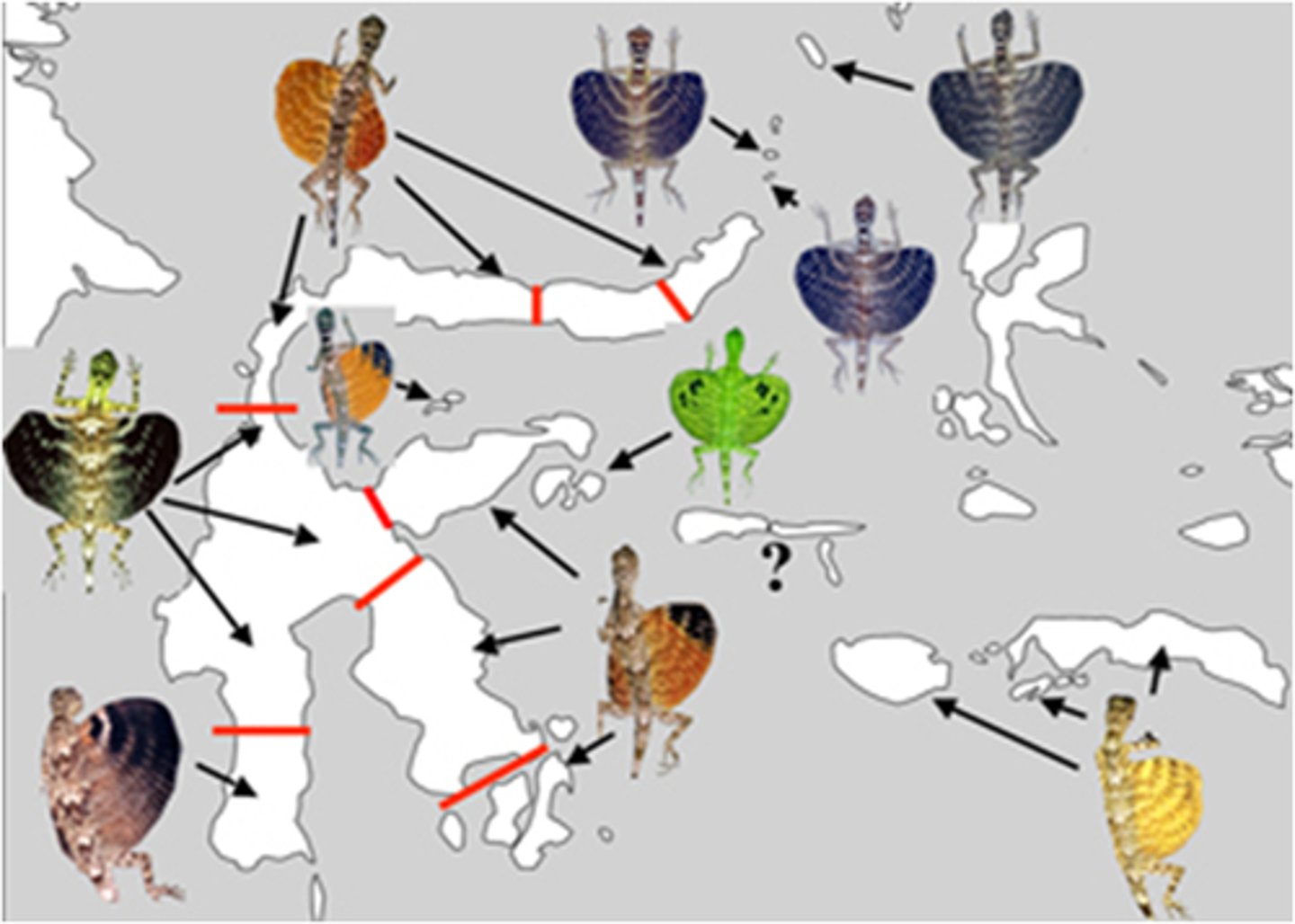
biogeography
Darwin observed that organism's living in different geographic areas were similar, yet had adaptations that made them very fit for their particular environment. This was evidence for natural selection
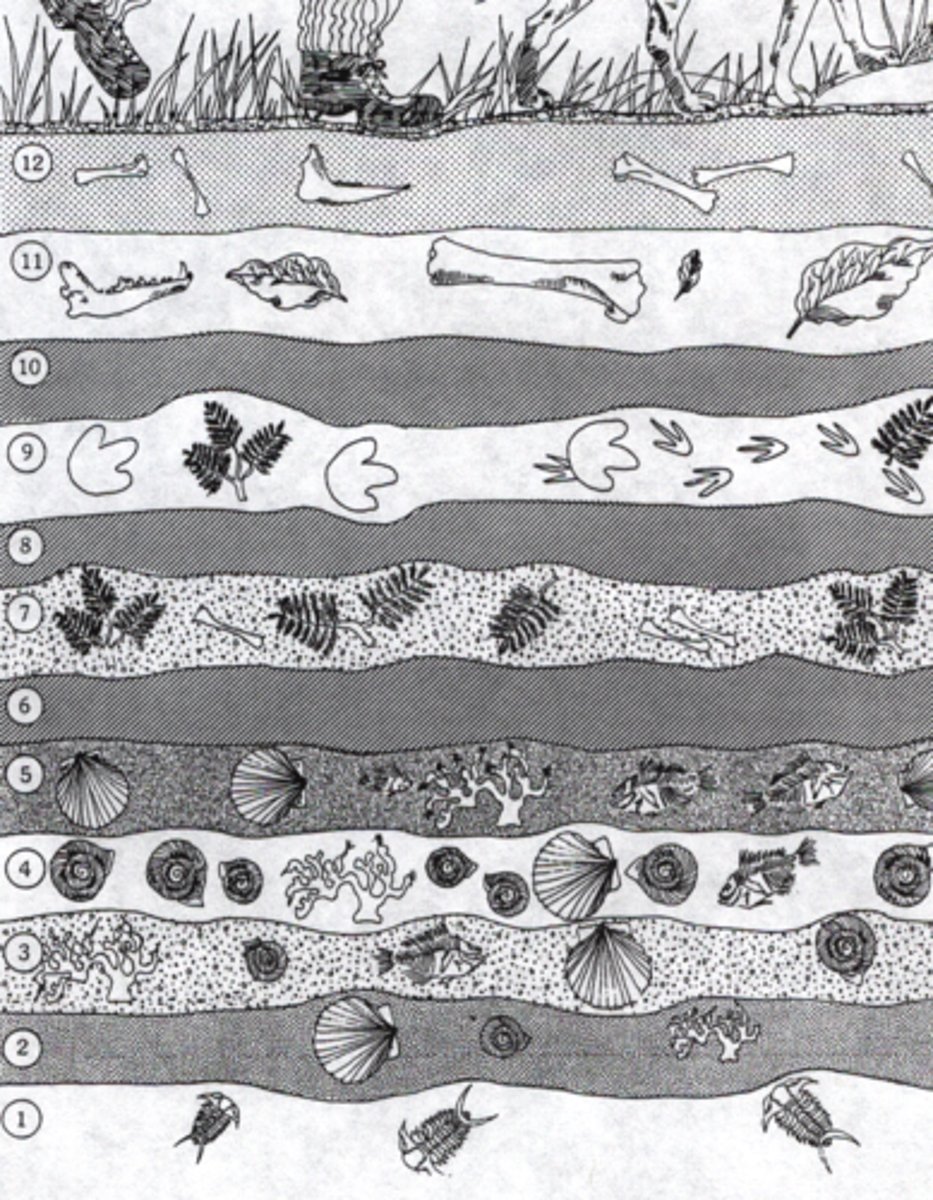
fossil record
Proof in the rocks that species have been evolving for long periods of time, and many had even become extinct
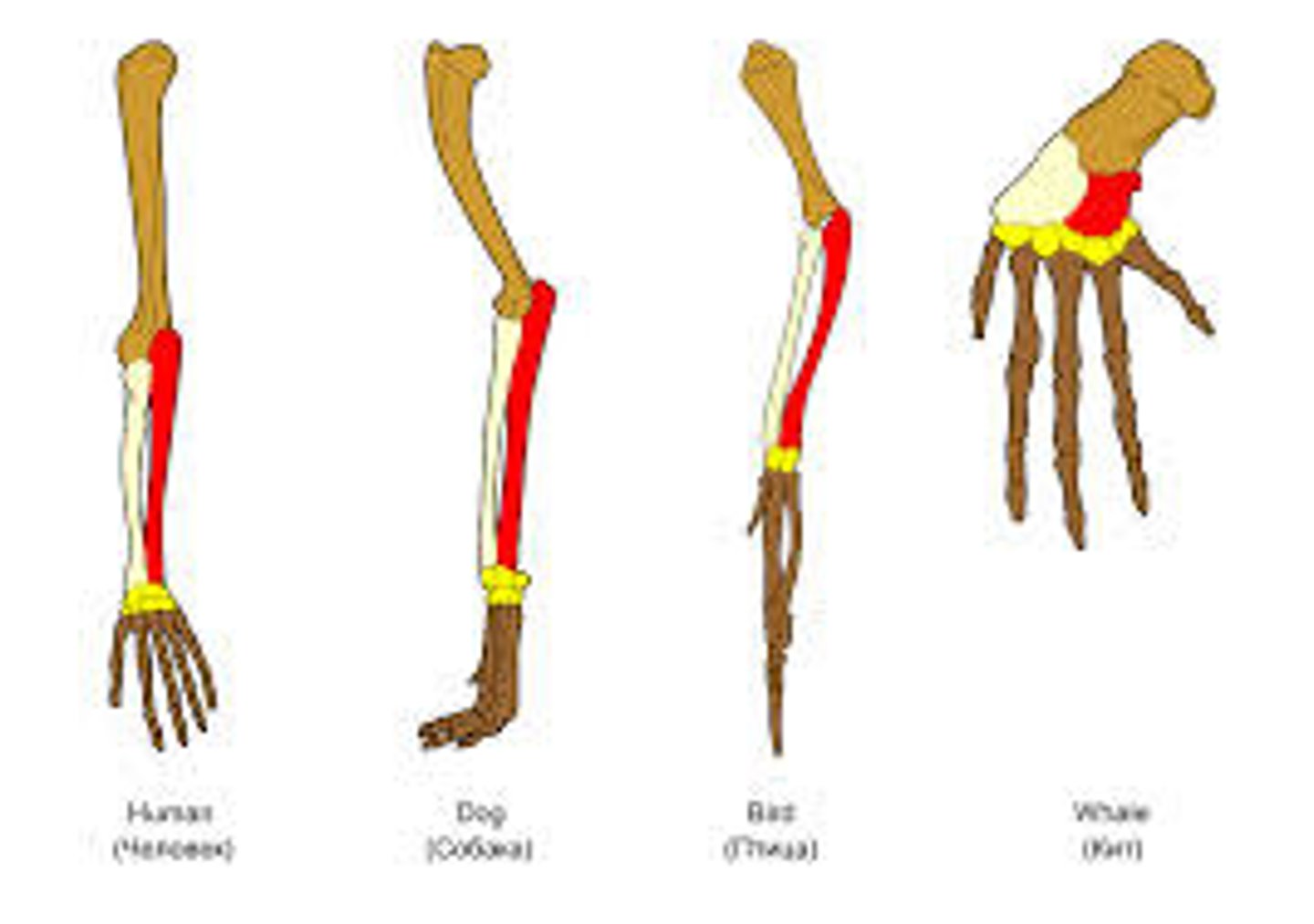
homologous structures
Structures that have different functions in different species, but were inherited from common ancestors
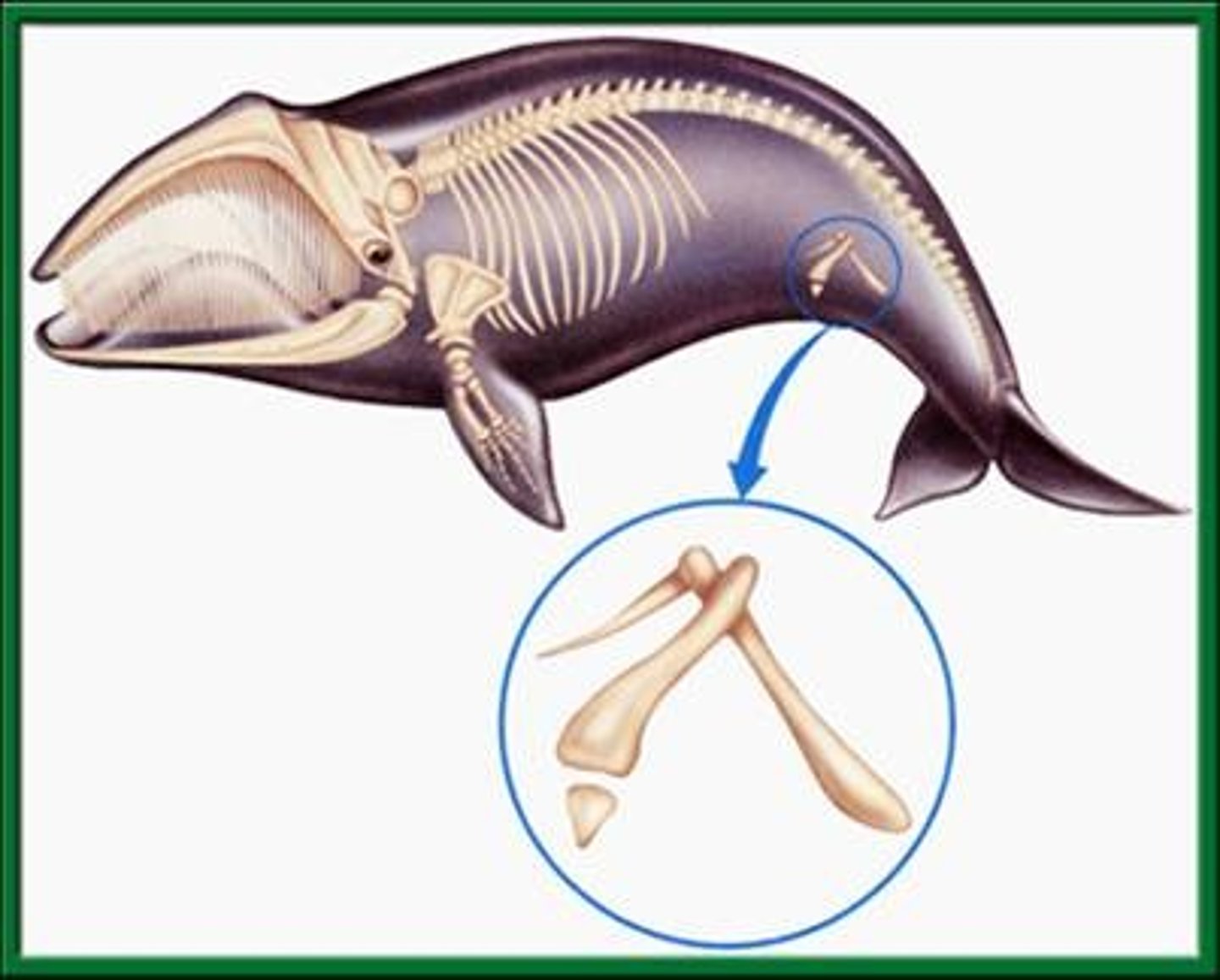
vestigial structure
Structures that were inherited from common ancestors but have been reduced in size or have no or little function
Explore top notes

Explore top flashcards
