Exam 2 for EXSC 191
 Call Kai
 Learn
Learn Practice Test
 Spaced Repetition
 Match
Match Flashcards
 Knowt Play
1/469

Earn XP
Description and Tags
Debra Krotish Physical Activity and Health class
Name | Mastery | Learn | Test | Matching | Spaced | Call with Kai |
|---|
No analytics yet
Send a link to your students to track their progress
470 Terms
Flexibility
does not have the same health benefits as aerobic or muscular fitness
is required to some extent for all movements
varies among people
Definition of flexibility
the abilty of a joint and muscle to move through their full range of motion
Flexibility is affected by
body specifics
age
gender
physical activity level
muscle temperature
Body specifics
joint types differing muscle lengths
ligaments
tendons
muscle type
skin
Ligaments
bones to bone
example - ACL
Age
flexibility decreases as age increases
Gender
females are more flexible than males
differences in joint structure
Muscle temperature
warm muscles are more flexible
Health and fitness benefits of flexibility
improved mobility and performance
better posture and alignment
reduced risk of injury
decrease muscle soreness and tension
enhanced blood flow and circulation
pain management
stress relief and relaxation
Improved mobility and performance
makes everyday movements easier
enhances athletic performance
Better posture and alignment
reduces muscular imbalances
supports spinal health and balance
Reduced risk of injury
increases muscle elasticity and tendons
improves joint stability
Decrease muscle soreness and tension
helps muscles recover after exercise
relieves tightness caused by stress, long sitting, repetitive movement
Enhanced blood flow and circulation
supports nutrient delivery and waste removal from tissues
can lower risk of stiffness daily
Pain management
reduces joint stiffness, lower back pain, neck tension
lessen discomfort from arthritis or sedentary lifestyles
Stress relief and relaxation
encourages deep breathing and relaxation
reduces physical signs of stress stored in muscles
Components of a flexibility program
target all muscle groups
completed through a warm-up of 5 minutes or after a training session
temperature of the muscles need to be increased
FITT-VP principle can be applied
FITT-VP principle applied to flexibility
frequency - 2 to 3 days a week for minimum of 10 minutes
intensity - to the point of mild tightness w/o discomfort
type - both dynamics and static
volume and pattern - 60 seconds per joint
repeat a 30 second stretch twice/15 second stretch four times
Types of stretching
static
dynamic
ballistic stretching
PNF stretching
Static stretching
holding a muscle in a stretched position (10-60 sec)
active stretch
passive stretch
improves flexibility, good during cool down relaxation
Active stretch
you hold the stretch with your muscles
Passive stretching
someone or something (partner, strap, gravity) assists
Dynamic stretching
controlled, smooth, repetitive movements throughout range of motion
walking lunges, leg swings
warmups, preparing joints and muscles
Balistic stretching
quick bouncing movements that push muscles beyond normal range of motion
bouncing toe touches
high injury risk
PNF stretching
Proprioceptive Neuromuscular Facilitations - uses a combination of stretching and constracting the target muscle group
hold - relax - relaxes into deeper stretch
contract - relax - against resistance
fast flexibility gains, physical therapy, athletic training
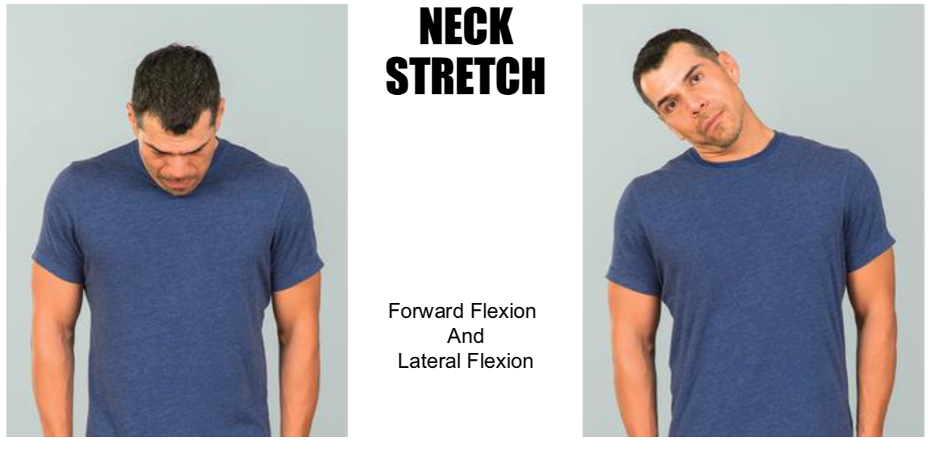
Static neck stretch
forward flexion and lateral flexion
Static scapulae stretch
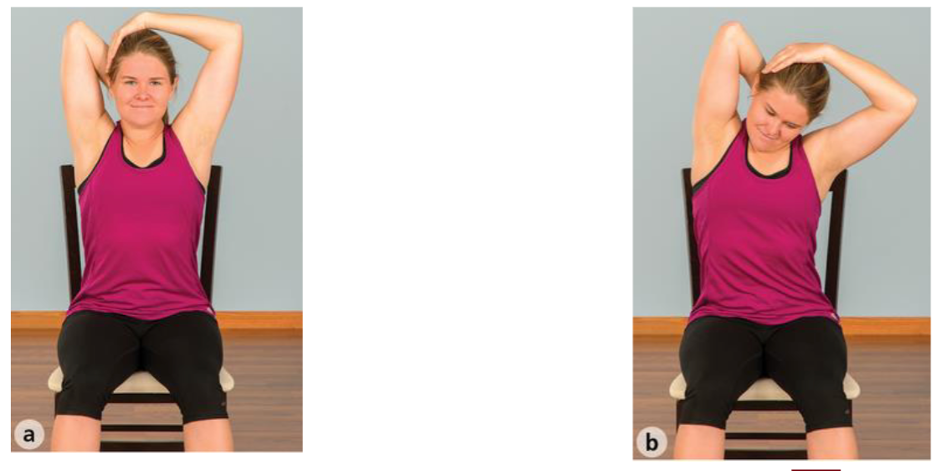
Static shoulder stretch
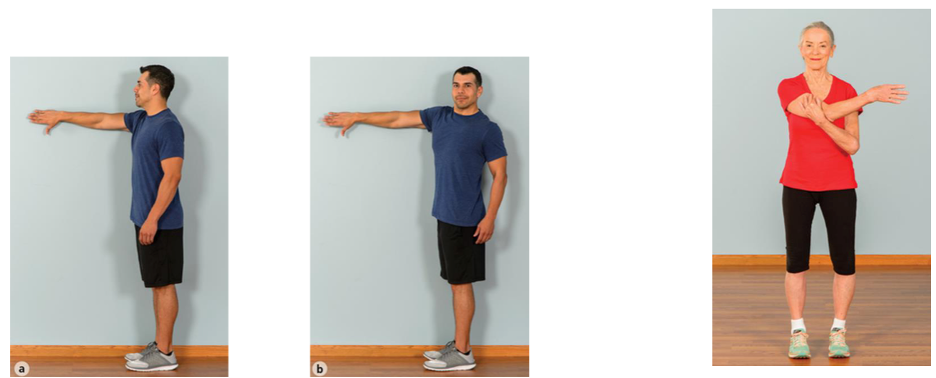
Static upper back stretch
arm hug and kneeling cat
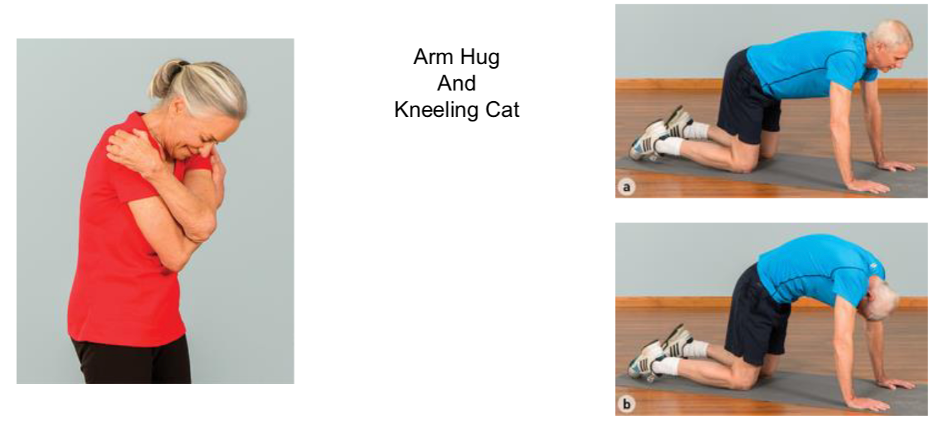
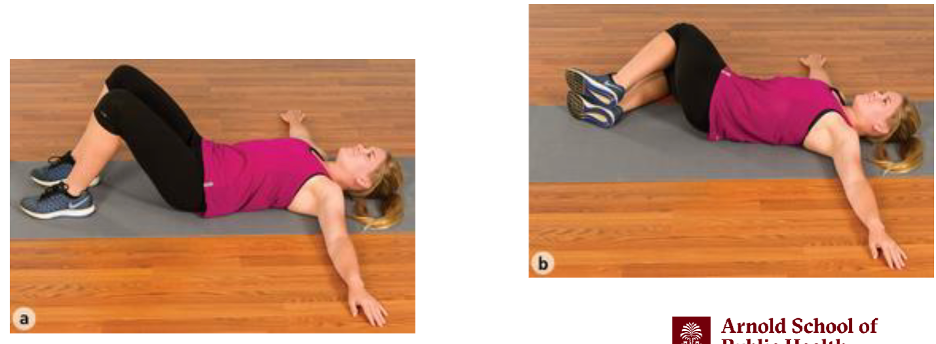
Static low back stretch
supine rotational stretch
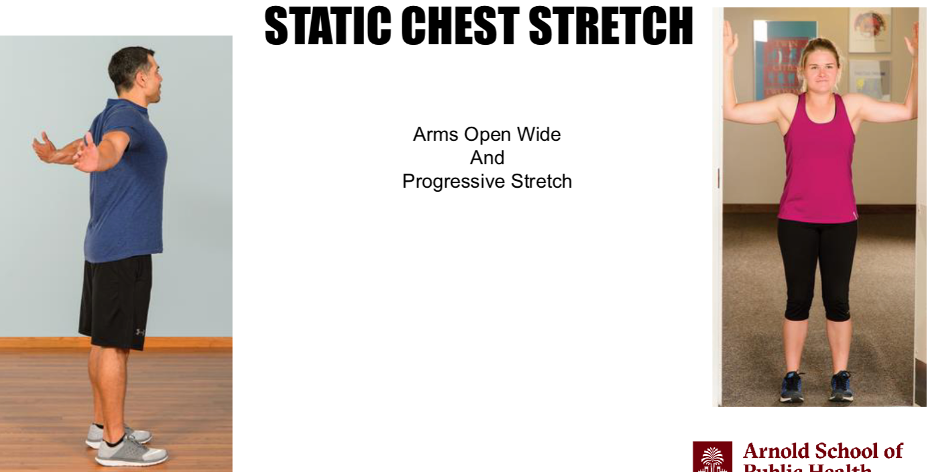
Static chest stretch
arms open wide and progressive stretch
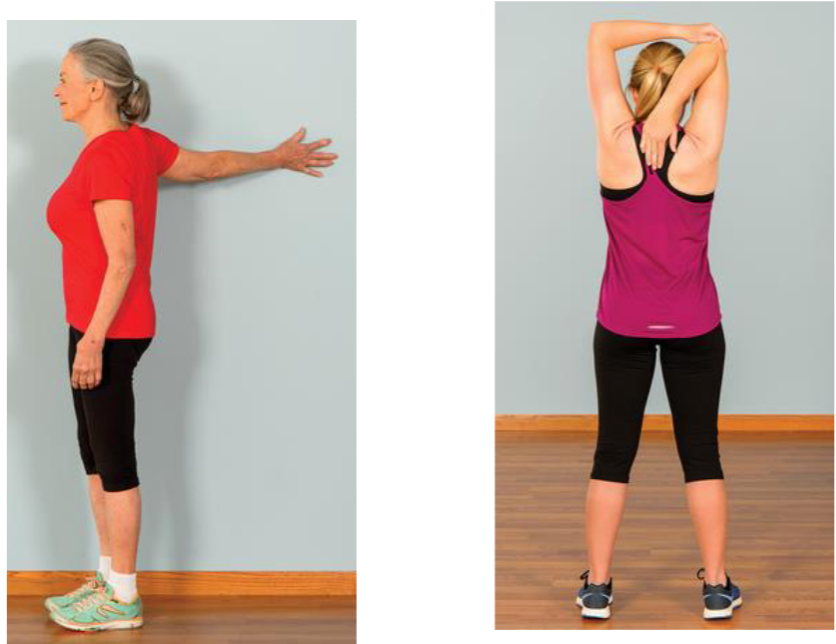
Static biceps and triceps stretch
Static hips and gluts stretch
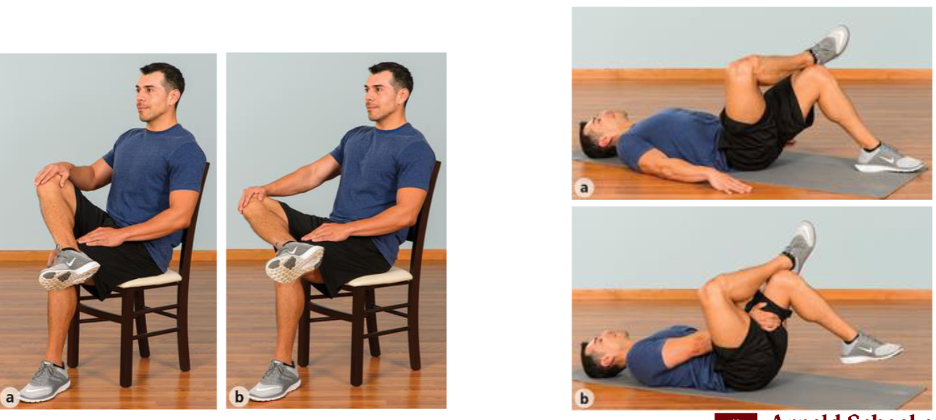
Static hip flexor stretch
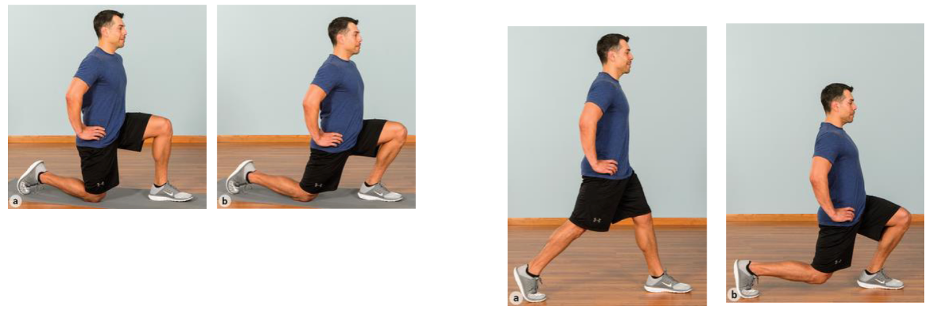
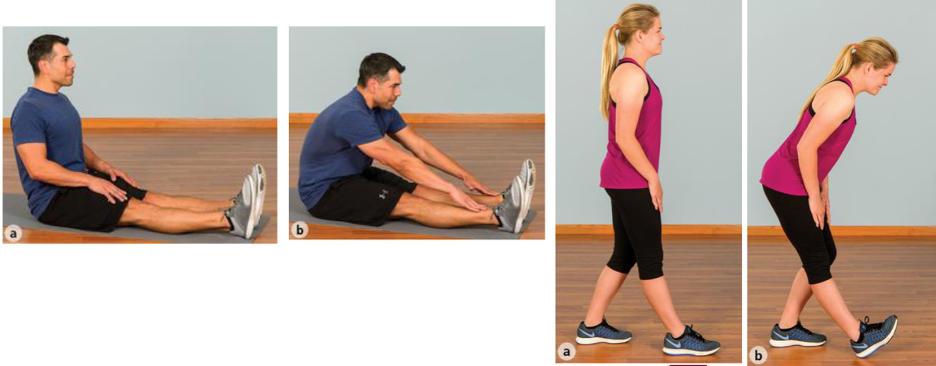
Static hamstring stretch
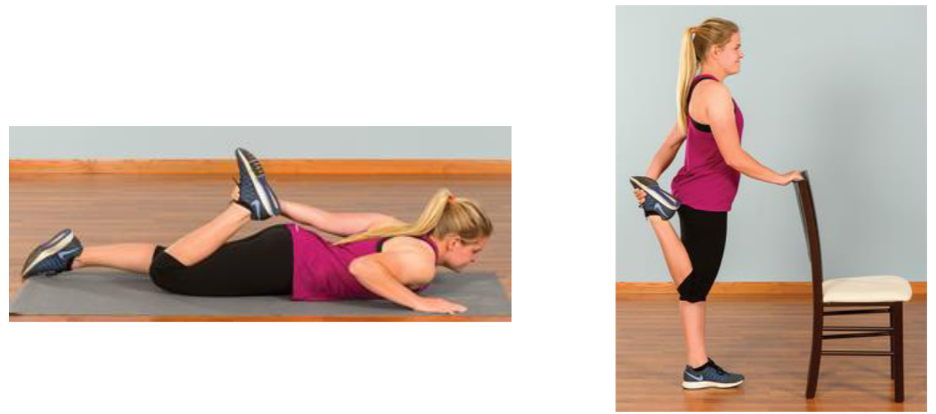
Static quadriceps stretch
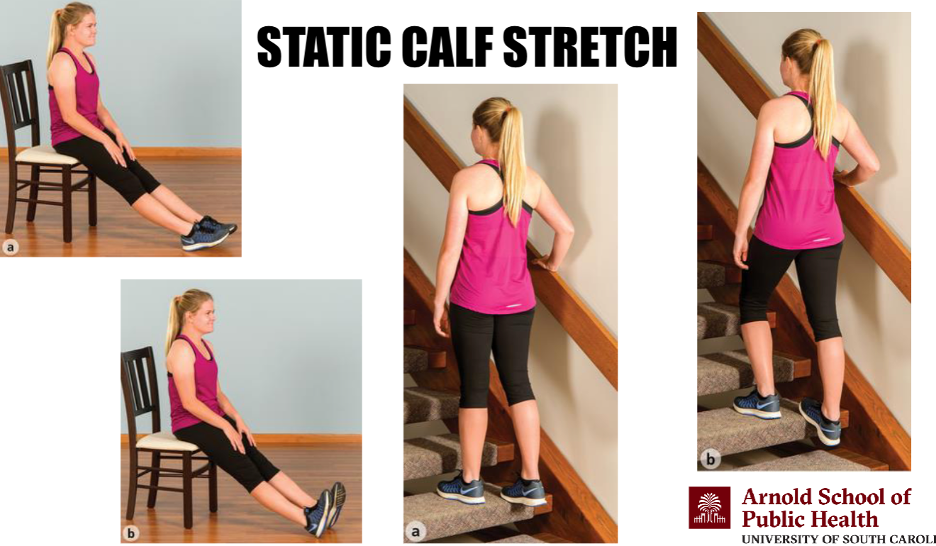
Static calf stretch
Dynamic arms and shoulders
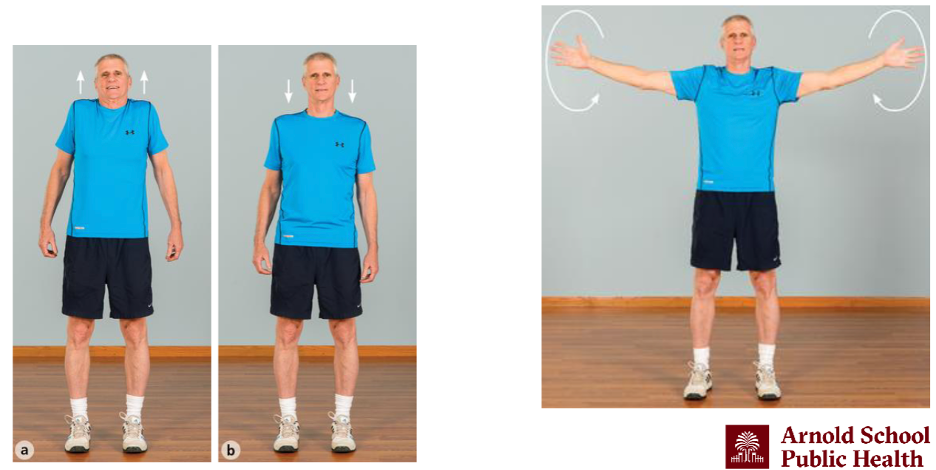
Dynamic hips and gluts
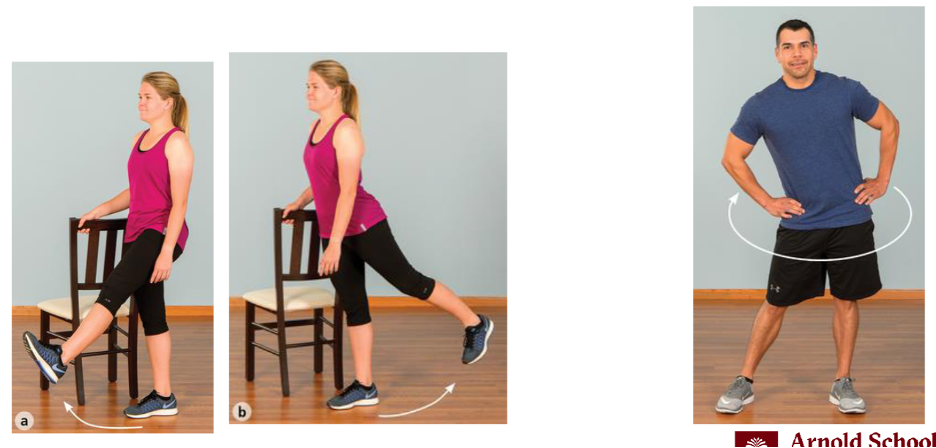
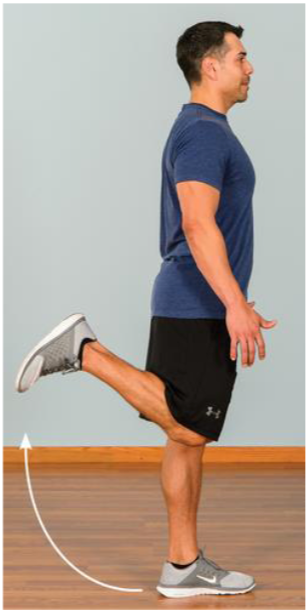
Quadriceps
butt kicks
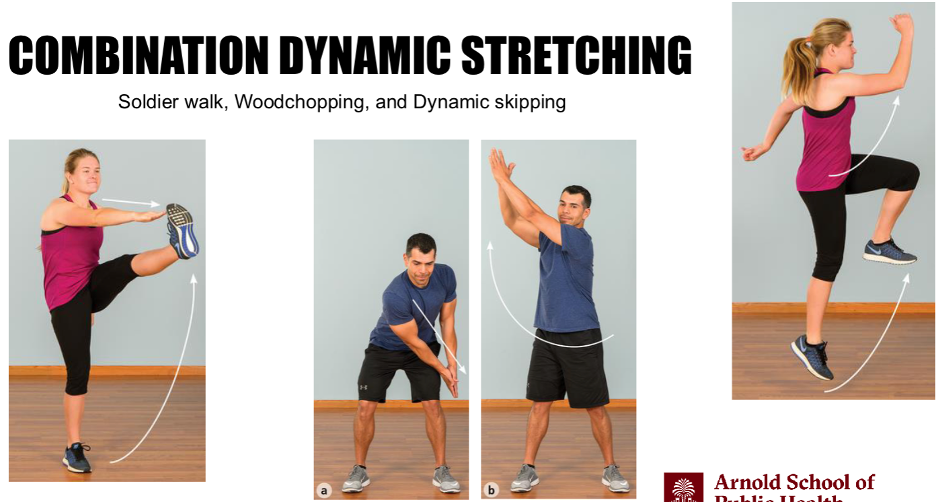
Combination dynamic stretching
soldier walk, woodchopping, and dynamic skipping
Beginnings of functional fitness
people had to survive
hunting, farming, combat
lifting, carrying, running, climbing, and throwing
the movements are “functional”
ancient warriors (Spartans, Romans)
trained for battle
heavy loads, sprint in armor, hand to hand combat
WWs I and II
obstacle courses for training
rehab programs that used their everyday functions
Scottish games or Highland games
beginning started out necessity to train the strongest men and the fastest runners
before 1000 AD
clans began to compete
Hyrox
combines both running & functional workout stations
run 1km, followed by 1 functional workout station, repeated 8 times
indoors and gym machines
Team events
Turf games
al day event
Tribal clash
swimming, climbing, lifting, hauling and pulling, (tires, logs, beam, etc.)
3 men, 3 women
2 days
Tough Mudder
mud, ice, 10,000 volts of electricity
5km, 10km or 15km-long races
CrossFit games
Spartan race
the founder of the race, Joe De Santos, designed the training and race events to “help everyone develop the physical and mental strength to take on all of life’s challenges with an unbreakable spirit”
13 different workouts beginning with
sprint - 3 miles 20 obstacles to overcome
death rate - 70+ hour challenge with no support, no set start or end
failure is expected
quitting is encouraged
Functional training
emphasizes compound movements that mimic daily activities
purpose is to improve function for real-world task and reduce injury risk
engages multiple muscles simultaneously
Traditional training
training focuses on isolated muscle groups
purpose is to build size and raw strength
targets specific muscles and promote muscle hypertrophy
Functional training can
improve strength, stability, mobility, and endurance
improve strength and balance for activities such as climbing stairs, reaching for objects, and carrying groceries
mimics everyday movements like lifting, carrying, and getting up from a chair
examples;
squats
lunges
deadlifts
push-ups
farmer’s walks
step-ups
Key principles of functional training
movement patterns, not just muscles
focus on squatting, pushing, pulling, hinging, rotating, lunging, and carrying
core stability
strong core muscles to support balance, posture, and injury prevention
balance and coordination
training improves stability and proprioception
strength and power
build usable strength to carry, lift, or for sudden movements
mobility and flexibility
enhances joint range of motion and reduces stiffness
Functional training examples
squats
sitting in a chair and getting up (or on the toilet)
step ups
stepping onto a curb or into a cockaboose
lunges
tying shoes, gardening, picking up items
deadlifts
picking up heavy groceries, objects, or people
overhead press
reaching to retrieve something from high shelves
farmers walk
improves grip and core, helps carry heavy groceries
push ups
opening heavy or revolving door to be polite
kettlebell swings
improves hip hinge and power to throw the watermelon in the woods
Risk factors for chronic diseases begin early
heart disease
high blood pressure
type 2 diabetes
osteoporosis
***new stroke risk
Kids who are active regularly have
higher levels of aerobic fitness
higher levels of muscular fitness
decreased body fat
stronger bones
better mental health
enhanced well being
What percent of youths meet recommended guidelines for PA
25%
Fat cells during childhood and adolescence
increase in number
increase in size
Hyperplasia
increase in number
Hypertrophy
increase in size
Fat cells during adulthood
increase in size
total number of fat cells is stable
Children who are obese…
create more fat cells and they generally DO NOT go away
With weight loss later in life
fat cells shrink
number stays high
Childhood is a critical period for…
fat cell number development
Majority of children do NOT meet UD recommendations; some ways to help is
motivate children to eat well
demonstrate healthy eating
build their food repertoire
no more “clean plate club”
offer healthy options and let them choose
three meals plus snacks - not enough caloric intake
don’t skip meals
no sugary snacks
Primary nutrition for infants (0-12 months)
breast milk or iron-fortified formula for a minimum of 6 months
gradual introduction to solids at 6 months
iron-fortified cereals, pureed fruits/vegetables, proteins
Key nutrients for infants (0-12 months)
iron
vitamin D
healthy fats
no honey, no cow’s milk
How is iron good for infants (0-12 months)
helps brain development
How is healthy fats good for infants (0-12 months)
it is critical for brain growth
Dietary focus for toddlers and preschoolers (1-5 years)
variety
exposure to new foods
Portion size for toddlers and preschoolers (1-5 years)
approximately ¼ to ½ of an adult portion
Key nutrients for toddlers and preschoolers (1-5 years)
calcium + vitamin D
protein
fiber
How is calcium + vitamin D good for toddlers and preschoolers (1-5 years)
helps with bone growth
How is protein good for toddlers and preschoolers (1-5 years)
helps with growth and repair
How is fiber good for toddlers and preschoolers (1-5 years)
helps prevent constipation
Nutrition guidelines for toddlers and preschoolers (1-5 years)
limit added sugars
encourage fruits, vegetables, whole grains
2 to 3 cups of milk or dairy alternatives daily
Toddlers and preschoolers (1-5 years) nutrition is influenced by
parents, caregivers, and adults
Dietary focus for school-aged children (6-12 years)
balanced meals
energy, growth, and school performance
Key nutrients for school-aged children (6-12 years)
protein
iron
calcium + vitamin D
How is protein good for school-aged children (6-12 years)
helps muscle development
lean meats, beans, eggs
How is iron good for school-aged children (6-12 years)
helps prevent anemia
How is calcium + vitamin D good for school-aged children (6-12 years)
helps bone strength
Nutrition guidelines for school-aged children (6-12 years)
5+ servings of fruits/vegetables daily
whole grains for sustained energy
limit sugary drinks and snacks
encourage water over juice/soda
Growth spurt needs for adolescences (13-17 years)
higher calorie, protein, and micronutrient demands
Key nutrients for adolescences (13-17 years)
calcium + vitamin D
protein
iron
Omega-3 fatty acids
How is calcium + vitamin D good for adolescences (13-17 years)
helps build bone mass
When is peak bone mass built
during adolescences (13-17 years)
How is protein good for adolescences (13-17 years)
supports muscle development
How is iron good for adolescences (13-17 years)
helps for girls after menstruation begins
How is Omega-3 fatty acids good for adolescences (13-17 years)
helps with brain health
Nutrition guidelines for adolescences (13-17 years)
3-4 servings of calcium-rich foods daily
milk, yogurt, fortified milks and alternate milks
balanced meals
lean protein, whole grains, fruits/vegetables
limited processed foods
limited junk foods
encourage health relationships with food
address body image and dieting pressures
More nutrition for adolescences (13-17 years)
substitute whole fruits with fruit juice
replace starchy vegetables with dark green vegetables and orange vegetables
increase the consumption of milk to replace soda
eat breakfast daily, especially cereals fortified with vitamin E
SoFAS make up 40% of all calories for adolescences
SoFAS means
Solid Fats and Added Sugars
General nutrition
hydration - water, water, water
portion control - kids self-regulate well
meal patterns - regular family meals
role modeling
What does meal patterns help improve
nutrition, mental health, and stability
What strongly influences children’s choices
parents’ habits
Importance of family meals
improved nutrition and health
better academic and social outcomes
emotional and mental health benefits
strengthens family bonds
teaches health habits and manners
Improved nutrition and health
consume more fruits, vegetables, whole grains, lean proteins, calcium, vitamins B6, B12, C, and iron
consume less sugary drinks and fried foods
Better academic and social outcomes
higher grades, stronger language skills, improved communication abilities
Emotional and mental health benefits
higher self-esteem, lower stress, less likely to engage in risky behaviors
Strengthens family bonds
memories, sense of unity and belonging
Teaches healthy habits and manners
table manners and eating patterns (more nutritious foods are more satisfying)
1 in 3 children in the US are
overweight

