Industry Organizations
 Studied by 3 people
 Call Kai
 Learn
Learn Practice Test
 Spaced Repetition
 Match
Match Flashcards
 Knowt Play
1/32

There's no tags or description
Looks like no tags are added yet.
Name | Mastery | Learn | Test | Matching | Spaced | Call with Kai |
|---|
No analytics yet
Send a link to your students to track their progress
33 Terms
market structure
the business environment within which the firm operates
market power
the ability to price a product above marginal cost and earn a positive economic profit
output
the manager's critical decision variable, not price
price
an important decision when a firm accounts for significant proportion of market supply
number, size, and distribution of rival firms
the ability of a firm to set the price of its product frequently depends on the
a single buyer in a market comprising many small buyers does not have the ability to influence the market-determined price
true
monopsony
a market that consists of a single buyer
oligopsony
a market comprising a few large buyers
(govt. expenditures on space exploration)
product differentiation
the degree to which the product of a firm differs from those of its rivals
entry and exit conditions
the ease with which investment flows into and out of an industry
Michael Porter
identified the five “forces" that affect an industry's ability to sustain profitability and attract new investment
threat of entry by potential rivals
threat of substitutes
nature of competitive rivalry
bargaining power of buyers and suppliers
the five forces
threat of entry by potential rivals
threat of substitutes
nautre of competitive rivalry
horizontal competitors / external sources
bargaining power of buyers and suppliers
vertical competitors / internal sources
threat of entry
above-normal returns attract new firms into an industry, which increase total output, depress prices, and squeeze profits
threat of substitutes
demand for the output of an industry tends to be more price elastic the greater the number of close substitutes are
competitive rivalry
main driver in Porter's 5 forces model
degree of product differentiation
switching costs
technological innovations
government legislation
other factors that contribute to nature and intensity of rivalry among firms
bargaining power of buyers
able to extract discounts and other more favorable terms reduce a firm's ability to extract and sustain profits
bargaining power of suppliers
profits tend to be lower in industries where suppliers of raw materials, components, labor services, and so on have the power to negotiate more favorable terms
perfect competition
an industry characterized by a very large number of small firms (in terms of output) producing a homogenous output
entry into, and exit from, this industry is easy
imperfect competition
can exercise a degree of discretion of the price charged for their products
monopolistic competition
oligopoly
two industry types that fall under imperfect competition
monopolistic competition
characterized by a large number of firms in which entry and exit is unimpeded
non-price competition
advertising, brand name identification, and trademarks to promote customer loyalty, is another distinguishing feature of this market structure
(fast-food restaurants, soft drinks, cosmetics…)
oligopoly
consists of a few firms producing a standardized or differentiated product
(steel, automobiles, household appliances…)
informative advertising
when a firm attempts to boost sales by providing consumers with information about the physical attributes of its product
may be positive or negative
persuasive avertising
attempts to boost sales by creating an image that may have little or nothing to do with the product's physical characteristics
monopoly
an industry that consists of a single firm that produces a unique product with no close substitutes
referred to as price makers
industrial concentration
the proportion of total industry sales that is accounted for by the largest firms
Rothschild Index
a useful indicator for market power
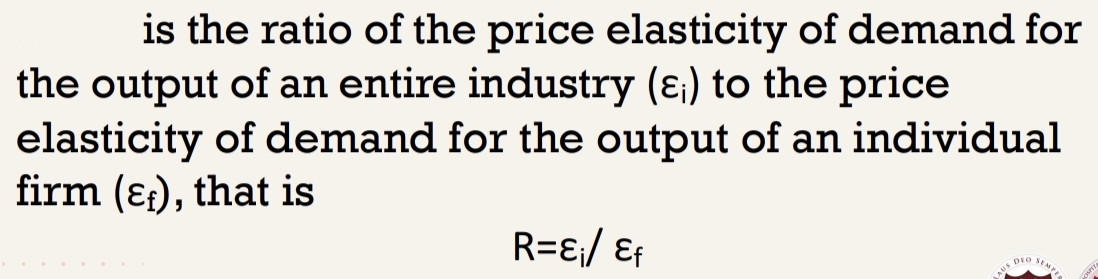
1
Rothschild index = ___ in case of monopoly
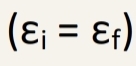
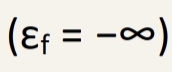
0
Rothschild index = ___ in case of perfectly competitive firm
 Note
Note  Flashcards (35)