Lecture 7a - Global Warming and Individual Moral Obligations
 Call Kai
 Learn
Learn Practice Test
 Spaced Repetition
 Match
Match Flashcards
 Knowt Play
1/23

There's no tags or description
Looks like no tags are added yet.
Name | Mastery | Learn | Test | Matching | Spaced | Call with Kai |
|---|
No analytics yet
Send a link to your students to track their progress
24 Terms
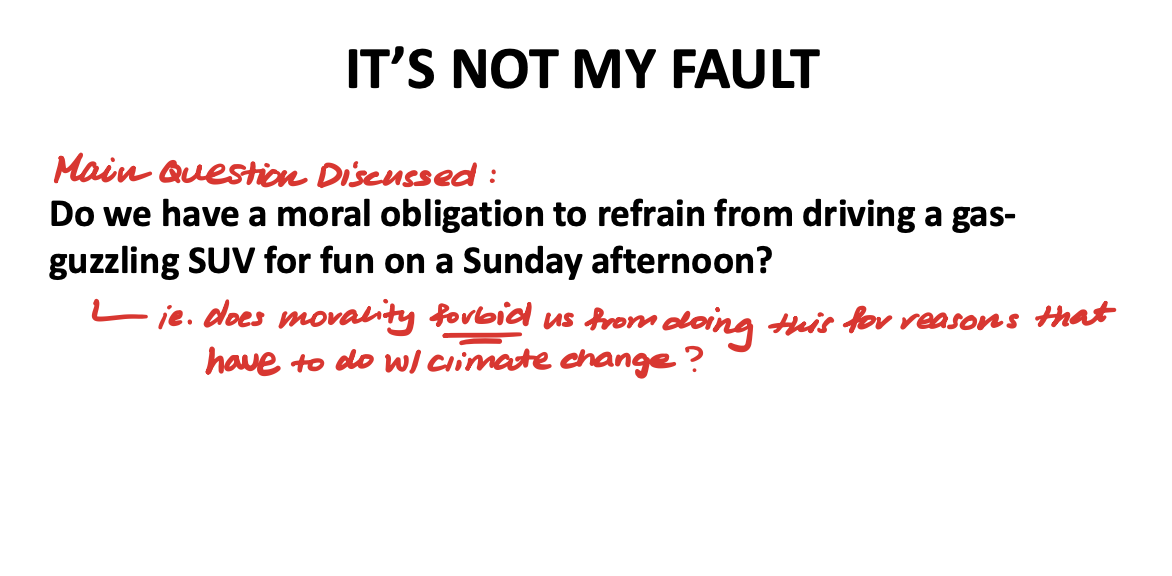
What main question does Walter Sinnot-Armstrong discuss in his paper?
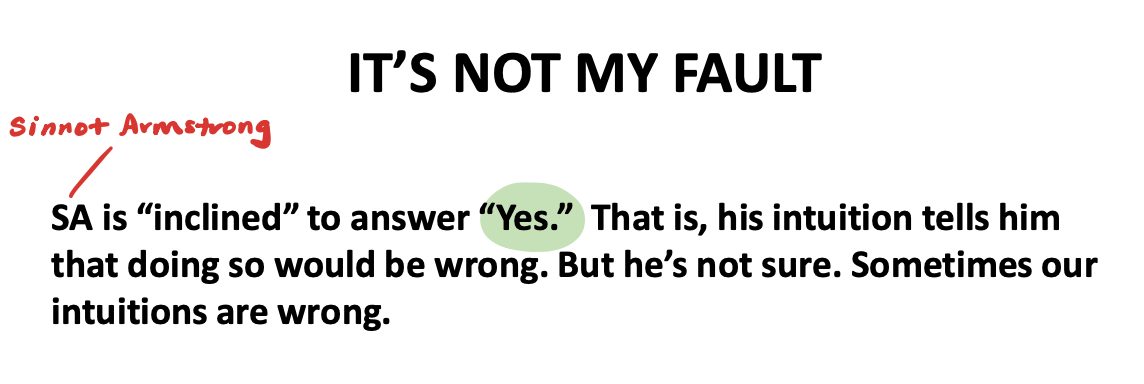
What is Sinnot-Armstrong inclined to say to his main question? Is he 100% sure about this opinion?
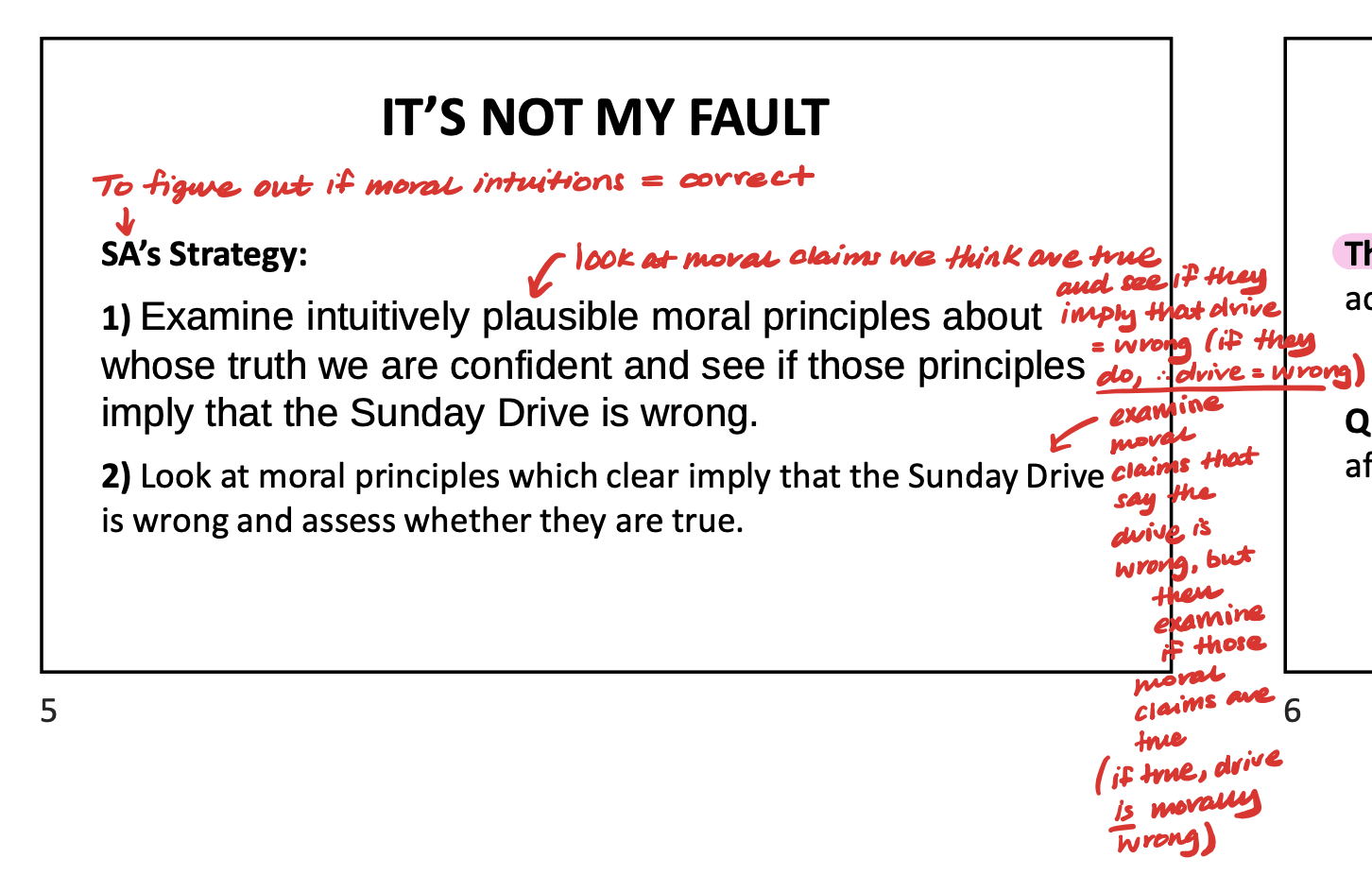
What strategies does Sinnot-Armstrong use to examine if his moral intuitions are correct?
Which principles fall into strategy 1 (i.e., are morally plausible and examined to see if they condemn the Sunday drive)?
Harm Principle
Indirect Harm Principle
Contribution Principle
Risk Principle
Virtue Principle
*all fail to show that Sunday drive is wrong
Which principles fall into strategy 2 (i.e., condemn the Sunday drive and are examined to see if they are true or not)?
Gas Principle
Group Principle
General Action Principle
Ideal Law Principle
*all principles are implausible, overly demanding, or philosophically flawed
Define the harm principle.
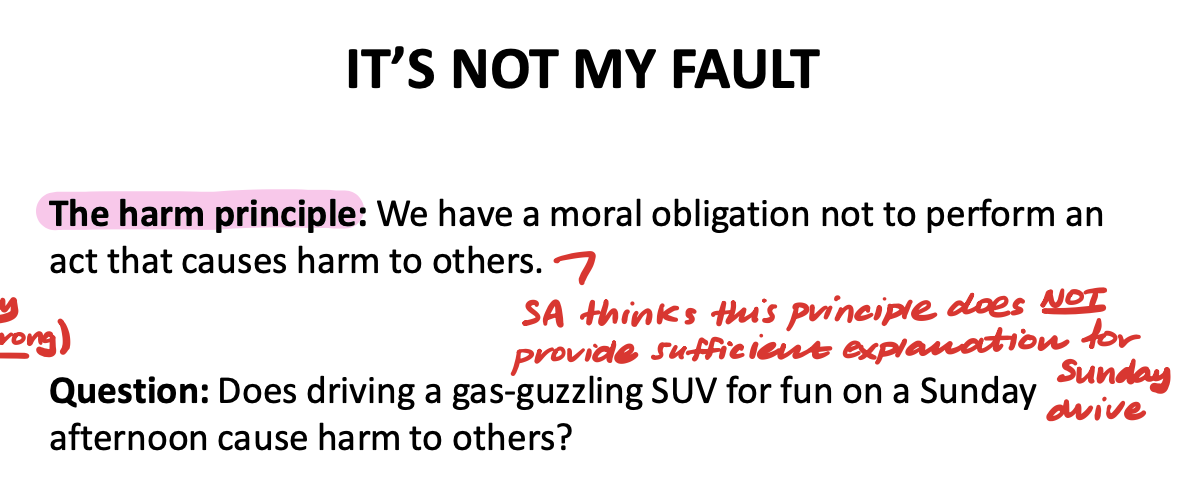
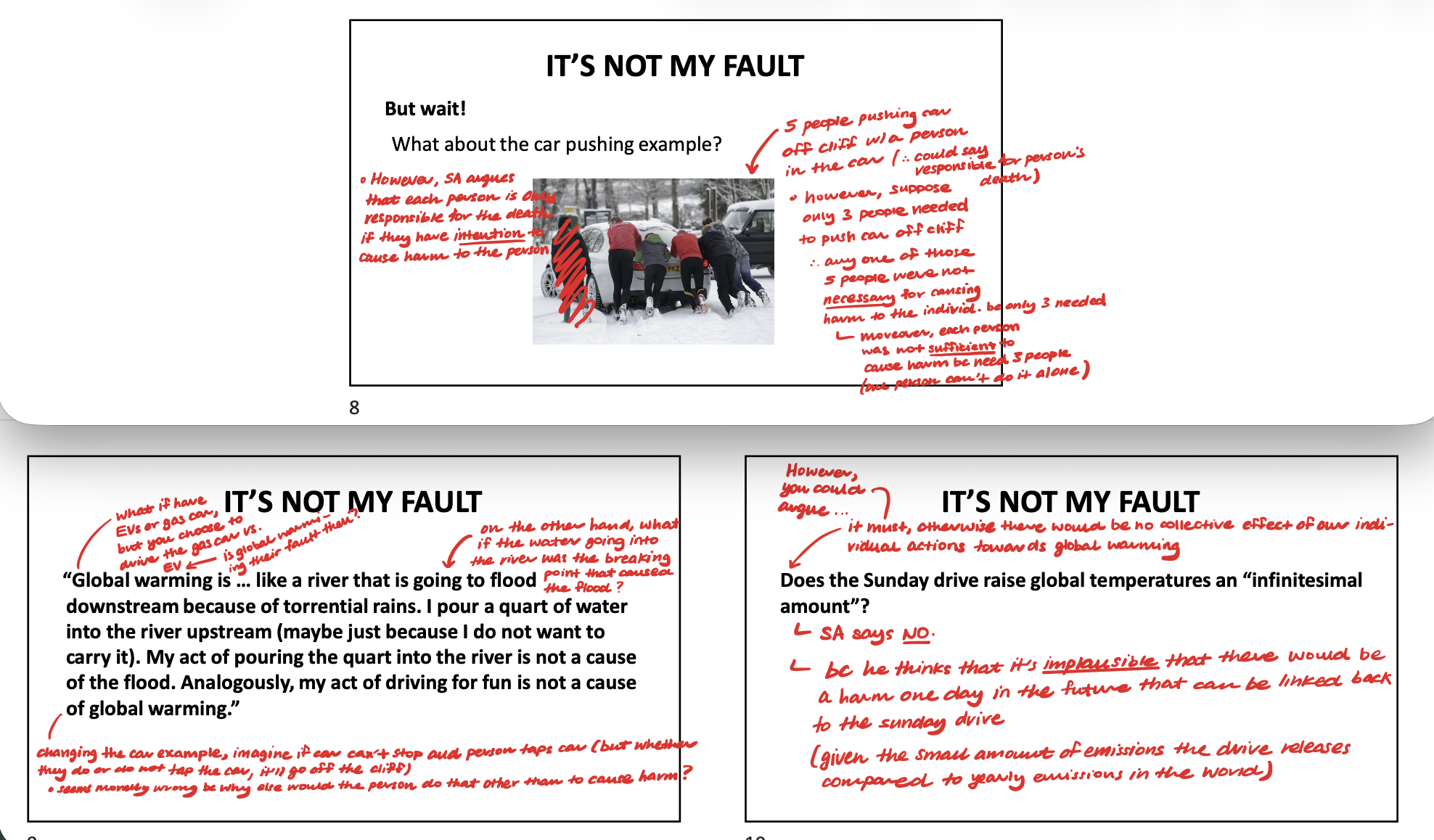
Why does Sinnot-Armstrong think that the harm principle is insufficient in condemning the Sunday drive?
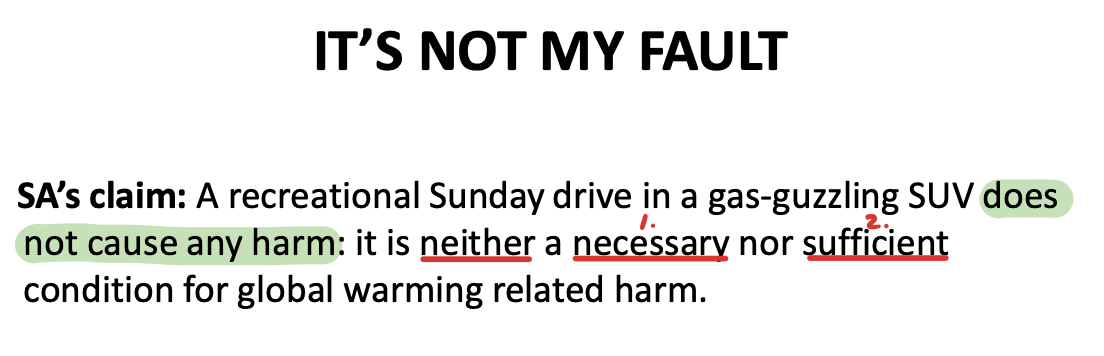
What is a possible rebuttal to Sinnot-Armstrong’s argument as to why the harm principle is insufficient?
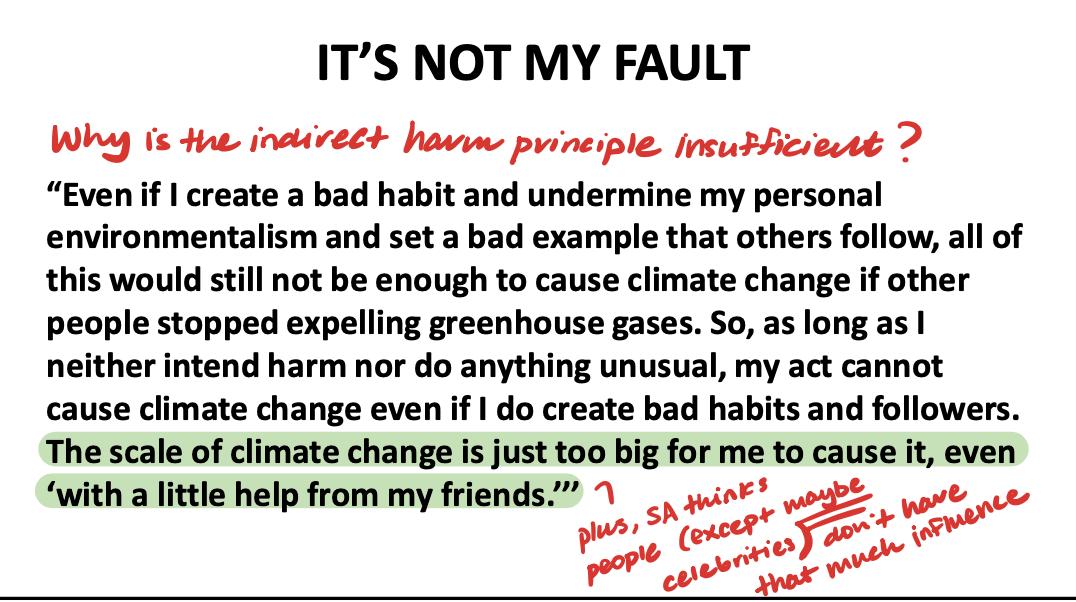
Define the indirect harm principle.
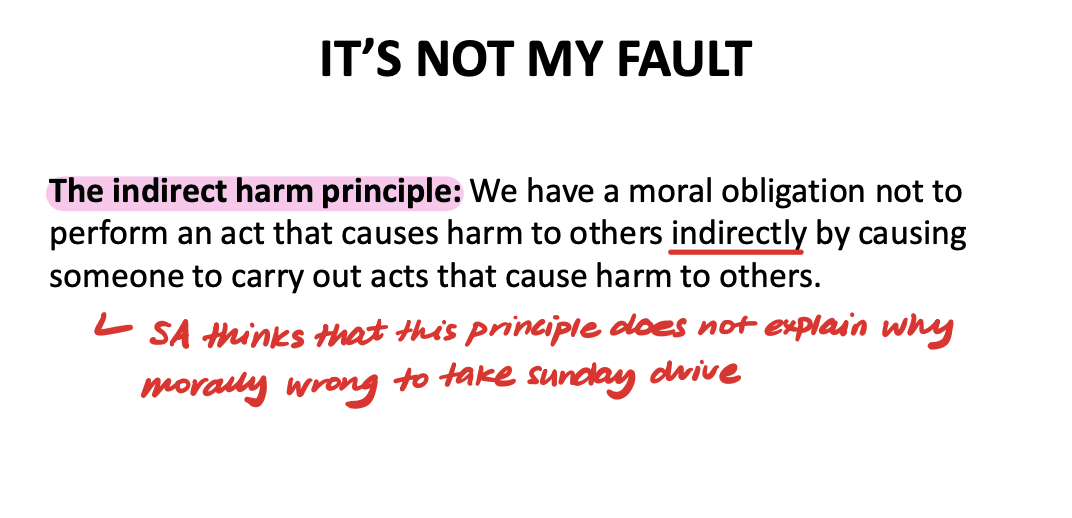
Why does Sinnot-Armstrong think that the indirect harm principle is insufficient in condemning the Sunday drive?
Define the contribution principle.
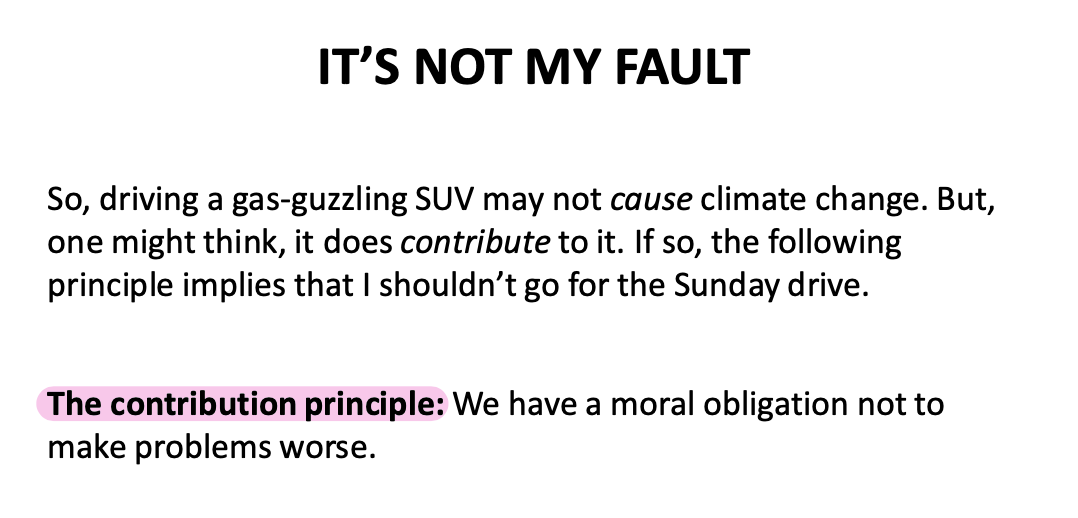
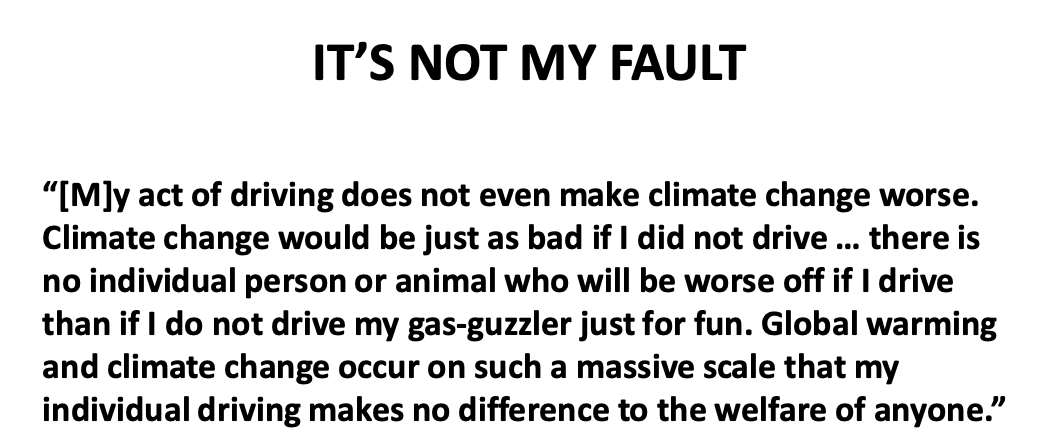
Why does Sinnot-Armstrong think that the contribution principle is insufficient in condemning the Sunday drive?
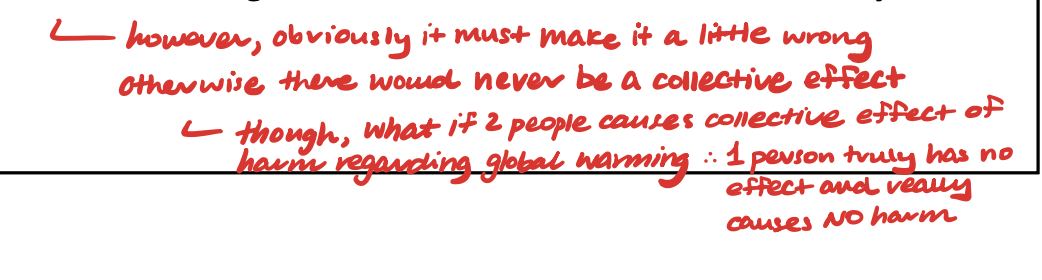
What is a rebuttal to Sinnot-Armstrong’s claim that the contribution principle is insufficient?
Define the virtue principle.
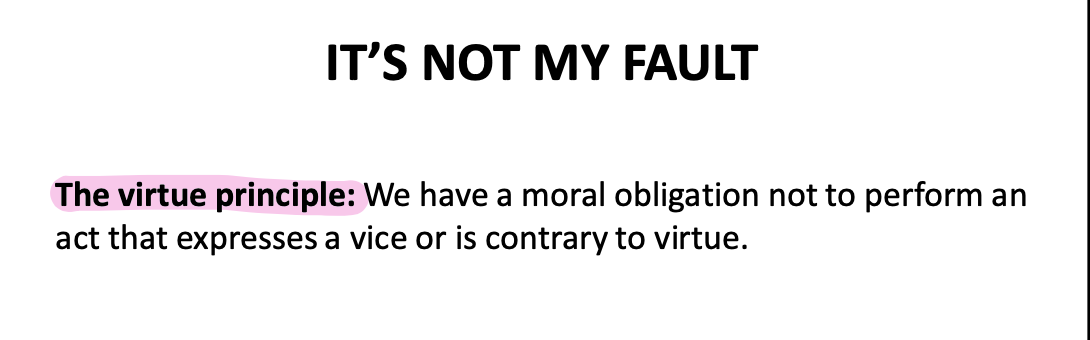
Why does Sinnot-Armstrong think that the virtue principle is insufficient in condemning the Sunday drive?
Because Sinnot-Armstrong thinks that the Sunday drive expresses desire for enjoyment, which is not clearly a vice.
Define the gas principle.
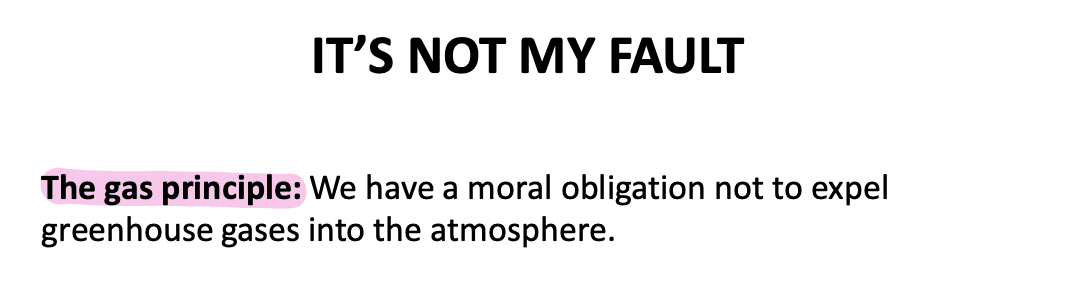
Why does Sinnot-Armstrong think that the gas principle is not true?
Sinnot-Armstrong argues that this principle is implausible because this would forbid ordinary activities like boiling water or breathing.
Define the risk principle.
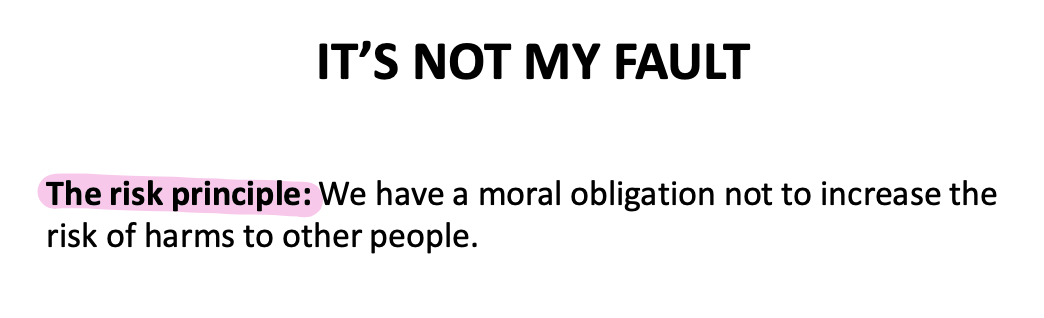
Why does Sinnot-Armstrong think that the risk principle is not true?
Because Sinnot-Armstrong argues that our act does not create a meaningful or traceable risk to specific individuals.
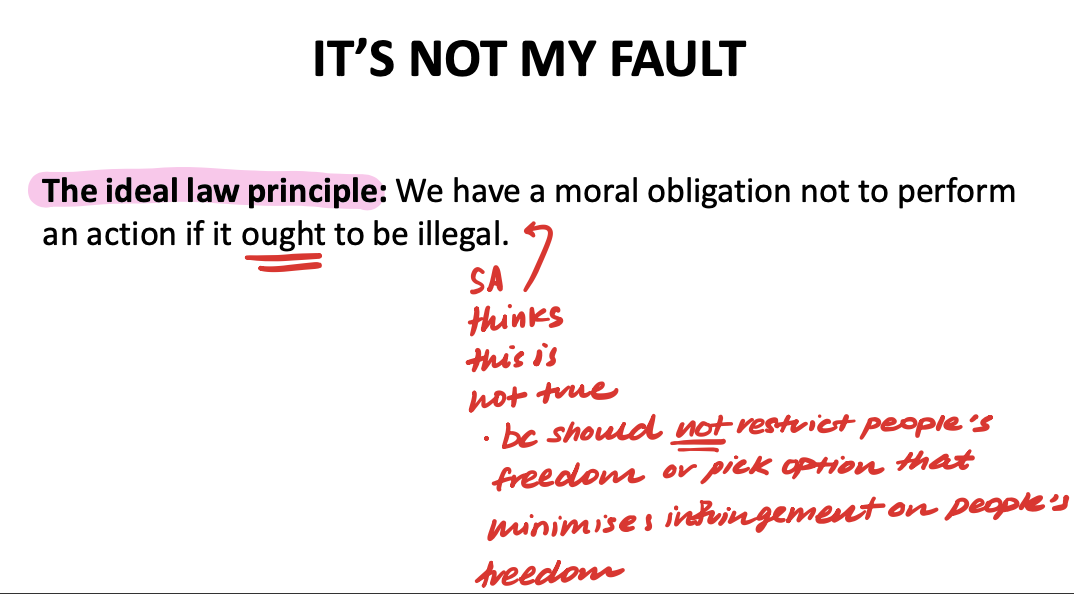
Define the ideal law principle and why Sinnot-Armstrong thinks that this principle is limited?
Define the group principle.
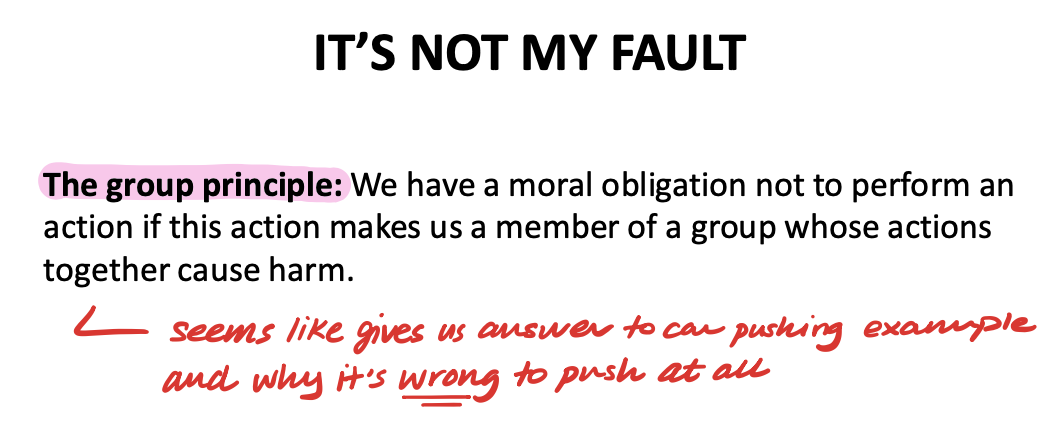
Why does Sinnot-Armstrong think that the group principle is not true?
Because he thinks that membership in a harmful group does not automatically create individual responsibility. But, if it did, then many harmless individual acts would become wrongly prohibited.
ie. cashing a government check that contributes to a deficit—it is not clearly wrong if your action makes no difference
Define the general action principle.
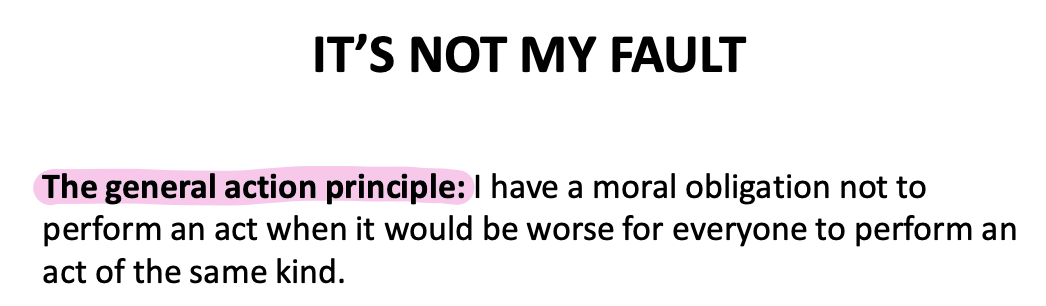
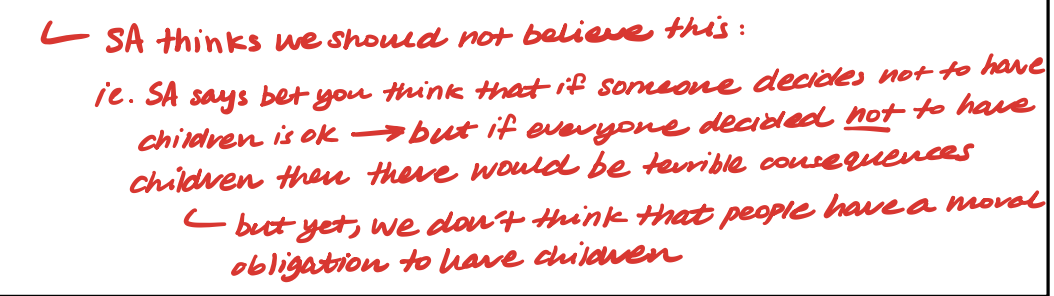
Why does Sinnot-Armstrong think that the general action principle is not true?