HSPA Ch. 8: Cleaning
 Call Kai
 Learn
Learn Practice Test
 Spaced Repetition
 Match
Match Flashcards
 Knowt Play
1/44

There's no tags or description
Looks like no tags are added yet.
Name | Mastery | Learn | Test | Matching | Spaced | Call with Kai |
|---|
No analytics yet
Send a link to your students to track their progress
45 Terms
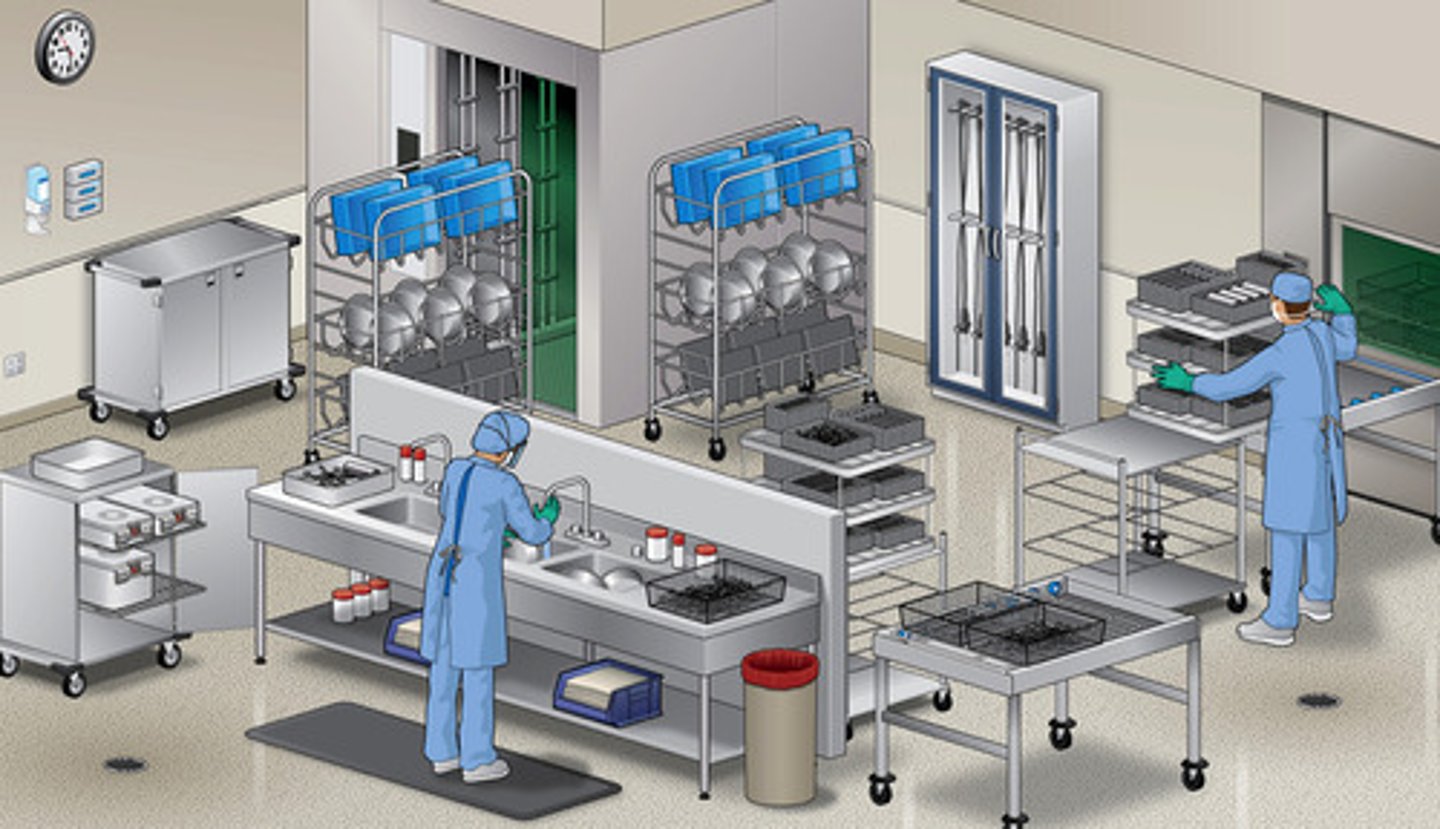
decontamination area (n)
the location within a healthcare facility designated for the collection, retention, & cleaning of soiled & contaminated items
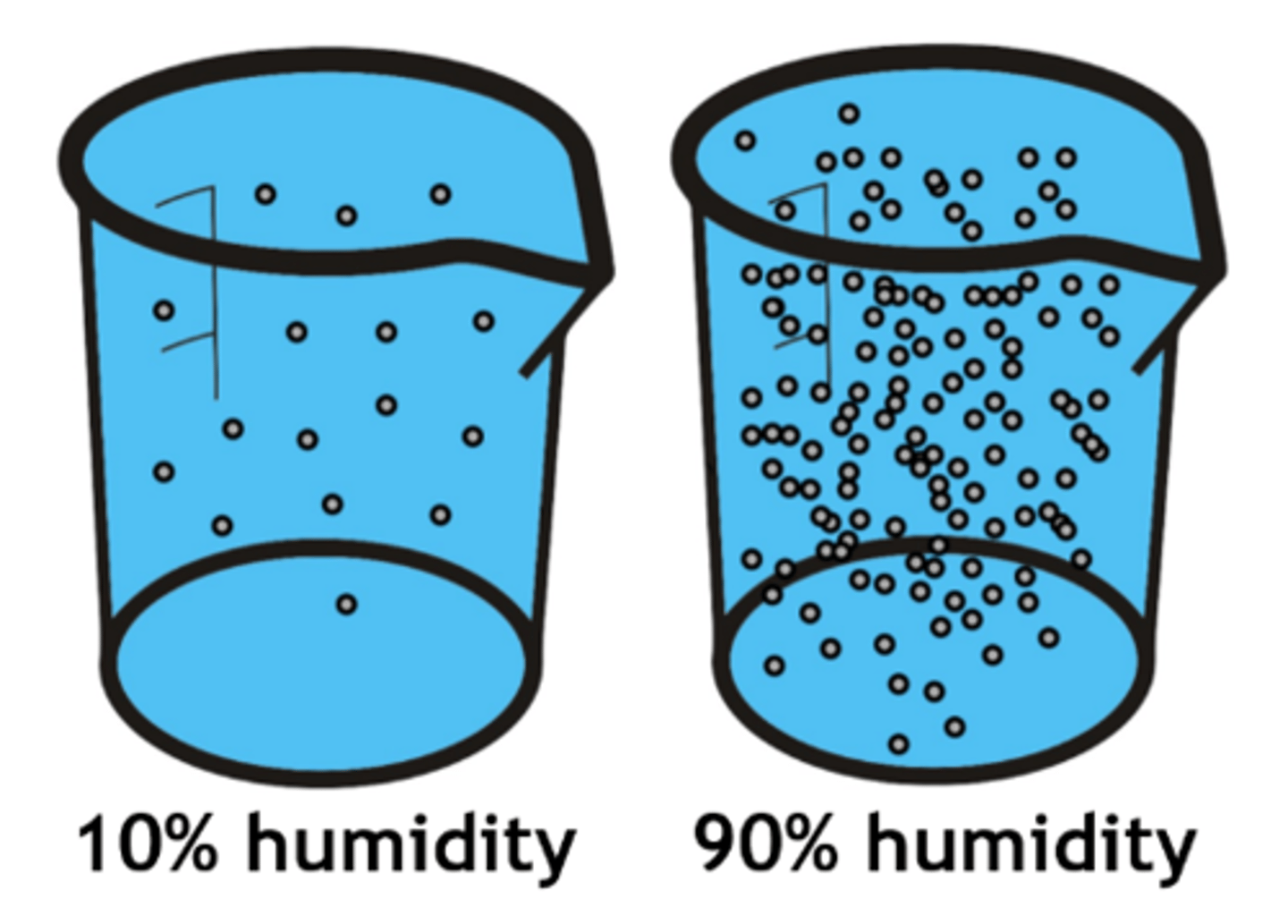
humidity (n)
the amount of water vapor in the atmosphere expressed as a percentage of the total amount of vapor the atmosphere could hold without condensation
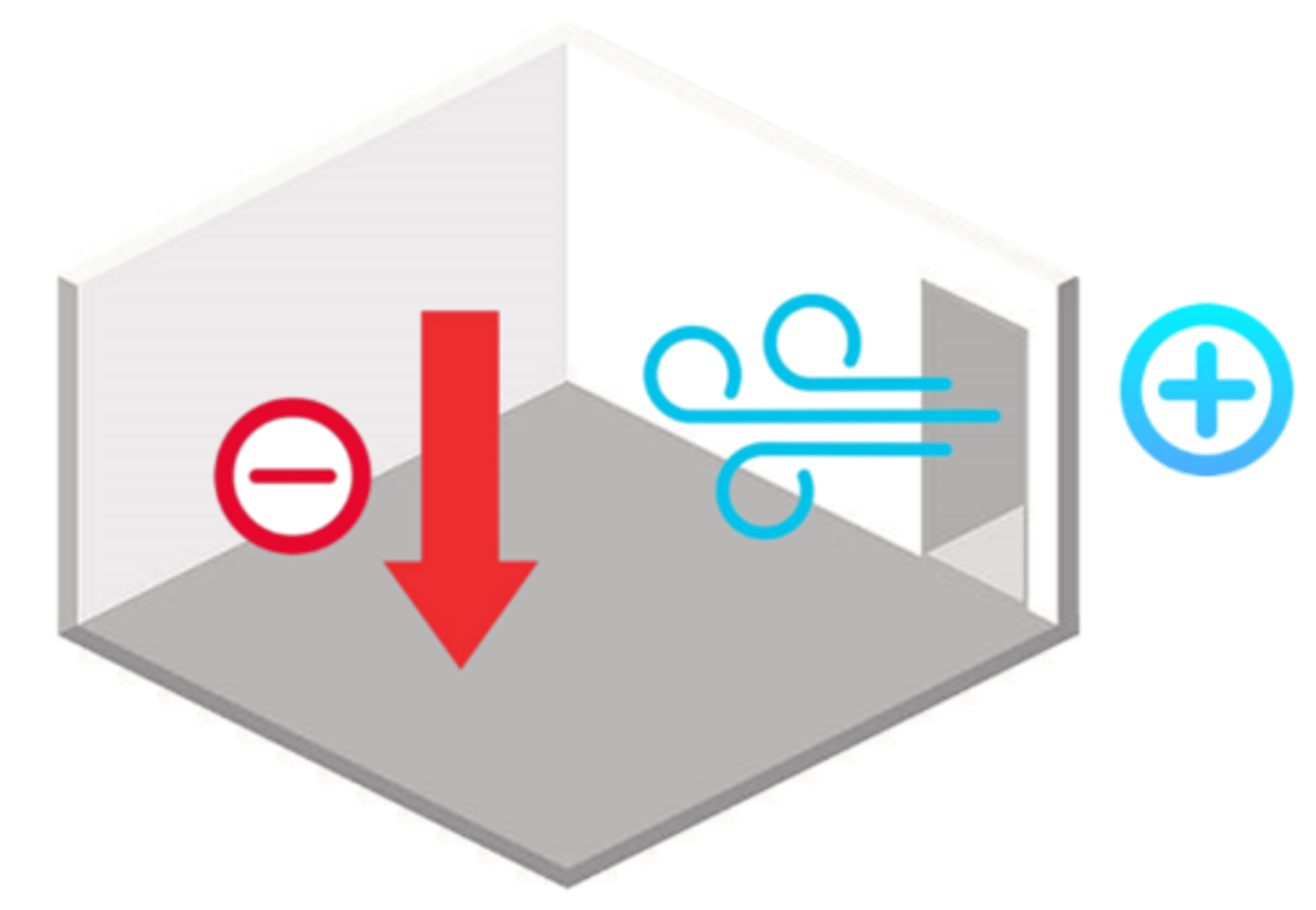
negative pressure (n)
air pressure inside the room that is lower than air pressure outside the room, causing the outside (positive) air to flow in
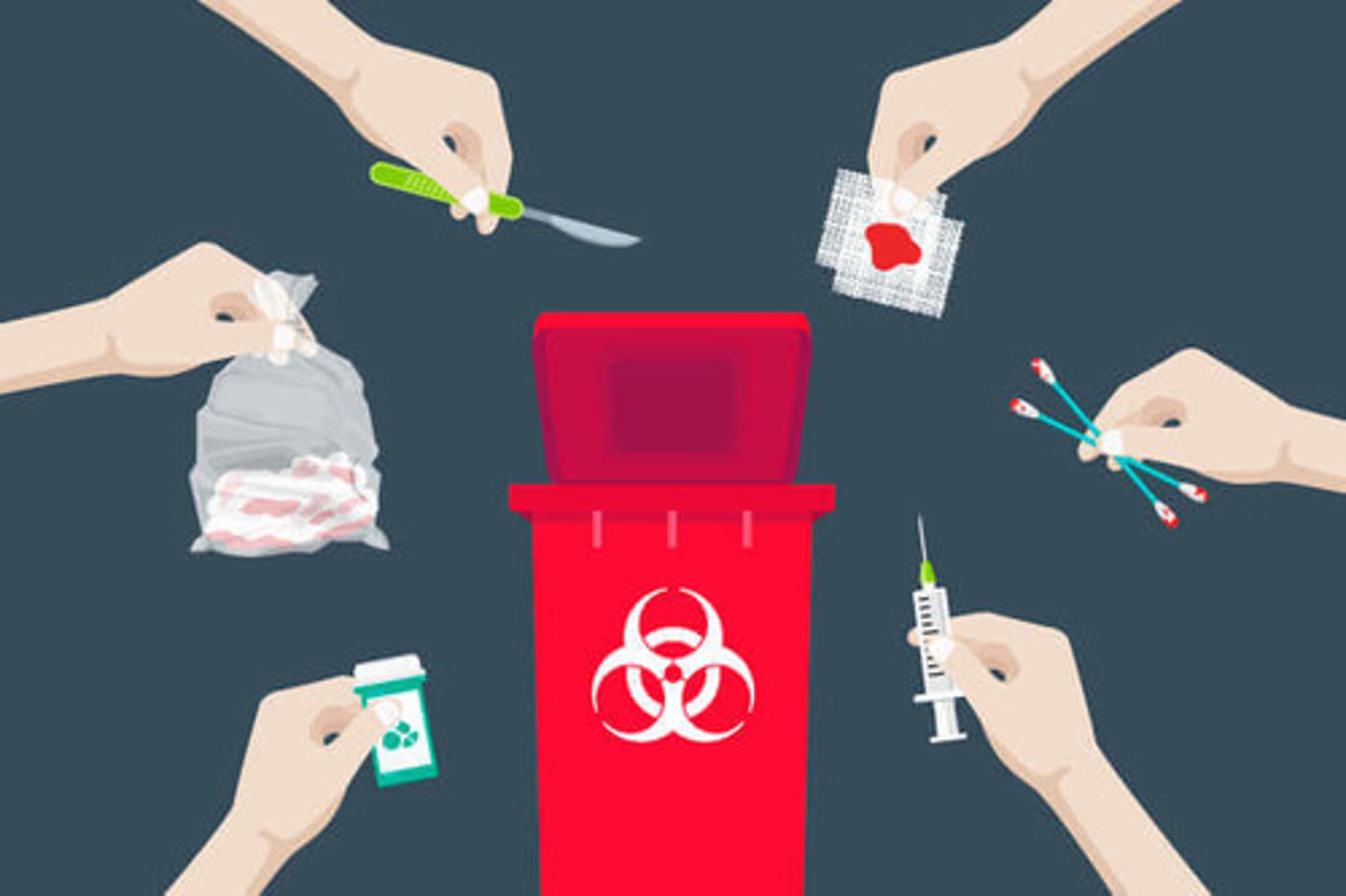
biohazardous waste (n)
waste containing infectious agents that present a risk or potential risk to human health
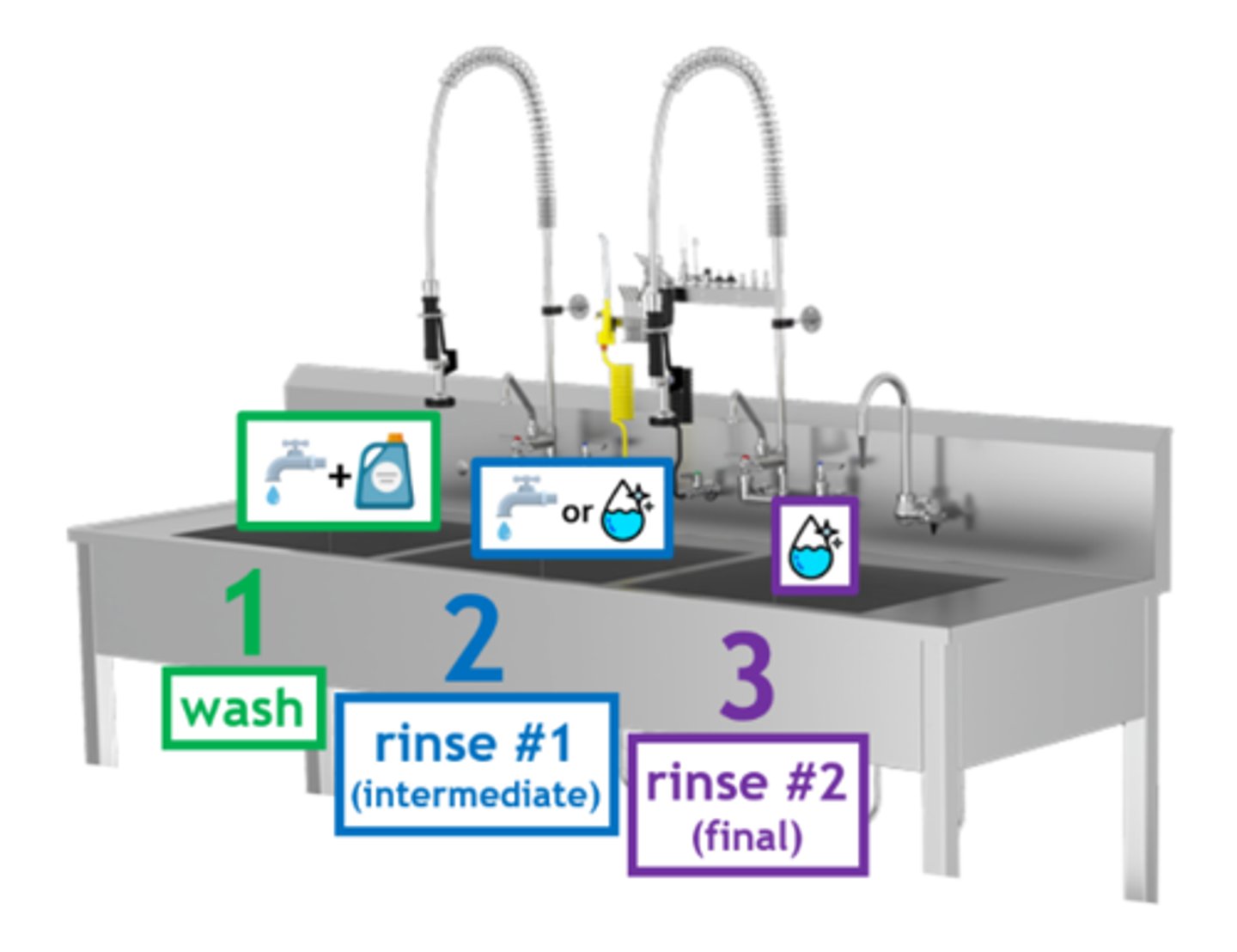
three-sink arrangement (n)
a manual cleaning setup with three sink bays for washing, intermediate rinsing, & final rinsing, with the workflow moving from dirty to clean
utility water (n)
water as it comes from the tap, that may need further treatment to achieve the required specifications (mainly used for flushing, washing, & rinsing)
critical water (n)
water that is extensively treated to ensure that microorganisms & any organic or inorganic materials are removed
water quality (n)
the degree to which water is clean & suitable for use in decontamination processes; must be monitored to ensure chemical compatibility, effective cleaning & rinsing, etc.
biocide (n)
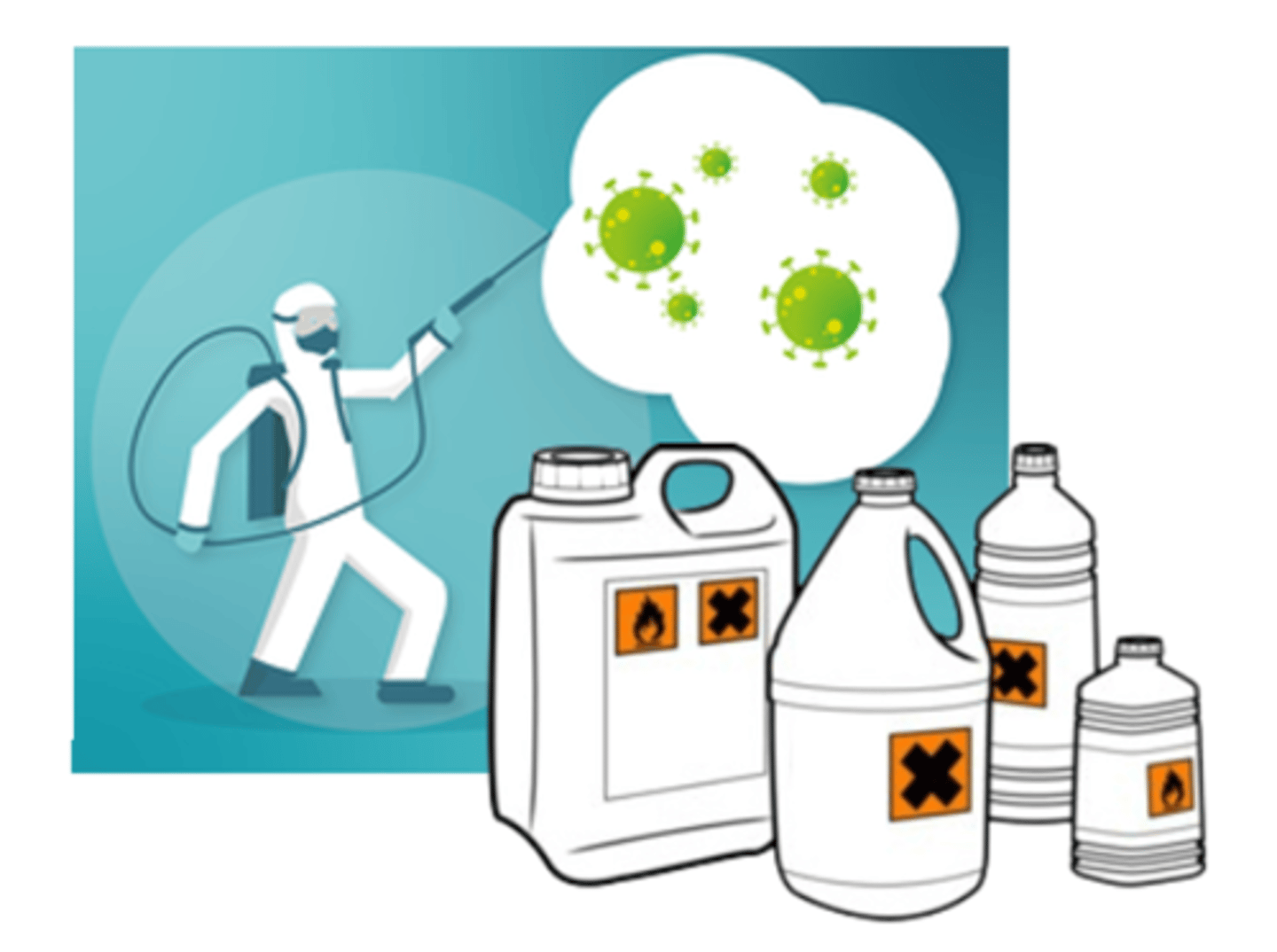
a substance or microorganism that kills or controls the growth of living organisms
reverse osmosis (RO) (n)
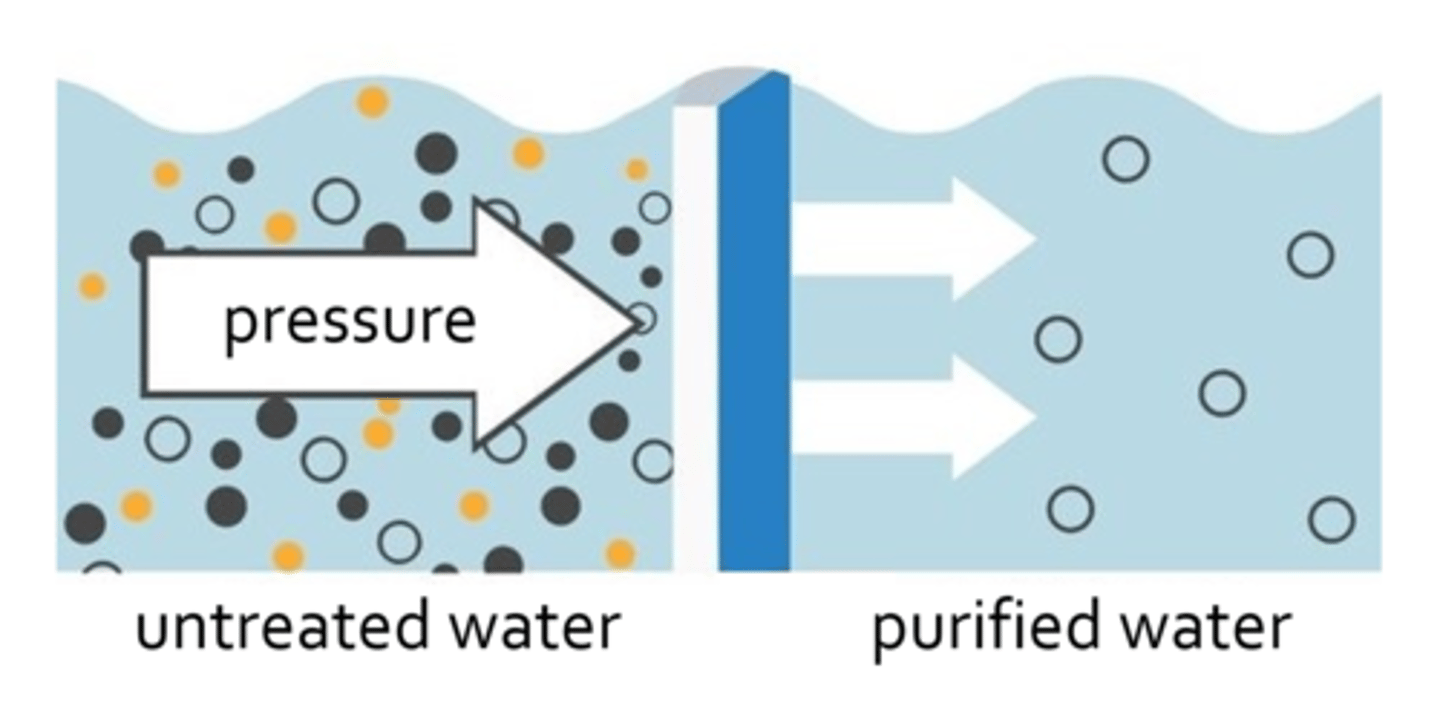
a water purification process in which impurities are removed from water using a semipermeable membrane
deionized (DI) water (n)
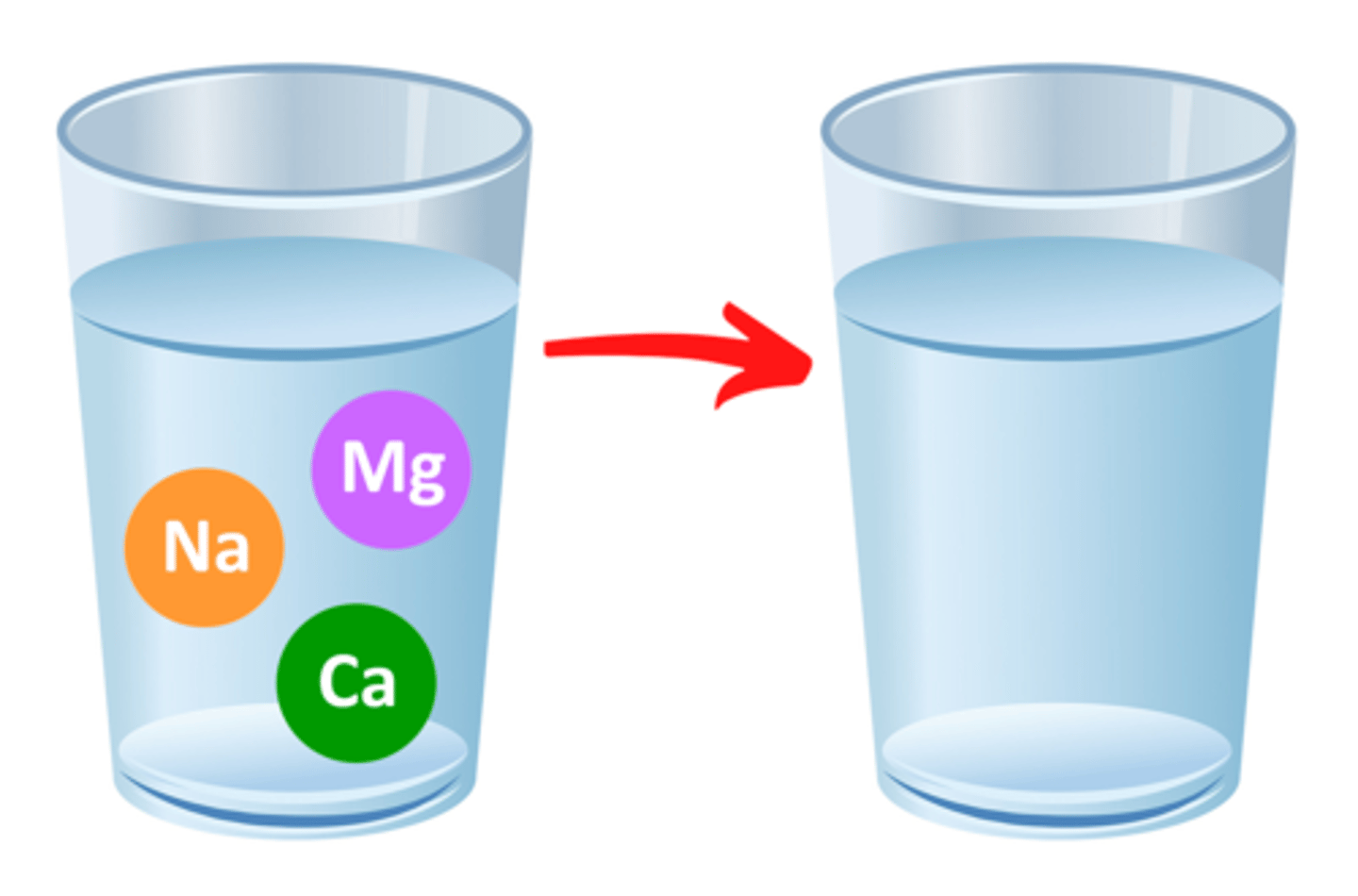
water that has had all ions (minerals) removed through an ion exchange process
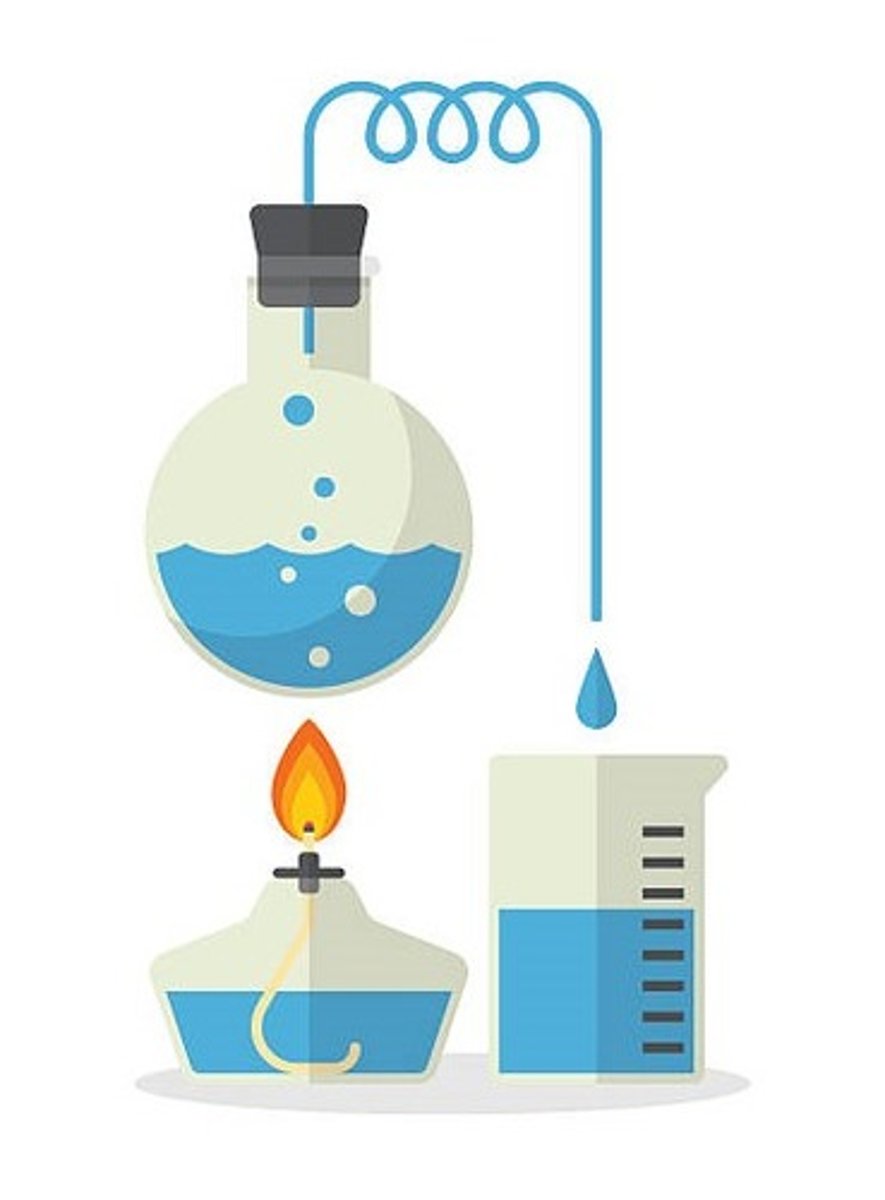
distilled water (n)
water that is heated to steam, then allowed to cool & condense (done to remove impurities)
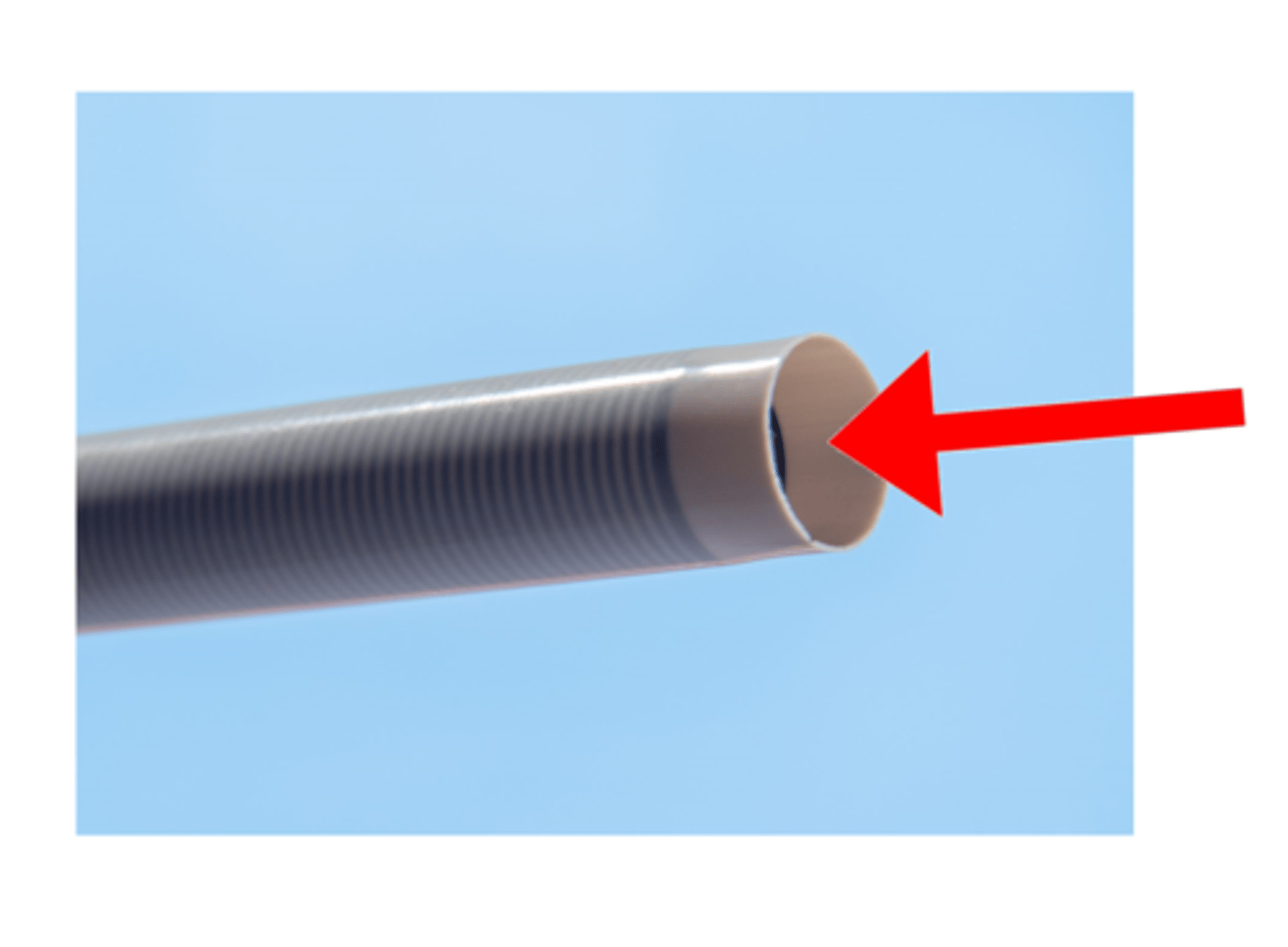
lumen (n)
the interior path through a needle, tube, or surgical instrument
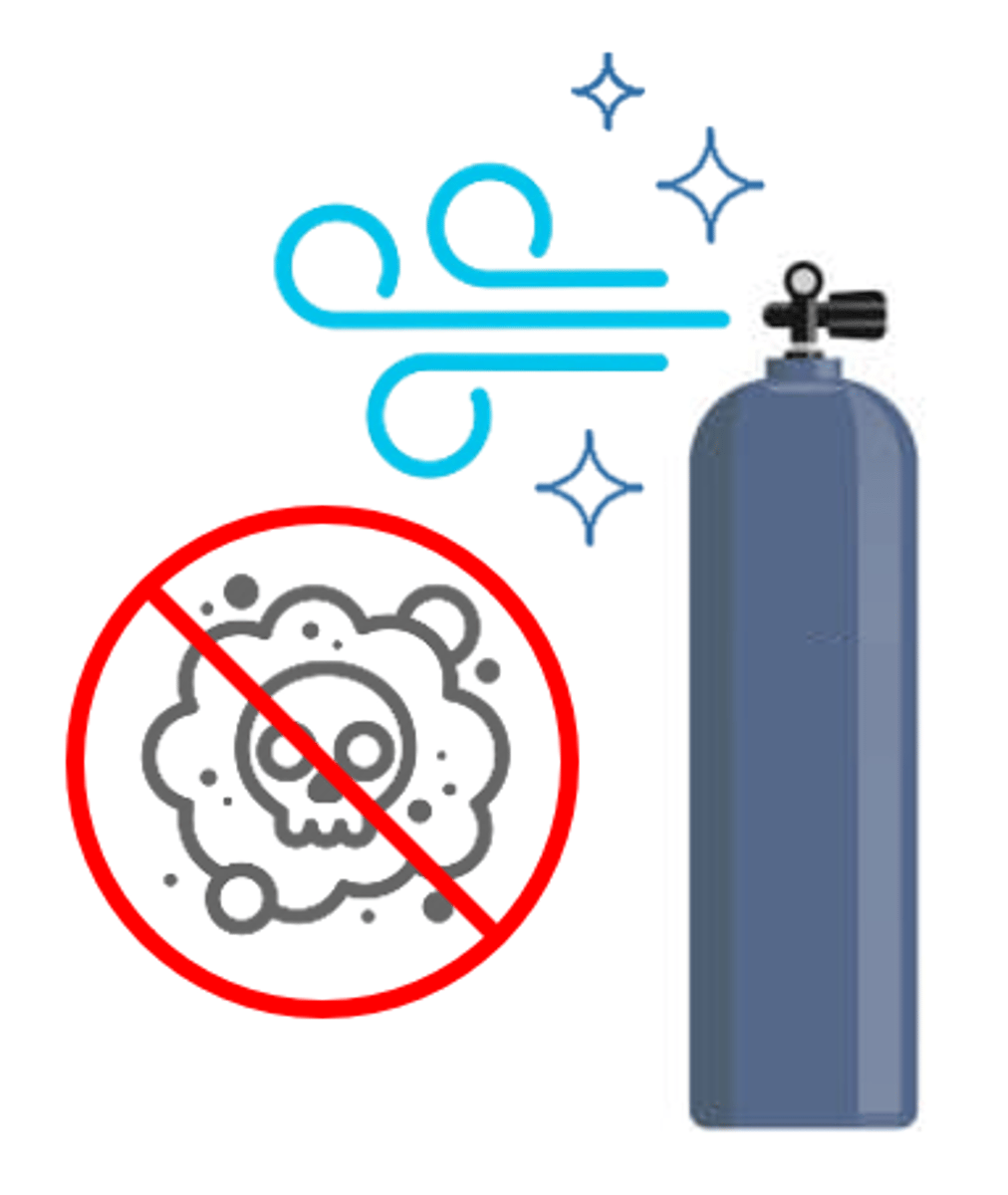
instrument air (n)
compressed air that has had dust, dirt, & other pollutants removed
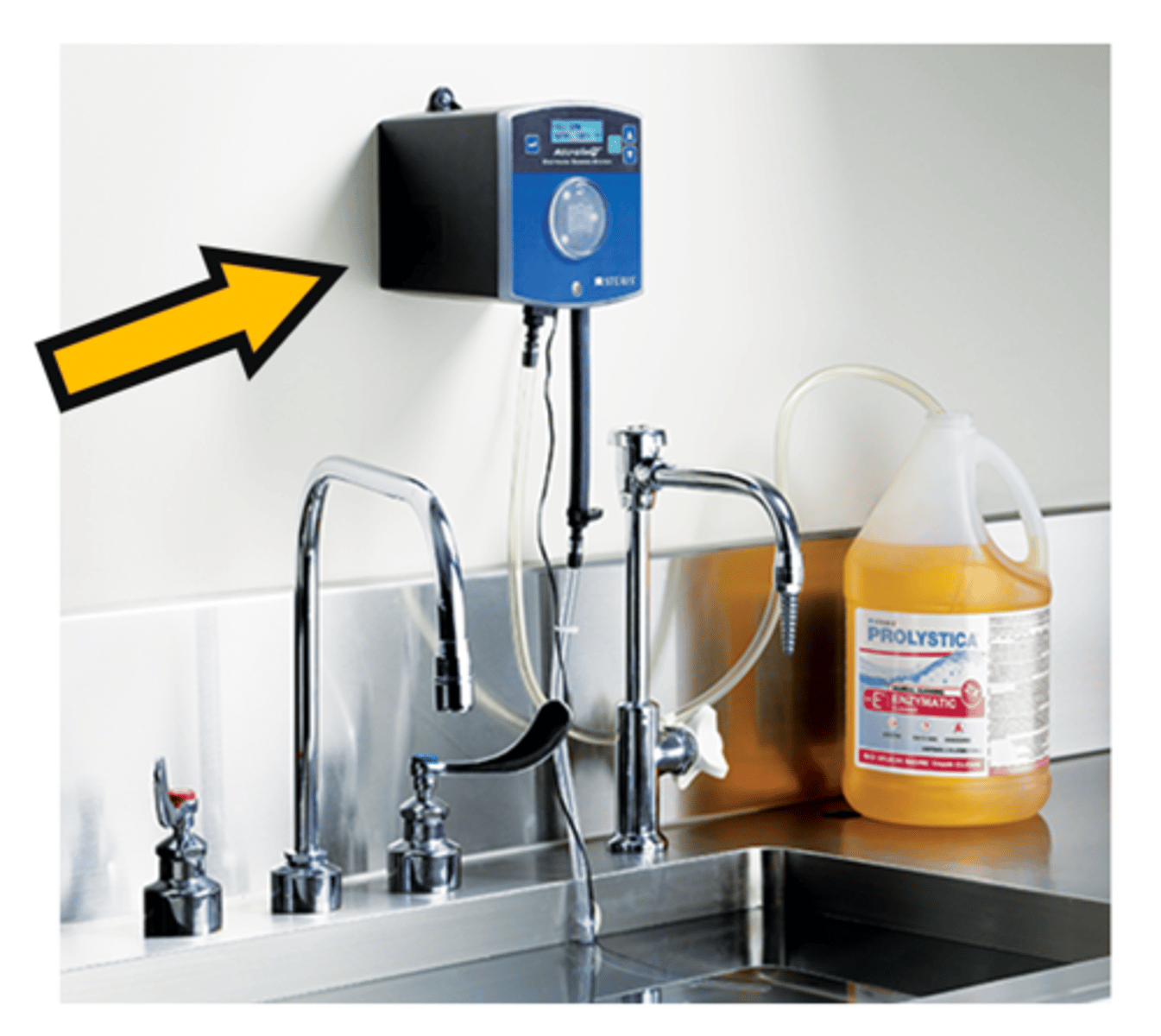
dosing units (n)
units used to deliver a precise amount of detergent to water to produce a cleaning solution
mechanical cleaners (n)
specialized machines that remove soil & microbes using automated cleaning, which reduces time & labor
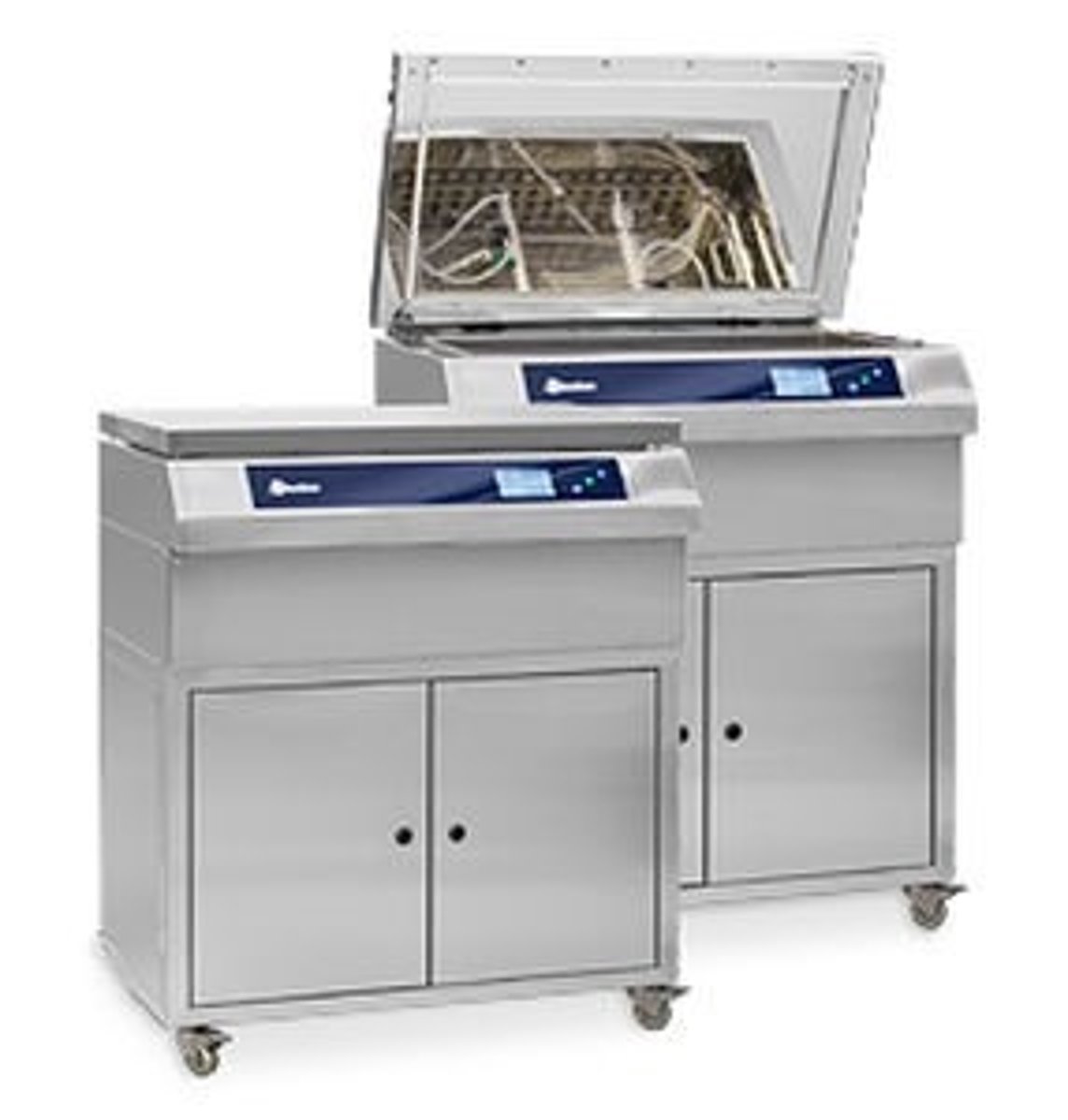
ultrasonic (sonic) cleaners (n)
mechanical cleaners used mostly for fine cleaning, removing soil from hard-to-reach areas (joints, crevices, lumens) through cavitation
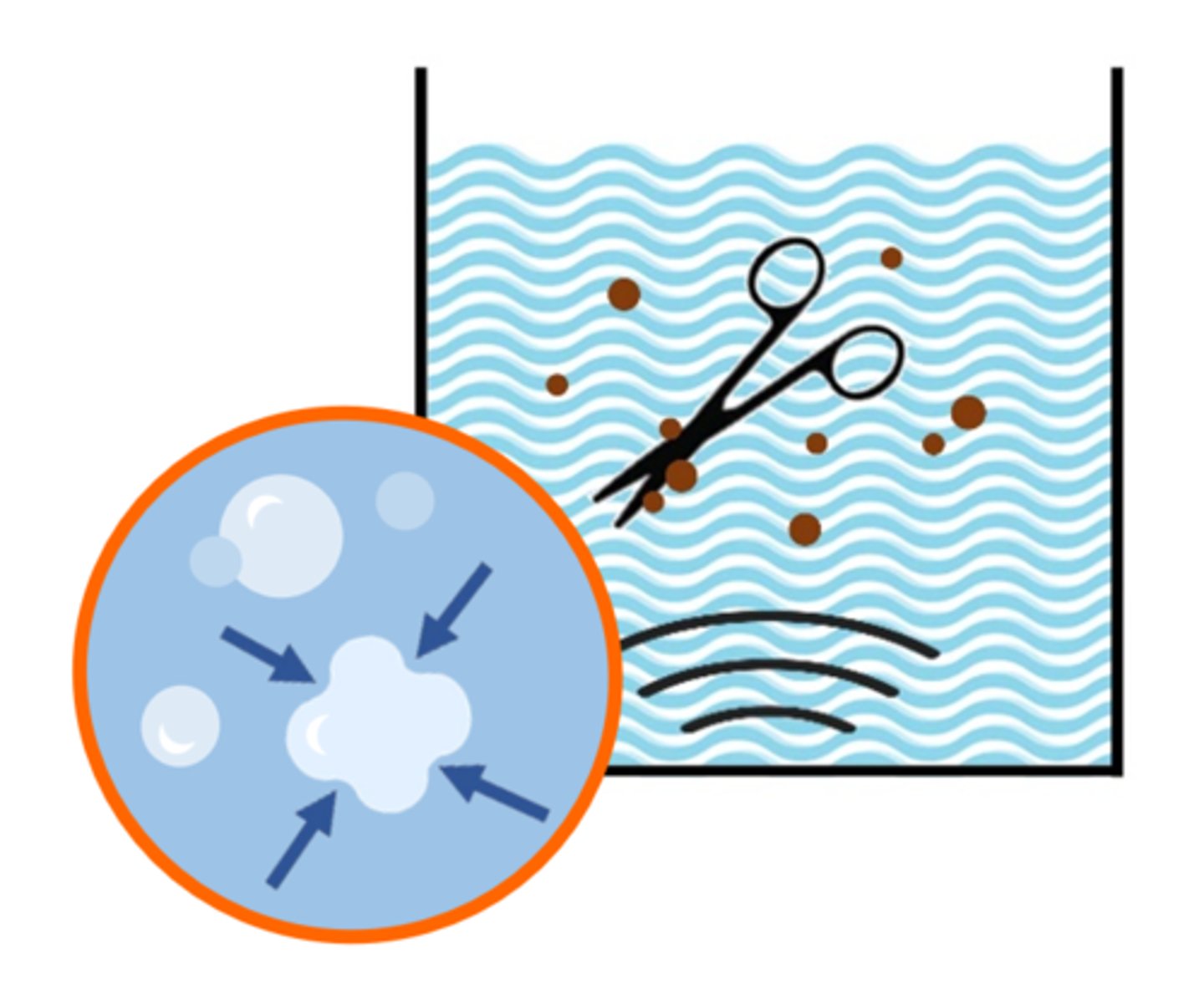
cavitation (n)
the process used by an ultrasonic cleaner in which low-pressure bubbles collapse (implode) & dislodge soil from instruments
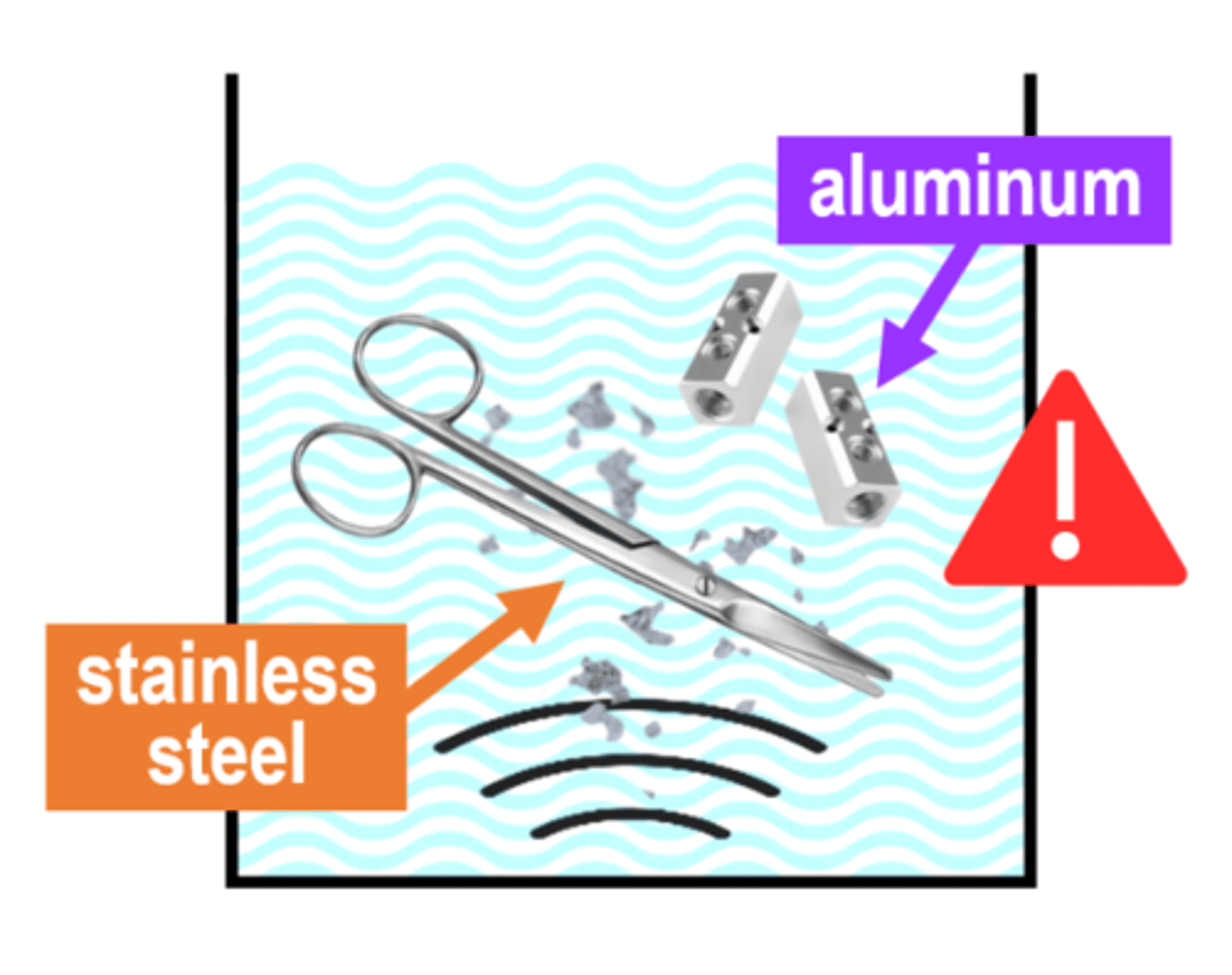
electroplating (n)
the transfer of ions from one metal instrument to another, which results from mixing dissimilar metals in an ultrasonic cleaner (damages instrument finishes)
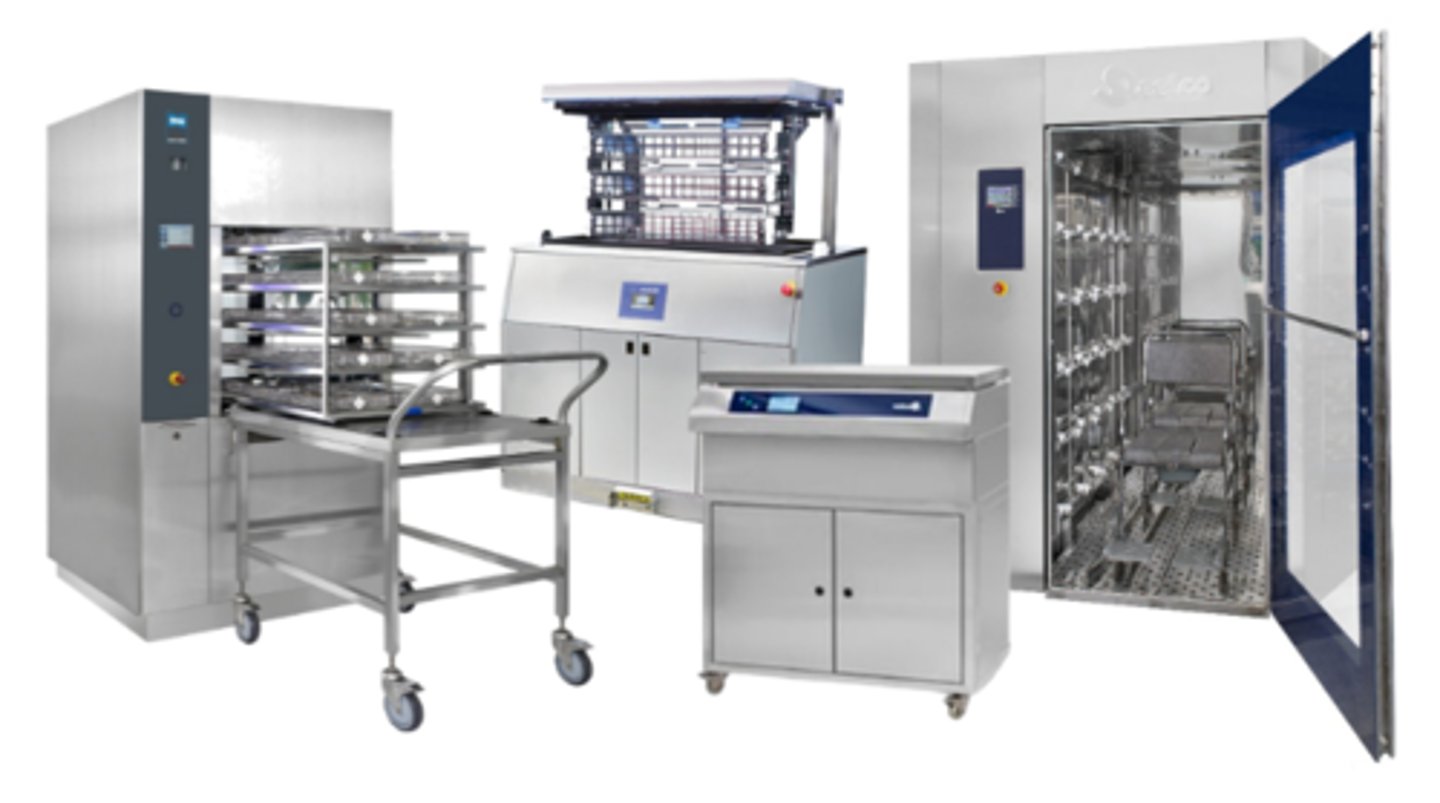
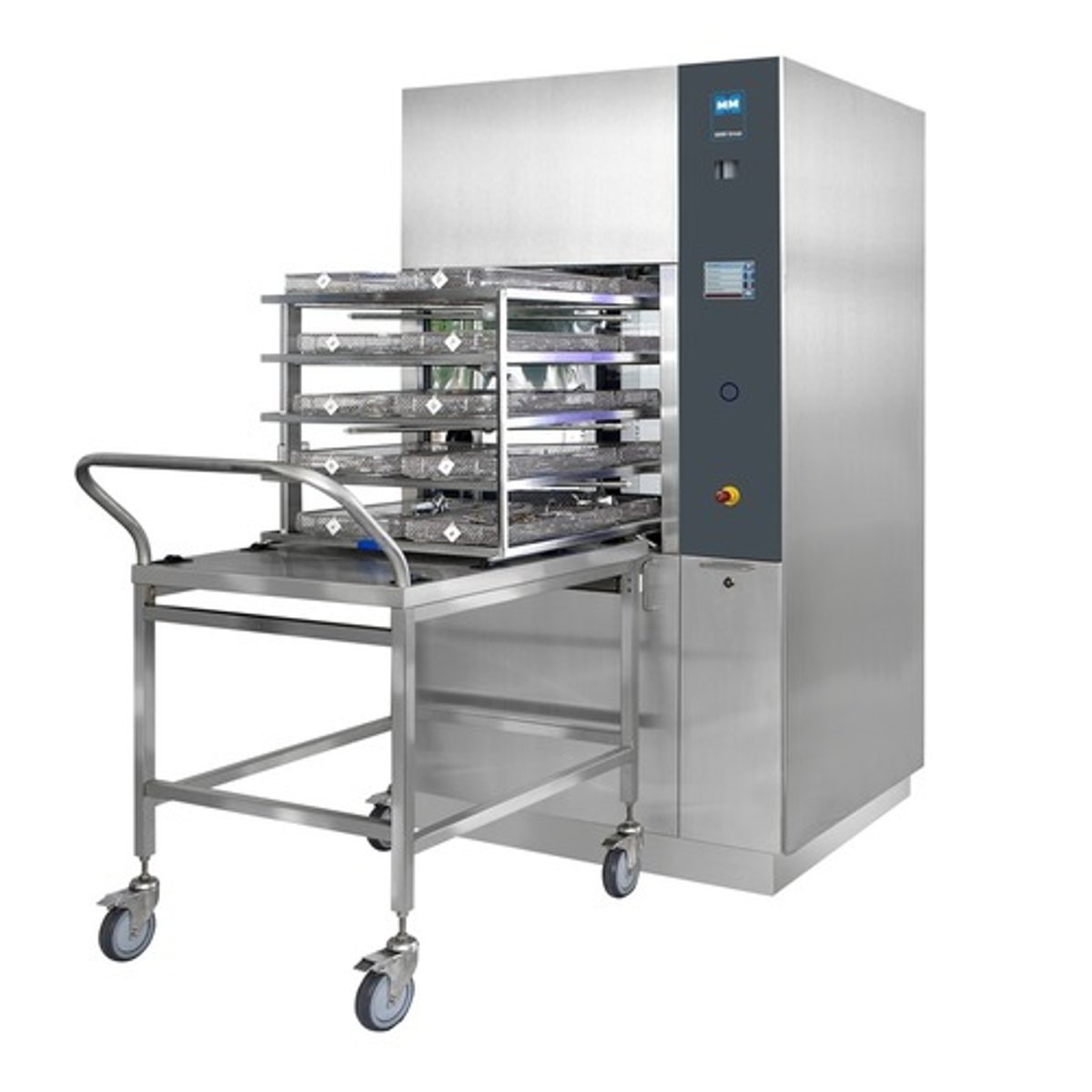
washer-disinfectors (n)
mechanical cleaners with 3 cycles that use impingement & thermal disinfection to clean instruments, instrument containers, & utensils
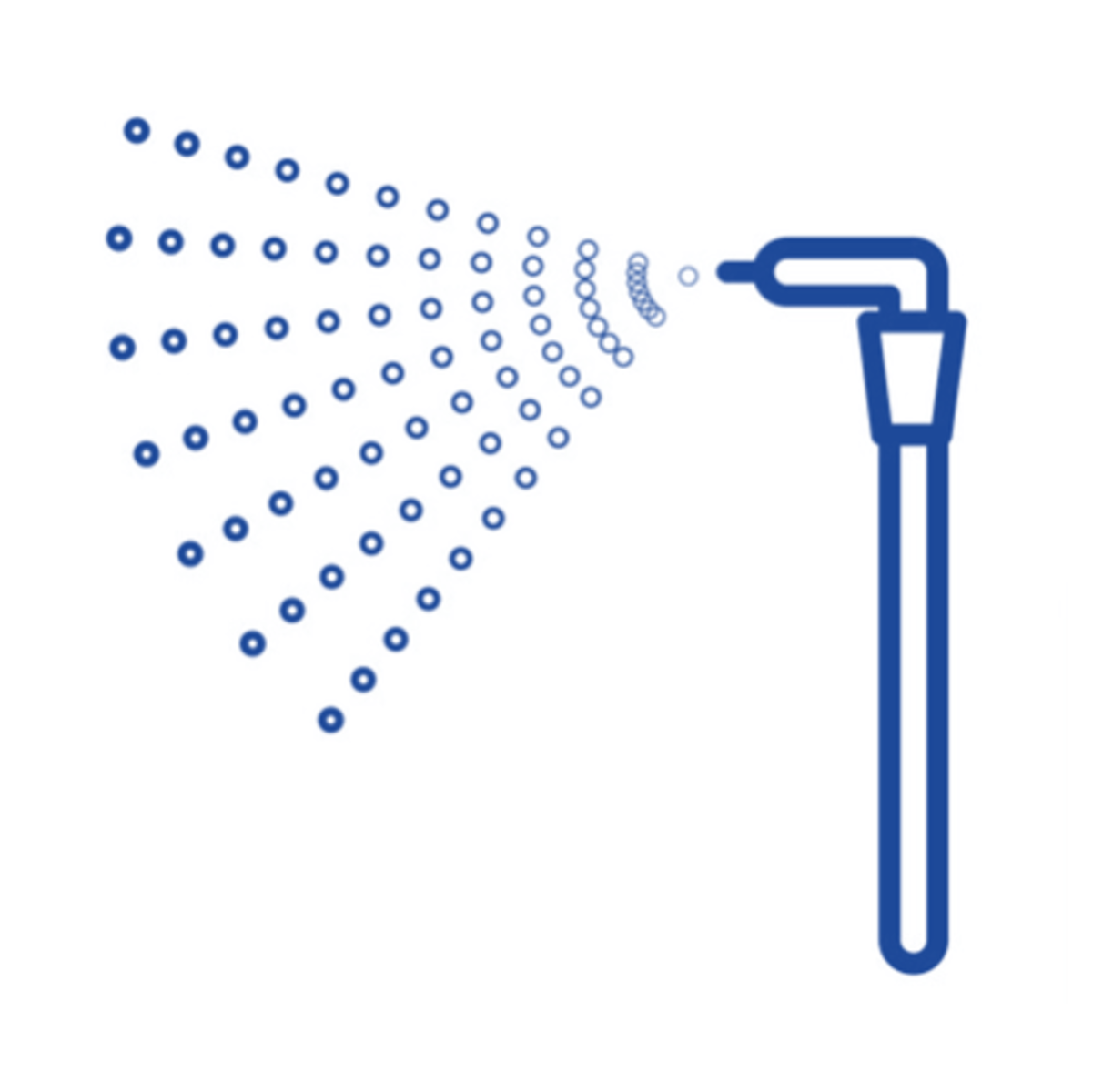
impingement (n)
the spray-force action of pressurized water against instruments being processed to physically remove bioburden (used in washer-disinfectors)
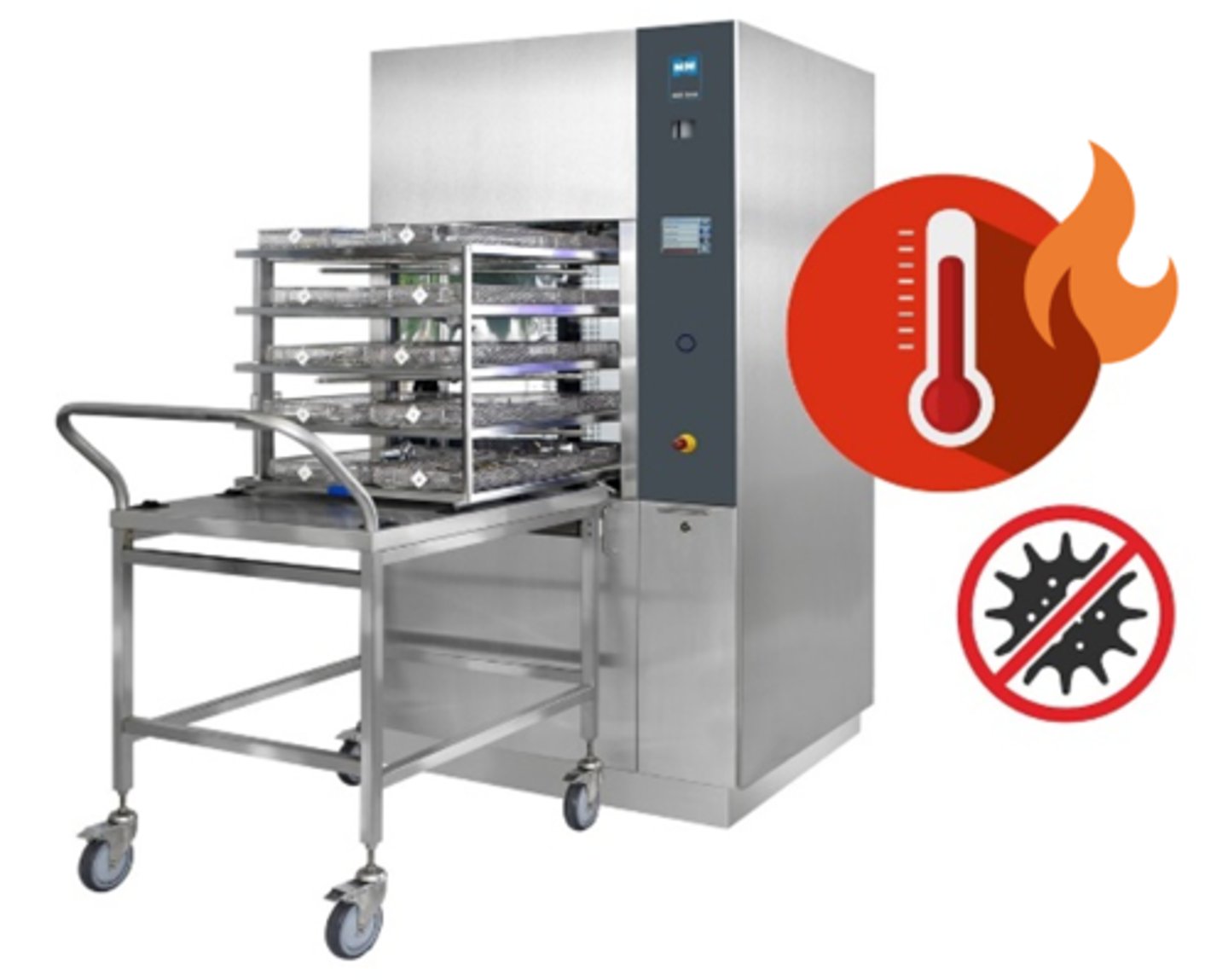
bioburden (n)
the number of microorganisms on a contaminated object; also called bioload or microbial load

thermal disinfection (n)
the use of heat to reduce the amount of microorganisms (excluding spores) on a medical device
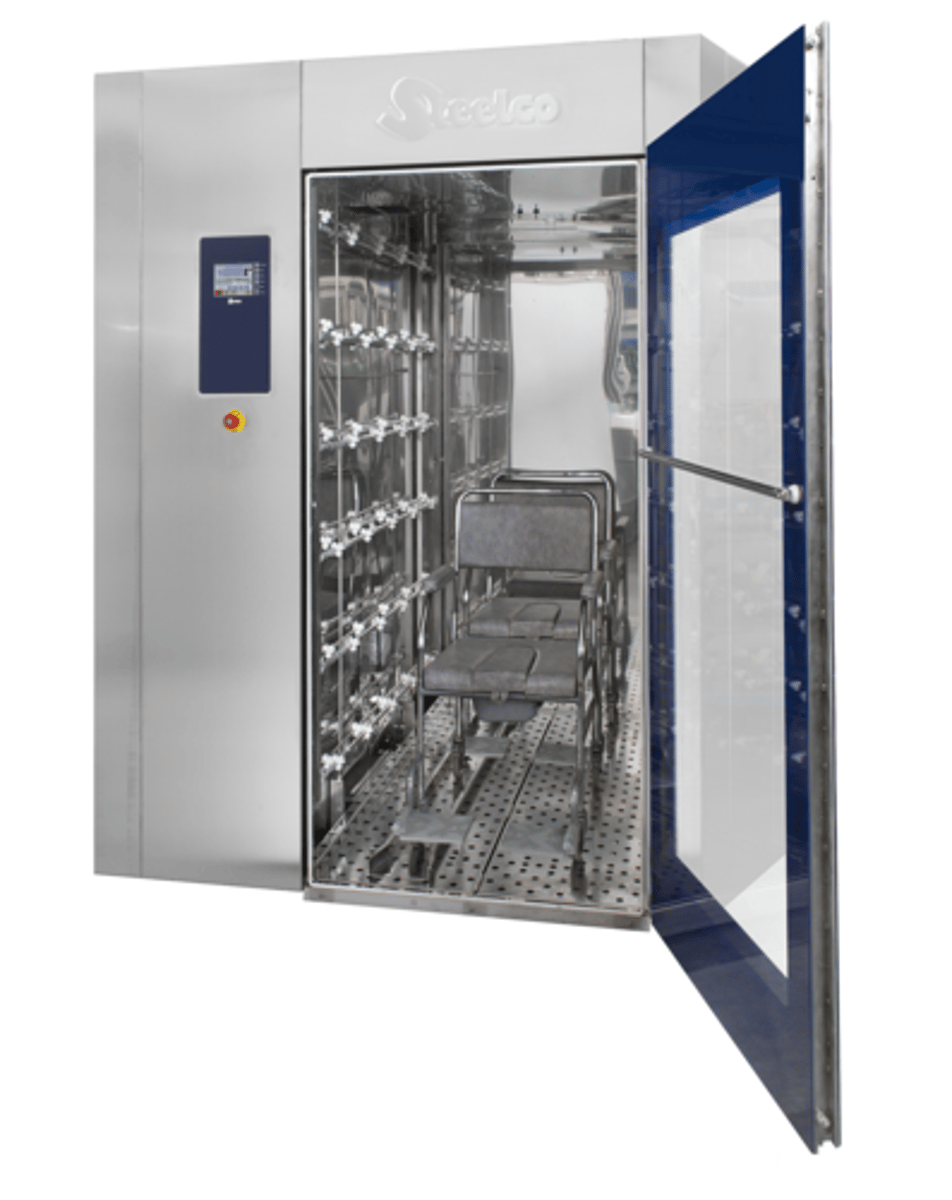
automated cart washers (n)
mechanical cleaners initially designed to clean carts, but some can process rigid containers & other items; similar to automated instrument washers, but work on a larger scale
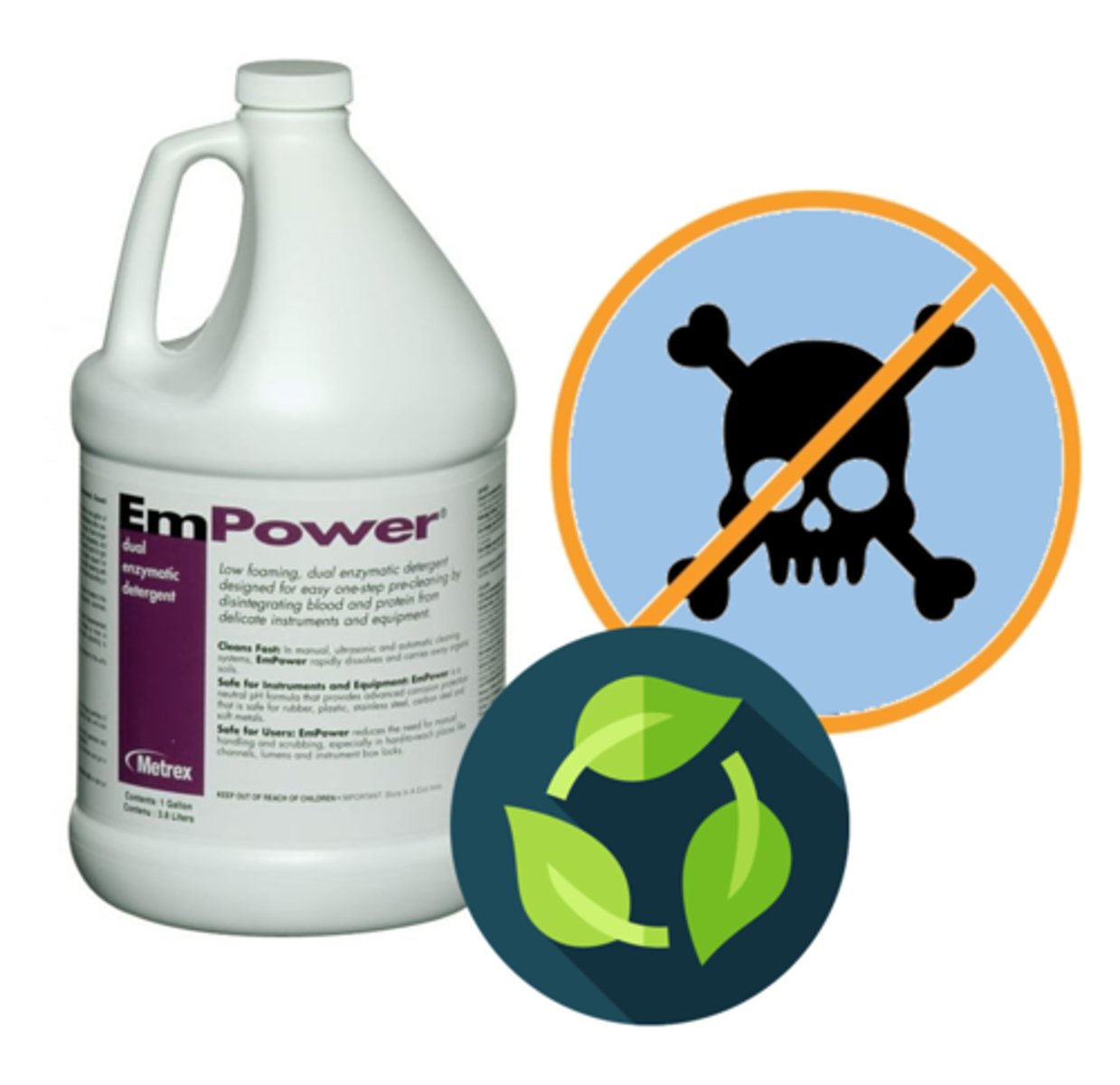
enzymatic cleaners (n)
biodegradable, non-toxic cleaning agents used to break down soils, stains, & debris on heavily-soiled instruments
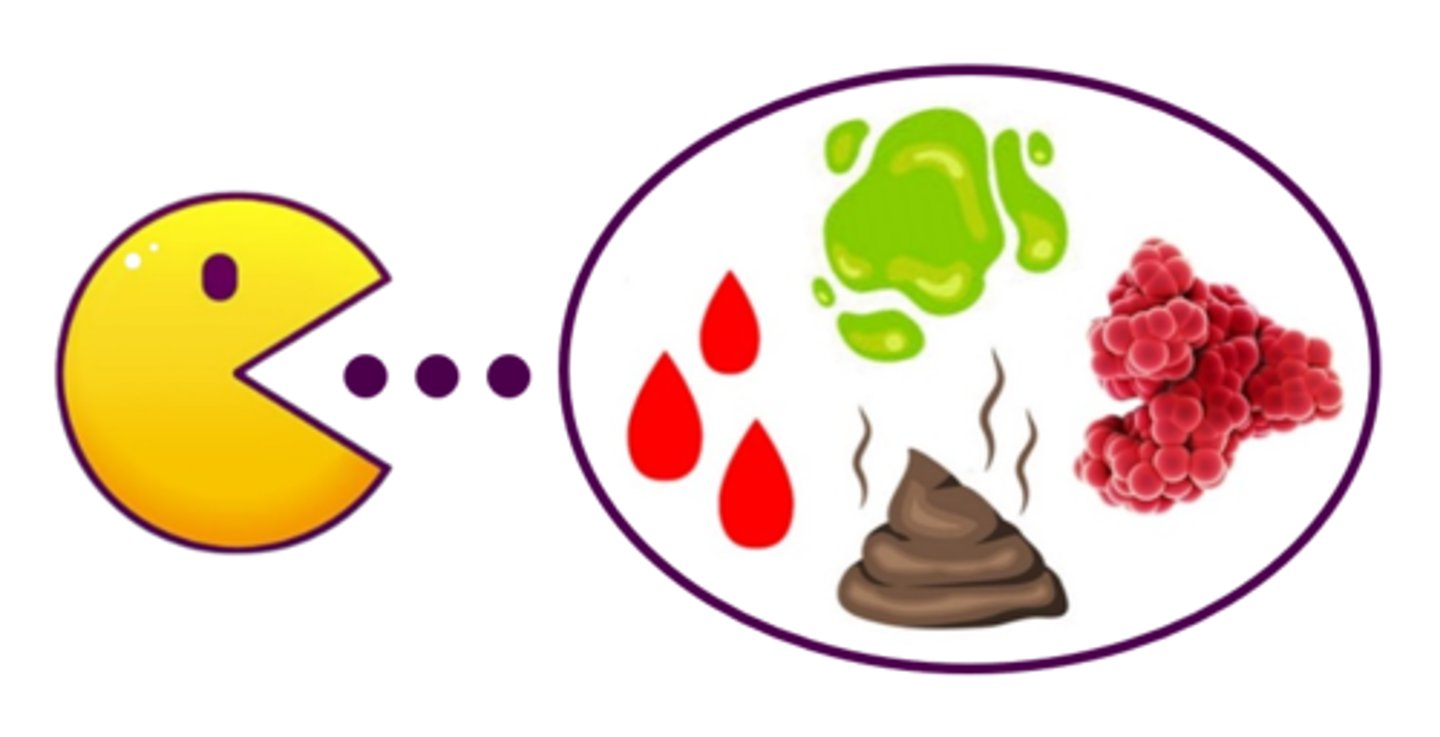
protease enzymes (n)
enzymes that break down blood, mucus, feces, & albumin (protein in blood plasma)
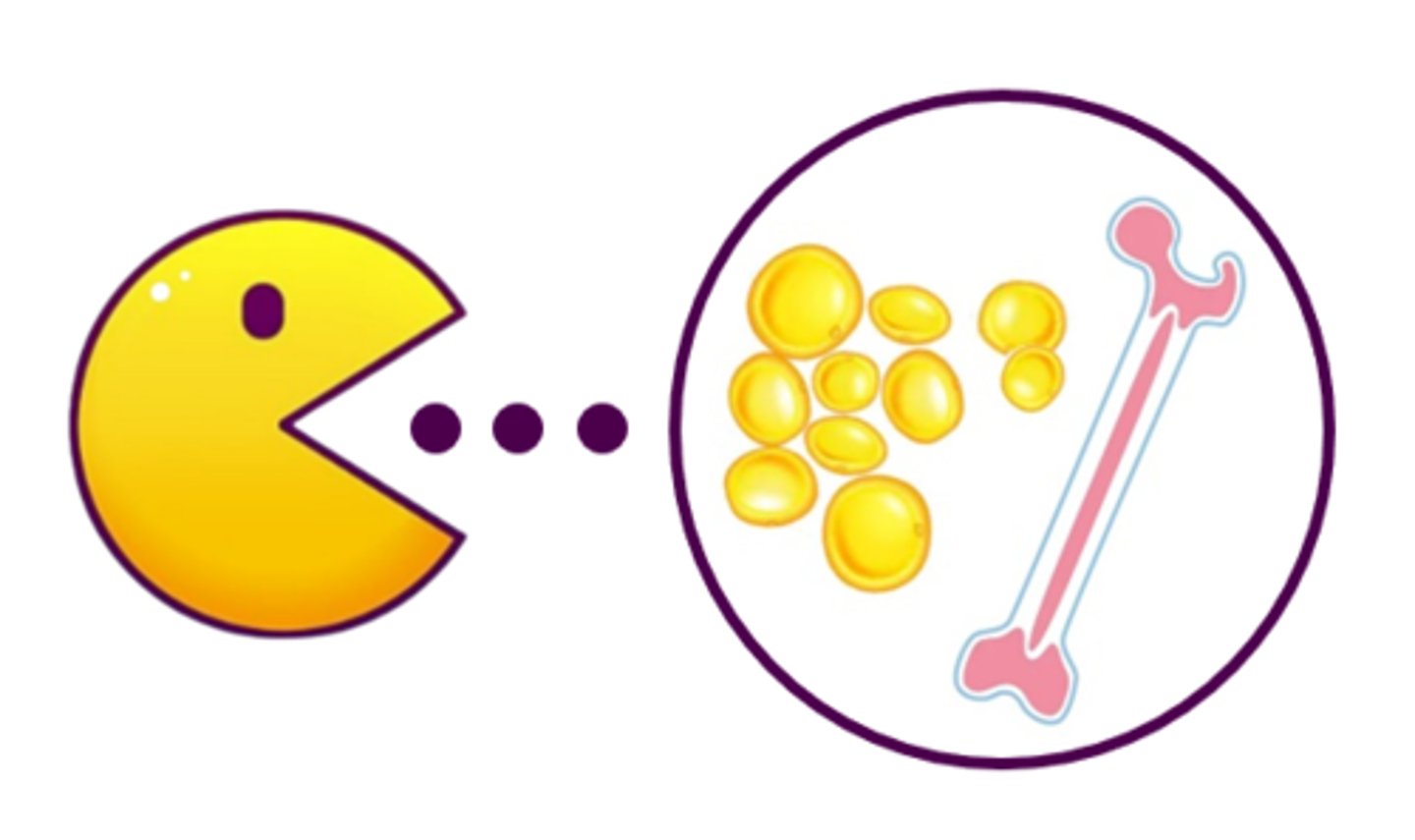
lipase enzymes (n)
enzymes that break down fatty deposits like bone marrow & adipose tissue (body fat)
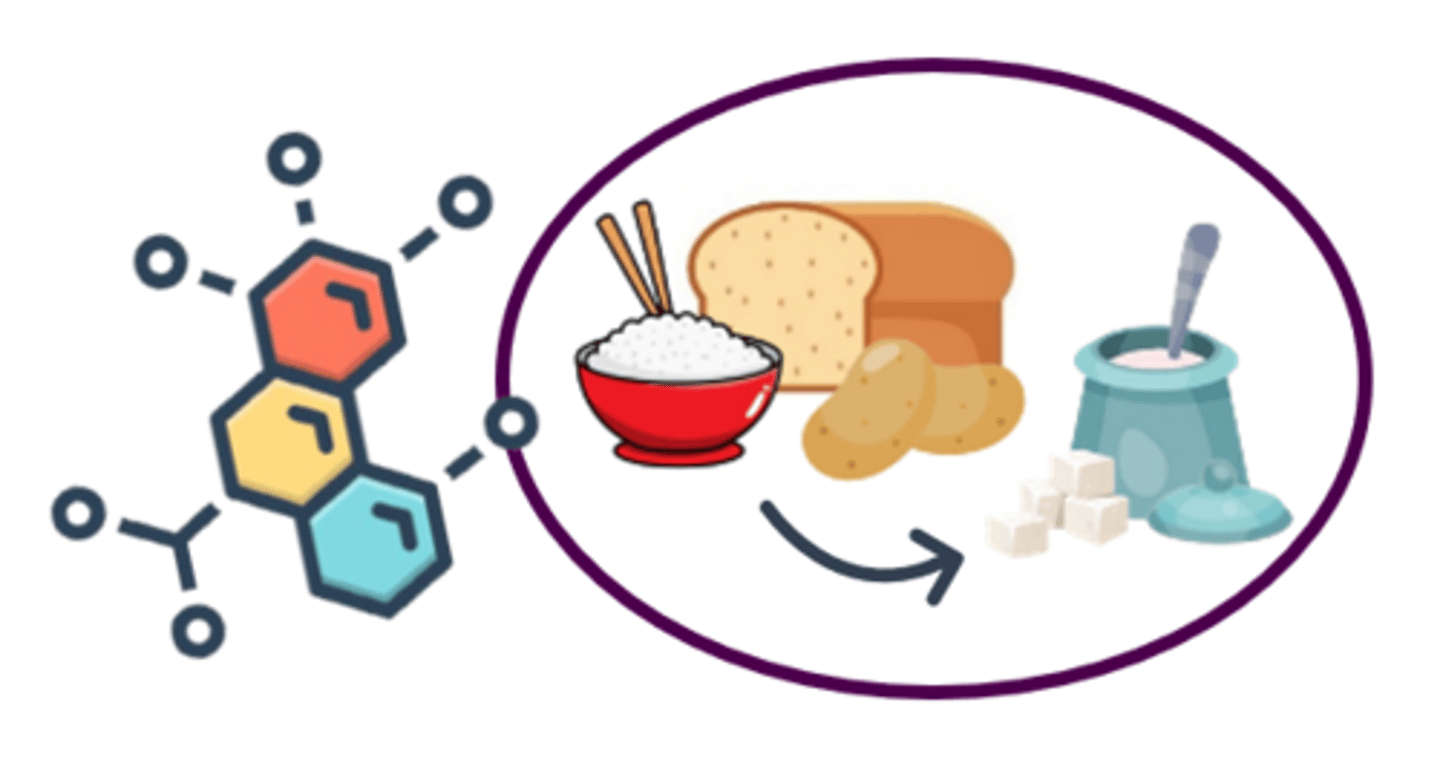
amylase enzymes (n)
enzymes that catalyze (change) starches into sugars
emulsifier (n)
a detergent ingredient used to bind together substances that typically don't combine, such as oil & water
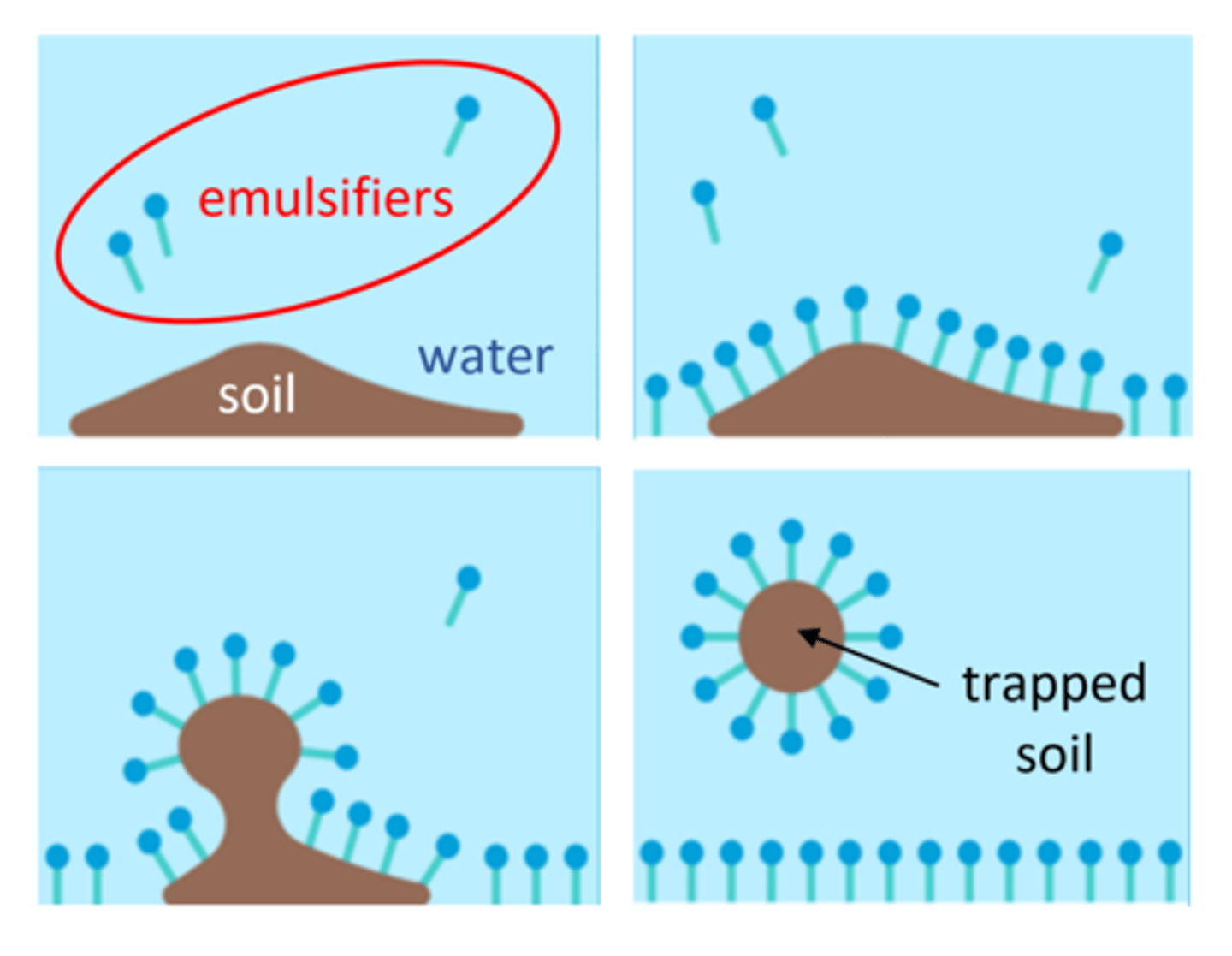
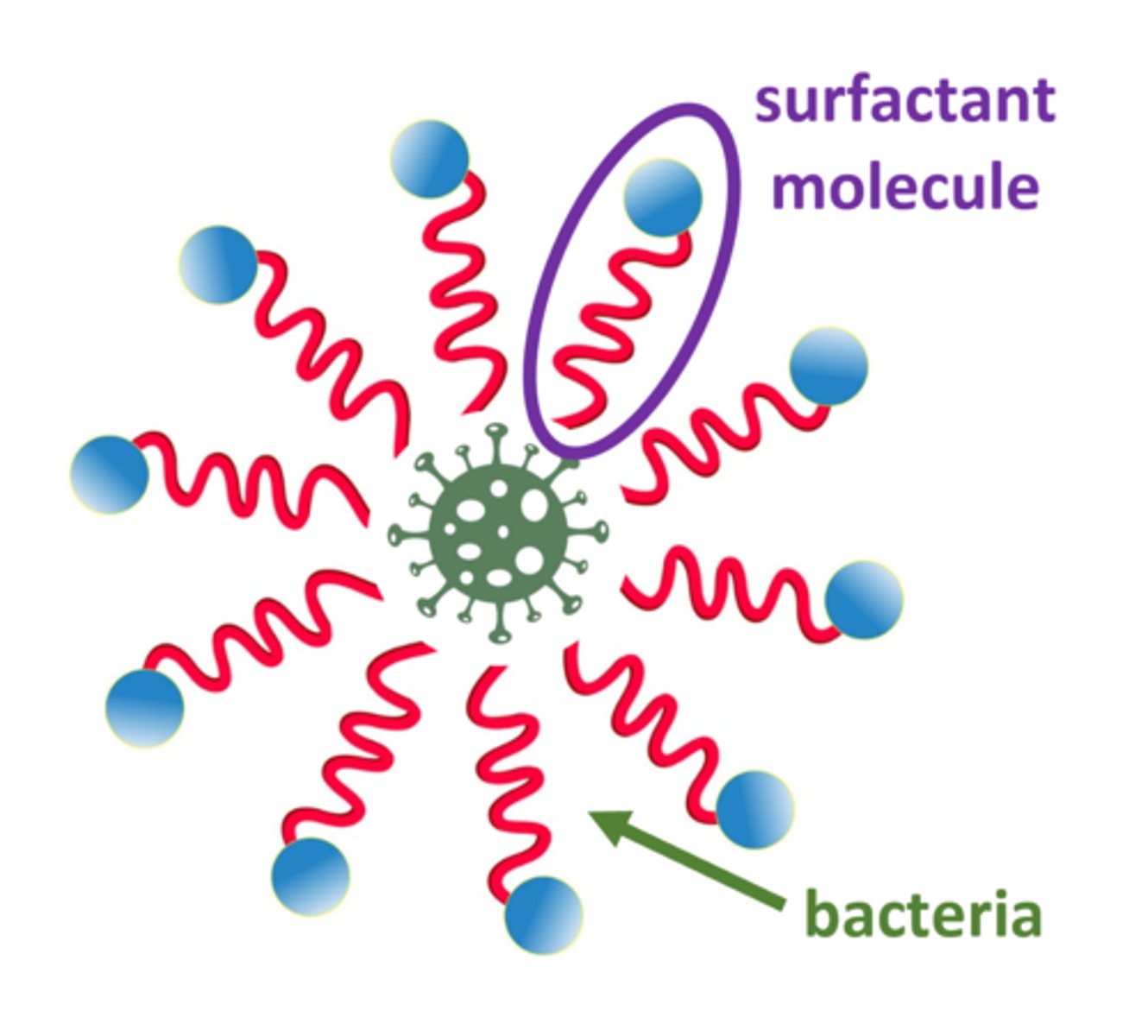
surfactant (n)
a substance that lowers the surface tension of water & increases the solubility of organic compounds
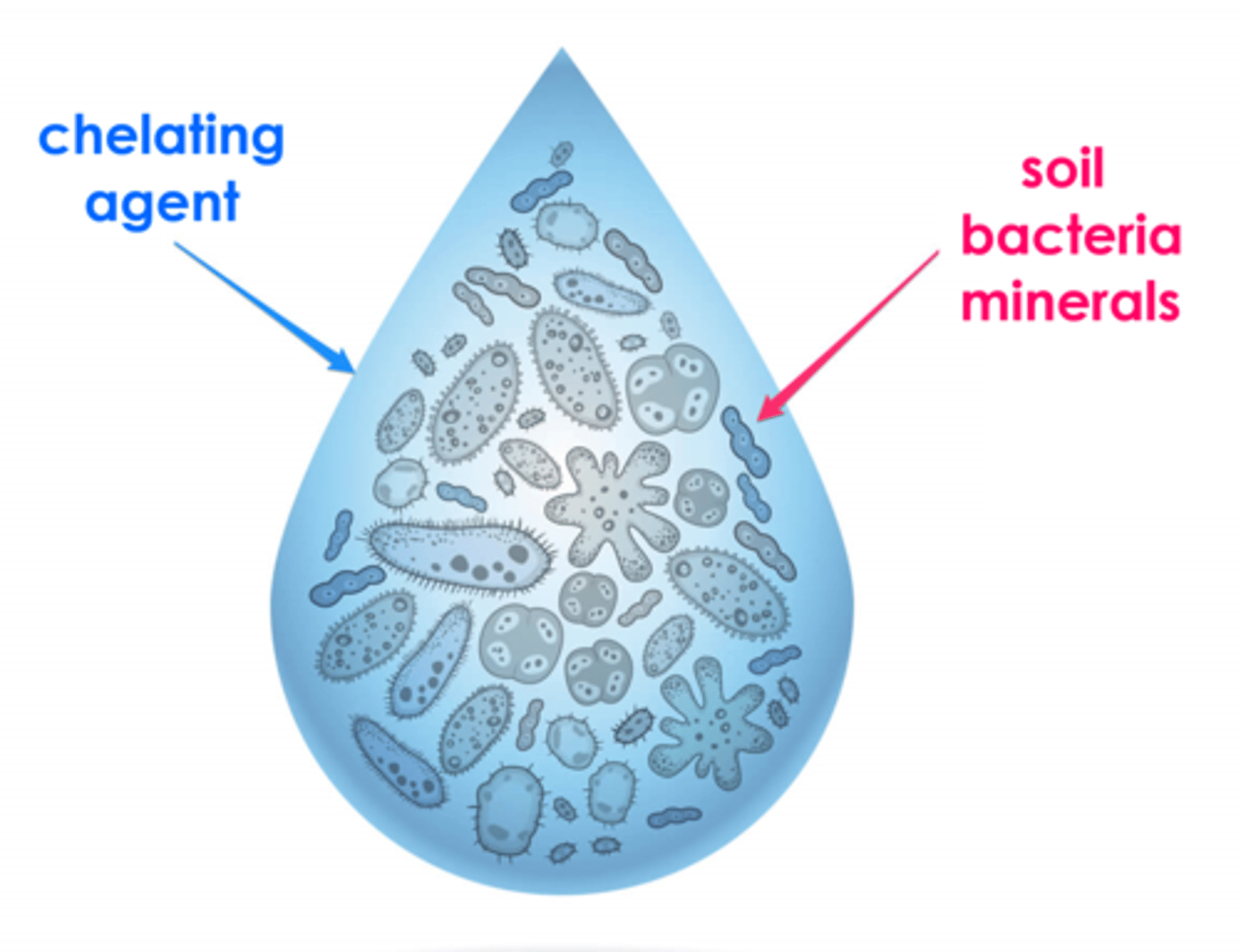
chelating agents (n)
chemicals that hold hard water minerals in solution & prevent soap/ detergent from reacting with the minerals
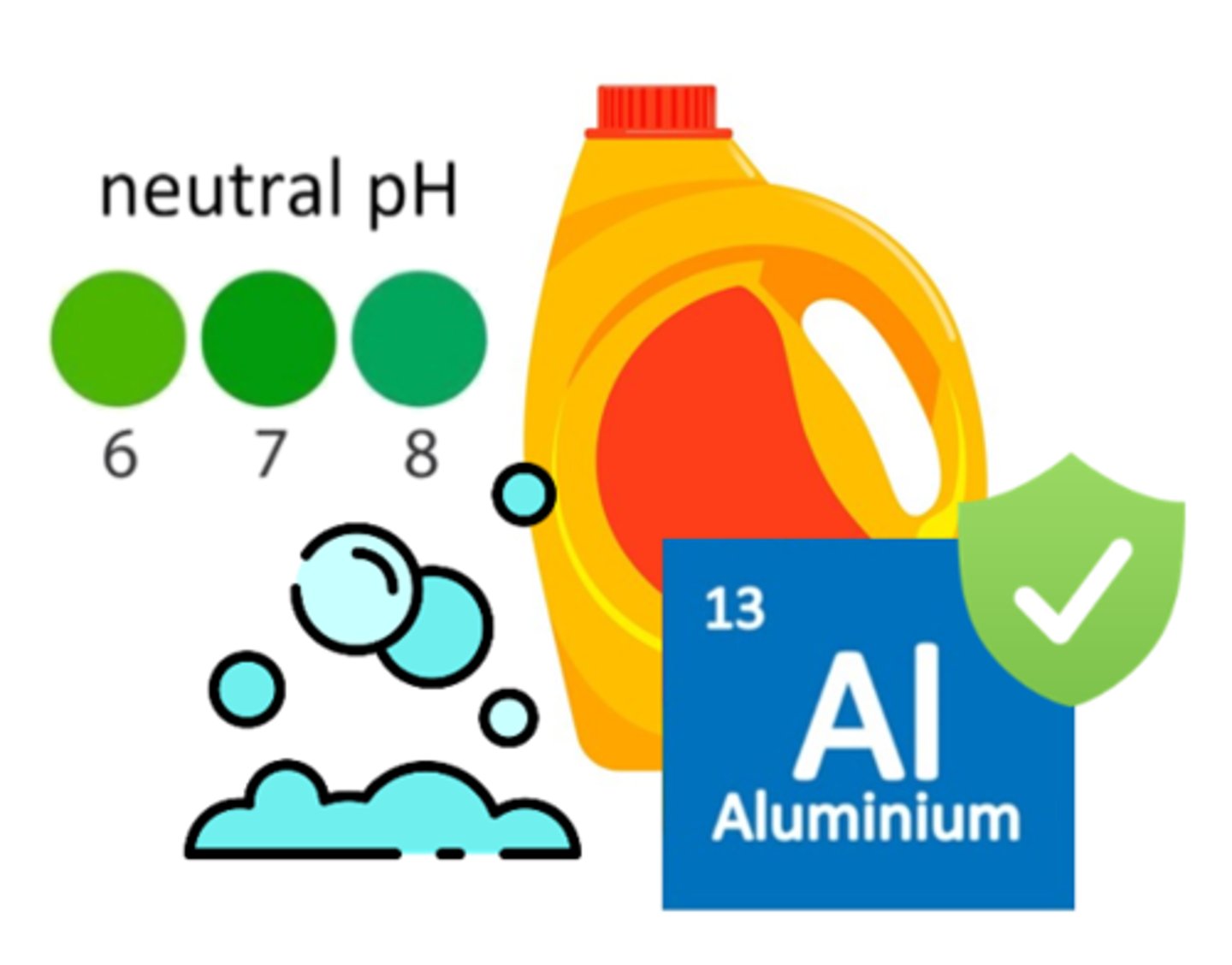
neutral detergents (n)
the most commonly used detergents, with a pH of 6-8
alkaline detergents (n)
detergents with a pH of 8-14 that are highly effective at removing organic soils (blood, fat, oils)
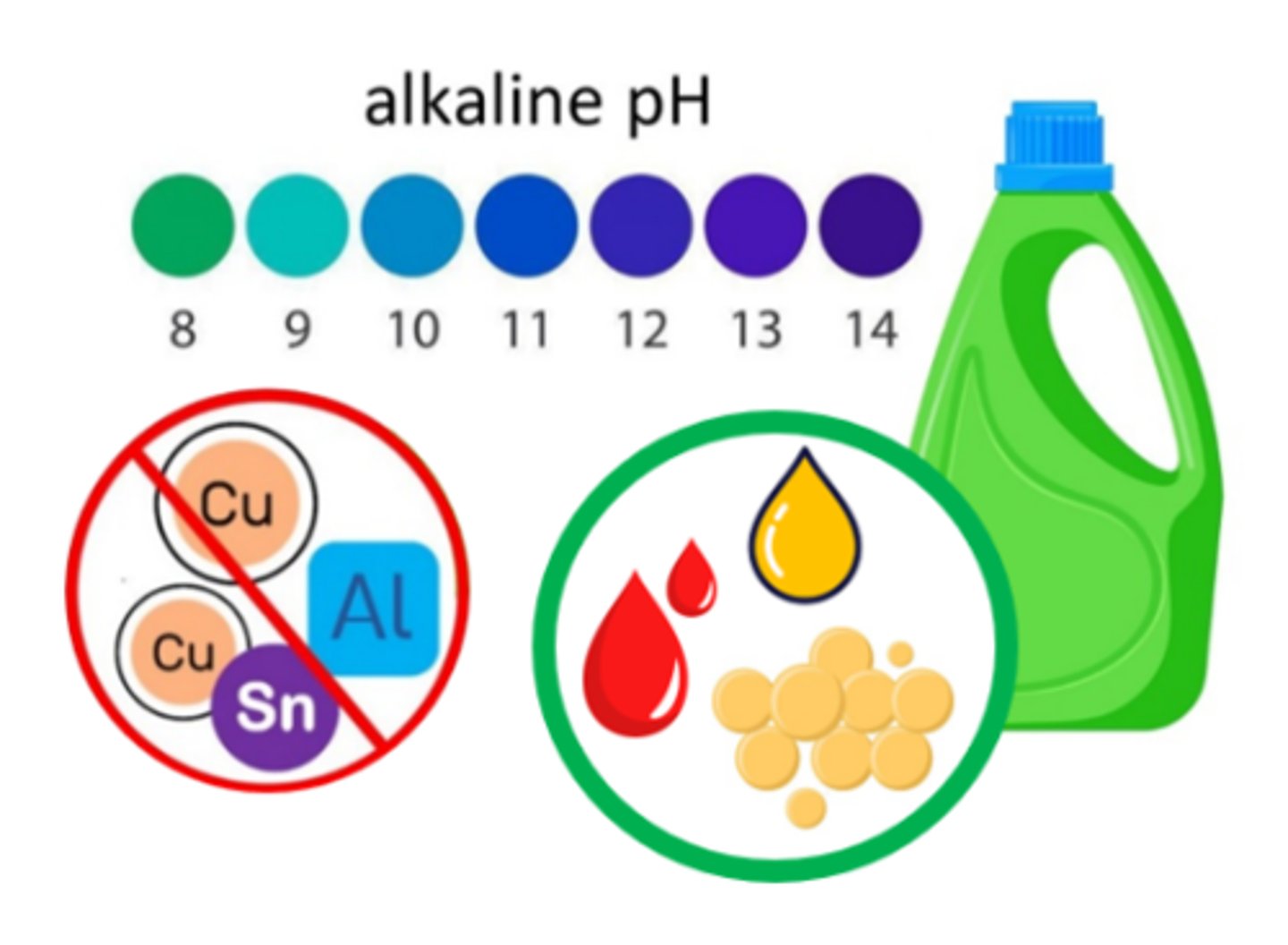
acidic detergents (n)
detergents with a pH of 1.6-3 that are excellent for removing mineral deposits (hard water, urine, scale)
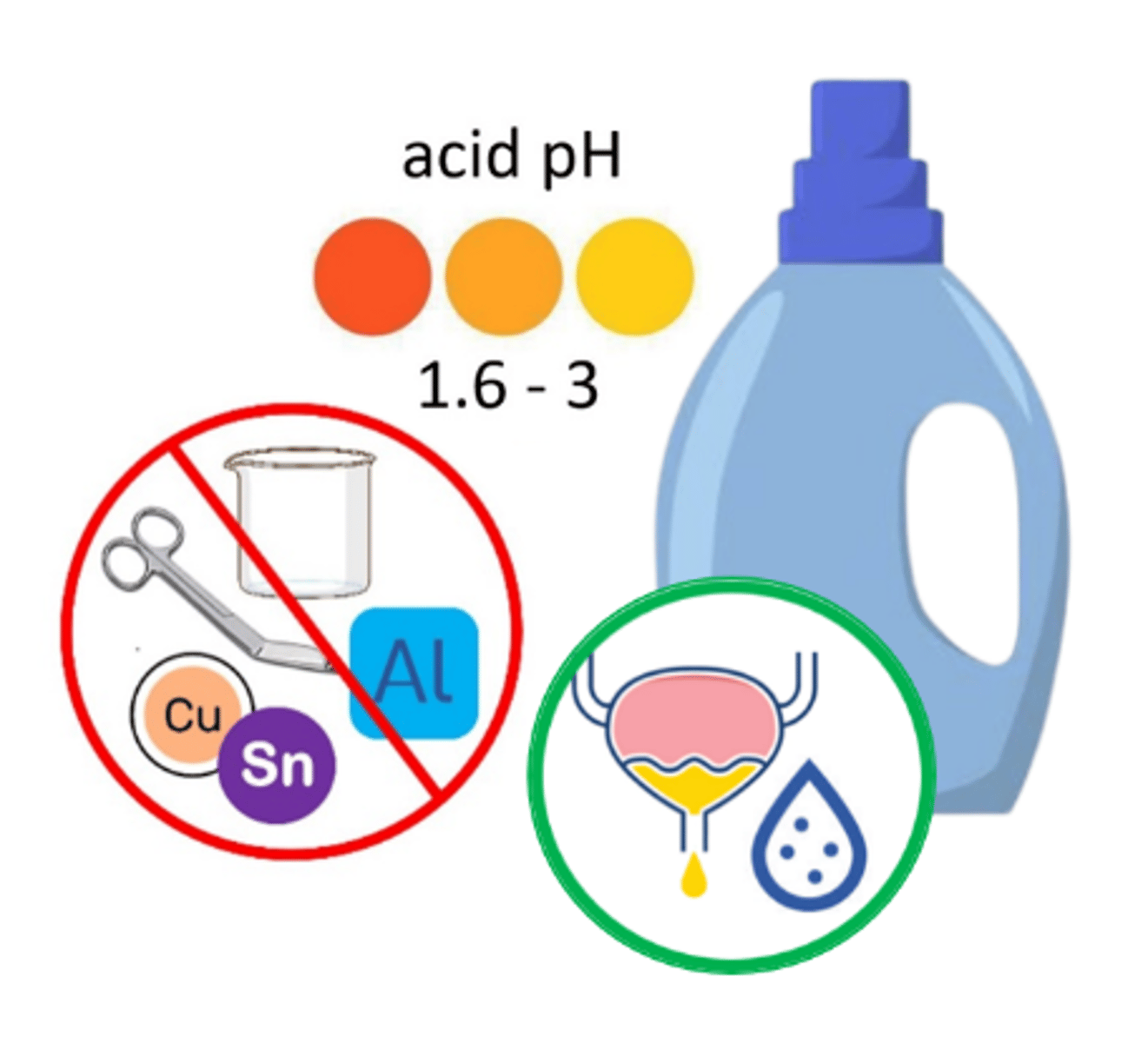
precleaning chemicals (n)
chemicals used in the first step of decontamination (at point-of-use & in the decontamination area); common ones include detergent solutions, enzymatic detergents, & combination enzyme-germicide detergents
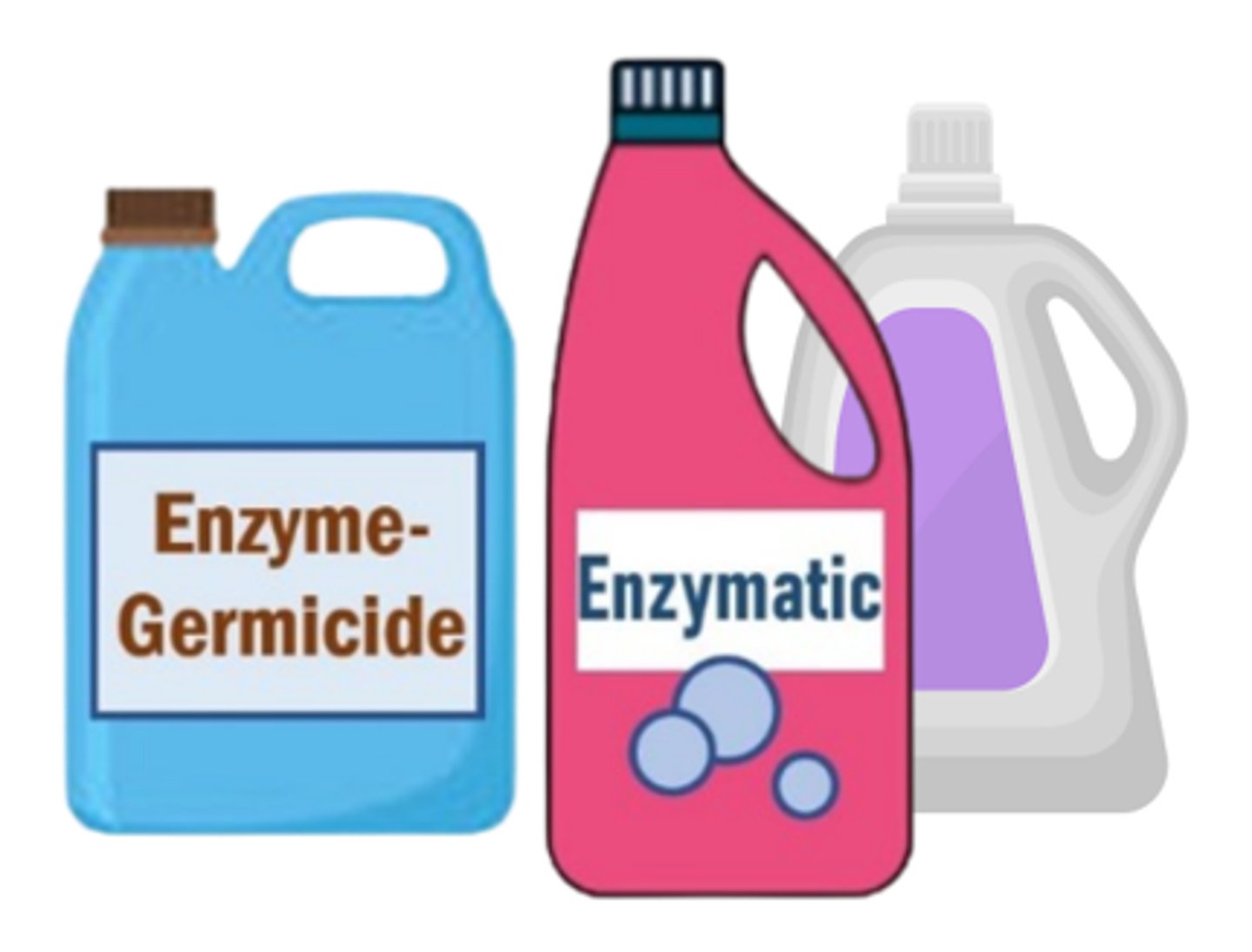
manual cleaning chemicals (n)
cleaners whose main purpose is removing soil (not killing microorganisms) by penetrating under the soil & breaking the bond that attaches it to instruments; should be low-foaming & free rinsing, usually neutral or alkaline
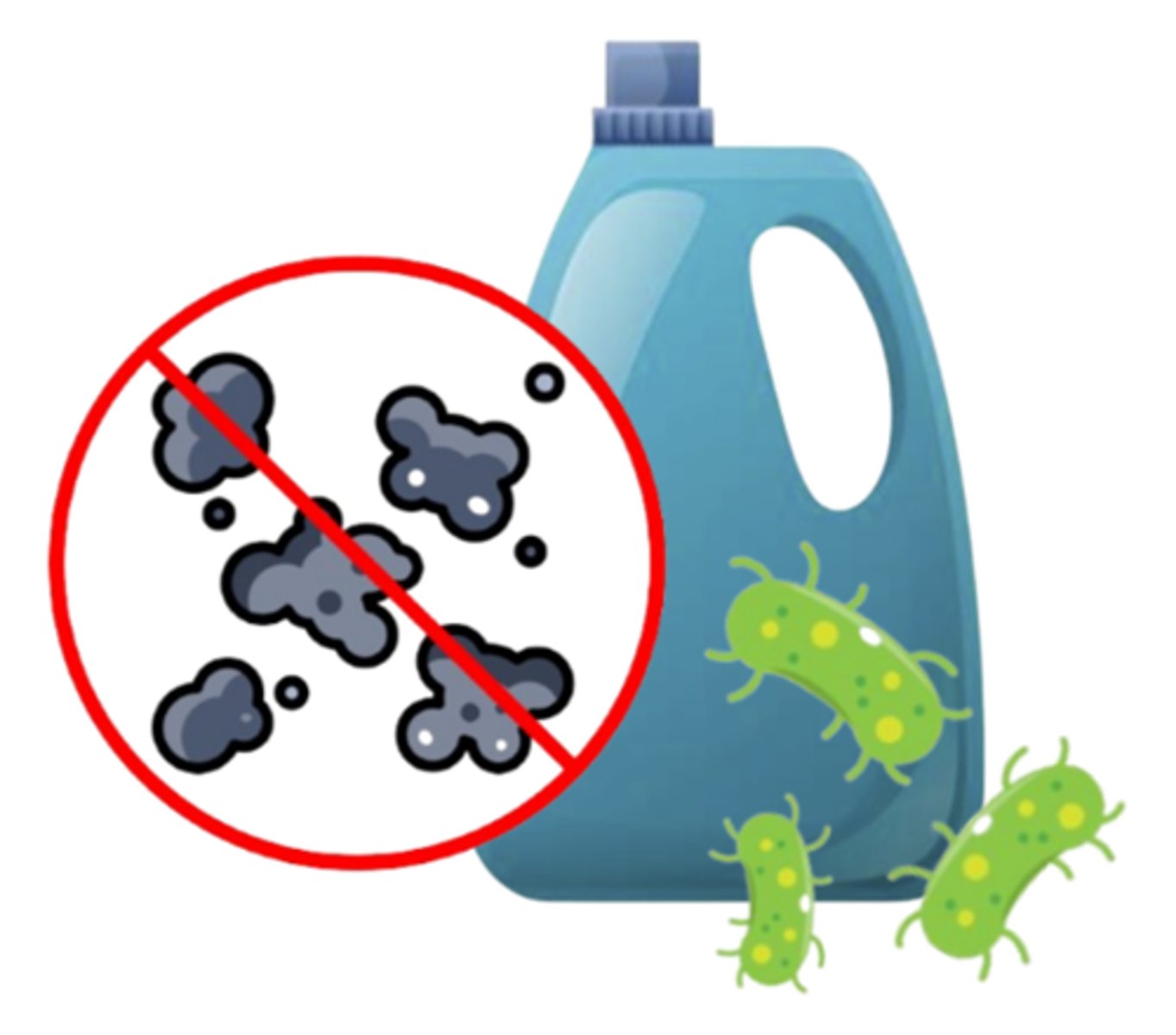
mechanical cleaning chemicals (n)
low-foaming chemicals designed to work with specific mechanical cleaning equipment (i.e. an ultrasonic cleaner); careful attention must be paid to the manufacturer's IFU

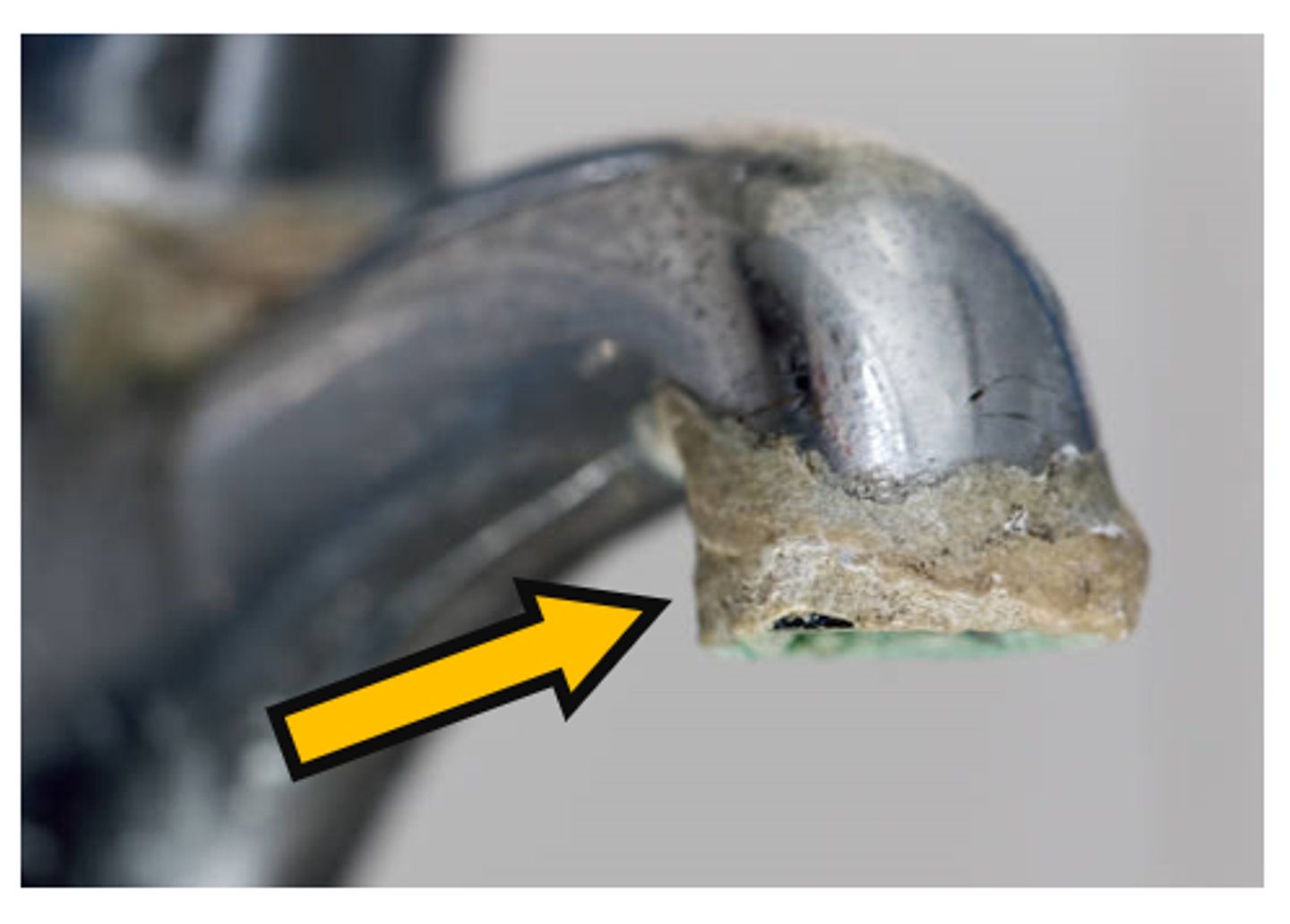
scale (limescale) (n)
a hard, white, chalky deposit that forms after water evaporates due to high levels of calcium & magnesium in the water
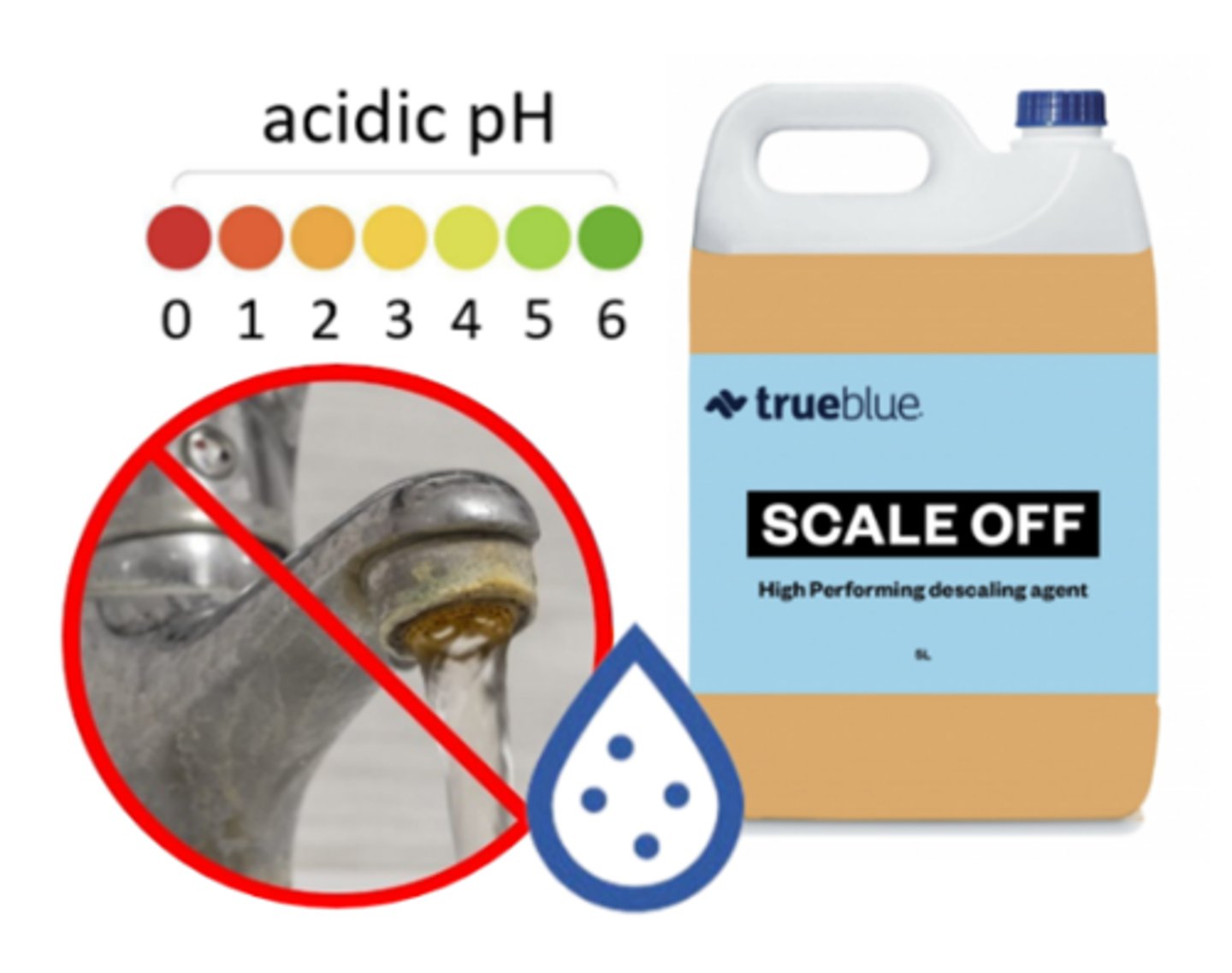
descaler (n)
an acidic cleaner used to remove scale deposits; not typically required if water quality & detergent mixtures are correct & equipment is working properly
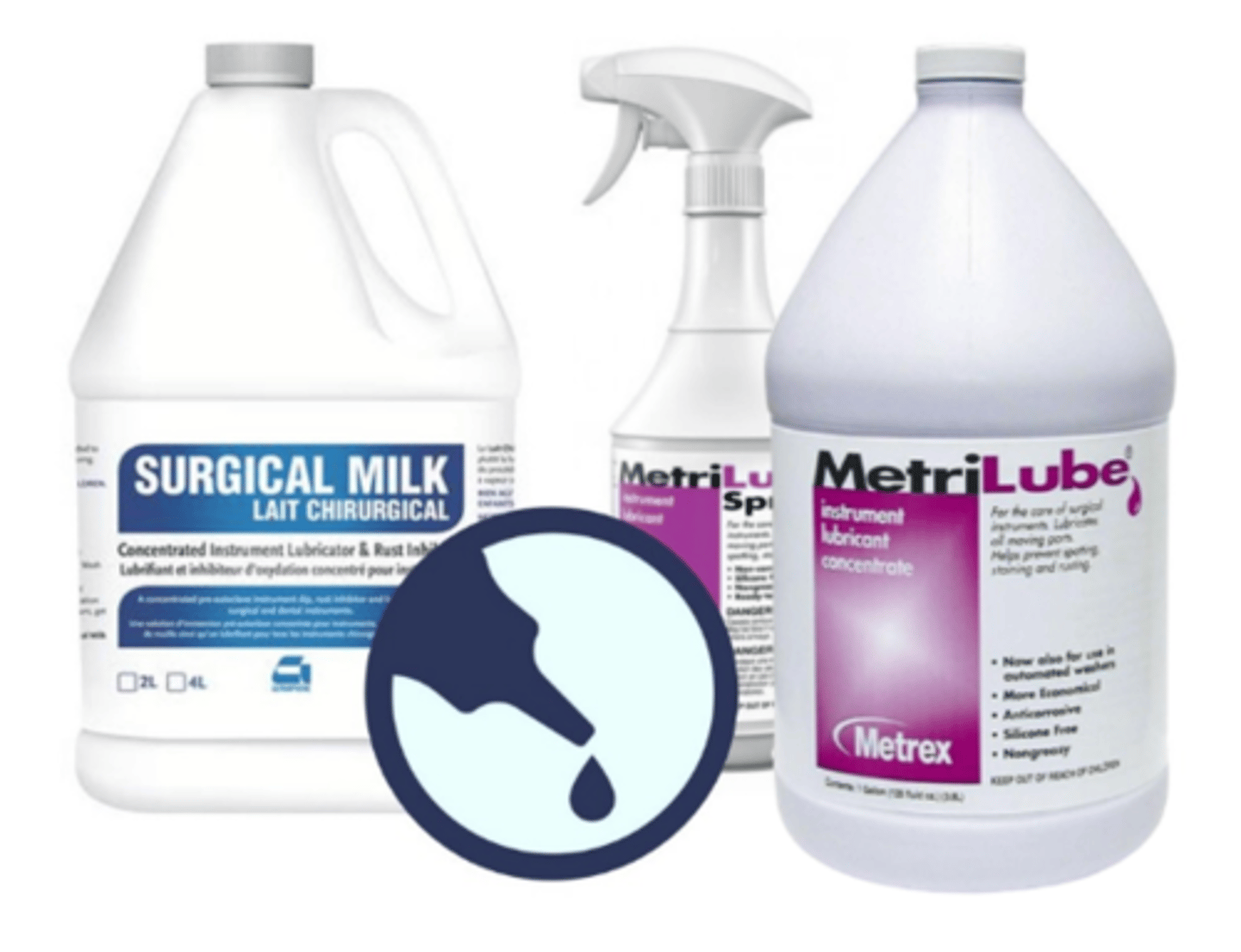
lubricants (n)
chemicals applied after cleaning as the final step in the mechanical wash process (or applied manually using a spray bottle), used to keep instruments in good working order; also called "instrument milk"
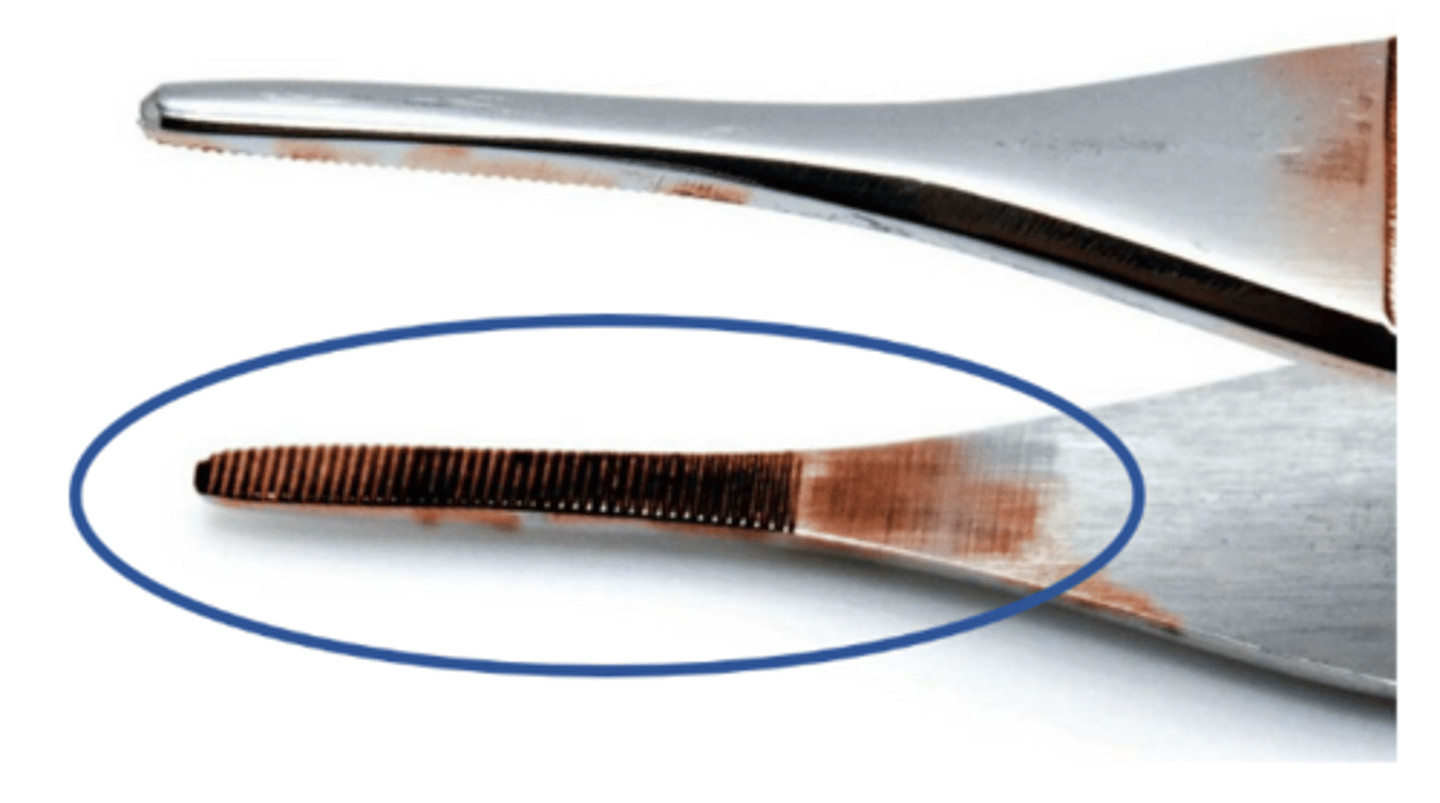
rust (n)
a reddish-brown or yellowish-brown substance that forms on the surface of iron & steel due to oxidation (exposure to air & water)
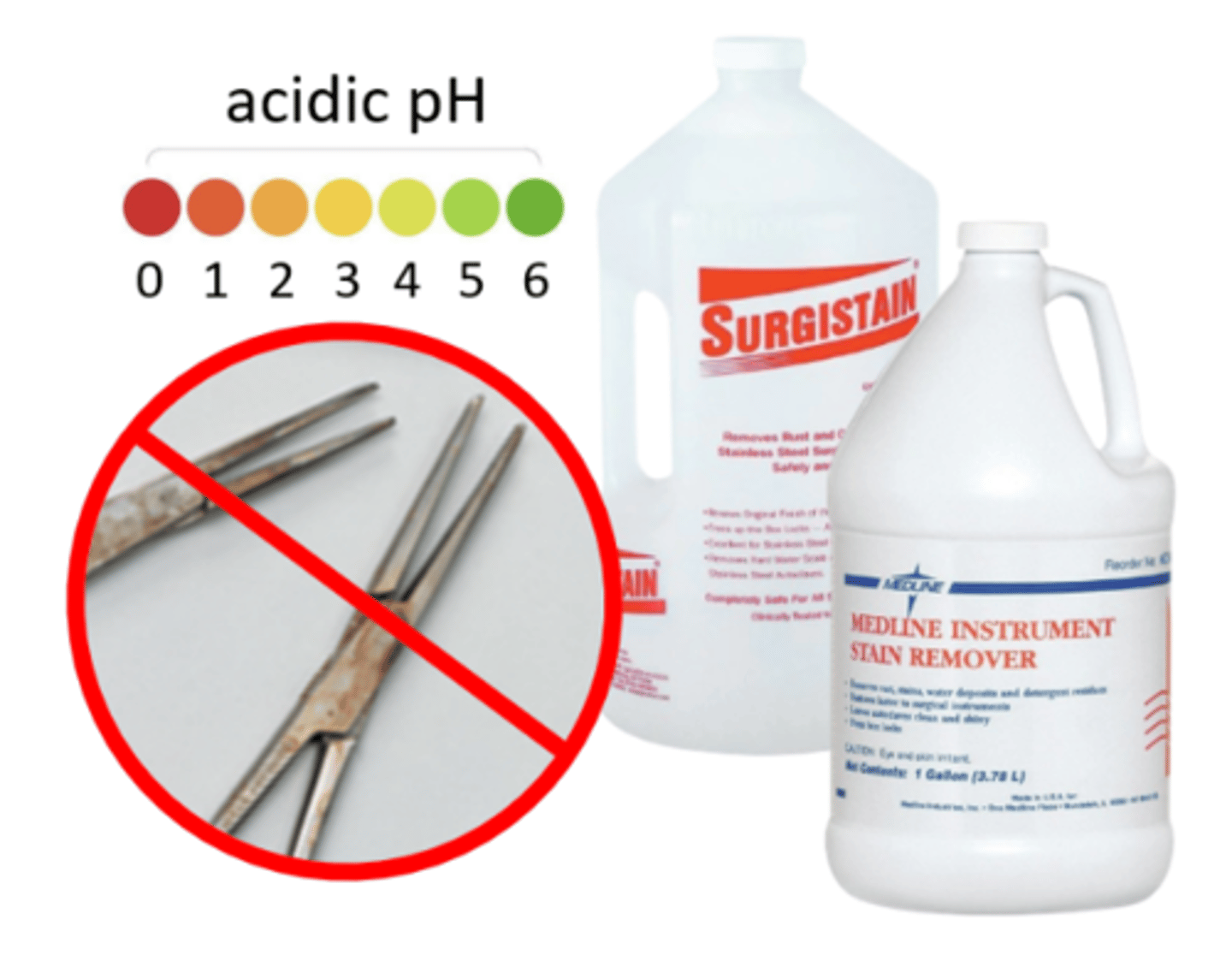
stain & rust removers (n)
cleaners that remove mineral & detergent buildup, leaving instruments shiny & moving freely; used only when normal cleaning doesn't remove stains, usually acid-based
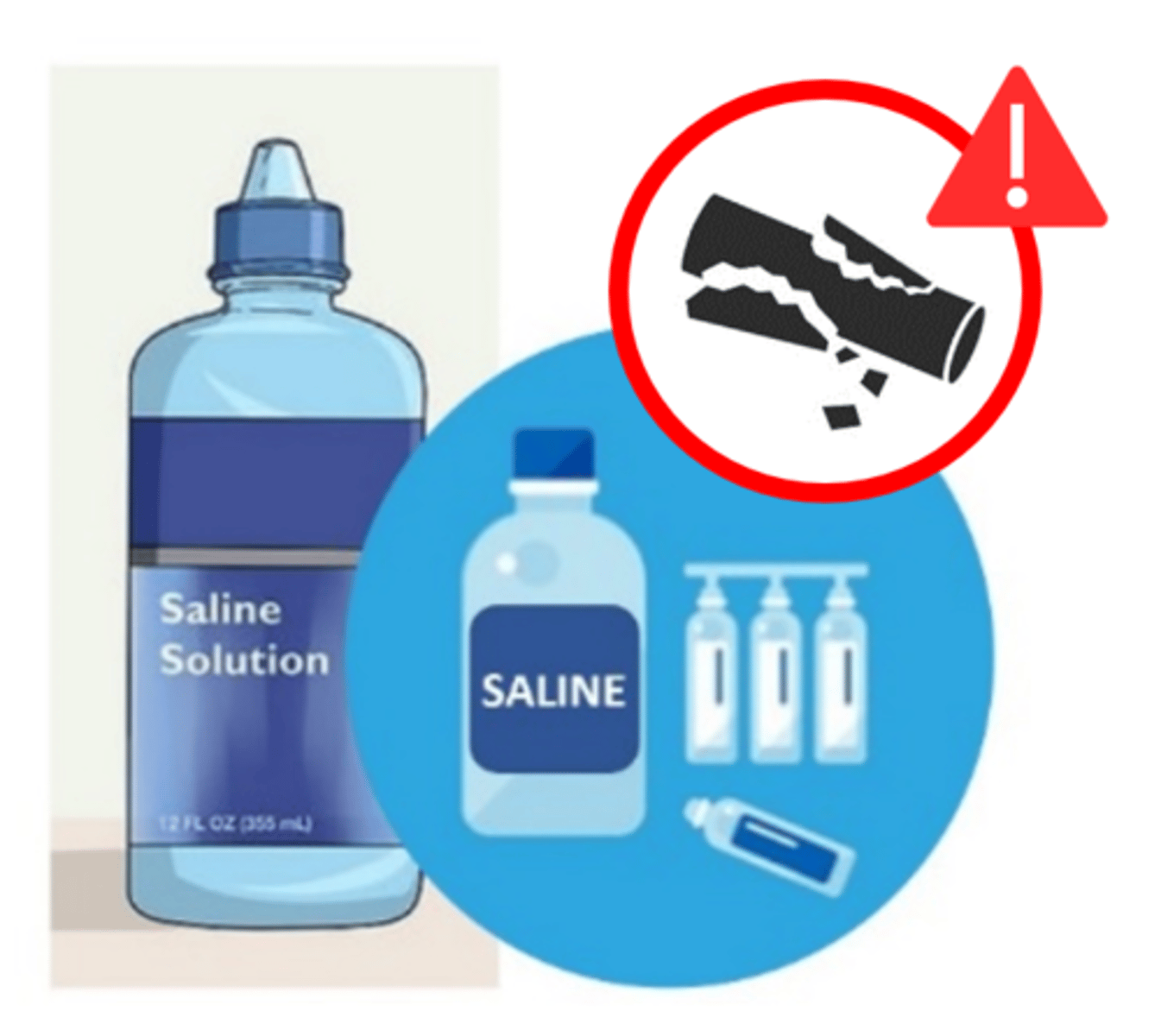
saline (n)
a sodium chloride solution (salt water) that should not be used in instrument cleaning because it's corrosive to metal surfaces
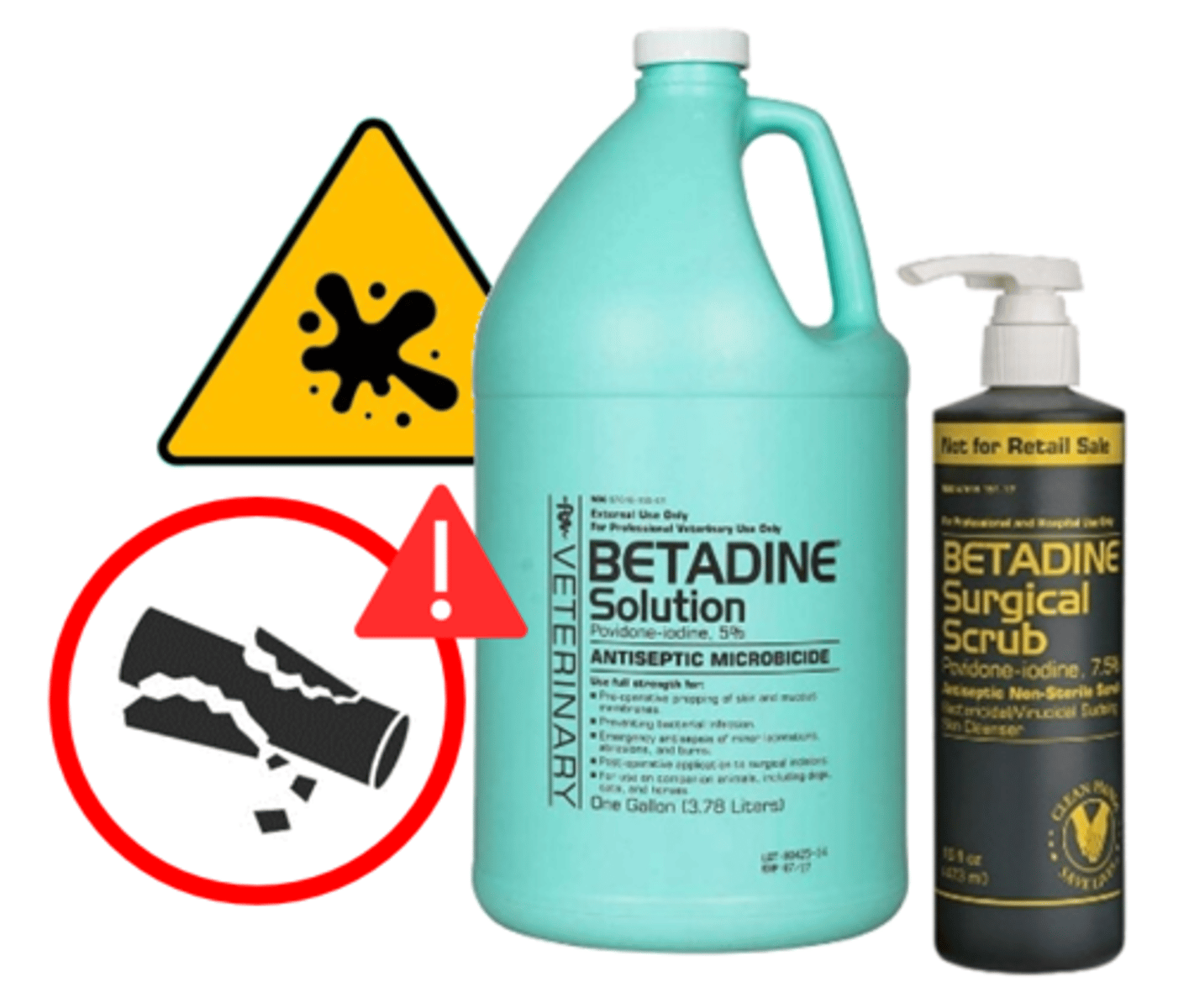
buffered iodine (n)
a chemical used as a general antiseptic or disinfectant (i.e. povidone-iodine) that should not be used in instrument cleaning because it's corrosive & will stain
toxic anterior segment syndrome (TASS) (n)
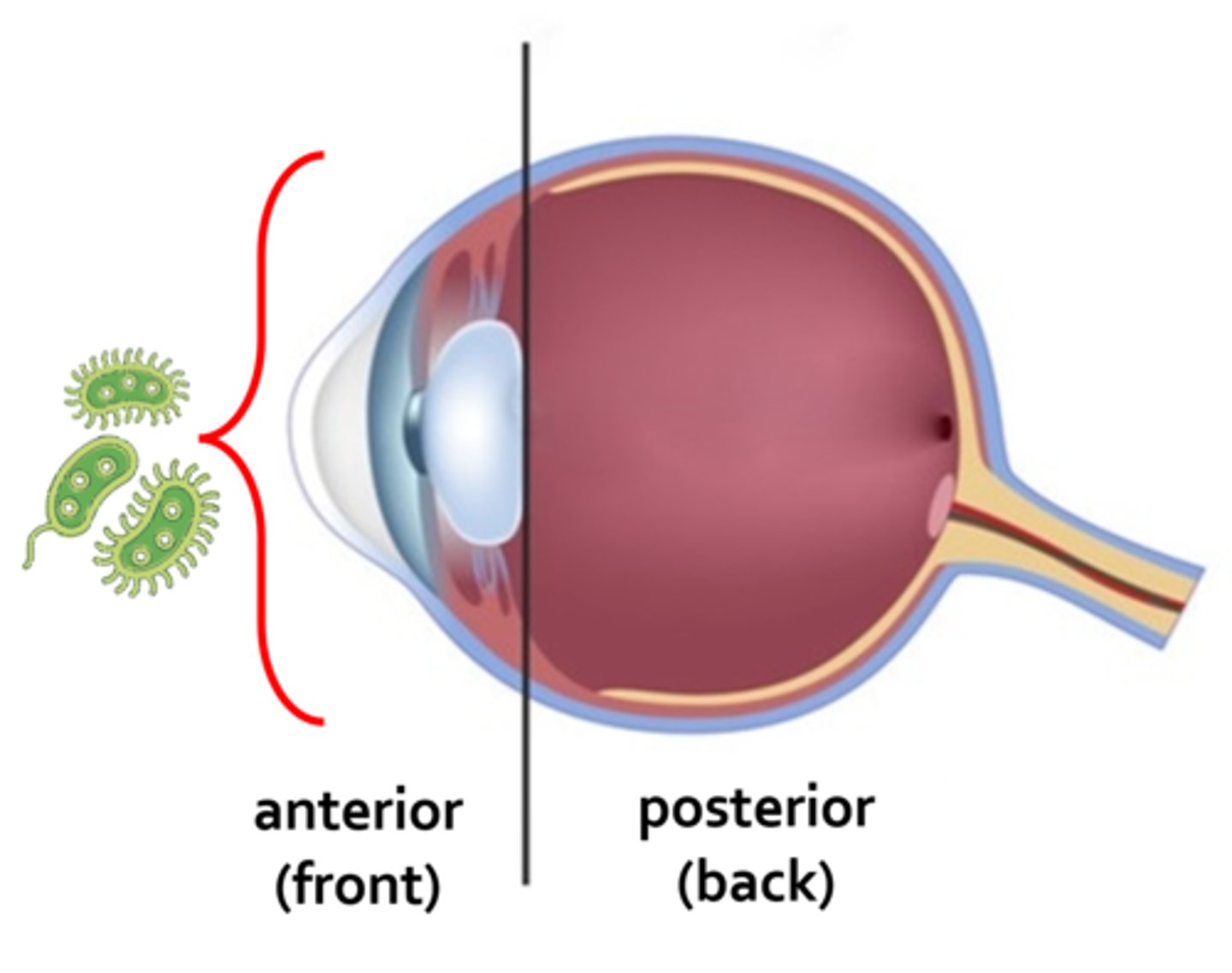
a toxic inflammatory reaction that results from contaminants entering the anterior segment (front part) of the eye during eye surgery