England: Military History (inc. Wars, Battles, Treaties, and Alliances) and Notable Events
 Call Kai
 Learn
Learn Practice Test
 Spaced Repetition
 Match
Match Flashcards
 Knowt Play
1/192

There's no tags or description
Looks like no tags are added yet.
Name | Mastery | Learn | Test | Matching | Spaced | Call with Kai | Chat |
|---|
No analytics yet
Send a link to your students to track their progress
193 Terms
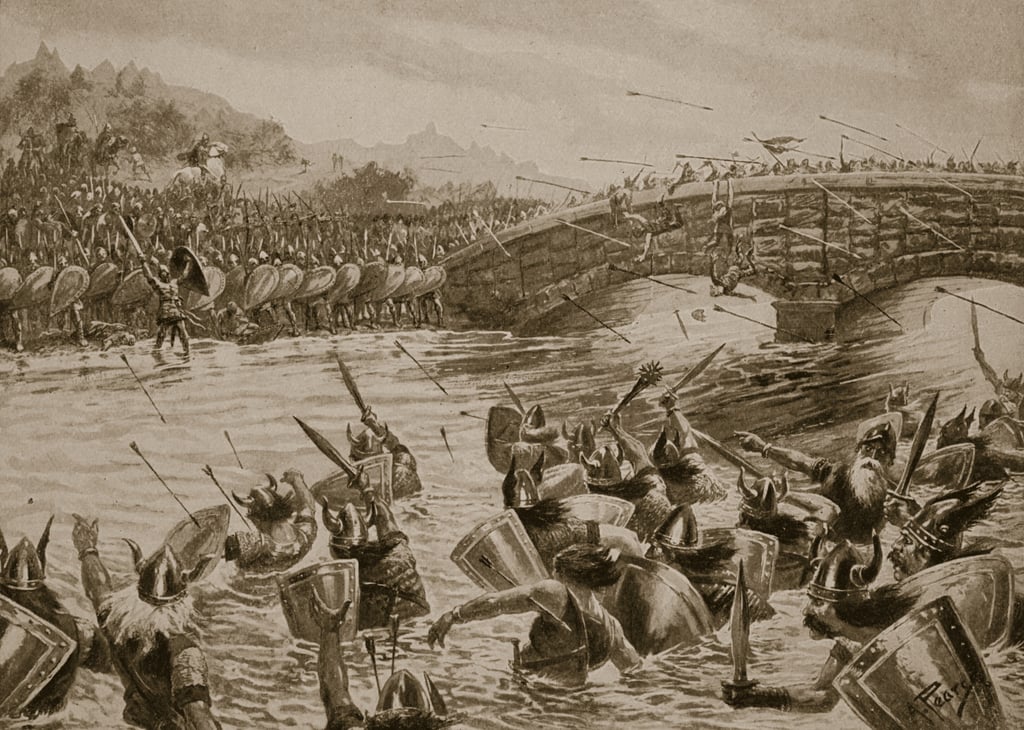
937 - Battle of Brunanburh (All Facts)
Battle in which King Athelstan and his Anglo-Saxon forces defeated the combined invading forces of the Kingdom of Strathclyde including Olaf and the Irish Vikings, Constantine and the Scots, and the Britons
Battle in which both sides suffered severe losses but in which the invaders were eventually forced to flee
Battle which allowed King Athelstan to call himself “King of the English and ruler of all Britain”
991 - Battle of Maldon (All Facts)
Battle in which the English were defeated by Olaf Tryggvason, the Norwegians, and the Vikings, who overcame the heroic English defense and after which they continued to advance deep into England until they were bought off by English King Aethelred II “The Unready”
1002 - St. Brice’s Day Massacre (All Facts)
Massacre in which at least 37 Danes were killed, including Sweyn Forkbeard’s (the King of Denmark at the time) sister Gunnhild, on the orders of King Aethelred II “The Unready” of England
Massacre which fueled Sweyn Forkbeard and the Danes to invade England
1016 - Battle of Ashingdon (All Facts)
Battle in which King Canute of Denmark defeated Edmund Ironside of England in which they agreed to split England in half between the two
Battle which forced a negotiated settlement that set the Thames River as a temporary boundary
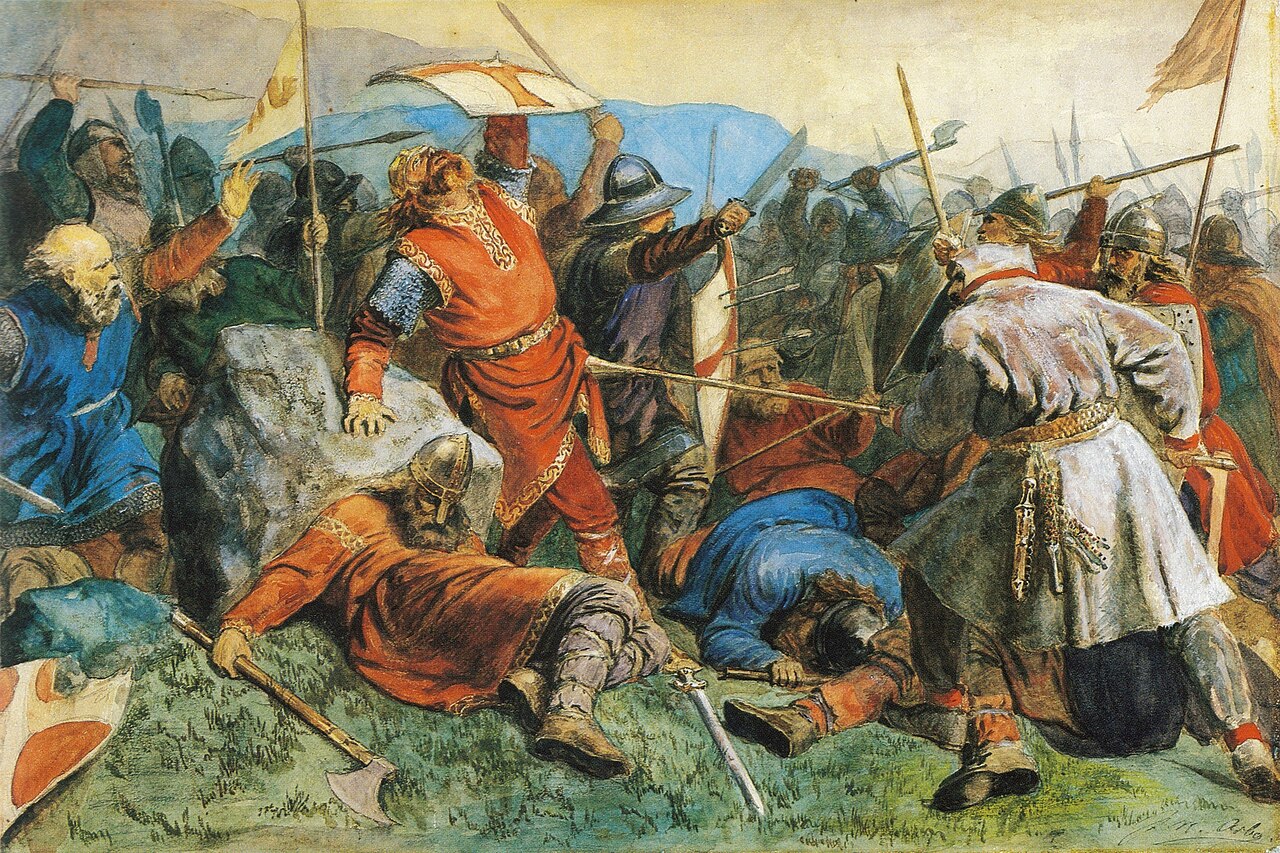
1030 - Battle of Stiklestad (All Facts)
Battle in which Canute the Great and his “Farmer Army” forces defeated Olaf Haraldsson and his forces to become King of Norway as well as King of Denmark and King of England
Olaf Haraldsson becomes a hero and saint after his death
1054 - Battle of Dunsinane (All Facts)
Battle in which Earl Siward of Northumberland and his English forces supported Malcolm Canmore’s right to the Scottish throne after his father had been killed by Macbeth, who was then defeated, along with his Scottish forces, in the battle

1066 - Battle of Stamford Bridge (All Facts)
Battle in which Harold II and his English forces defeated King Harald Hardrada and his Norwegian forces, successfully preventing a Norwegian invasion of England
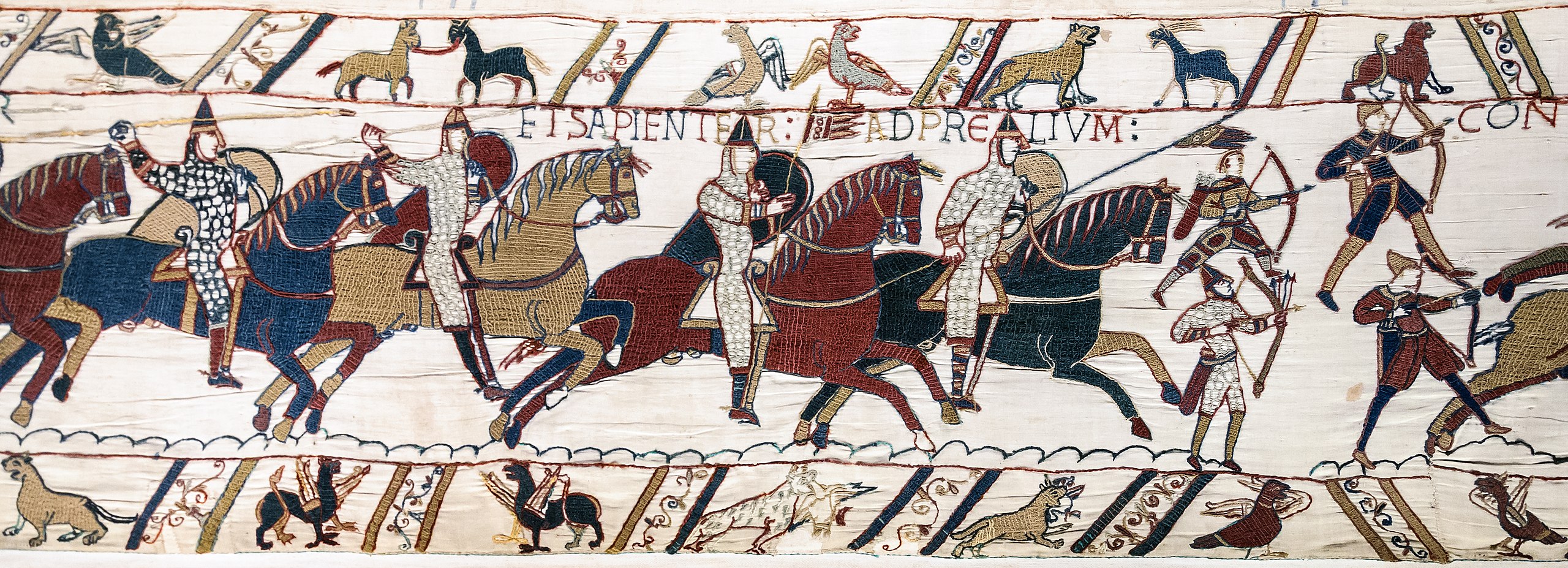
1066 - Battle of Hastings (All Facts)
Battle in which William the Conqueror and his Norman-French forces, defeated Harold II and his Anglo-Saxon forces, completing the Norman-French Conquest of England and initiating the reign of William as King of England and the founding of the House of Normandy Dynasty of England
Battle in which William commanded a mixed force of around 7K Norman-French, Breton, and mercenary soldiers and crushed the army of his rival for the English throne, King Harold, on windswept Sussex
Battle after which the Norman-French claimed William was the rightful heir to the English throne and that King Harold II had conceded this
Battle which saw a struggle between two opposed styles of combat, including
Mobile Norman-French archers
Stoical, close-packed ranks of English infantry armed with lances and axes
Battle which saw Harold II and his Anglo-Saxon forces dominate for much of the battle
Battle in which
William and his Norman-French forces approached through a wood near the top of Sandlake Hill, eight miles inland, and dismounted and formed up in tight formation on the high ground
William’s Norman-French troops attacked with archers in front followed by armor-clad infantry
William and his Norman-French forces rolled uphill in human waves which boke time and again
William, on horseback, stayed close and kept control as a conspicuous target who had three horses killed under him
William dismounted, removed his helmet in order to be recognized, and, spear in hand, ordered back into the battle the French front ranks who had at last panicked and fled, their own knights having cut them down
The Anglo-Saxon English then, observing the beginning of a rout, freed at last from their role as bowmen’s targets, ran forward in hot pursuit
The English, however, were hit on both flanks by French cavalry, which was probably the most decisive moment in the battle
William and his Norman-French forces, turned near-disaster to their advantage, using the ploy to encourage the Anglo-Saxon English to break ranks
In such confusion, the Anglo-Saxon English leaders were exposed as ready targets and Harold II’s two brothers were killed in a hail of arrows and spears
William and his Norman-French forces continued to squeeze the core of Harold II’s army until only a few dozen remained standing
Those survivors, knowing all was lost, retreated in good order to make a last stand on ground which gave them the best chance to sell their lives dearly, in a steep valley cut by ditches and unsuitable for the Norman-French cavalry
However, William, his lance broken, led a party of men from Boulogne into the enemy at this position
Battle in which Harold II, despite having lost one eye, fought on magnificently against William and his invading Norman-French forces so much so that when his body was recovered it was virtually unidentifiable
1070 - 1071 - Harrying of the North (All Facts)
Series of military campaigns waged by William the Conqueror to subjugate Northern England, whose Northumbrians, Anglo-Scandinavians and Danes had been rebelling against him
William the Conqueror paid the Danes to go home, ending Hereward “The Wake’s” rebellion against him, but the remaining rebels refused to meet him in battle
So he decided to starve them out by laying waste to the northern shires using scorched earth tactics, especially in Yorkshire in York in Northumbria
Afterwards, he relieved the English aristocracy of their positions, and installed Norman aristocrats throughout the region
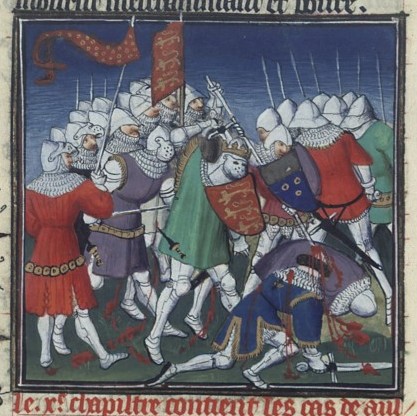
1106 - Battle of Tinchebrai (All Facts)
Battle in which Henry and his English forces defeated his brother Robert Curthose and his Norman forces
Battle which reunified England and Normandy, or in which England took control of Normandy
1138 - 1153 - The Anarchy (All Facts)
Term used to refer to an English Civil War of Succession which resulted in a widespread breakdown in law and order and was precipitated by the accidental death of William Adelin, the only legitimate son of King Henry of England, who drowned in the White Ship disaster during his reign
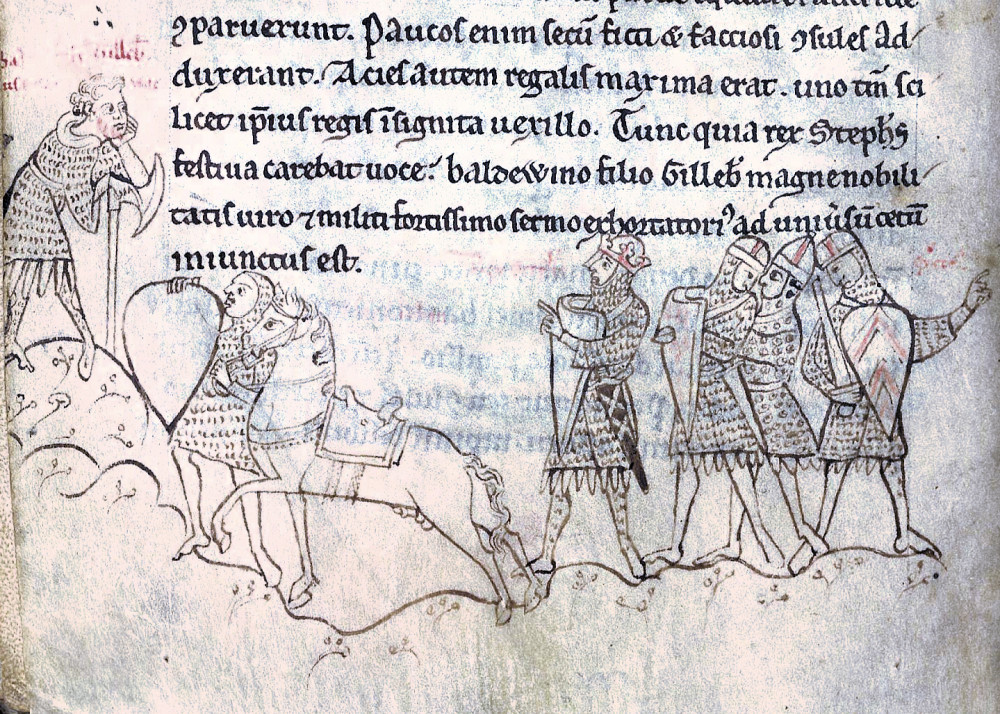
1141 - Battle of Lincoln (All Facts)
Battle in which Matilda and her forces, led by the earl of Chester, defeated and captured Stephen of Blois and his forces
Battle in which Matilda and her forces imprisoned Stephen of Blois while her forces slaughtered many of the citizens of the namesake city
Battle after which King Stephen of Blois was temporarily deposed by Matilda, who assumed the throne in his place
1190 - Massacre at York Castle / Massacre at Clifford’s Tower (All Facts)
Massacre in which 500 Jews including men, women, and children were killed after they took refuge in the namesake location after being chased by a mob, the culmination of six months of increasing anti-Semitic agitation
Massacre which began after a three-day siege of the namesake location by groups of young men that were about to depart on the Crusade and who were backed by a number of people who were deeply in debt to Jewish moneylenders
Massacre in which some Jews preferred to kill their families and then themselves rather than surrender to the mob
Massacre in which some Jews promised to accept baptism if their lives were spared, however they were also killed as soon as they left their sanctuary
Massacre in which some Jews attempted to enter the palace of Richard Lionheart and offer him gifts, only to be attacked by the London mob, with their houses being burned and their house’s inhabitants being killed
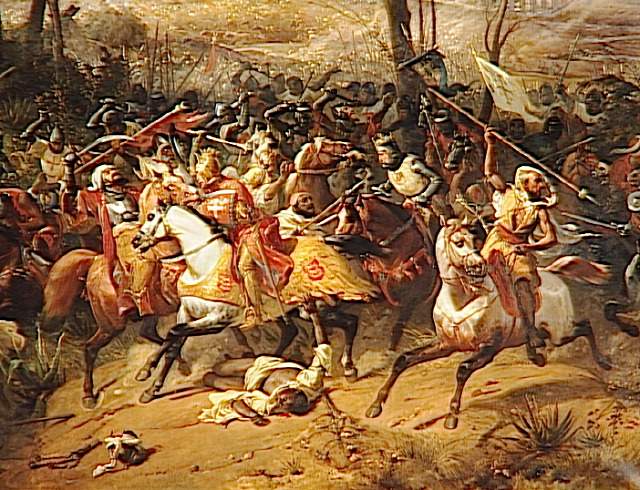
1191 - Battle of Arsuf (All Facts)
Battle in which Richard of England and Hugh of Burgundy of France defeated Saladin and the Ayyubid Sultanate during the Third Crusade
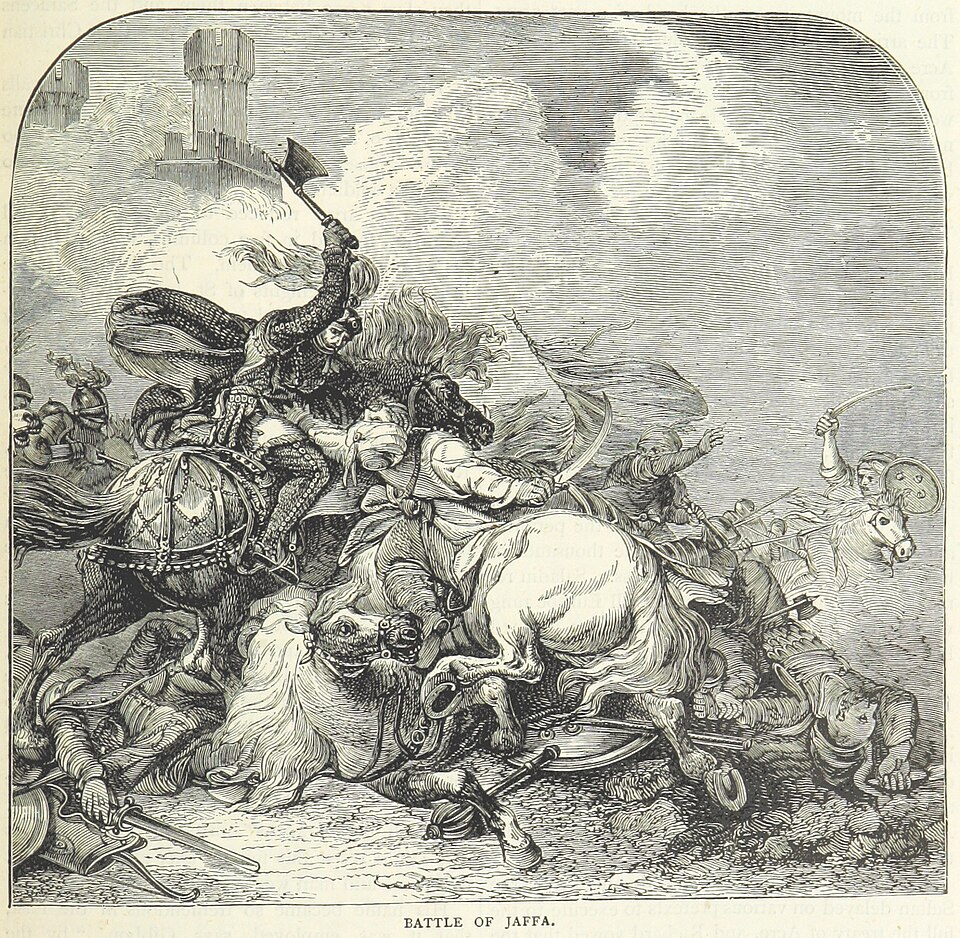
1192 - Battle of Jaffa (All Facts)
Battle in which Richard of England and his forces seized the namesake city but were defeated at Jerusalem by Saladin and the Ayyubid Sultanate during the Third Crusade
1194 - Battle of Freteval (All Facts)
Battle in which Richard of England and his forces defeated Philip II / Philip of Augustus of France and his forces, reconquering the previously lost French territory of England called the Vexin
Battle after which the truce of Verneuil is signed between the two belligerents
1214 - Battle of Bouvines (All Facts)
Battle in which John of England and his forces were defeated by Philip II / Philip Augustus and his forces
Battle whose disastrous outcome enraged the English barons, who revolted against King John of England in response in the First Barons’ War
1215 - 1217 - First Barons’ War (All Facts)
Civil War in which the English barons revolted against King John of England for his annulment of the Magna Carta
1259 - Treaty of Paris / Treaty of Abbeville (All Facts)
Treaty signed between King Henry III of England and King Louis IX of France
In it, King Henry III of England received the Agenais, Saintonge, and parts of Quercy, Limousin, and Perigord from King Louis IX of France
In return, King Henry III of England gave all claims to the Plantagenet fiefs of Normandy, Anjou, Touraine, Maine, and Poitou to King Louis IX of France
This treaty marked a turning point in European politics; leading to new political dynamics, cultural exchanges, and social changes
1264 - 1267 - Second Barons’ War (All Facts)
Civil War in which Simon de Montfort and the English barons revolted against King Henry III and his royalist forces
Rebellion of the English barons against King Henry III which was triggered by
King Henry III’s reneging and annulling the “Provisions of Oxford” via King Louis IX of France as well as King Henry III’s
being increasingly influenced by foreigners like King Louis IX
his extravagance of his foreign dependents
his heavy papal taxation of the church
Rebellion in which Simon de Montfort and the English barons defeated and captured King Henry III and his son and successor Edward in the Battle of Lewes
However, the English barons eventually mistrusted Simon de Montfort’s efforts to grain broader popular support and deserted him, allowing Edward to escape
Rebellion which ended when Simon de Montfort and the English barons were defeated by Edward and the royalist forces in the Battle of Evesham
1264 - Battle of Lewes (All Facts)
Battle in which Simon de Montfort and the English barons defeated the royalist forces and captured King Henry III and his son and successor Edward during the Second Barons’ War
1265 - Battle of Evesham (All Facts)
Battle in which Edward and the royalist forces defeated Simon de Montfort and the English barons, ending the Second Barons’ War
1282 - Battle of Orewin Bridge (All Facts)
Battle in which Edward and his English forces defeated Llywelyn ap Gruffudd and his Welsh forces during the Conquest of Wales by Edward
Battle in which Llywelyn ap Gruffudd was killed, it effectively ended the autonomy of Wales
1294 - 1303 - Gascon War (All Facts)
War in which King Edward and his English forces fought against King Philip IV and his French forces over the namesake territory
England is ultimately able to keep the namesake territory after the Treaty of Paris which ended the War
1296 - 1328 - First War of Scottish Independence (All Facts)
1296 - Battle of Dunbar (All Facts)
Battle in which King Edward and his English forces defeated John Balliol and his Scottish forces during the First War of Scottish Independence
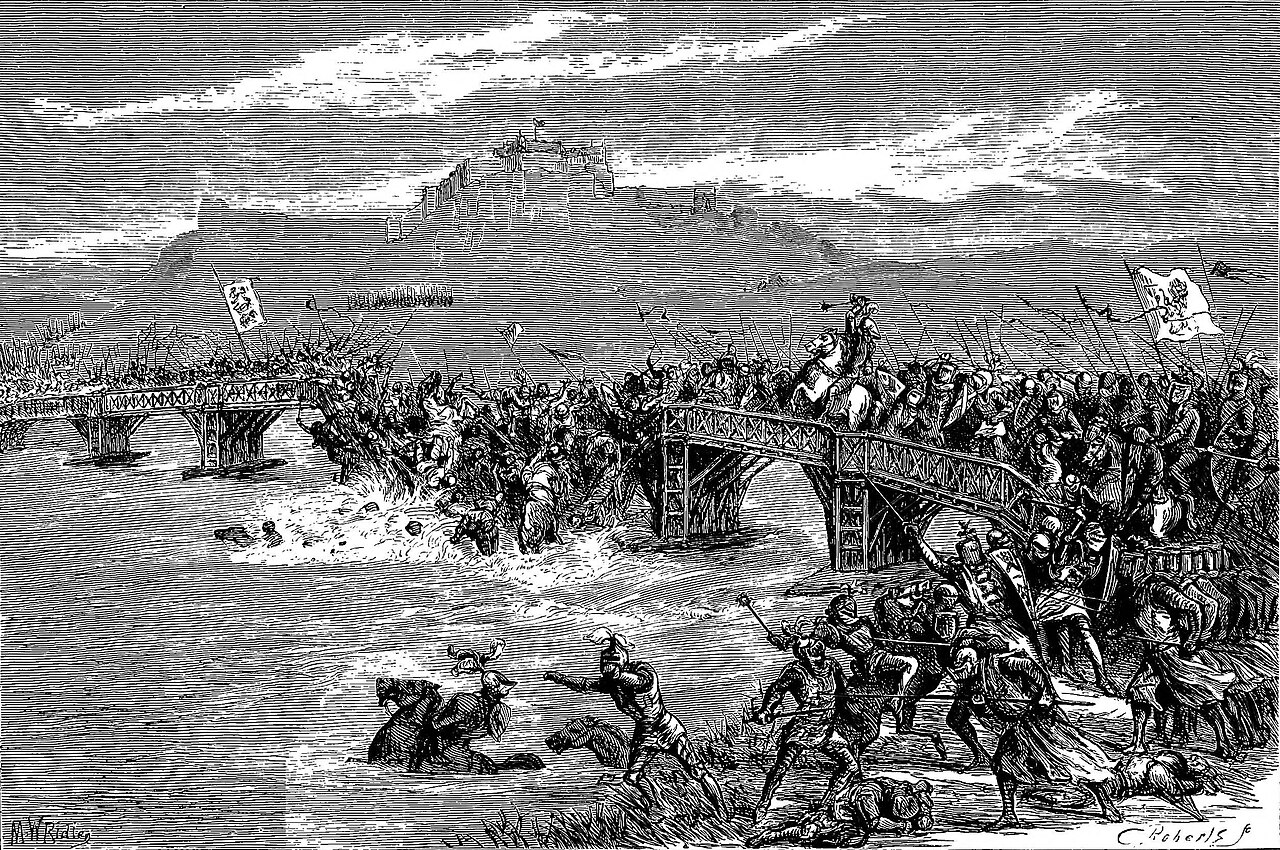
1297 - Battle of Stirling Bridge (All Facts)
Battle in which King Edward and his English forces were defeated by William Wallace and his Scottish forces during the First War of Scottish Independence
1303 - Treaty of Paris (All Facts)
Treaty signed between King Edward of England and King Philip IV of France that ended the Gascony War which
Settled the pre-Gascony War position of Gascony, in which it remained under English control
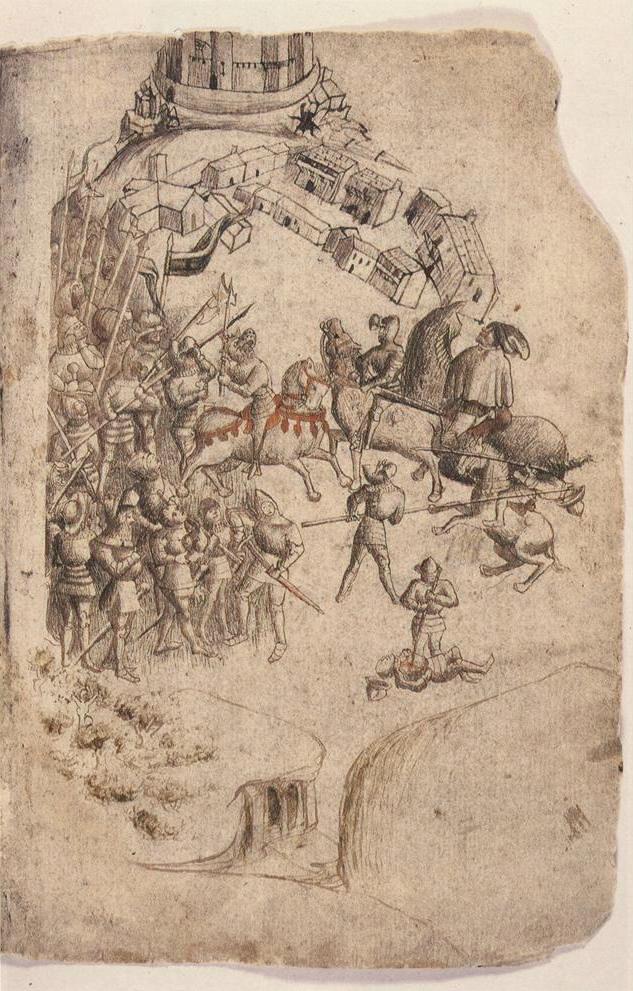
1314 - Battle of Bannockburn (All Facts)
Battle in which King Edward II and his English forces were defeated by Robert the Bruce and his Scottish forces during the First Scottish War of Independence
Battle which effectively made Scotland independent from England and confirmed Robert the Bruce to be the leader of and wielder of power in Scotland
1315 - 1317 - Great Famine (All Facts)
Brought on by the depression of the farming economy by prolonged rainy spells which had ruined the harvests
The bad harvests there brought on the namesake event, thus slowing population growth considerably
10% of the population died of malnutrition and / or disease
Only the West Country escaped disaster
On the Bolton Priory estates in the north, wheat yields were 20% of their normal yield
On top of bad harvests, there was now a shortage of salt, as salt pans had failed to evaporate
Moreover, livestock had been hit by disease
On the Clipstone estate in Nottinghamshire, half of the sheep there died
In Berdwick, the infantry garrison there mutinied after experiencing prolonged starvation
In Sandwich, a mob attacked a wheat ship
During this difficult time
taxes were heavy, due to the necessity of financing royal campaigns against the Scots
the rise in wheat prices hit the poor the hardest
almsgiving was cut
The Churches in England considered this event to be the result of divine retribution for the English and Europeans’ misdeeds
1332 - 1357 - Second Scottish War of Independence (All Facts)
1333 - Battle of Halidon Hill (All Facts)
Battle in which King Edward III and his English forces defeated the Scots during the Second War of Scottish Independence
1337 - 1453 - Hundred Years’ War (All Facts)
Series of conflicts with France that included the
Battle of Sluys
War of the Breton Succession
Crecy Campaign
Battle of Crecy
Siege of Calais
Battle of Poitiers
Battle of La Rochelle
Battle of Agincourt
Siege of Orleans (turning point)
Battle of Formigny
Battle of Castillon
Series of conflicts with France ended by
Truce of Esplechin
First Treaty of London
Treaty of Bretigny
Treaty of La Bruges
Treaty of Troyes
Congress of Arras
Treaty of Arras
Treaty of Picquigny
War caused by
Disputes over the French feudal sovereignty over Aquitaine and the English claims over the French royal title
The rival claims to the French throne that broke out between King Edward III of England and King Philip VI of France
England’s archers armed with longbows helped win several early victories
War in which England profited from pillage and the ransom of captives of France
By the end of the conflict, England was only able to retain the port of Calais from France
As a result of the war,
serving under a monarch fostered a sense of unit among English soldiers who spoke distinct languages or dialects
the people of England identified themselves more so as “English” rather than from the particular region in which they lived
the use of gunpowder weapons developed and spread in Europe, having already been invented by the Chinese and used by the Mongols
1340 - Battle of Sluys (All Facts)
Battle in which King Edward III of England and his forces defeated the French off the Flemish coast during the Hundred Years’ War
Battle in which King Edward III of England and his forces completely destroyed the French naval fleet and gained control of the sea
1340 - Truce of Esplechin (All Facts)
Treaty signed between King Edward III of England and Philip VI of France
Treaty signed due to the inability by either party to pay their troops
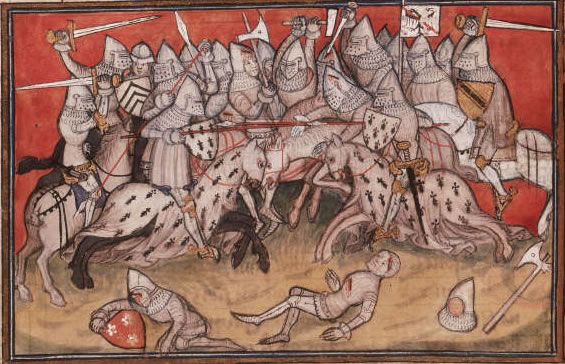
1341 - 1365 - War of the Breton Succession (All Facts)
War caused by a succession crisis caused by the death of the Duke of Brittany in which
Edward III of England supported John de Montfort, the half-brother of the dead duke, to succeed him
Philip VI of France supported Charles de Blois, the stepfather of the dead duke, to succeed him
War that occurred during the Hundred Years’ War between England and France
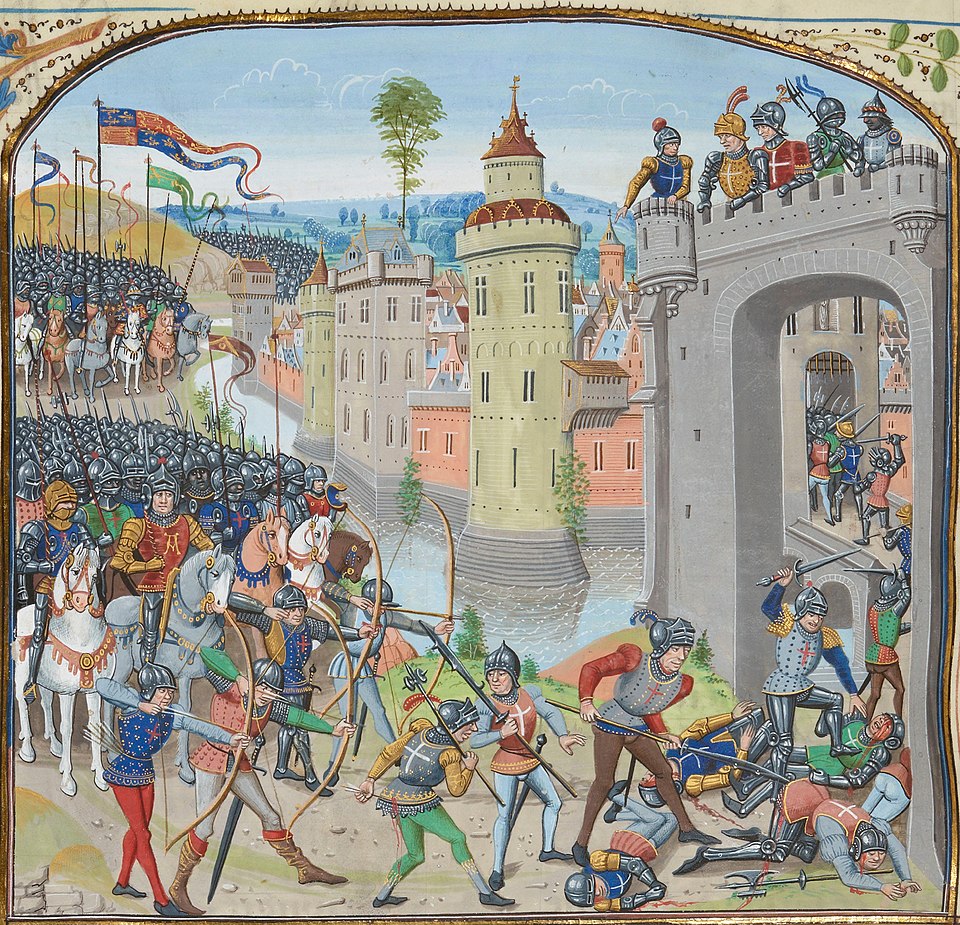
1346 - 1347 - Crecy Campaign (All Facts)
Military Campaign consisting of a series of large-scale raids conducted under the reign of King Edward III of England throughout northern France that devastated the French countryside on a wide front and that ended in the Battle of Crecy during the Hundred Years’ War
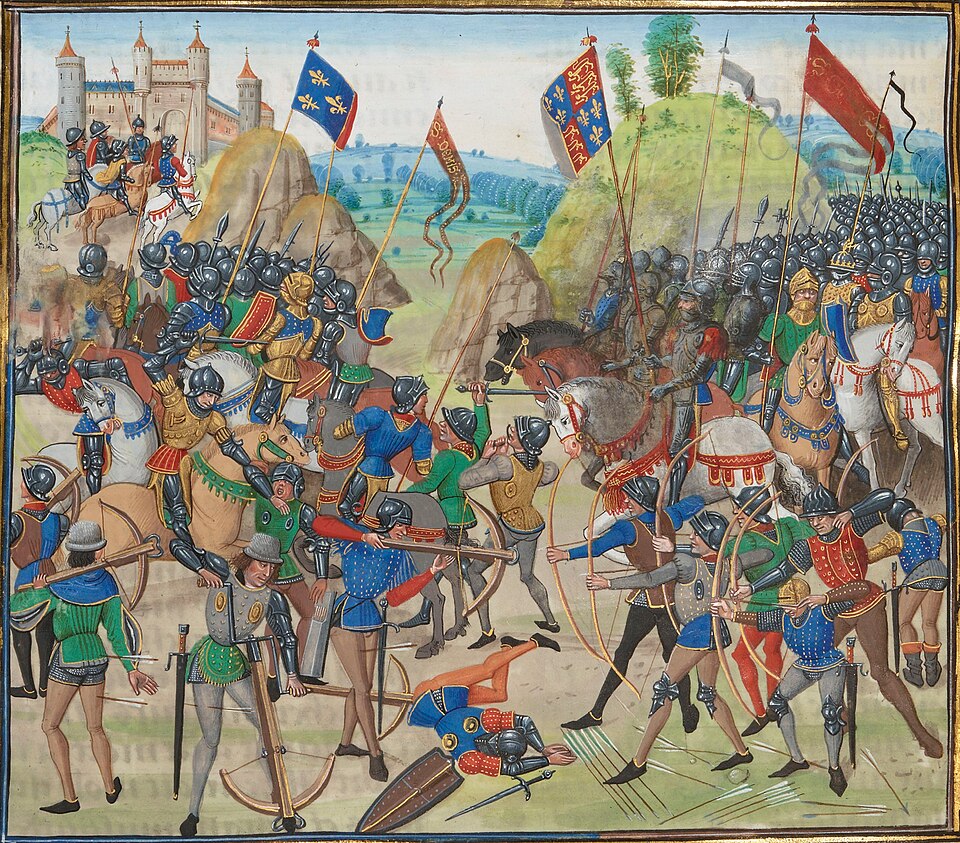
1346 - Battle of Crecy (All Facts)
Battle in which King Edward III and his English forces defeated Philip VI and his French forces during the namesake campaign during the Hundred Years’ War
Battle in which King Edward III and his English forces were outnumbered by Philip VI and his French and Genoese forces, despite killing 1,500 French troops and forcing Philip VI of France to flee
Battle in which two factors contributed to King Edward III’s victory, in which
The first was French pride and vanity, with Philip VI’s knights having ignored orders and having vied with each other to be first to confront the English invaders
Thus, confusion reigned in the darkness and when the first ranks finally came across the English, they turned and ran into their own allies
The second was the invention and implementation of the English longbow and negative effect of the weather on the Genoese mercenaries of the French
Philip VI had relied on 15K Genoese crossbowmen and ordered them to attack while he was still sorting out his divisions from their inner turmoil
After an all-night march, the Genoese were fatigued and at first refused to advance onto the English troops
When they finally made their move it was during a heavy rainstorm, which rendered their weapons useless as their bow-strings were soaked
Only then did the English longbowmen take one step forward and then began a rain of arrows on the helpless Genoese who fled into the swords of their allied French troops
In the melee, that followed, the French presented a perfect target for the English longbowmen
By the time the French began hand-to-hand combat against the well-prepared English knights and their bands of infantrymen, they were exhausted and were decimated by the English
From there, the English troops silenced and pillaged the French with their swords and battle-axes
Battle after which King Edward III and his English forces proceeded to besiege the Norman port city of Calais during the Hundred Years’ War
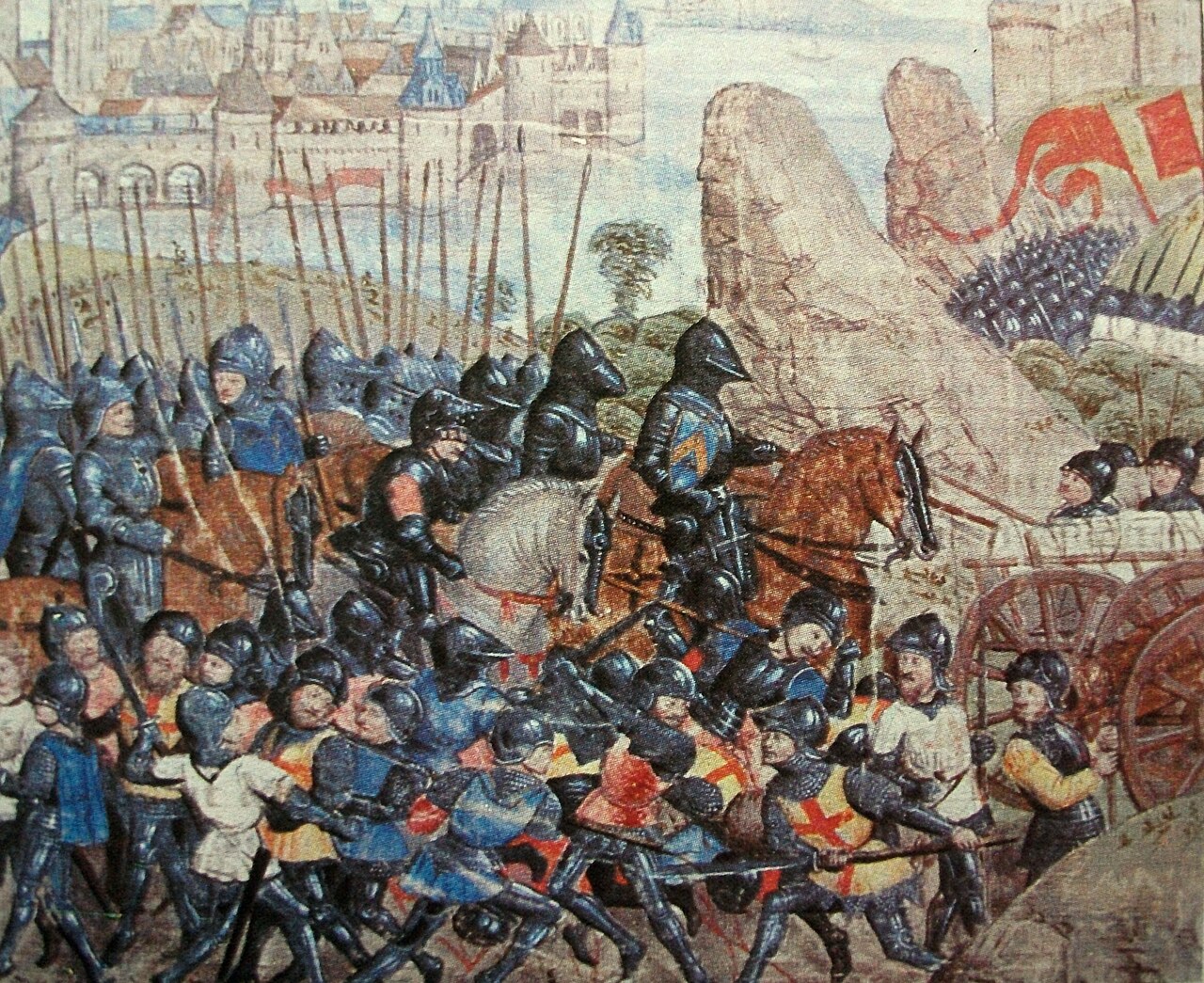
1347 - Siege of Calais (All Facts)
Battle in which Edward III and his English forces defeated and captured the French and the namesake city, ending the Crecy Campaign
In so doing, many of the namesake city’s citizens died of hunger
Sir Jean Vienne, governor of the city, offered to surrender to the namesake so long as King Edward III of England spared their lives
Edward III agreed on the condition that six principal citizens or “burghers,” with heads and feet bare and halters round their necks, deliver to him the keys of the city and throw themselves upon his mercy
Even Edward III’s own knights appealed to him for clemency, which he rejected
The six burghers begged for mercy not to be killed by him and it was not until Edward III’s wife Philippa of Hainault sank to her knees and cried to her husband and king, begging him not to kill them, which moved him so deeply and softened his heart, leading him to spare their lives
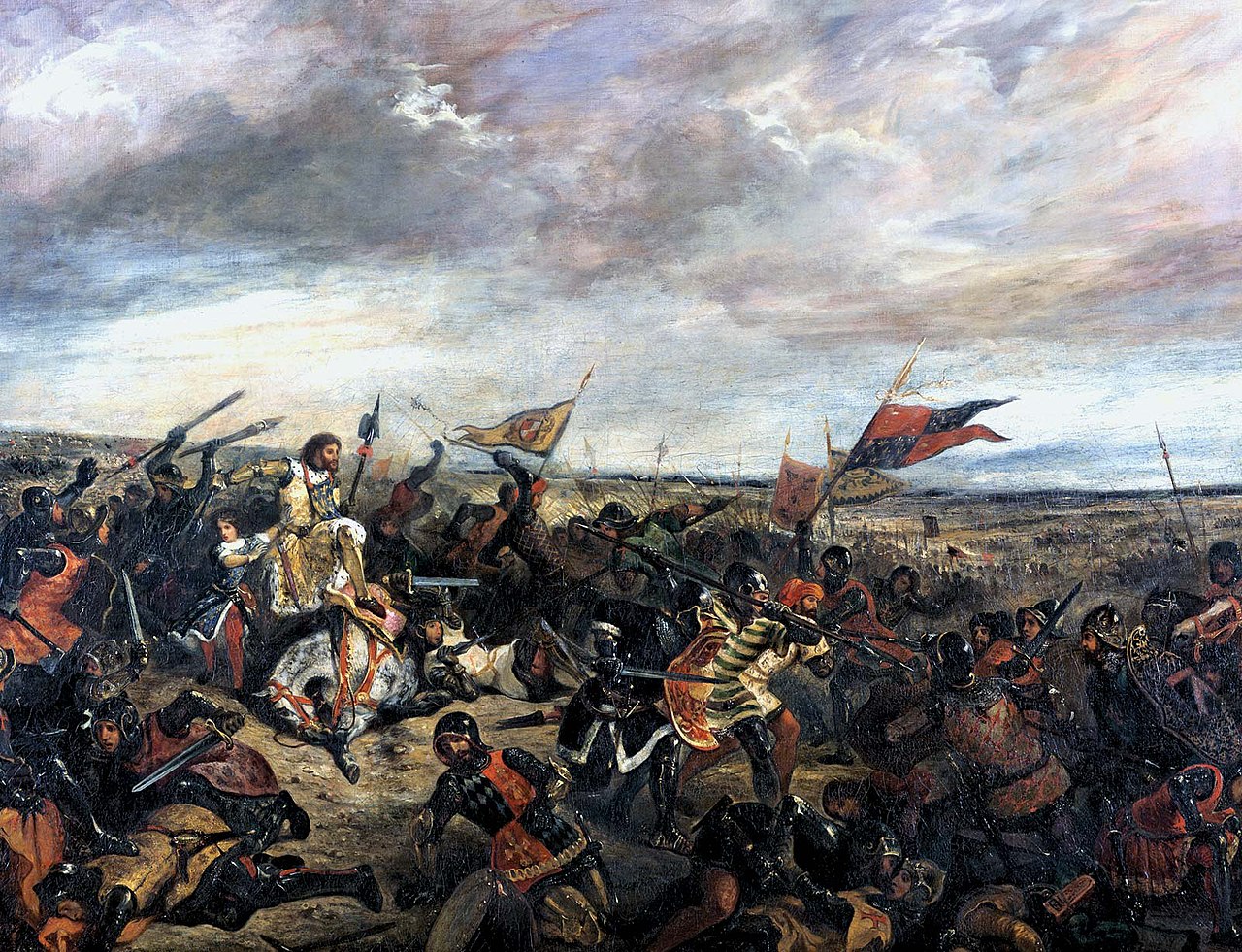
1356 - Battle of Poitiers (All Facts)
Battle in which Edward the Black Prince, son of King Edward III of England, and his forces, defeated John II of France and his forces during the Hundred Years’ War
Battle which began with a large-scale raid and scorched earth campaign from the British base at Aquitaine into Northern France
Battle in which the English archers used the longbow to great effect against King John II of France and his forces and the Duke of Orleans
Battle in which Edward the Black Prince had “fought like a raging lion” all day and, hearing that victory was certain, he placed his banner on a bush to rally his army
He then proceeded to erect a red tent, bring drinks, and retire from the field of battle with his lords
At this point in the battle, a mob of English troops appeared over a hillock with John II of France in their midst
Edward the Black Prince and his forces systematically massacred the French until they surrendered outside the gates of the namesake city
Upon French surrender, in the true tradition of chivalry cultivated in England during that time, John II of France was invited into Edward the Black Prince’s tent where he two men drank wine and discussed the namesake battle
He held a banquet with John II of France and allowed him and his captured courts and barons to be honored guests
Edward the Black Prince refused to be seated in King John II’s presence, even serving at the table as a mark of humility
After the banquet, and after Mass, he and his captives and a mass of booty left the namesake city for London
Battle which marked the end of the First Phase of the Hundred Years’ War
Battle which was the second of the three great English victories over the French in the Hundred Years’ War
1358 - First Treaty of London (All Facts)
Treaty signed between Edward III of England and John II of France in which it was agreed that
Edward III would let John II of France be released if a ransom of 4M French ecus was paid unto him
Extensive French territories would be ceded to England
1360 - Treaty of Bretigny (All Facts)
Treaty signed between Edward III of England and John II of France in which John II was freed from captivity by Edward III of England and upon which he returned to France
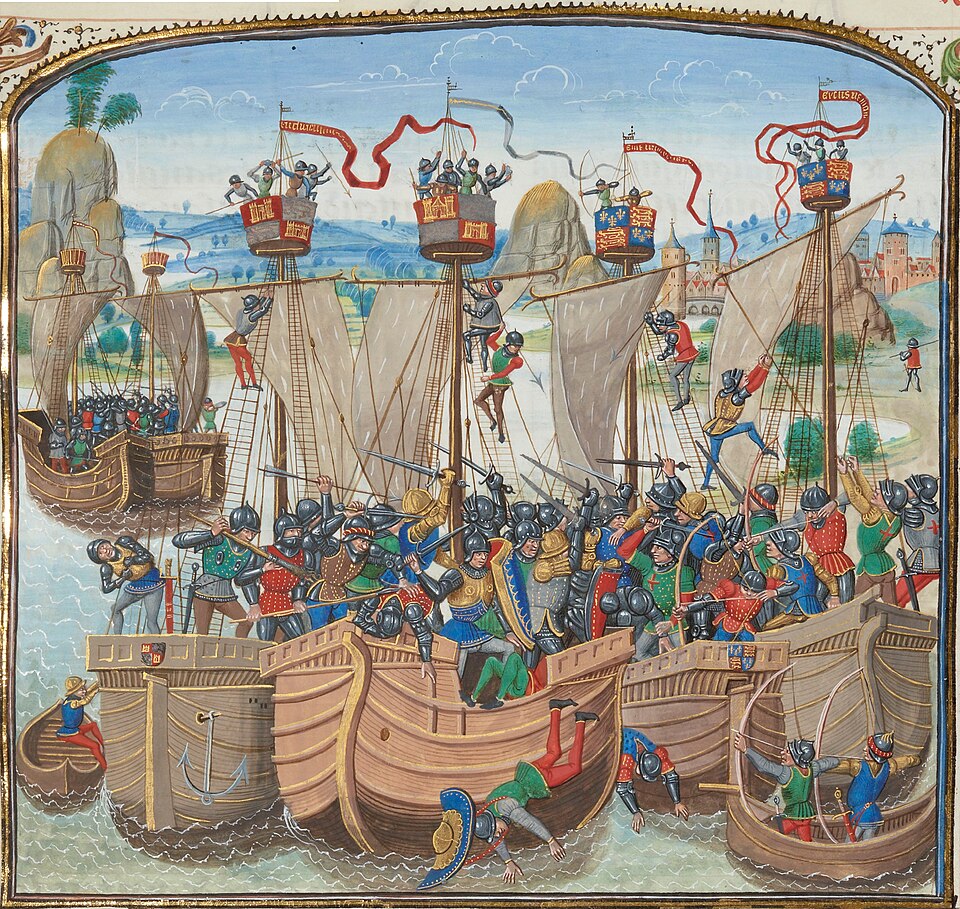
1372 - Battle of La Rochelle (All Facts)
Battle in which a fleet of English forces were defeated by a Castilian fleet of French forces during the Hundred Years’ War
Battle which essentially reversed the effect of the prior Battle of Sluys
1375 - Treaty of Bruges (All Facts)
Treaty signed between the English and the French during the Hundred Years’ War in which
The English retained the port of Calais and a coastal strip of Gascony
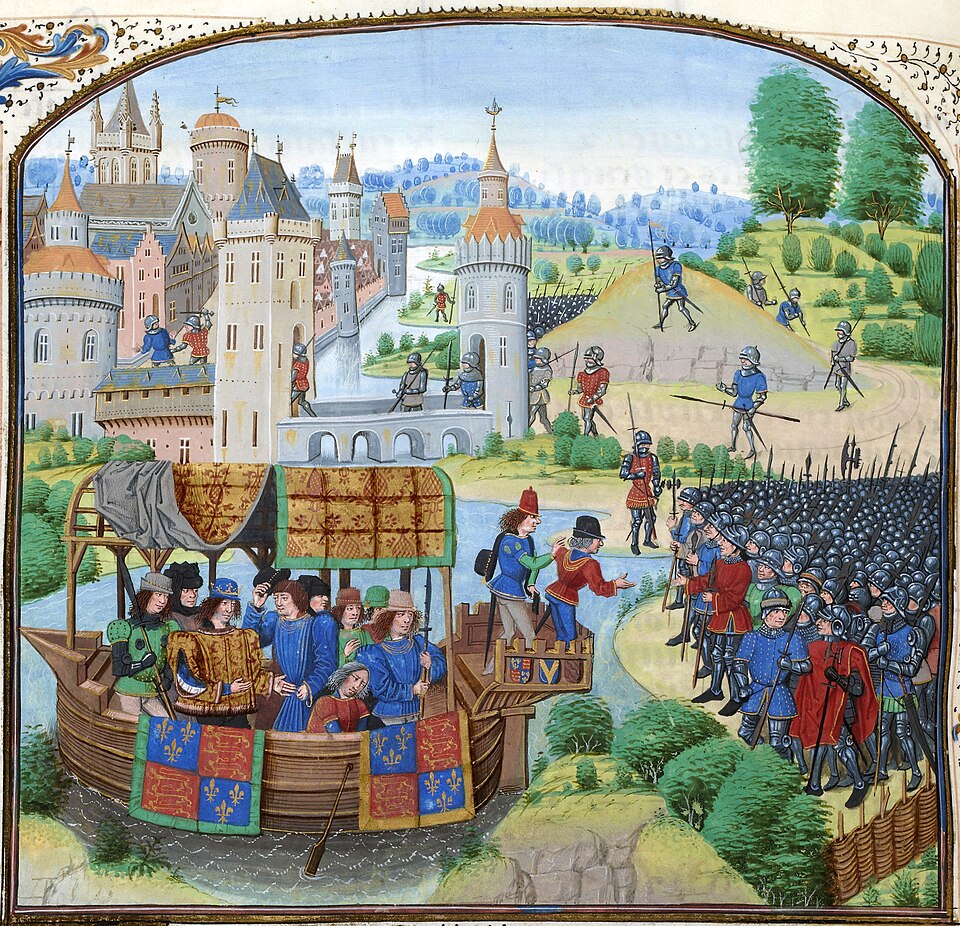
1381 - Peasants Revolt (All Facts)
Revolt by the namesake social class across large parts of England during the reign of Richard II caused by
socioeconomic and political tensions generated by the Black Death in the 1340s
high taxes resulting from the conflicts of the Hundred Years’ War with France
instability within the local leadership of London
Revolt that heavily influenced the course of the Hundred Years' War by deterring later Parliaments from raising additional taxes to pay for military campaigns in France
Revolt in which Wat Tyler and his mob
Took Maidstone, Rochester, and Canterbury
Opened the gates of the Marshalsea to free its prisoners
Marched to London, where hundreds of its inhabitants joined him and his followers in widespread looting
Marched in London through Fleet Street, where they
Burned shops
Broke into the Temple where legal documents were burnt, part of a protest against the Poll Tax which contributed to the namesake revolt
Beheaded a judge and beheaded 18 other leading citizens
Beheaded 35 members of the Flemish community in the streets of London
Dragged the Archbishop from the Tower Chapel and executed him on Tower Hill, setting his head up on London Bridge, his miter nailed to his skull
Revolt in which the head of its rebel leader, Wat Tyler, was displayed on a pole in a London field after which his followers, the revolt’s participants, made their way home
Revolt which was thus brutally suppressed
1403 - Battle of Shrewsbury (All Facts)
Battle in which King Henry IV of England and Richard Beauchamp, the 5th Earl of Warwick and their English forces defeated Henry “Hotspur” Percy and the Welsh and Scottish and their forces
1414 - Oldcastle Revolt (All Facts)
Revolt in which the namesake leader and the Lollards rebelled against King Henry V of England and the Catholic Church of England
Revolt which was foiled and in which 45 of its rebels were executed
Revolt after which the namesake leader was burned at the stake for heresy
Revolt which discredited the Lollardy Movement due to their linking it with social radicalism
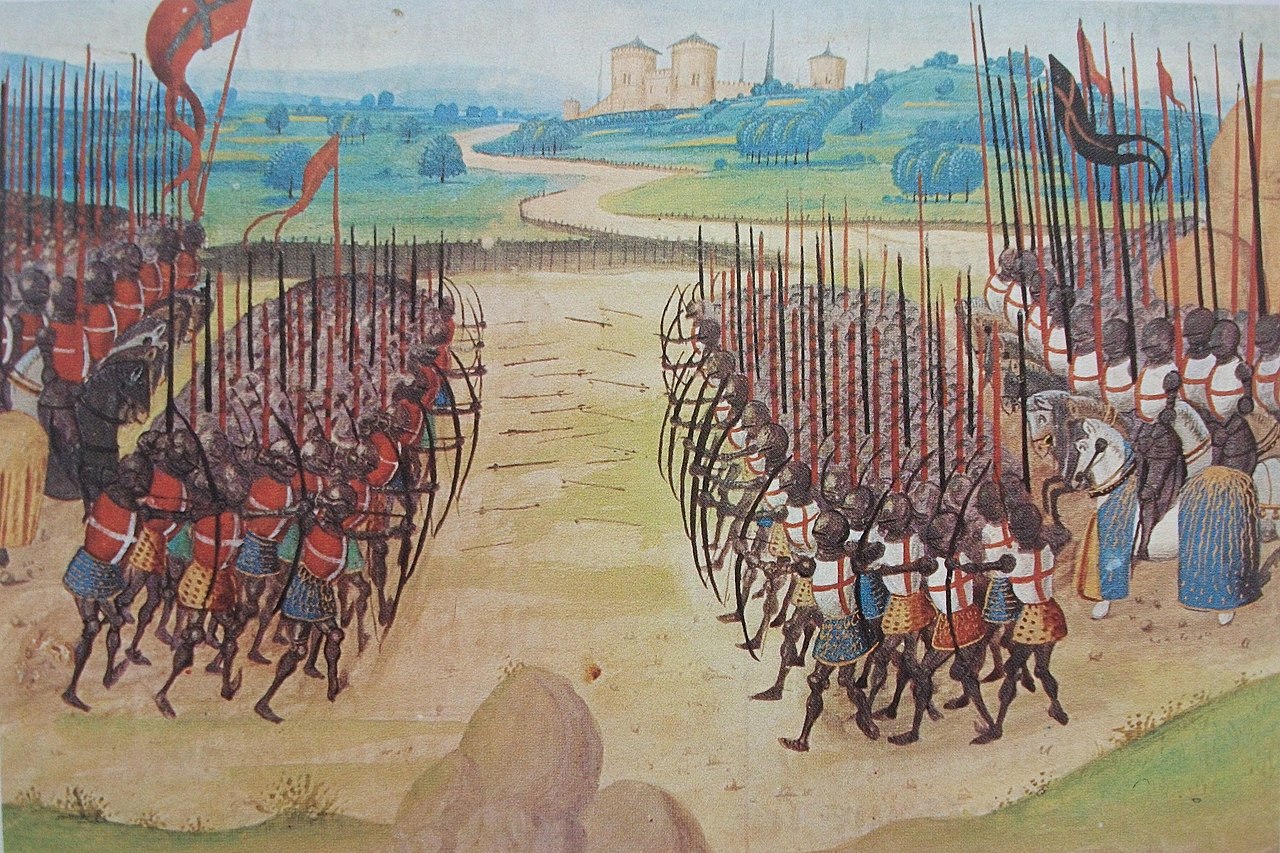
1415 - Battle of Agincourt (All Facts)
Battle in which King Henry V of England and his forces defeated France during the Hundred Years’ War
Battle in which the English forces (12K) were severely outnumbered by the French forces (60K)
The French were so confident that they had paraded a cart in which they intended to drag the English king through Paris
It seems the French learned little since their previous disaster in the Battle of Crecy
Battle before which
King Henry V and his army attended Mass and made confession
King Henry V donned his armor and a bejeweled helmet and took his position in front of his army
Battle during which
The French began their advance, into a rain of English arrows
The French cavalry panicked, smashing their way through their own infantrymen, causing great breaches in the forward ranks
The English soldiers then quickly filled these breaches, wielding swords and axes
The French pushed one final time, only to have the English cut the throats of some 1K French prisoners
1420 - Treaty of Troyes (All Facts)
Treaty of “perpetual peace” signed between King Henry V of England and Philip of Burgundy in which
They brought England and France under one crown, following King Henry V’s victory in the Battle of Agincourt
King Henry V was to marry Catherine of Valois, the daughter of the King of France at the time
King Henry V believed the agreement would bring “perpetual peace” between the two kingdoms despite the customs and kingdoms being completely separate, the union of the two crowns was to be personal
King Henry V and Philip of Burgundy failed to tackle the question of succession as no woman could succeed to the French throne
Treaty which ended the second and final phase of English dominance during the Hundred Years’ War
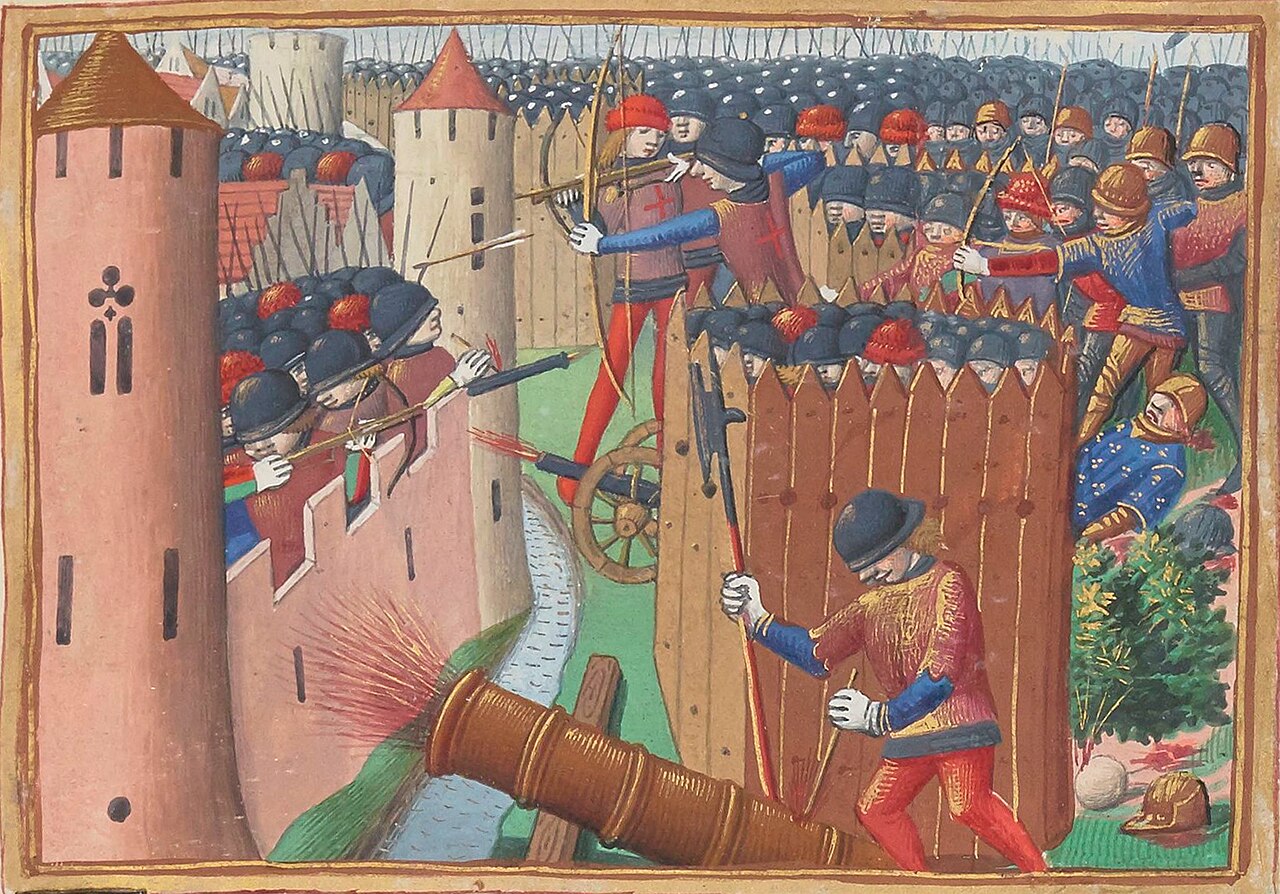
1428 - 1429 - Siege of Orleans (All Facts)
Battle in which the Earl of Salisbury Thomas Montagu and his English forces were defeated by Joan of Arc and her French forces during the Hundred Years’ War
Battle which marked the turning point in the Hundred Years’ War, in which the French began to win more victories and regain territories they lost to England
Battle in which the English army of 5K had initially sought to established a foothold on the Loire River and open up Anjou to occupation
However, they clearly failed to reckon with a revitalized, well-disciplined French army, spiritually transformed by Joan of Arc’s voices
1435 - Congress / Treaty of Arras (All Facts)
Peace Conference between England, France, and Burgundy, in which
Philip III of Burgundy broke with the English and recognized King Charles VII as the only King of France
Its namesake treaty led to the expulsion of the English from France
It thus ended the Armagnac-Burgundian Civil War in France
1450 - Battle of Formigny (All Facts)
Battle in which the English were defeated by the French during the Hundred Years’ War
Battle in which the English lost their control of Normandy to the French, who regained control of Normandy entirely
Battle in which field artillery was recorded to have been used for the first time
1450 - Jack Cade’s Rebellion (All Facts)
Rebellion led by the namesake figure against King Henry VI of England and his government that stemmed from local grievances regarding
the corruption, maladministration and abuse of power of the King Henry VI’s closest advisors and local officials
the recent military losses in France during the Hundred Years' War
Rebellion in which several of King Henry VI’s advisors were murdered
1453 - Battle of Castillon (All Facts)
Battle in which John Talbot and the English were defeated by Jean Bureau and the French during the Hundred Years’ War
Battle which ended the Hundred Years’ War, in which the English were defeated by the French
Battle in which
Bordeaux and the namesake walled city were threatened with siege
a reluctant John Talbot had planned to take on all three French armies that approached Bordeaux upon Talbot and his English expeditionary forces being welcomed into Bordeaux
Jean Bureau and the French succeeded in drawing John Talbot and the English between Bureau’s artillery and the Dordogne River
the French had brought 600 cannons with them, producing firepower with which John Talbot and the English could not reckon
Battle after which
only Calais remained under English control
French troops rounded up English survivors
1455 - 1487 - Wars of the Roses (All Facts)
Series of conflicts in which the House of Lancaster and House of York fought over the English throne following the Hundred Years’ War
Series of conflicts named after the emblems of the two Houses
the white namesake flower for the House of York
the red namesake flower for the House of Lancaster
Series of conflicts after which the House of Tudor was established, through which a union of the two houses was formed via marriage
Series of conflicts that included
The Battle of St. Albans
The Battle of Wakefield
The Battle of Towton
The Battle of Barnet
The Battle of Tewkesbury
The Battle of Bosworth Field
1455 - Battle of St. Albans (All Facts)
Battle in which Richard Plantagenet and his forces defeated the royalist forces of King Henry VI of England, which marked the beginning of the Wars of the Roses
Battle after which Richard Plantagenet seized power in his name for the English throne
1460 - Battle of Wakefield (All Facts)
Battle in which Richard Plantagenet and his forces were defeated by the forces of the House of Lancaster and in which Richard was killed during the Wars of the Roses
1461 - Battle of Towton (All Facts)
Battle in which King Edward IV and the forces of the House of York defeated the forces of the House of Lancaster (the royalist forces of King Henry VI) during the Wars of the Roses
Battle which thus secured the English throne for Edward IV, the House of York successor to King Henry VI of the House of Lancaster
Battle which was fought for ten hours, it was one of the largest and bloodiest battles in English history
1471 - Battle of Barnet (All Facts)
Battle in which King Edward IV of England and the forces of the House of York defeated the Earl of Warwick and the forces of the House of Lancaster during the Wars of the Roses
Battle in which the Earl of Warwick was killed
Battle which secured the English throne for Edward IV and the House of York
1471 - Battle of Tewkesbury (All Facts)
Battle in which King Edward IV of England and the forces of the House of York defeated Prince Edward and the forces of the House of Lancaster during the Wars of the Roses
Battle in which Prince Edward was killed
Battle which secured the English throne for Edward IV and the House of York
1474 - Treaty of Utrecht (All Facts)
Treaty which gave the Hanseatic League generous trading privileges within England
1475 - Treaty of Picquigny (All Facts)
Treaty signed between King Edward IV of England and King Louis XI of France, which formally ended the Hundred Years’ War
Treaty which was signed due to Edward IV of England having been bought off by Louis XI of France and the French
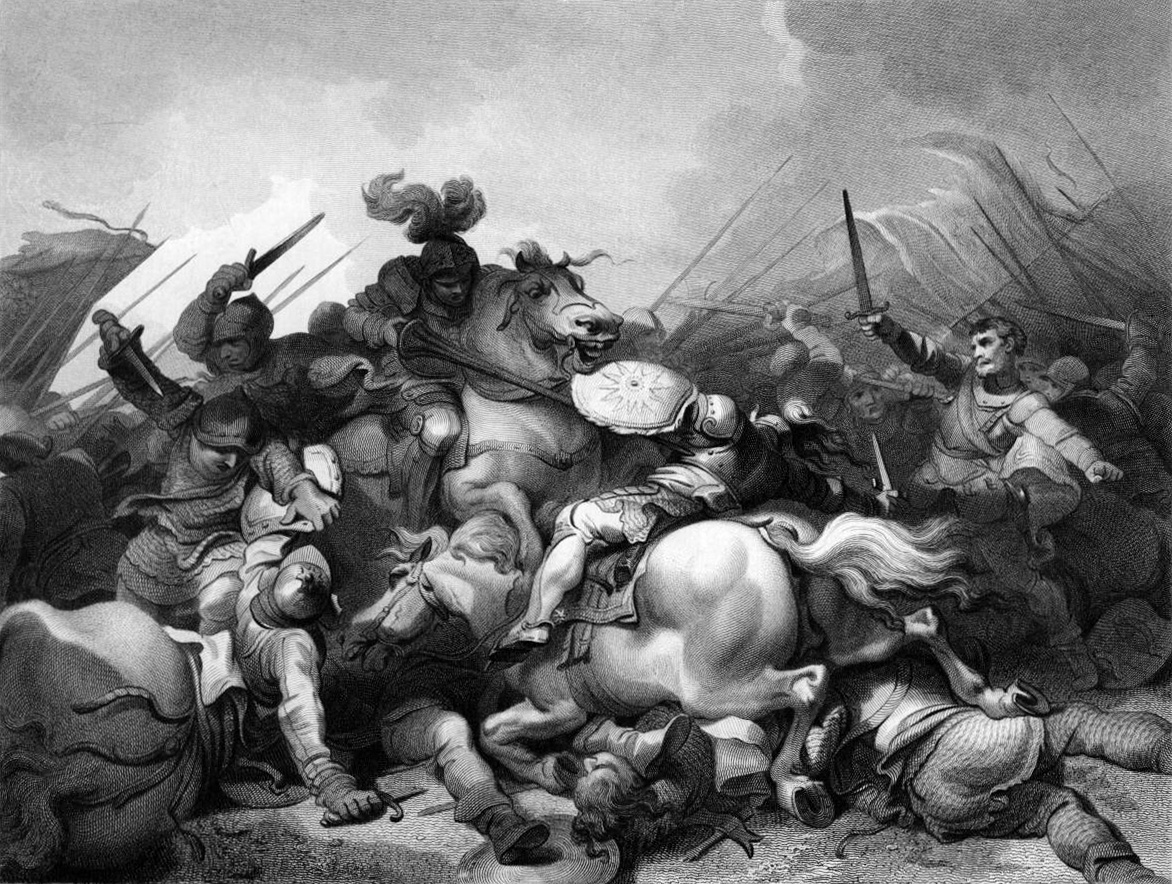
1485 - Battle of Bosworth Field (All Facts)
Battle in which Henry Tudor, prior to becoming Henry VII of England, and his combined forces of the House of Lancaster and those from the House of York that opposed his opponent, defeated Richard III and his forces
Battle which established the House of Tudor / Tudor Dynasty in England, thus seen as a decisive turning point in English history
Battle which marked the end of
The reign of Richard III
The Wars of the Roses
The House of York
The House of Plantagenet
The Middle Ages in England
Battle which marked the beginning of
The reign of Henry Tudor (Henry VII)
The House of Tudor and “Tudor Period”
Battle in which the odds were stacked in favor of Richard III and the forces of the House of York, due to
Henry Tudor being a complete novice in battle
Henry Tudor’s forces numbering 5K men, while Richard III’s forces amounted to more than double that number
Richard III’s forces boasting a distinguished class of commanders of the caliber of the Duke of Norfolk
Battle in which Henry Tudor still had certain advantages, such as
His army being led by the Earl of Oxford
His army being lighter and more maneuverable than Richard III’s army
His army containing many expert Welsh, Scottish, and French soldiers
Richard III’s army having been divided as he was beset by men of wavering loyalty, such as the earl of Northumberland and Lord Stanley, who initially had held back his troops
Battle in which the Earl of Oxford held his own against the Duke of Norfolk
Battle in which Richard III decided to enter the fray in person at the head of a stupendous cavalry charge
When Henry Tudor stood his ground defiantly, Lord Stanley, initially on Richard III’s side, joined the melee on Henry Tudor’s side
Battle which ended when Richard III was forced into a swamp, unhorsed, and hacked to death by Welsh pike-men
Battle after which Richard III’s coronet was received and placed on the head of Henry Tudor
1492 - Peace of Etaples (All Facts)
Treaty signed between King Henry VII of England and King Charles VIII of France in which
Charles VIII of France agreed to pay the money due to England via the Treaty of Picquigny
Charles VIII of France agreed to not aid any rebels against Henry VII of England
Treaty prompted by King Henry VII of England’s preparations for an invasion of France

1494 - 1498 - First Italian War (All Facts)
Conflict in which the Habsburgs (Spain), with support from the Papacy and League of Venice, defeated the Valois (France)
Conflict that began with King Charles VIII of France’s invasion of the Kingdom of Naples
Conflict in which King Charles VIII and his army infected the Kingdom of Naples with the “French Pox” disease
Conflict in which King Charles VIII and his army was forced to retreat from Italy, thus halting French expansion and preventing France from securing a permanent foothold in the Kingdom of Naples

1508 - 1516 - Fourth Italian War / War of the League of Cambrai / War of the Holy League (All Facts)
Conflict in which the Valois (France) and Venice defeated the Habsburgs (Spain and the Holy Roman Empire) and England
Conflict which began when King Louis XII of France, Pope Julius II and the namesake league sought to punish the Republic of Venice for annexing papal provinces on the Adriatic Sea and thus attacked and defeated the Republic of Venice as a result in the Battle of Agnadello
Conflict in which Pope Julius II and the namesake league (including Venice, Spain, and Switzerland) then turned against France, whose foothold in northern Italy became too strong for the papacy and namesake league
Conflict in which Pope Julius II raised the cry to “clear the Barbarians out of Italy” (the French under King Louis XII), turning against the King of France after previously lifting the excommunication of Venice
Conflict which saw protracted war in Lombardy, the Romagna, and Veneto in northern Italy
Conflict in which King Francis of France secured the Duchy of Milan for the French
Conflict triggered by a Genoese revolt against French forces that had occupied the city
Conflict during which Matthäus Schiner dissuaded the Swiss (the Old Swiss Confederacy) from forming an alliance with the French against Pope Julius II
Conflict which saw the following battles take place including
Battle of Agnadello
Siege of Mirandola
Battle of Ravenna
Battle of the Spurs
Siege of Tournai
Battle of Novara
Battle of Marignano
Conflict which ended with
The Treaty of Fribourg
The Concordant of Bologna
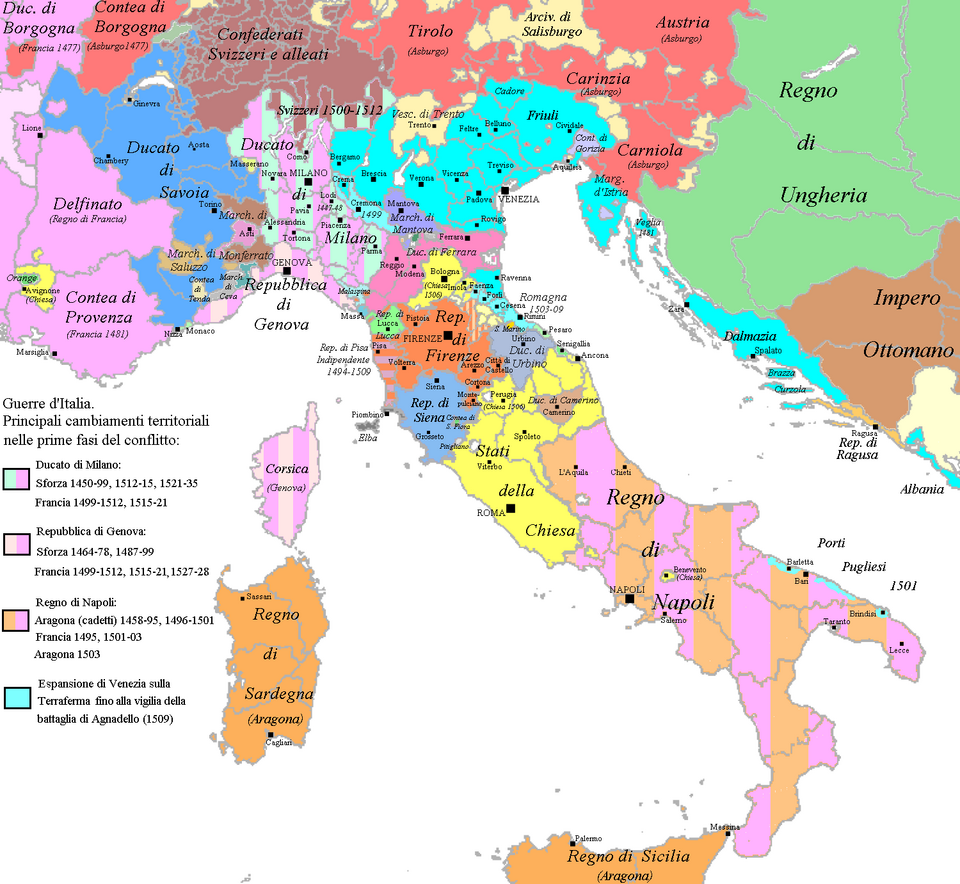
1508 - 1511 - League of Cambrai (All Facts)
(Temporary, short-lived) Military Alliance between King Louis XII of France, Maximilian of the Holy Roman Empire, Pope Julius II and the Papacy, and King Ferdinand of Spain aimed at conquering the Republic of Venice and its Italian possessions that initiated the Fourth Italian War / namesake War
Alliance which was the brainchild of Pope Julius II, ostensibly set up as a “Holy League” against the Ottoman Turks
The pope’s more immediate use for the league was to recover for the papacy the towns of the Romagna region under Venetian rule
However, the French gained too strong a foothold in northern Italy; and the namesake league eventually turned against France during the Fourth Italian War / namesake War
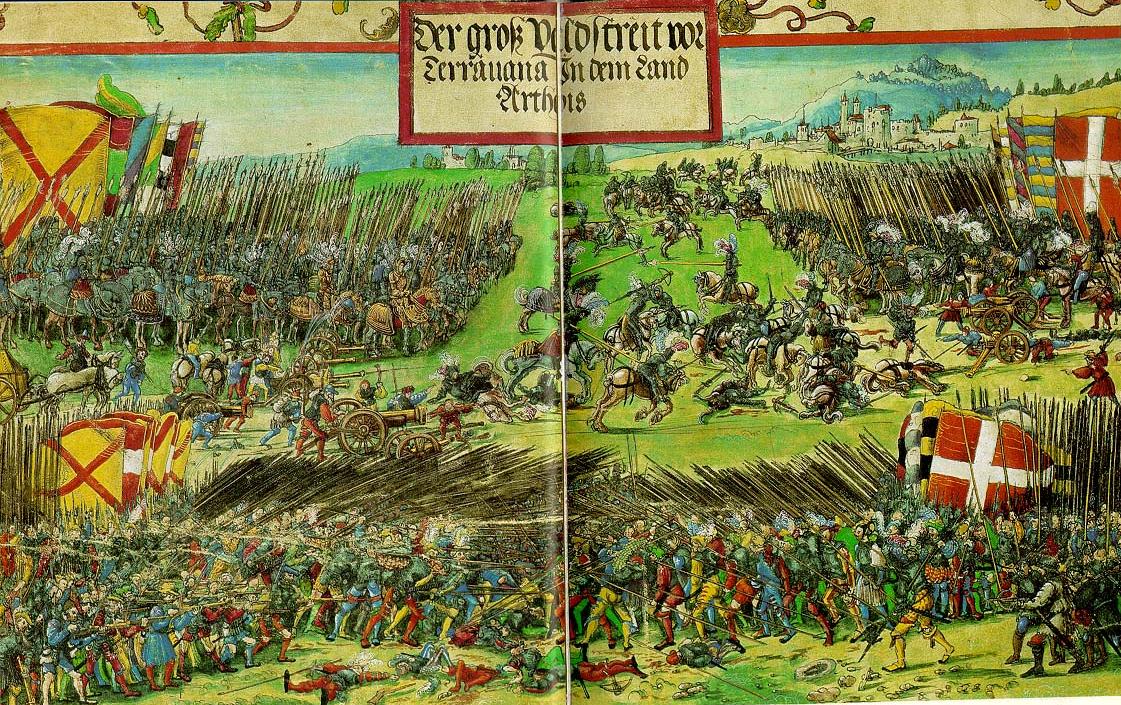
1513 - Battle of the Spurs (All Facts)
Battle in which Henry VIII of England and Holy Roman Emperor Maximilian and their forces defeated France during the Fourth Italian War / War of the League of Cambrai
1513 - Battle of Flodden (All Facts)
Battle in which the English defeated James IV of Scotland and his forces during the War of the Holy League during the Italian Wars
1513 - Siege of Tournai (All Facts)
Battle in which King Henry VIII and England and Maximilian and the Holy Roman Empire defeated France during the Fourth Italian War / War of the League of Cambrai
Battle in which the namesake city, along with the city of Therouanne was captured
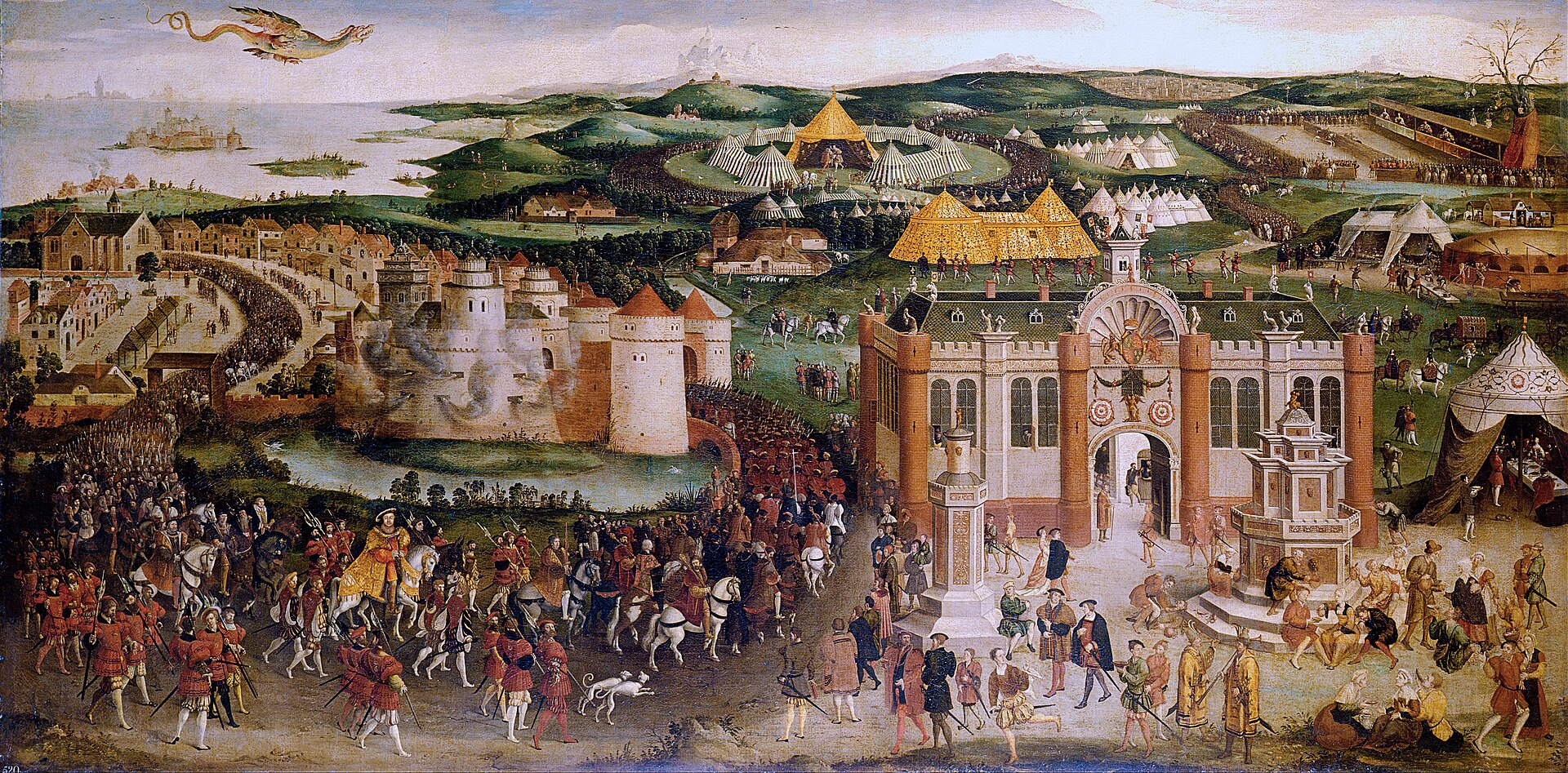
1520 - The Field of the Cloth of Gold (All Facts)
Summit meeting between King Henry VIII of England and King Francis of France in which they
swore to build a chapel dedicated to Our Lady of Friendship on the spot where they met
were attended only by their ministers, Wolsey and Bonivet, respectively
talked in a pitched tent between their two luxurious camps for several hours
knew King Francis owed King Henry VII two millions crowns because he was the guarantor of the French debt to England at the time
displayed their opulence, in which the French pavilions were made of the namesake materials and King Henry VIII spent a seventh of his annual income on the meeting
Summit meeting between King Henry VIII of England and King Francis of France in which
Henry VIII appeared as Hercules while his knights jousted and fought on foot
There were banquets and dances as chivalry ruled the namesake
The two kings wrestled, with King Francis having won the match
Summit meeting between King Francis of France and King Henry VIII of England in which
Henry VIII reluctantly agreed to ally with King Francis, but the alliance soon shattered
Henry VIII believed it would have been better for him to ally himself with the Holy Roman Emperor Charles V rather than King Francis

1521 - 1526 - Fifth Italian War / Four Years’ War (All Facts)
Conflict in which Charles V and the Habsburgs (the Holy Roman Empire and Spain) defeated King Francis and the Valois (France)
Conflict upon which King Francis of France lost his war with Holy Roman Emperor Charles V for supremacy in Europe
Conflict which saw the
Holy Roman Empire’s invasion of Champagne
Battle of Bicocca
Siege of Marseilles
Battle of Pavia
Conflict which saw
a modernization of European military forces, especially with regards to new arms (guns), defenses (Bastion Fort), and tactics / strategies
new tactics being developed for mounted troops using new carbines (arquebus) and horse pistols, which became the masters of the battlefield, replacing and eventually contributing to the elimination of armored cavalry and knights in armor
the implementation of the Bastion / Star Fort (“trace italienne;” a circuit of low, thick walls punctuated by square bastions), which
replaced the high and thin walls of the Middle Ages as new defenses
were designed to absorb the punishment of the heavy siege guns which were a part of every successful army by that time
changed the entire pattern of warfare because the cities protected by them could no longer be taken by traditional methods of blowing a hole in the walls and pouring infantry through the breach and instead forced towns to be encircled by siege-works and batteries and starved and frightened into submission
essentially made warfare more a matter of engineering and logistics
the advent of the gun bring about great changes at sea since
ships no longer rammed and boarded each other, but pounded each other with formidable arrays of guns firing through ports in ships’ sides
gunships eventually set the pattern which all maritime nations must have followed if they wanted to avoid facing inevitable defeat
Conflict which ended with the Treaty of Madrid
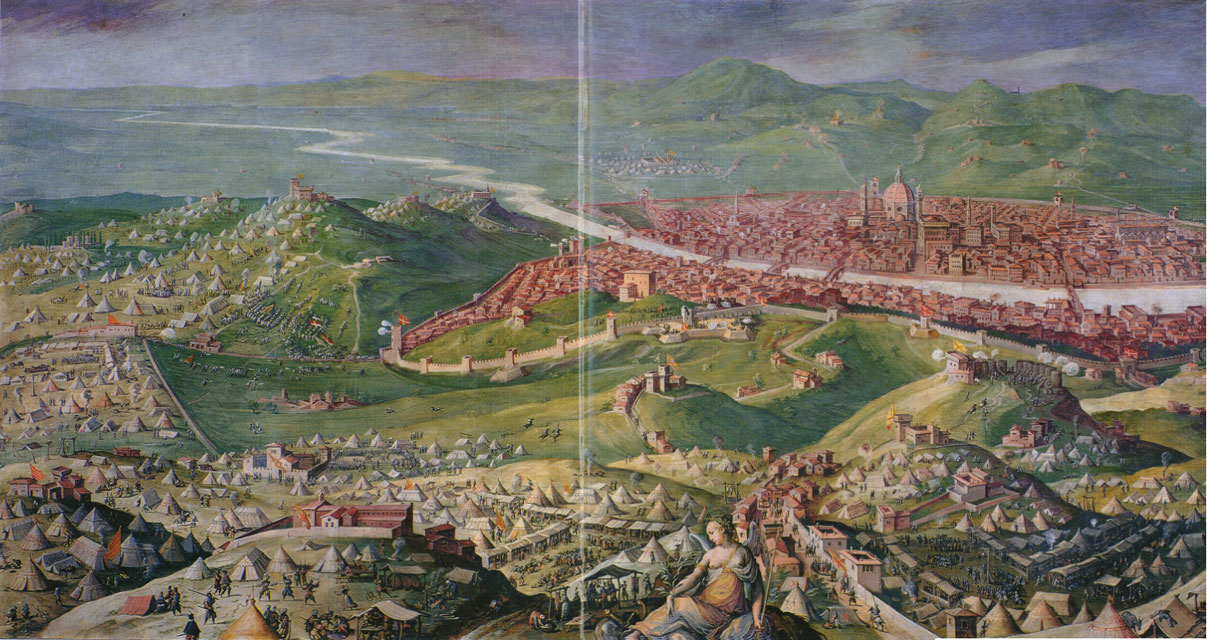
1526 - 1530 - Sixth Italian War / War of the League of Cognac (All Facts)
Conflict in which Holy Roman Emperor Charles V and the Habsburgs (the Holy Roman Empire and Spain) defeated King Francis and the Valois (France), supported by the League of Cognac (England, Switzerland, and the Italian city-states of Florence, Venice, Milan, and Genoa)
Conflict which ended the Republic of Florence (it was no longer a republic after the namesake conflict)
Conflict during which the Papacy switched sides, initially supporting the League of Cognac, but then defecting to the Habsburgs
Conflict which saw
The Sack of Rome
Conflict which ended with
The Treaty of Cambrai / Ladies Peace / “Pax de Daimes”
1526 - 1529 - League of Cognac (All Facts)
Anti-Habsburg military alliance formed by France, Venice, Florence, and Milan; as well as England, Switzerland, and the Kingdom of Navarre within Spain to curb the overwhelming dominance of Charles V in Italy and the Holy Roman Empire, Spain, and Italian city-states that supported him
It was initially formed by the Papacy, but the Papacy, by the end of the namesake conflict / Sixth Italian War, switched to the side of Charles V and the Holy Roman Empire
1527 - Treaty of Westminster (All Facts)
Treaty signed between King Henry VIII of England and King Francis of France in which they agreed to ally themselves against Holy Roman Emperor Charles V and the Holy Roman Empire
1529 - Treaty of Cambrai / Ladies Peace / “Pax de Daimes” (All Facts)
Peace Treaty signed between Louise of Savoy (on behalf of King Francis of France) and Margaret of Austria (on behalf of Holy Roman Emperor Charles V) which ended the Sixth Italian War / War of the League of Cognac
Peace Treaty in which
King Francis of France
renounced all its rights in Italy, Flanders, and Artois
agreed to pay a ransom of two million crowns
Charles V of the Holy Roman Empire
renounced any claims to Burgundy
1529 - 1536 - English Reformation Parliament (All Facts)
Parliament in which the House of Commons put forth bills against abuses amongst the clergy and in the church courts of England
Parliament which was the first to last for five years
Parliament which passed the
Submission of the Clergy Act
Supremacy Act
Succession Act
Suppression of Religious Houses Act
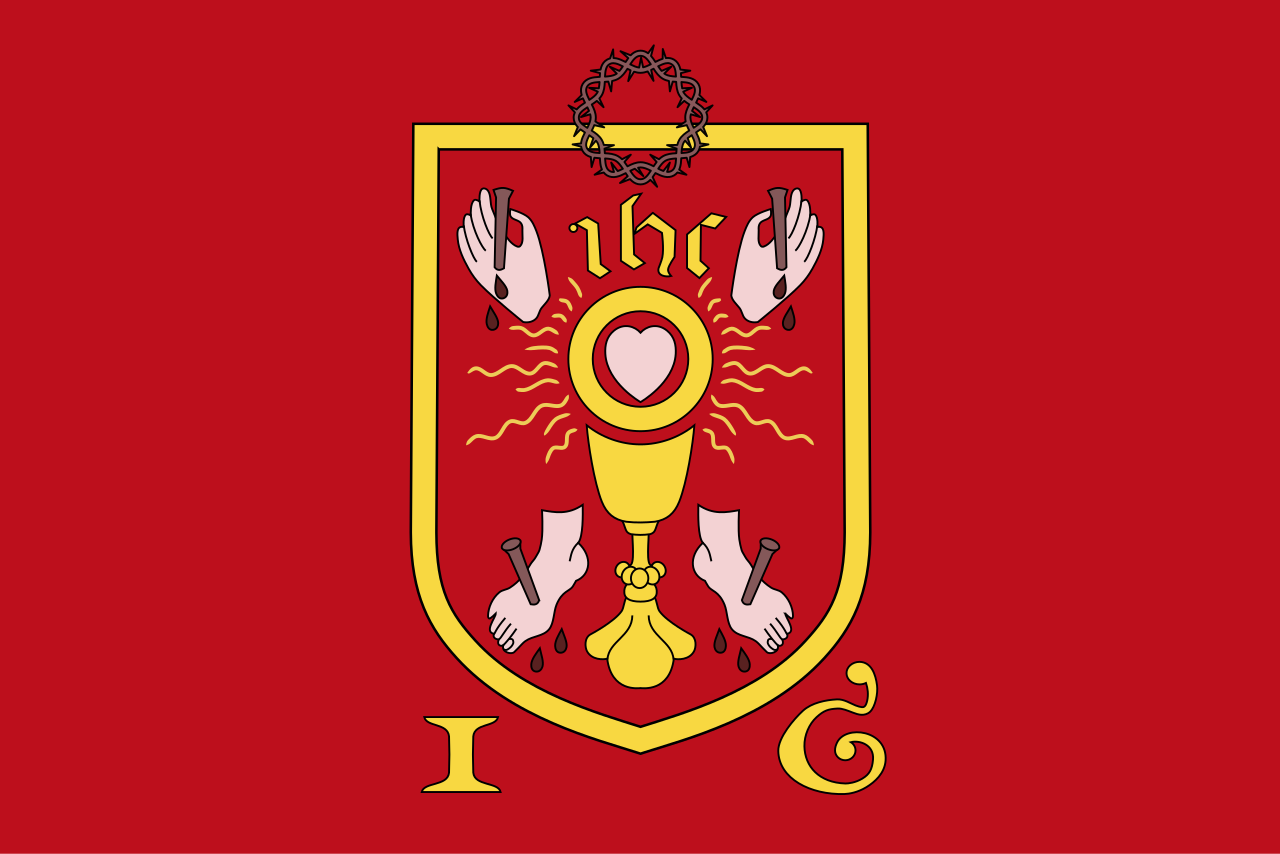
1536 - 1537 - Pilgrimage of Grace (All Facts)
Revolt in which Robert Aske and the English Catholics of Northern England revolted against King Henry VIII and his English Reformation, particularly concerning Henry VIII’s and Thomas Cromwell’s administration’s
Dissolution of the Monasteries via the “Suppression of Religious Houses Act”
causing increasing clerical unemployment
causing political, economic, and social grievances amongst the people; including the ceasing of the distribution of the Church’s alms to the poor due to the dissolution of Monasteries and “Suppression of Religious Houses Act”
Revolt brutally suppressed by King Henry VIII and his administration

1542 - 1546 - Eighth Italian War (All Facts)
Conflict between King Francis of France (Valois), with support from the Ottoman Empire; and Charles V of Spain and the Holy Roman Empire (Habsburgs), with support from Italy and King Henry VIII and England; which ended in a stalemate
Conflict which began when
King Francis of France reopened hostilities with Holy Roman Emperor Charles V after he had appointed his son Philip to claim the Duchy of Milan
Holy Roman Emperor Charles V violated the Treaty of Toledo and allied with King Henry VIII of England against King Francis and France
Conflict which saw the
Siege of Nice
Battle of Ceresole
Siege of Saint-Dizier
Siege of Boulogne
Conflict which contributed to the delay of the convention of the Council of Trent
Conflict which ended with the Treaty of Crepy
1542 - Battle of Solway Moss (All Facts)
Battle in which English forces defeated Scottish forces during the reign of King Henry VIII
Battle which was provoked by King Henry VIII of England’s desire to control Scotland
1543 - Treaty of Greenwich (All Facts)
Peace Treaty proposed by England’s Parliament to Scotland’s Parliament after Scotland’s defeat in the Battle of Solway Moss, which was promptly rejected by Scotland’s Parliament and thus initiated the “Rough Wooing”
1543 - 1551 - Rough Wooing (All Facts)
Eight-year War between England and Scotland prompted by Scotland’s rejection of the Treaty of Greenwich proposed by England as a result of Scotland’s defeat in the previous Battle of Solway Moss
1544 - The Burning of Edinburgh (All Facts)
Event in which the English invaded Scotland and attacked the namesake city during the Rough Wooing, pillaging it but failing to gain a surrender from the Scottish
1544 - Siege of Saint-Dizier (All Facts)
Battle in King Henry VIII and Holy Roman Emperor Charles V and their combined forces defeated France and took the namesake city (having threatened Paris at the time) during the Eighth Italian War
1544 - 1546 - Siege of Boulogne (All Facts)
Battle in King Henry VIII, with the support from afar of Holy Roman Emperor Charles V and their combined forces, defeated and took the namesake city from France, during the Eighth Italian War
1544 - Treaty of Crepy (All Facts)
Peace Treaty signed between King Francis of France (Valois) and Charles V of the Holy Roman Empire and Spain (Habsburgs), which ended the Eighth Italian War
which was made in an effort to restore Catholic unity in Europe
in which King Francis of France
promised to support Holy Roman Emperor Charles V against the Protestants if they rejected the decisions made in the Council of Trent
had his son, the Duke of Orleans, be promised to be married to a Habsburg princess, either
Mary, daughter of Holy Roman Emperor Charles V with a dowry that is the Netherlands
Anne, daughter of Habsburg King Ferdinand of Bohemia, Hungary, and Croatia with a dowry that is Milan
agreed to support Holy Roman Emperor Charles V in his war against the Ottoman Turks
in which a secret between them was agreed in which King Francis of France promised to help Holy Roman Emperor Charles V
reform the church
work towards bringing the German Protestants back into the Catholic fold, lending his army for the purpose if necessary
1545 - Battle of Ancrum Moor (All Facts)
Battle in which the Scottish defeated the English during the Rough Wooing
1546 - Treaty of Ardres (All Facts)
Treaty signed between King Henry VIII of England and King Francis of France which ended the Italian War of 1542-1546
Treaty which allowed England to retain the occupied French port of Boulogne for eight years, after which it would be returned to France for 2M crowns
1547 - Battle of Pinkie (All Facts)
Battle in which the Duke of Somerset and the English defeated the Scottish during the Rough Wooing
1549 - Prayer Book Rebellion (All Facts)
Revolt in which Catholic Englishman revolted against the enforcement of the use of the Book of Common Prayer via the Act of Uniformity as well as other social and economic problems including the rising prices
Revolt which was suppressed by Edward Seymour, First Duke of Somerset
Revolt which took place in Cornwall and Devon
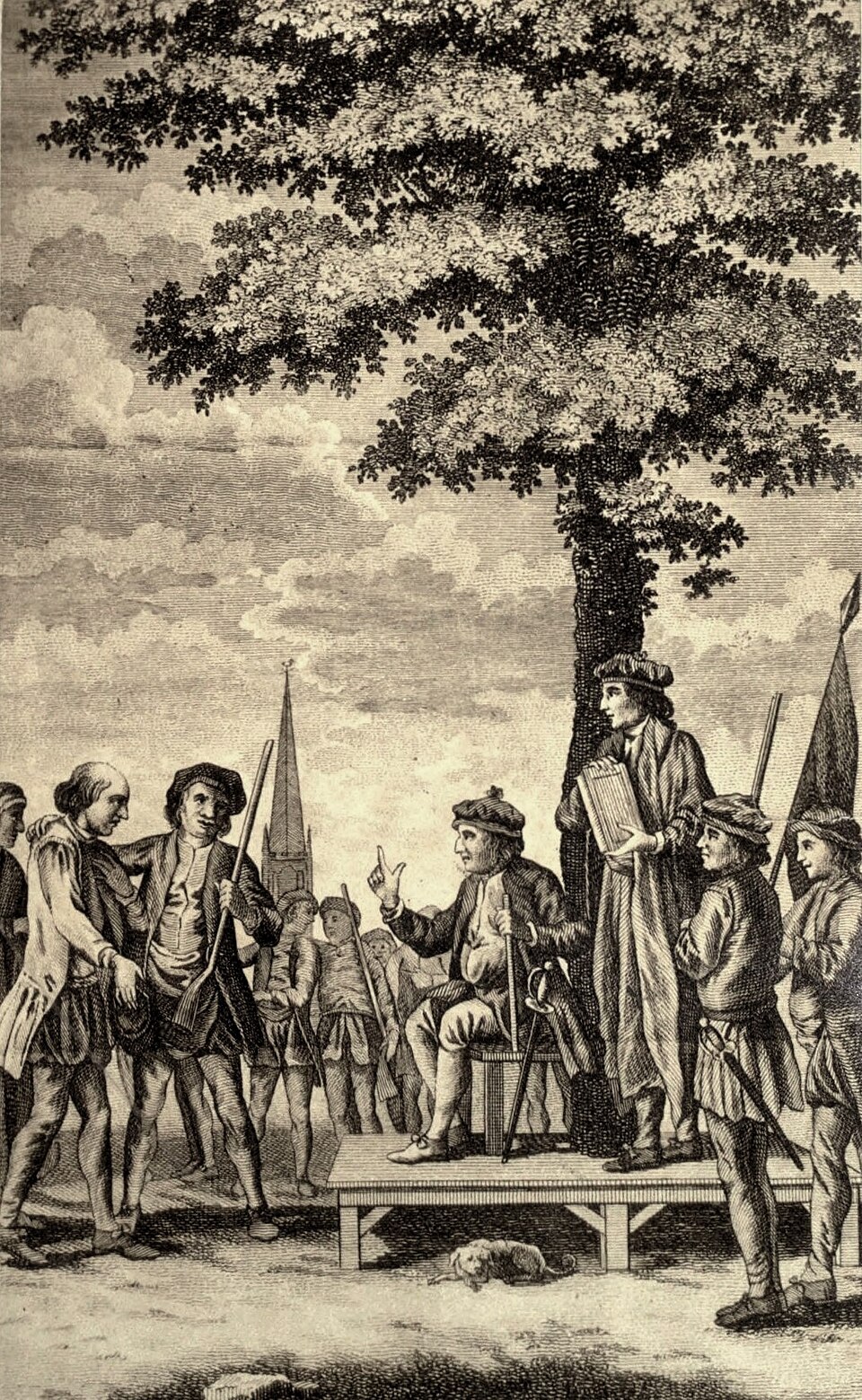
1549 - Kett’s Rebellion (All Facts)
Revolt against the enclosure of land and rising prices under the reign of King Edward VI of England
Revolt which took place in Norfolk
1550 - Treaty of Boulogne (All Facts)
Peace Treaty signed between England and France
Peace Treaty which ended the Rough Wooing between England and Scotland
After the treat was signed, English troops withdrew from Scotland
Peace Treaty in which the English surrendered the namesake French city in exchange for 400K crowns and the release of Protestant Scots including John Knox
These Protestant Scottish prisoners were originally captured by the French at the Siege of St. Andrews

1551 - 1559 - Ninth Italian War (All Facts)
Conflict in which Charles V and Philip II and the Habsburgs (the Holy Roman Empire and Spain) defeated King Henry II and the Valois (France), ending the Italian Wars
Conflict which began when
King Henry II of France declared war against Holy Roman Emperor Charles V, with the intent of recapturing parts of Italy and ensuring French, rather than Habsburg, domination of European affairs
King Henry II of France publicly disavowed the Council of Trent
Conflict which saw
The Siege of Metz
The Battle of Marciano
The Battle of St. Quentin
The Siege of Calais
The Siege of Thionville
The Battle of Gravelines
Conflict which included the Siege of Siena, a brutal 15-month blockade in which Cosimo de Medici and the Habsburgs (Holy Roman Empire) defeated the Valois (France) and took Siena from the French, during the namesake war
Conflict which ended with the Treaty of Cateau-Cambresis
1554 - Wyatt’s Rebellion (All Facts)
Rebellion led by the namesake and Protestants against Queen Mary of England and her proposed marriage to King Philip II of Spain which was suppressed by Queen Mary of England
Rebellion in which the namesake led 3,000 men from Kent to march on London, unsuccessfully, to try to stop Queen Mary’s marriage to Philip II of Spain
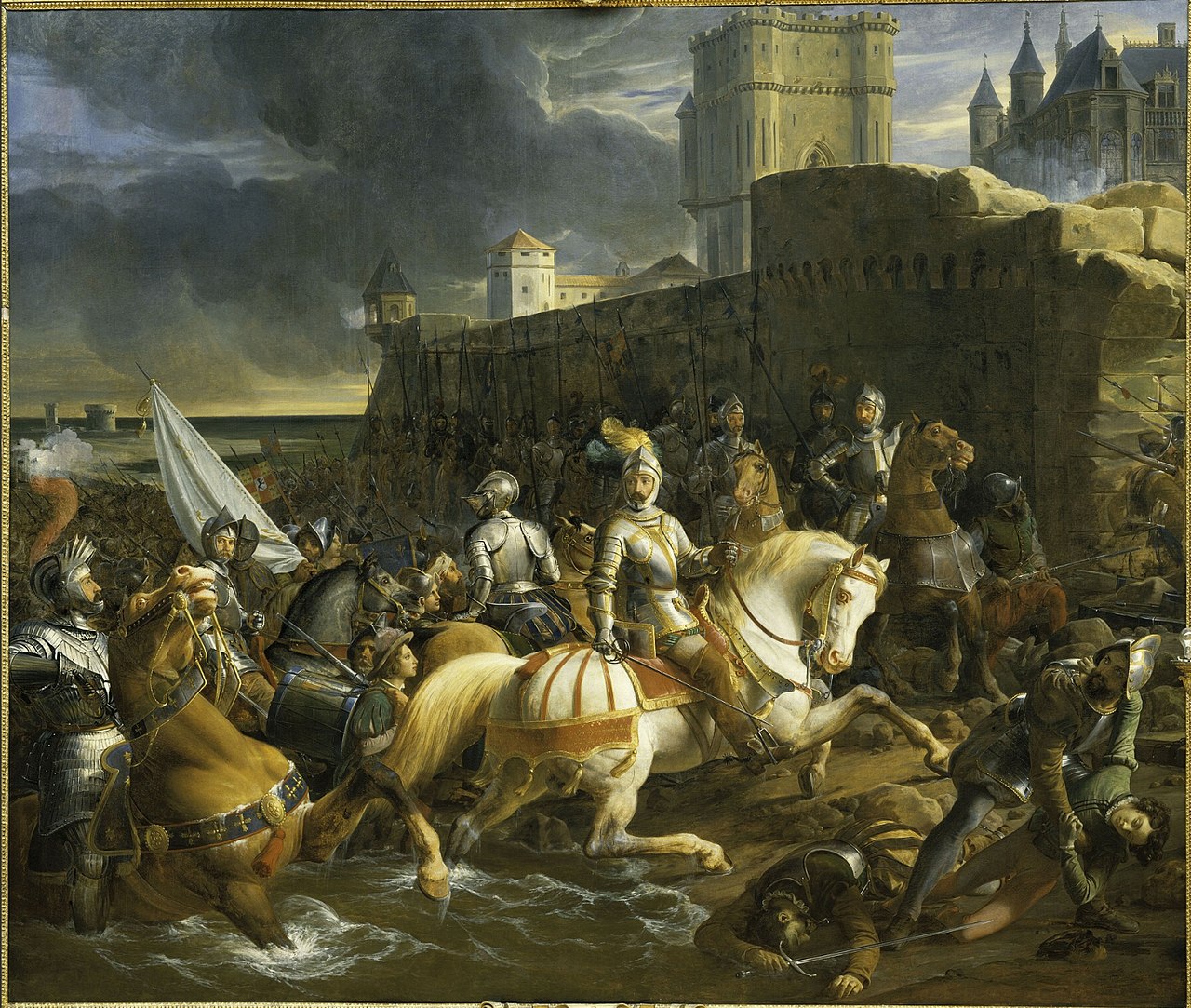
1557 - 1559 - Anglo-French War (All Facts)
War in which the English were defeated by the French, during the Italian War of 1551 - 1559
War in which Queen Mary of England, in support of King Philip II of Spain, her new husband at the time, declared war on France
War which was provoked by Pope Paul IV, a lifelong enemy of (Habsburg) Spain
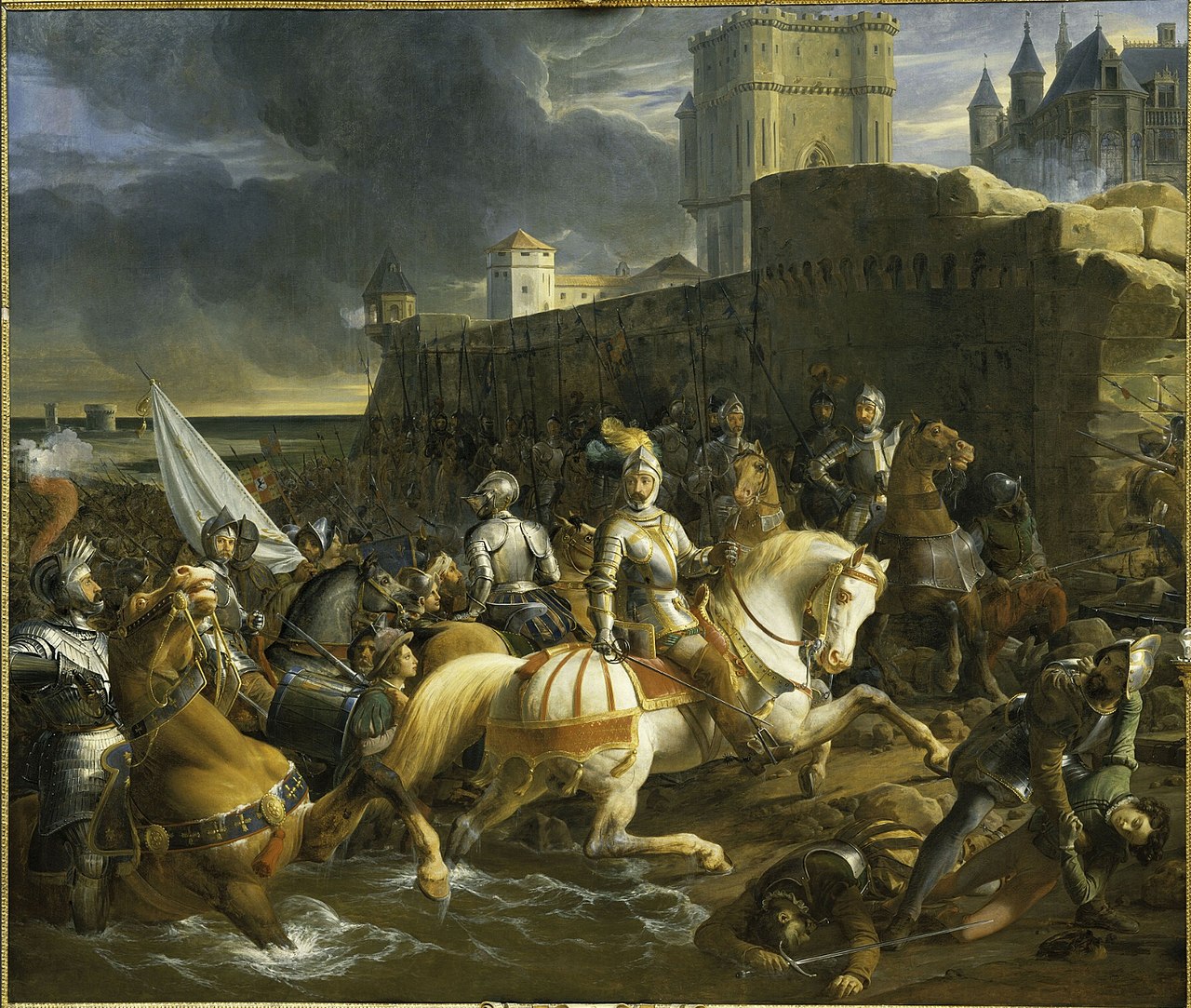
1558 - Siege of Calais (All Facts)
Battle in which Francis of Guise and his forces defeated the English and took the namesake city back from the English during the Ninth Italian War

1558 - Battle of Gravelines (All Facts)
Battle in which Count Lamoral of Egmont and the (Spanish) Habsburgs defeated the Valois resoundingly during the Ninth Italian War

1559 - Treaty of Cateau-Cambresis (All Facts)
Peace Treaty signed between King Henry II of France and the Valois and King Philip II of Spain and the Habsburgs, ending the Ninth Italian War and the Italian Wars altogether
Peace Treaty in which France
agreed to withdraw from Savoy and Piedmont
retained Metz, Toul, and Verdun
regained Calais from England
Peace Treaty in which Spain
controlled Sicily, Sardinia, Naples, Milan, and Tuscany in Italy
won the exclusion of France from Italy
Peace Treaty in which England
agreed to give Calais to France
Peace Treaty sealed by two dynastic marriages between France and Spain
Peace Treaty which humiliated the French, bound to cause bitterness amongst the French who shed so much blood for so little
Peace Treaty prompted by the massive spending, to the point of bankruptcy, by both France and Spain, and their inability to continue fighting one another despite heavy political disagreement
Peace Treaty in which it was said at its meeting that the only things the delegates agreed upon was the discomfort of their quarters
1562 - Treaty of Hampton Court (All Facts)
Treaty signed between Queen Elizabeth and Louis de Bourbon (the prince and duke of Conde of France and Huguenot leader)
Treaty in which
The English will occupy Le Havre in return for aiding Bourbon’s forces against Catholic troops in the First French War of Religion
The English will leave Le Havre once the French return Calais to England (which they had taken during the Anglo-French War and Ninth Italian War)
1563 - London Plague (All Facts)
Event from which 17K+ people, a quarter of the population of the namesake city at the time, died
Event whose nicknames at the time included “the sweating sickness” and “the pestilence”
Event which was the sixth attack of its kind in the past hundred years in the namesake city
The namesake phenomenon became a fact of life in the namesake city at the time, finding itself welcome in its narrow streets of towns and cities like the namesake
Many believed it was God’s work, being punishment for man’s sins
Many “experts” held their own opinion as to its cause and offered their own cure
One general belief was that it revealed a general decline in the world given how random it occurred, how varied it was of those who perished and those who survived
Silver Gilt Pomanders were made in reaction to the namesake to carry perfumes to ward off the namesake