Current electricity
 Studied by 0 people
 Call Kai
 Learn
Learn Practice Test
 Spaced Repetition
 Match
Match Flashcards
 Knowt Play
1/28

There's no tags or description
Looks like no tags are added yet.
Name | Mastery | Learn | Test | Matching | Spaced | Call with Kai |
|---|
No analytics yet
Send a link to your students to track their progress
29 Terms
Adding electrons to an uncharged atom makes it:
negatively charged, more electrons than protons
Removing electrons from an uncharged atom makes it:
positively charged, more protons than electrons
Like charges
repel each other
Different charges
attract each other
How are electrons transferred?
by friction
Uncharged objects
equal no. of positive & negative charges
Charged objects
More negative than positive charges. OR More positive than negative charges
How can an insulator become charged with static electricity?
Rub 2 insulators together, friction transfers electrons. One insulator will have a positive charge, and the other insulator will have a negative charge.
How to get a balloon to stick to a wall:
Balloon & wall has no charge. Rub balloon, it gains electrons by friction. Put the balloon near the wall, electrons are repelled from the wall. Balloon and wall attract.
What is an electric field?
Area around electric charge
Force of a field
The force of the field is strongest closer to the surface
Spark
Pd between the charged object and earth, air becomes ionised, electrons jump between charged object and the earth, energy is released as jumping heat.
Conductors
Allow electron charges to flow through them.
Insulators
Don't allow electron charged to flow through them.
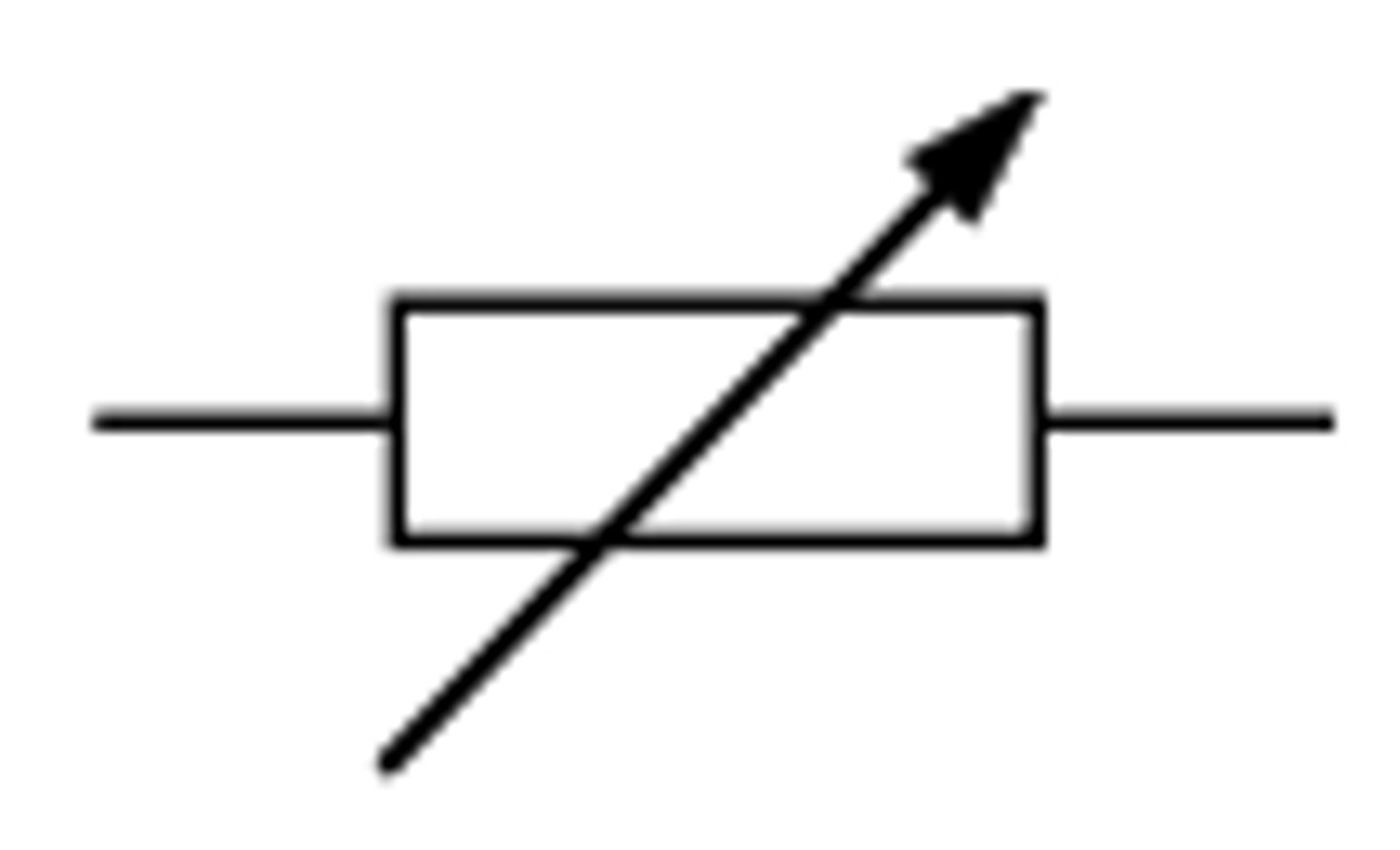
Variable resistor
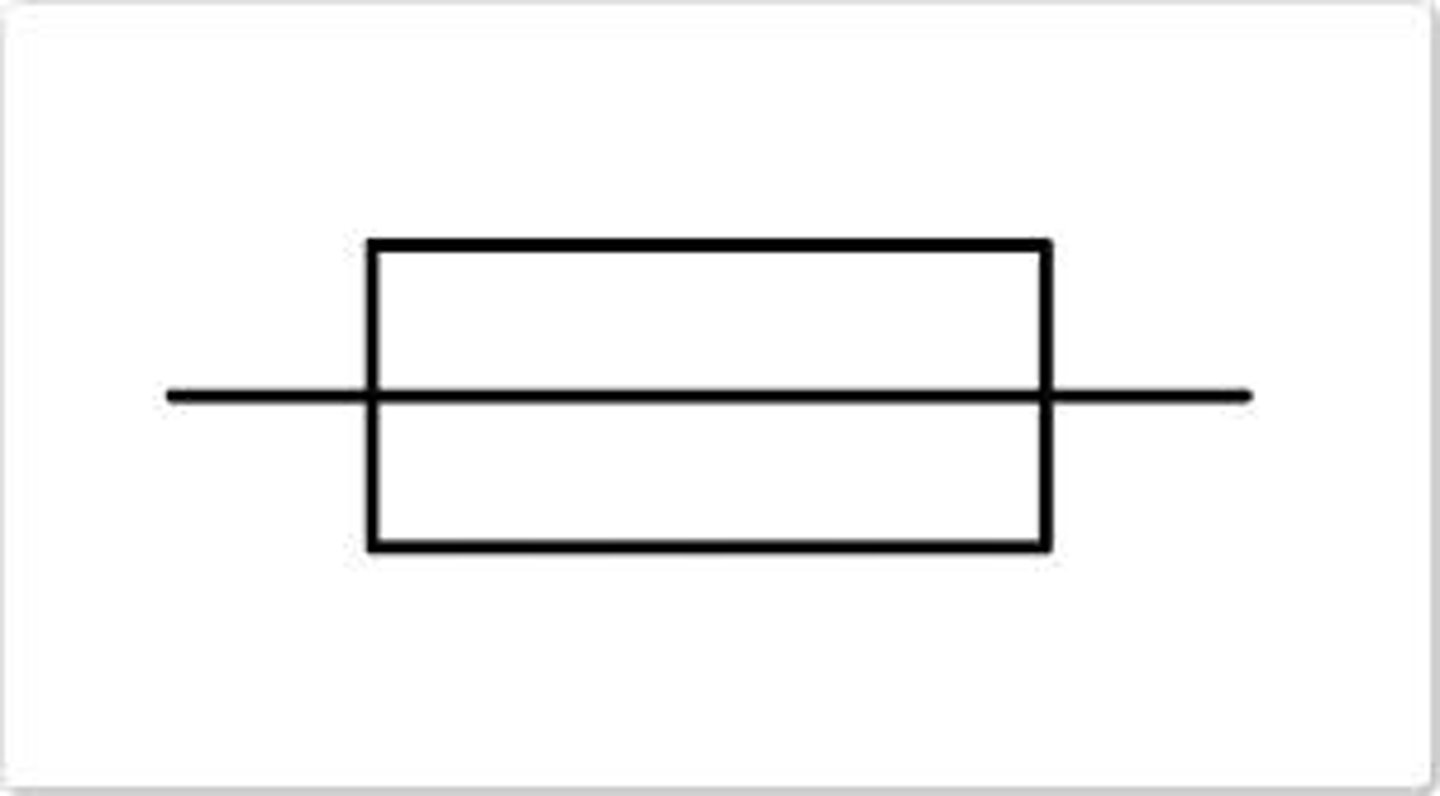
Fuse
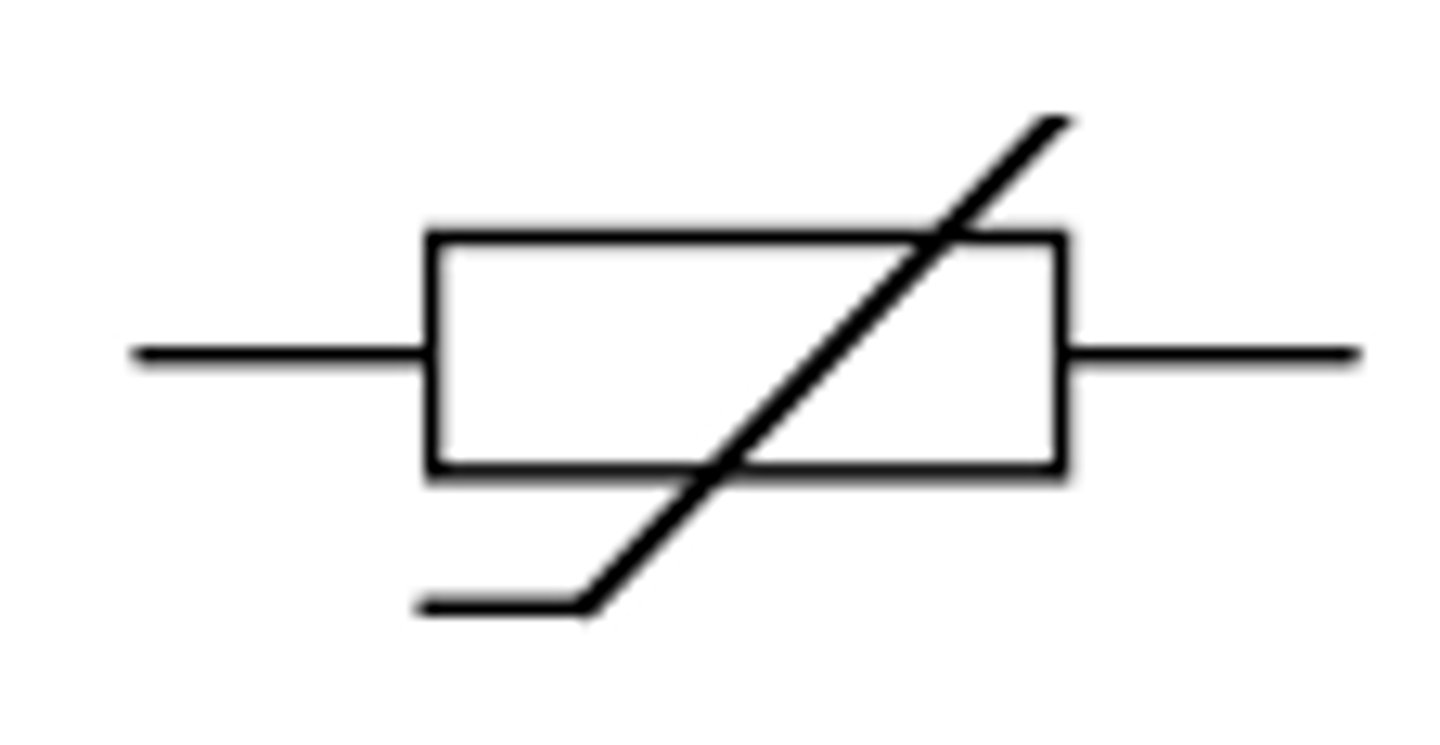
Thermistor
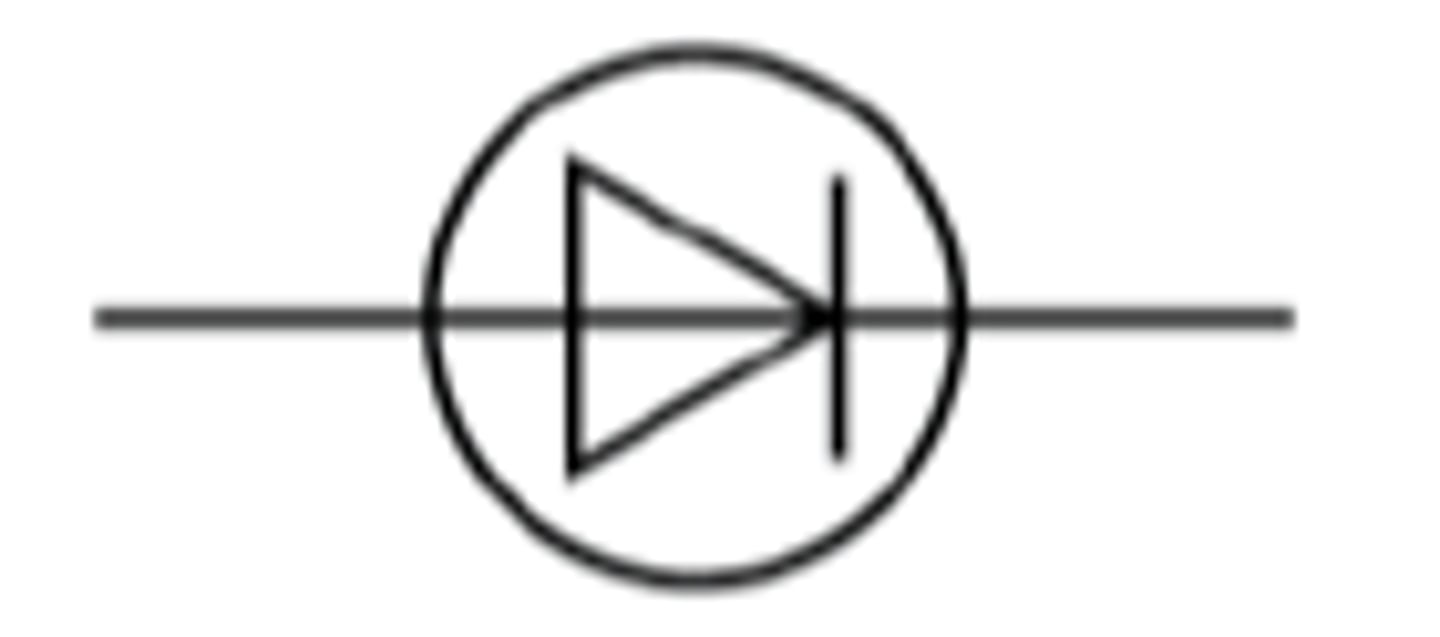
Diode
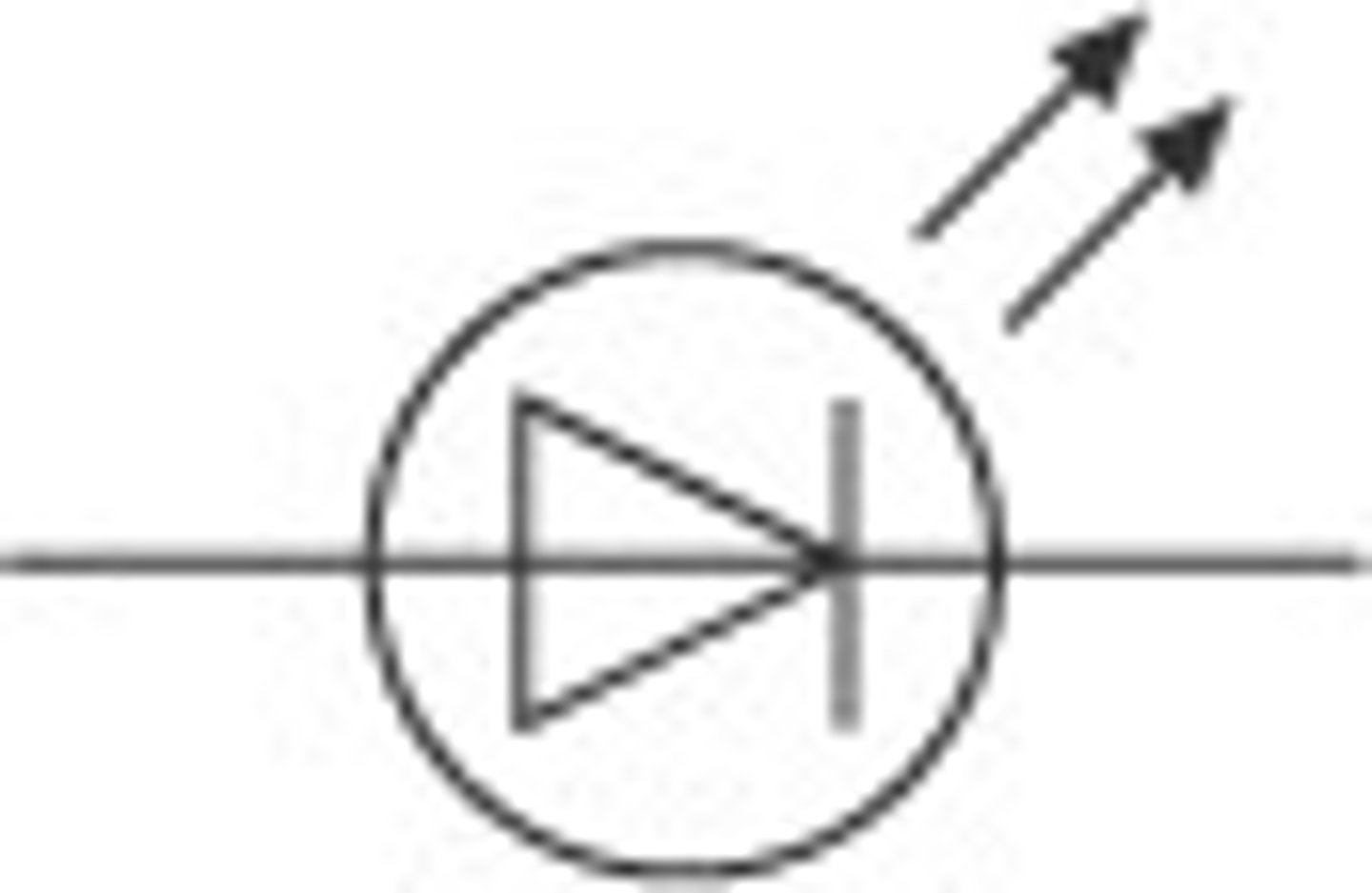
Light emitting diode
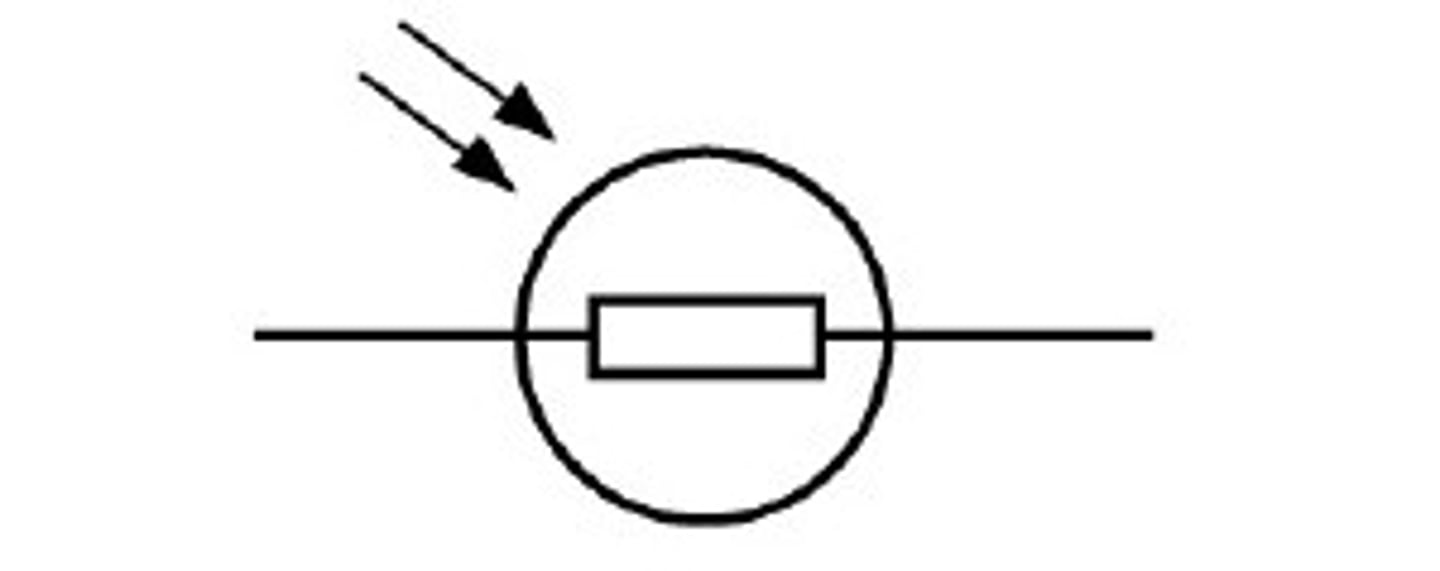
Light dependent resistor
Current
Rate of flow of charge around a circuit. Measured in Amps.
Current (A) =
Charge (C) / time (s)
Potential difference (V) =
work done (J) / charge transferred (C)
Potential difference
Energy transferred per unit charge
Resistance (Ohms) =
Pd (V)/ current (A)
Series Circuit rules
V (pd)= other V's add up to make the V at the top.
A (current) = same throughout the circuit
Ohms (resistance) = Pd/current
Parallel Circuit rules
V (pd) = same across parallel circuits.
A (current) = same on opposite sides
Ohms (resistance) = Pd/current
Thermistor
Resistance increases as temp decreases.
Light dependent resistor
Resistance decreases as light intensity increases, less current will flow.
 Note
Note  Flashcards (97)