World Geo Midterm
 Studied by 34 people
 Call Kai
 Learn
Learn Practice Test
 Spaced Repetition
 Match
Match Flashcards
1/198

There's no tags or description
Looks like no tags are added yet.
Name | Mastery | Learn | Test | Matching | Spaced | Call with Kai |
|---|
No analytics yet
Send a link to your students to track their progress
199 Terms
Five Themes of Geography: Location
Where is it?
Absolute Location
exact location
Relative Location
describes a place in relation to another
Five Themes of Geography: Place
describing the human or physical charactistics of a location
human place
WWII museum
Physical place
Mississippi river
Five Themes of Geography: Movement
the spread of people, goods, and ideas
Five Themes of Geography: Religion
grouping areas together that share common characteristics
Five Themes of Geography: Human Environment Interaction
how humans adapt, depend, and modify the world to our needs
Human geography
human world and man-made items
Physical geography
Earth’s natural systems, climate, atmosphere, landforms, oceans, seasons, and physical processes of Earth
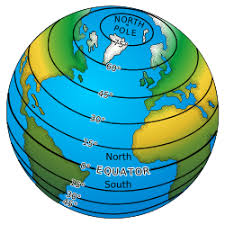
Latitude
lines that measure north and south of the equator
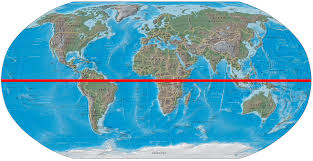
Equator
most important line of latitude
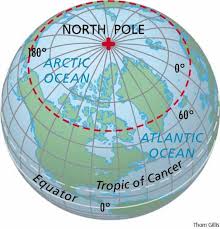
What degree is the North Pole?
90N
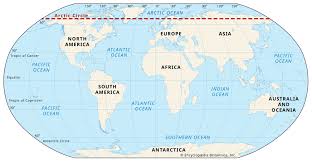
What degree is the Arctic Circle?
66N
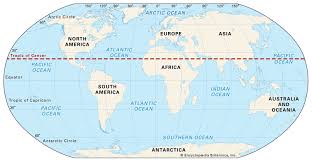
What degree is the Tropic of Cancer?
23.5N
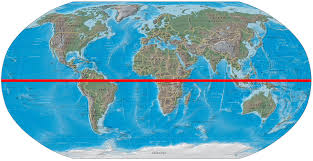
What degree is the Equator?
0
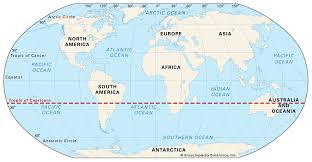
What degree is the Tropic of Capricorn?
23.5S
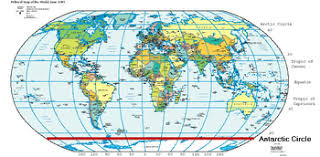
What degree is the Antarctic Circle?
66S
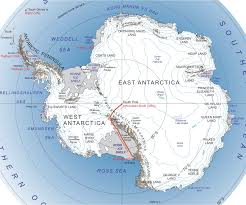
What degree is the South Pole?
90S
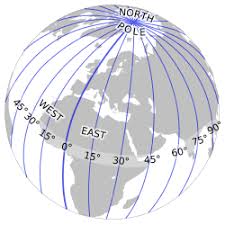
Longitude
lines that encircle Earth over the poles
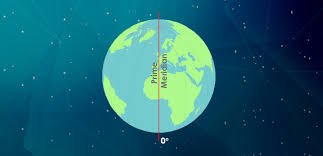
Prime Meridian
starting point of longitude (0 degrees)
What is the distance between every time zone?
15 degrees
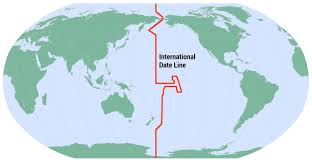
International Date Line
180 degrees
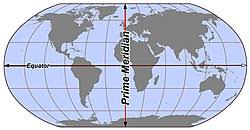
Hemispheres
represents halves of the globe
What does the Equator divide?
Northern and Southern hemispheres
What does the PM divide?
Eastern and Western hemispheres
Map projections
flat representation of Earth that is distorted
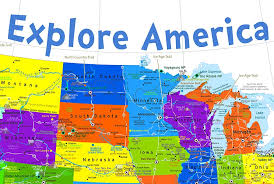
Map title
shows the purpose/subject of the map
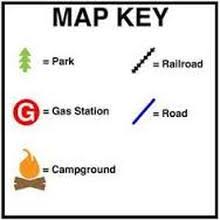
Map key/legend
explains the colors ad symbols
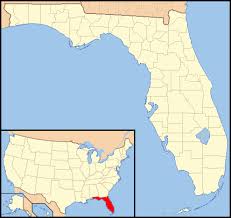
Locator map
where an area is located on a larger map
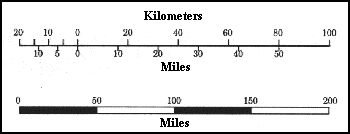
Scale
space on the map and actual given distance on earth
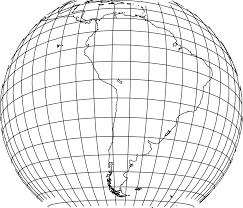
Global grid
shows lines of latitude and longitude
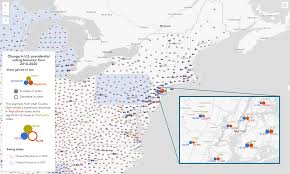
Inset map
shows area outside of the map and close-up
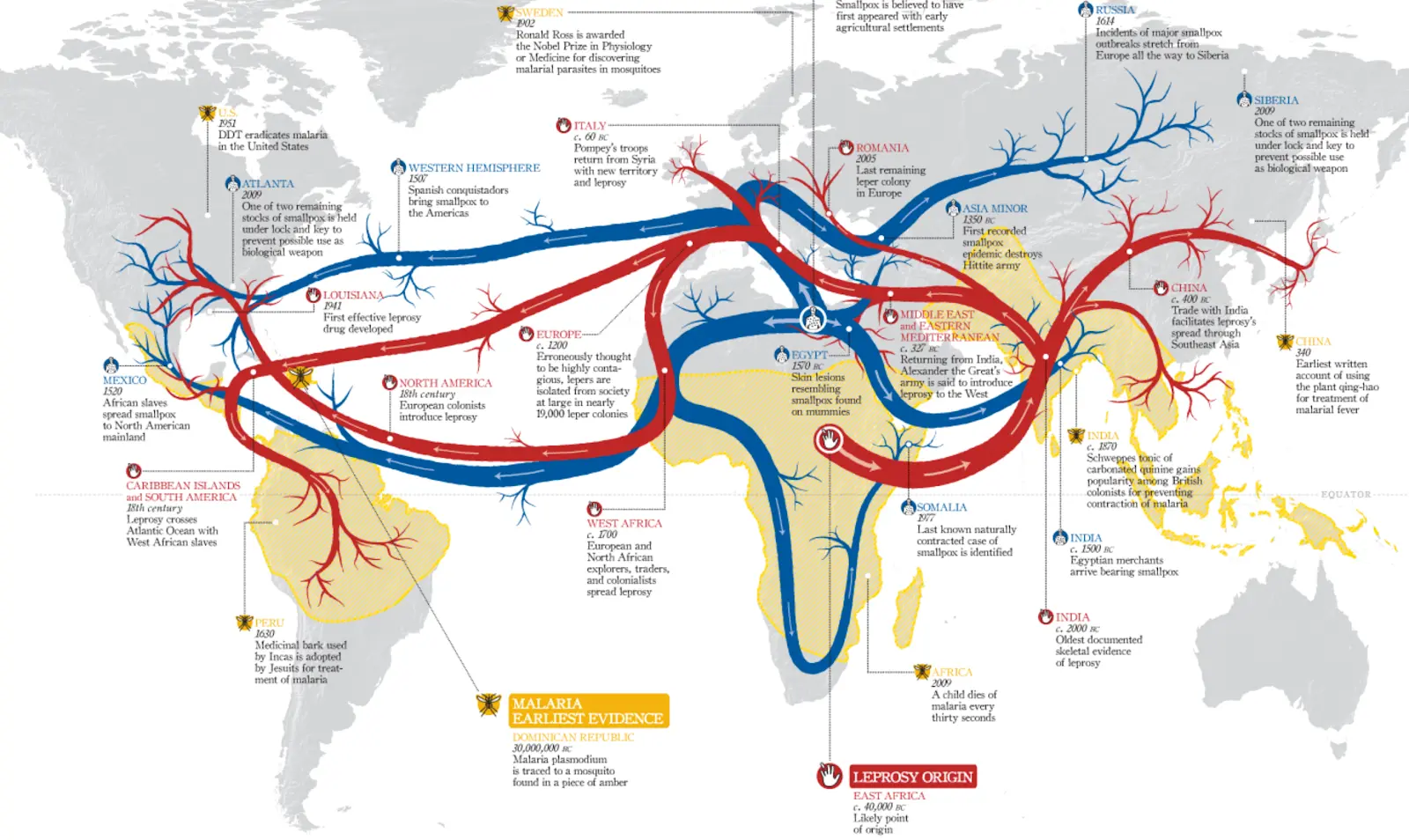
Flow line map
shows the movement of ideas, goods, people, or processes
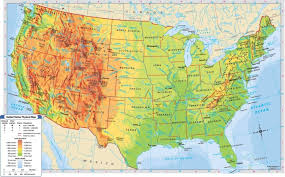
Physical map
focuses on showing the natural terrain on Earth’s surface
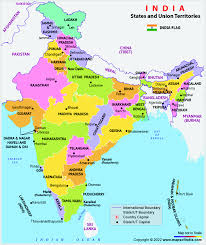
Political Map
shows man-made features like cities, states, borders, highways, etc.
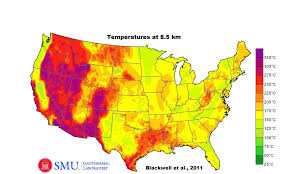
Qualitative/Thermal Map
represents a certain theme; uses colors, lines, dots, and symbols
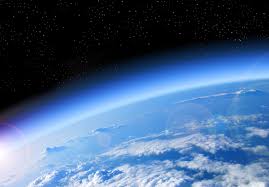
Atmosphere
“blue halo” that surrounds Earth; layer of gasses that lets people breathe, protects the Earth from radiation, and the basis for weather and climate
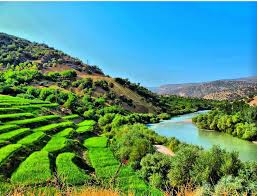
Biosphere
where all plants and animals live
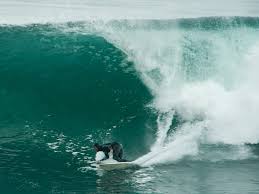
hydrosphere
encompasses all water elements
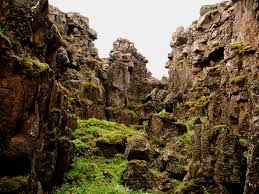
lithosphere
rocky portions of earth
weather
exact moment
climate
longterm weather
continental drift
tectonic plates float on earth and move slowly every year
tectonic plates
plates made from the crust
pangea
original earth when all of the countries were one
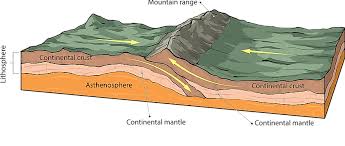
continental collision
as 2 plates push together, the plates crumble and push upwards, creating a mountain range
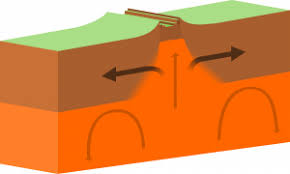
divergent boundary
when 2 plates begin to spread apart and new crust is created; creates ridges, expanding the ocean floor
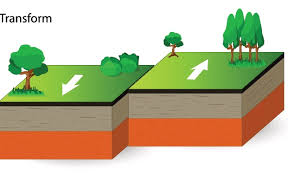
transform boundary
2 plates will begin to slip against each other, leading to earthquakes
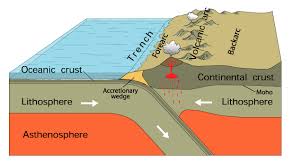
subduction
when one plate dives underneath the other; forms volcanoes and trenches
Physical weathering
when rock is broken down into smaller pieves by physical forces
chemical weathering
when rock s broken down by a chemical reaction
wind erosion
picks up and blows soul while creating large sabd dunes by carrying loose soil and rock
glacial erosion
when glaciers begin to retreat and grind away rock underneath it, creating U-shaped valleys
water erosion
shapes land masses; water eating away at land
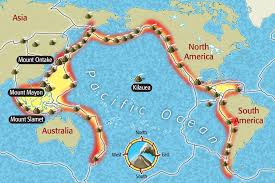
Ring of Fire
horseshoe-shaped zone around the Pacific Ocean known for its high frequency of earthquakes and volcanic activiity
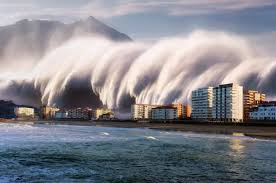
Tsunami
large ocean wave that causes massive destruction
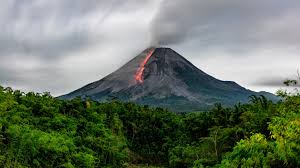
Volcano
when the heavy ocean floor slides under lighter land, it creates steam and hear, which melts the rocks below. The melted rock rises up and forms this
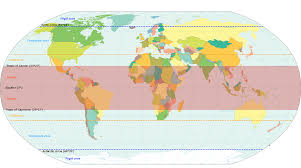
Low/Tropical Zone of Latitude
areas above and below equator, hot all year, constantly getting direct sunlight, 0-30 degrees
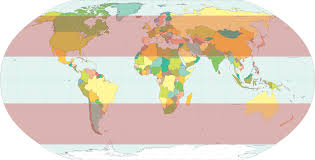
Mid/Temperate Zone of Latitude
experiences all true seasons; where most people live; 30-60 degrees
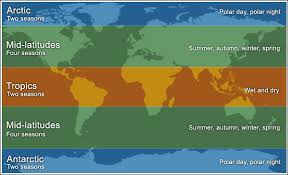
High/Polar Zone of Latitude
coldest climate on planet; not much vegetation; 60-90 degrees
Easterlies
winds in the polar zone
Westerlies
winds in the temperate zone
Trade Winds
winds in the tropical zone
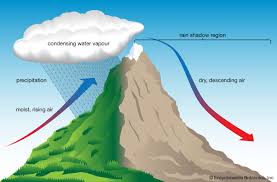
rainshadow effect
caused by winds and mountains; one side of mountain is a certain climate, one side is desert; dry winds cause desert; rainshadow effect: desert side
elevation
how far you’re up from sea level; as you go up in elevation, the cooler it gets
proximity to water/ocean currents
if you are closer to water, the climate is warmer; the ocean is constantly moving cold water down and hot water up
global warming
earth getting hotter
climate change
earth’s climate changing; happens naturally, but humans are speeding it up
greenhouse effect
a natural phenomenon where the atmosphere absorbs enough of the sun’s rays to warm the planet
How does the greenhouse effect work?
certain gasses in the Earth’s atmosphere trapping heat, preventing it from escaping into space
pollution
occurs in air, land, and water when harmful material enter the environment
desalination
the process f removing salts and other minerals from water
Culture
a person’s way of life
Cultural Diffusion
spreading of culture from one place to another
Christianity
Christians, Bible, Holy Sunday, Founder: Jesus, Monotheism: God
Judaism
Jews; Torah; oldest religion; still waiting for Messiah; Monotheism: God
Islam
Muslims; Monotheism: Allah
Hinduism
Hindus; Cows are sacred; no meat; Polytheism
Buddhism
Buddhists; moral way of life; no God
Population Geography
the study of the change of population overtime
Migration Patterns
the pattern of people moving from one place to another
Push and Pull factors
reasons why people migrate
Push factors
why people are pushed to leave their home (negative); wars, poverty, no jobs, conflict, housing
Pull factors
why a person may be pulled into another country (positive); freedom. education, jobs, climate
Population Density
the number of people per unit of land area
Population Distribution
refers to how people are spread across a particular land area
World Population
the amount of people on earth; 8 billion
What is the world’s most populous country?
India is first and China is 2nd
Birth Rate
represents the number of live births per 1000 individuals a year
Death Rate
indicates the number of deaths per 1000 individuals a year
Infant Mortality Rate
the number of children that die before their 1st birthday (per 1000 live births)
Negative Population Growth
when the death rate is larger than the birth rate
Life Expectancy
the average age someone lives in a given area
What country has the longest life expectancy?
Japan
What are some population growth factors?
brith rate, death rate, immigration, emigration
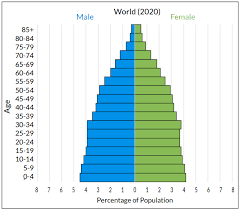
Population Pyramids
reveals demographic trends like birth/death rates, life expectancy, and growth patterns
Overpopulation
relationship between the number of people on Earth and the resources available
Autocracy
rule by one; usually inherited or taken by force

