Anterior Guidance, Envelope of Function, Restoration of Anterior Movements
 Call Kai
 Learn
Learn Practice Test
 Spaced Repetition
 Match
Match Flashcards
 Knowt Play
1/30

There's no tags or description
Looks like no tags are added yet.
Name | Mastery | Learn | Test | Matching | Spaced | Call with Kai |
|---|
No analytics yet
Send a link to your students to track their progress
31 Terms
anterior guidance
-the influence of the contacting surfaces of the anterior teeth that act to limit (guide) mandibular movements
anterior guidance discluding the posteriors
-watch for change in AG:
-incisors go from good AG to poor if in overjet (no longer protecting posterior contacts)
-if ants and posts in contact at the same time, the posteriors will win
5 requirements of a stable occlusion
-stable centric stops on all teeth
-anterior guidance in harmony with functional border movements
-disclusion of all posterior teeth in protrusive movements
-disclusion of non-working side when the mandible moves laterally
-noninterference of all posterior teeth on the working side
AG as a foundation of a mutually protected occlusion
-anterior teeth protect the posterior teeth in all mandibular excursive movements
-posterior teeth protect the anterior teeth from excessive pressure in MI
AG is principle determinant of
-posterior occlusal form
AG protects posteriors by
-discluding them and keeping the muscles peaceful
anterior guidance dictated by
-incisal edge position
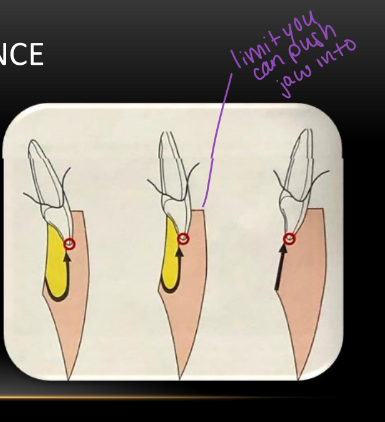
envelope of function (EoF)
-three teeth have entirely different ones
-shape variations of EoFs is due to the different incisal edge positions of the uppers
-different incisal edge positions therefore also produce different AGs
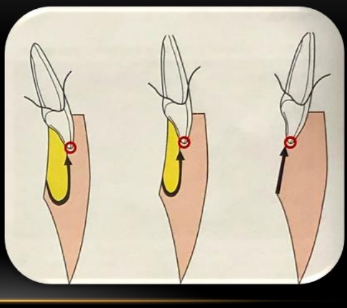
EoF determined by
-how the teeth were guided into position during eruption by the tongue and lips
-(the neutral zone)
-mechanoreceptors in and around the teeth program the muscles for functional jaw movements
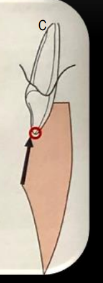
if incisal edges were moved labially
-there would be no interference with the EoM
-but there would be interference with the neutral zone, phonetics, and the lip closure path
-restoring anterior teeth requires understanding all these factors
envelope of function frontal view
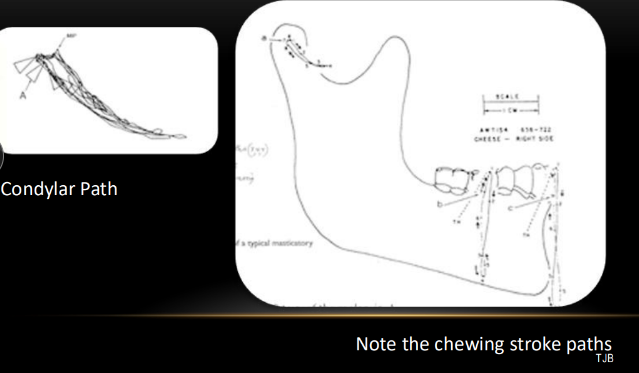
-occurs within envelope of motion
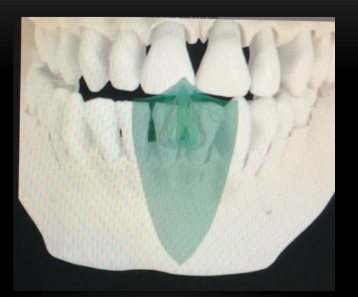
envelope of function- chewing strokes
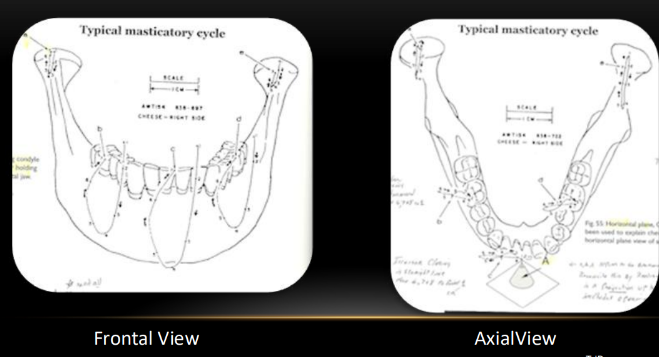
envelope of function- sagittal view chew strokes
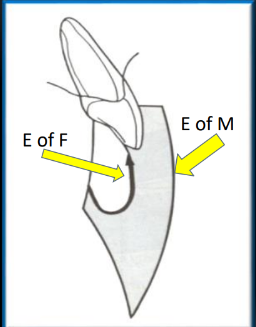
EoF relationships
-muscles place the teeth
-maxillary tooth’s incisal edge forms shape of EoF
-upper part of EoF is the AG (which the lower incisal edge rides against)
EoF in restoring anterior teeth
-merely recording the outer limits of motion (EoM) would not supply the needed information for restoration of anterior teeth
-also need EoF
-EoF that controls the anterior relationship must be treated as a separate entity
-it must be recorded in the mouth, no articulator setting can produce it
-an articulator can reproduce it
-prepare the tooth, put temp crown on, see how it works in the mouth- pt will tell you based on feeling
first step in restoring anterior teeth
-properly mounted models
-facebow mounting with CR bite registration
properly mounted models
-facebow mounting with CR bite registration
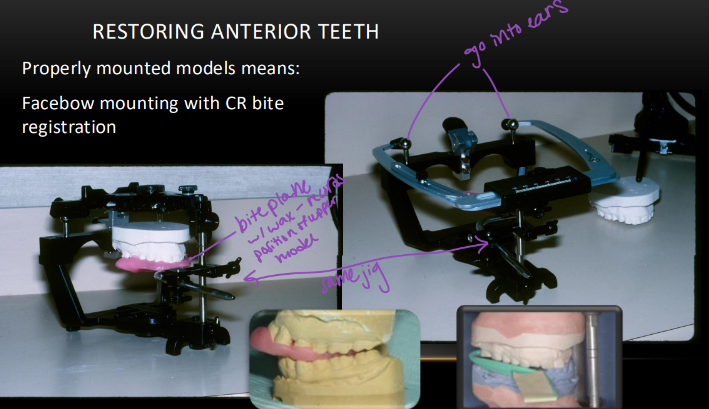
the only way to determine the correct relationship of the lower incisal edges to the upper linguals
-mounted casts
-need 2 pictures of incisal shot from below of OJ being reduced
restoring anterior teeth- 2 considerations
1) posteriors must be gotten out of the way in order to see how anteriors couple
2) the lower incisal edge should have a definite labio-incisal angle
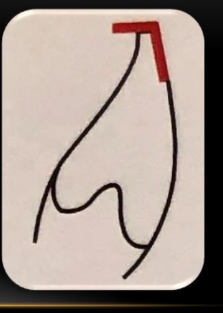
designing restorations
-refine and verify the lower incisal edge position
-if upper anterior position has not been determined, it must be done in combination with the lower determination
restoring anterior teeth- once the posteriors are not creating interferences,
-the AG can be visualized on the existing teeth or designed on restorations
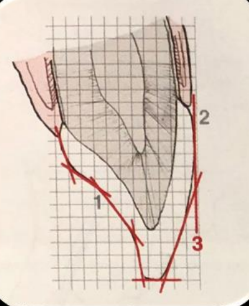
restoring anterior teeth- designing the restorations
-establish centric holding stops (first rule of occlusion)
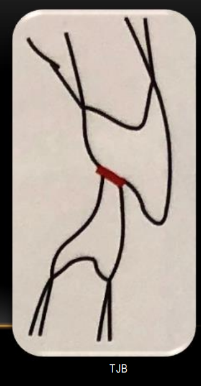
designing the restorations- lip support
-upper half of labial contour is in line with alveolar contour
-could be determined on the casts (IF casts properly record the vestibule)
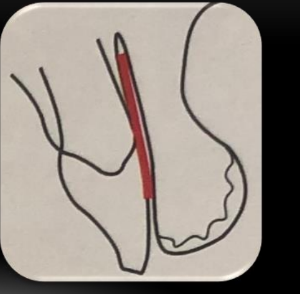
designing the restorations- lip closure path
-must be determined in the mouth
-gingival contour guides, then tucks in to touch the lower lip wet/dry line
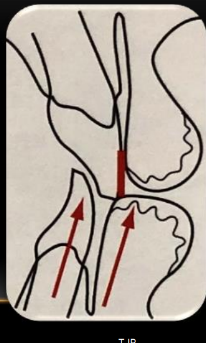
designing the restorations- esthetics
-determine incisal length
-use the smile line of lower lip
-important for phonetics of F and V sound
designing restorations- refining
-refine incisal edge position
-use F and V sounds
-incisal edge should contact the inner dry-wet line
-have patient phonate softly for this determination
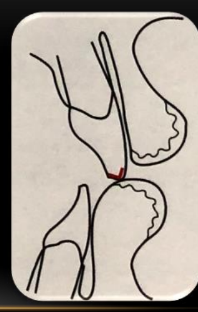
designing restorations- adjusting for long centric
-pt laying down to seated position, ~0.5mm of freedom in CR exists
-can’t lock patient in CR
-follow the rules for AG after CR and incisal edges have been determined
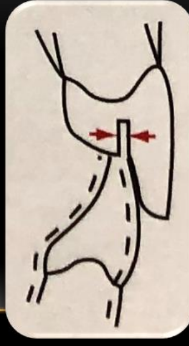
steps to restoring anterior teeth
-communication to lab
-mounting on an articulator
-buccal indices
-written instructions
-photography
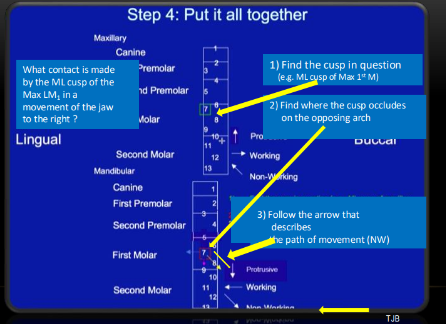
crow foot diagram
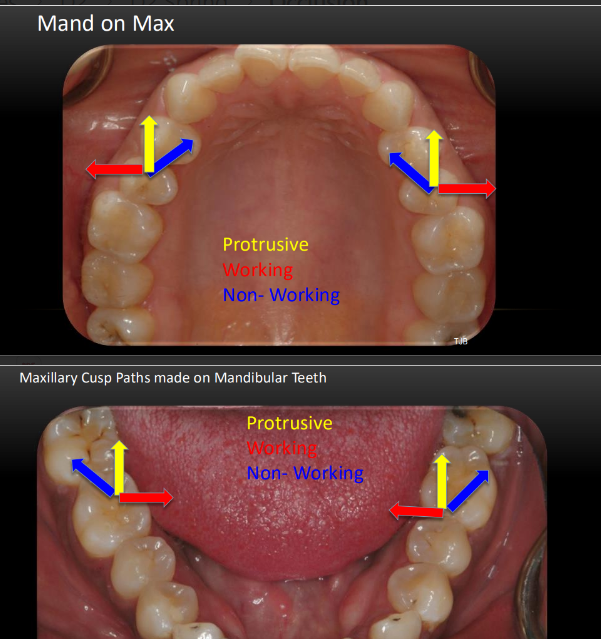
blue box diagrams
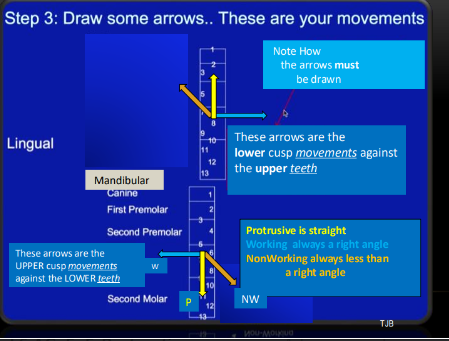
determining path of movement/contacts using blue box