Lesson 6: Prefixes
 Call Kai
 Learn
Learn Practice Test
 Spaced Repetition
 Match
Match Flashcards
 Knowt Play
1/48

There's no tags or description
Looks like no tags are added yet.
Name | Mastery | Learn | Test | Matching | Spaced | Call with Kai |
|---|
No analytics yet
Send a link to your students to track their progress
49 Terms
Abnormal
(ab-NOR-mul) not normal or away from normal. (ភាពខុសប្រក្រតី)
Addiction
(uh-DIK-shuhn) being drawn toward or having a strong dependence. (ការញៀន)

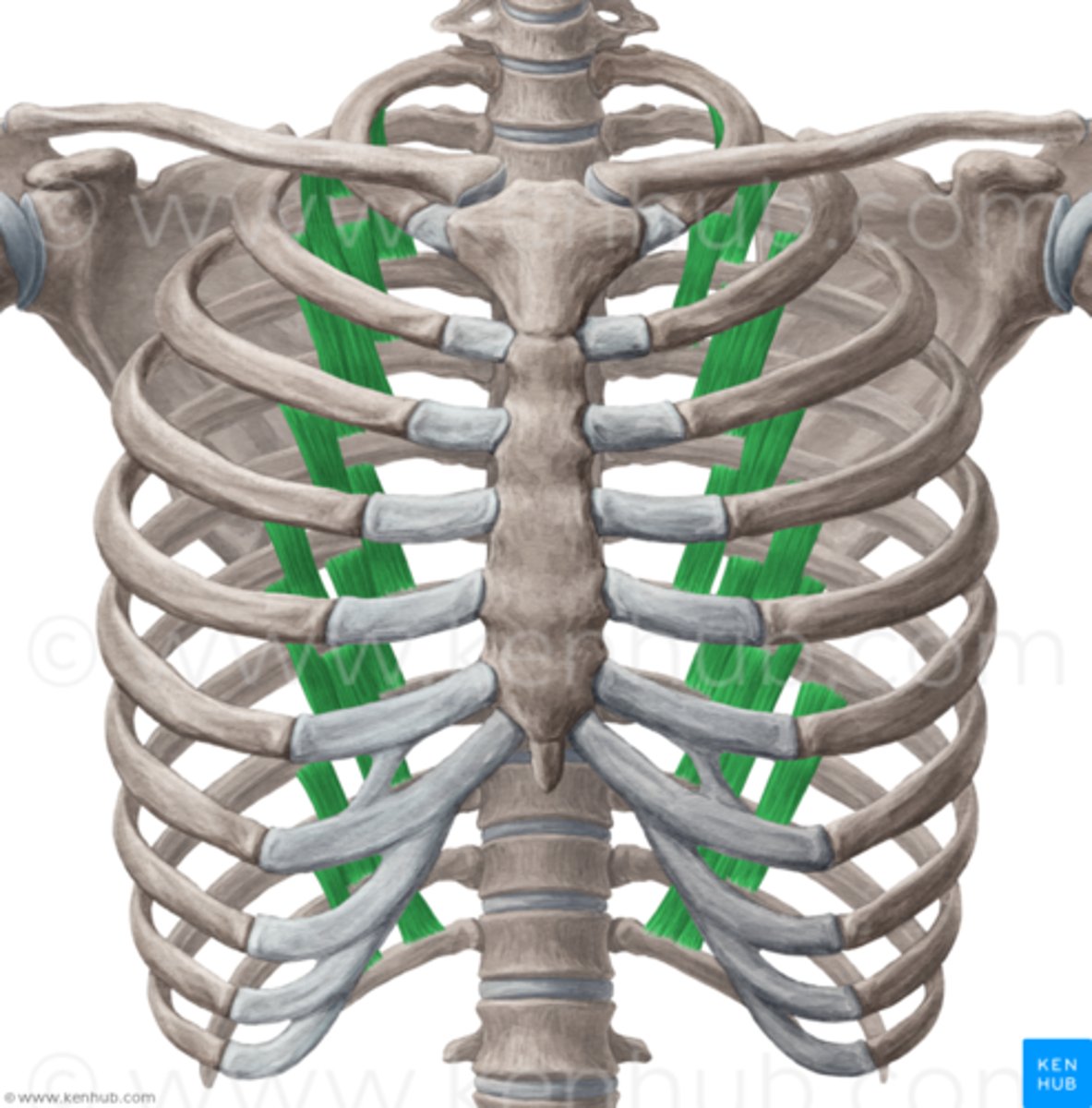
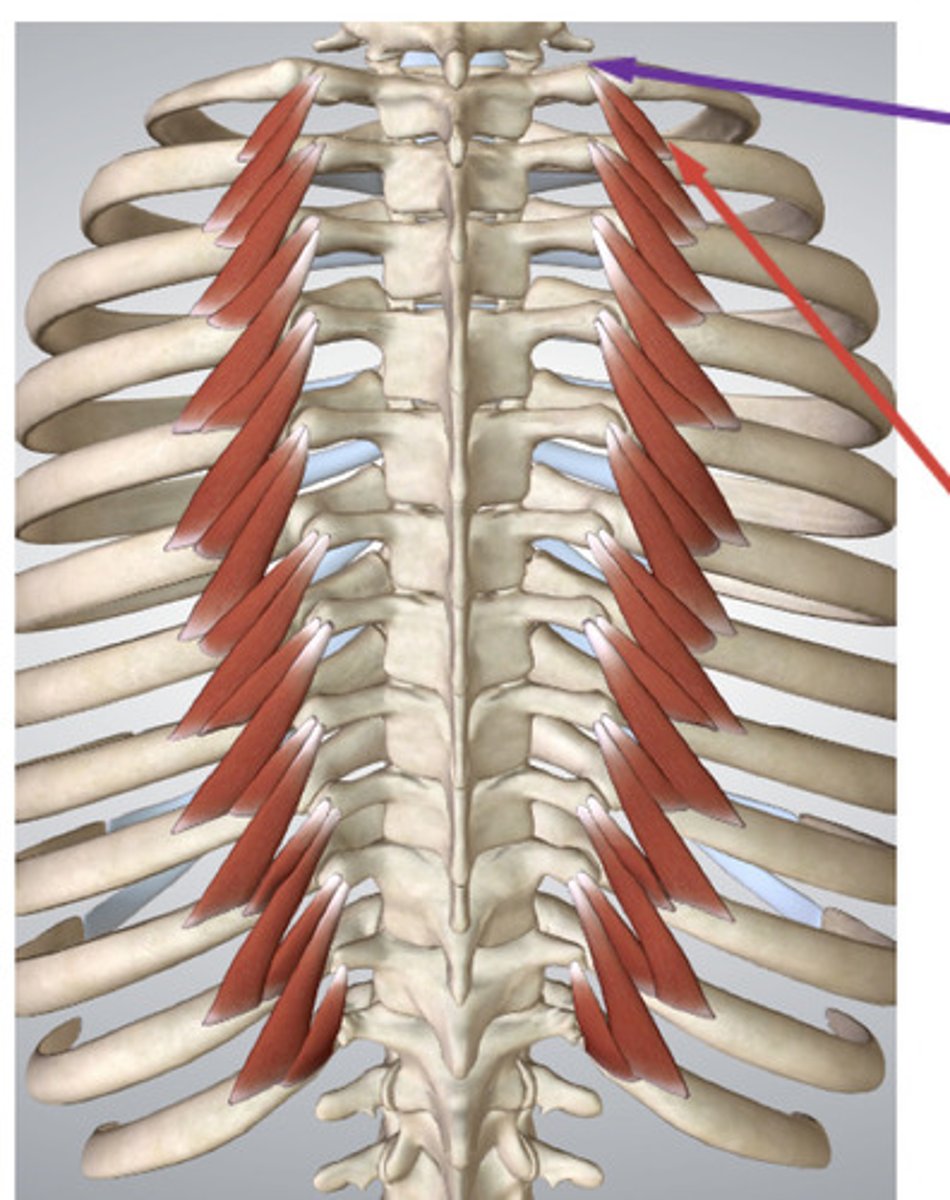
Subcostal
(Subcostal) below a rib (នៅខាងក្រោមឆ្អឹងជំនីរ)
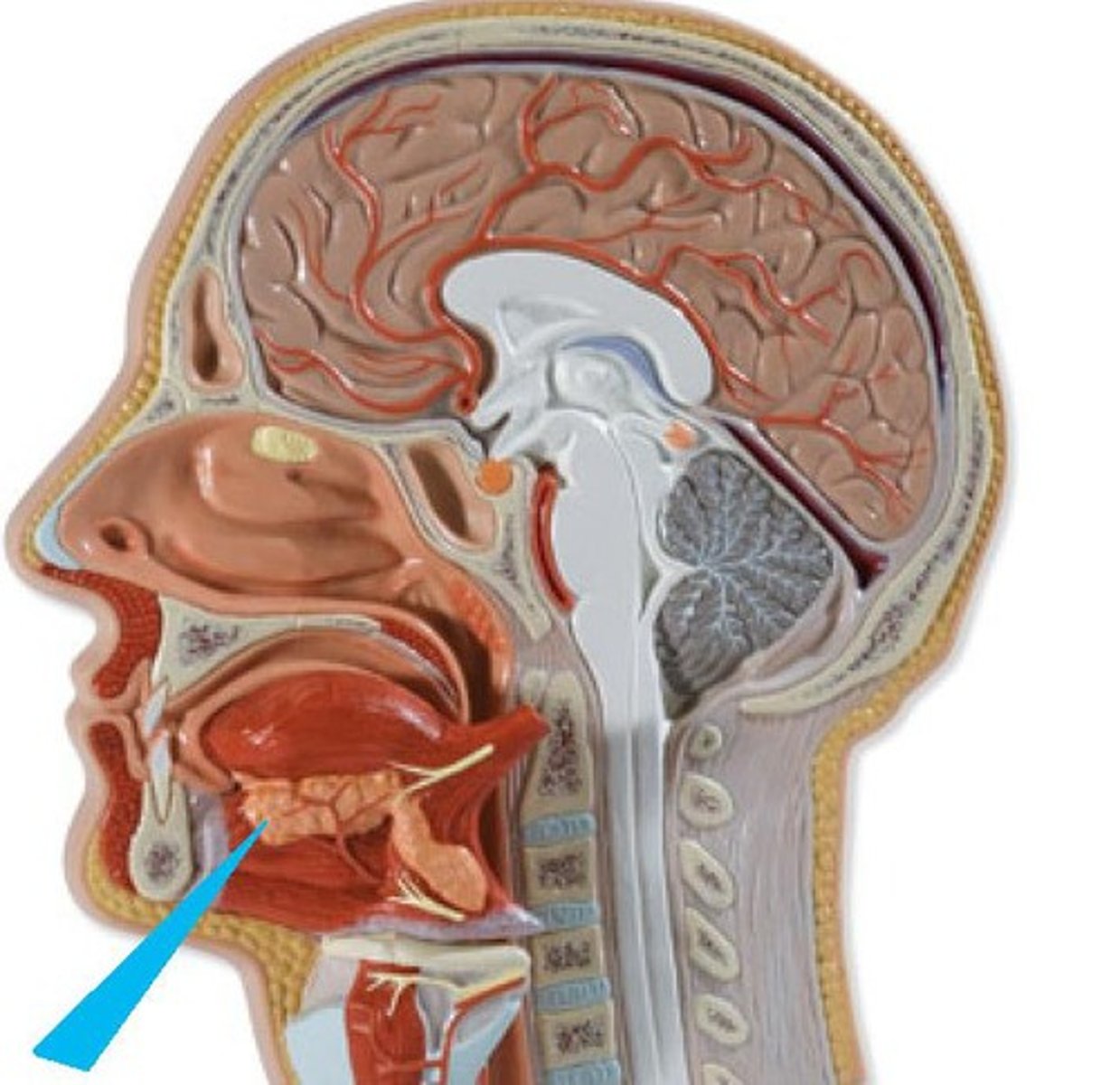
sublingual
(sub-LING-gwal) under the tongue (នៅក្រោមអណ្តាត)
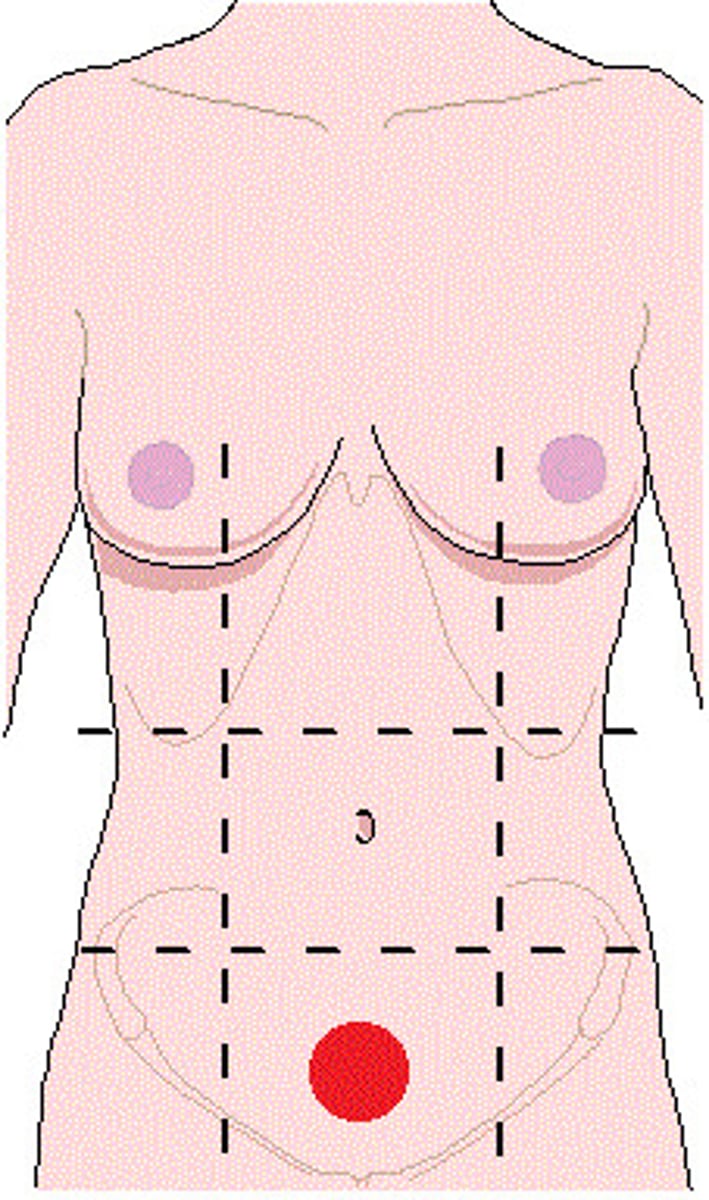
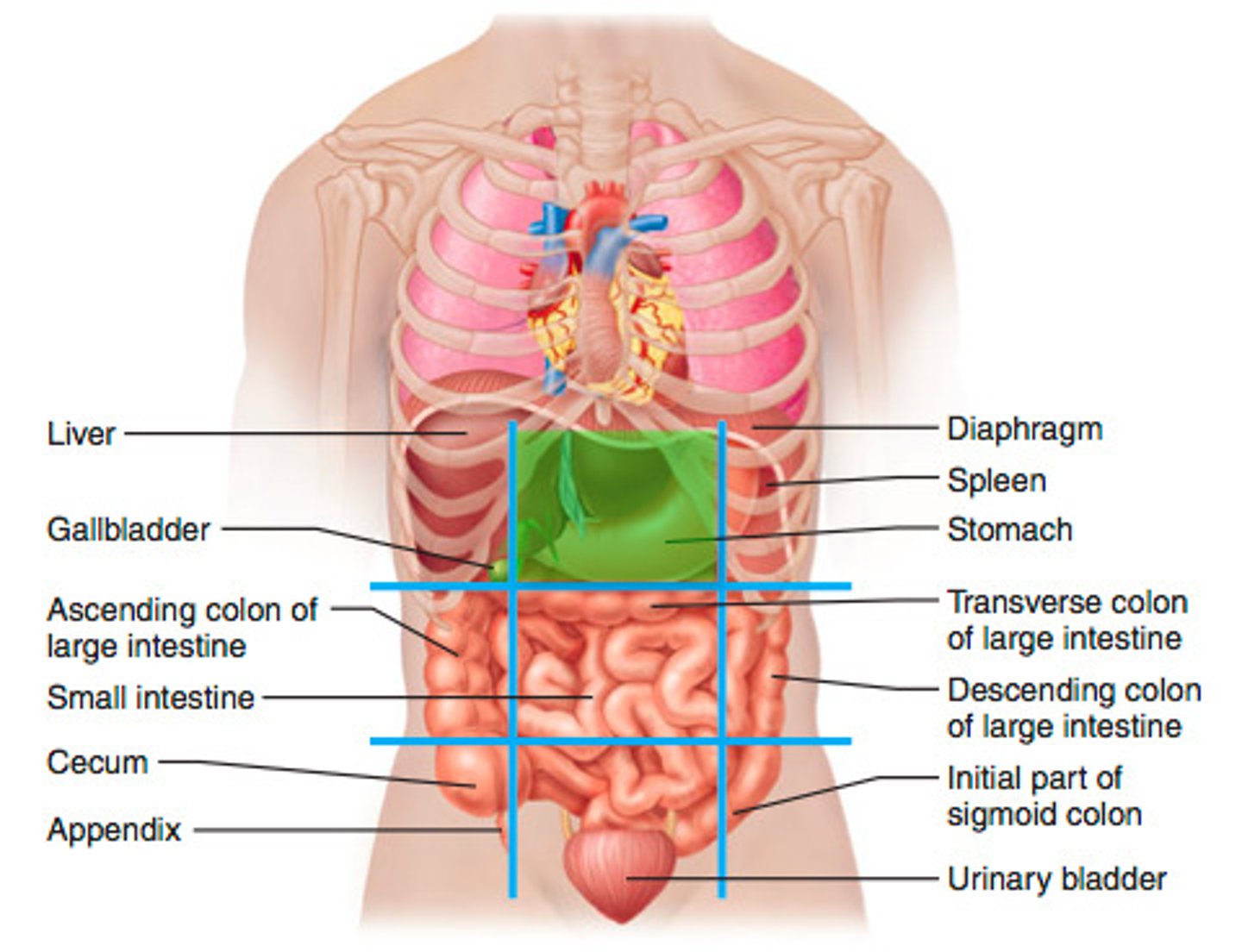
Hypogastric
(hii-poh-GASS-trik) the region located below the stomach. (តំបន់ពោះខាងក្រោម , តំបន់ជុំវិញឆ្អឹងត្រគាក)
Epigastric
(eh-pih-GAS-trik) the region located above the stomach. (ពោះផ្នែកខាងលើ)
Supracostal
(soo-pruh-KOS-tal) above or outside the ribs. (ខាងលើឆ្អឹងជំនីរ)
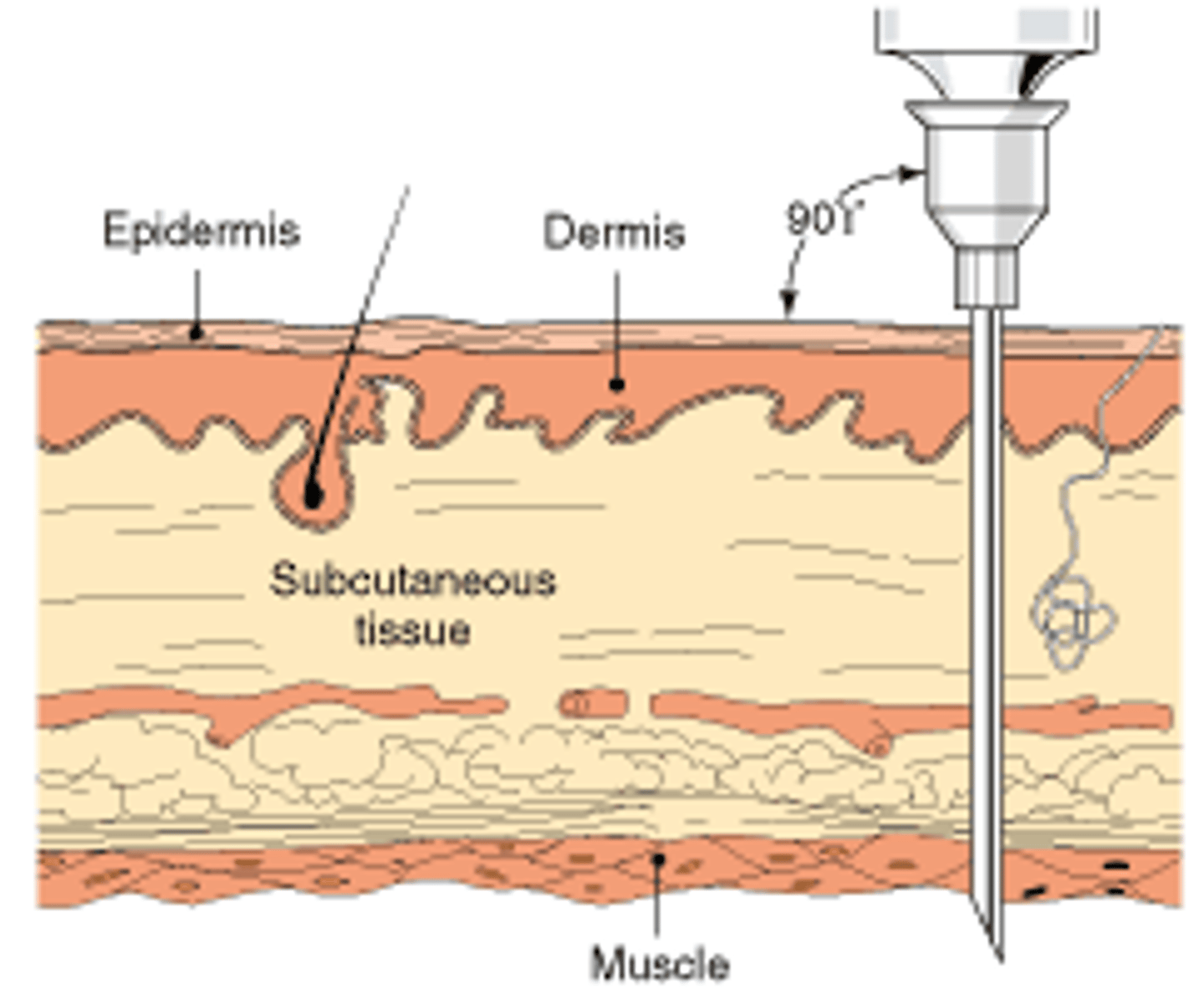
Intramuscular
(In-truh-MUS-kyoo-ler) within the muscle. (ដែលជ្រាបចូល រឺ ចាក់ចូលក្នុងសាច់ដុំ)
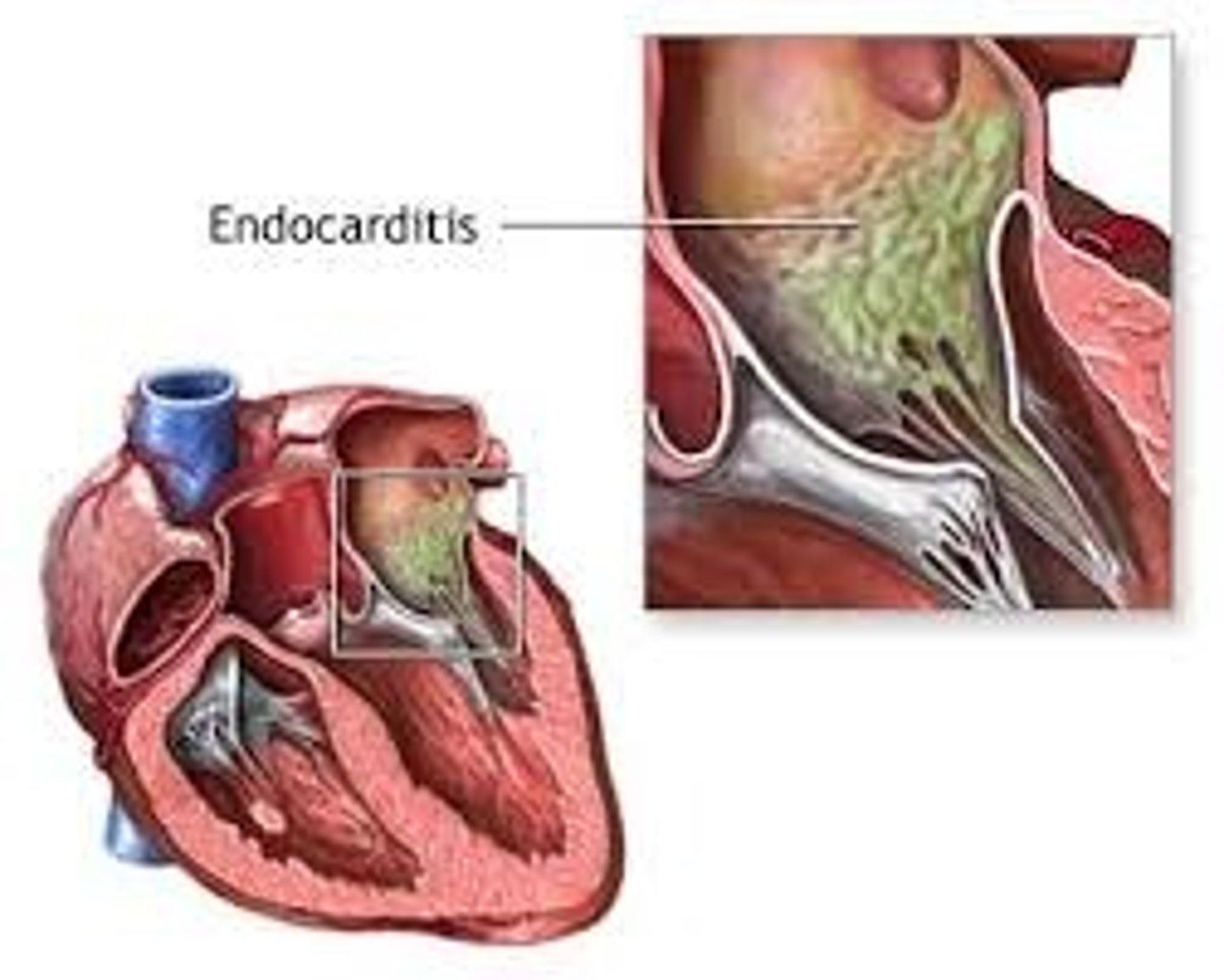
Endocarditis
(en-doh-kar-DY-tis) an inflammation within the heart. (ជំងឺរលាកស្រោមបេះដូង)
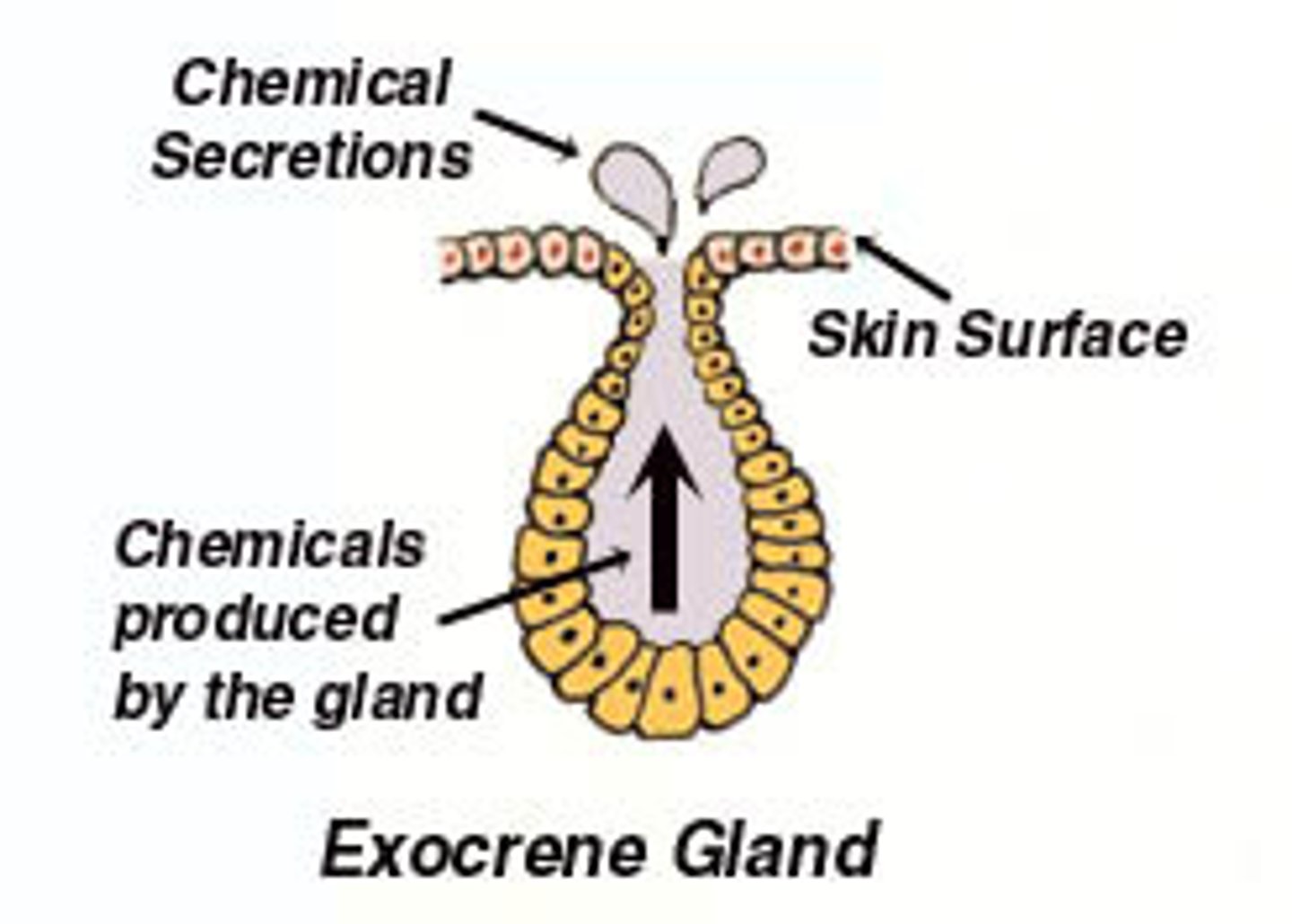
Exocrine
(EK-suh-krin) glands secrete substances out of the body. (ក្រពេញបញ្ចេញក្រៅ)
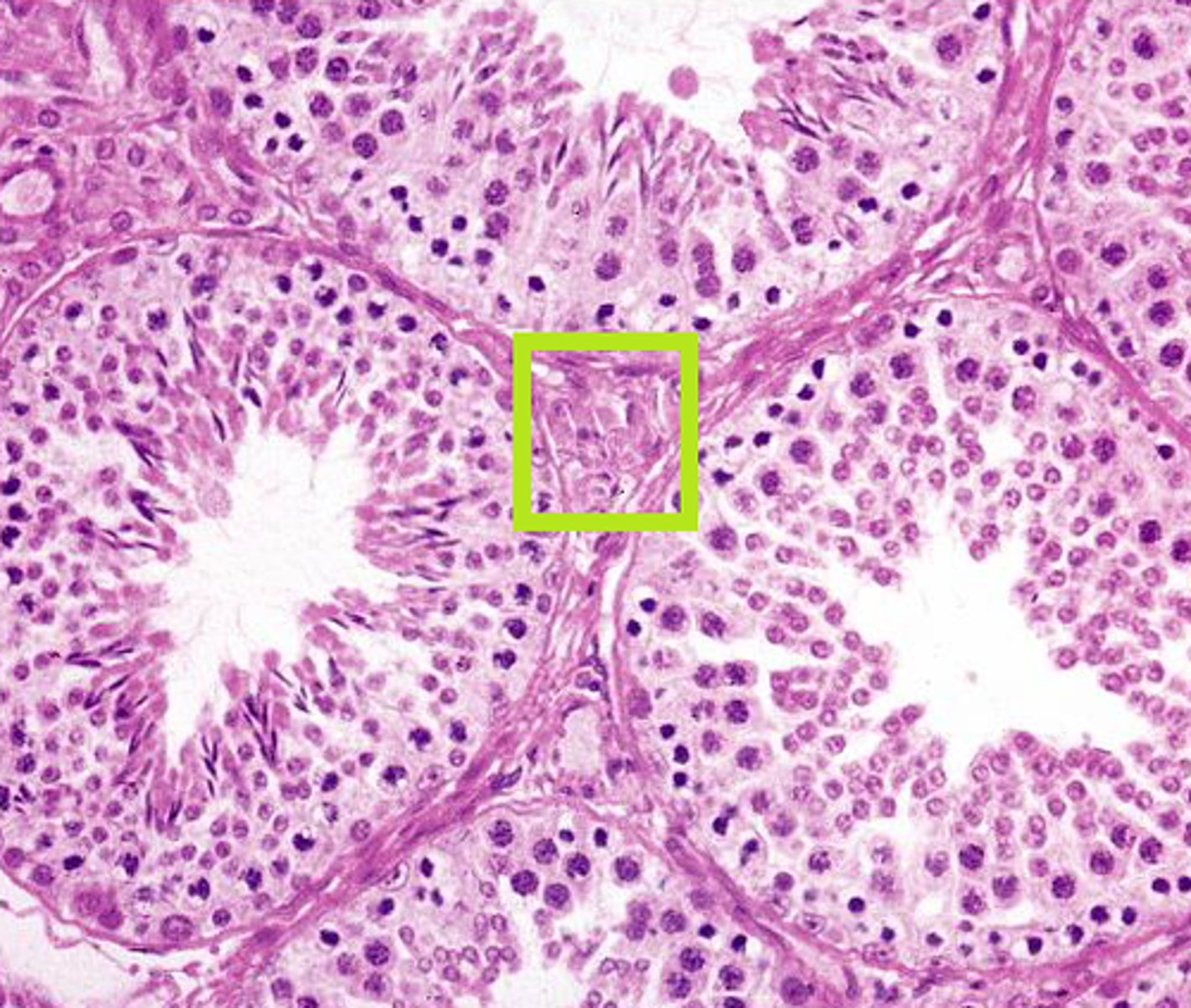
Interstitial
(in-ter-STISH-al) between, but not within, the parts of a tissue. (តាមចន្លោះជាលិកា)
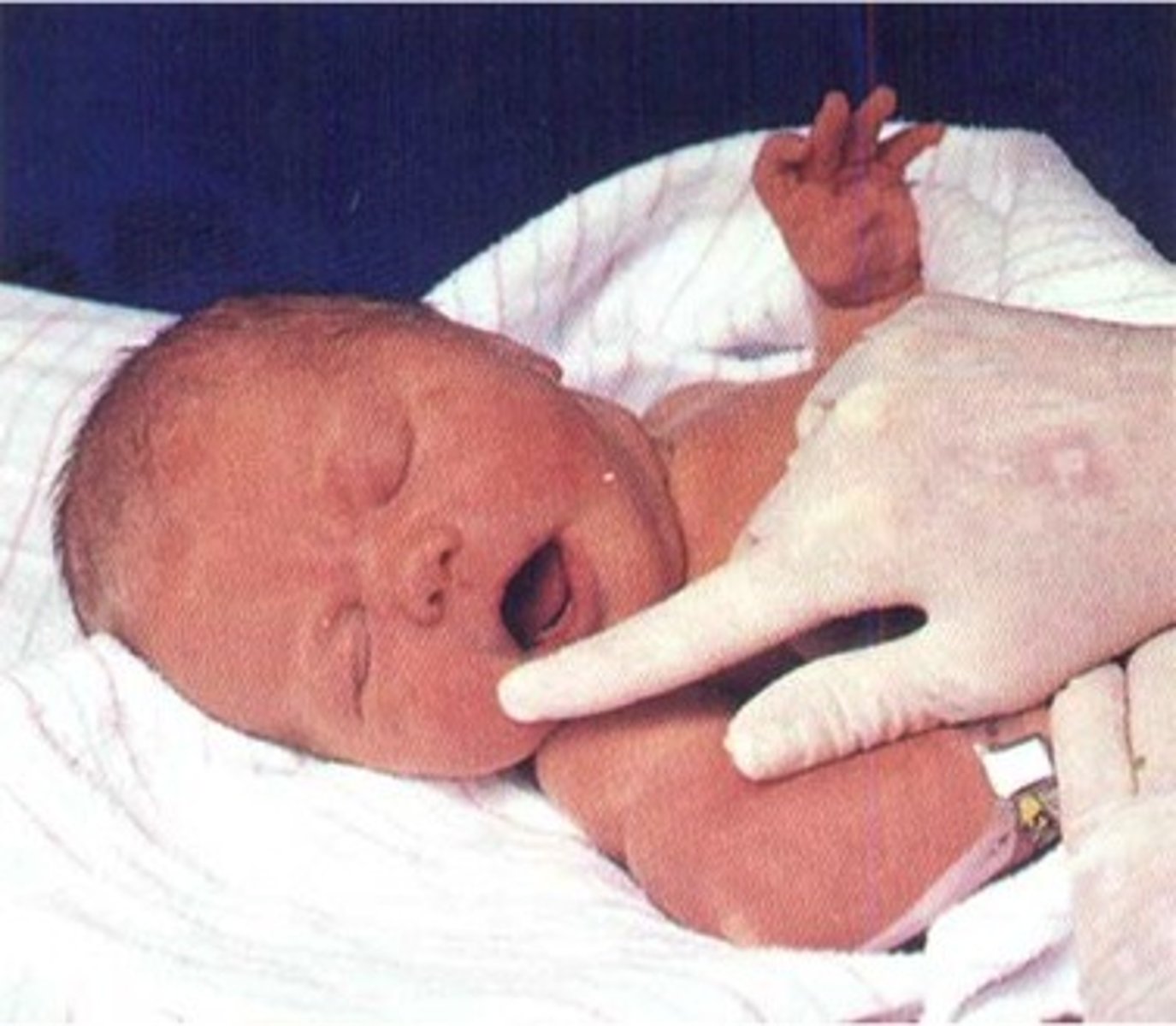
Perinatal
(per-ee-NYE-tal) the time and events surrounding birth. (ក្នុងអំឡុងពេលជុំវិញការសម្រាលកូន)
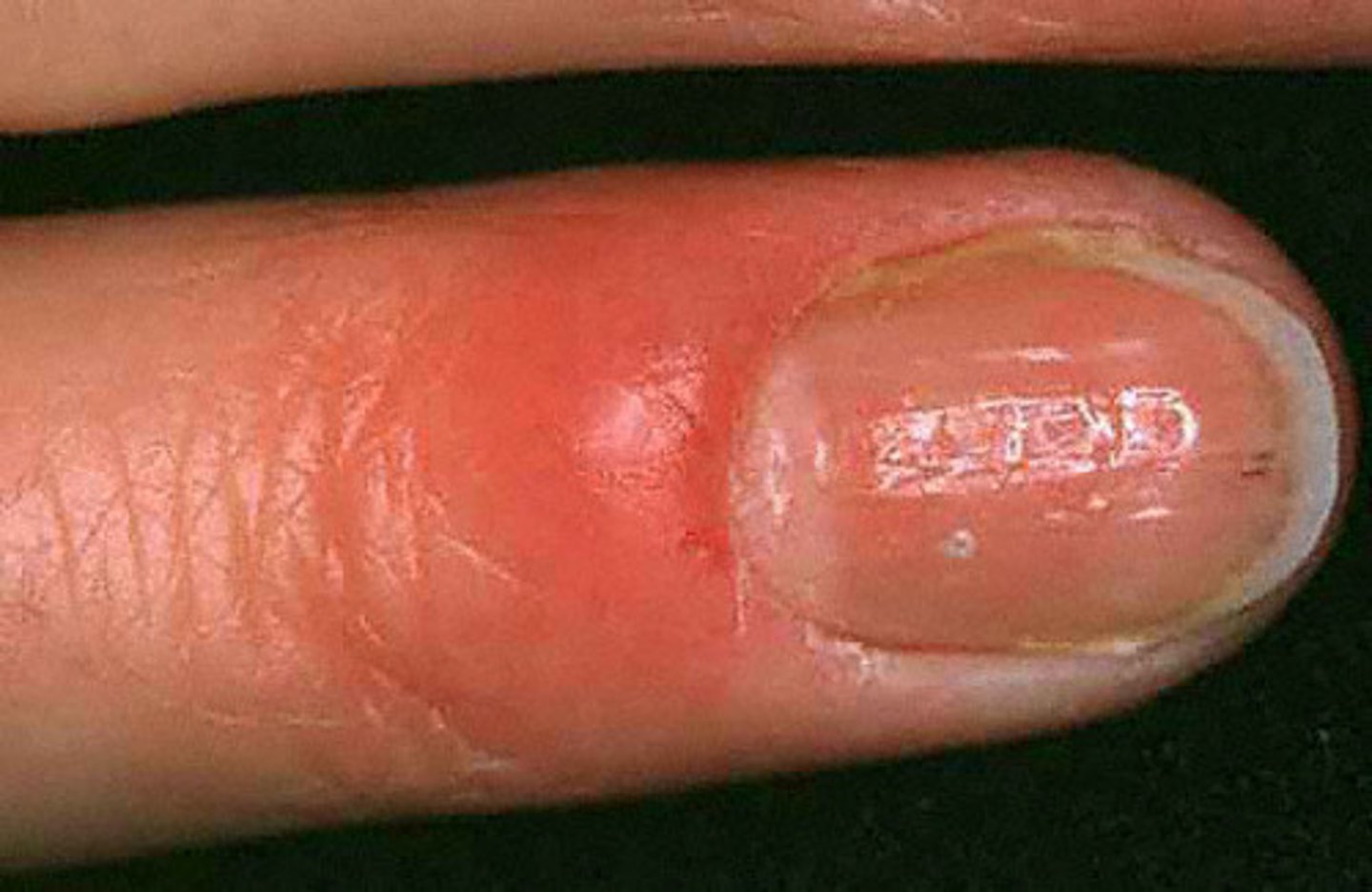
Paronychia
(par-uh-NIK-ee-uh) A diseased state or infection around the nail (រលាកស្បែកជុំវិញក្រចក)
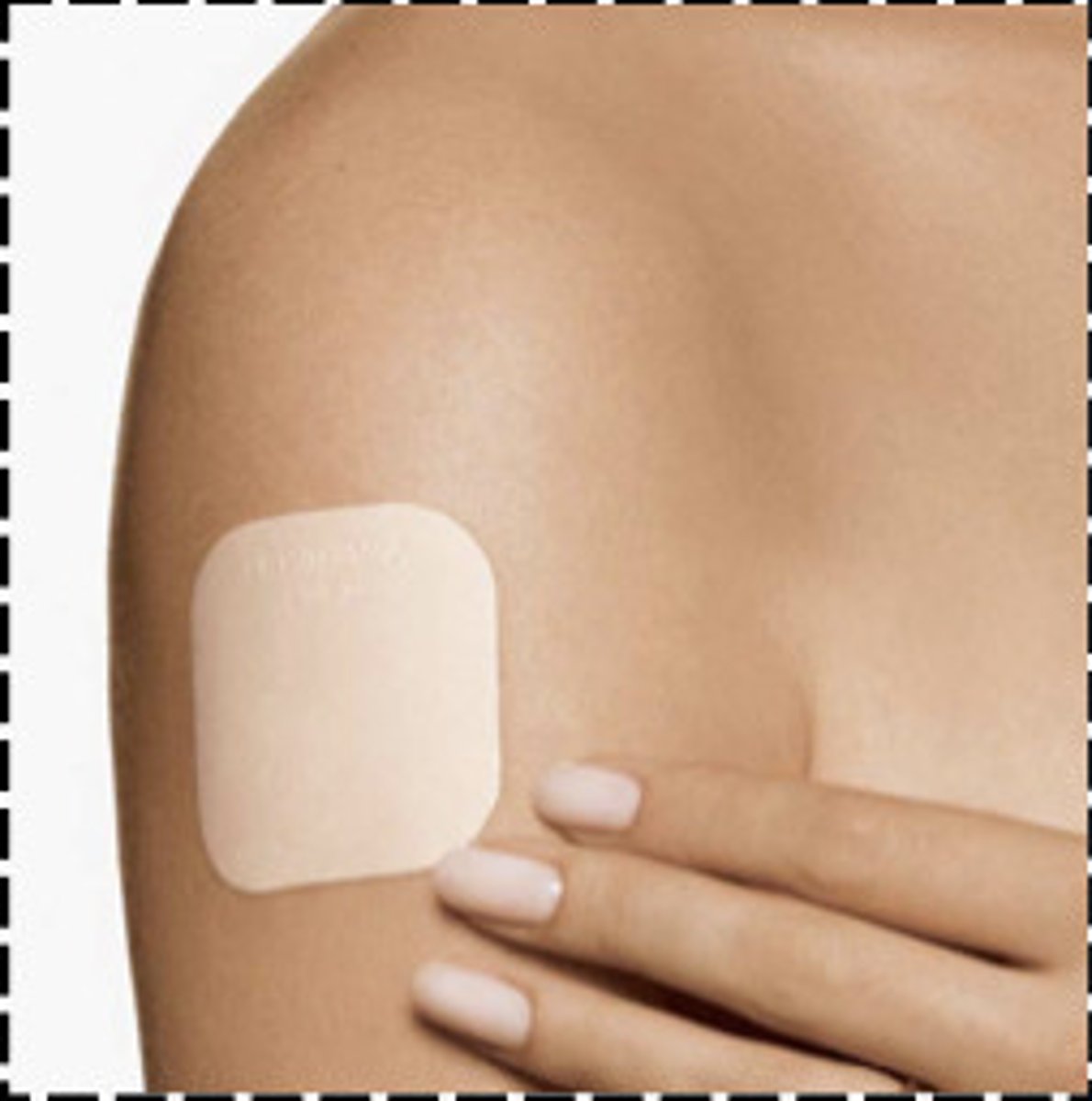
Transdermal
(tranz-DUR-mul) medication administered through the skin (ការផ្តល់ថ្នាំតាមរយៈស្បែក)
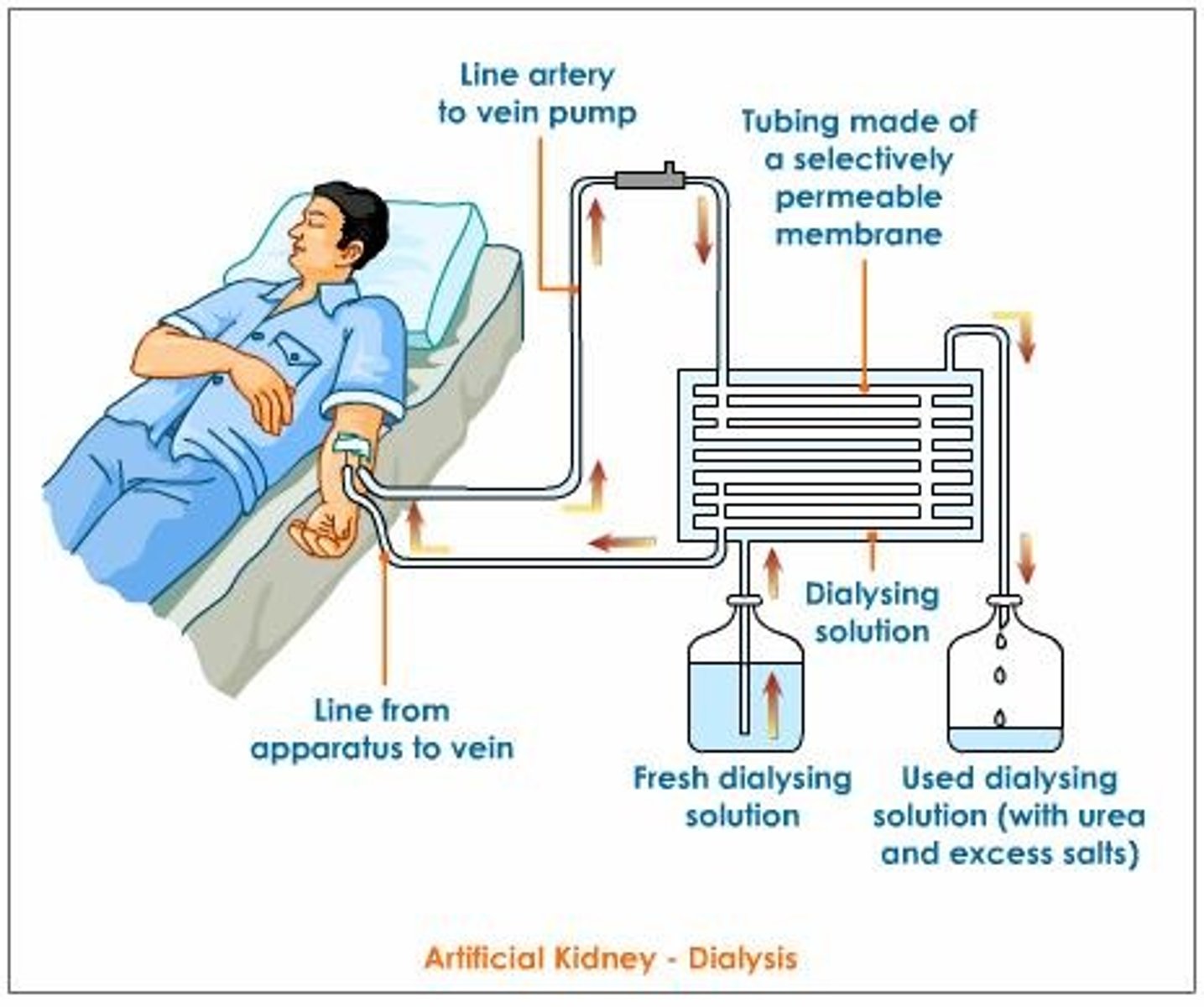
Dialysis
(dy-AL-uh-sis) The process of removing waste products from the blood by passing it through a membrane. (ការលាងតំរងនោម)
Unilateral
(yoo-nih-LAT-uh-rul) pertains to only one side. (ឯកតោភាគី, តែម្ខាង)

Bilateral
(bye-LAT-er-uhl) pertains to two sides (ទ្វេភាគី, សងខាង)
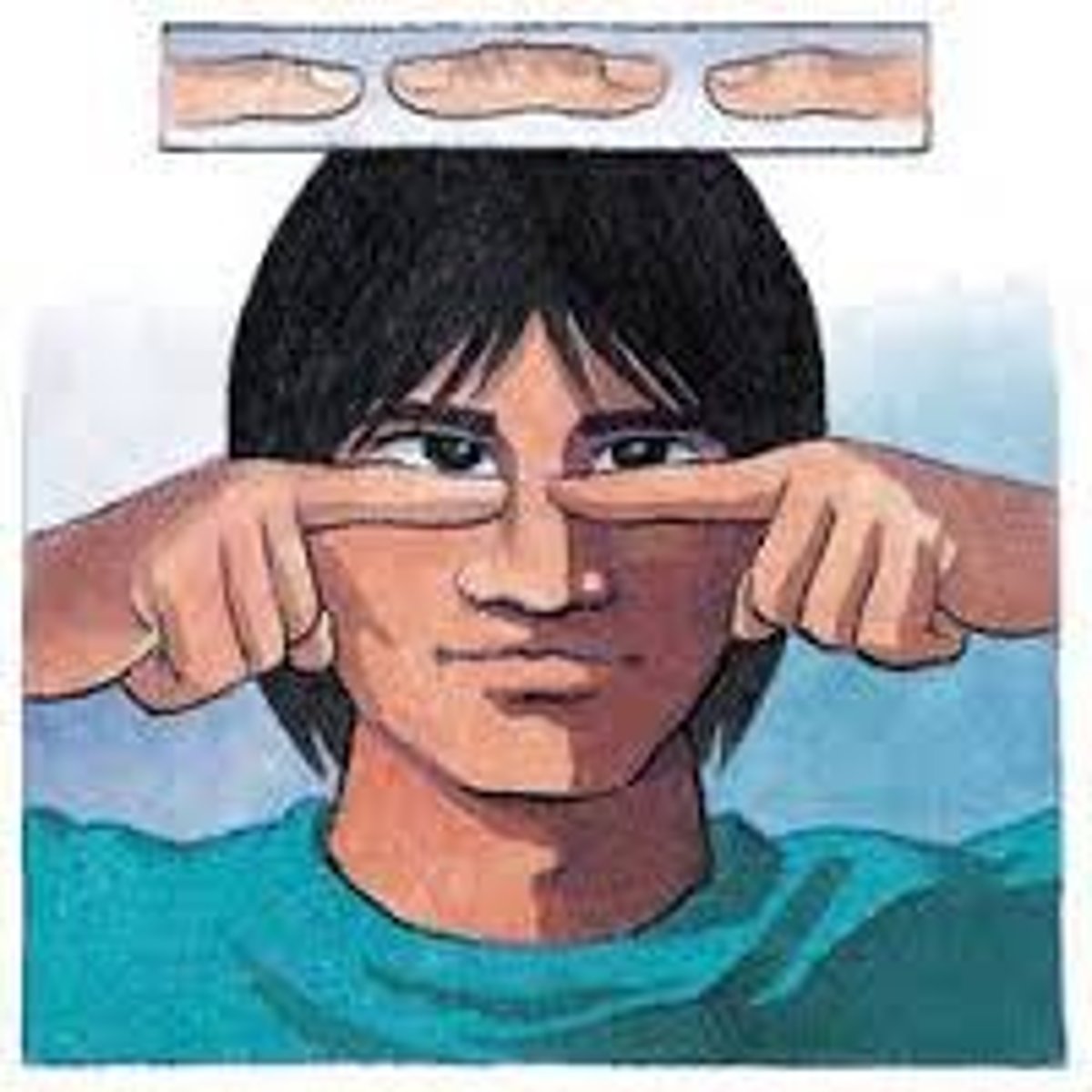
binocular
(bih-NOK-yoo-lur) pertains to two eyes. (ដោយភ្នែកទាំងពីរ)
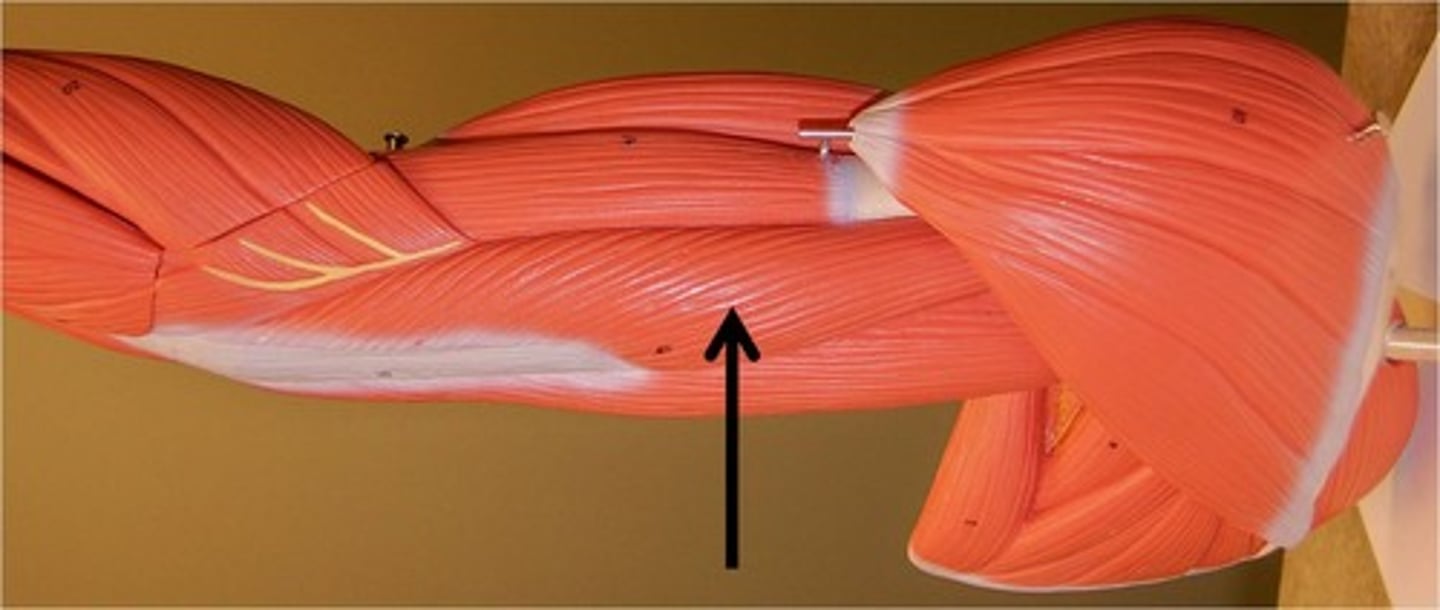
Triceps
(TRY-seps) A muscle of the upper arm having three heads or points of origin (សាច់ដុំខាងក្រោយដៃ)
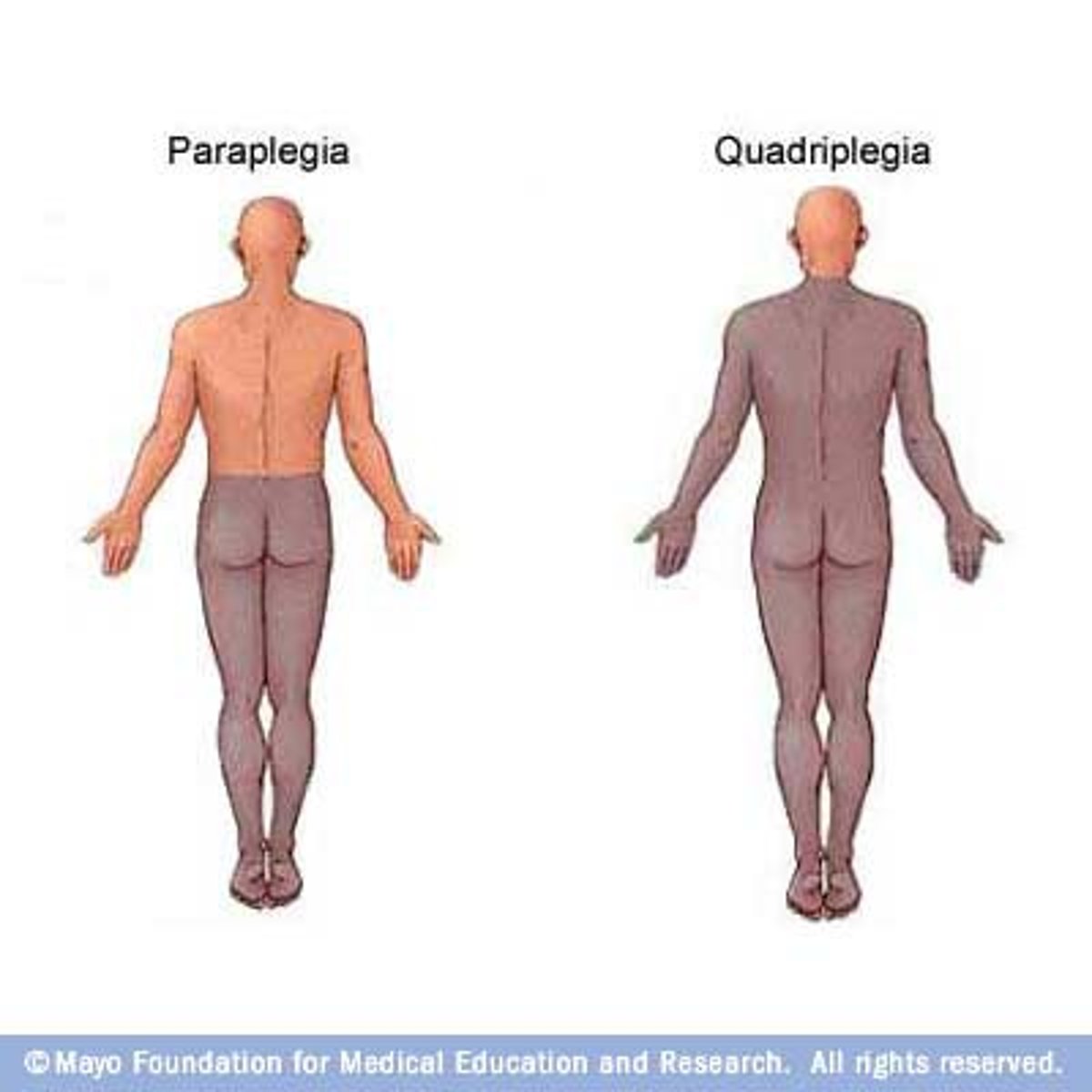
Quadriplegia
(kwod-ruh-PLEE-juh) paralysis of all four limbs and the torso caused by cervical spinal cord injury or damage, often from accidents, diseases (e.g., tumor, stroke) (ជំងឺស្លាប់អវយវះពីកចុះដល់ជេីង)
Nulligravida
(nul-uh-GRAV-uh-duh) a woman who has never been pregnant. ( ស្ត្រីដែលមិនធ្លាប់មានផ្ទៃពោះ)

Primipara
(prahy-MIP-uh-ruh) is a woman who has given birth to her first viable offspring. (ស្ត្រីដែលសម្រាលកូនលើកដំបូង)

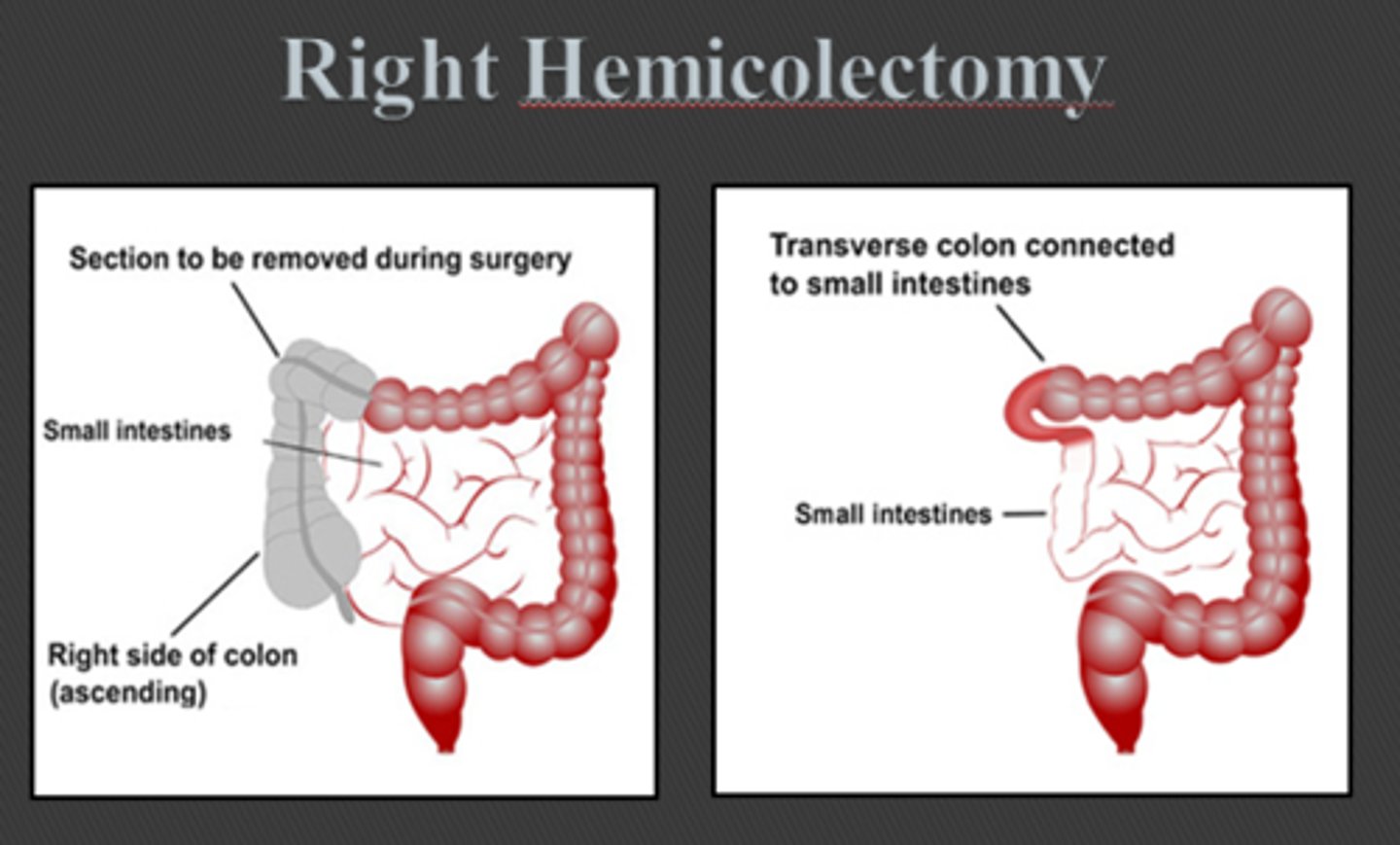
Hemicolectomy
(hem-ee-koh-LECK-tuh-mee) the surgical removal of half of the colon. (ការកាត់ពោះវៀនធំផ្នែកខាង)
Semicomatose
(sem-ee-KOH-muh-tohs) A state of partial unconsciousness or mild stupor where a person is unconscious but can be aroused by appropriate, often vigorous, stimuli (សន្លប់ពាក់កណ្តាល)

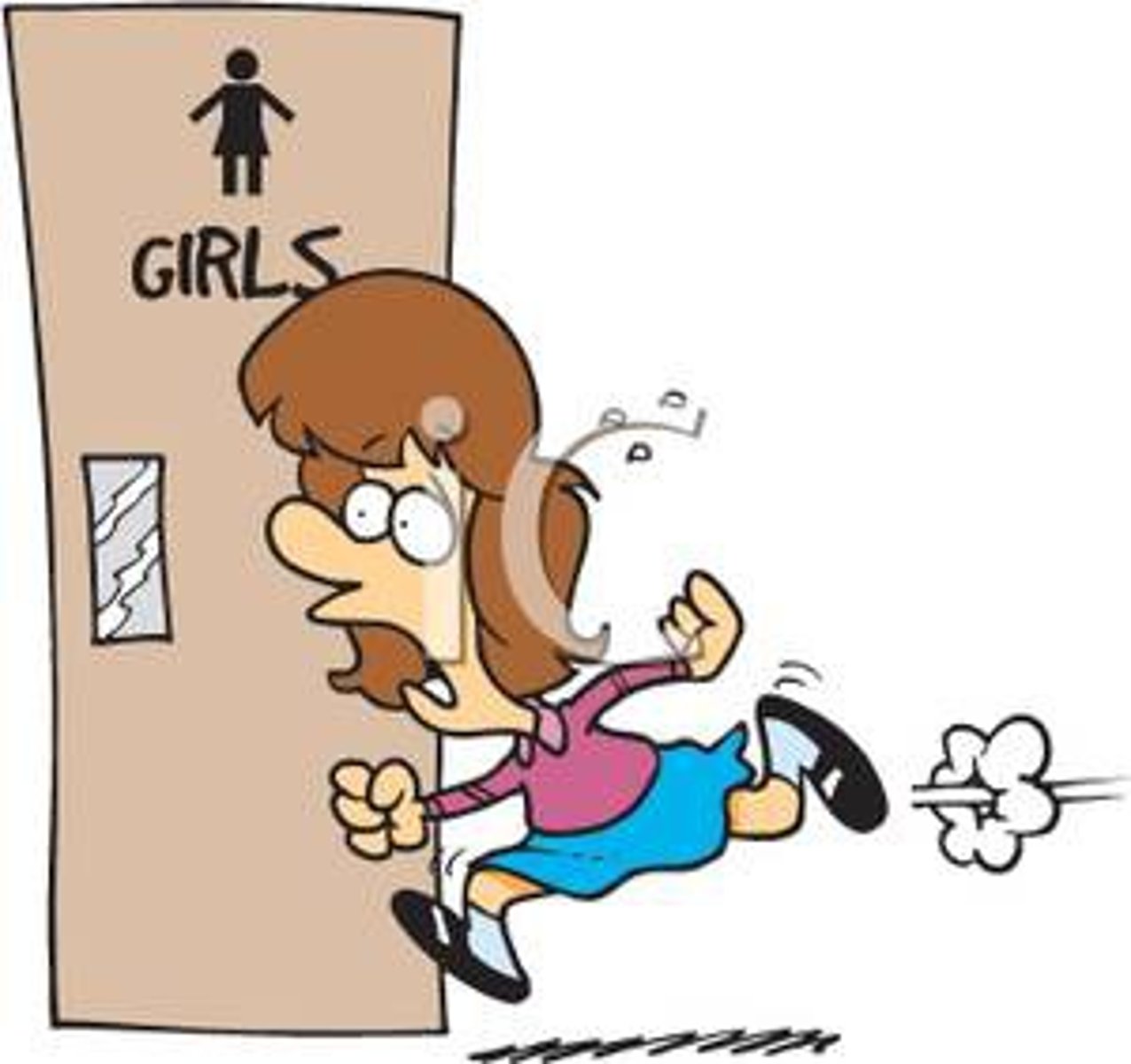
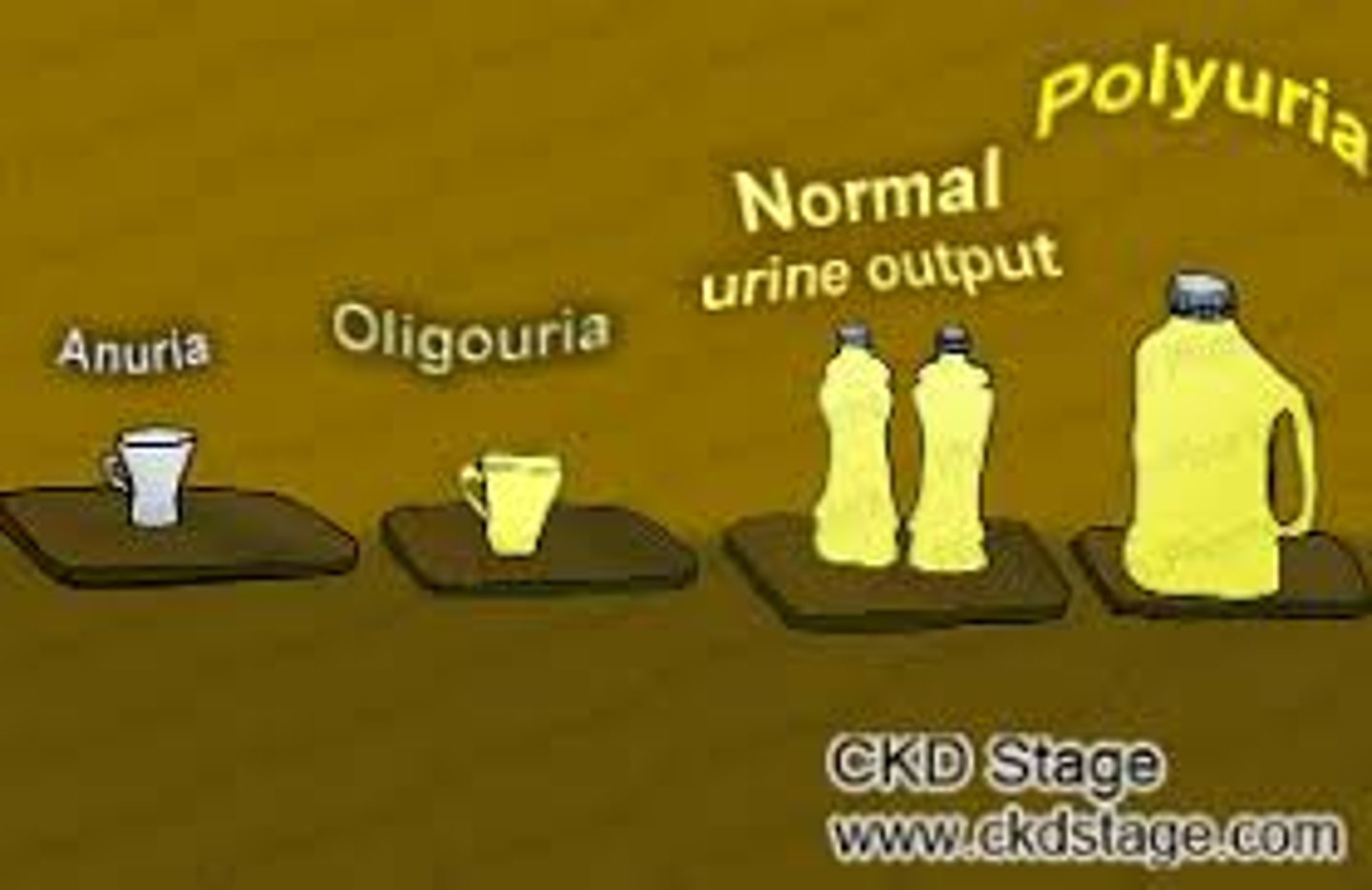
Polyuria
(pol-ee-YOOR-ee-uh) excessive urination. (ការនោមច្រើនហួសប្រមាណ)
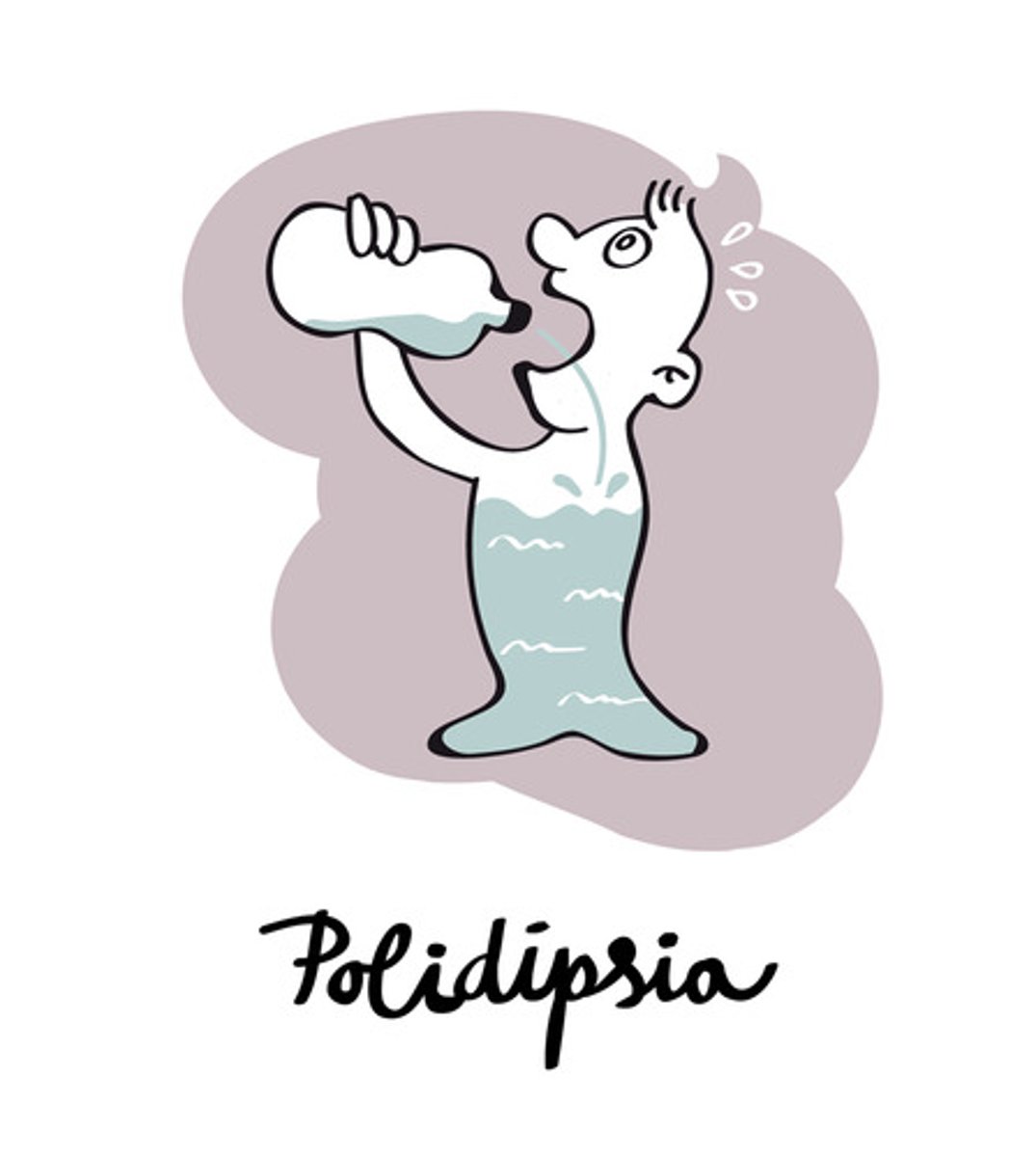
Polydipsia
(pah-lee-DIP-see-uh) excessive thirst (ការស្រេកទឹកខ្លាំងខុសធម្មតា)
Multigravida
(mul-tee-GRAV-ih-duh) is a woman who has been pregnant two or more times (ស្ត្រីដែលមានផ្ទៃពោះលើកទីពីរឬលើសពីនេះ)

Oliguria
(ol-i-GYOOR-ee-uh) Scanty or insufficient urination (ការនោមតិចជាងធម្មតា)
Oligomenorrhea
(ol-uh-go-men-uh-REE-uh) Light or infrequent menstruation in a woman with previously normal periods (ការមកមករដូវមិនទៀងទាត់)

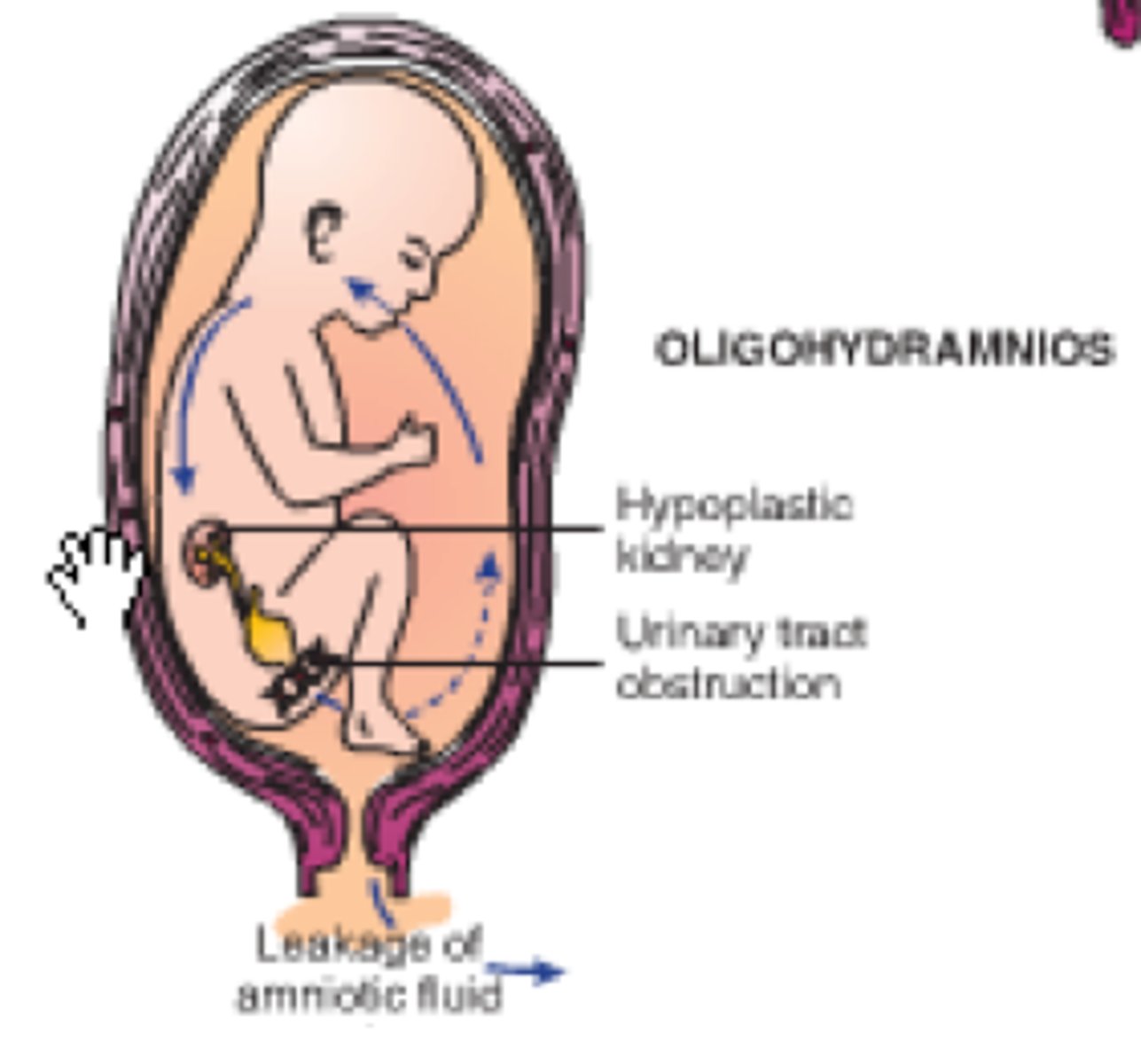
Oligohydramnios
(ol-uh-go-high-DRAM-nee-uhss) A condition of having too little amniotic fluid (ការខ្វះទឹកភ្លោះ)
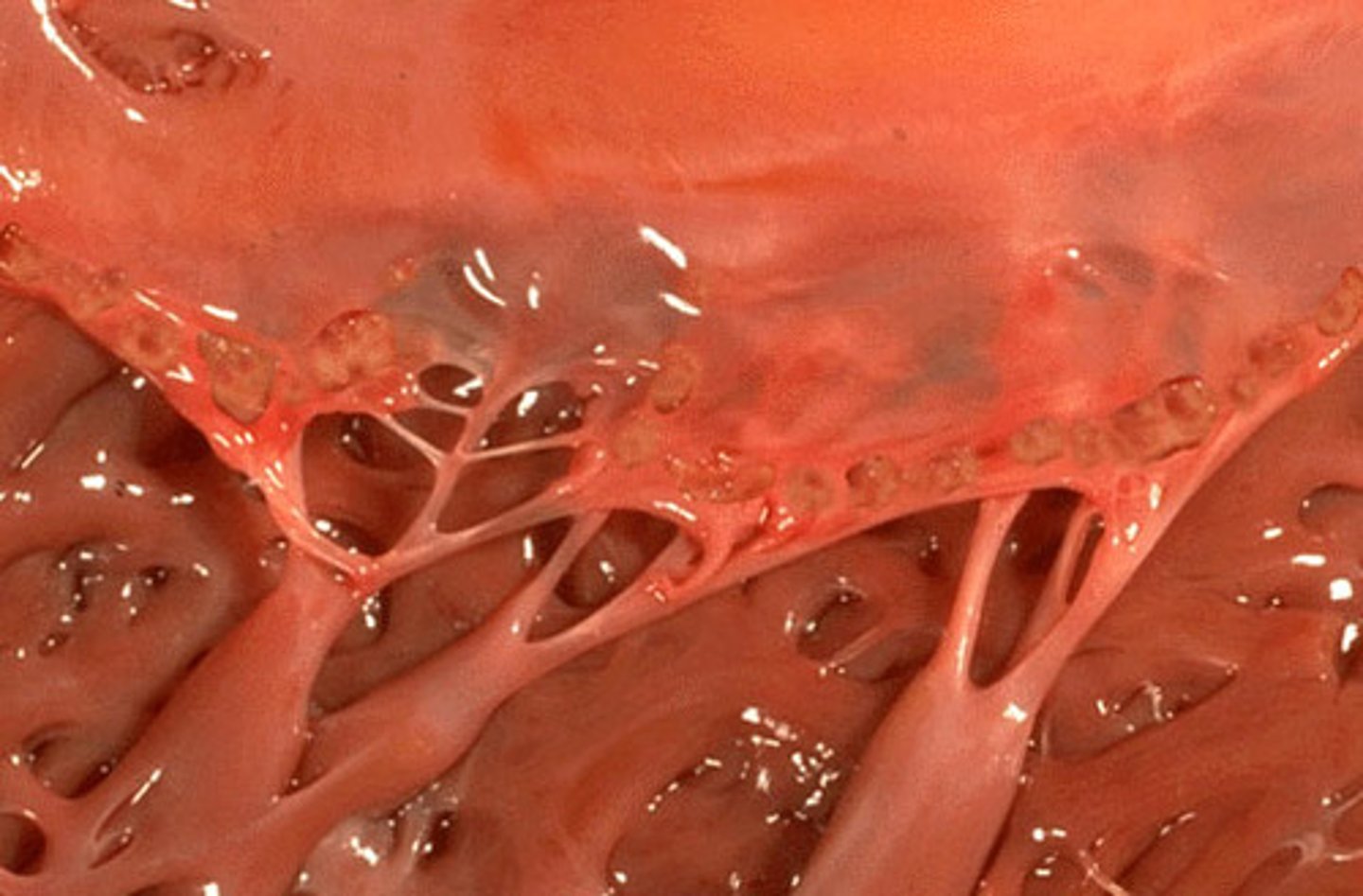
Pancarditis
(pan-kahr-DAHY-tis) Inflammation of the entire heart (ការរលាកបេះដូងគ្រប់ស្រទាប់)
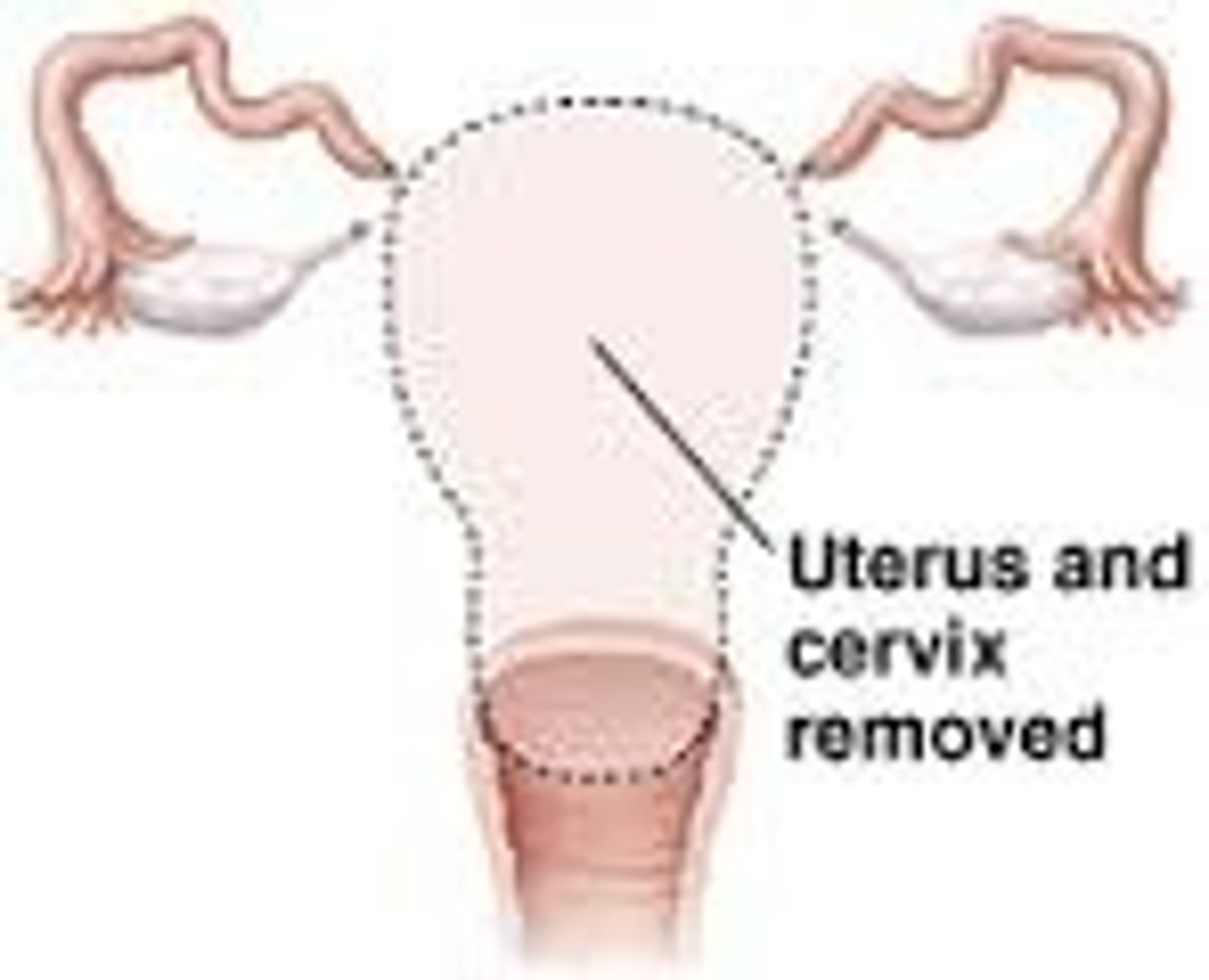
Panhysterectomy
(pan-hiss-tuh-RECK-tuh-mee) Surgical removal of the entire uterus (ការវះកាត់យកស្បូនទាំងអស់)
Prenatal
(pree-NAY-tul) to the time and events before birth. (មុនពេលសំរាលកូន)

Antepartum
(an-tee-PAR-tuhm) the time before childbirth in reference to the mother. (មុនពេលសំរាលកូន)

Prognosis
(prog-NO-sis) A prediction of the probable course and outcome of a disease (knowledge before it happens) (ការប៉ាន់ស្មានដំណើរជំងឺ)

Postnatal
(pohst-NAY-tuhl) to the time and events after birth. (សរសៃខ្ចី)
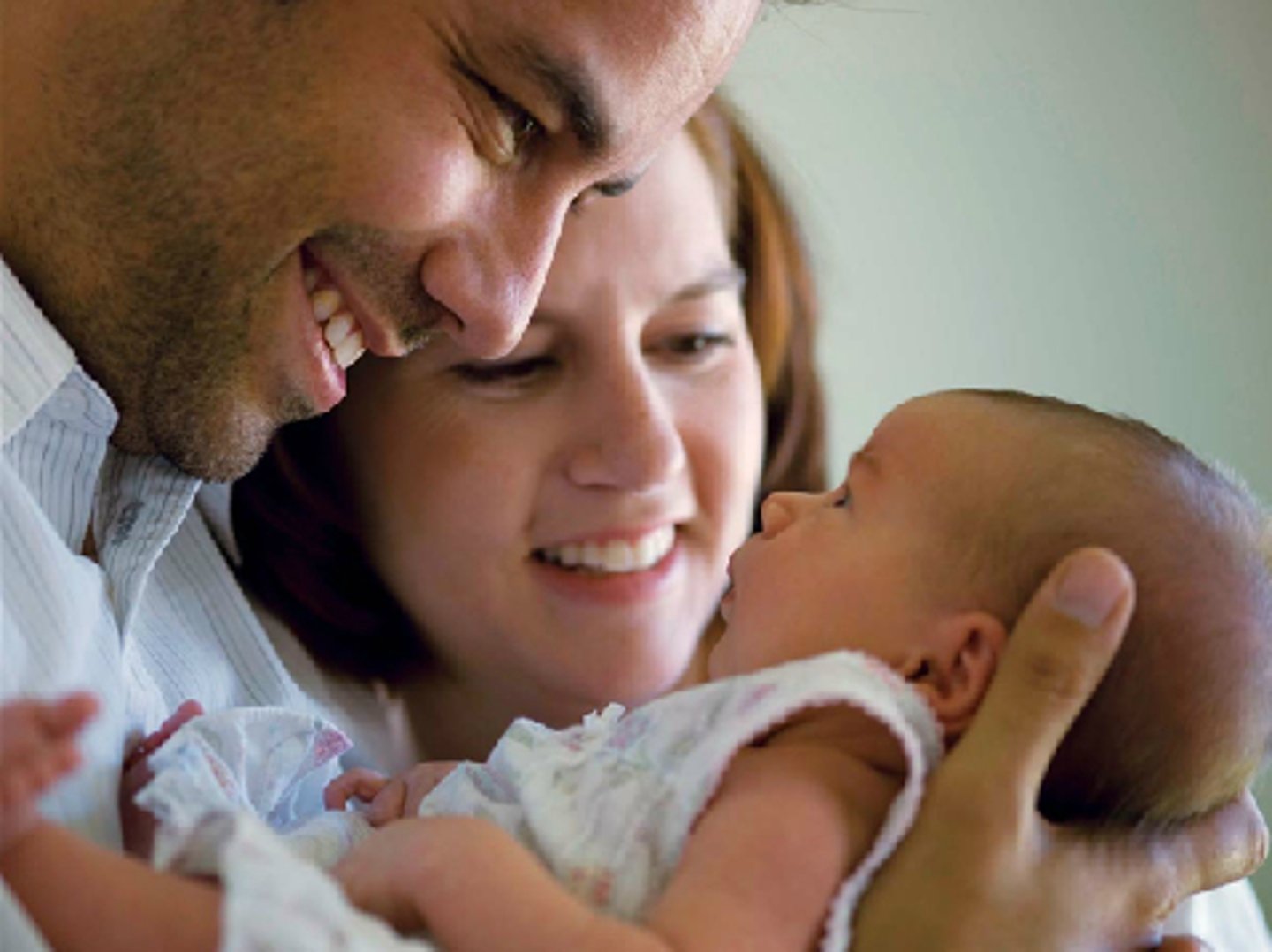
Bradycardia
(brad-i-KAHR-dee-uh) an abnormally slow resting heart rate. (បេះដូងលោតយឺត)
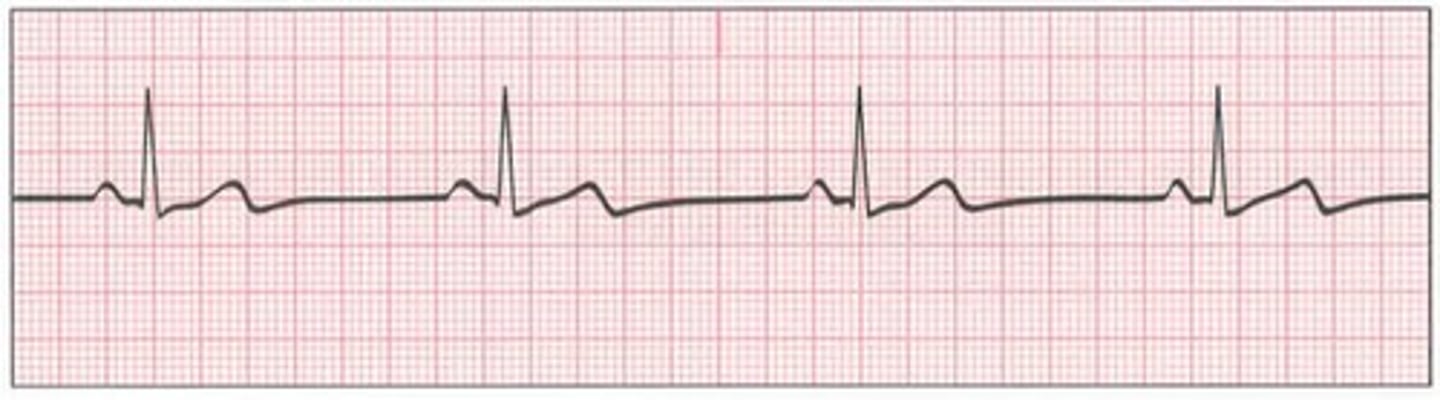
Tachypnea
(tack-ip-NEE-uh) an abnormally rapid rate of respiration. (ដកដង្ហើមញាប់)
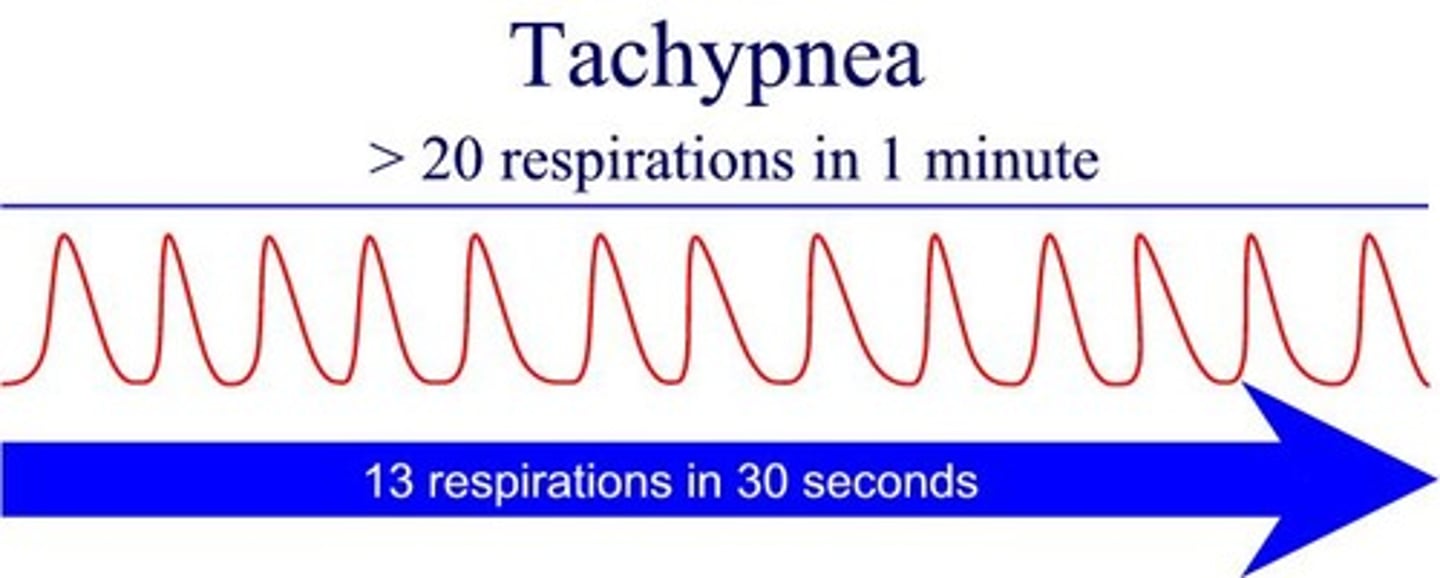
Neonatology
(nee-uh-nay-TOL-uh-jee) the study of disorders of the newborn (ទារកសាស្ត្រ)
Apnea
(AP-nee-uh) the temporary absence of spontaneous breathing; (ជំងឺដកដង្ហើមឈប់ៗ បណ្តោះអាសន្ន)
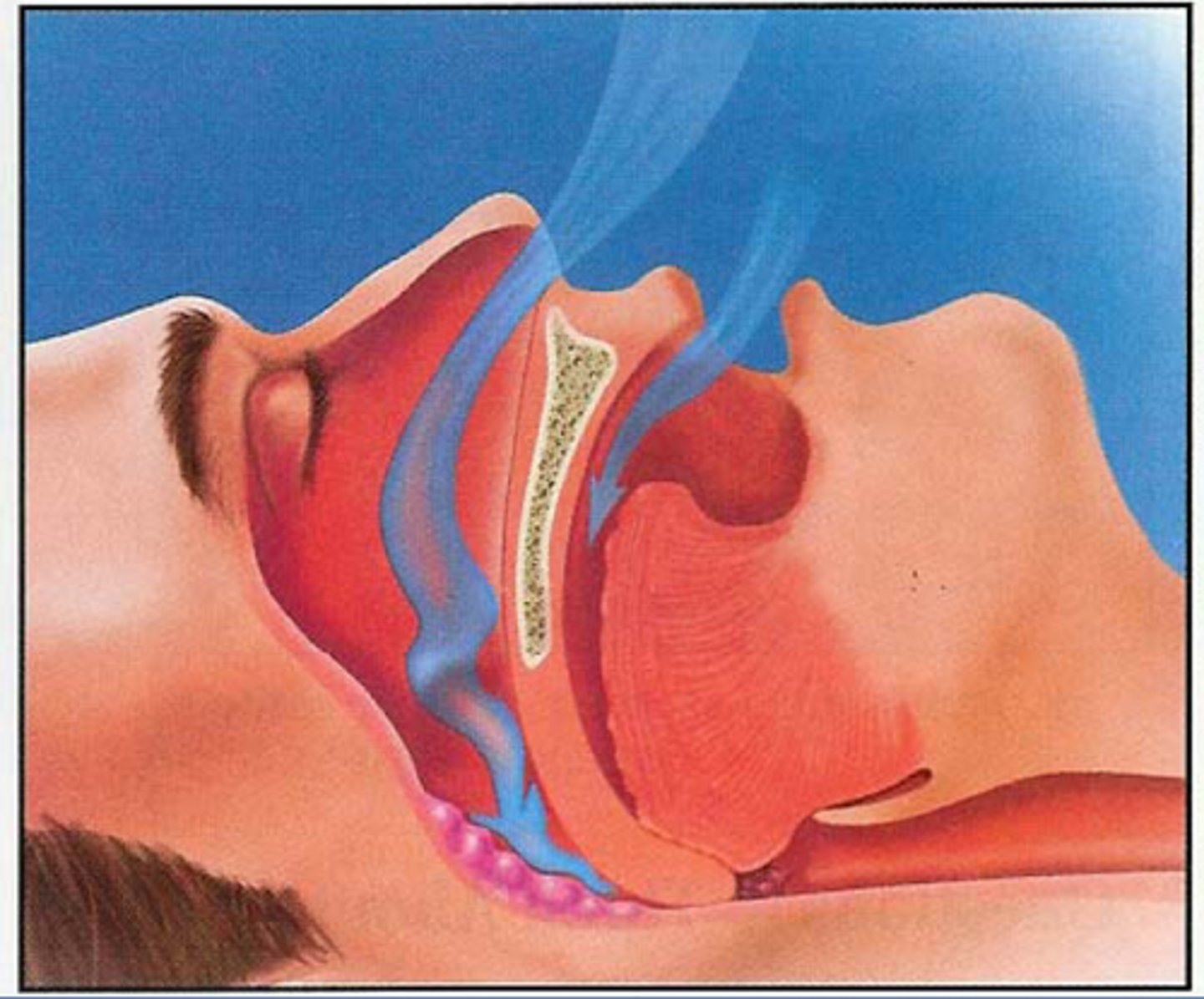
anoxia
(an-OK-see-uh) the absence of oxygen from tissues. (ការខ្វះខ្យល់អុកស៊ីសែន)

Dysuria
(dis-YOO-ree-uh) difficult or painful urination ( ជំងឺនោមឈឺ)

dyspnea
(DISP-nee-uh) difficult or labored breathing. (ការដកដង្ហើមពិបាក)

Eupnea
(yoop-NEE-ah) normal, easy breathing. (ការដកដង្ហើមធម្មតា)

Hypertension
(hi-per-TEN-shun) higher-than-normal blood pressure. (ជំងឺលើសសម្ពាធឈាម)

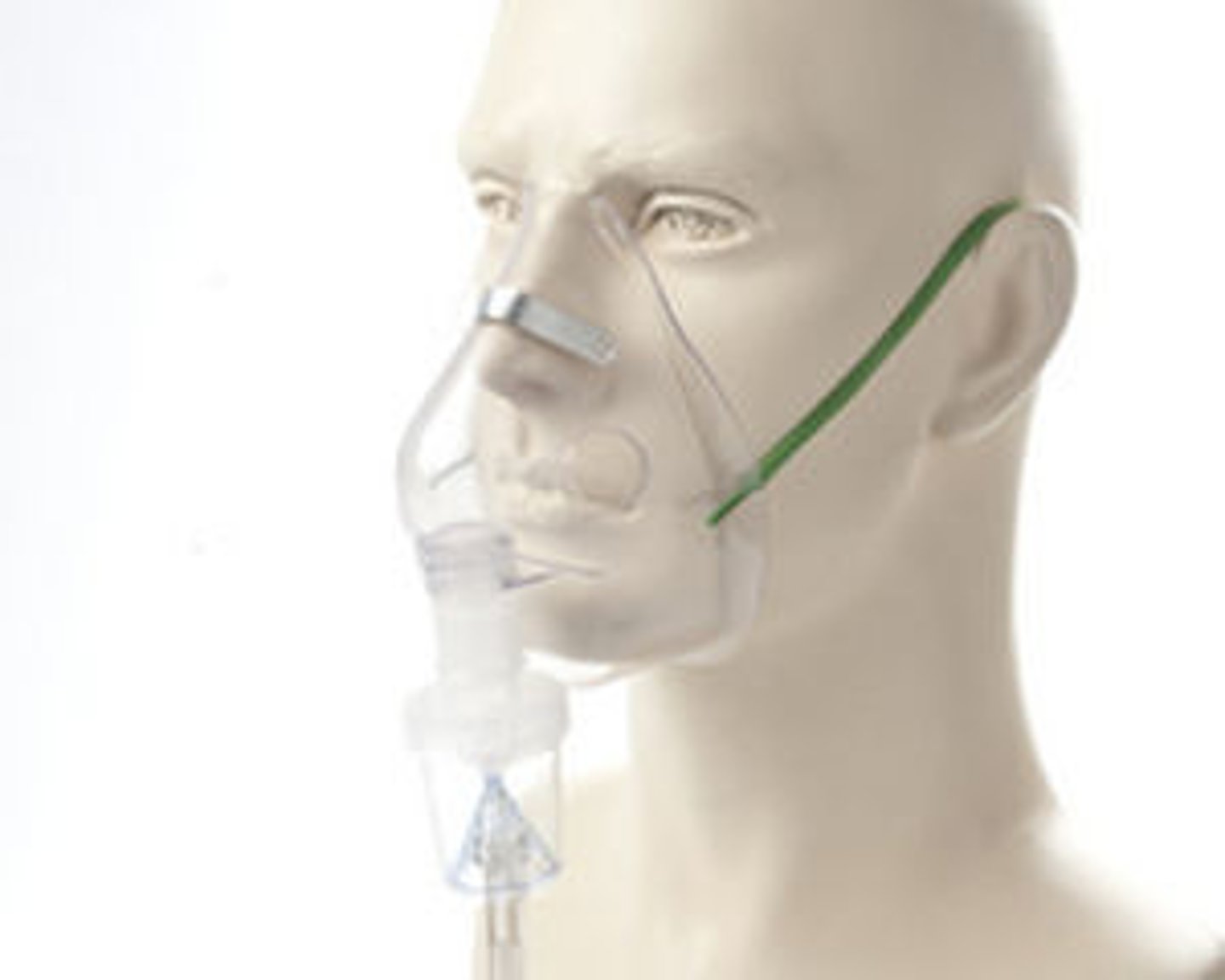
hypoxia
(hi-POK-see-uh) a deficient level of oxygen reaching the body's tissues and organs ( កង្វះអុកស៊ីសែនក្នុងជាលិកា)
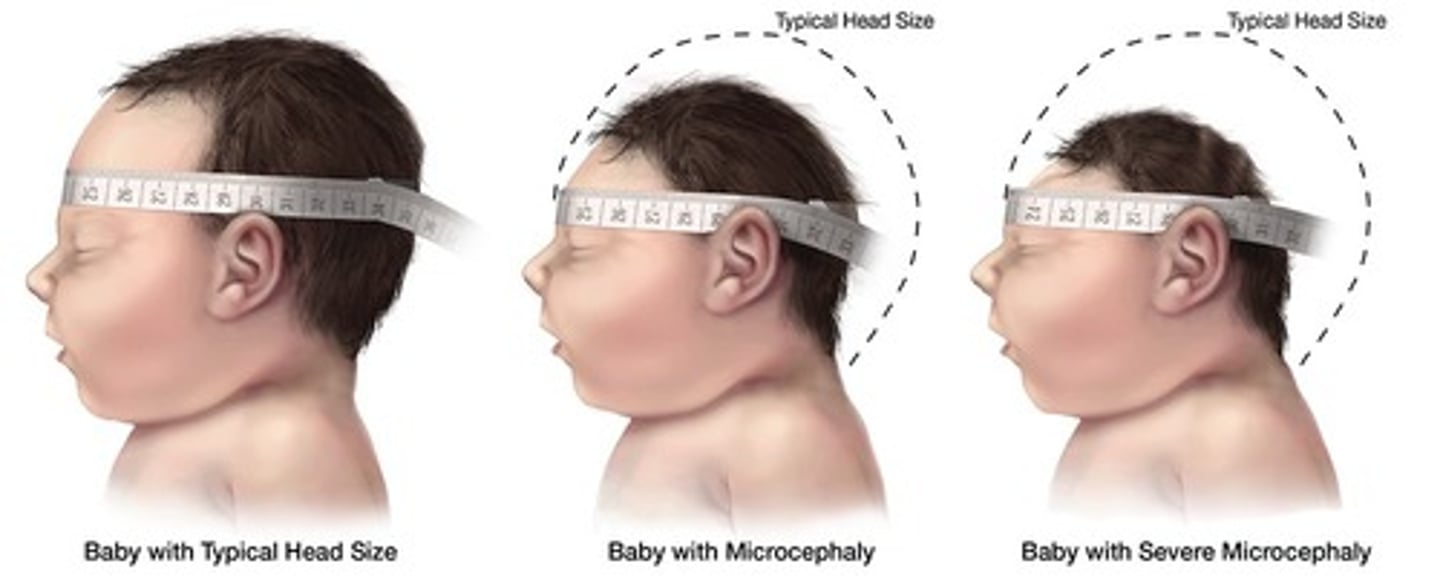
Microcephalus
(my-kroh-SEFF-uh-luhss) a fetus with a very small head. (ក្បាលតូចខុសធម្មតា)
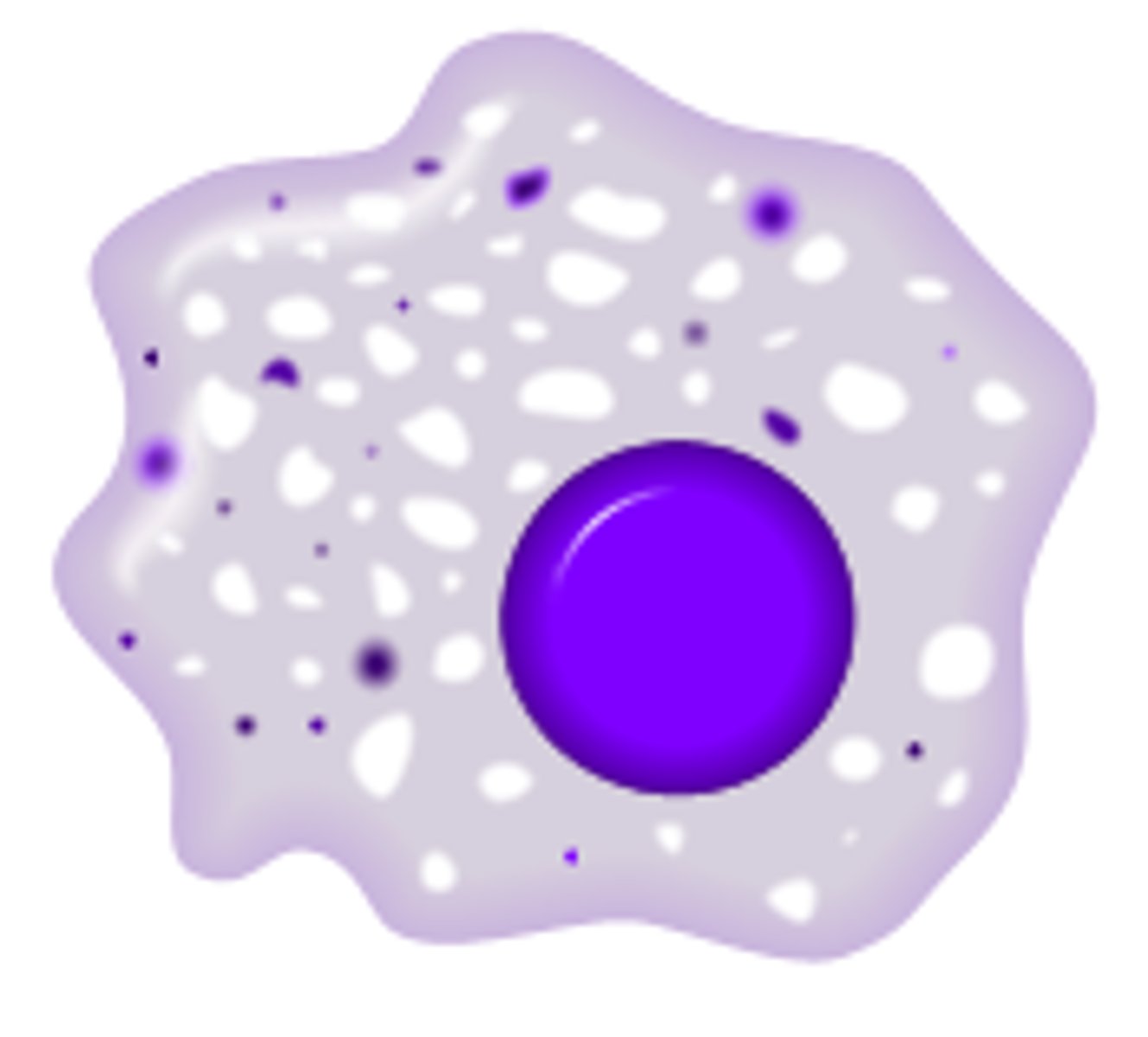
Macrophage
(MA-kroh-fayj) A type of large white blood cell that surrounds and kills microorganisms and removes dead cells (កោសិកាស៊ី)
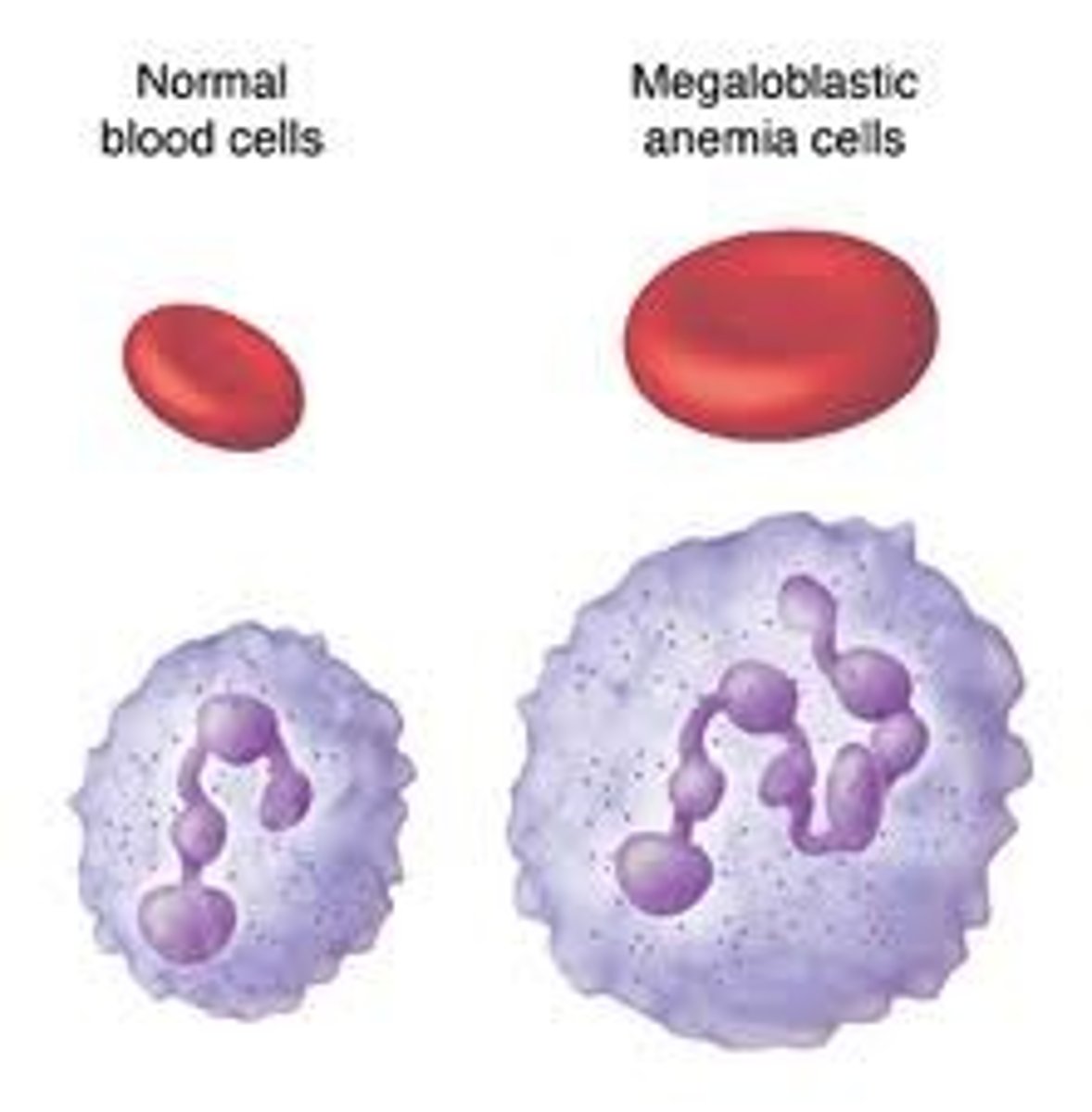
Megaloblastic anemia
(MEG-ah-loh-blas-tick ahNEE-mee-ah) a blood disorder characterized by anemia in which the red blood cells are larger than normal (ជំងឺស្លេកស្លាំងដោយកោសិកាឈាមក្រហមធំមិនពេញវ័យ)