SC100 Genetics Key Terms
 Call Kai
 Learn
Learn Practice Test
 Spaced Repetition
 Match
Match Flashcards
 Knowt Play
1/28

There's no tags or description
Looks like no tags are added yet.
Name | Mastery | Learn | Test | Matching | Spaced | Call with Kai |
|---|
No analytics yet
Send a link to your students to track their progress
29 Terms
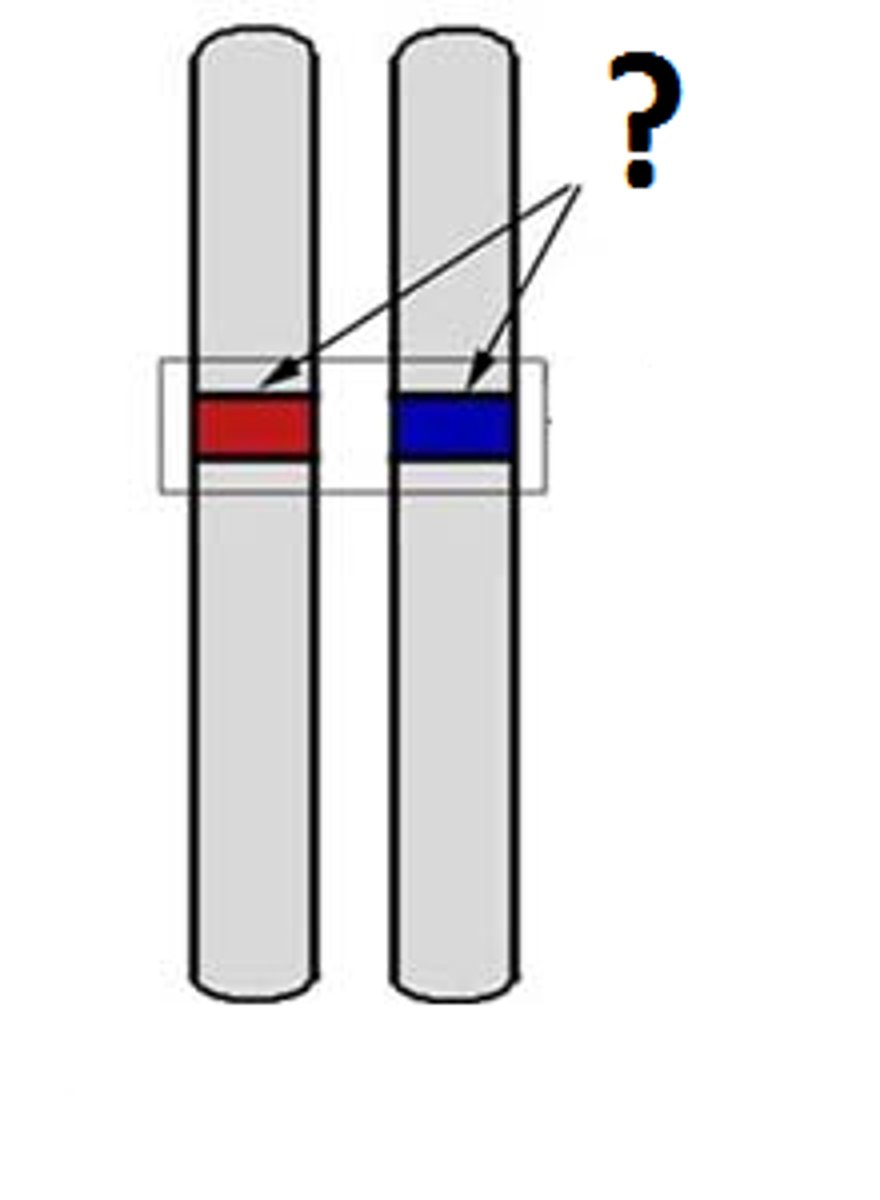
Allele
An alternative form of a gene. Each individual inherits two alleles for each gene, one from each parent.
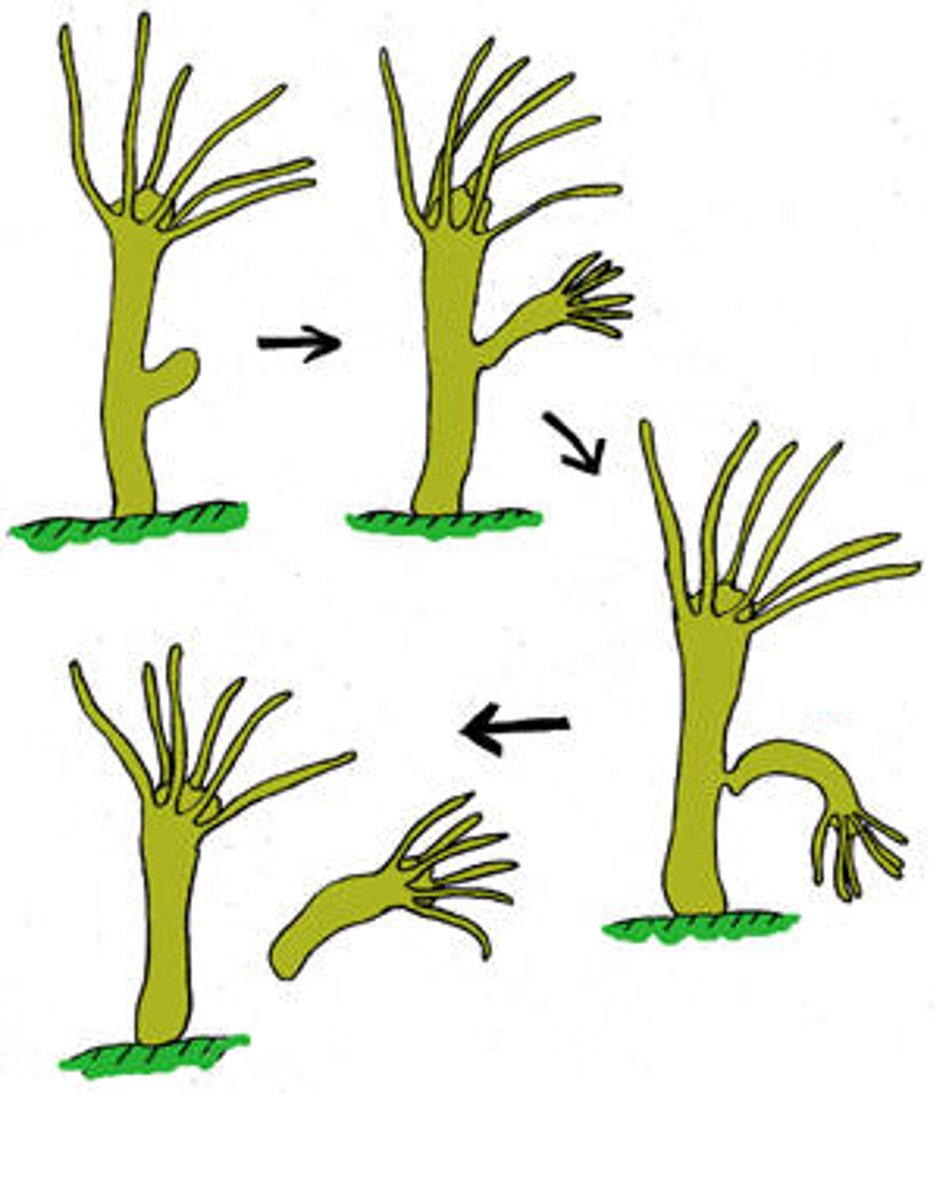
Asexual Reproduction
A type of reproduction involving only one parent, resulting in offspring that are genetically identical to the parent.
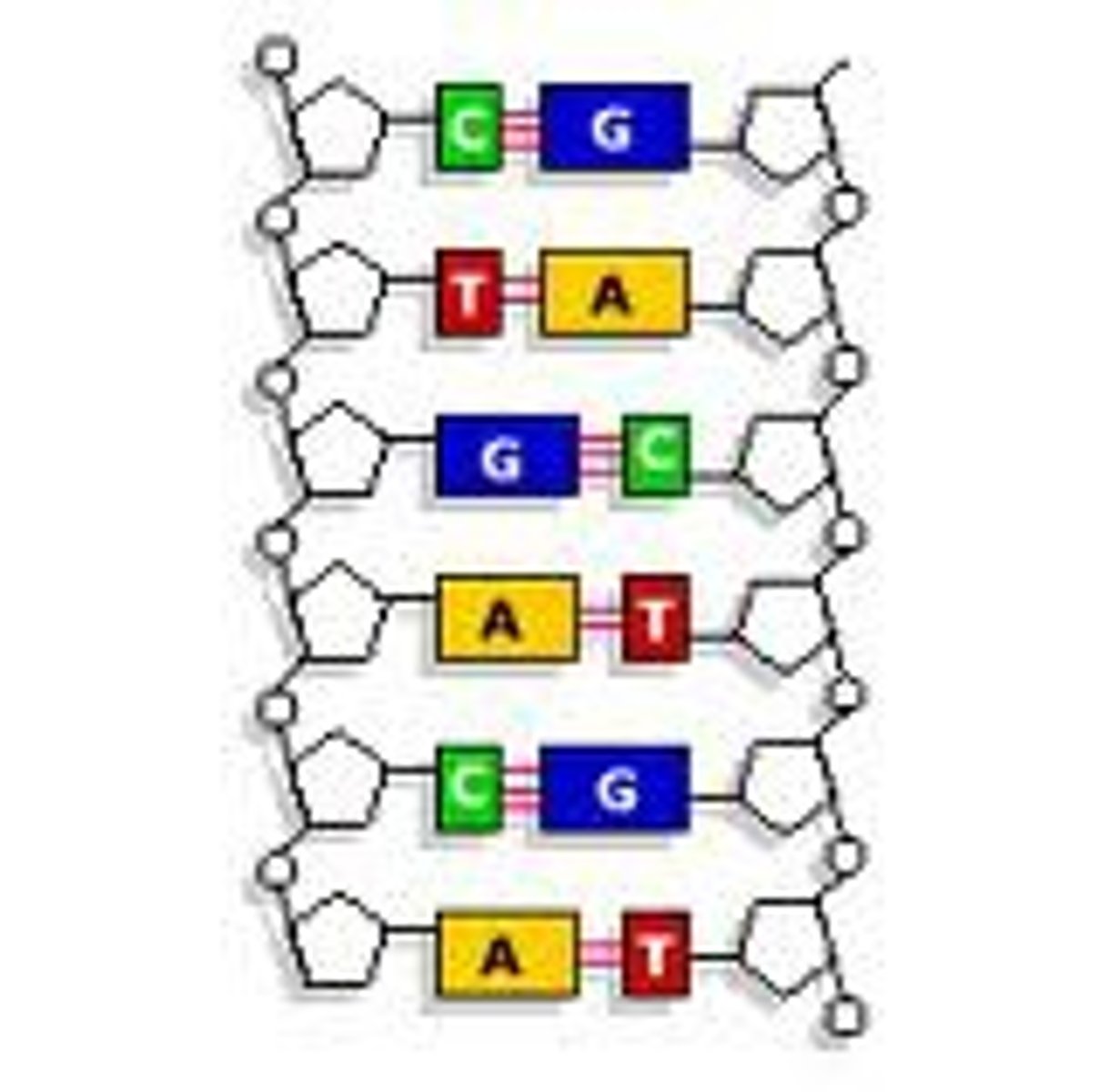
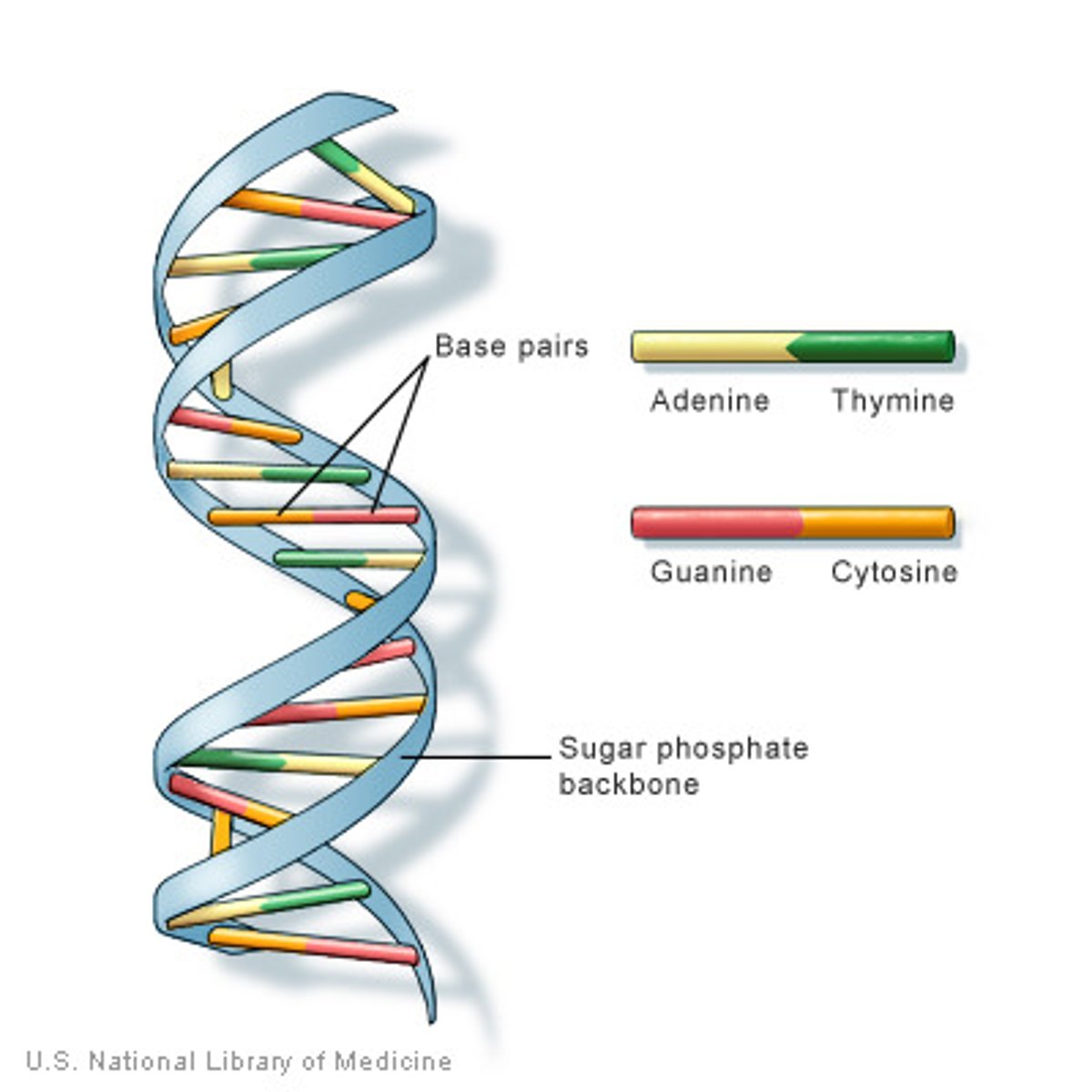
Base Pairing Rule
A rule that states that in DNA, adenine (A) pairs with thymine (T), and cytosine (C) pairs with guanine (G). (A-T and G-C)
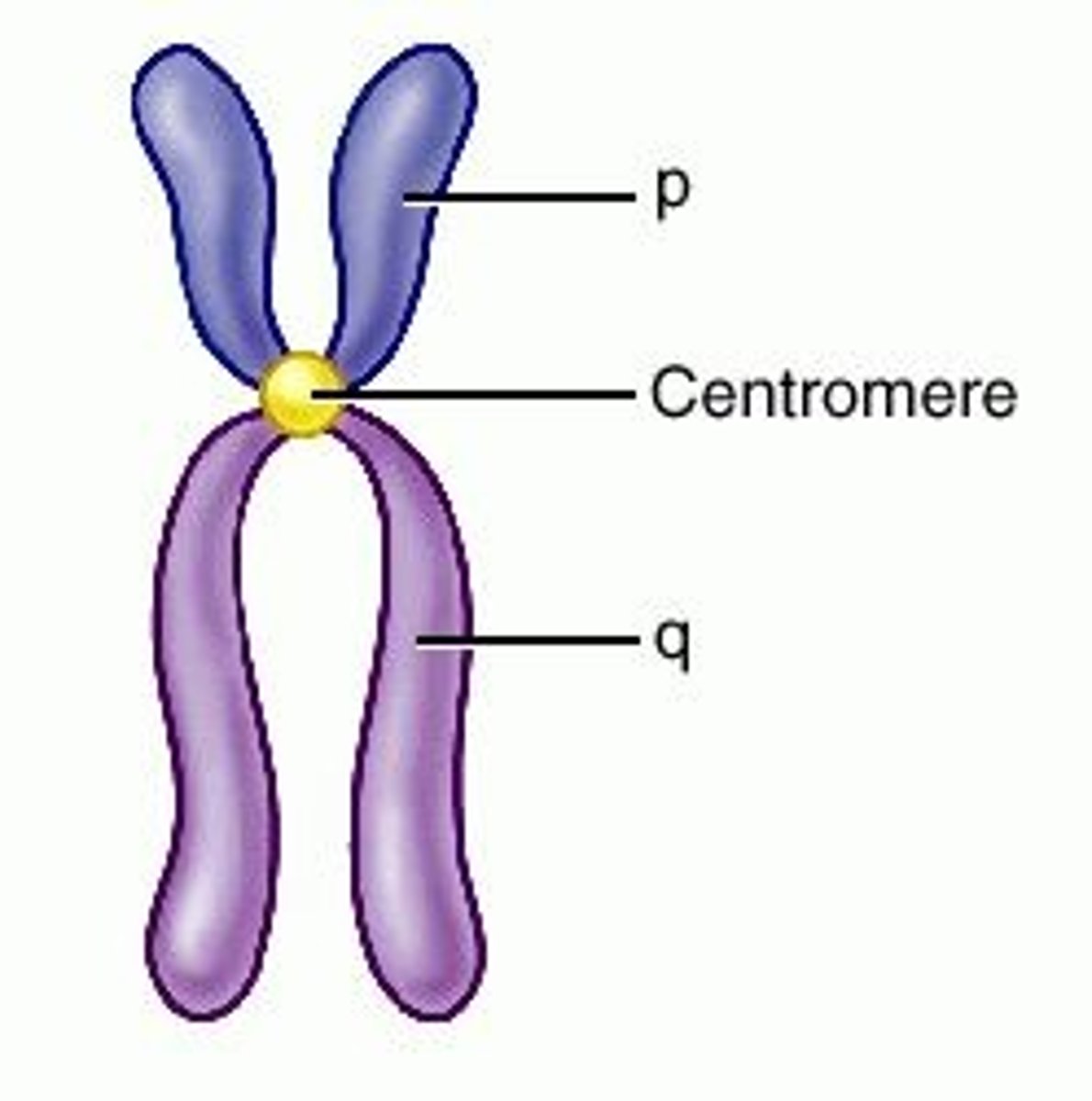
Chromosome
A structure of tightly coiled DNA found in the nucleus of cells. Humans have 46 chromosomes, arranged in 23 pairs.
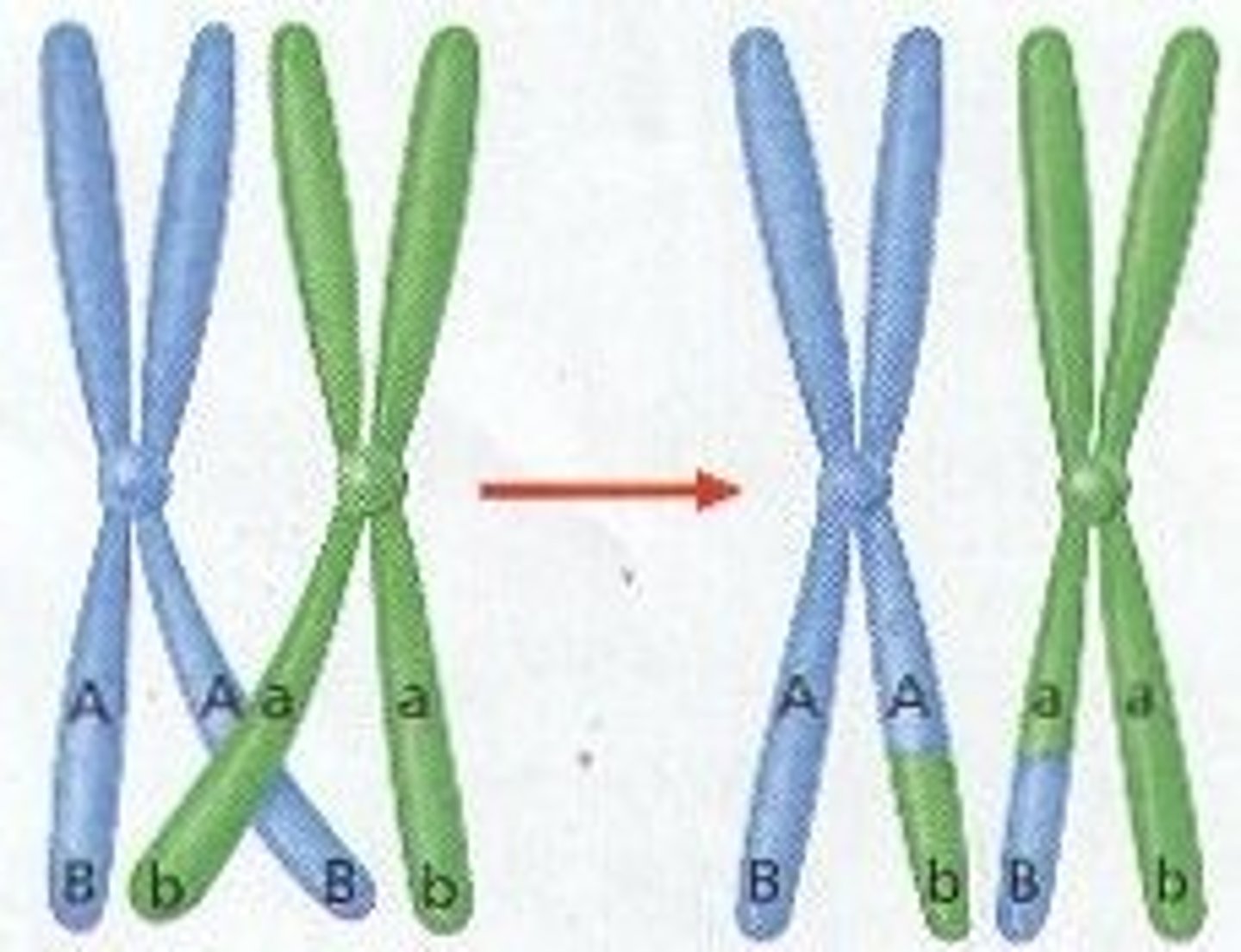
Crossing Over
A process that occurs during meiosis where homologous chromosomes exchange segments of genetic material. This results in new combinations of alleles, increasing genetic variation in gametes (sperm or egg cells).
DNA (Deoxyribonucleic Acid)
The molecule that carries genetic information in all living organisms. Made of repeating units called nucleotides.
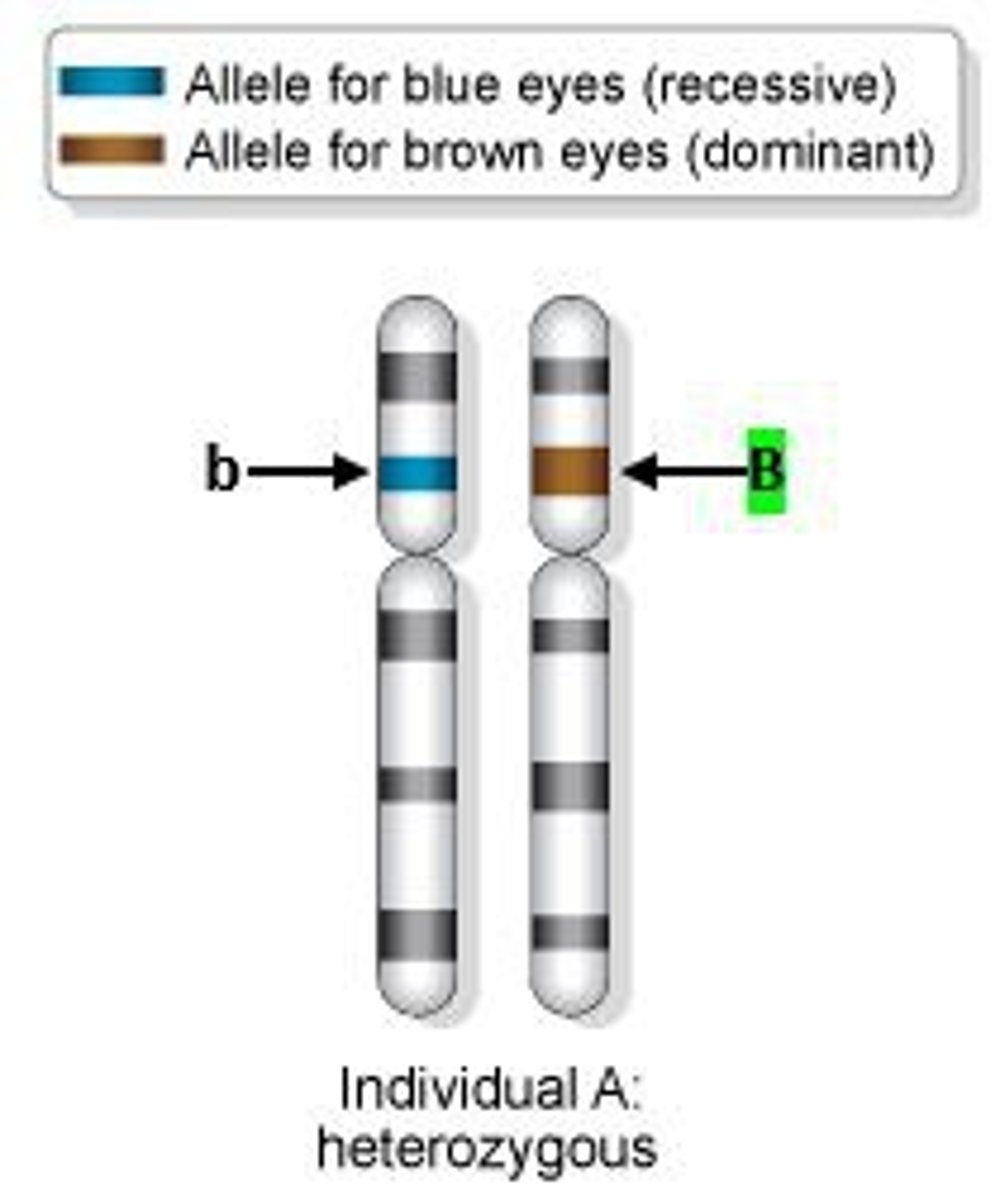
Dominant Allele
An allele that expresses its trait even if only one copy is present (e.g., B).
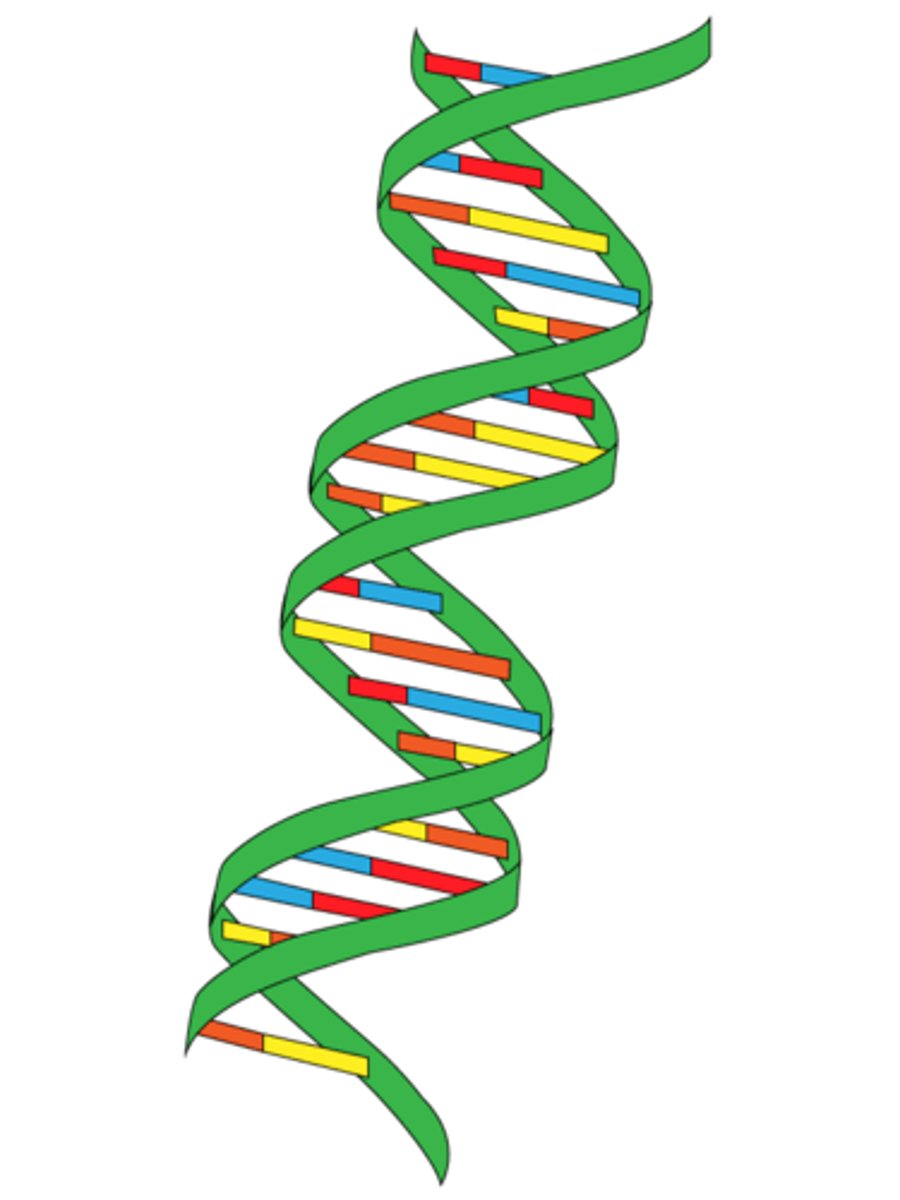
Double Helix
The name of the twisted ladder shape of DNA.
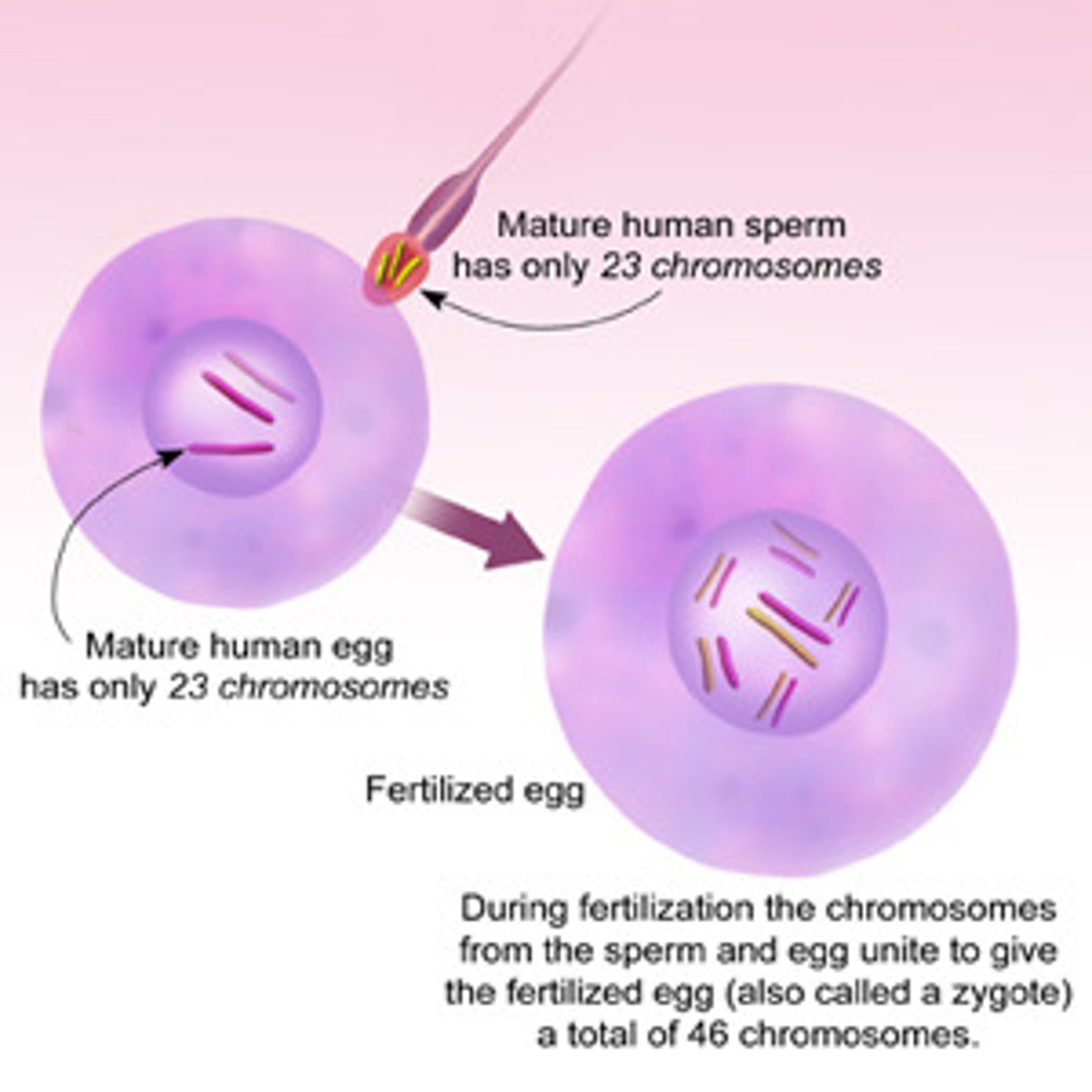
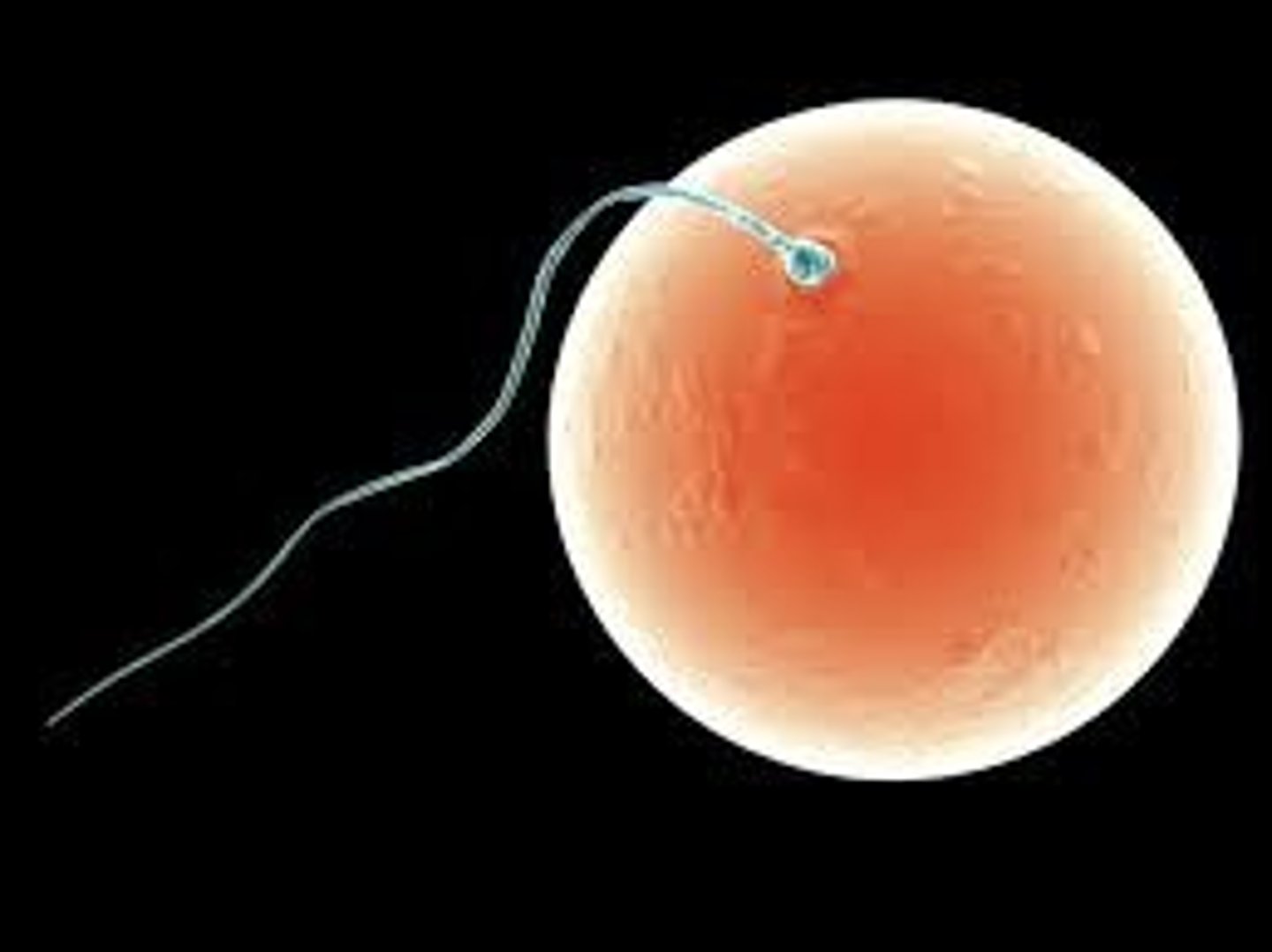
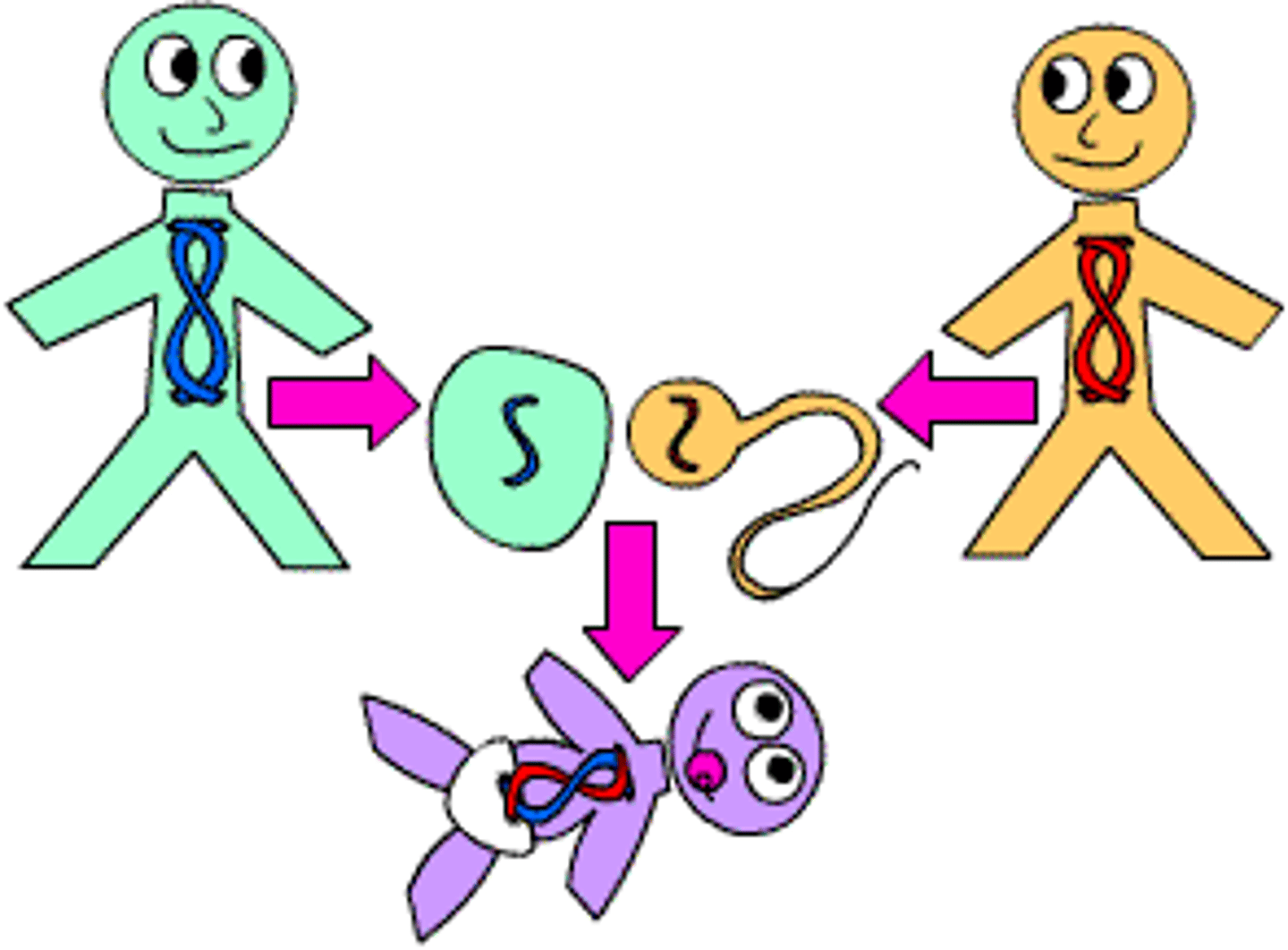
Fertilisation
The process where male and female gametes (sperm and egg) fuse to form a zygote (the first cell of an organism), beginning the development of a new organism.
Gamete
A reproductive cell (sperm in males and egg in females) that contains half the genetic information (haploid) of an organism.
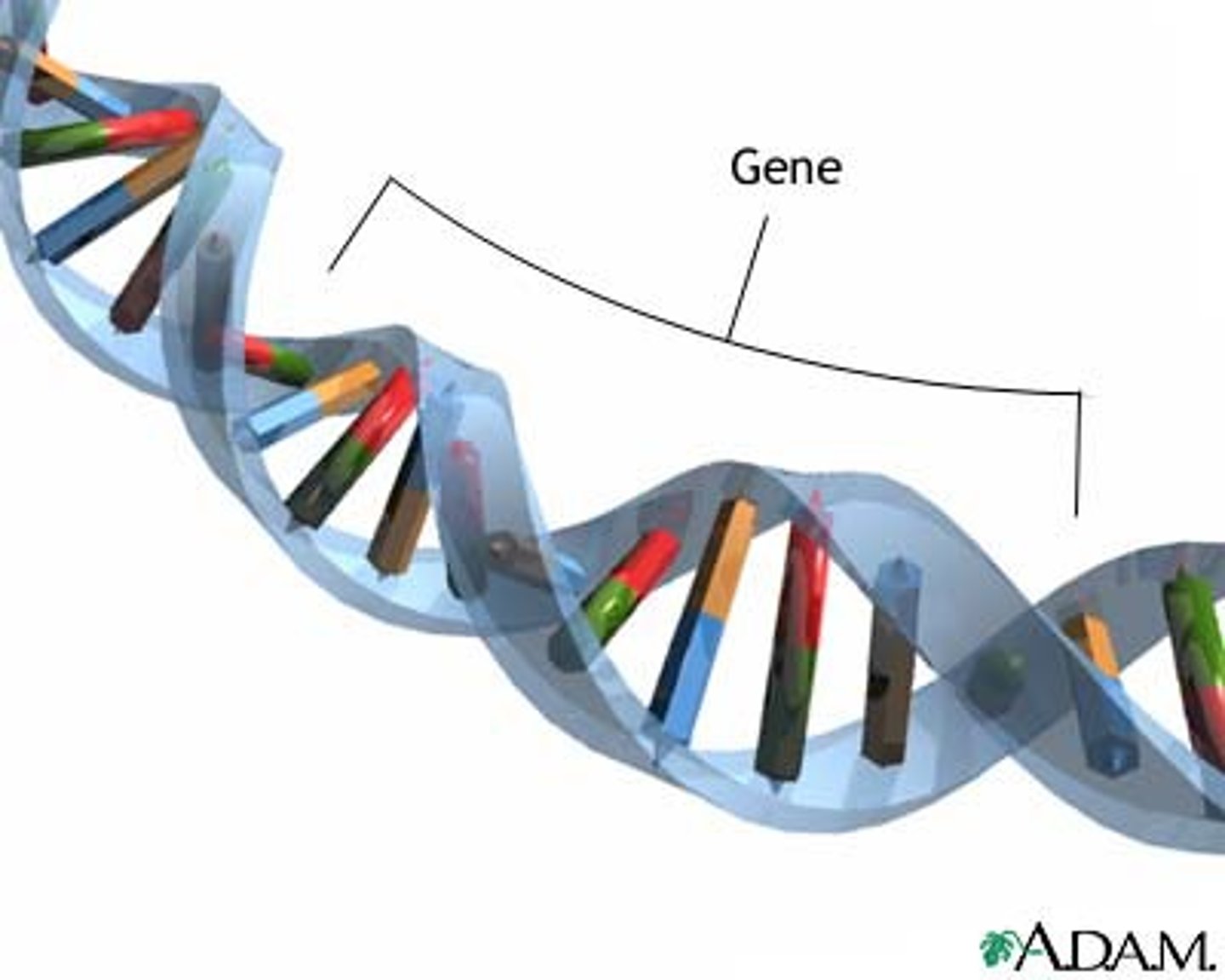
Gene
A section of DNA that codes for a specific protein or characteristic.
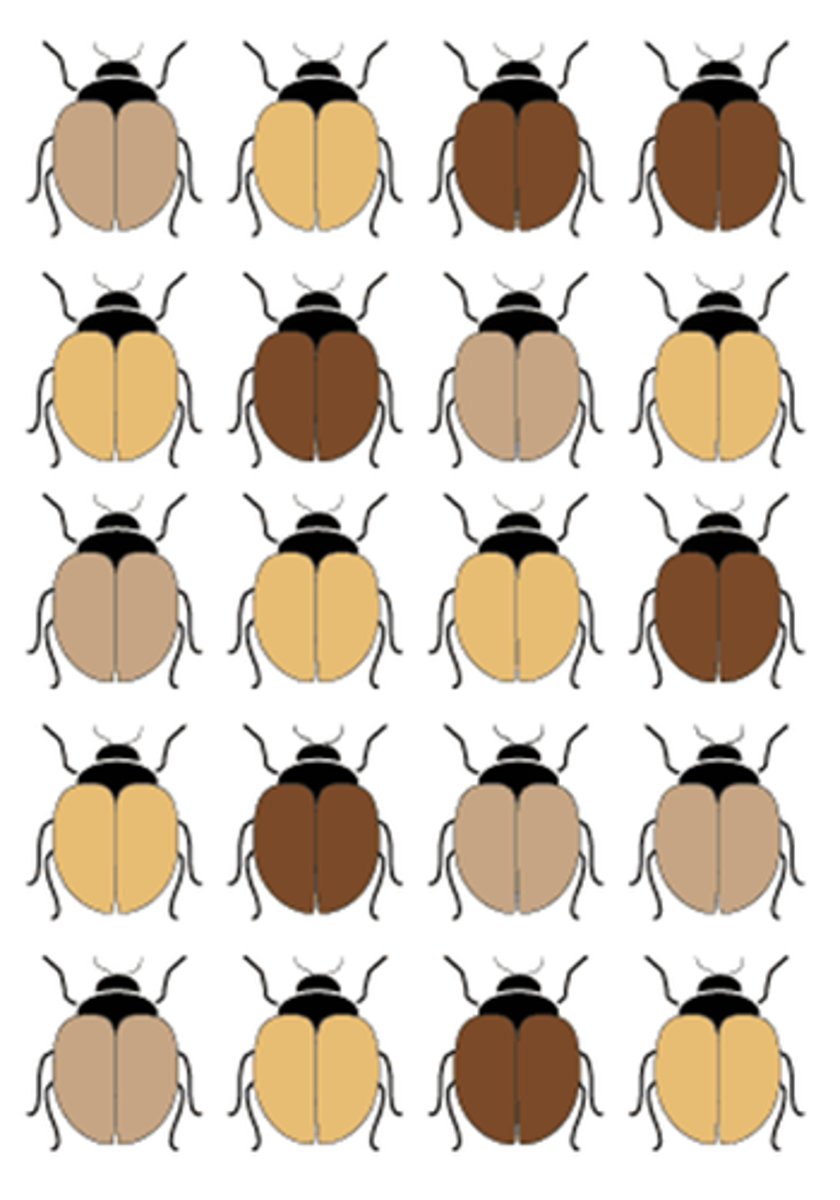
Genetic Variation
Differences in DNA/genes/alleles among individuals in a species, leading to diversity in traits.
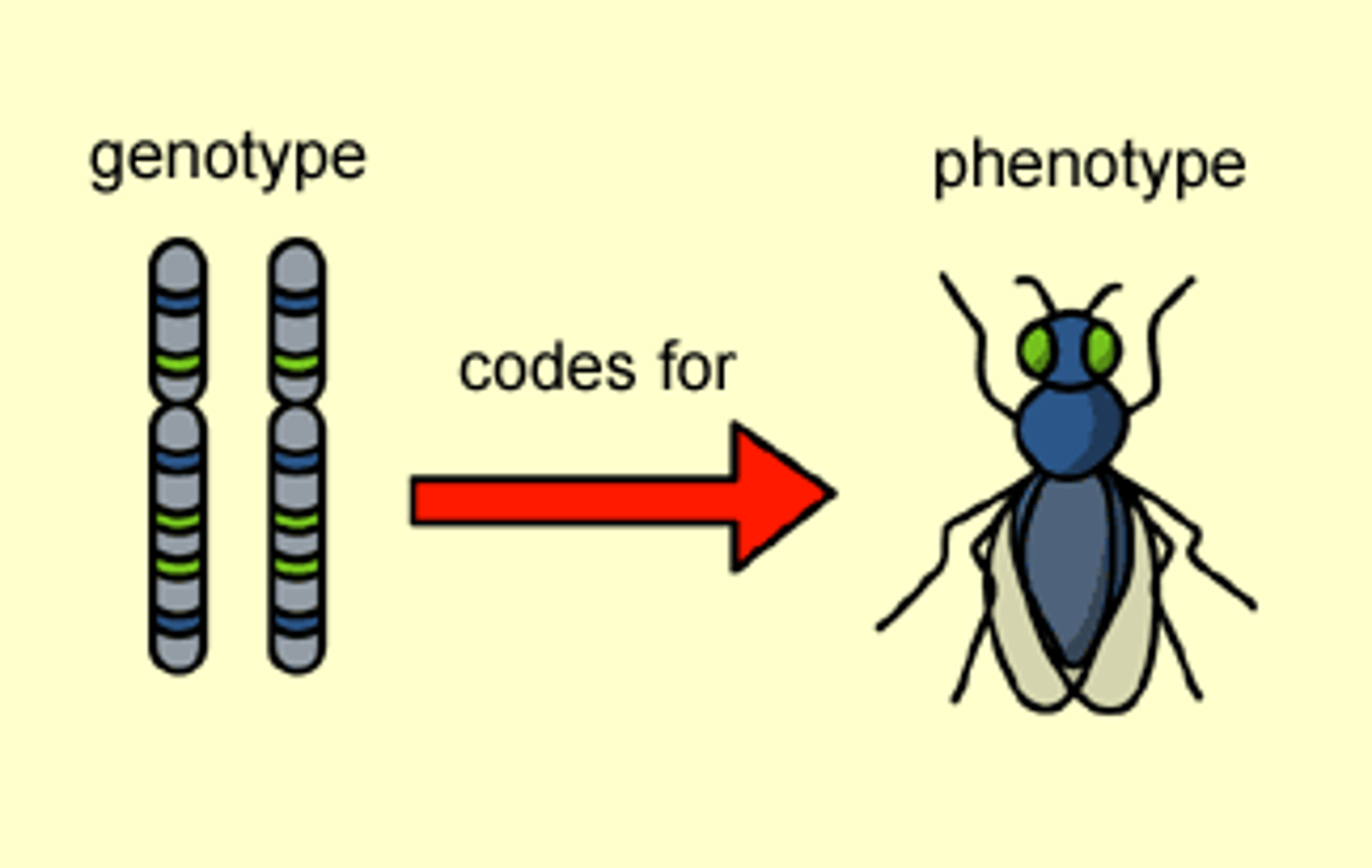
Genotype
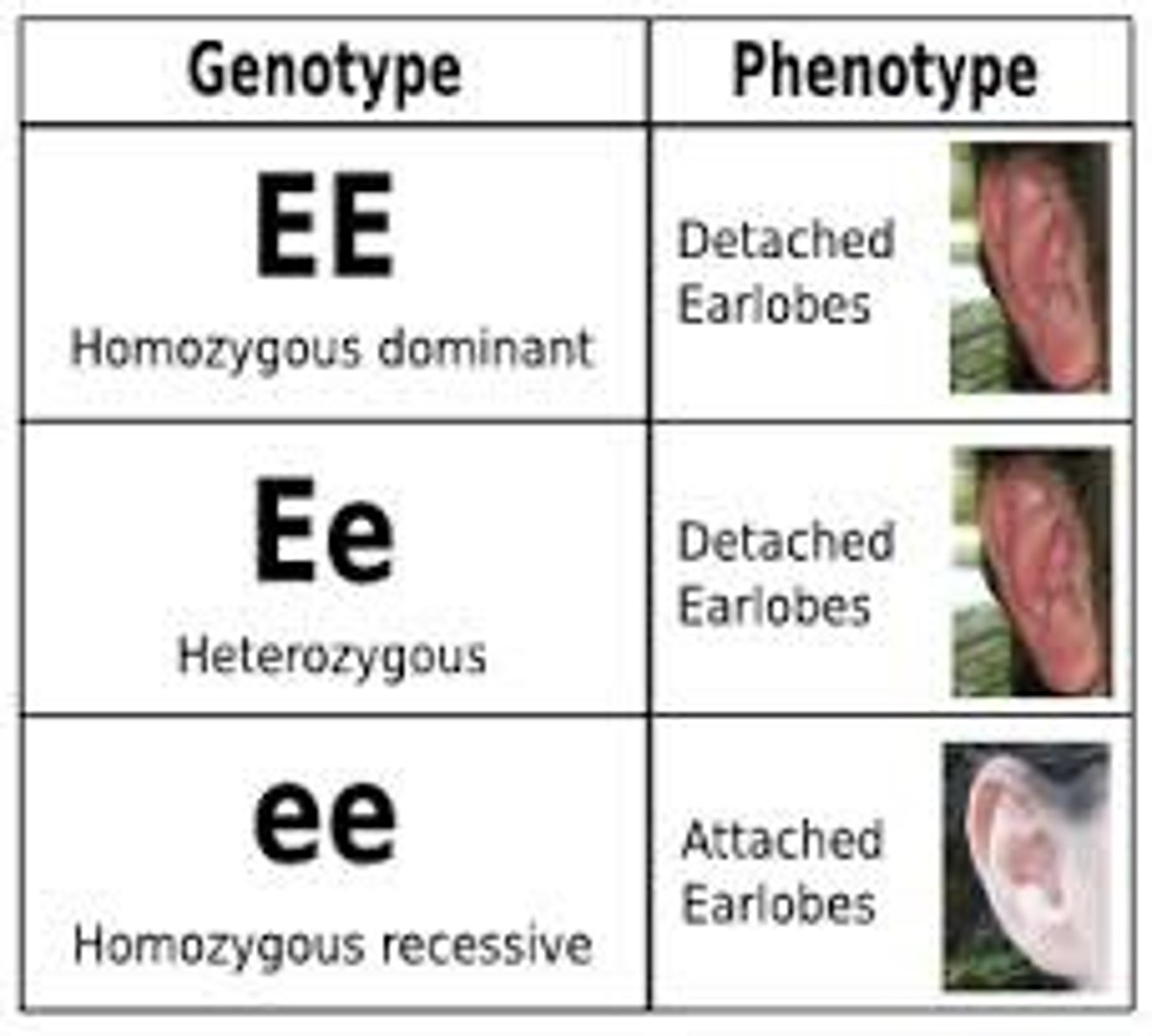
The genetic makeup of an individual for a specific trait (e.g., Bb or bb).
Heterozygous
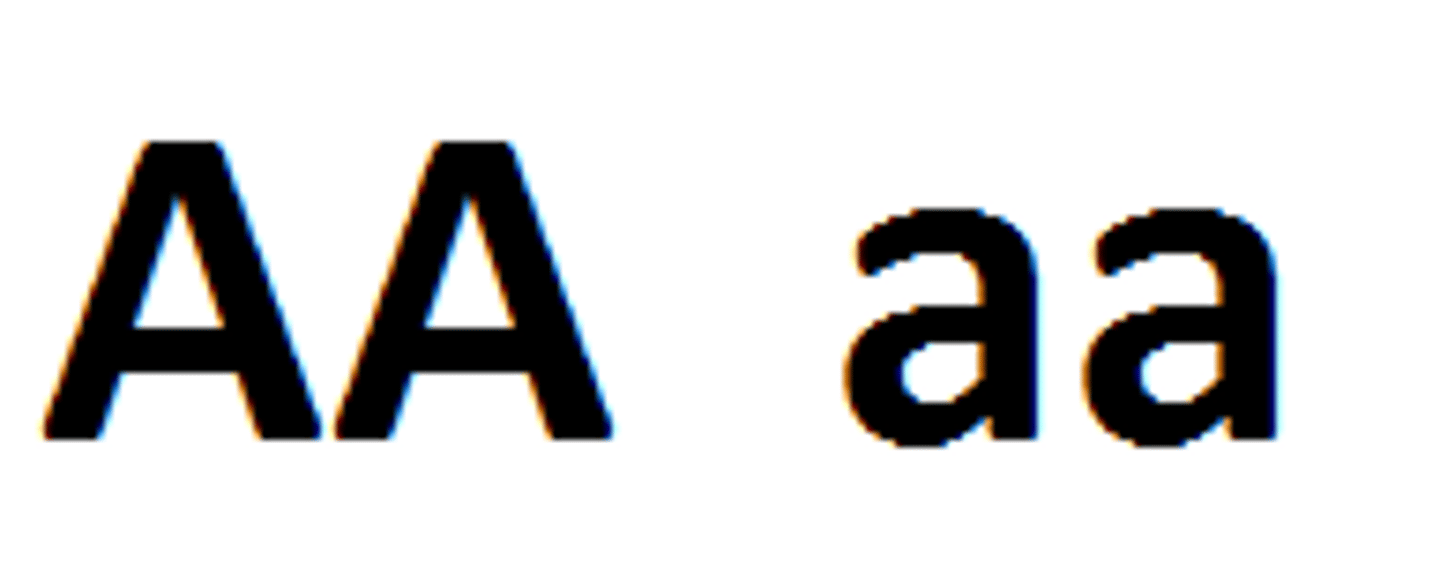
Having two different alleles for a particular gene (e.g., Bb).

Homozygous
Having two identical alleles for a particular gene (e.g., BB or bb).
Independent Assortment
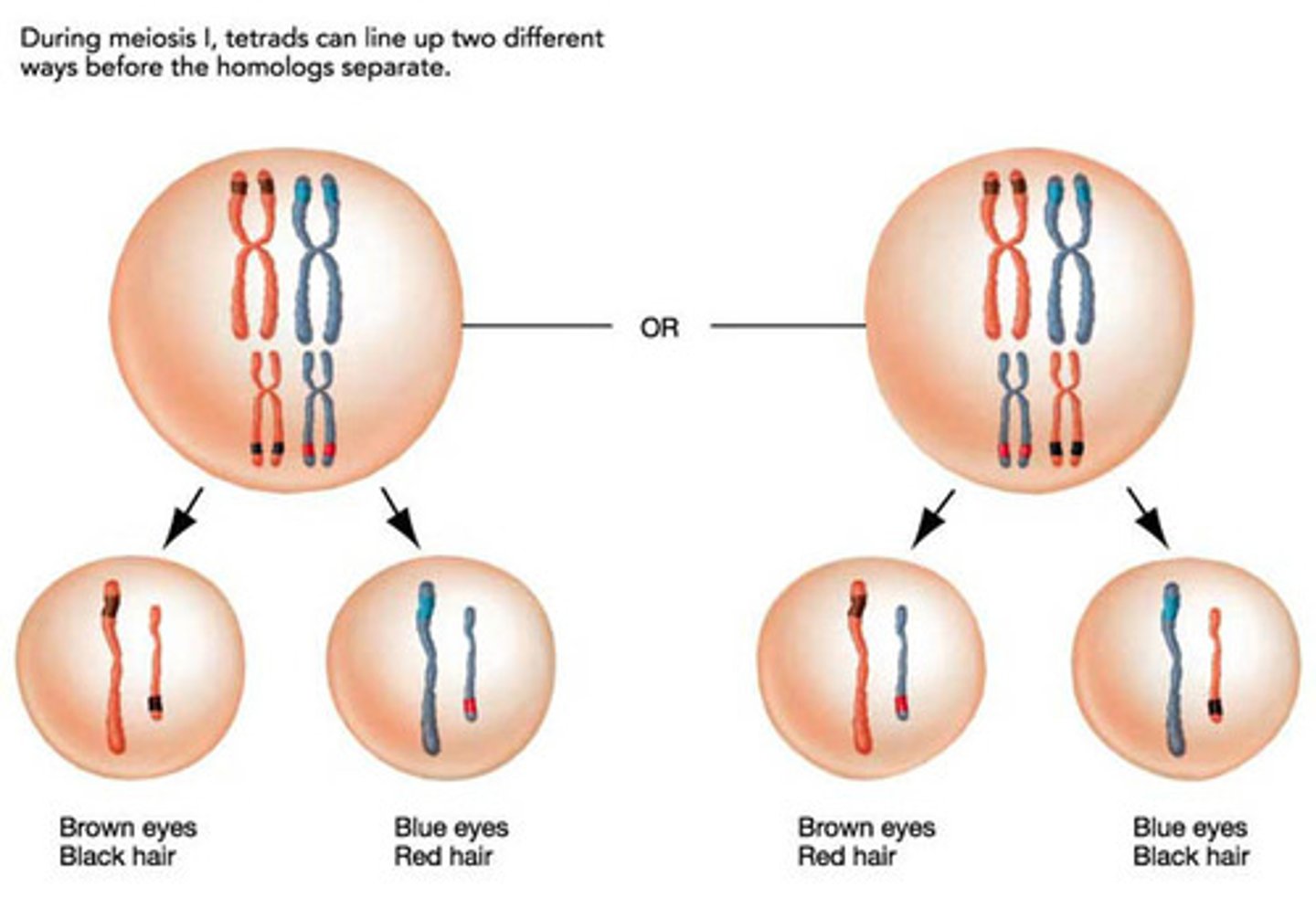
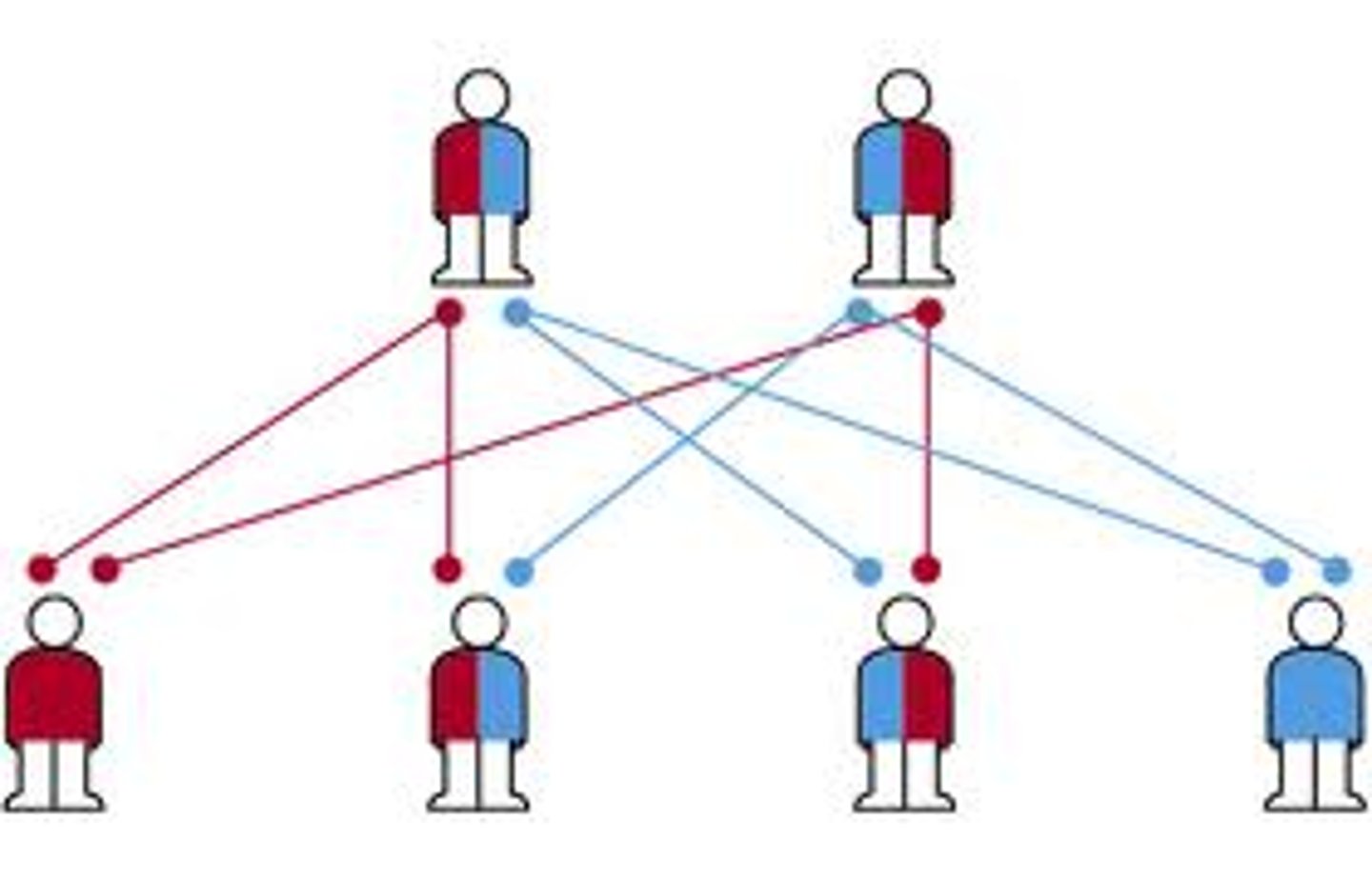
A principle of meiosis where chromosomes are randomly distributed to gametes. Each pair of homologous chromosomes separates independently of other pairs, leading to different combinations of chromosomes and contributing to genetic diversity in offspring.
Inherited
Traits or genetic information passed down from parent to offspring through genes.
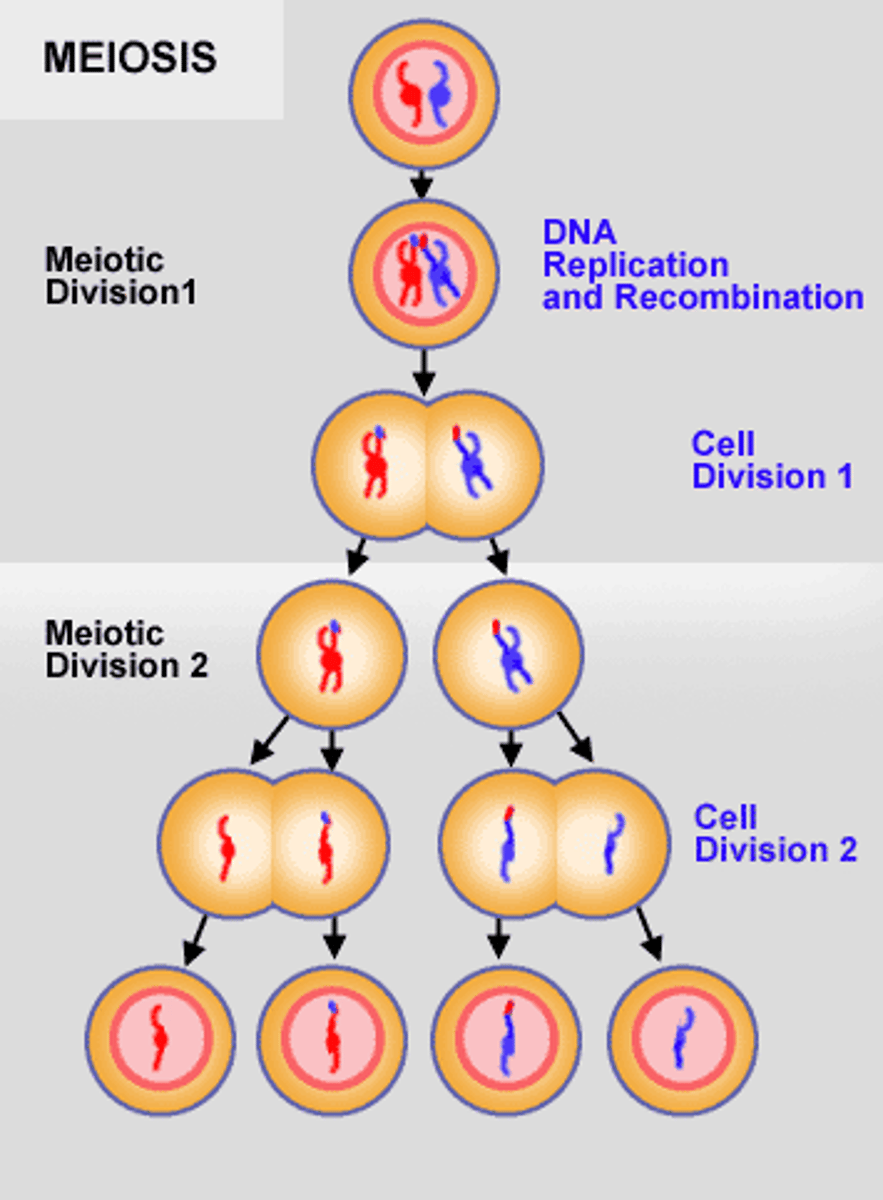
Meiosis
A type of cell division that reduces the chromosome number by half, resulting in the production of gametes.
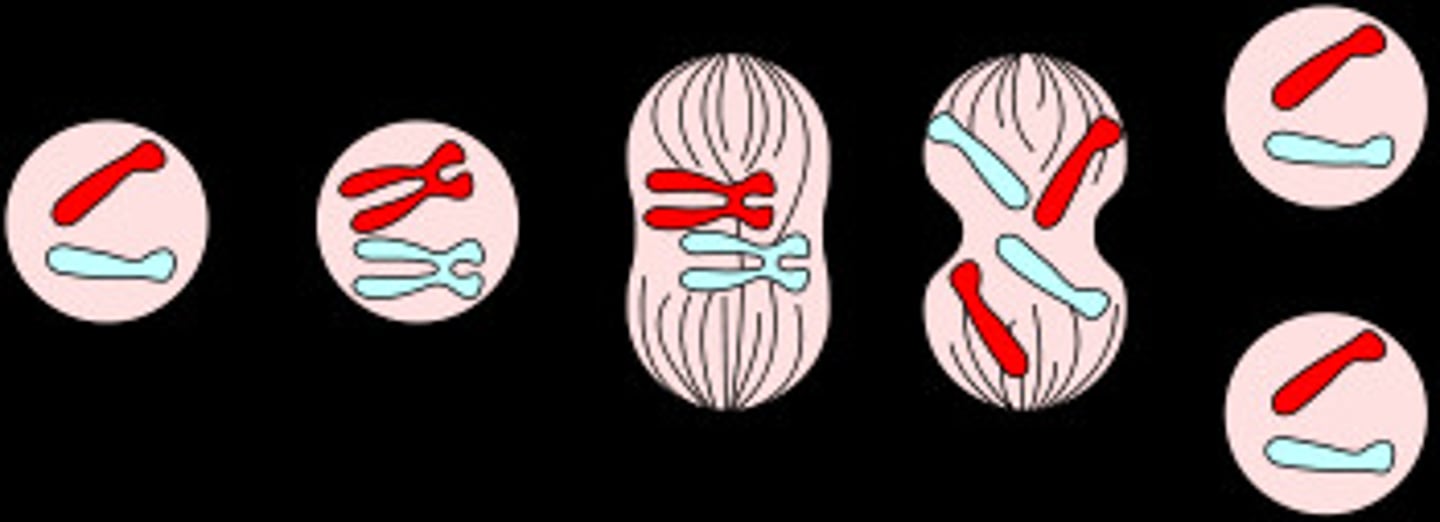
Mitosis
A type of cell division that results in two identical daughter cells, used for growth and repair in multicellular organisms.
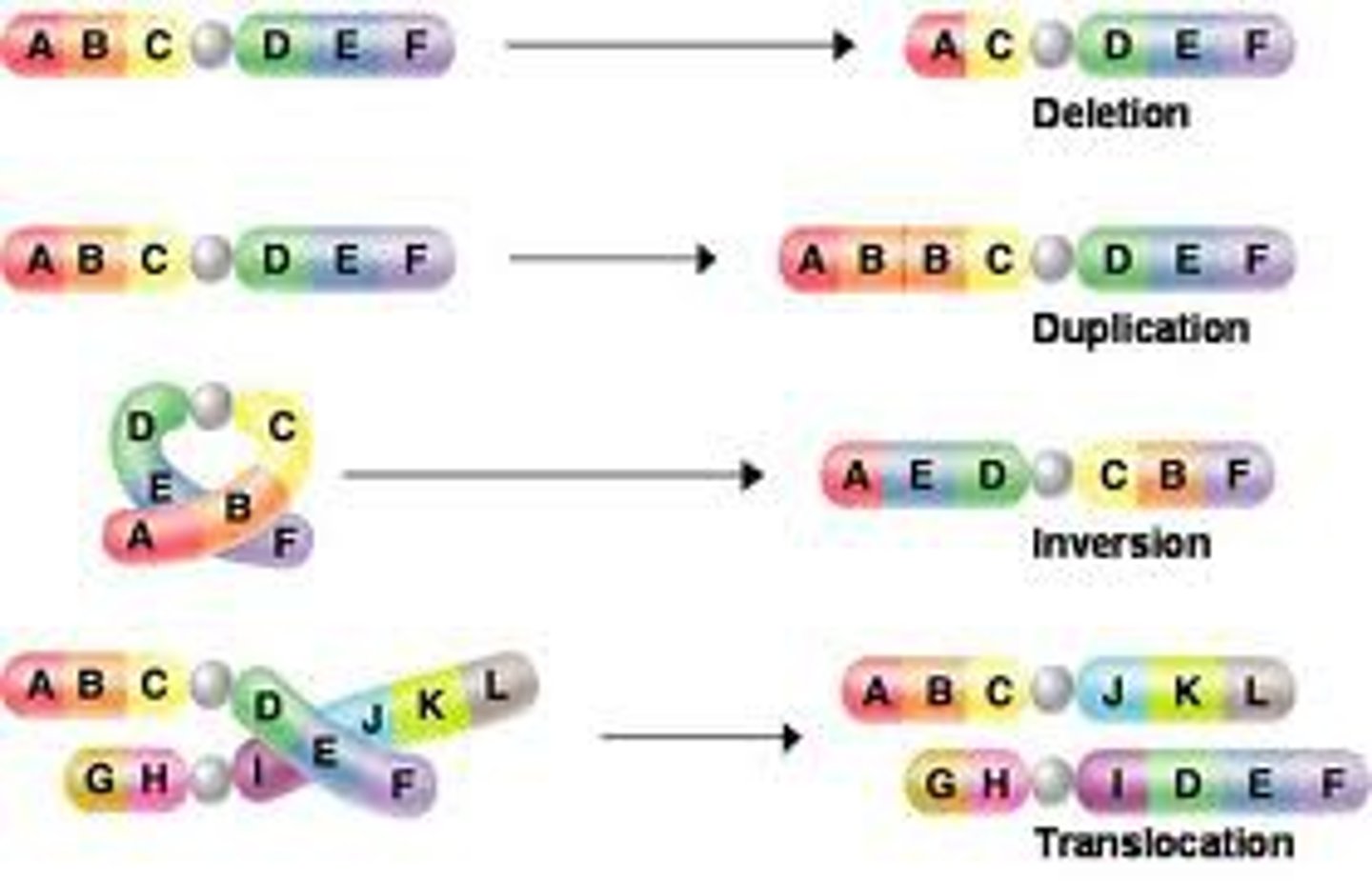
Mutation
A permanent change in the DNA sequence of a gene that can lead to a new allele.
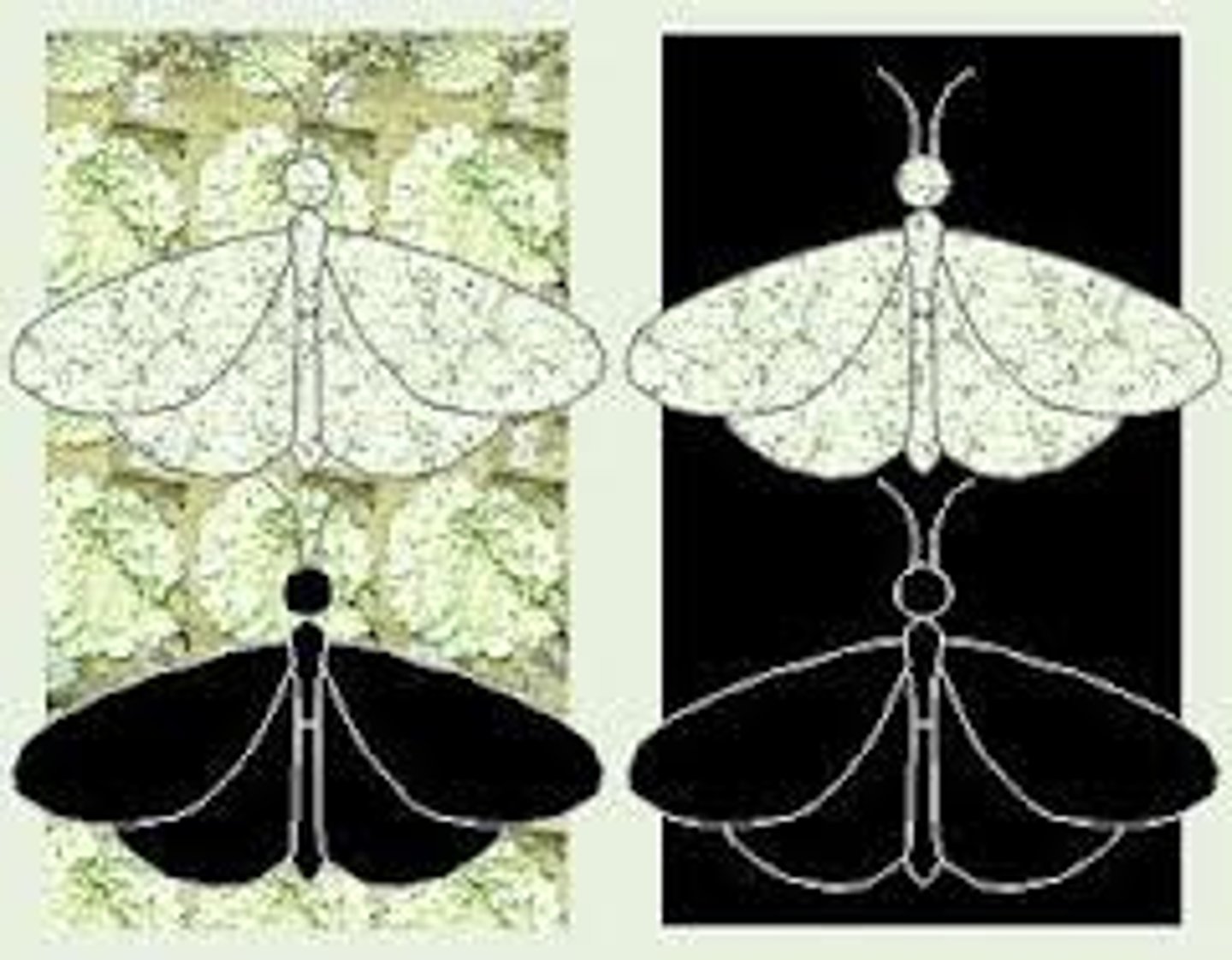
Natural Selection
The process by which organisms with traits best suited to their environment are more likely to survive and reproduce, passing on advantageous traits.
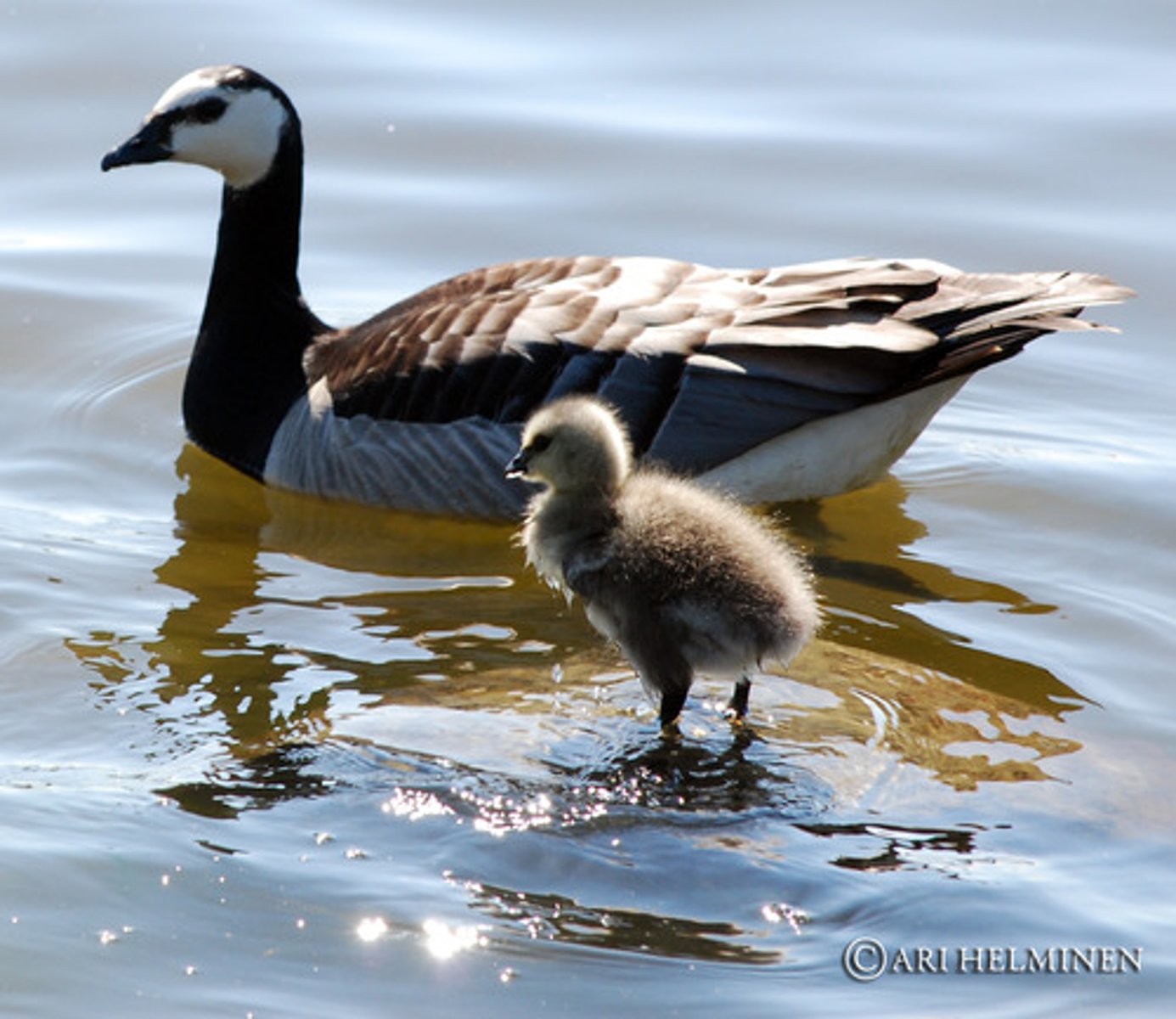
Offspring
The children or young produced by parents, carrying inherited genetic information.
Phenotype
The observable characteristics of an organism, determined by its genotype and environment.
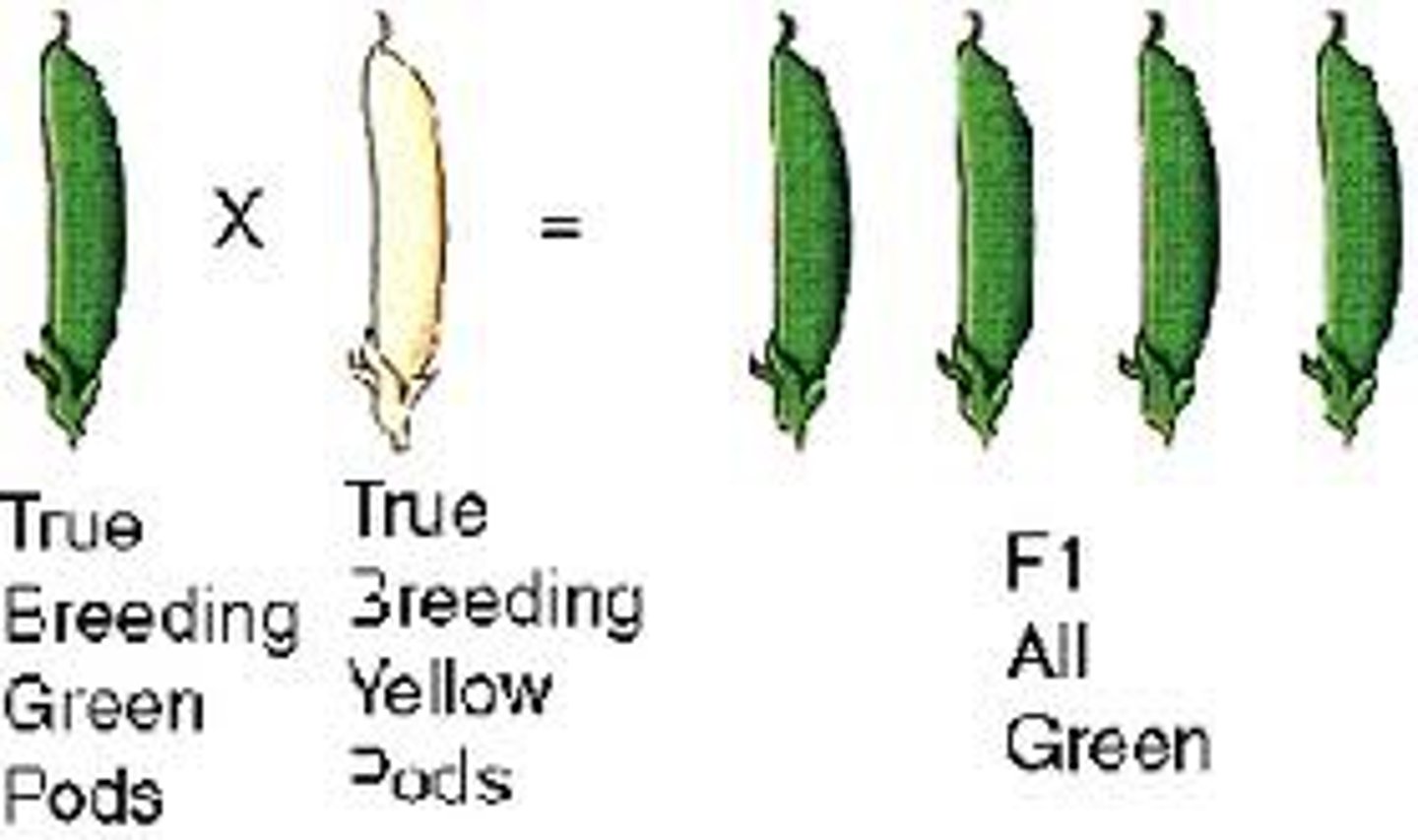
Pure Breeding
Organisms that are homozygous for a particular trait, ensuring all offspring will inherit the same allele from a parent.
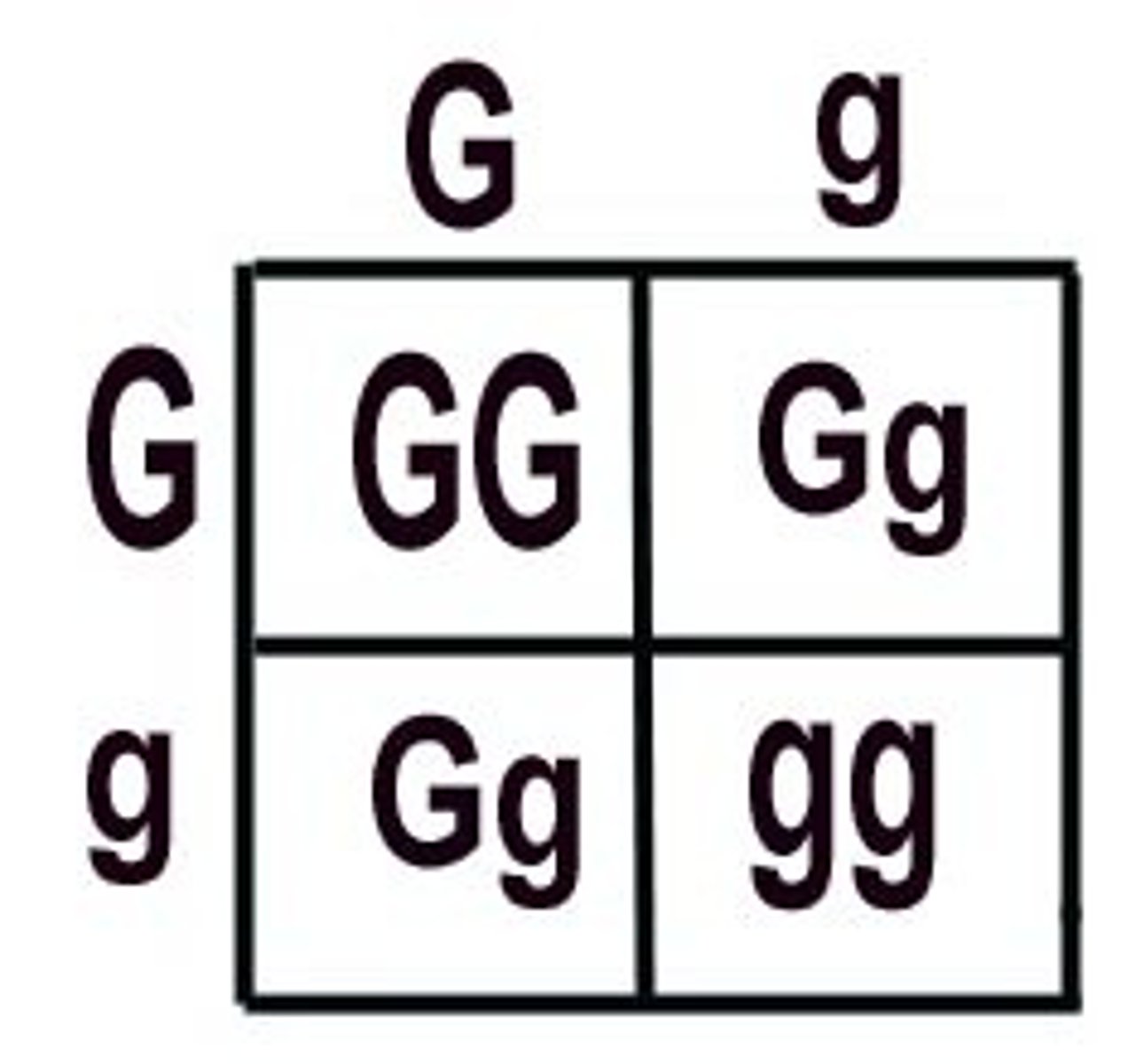
Punnett Square
A grid used to predict the possible genotypes of offspring from a genetic cross.
Recessive Allele
An allele that only expresses its trait when two copies are present (e.g., b).
Sexual Reproduction
A type of reproduction involving two parents, resulting in genetically diverse offspring.
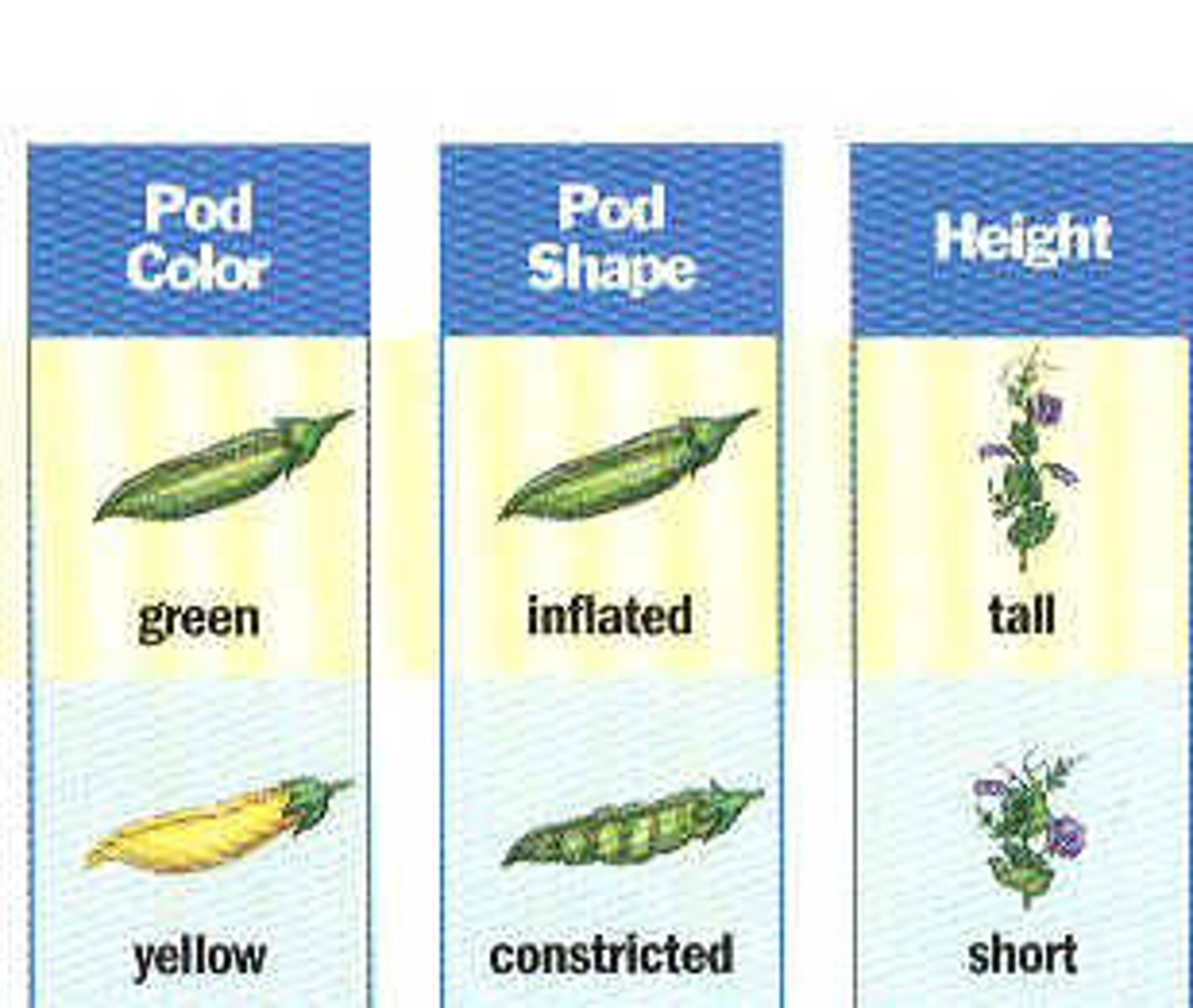
Trait
A characteristic or feature of an organism, often determined by genes.
Zygote
A fertilised egg cell formed by the fusion of two gametes.