Kinesiology (PSK4U)
 Studied by 0 people
 Call Kai
 Learn
Learn Practice Test
 Spaced Repetition
 Match
Match Flashcards
 Knowt Play
1/265

Earn XP
Description and Tags
Name | Mastery | Learn | Test | Matching | Spaced | Call with Kai |
|---|
No analytics yet
Send a link to your students to track their progress
266 Terms
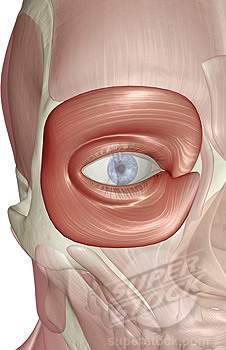
closes eyelid
obicularis oculi
flares nostrils
nasalis

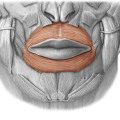
lip muscle
obicularis oris
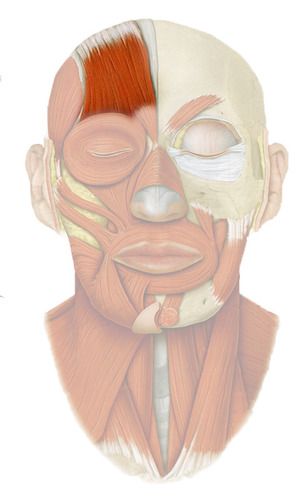
raises eyebrows
frontalis
rotation and lateral flexion of cervical vertebrae
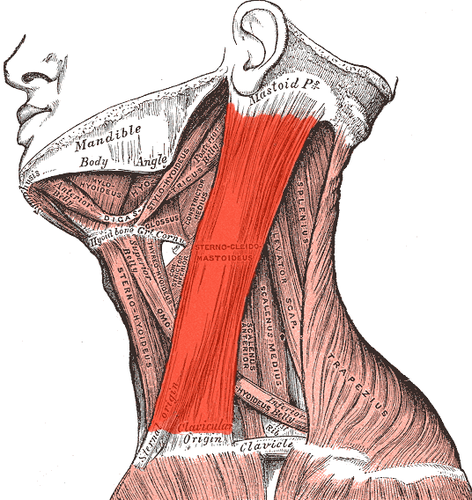
Sternocleidomastoid
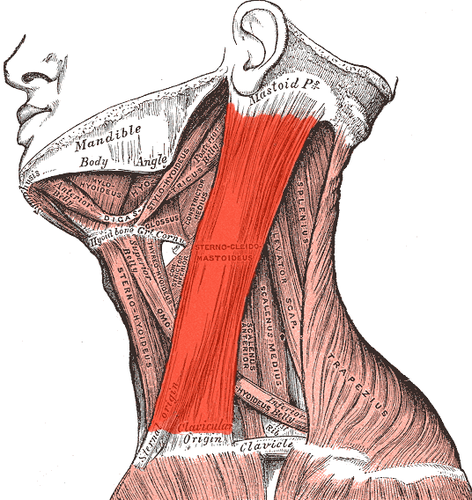
origin - manubrium and clavicle (medial portion)
insertion - masteiod process of temporal bone
Sternocleidomastoid origin & insertion
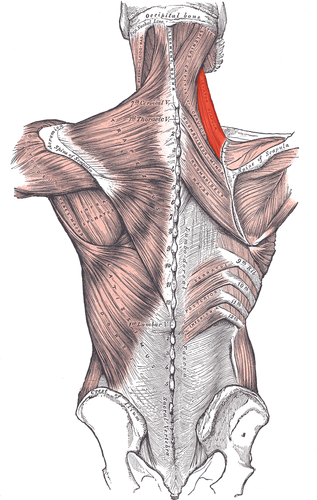
elevates scapula
levator scapulae
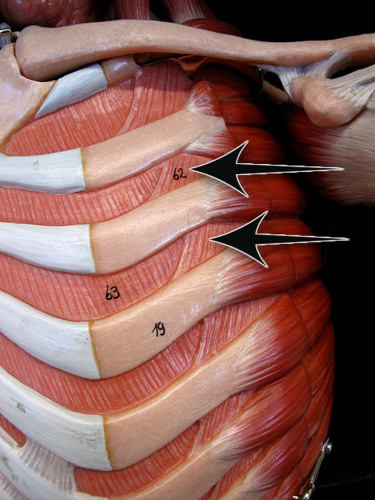
elevation and depression of ribs, used for breathing
intercostal muscles
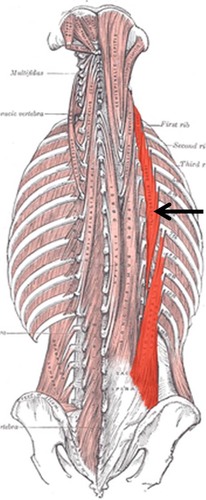
extends vertebral column
erector spinae
compresses abdomen and stabilizes trunk
transverse abdominis
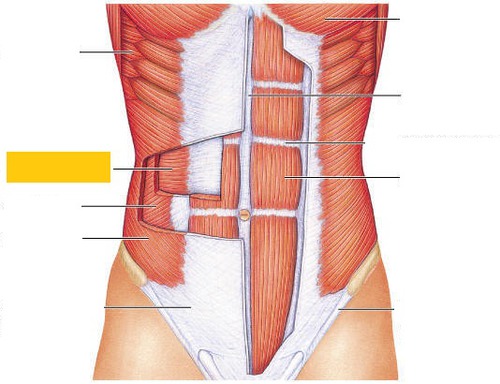
flexion of lumbar spine
rectus abdominis

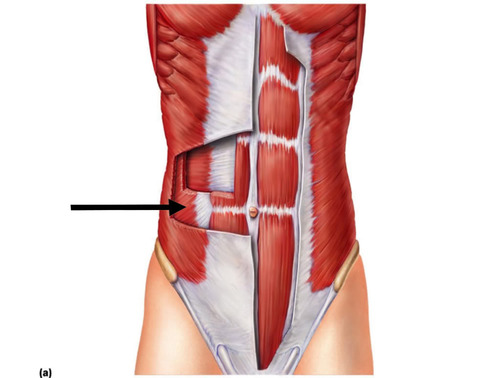
compression of abdomen
internal obliques
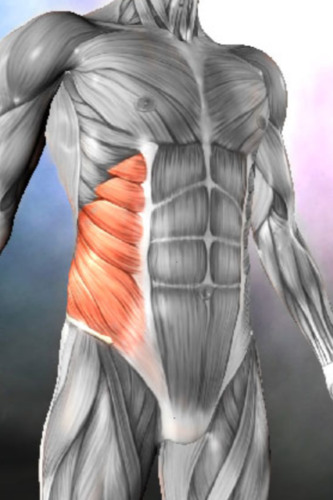
rotation of torso
external obliques
elevates, depresses, retracts, and rotates the scapula
trapezius
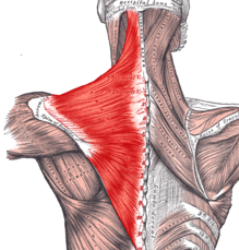
origin - occipital protuberance and spinous process of C7-T12
insertion - lateral clavicle, spine of scapula, acromion process
trapezius origin & insertion

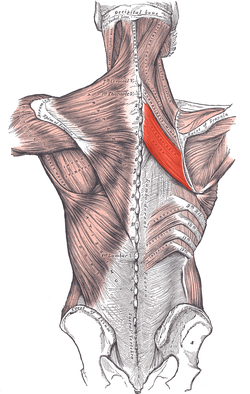
retracts scapula
rhomboid major
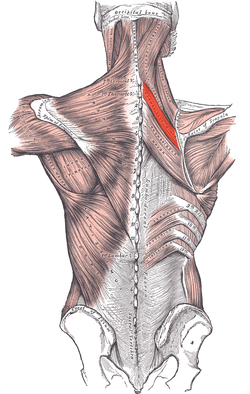
retracts scapula and minor rotation of scapula
rhomboid minor
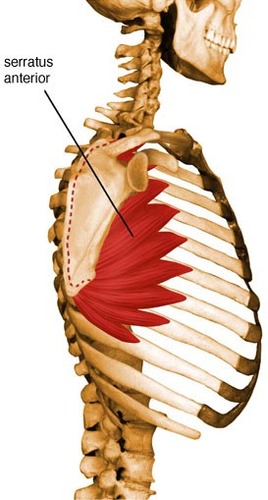
protraction of scapula and assists in upward rotation
serratus anterior
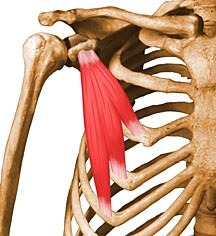
stabilizes scapula
pectoralis minor
abducts arm
supraspinatus
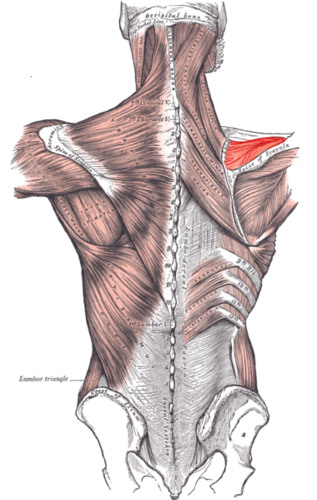
rotates arm laterally
infraspinatus
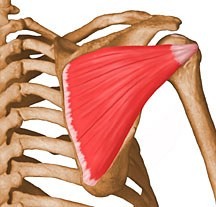
rotates arm laterally
teres minor
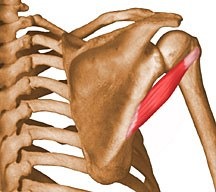
medially rotates arm
subscapular
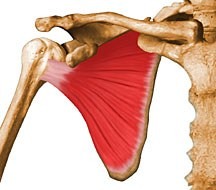
shoulder abduction, flexion and extension
deltoid
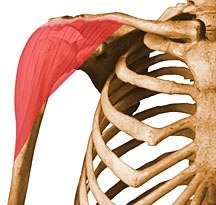
origin - anterior portion of the clavicle, acromion, and scapular spine
insertion - deltoid tuberosity
deltiod origin & insertion
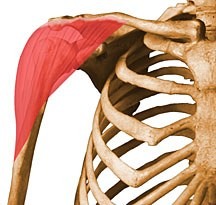
adduction and medial rotation of humerus, draws scapula anteriorly
pectoralis major
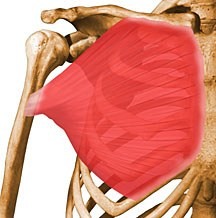
origin - clavicle (anterior/medial) and sternum (anterior)
insertion - intertubracle groove (humerus)
pectoralis major origin & insertion

extends, adducts, and rotates arm internally
latissimus dorsi
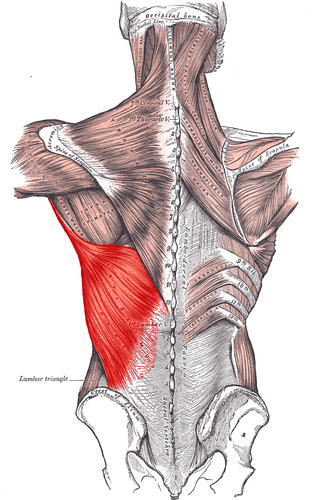
origin: spinous process T7-L5, illiac crest, inferior angle (scapula), ribs 9-12
insertion: intratubracular groove (humerus
latissimus dorsi origin & insertion
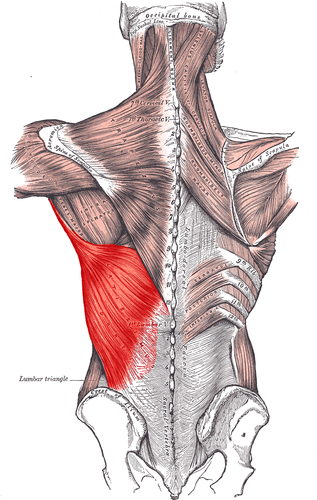
internal rotation of the humerus
teres major

felxion at the elbow, supination of the forearm
biceps brachii
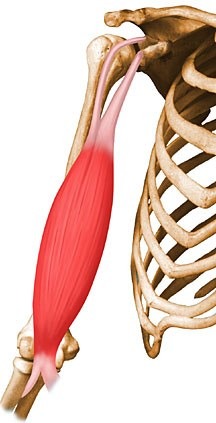
origin: coracoid process and supraglenoid tubracle
insertion: radial tuberosity
biceps brachii origin & insertion
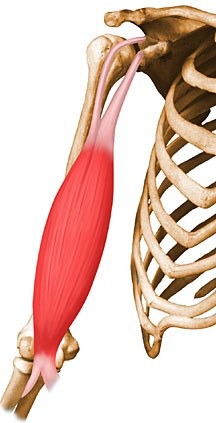
extension at the elbow, extension of the shoulder
triceps brachii
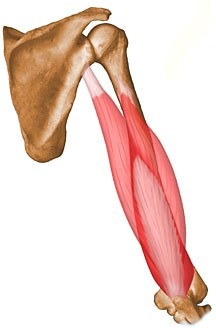
origin: infraglenoid tuberacle of scapula (long head), shaft of humerus (medial and lateral head)
triceps brachii origin & insertion
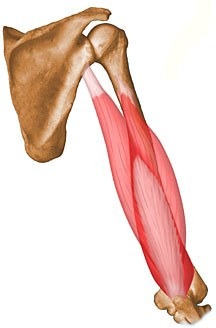
flexion of elbow
brachialis
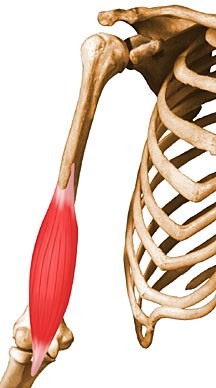
pronation of forearm, flexion of elbow
pronator teres
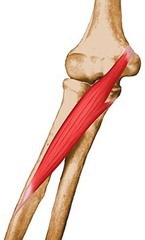
assists with extension of the elbow (blends with triceps)
Anconeus
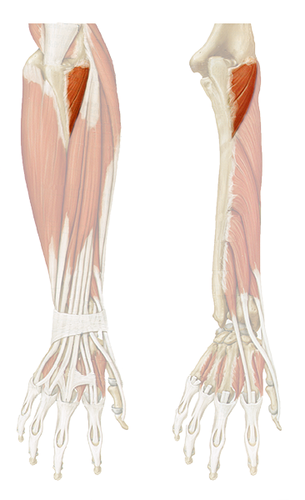
flexion of wrist
flexor carpi radialis
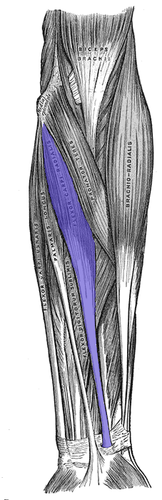
flexion of wrist
flexor carpi ulnaris

extention of wrist
extensor capri radialis longus
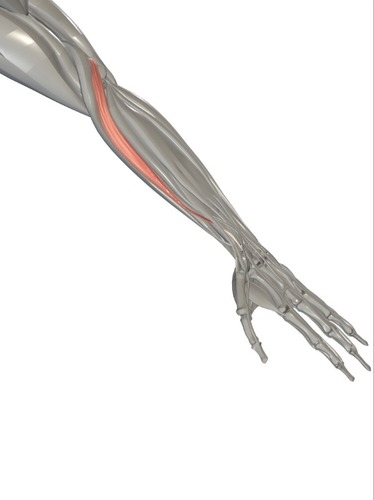
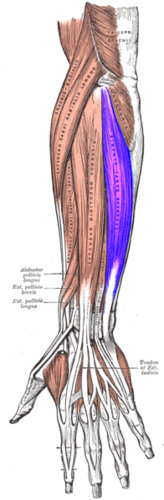
extension of wrist
extensor carpi ulnaris
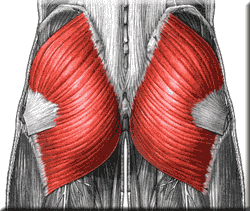
extension and external rotation of hip
gluteus maximus

origin: gluteal surface of ilium and sacrum
insertion: gluteal tuberosity (femur), IT tract
gluteus maximus origin & insertion
abduction of hip
gluteus medius
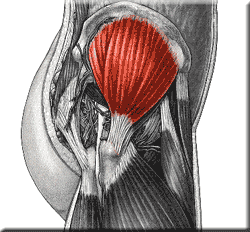
abduction of hip
gluteus minimus

felxion of hip/trunk
ilipsoas major

felxion of hip/trunk
ilipsoas minor
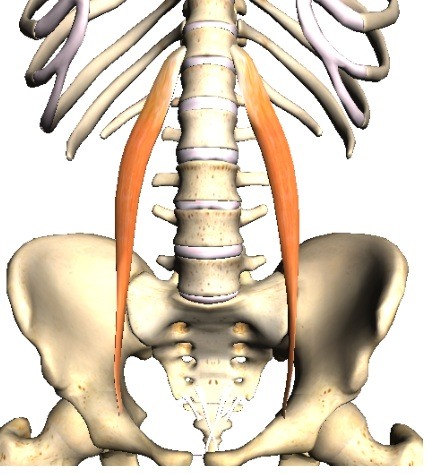
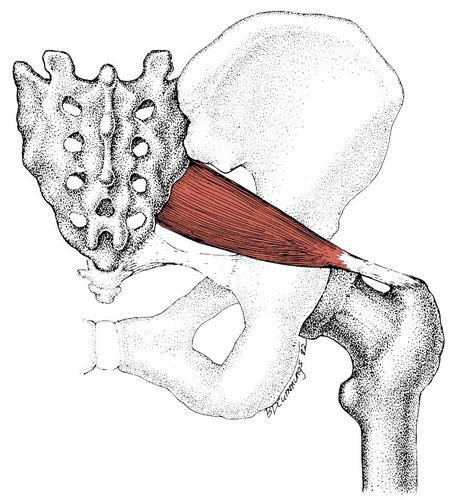
external rotation of the thigh
piriformis
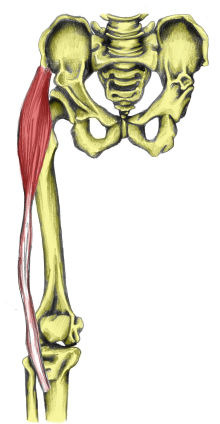
flexion, abduction, and medial rotation of thigh
tensor fasciae latae
extension of hip, flexion of knee
semimenbranosus (hamstring)
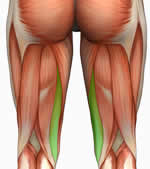
extension of hip, flexion of knee
semitendinosus (hamstring)
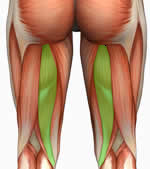
extension of hip, flexion of knee
biceps femoris (hamstring)

adduction of hip
pectinues
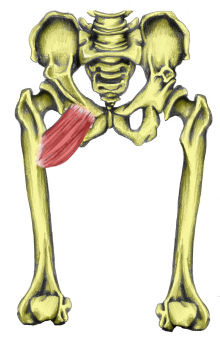
adduction of hip
adductor brevis
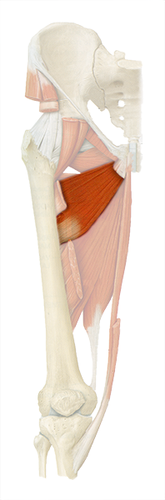
adduction of hip
adductor longus
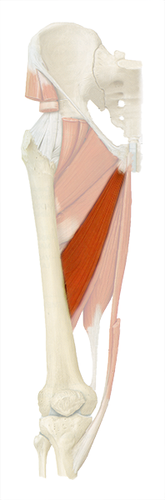
adduction, flexion, extension of hip
adductor magnus
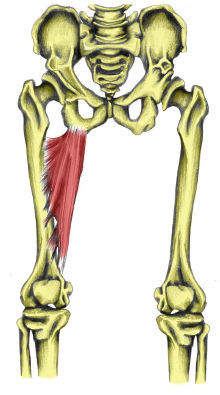
abduction, flexion, lateral rotation of hip
sartorius
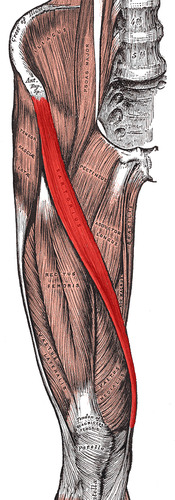
extension of knee, flexion of hip
rectus femoris
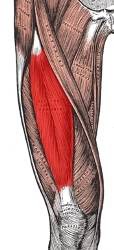
origin: anterior inferior portion of iliac spine
insertion: quadriceps tendon via patella
rectus femoris origin & insertion
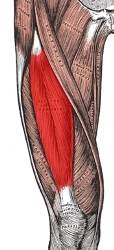
extension of knee
vastus lateralis
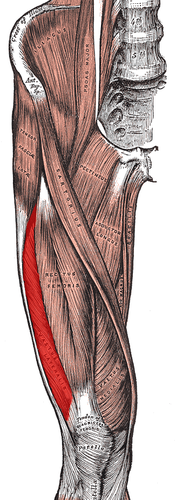
extension of knee
vastus intermedius
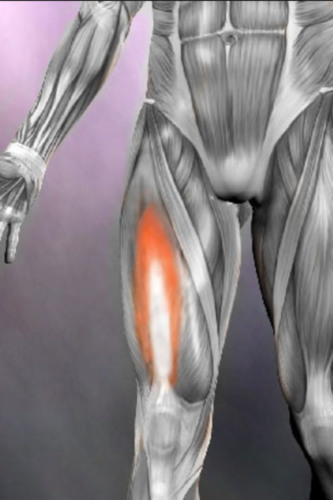
extension of knee
vastus medialis
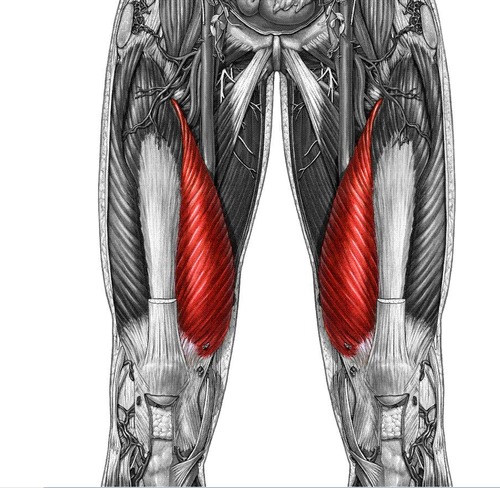
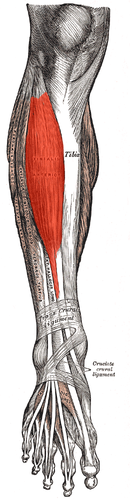
dorsiflexion and inversion
tibialis anterior
extension of toes (lateral 4), dorsiflexion
extensor digitorum longus

extension of big toe, dorsiflexion
extensor hallucis longus
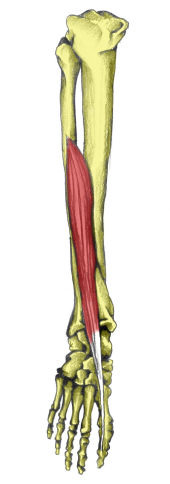
planatar flexion, inversion
tibialis posterior
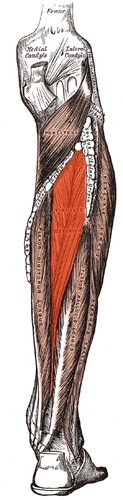
flexion of toes (lateral 4), plantar flexion
flexor digitorum longus
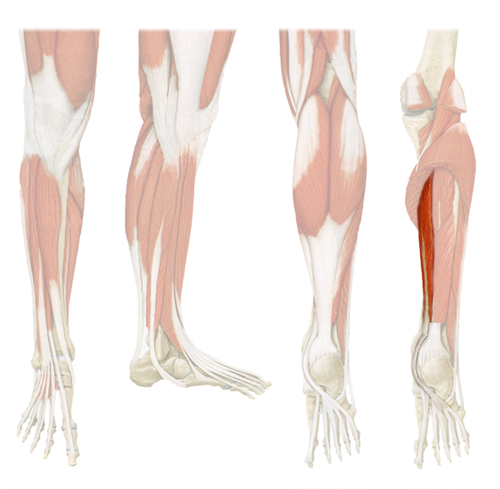
flexion of big toe, plantar flextion
flexor hallucis longus
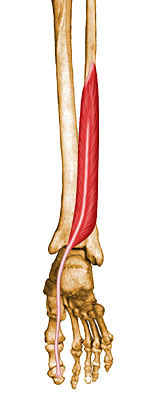
plantar flexion
soleus
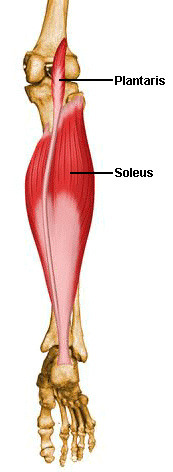
plantar flexion, flexion of knee
gastrocnemius
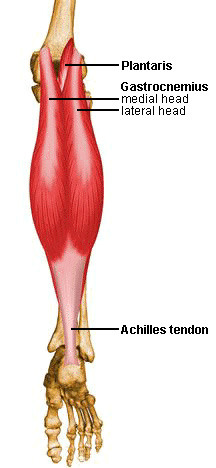
origin: lateral and medial condyles of femur
insertion: achillies tendon via calcaneus
gastrocnemius origin & insertion
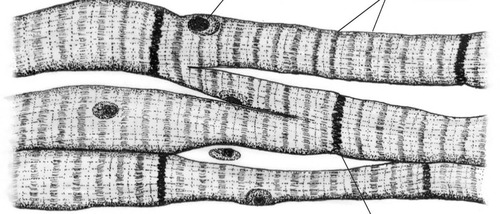
muscle tissue found only in the heart, involuntary
cardiac muscle
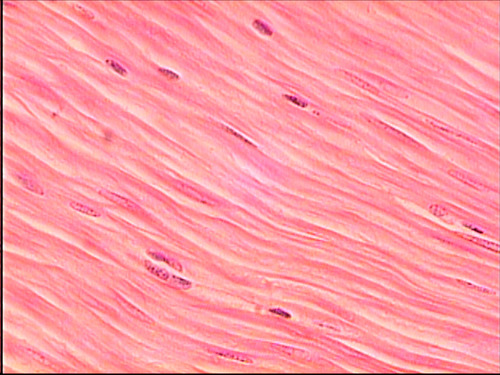
muscle tissue found only in internal organs, involuntary
smooth muscle
a muscle that is connected to the skeleton that allows movement, voluntary
skeletal muscle

connect bone to bone
ligaments

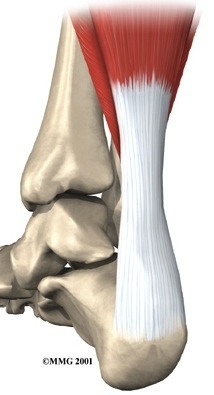
connects muscle to bone
tendons
avascular connective tissue, provides structure support and cushioning
cartilage
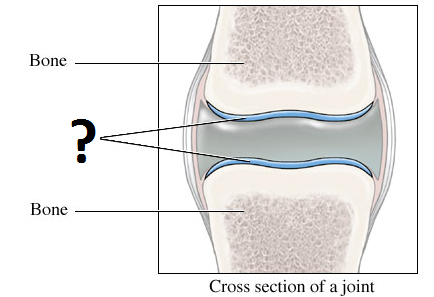
found at ends of bone and free moving joints
hyaline cartilage
liquid filled membrane that protects soft tissues, reduces friction where 2 bony parts of the body rub together
bursa
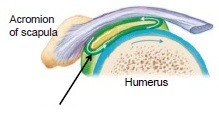
vascular, elastic ablility
muscles properties
Myosin filaments attach to actin filaments when calcium is relased and the tropomysoin and troponin that prevents the myosin and actin from attaching is "distracted" by the calcium. ADP + Pi is released when the myosin and actin attach, the myosin pulls the actin forward then relases. An ATP molecule then attaches to the myosin which allows it to "reload" and attach to another actin and repeat the process until the calcium are removed and the tropomysoin and troponin return to their normal state.
Sliding fliament theory
attachement to an immovable bone, proximal
origin
attachment to movable bone, distal
insertion
the action/motion when the muscle is activated
function
muscle fibres shorten
concentric contraction
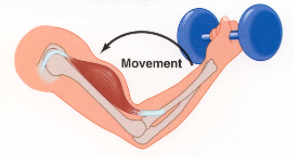
muscle fibres lengthen
eccentric contraction
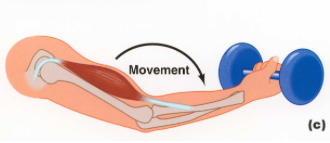
muscle fibres do not change in length
issometric contraction
controlled shortening and lengthening of the muscle
isotonic exercise
muscle fibres maintain a constant length throughout contraction
isometric exercise
use of machines to control speed of contractions, combines best parts of isometric and isotonic exercise
isokinetic exercise
epimysum extends past the muscle as a tendon which attaches to the periosteum of a bone
inderect muscle attachment
epimysium adheres to and fuses to the periosteum
direct muscle attachment
binds muscle fibres together
perimysium
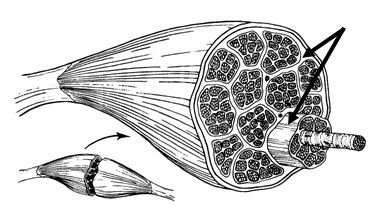
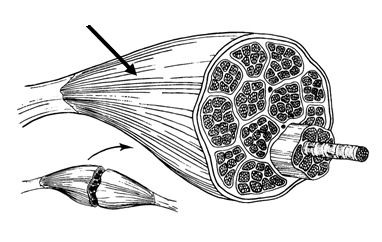
surrounds entire muscle
epimysium
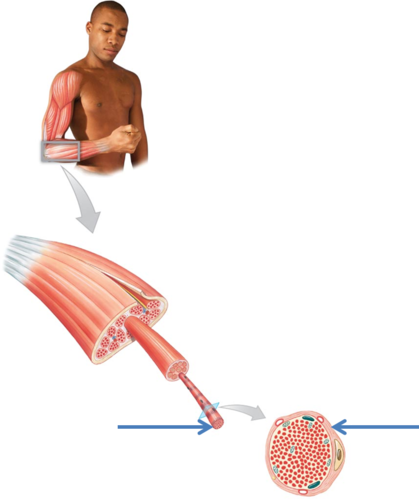
connective tissue surrounding a muscle fiber
endomysium
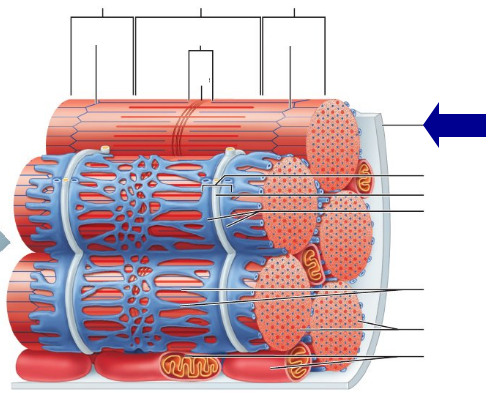
cytoplasm (sarcoplasm) of a muscle cell, lies beneath the endomyuism
sarcolemma
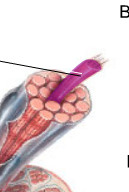
threadlike structures that contain actin and myosin
myofibrils
compartments of myosin and actin
sarcomeres
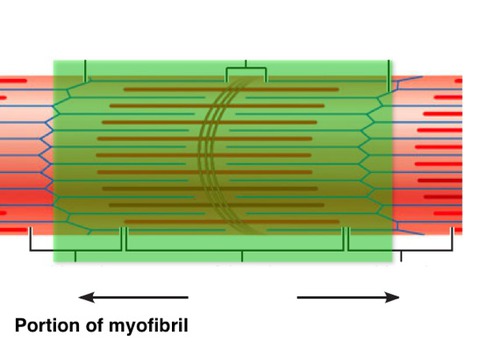
cytoplasm of a muscle cell, contained by the sarcolemma
sarcoplasm
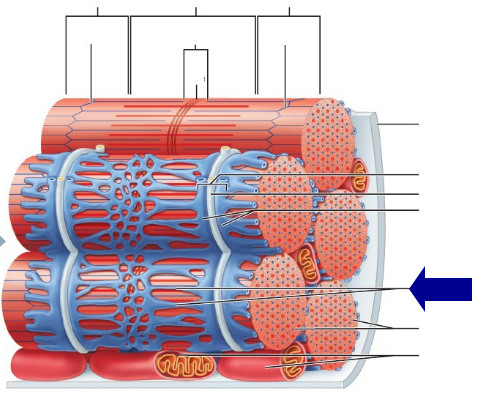
network of channels in each muscle fibre that transports electrochemical substances involved in muscle activation
sarcoplasmic reticulum
 Note
Note  Flashcards (46)