A better Chronological combined one
 Studied by 0 people
 Call with Kai
 Learn
Learn Practice Test
 Spaced Repetition
 Match
Match Flashcards
 Knowt Play
1/307

There's no tags or description
Looks like no tags are added yet.
Name | Mastery | Learn | Test | Matching | Spaced | Call with Kai |
|---|
No analytics yet
Send a link to your students to track their progress
308 Terms
Author
Nathaniel Hawthorne (1804-1864)
Themes
Adultery
Biographical background
First generation of flourishing creatives (writers, etc.)
graduated Bowdoin college (Maine) 1825 then returned to Salem (12 years) lived quiertly at home reading and writing
Wrote about family’s involvement Salem Witch trials (May - October 1692 One of the judges John Hathorne) » Changed spelling of his name (to distance himself?)
First generation flourishing creatives
What kind of art will we produce in USA?
Inferiority complex (American culture doomed to be derived? Second-Hand English culture?)
American art still sounds like a contradiction to some Europeans
Middle 19th century first individuals > poems, books, paintings, essays
Examples of the first generation
Heroine Devil, Ralph Waldo Emerson, N..H. Kleinbaum (Dead Poets Society), Henry David Thoreau
American experiment
Democracy > new country for almost a century > claims to be different
What is the necessity of America?
Why did we leave?
How will we compete with the Dutch, Italian, at the World exhibition
Did they have anything in common or only the same generation, aria, ages
None of the Authors had children > bookish guys
American renaissance
Renaissance means had a naissance before
How can they be anything other than derived?
1827
Fanshawe (anonymously, authorship revealed after his death)
Traditional book
identity not revealed till he died
1837
Twice-Told Tales
1841
Brook Farm > The Blithedale Romance (1852)
Brook farm = utopian experiment Boston aria
Establishing a Christian society
many people 19th century already disappointed USA
many in East Coast, mostly white people
inspired socialist writings, no private property
Hawthorne lived there for a while > didn’t like it (sooner or later fights, people becoming bankrupt, etc.)
1842
marries Sophia Peabody
Sister Elizabeth Peabody (first educator in USA)
the Concord years
Transcendentalism. (R.W. Emerson, H.D. Thoreau, Margaret Fuller)
Margaret Fuller > first radicalist feminist America > plight women
Circle of meaningful writers
Transcendentalism > cheap secondgrade German philosophy
1846-’49
surveyor at the Salem Custom House
didn’t earn much
Worked there
1849
† mother (he recovered ‘through writing The Scarlet Letter’)
worst thing that happend to him (very close)
never knew his father (Scarlet letter instant succes)
Salem witch trials
West-Indian Slave girl named Toetoeba
Babysitter
Would tell kids Voodoo tales > freaked out little girls, who started to act crazily
Rumor spread Salem girls possessed by the devil > collective hysteria
19 convicted witches were hanged (proven to be)
150 young girls were imprisoned
Puritanism
suppression of the private self
people not allowed to have one
Go to church and confess
do what the minister tells you > he is your conscience
Salem witch trials > Puritanism gone crazy
Made other religions more popular
Hawthorne writes in 19th century > puritans no longer that type of grip
Slavery did unsettle Americans
Schools, imagination, etc.
1950s
play
inspired witchtials
similar to Red Scare > communists
Arthur Miller
Slavery
An American anomaly (normal, expected)
Moral, economical > ripped country apart > did not want to split as new country
Hawthorne involved slavery issue
diplomatic position
To Liverpool as diplomat > representative USA, tours Europe afterwards
1859
Returned to America after Europe
Story about Puritanism
Indirect response conflict own time (slavery)
Was puritanism Real America or just a caricature
Heroine of story
Hester Prynne, a young mother
Pearl
“a born outcast of the infantile world (...) emblem and product of sin”
Reverend Arthur Dimmesdale
“subtle but remorseful hypocrite that he was!” > Puritan society
puritan
promising minister at the time
Raised oxford
respected
Presses Hester to tell community name of father > act of social rebellion
Exposed to the public gaze
He is the father
Roger Chillingworth
Hester’s husband
British doctor
Lived together in Amsterdam > decide to move to USA
Hester alone in Salem >< Roger imprisoned by Native Americans
Sees wife holding 6-7 month old child > can’t be his (illegitimate)
Disapproving looks town
Scarlet letter
On your chest
Stamp of dissaproval
Something ambiguous > A never revealed
Think it is for Adultery
time frame
triple time frame (7 years)
1642 narrated time: “a period when the forms of authority were felt to possess the sacredness of divine institutions”
1752 Jonathan Pue Surveyor/’internal’ author
Hawthorne added the Custom House to the book > many first editions leave out the custom house
1849 Hawthorne’s reconstruction of Pue’s story as found in The Custom House
Custom House part of the book
Found old stuff
Paper hold together by a cloth > frame narrative saying that it was from predecessor and that he only edited > while he wrote the whole thing (authorial distancing, false editorship > avoiding censorship)
Seal almost Red letter A as a stamp
with real people
Hawthorne wrote it after losing his job at the Salem Custom House, a government building where officials collected import taxes.
Public vs. private
Characters judged by outward behaviour while inner truth is hidden
Hester’s punishment is public and visible
Dimmesdale guilt remains private
> rewards appearances
The Power of Perception (the gaze)
Puritan community’s gaze disciplines individuals > shaping behaviour through shame
Hester defined through how others see her > not who she is
Gaze becomes form of control > more powerful than law or punishment
The Battle over the meaning of the “A”
Authorities > Adulteress
Hester’s action reshape it to “able” or “angel”
A mother as outsider
“The world’s law was no law for her mind.” > physical outsidership
Interesting “sister” Amu in The God of Small Things
Both punished for sexual transgression, motherhood intensifies their stigma
judgments/desires violate patriarchal law
both are punished
After prison
Cast out
Mother and baby move into cabin outside the village
Needlework > becomes seamstress > earns social acceptability of community
Townspeople ask Hester to make their clothes
Cuckhold
Chillingworth insists ex-wife keeps identity secret
Man whose wife was unfaithful > laughingstock figure, stigmatised > did not take care of his property (wife as object)
“Ok, he says keep likewise my name”
“It maybe because I do not want to encounter, My purpose m-to live and die alone”
Line between real puritan history and fiction
John Winthrop dies first governor Massachusetts Bay Colony > 1649 (time author picked) » Model christian society
Founding father
Hester sews the death robe of the governor > symbolism (stitching up Puritanism)
7 years later
Chillingworth found out 7 years before
7 years later tells reverent
Why does Hester stay?
Unexplained
Pearl never comes back
Hester returns on her own at the end of the novel
Maybe to be what she wasn’t at the beginning of the novel » a spokesperson of a new women movement
conscience of her role in Salem
Antinomianism
(from Greek anti = against, nomos = law)
The Antinomian Controversy (1636–1638) centered on Anne Hutchinson:
A woman who held religious meetings in her home
Criticized Puritan ministers
Believed that priests weren’t necessary >< could talk to god directly
Claimed direct access to God’s truth
Was tried, banished, and disgraced (and killed by Natives on Rhode Island)
What is a romance? (><a novel)
“When a writer calls his work a Romance , he wishes to claim a certain latitude, both as to its
fashion and material, which he would not have felt himself entitled to assume, had he professed
to be writing a Novel.” (Preface to The House of the Seven Gables)
By labeling The Scarlet Letter a romance, Hawthorne claims artistic freedom to distort realism in order to reveal deeper moral and psychological truths, using symbolism, allegory, and historical imagination rather than strict novelistic accuracy.
“The founders of a new colony, whatever Utopia of human virtue and happiness they might originally project, have invariably recognized it among their earliest practical necessities to allot a portion of the virgin soil as a cemetery, and another portion as the site of a prison.”
idealistic hopes » but plan for death and punishment
assume sin, crime, mortality
Irony of puritan society (religion + law identical)
founders expect failure (society built on punishment)
“Meagre, indeed, and cold, was the sympathy that a transgressor might look for, from such bystanders at the scaffold.”
cold attitude towards sinners
no mercy only judgment
some of the “bystanders at the scaffold believe Hester should have gotten a mark on her head instead of her dress
“In all her intercourse with society, however, there was nothing that made her feel as if she belonged to it.” (108
Not a hermit
But defined by the separation
“(...)the little Puritans, being of the most intolerant brood that ever lived, had got a vague idea of something outlandish, unearthly, or at variance with ordinary fashions, in the mother and child; and therefore scorned them in their hearts, and not unfrequently reviled them with ther tongues. (...) Mother and daughter stood together in the same circle of seclusion from human society (...)”
social isolation, transfer of prejudices
Even small children take over the prejudices of puritan society
Pearl seen as imp of evil, personification of her mother’s sin
“The letter was the symbol of her calling. Such helpfulness was found in her (...) that many people refused to interpret the scarlet A by its original signification. They said that it meant Able;” (180
Letter symbol of her calling
Such helpfulness important to her
Other outcasts came to her for dresses etc.
Scarlett letter refused to see the actual meaning A
They said Able instead
“The public is despotic in its temper.” (180)
By calling the public “despotic,” Hawthorne exposes the tyranny of collective moral judgment, showing that oppression in Puritan society is enforced not only by law, but by the crowd itself.
explicit criticism
“The world’s law was no law for her mind. It was an age in which the human intellect, newly emancipated, had taken a more active and a wider range than for many centuries before. Men (…) had overthrown and rearranged – not actually, but within the sphere of theory, which was their most real abode- the whole system of ancient prejudice (…) Hester Prynne imbibed this spirit. She assumed a freedom of speculation, then common enough on the other side of the Atlantic, but which our forefathers, had they known of it, would have held to be a deadlier sin than that stigmatized by the scarlet letter.”
Puritans would have thought the enlightenment even worse than the truth
Last person they wanted was for a woman to think for herself
Most scathing critique you could write about puritanism
“the scarlet letter ceased to be a stigma which attracted the world’s scorn and bitterness, and became a type of something to be sorrowed over, and looked upon with awe, yet with reverence too.” (274)
Became a type of sth to be sorrowed over > meaning of the A never stable > depends on who you talk to and when you talk to them
Great
It means something different
The Great society
Great Gatsby
Same word very different meanings
Something that has stigma can become sign of reverence/social acceptance
The author
1882-1941
Daughter of Leslie Stephen and Julia Duckworth (+1895).
Manic depressive » committed suicide
King’s College London
1897-1901: King’s College, Ladies’ Department (women’s rights movement)
never received a degree > women weren’t allowed
Libraries only open to men
Room of one’s own: essay that she wrote about obstacles as a woman
History was male dominated
Describes in essay how she went to Oxford library
Popular books
“To the Lighthouse” (1927) and The wave (1931)
The Hogarth Press
→ founded Virginia Woolf and her husband Leonard Woolf
Experimenting new forms writing
explicitly founded to publish their own works
Published T.S. Eliot The warehouse (very long poem, people weren’t too sure about it), Ian Foster and Freud
Bloomsbury Group
important literary artistic group > met each other in London
young writers, painters, intellectuals (like-minded people)
“We live in a rapidly changing world and we need new art form to describe/express this moment in time”
New type of art (> see Jack Kerouac)
Vanessa Bell (sister) and Virginia Woolf part of it
Modernism and modernity
→ Modernity = historical period characterized industrialization, rational thought, and urbanization
→ technological innovation, etc. = huge movement (cultural/technological progress)
Feeling like the world is changing rapidly > need nex art forms: living different world
transportation, economic changes, > faster
Expressionism (painters paint how they feel instead of what they see)
Modernism = general term refer to artistic reactions to modernity: reaction to challenges modernity
“the radical disruption of linear flow of narrative; the frustration of conventional expectations
concerning unity and coherence of plot and character and the cause and effect development
thereof; the deployment of ironic and ambiguous juxtapositions to call into question the moral
and philosophical meaning of literary action; the adoption of a tone of epistemological self-
mockery aimed at naive pretensions of bourgeois rationality; the opposition of inward
consciousness to rational, public, objective discourse; and an inclination to subjective
distortion to point up the evanescence of the social world of the nineteenth-century
bourgeoisie.” (John Barth, "The Literature of Replenishment")
→ modernist tense: writer will no longer pretend they are in control of the world/understand it (traditional believes in control)
writing in stream of consciousness
writer no longer owner of meaning in text > reassuring reader if writer tells what is going on
head is a mess <> straight mind means you have discipline in your brain
permanent experimental nature
usually takes place urban places
-> Some artists didn’t like modernity, others like futurists embraced it: artists were not of one opinion
“Mr. Bennet and Mrs. Brown” (1924)
essay lecture in 1924: writers accused not creating realistic characters books > they had to do a test (Mr. Bennet and Mrs. Brown was her defense (modernist estate, statements of what drives them as artists)
“in or about December, 1910, human character changed”
One of the statements in Mr. Bennet and Mrs Brown (1924)
a lot of important events that took place in the first decade of the twentieth century
whole point of human character is perhaps that it is not changeable (changes early 20th century turned into a mutation > profound no longer the same race as their forefathers > need to create different type of art
from outer description to inner monologue (never looked at life, human nature)
invalidates a tradition in English fiction (tools form one generation are useless for the next)
Modernity: she wants to write about what goes on in peoples head, Picasso same time
Mr. Bennet
emblematic of Edwardian novelists (like John Galsworthy)
Woolf critizes them for focusing on materialism (describe what you see, without inside)
Mrs. Brown
Her hair, shopping bag, shoes
outward features > but what goes on in her head
Great Gatsby and Mrs. Dalloway
two novels > melancholy
American >< English party
story Mrs. Dalloway in one day Wednesday 13 June 1923 (memories of June 1889; 18 & involved with Walsh)
concrete setting in time and in place
James Joyce came out with book in man’s head year before
Characters
Mrs. Dalloway > Clarissa Parry
Richard Dalloway (daughter Elisabeth turned 18)
Peter Walsh, Sally Seton (old lovers)
Septimus Warren Smith (soldier, shell shock) and Lucrezia
Unlikely type of outsidership
white woman 52 years old, married to member of parlement
Well-connected to political, cultural establishments (definition of an insider)
Mind makes her an outsider (thoughts, feelings, ideas)
(‘little death’):Fear no more the heat o’ the sun Nor the furious winter’s rages.
Quote from Shakespeare (mantra of the book)
Heat of the sun refers to sexuality (sad or liberating, what is it?)
time marked chiming of big ben
Menopause
a moment for this main character to glance over her life
no longer fertile >< contrast 18 year old daughter
Obsessed time passing
The party
Upper class family
novel describes day her husband will organize a party at her house
Preparations > starts with buying flowers
Title of book
Mrs Dalloway = Born Clarissa Parry (she disappears into Mrs. Dalloway = her social identity)
Fundamental polarity of novel: where did Clarissa Pary go?
Peter Walsh
lover when she was 18
used to spend summer together in Bourton
Bourton becomes metaphor for young, free > symbol of reckless young vibrant period in her house
Unexpected visit from him (socialist, rebel)
She chose safety (parents like Richard)
Peter went to India
Unspoken dialogue between them (what could have been…)
memories, stream of consciousness
when he meets her > conversation, kind of intimacy but daughter walks in > goes and asks if he comes to the party (he does not belong there but it would mean a lot to her)
“male hysteria in which the terror, anguish and immobility of combat led to a variety of physical and emotional conversion symptoms: limps, contractions, paralysis, stammering, loss of voice, sexual impotence, blindness, deafness, heart palpitations, insomnia, nightmares, dizziniess, or acute depression.’
Shell shock = form of outsidership
Septimus Warren Smith scarred by World War 1
Sitting on a bench in London and she is trying to protect him against his own insanity
Lower class, trying to be nice to him
Many characters
Like a chaotic painting/movie
Many people passing through London in a day
come in and go in a flash
“Mrs. Dalloway said she would buy the flowers herself.”
-> immediately confronted with her social identity.
“She had reached the Park gates. She stood for a moment, looking at the omnibuses in
Piccadilly.
She would not say of any one in the world now that they were this or were that. She felt
very young; at the same time unspeakably aged. She sliced like a knife through everything; at
the same time was outside, looking on. She had a perpetual sense, as she watched the taxi
cabs, of being out, out, far out to sea and alone; she always had the feeling that it was very,
very dangerous to live even one day. (...) She knew nothing; no language, no history; she
scarcely read a book now, except memoirs in bed; and yet to her it was absolutely absorbing;
all this; the cabs passing; and she would not say of Peter, she would not say of herself, I am
this, I am that.”
→ loss of identity is typical of this type of mental make up
→ experience of modernity
“She would have been, like Lady Bexborough, slow and stately; rather large; interested in
politics like a man; with a country house; very dignified, very sincere. Instead of which she
had a narrow peastick figure; a ridiculous little face, beaked like a bird’s. That she held
herself well was true; and had nice hands and feet; and dressed well, considering that she
spent little. But often now this body she wore (she stopped to look at a Dutch picture), this
body, with all its capacities, seemed nothing – nothing at all. She had the oddest sense of
being herself invisible; unseen; unknown; there being no more marrying, no more having of
children now, but only this astonishing and rather solemn progress with the rest of them, up
Bond Street, this being Mrs. Dalloway; not even Clarissa any more; this being Mrs. Richard
Dalloway.”
→ Compares herself to other guests in list
→ feels like total surrender > identity completely evaporated (vanished into becoming the wife of an important man, title of the book highlights this)
By conviction an atheist perhaps, he is taken by surprise with moments of extraordinary
exaltation. Nothing exists outside us except a state of mind he thinks; a desire for solace, for
relief, for something outside these miserable pigmies, these feeble, ugly, these craven men
and women.”
Quote from Peter Walsh
At one point follows young woman > nothing happens
Man dreamt about different realities in footsteps of someone else
“(..) she knew nothing about them, only jumped to conclusions, as one does, for what can one
know even of the people one lives with every day? she asked. Are we not all prisoners? She
had read a wonderful play about a man who scratched on the wall of his cell, and she had felt
that was true of life – one scratched on the wall.”
→ about people at the party
→ Existential outsidership: even if you live with a man, woman, children
we not all prisoners
one scratched on the wall
to be someone is to be in a cell
an trying to make a connection with someone is to scratch on the wall, but the wall will never move.
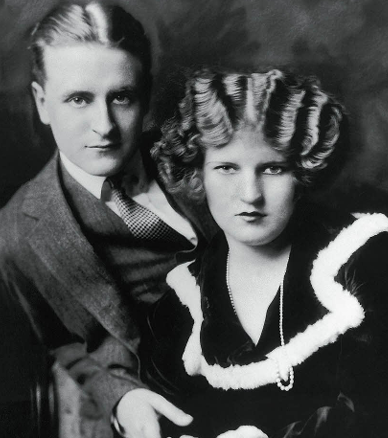
Author
F. Scott Fitzgerald
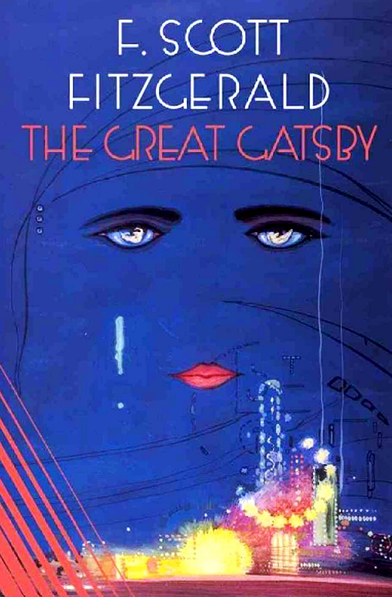
Cover
Illustrated cover > given to a graphic artist (read by them)
The cover of Great Gatsby
The novel is influenced by its cover
1924 submitted it
Francis Cougar (graphic artist)
Fitzgerald saw the cover > he wrote the cover into the novel
Everything on the cover will make sense when you read the book
Tear
Eyes
Fun fair with crashes etc.
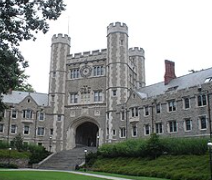
° 1896
St. Paul (Minnesota) Princeton University
Catholic boarding school 1911 New Jersey
In the state New Jersey
In the same state biggest university Princeton
Studied there
College novel based on his experiences
1917: US Army (>Alabama)
Spent some time in joined army (WOI)
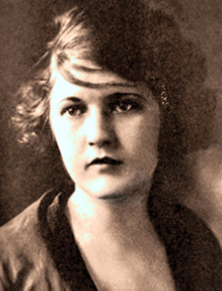
1920: This Side of Paradise, marries
Comes back to the USA > marriage 1920 Zelda Sire
In Montgomery Alabama
celebrated marriage through meeting rich and famous
decadent lifestyle (riches to rags story)
1922:
The Beautiful and Damned
People like it
→ Europe. Modernism.
→ “The Lost Generation” (Stein, Pound, Hemingway,…)
The Lost generation
group of artists in the interbellum (between the wars)
Ernest Hemingway
American expats hanging out in Europe/Paris
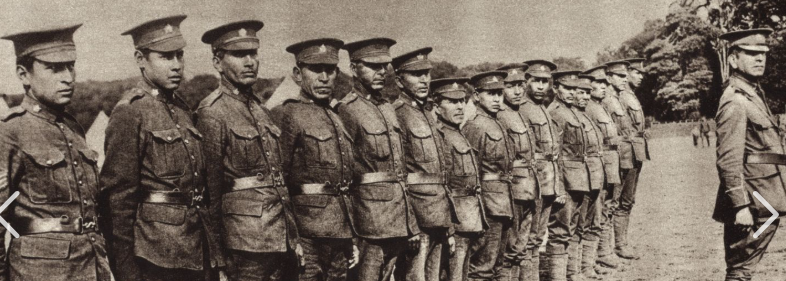
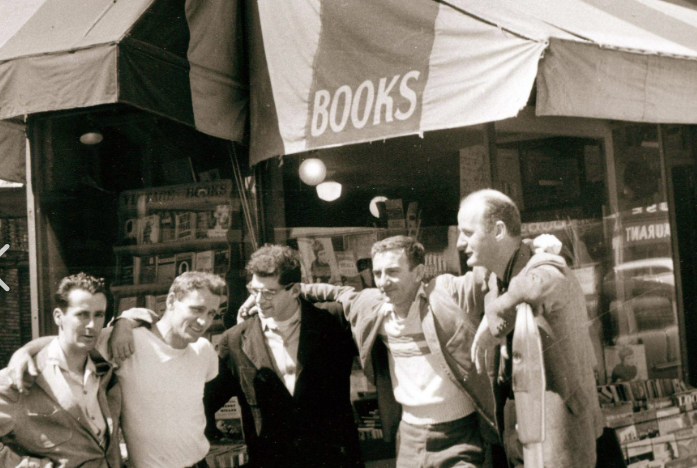
Beat generation
Post-war generation
Sense of outrage/despair
Sought to express through their art
Finishes the Great Gatsby
Title never liked
Publisher decided
1925:
The Great Gatsby (“a dud”)
New Yorker the only one who was wild about it
Short, not too thrilled
Suffered a fate similar to Moby Dick
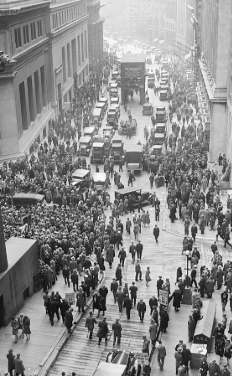
1929
Wall Street crash
Huge loss
Unemployment
“The most expensive orgy in history” was over
Not for everybody good time
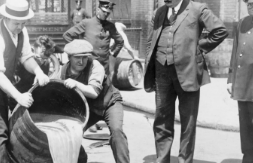
1919-1933
failed attempt Prohibition
Banned the production of alcohol
Could own it, but can’t distribute
Influenced by mixture in USA by Christian feminist vs. regular housewives against the availability of alcohol after the WOI
Alcoholism of their husbands
Women often not save + violent
Rule underfunded > never provided money to enforce it
Black market
Link to the Book
Gatsby > crime lord
Never explicit
Constant reference to the prohibition
Important if this is the novel about the American dream
Obviously articulated against backdrop of violence
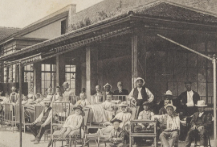
1930:
Zelda nervous breakdown
More time in Swiss mental hospitals
Schizophrenia
Serious mental problems
Scott kept on drinking etc.
Always short on money due to lavish lifestyle
1931:
“Echoes of the Jazz Age”
Jazz age > named by Scott (stuck as a term)
Time during the two wars
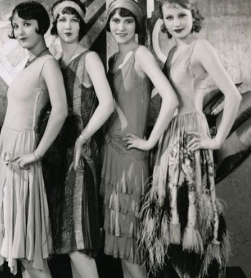
1932
Zelda publishes her one and only novel
Voice of that generation
Scott kind of jealous
She belonged to the generation flappers
Dancing girls
Women who shocked the traditional decorum
Would wear pants
Would smoke cigars in public
Considered very provocative
An age of miracles, age of art, age of satire
1920s
Miracles in those
1934:
Book Tender is the Night
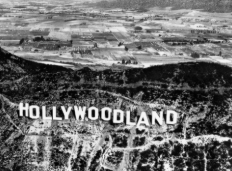
1937
Hollywood. Screenwriting
Scott turned to where the money was
One of the first ones
Script of movie
He was never good at it
Too sophisticated/complicated to be successful in the hollywood
1940:
Dies of a heart attack
The Last Tycoon (unfinished)
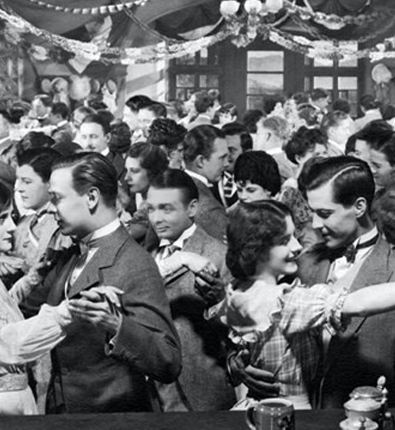
what age?
The Roaring Twenties
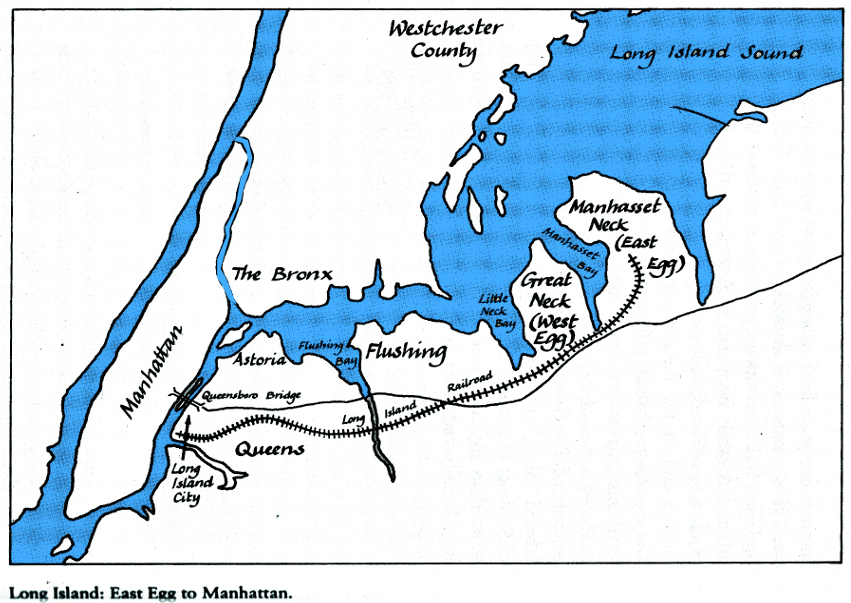
Great neck
West egg East egg
NY World trade
Whole book takes place between two mansions

Characters
Jay Gatsby
Huge mansion (ville de Normandy > old European castle), West Eff, across Bay lives Daisy
Can’t stand that Daisy is married to someone else
Mega parties
Seduce people across the bay to come over
ok to bring more friends
Daisy Fey
Lives East Egg
Gatsby’s summer fling 1917 (Chicago) > then of to war
Tom Buchanan
Rich football player
Has daughter with Daisy
White supremacist
Nick Carraway
From Midwest to the East
But moved back east
Fond of finance (big house) > can make money East
Cousin of Daisy
Gets to know Gatsby
Green light at the end of Daisy Docks
Gatsby’s obsession
reclaiming /regaining everything that lights stands for Daisy being young,
“An age of satire”:
Nick feels revolted by everything Gatsby represents
But calls him great » But there is nothing really great about him
What makes him great for Nick? » The fact that Gatsby invented himself
Jay Gatsby
Sprang from his platonic conception of himself
The ideal Jay Gatsby he wanted to be
Gatsby remained faithful to his conception
Daisy is a silly girl » On purpose
Daisy represents
merely a dream
whole life driven by the unattainable
Kind of bitter
(lost generation)
“I told her how I had stopped off in Chicago for a day on my way east and how a dozen people had sent their love through me. ‘Do they miss me?’ she cried ecstatically. ‘The whole town is desolate. All the cars have the left rear wheel painted black as a mourning wreath and there’s a persistent wail all night along the North Shore.’ ‘How gorgeous! Let’s go back, Tom. To-morrow!’
Daisy homesick, theatrical
Married to man who cheats a lot
confined to motherhood
Doesn’t understand sarcasm
Nick cynical
“Most of the remaining women were now having fights with men said to be their husbands. (…) The hall was at present occupied by two deplorably sober men and their highly indignant wives. The wives were sympathizing with each other in slightly raised voices. ‘Whenever he sees I’m having a good time he wants to go home.’ ‘Never heard anything so selfish in my life.’ ‘We’re always the first ones to leave.’ ‘So are we.’ ”
(back of garden)
Two women speaking critically about their husbands » Both “leave first” > ironically
Don’t know who Gatsby is
Gatsby is defined by people at his parties say about him
I bet he killed a man, He was married to someone » Made up of fake news
How do you know this? Heard it from 2 people
Gatsby not even his real name > made up
“He had been full of the idea so long, dreamed it right through to the end (…) Now, in the reaction, he was running down like an overwound clock. (…) Daisy put her arm through his abruptly but he seemed absorbed in what what he had just said. Possibly it had occured to him that the colossal significance of that light had now vanished forever. (...) It had seemed as close as a star to the moon. Now it was again a green light on a dock. His count of enchanted objects had diminished by one.”
’I wouldn’t ask too much of her,’ I ventured,. ‘You can’t repeat the past.’ ‘Can’t repeat the past?’ he cried incredulously. ‘Why of course you can!’
“An age of miracles” (or the power of dreams):
significance of the light
“Can’t rewind the past” > “of course you can”
thinks you can do anything with money
Tries to undo time
“His parents were shiftless and unsuccessful farm people - his imagination had never really accepted them as his parents at all. The truth was that Jay Gatsby, of West Egg, Long Island, sprang from his Platonic conception of himself. He was a son of God (...) So he invented just the sort of Jay Gatsby that a seventeen year old boy would be likely to invent, and to this conception he was faithful to the end.”
beauty/danger American dream
power of self-creation
believing too fully in ideal version of yourself > self-deception/ruin
An American versus America:
Gatsby (the American): embodies the American Dream—self-made, idealistic, hopeful, believes reinvention and effort lead to success.
America (society): corrupt, class-bound, careless; protects inherited wealth (Tom & Daisy) over merit.
Conflict: Gatsby believes in an ideal America that no longer exists; he can gain money but not true acceptance.
 Note
Note  Flashcards (20)