7th Grade Life
 Call Kai
 Learn
Learn Practice Test
 Spaced Repetition
 Match
Match Flashcards
1/185

There's no tags or description
Looks like no tags are added yet.
Name | Mastery | Learn | Test | Matching | Spaced | Call with Kai |
|---|

186 Terms
Breathing
The movement of air into and out of the lungs
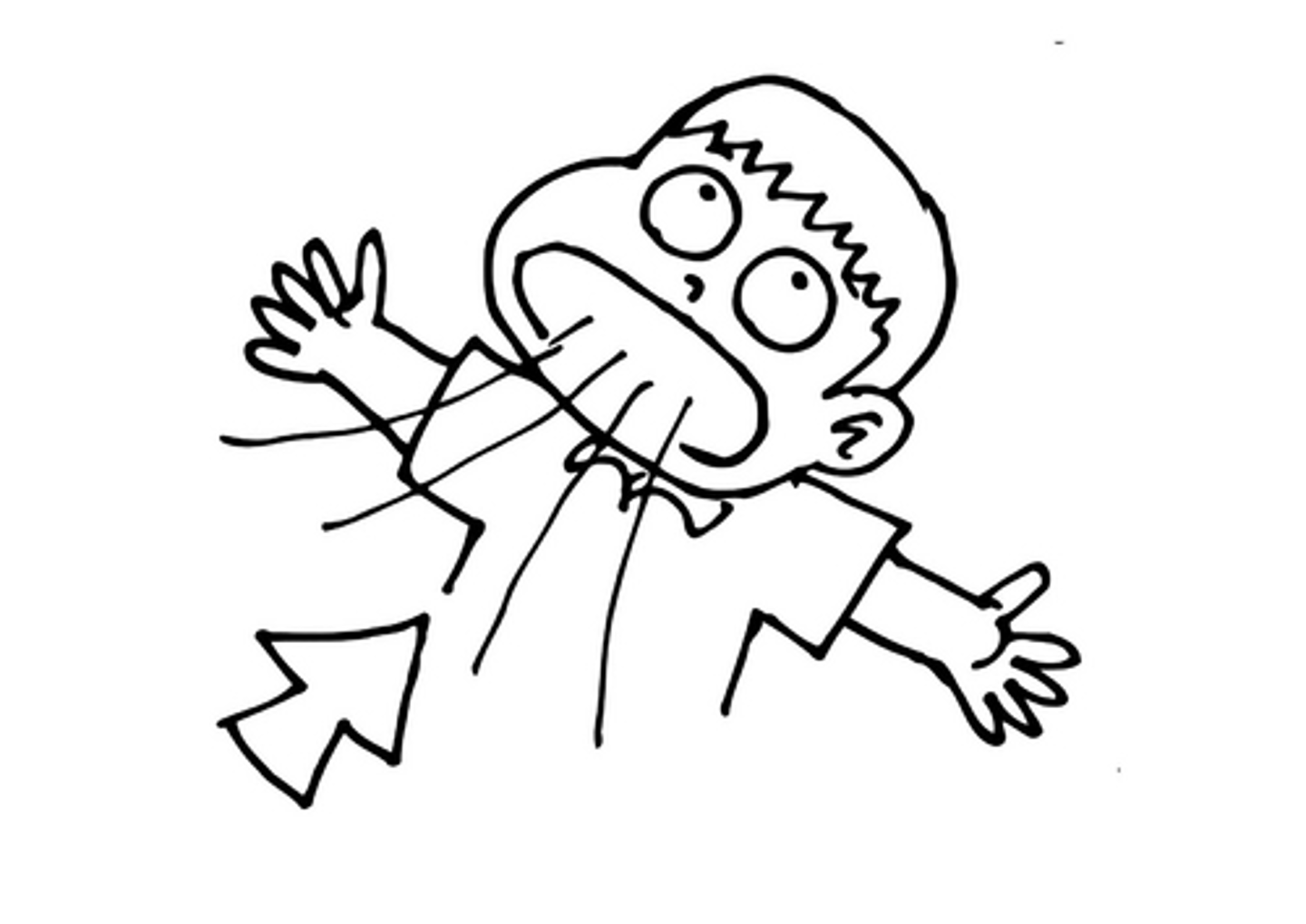
Pharynx
A tubelike passageway at the top of the throat that receives air, food, and liquids from the mouth or nose
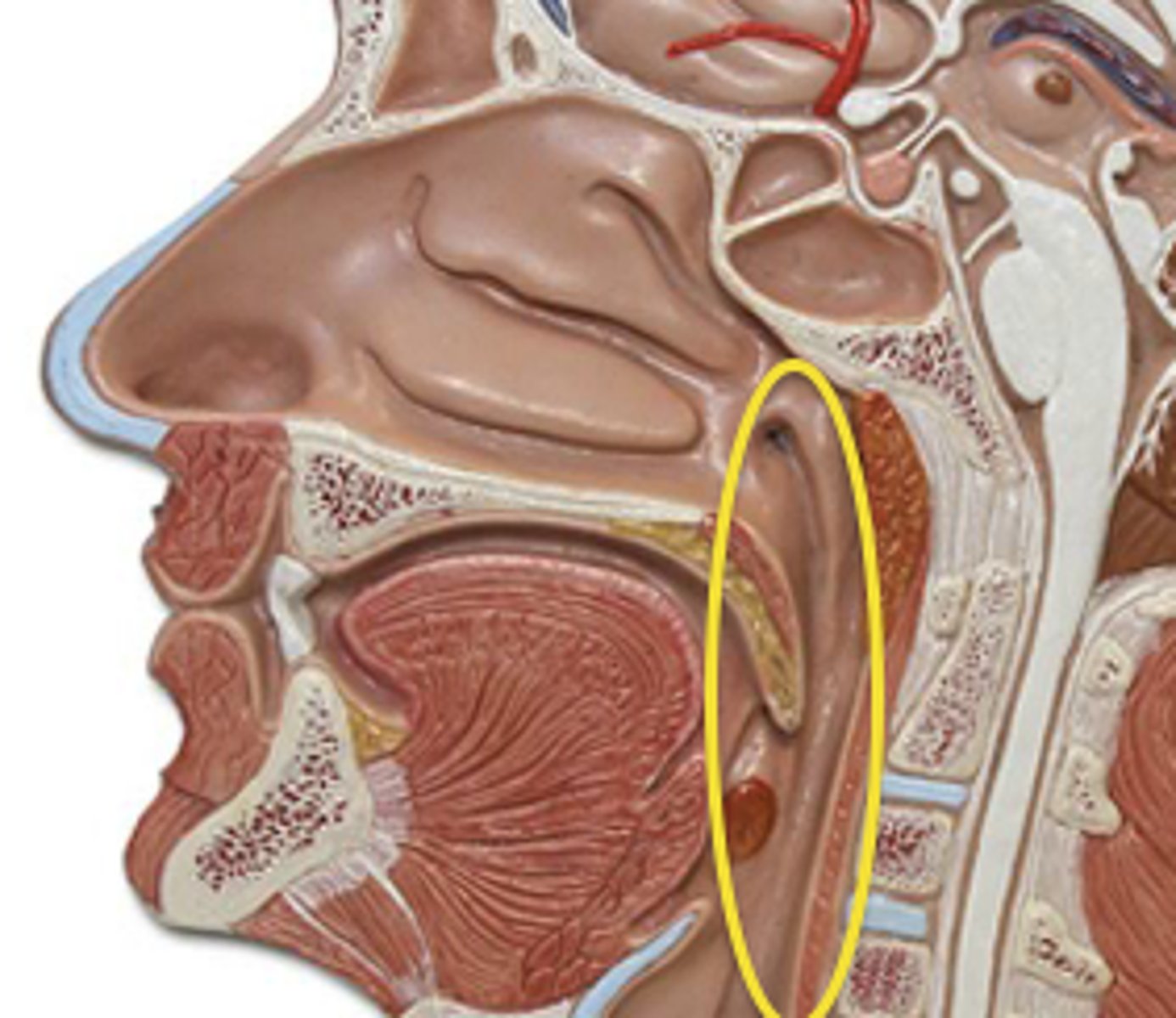
Larynx
A triangle shaped area into which air passes from the pharynx; also called the voice box
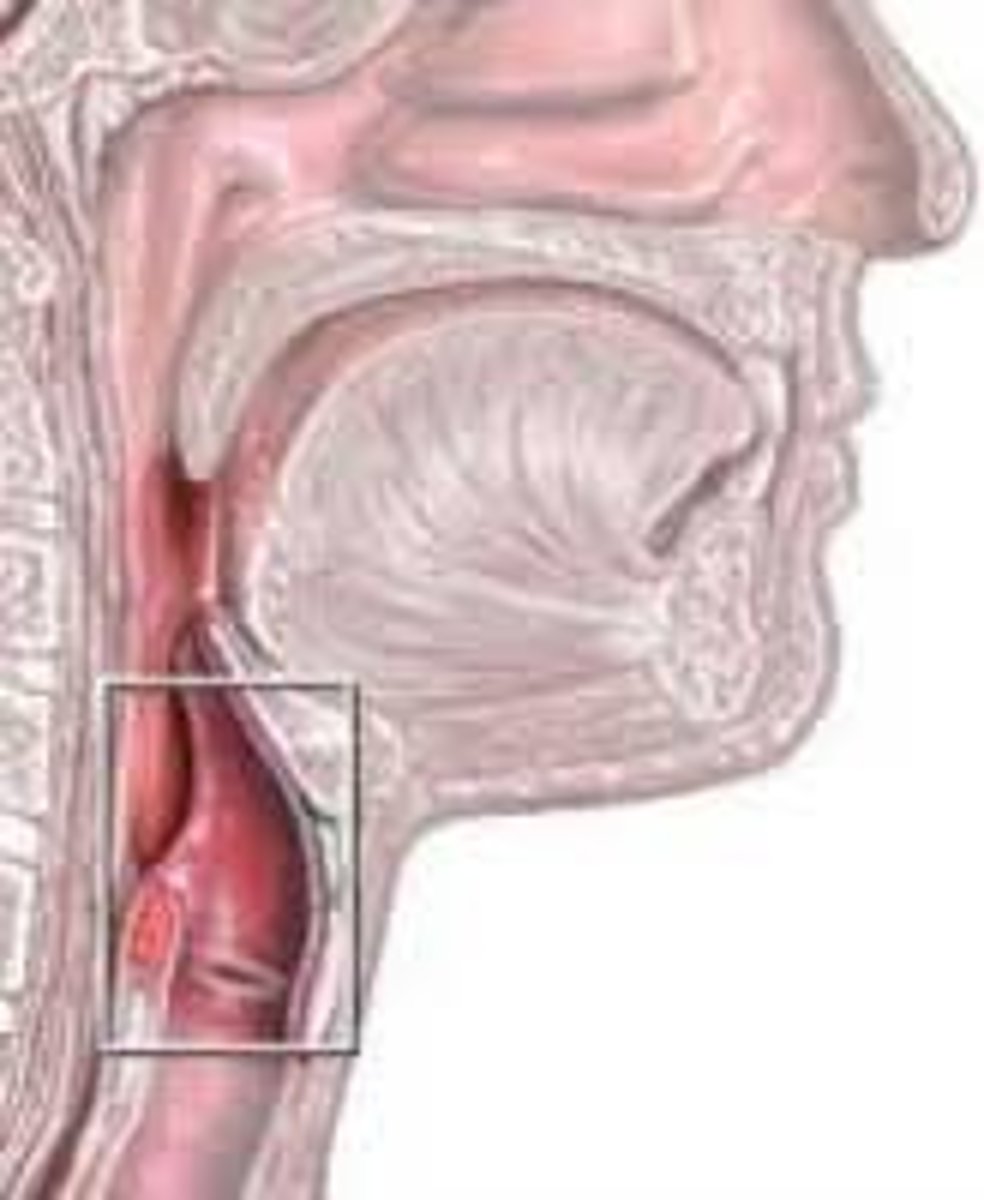
Trachea
A tube that is held open by C-shaped rings of cartilage; connects the larynx and the bronchi
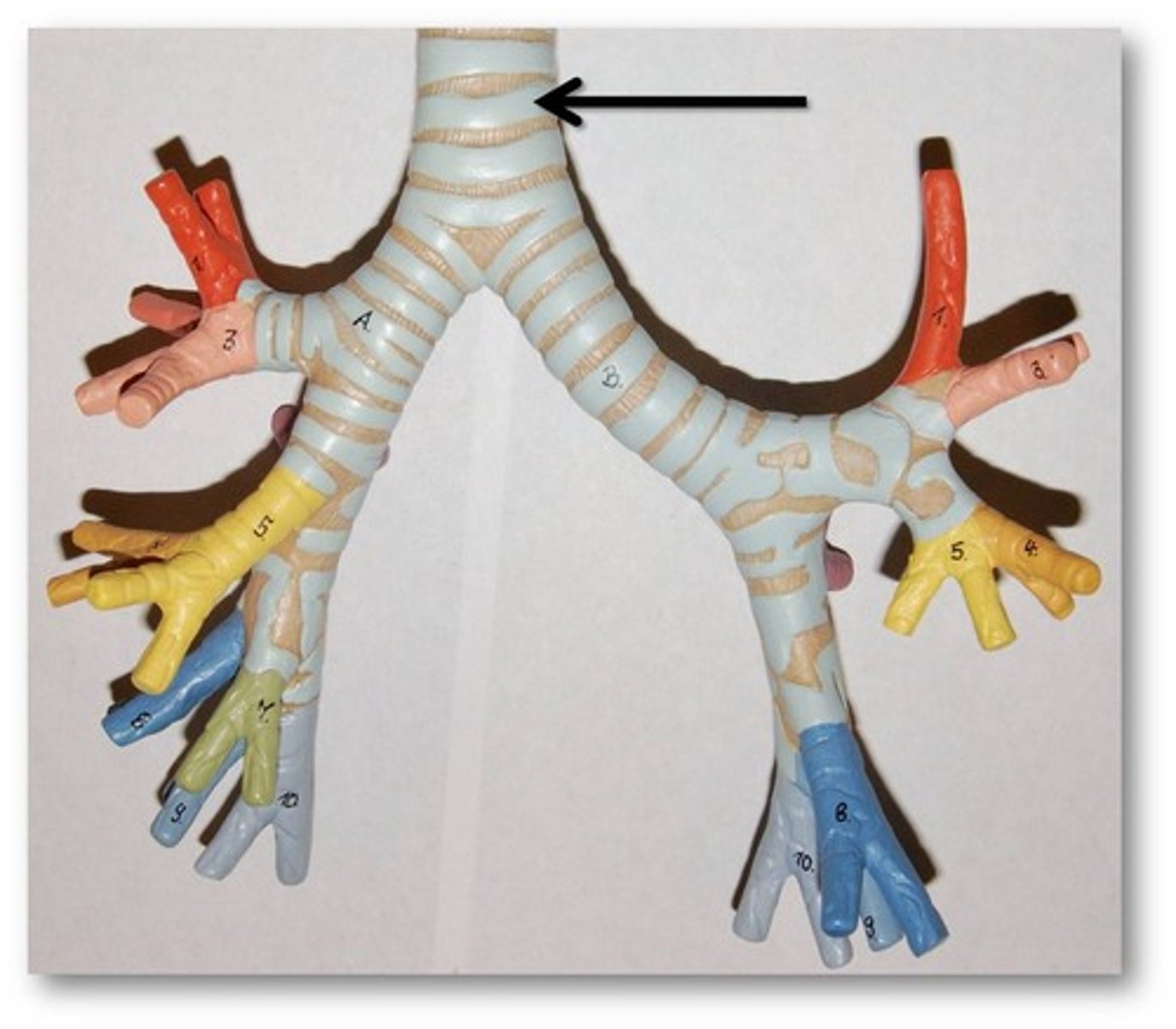
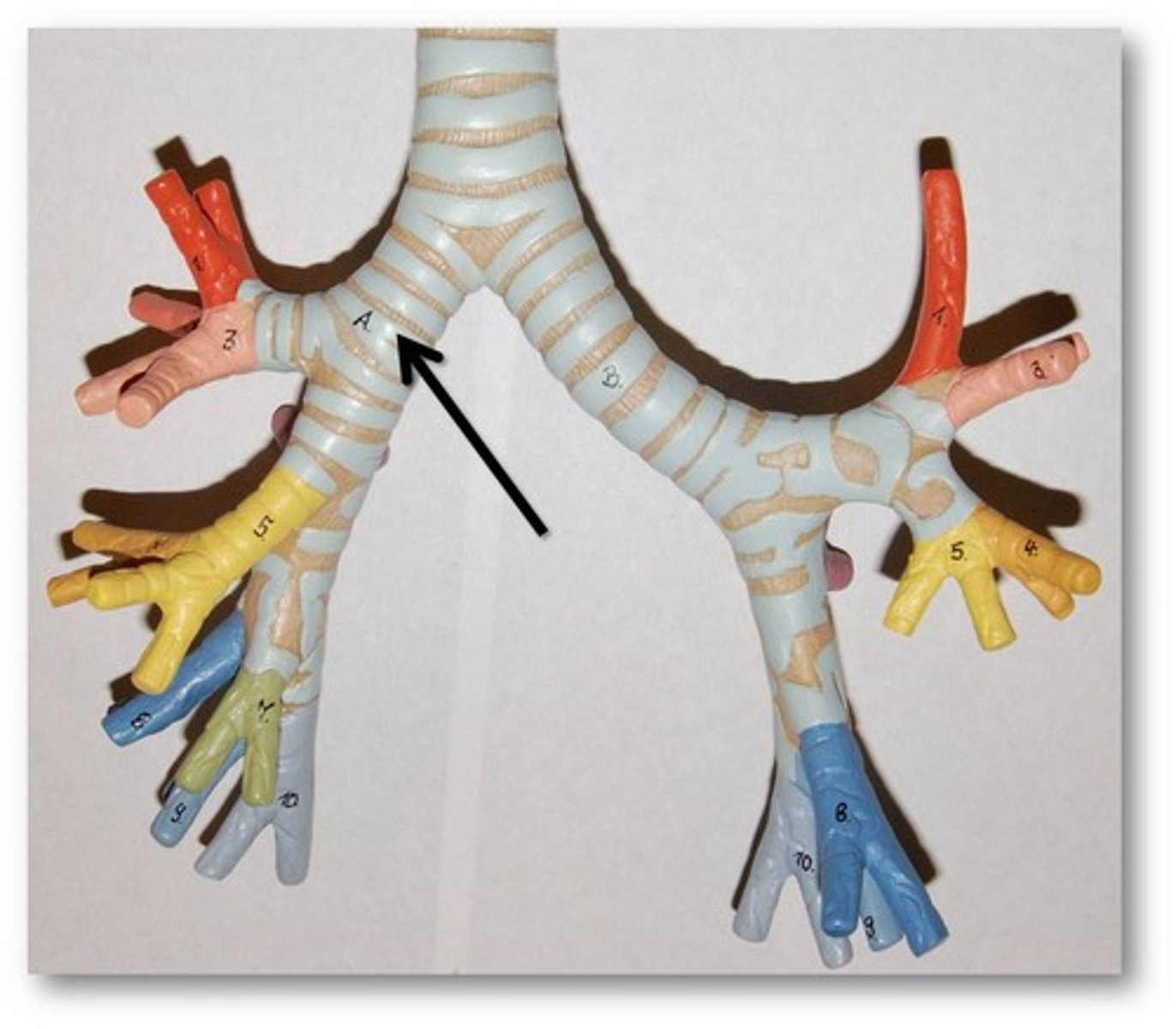
Bronchi
Two narrow tubes that carry air into the lungs from the trachea
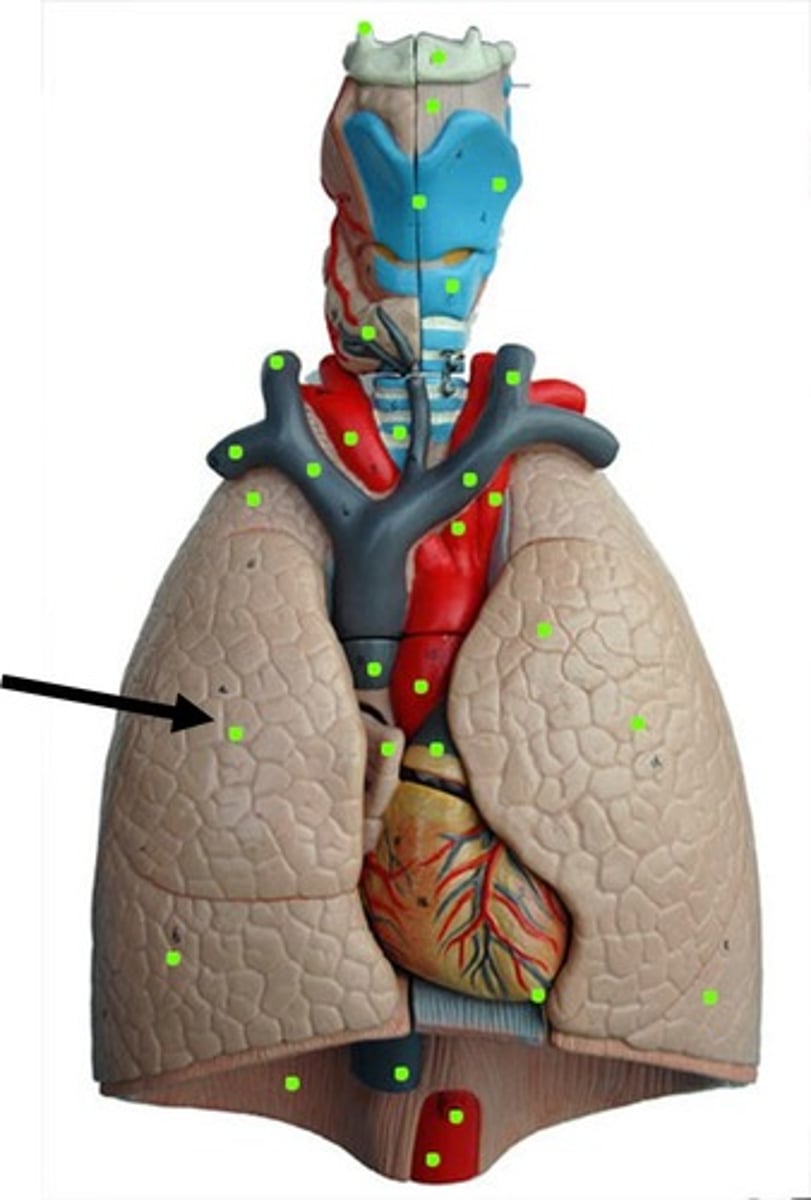
Lungs
The main organs of the respiratory system
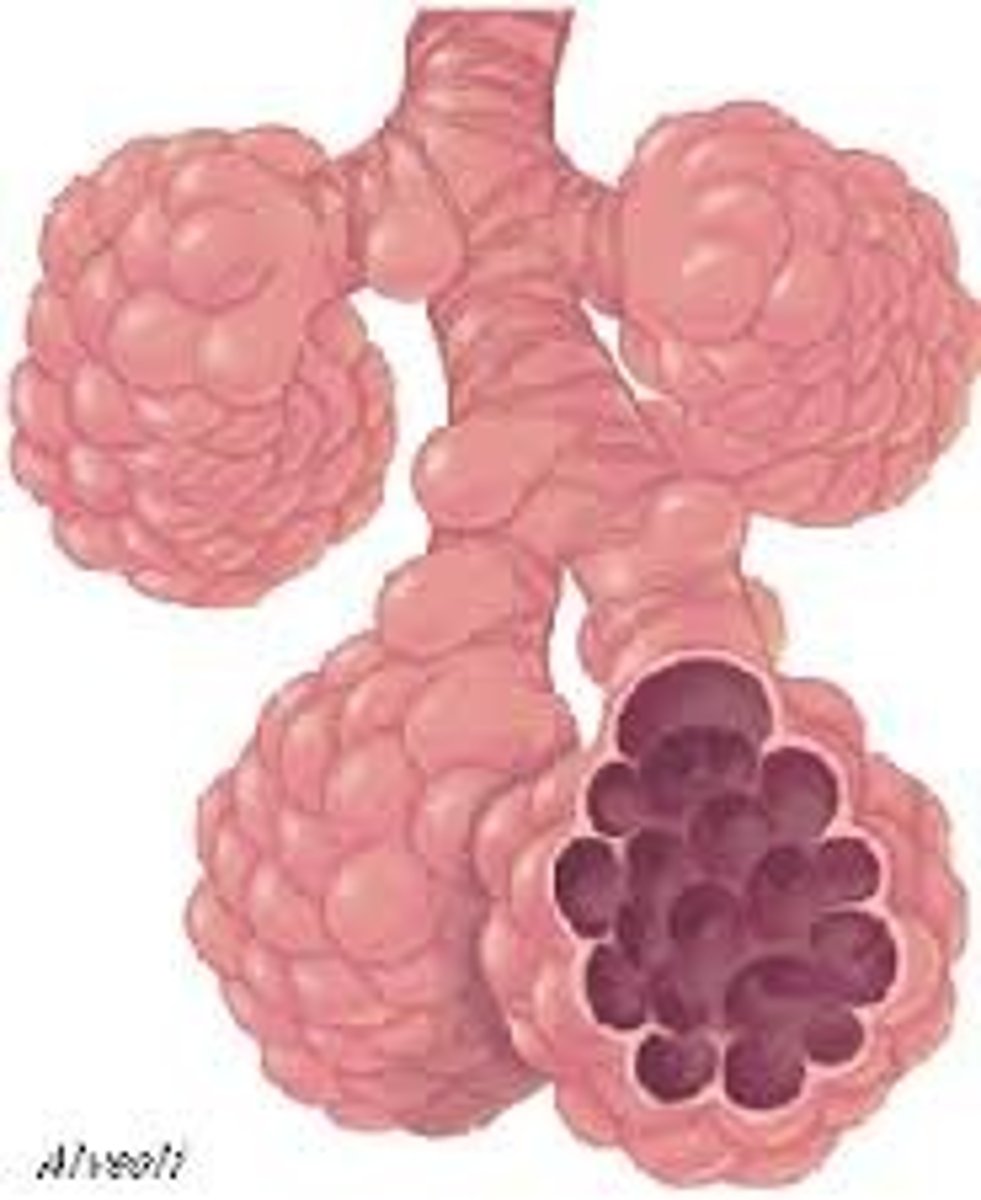
Alveoli
Microscopic sacs or pouches at the end of the bronchioles where gas exchange occurs
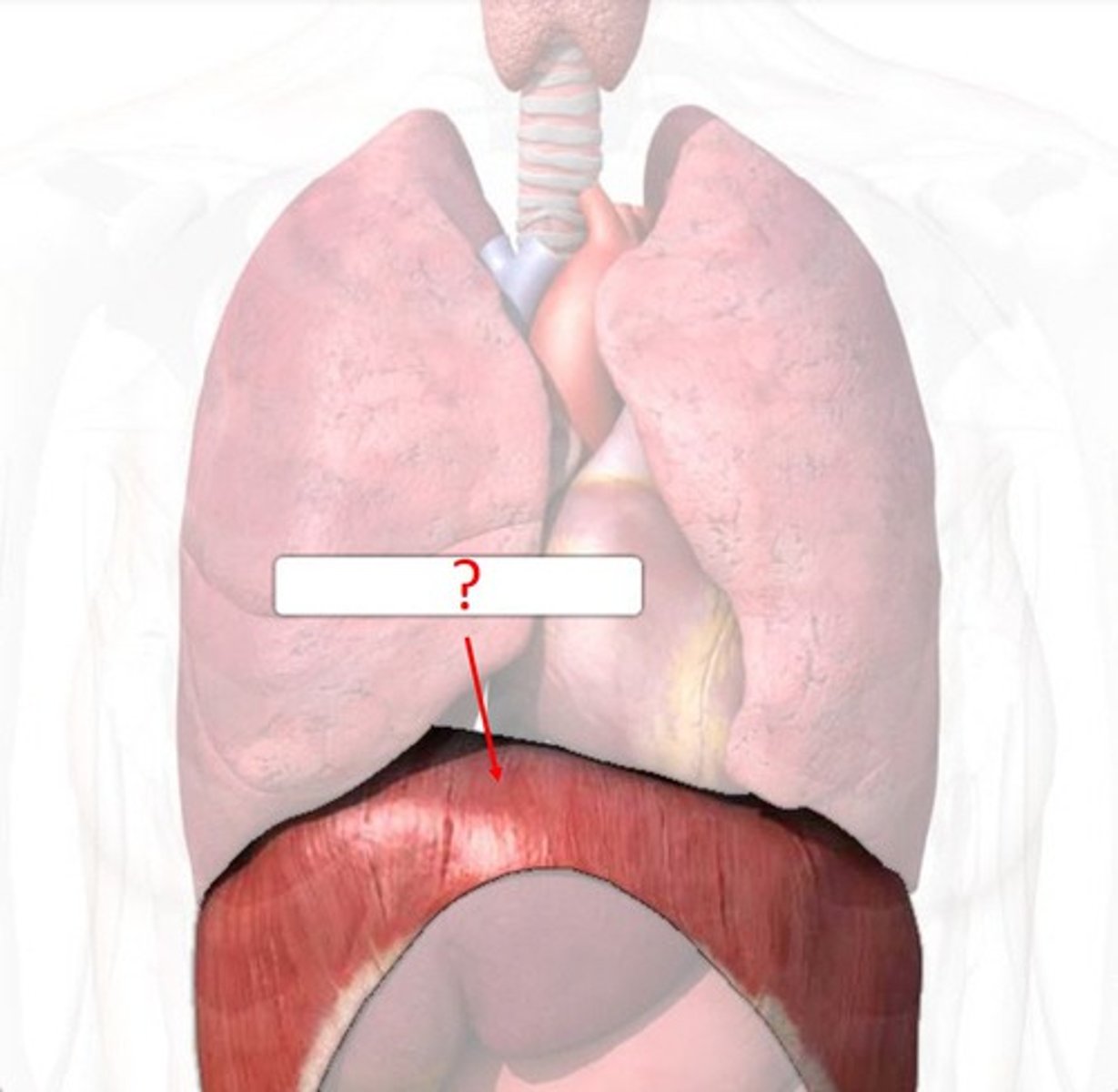
Diaphragm
A large muscle below the lungs that contracts and relaxes as air moves into and out of the lungs
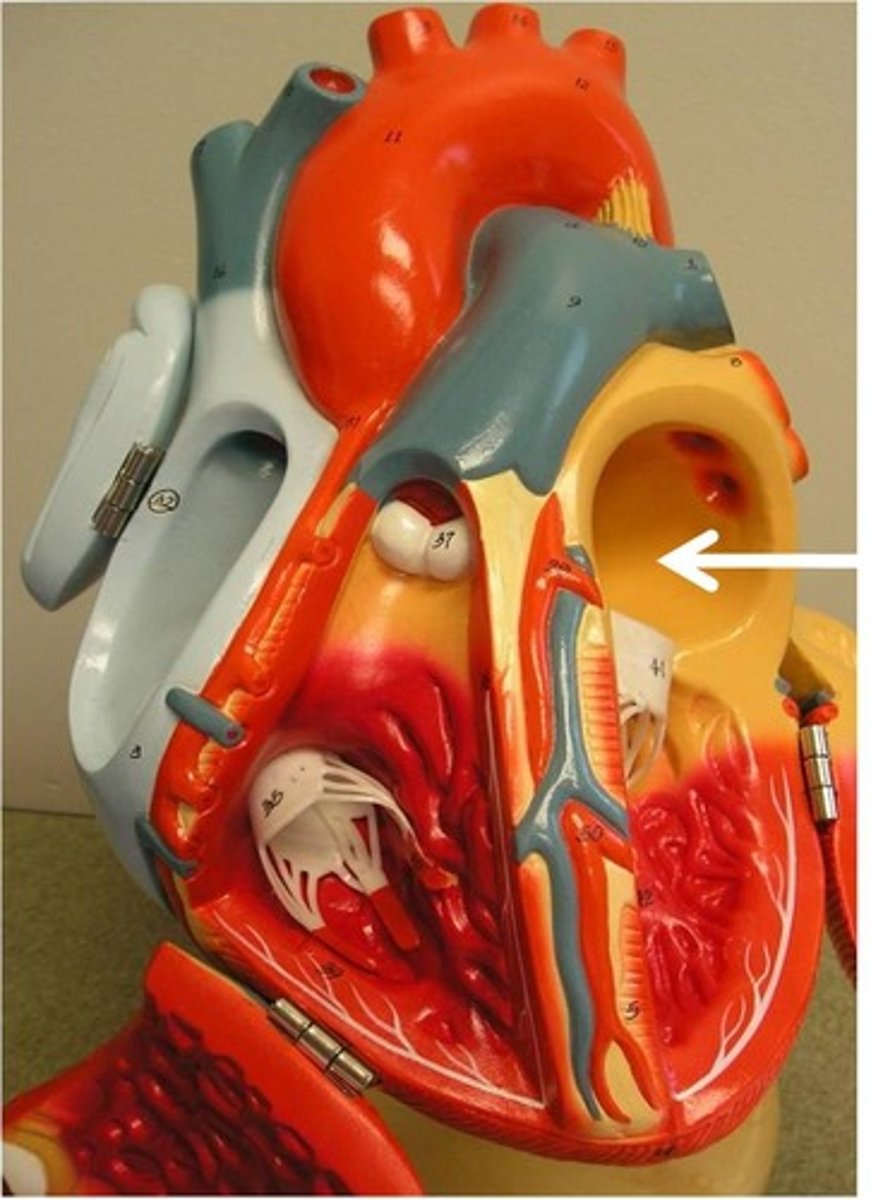
Atrium
The upper two chambers of the heart
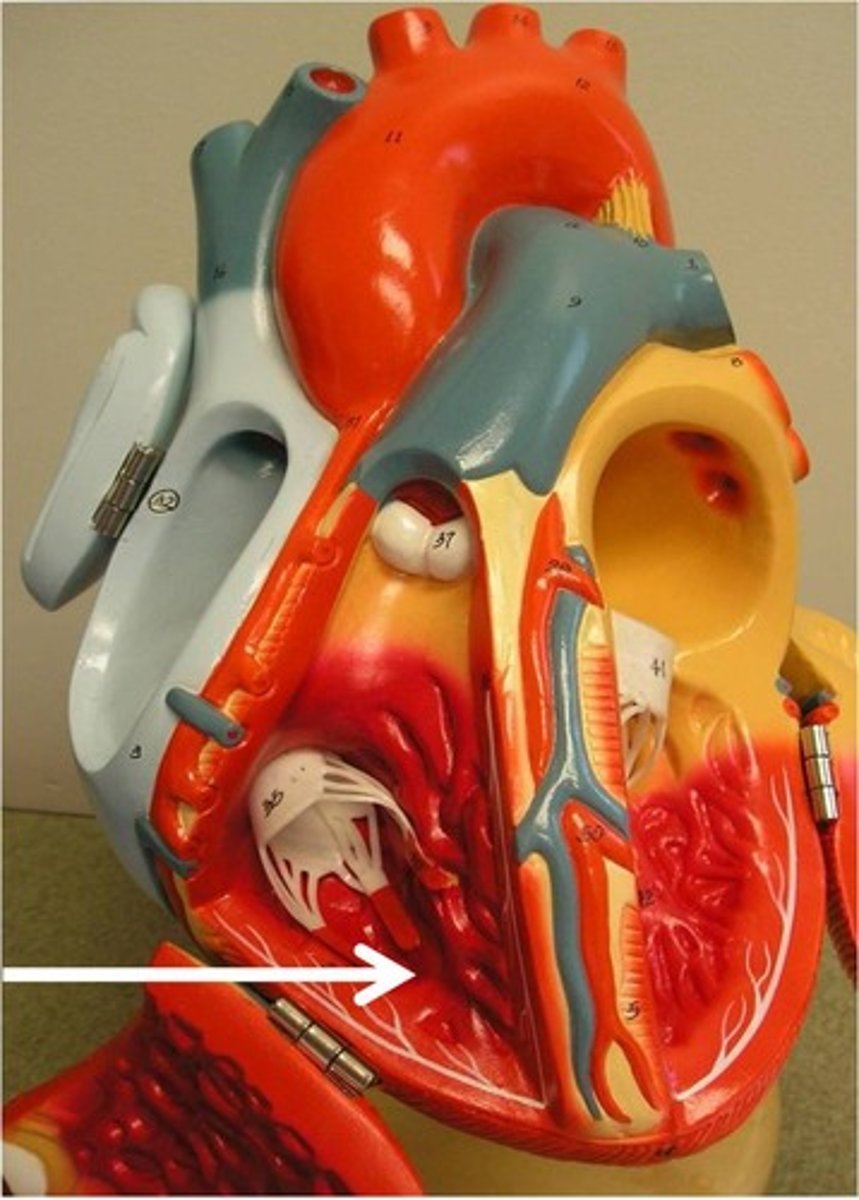
Ventricle
The lower two chambrs of the heart
Capillary
A tiny blood vessel that delivers supplies to an individual cell and takes away waste materials
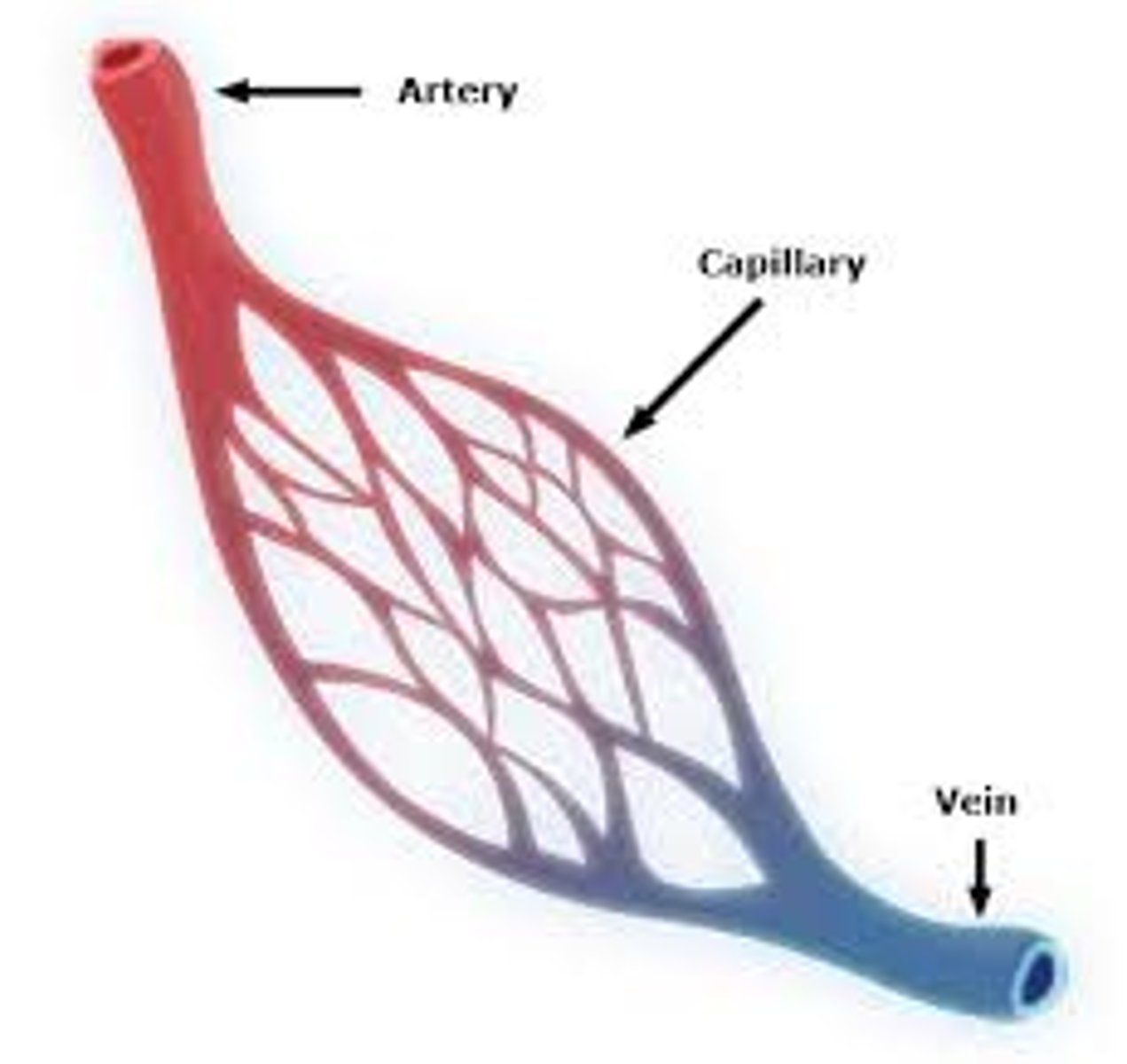
Vein
A vessel that carries blood toward the heart
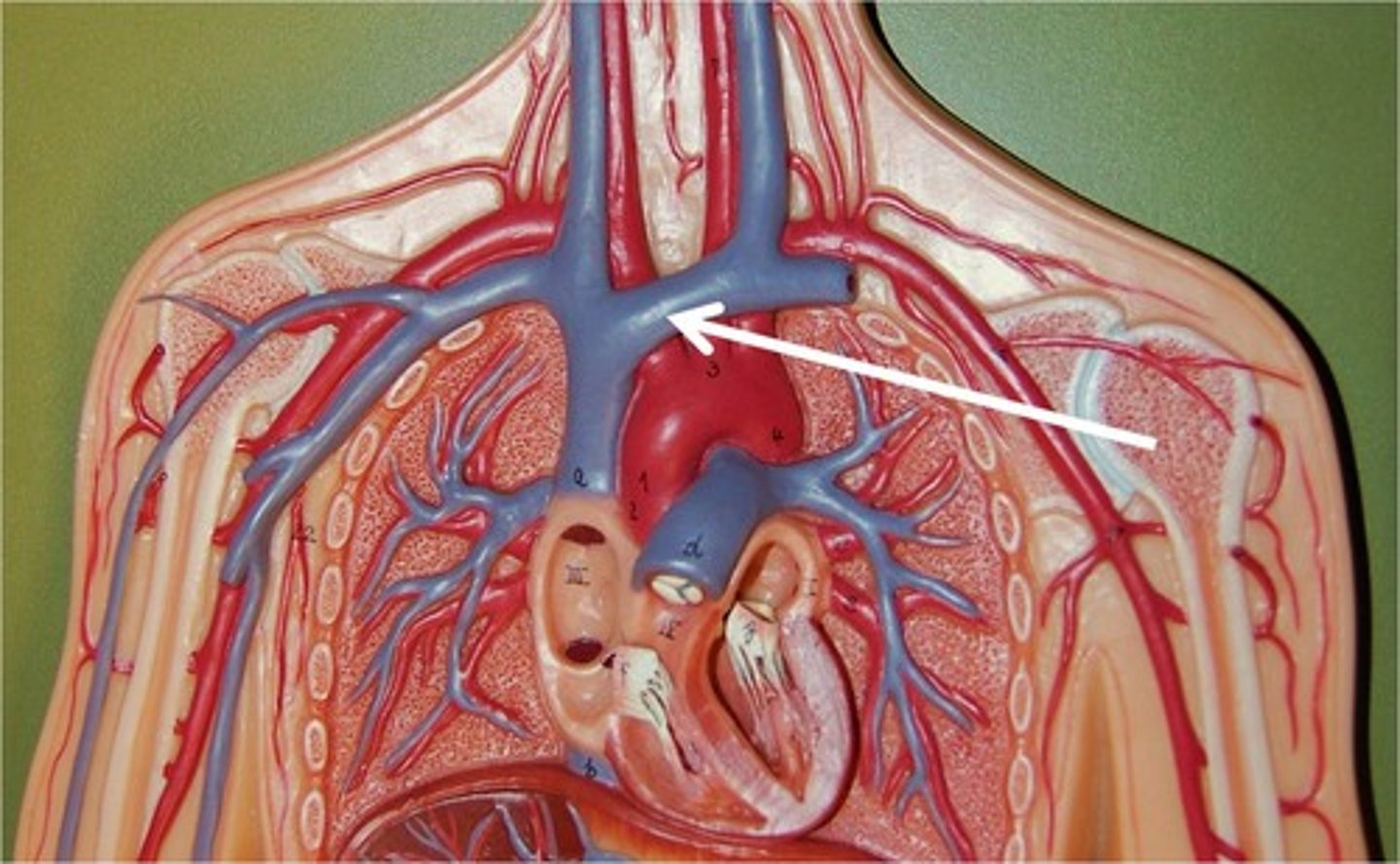
Systemic Circulation
The network of vessels that carry blood from the heart to the body and from the body back to the heart
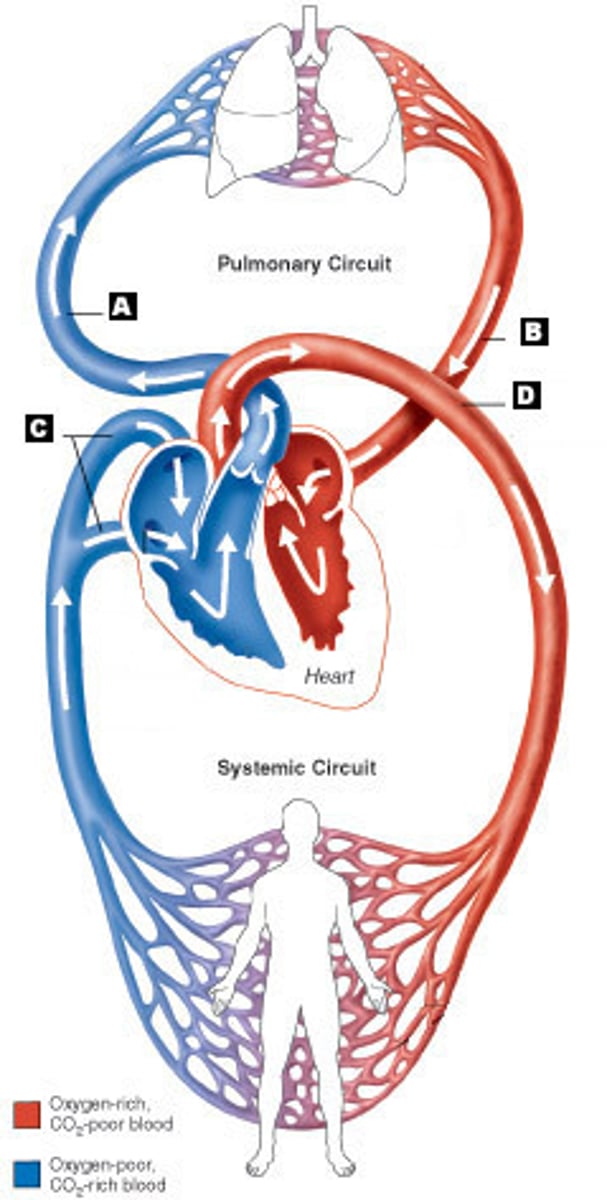
Coronary Circulation
The network of arteries and veins that supplies blood to all the cells of the heart
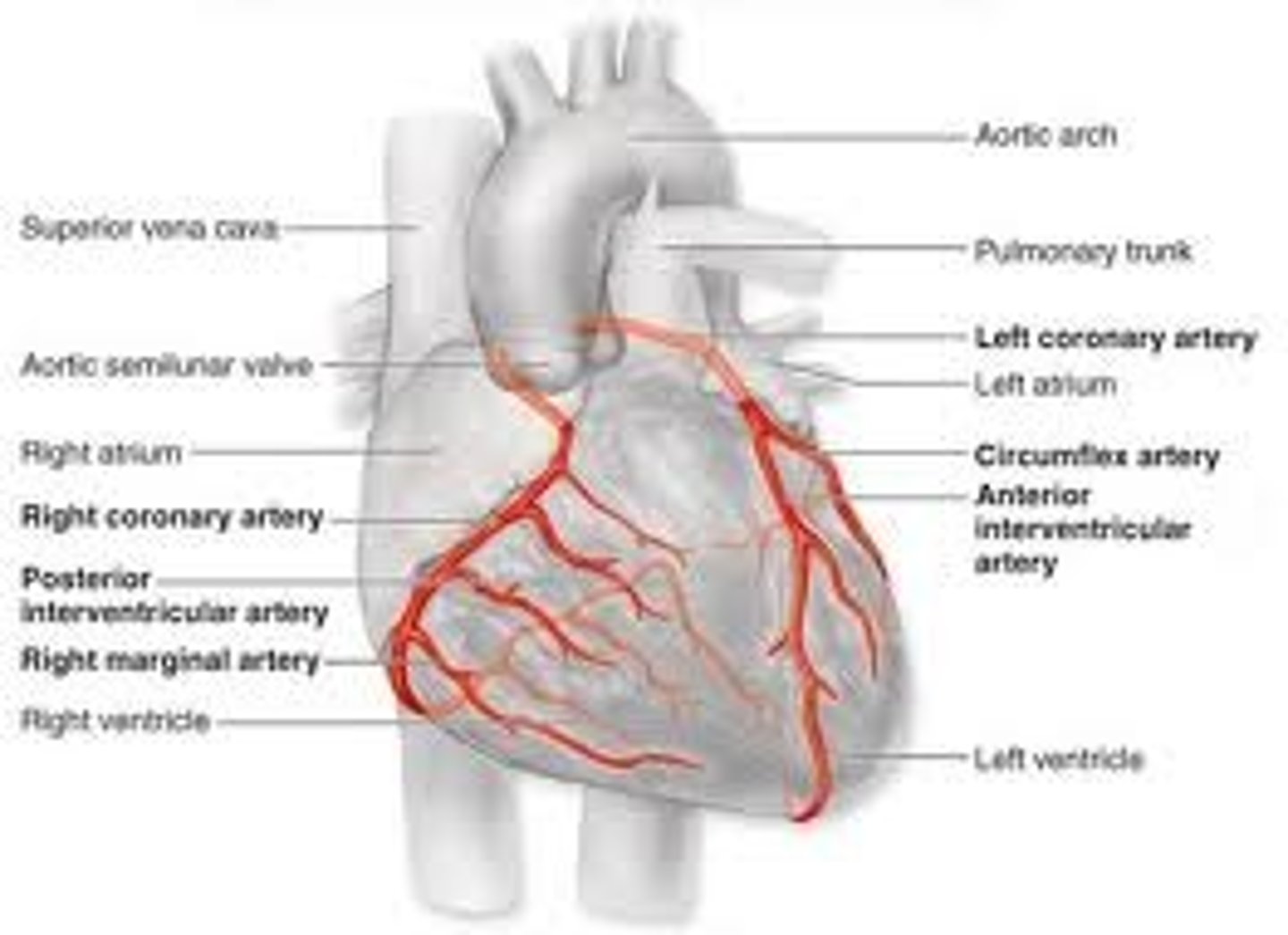
Pulmonary Circulation
The network of vessels that carries blood to and from the lungs
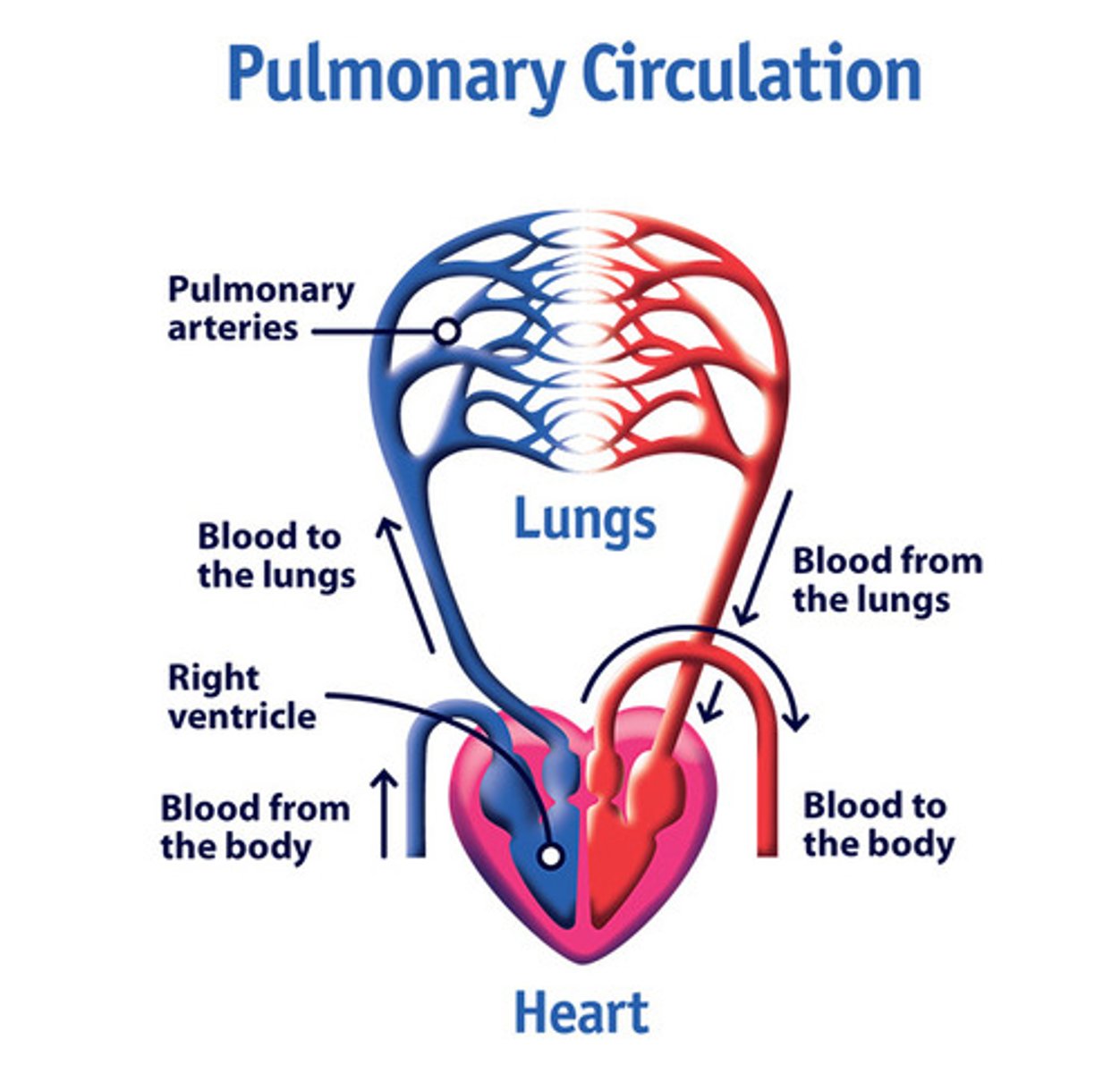
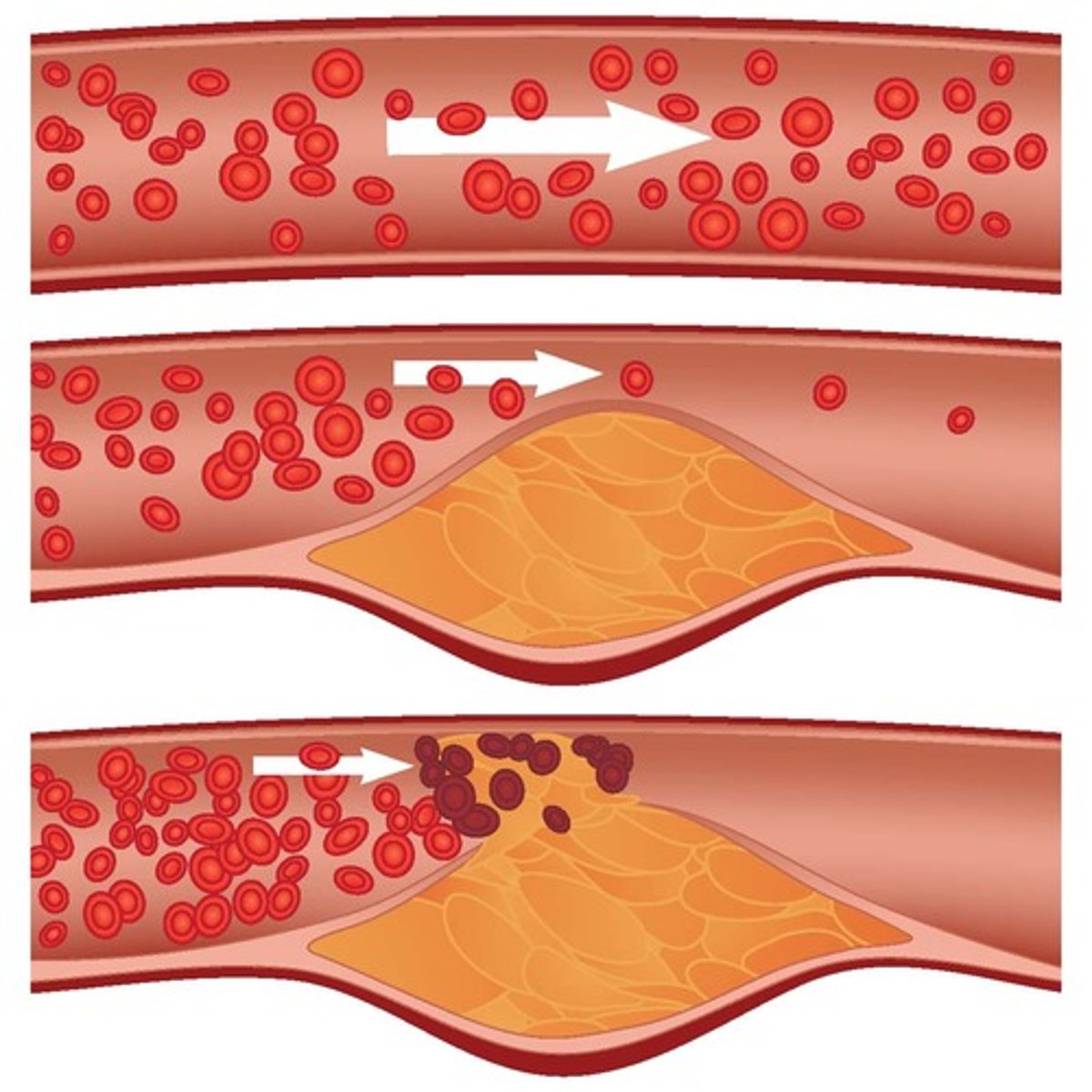
Atherosclerosis
The buildup of fatty material within the walls of arteries
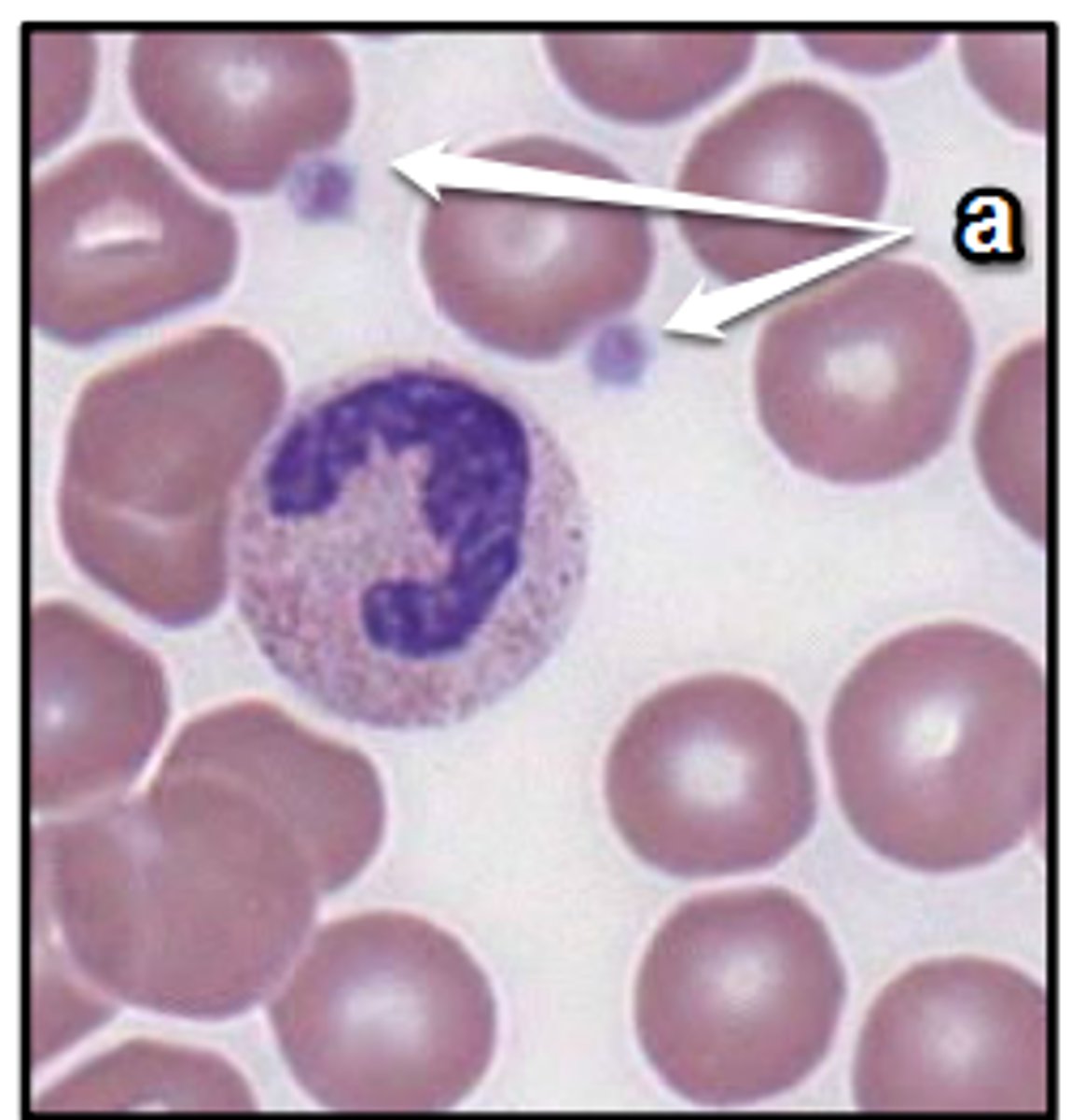
Platelet
A small, irregularly shaped piece of a cell that plugs wounds to stop bleeding
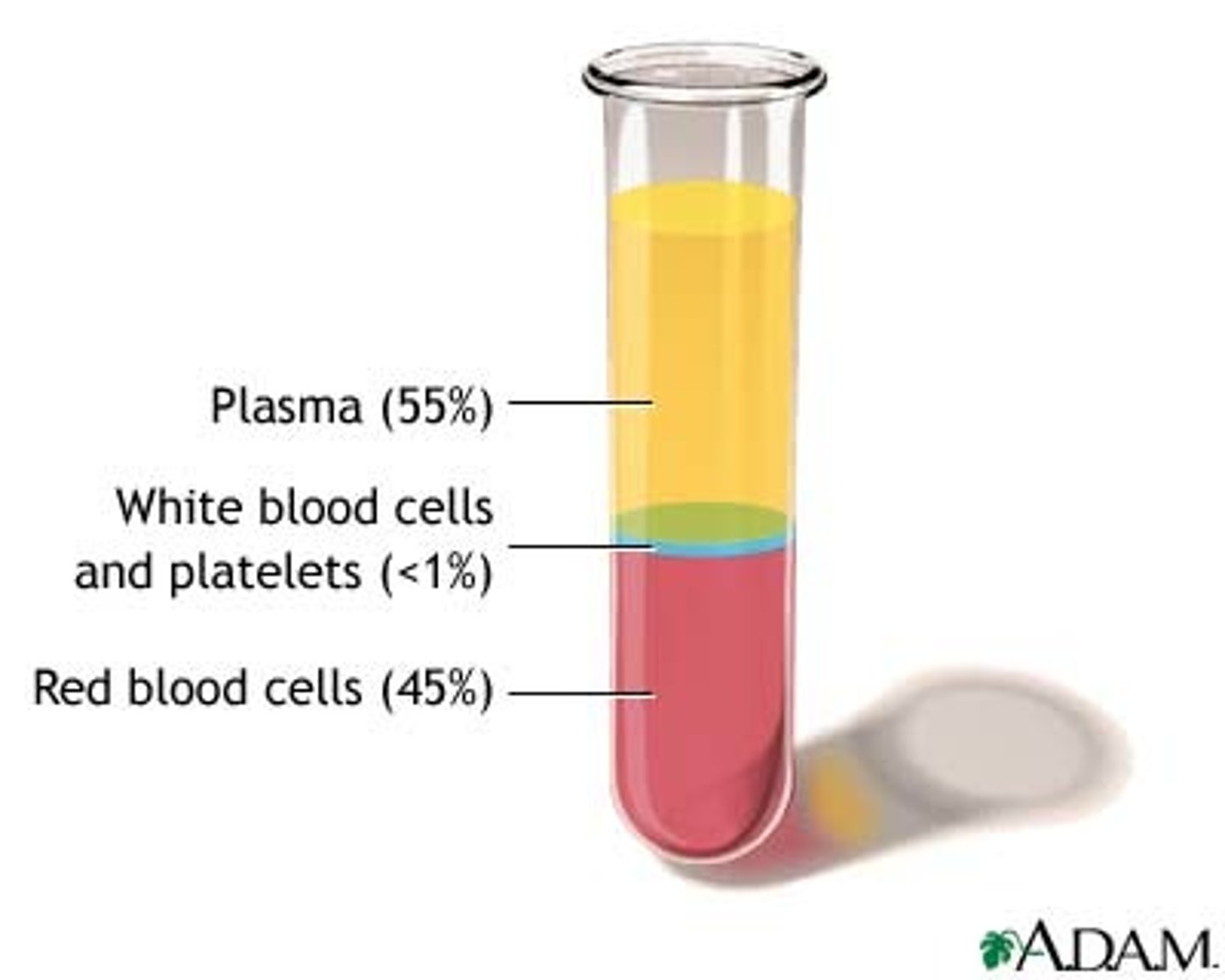
Plasma
The yellowish, liquid part of blood that transports blood cells
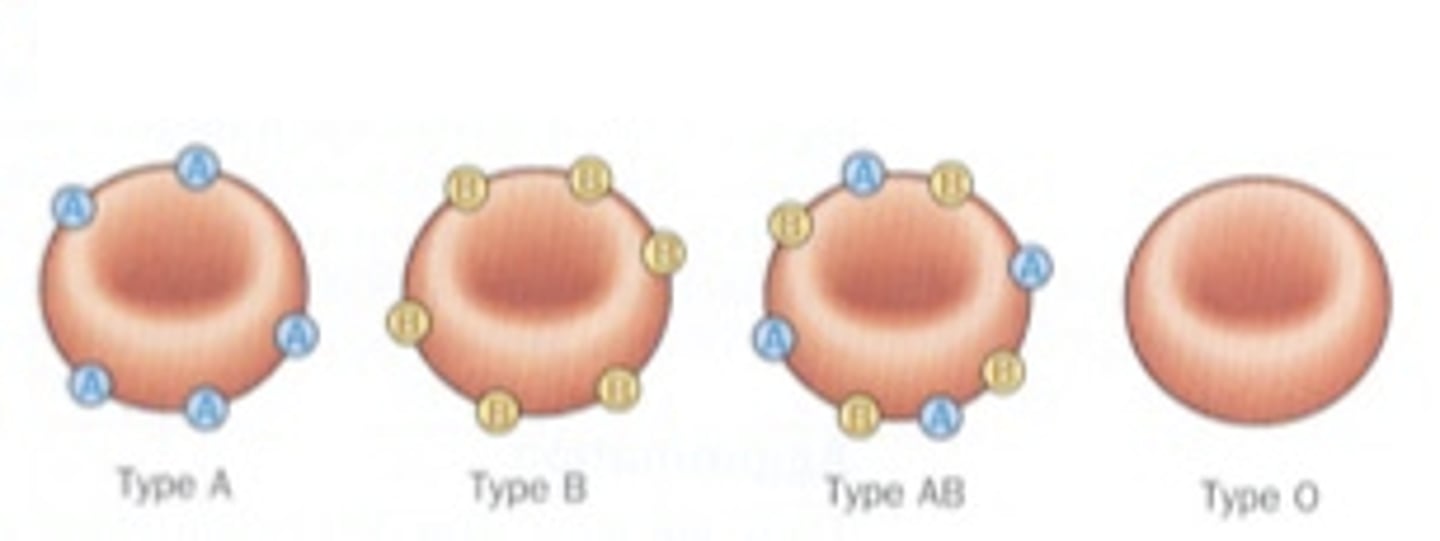
Rh Factor
A protein found on red blood cells; a chemical marker
Lymphatic System
Part of the immune system that helps destroy microorganisms that enter the body
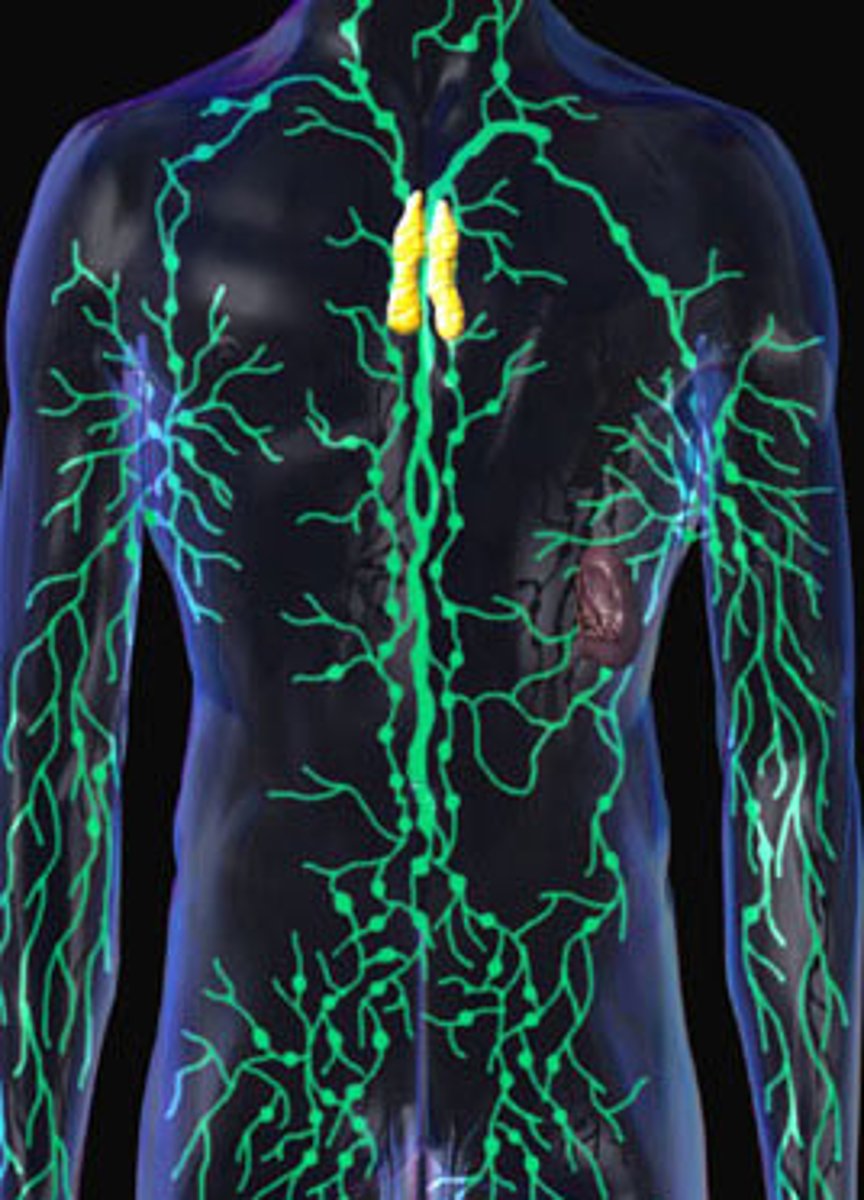
Lymph
Tissue fluid that has diffused into lymph vessels
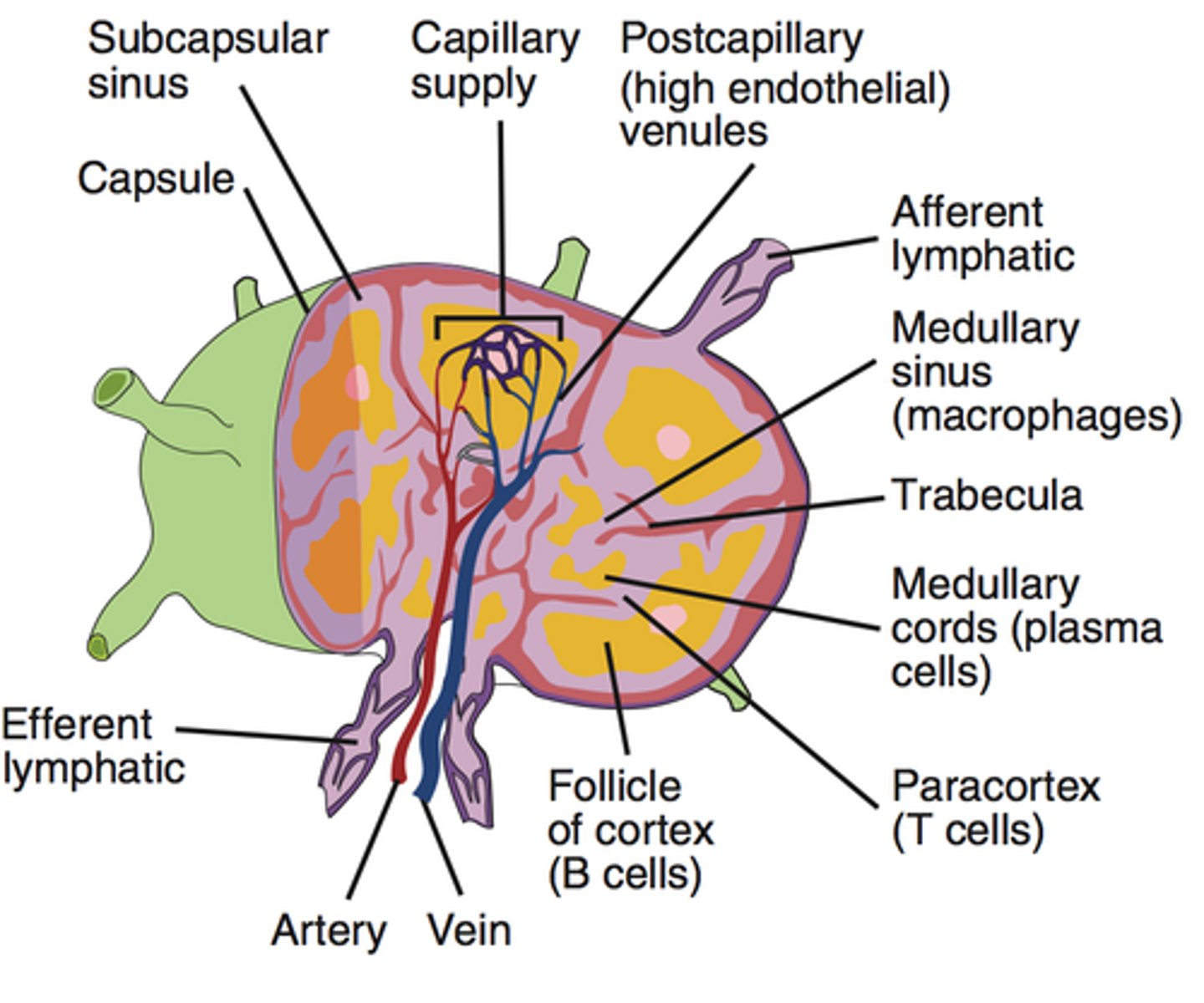
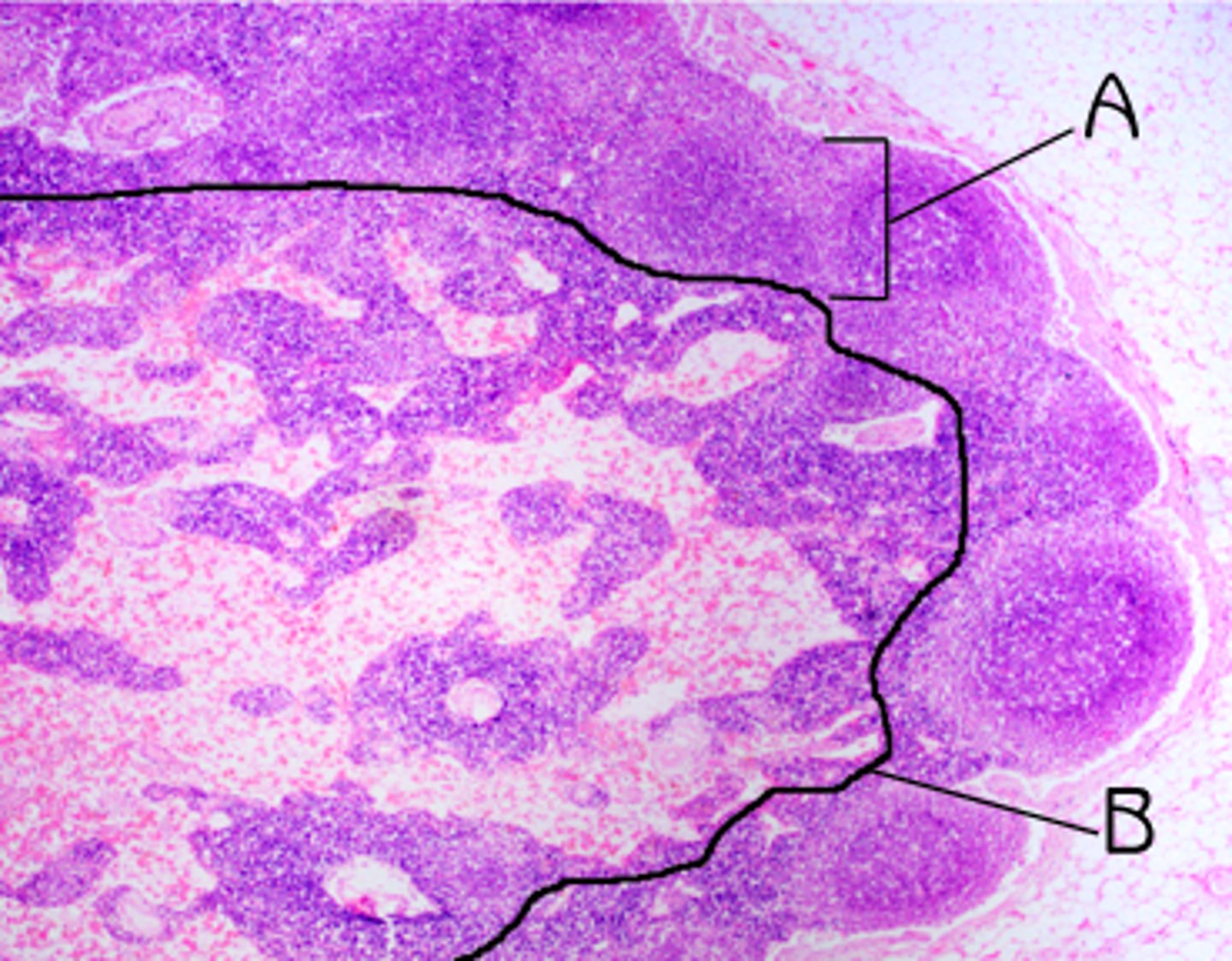
Lymph Node
A small spongy structure that filters particles from lymph
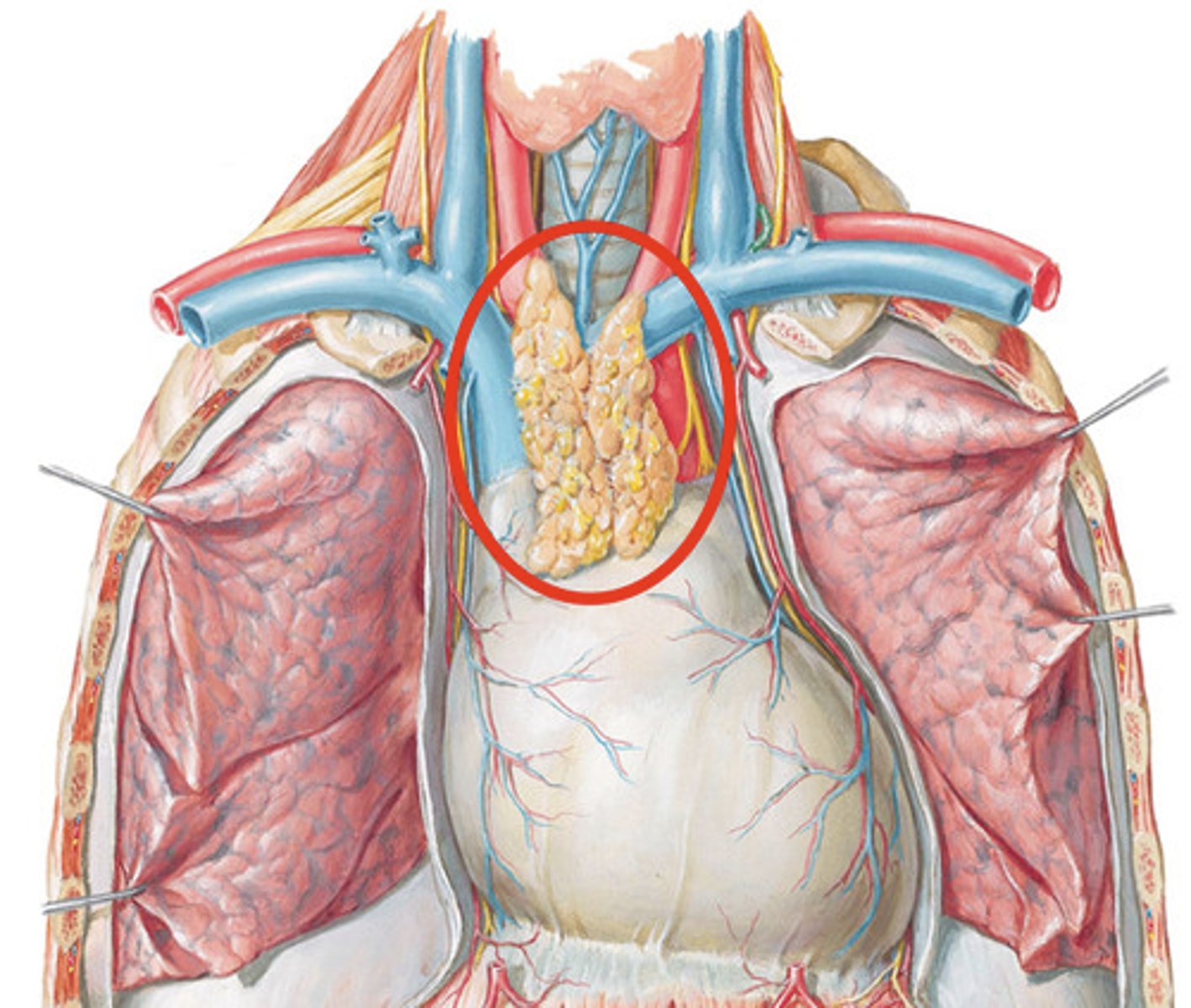
Thymus
The organ of the lymphatic system in which T cells complete their development
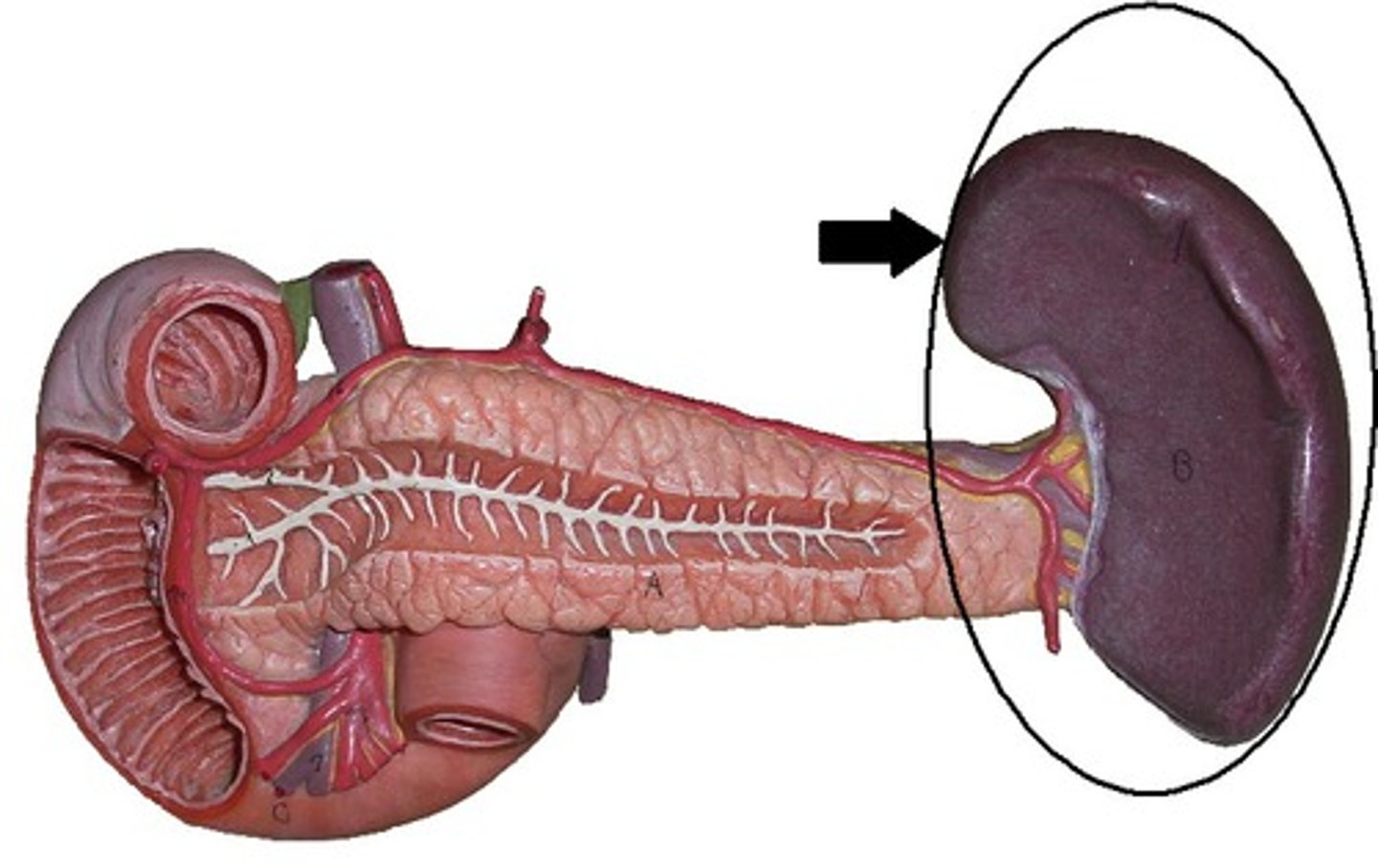
Spleen
An organ of the lymphatic system that recycles worn-out red blood cells and produces and stores lymphocytes
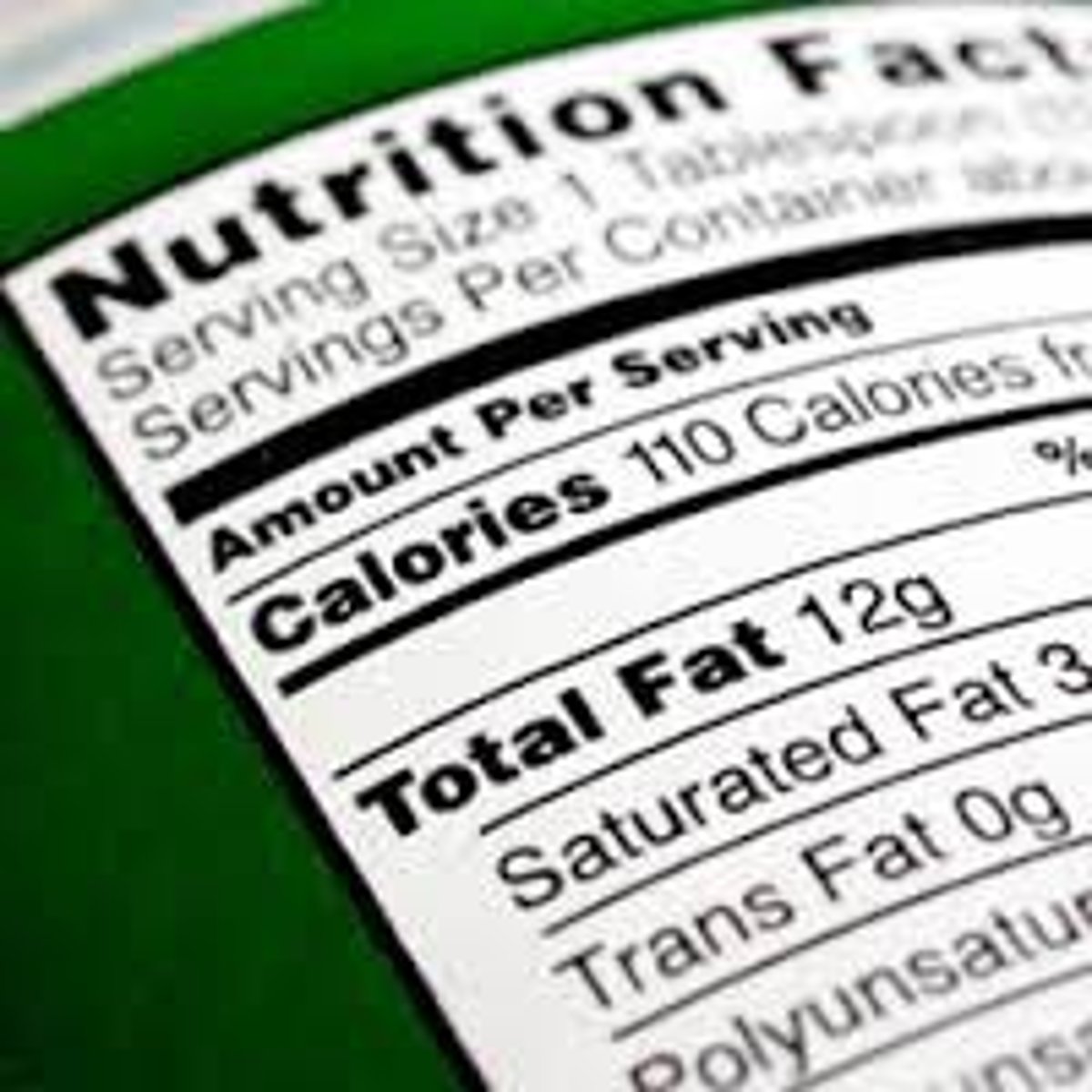
Calorie
The amount of energy it takes to raise the temperature of 1 kg of water by 1°C
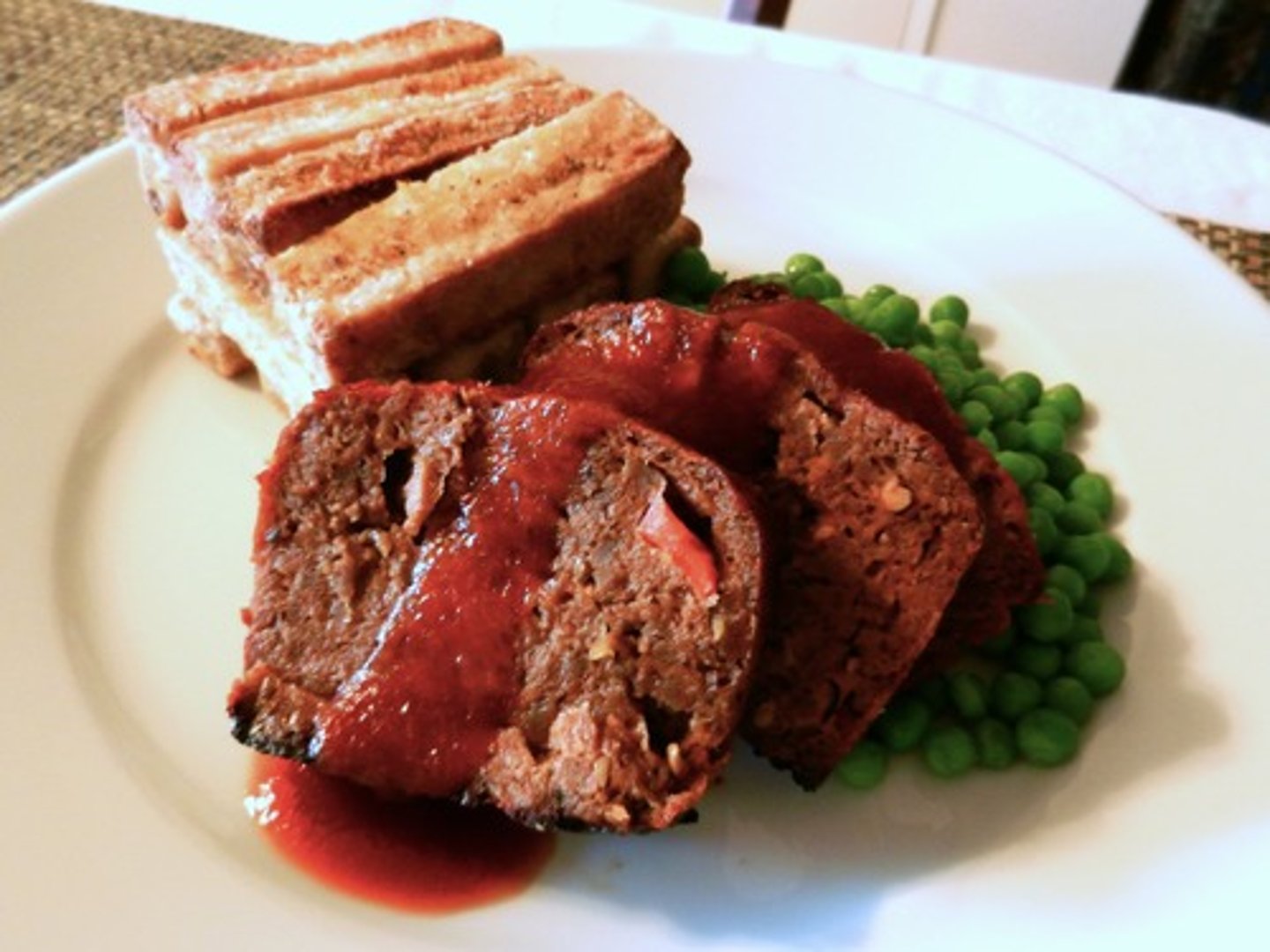
Protein
A long chain of amino acid molecules; contains carbon, hydrogen, oxygen, nitrogen, and sometimes sulfur
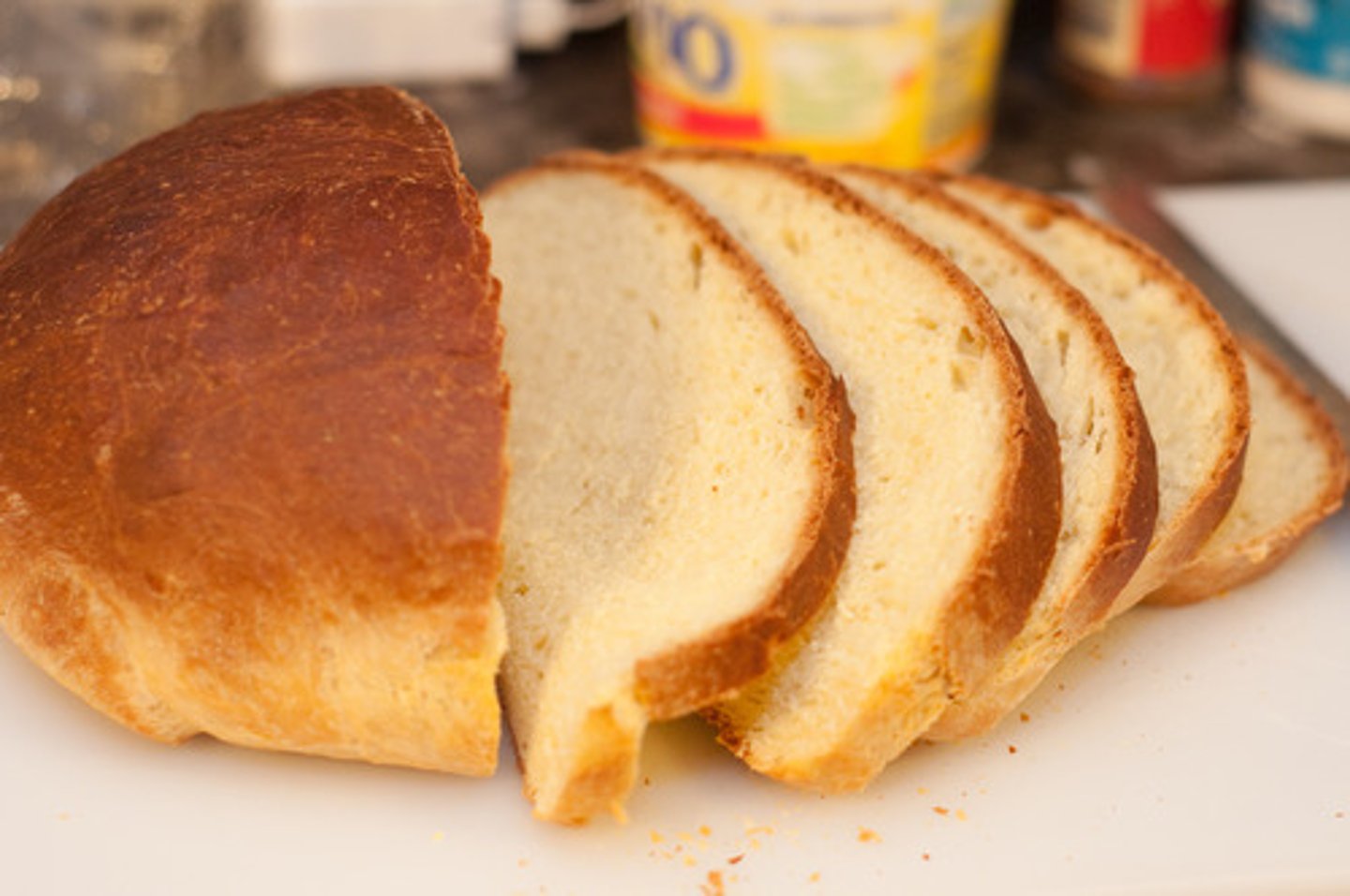
Carbohydrate
A macromolecule made up of one or more sugar molecules, which are composed of carbon, hydrogen, and oxygen; usually the body's major source of energy
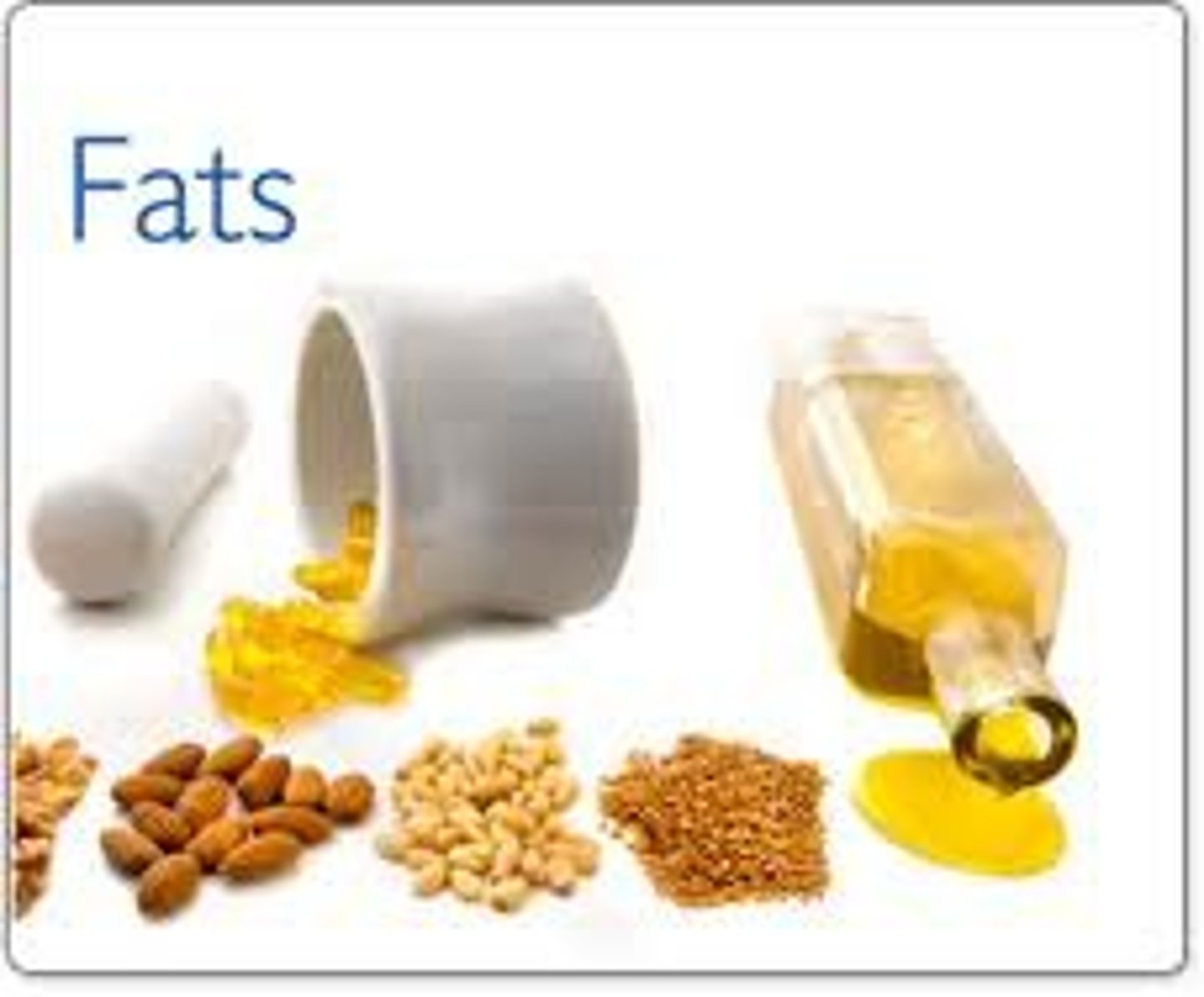
Fat
Also called a lipid, a substance in the body that provides energy and helps your body absorb vitamins
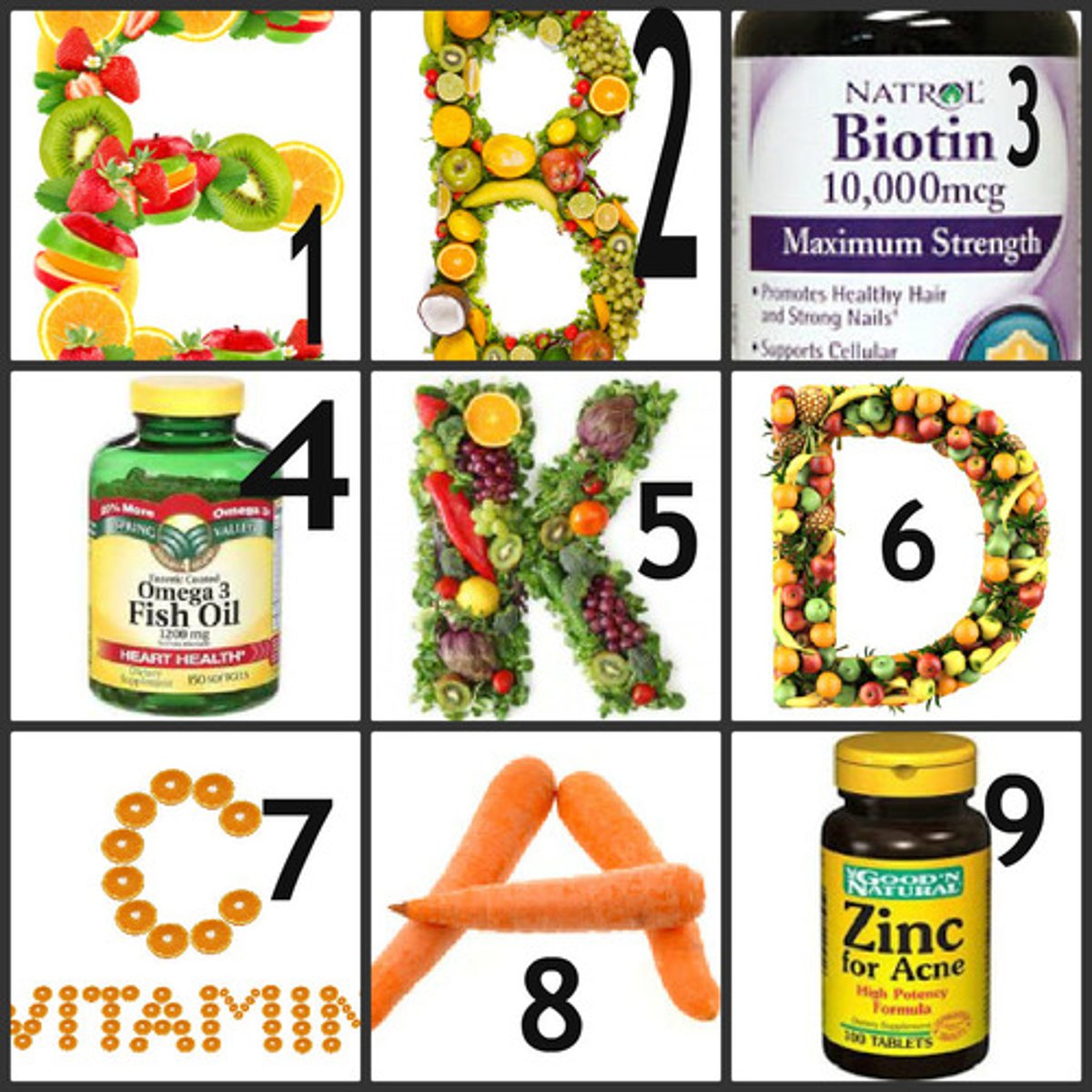
Vitamin
Any of several nutrients that are needed in small amounts for growth, regulation of body functions, and prevention of some diseases
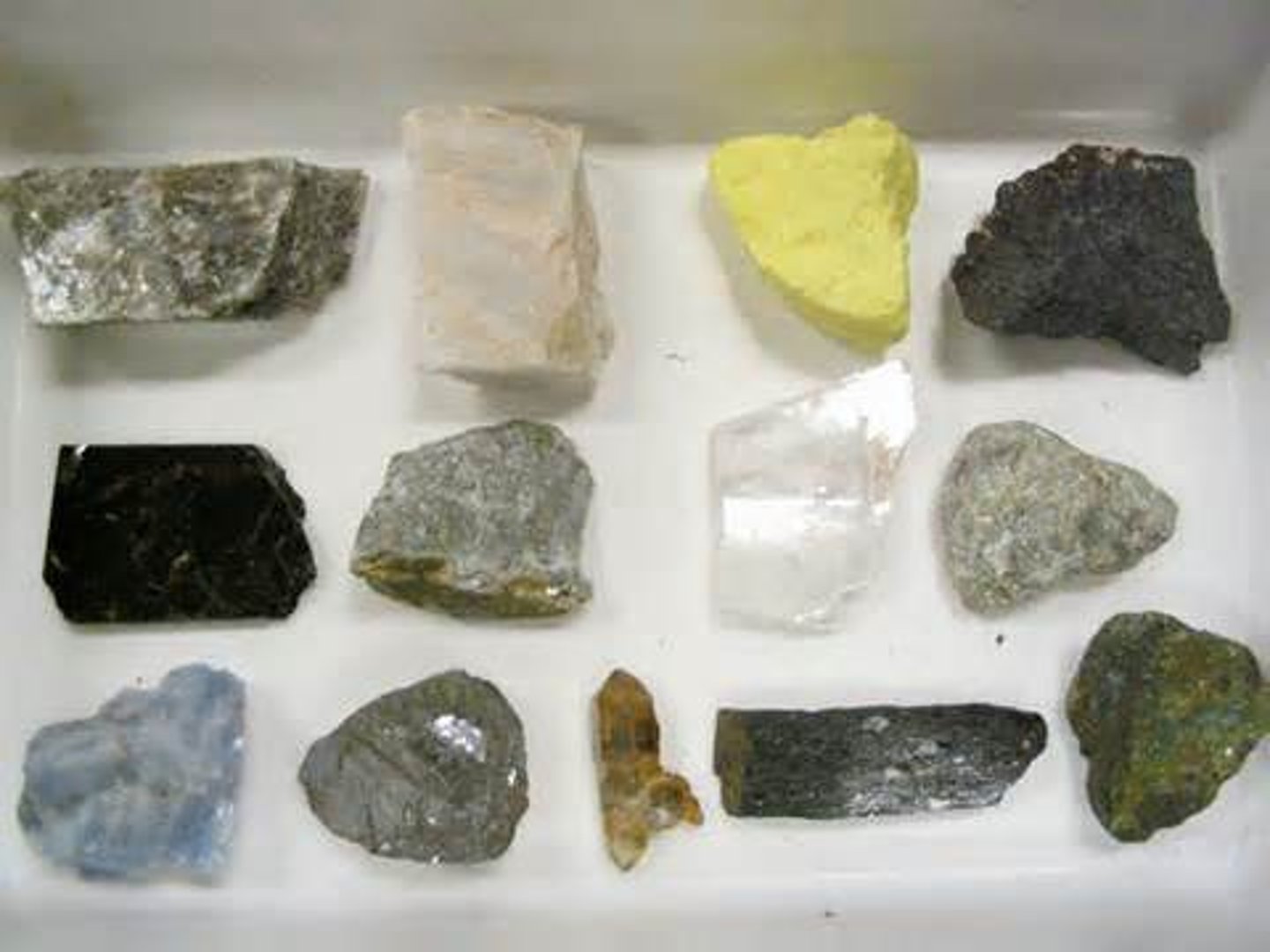
Mineral
Any of several inorganic nutrients that help the body regulate many chemical reactions
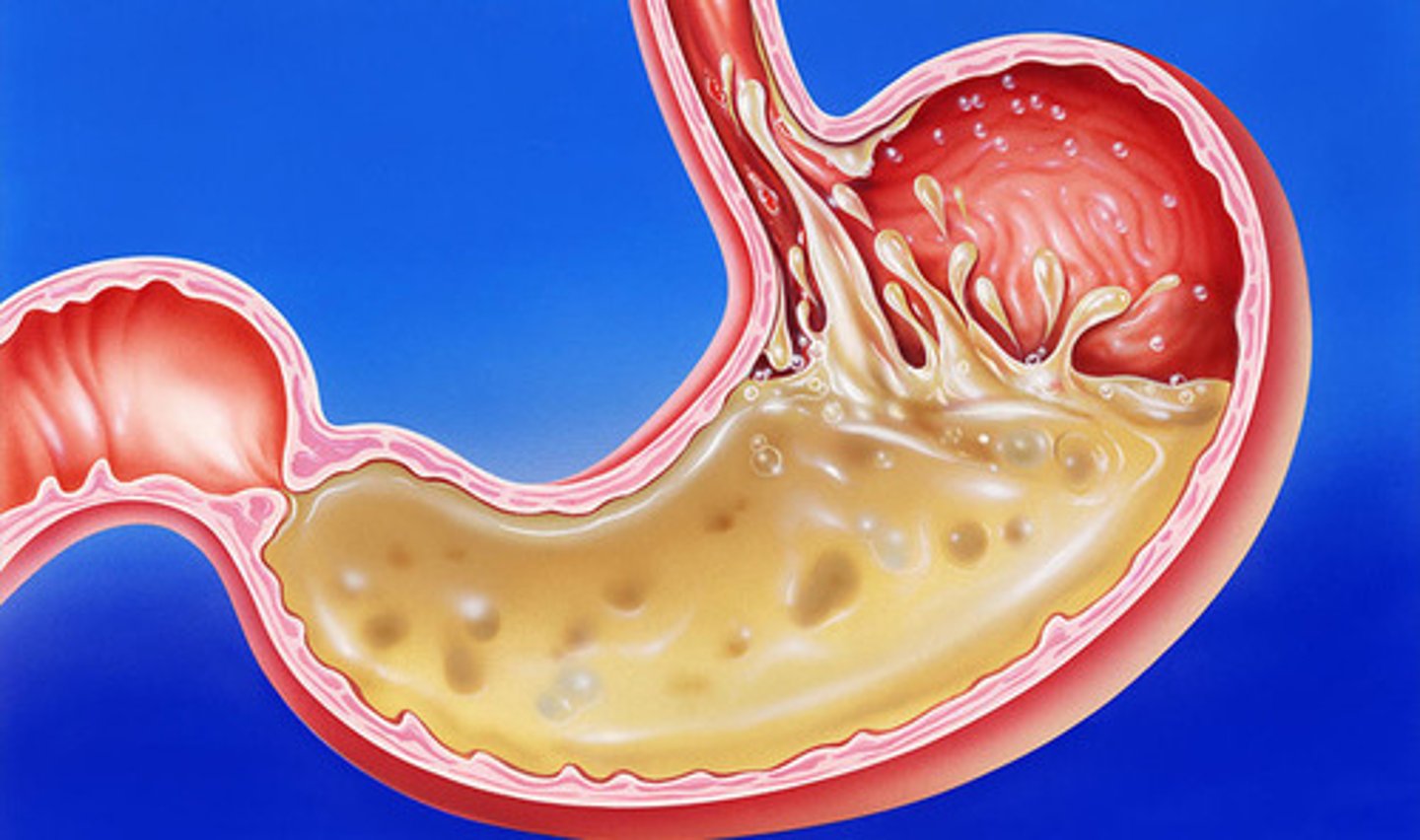
Digestion
The mechanical and chemical breakdown of food into small particles and molecules that your body can absorb and use
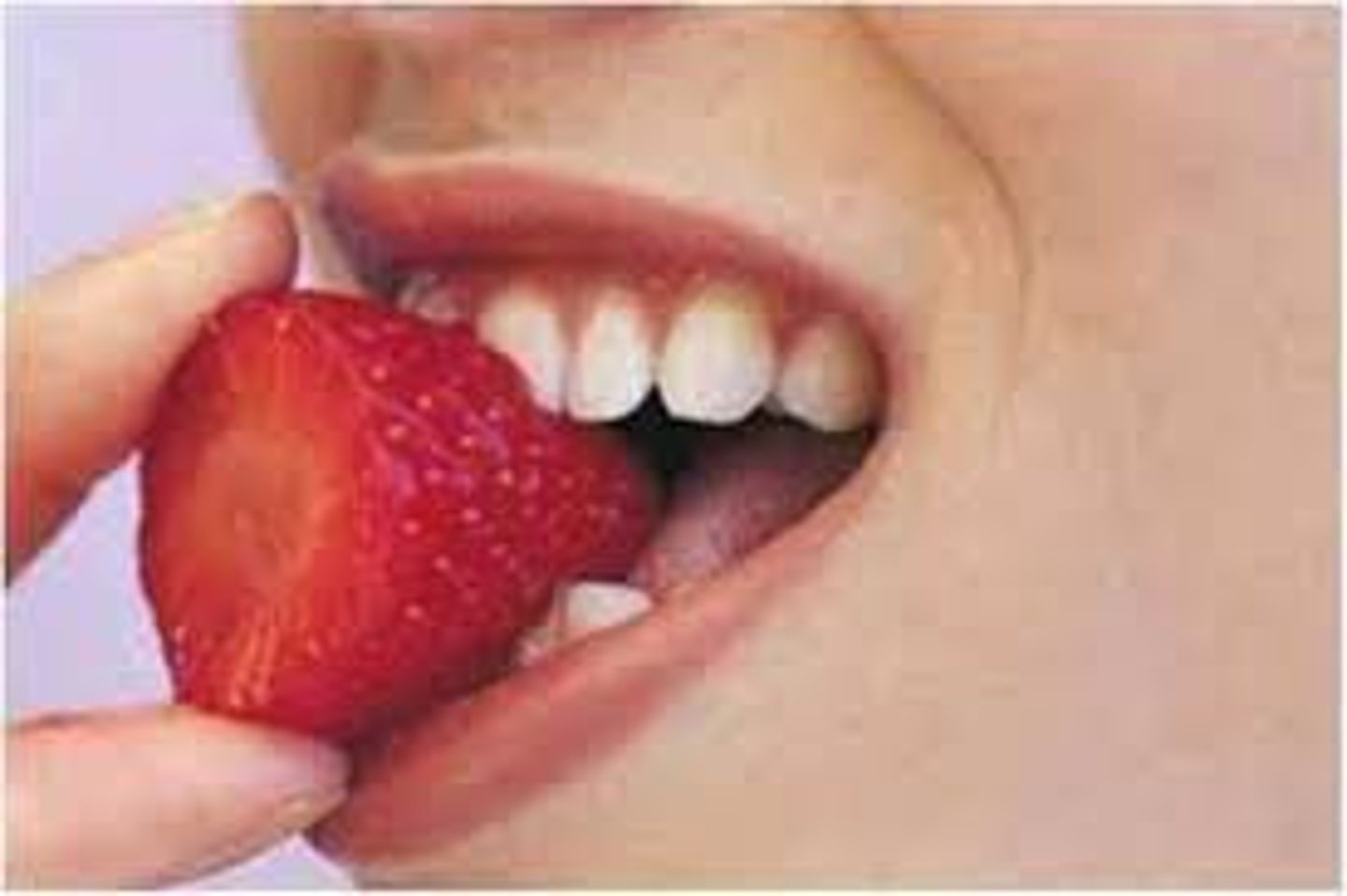
Mechanical digestion
A process in which food is physically broken down into smaller pieces
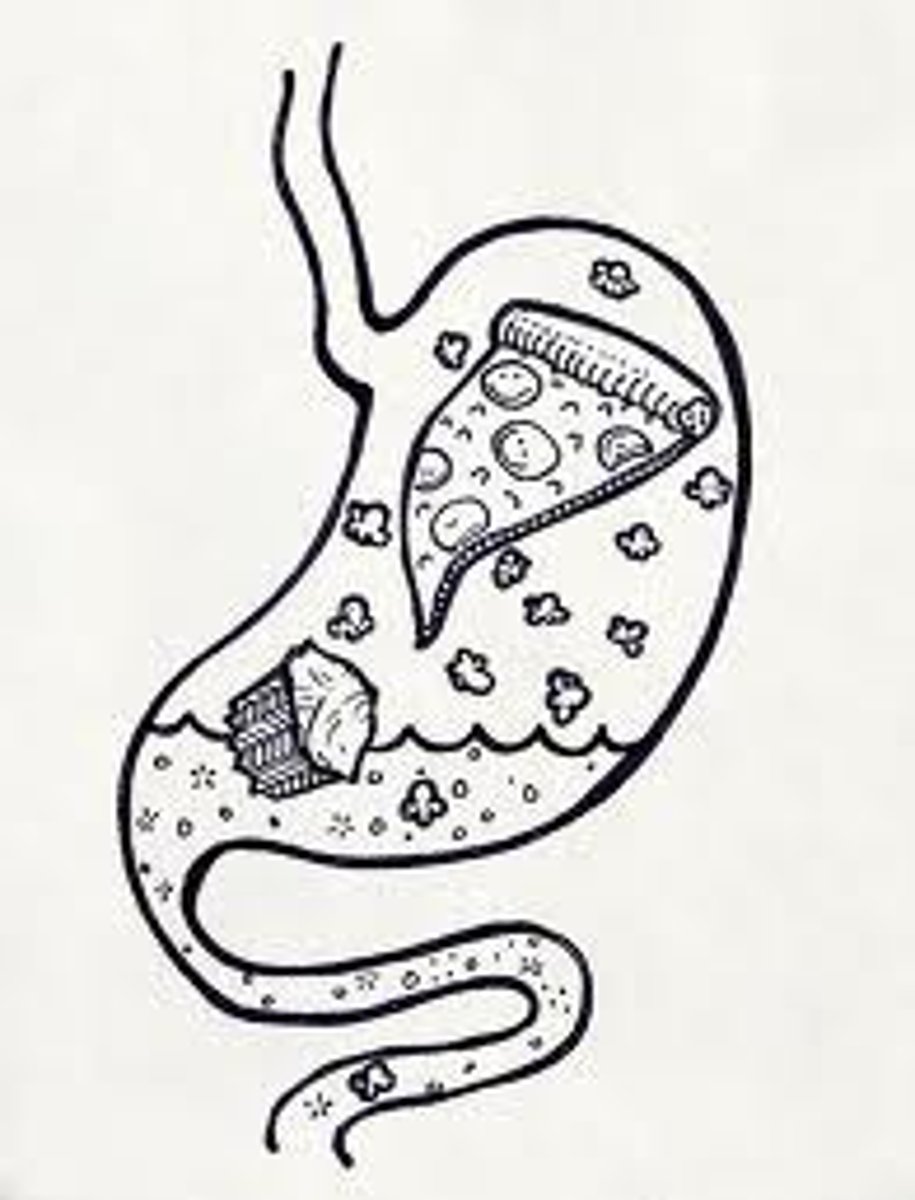
Chemical digestion
A process in which chemical reactions break down pieces of food into small molecules
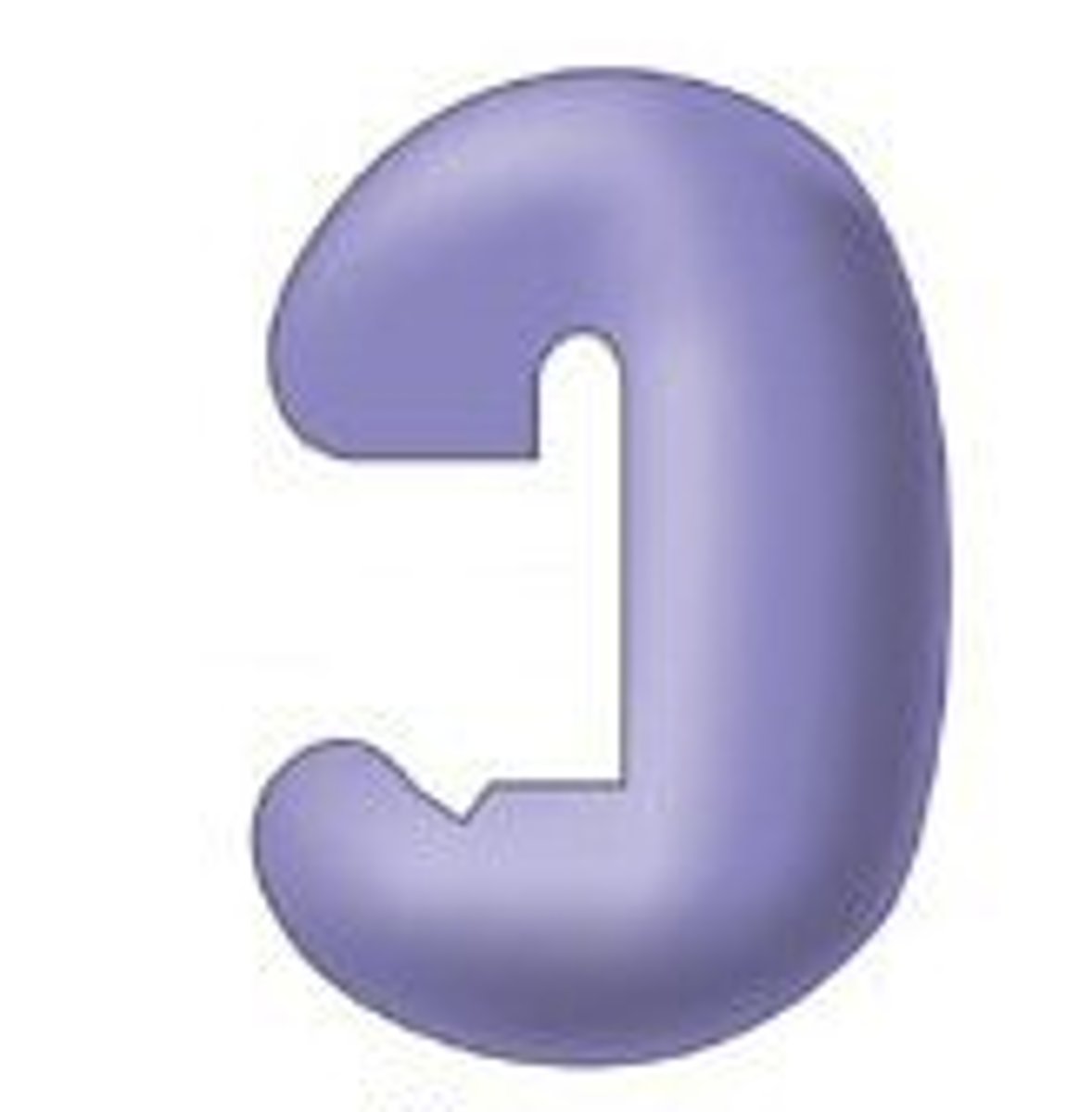
Enzyme
A protein that helps break down larger molecules into smaller molecules and speeds up, or catalyzes, the rate of chemical reactions
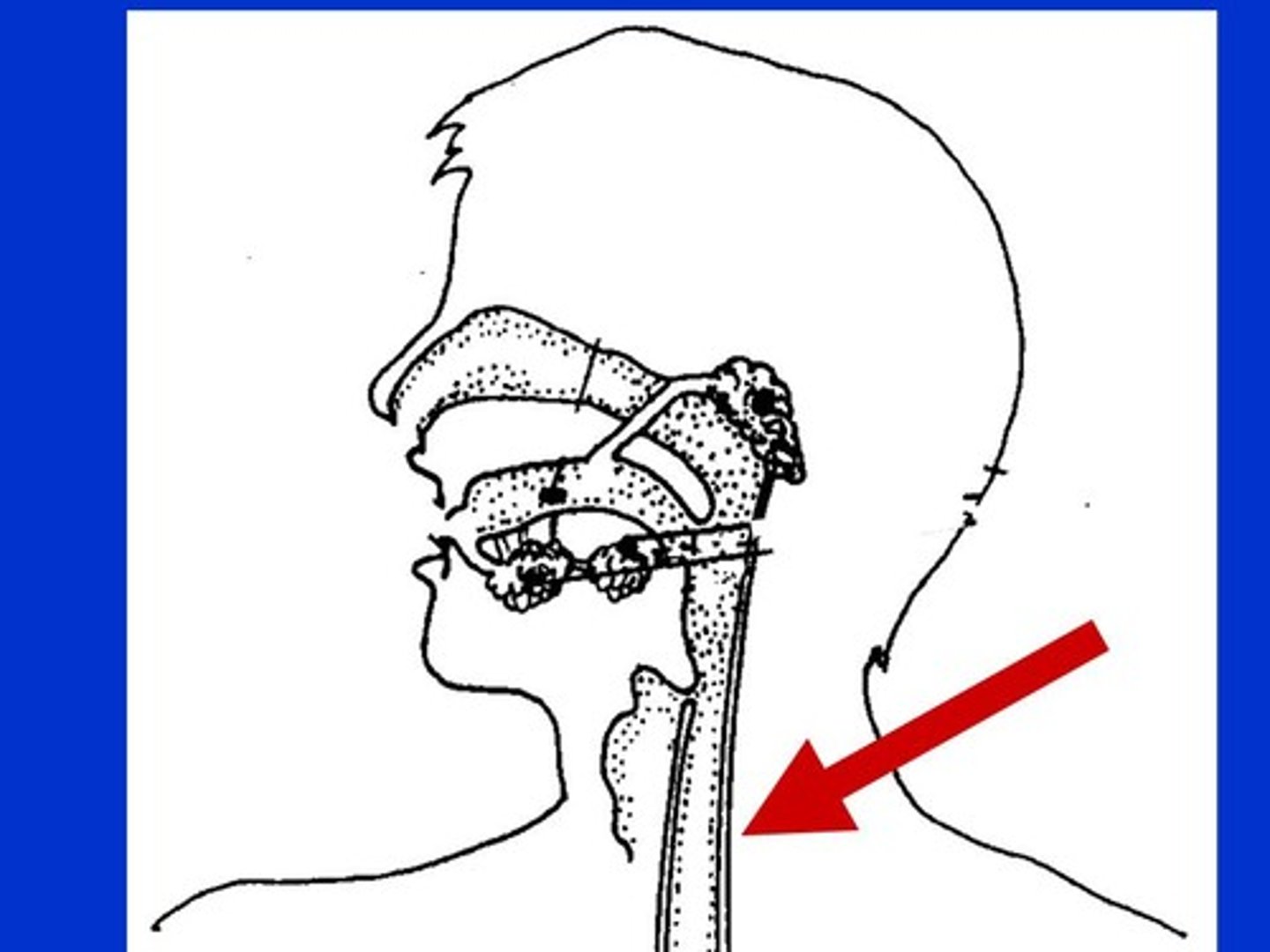
Esophagus
A muscular tube that connects the mouth to the stomach
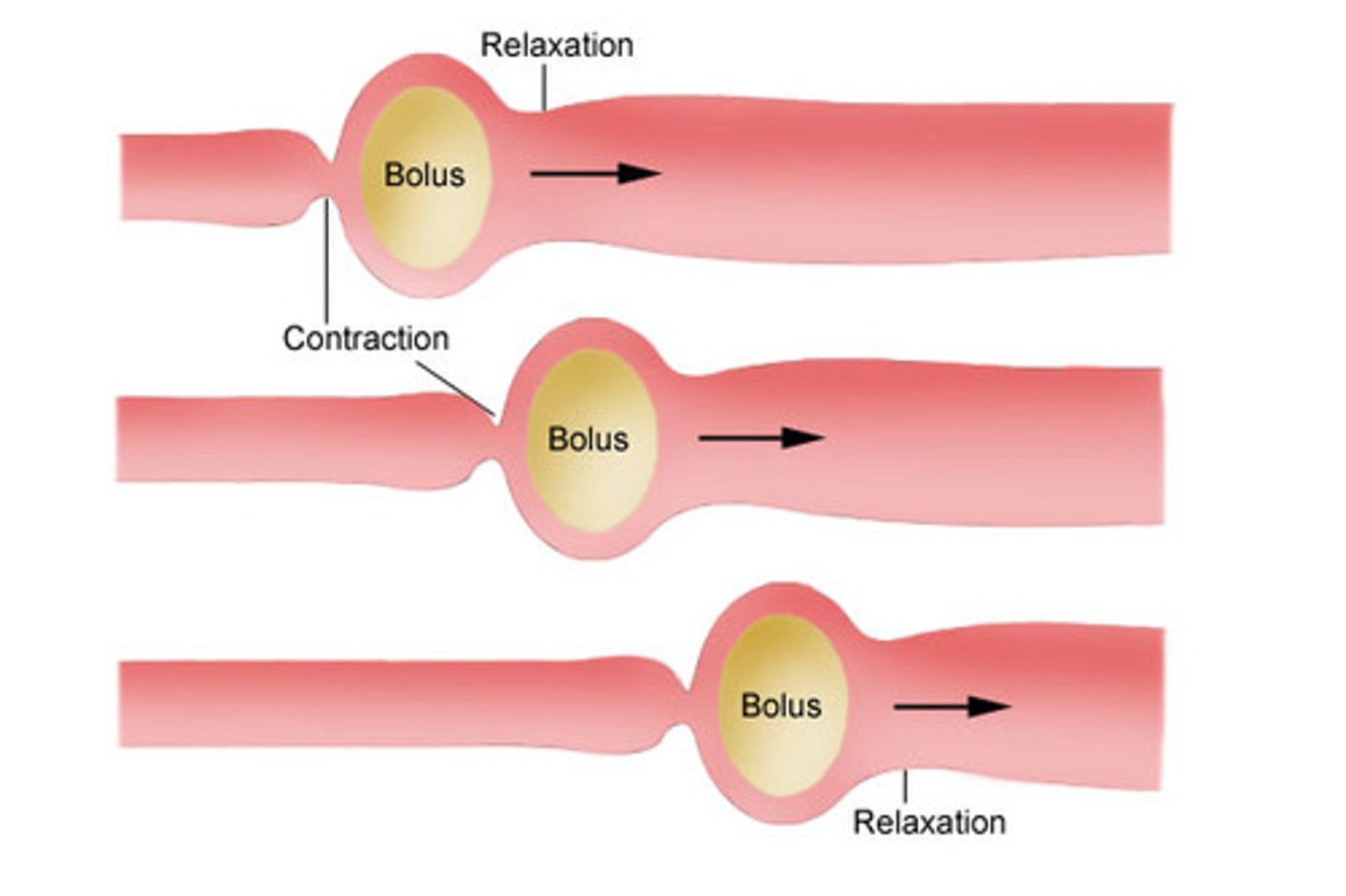
Peristalsis
Waves of muscle contractions that move food through the digestive tract
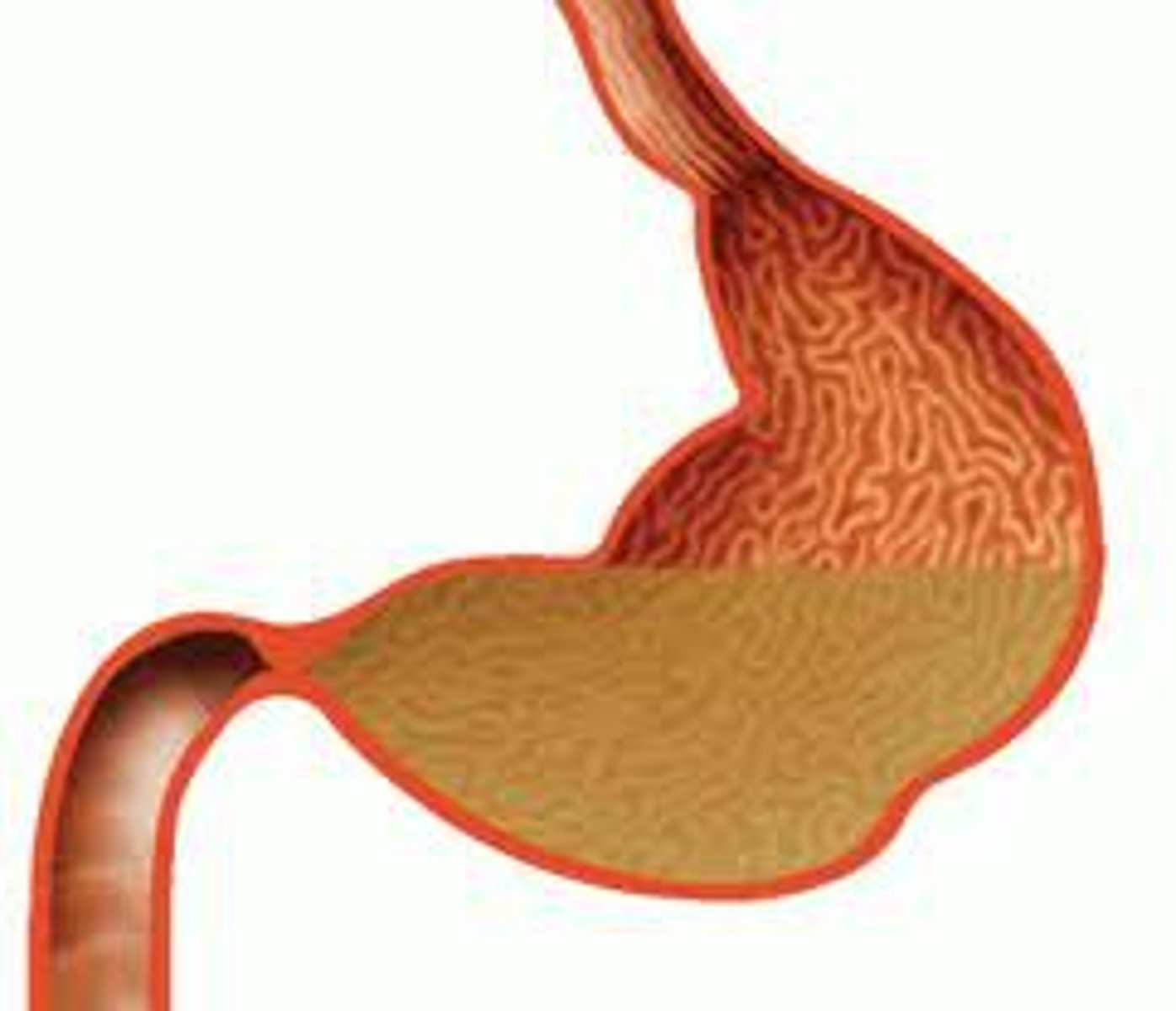
Chyme
A thin, watery liquid made of broken down food molecules and gastric juice
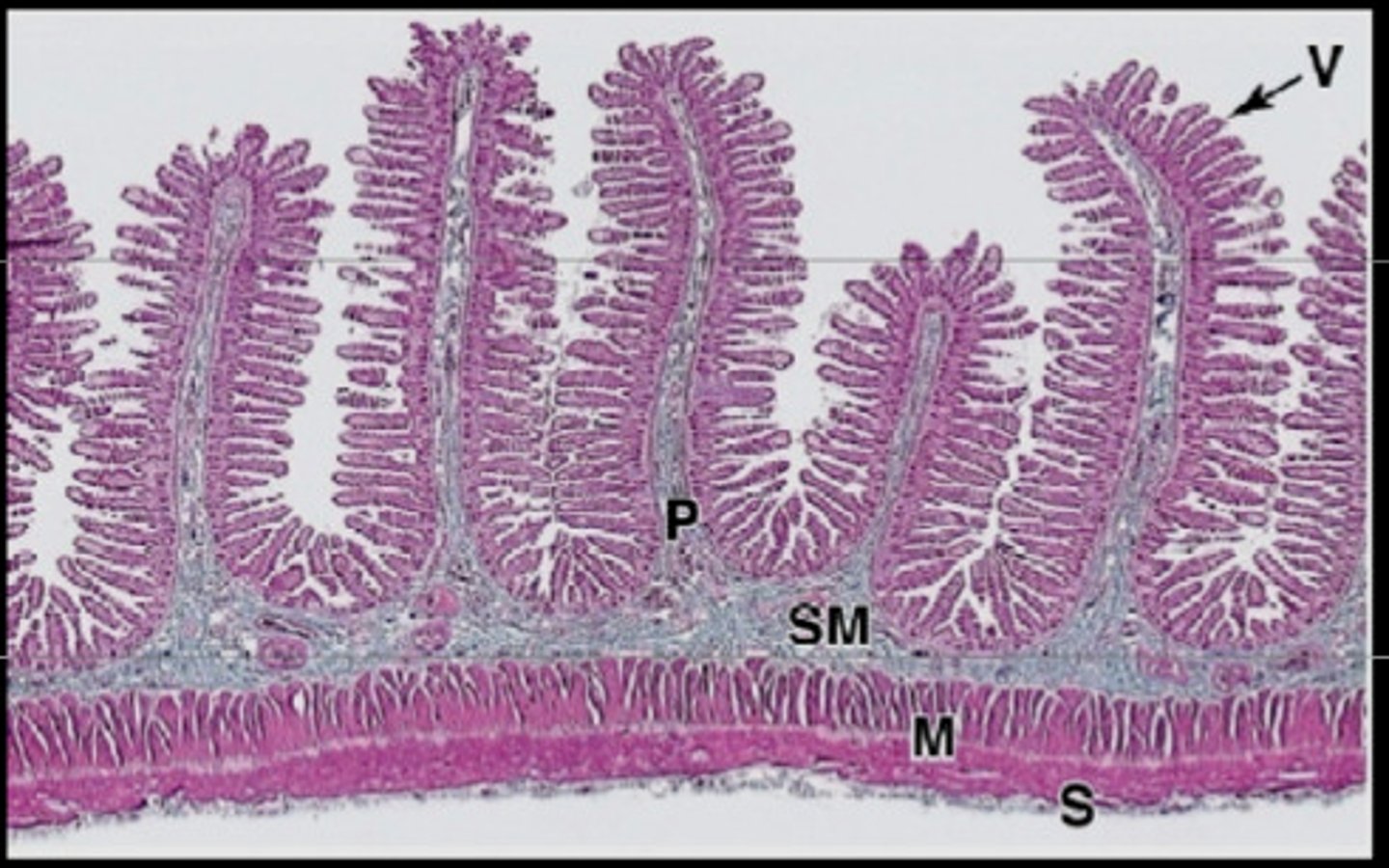
Villi
Fingerlike projections, many of which cover the folds of the small intestines
Excretory System
The system that collects and eliminates wastes from the body and regulates the level of fluid in the body
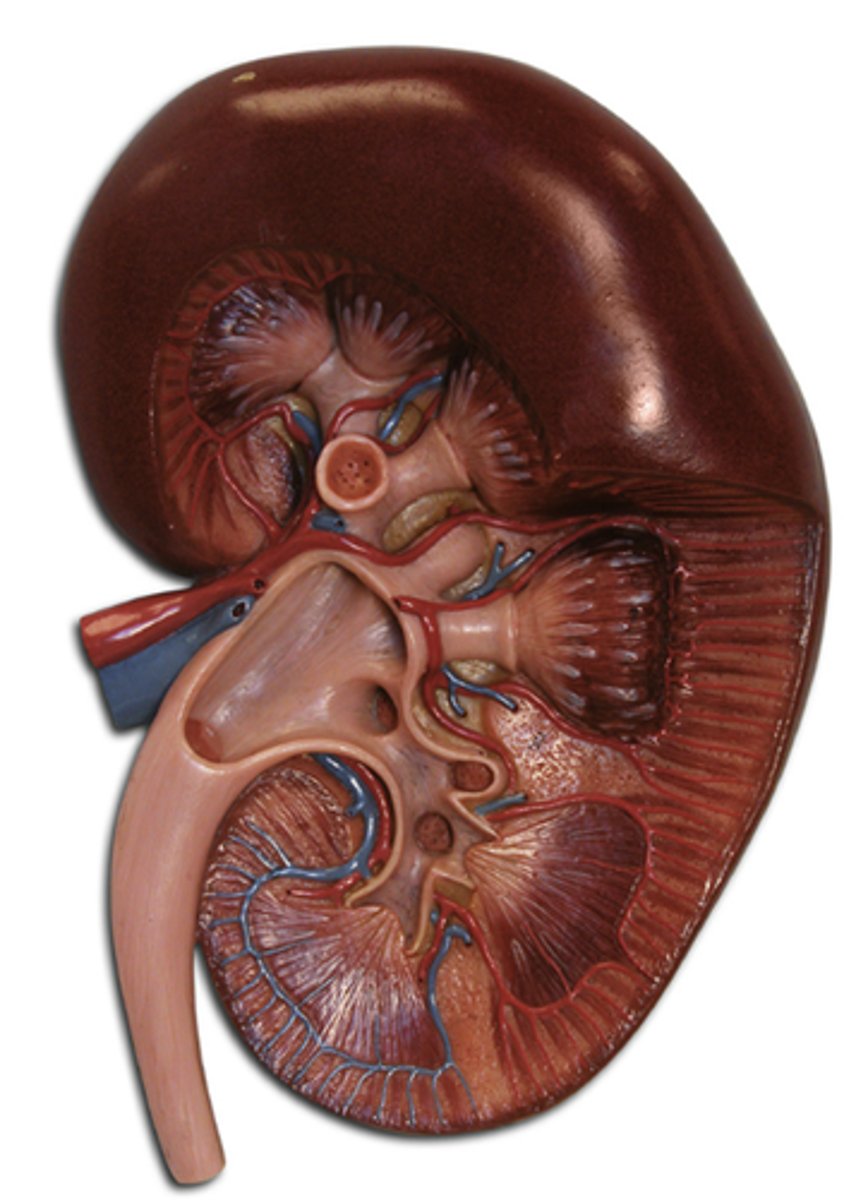
Kidney
A bean-shaped organ that filters, or removes, wastes from blood
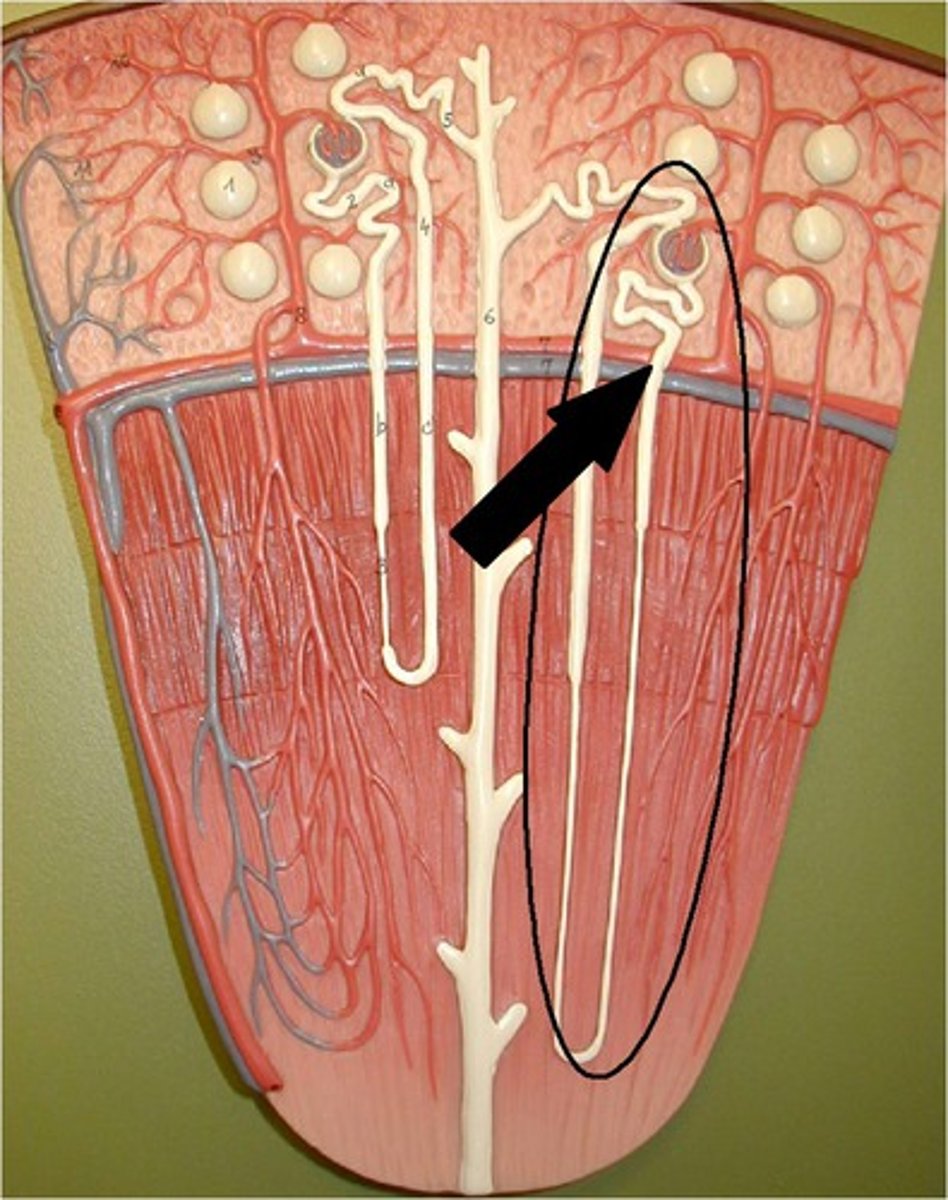
Nephron
A network of capillaries and small tubes, or tubules, where filtration of blood occurs
Urine
The fluid produced when blood is filtered by the kidneys
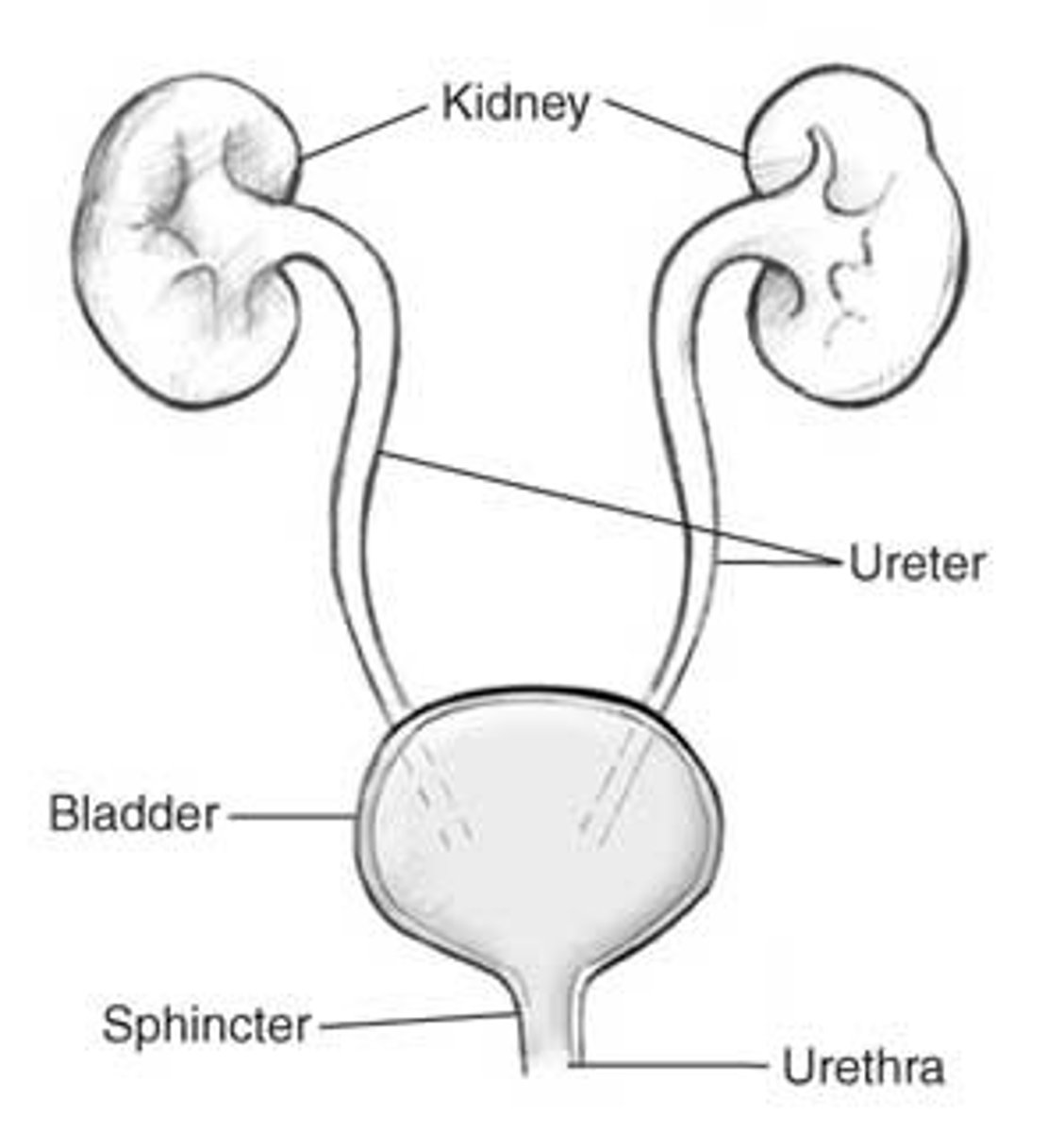
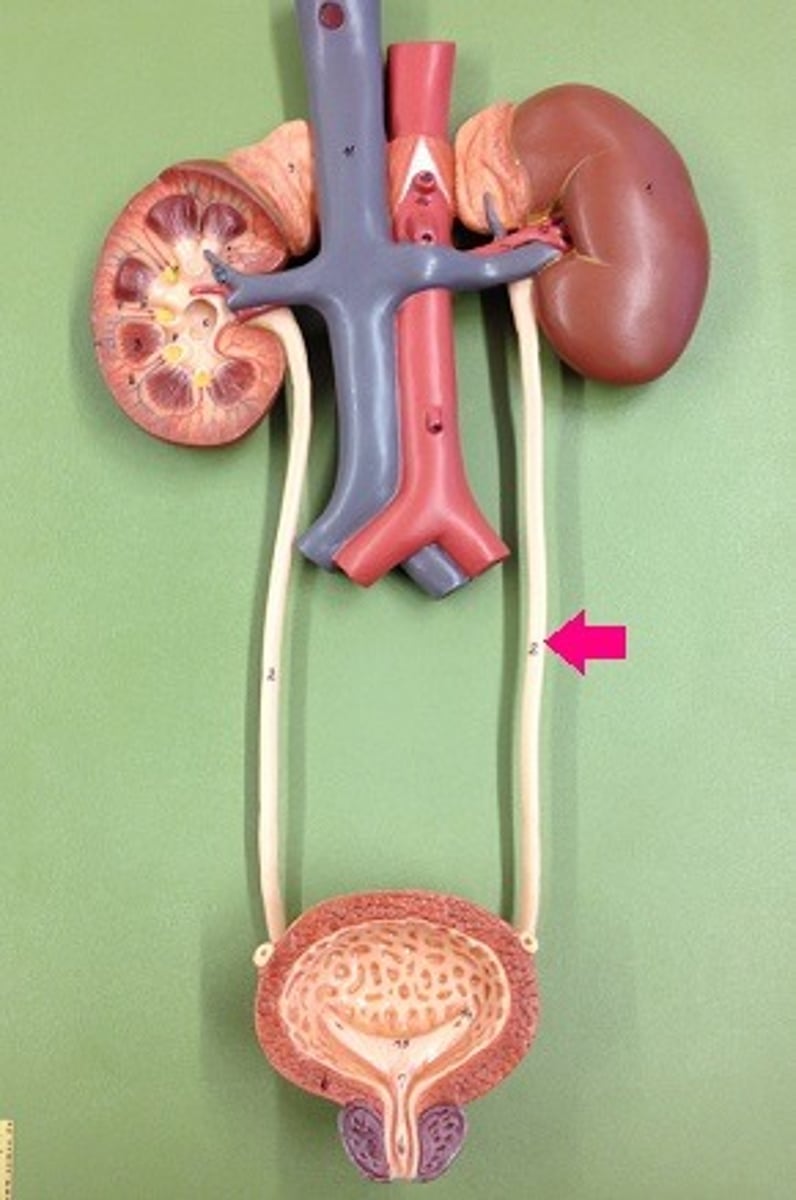
Ureter
A tube through which urine leaves each kidney
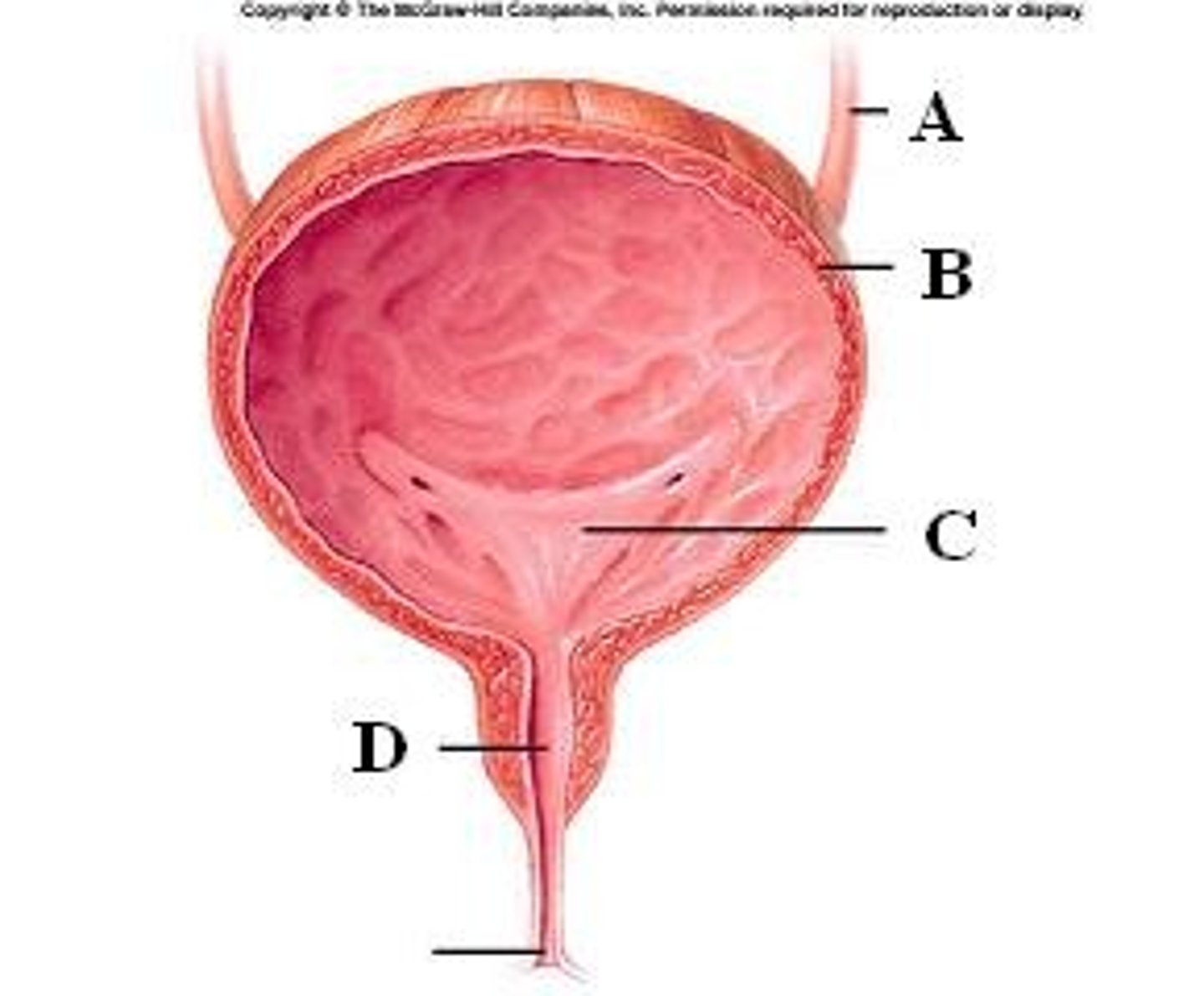
Bladder
A muscular sac that holds urine until the urine is excreted
Urethra
A tube through which urine leaves the bladder
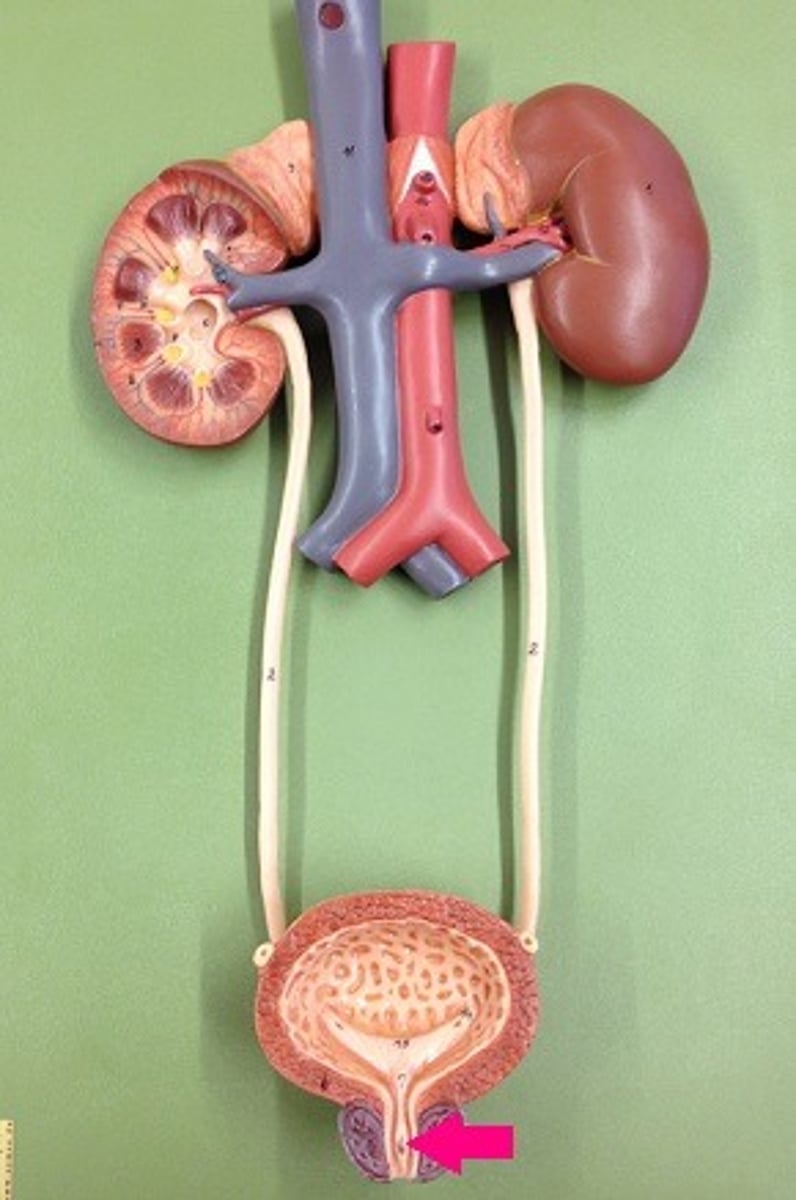
Skeletal System
Body system that contains bones as well as other structures that connect and protect the bones and that support other functions in the body
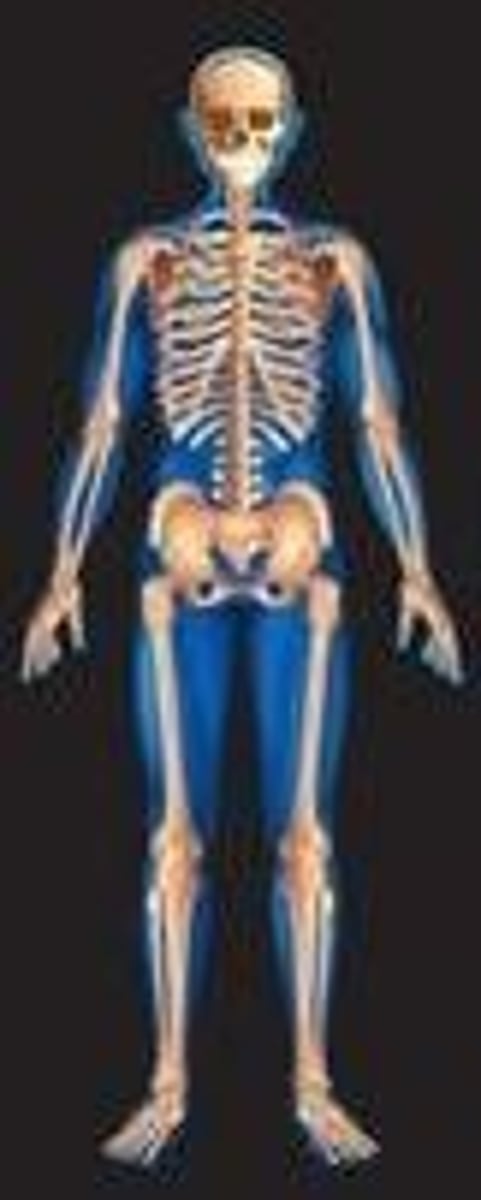
Cartilage
A strong, flexible tissue that covers the ends of bone
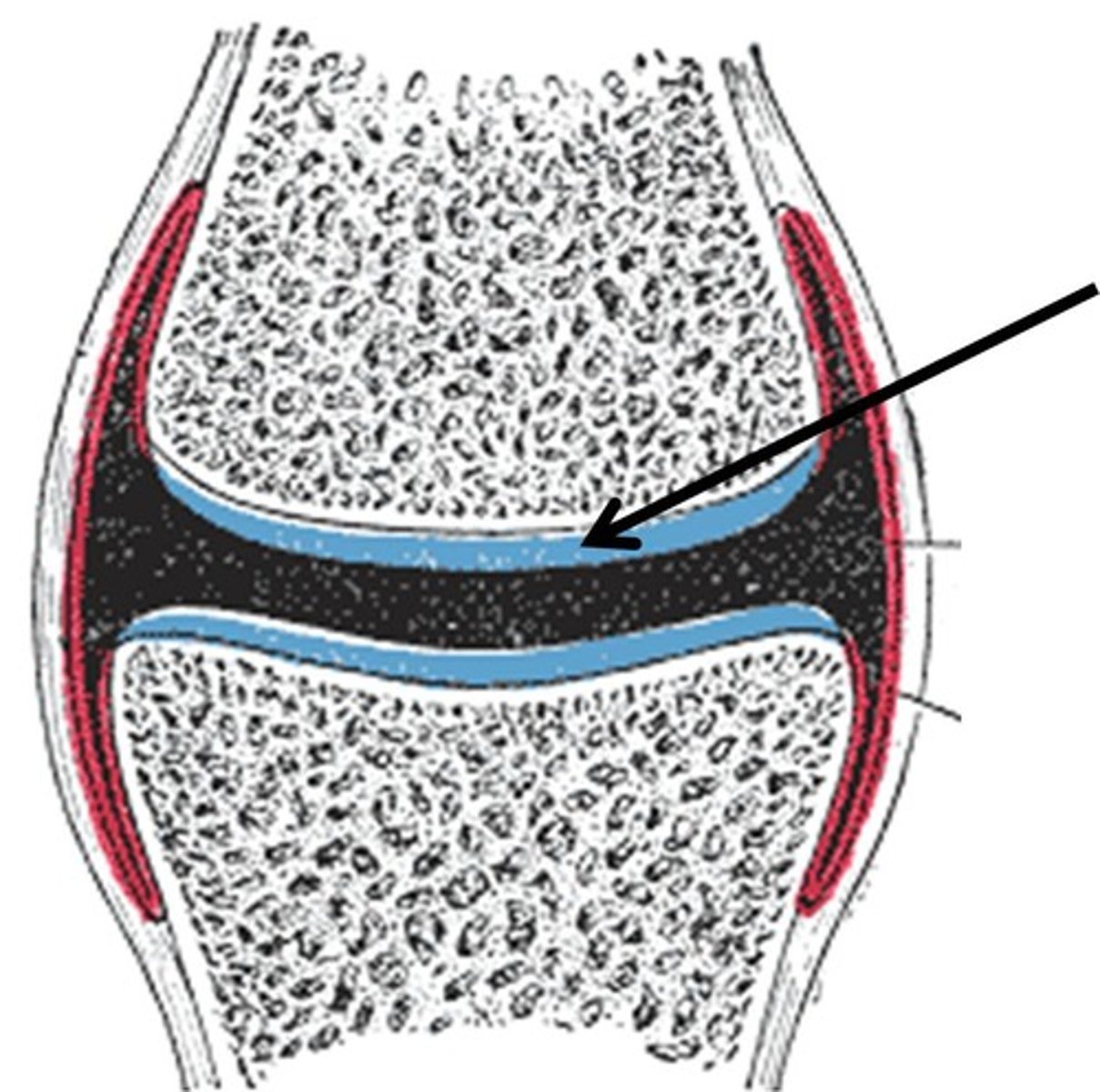
Periosteum
A membrane that surrounds bone
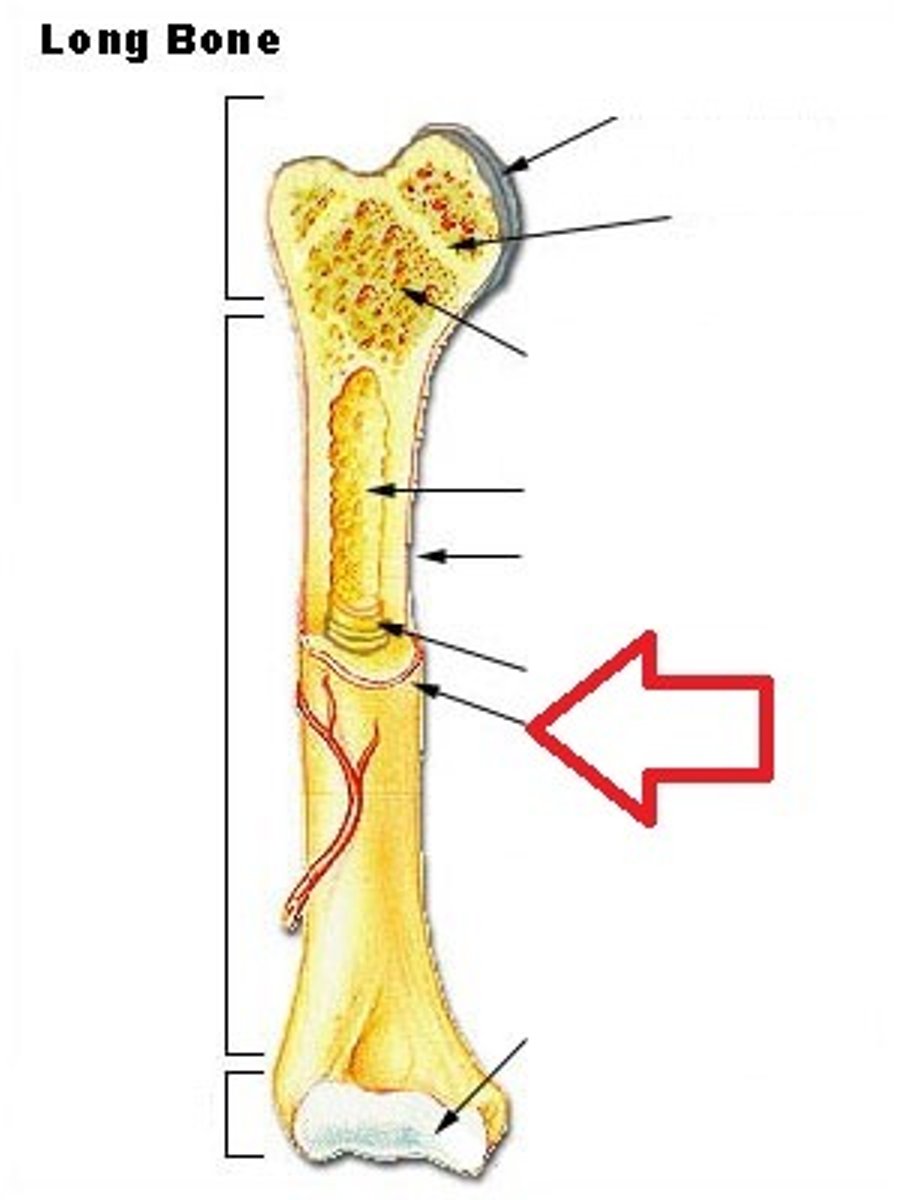
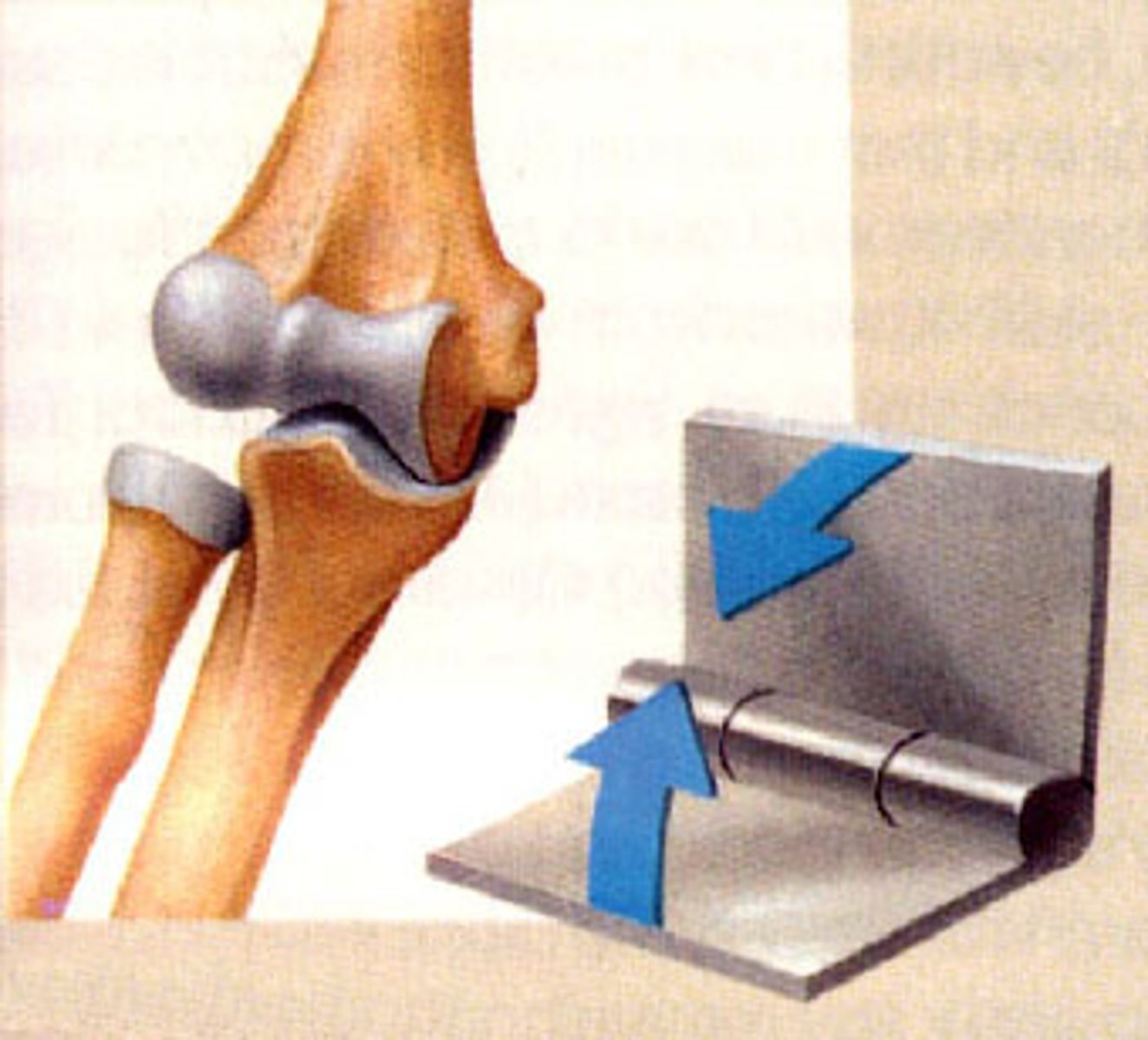
Joint
Where two or more bones meet
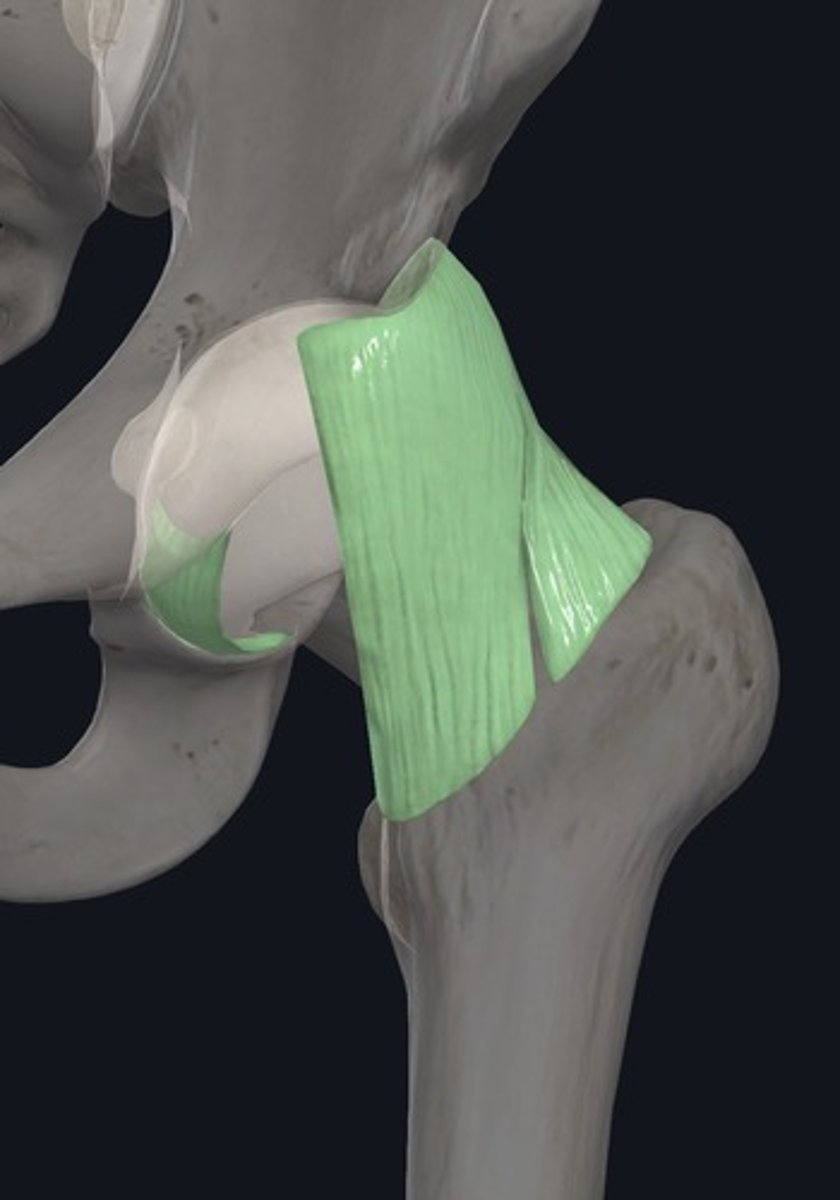
Ligament
The tissue that connects bones to other bones
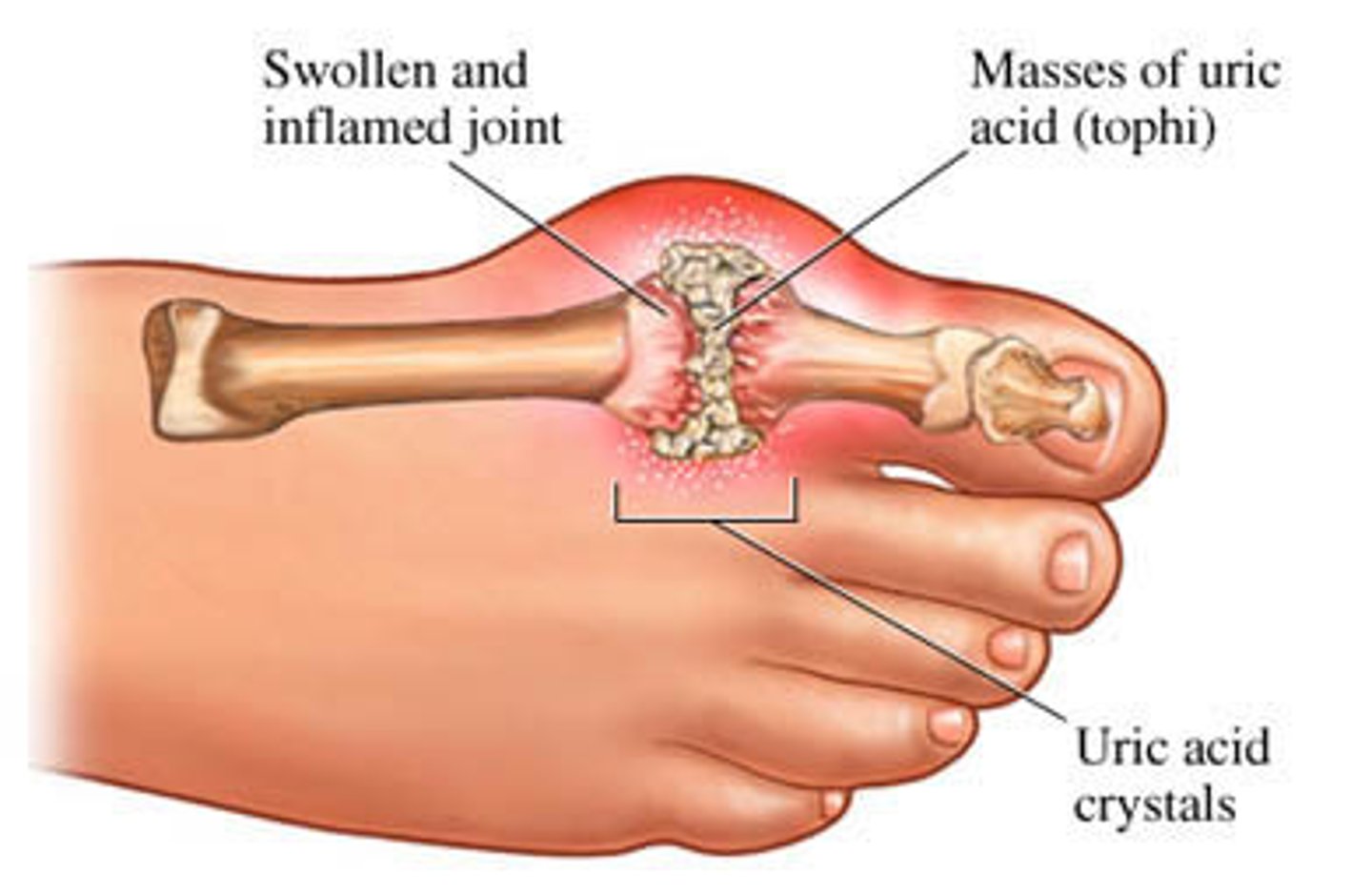
Arthritis
A disease in which joints become irritated or inflamed, such as when cartilage in joints is damaged or wears away
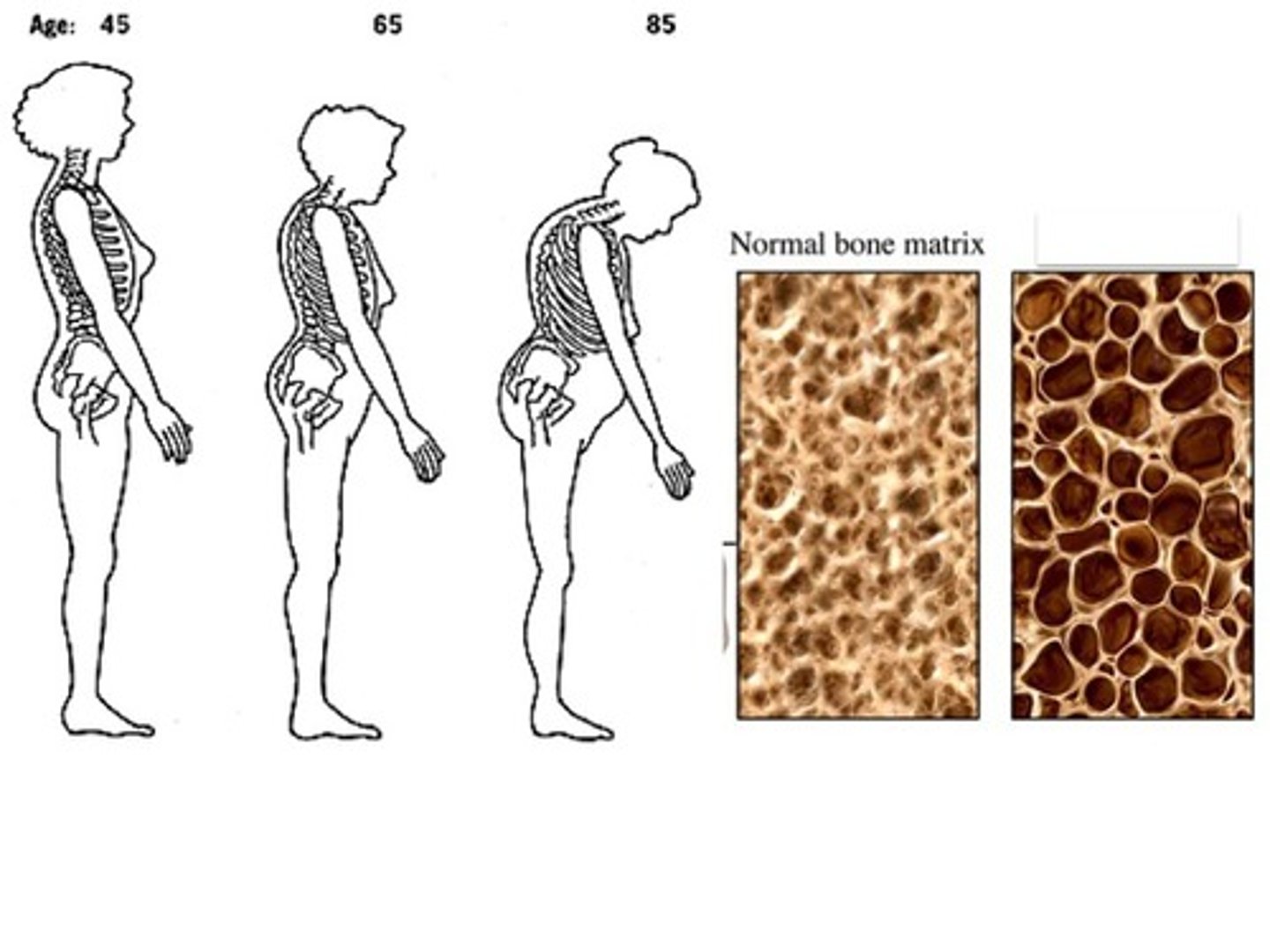
Osteoporosis
A bone disease that causes bones to weaken and become brittle
Muscle
Strong body tissue that can contract in an orderly way
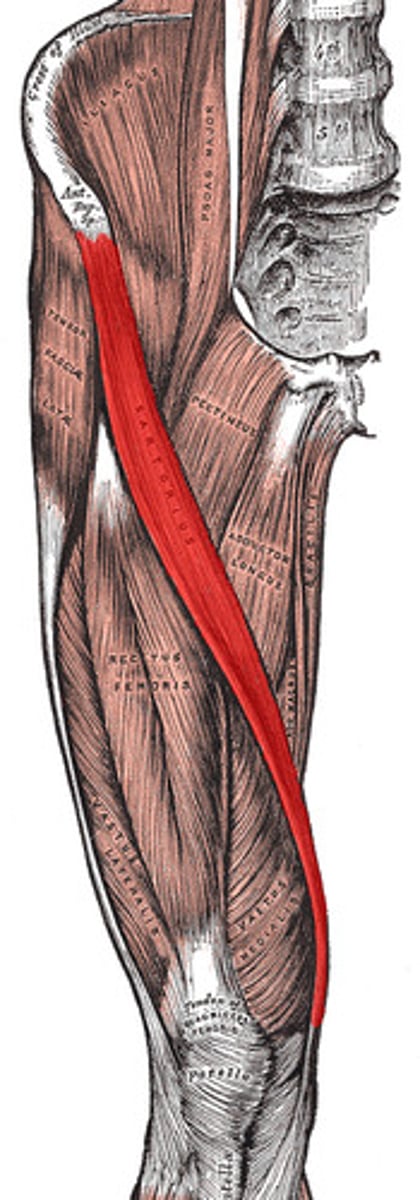
Skeletal Muscle
A type of muscle that attaches to bones
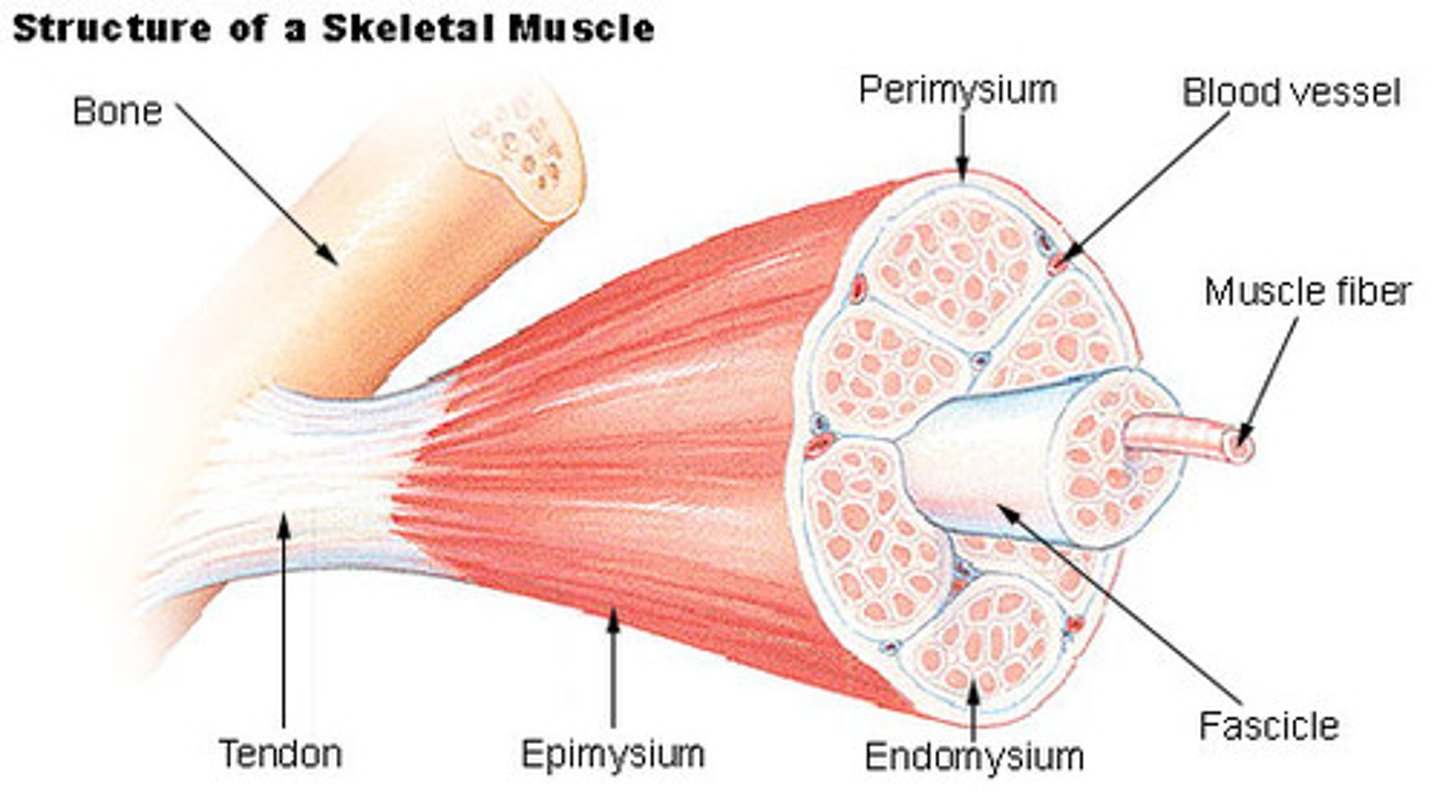
Voluntary Muscle
Muscle that you can consciously control
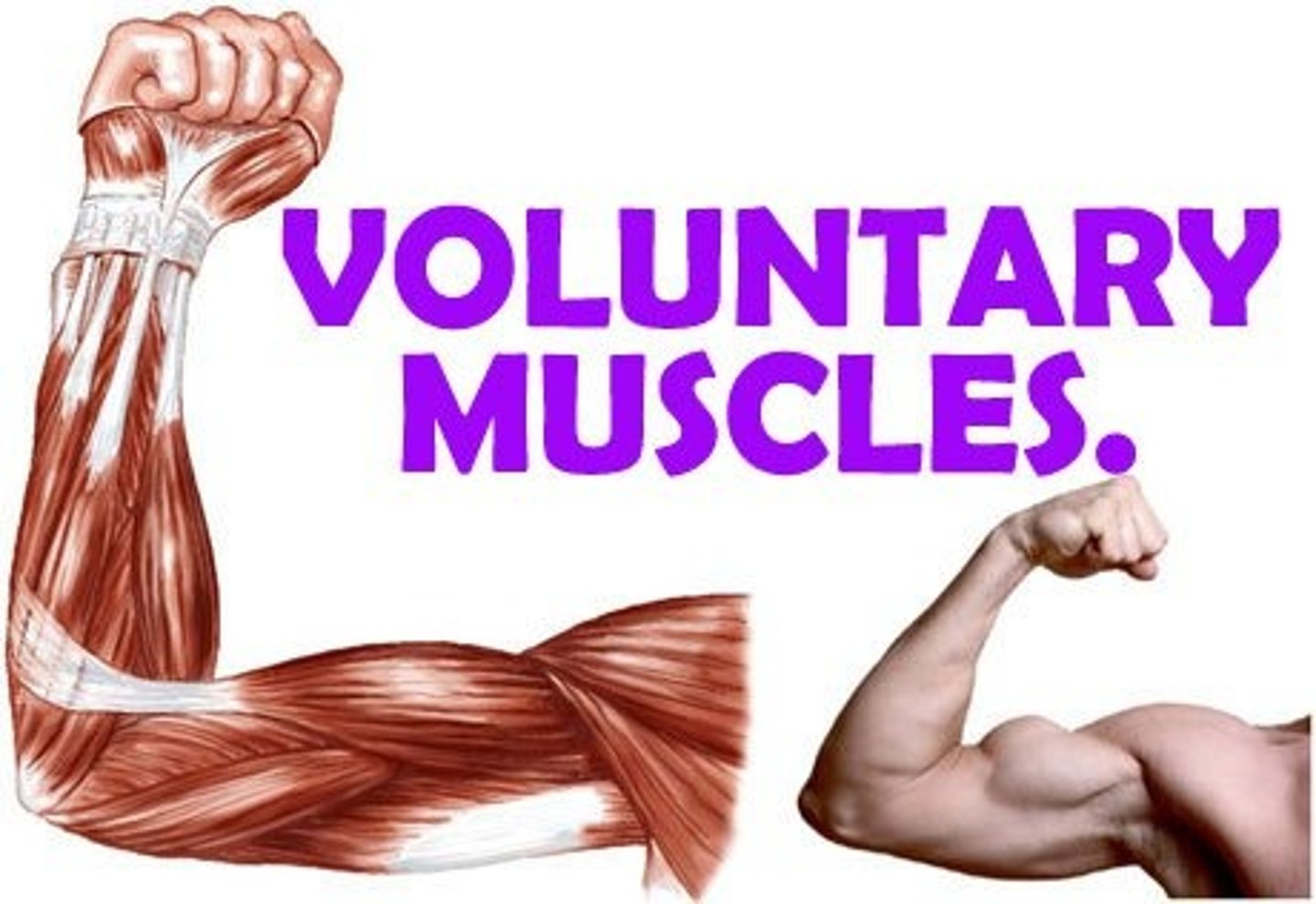
Cardiac Muscle
Muscle found only in the heart
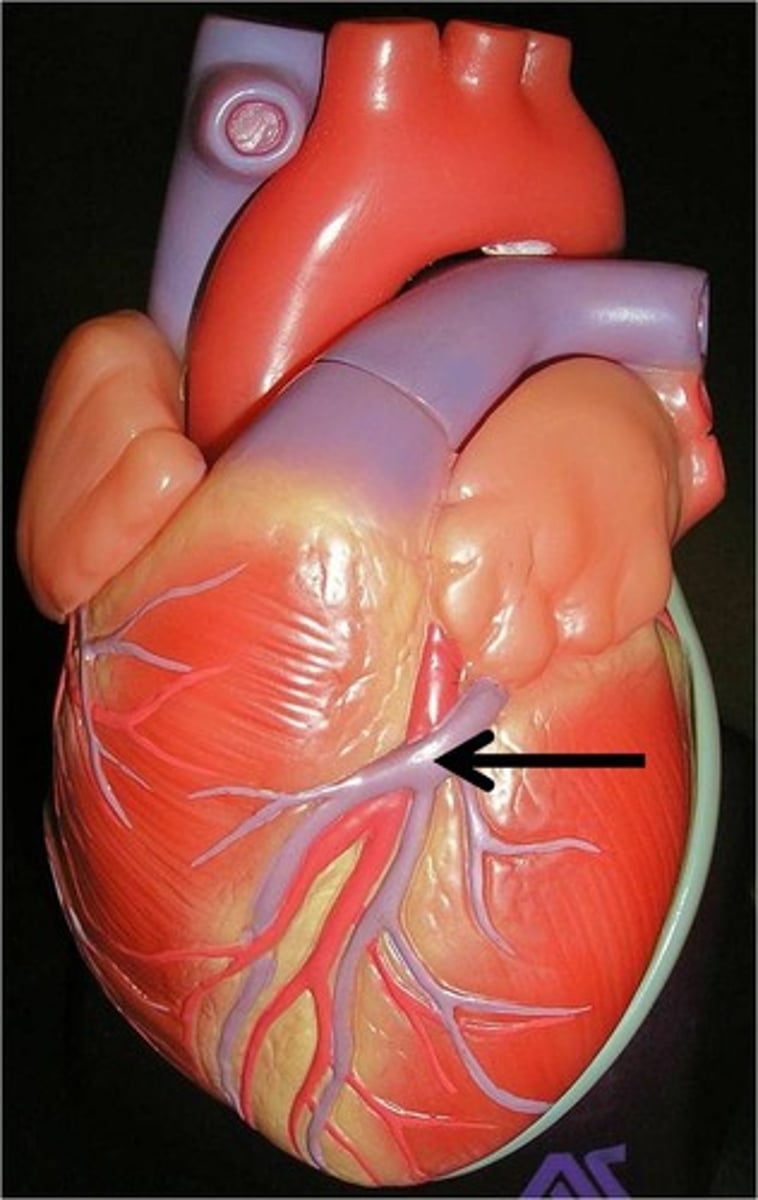
Involuntary Muscle
Muscle you cannot consciously control
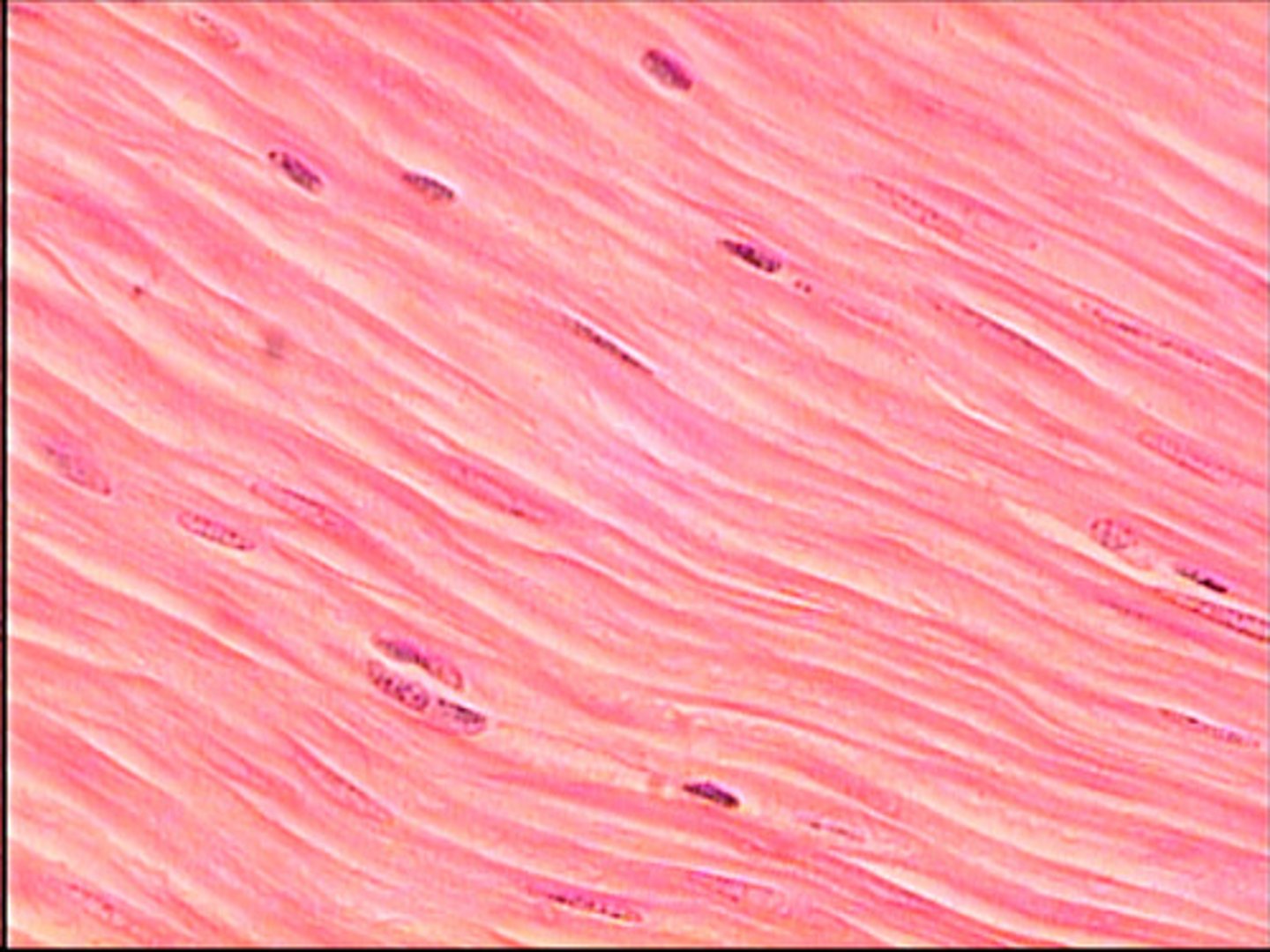
Smooth Muscle
Involuntary muscle names for its smooth appearance
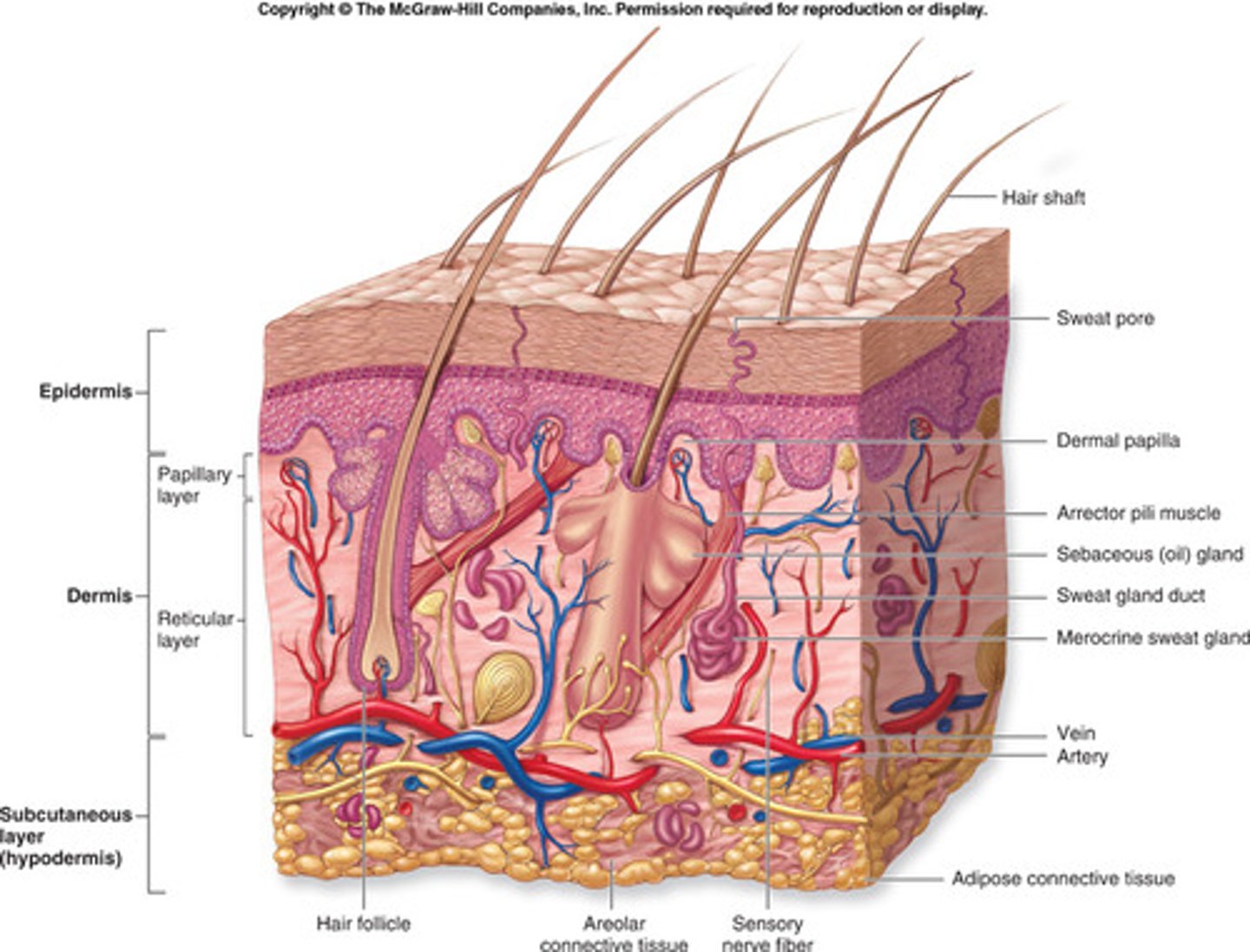
Integumentary System
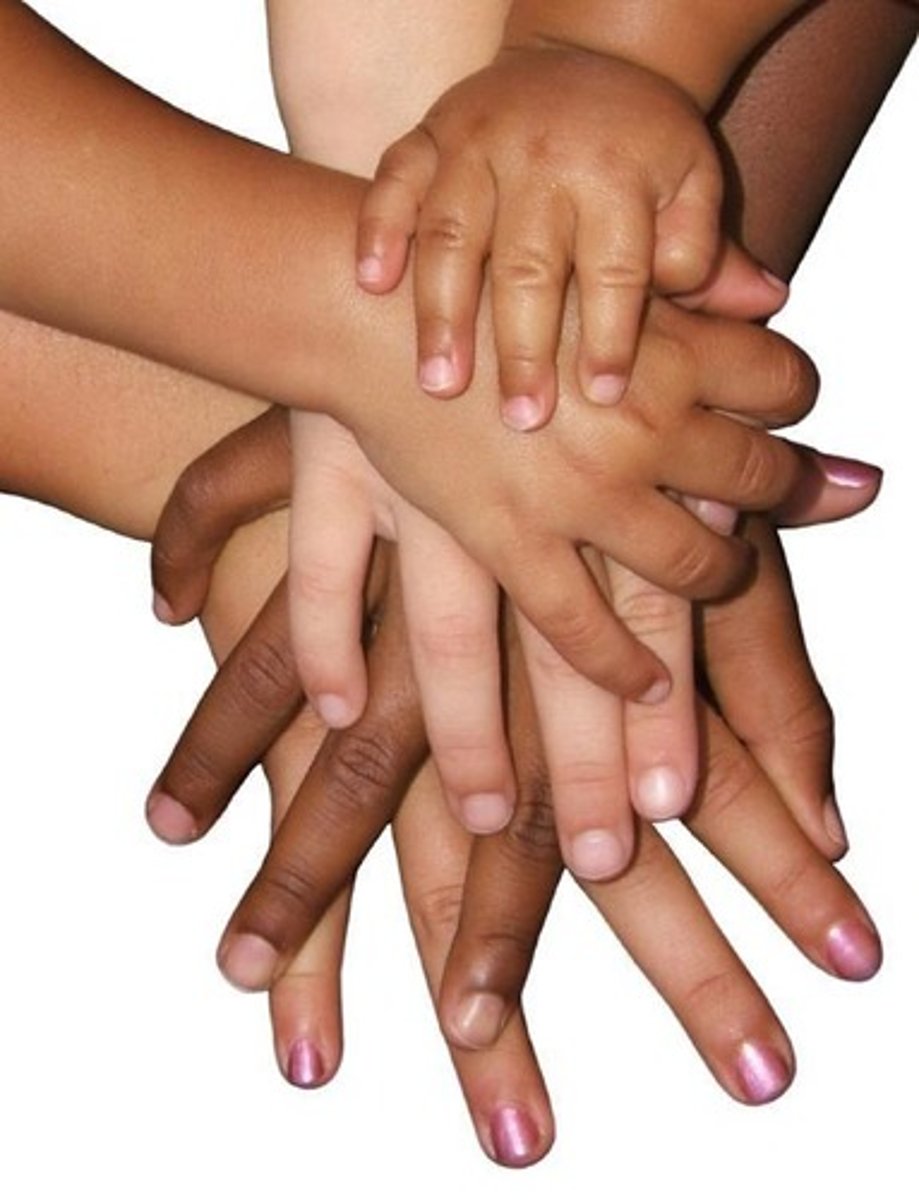
The body system that includes all the external coverings of the body, including the skin, nails, and hair
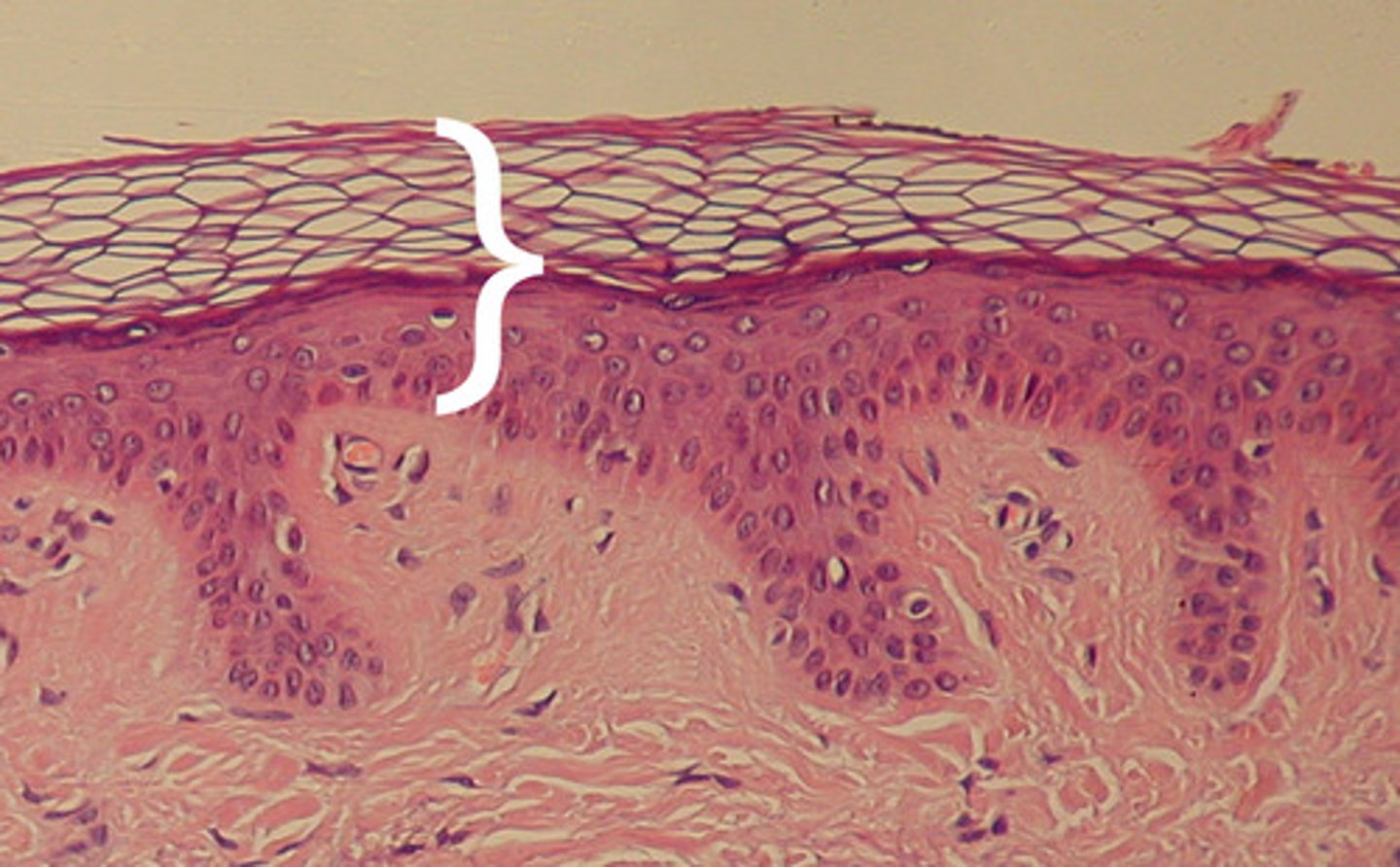
Epidermis
The outermost layer of skin and the only layer in direct contact with the outside environment
Melanin
A pigment that protects the body by absorbing some of the Sun's damaging ultraviolet rays
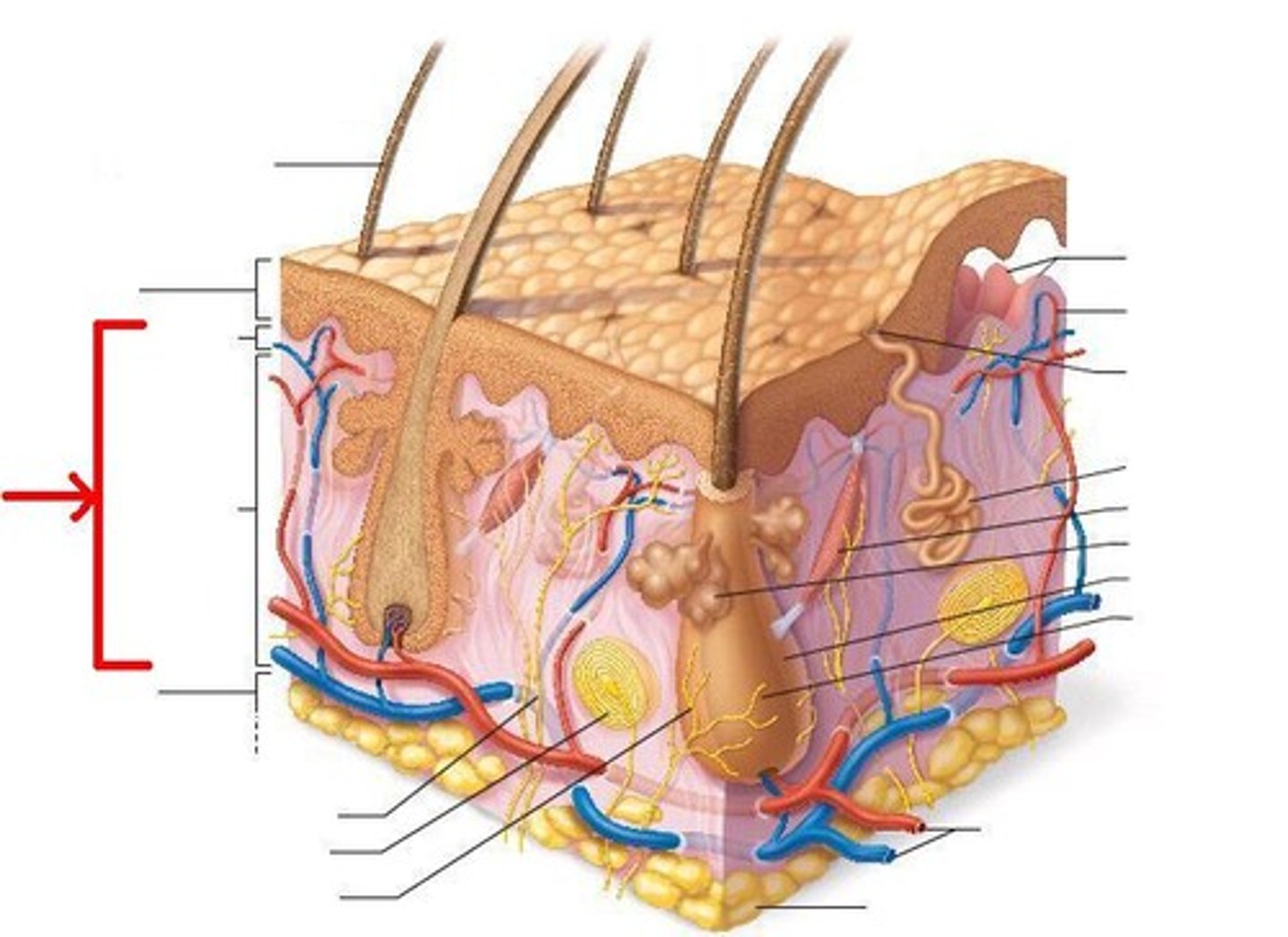
Dermis
A thick layer of skin that gives skin strength, nourishment, and flexibility
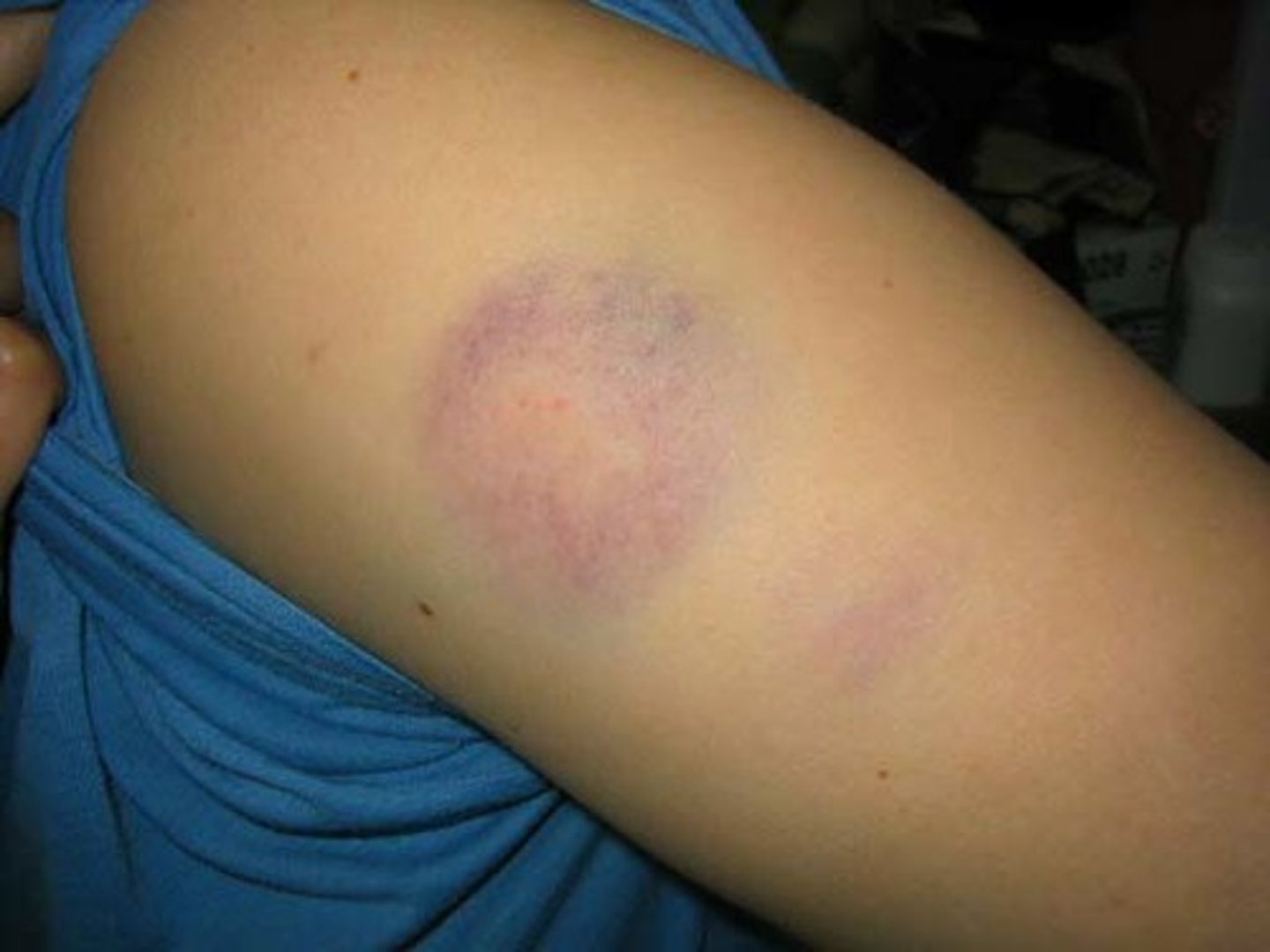
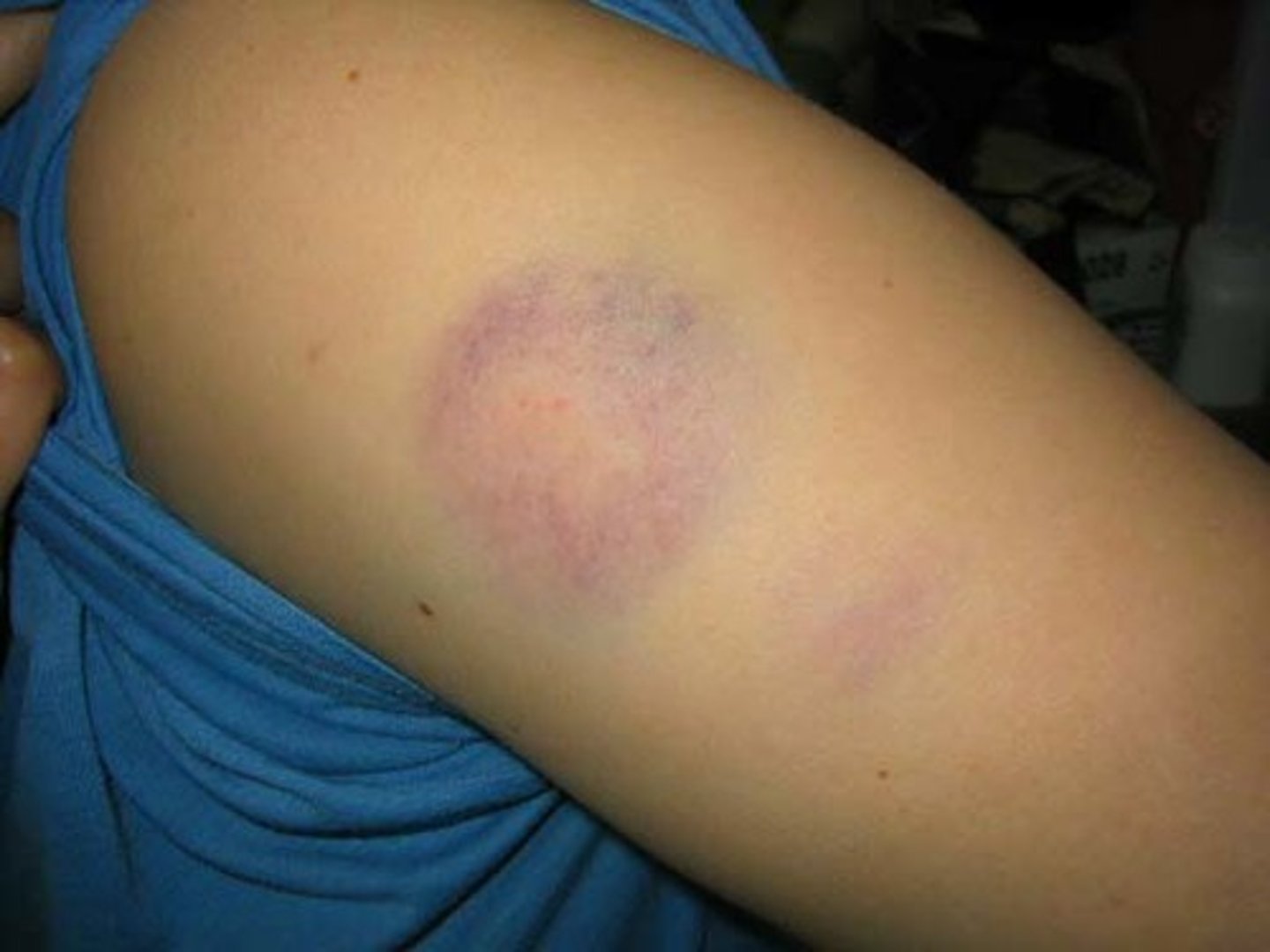
Bruise
An injury where blood vessels in the skin are broken, but the skin is not cut or opened
Skeletal System
Body system that contains bones as well as other structures that connect and protect the bones and that support other functions in the body
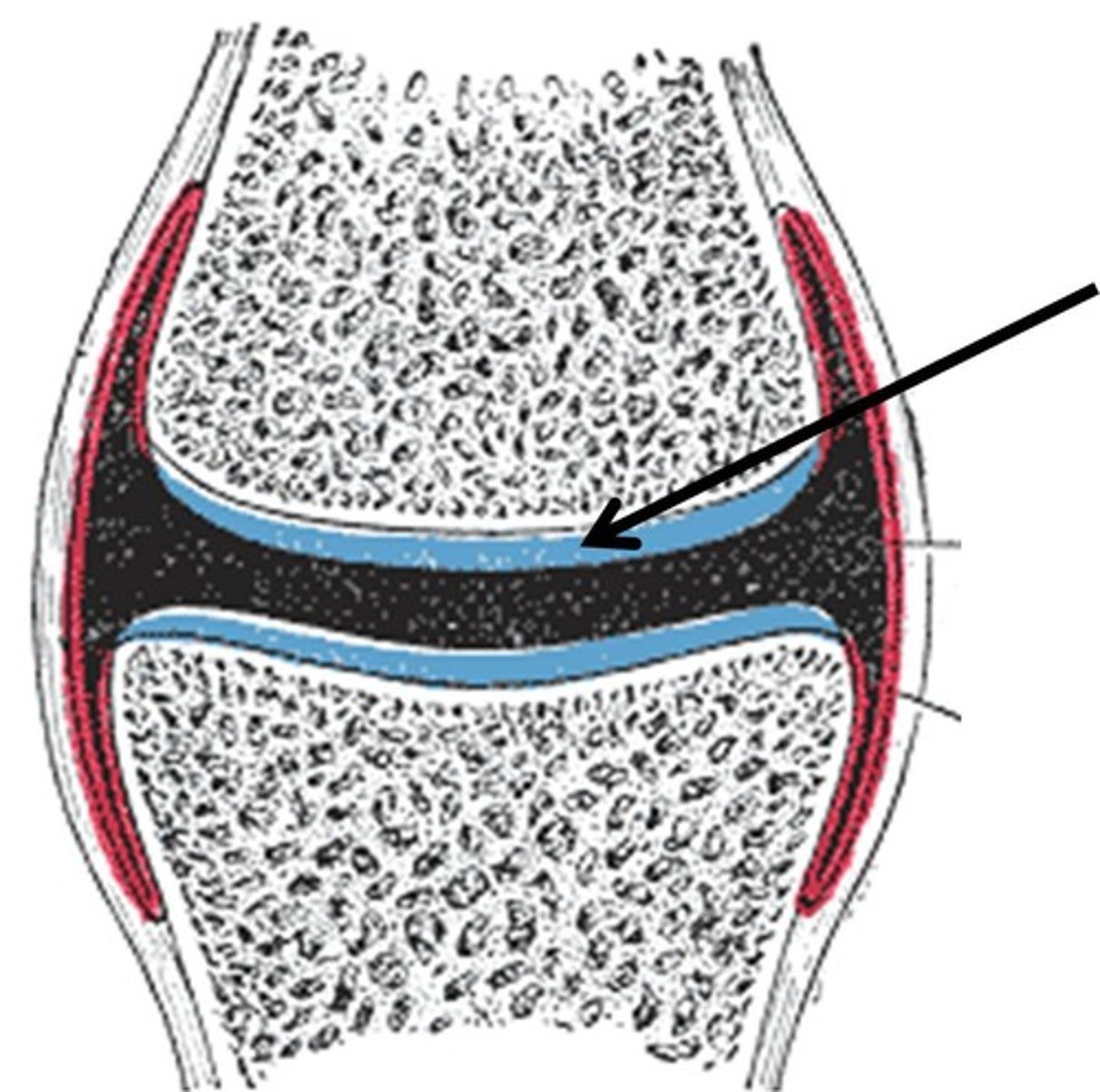
Cartilage
A strong, flexible tissue that covers the ends of bone
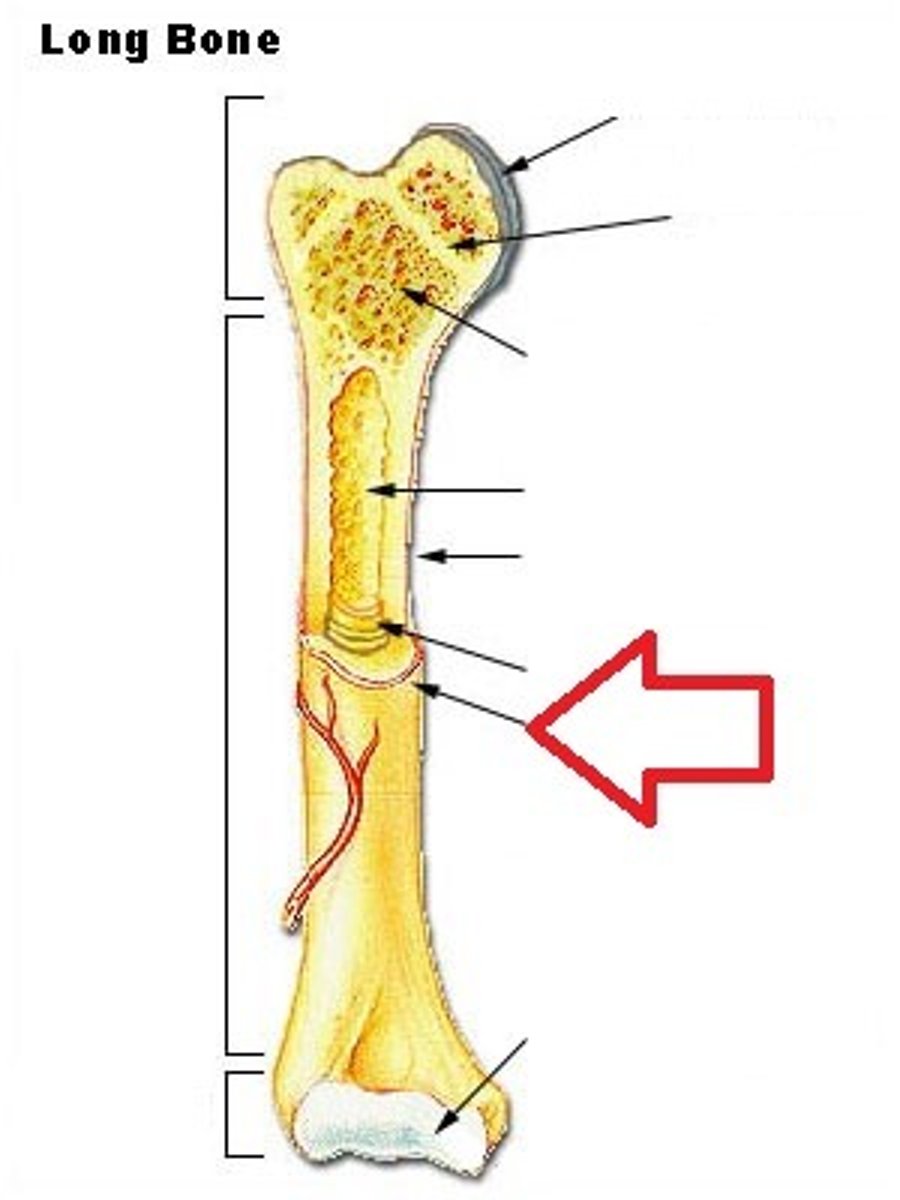
Periosteum
A membrane that surrounds bone
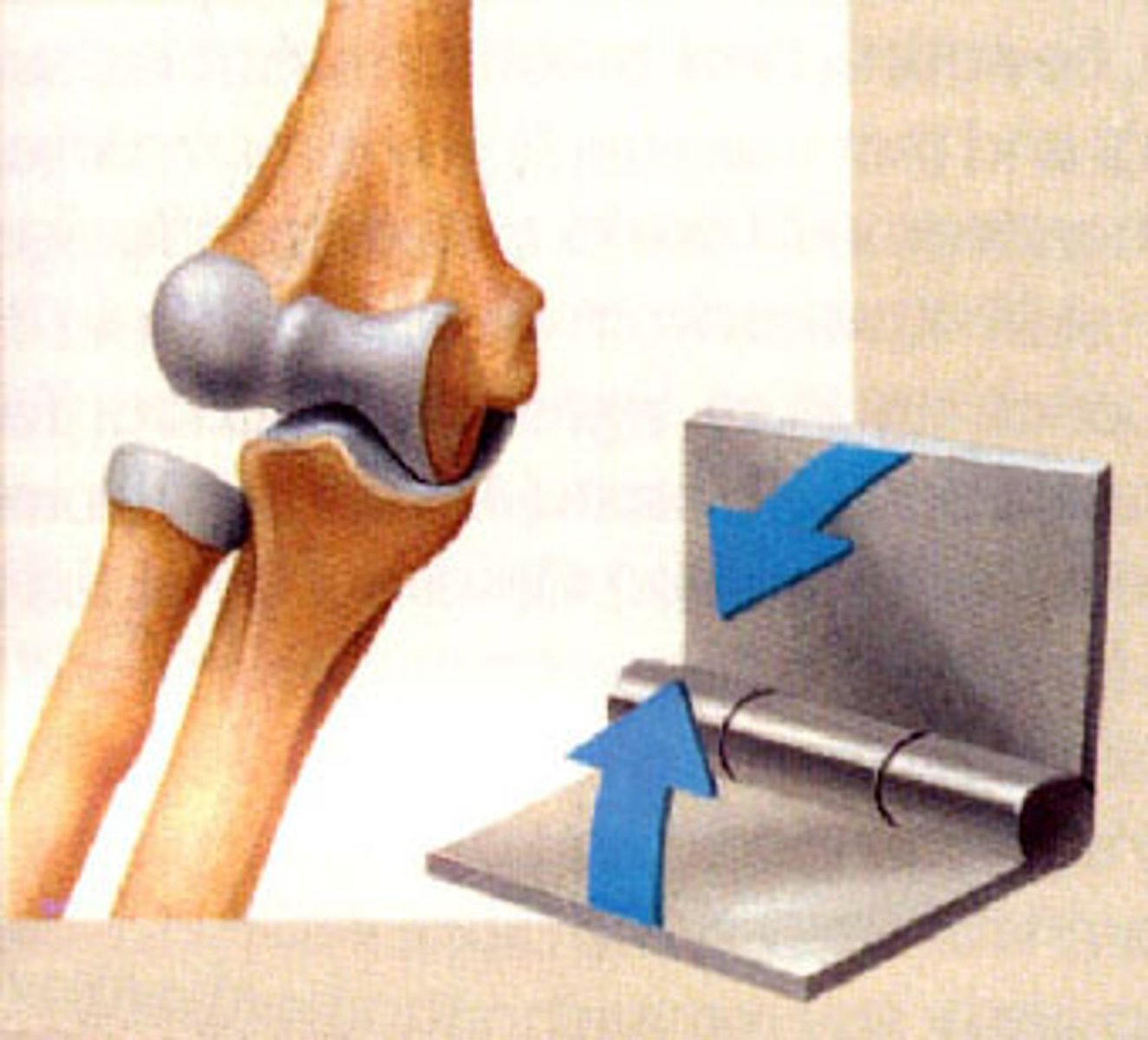
Joint
Where two or more bones meet
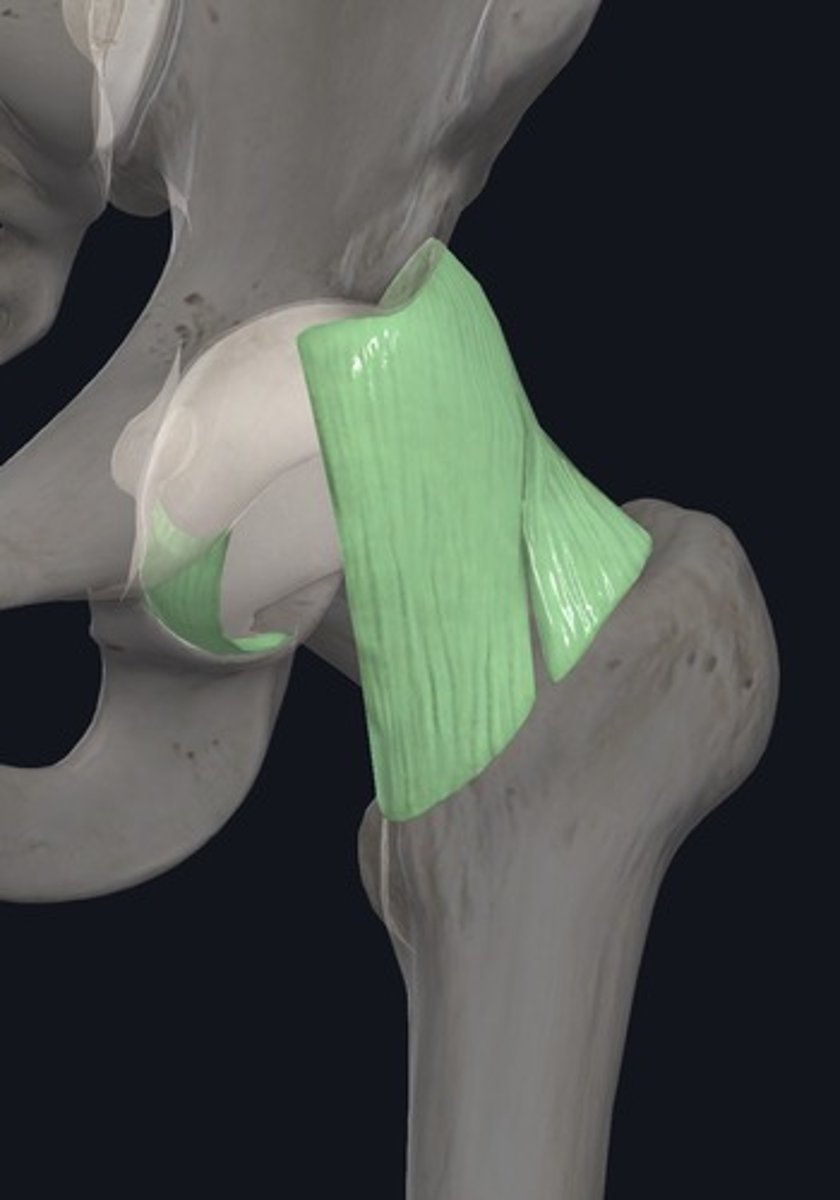
Ligament
The tissue that connects bones to other bones
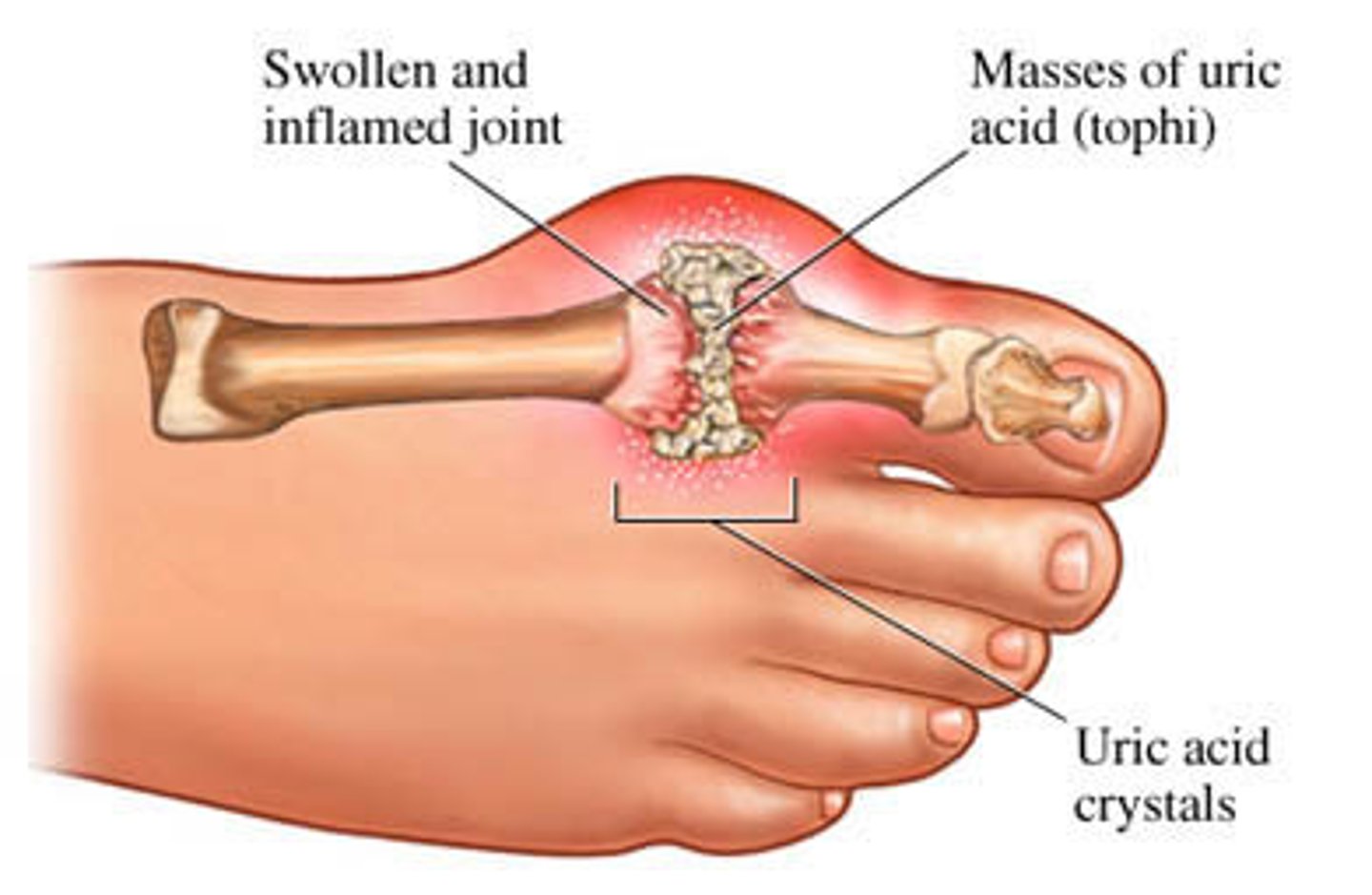
Arthritis
A disease in which joints become irritated or inflamed, such as when cartilage in joints is damaged or wears away
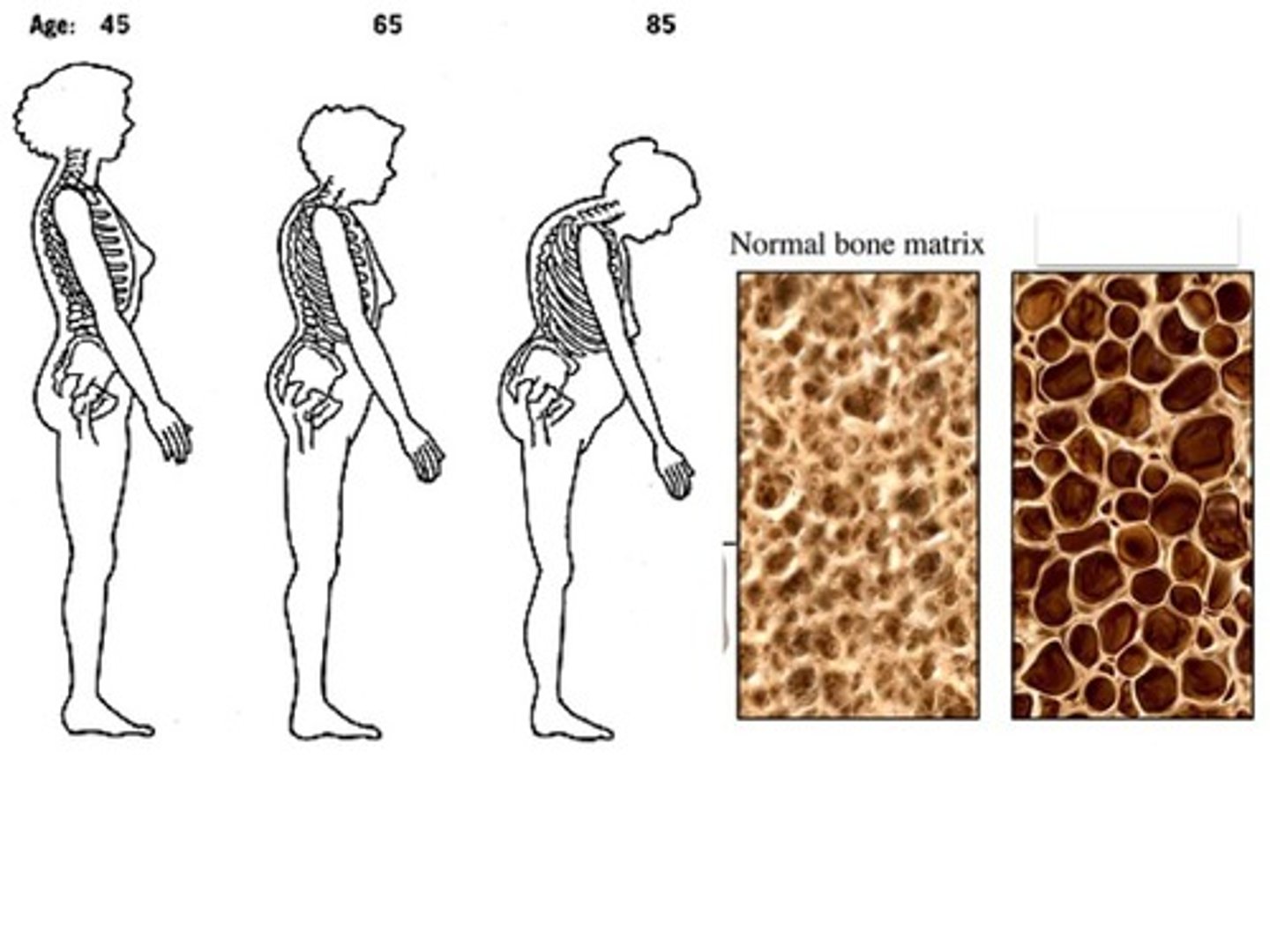
Osteoporosis
A bone disease that causes bones to weaken and become brittle
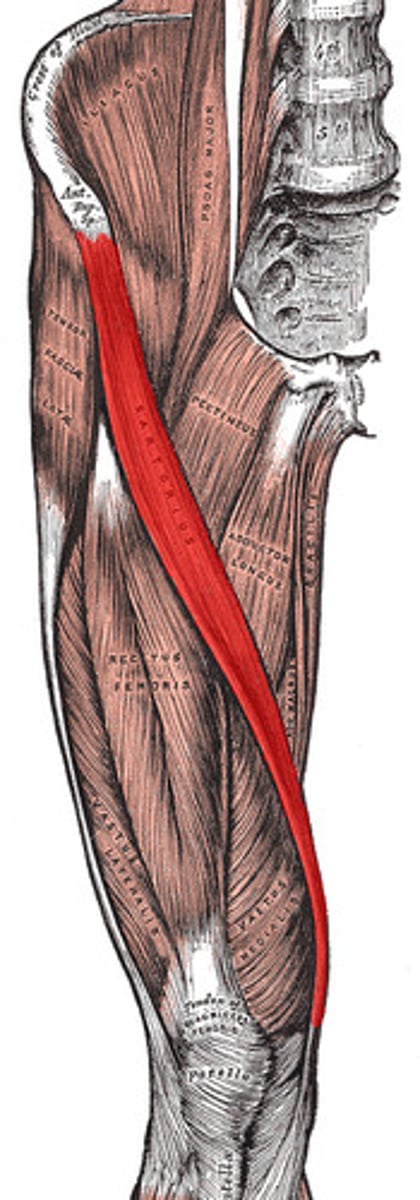
Muscle
Strong body tissue that can contract in an orderly way
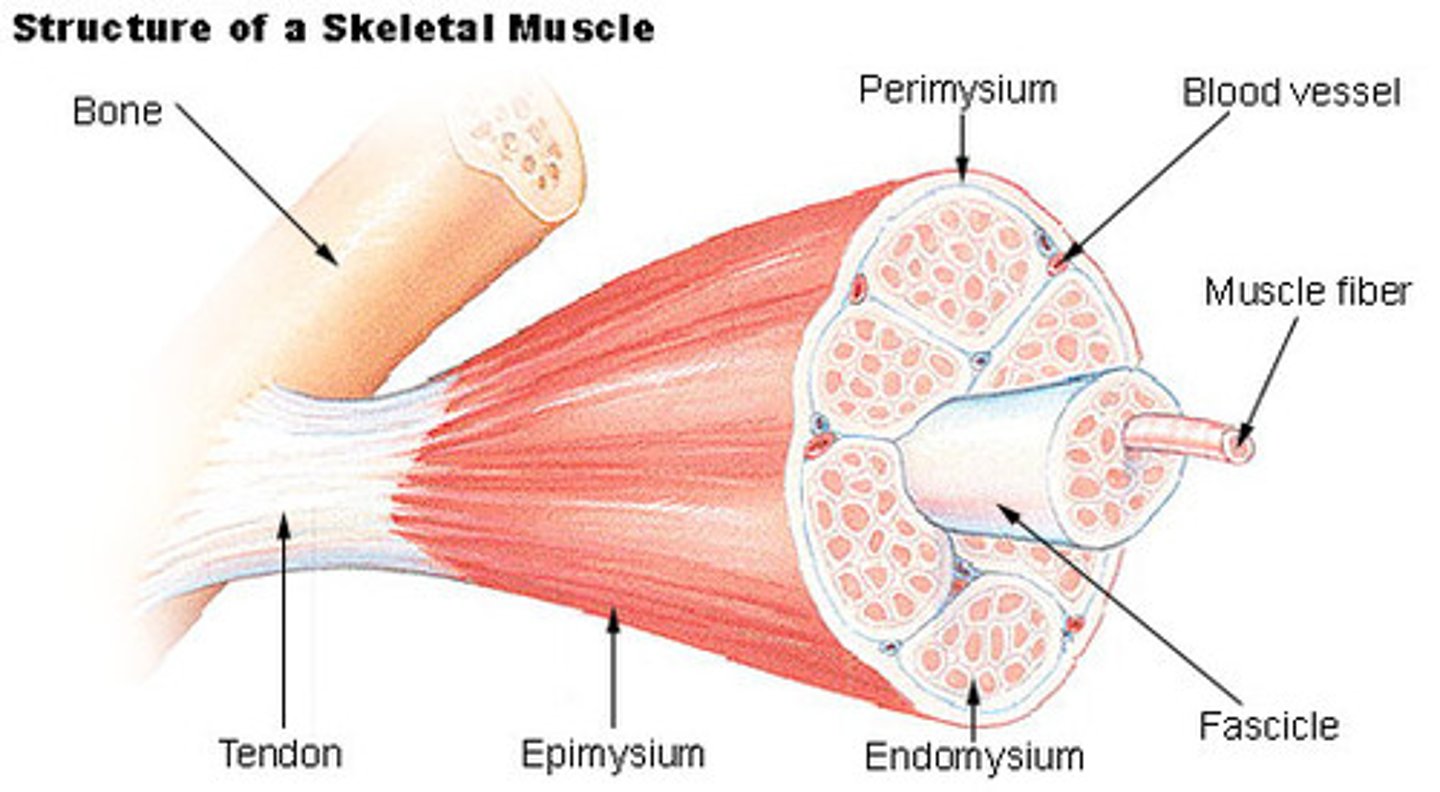
Skeletal Muscle
A type of muscle that attaches to bones
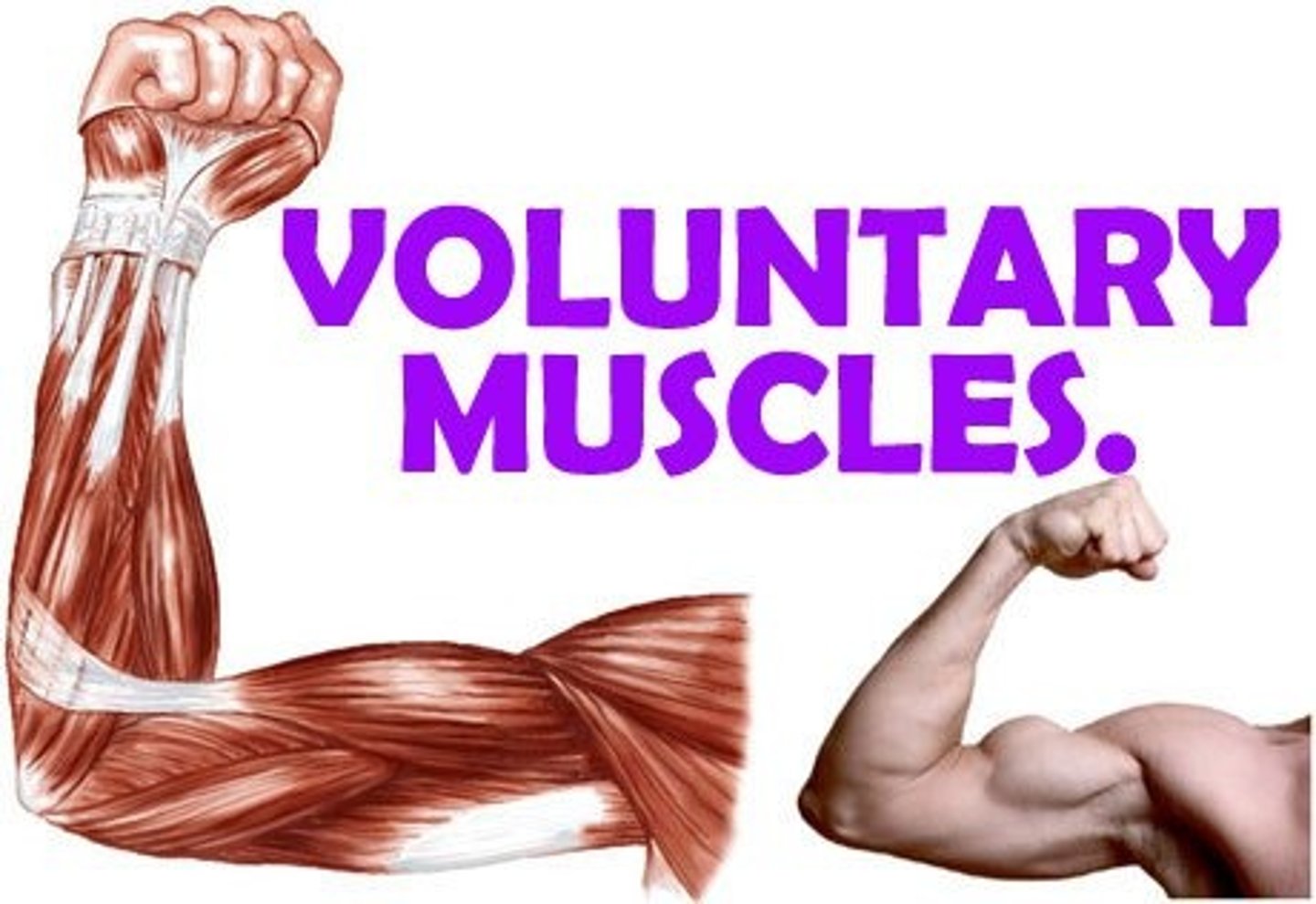
Voluntary Muscle
Muscle that you can consciously control
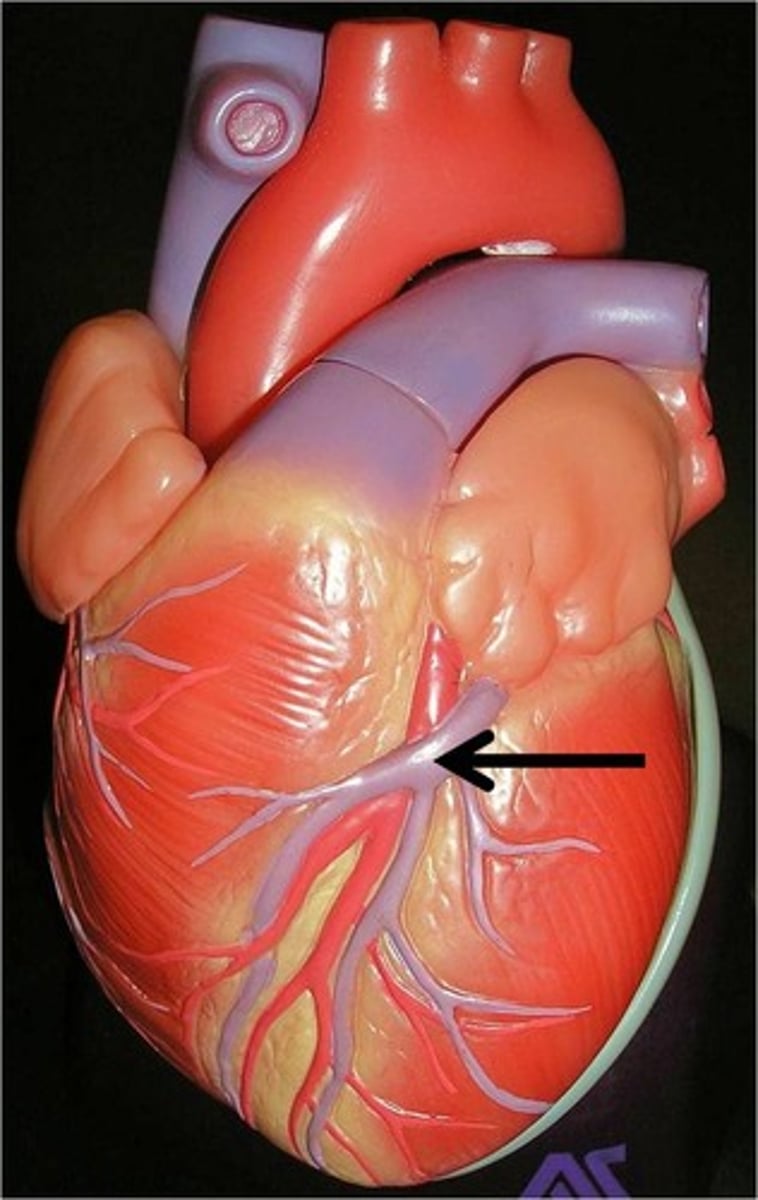
Cardiac Muscle
Muscle found only in the heart
Involuntary Muscle
Muscle you cannot consciously control
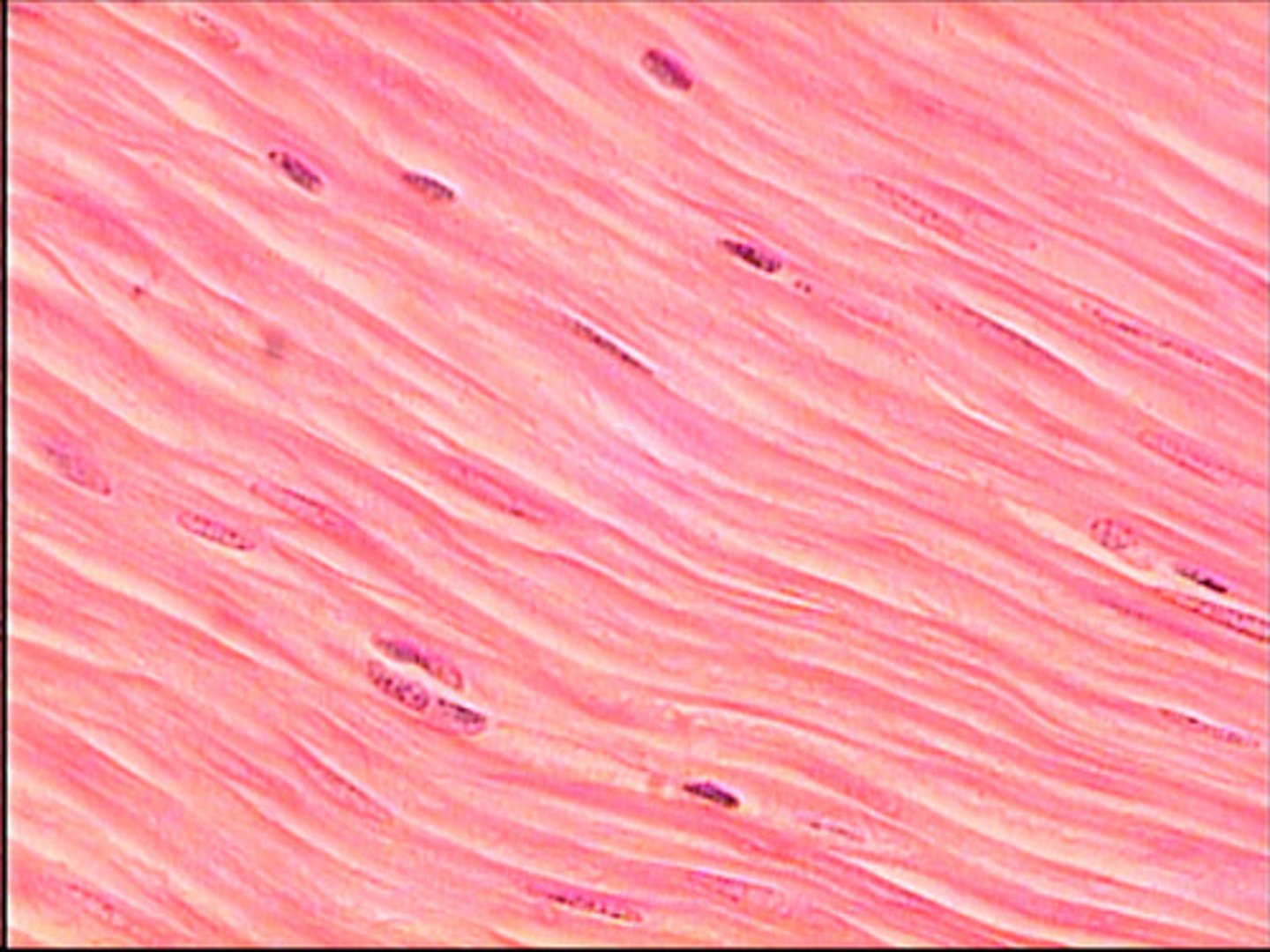
Smooth Muscle
Involuntary muscle names for its smooth appearance
Integumentary System
The body system that includes all the external coverings of the body, including the skin, nails, and hair
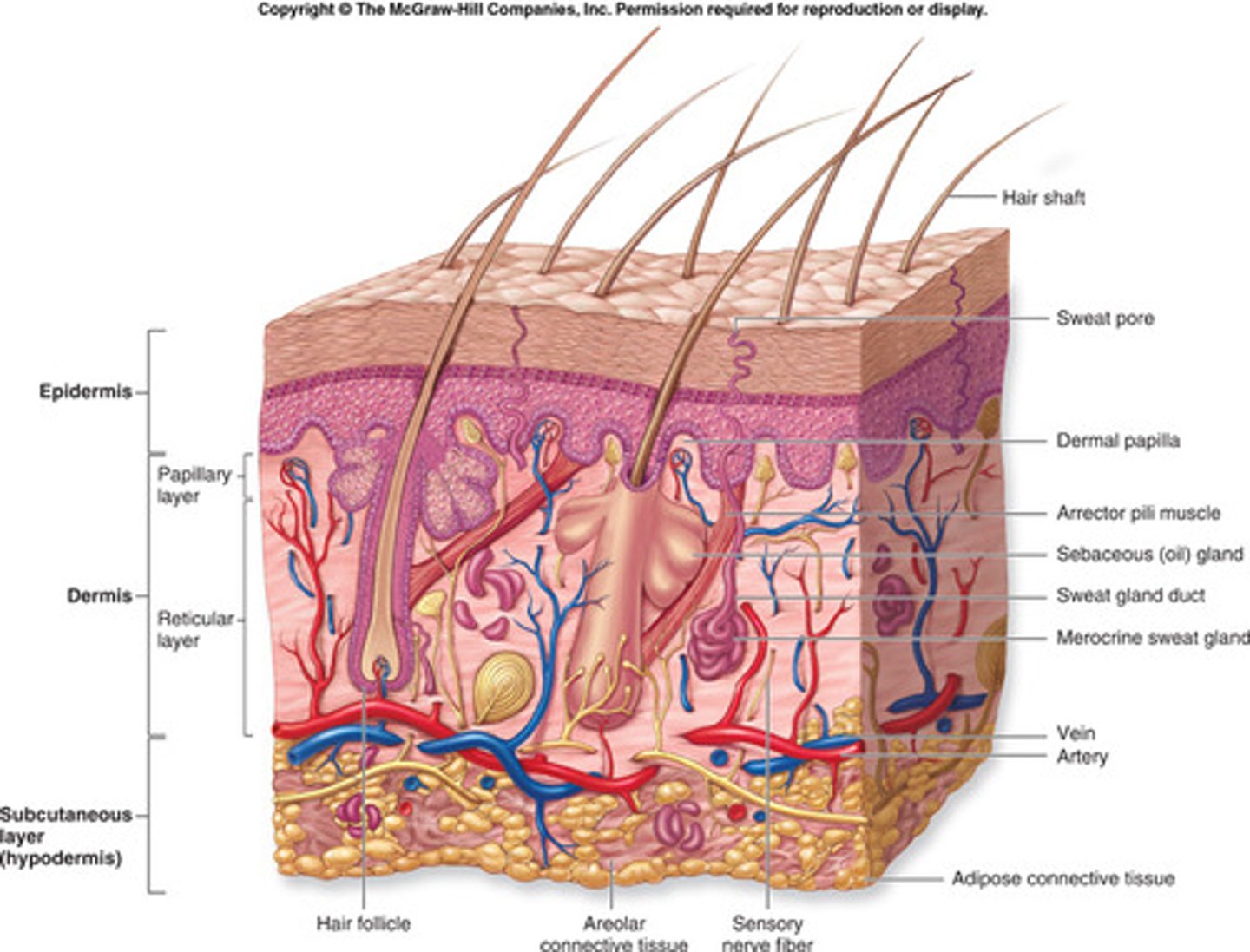
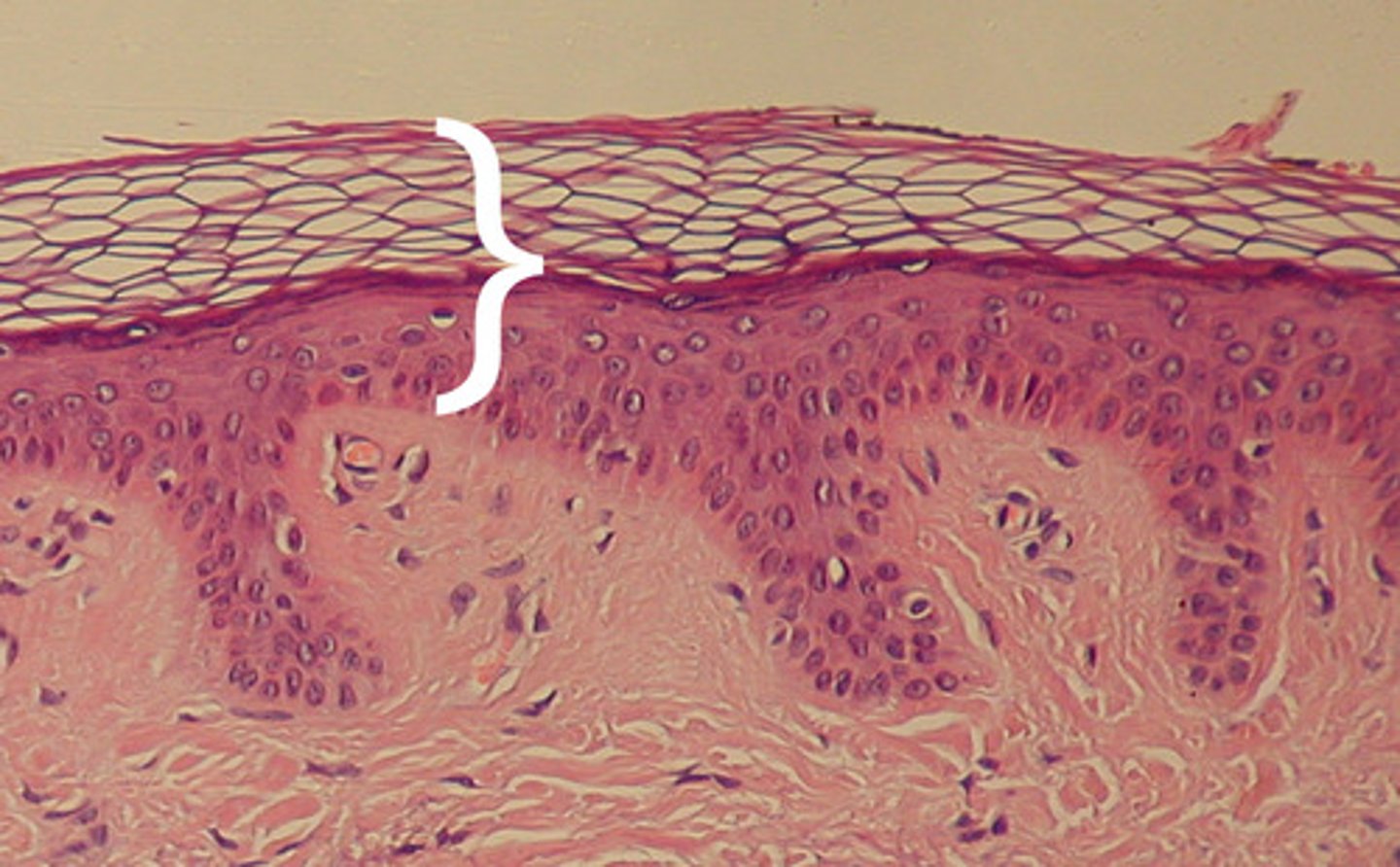
Epidermis
The outermost layer of skin and the only layer in direct contact with the outside environment
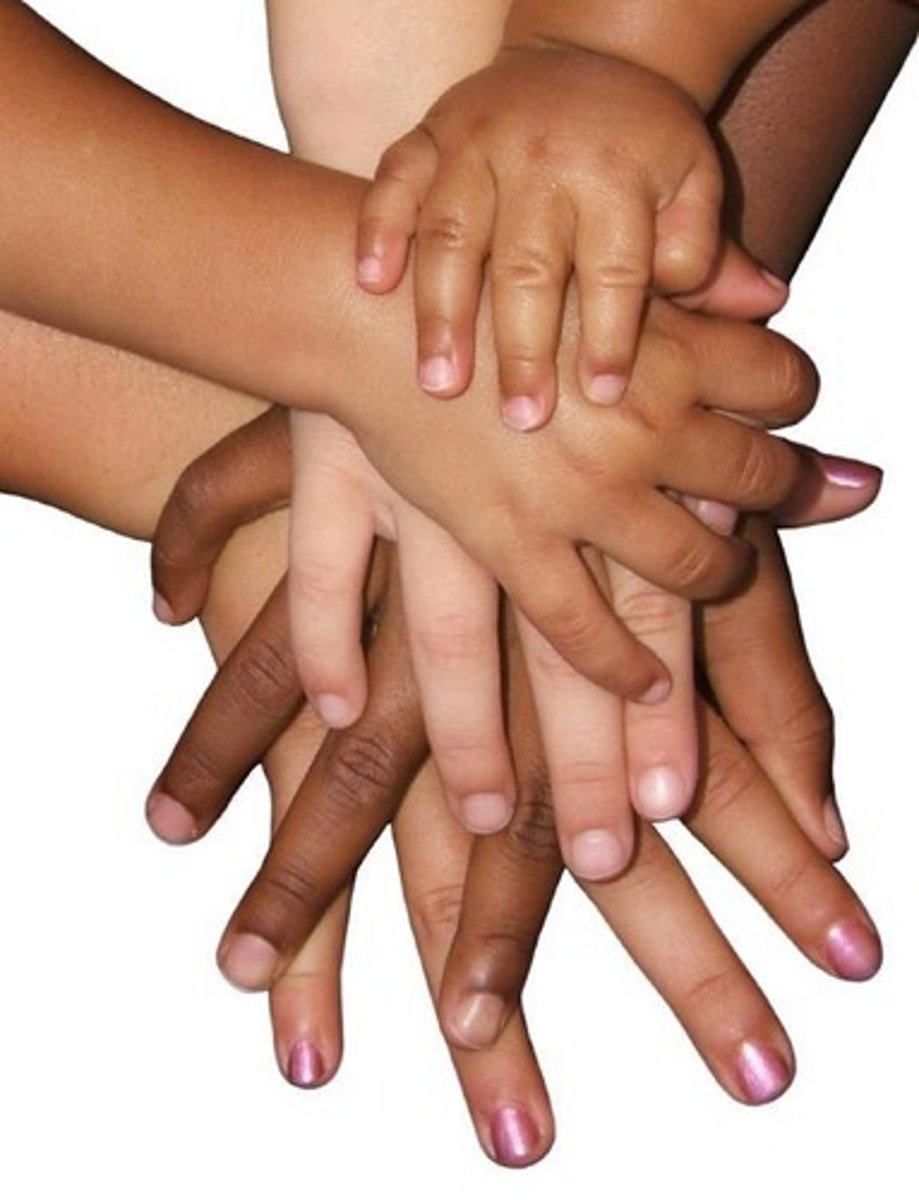
Melanin
A pigment that protects the body by absorbing some of the Sun's damaging ultraviolet rays
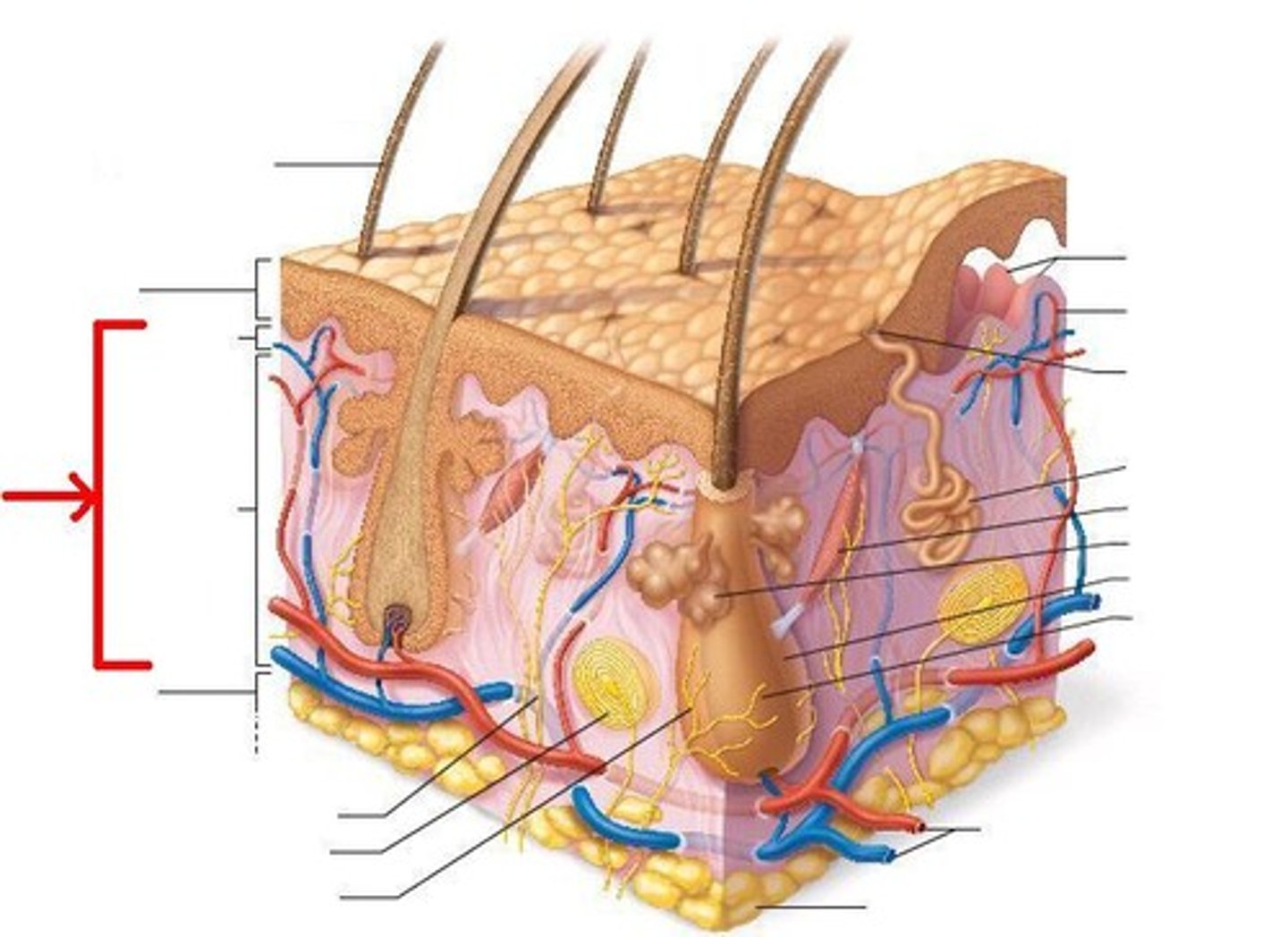
Dermis
A thick layer of skin that gives skin strength, nourishment, and flexibility
Bruise
An injury where blood vessels in the skin are broken, but the skin is not cut or opened
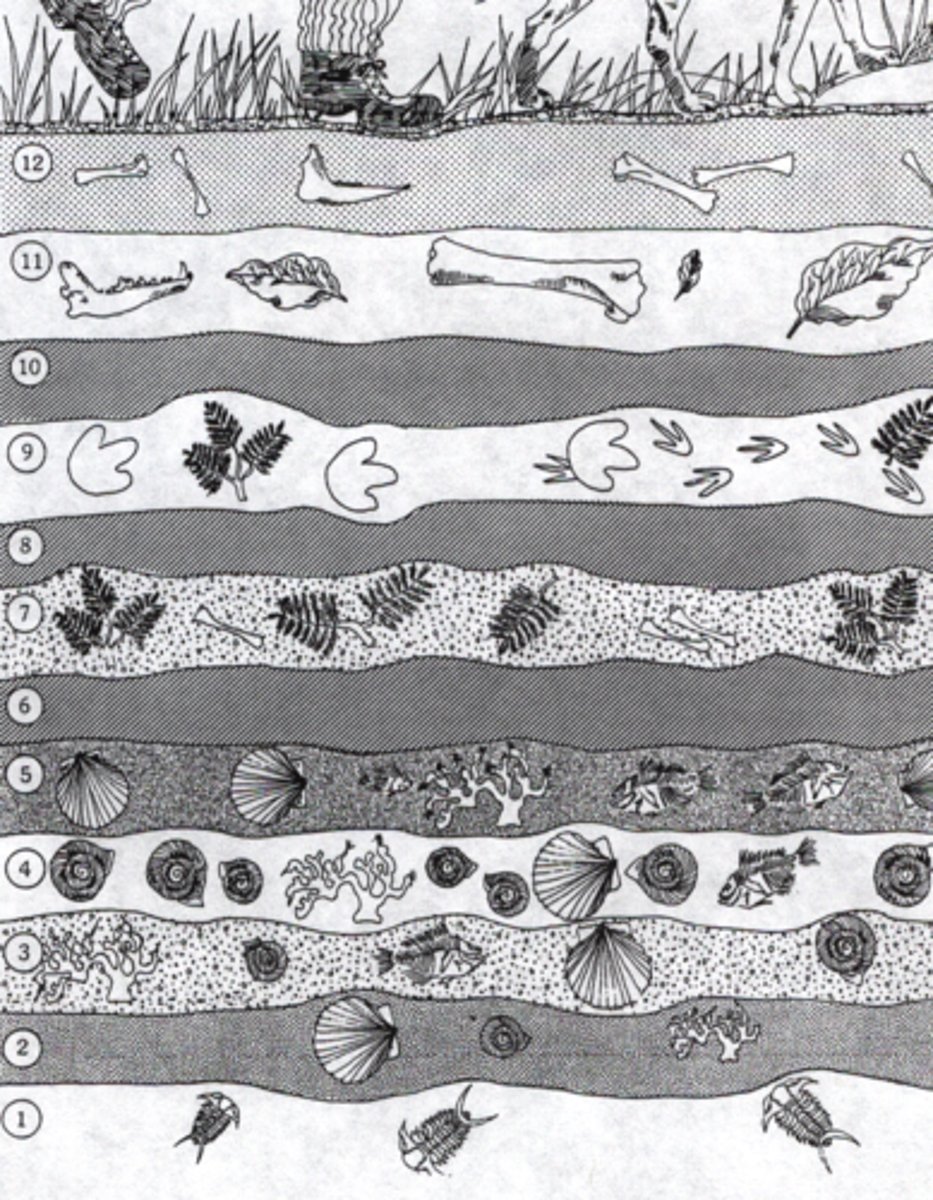
Fossil Record
Made up of all the fossils ever discovered on Earth
Mold
The impression of an organism in a rock
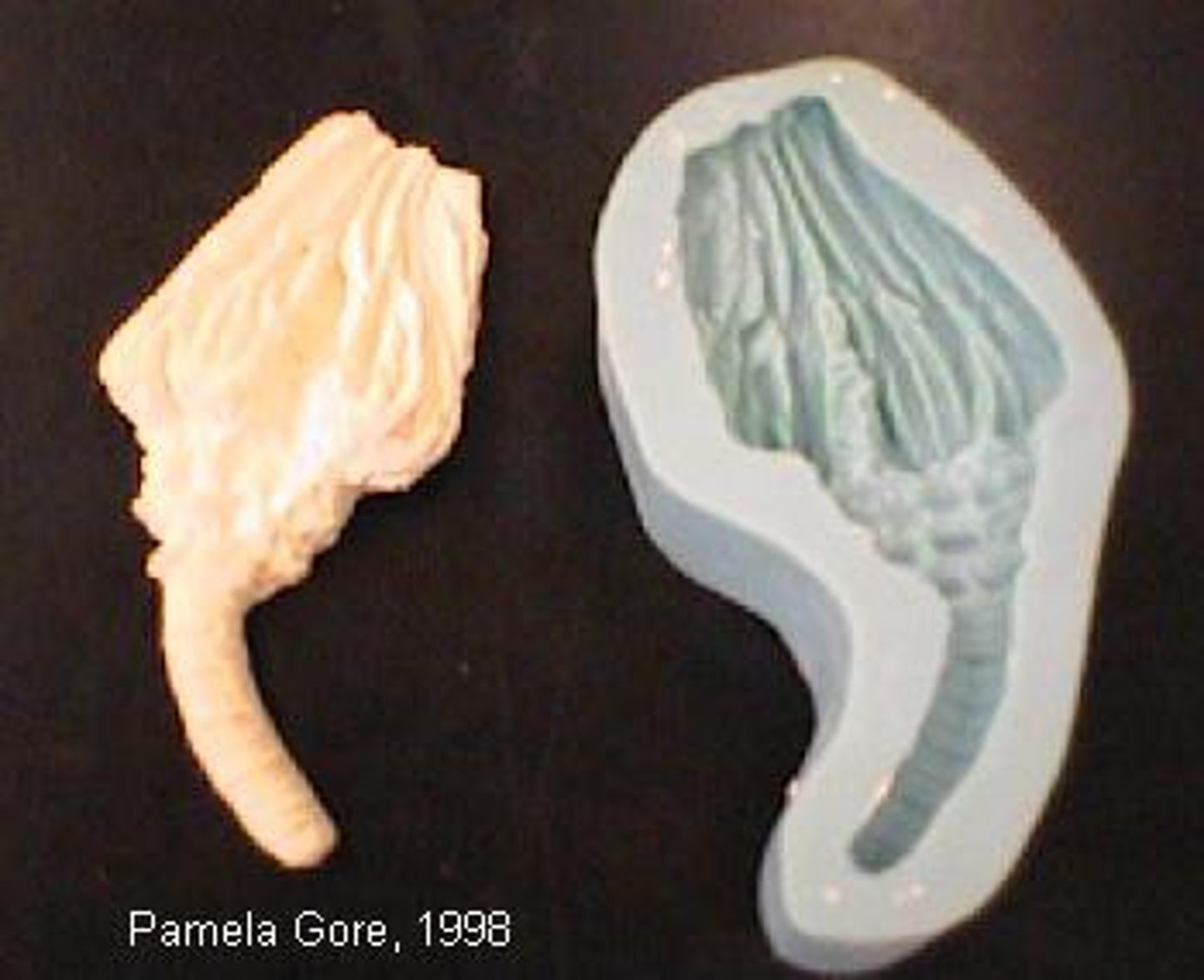
Cast
A fossil copy of an organism in a rock
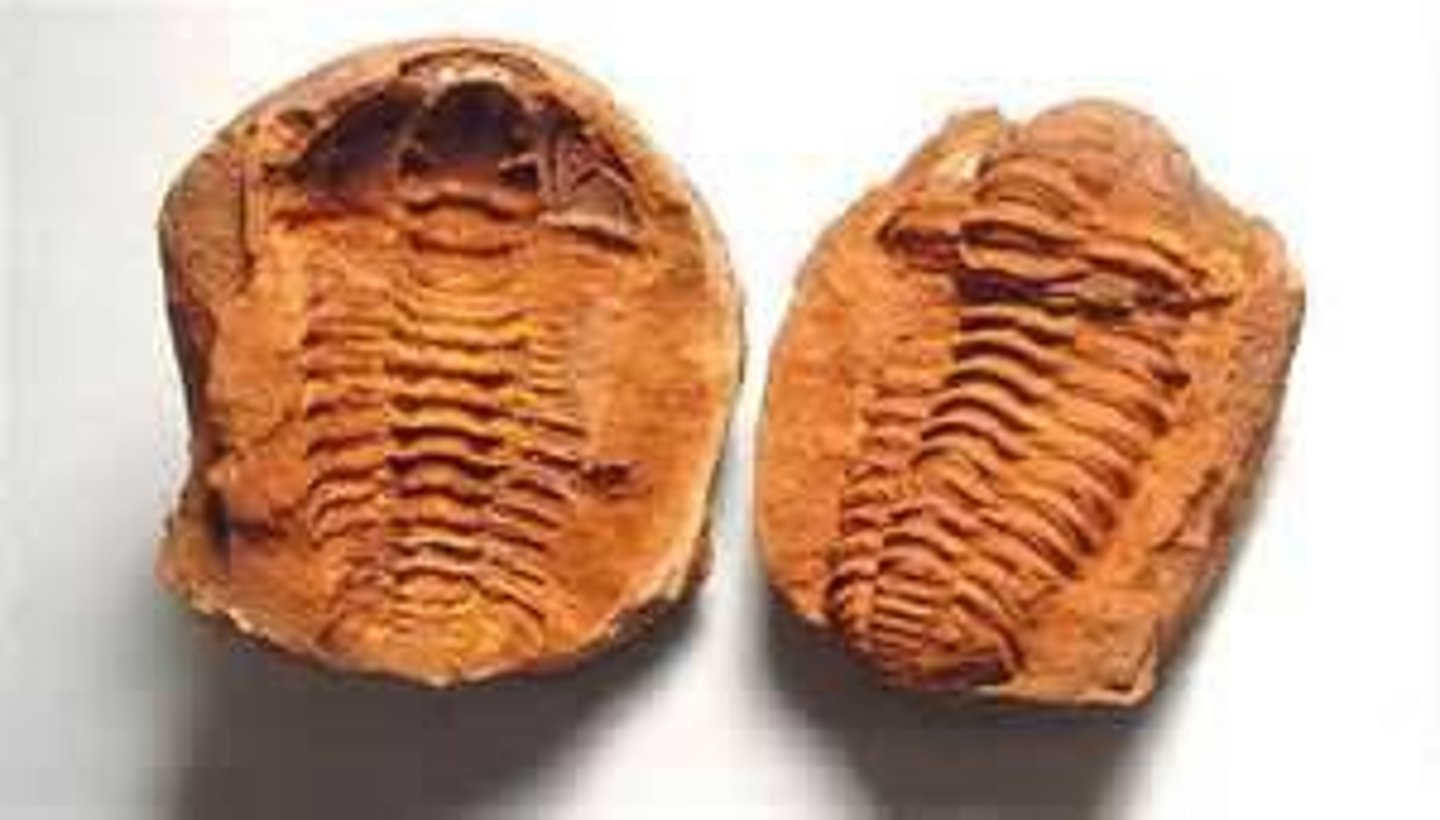
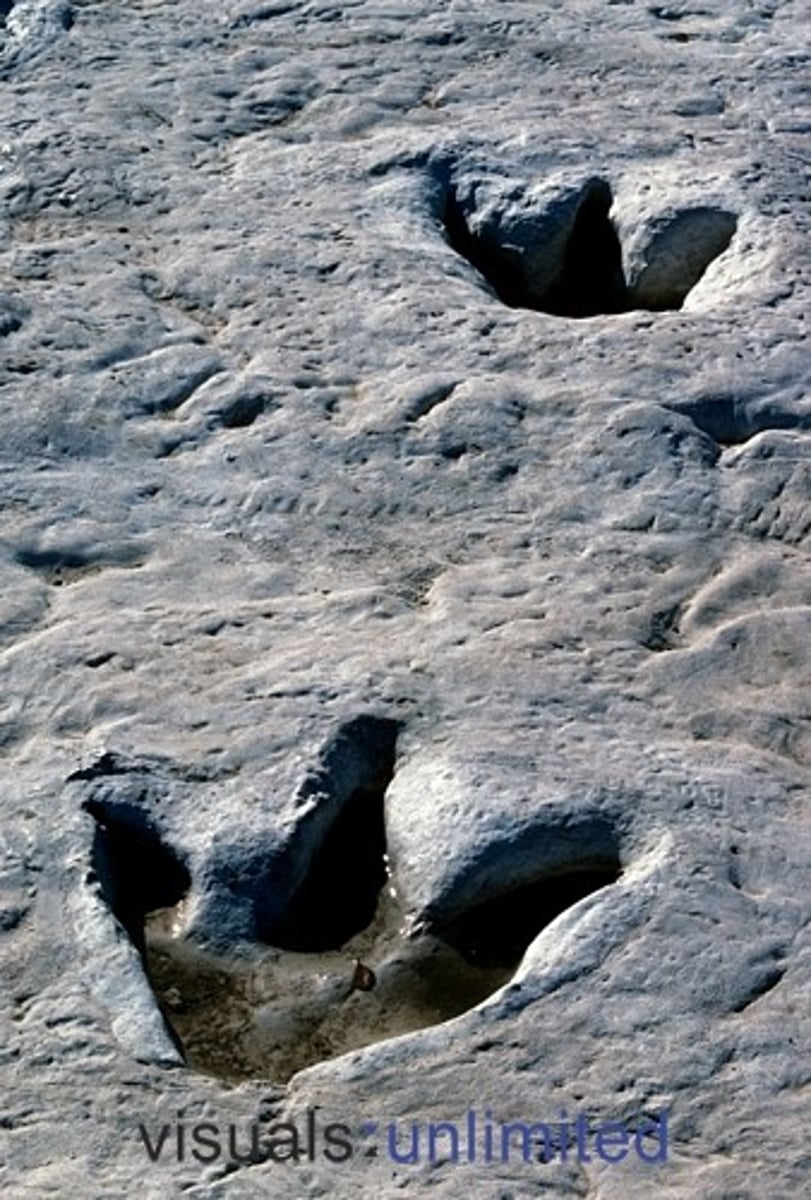
Trace Fossil
The preserved evidence of the activity of an organism
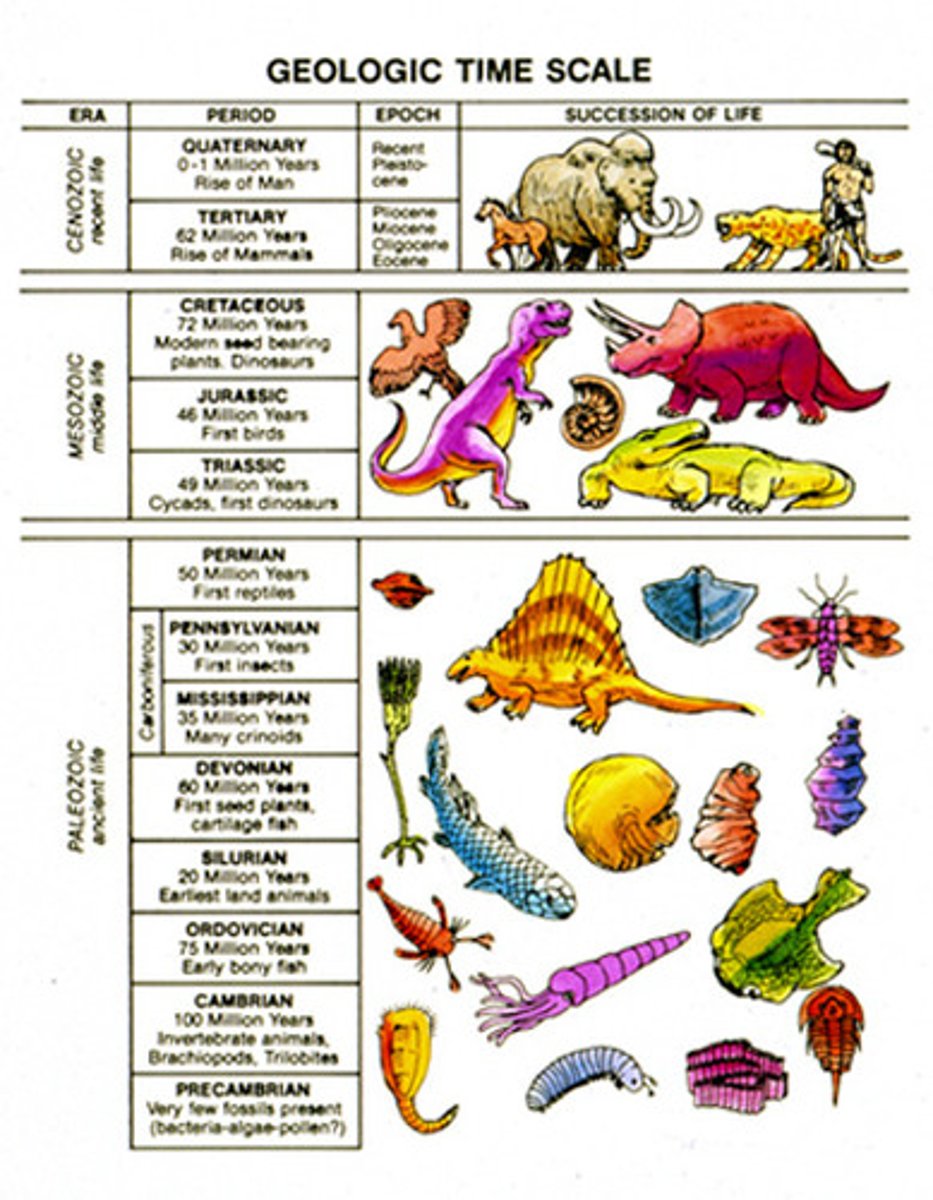
Geologic Time Scale
A chart that divides Earth's history into different time units
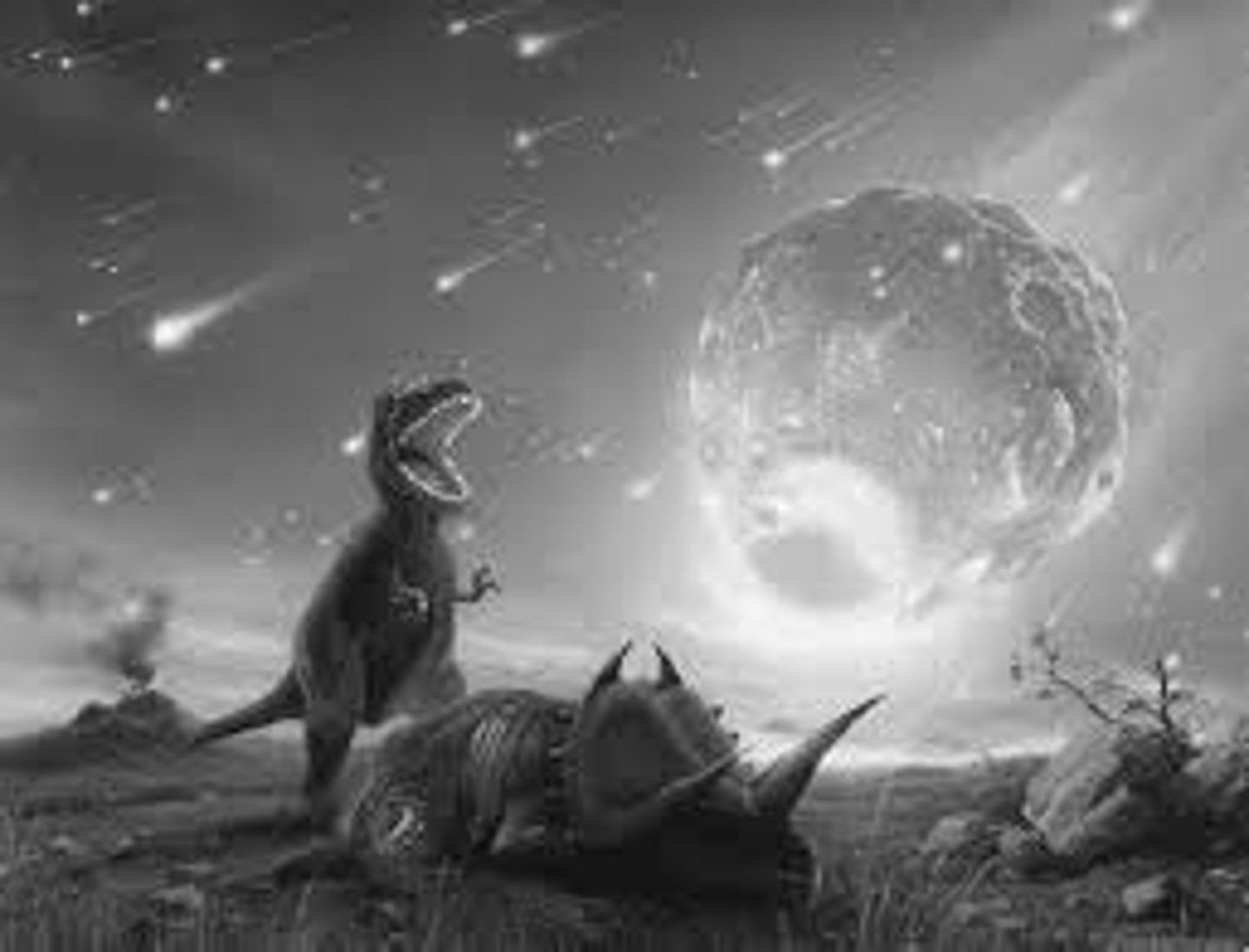
Extintion
Occurs when the last individual organsism of a species dies
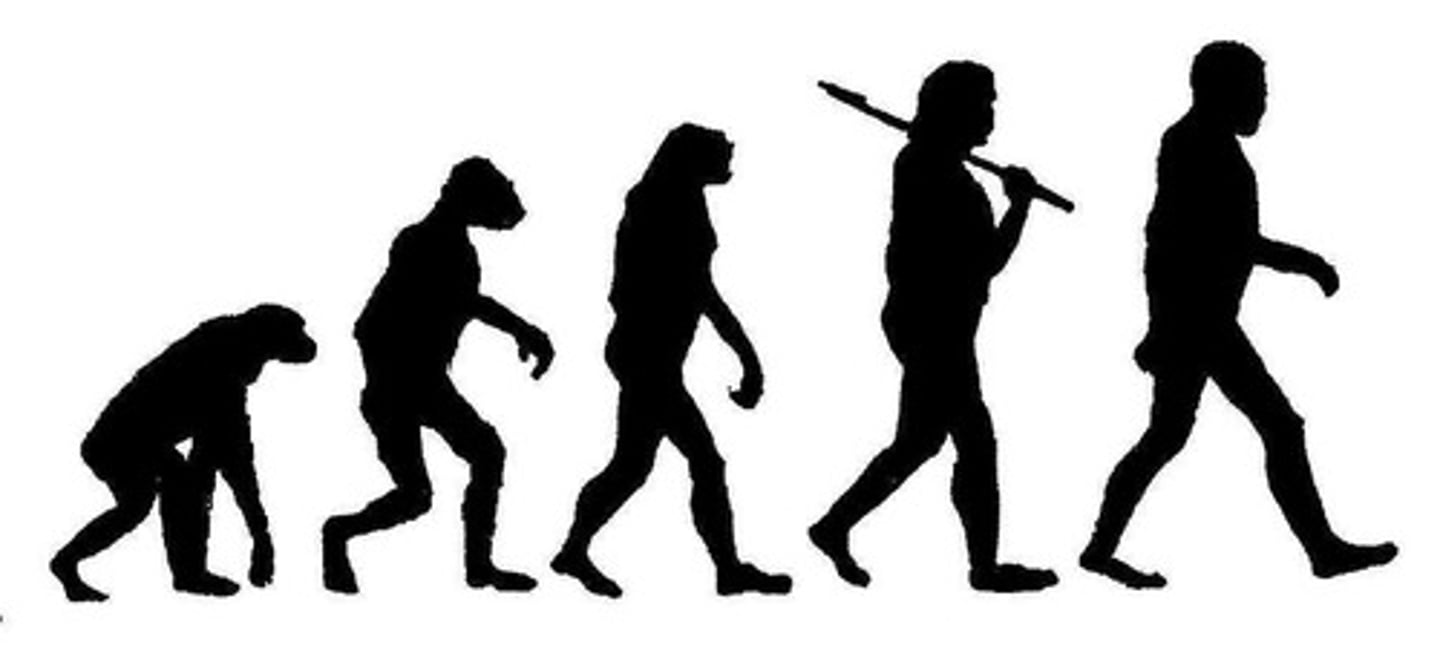
Biological Evolution
The change over time in populations of related organisms
Naturalist
A person who studeis plants and animals by observing them
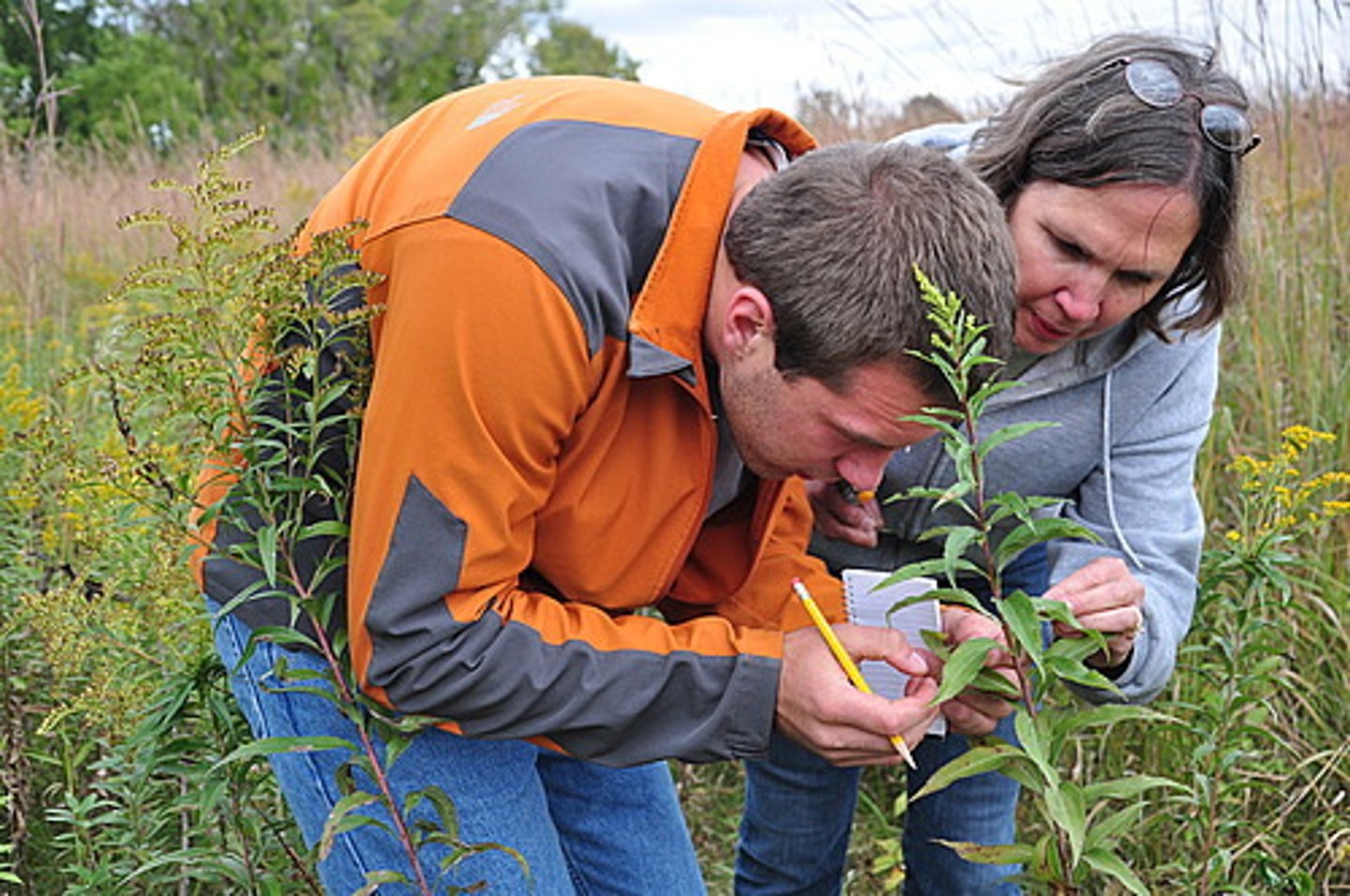
Variation
A slight difference in an inherited trait of individual members of a species
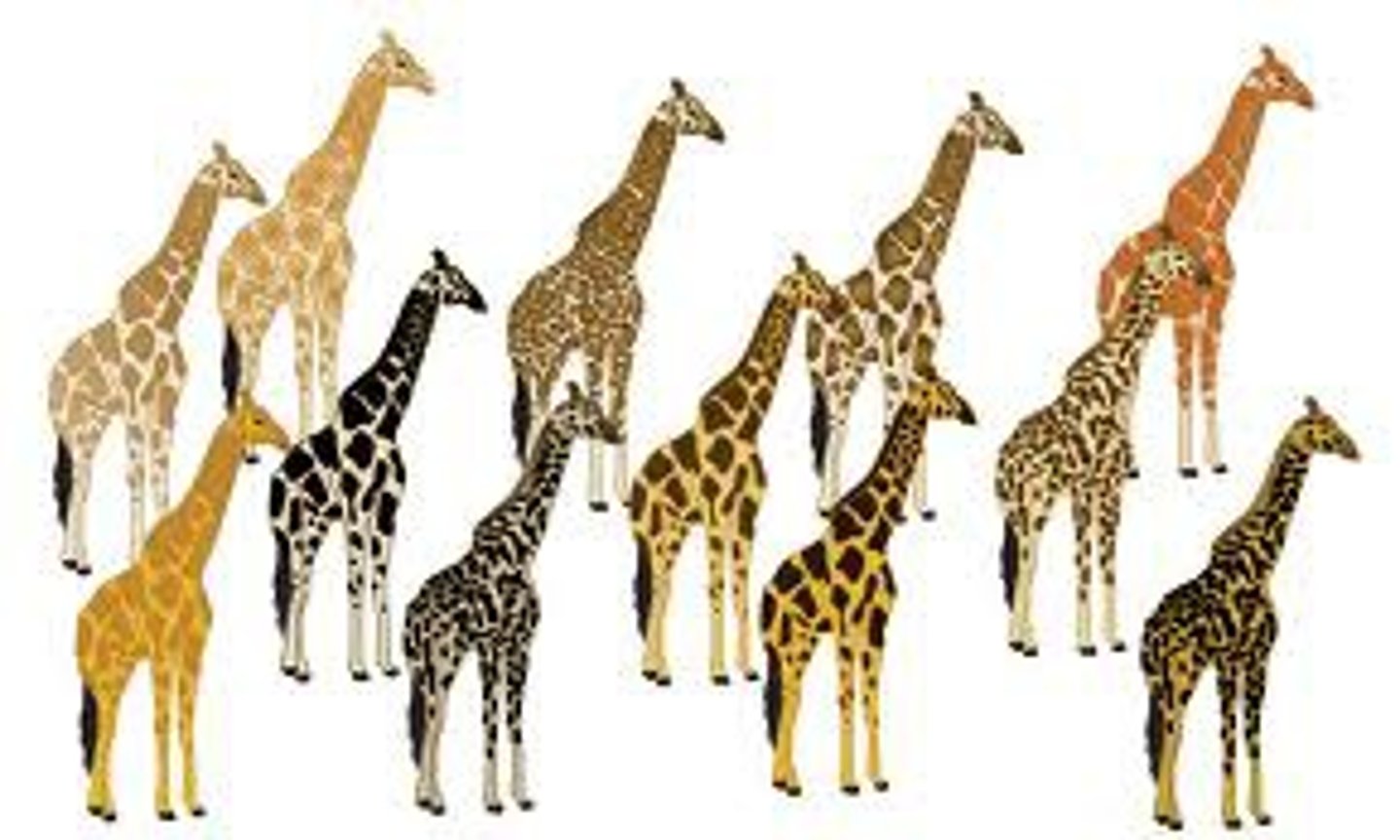
Natural Selection
The process by which populations of organisms with variations that help them survive in their environments live longer, compete better, and reproduce more than those that do not have the variations
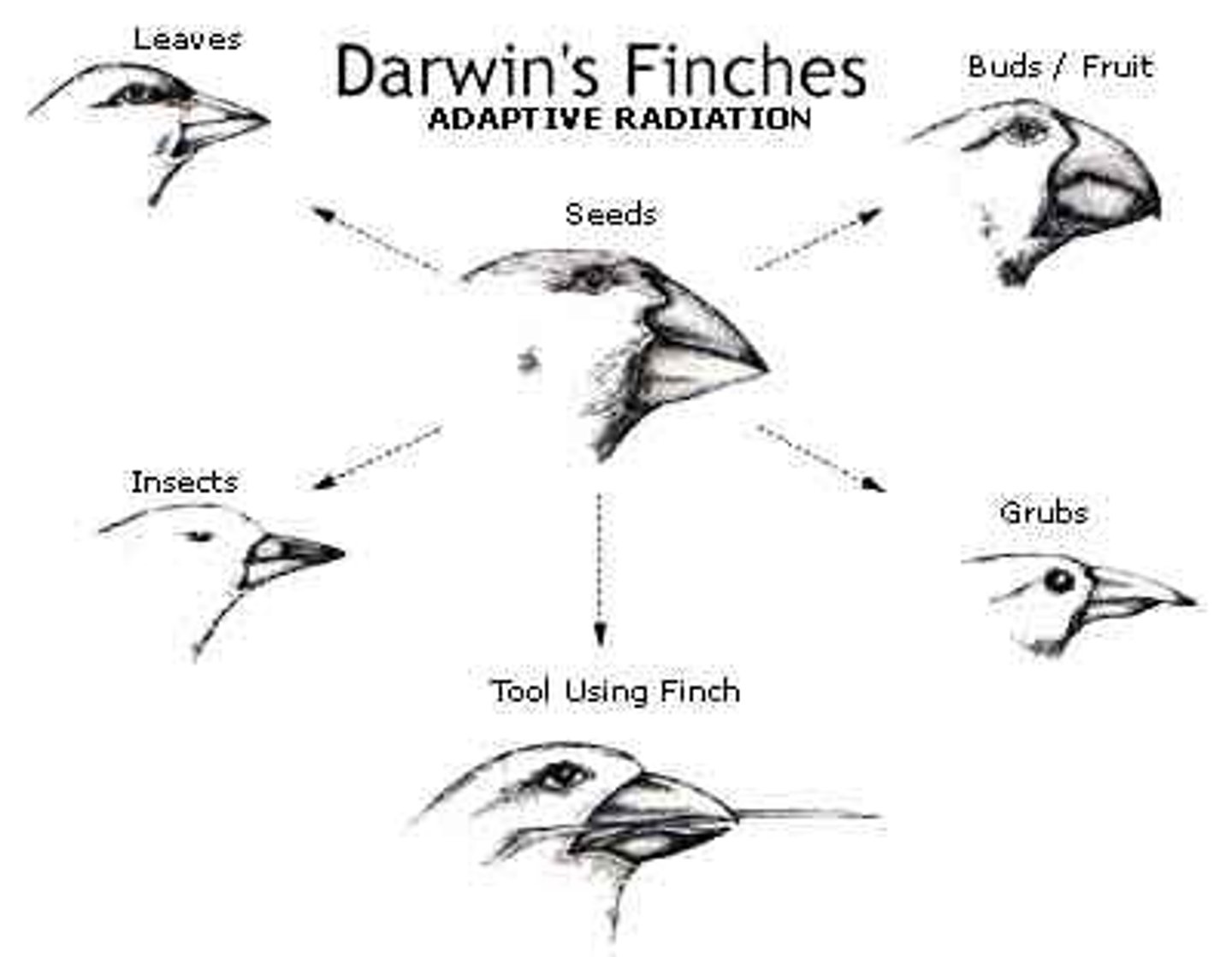
Adaptation
An inherited trait that increases an orgasnism's chance of surviving and reproducing in its environment
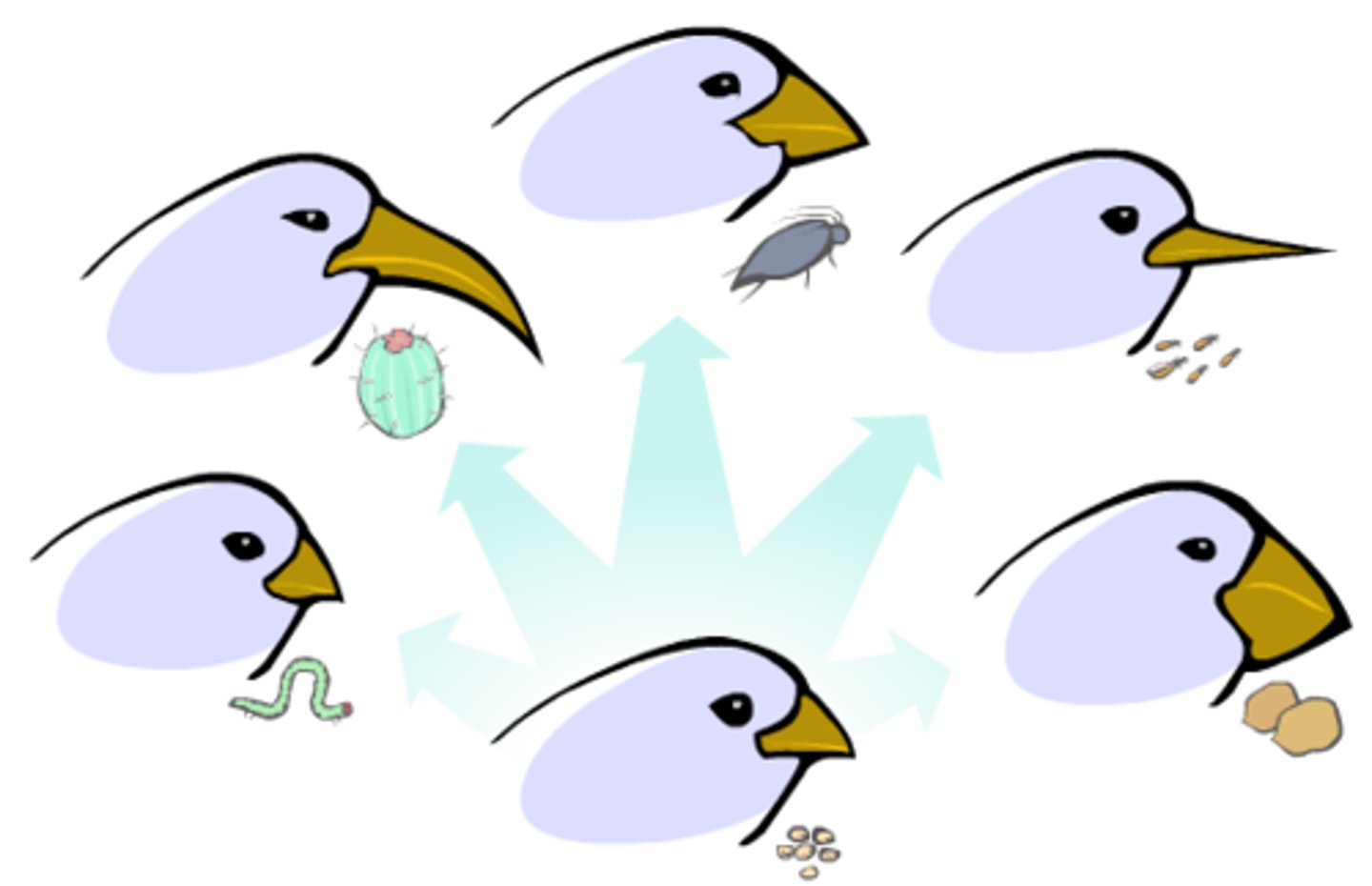
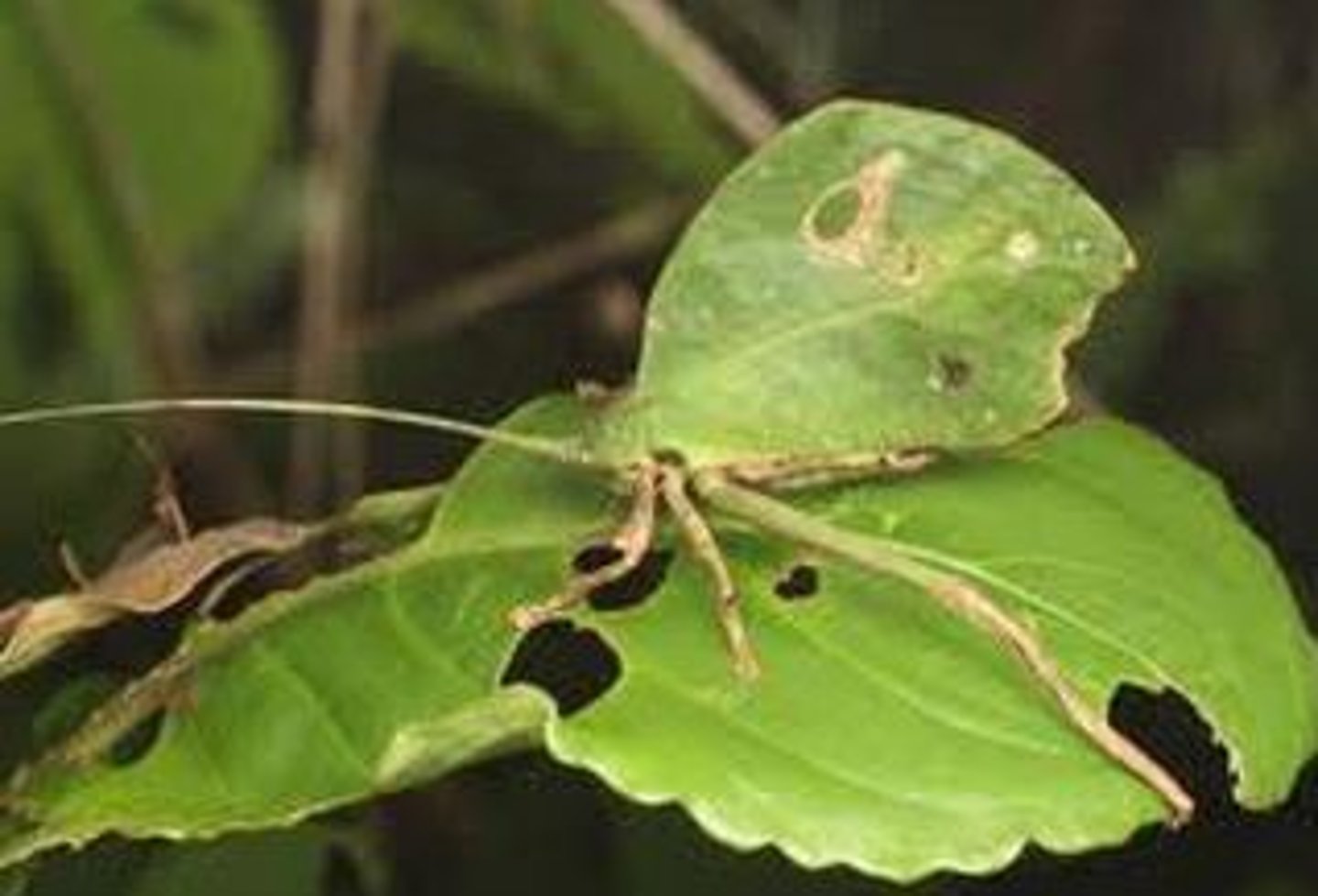
Camouflage
An adaptation that enables a species to blend in with its environment
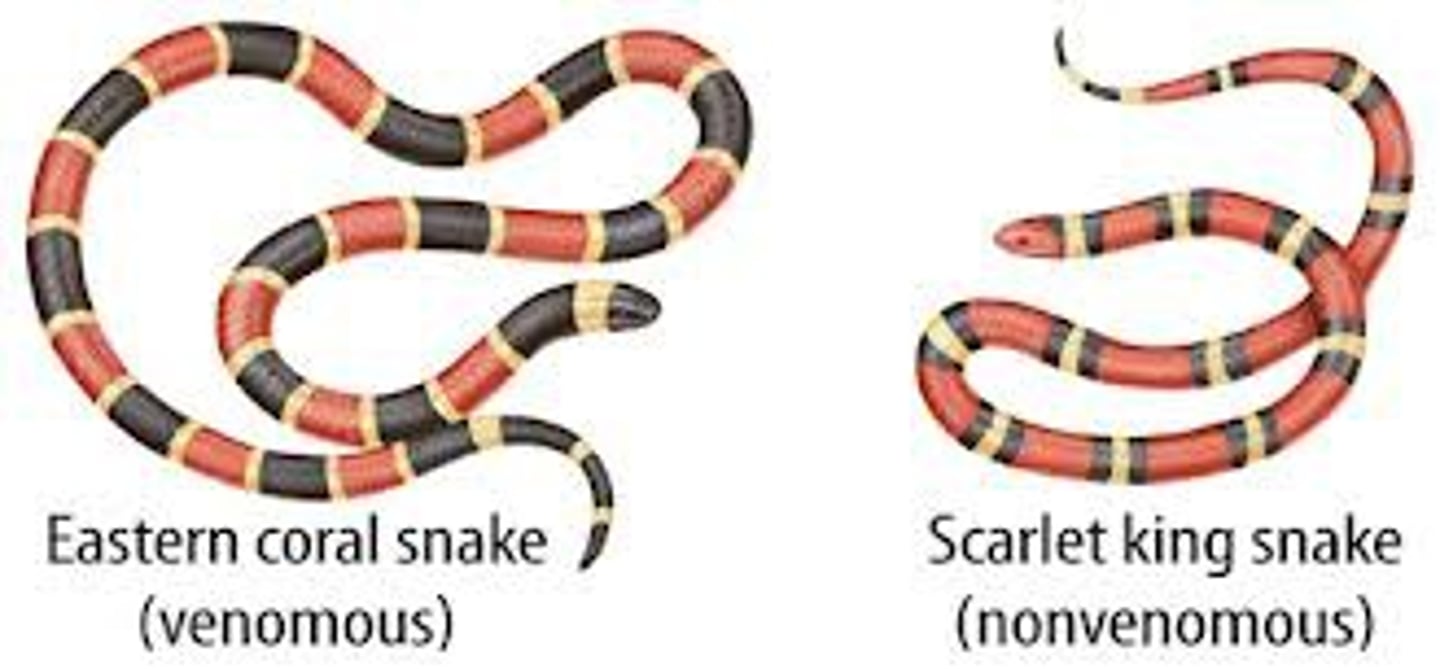
Mimicry
The resemblence of one species to another species
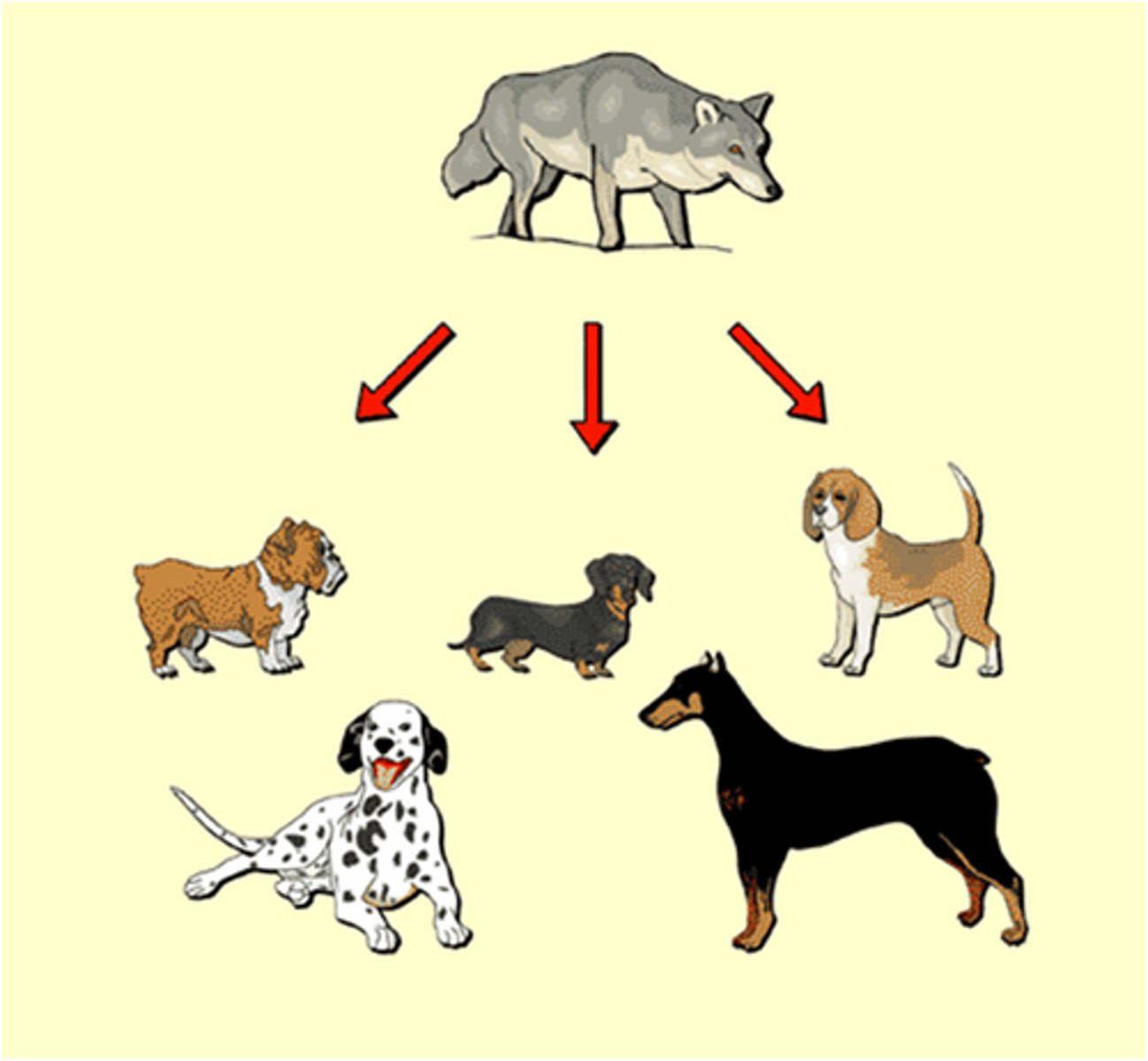
Selective Breeding
The breeding of organisms for desired characteristics
Comparative Anatomy
The study of similarities and differences amkong structures of living species
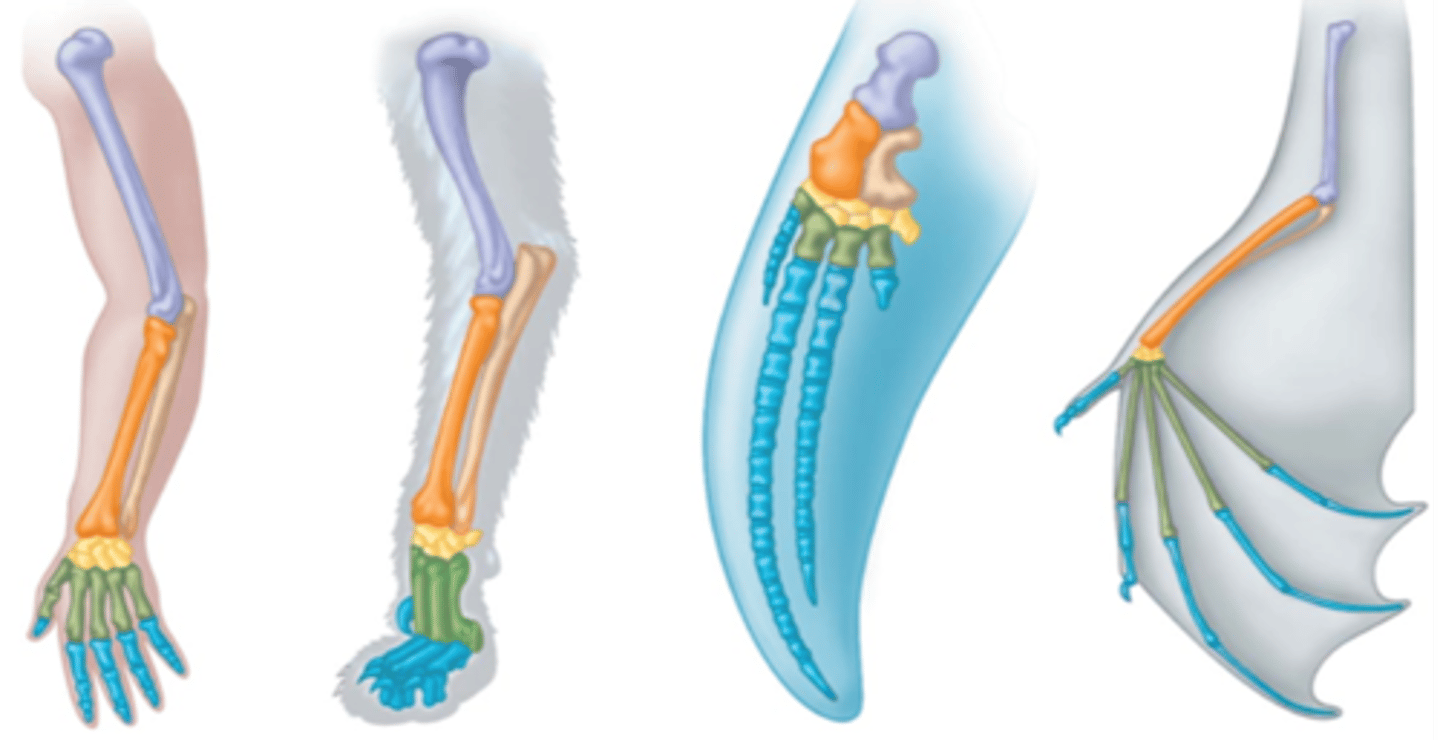
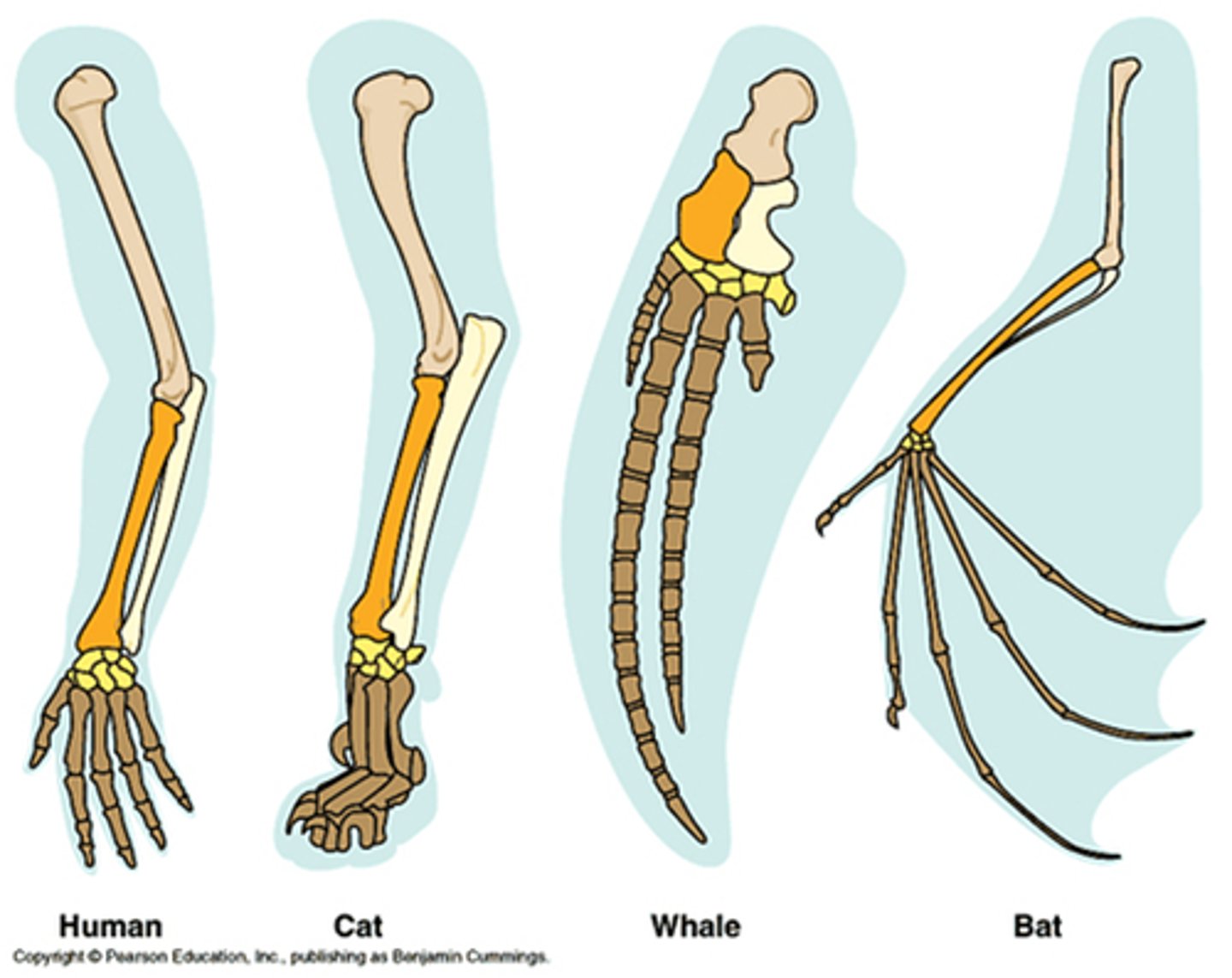
Homologous Structure
Body parts of organisms that are similar in structure and position but different in function
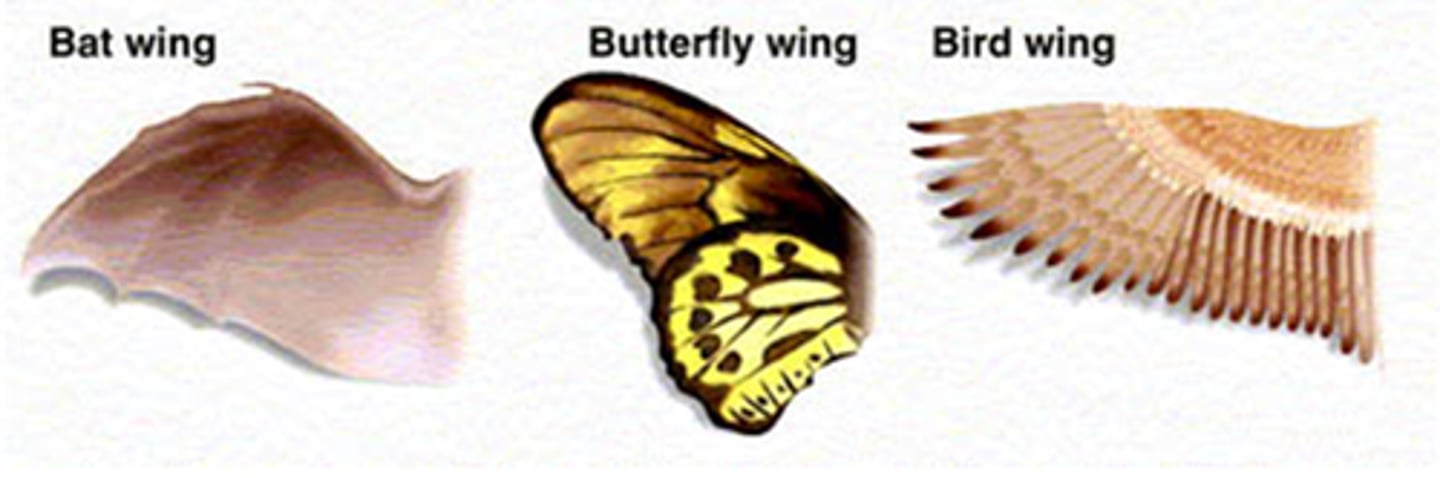
Analogous Structure
Body parts that perform a similar function but differ in structure
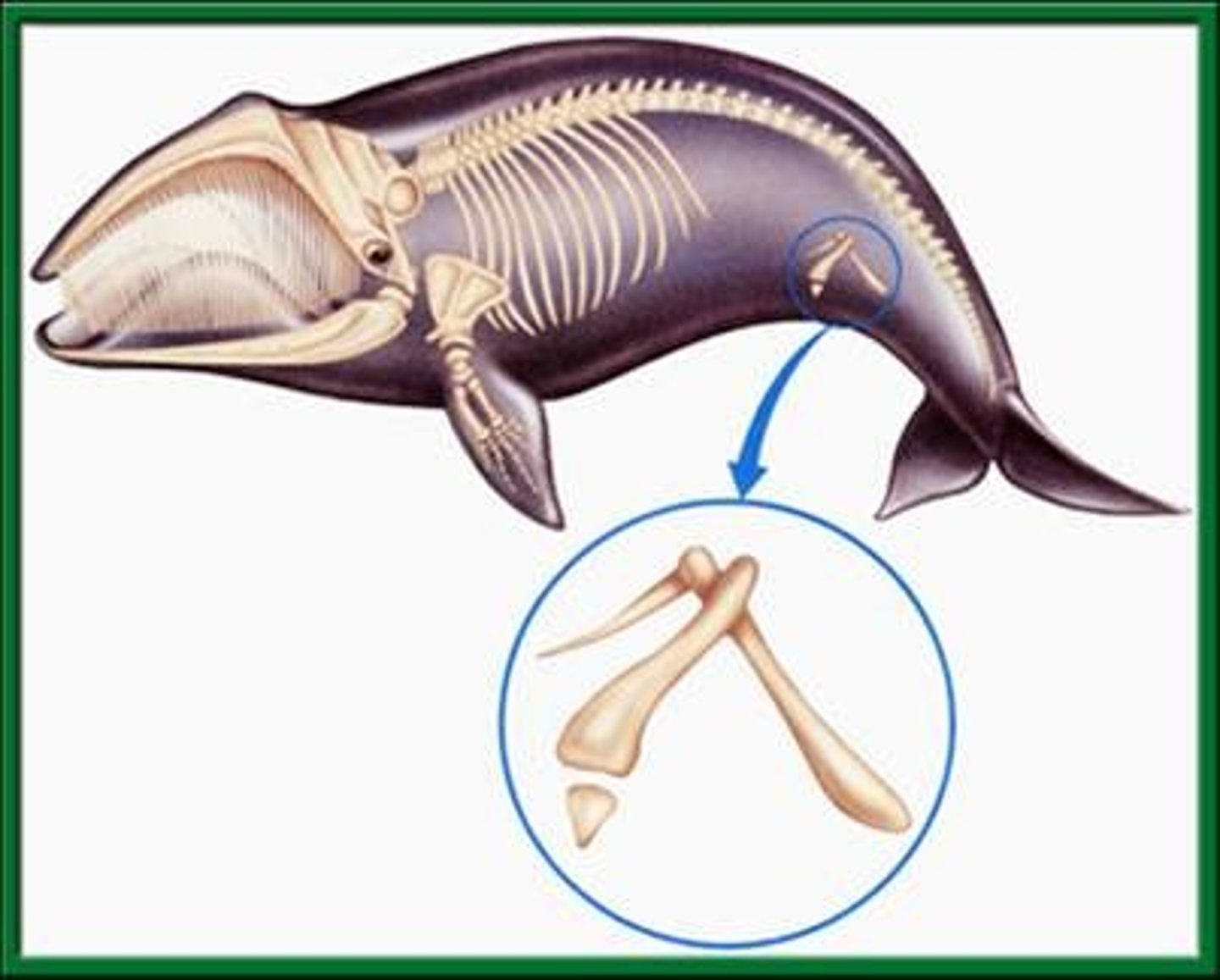
Vestigial Structure
Body parts that have lost their original function through evolution
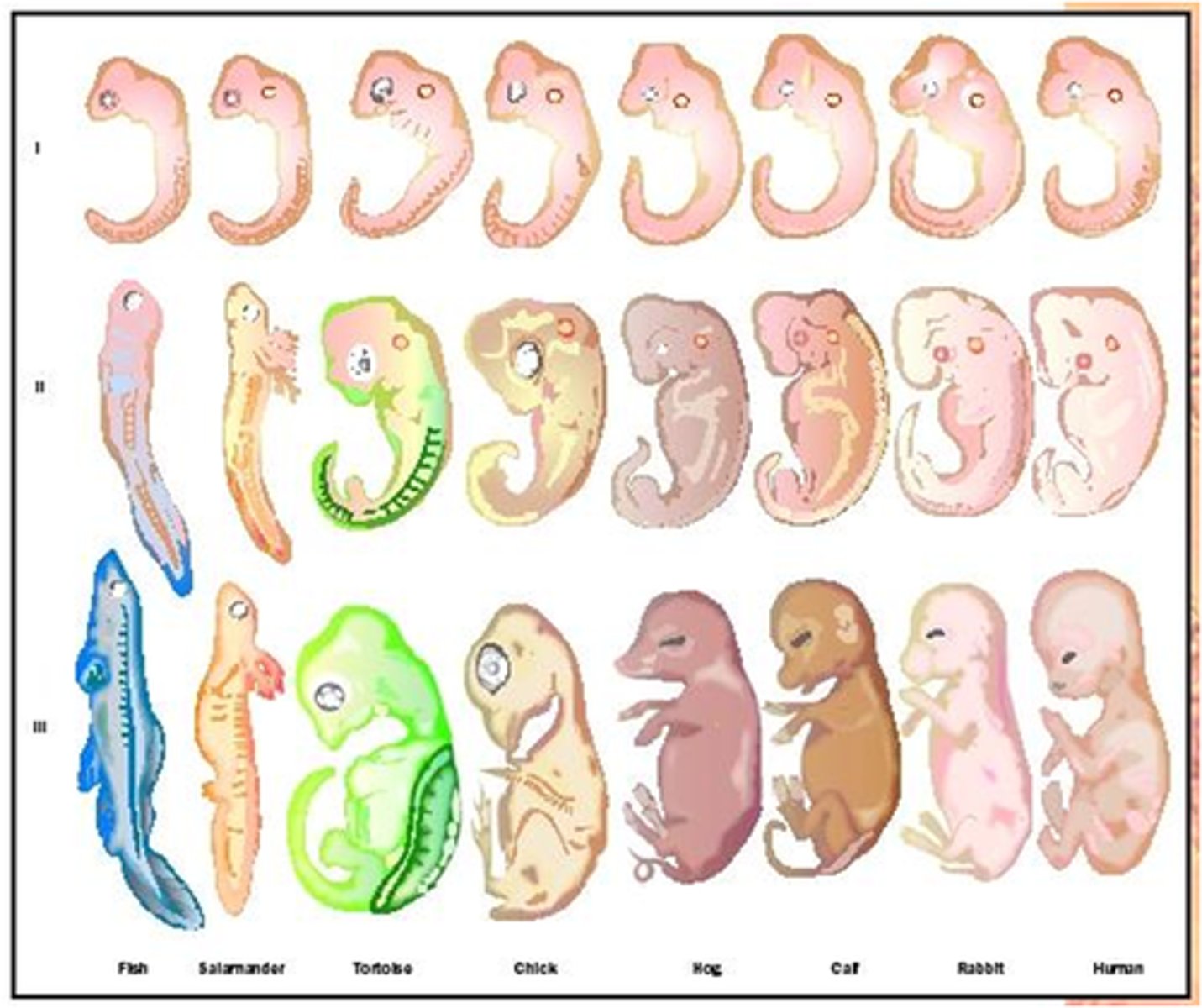
Embryology
The science of the development of embryos from fertilization to birth