TECH 1 - chapter 4/5 - tools/antemortem + postmortem
 Call Kai
 Learn
Learn Practice Test
 Spaced Repetition
 Match
Match Flashcards
 Knowt Play
1/37

There's no tags or description
Looks like no tags are added yet.
Name | Mastery | Learn | Test | Matching | Spaced | Call with Kai |
|---|
No analytics yet
Send a link to your students to track their progress
38 Terms
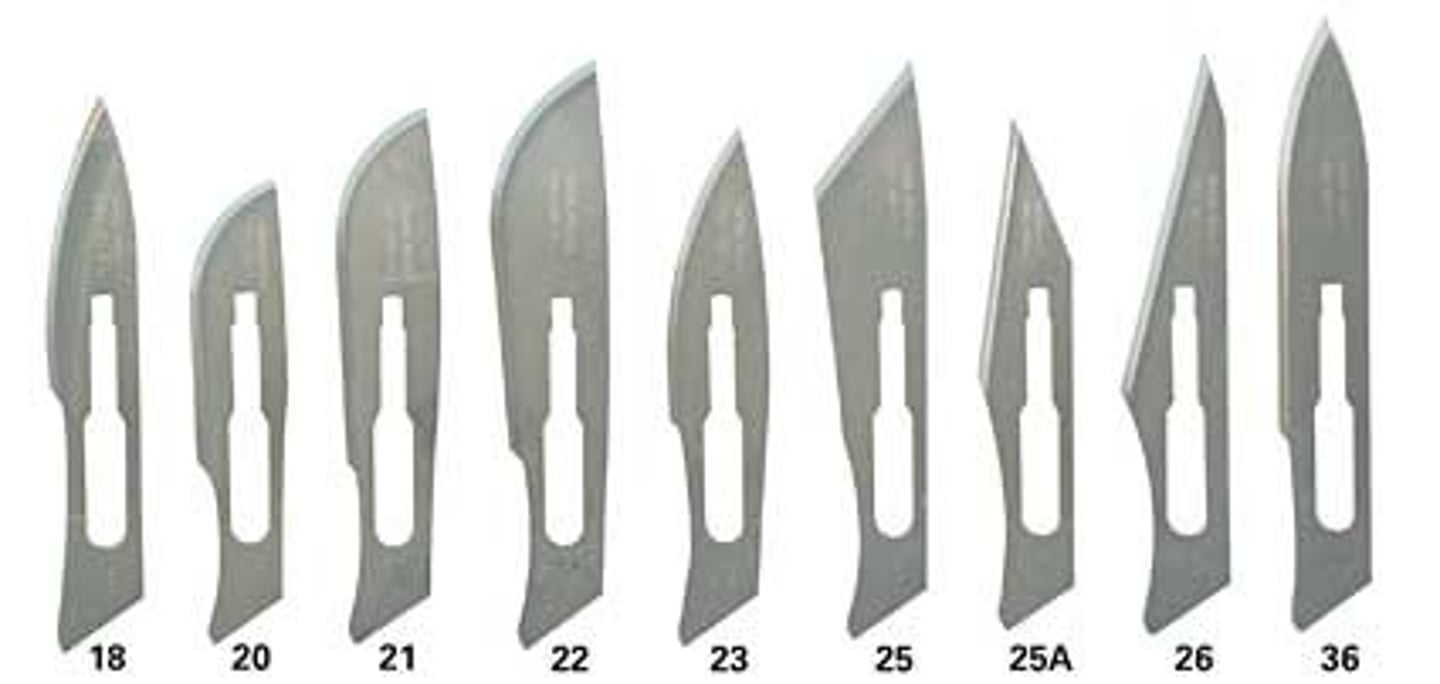
Scalpel
to precisely incise or excise soft tissue with the least amount of trauma
hemostats
forceps instrument during surgery to retract tissue, remove small root tips, clamp off blood vessels, and grasp objects

Scalpel Handle
Used to hold the scalpel blade.

hypo-injector
aspirator
used to withdraw fluid, especially from body cavities, cysts, or joints (THE SUCTION)
trocar
sharply pointed surgical instrument used in cavity embalming to aspirate the cavities and inject cavity fluid; the trocar may also be used for supplemental hypodermic embalming

arterial Tube
tube that goes from the machine to the cannula
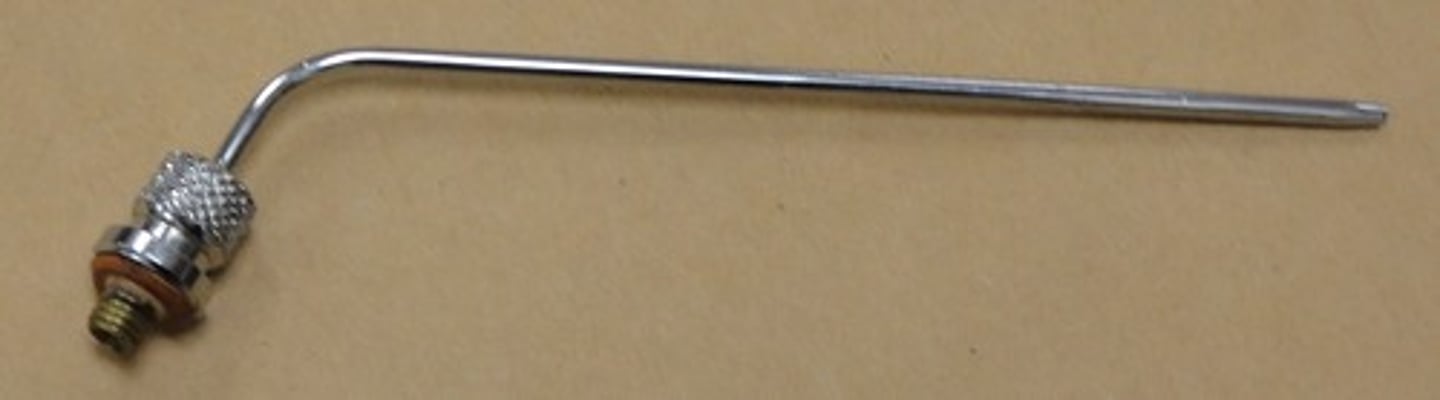
Cannula
a small hollow tube for insertion into a body cavity, duct, or vessel
why can't we inject veins?
they have one-way check valves.
tank
the receptacle that holds the embalming fluid.
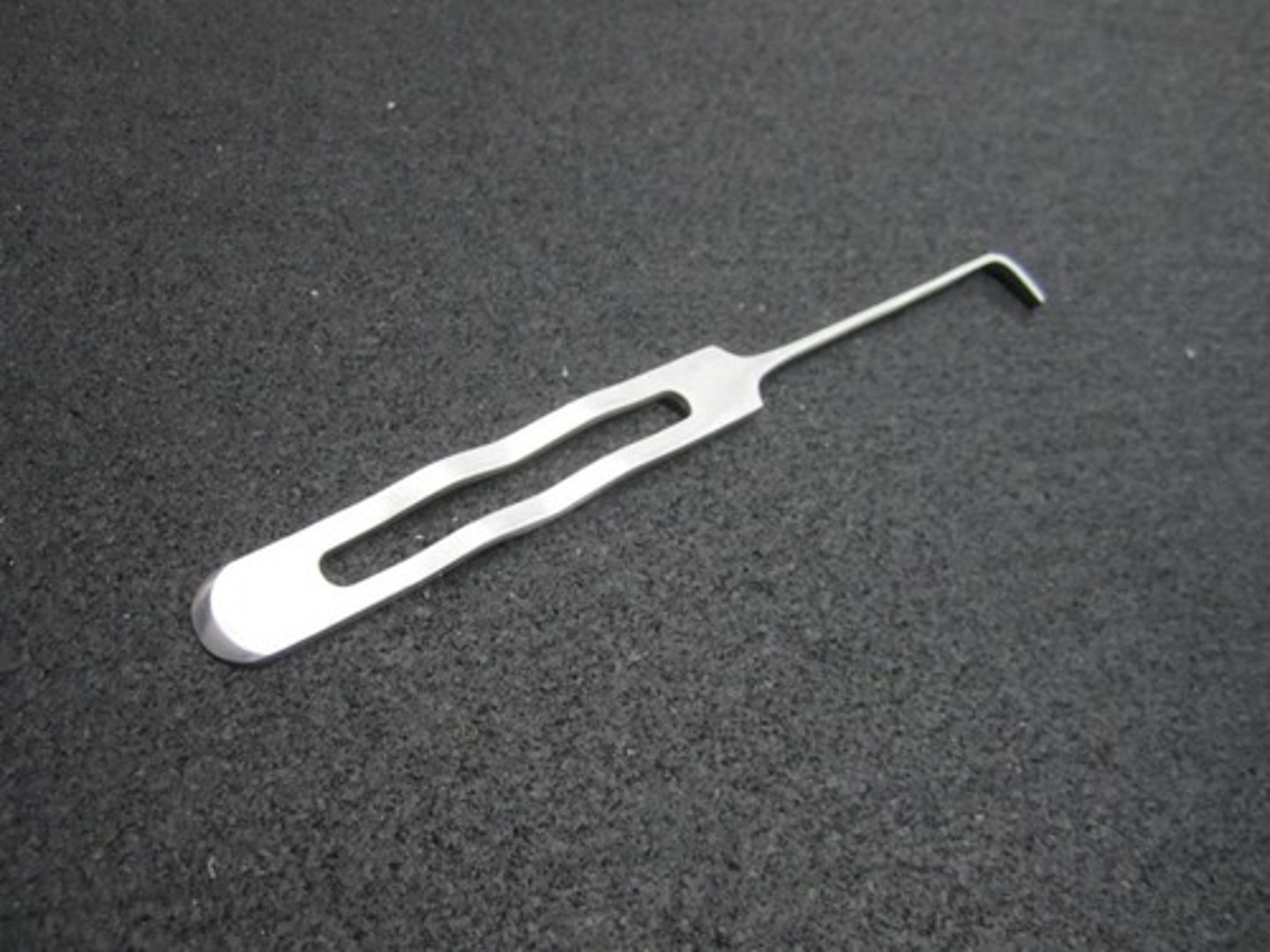
aneurysm Hook
an embalming instrument that is used for blunt dissection and in raising vessels
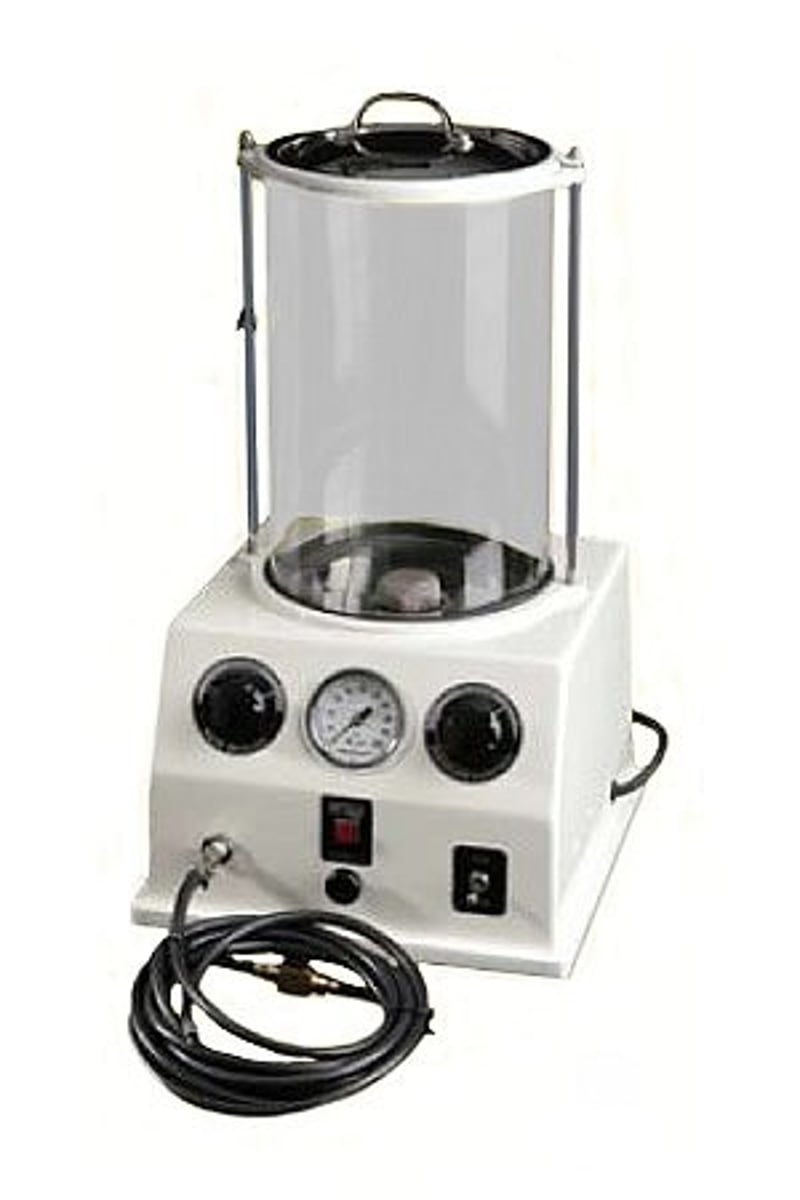
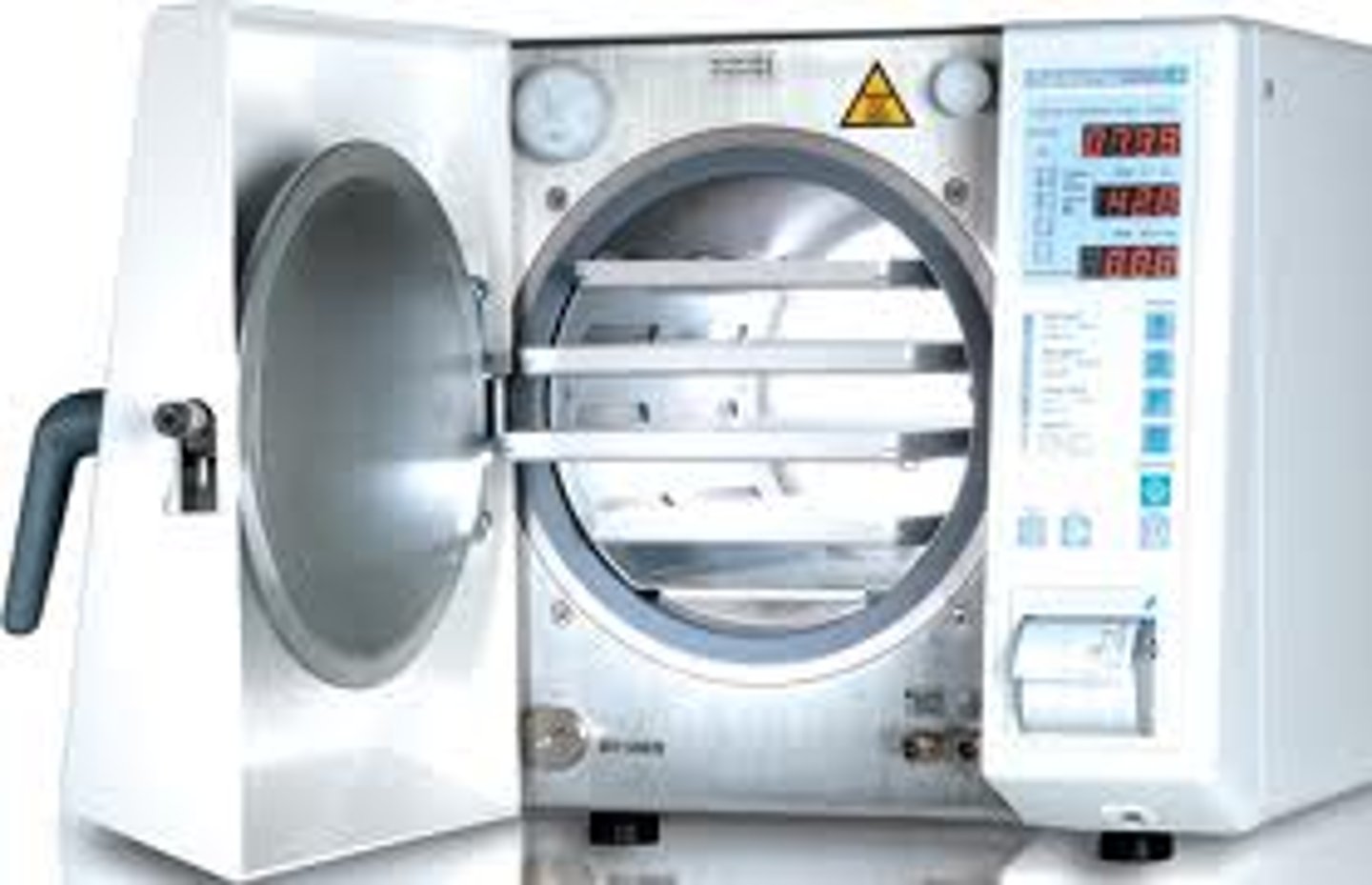
Autoclave
Piece of equipment used to sterilize articles by way of steam under pressure and/or dry heat
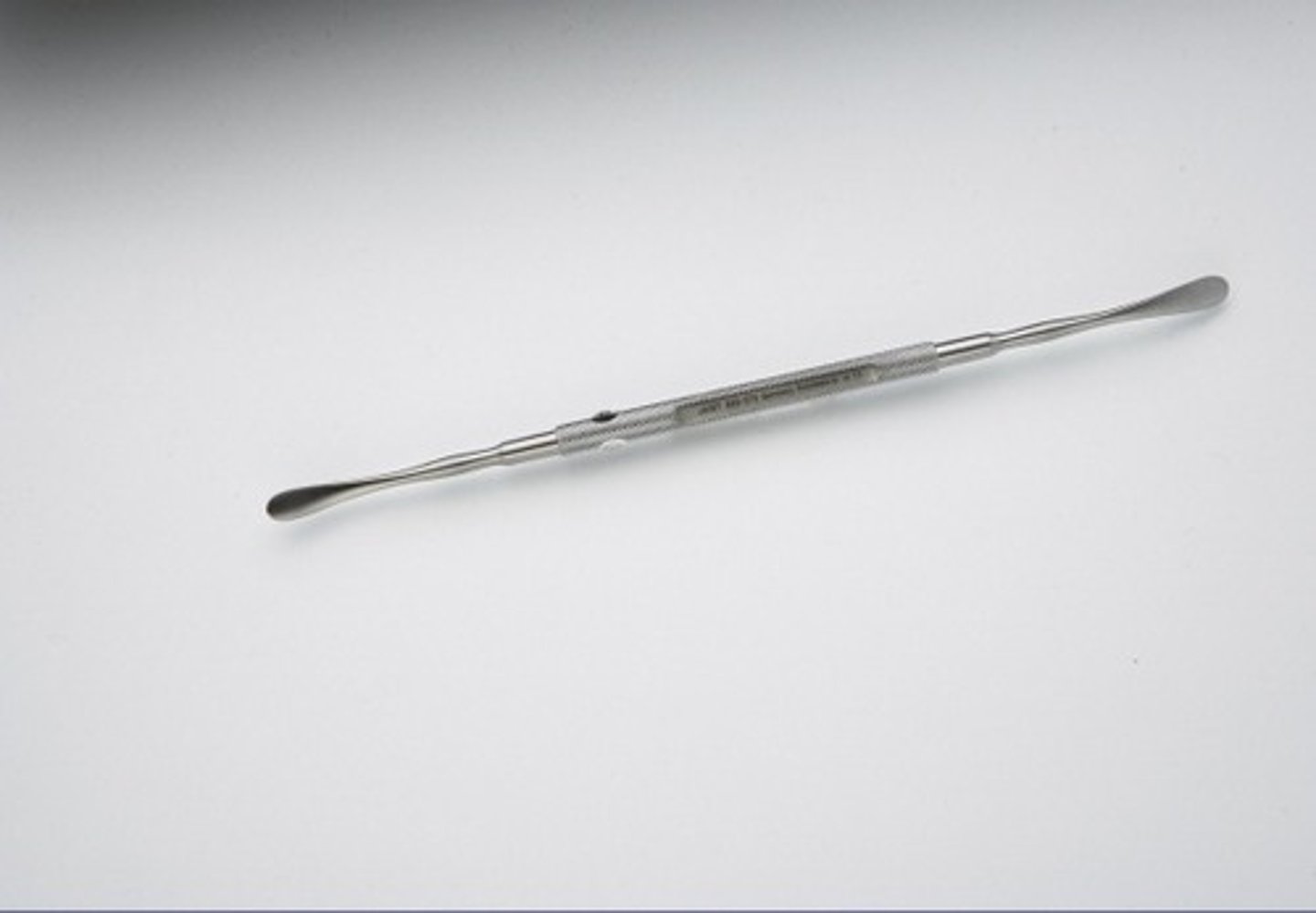
freer elevator
Cutting and Dissecting; Lifts the periosteum from bone or retracts in confined spaces
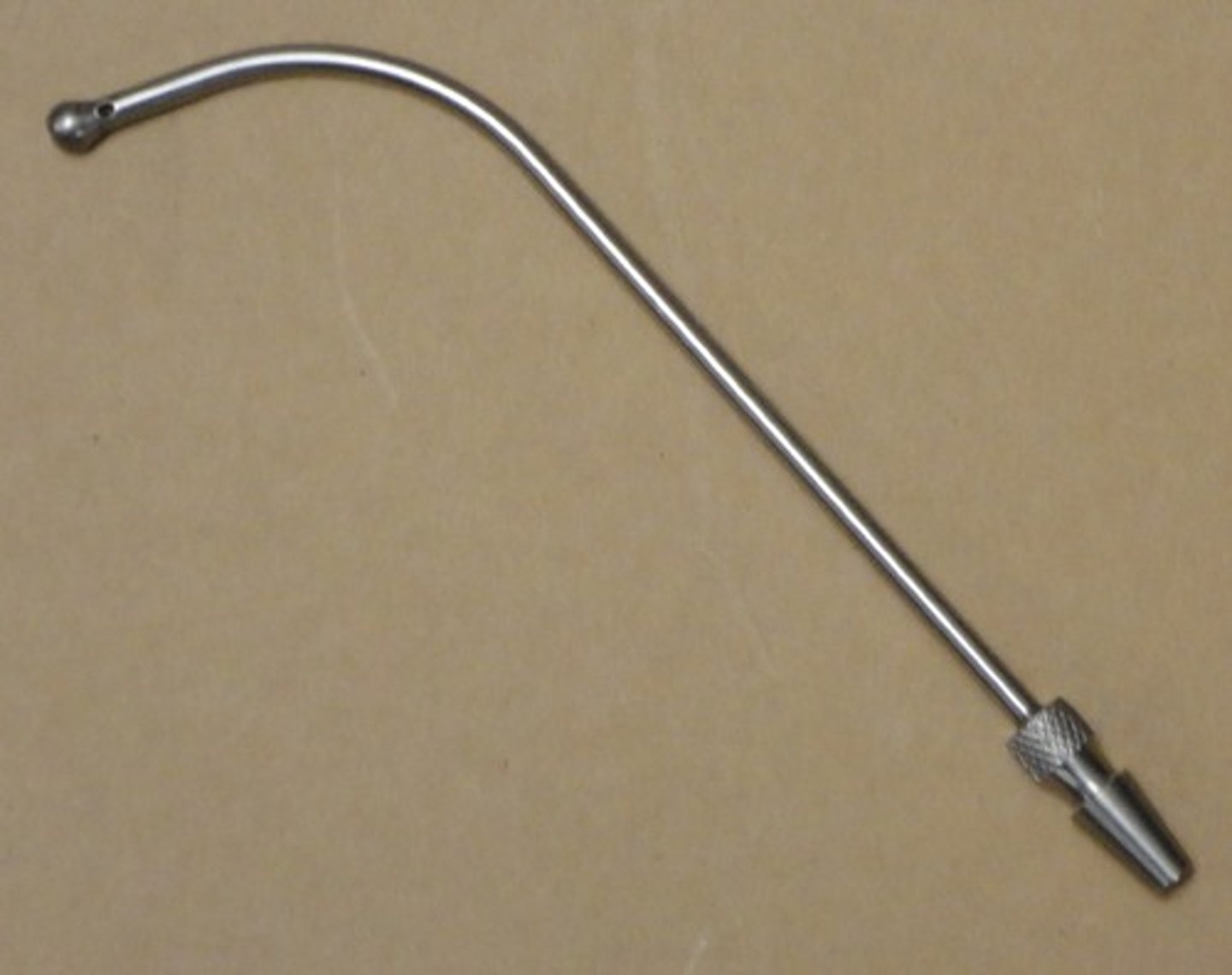
nasal aspirator
Removes purge material directly from the nasal cavity, mouth, and throat via suction
order of brain death
cerebral cortex (abt. 6 mins) --> midbrain --> brain stem
antemortem
occurring before death
postmortem
occurring before death
Agonal death
struggle to breathe, very weak, can't swallow, fingers become cold, change in color, saliva rattles in throat.
Stages of Somatic Death
Clinical death, brain death, biological death, postmortem cellular death
Somatic Death
death of the entire person
2) Brain Death
when the brain must function without oxygen. a diagnosis of death based on the cessation of all signs of brain activity, as measured by electrical brain waves
3) Biological Death
the cessation of simple body processes
1) Clinical Death
a short interval follows in which heartbeat, circulation, breathing, and brain functioning stop, but resuscitation is still possible
4) Post-Mortem Cellular Death
4th stage of somatic death
-the process of complete cellular death may take several hours, depending factors (size, medications, environment)
-cells of the nervous system die quickly
-muscular cells tend to die very slowly
Progression of Somatic Death: Changes during the Agonal Period
2 temperature changes
3 circulatory changes
2 moisture changes
Temperature changes during the Agonal period
Agonal Algor
Agonal Fever
Agonal Algor
decrease in body temperature immediately before death
Agonal Fever
increase in body temperature immediately before death, common with infection, toxemia, and in certain types of food poisoning
Three circulatory changes in the agonal period
Agonal Hypostasis
Agonal Coagulation
Agonal Capillary Expansion
Two moisture changes during the agonal period
Agonal Edema
Agonal Dehydration
Agonal Hypostasis
settling of blood into the dependent tissues of the body
Agonal Coagulation
change from a fluid into a thickened mass of blood immediately before death
Agonal Capillary Expansion
opening of the pores in the walls of the capillaries occurs as the body attempts to get more oxygen to the tissues and cells.
Agonal Edema
escape of blood serum from an intravascular to an extravascular location immediately before death (swelling)
Agonal Dehydration
the loss of moisture from the living body during the agonal state
Necrobiosis vs Necrosis
Necrosis is a result of a disease!!
Necrobiosis
refers to the physiologic or natural death of cells as they complete their life cycles.
Necrosis
pathological death of cells resulting of a disease process