chpt 27 - Population Growth and Regulation
 Studied by 0 people
 Call Kai
 Learn
Learn Practice Test
 Spaced Repetition
 Match
Match Flashcards
 Knowt Play
1/18

Earn XP
Description and Tags
These flashcards cover key vocabulary and concepts related to population growth and regulation as outlined in Biology Life on Earth, focusing specifically on definitions, processes, and terms relevant to population dynamics.
Name | Mastery | Learn | Test | Matching | Spaced | Call with Kai |
|---|
No analytics yet
Send a link to your students to track their progress
19 Terms
Population Growth Rate (r)
Change in population size per unit time; birth rate minus death rate.
r = birth rate - death rate
Biotic Potential
Maximum rate a population can grow under ideal conditions.
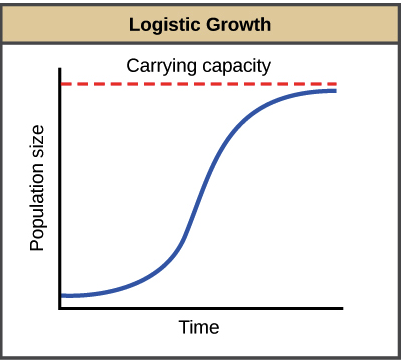
Carrying Capacity (K)
Maximum population size an ecosystem can sustain indefinitely.
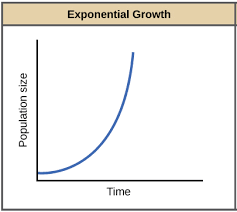
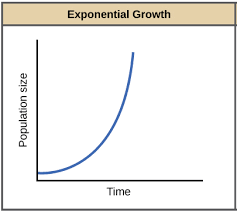
Exponential Growth
Rapid population increase with a constant growth rate; J-shaped curve.
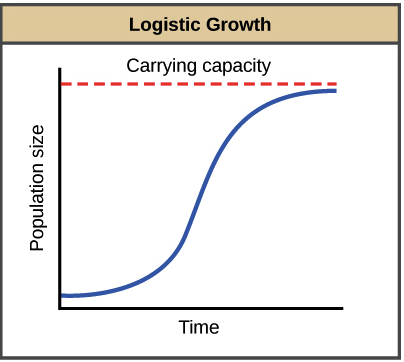
Logistic Growth
Population growth that stabilizes near carrying capacity; S-shaped curve.
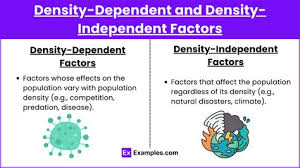
Density-Dependent Factors
Limit growth more strongly as population density increases (e.g., competition, predation).
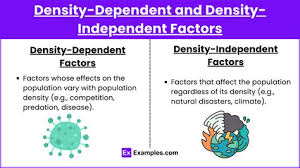
Density-Independent Factors
Limit population size regardless of density (e.g., weather, climate).
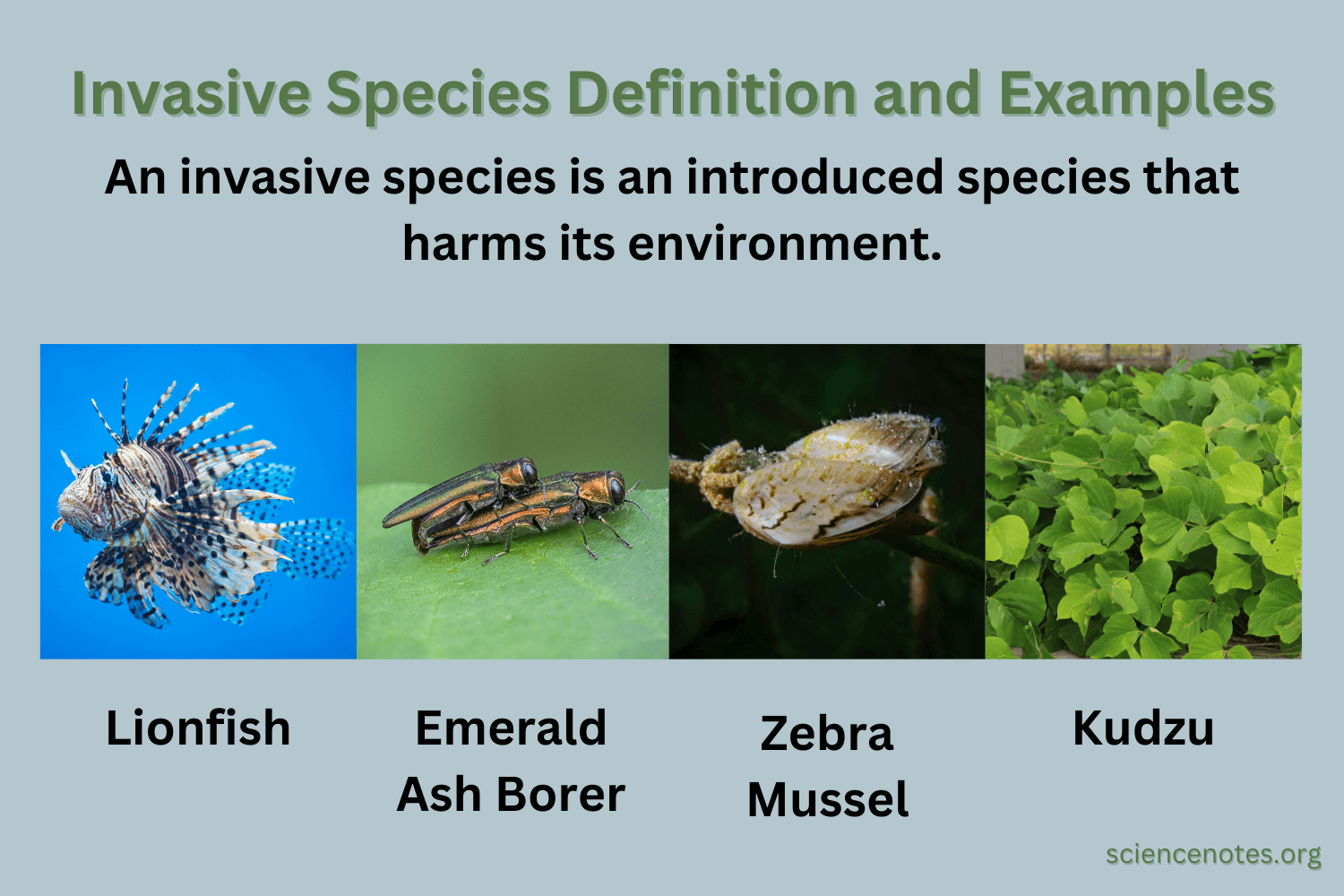
Invasive Species
Species that grow explosively in new habitats due to high biotic potential and little competition.
(species Invading a new environment)
Natural Increase
Difference between births and deaths in a population.
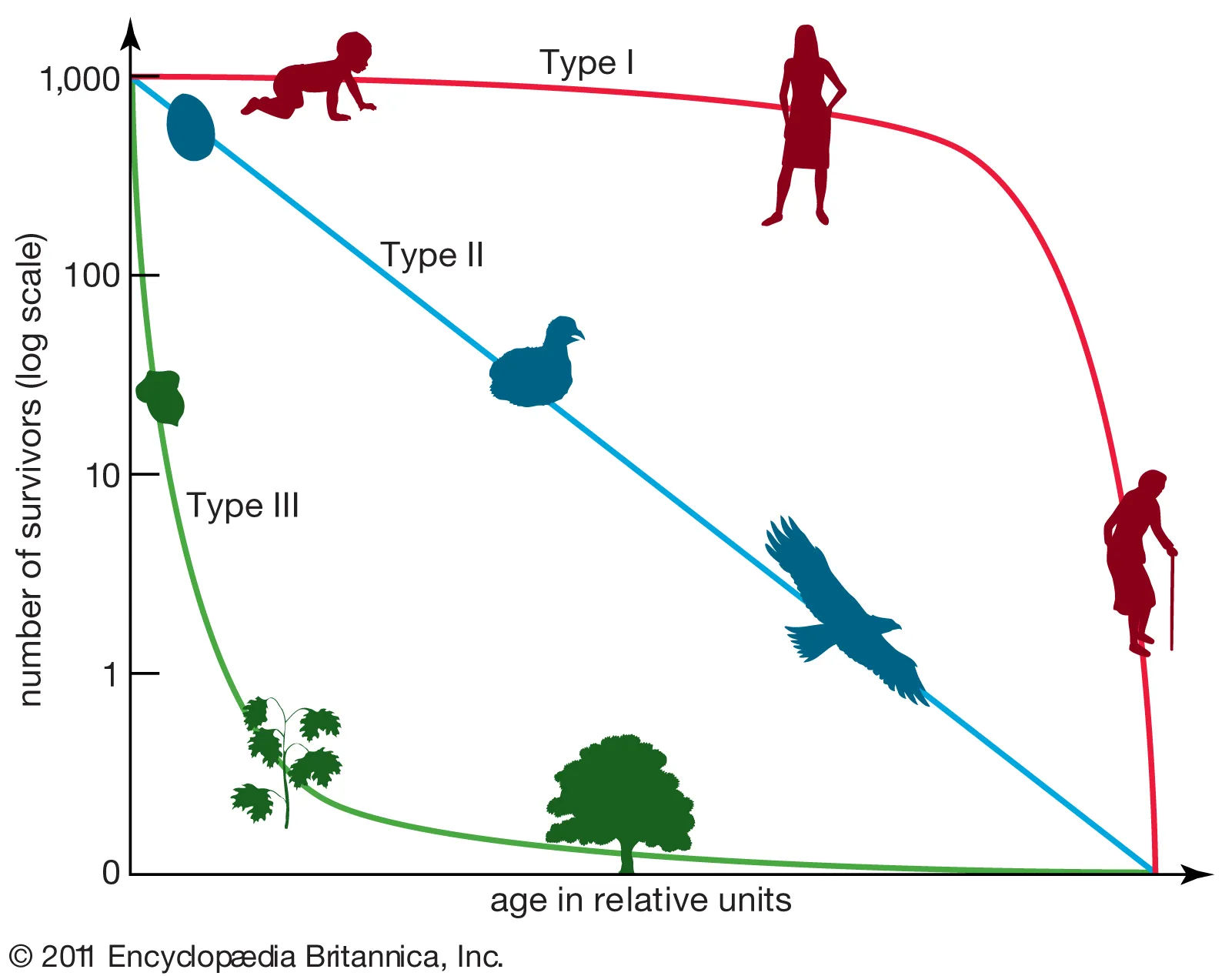
Survivorship Curves
Graphs showing individuals surviving at each age, illustrating mortality patterns.
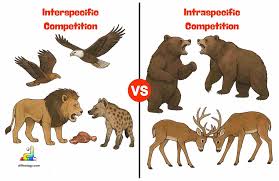
Interspecific Competition
Competition for resources between different species.
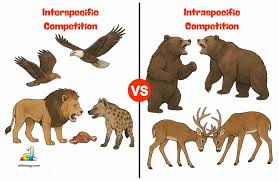
Intraspecific Competition
Competition for resources within the same species.
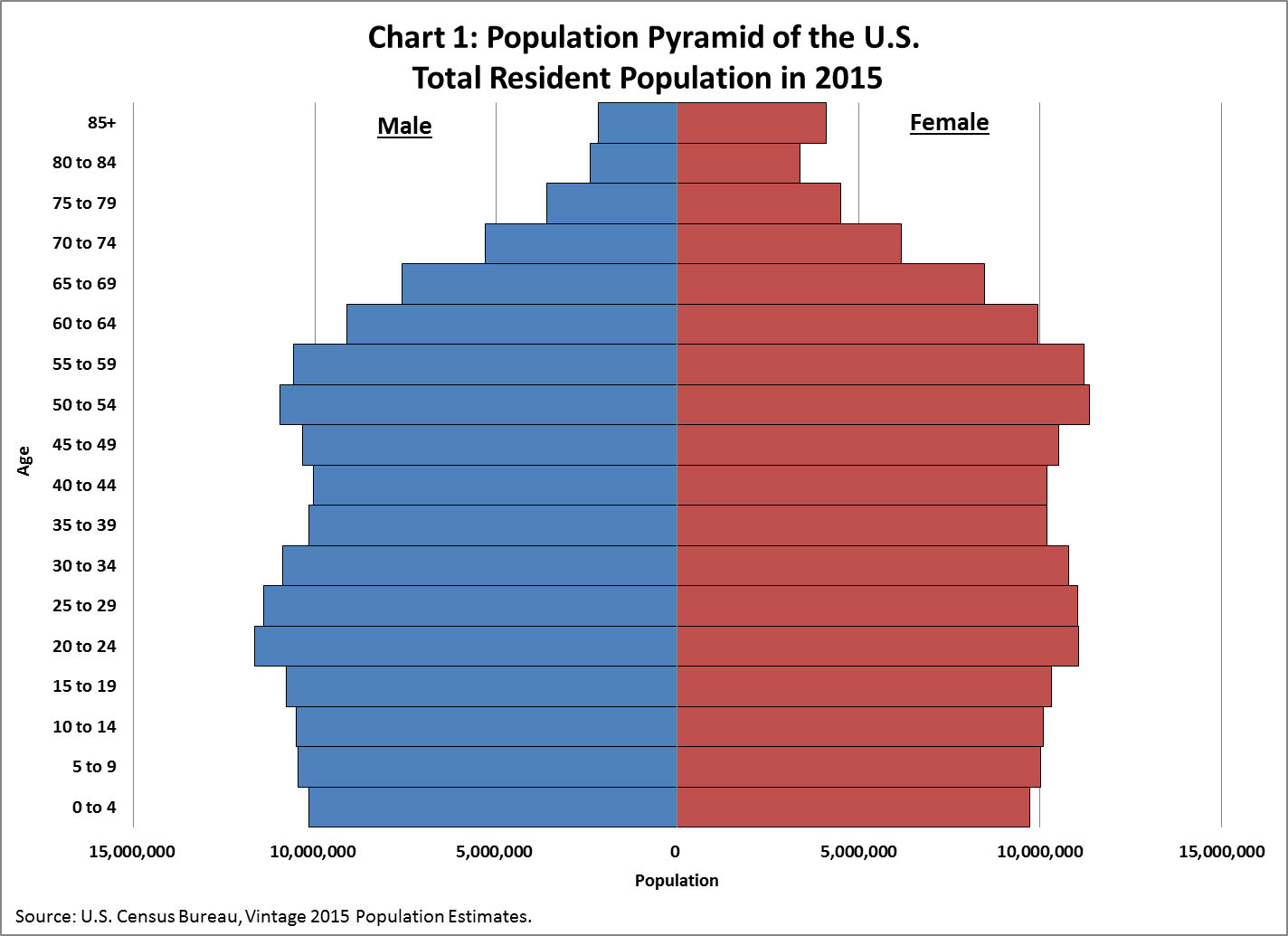
Age Structure Diagram
Graphical representation of a population's age composition, indicating growth trends.
Replacement Level Fertility (RLF)
Average number of children per woman to replace the population (typically 2.1).
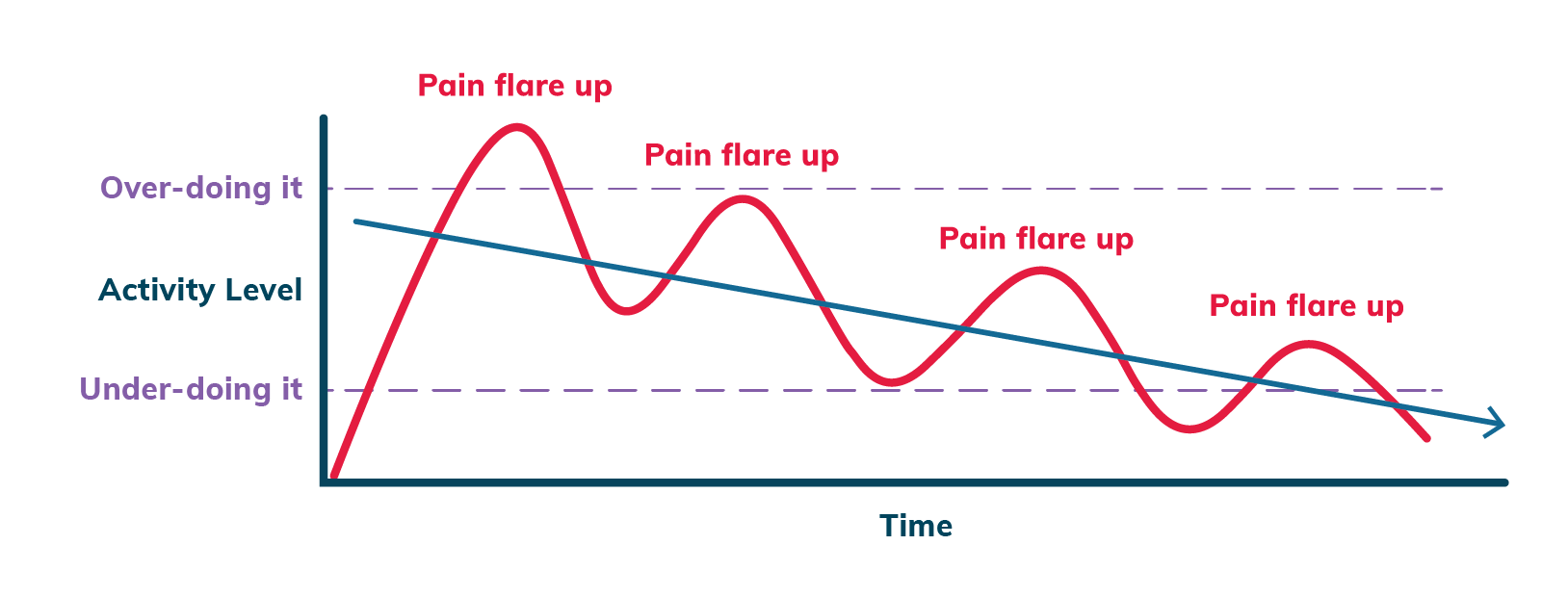
Boom-and-Bust Cycles
Population cycles with rapid growth followed by dramatic decline (common in short-lived species).
Ecological Footprint
Measure of human environmental impact: land and water area needed to support a lifestyle.

Ecology
The study of interactions among organisms and their environment.
Exponential Growth Curve
Plot showing population growth over time as a J-shaped line.
Logistic Growth Curve
Plot showing population growth over time that stabilizes near carrying capacity, appearing as an S-shaped line.
 Note
Note  Flashcards (28)