Genetic Code and Translation
 Note
Note Call Kai
 Learn
Learn Practice Test
 Spaced Repetition
 Match
Match Flashcards
 Knowt Play
1/18

Name | Mastery | Learn | Test | Matching | Spaced | Call with Kai | Chat |
|---|
No analytics yet
Send a link to your students to track their progress
19 Terms
Translation
The process by which the ribosome reads mRNA and synthesizes a protein.
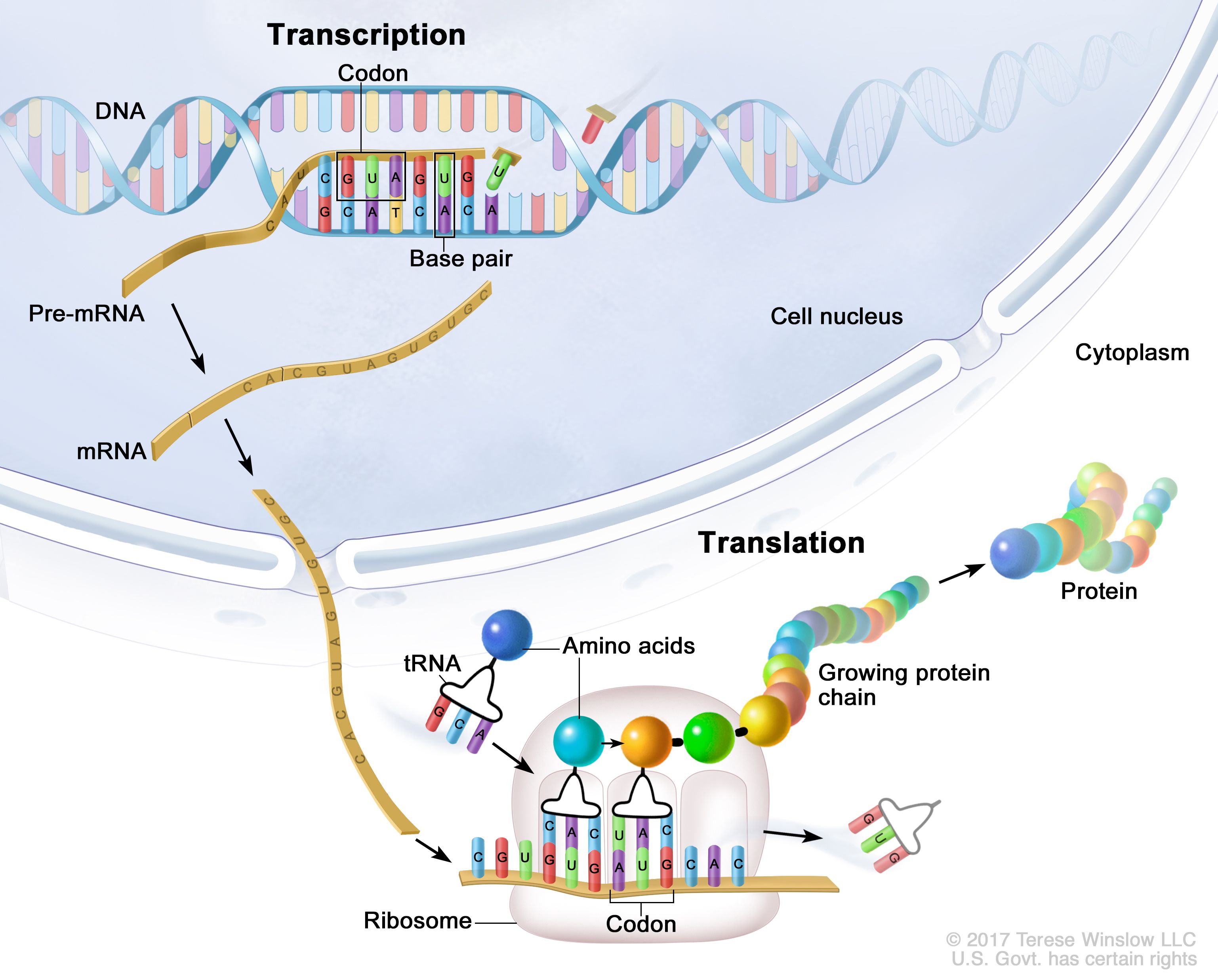
mRNA
Messenger RNA, the type of RNA that carries the genetic code from DNA to the ribosome.
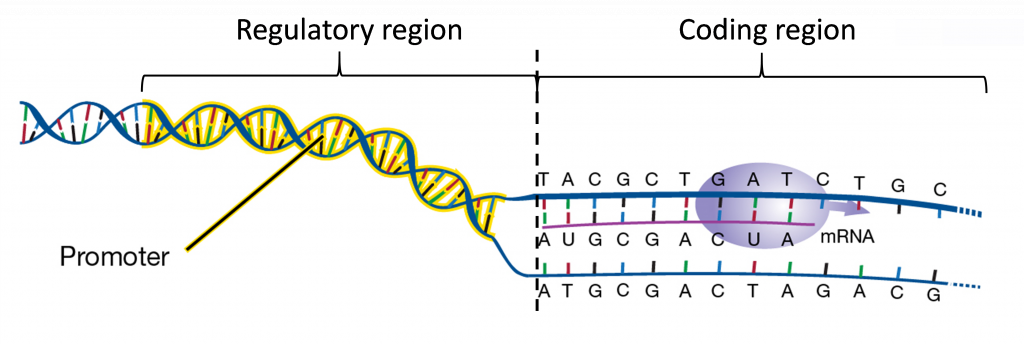
Coding Region
The part of a gene that is read to make RNA.
Regulatory Region
The part of a gene that is used to regulate gene expression.
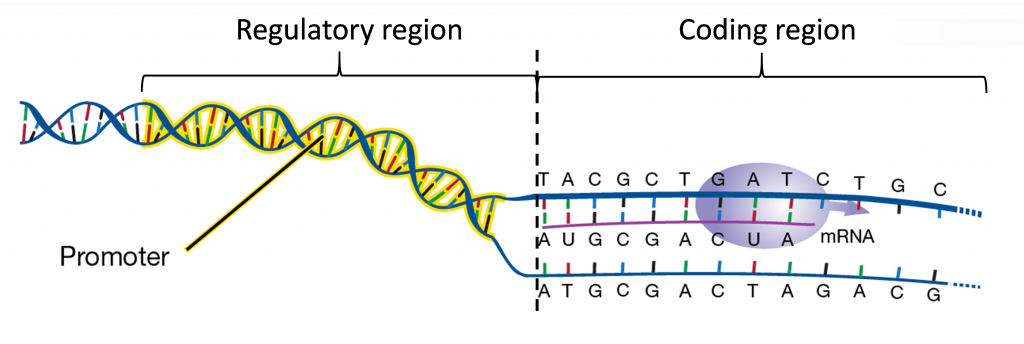
Promoter
A specific sequence in the regulatory region where RNA polymerase binds to initiate transcription.
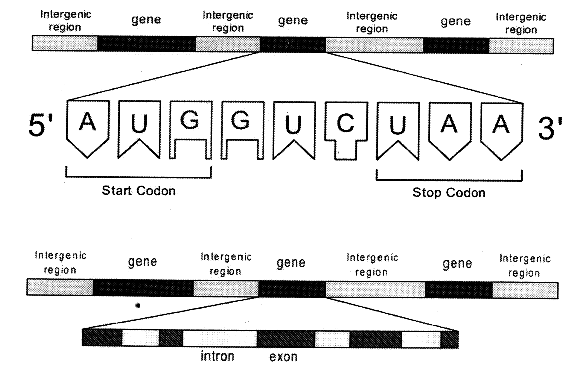
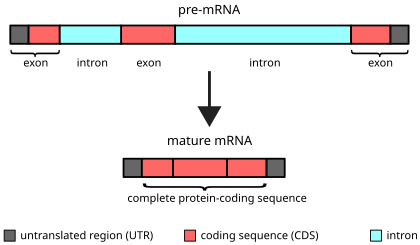
Introns
Non-coding sequences in mRNA that are removed during RNA processing.
Exons
Coding sequences in a gene that are expressed and combined to form the final mRNA.
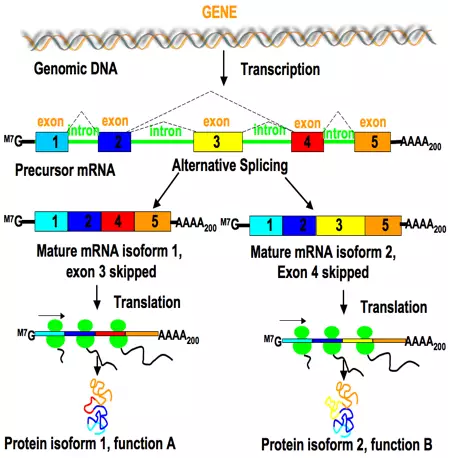
Alternative Splicing
The process by which introns can be included or excluded during mRNA processing. Alternative splicing is a process where different, but related, mRNA transcripts are produced from the same gene by joining exons in different combinations, resulting in proteins with distinct structures and functions from a single gene.
Codon
A sequence of three nucleotides in mRNA that codes for a specific amino acid.
Start Codon
The codon AUG, which signals the start of translation and codes for methionine.
Stop Codon
Codons that signal the termination of protein synthesis (UAA, UAG, UGA).
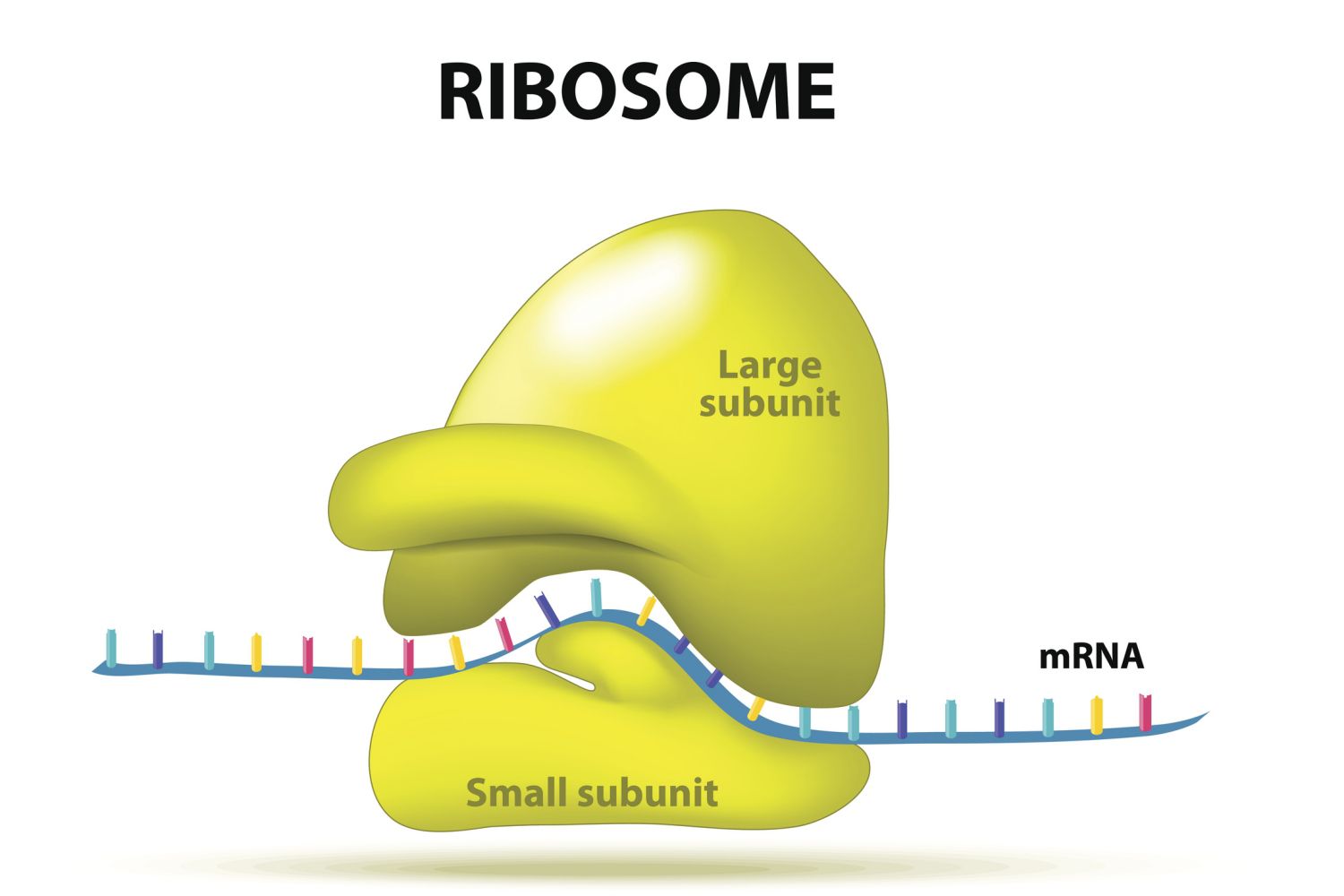
Ribosome
The molecular machine that translates mRNA into protein.
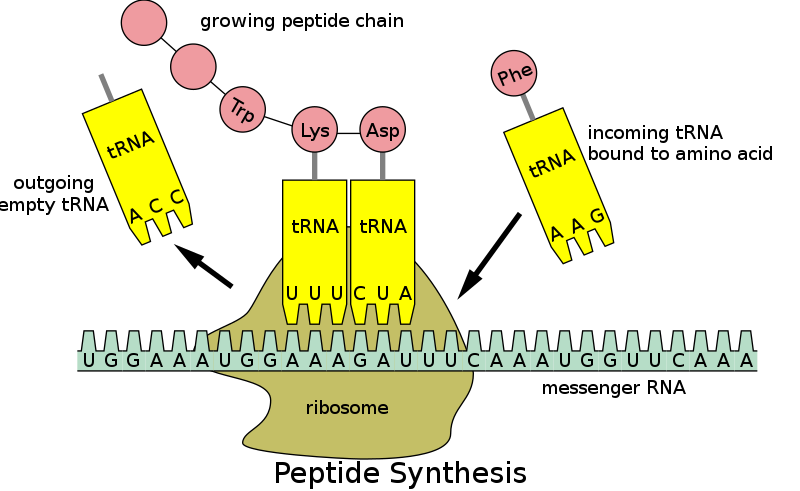
tRNA
Transfer RNA, the molecule that carries amino acids to the ribosome during translation.
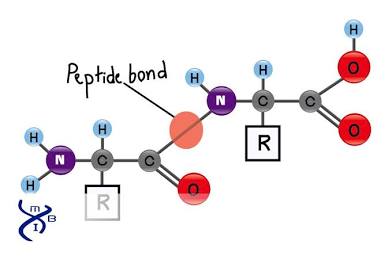
Peptide Bond
The covalent bond formed between amino acids during protein synthesis.
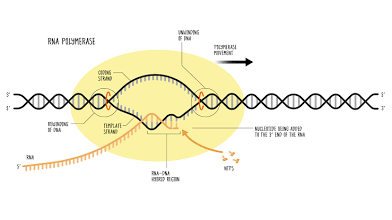
RNA Polymerase
RNA polymerase (RNAP) is an enzyme that copies DNA sequences into RNA sequences during the process of transcription
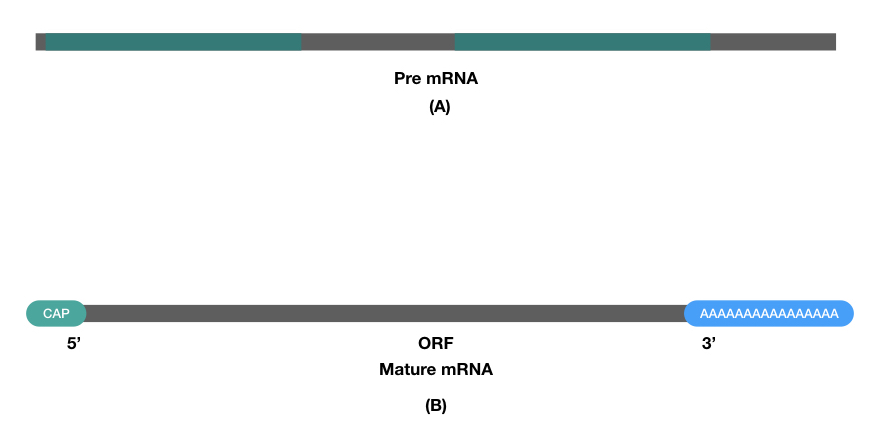
5' Cap
A modified guanine nucleotide added to the 5' end of mRNA, important for stability and translation initiation.
Poly(A) Tail
A tail of adenine nucleotides added to the 3' end of mRNA to protect it from degradation.
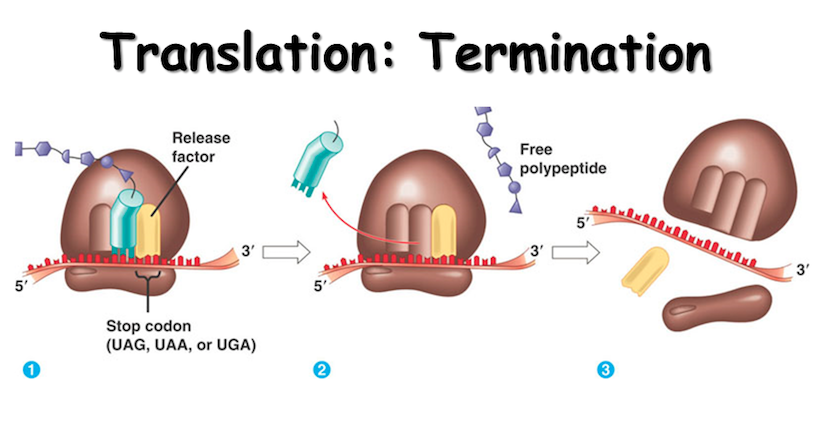
Release Factor
A protein that binds to the ribosome when a stop codon is reached, triggering the release of the newly synthesized protein.
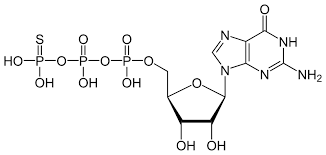
GTP
Guanosine triphosphate, a molecule used for energy in protein synthesis. It’s a nucleotide, a molecule consisting of a sugar (ribose), a nitrogenous base (guanine), and three phosphate