Art Exam #4
 Call Kai
 Learn
Learn Practice Test
 Spaced Repetition
 Match
Match Flashcards
 Knowt Play
1/17

There's no tags or description
Looks like no tags are added yet.
Name | Mastery | Learn | Test | Matching | Spaced | Call with Kai |
|---|
No analytics yet
Send a link to your students to track their progress
18 Terms
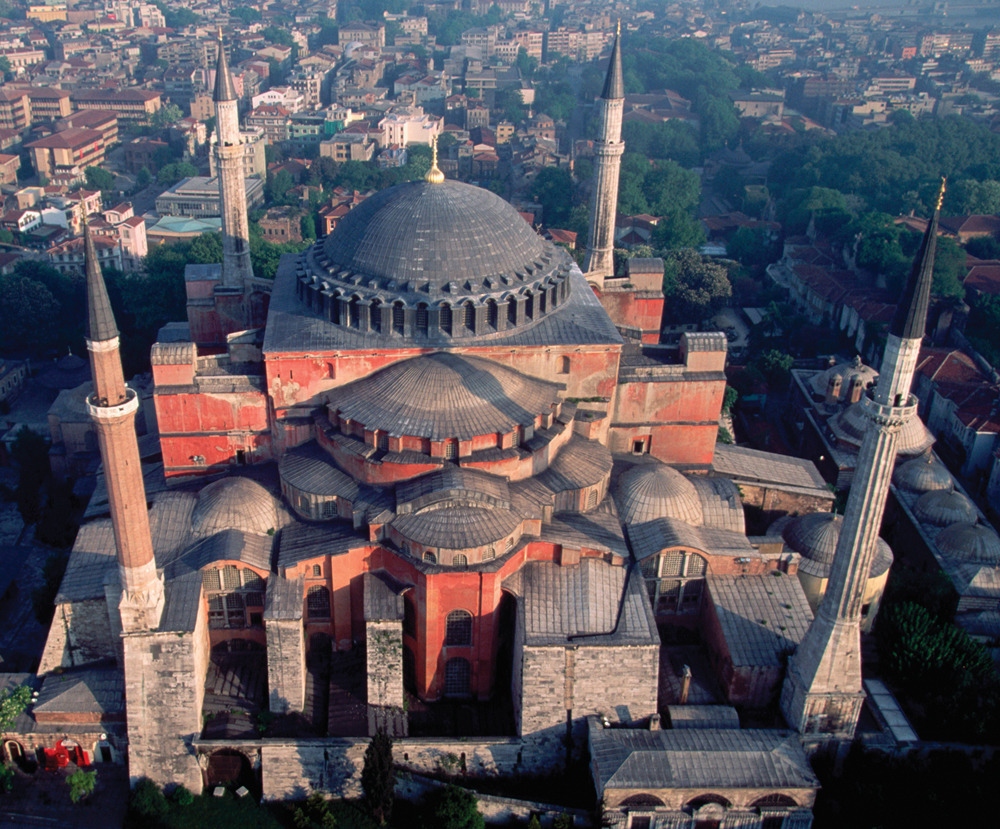
ANTHEMIUS OF TRALLES and ISIDORUS OF MILETUS, Hagia Sophia, Byzantine
churches were being renovated at this time
cut stone becomes popular
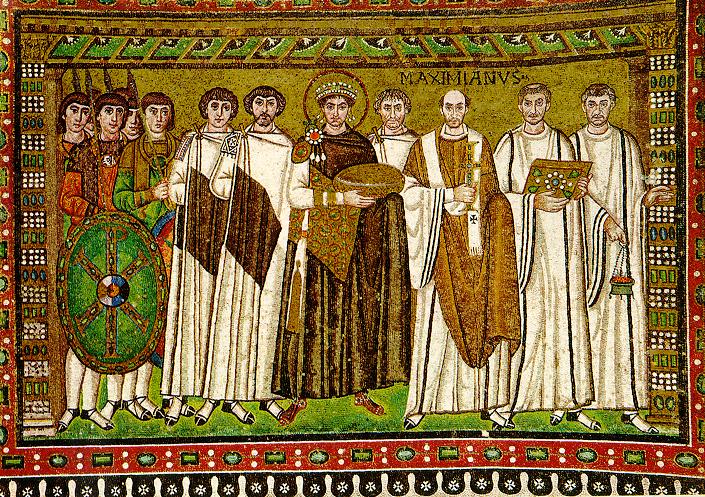
Justinian, Bishop Maximianus, and Attendants, Byzantine
Justinian depicted himself as chosen by God
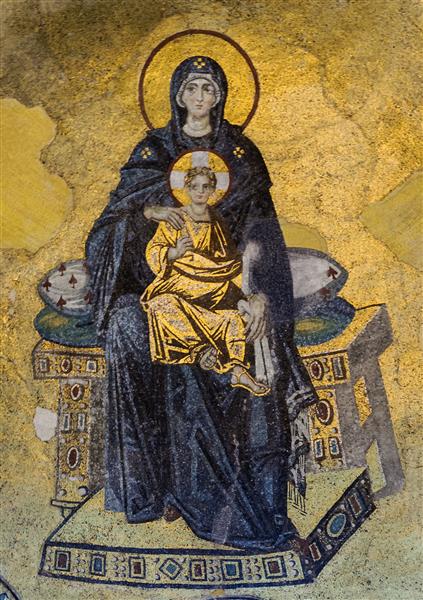
Virgin and Child Enthroned (Theotokos), Apse Mosaic in Hagia Sophia, Byzantine
made after icons were determined ok
Mary represented with shades of blue, baby blue = before Jesus’ death navy blue = after His death
Mary - is bearing her new Greek Orthodox title of Theotokos.
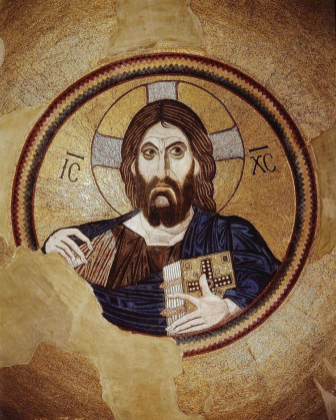
Christ as Pantokrator, from the Church of the Dormition, Byzantine
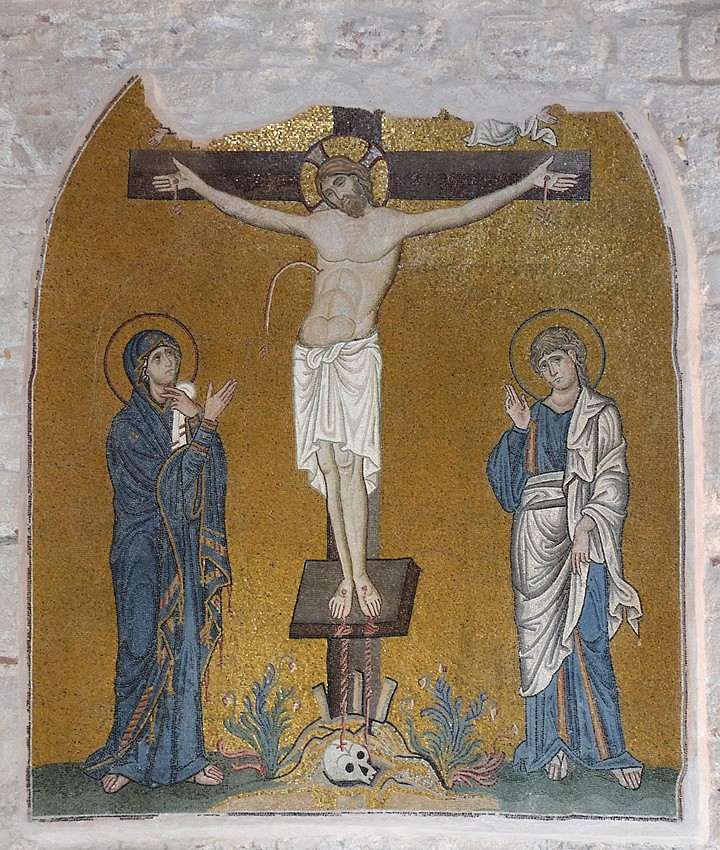
Crucifixion, from the Church of the Dormition, Byzantine
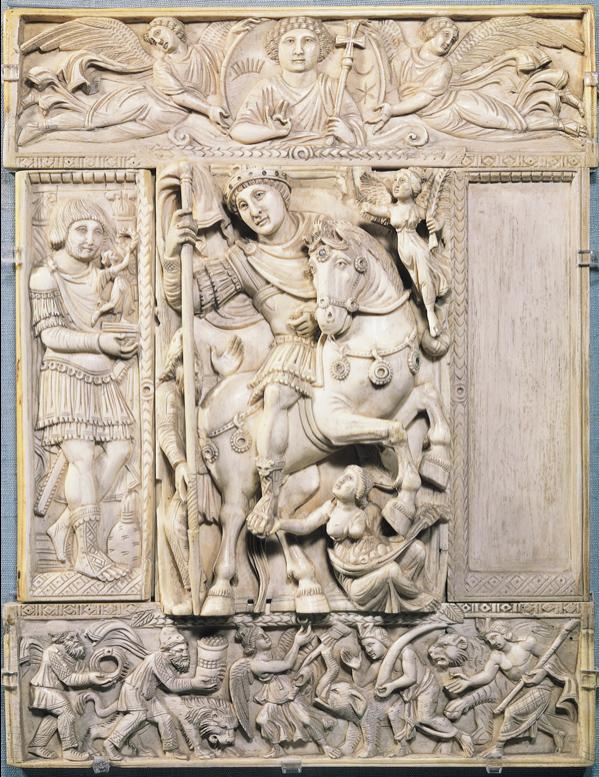
Justinian as World Conqueror, Byzantine
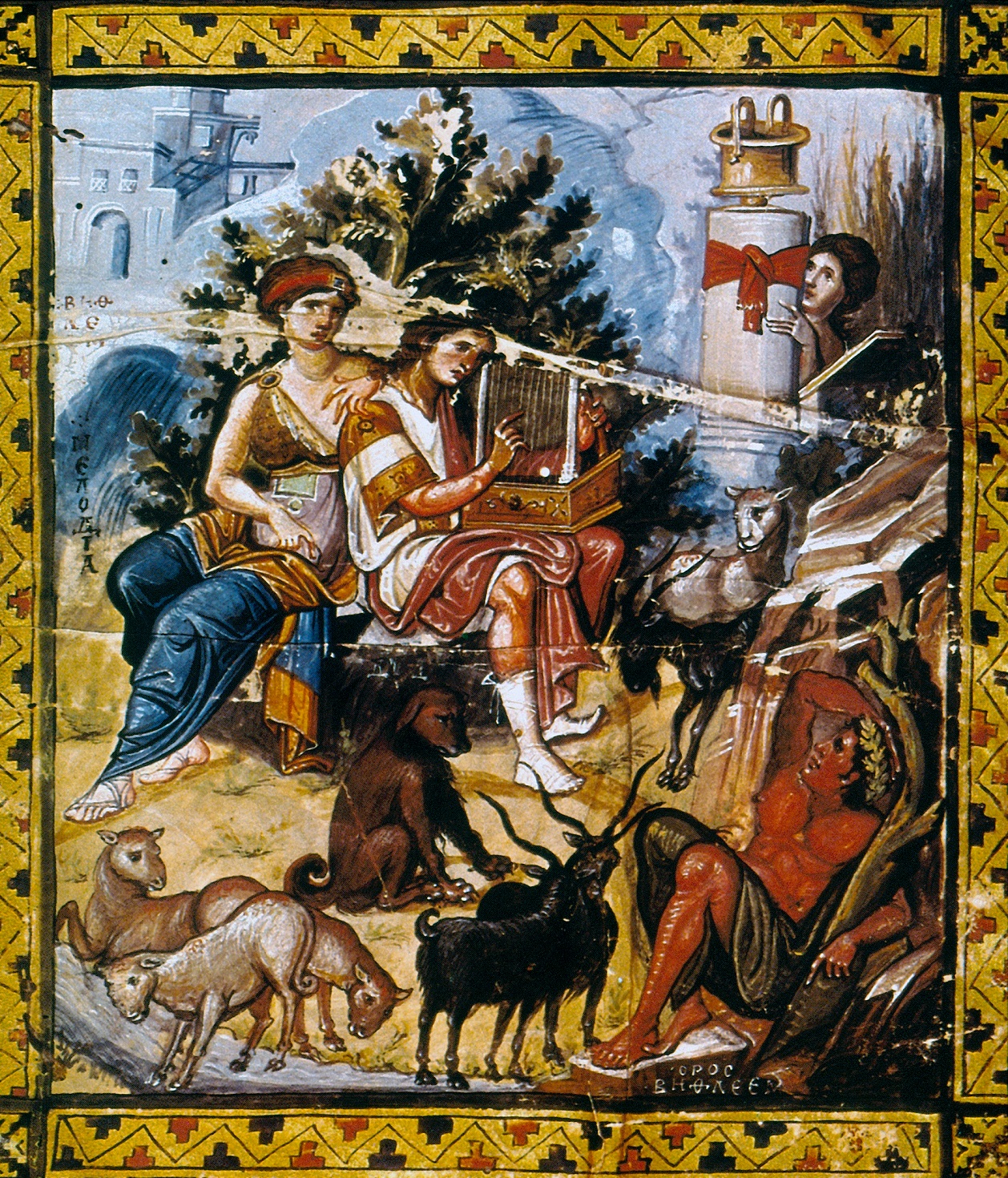
David Composing the Psalms, from the Paris Psalter, Byzantine
red character = representation of the mountain of Bethlehem
Byzantine Architecture and it’s Decorative Interiors
Dome on Pendentives
- Dome over larger dome that distributes the weight down the piers
Dome on Squinches
- Dome over secondary supports (Arches, Corbels, or Lintels) forming an octagon
- Geometric System of Measurement and Balance Distribution = Circle over Square
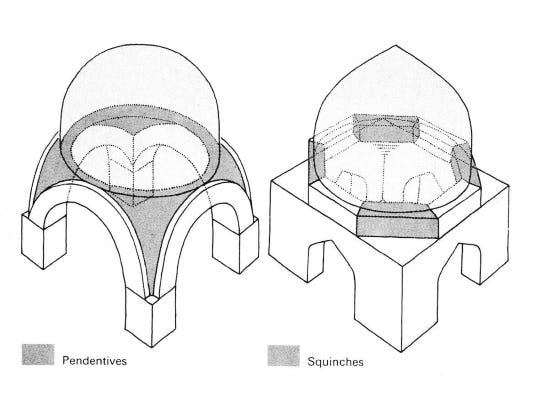
Dome on Pendentive, Dome over larger dome that distributes the weight down the piers
Dome on Pendentives - A dome is applied over a larger, rounded groin vault
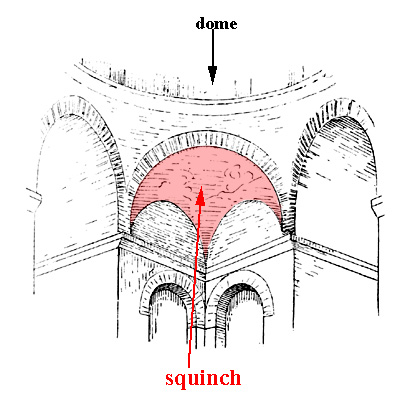
Dome on Squinches, Dome over secondary supports (Arches, Corbels, or Lintels) forming an octagon
Dome on Squinches - A dome is applied over a secondary support, such as a cushiony cut stone, and then stacked on top of a larger squared arch portal system.
Pendentives and Squinches
A supportive system which employs geometric designs of circles and squares
nimbii
his topped with a white cross pattern to denote his status.
Mandorla
This almond-shaped outline (man in a door)
Icons and the Iconoclasm
-In use as early as 4th century; Height of
popularity in 6th c. CE still used today in
many regions of the world today
-Viewed as “Devotional” items; most were used for Personal, Private Use, but many used publicly for social status
-Appropriate Use = Icon Veneration vs. Too Much Use = Idol Worship
-
-Backlash arose in 8th c. CE towards images due to debate of use for Teaching Tools for the Illiterate versus the 2nd Commandment: “No Graven Images”
Iconophiles
Supporters of Art
Those who admired the artworks and treasured them not only for their holy presence, but also for their beauty and ancestral association, using them as teaching tools.
Iconoclasts
Disapproved of Use of Art
Those who destroyed the imagery and made strong reference the 2nd commandment quote of No Graven Images.
Icons
devotional items that were used as representative images of holy characters,
Theotokos
Mary’s new Greek Orthodox title

