CM Level 7 Piano Theory
 Studied by 0 people
 Call Kai
 Learn
Learn Practice Test
 Spaced Repetition
 Match
Match Flashcards
 Knowt Play
1/172

There's no tags or description
Looks like no tags are added yet.
Name | Mastery | Learn | Test | Matching | Spaced | Call with Kai |
|---|
No analytics yet
Send a link to your students to track their progress
173 Terms
Aeolian mode(on A)
scale or tonality with the same pattern of half steps and whole steps that occur when beginning and ending on the sixth note of the Major scale, like natural minor; half steps occur between notes 2-3 and 5-6, as if playing all whites keys from A to A
authentic cadence
a V-I cadence; in harmonic minor, V-i
cadence
a closing or ending for a phrase of music, made up of two or more chords
chromatic scale
a scale consisting of all twelve notes, with half-steps between all notes
deceptive cadence
a V-vi cadence; in harmonic minor, V-VI
diminished seventh chord
a four note chord made up of a diminished triad and a diminished 7th above the root
dominant seventh
a four not chord made up of a Major triad and a minor 7th above the root; root position V7, first inversion V6/5, second inversion V4/5, and third inversion is V2(4/2 or 6/4/2)
Dorian mode(on D)
scale or tonality with the same pattern of half steps and whole steps that occur when beginning and ending on the second note of the Major scale; half steps occur between notes 2-3 and 6-7, as if playing all white keys from D to D
first inversion
a triad written with the third as the lowest note
half cadence
a cadence which ends with the V chord
interval
the distance between two notes, named with numbers
inversion
a triad with a note other than the root as the lowest note
Ionian mode(on C)
scale or tonality with the same pattern of half steps and whole steps as the Major scale; half steps occur between notes 3-4 and 7-8 like the major scale
key signature
the sharps or flats at the beginning of a composition that indicate the key or tonality and which notes receive sharps or flats
Mixolydian mode(on G)
scale with the same pattern of half steps and whole steps that occur when beginning and ending on the fifth note of the Major scale; half steps occur between notes 3-4 and 6-7, as if playing all white keys from G to G
modes
scales or tonalities
plagal cadence
a IV-I cadence; in minor iv-i
primary triads
the I, IV, and V chords; in minor, i , iv, and V
root position
a triad written in a position so that the note which names it is lowest
scale
series of notes in alphabetical order with a specific pattern of whole steps and half steps
scale degree names
tonic, supertonic, mediant, subdominant, dominant, submediant, leading tone
Major
I = Tonic
ii = Supertonic
iii = Mediant
IV = Subdominant
V = Dominant
vi = Submediant
vii* = Leading tone
Minor
i = Tonic
ii* = Supertonic
III+ = Mediant
iv = Subdominant
V = Dominant
VI = Submediant
vii* = Leading Tone
second inversion
a triad written with the fifth as the lowest note
secondary triads
the ii, iii, vi and vii chords; in minor, ii, III+/III, VI, and vii
triad
a chord with three different notes based on the interval of a third; qualities may be Major, minor, Augmented, or diminished
whole tone scale
a scale that consists entirely of whole steps
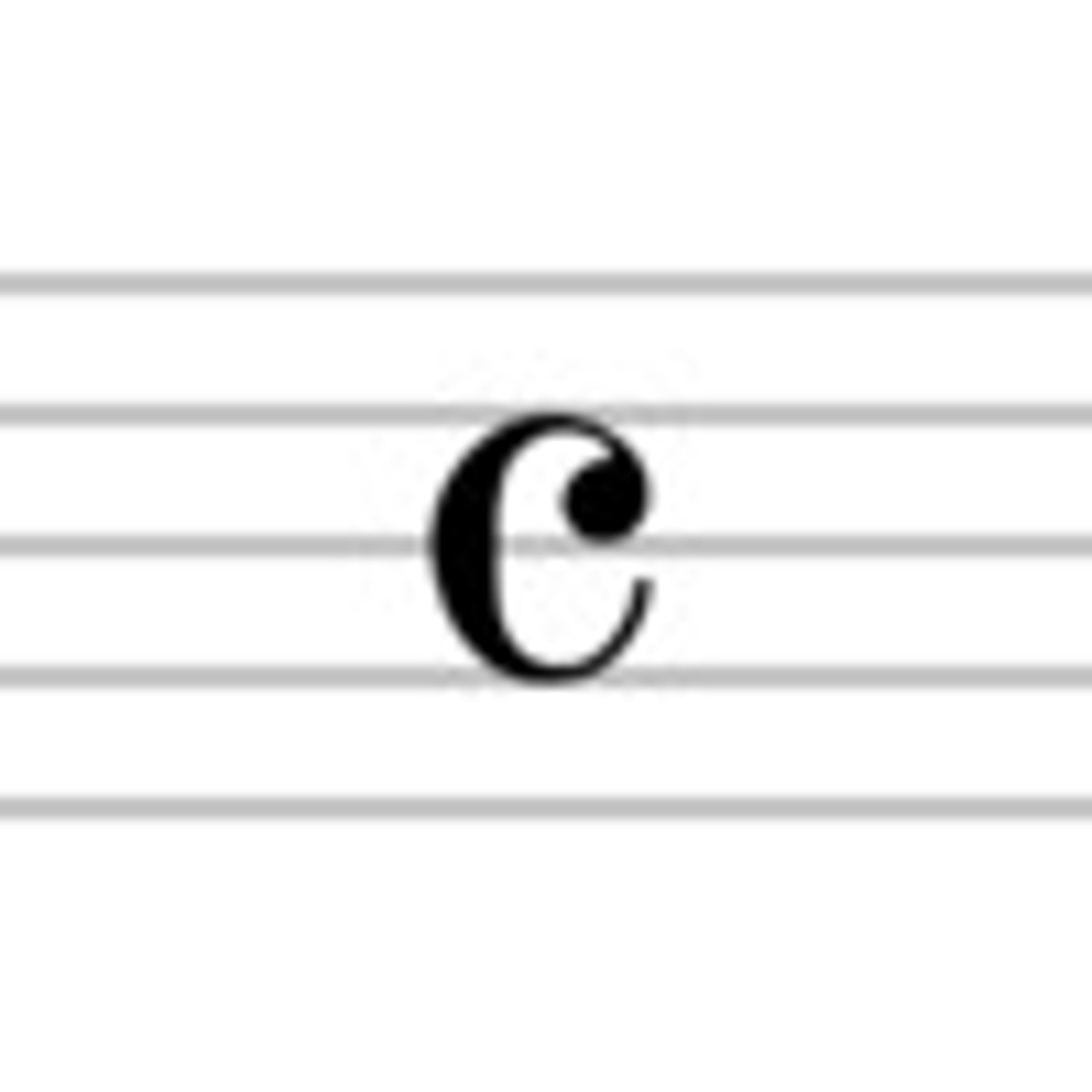
Common Time
stands for 4/4
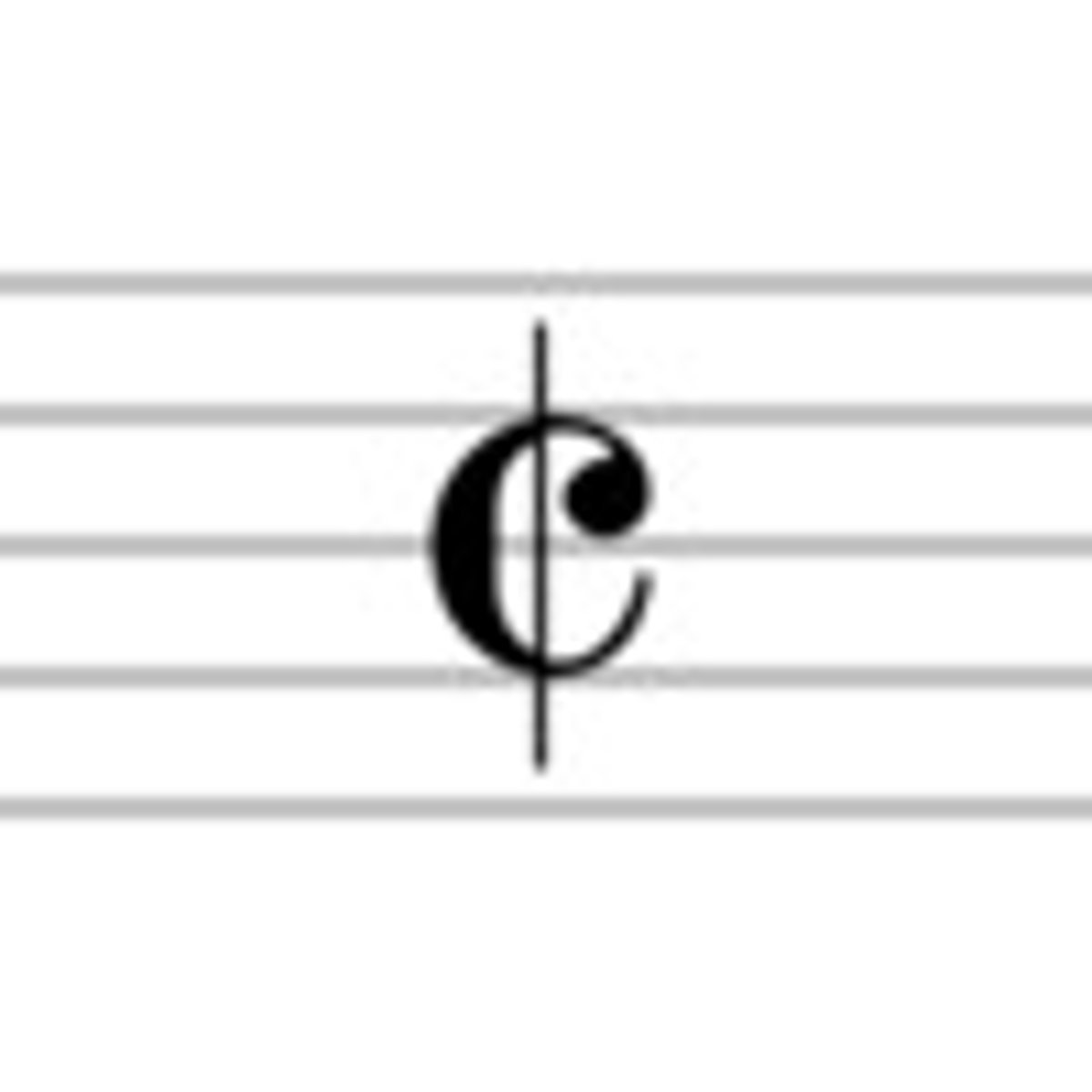
Alla Breve
stands for 2/2
meter
it is determined by the time signature, and refers to the division of beats into equal groups
upbeat
It occurs when an incomplete measure begins the music, so the last beat or beats are "borrowed" from the final measure and placed at the beginning
a tempo
return to the original tempo
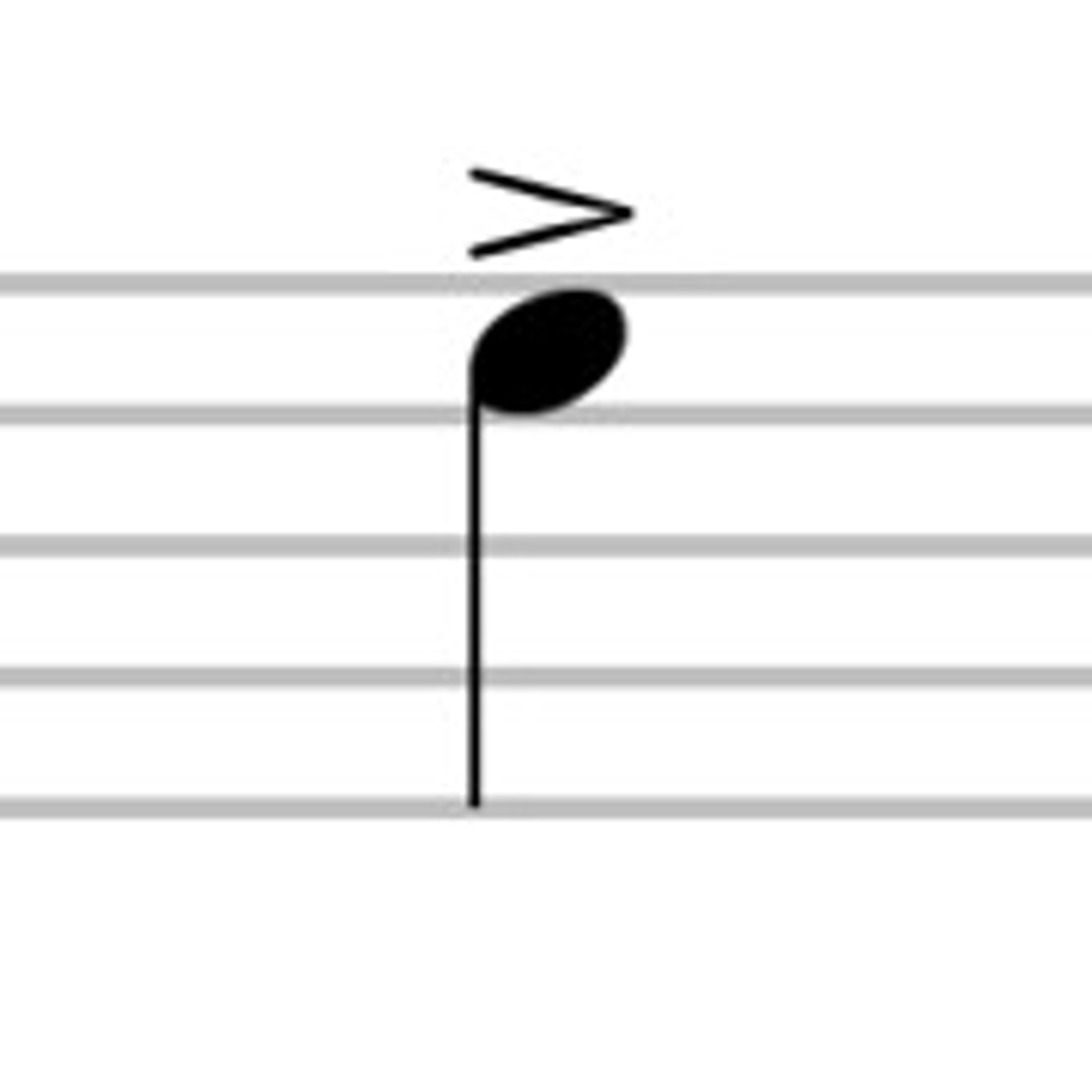
accent
play the note louder than the others
accelerando
accelerate; gradually faster
accidentals
sharps, flats, or naturals written before the notes that are not in the key signature
adagio
slowly
allargando
broadening; gradually slower
allegro
fast or quick; cheerfully, merrily
allegretto
slightly slower than allegro; faster than andante
andante
a moderate walking tempo
andantino
slightly faster than andante; some composers use it to mean slower than andante
animato
animated; with spirit
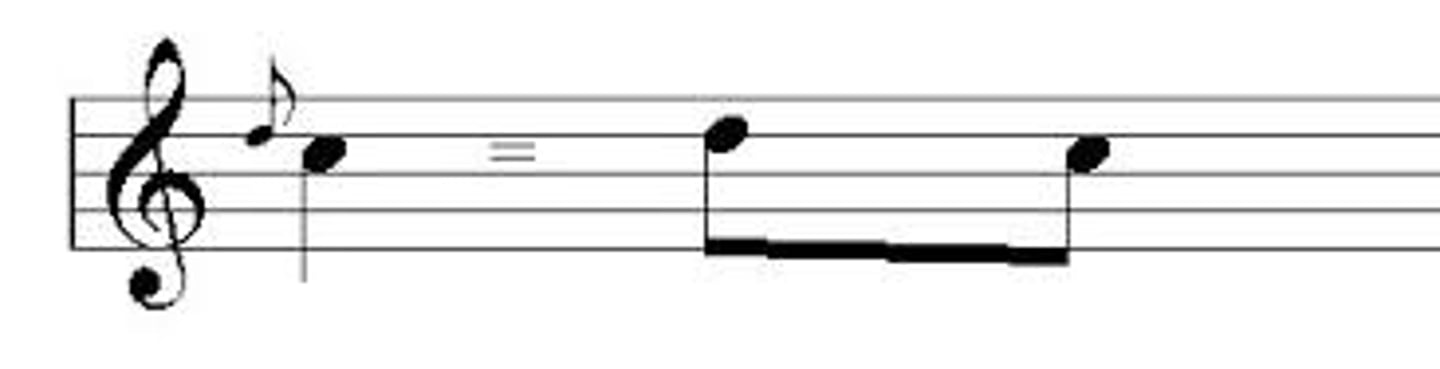
appoggiatura
used mainly in music of the Classical Period, play the first note as half the value of the second note
arpeggio
a broken chord
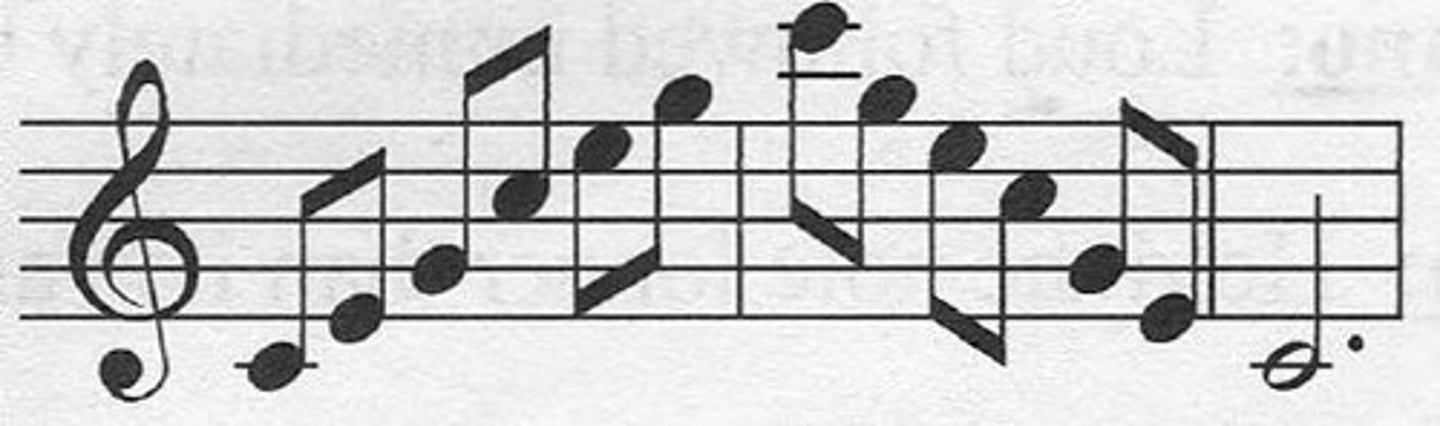
atonality
no specific key or tonality
articulation
the manner in which notes are executed, including but not limited to legato and staccato
bitonality
the use of two different keys at the same time
canon
a strict form of contrapuntal writing in which each voice exactly imitates the melody of the first voice (strict copy of the entire melody)
cantabile
in a singing style
con brio
with vigor or spirit(with brilliance)
coda
an extended ending
codetta
a short coda, or a short section of music that connects two other sections but is not part of either
con
with
con moto
with motion
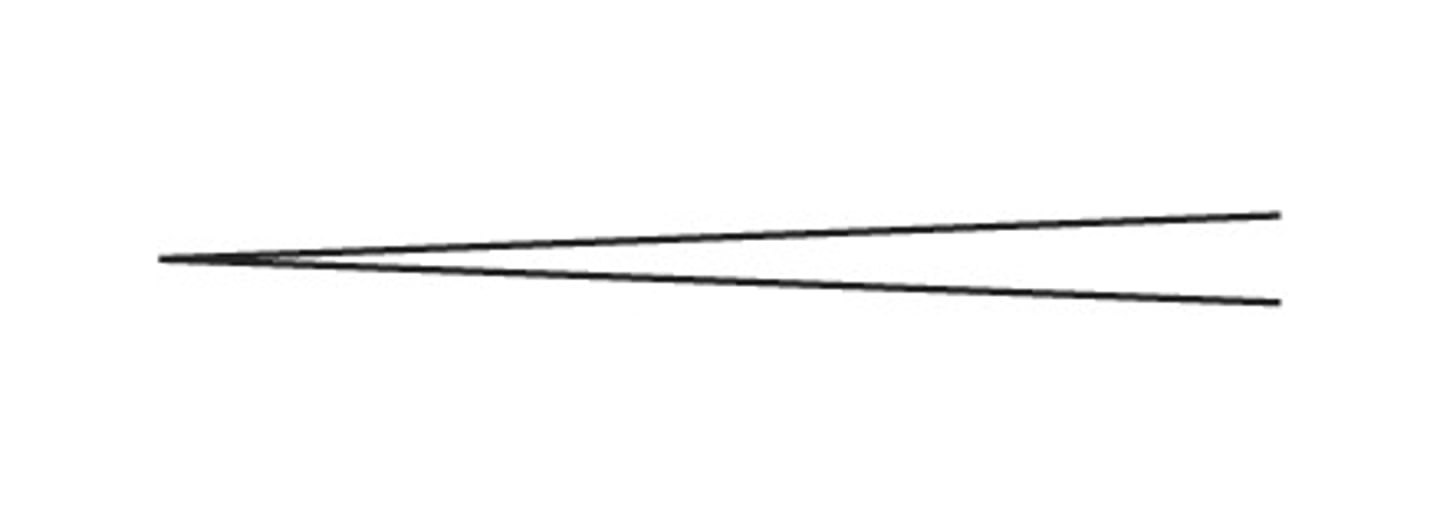
crescendo(cresc.)
gradually louder
D.C. al fine
go back to the beginning and play to find
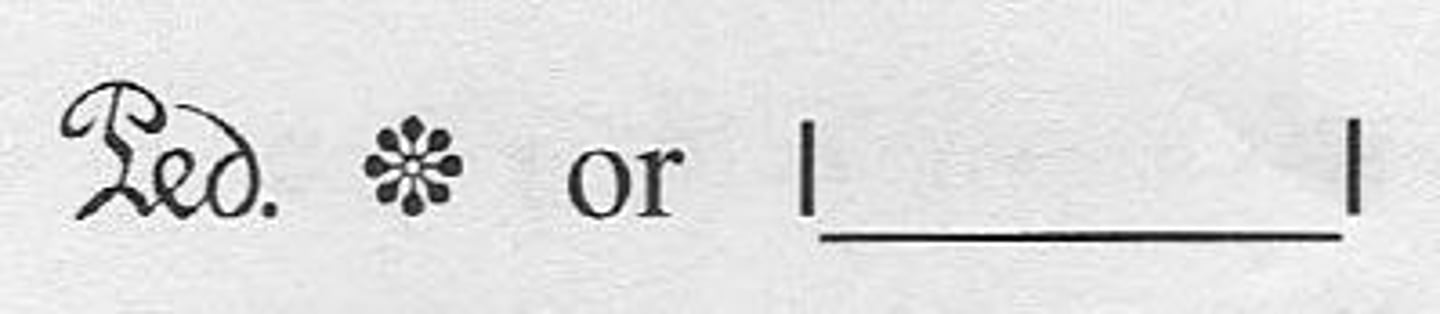
damper pedal
press the pedal located on the right
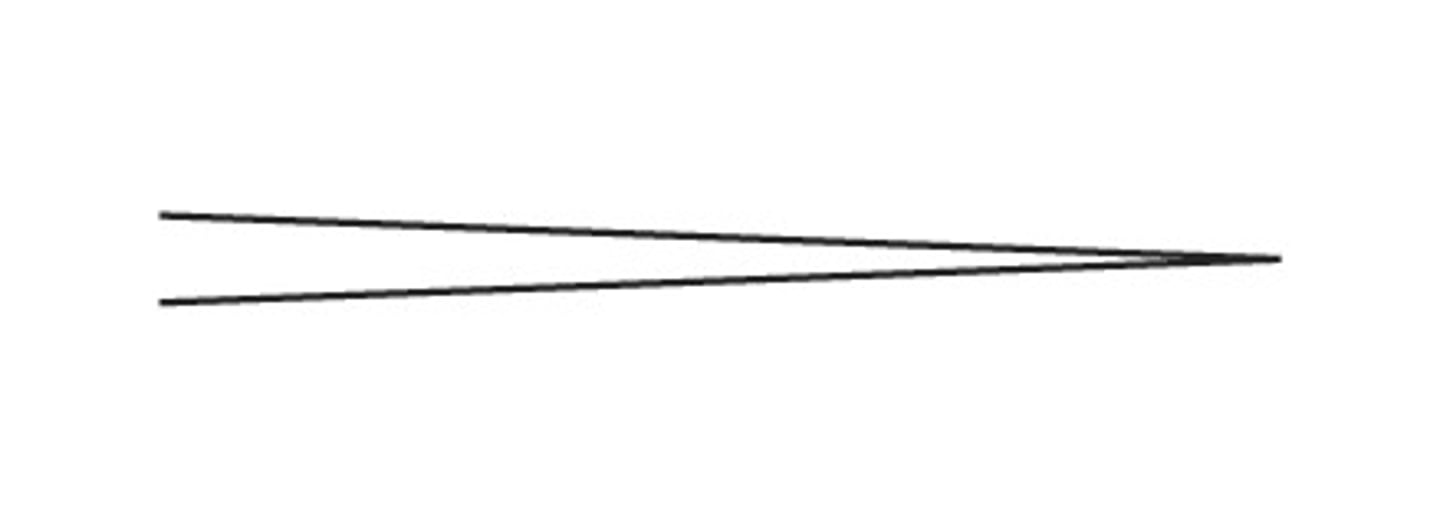
decrescendo(decresc.) or diminuendo(dim.)
gradually softer
dolce
sweetly
doloroso
sadly; sorrowfully
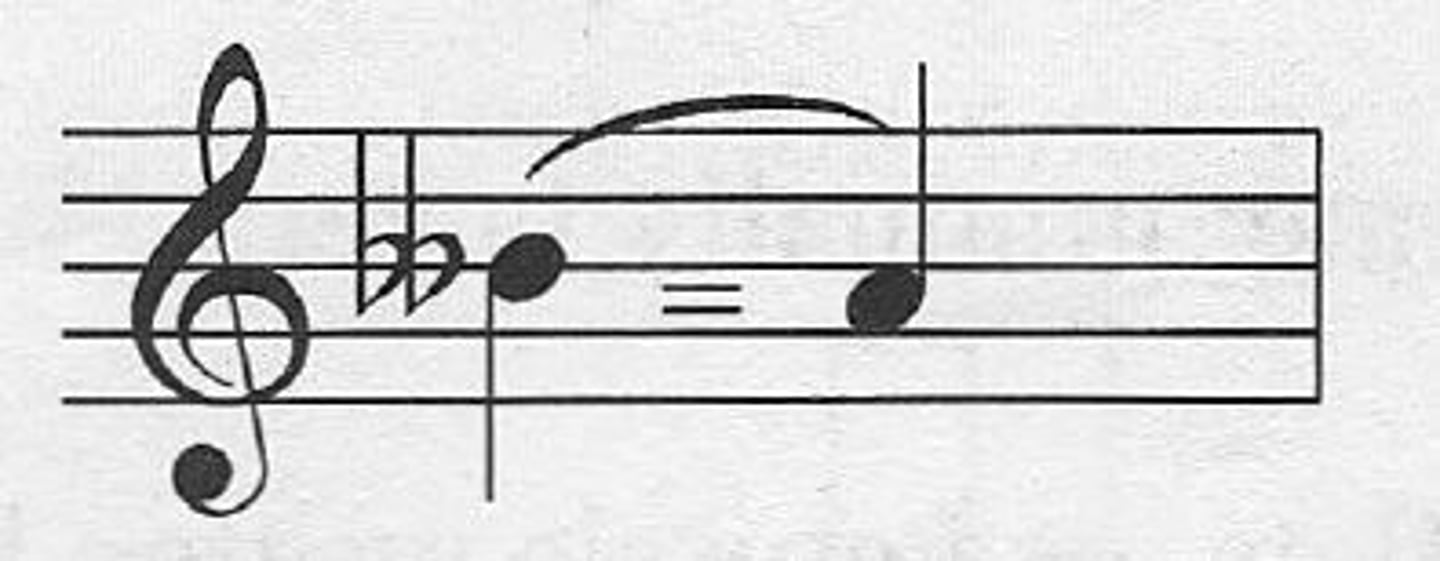
double flats
two flats placed before a not, indicating to lower the note a whole step
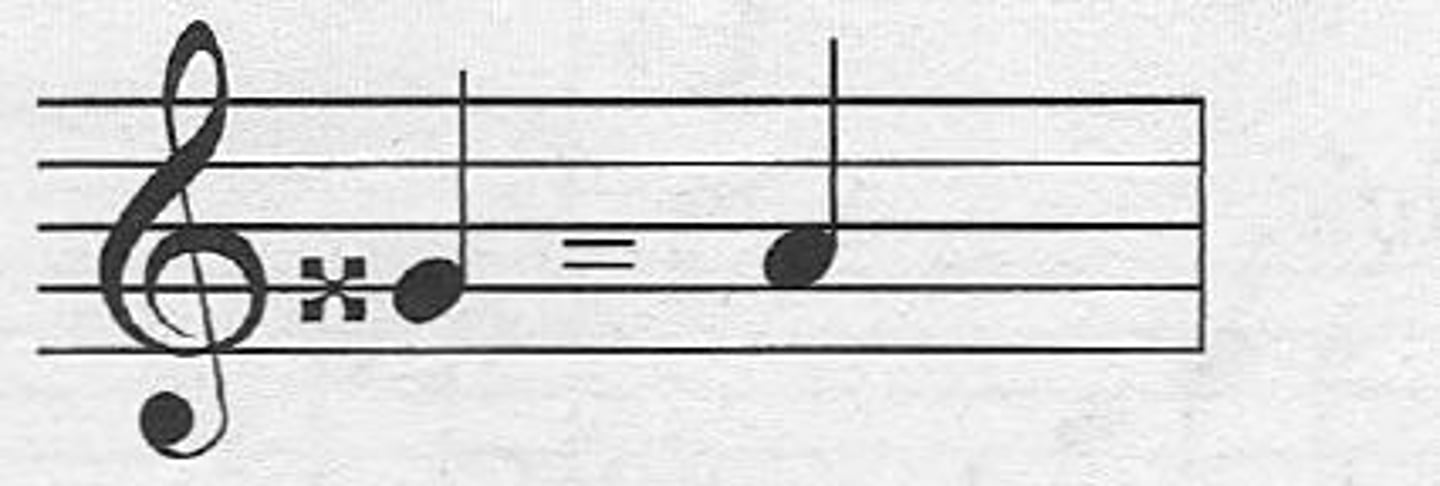
double sharp
the symbol x placed before a note, indicating to raise the note a whole step
dynamics
letters or symbols that indicate how loudly or softly to play the music
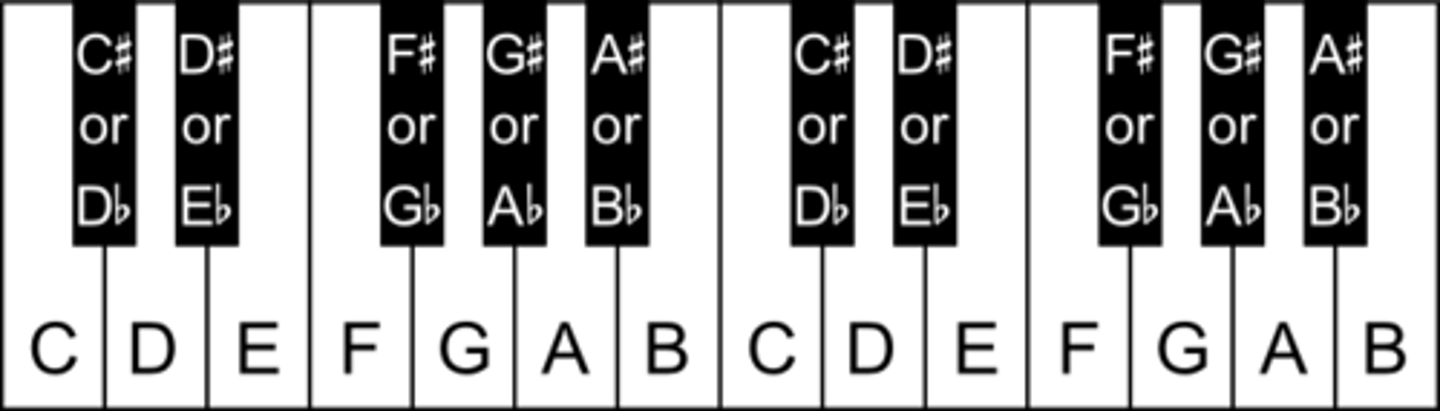
enharmonic
two different names for the same pitch, such as C# and Db
espressivo
expressively
fine
the end
forte
loud

fortissimo
very loud
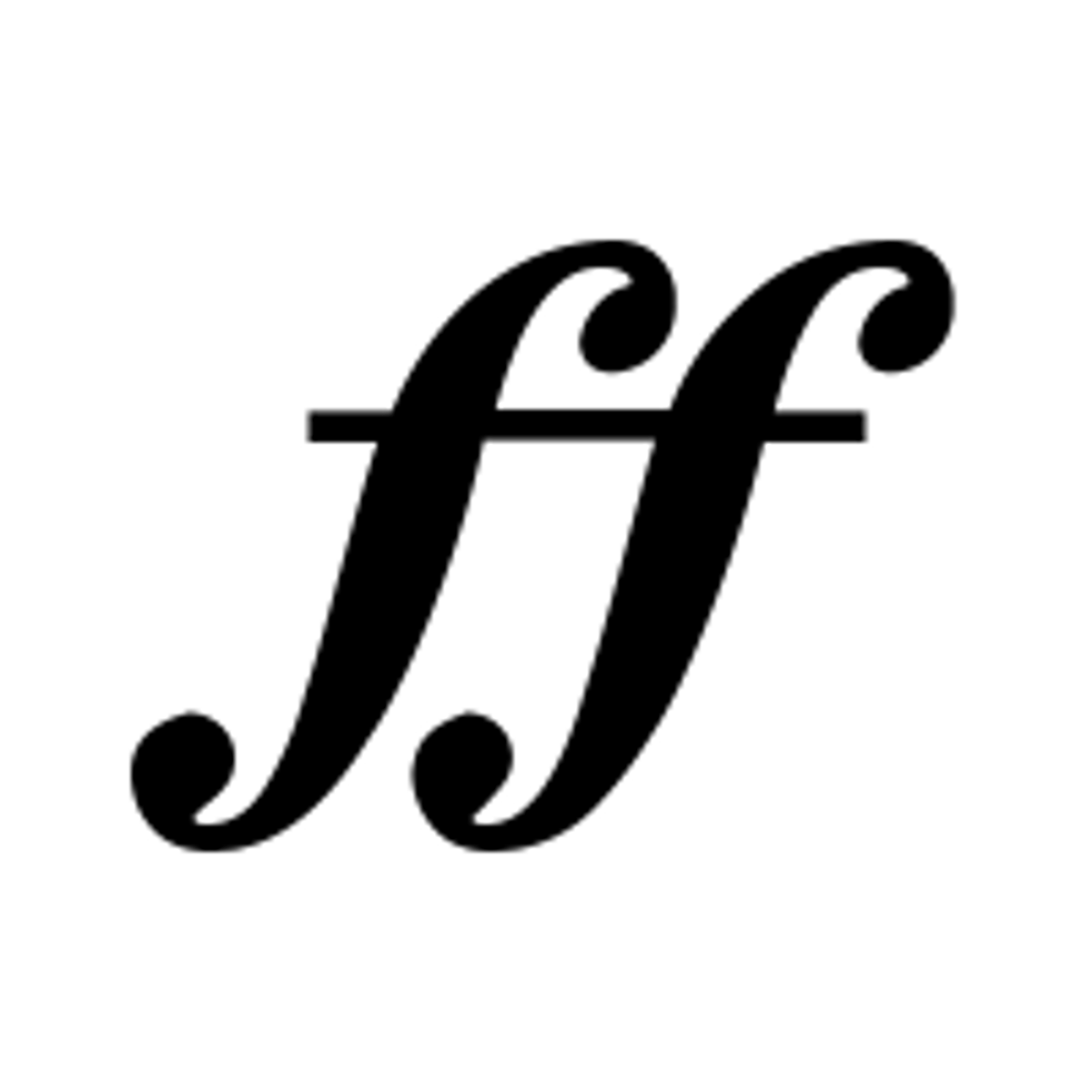
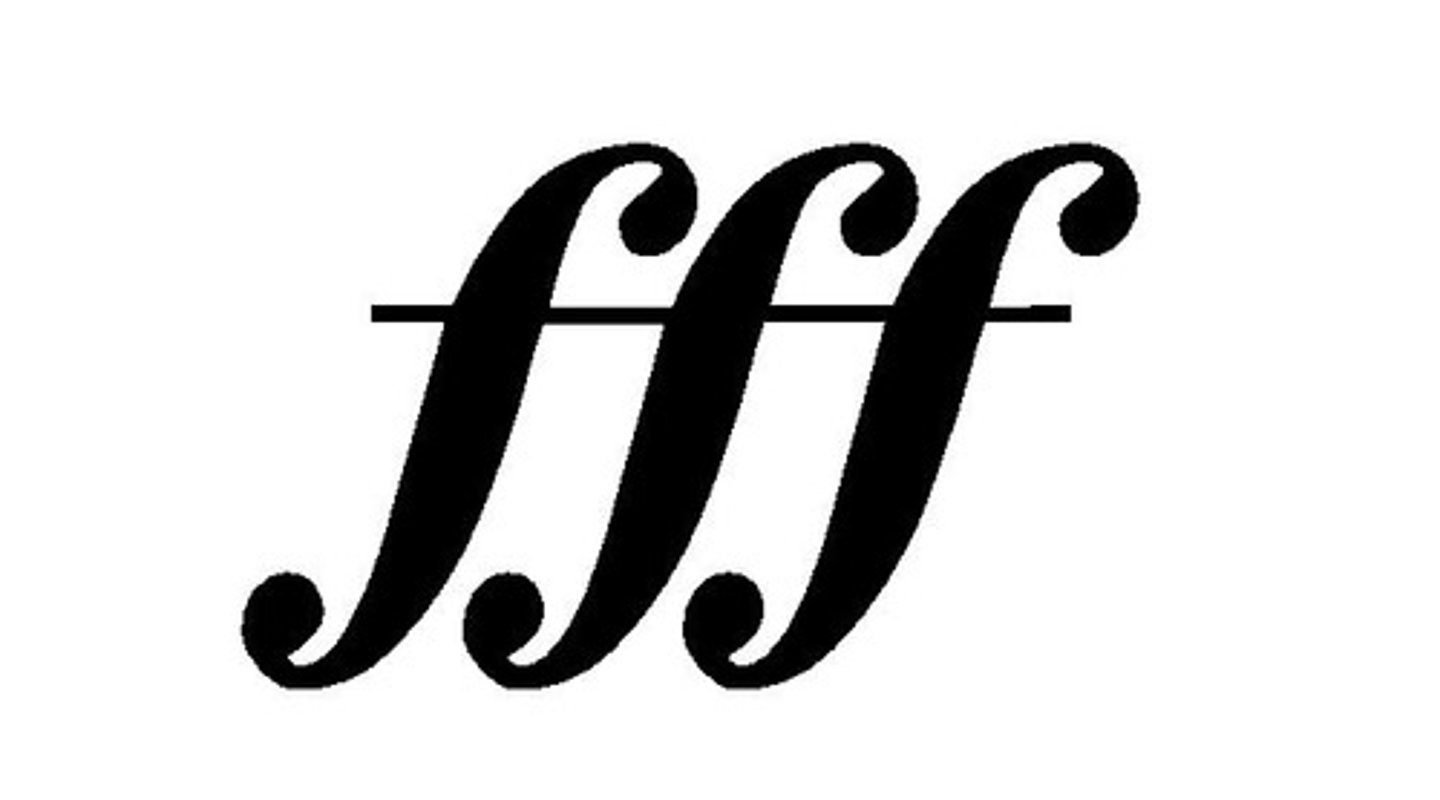
fortississimo
very, very loud
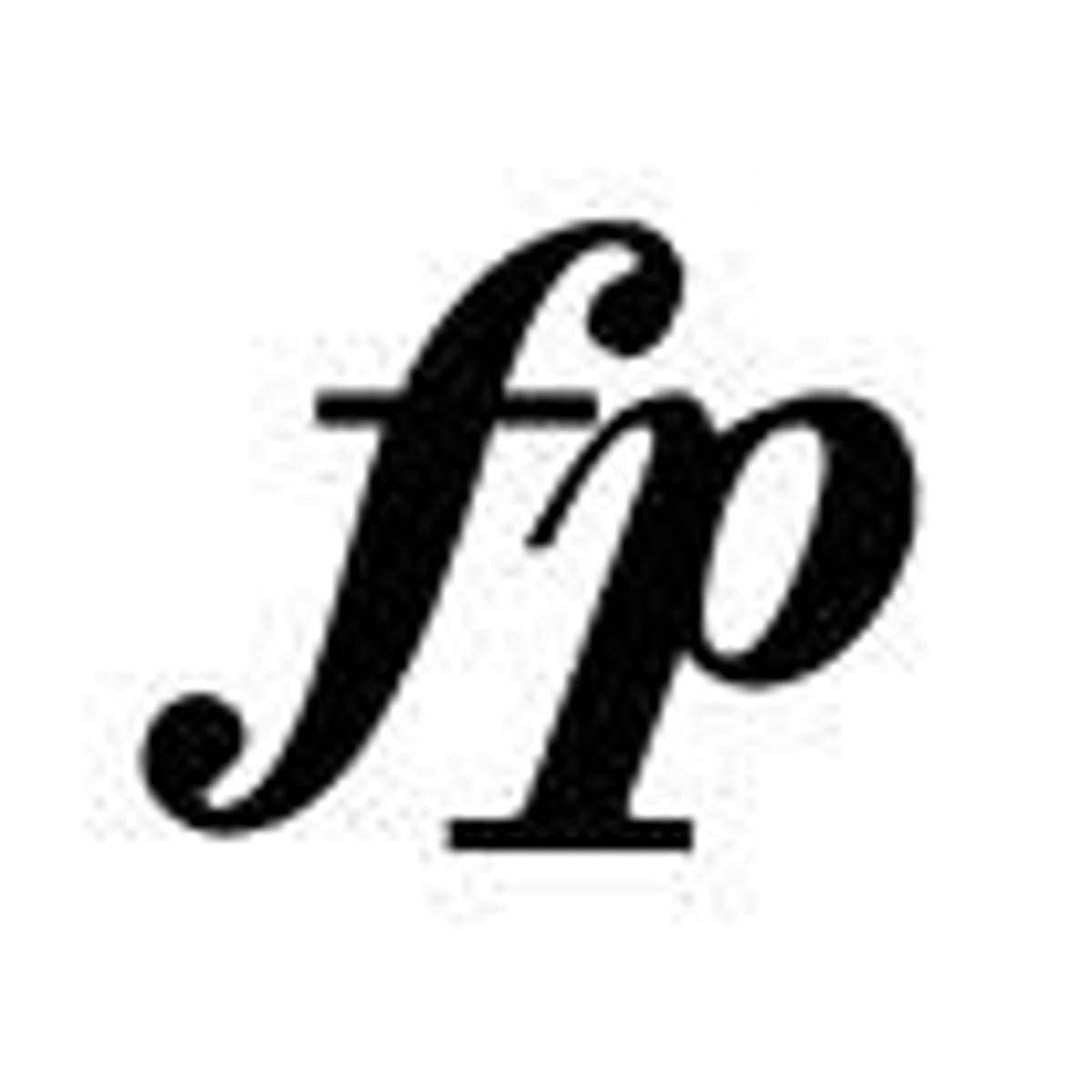
forte-piano
loud followed immediately by soft
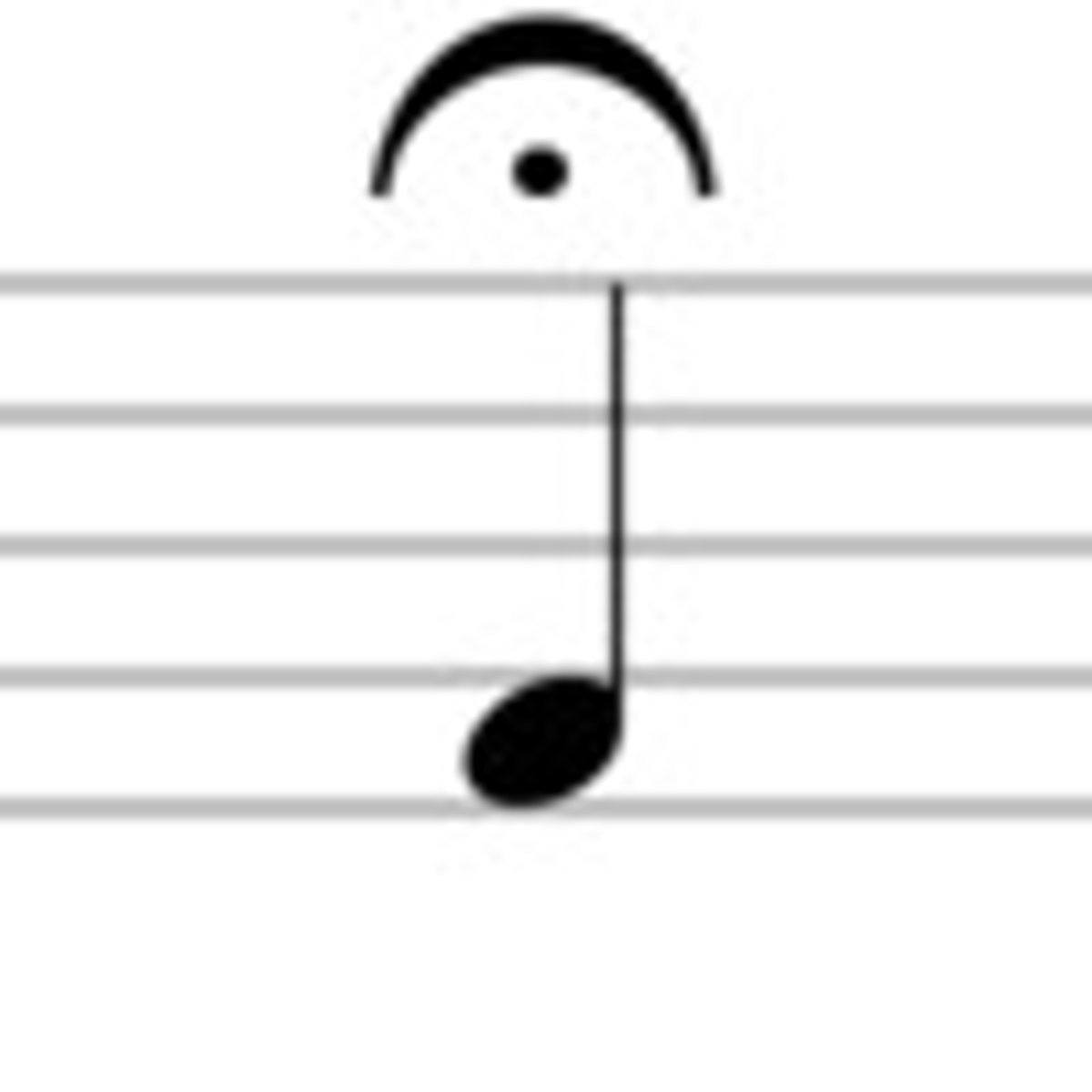
fermata
hold the note longer than its value
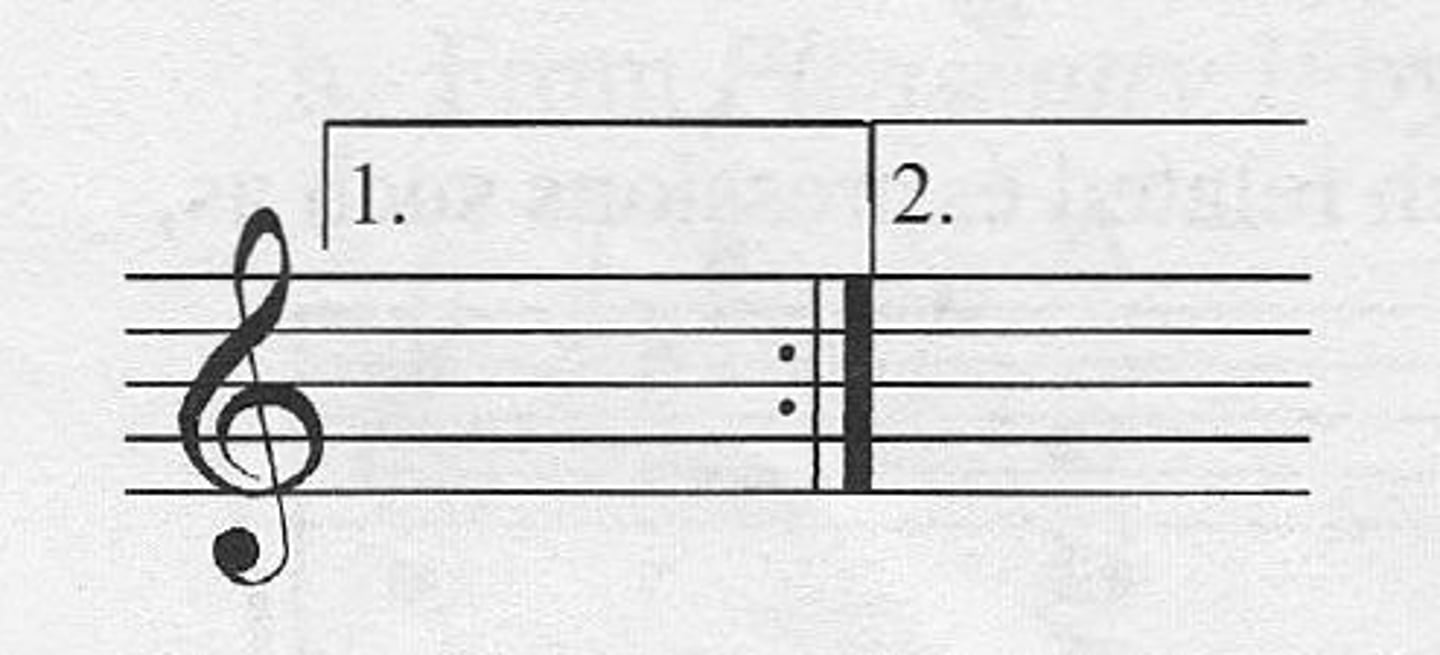
first and second ending
Play the music with the first ending, then repeat the music; the second time through skip the first ending and play the second ending
giocoso
merrily, with humor
grazioso
gracefully
largo
very slowly
legato
play smoothly, connect the notes
leggiero
lightly, delicately
lento
slowly
marcato
stressed, marked
meno
less
meno mosso
less motion; slower
mezzo forte
medium loud
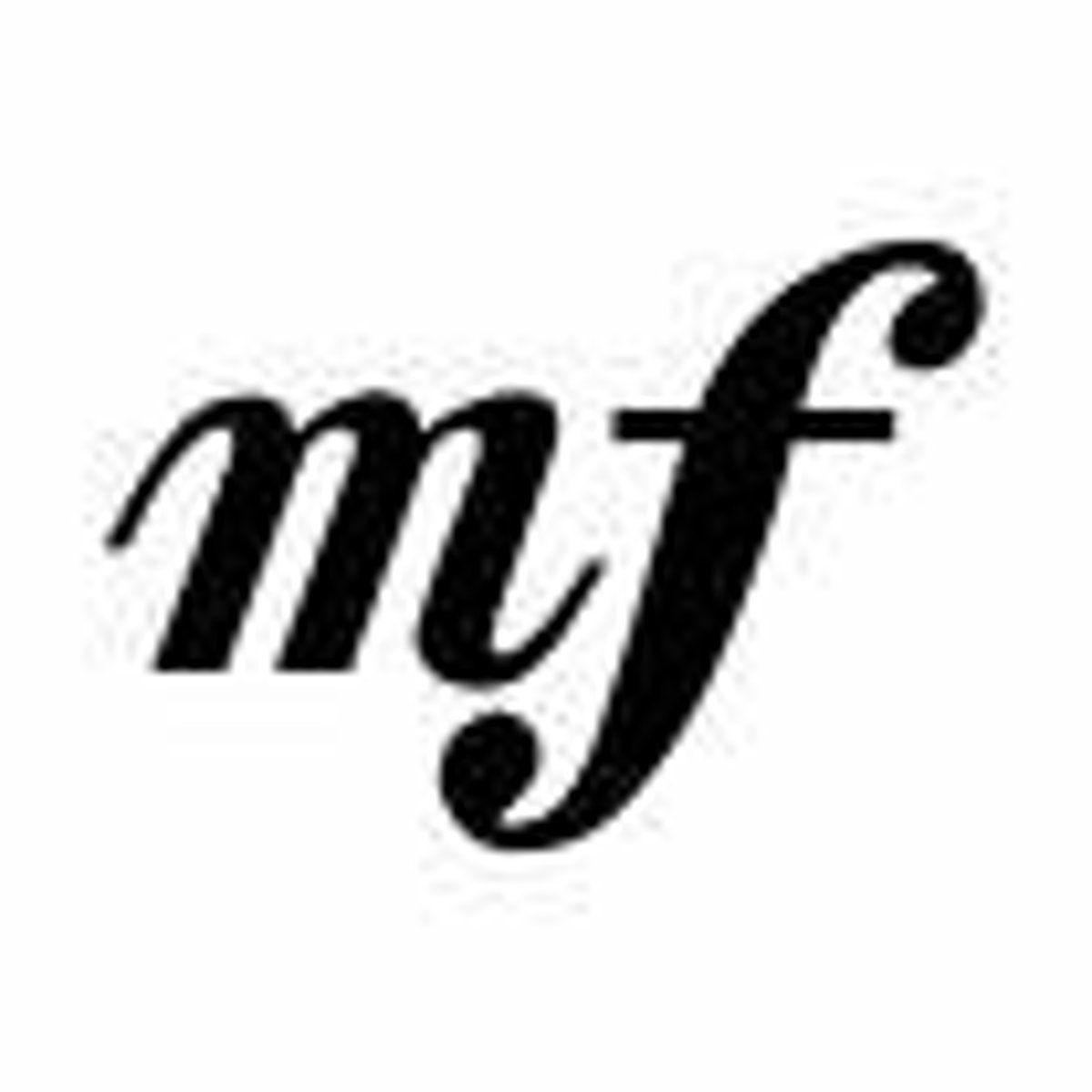
mezzo piano
medium soft

moderato
a moderate or medium tempo
molto
much; very
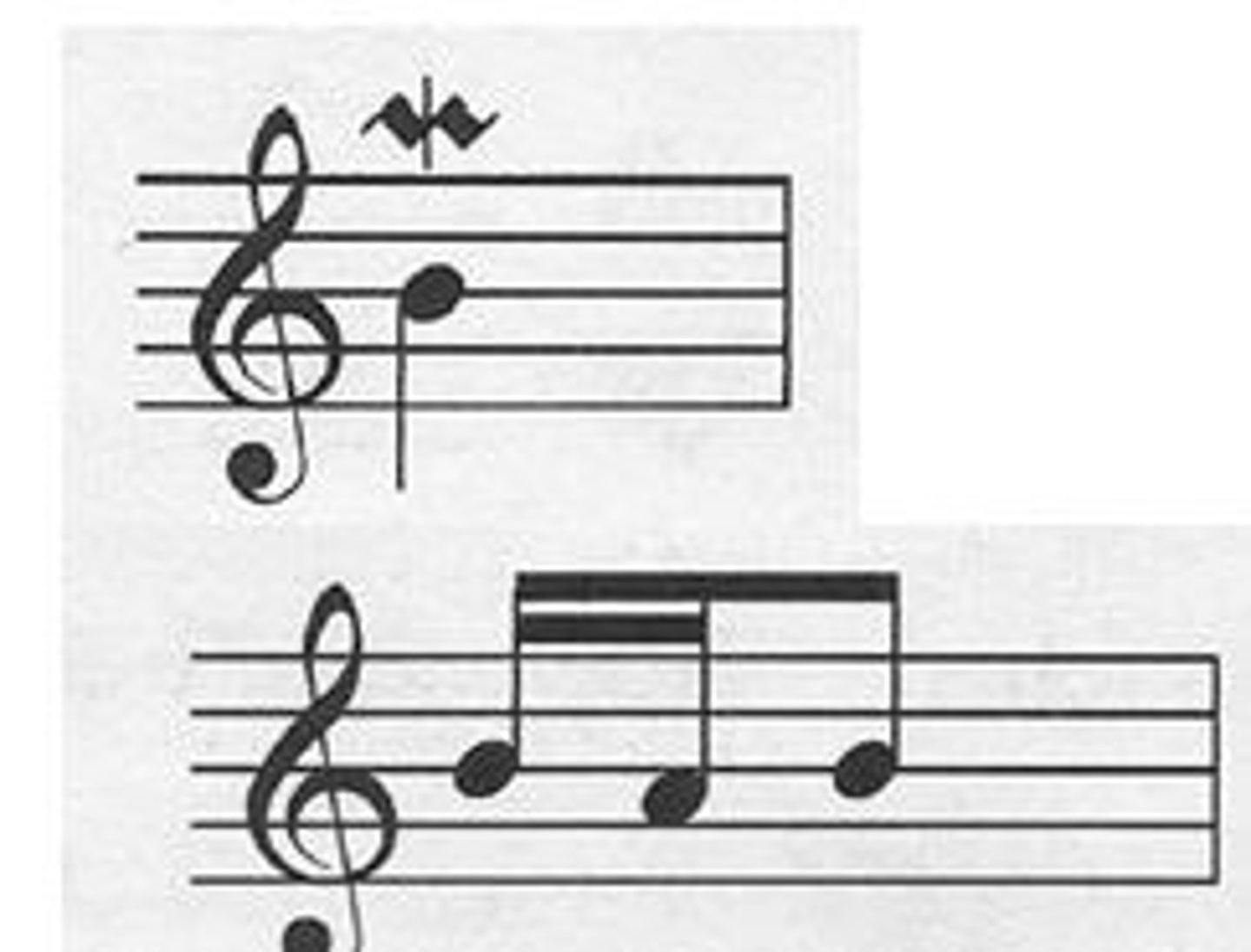
mordent
an ornament in which the written note is played, followed by the note below the written note and the written note again
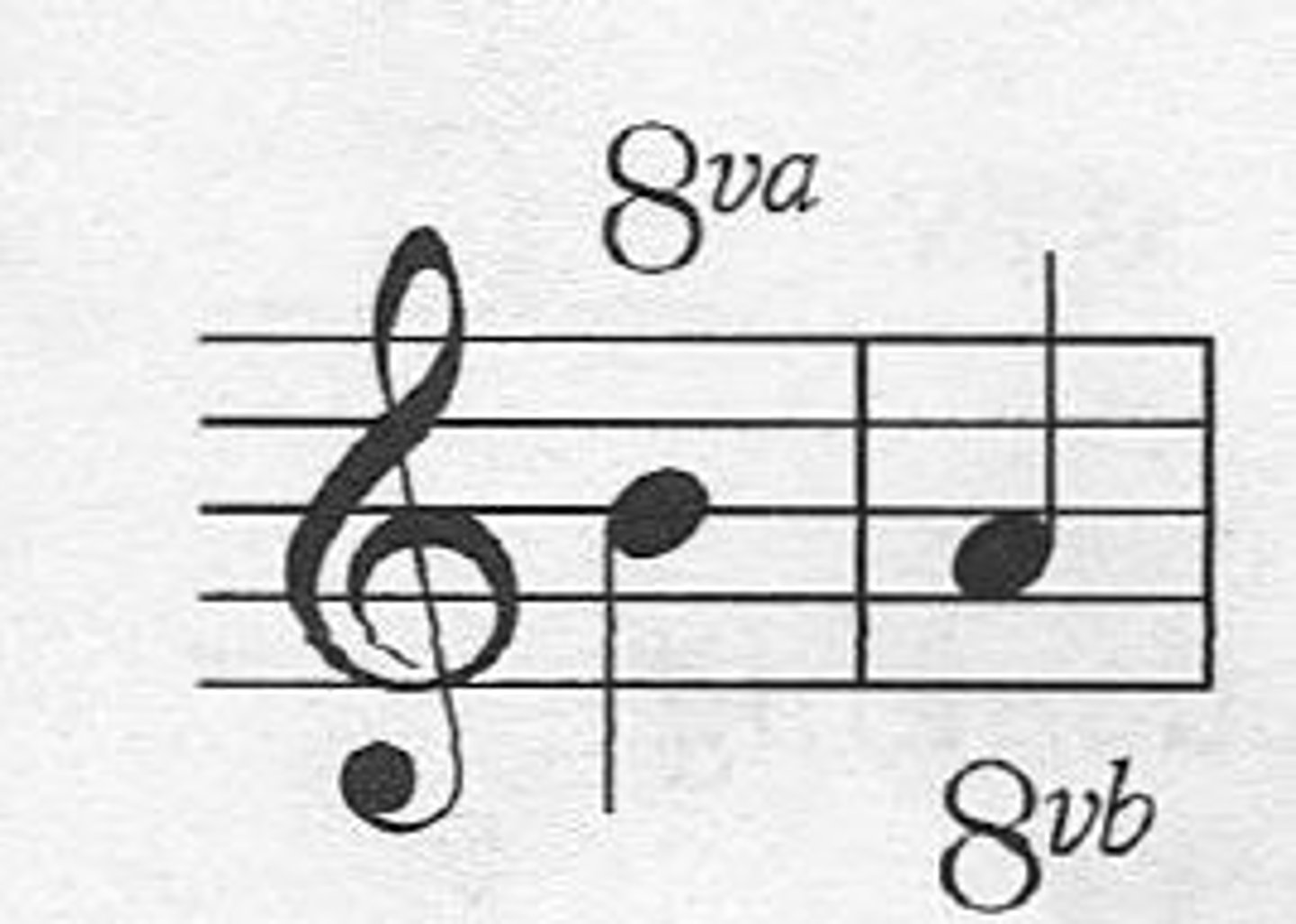
octave Sign(8va)
play the notes an octave higher (or lower if below the notes) than where they are written
opus
a word used to indicate the chronological order in which a composer's music was written
ostinato
a persistently repeated pattern

parallel Major/minor
Major and minor keys with the same letter names (such as C major and c minor)
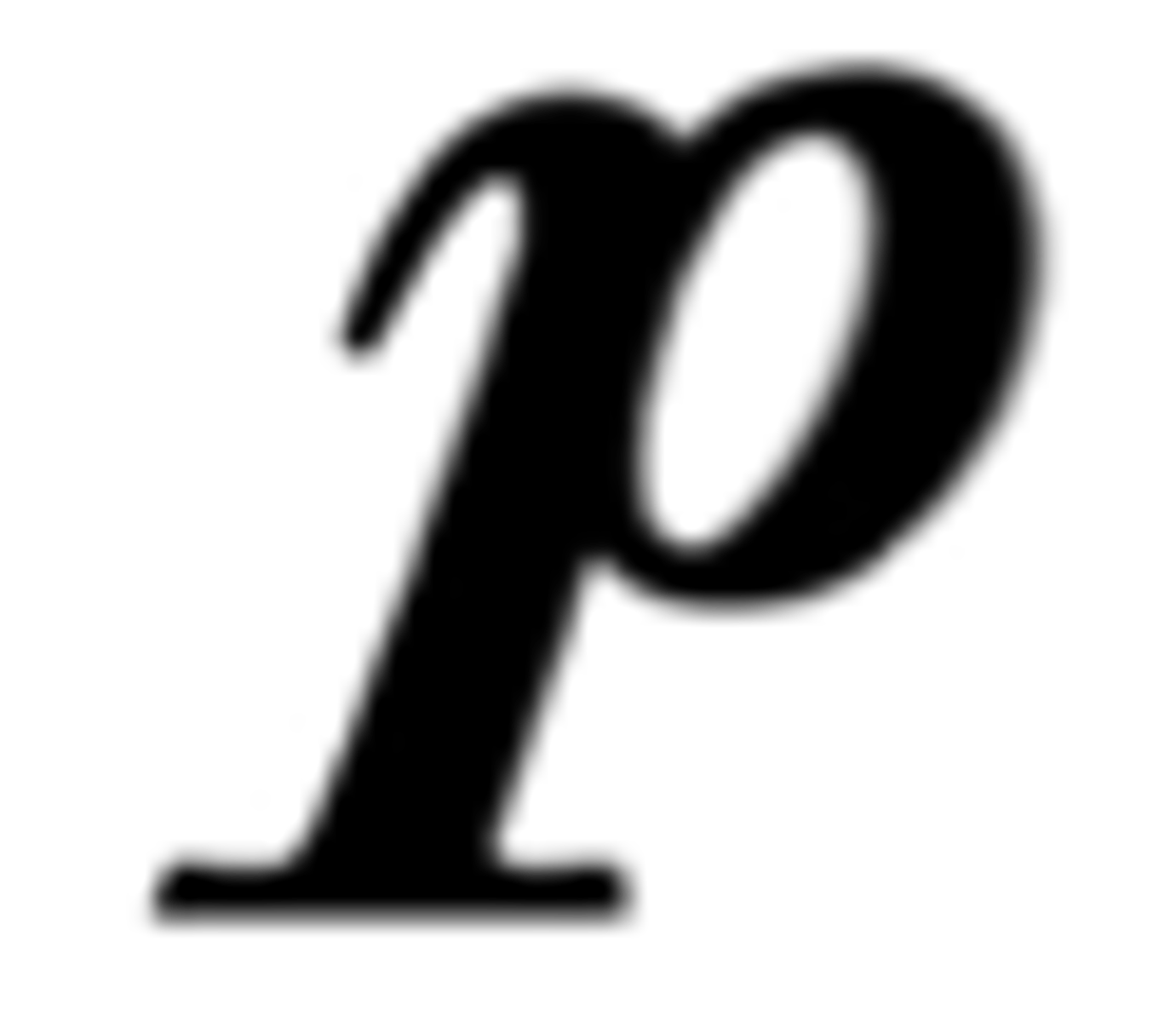
piano
soft
pianissimo
very soft

pianissimo
very, very soft

pesante
heavily
phrase
a musical sentence, often but not always four measures long
piu
more
piu mosso
more motion; faster
poco
little
polytonality
the use of several different keys at the same time
presto
very fast
 Note
Note  Flashcards (20)