Lesson 7: Romanticism and Industrialization
 Studied by 0 people
 Call Kai
 Learn
Learn Practice Test
 Spaced Repetition
 Match
Match Flashcards
 Knowt Play
1/81

There's no tags or description
Looks like no tags are added yet.
Name | Mastery | Learn | Test | Matching | Spaced | Call with Kai |
|---|
No analytics yet
Send a link to your students to track their progress
82 Terms
In the last quarter of the 19th century,_____ emerged as the center of western artistic productivity?
Paris
Which of the following items was NOT an innovation of the nineteenth century?
Novel
What was the primary motivating force for late 19th century colonialism?
Raw materials and Expanding markets
Which artist anticipated 20th century abstract art in his later works by focusing on form rather than subject?
Paul Cézanne
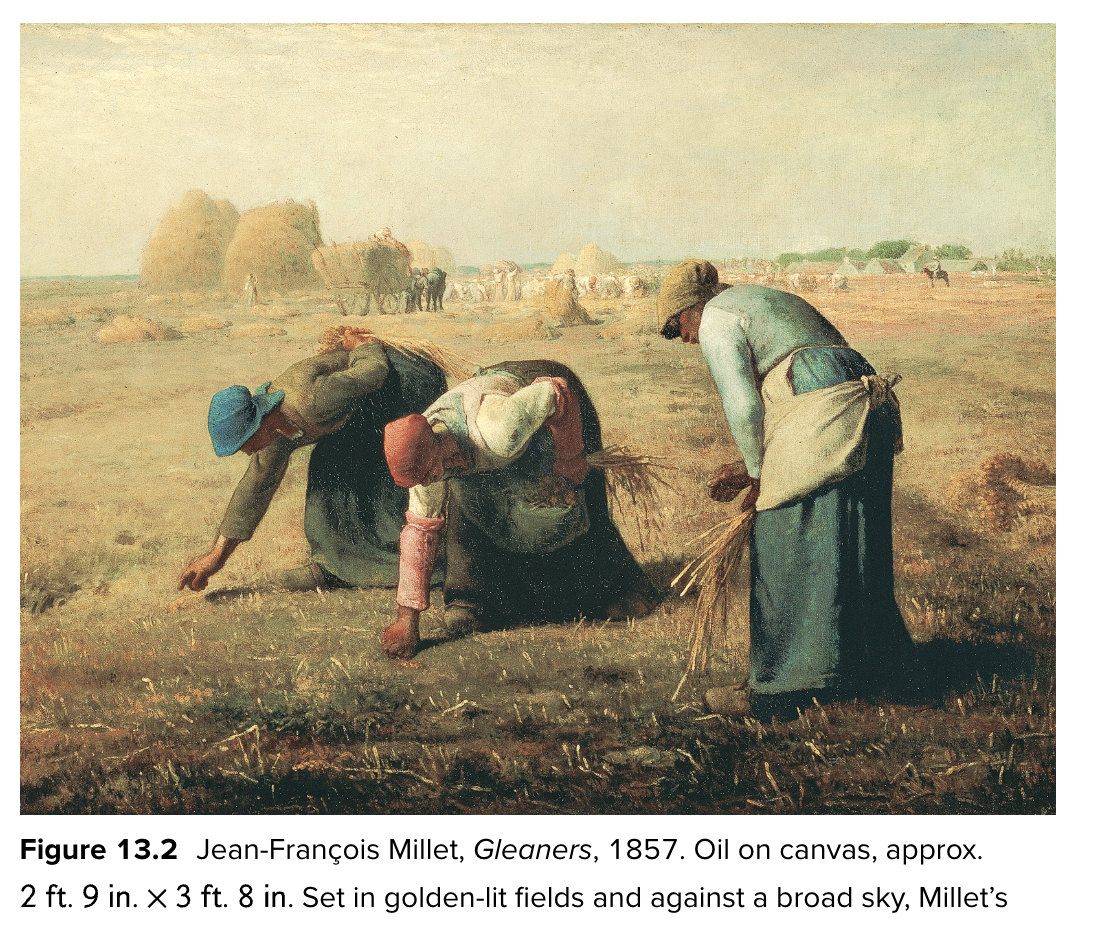
Which Realist artist-whose subject matter was individuals in ordinary settings-challenged, “Show me an angel and I’ll paint one?”
Gustave Courbet
What feature is characteristic of the music of Debussy?
Shifting Harmonies
What was a feature of Nietzsche’s new morality?
Privilege for the “Superman”
Which artist became infatuated with unspoiled nature, especially as it existed in Tahiti (where he relocated after abandoning his job and family)?
Paul Gauguin
Which Social Realist is primarily associated with the medium of lithography?
Honoré Deumier
The movement known as impressionism took its title from a painting by which artist?
Claude Monet
What was the most important new medium in mid-19th century architecture?
Cast Iron
Impressionist painters often drew on what subject matter for their works?
Urban Scenes
How did Emile Zola view human beings, as depicted in his Naturalistic novels?
Products of their environment and their heredity
What was a major factor in bringing non-western cultures to the attention of Europeans?
The World’s Fair
What description of Debussy’s music is accurate?
It was heavily influenced by the Symbolists and Impressionis
What kind of non-western art did Mary Cassatt admire, which influenced how she used brilliant color and unusual perspective in her artworks?
Japanese Woodcuts
Impressionist artists had a fascination with the activities of what?
Urban Society
Which artistic movement invented an art of pure perception that intensified the immediacy of the visual experience with luminous canvases that were, in part, a response to research into the physics of light, the chemistry of paint, and the laws of optics?
Impressionism
What new structural medium revolutionized the history of architecture in the 19th century?
Cast Iron
Who is the artist and inventor known for taking stop-action photographs during the 1870s and 1880s that were revolutionary for their time?
Eadweard Muybridge
Who invented the fundamental negative/positive process that allowed multiple prints to be produced from a single photographic exposure?
William Henry Fox Talbot
Who was the leading Realist of the 19th century French Painting?
Gustave Courbet
What is the name of the printmaking process in which images are created by drawing on a stone plate?
Lithography
What is the name for the painting technique in which tiny dots of paint are placed side by side on the canvas to intensify color and given the impression of solid form?
Pointilism
Which of the following terms refers to the science of humankind and its culture?
Anthropology
Which of the following terms refers to a branch of anthropology that studies preliterate people?
Ethnography
What kind of subject matter dominated the arts of the late 19th century?
The realities of contemporary life
Vincent Van Gogh had part of his ear cut off during a quarrel with which other artist, who was his colleague ad friend?
Paul Gauguin
Which artistic style was motivated by the decorative thrust of Art Nouveau, the influence of Japanese prints, and a concern with the value of “art for art’s sake”?
Postimpressionism
What term was used to describe railway locomotives in the early 19th century?
Iron Horses
In the decades after 1850, what brought the west into a position of dominance over other parts of the world?
Industrial Technologies
Which 19th century theorist viewed all of human history as a struggle between the “haves” and the “haves-nots,” that would only resolve in the synthesis of a classless society?
Karl Marx
Which of the following is a collective term that describes industrial workers who lack their own means of production, and thus sell their labor in order to live?
Proletariat
Which of the following terms was used in the late 19th and early 20th century to describe a person seeking the right for women to vote through organized protest?
Suffragist
What is the name of the philosopher and social theorist who wrote 19th century essay about the subjection of women as similar to that of other subject classes, such as master and slave, and condemned the subordination of women as a chief hindrance to human improvement?
John Stuart Mill
By 1900 al of Africa had been carved up and controlled by european powers, except for which two territories?
Liberia and Ethiopia
In the mid-19th century America forced Japan to open its doors to Western trade, an event which marked the beginning of Japanese modernization under which historical era of Japan?
Meiji Era
Which philosopher and theorist reflected the cynicism of the late 19th century with his dramatic statement, “God is dead”?
Friederich W. Nietzsche
Opera in the late 19th century had stories that were based upon what?
Everyday Life
Who was the foremost “Verist” in music during the late 19th century?
Giocomo Puccini
What is the title of the verismo opera that is based upon the tragic love story of young artists, which was received coldly at its premiere through has since become one of the best loved of the 19th century?
La Boheme
Which 19th century Realist author wrote stage dramas that often shocked the public by addressing such controversial subjects as insanity, incest, and venereal disease?
Henrik Ibsen
What is the name of the 19th century Realist author who wrote about the everyday lives of middle-class women, and who has been called “the inventor of the modern novel”?
Gustave Flaubert
Which 19th century Realist novel is the most widely taught book in American history?
The Adventures of Huckleberry Finn
What is the title of the 19th century Realist novel in which the protagonist murders an old woman and her sister, but his act goes undetected and he struggles with the guilt of his conscience?
Crime and Punishment
The novels of Charles Dickens exhibit elements of literary Realism as well as elements of which other literary genre?
Romanticism
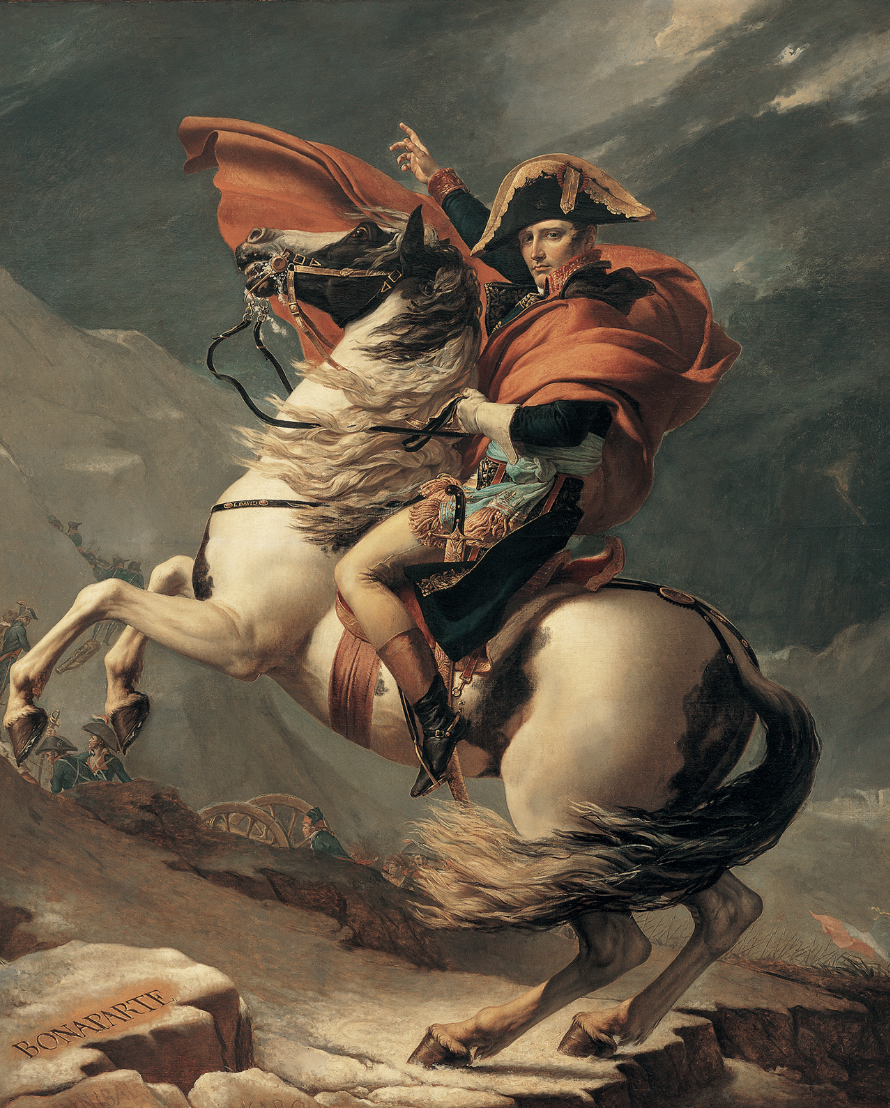
Jacques-Louis David, Napolean Crossing the Great Saint Bernard Pass, 1800, Oil on Canvas
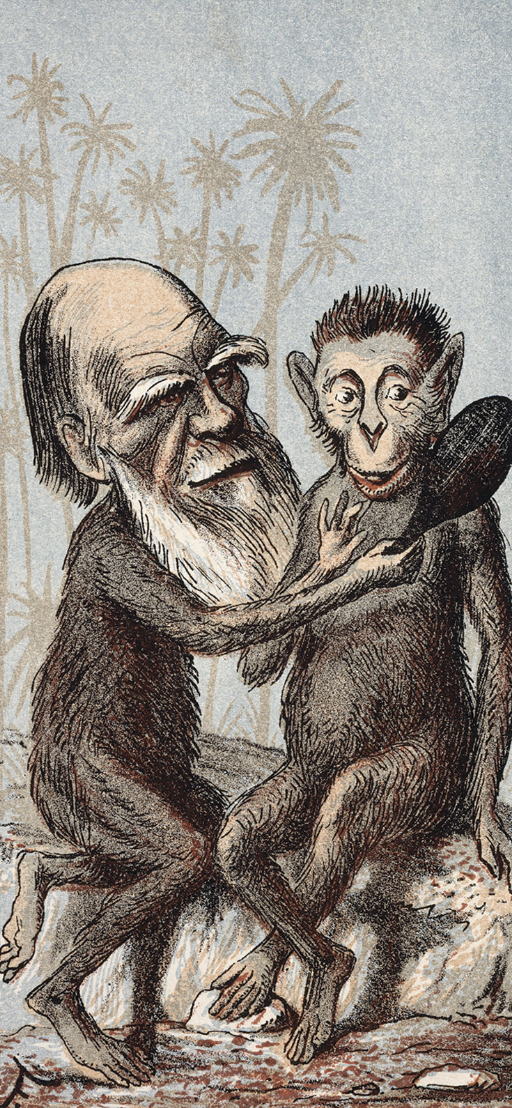
Charles Darwin
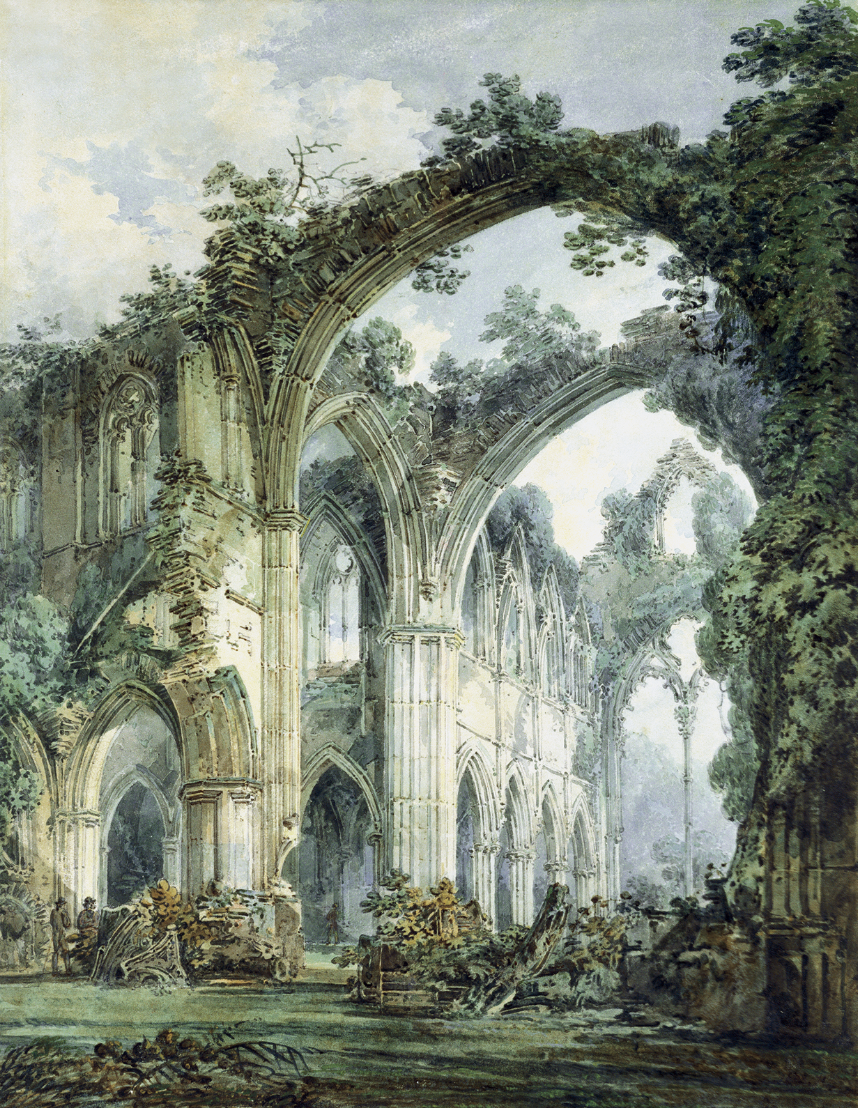
J.M.W Turner, Interior of Tintern Abbey, 1794, Watercolor, (Romanticism)
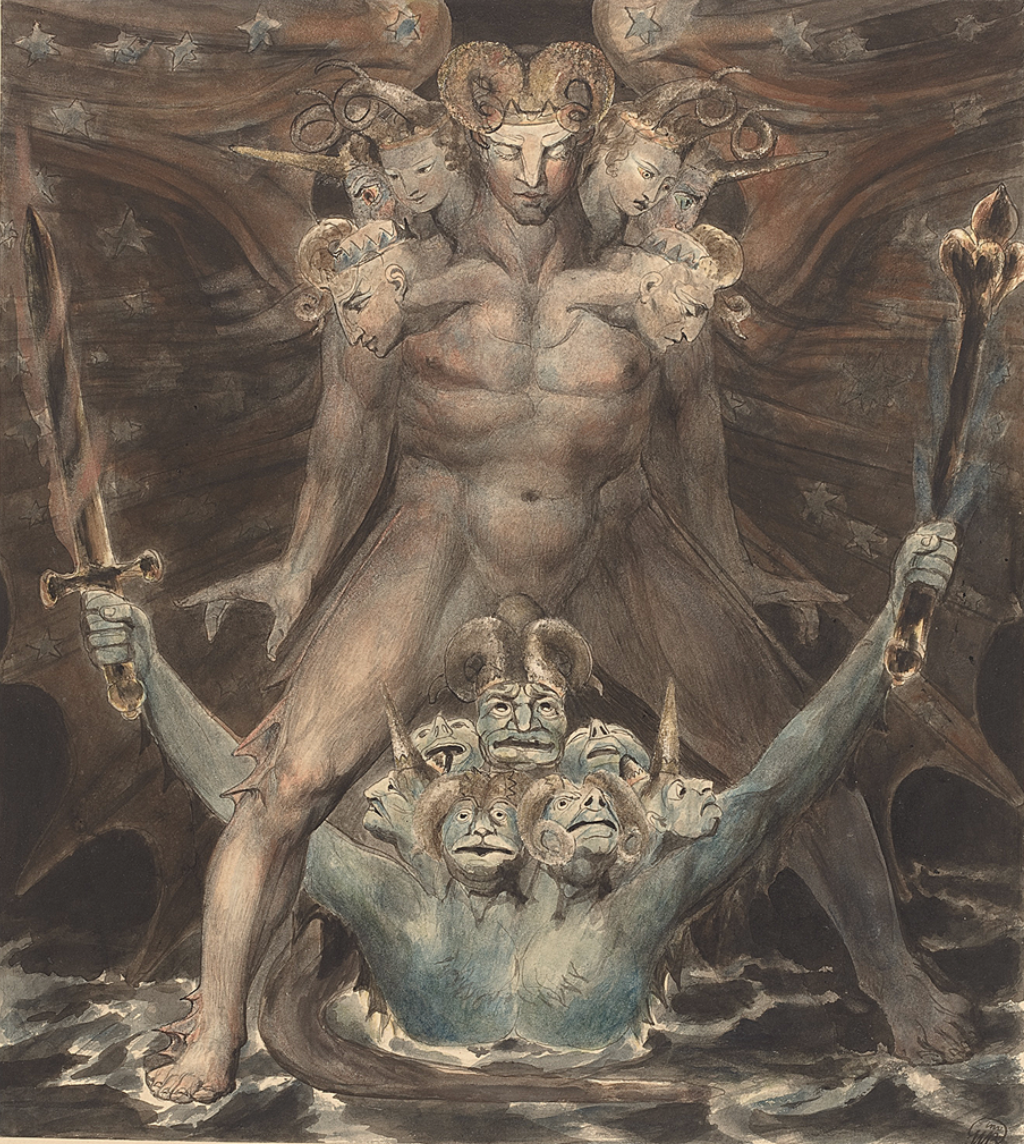
William Blake, The Great Red Dragon and the Beast from Sea, 1805, Watercolor (Author and painter known to be Romantic Mystic)
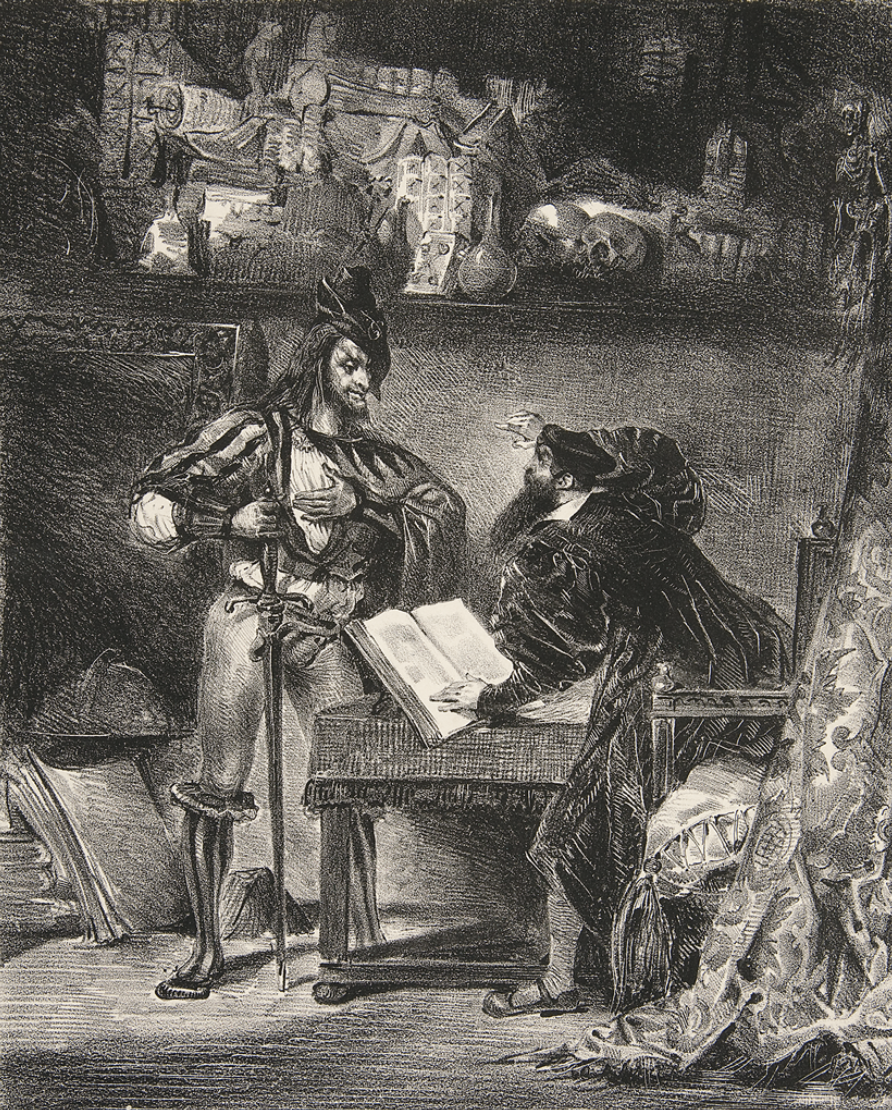
Eugene Delacroix, Mephistopheles Appearing to Faust in his Study, 1828, Lithography, (Based on Goethe’s story of Faust) (Romantic Literature)
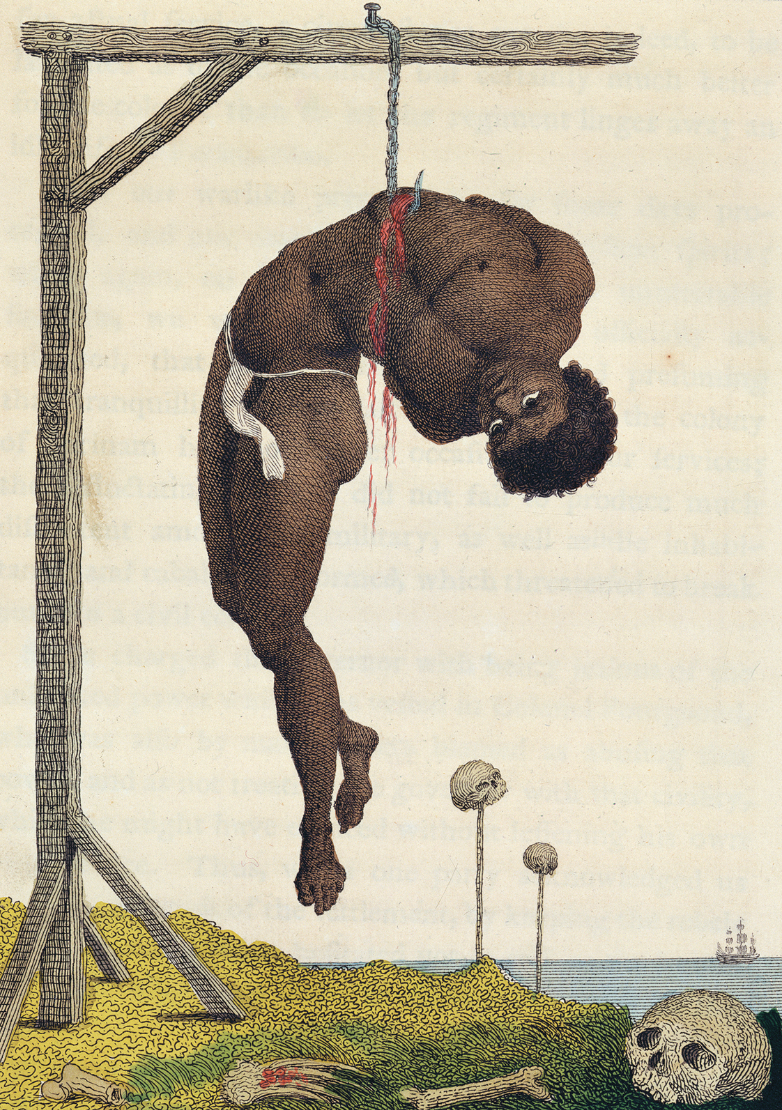
William Blake, A Negro Hung Alive by the Ribs to a Gallows, 1792, Line Engraving, (Abolitionist Literature) (American Romanticism)
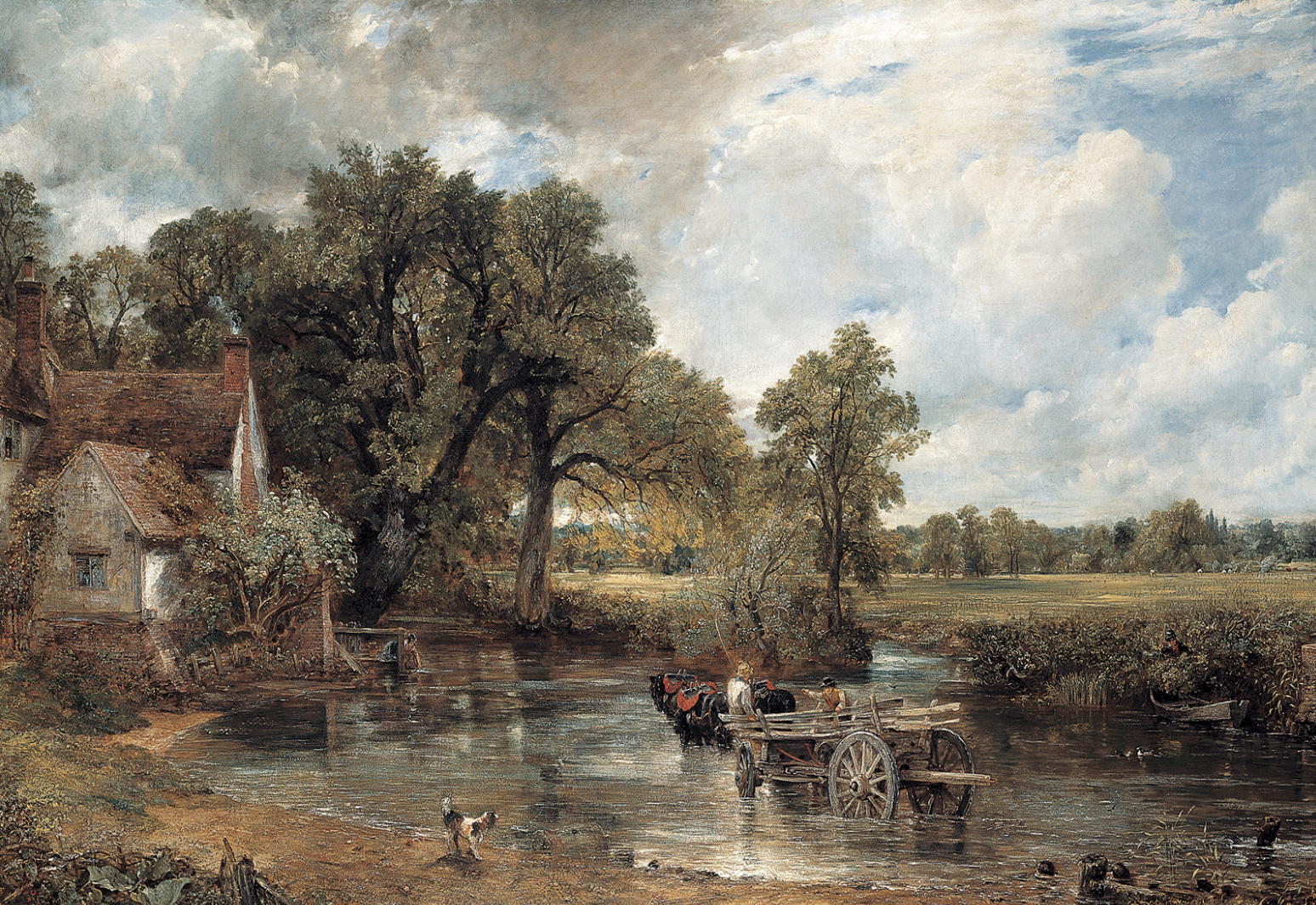
John Constable, The Hay Wain, 1821, Oil on Canvas, (Romantic Landscape)
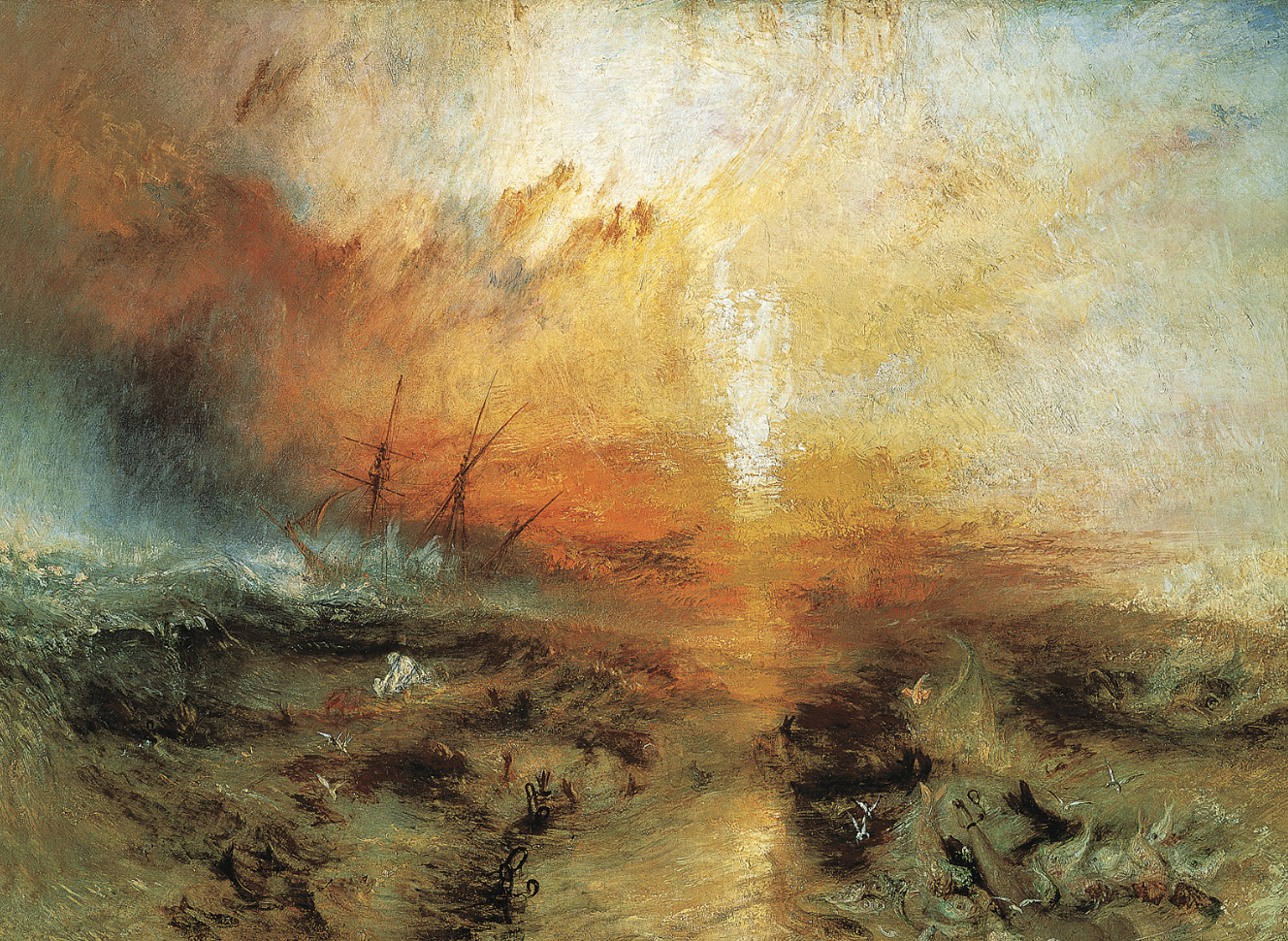
J.M.W Turner, The Slave Ship (Slavers Throwing Overboard the Dead and Dying), 1840, Oil on Canvas, (Romantic Landscape)
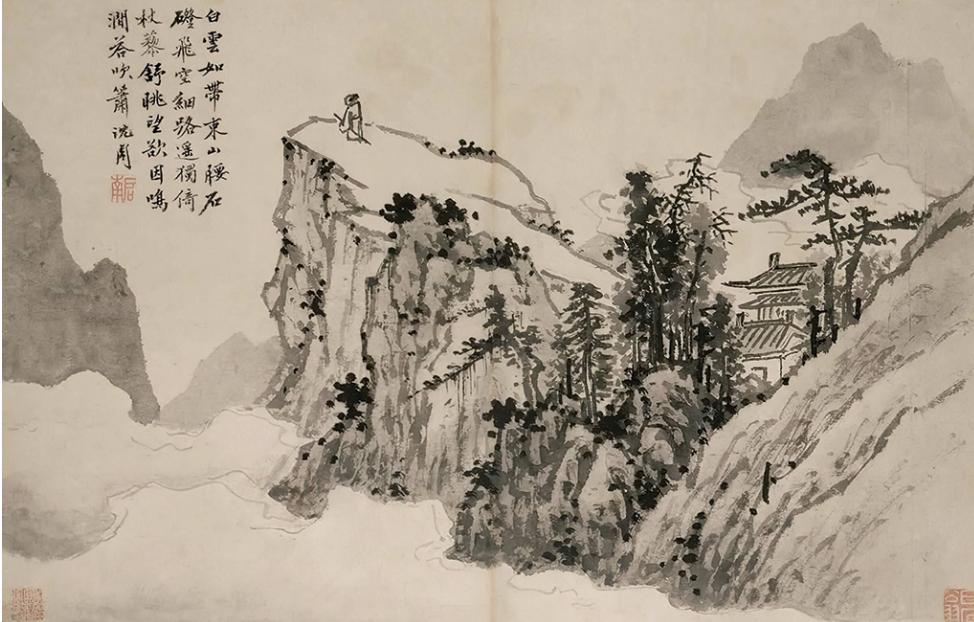
Shen Zhou, Poet on a Mountain Top, from the album of landscapes “Five Leaves by Shen Zhou, One Leaf by Wen Zhengming”, 1496, Album Leaf mounted as a handscroll: ink on paper or ink and light color on paper.
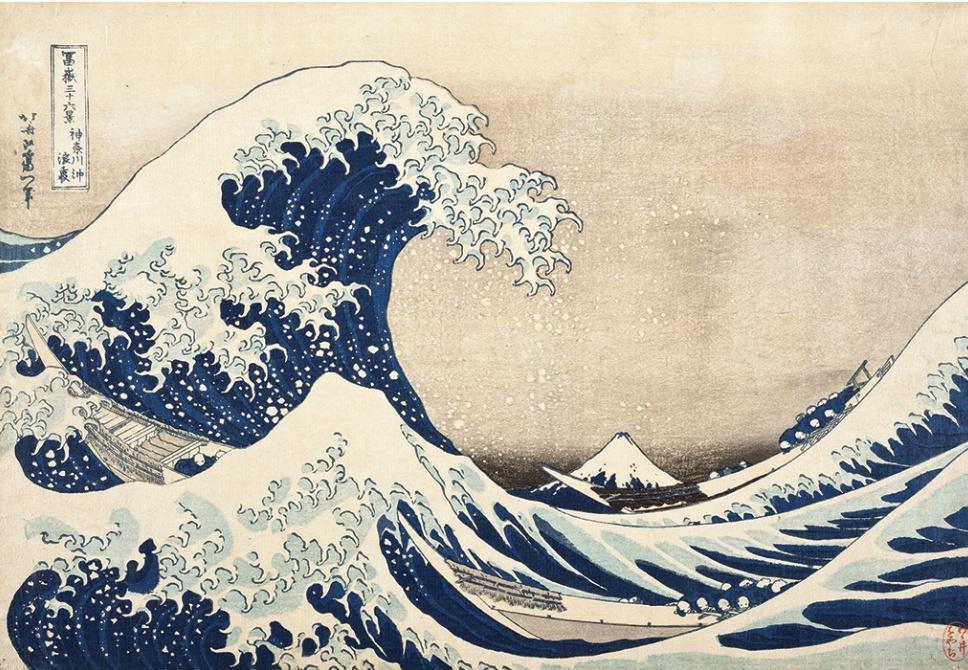
Katsushika Hokusai, Mount Fuji Seen Below a Wave at Kanagawa, from “Thirty-six Views of Mount Fiji,” Tokugawa Period, 1830-1833, Full-color Woodblock Print.
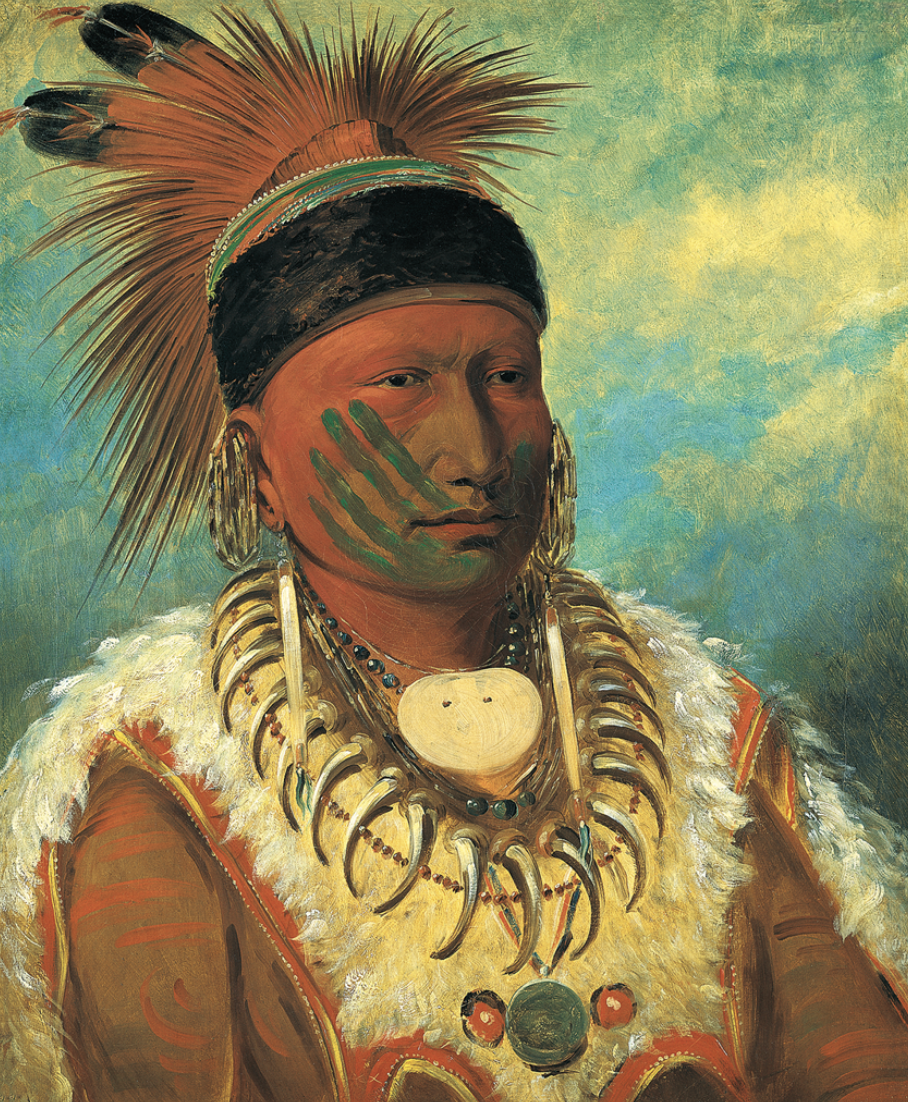
George Caitlin, The White Cloud, Head Chief of the Iowas, 1844-1845, Oil on Canvas
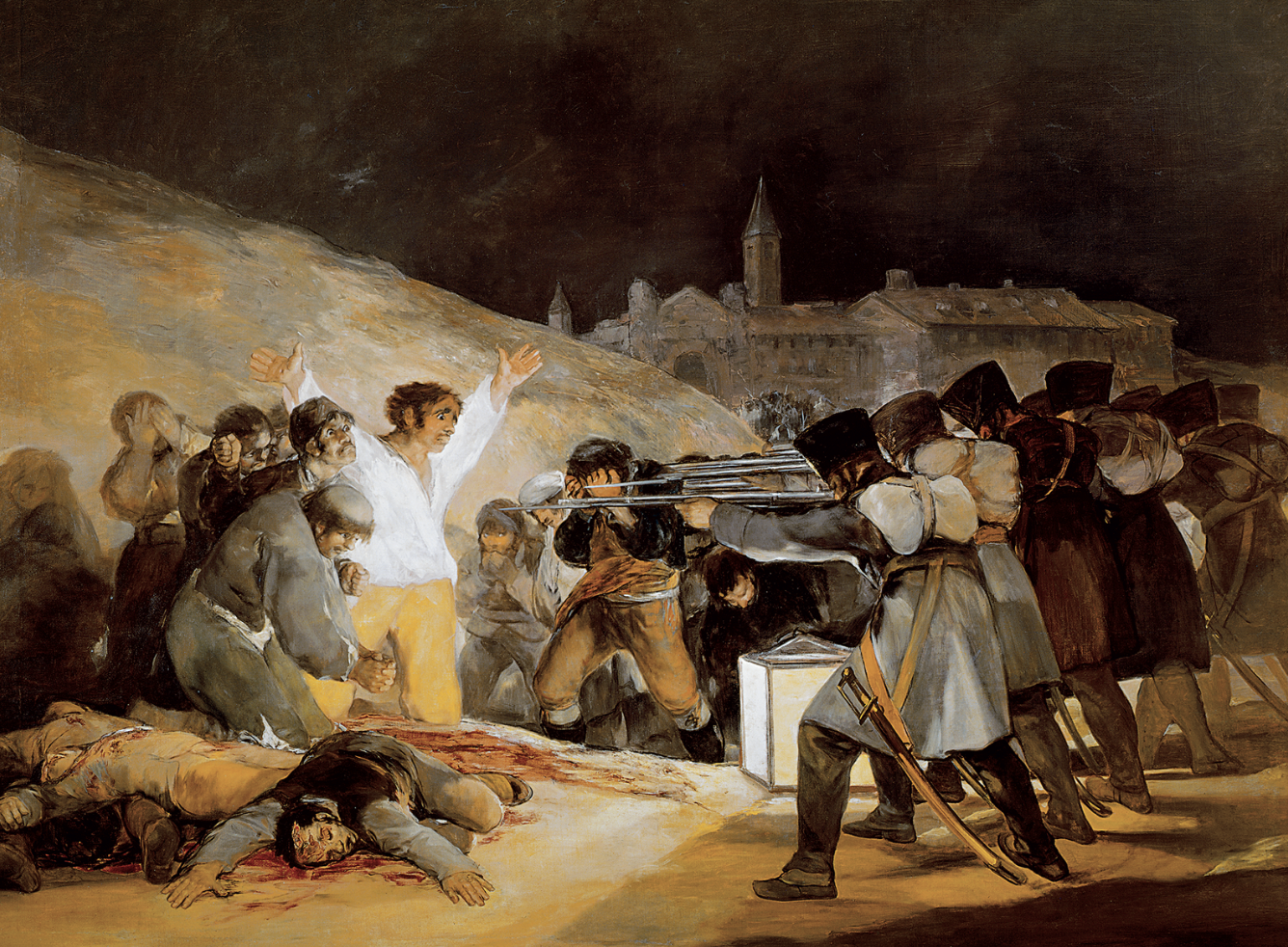
Francisco Goya, The Third of May, 1808: The Execution of the Defenders of Madrid, 1814, Oil on Canvas
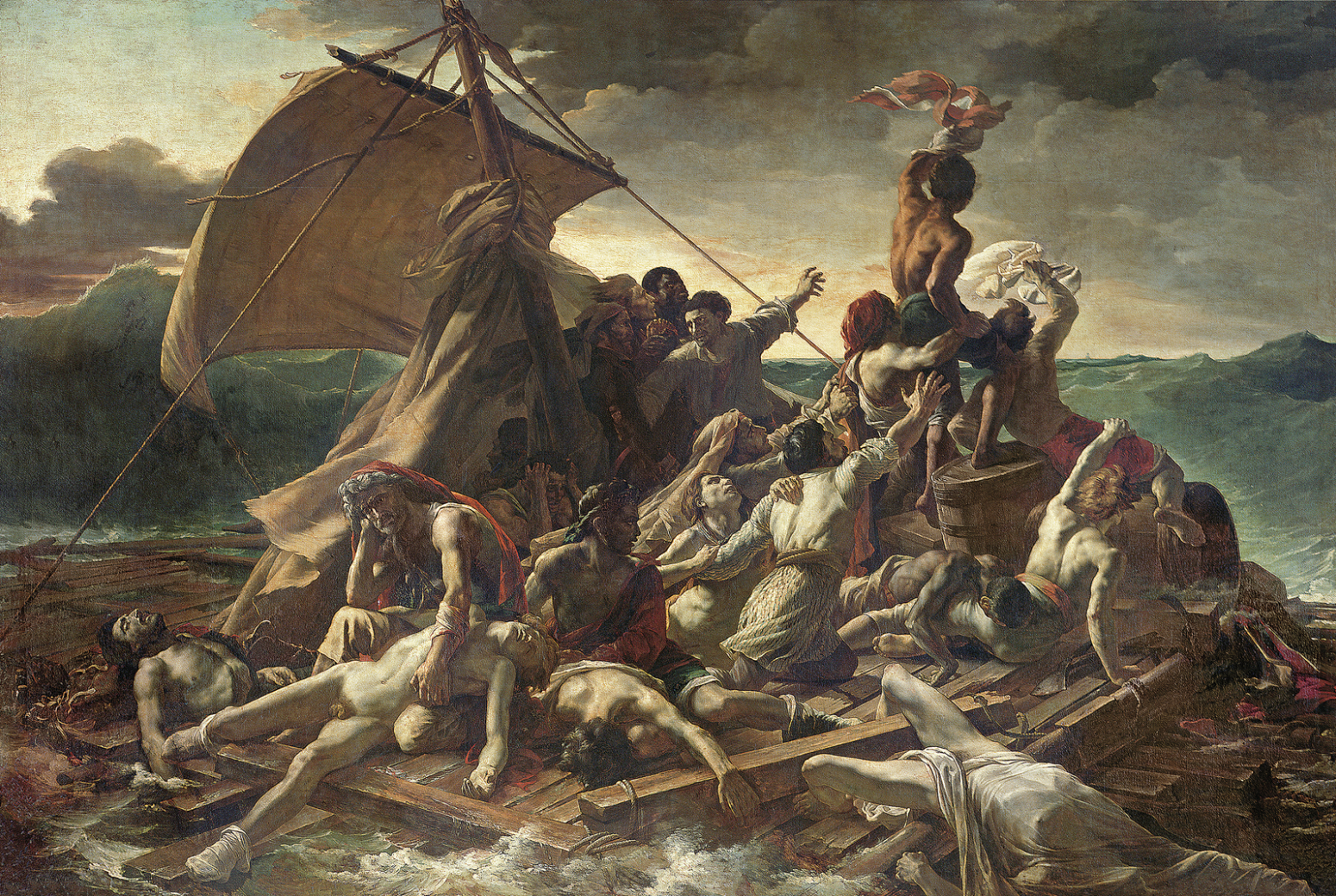
Theodore Gericault, The Raft of the “Medusa”, 1818, Oil on Canvas
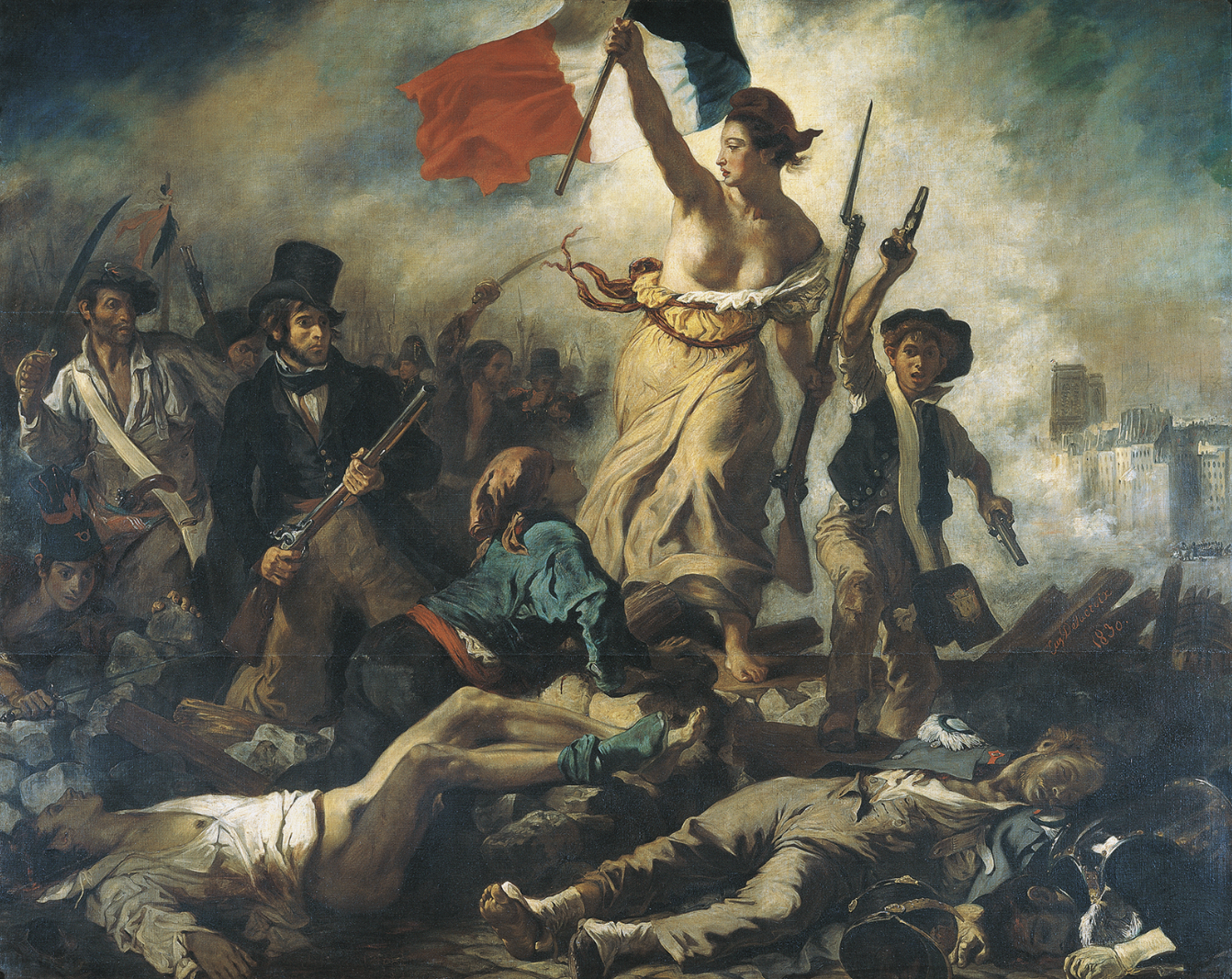
Eugene Delcroix, Liberty Leading the People, 1830, Oil on Canvas, (Pictorial License)
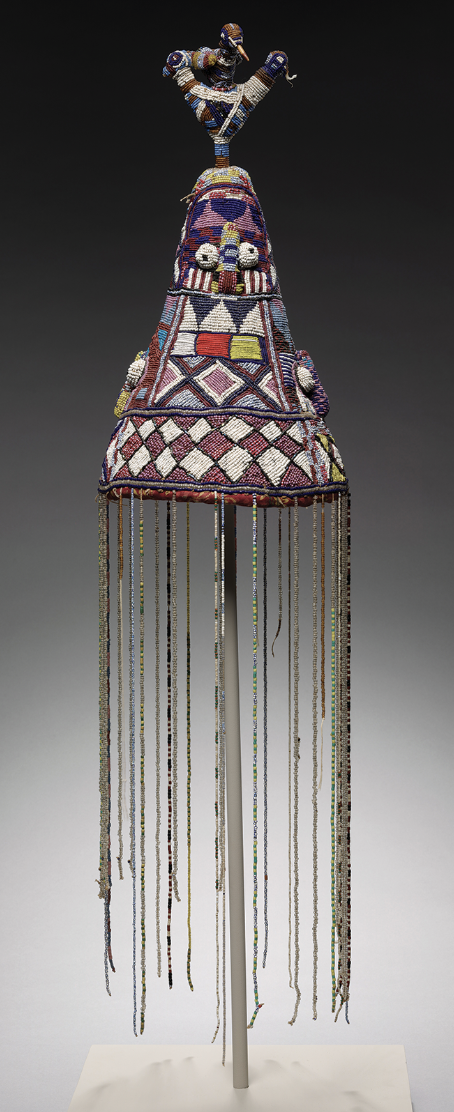
Yoruba Headdress, African, 19th Century, Beads and Mixed Media
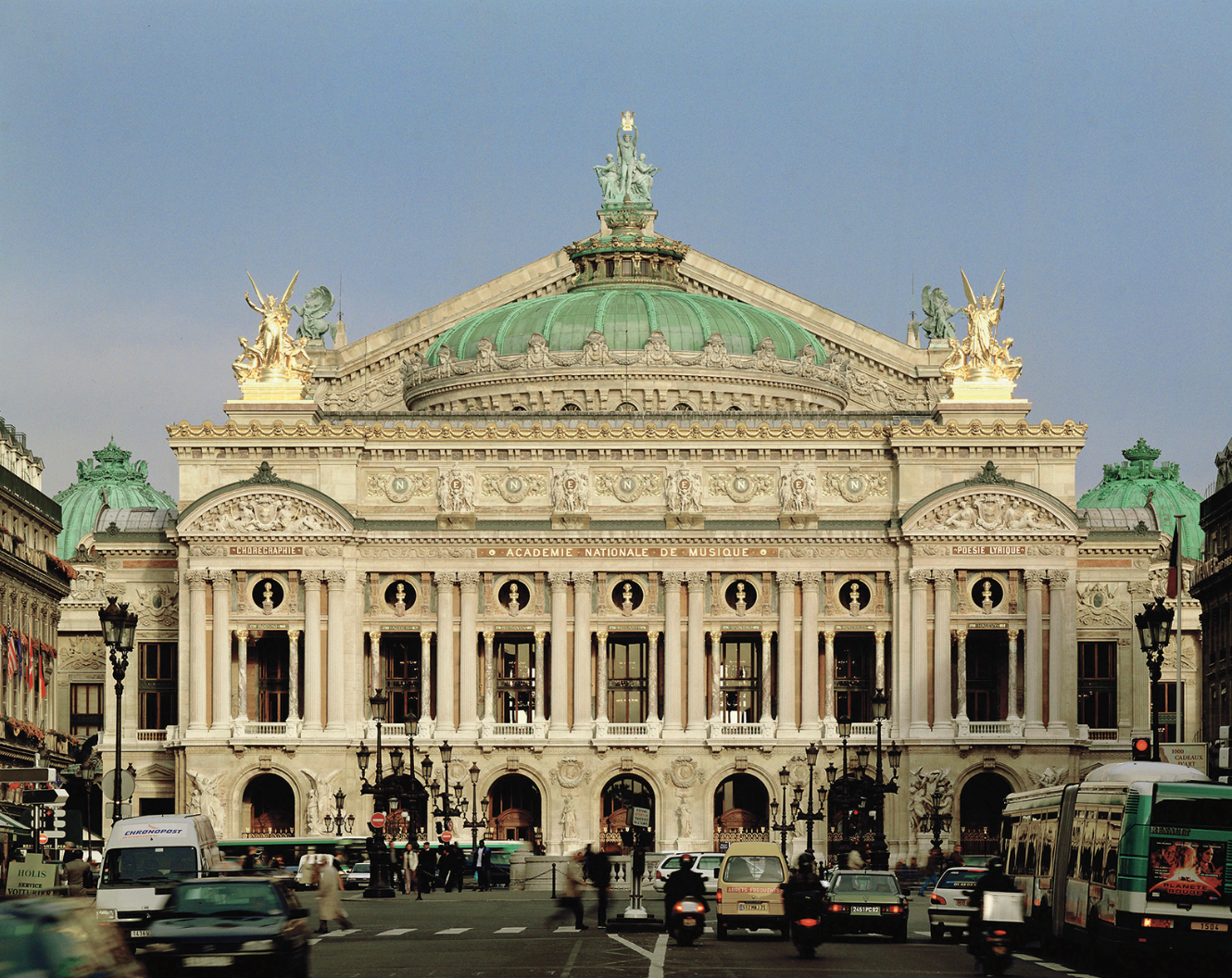
Jean-Louis-Charles Garnier, Facade of Opera, Paris, 1860-1875
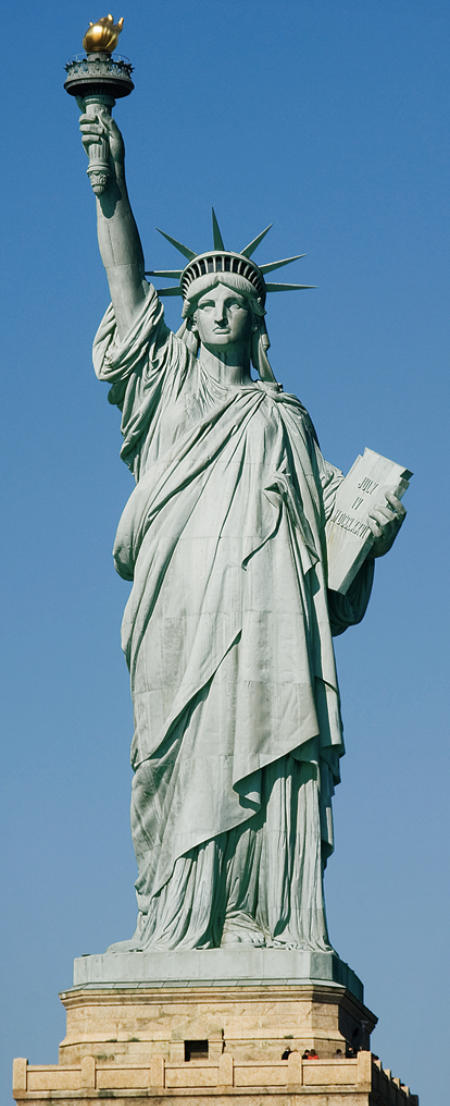
Frederic-Auguste Bartholdi, Statue of Liberty (Liberty Enlightening the world), Liberty Island (Bedloe’s Island), New York, 1871-1884, Copper Sheets mounted on Steel Frame
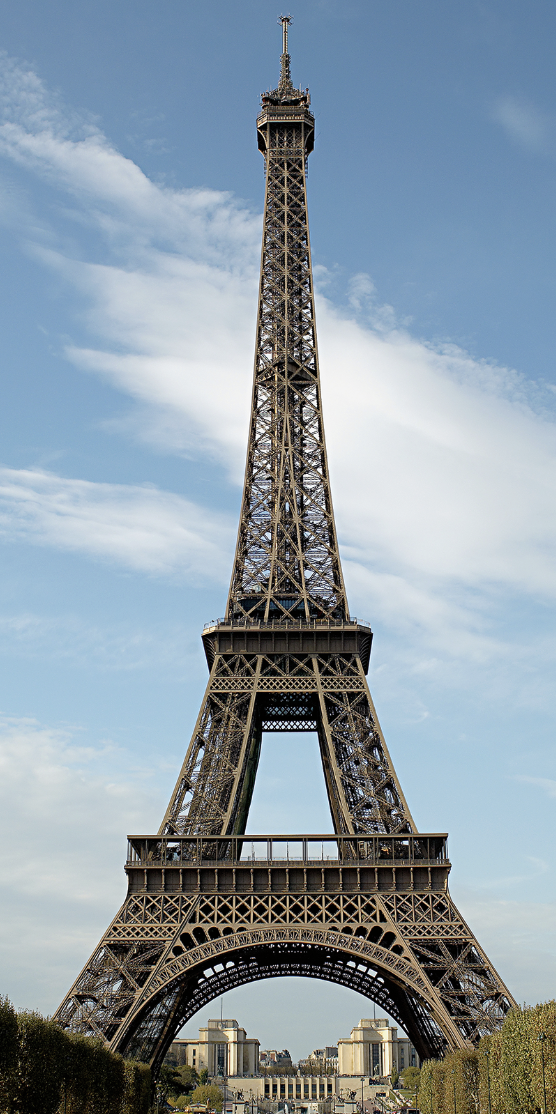
Gustave Eiffel, Eiffel Tower, Paris, 1889, Cast Iron on a Reinforced-Concrete Base, (Cast Iron Structures)
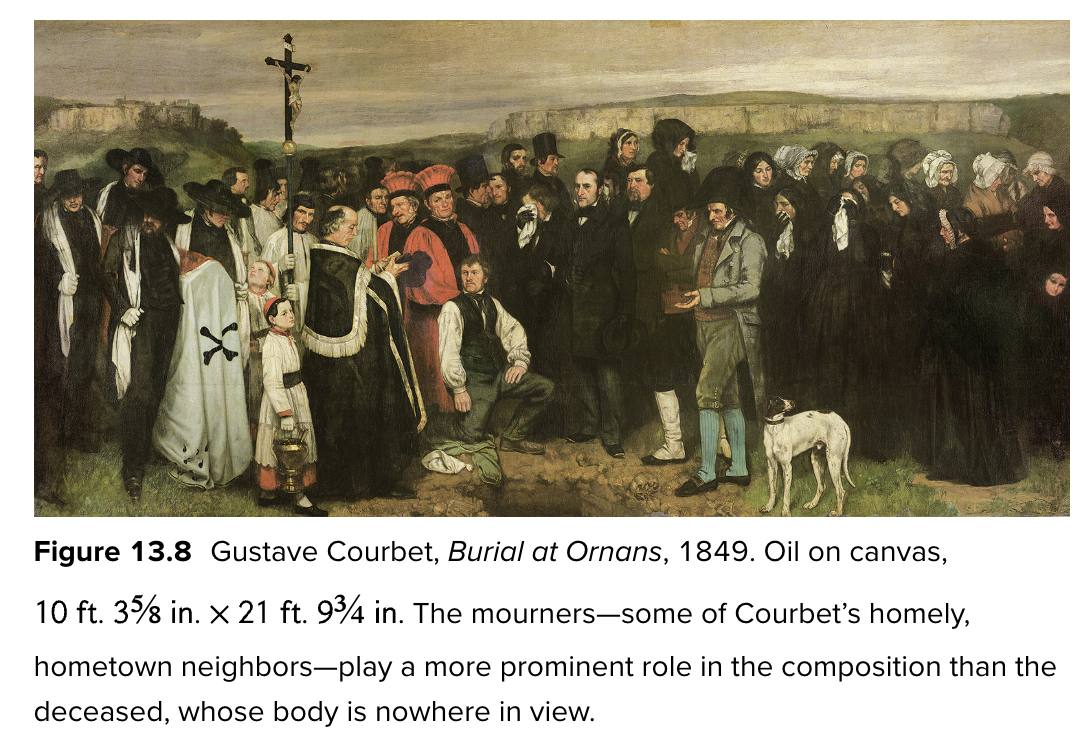
French Realist Painting
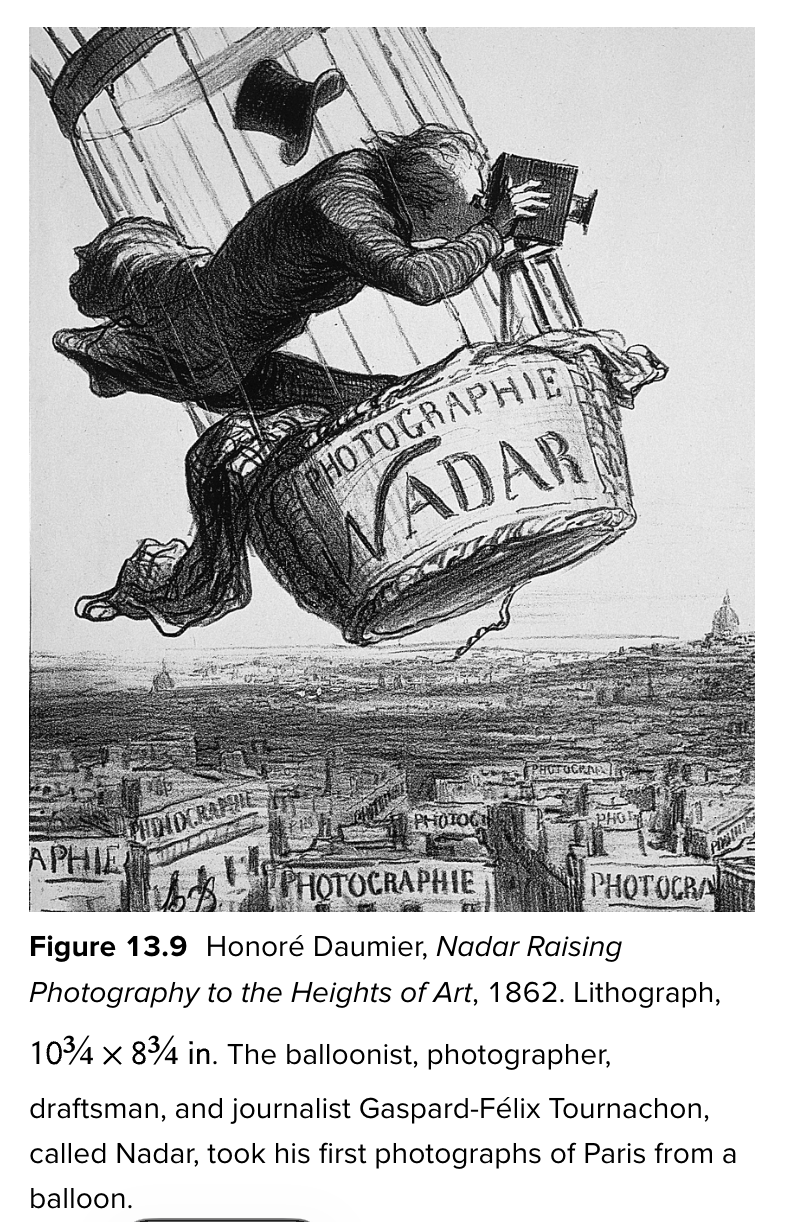
Social Realism
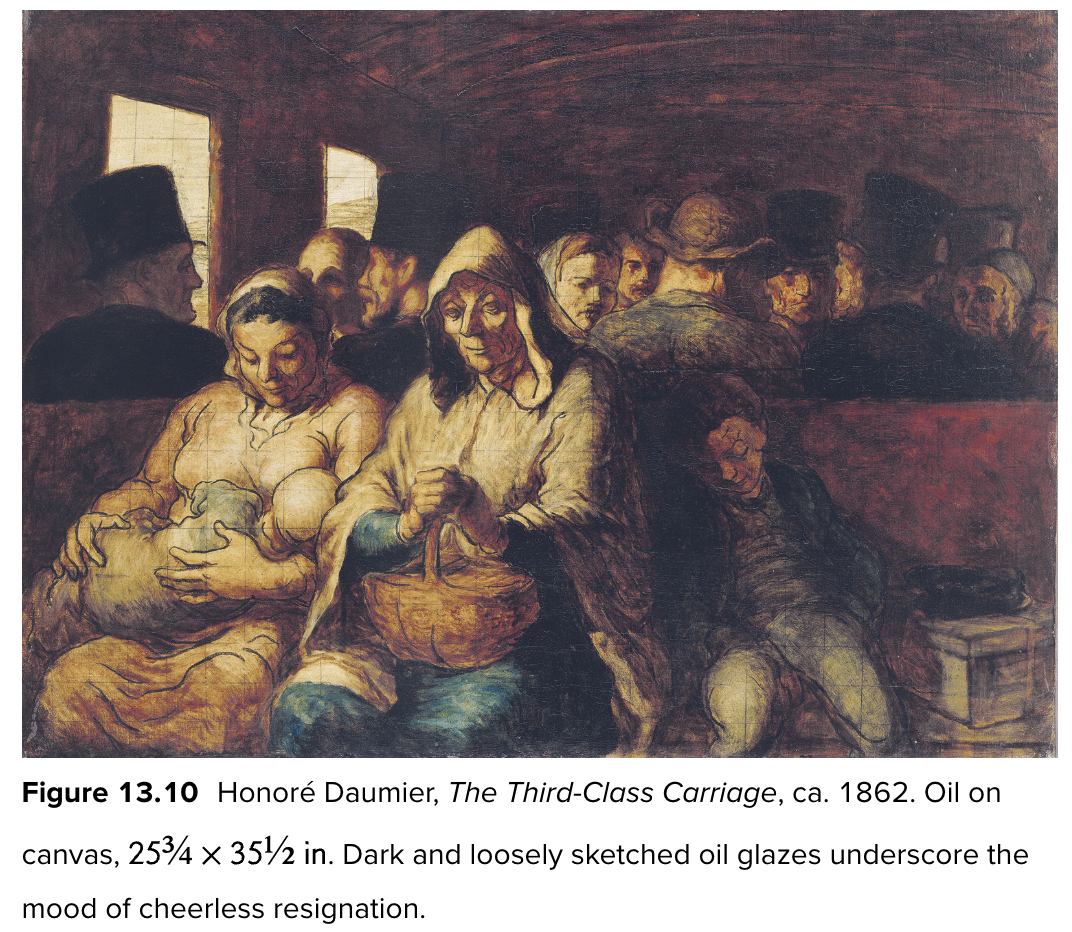
Social Realism
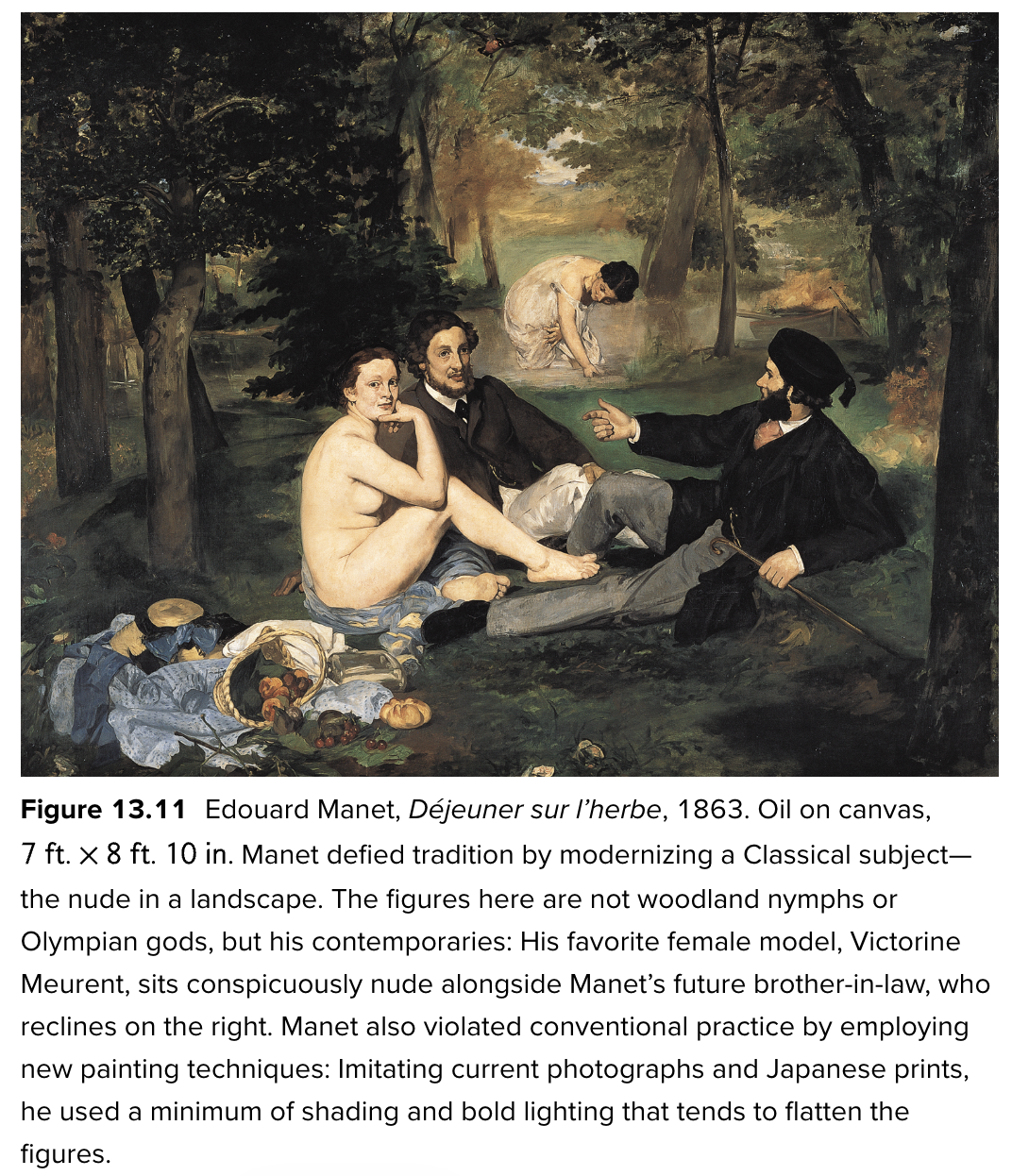
Realism
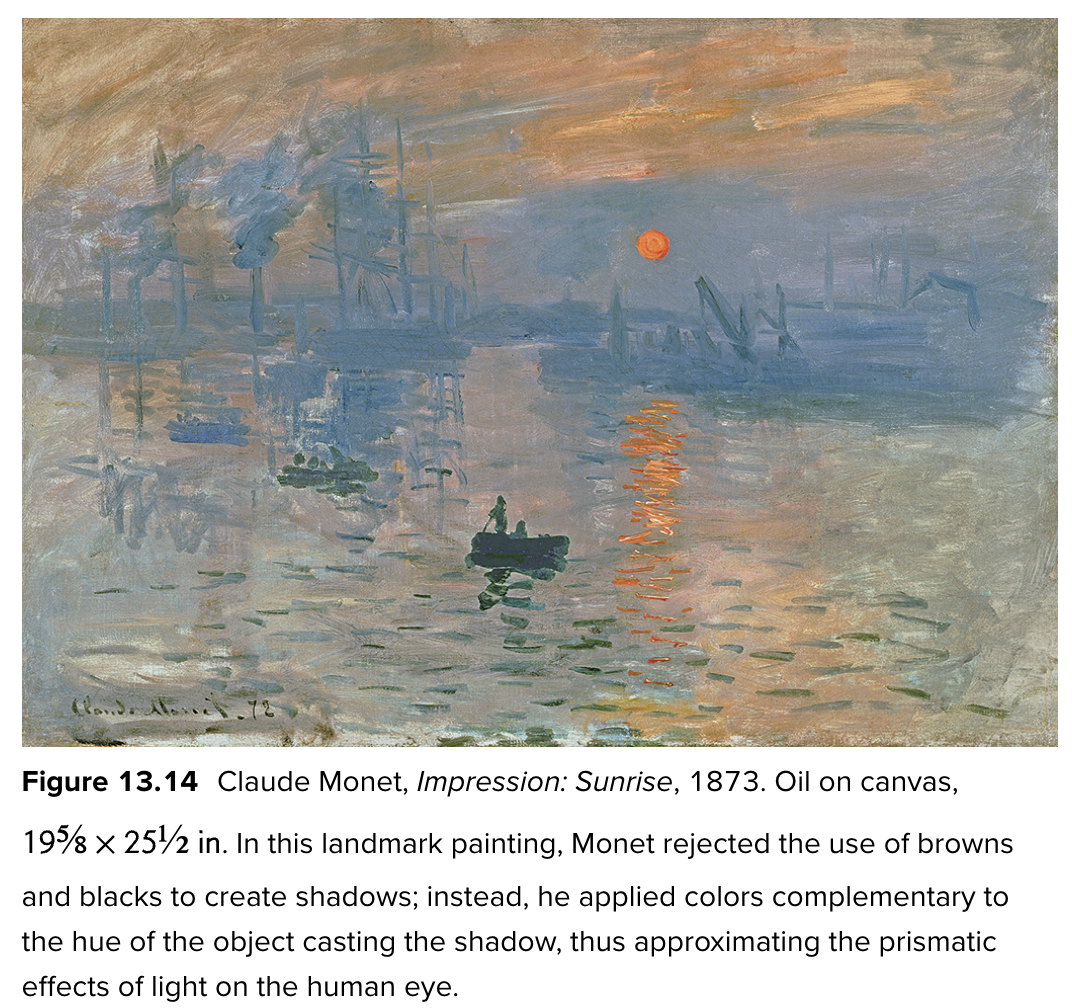
Impressionism
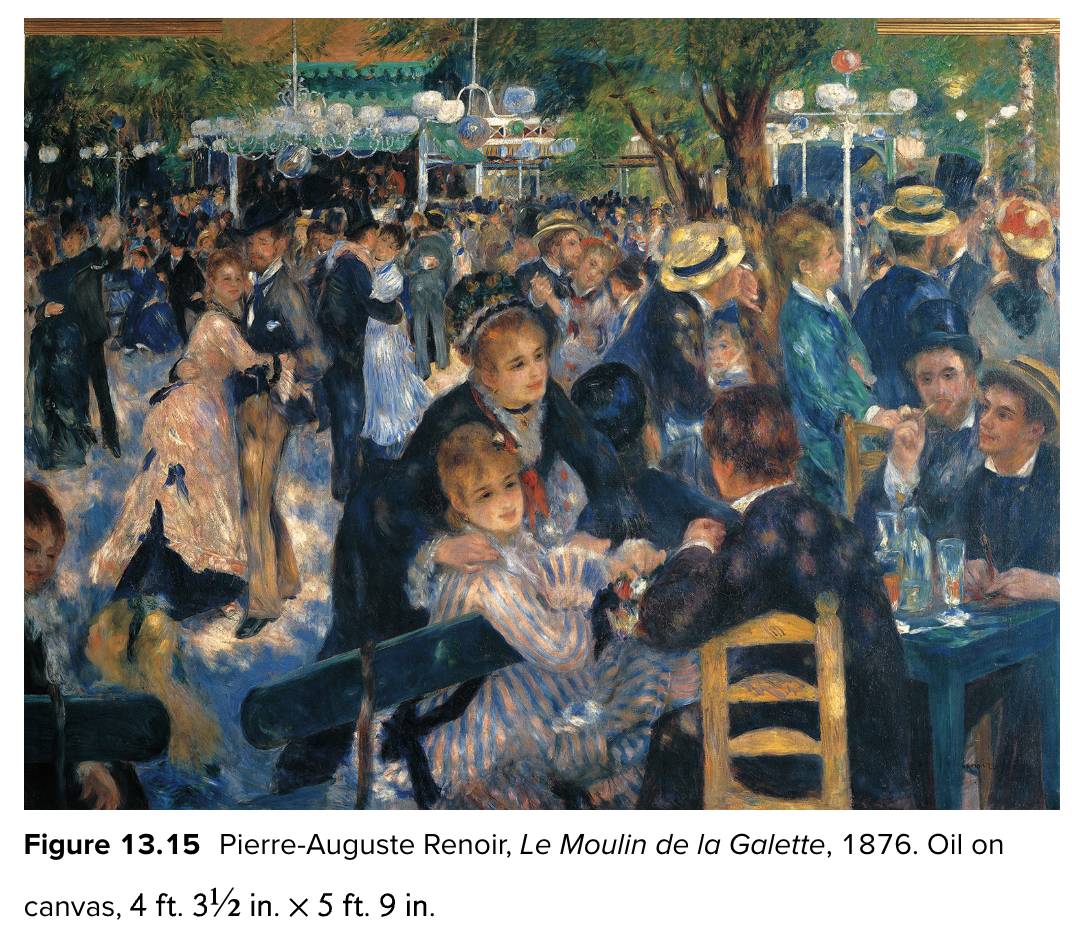
Impressionism
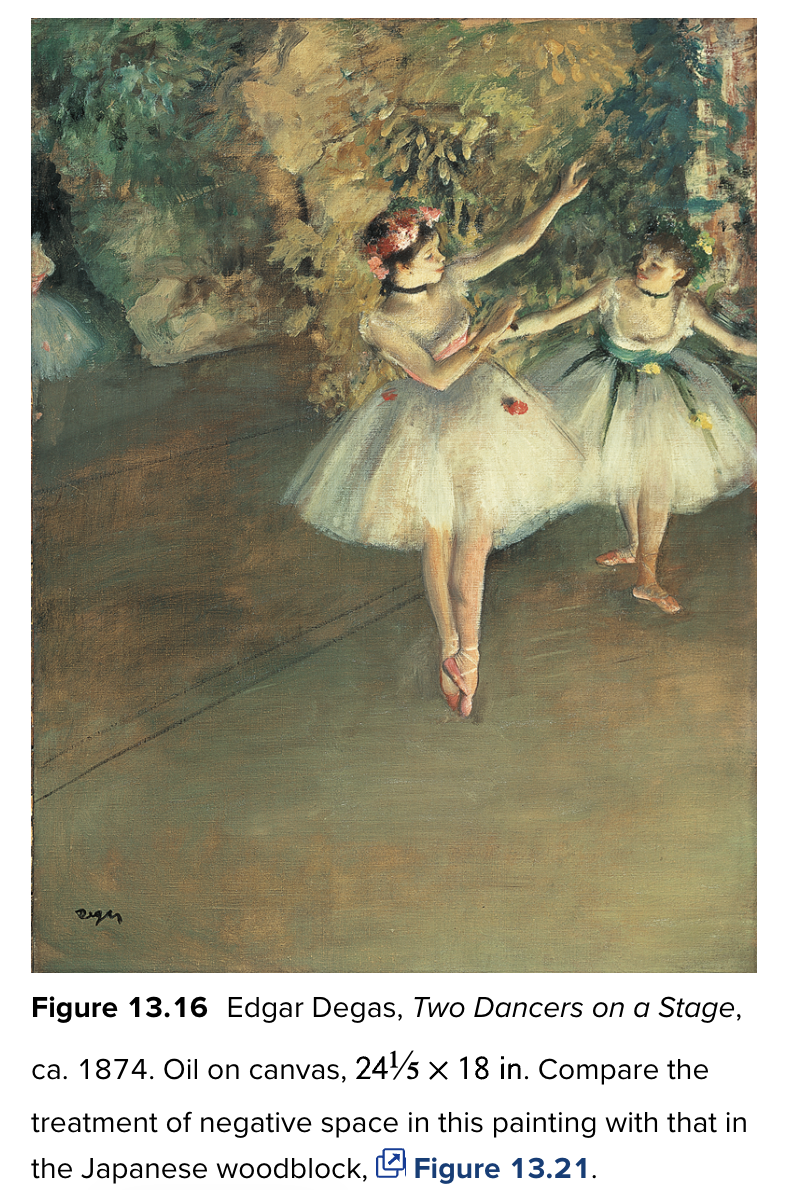
Impressionism
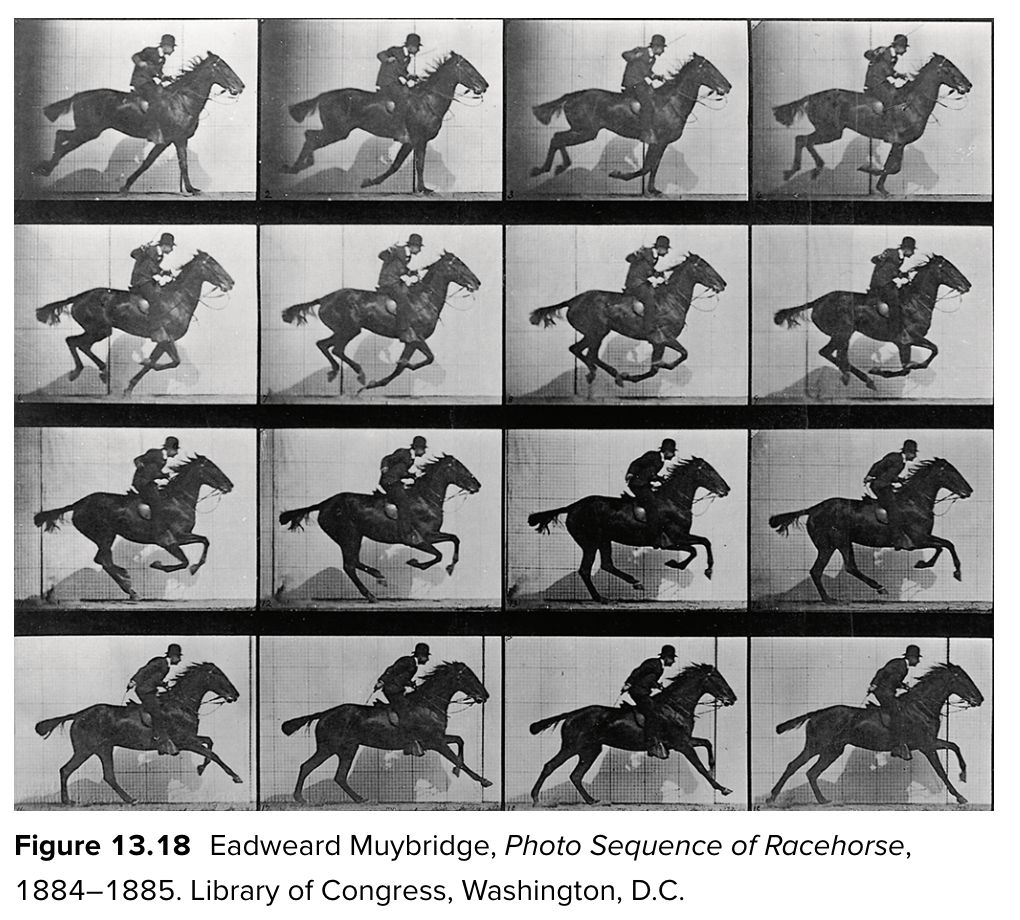
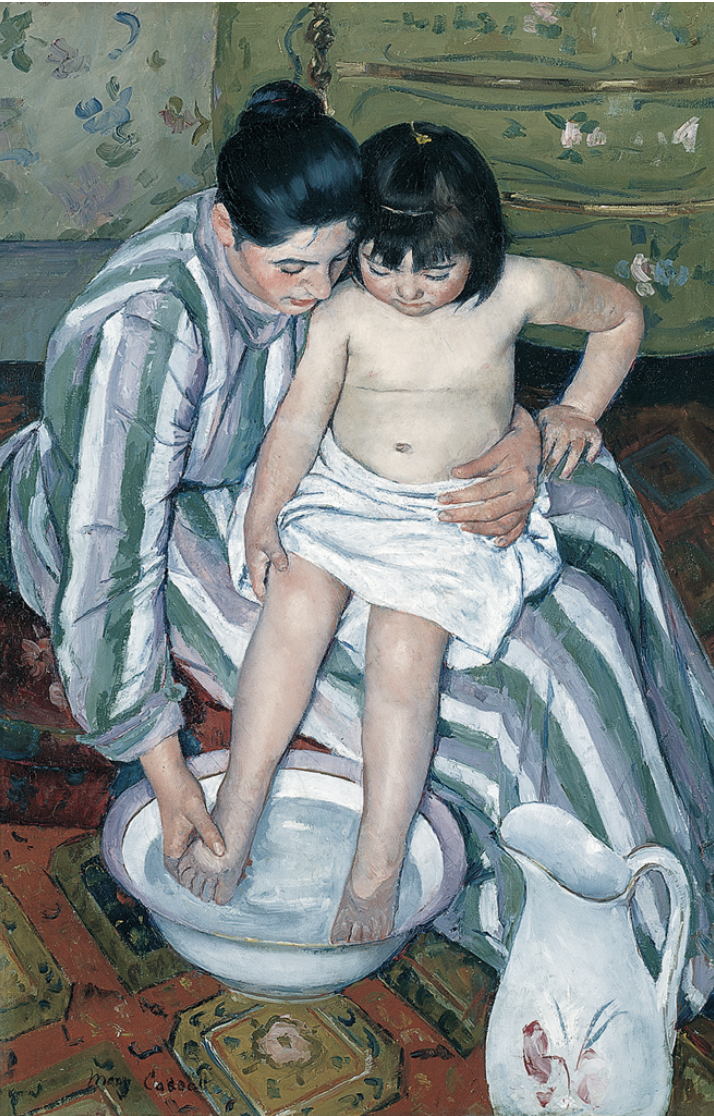
Mary Cassatt, The Bath, 1891-1892, Oil on Canvas, (Impressionism)
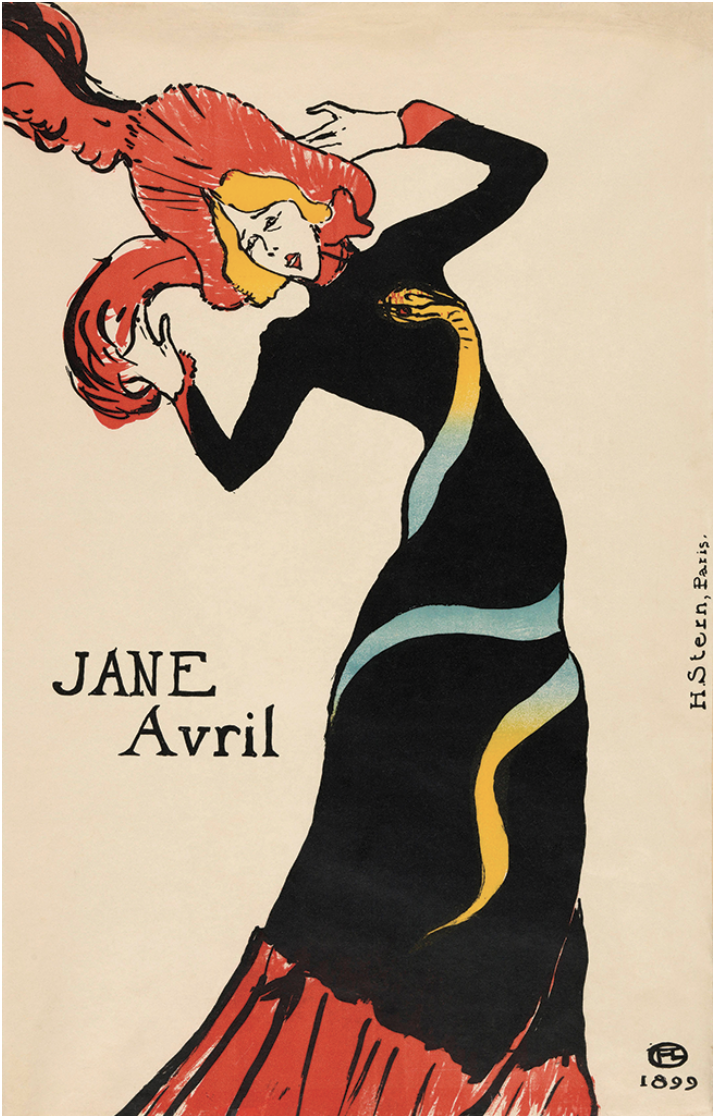
Henri de Toulouse-Lautrec, Jane Avril, 1899, Lithograph, Printed in color
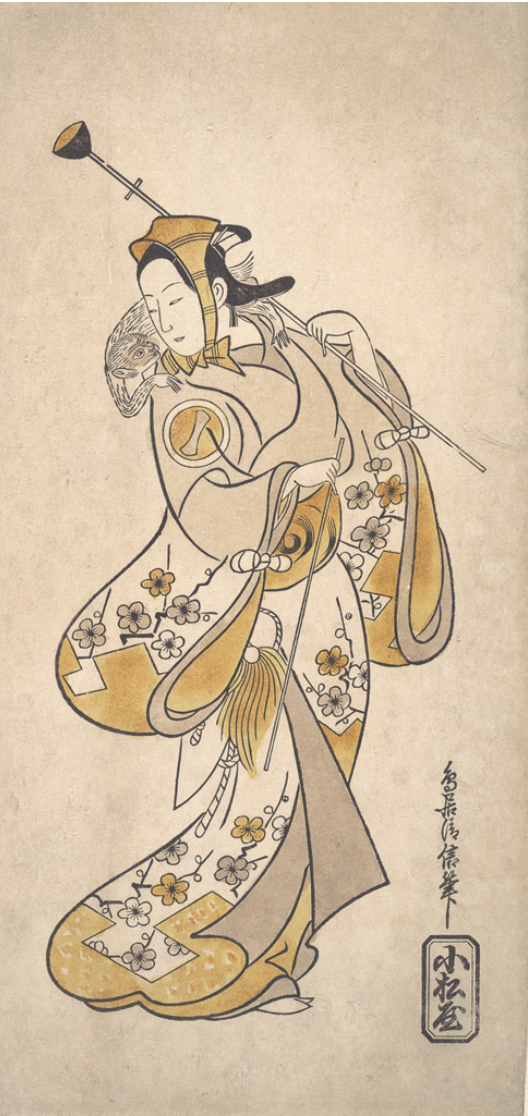
Torii Kiyonobu, Actor as Monkey Showman, Woodblock Print
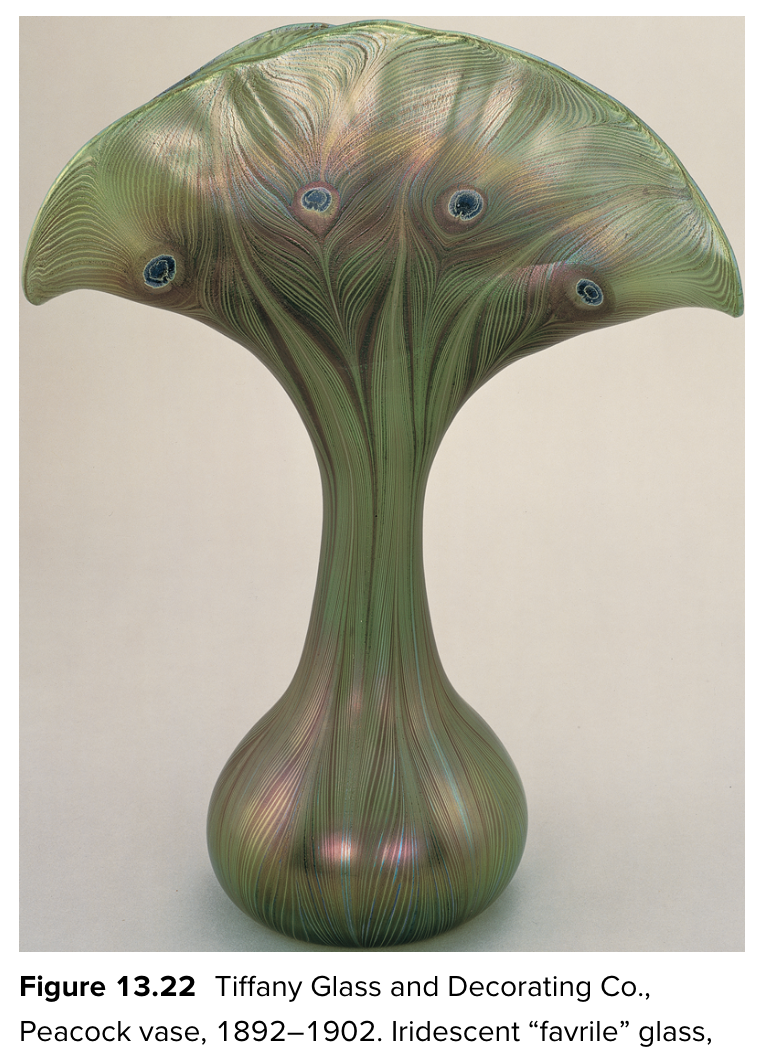
Postimpressionism and Art Nouveau
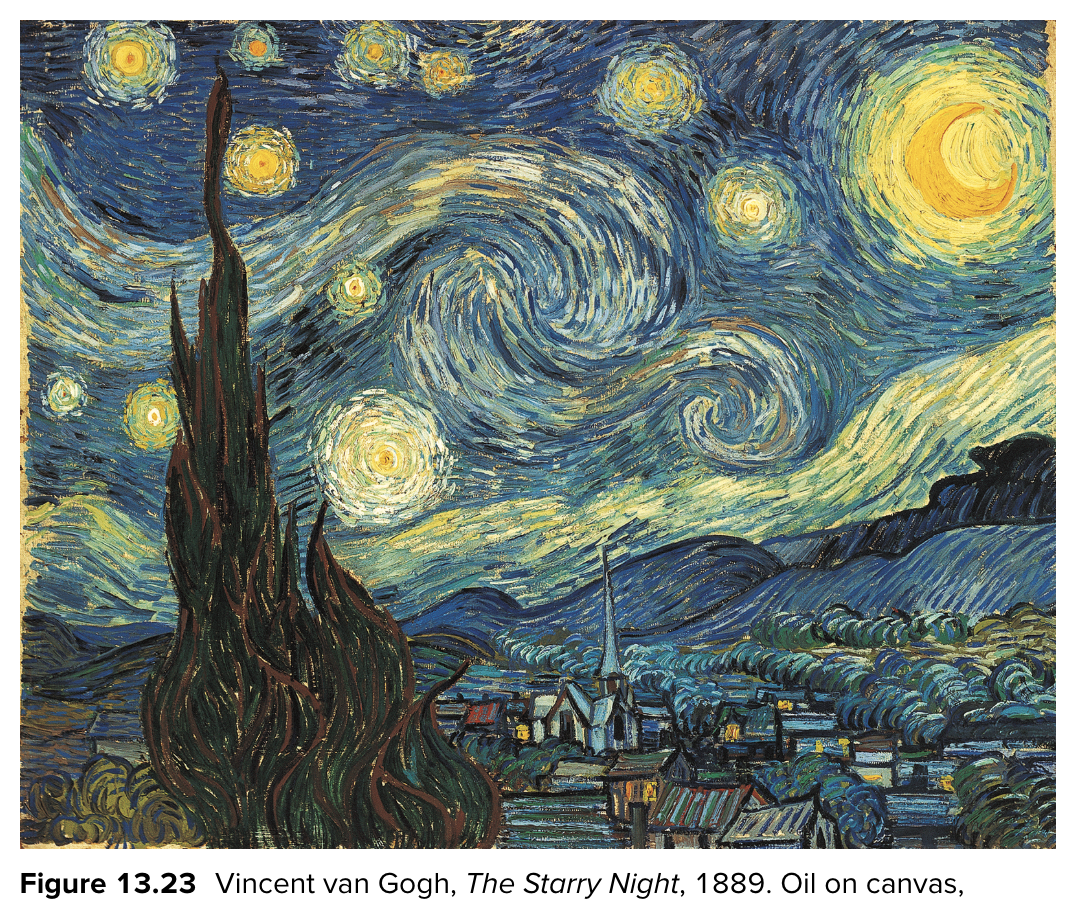
Postimpressionism
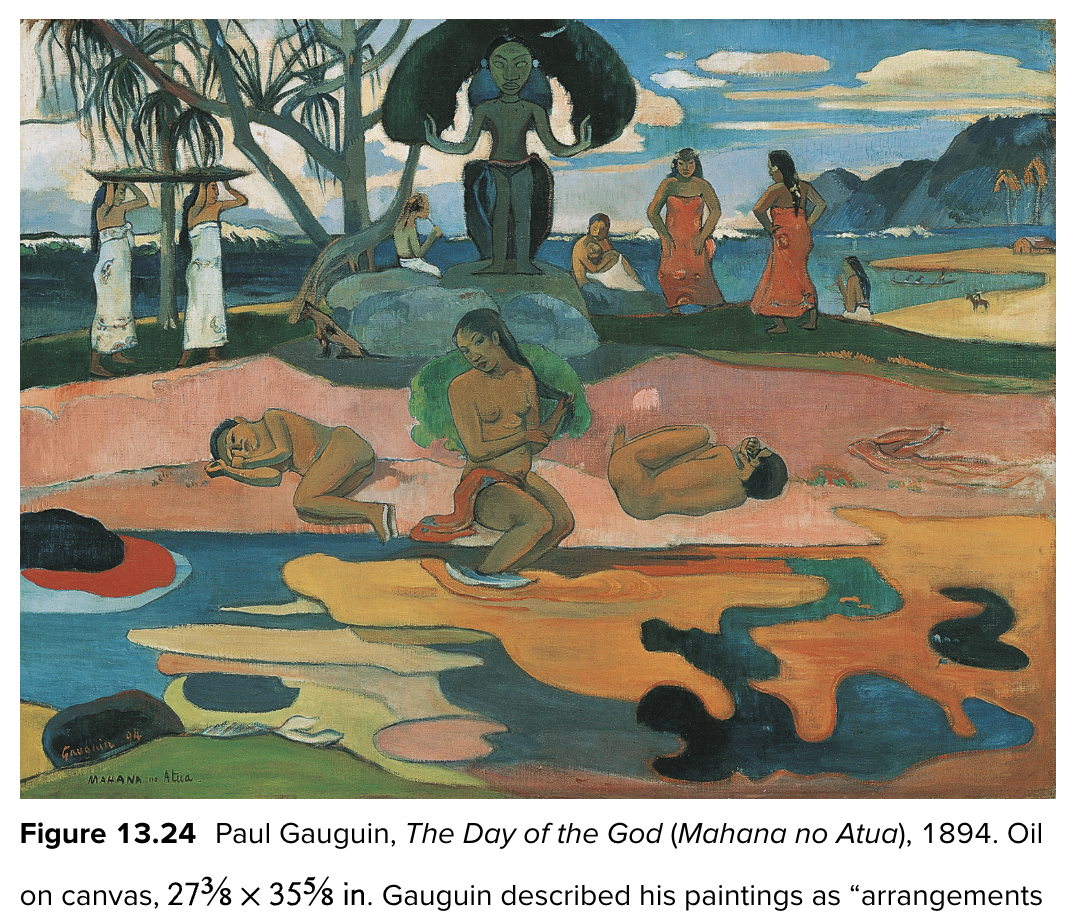
Postimpressionism
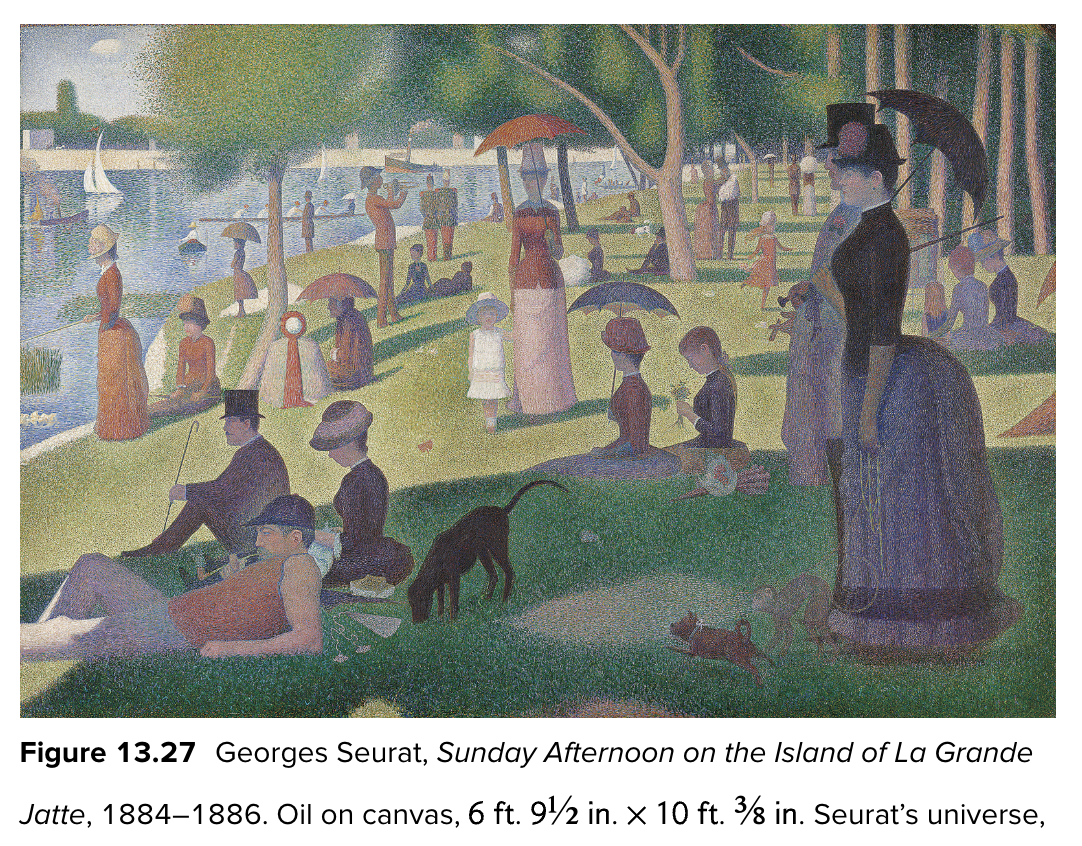
Postimpressionism and use of Pointillism
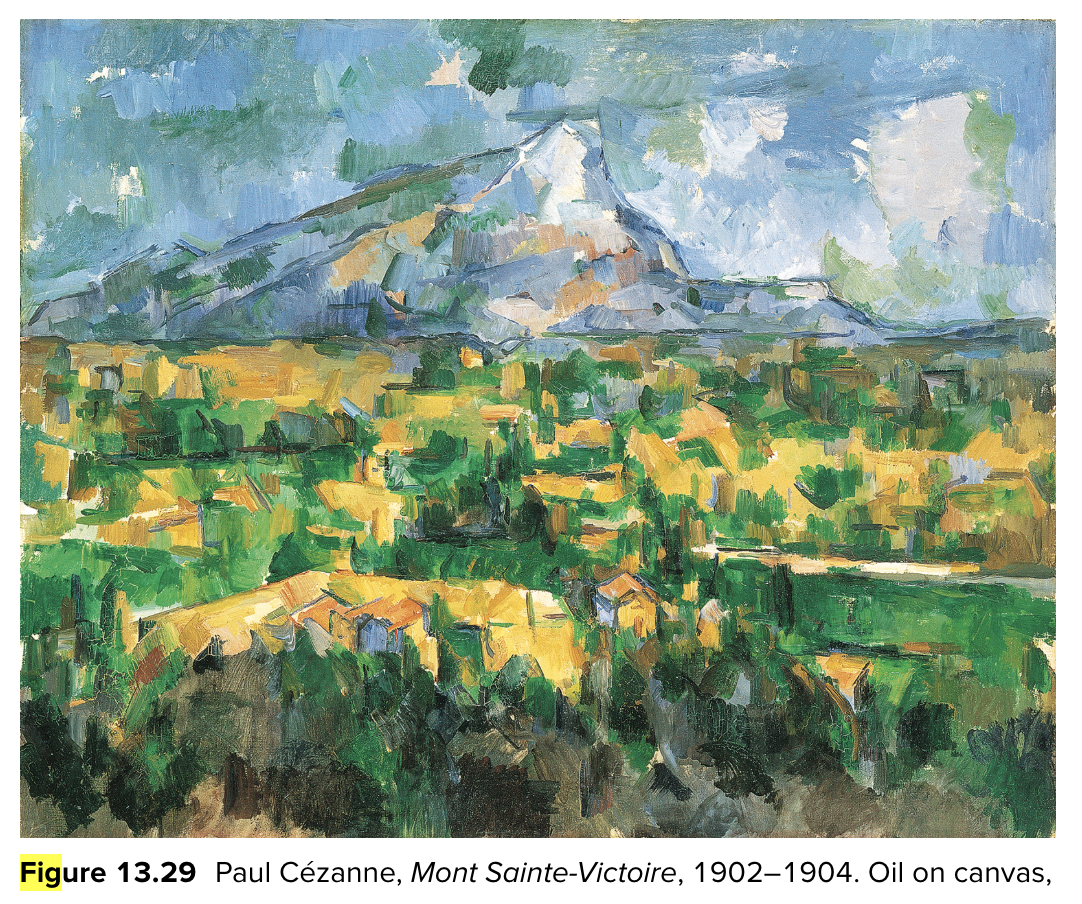
postimpressionism and led the way to modern abstraction
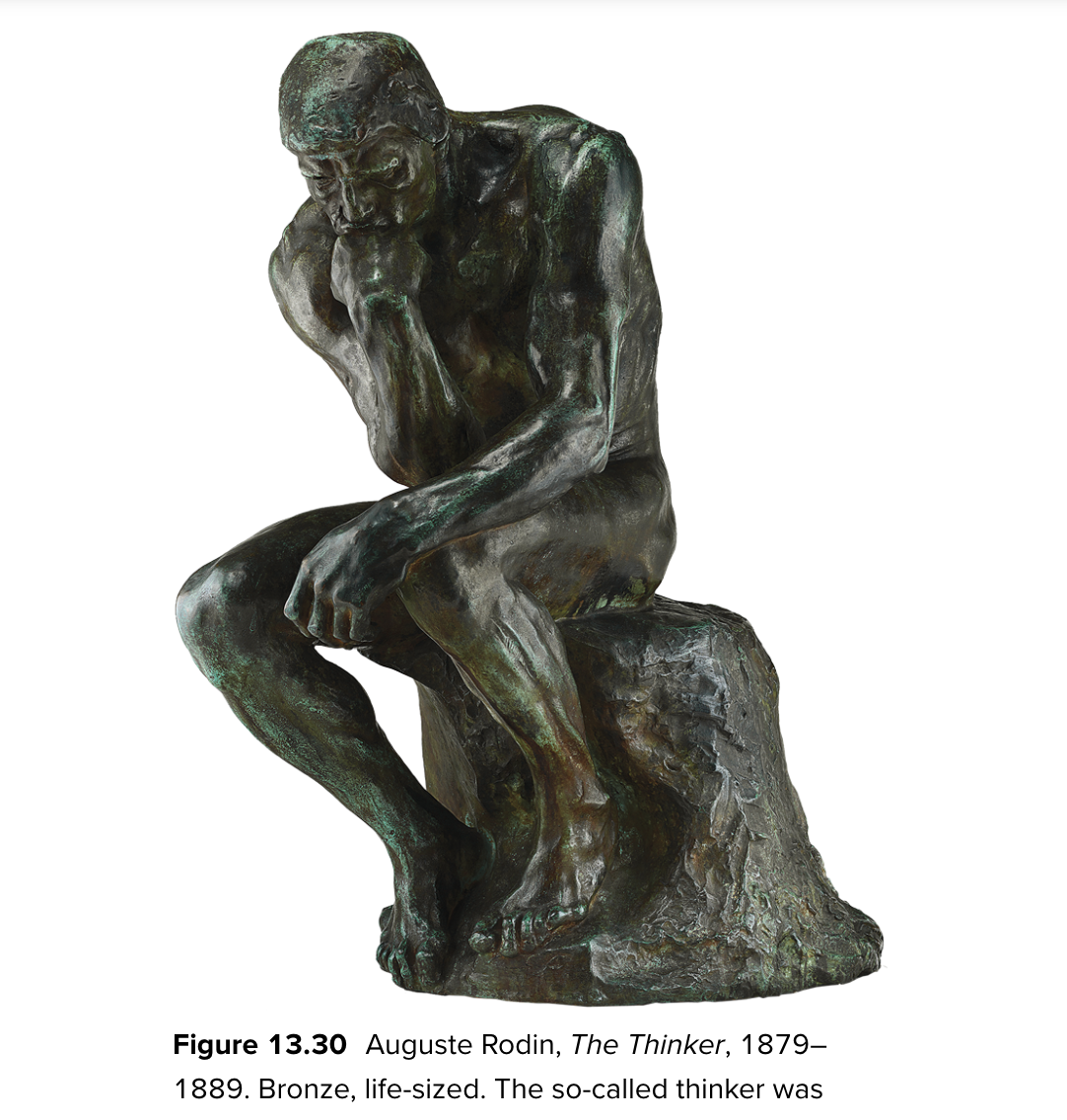
 Note
Note  Flashcards (21)