ID 300: History of Industrial Design – Final Exam Study Guide
 Studied by 0 people
 Call Kai
 Learn
Learn Practice Test
 Spaced Repetition
 Match
Match Flashcards
 Knowt Play
1/21

There's no tags or description
Looks like no tags are added yet.
Name | Mastery | Learn | Test | Matching | Spaced | Call with Kai |
|---|
No analytics yet
Send a link to your students to track their progress
22 Terms
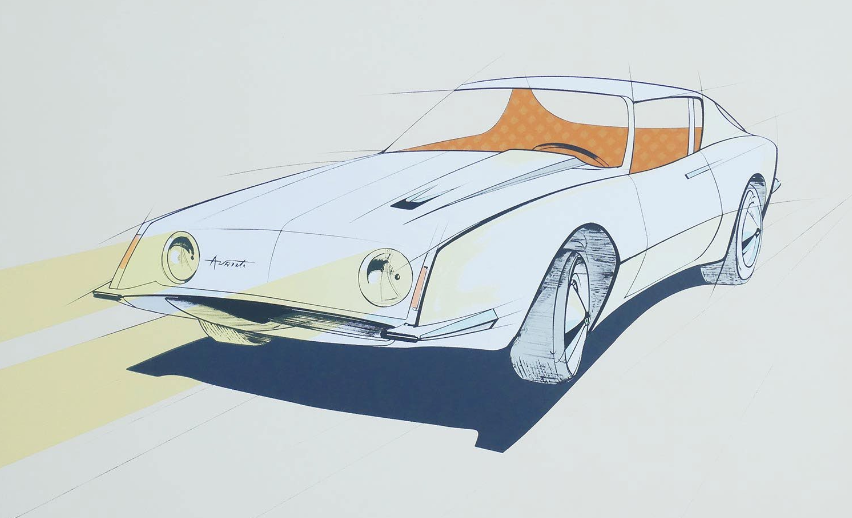
Avanti Studebaker Sketch; 1963; Raymond Loewy; American Depression Era; Felt pen created the ID sketch look today, Used full scale models and ½ model studies, celebrity designer using exciting sketches.
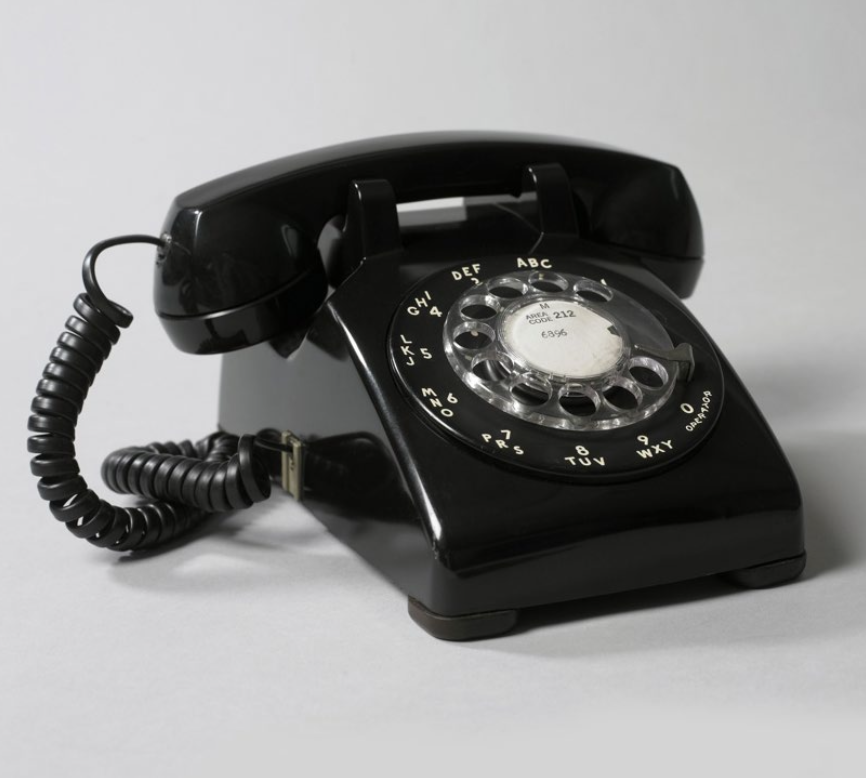
Model 500 Bell Telephone; 1949; Henry Dreyfuss; American Depression Era; Human factors to design the phone, 45 years in service - sustainable design, example of Dreyfuss design process.
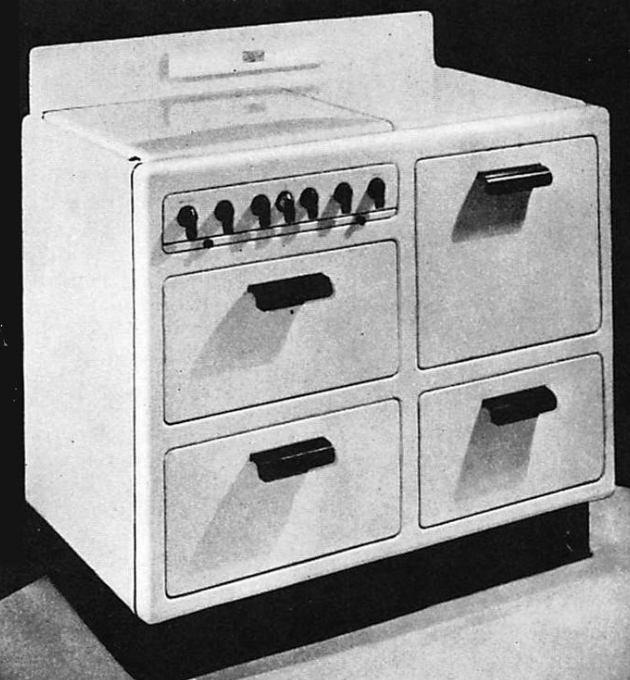
GE Magic Chef Stove; 1932; Norman Bel Geddes; American Depression Era; Easy to clean, clean, shiny smooth surfaces representative of Art Deco aesthetics, user understanding driven design.
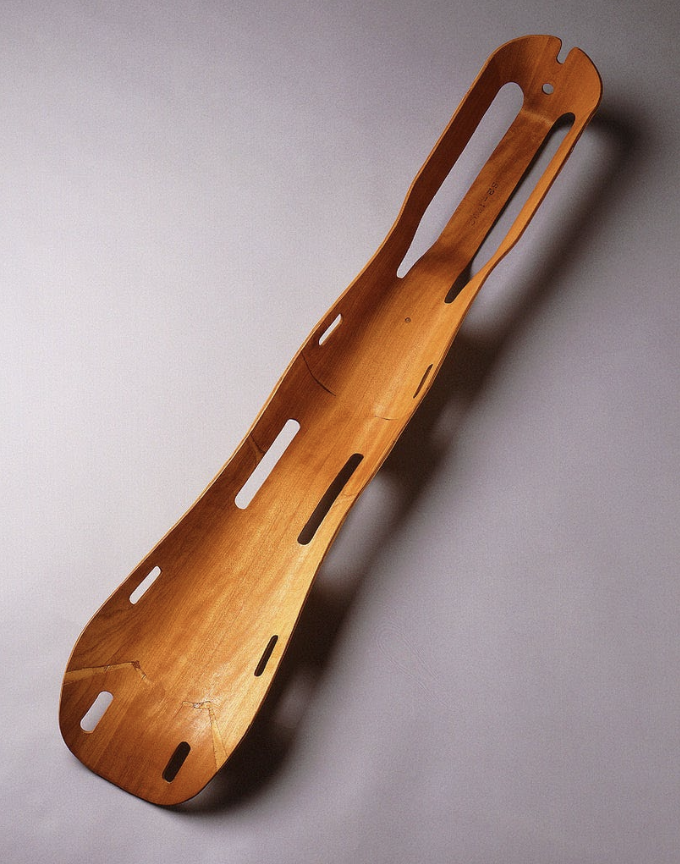
WWII Splint; 1942; Charles and Ray Eames; American Post WWII; Form and function integrated, formed plywood process, government sponsored project/designing for social problem
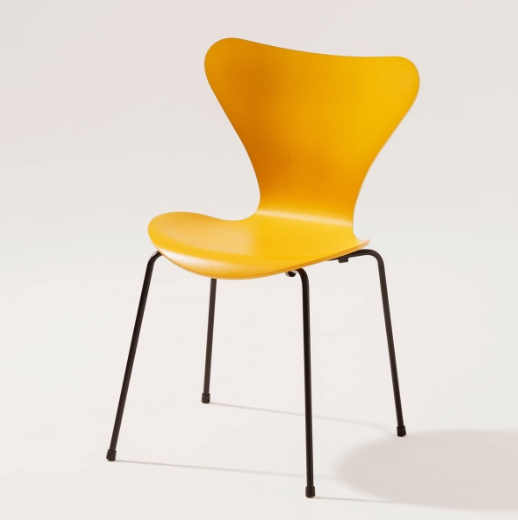
Series 7 Chair; 1955; Arne Jacobsen; American Post WWII; Formed “potato chip” plywood, solved the single piece construction equation.
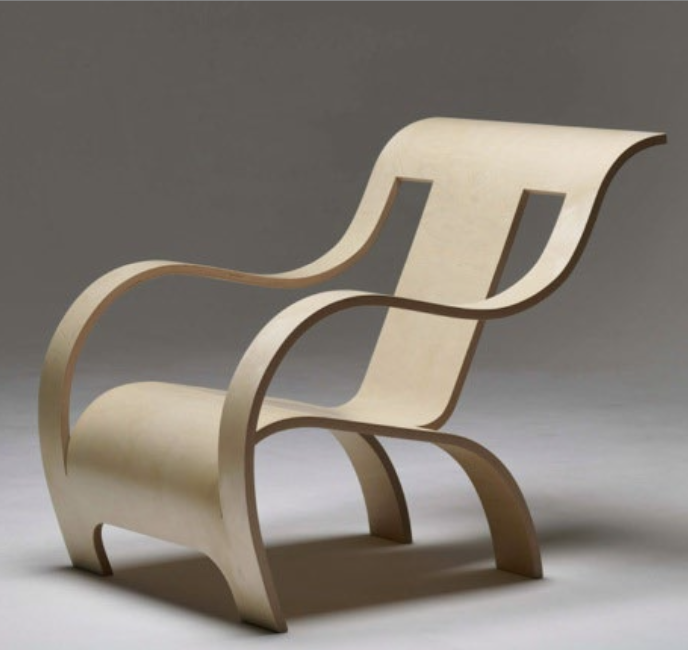
Bent Plywood Armchair; 1934; Gerald Summers; American Post WWII; Formed “valley and mountains” plywood, single sheet construction.
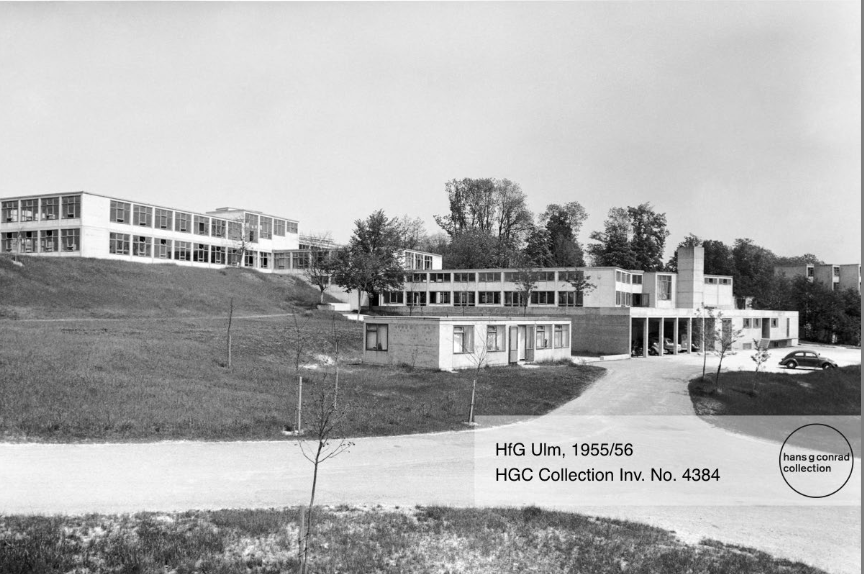
Ulm School; 1955-1968; Max Bill; European Post WWII; Moral rebuilding through education, design work with brands and companies, collaboration with Braun.
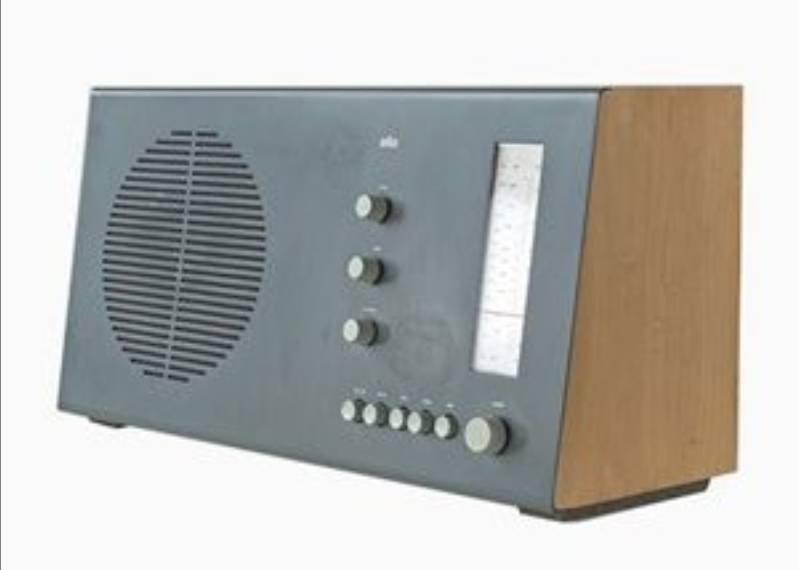
Braun RC31 Radio; 1961; Dieter Rams; European Post WWII; Rational design consideration for function, Bauhaus influenced aesthetics and philosophy, 10 principles example.
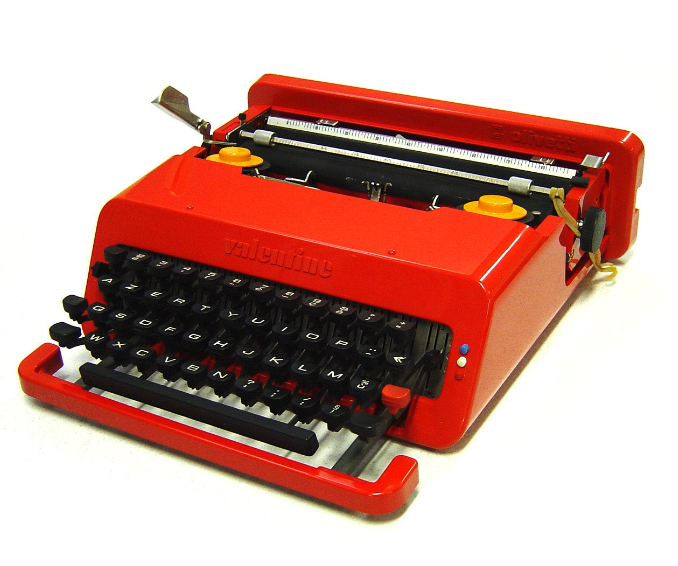
Valentine Typewriter; 1969; Ettore Sottsass; Pop and High Tech Era; Use of color and fun with plastics, Italian exploration of plastics, changed the use case from business to pleasure, similar to iMac G3 - welcomed into home.
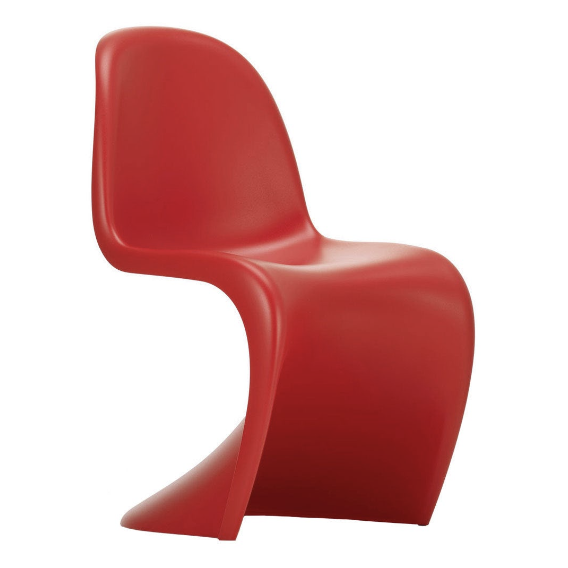
S Chair; 1970; Verner Panton; Pop and High Tech Era; plastics allowed new design forms, single piece injection molded, based on plywood studies.

Fiskars Scissors; 1967; Olof Backstrom; Pop and High Tech Era; Unique properties of plastics creating new ergonomic forms, iconic/timeless design.
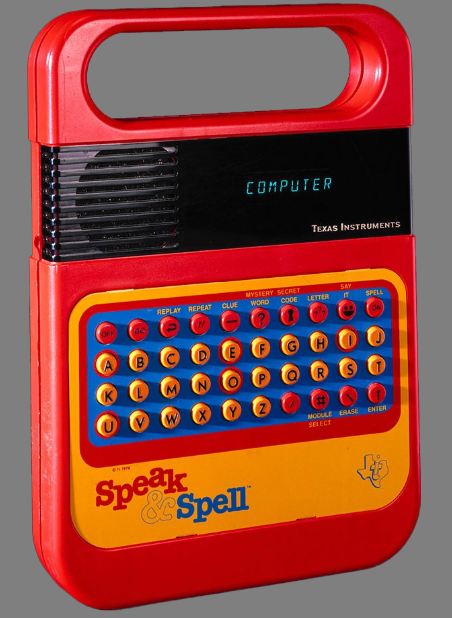
Speak and Spell; 1978; Texas Instruments; Computer Age; Form and function are divorced, housing lacked semantics, toys led the way to embracing electronics.
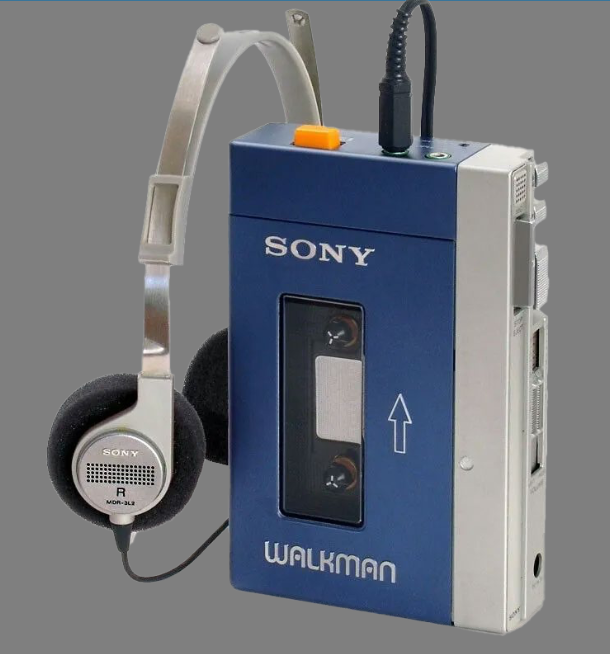
Sony Walkman; 1979; Sony; Computer Age; Listening to music on the go created a social change, private music experience, lacked semantic consideration, miniaturization of electronics, meeting a need people didn’t even know they wanted.
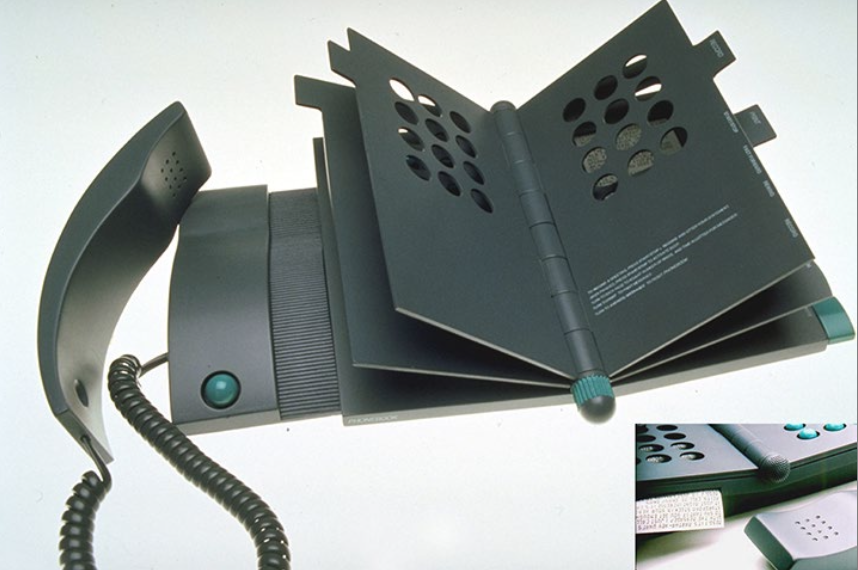
Phonebook Answering Machine; 1987; Lisa Krohn Tucker Viemeister; Computer Age; Used semantics to communicate function, metaphor of address book relates to the product, prototype concept ahead of its time.
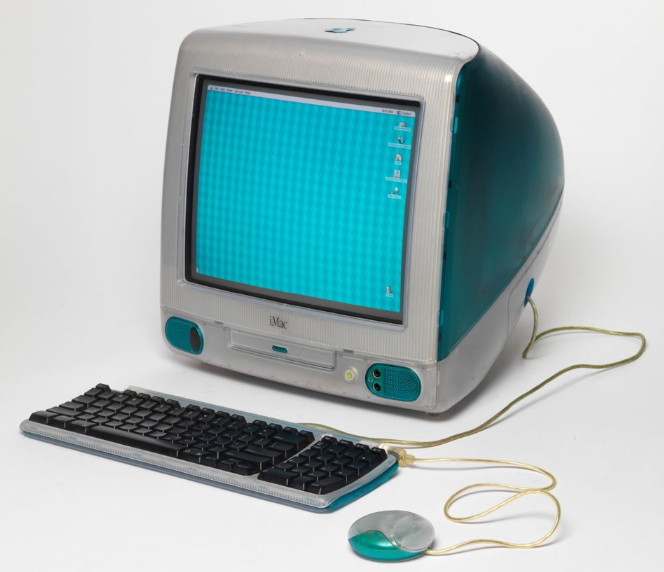
Apple iMac G3; 1998; Jonathan Ive; Computer Age; Semantics to communicate emotion, a CAD “blobject,” welcomed the computer as an entertainment product, integrated modem-acceptance of the internet age.
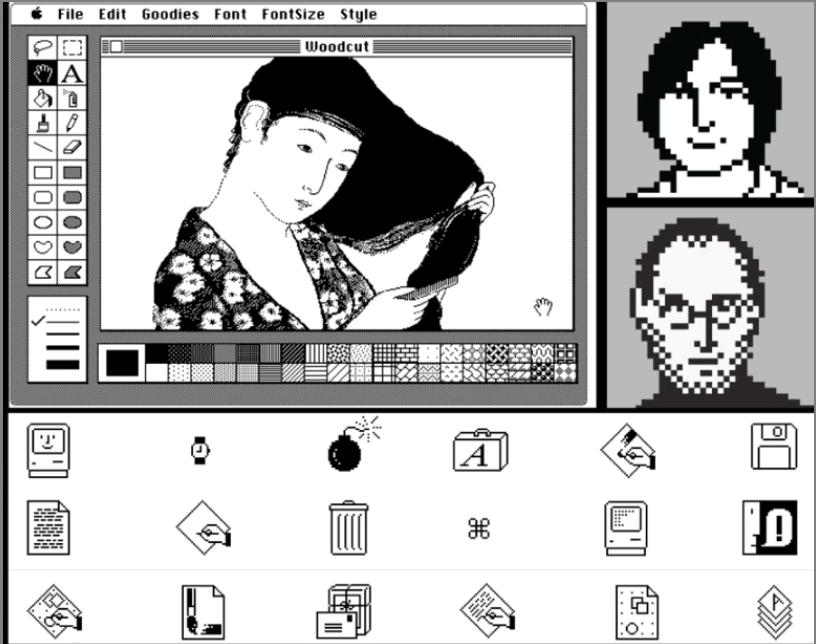
Apple II SE GUI Icons; 1984; Susan Kare; Computer Age; 1st example of GUI, translation of mosaic and needlework into digital icons, semantic desktop vs IBM punch card interface, timeless icon designs: origins of Dingbats and current day emojis.
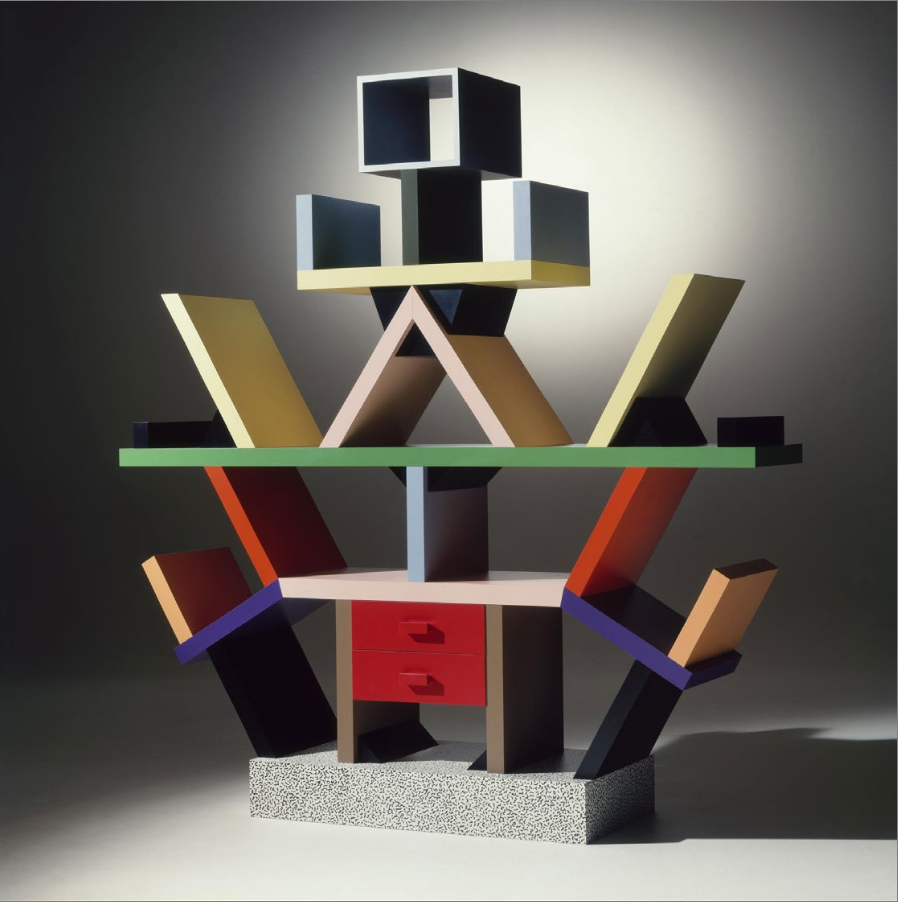
Carlton Room Divider; 1981; Ettore Sottsass; Memphis Style; Ephemeral fad, Italian lead exploration, poor semantic communication, artificial pop fad having unexpected cultural influence, “a shotgun wedding between Bauhaus and Fisher Price.”
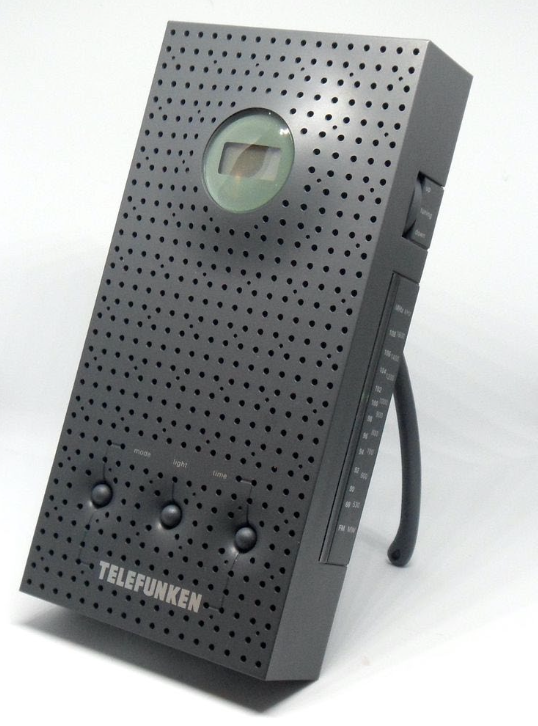
Portable Radio; 1999; Philippe Starck; Post Modernism; Conflicting semantic design, wishbone stand is miscommunication, celebrity design, collaboration between designers and brand names.
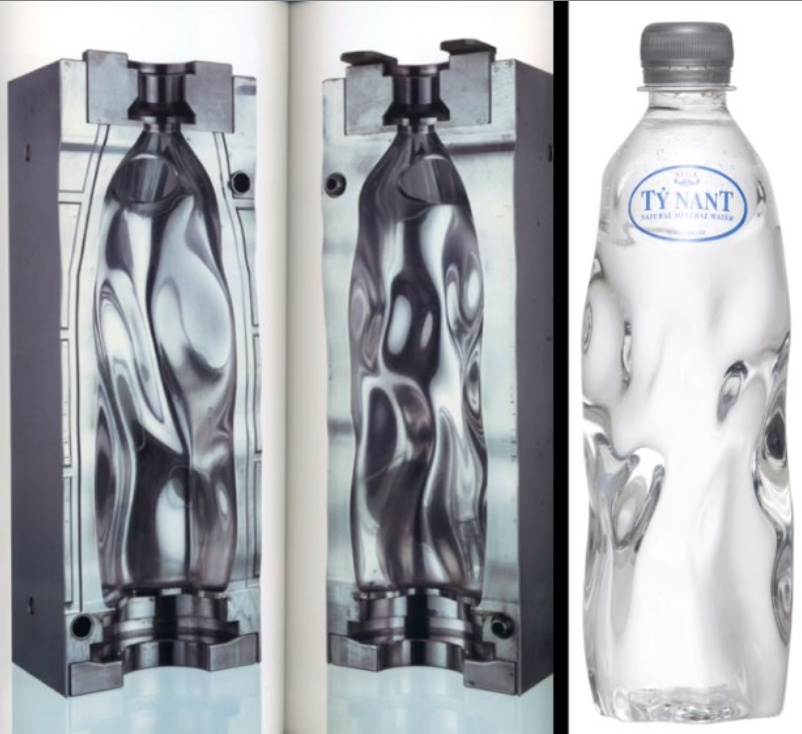
Ty Nant Water Bottle; 2002; Ross Lovegrove; Post Modernism; CAD/CAM design example, celebrity design, collaboration with name brand to elevate the worth of a commodity product.
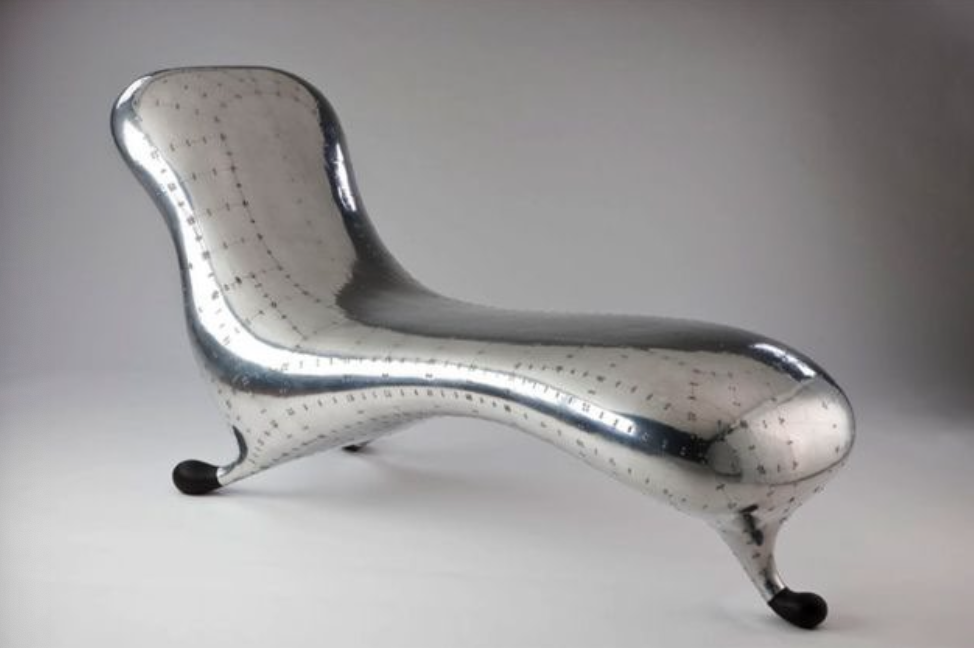
Lockheed Lounge Chair; 1986; Marc Newson; Post Modernism; A “blobject,” celebrity design, Is it art? is it functional or does it belong in a museum?, pop culture/ Madonna video, most expensive designer chair sold at auction, no consideration for ergonomics.
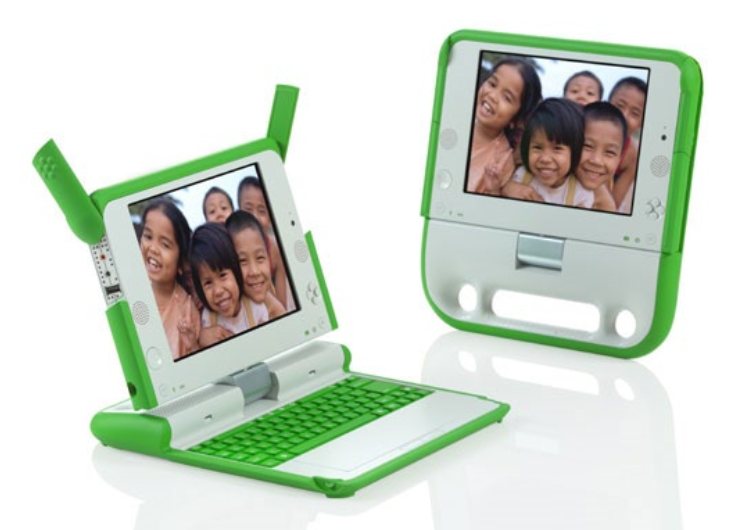
One Laptop Per Child XO Laptop; 2007; Yves Behar; Post Modernism; using celebrity designer status for social causes, materials appropriately used for the function.
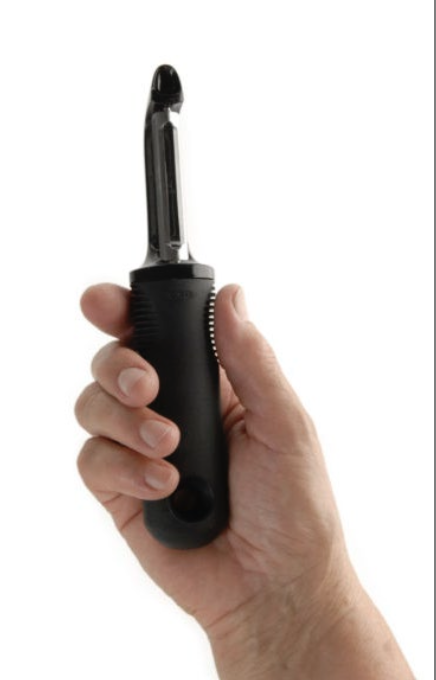
OXO Good Grips Peeler; 1989; Smart Design; Post Modernism; Multiple iterations in form study to get the final design, appropriate use of CAD to create form, group of designers. not 1 celebrity, form and function are rationally combined creating the OXO brand language.
 Note
Note  Flashcards (97)