Companion Animal Behavior
 Studied by 0 people
 Call Kai
 Learn
Learn Practice Test
 Spaced Repetition
 Match
Match Flashcards
 Knowt Play
1/99

Earn XP
Description and Tags
(canine and feline)
Name | Mastery | Learn | Test | Matching | Spaced | Call with Kai |
|---|
No analytics yet
Send a link to your students to track their progress
100 Terms
- Many animals are euthanized or rehomed because of behavior issues
- Most owners report that their animals have behavior problems (spectrum in what is a problem to different people)
Why do we care about animal behavior?
first
Behavior is often the ___________ clinical sign of a medical disease
- Genetic predisposition
- Early experience (socialization, human interactions)
- Traumatic events
- Environment where they live
What factors can shape behavior?
genetic
There are some _____________ based differences in temperment between cat breeds and their breed can affect how learning occurs
Pedigree
______________ cat are more likely to present with problem behaviors
- Confident and Inquisitive
- Timid and Nervous
- A Combination
What kinds of personality types can cats display?
father
Personality in cats has been found to be determined by genetic information from the ____________
oxytocin
The number of _________________ receptors has been linked in dogs and cats to irritability
- Feline Behavioral Assessment & Research Questionare (Fe-BARQ)
- Canine-BARQ
What is the questionares designed to look for patterns in animal behavior through their genetics and with certain breeds?
Agouti
What cat coat color is more associated with increased cat aggression?
Red
What cat coat color is associated with increased prey interest and fear-related aggression towards unfamiliar people?
Piebald
What cat coat color is associated with decreased stranger-directed aggression and vocalization?
Lilac
What cat coat color is associated with increase in playfulness, attention seeking, and separation-related behavior?
Tortioseshell
What cat coat color is associated with increased cat aggression and prey interest but decrease in aggression to dogs?
Persian
What cat breed is associated with decreased activity/playfulness, predatory behavior, and prey interest?
Bengals
What cat breed is most likely to urine mark?
Abyssinians
What cat breed is associated with increased sociability (with people) and cat aggression?
Birmans
What cat breed is associated with fear-related aggression (familiar people) and house-soiling?
Maine Coons
What cat breed is associated with owner-directed aggression and prey interest?
Tonkinese
What cat breed is associated with playfulness, sociability with people, vocalization, attention seeking behavior, and separation related anxiety?
shorter
Cats were domesticated more recently so they have a ____________ period for socialization
wild
To determine normal species specific behavior, you have to look at the closest ____________ ancestor
nutritional
Cats are naturally territorial, independent hunters and have special _______________ requirements
female, antagonistic
Cat's social system is _____________ based and they tend to be _________________ toward other cats
Can be both!
Are cats a predator or prey species?
- Urine marking
- Scratching
- Aggression
What are normal cat behaviors that can be undesirable to humans?
- Previous site use
- Surface preference
- Surface aversion
- Access to preferred elimination sites
What are factors that can influence cat elimination habits?
Bigger
_______________ litter boxes are usually better
- Sharpen their nails
- Mark territory (pheromones from pads)
What are the two main purposes for scratching in cats (NORMAL BEHAVIOR)?
visible
Cats will choose a _________________ area to scratch (windows, sleeping areas) and are attracted to new things in the environment
- Wood
- Sisal rope
- Rough fabric
What are the most preferred mediums for cat scratching?
queen
Predatory behavior in cats is dependen on the _____________location and the preferred prey
Crepuscular (dusk and dawn)
What times of day are cats active (hunting time)?
10-20
Cats are designed to eat ______________ small meals throughout the day and night = need a constant protein source
decreases
Feeding ________________ consumption and time spent hunting, but not the behavior itself = will stop eating to kill (preferred)
12
Dogs that are fearful by _________ weeks are likely to be fearful as adults = sooner intervention is preferred
serotonin
Low __________________ levels in dogs have been associated with human directed aggression
Oxytocin
______________ receptors in dogs have been associated with an animal's ability to social bond
groups
Dogs live in social __________, not packs (a family unit for wolves)
linear
The hierarchy of dog social groups is not _____________ = more complex and fluid
rare
There are a lot of ritualized behaviors between both dogs and wolves so aggression in both is ______________ (usually do to anxiety or fear)
- Chewing
- Mouthing
- Jumping
- Digging
- Barking
What are normal canine behaviors?
learning
Restricting the early environment of dogs restricts their __________________
increased
Early removal of puppies from the litter can resultin in ________________ reactivity and anxiety = increased stress hormone, decreased serotonin
Disease
__________________ (esp. those that require hospitalization) in the first 4 months can result in increased reactivity, fear-related aggression, aggression towards familar people (touch, husbandry care)
3-14 weeks
What is the socialization period for dogs?
2-7 weeks
What is the socialization period for cats?
positive
During socialization, dogs should have _______________ experiences with different people, places, and things in controlled interactions (not forced) = Quality over quantity)
before
Cats should be handled _____________ 9 weeks to increase their liklihood of approaching humans and willingness to be handled increases = Decreases after 14 weeks
Bottle-fed
______________ kittens are at a high risk of developing nervousness aggression, and reduced ability to cope with changes in their environment and can develop over attachment to the owner
oral
Bottle fed kittens can develop ____________ stereotypical behaviors = sucking on themselves, others
frustration
If an animals needs are not being met by the environment, they can develop motivation conflict and displacement behaviros and ______________
- Compulsive behaviors
- Elimination disorders
- Escape and avoidance
- Aggression
What kind of behaviors can develop in animals that cannot cope with their environment?
traumatic
Like classical conditioning, animals can develope anxiety and fear in a particular situation/environment due to one ___________ event (CPTSD)
cumulative
Stress can be result of one event or multiple = termed ______________ stress (stacking of multiple triggers until a reaction threshold is reached)
SAM axis = adrenal medulla releases adrenaline/noradrenaline (sympathetic NS)
What is the fast reponse of the body to a stressor?
HPA axis = adrenal cortex (hypothalamus, pituitary) releases cortisol
What is the slow response of the body to a stressor?
percieve
It is important to remember that since animals ____________ the world differently, we should consider their view of stressors
motivations
Opposing _____________ result in conflict and conflict behaviors (ex. want to interact but still may be fearful, conflict urination)
- Inconsistant interactions with humans
- Positive punishment techniques
What might lead to a higher chance of developing a approach/withdraw motivational conflict in an animal?
stop
Frustration results from preventing or attemping to _______ a behavior (social isolation, basic needs not met, inconsistent rules and punishments)
- Separation-related disorder
- Aggression
- Leash reactivity
- Overgrooming in cats
What are potential effects of frustration in animals?
anxiety
Frustration does not always equal _________________
- Genetics
- Learning experiences
- Medical conditions, Pain
- Punishment based training
What are potential causes of impulsivity?
Hyperarousal
_______________ and poor communication skills can easily lead to frustration and impulsive behavior (leash reactivity, aggression to other dogs)
Punishment
_________________ makes hyperarousal worse and they must be taught how to settle down and decompress (more excercise is not the answer)
eyes, ears, mouth, body position, tails
What do animals use to "speak" or communicate their emotions?
increasing
Growling and hissing are distance _______________ behaviors
non-confrontational
Cats are _________________and prefer to hide, urine mark or scratch
Learned Helplessness
What may cats use as a coping mechanism where they freeze?
Pheromones
___________________ play a big role in communication (esp. cats)
intervention
Body language and choices are clues and early recognition allows for early _______________
punished
Growling is a normal behavior and should never be ________________ (gives information = want the warning before biting)
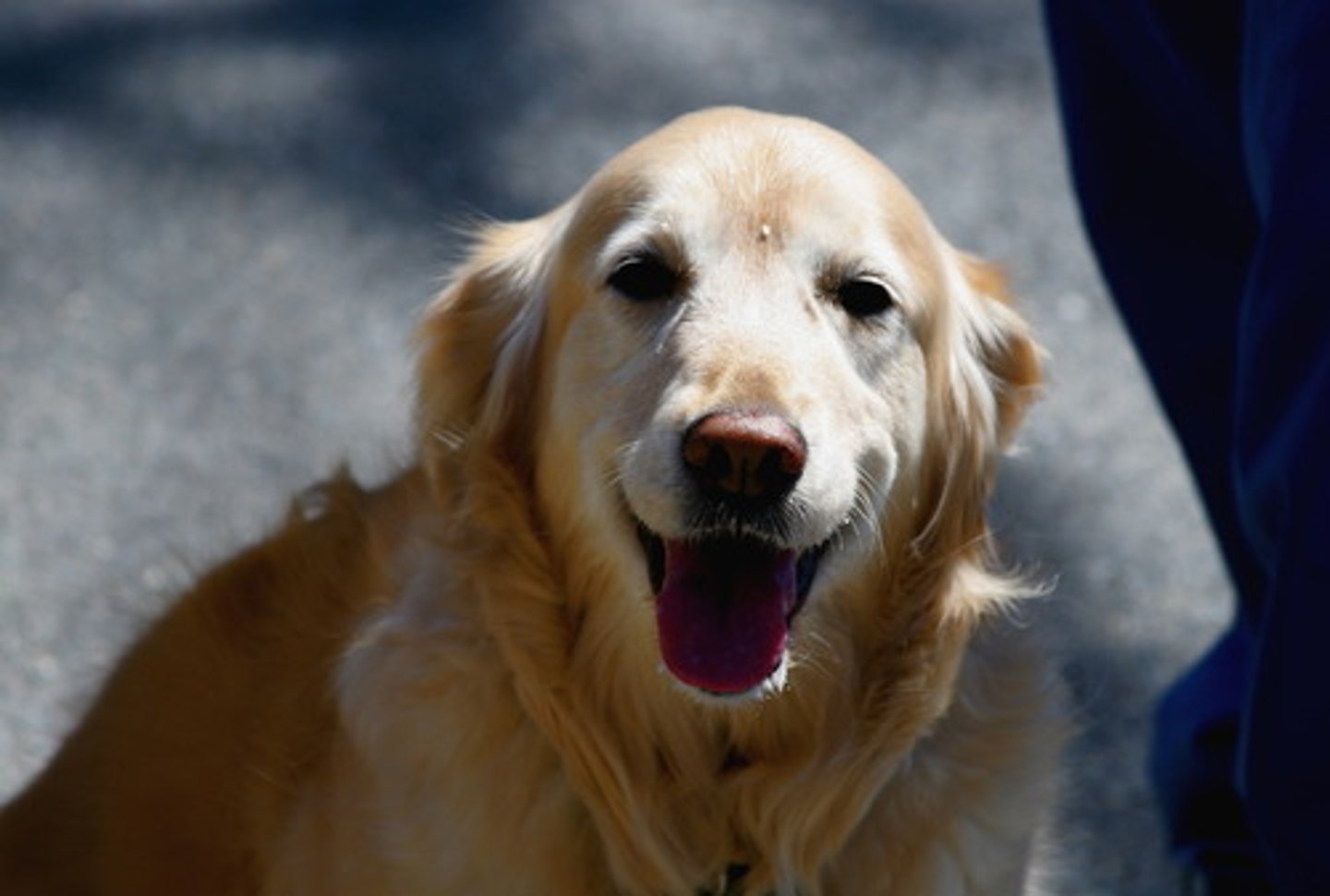
Green = relaxed face, eyes
What "color" is this dog showing?
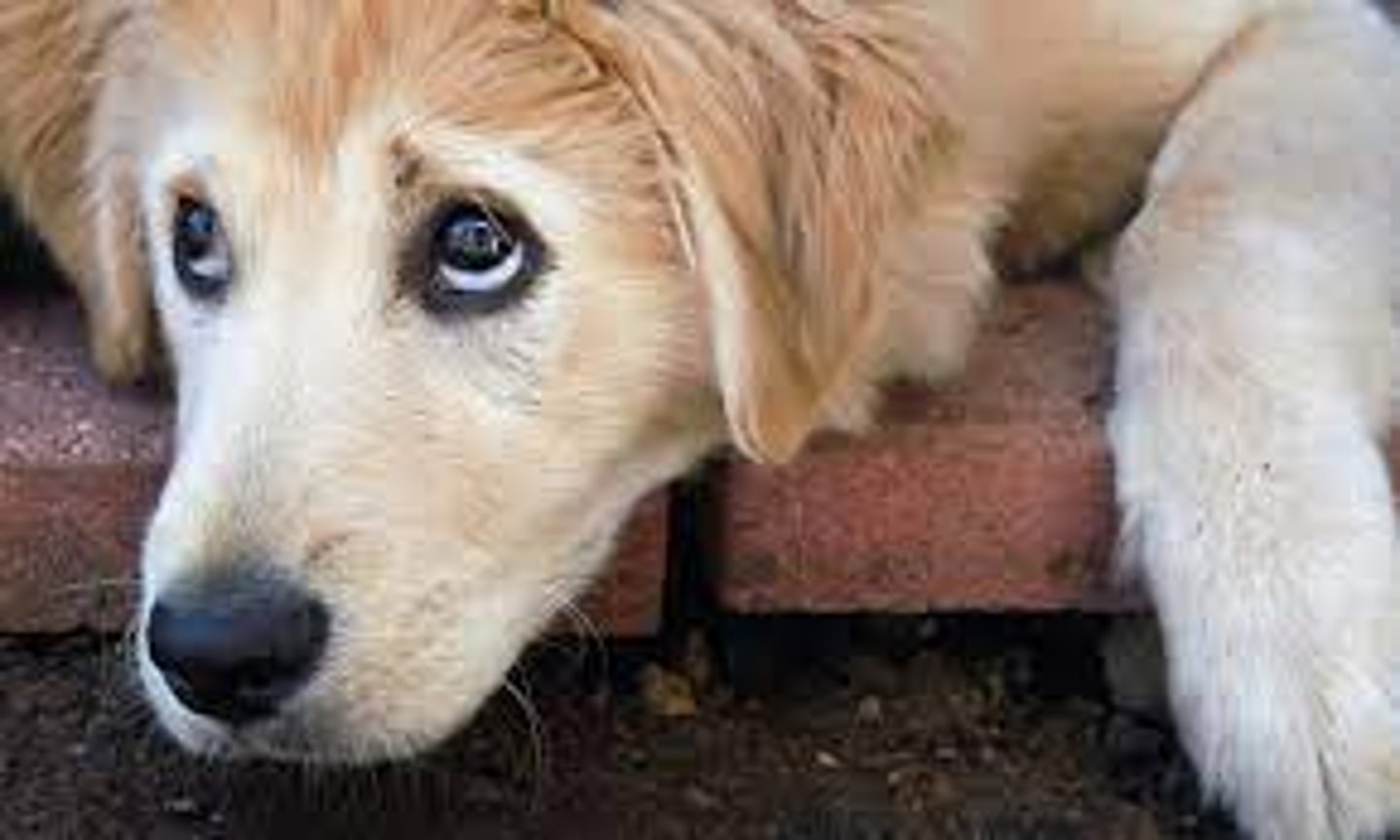
Yellow = whale eyes, tense face
What "color" is this dog showing?
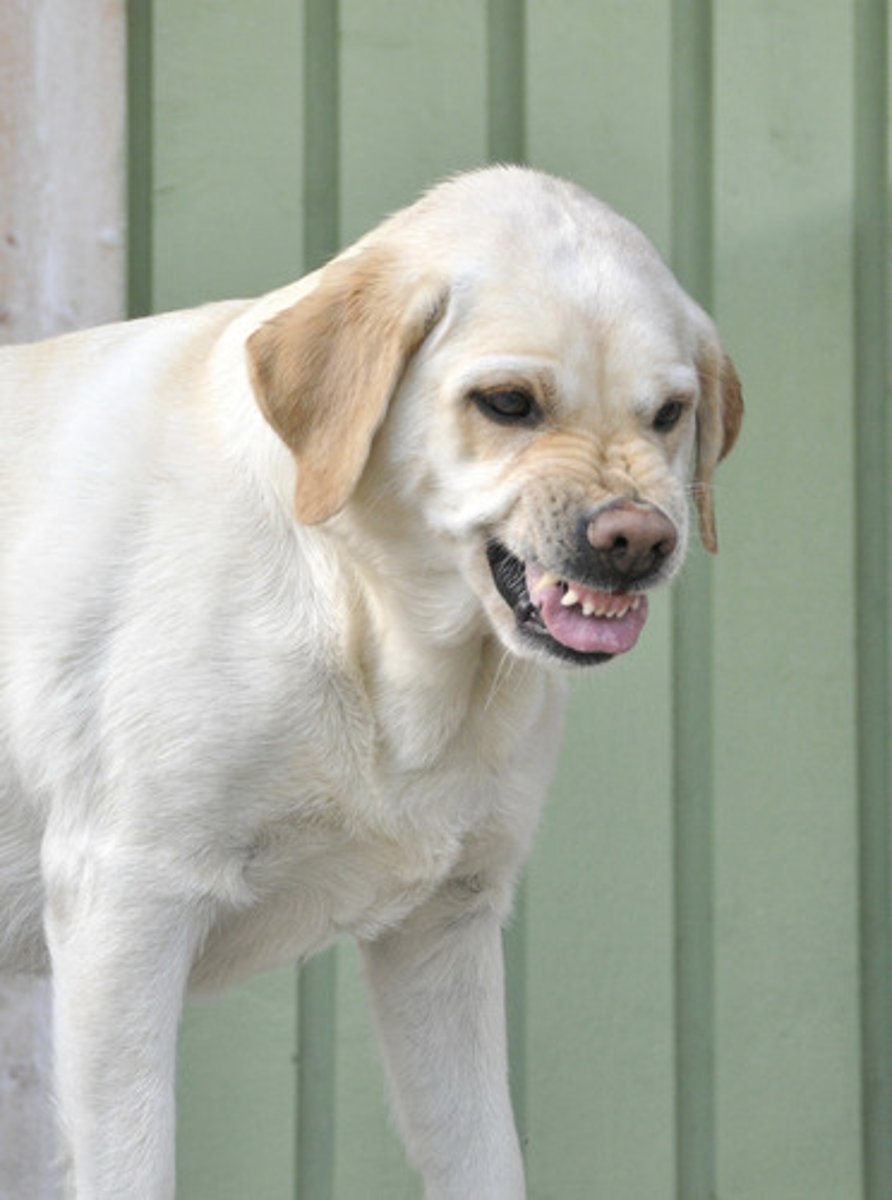
Red = showing teeth, visibly upset
What "color" is this dog showing?
- House-soiling
- Aggression towards familiar cats
- Aggression towards unfamilar cats
- Aggression towards unfamilar people
- Aggression towards familiar people
- Aggression towards other animals
- Redirected aggression
- Nuisance behaviors
What are some common abnormal behaviors in cats?
- Aggression towards unfamiliar people
- Aggression towards familiar people
- Aggression towards other dogs
- Aggresion towards other animals
- Separated-related behaviors
- Generalized anxiety
- House-soiling
- Compulsive behaviors
- Unruly and Nuisance behaviors
What are some common abnormal behaviors in dogs?
- Explore medical causes
- Evaluate the behavior history
- Medications?
- Comprehensive treatment plan
What are the steps in diagnosing behavior problems?
triggers
When getting a behavioral history, you need to be specific and avoid labels while identifying their ________________
- Nutrition
- Physical environment
- Health
- Behavior interactions
- Mental state/experiences
What are the 5 domains accessed when looking at an animals overall welfare?
- Provide a safe place
- Provide multiple and separated key environmental resources: food, water, toileting areas, scratching areas, play areas, resting or sleeping areas
- Provide opportunity for play and predatory behavior
- Provide positive, consistent and predictable human-cat social interaction
- Provide an environment that respects the importance of the cat's sense of smell
What are the 5 pillars or needs of a healthy cat?
C - Choice/Control: Provide the cat with choice and control during the interaction
A - Attention: Pay attention to the cat's behavior and body language
T - Think/Touch: Consider where the cat is being touched
What does C.A.T. stand for when considering how to approach a cat?
well-trained
Even the most __________________ dog can have emotional issues (fear, anxiety, frustration)
emotion
Most aggression is motivated by _______________ (normal: environmental, defensive, resource guarding; abnormal: medical conditions, low serotonin)
predatory
True _______________ behavior is not considered aggression (different pathways in the brain)
medication
Emotional issues need behavior modification (NOT training) and often needs _______________
- Management (safety, avoid triggers, tools0
- Communication (Body langual, positive reinforcement training)
- Behavior modification (control antecedents, reinforce alternative behaviors)
- Medications
What are the 4 parts of a comprehensive treatment plan?
tried
You need to assess what the client has _____________ and how = ask for demos & train the client or talk to trainer(timing, reinforcement, body language, pet response)
- Habituation
- Sensitization
What are the 2 forms of non-associative learning?
- Classical/counter conditioning
- Operant Conditioning
What are the 2 forms of associative learning?
Habituation
______________ is a decrease in responsiveness (acclimation not desensitization) and can be reversed
Sensitization
__________________ is an increase in responsiveness (be careful not to flood! = can't escape, overwhelmed by vet hospital)
visceral
Classical and counter conditioning deals with how emotions are formed/changed, resulting in _______________ responses (usually not conscious, ex. Pavlov's dogs drooling when they hear the bell)
Operant
_____________ conditioning allows the teaching of new behaviors through trial and error learning
- Positive Reinforcement
- Negative Reinforcement
- Positive Punishment
- Negative Punishment
What are the 4 contingencies that shape behavior?
Positive Reinforcement
What contingency do you add something and the behavior happens again (ex. treating after sit)?
Negative Reinforcement
What contingency do you substract something and the behavior happens again?
Positive Punishment
What contingency do you add something and the behavior does NOT happen again?
Negative Punishment
What contingency do you subtract something and the behavior
 Note
Note  Flashcards (97)