Lab 13: circulatory 2 and the respiratory system
 Call Kai
 Learn
Learn Practice Test
 Spaced Repetition
 Match
Match Flashcards
 Knowt Play
1/44

There's no tags or description
Looks like no tags are added yet.
Name | Mastery | Learn | Test | Matching | Spaced | Call with Kai |
|---|
No analytics yet
Send a link to your students to track their progress
45 Terms
cardiovascular system
located in the medulla oblongata where it receives input from various sensory receptors and higher brain centres
sinoatrial (SA) node
pacemaker of the heart
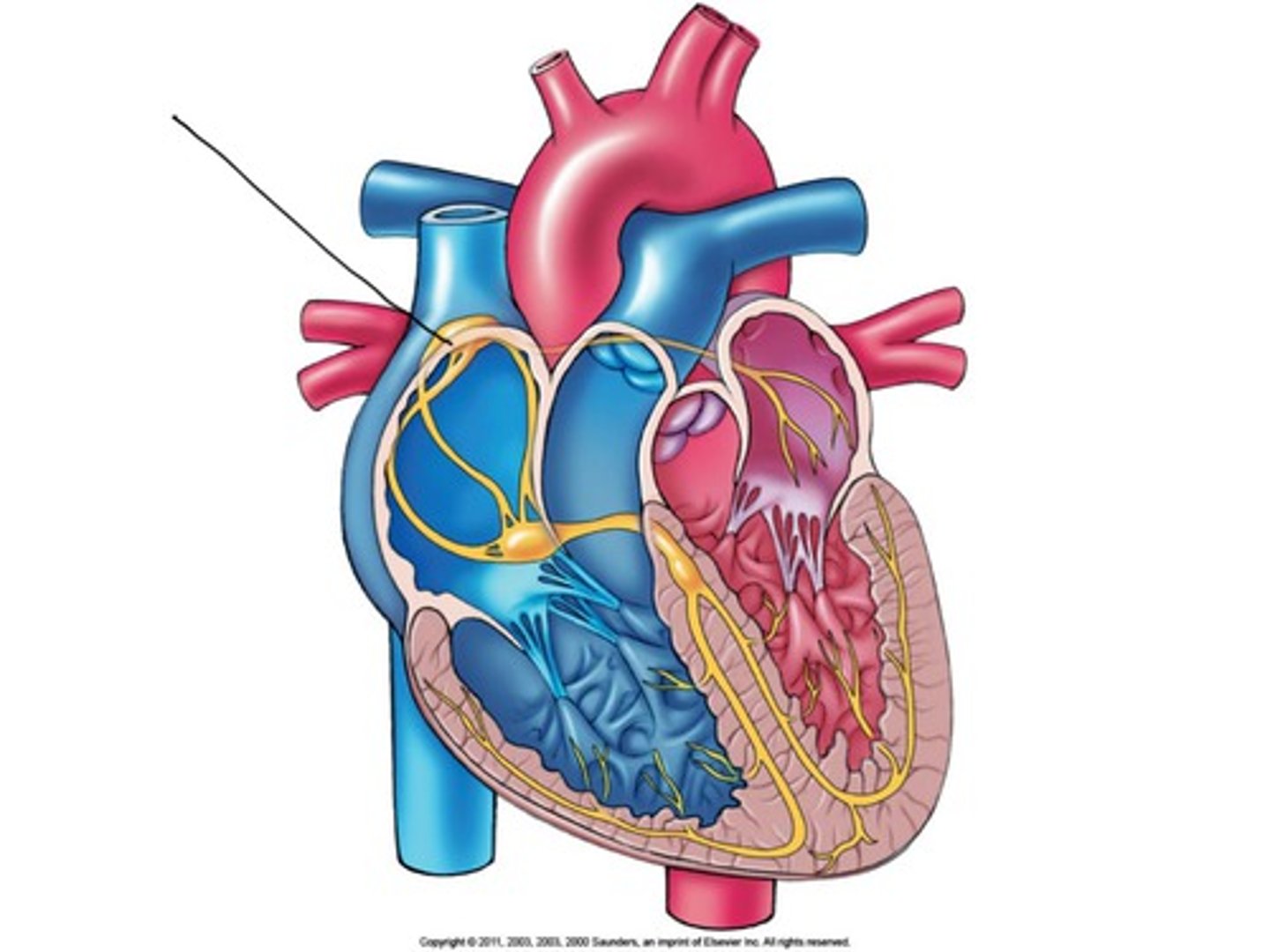
atrioventricular (AV) node
relays the impulse from the atria to the ventricles
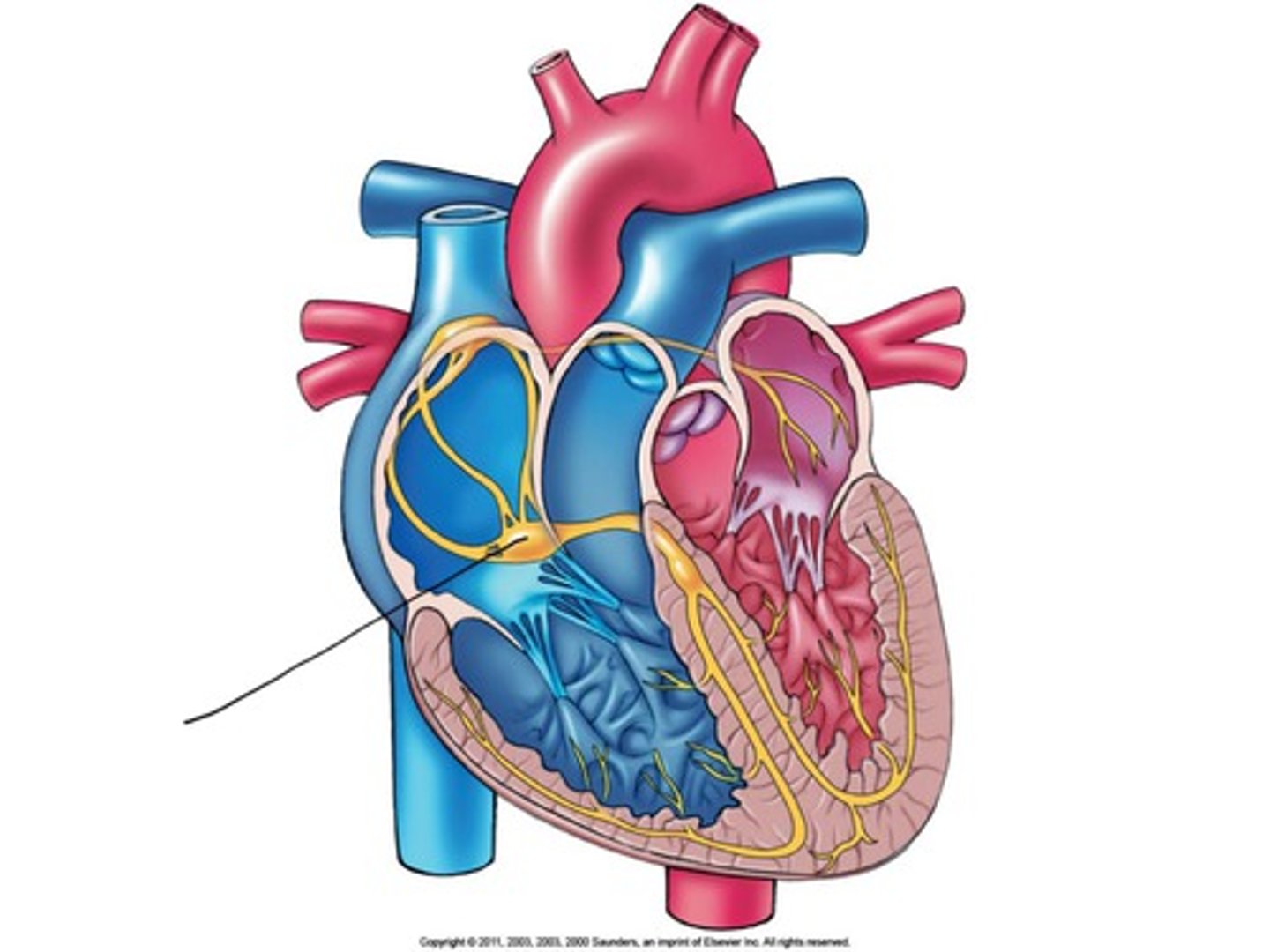
Bundle of His (AV bundle)
after the impulse passes through the AV node it enters the fibre tract known as ________ subdivides into right and left branches
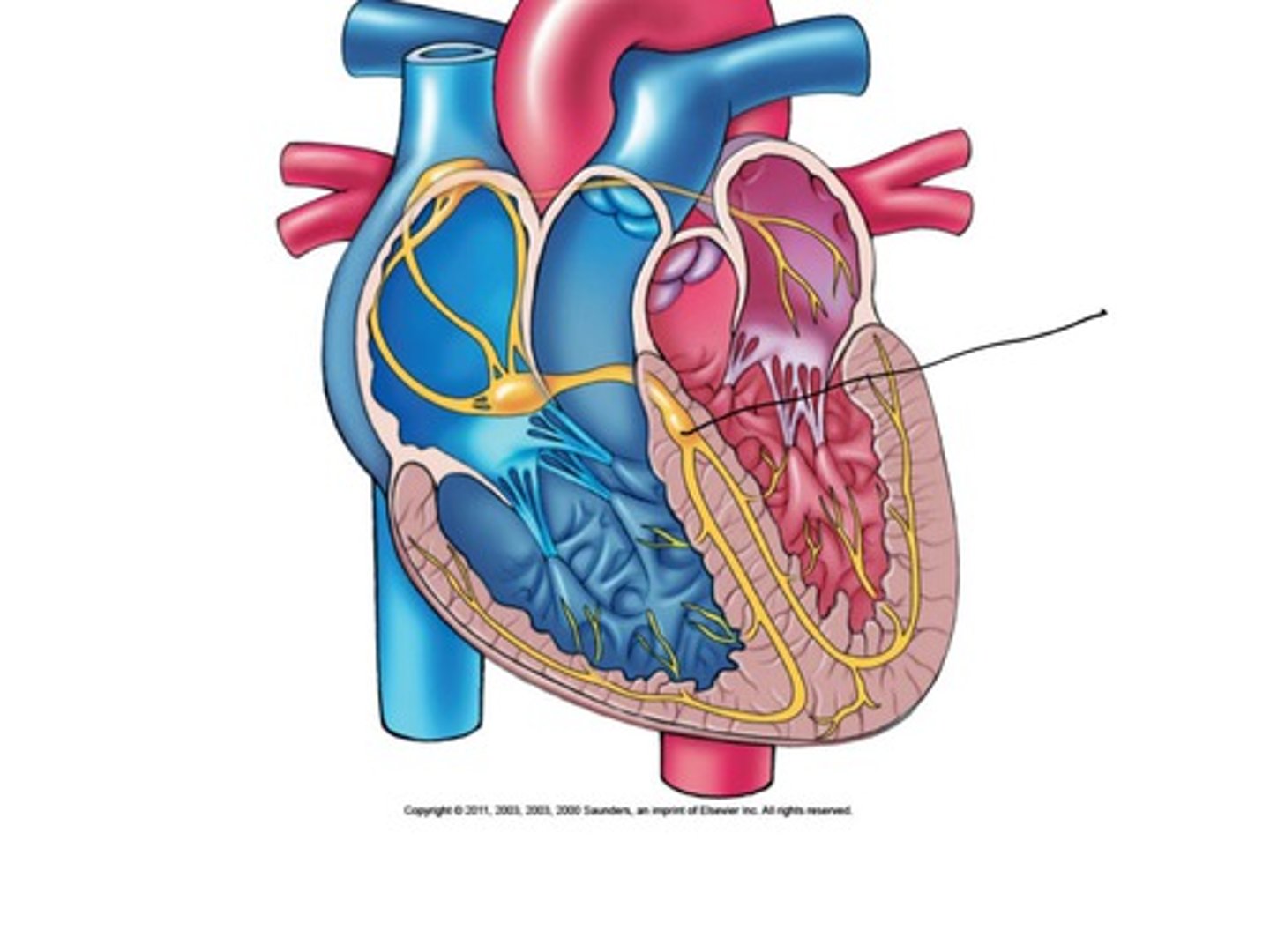
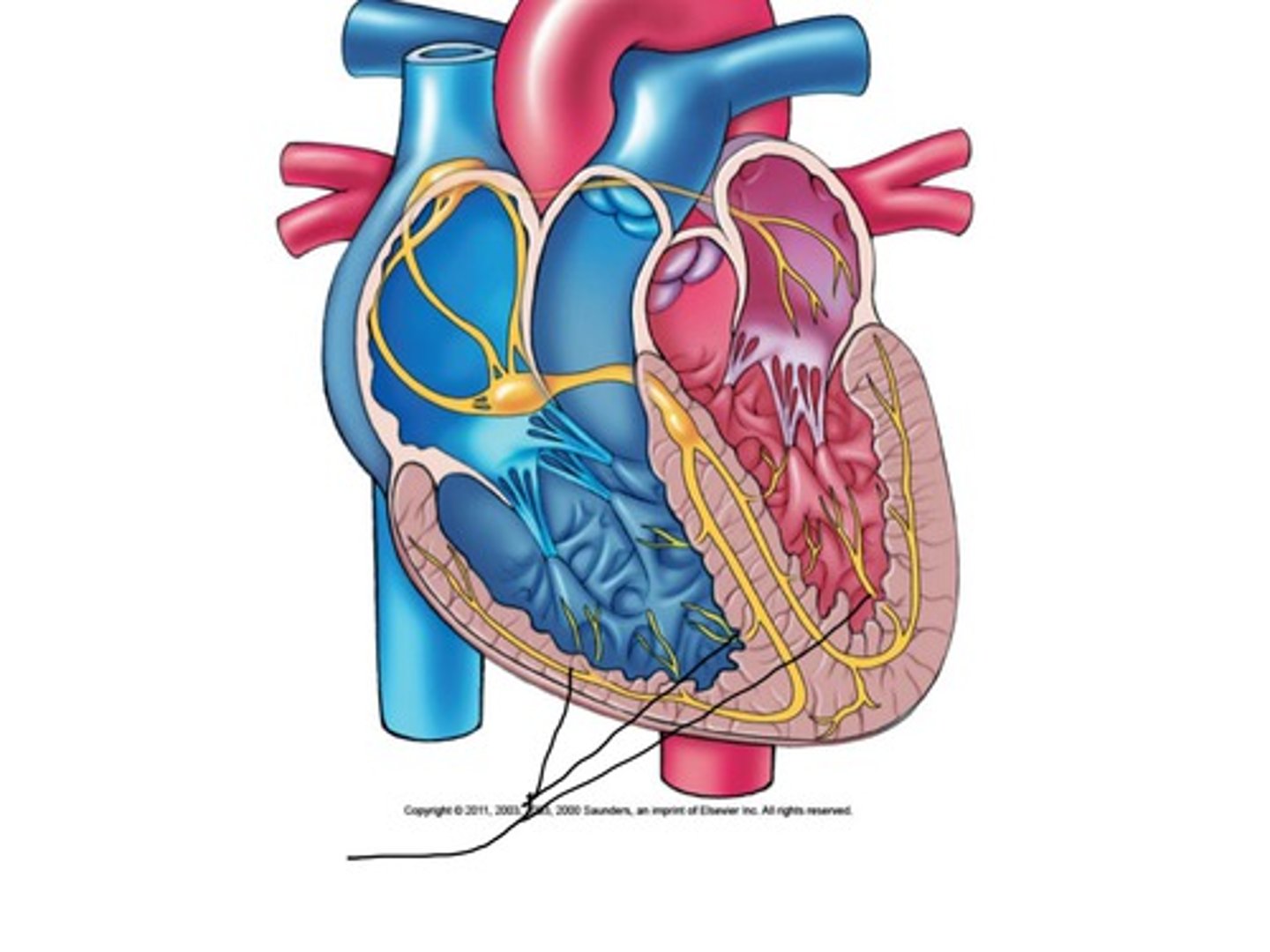
Purkinje fibers
fibers in the ventricles that transmit impulses to the right and left ventricles, causing them to contract
electrocardiography
measurement of the electrical activity of the heart
electrocardiogram
record of the electrical activity of the heart
P wave
atrial depolarization
QRS complex
ventricular depolarization
T wave
ventricular repolarization
Epinephrine effect on the frog heart
increases the heart rate and increase the strength of contraction
adrenal medulla
secretes epinephrine and norepinephrine
acetylcholine effects on the frog heart
caused the heart rate to decrease and the strength of contraction to decrease
Paresympathetic neurons
secretes acetylcholine
what happens to the heart when temperature increases
heart rate increase
what happens to the heart when the temperature decrease
heart rate decreases
pulse
the alternating expansion and relaxation of the artery wall
average pulse rate
70-76 beats per minute
systolic pressure
Blood pressure in the arteries during contraction of the ventricles.
diastolic pressure
Blood pressure that remains between heart contractions.
sphygmomanometer
instrument to measure blood pressure
why do blood pressure and heart rate change when posture changes from reclining to standing up
heart must work harder to pump blood throughout the body
Valsalva maneuver
forcible exhalation against a closed glottis, resulting in increased intrathoracic pressure
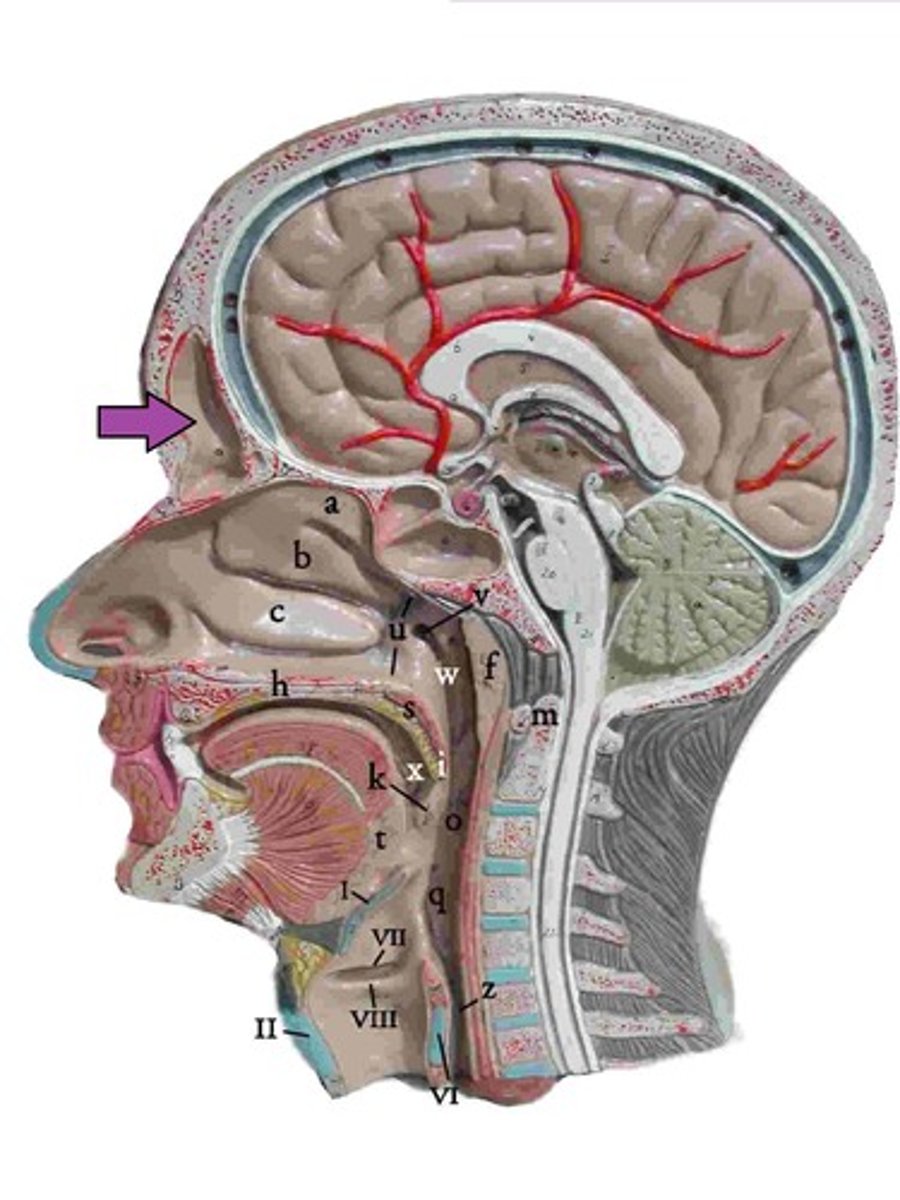
frontal sinus
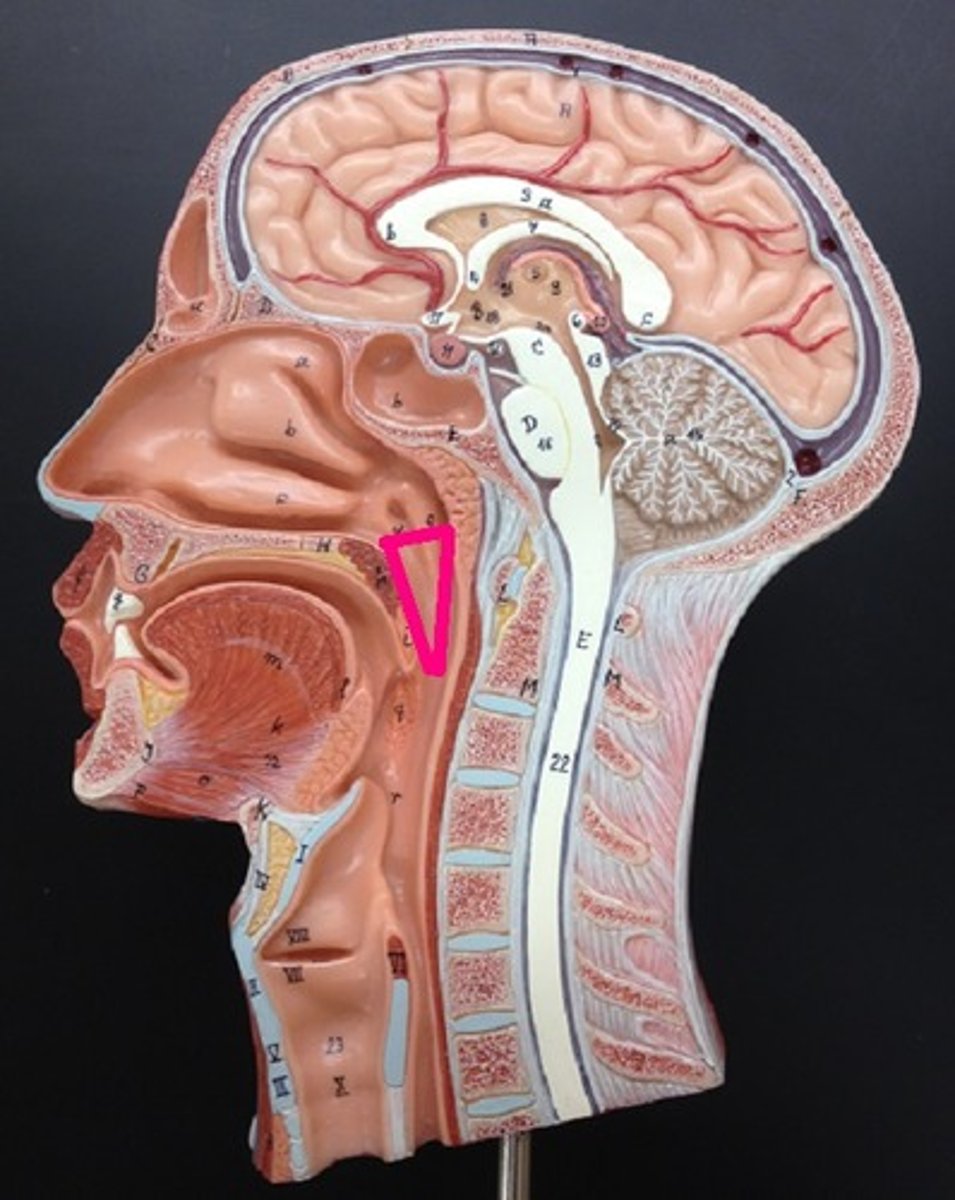
nasopharynx
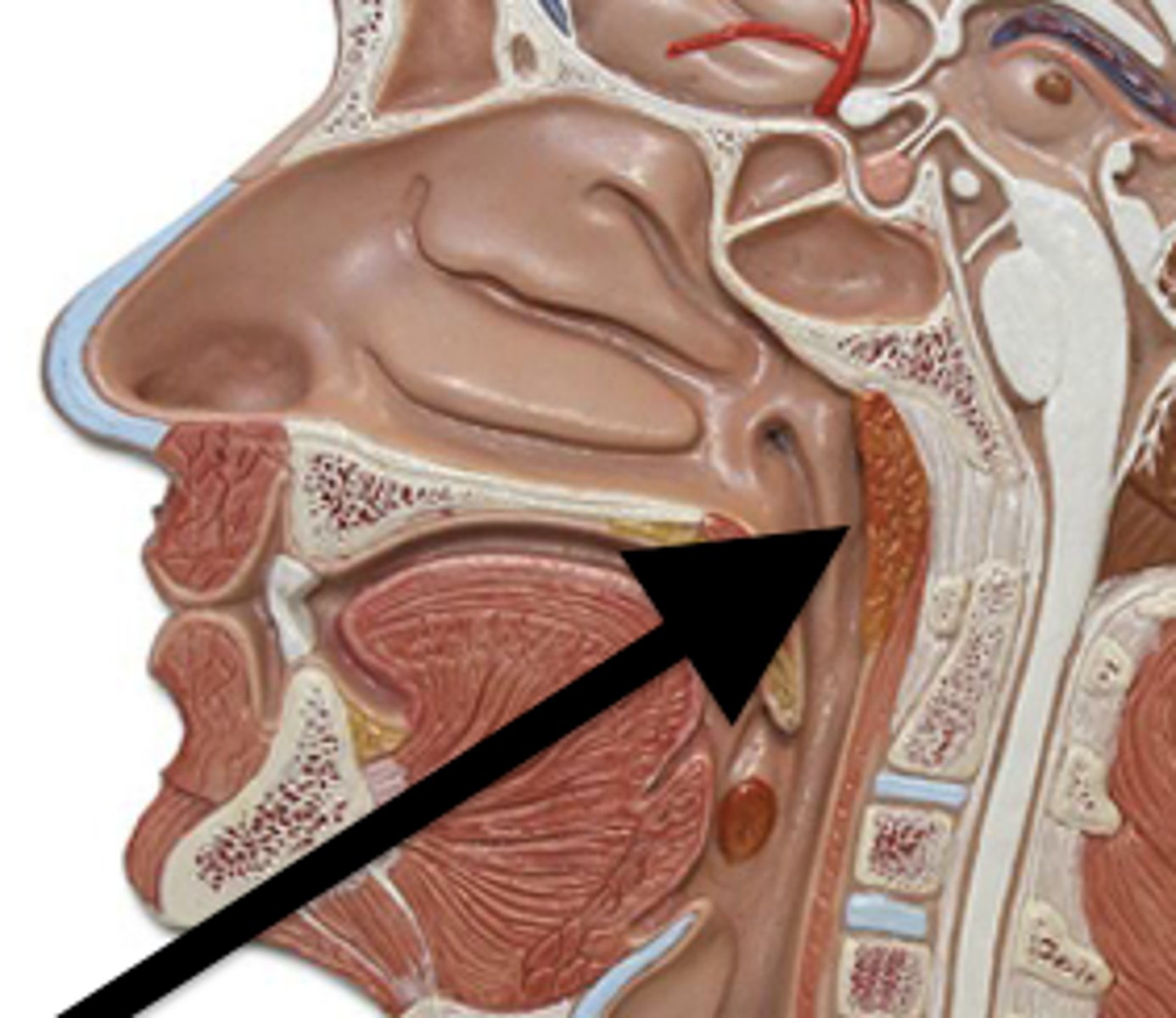
pharyngeal tonsil
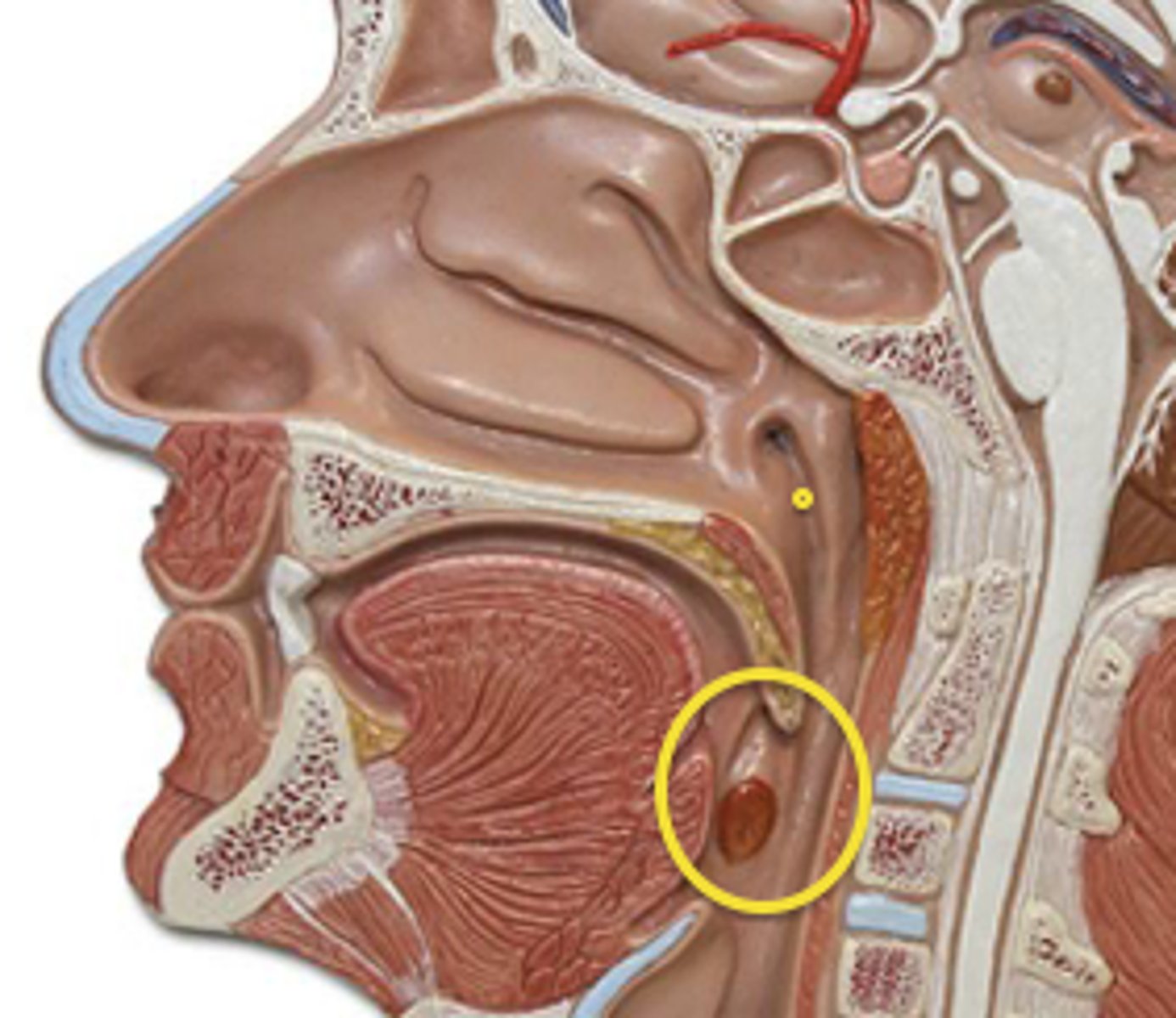
oropharynx
Epiglottis
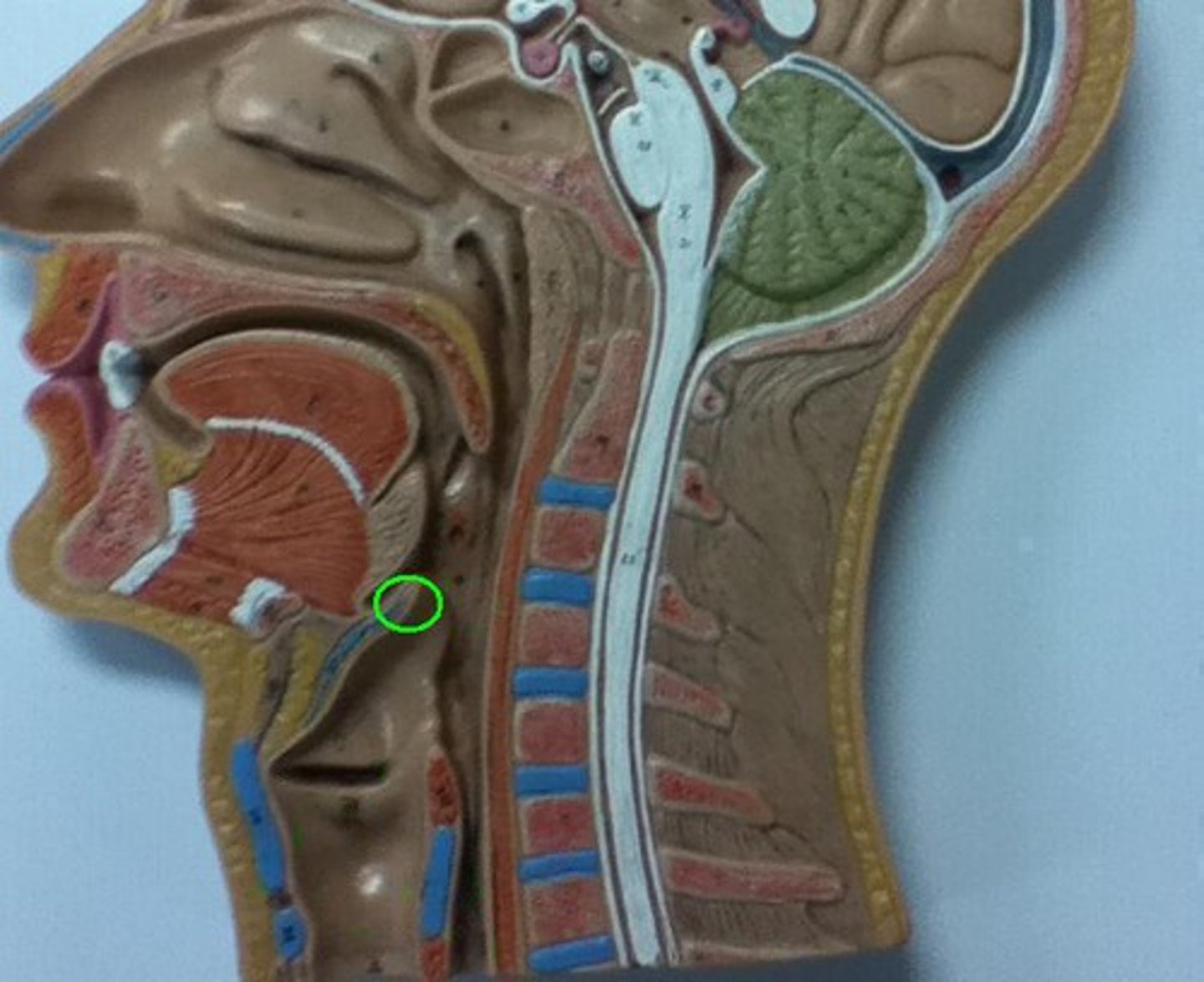
laryngopharynx
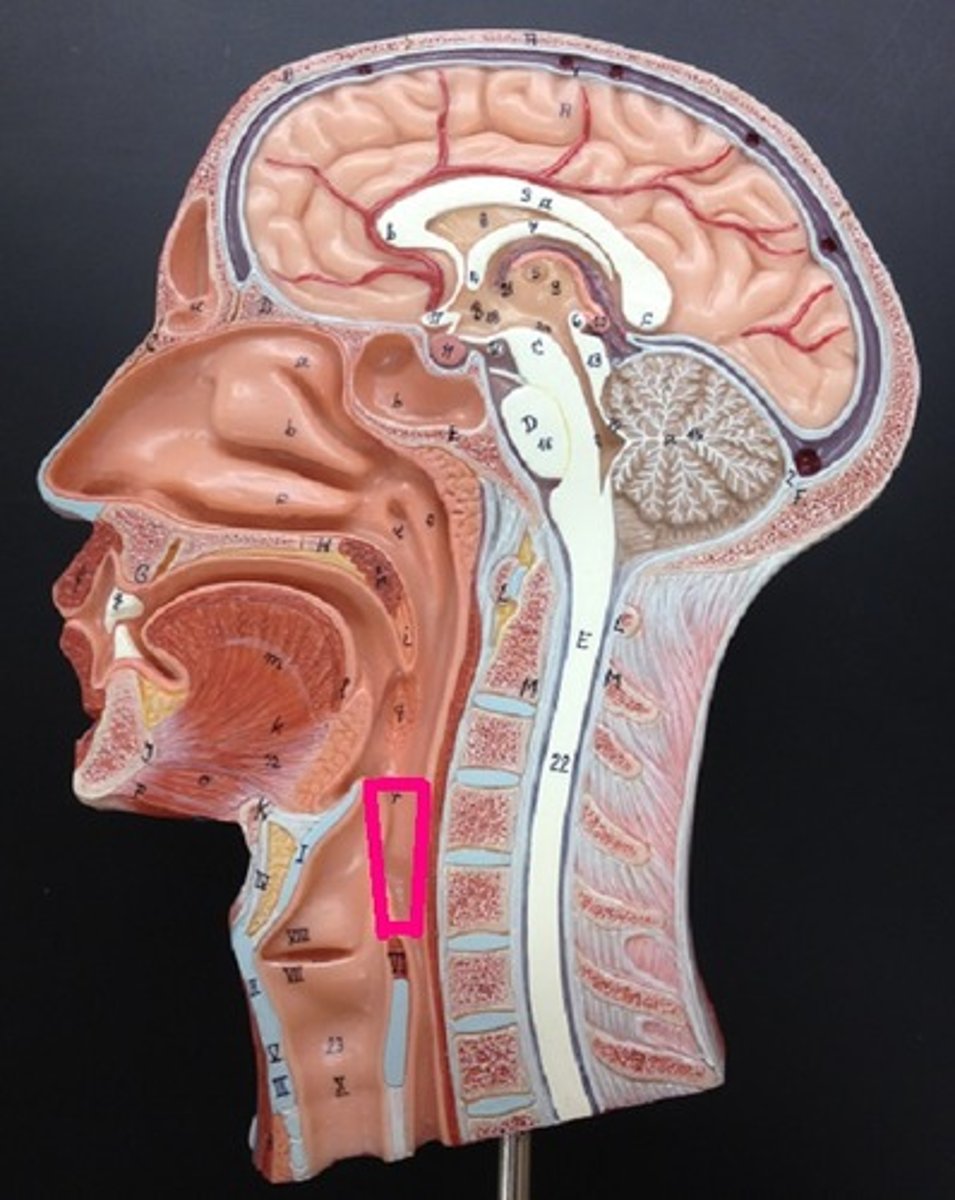
glottis
Opening between vocal cords
Larynx
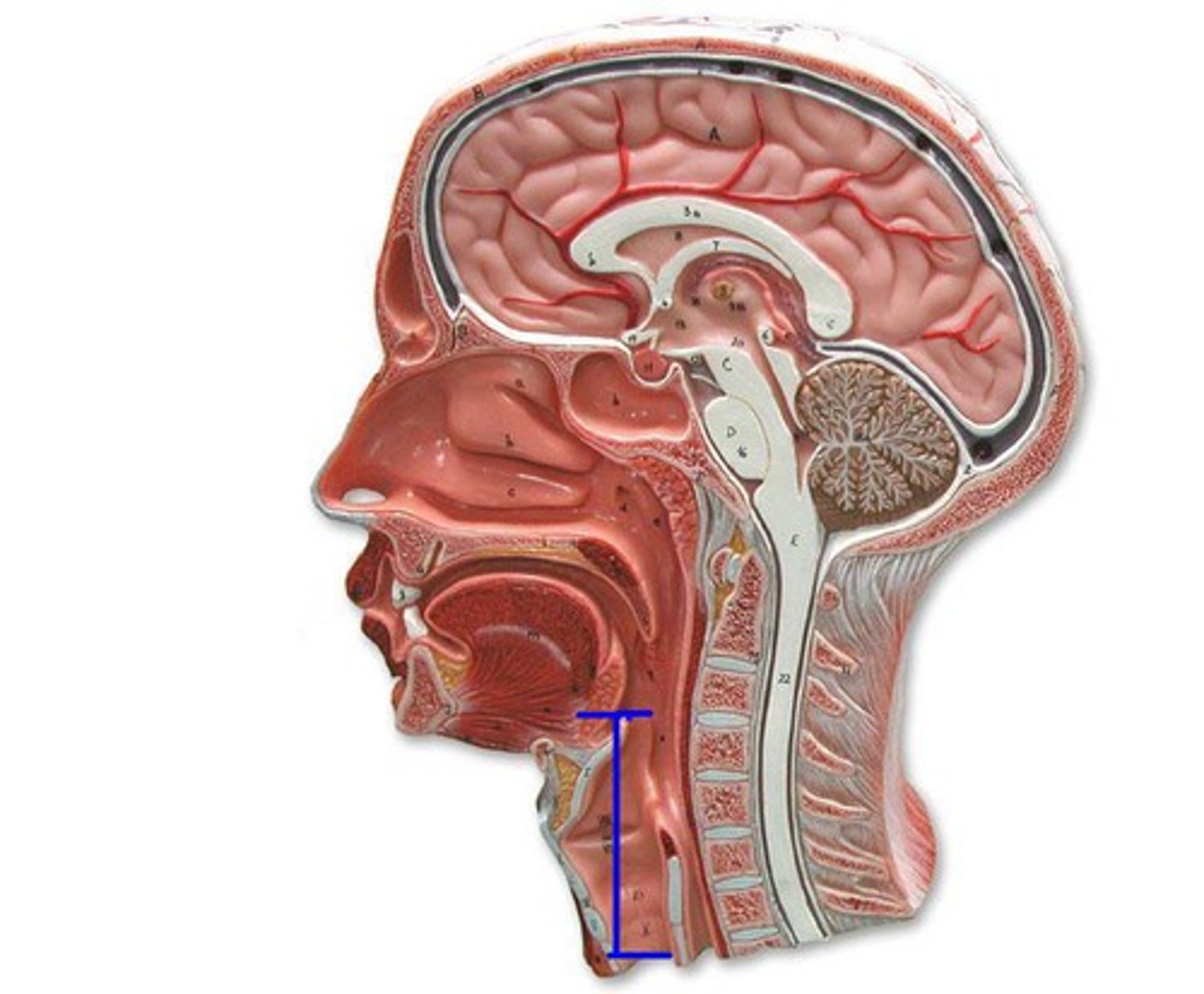
thyroid cartilage
Adam's apple
Trachea
windpipe
Bronchioles
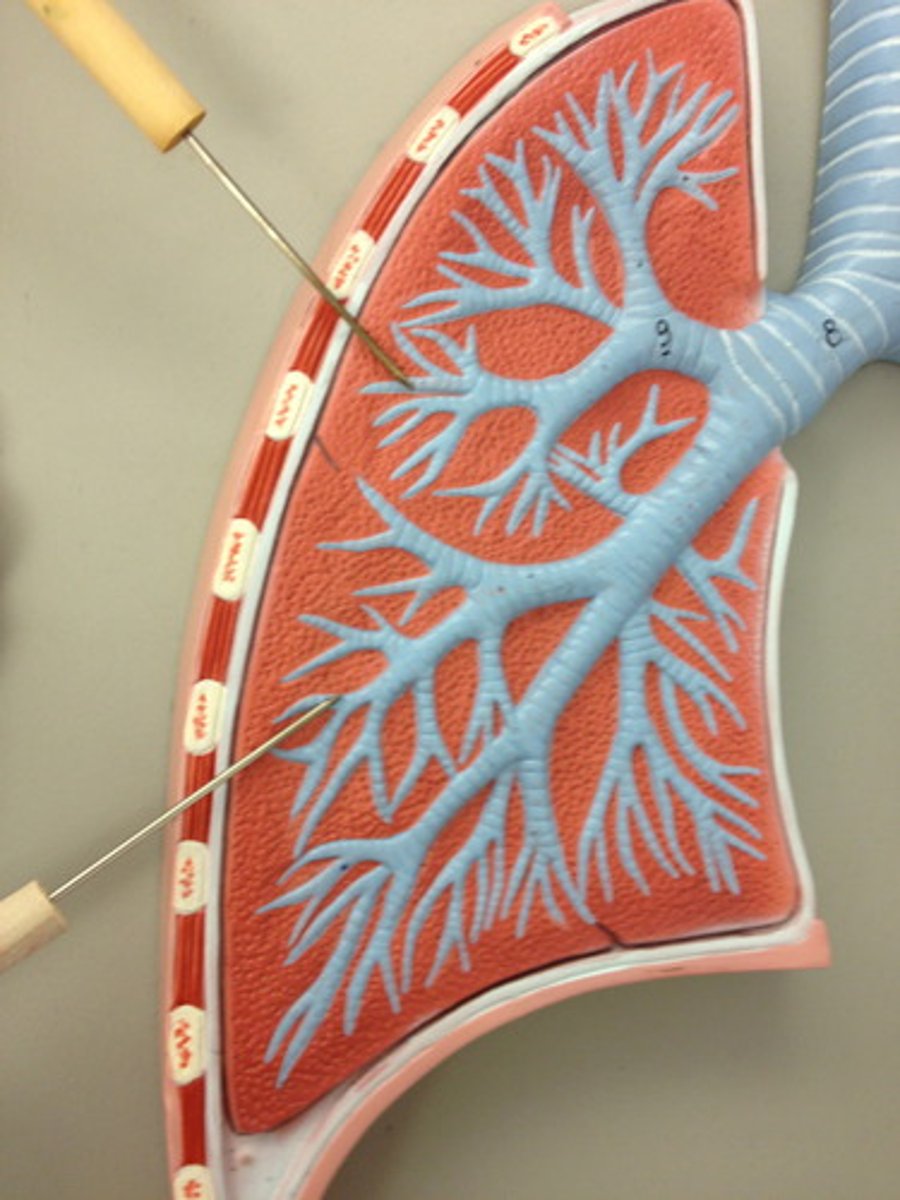
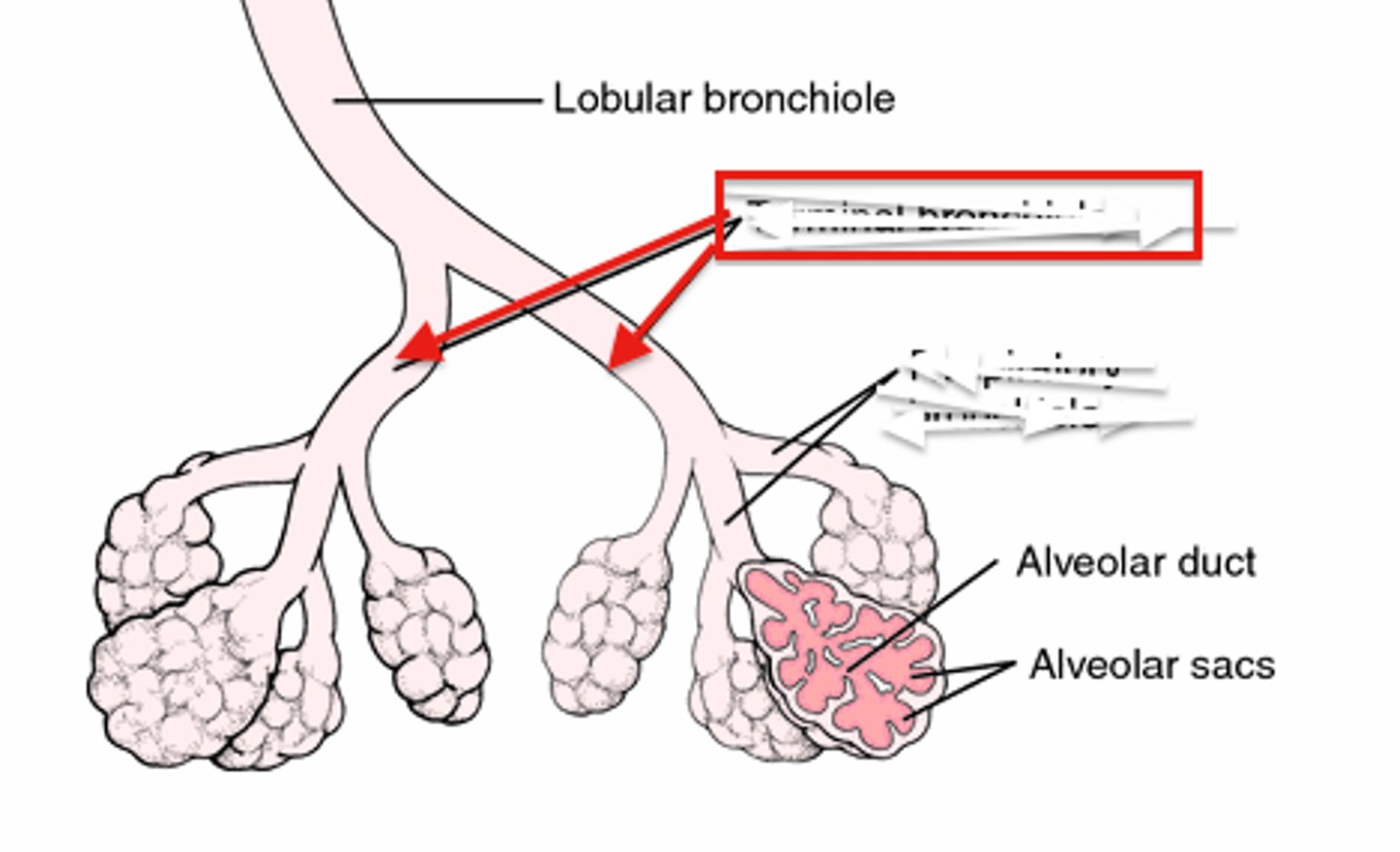
terminal bronchioles
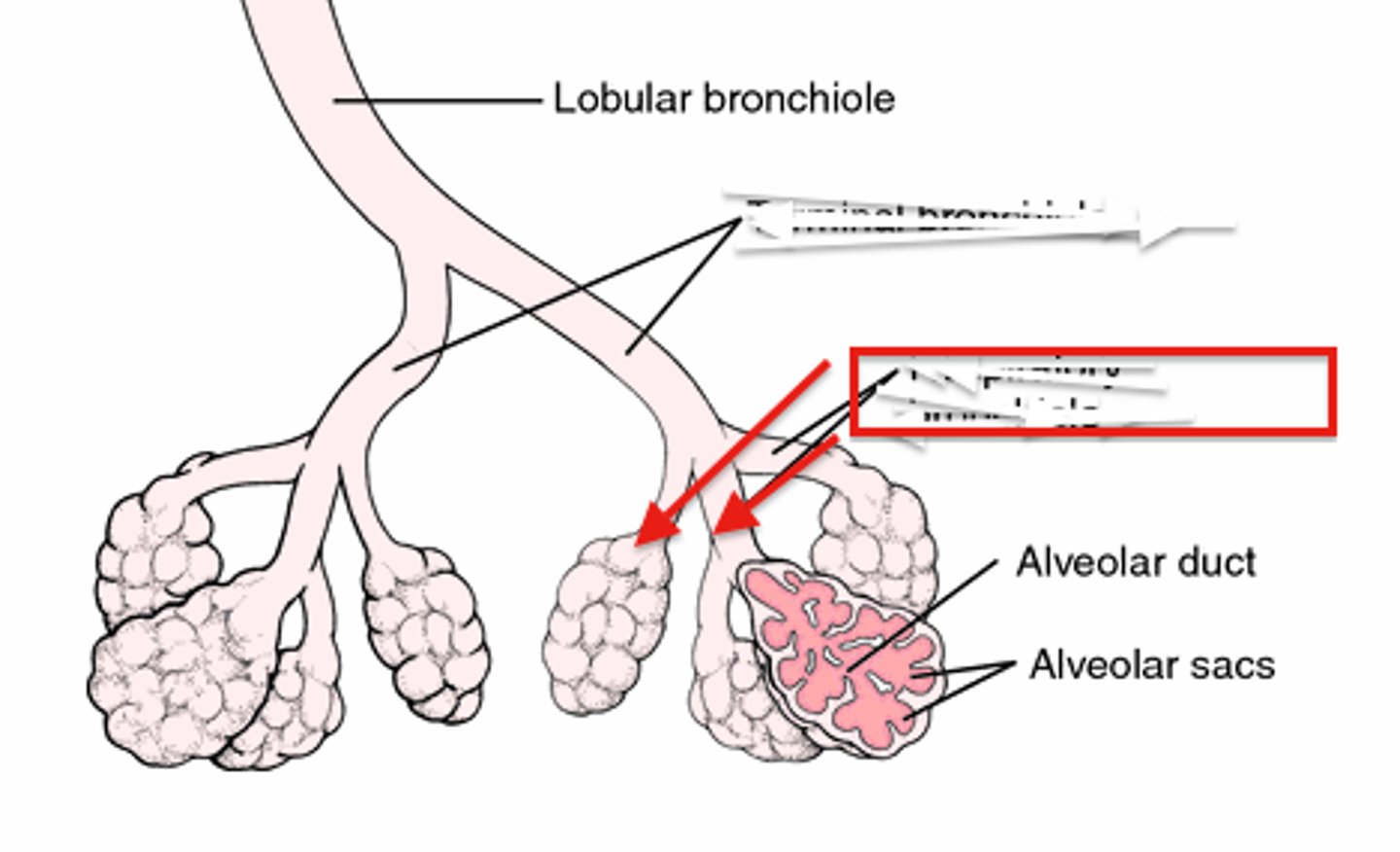
respiratory bronchioles
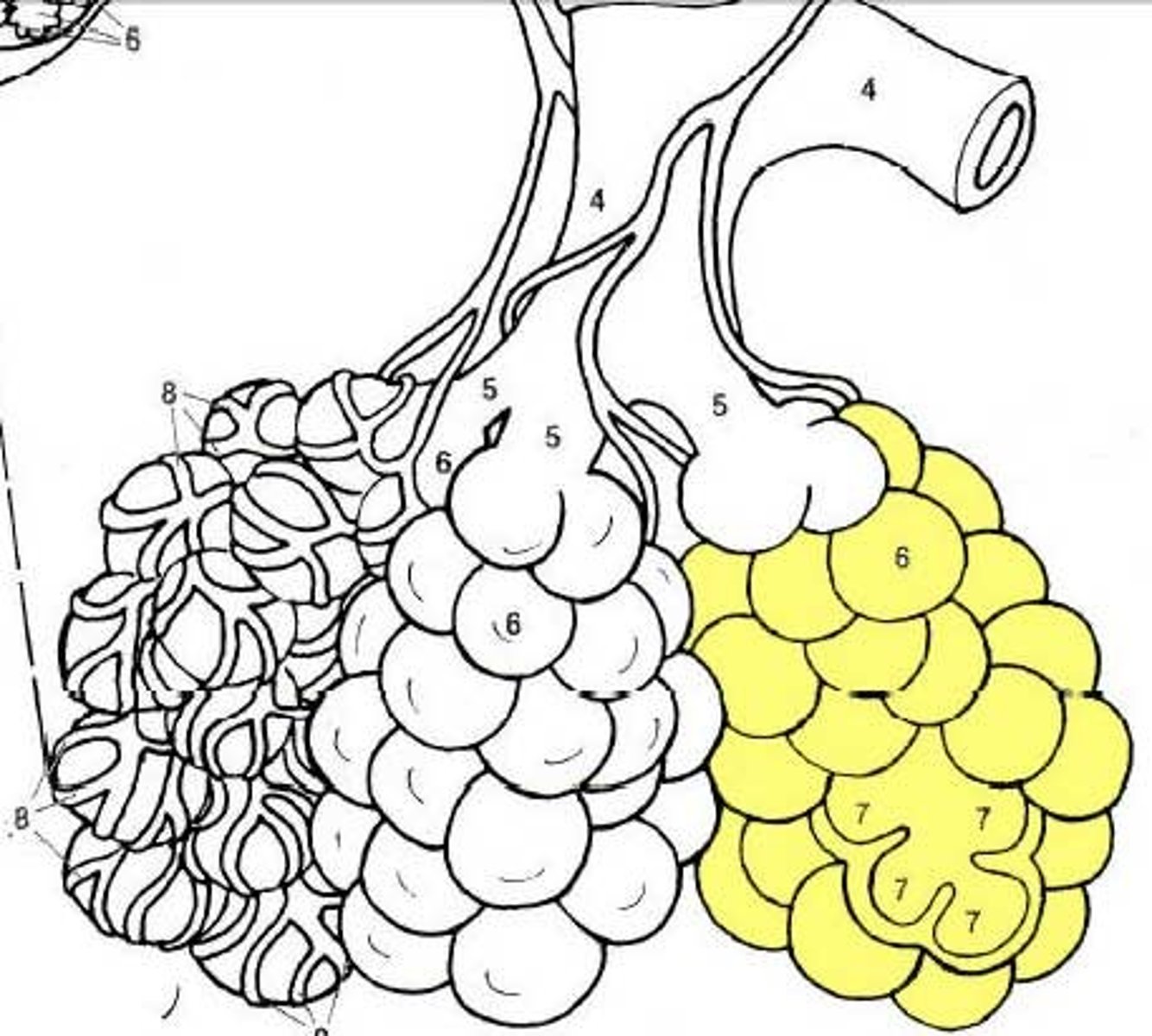
alveolar sacs
layers of trachea
layers of trachea - answer
spirometer
instrument used to measure breathing
tidal volume
Amount of air that moves in and out of the lungs during a normal breath
male (500) female (500)
Expiratory Reserve Volume (ERV)
the volume of additional air that can be forcibly exhaled after a normal exhalation
Vital Capacity (VC)
The difference between the minimum and maximum volume of air in the lungs (TLC-RV)
inspiratory reserve volume
the maximal amount of additional air that can be drawn into the lungs by determined effort after normal inspiration
IRV = VC - (ERV + TV)
central chemoreceptors
Receptors in the central nervous system that monitor the pH of cerebrospinal luid to help regulate ventilation rate.
peripheral chemoreceptors
Receptors in the carotid arteries and the aorta that monitor blood pH to help regulate ventilation rate.

