Plant Biology Test 3 Review
 Call Kai
 Learn
Learn Practice Test
 Spaced Repetition
 Match
Match Flashcards
 Knowt Play
1/66

There's no tags or description
Looks like no tags are added yet.
Name | Mastery | Learn | Test | Matching | Spaced | Call with Kai |
|---|
No analytics yet
Send a link to your students to track their progress
67 Terms
Darwins View on Natural Selection
Many current species are descendants of ancestral species and natural selection is the mechanism for any evolutionary process caused by overproduction (competition), trait differences, and heritable traits
Natural Selection
Individuals whose characteristics adapt them best to the environment are more likely to survive and reproduce (caused by unequal success in reproduction)
Artificial Selection
Selectively breeding of domesticated plants and animals with desired traits by humans
Fossil Record
The ordered array in which fossils appear within sedimentary layers and reveals that organisms have evolved in a historical sequence
Comparative Anatomy
Compares body structures of different species
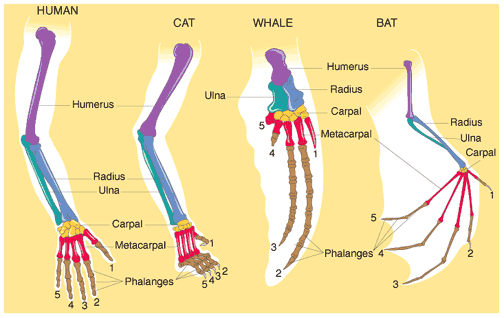
Homologous Structures
Structures with similarities in different organisms that often have different functions
Comparative Embryology
Compares early embryonic development among different species that go through similar embryonic stages
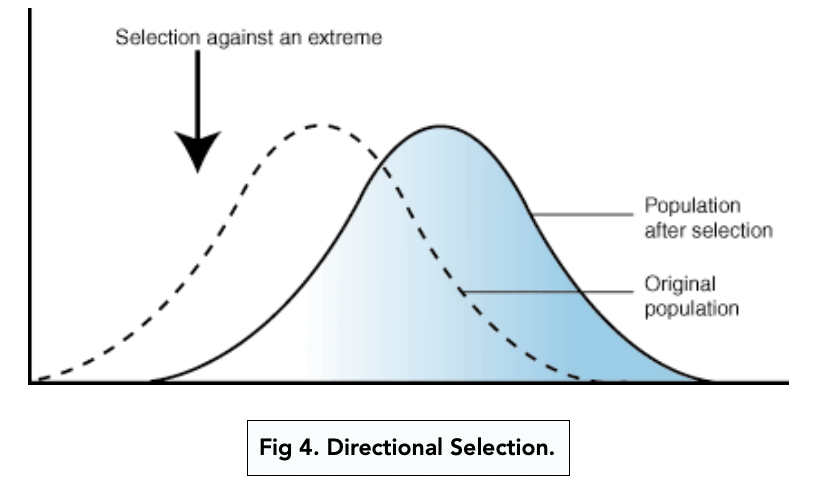
Stabilizing Selection
Occurs in a relatively stable environment, favors intermediate variants and eliminates the extreme individuals
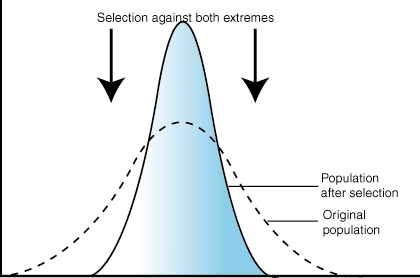
Directional Selection
Occurs in times of environmental change / introduction of new habitat and moves towards one extreme
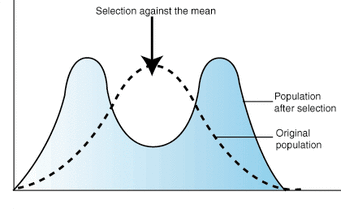
Disruptive Selection
Occurs when an environmental change favors both extremes over the intermediates (two contrasting forms)
Does natural selection produce perfect organisms?
No because of historical constraints, compromises, interaction between chance and natural selection, and only being able to edit existing variations
__ are the smallest units of evolution
Populations
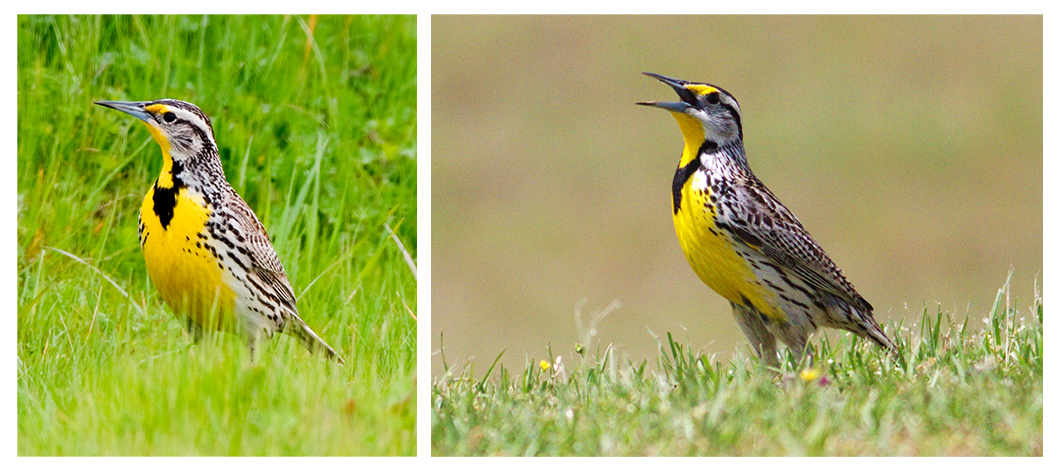
Biological Species Concept
Defines a species as a population / group who members have the potential to interbreed and produce fertile offspring (no way to determine in fossils and asexual reproduction)
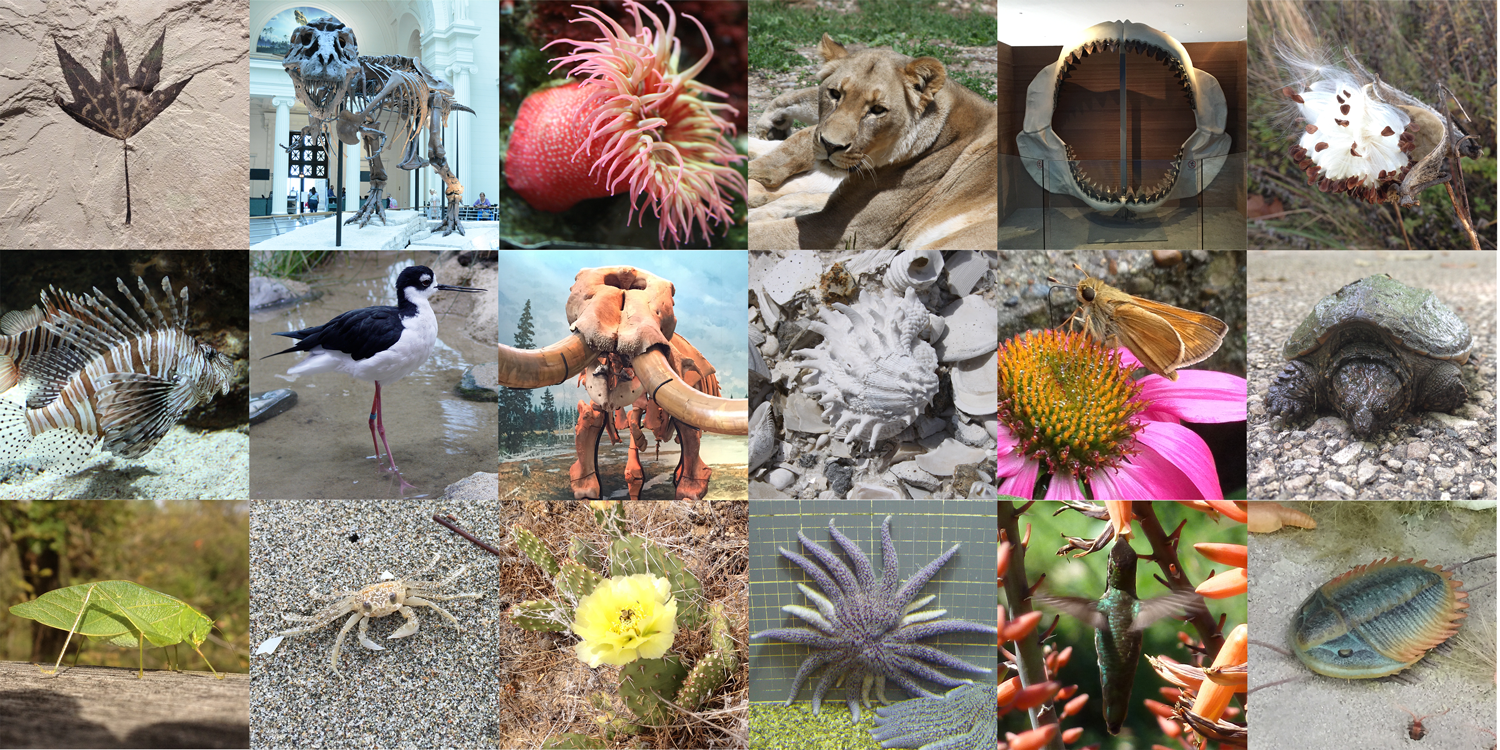
Morphological Species Concept
Classifies organisms based mainly on observable and measurable phenotypic traits (applies to both asexual and sexual organisms but relies on subjective criteria)
Reproductive Barriers
Prezygotic and postzygotic
Prezygotic
Occur before mating or fertilization
Temporal Isolation
Two species can not mate because they breed during different times (eg. day, seasons, or years)
Habitat Isolation
Different species have different habitats and do not meet
Behavioral Isolation
No or little sexual attraction between individuals of different species
Mechanical Isolation
Female and male sex organs or gametes are not compatible
Gametic Isolation
Gametes die before fertilization
Postzygotic Barriers
Occur after mating or fertilization
Hybrid Inviability
Hybrids usually abort at some embryonic stage or produce frail offspring
Hybrid Sterility
Hybrids can be produced and are vigorous, but sterile
Hybrid Breakdown
The first-generation hybrids are viable and fertile, but the next generation is weak or infertile
Main Ways of Speciation
Allopatric and sympatric
Allopatric Speciation
A population is geographically divided and new species may evolve from isolated subpopulations
Sympatric Speciation
Arises without geographic separation and is common in plant evolution and occurs due to errors in cell division where there is a multiplication of the chromosome number in a new species
Polyploids
All somatic cells have more than two complete sets of chromosomes which can produce diploid gametes and tetraploid zygotes
Gradualism Model
New species evolve by the gradual accumulation of small changes brought about by natural selection (not enough fossil evidence to support this model)
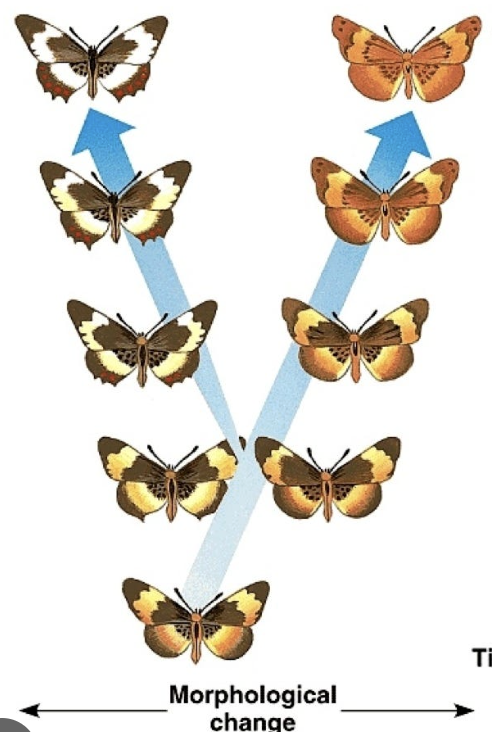
Punctuated Equilibrium Model
The tempo of speciation is jumpy as there are no transitional stages and periods of rapid evolutionary change and speciation are interrupted by long periods of little or no detectable change (based on fossil records)
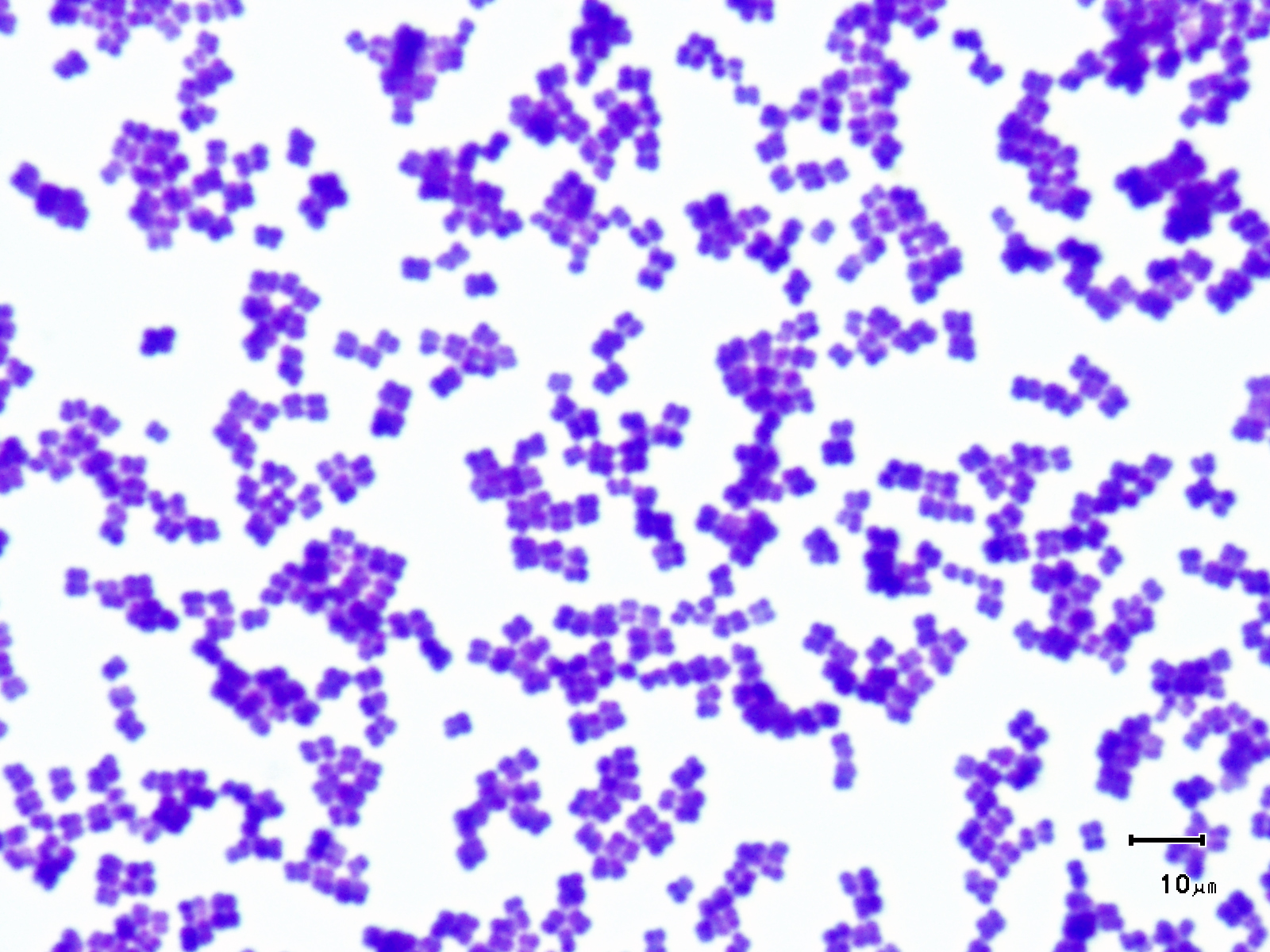
Cocci
Spherical prokaryotic cells
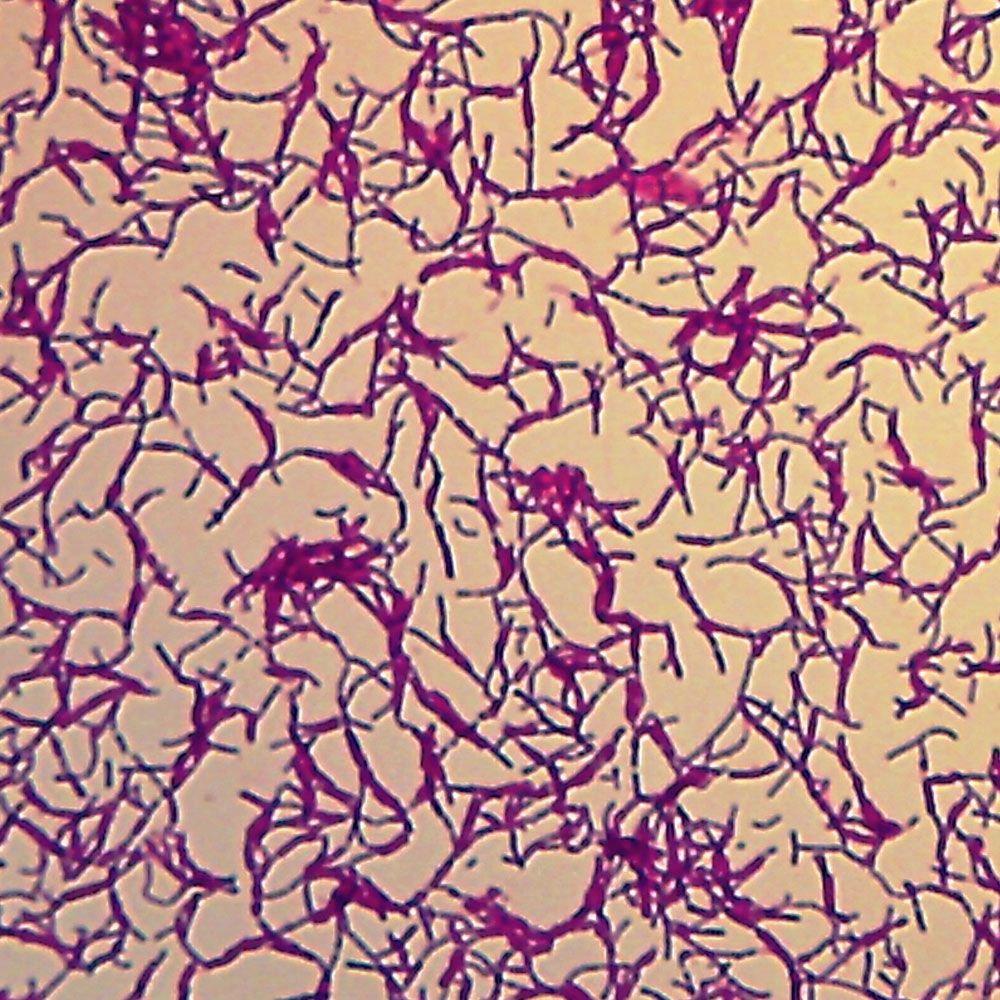
Bacilli
Rod-shaped prokaryotic cells
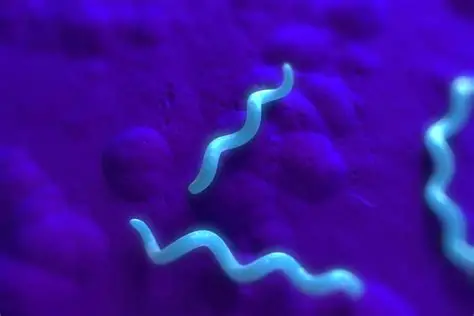
Spiral
Spiral-shaped prokaryotic cells
Bacterial Cell Wall
Contains peptidoglycan and can be stained differently by gram staining methods
Peptidoglycan
A polymer of modified sugars cross-linked by polypeptides
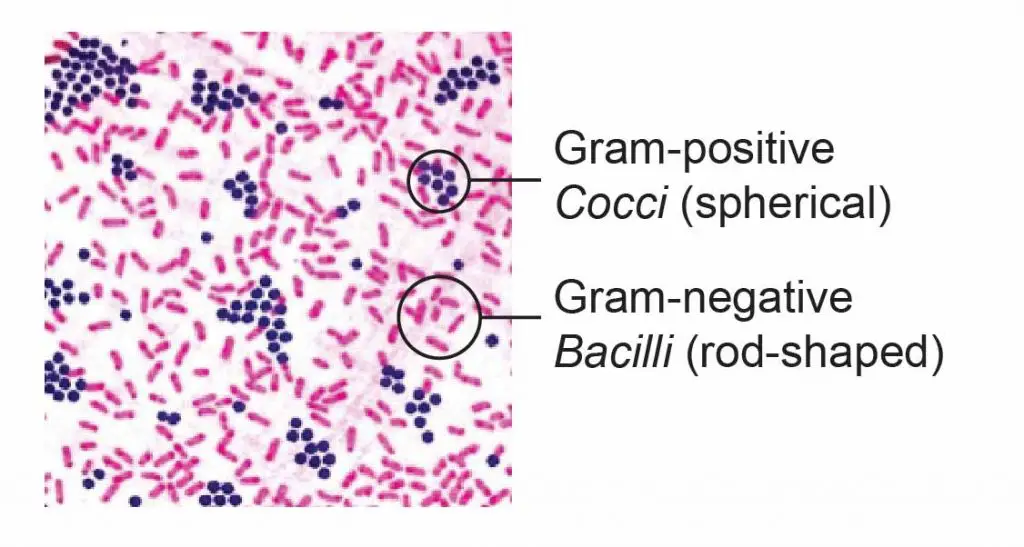
Gram-Positive Bacteria
Single wall layer with large amounts of peptidoglycan (stain the cytoplasm and appear violet)
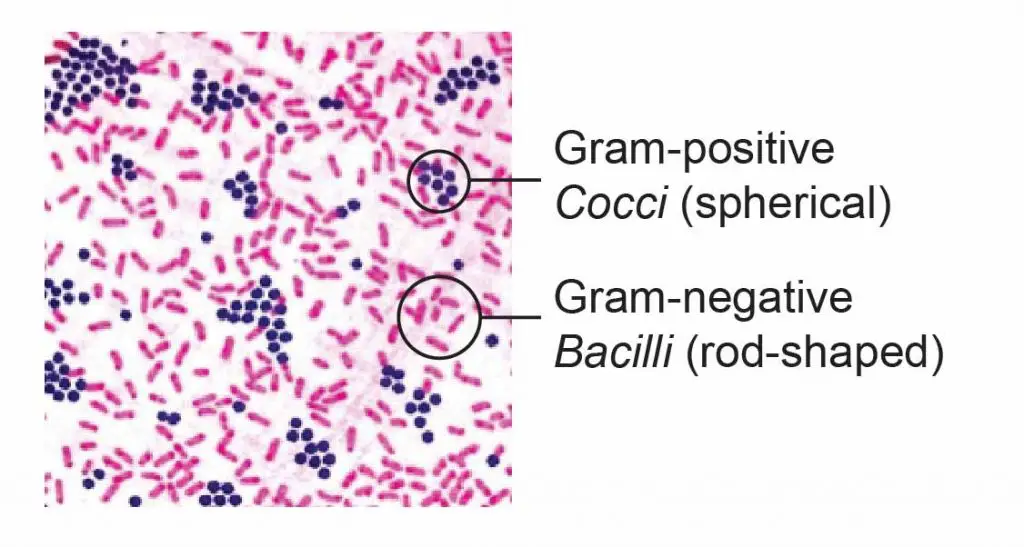
Gram-Negative Bacteria
Have an additional layer containing lipopolysaccharides that can be toxic which make gram-negative pathogens more dangerous than gram-positive pathogens
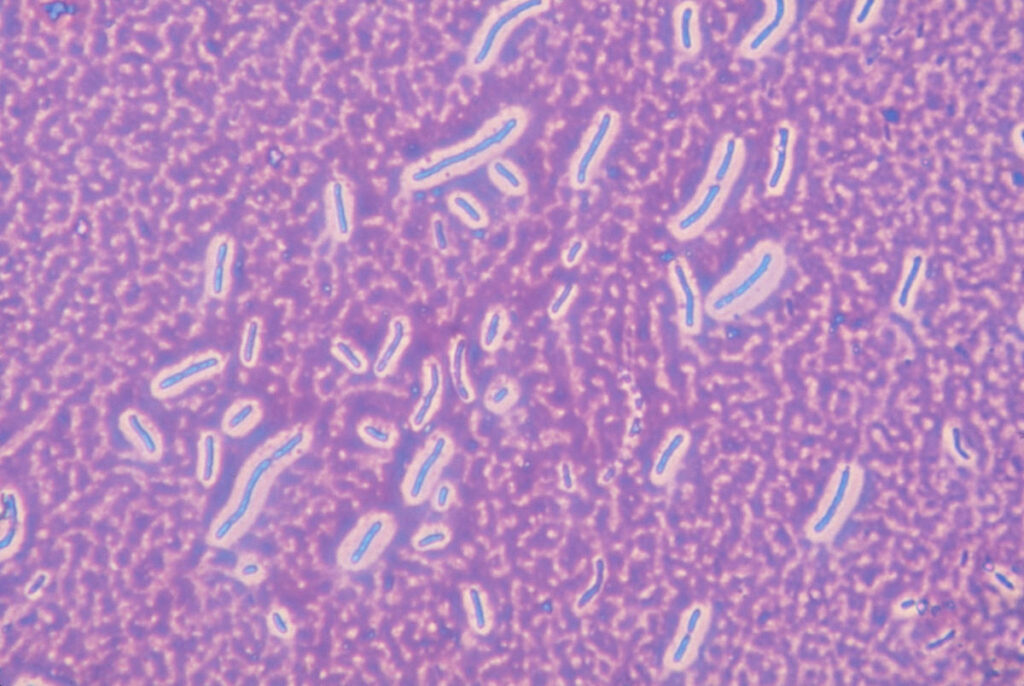
Capsule
A sticky layer outside the cell wall that consists of proteins / polysaccharides.
Allow cells to adhere to the substrate, increase resistance to host defenses, and glue together cells
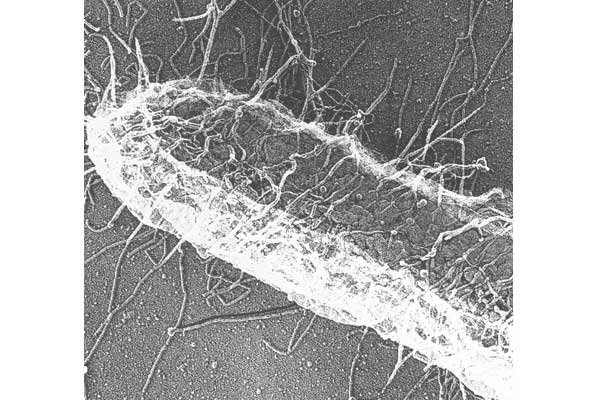
Pili
Hair-like appendages that consist of proteins
Help bacteria stick to each other and fasten bacteria to the membranes of the host
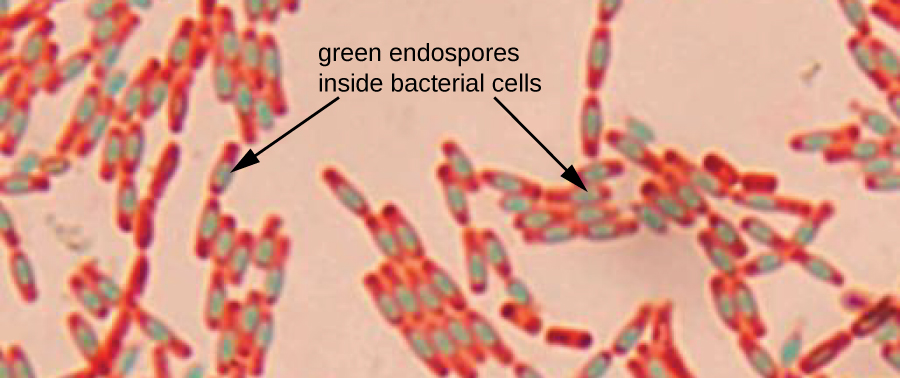
Endospores
Prokaryotes can survive harsh conditions through endospores.
Produced inside the parent cell and are a thick wall around a replicated copy of DNA.
Resistant to all sorts of trauma and can survive under extreme environmental conditions.
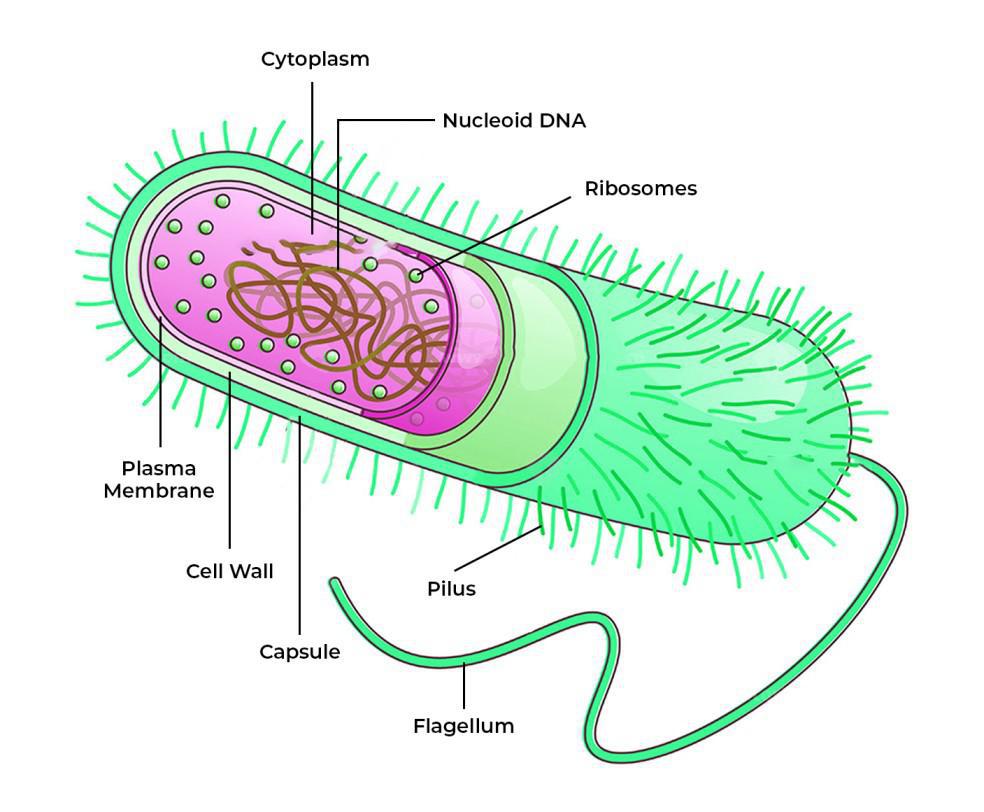
Prokaryotes Internal Organization
Do not contain complex organelles, have specialized membranes, and different sizes ribosomes, DNA, and plasmids
Photoautotrophs
Harness sunlight for energy and use CO2 for carbon
Chemoautotrophs
Obtain energy from inorganic chemicals
Photoheterotrophs
Can obtain energy from sunlight
Chemoheterotrophs
Obtain energy from organic molecules
Differences between Bacteria and Archaea
Nucleic acid and structure of cell walls / cell membranes
Domain Bacteria Groups
Proteobacteria (5 subgroups)
Chlamydias (blindness)
Spirochetes (group of helical bacteria)
Gram-positive bacteria (found in antibiotics)
Cyanobacteria (group of photosynthetic bacteria)
Archaea Groups
Halophiles: Salt lovers
Thermophiles: Heat lovers (in water)
Methanogens: Live in anaerobic environments and give off methane as a waste product
Prokaryotes Impact on Humans
Cause half of all human diseases but are important in the advancement of DNA technology and remove pollutants from the environment.
Membrane Infolding (Eukaryotic Evolution)
All membrane-enclosed organelles except mitochondria and chloroplasts — inward folds of the plasma member (development of nuclear envelope and ER)
Endosymbiosis (Eukaryotic Evolution)
Close association between two organisms with one living inside the other (eg. mitochondria from heterotrophic prokaryotes)
Protists
Eukaryotes that are not plants, animals, or fungi and are the simplest eukaryotes common in aquatic environments
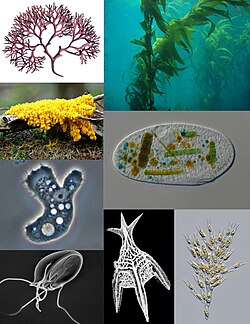
Why do protists have complex cellular structures?
Because they are single-celled and need to perform many diverse functions
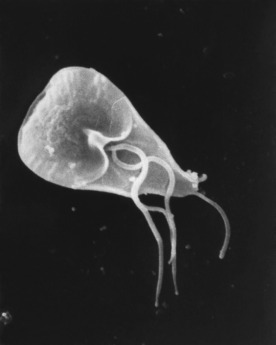
Diplomonads (protist)
The most ancient living eukaryotes that are anaerobic and have two nuclei and multiple flagella (eg. giardia)
Euglenozoans (protist)
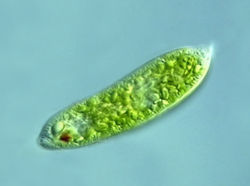
Consist of multiple diets and have a spiral or crystalline rod inside each flagellum (eg. euglena)
Alveolates (protist)
Characterized by alveoli (sacs) under the plasma membrane
Three subgroups: dinoflagellates, apicomplexans, ciliates
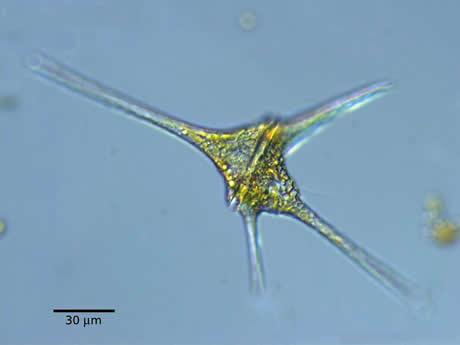
Dinoflagellates (alveolate)
Unicellular alveolate in aquatic environments that have two flagella that are in perpendicular grooves in the “armor” and produce a spinning movement. Produces blooms that cause “red tides”
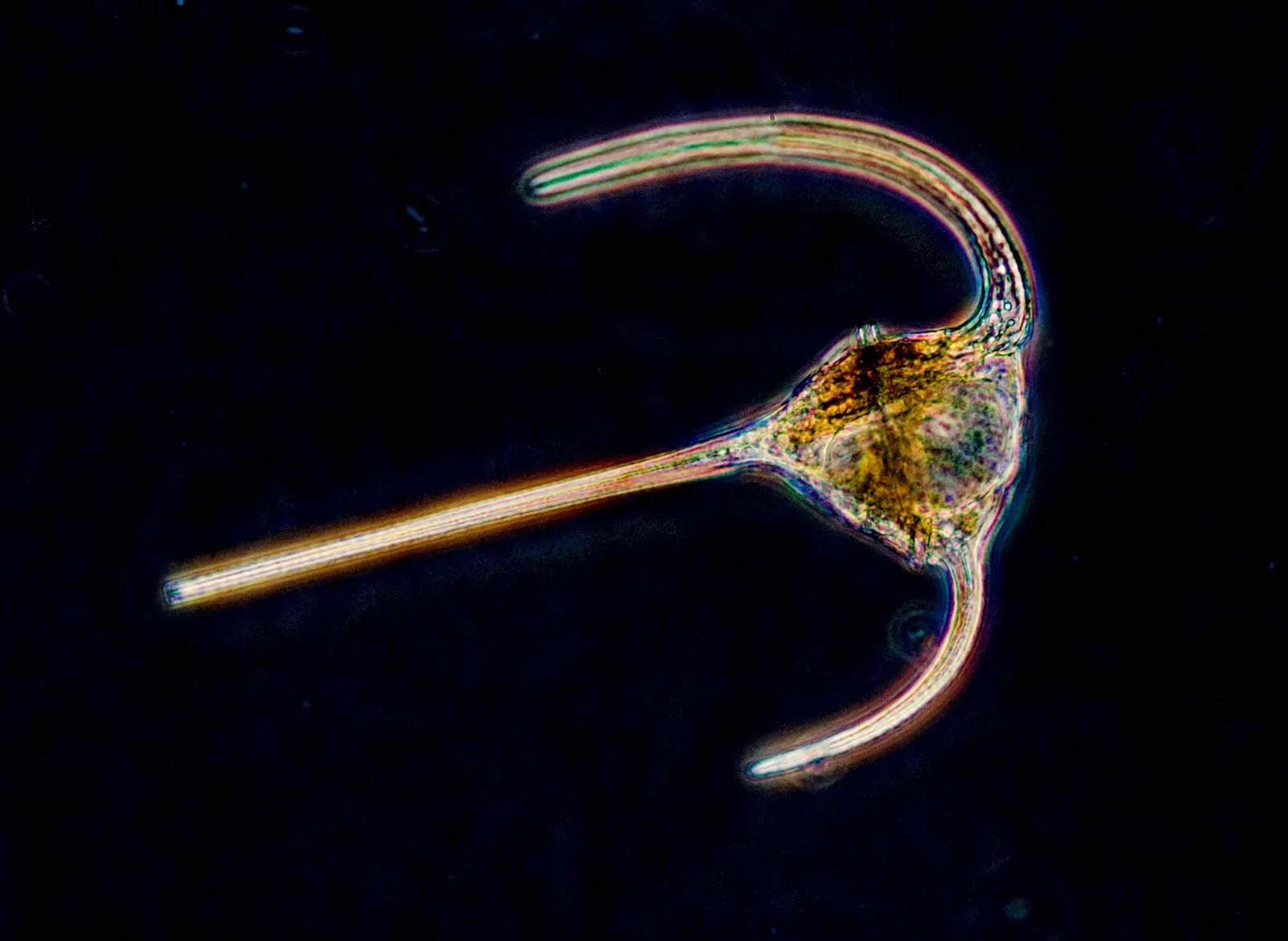
Apicomplexans (alveolate)
Parasites or animals that have an apical structure that help them penetrate host cells (eg. plasmodium)
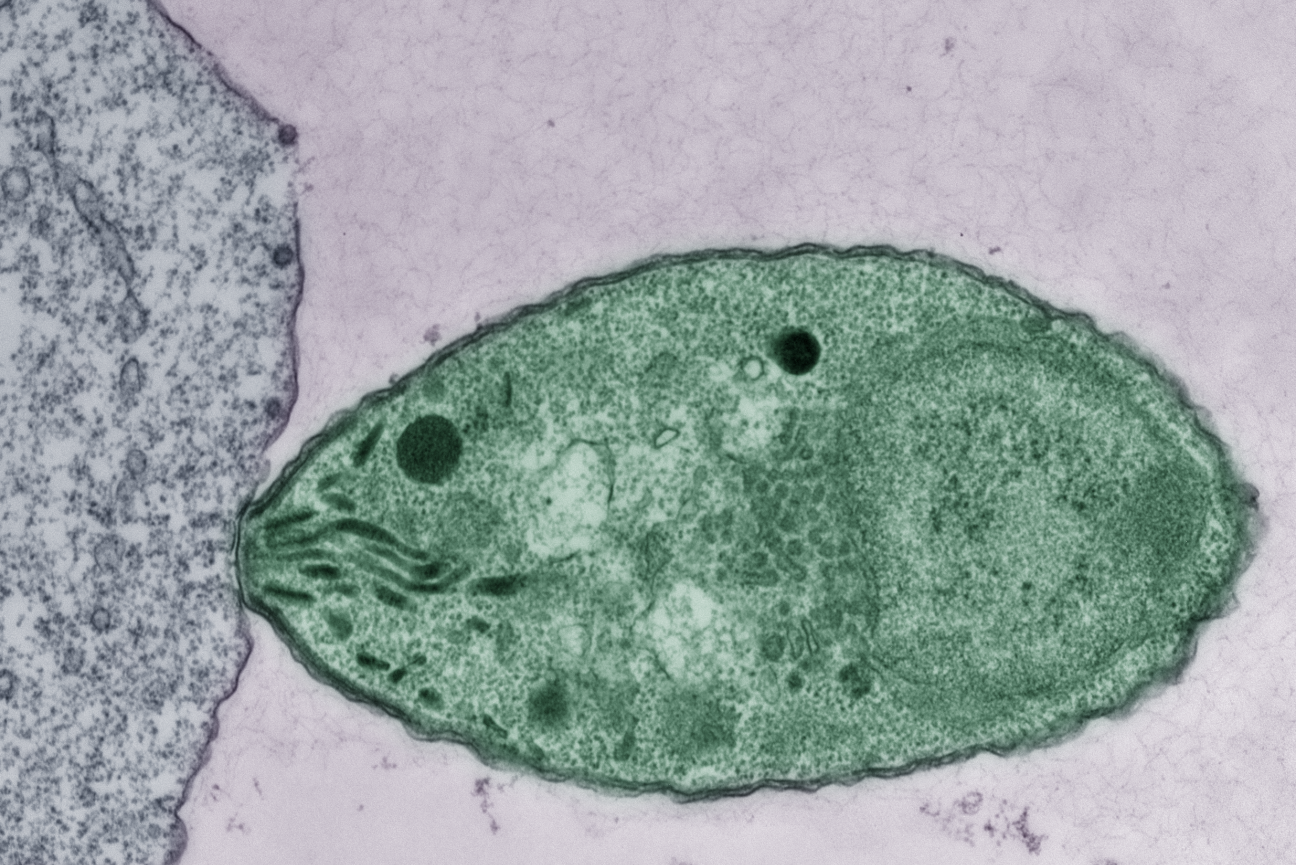
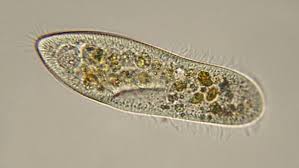
Ciliates (alveolate)
Use cilia for movement and for feeding.
Contain macronuclei (daily cell functions) and micronuclei (reproduction)
Stramenopiles (protist)
Reproductive cells have hairy flagella that are paired with smooth flagellum.
Include water molds, diatoms, and brown algae.
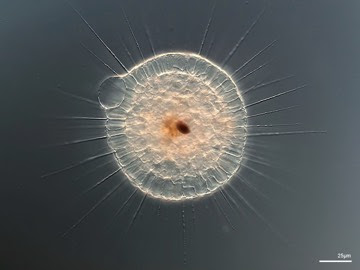
Water Molds (stramenopile)
Fungus-like protists that decompose dead animals and plants. Form cottony masses on dead algae and animals
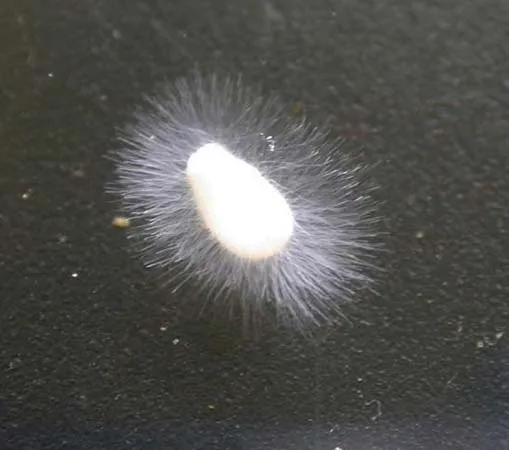
Diatoms (stramenopile)
Protists in watery environments that have cell walls consisting of two halves that fit together and contain silica which help withstand pressure
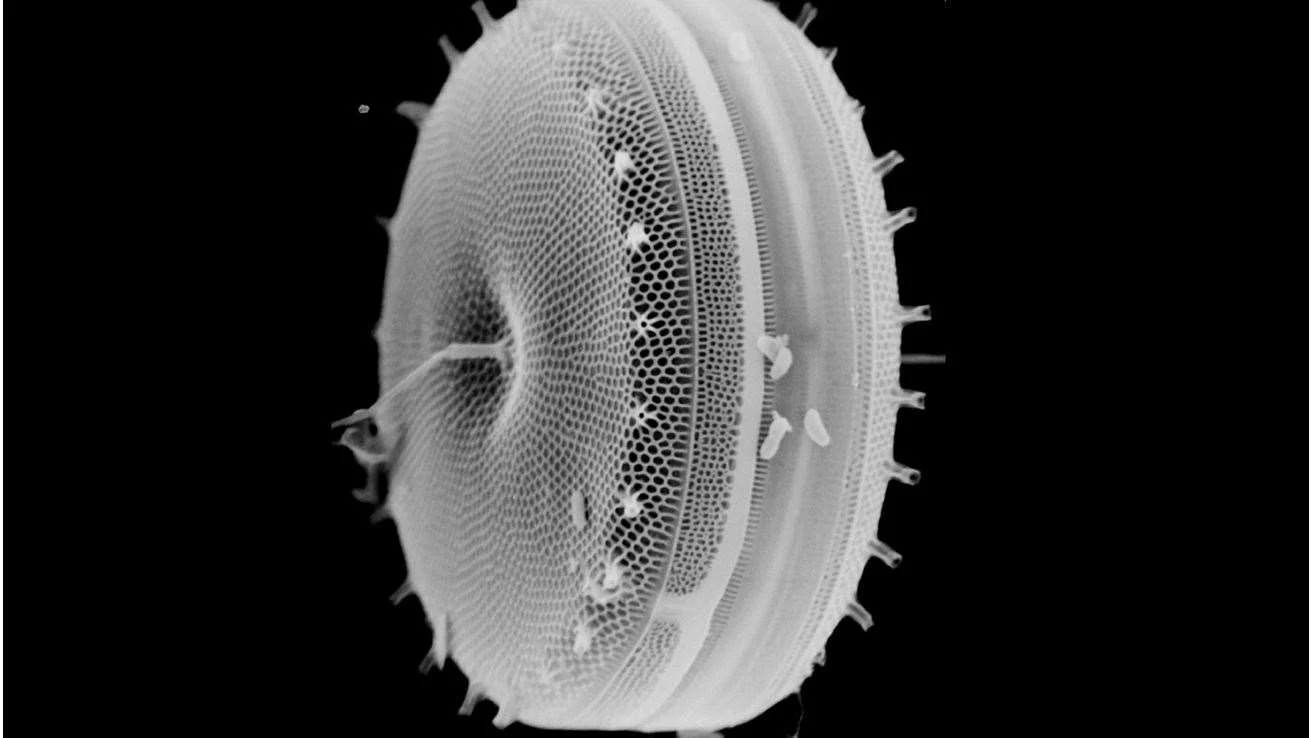
Brown Algae (stramenopile)
Brown or olive colored multicellular stramenopile referred to as seaweed found in temperature coasts.
Include tallus, holdfast, stipe, and blades (complex structure)
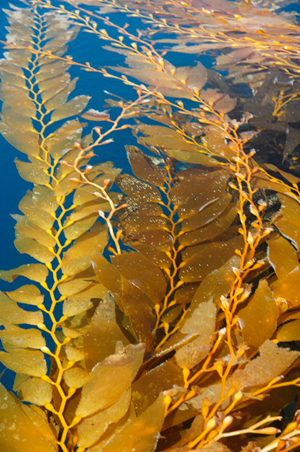
How are brown algae useful in ecosystems and communities?
They provide habitat and food for coastal ecosystems, food for some cultures, and are a major source of algin which is used in many products
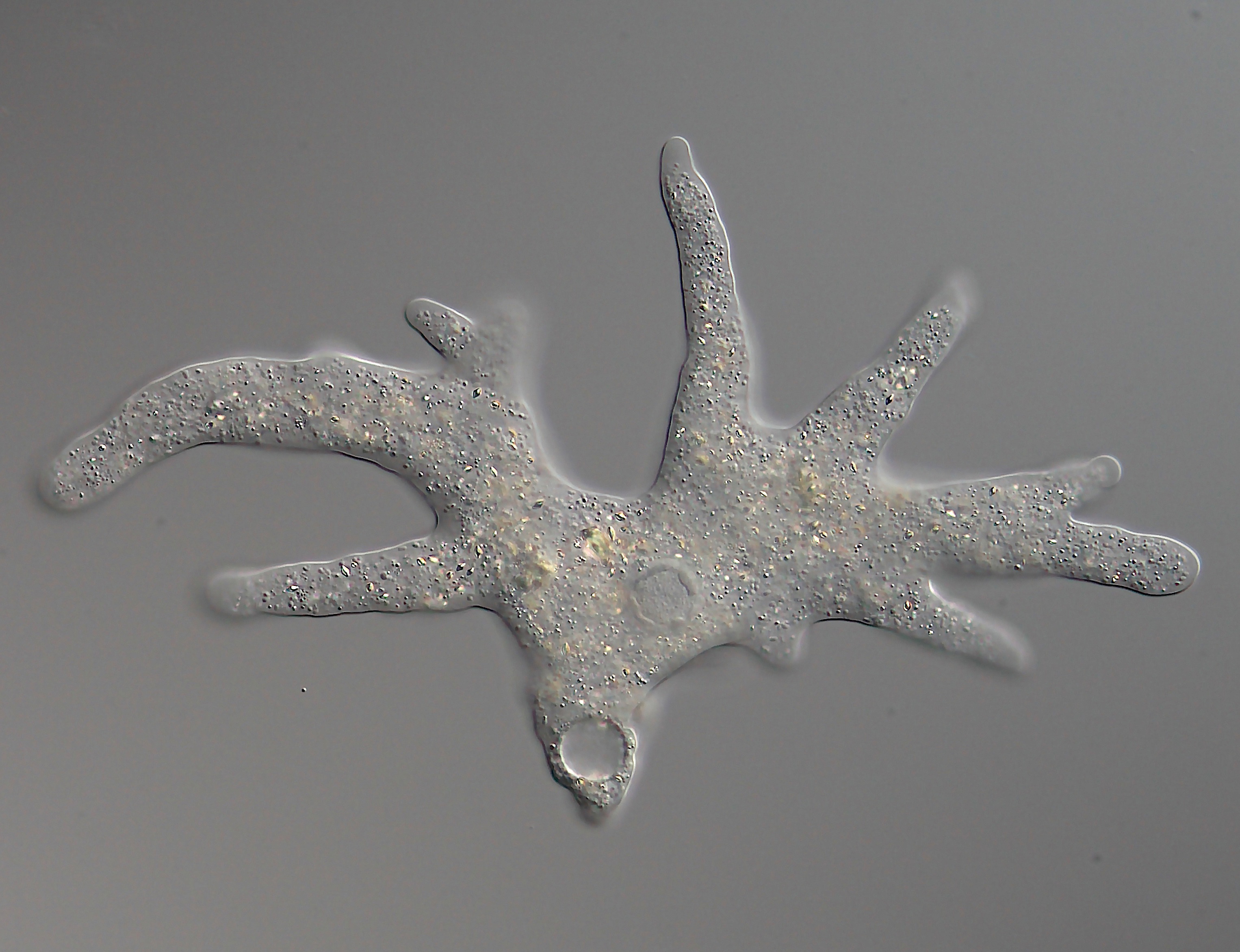
Amoebozoans (protist)
Protists that move and feed through pseudopodia (include amoebas and slime molds)
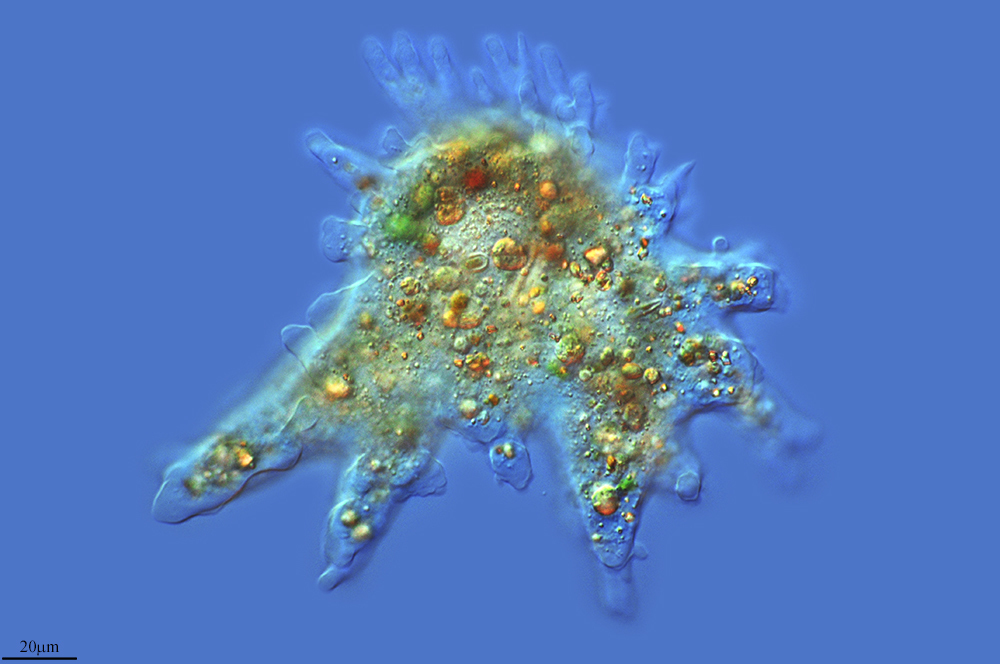
Pseudopodia
Temporary cellular extensions