France French Baroque (Louis XIV) through Regency, Rococo (Louis XV) , and Neoclassical Period (Louis XVI)
 Call Kai
 Learn
Learn Practice Test
 Spaced Repetition
 Match
Match Flashcards
 Knowt Play
1/38

There's no tags or description
Looks like no tags are added yet.
Name | Mastery | Learn | Test | Matching | Spaced | Call with Kai |
|---|
No analytics yet
Send a link to your students to track their progress
39 Terms
French Baroque
- formal, grand, and symmetrical
- associated with Versailles and the Louvre
- large-scale furniture and architecture
- heavy ornamentation and dramatic design
Key Characteristics of Baroque
- monumental scale
- symmetry
- rich materials
- formal court culture
French Regency (Transitional Period)
- occurred after Louis XIV
- led by Duc d'Orleans
- a transition between Baroque and Rococo
- reaction against the heavy formality of the Baroque
- furniture becomes lighter and more comfy
Rococo (Louis XV) -1730-1760
(The first modern style)
- curved lines
- asymmetry
- smaller furniture scale
- playful, light decoration
- pastel colors
- nature-inspired motifs
- feminine influence on design (Madame de Pompadour)
Important Influences of French Rococo
- wealthy bourgeoisie decorating private homes
- Madame de Pompadour influencing taste
- interest in Oriental Design (Chinoiserie)
Neoclassical (Louis XVI)
- reaction against Rococo excess
- inspired by ancient Greece and Rome
- influenced by excavations at Pompeii
Key Characteristics of Neoclassical
- straight lines
- symmetry
- classical columns
- less ornamentation
- simpler forms
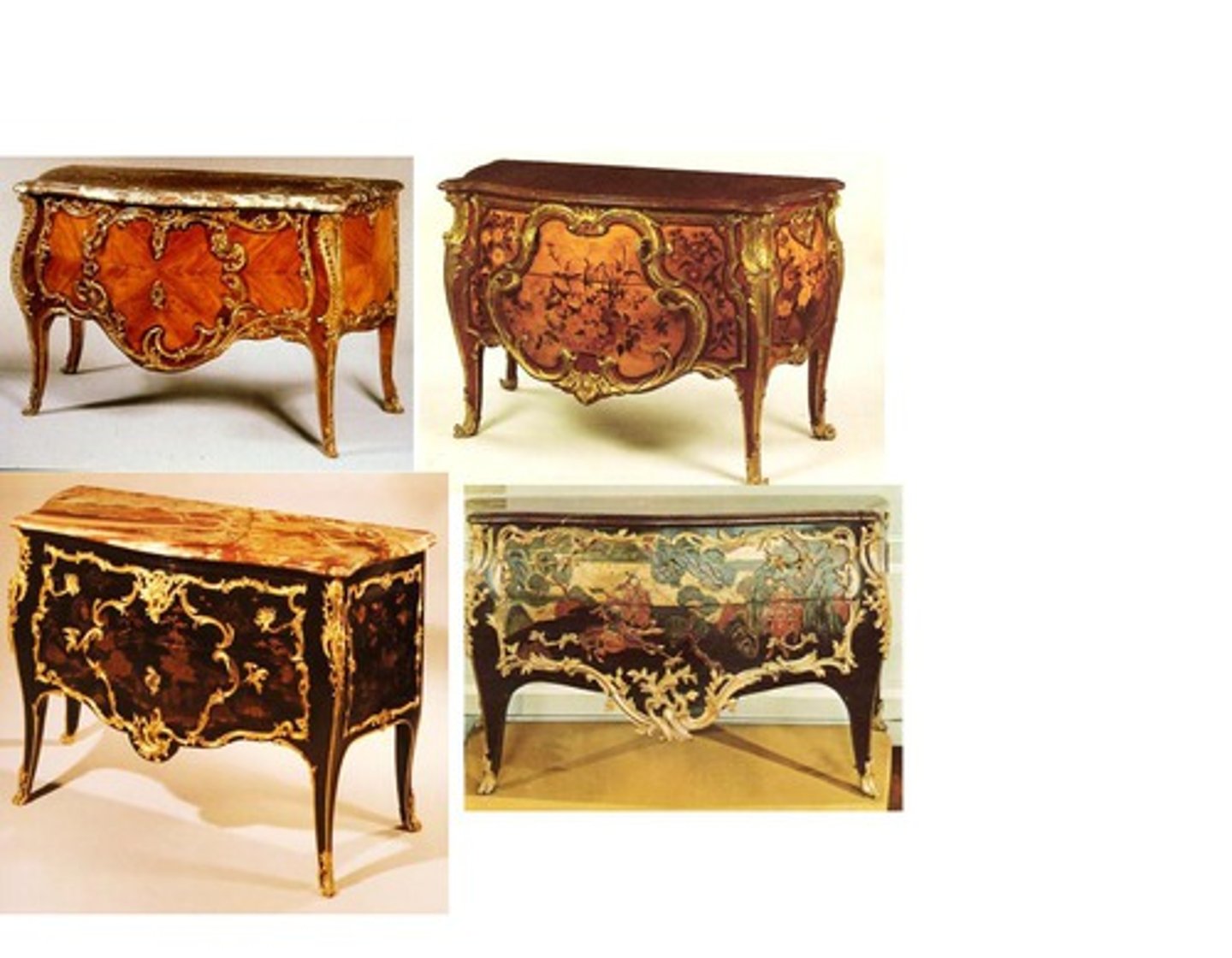
Important Furniture Features of Rococo
- cabriole leg: curved S-shaped leg
- stretchers: used earlier but disappeared in later Rococo
- boiserie: carved decorative wooden wall panels
- bombe/serpentine shapes: bulging curved surfaces used in chests and commodes
Fauteuil Chair
- open armchair
- carved wood
- upholstered seat and back
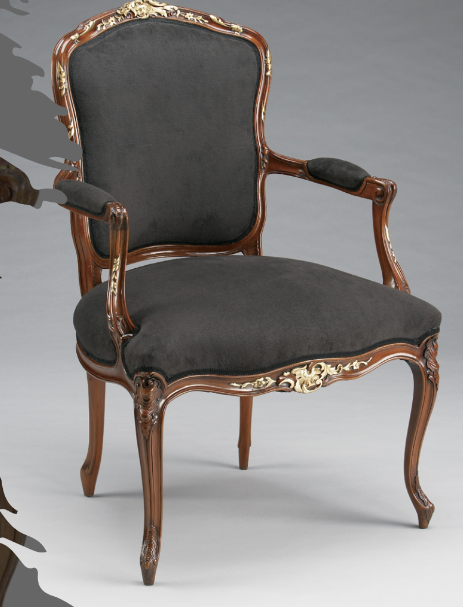
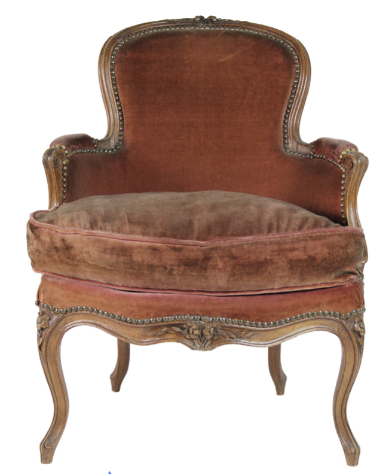
Bergere Chair
- fully upholstered armchair
- enclosed side arms
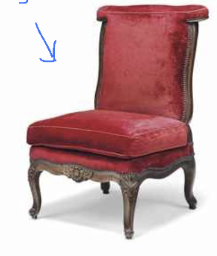
Voyeuse Chair
- made for gossiping
- high or hooded back
- low arms and decorative carving
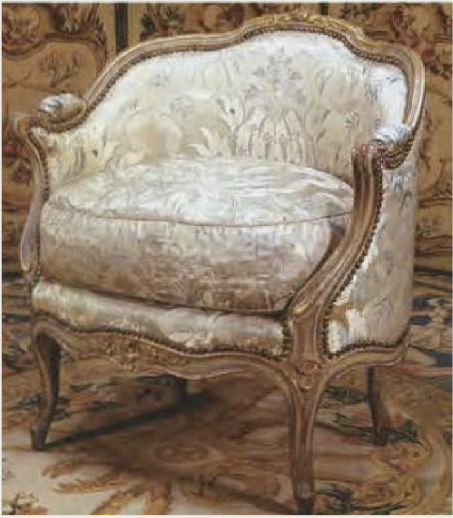
Marquise Chair
- designed for women wearing wide skirts
- low arms and decorative carving
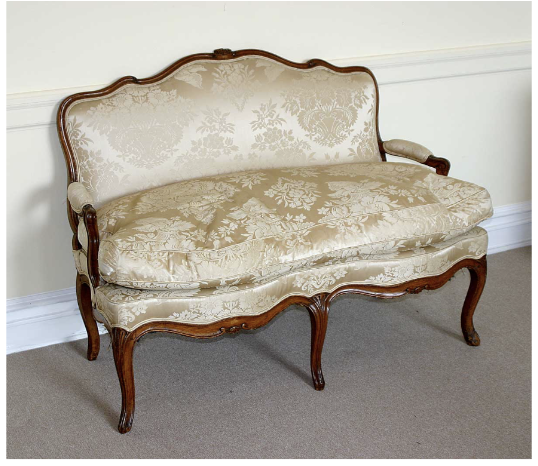
Canape Chair
- early form of a sofa or settee
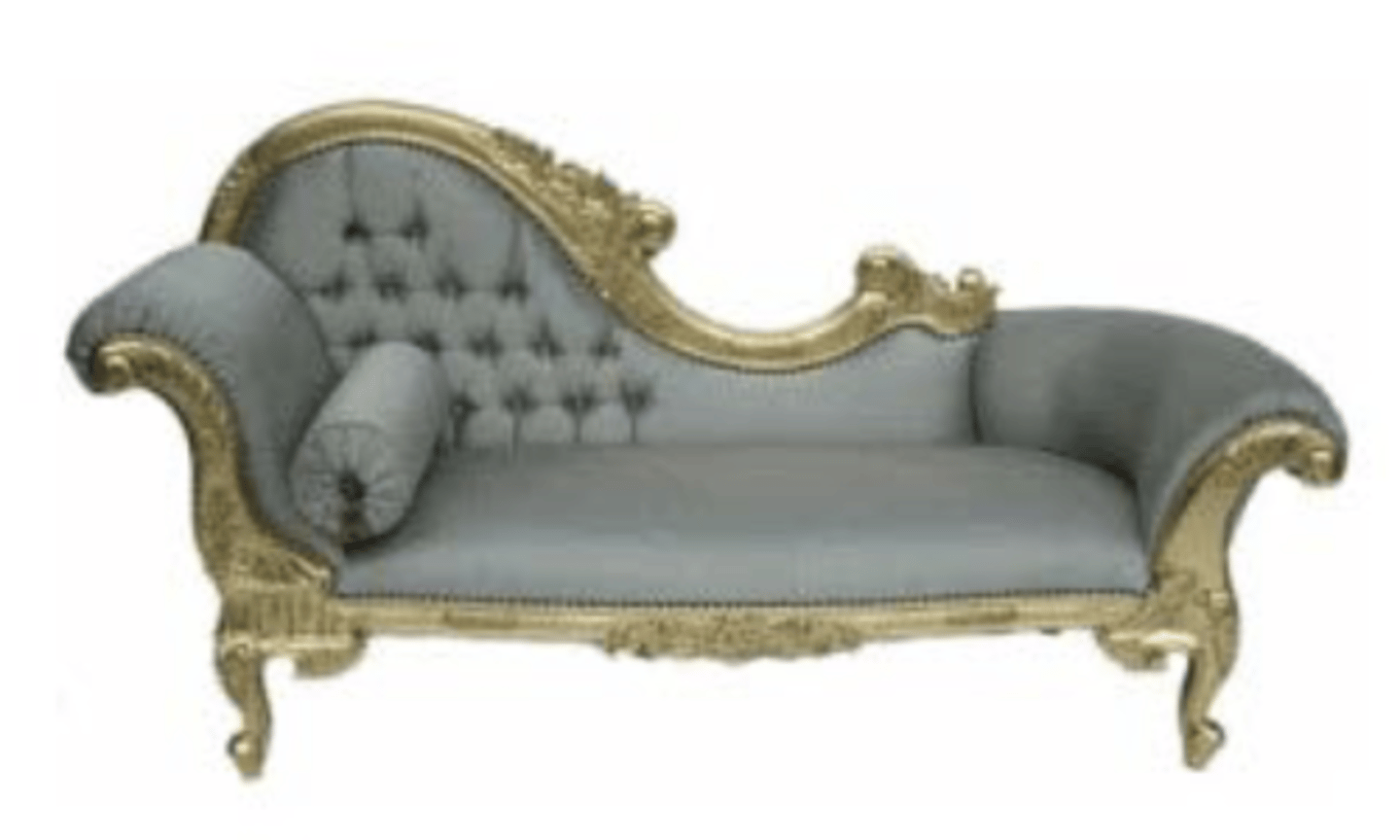
Chaise Longue
- long reclining chair
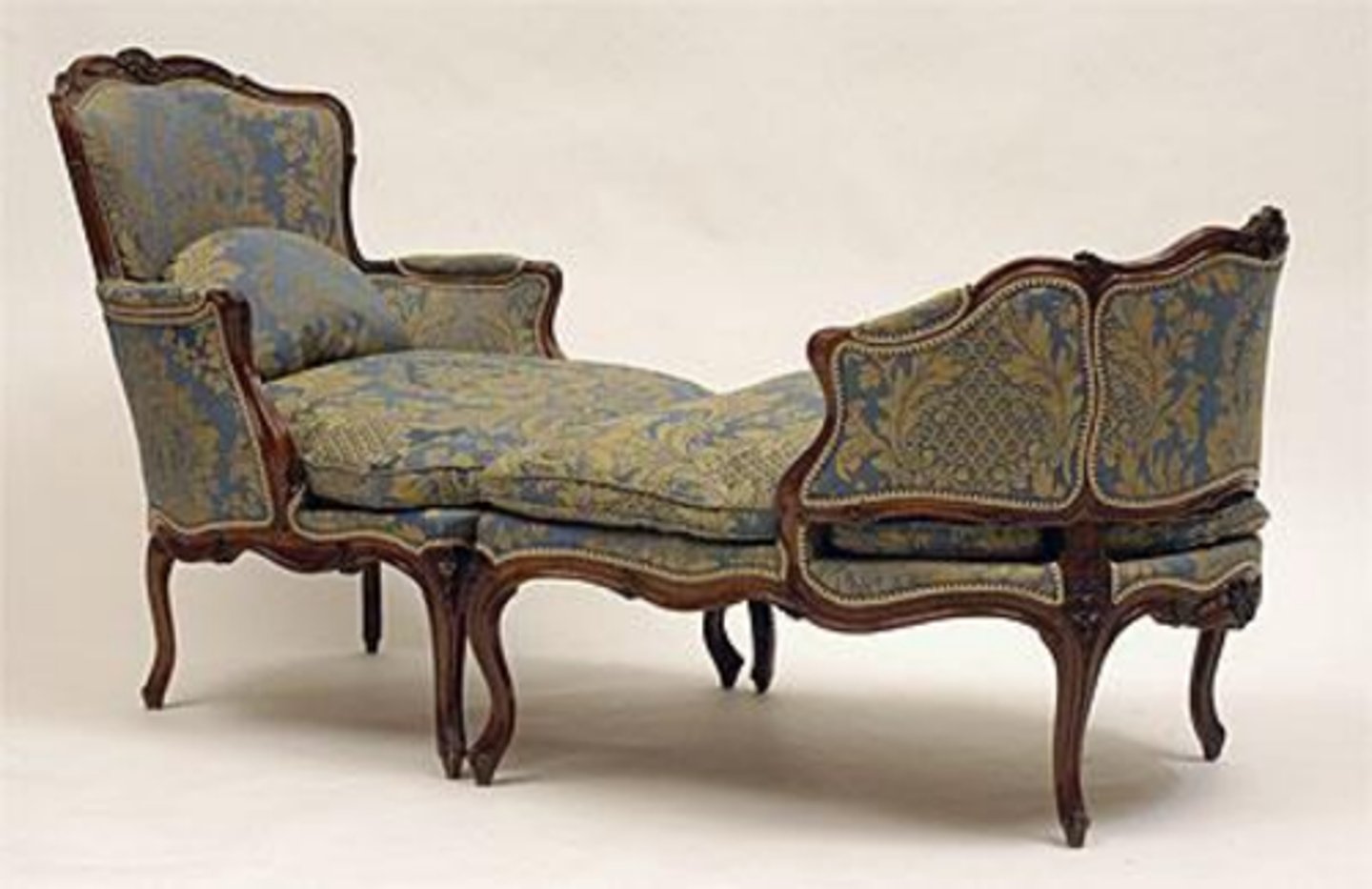
Duchesse Brisee
- broken chaise longue
- made of 2 or more pieces
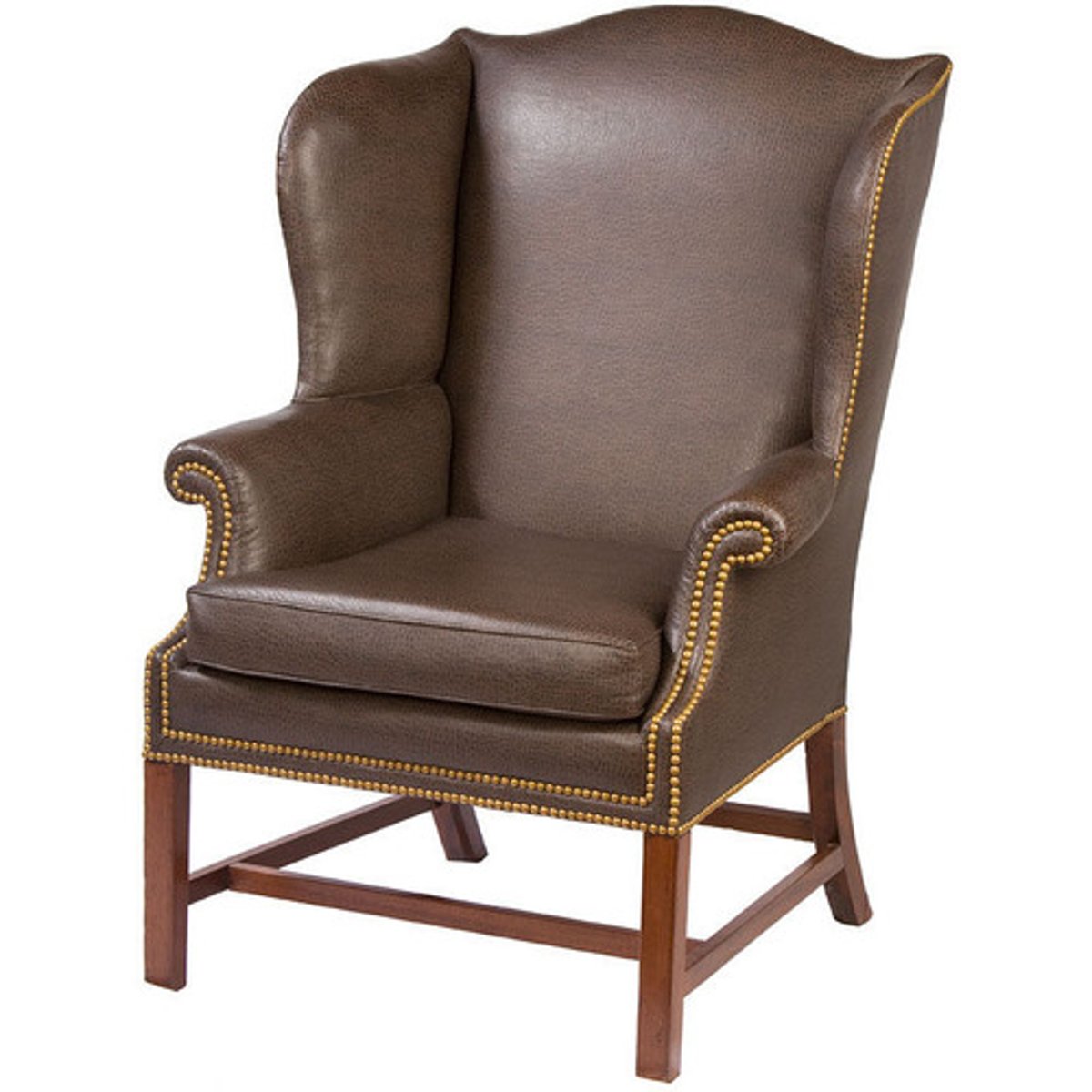
Wing Chair
- keep warm
- protect sitter from drafts
Important Materials and Textiles
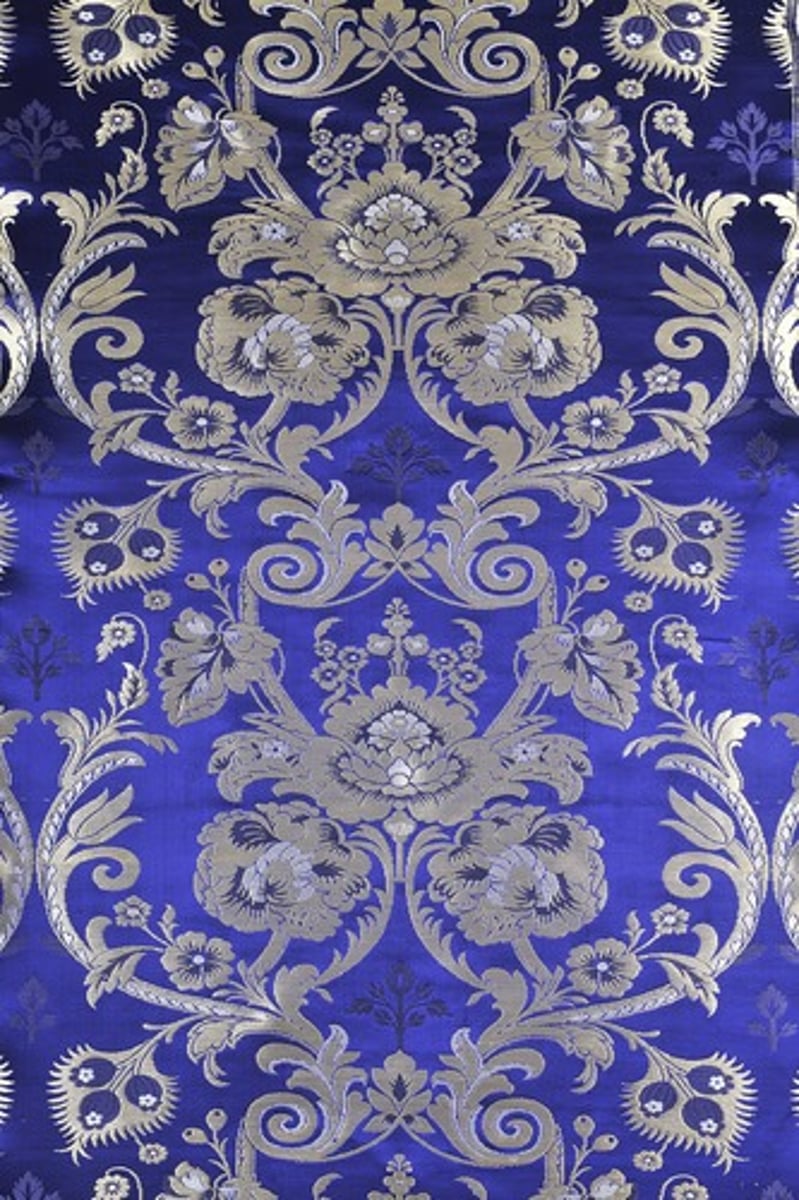
- damask
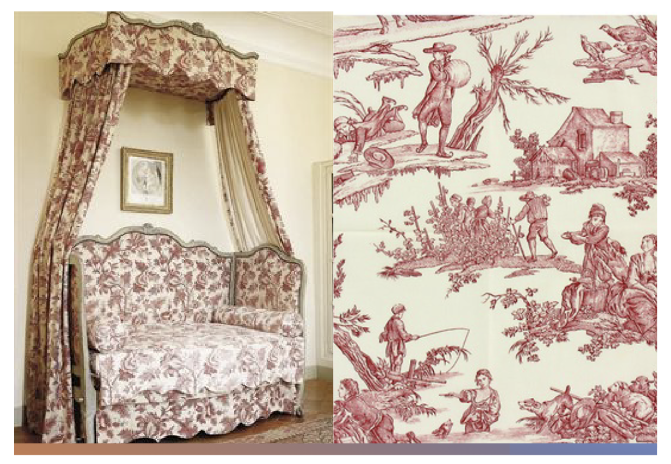
- toile de jouy
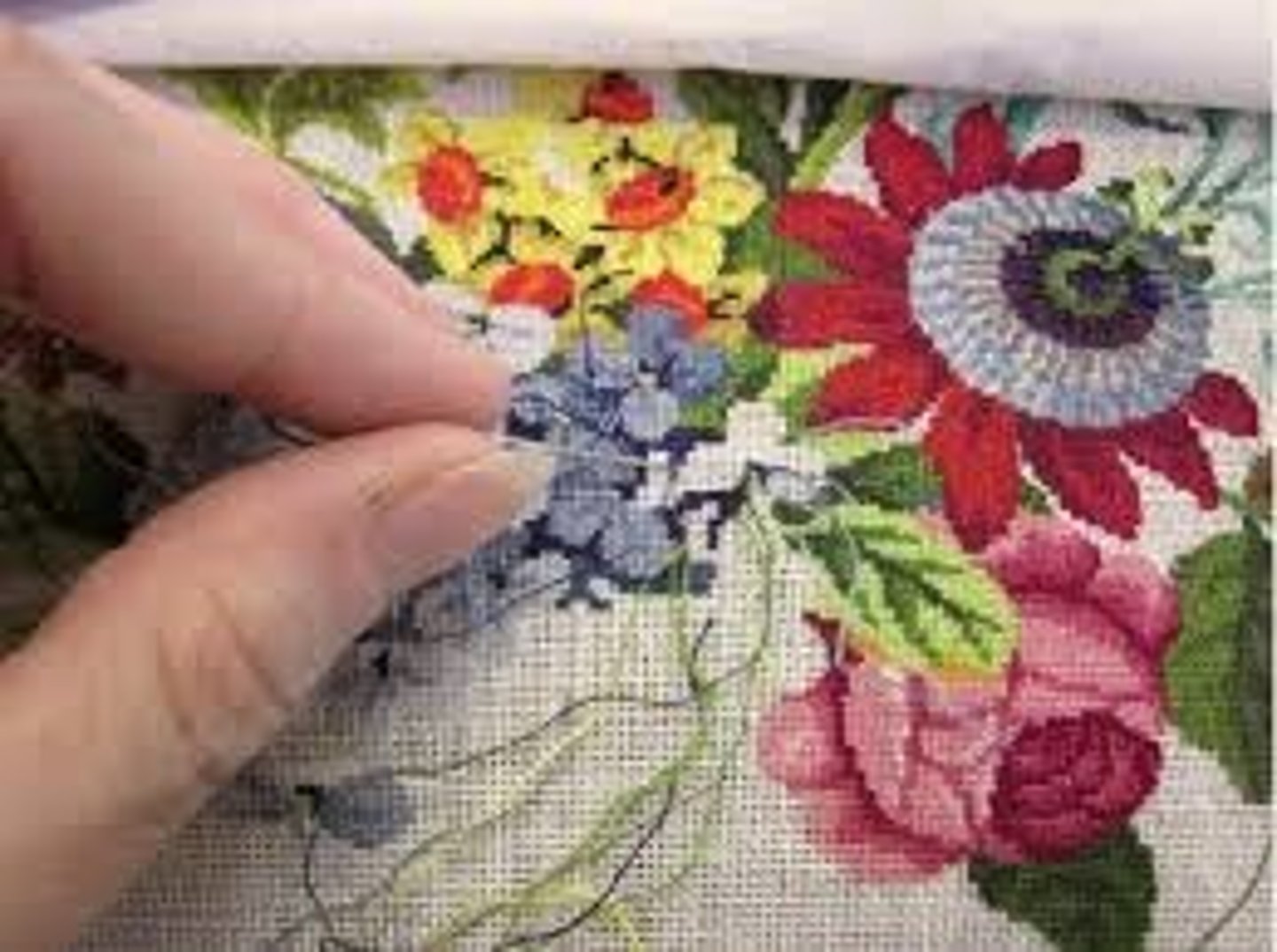
- needlepoint
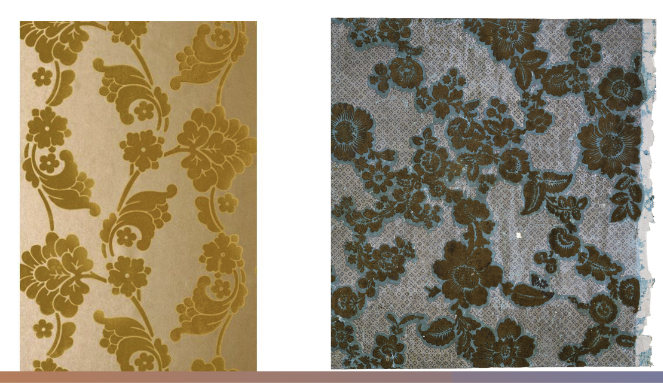
- flock
- damask
- reversible patterned fabric
- often silk
- scrolling floral motifs
Toile de Jouy
- printed scenic fabric
- usually cotton or linen
- on bedding or upholstery
Needlepoint
- decorative embroidery for upholstery
Flock
- fabric with raised velvet-like pattern
Common woods
- walnut
- oak
- beech
- elm
- wild cherry
- imported mahogany and fruitwoods
Guild System (Major Furniture Crafts)
- Menuisiers
- Ebenistes
Menuisiers
- chair makers
- worked with carved wood
Ebenistes
- Cabinet maker
- veneered furniture and marquetry
Ciseleurs
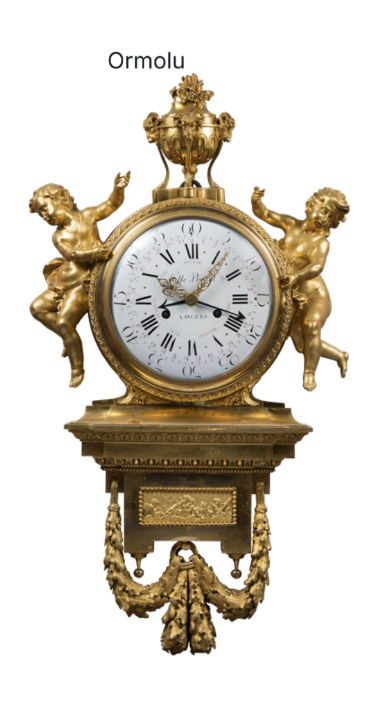
- metal artisans who engraved decorative bronze or ormolu
- the greatest of all: Pierre Gauthier
Hotel de Soubise (Paris)
- Rococo interior
- by Germain Bouffard
- oval Salon de la Princesse
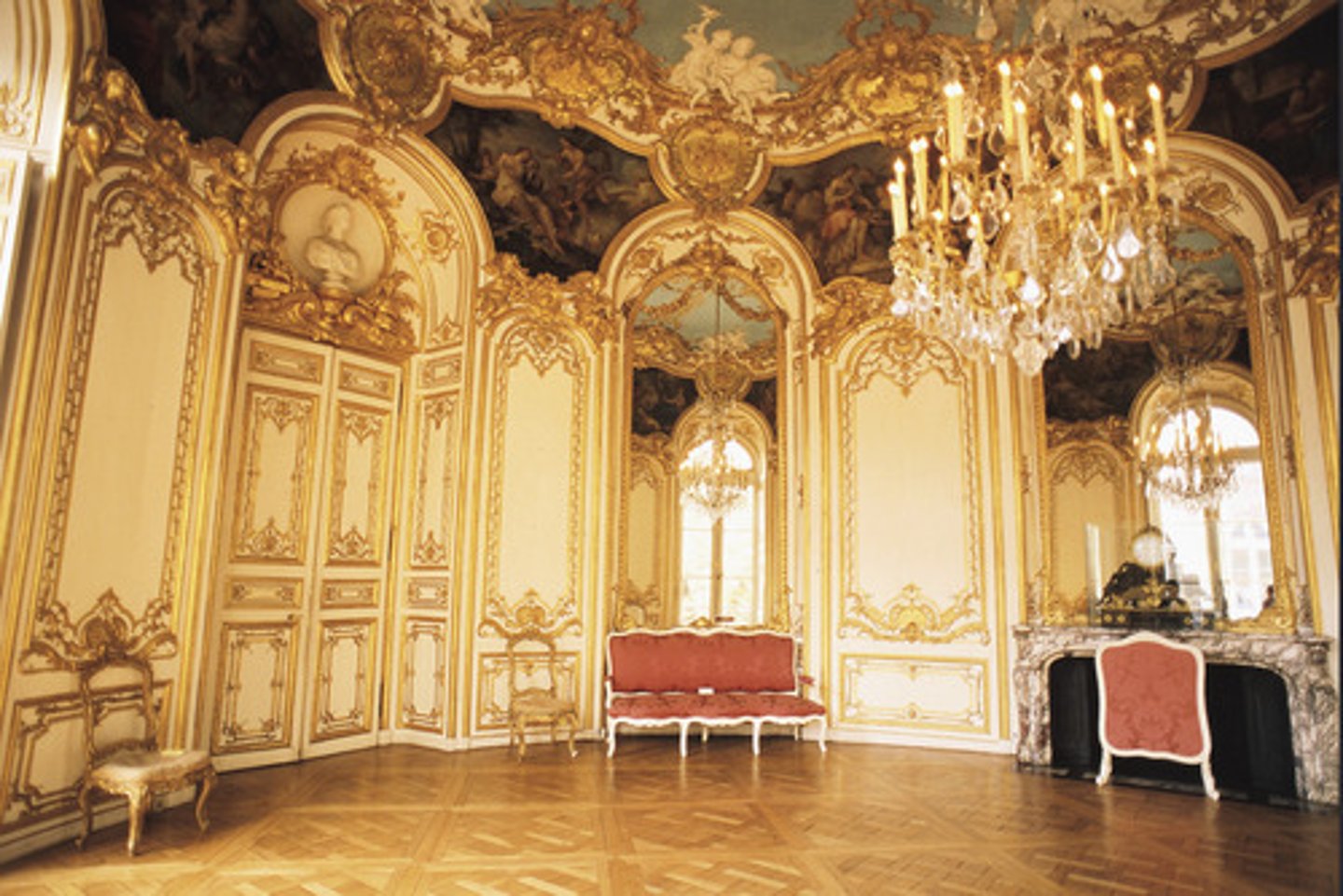
Features of Hotel de Soubise
- curving walls
- decorative plasterwork
- boiserie panels
- light colors
Decorative Techniques
- Boulle Work
- Japaning
- Vernis Martin
Boulle Work
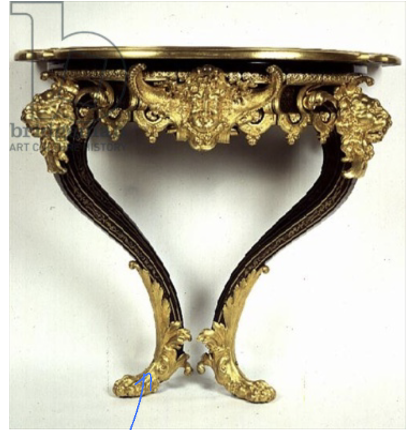
- inlay technique using brass, tortoiseshell
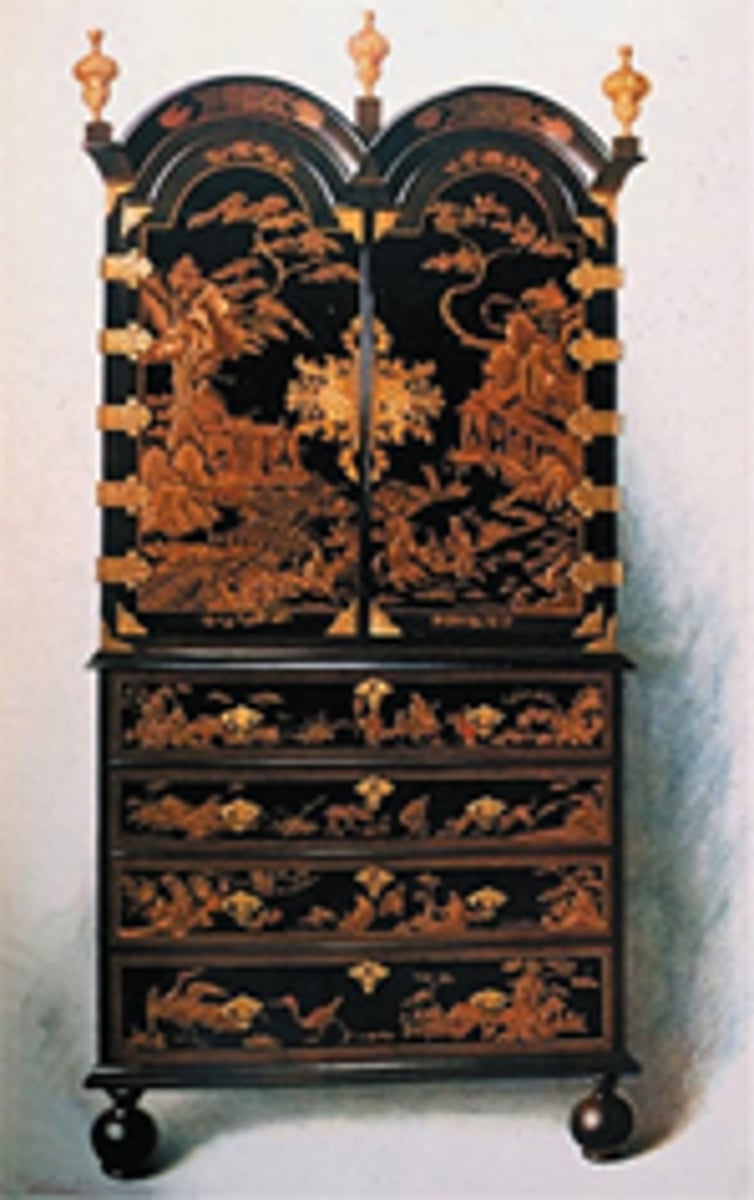
Japanning
- European imitation of Asian lacquer
Vernis Martin
- French lacquer-like decorative finish
Porcelain Types
- hard paste
- soft paste
- bone China
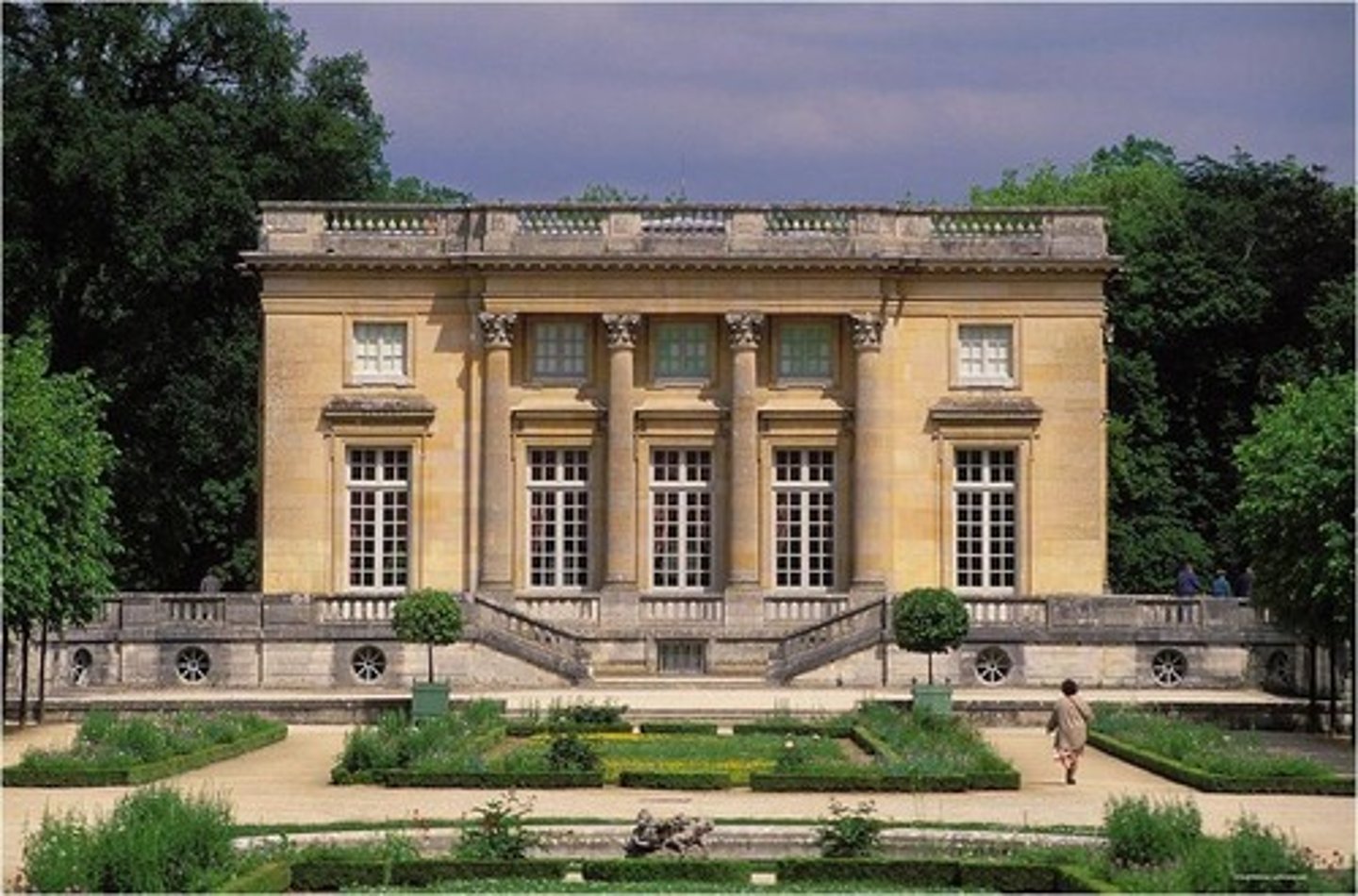
Le Petit Trianon, Ange-Jacques Gabriel
- neoclassical architecture
- classical columns
- symmetry
- simple geometric forms
French Provincial Style
- made by rural craftsmen
- simpler construction
- copied older Parisian styles
- made for middle class, landed gentry, wealthier peasants
Most copied of French Provincial Style
- Louise XV and XVI
- Armoire was an important piece
- desk was a status symbol
Five Regional Styles
- Normandy
- Provence
- Burgundy
- Brittany
- Alsace
Printing Press
- by Johannes Gutenberg
- allowed creation of pattern books
- artisans could share and copy designs
Pompeii Excavations
- inspired the Neoclassical Movement

