SDSU ANTH 101 Exam #2 Primates

0.0(0)
Studied by 0 people
call kaiCall Kai
learnLearn
examPractice Test
spaced repetitionSpaced Repetition
heart puzzleMatch
flashcardsFlashcards
GameKnowt Play
Card Sorting

1/39

flashcard set

Earn XP

Description and Tags

Professor Oliver Paine, exam on 3/26

Last updated 4:57 AM on 3/25/26
Name
Mastery
Learn
Test
Matching
Spaced
Call with Kai

No analytics yet

Send a link to your students to track their progress

40 Terms

1
New cards

Gorilla cognitive abilities

Gorillas exhibit advanced cognitive skills, including problem-solving, tool use, and social learning.
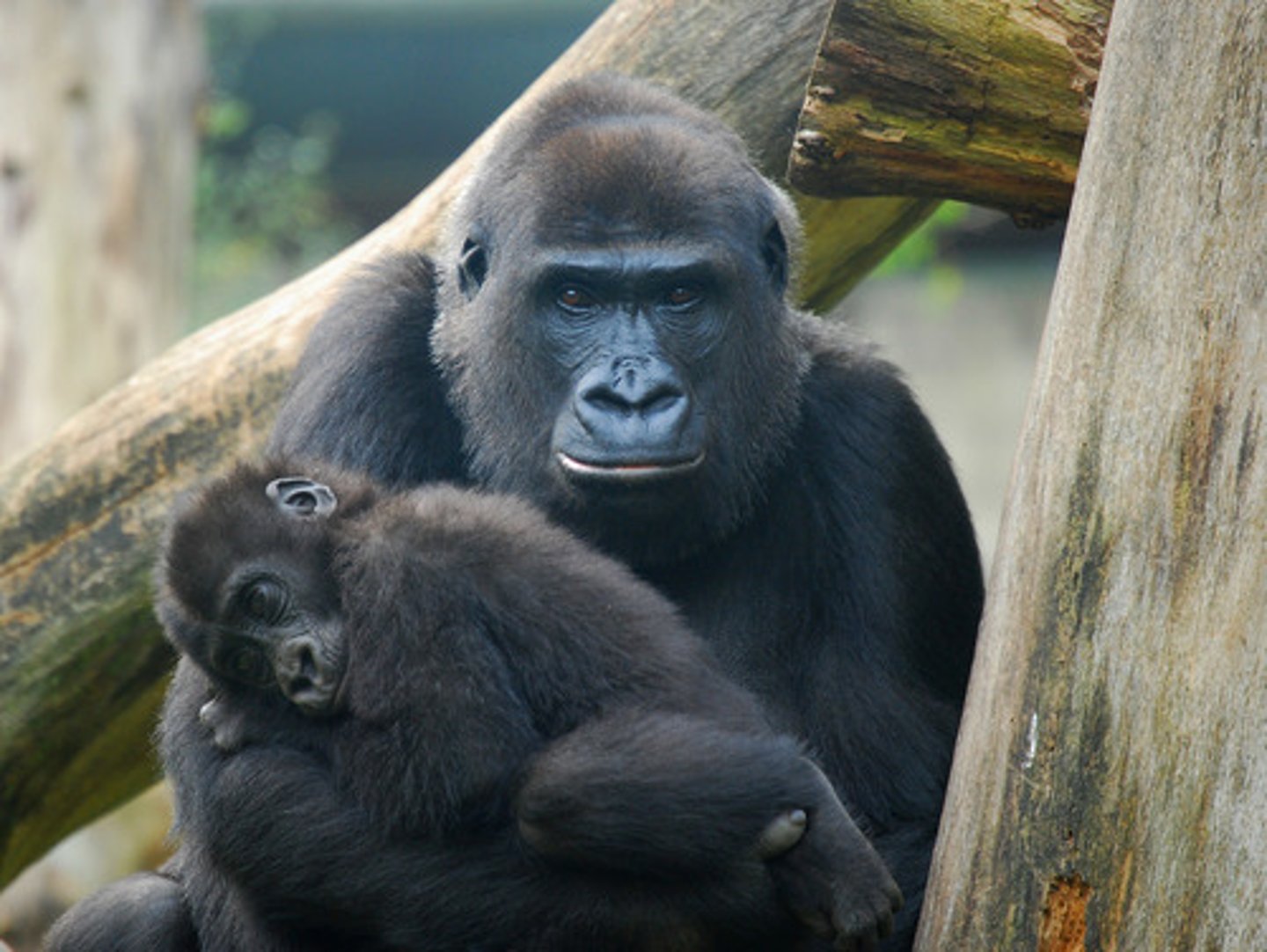
<p>Gorillas exhibit advanced cognitive skills, including problem-solving, tool use, and social learning.</p>
2
New cards

Vervet monkeys

Known for their complex social structures and communication. ei. drinking alcohol at human resorts.
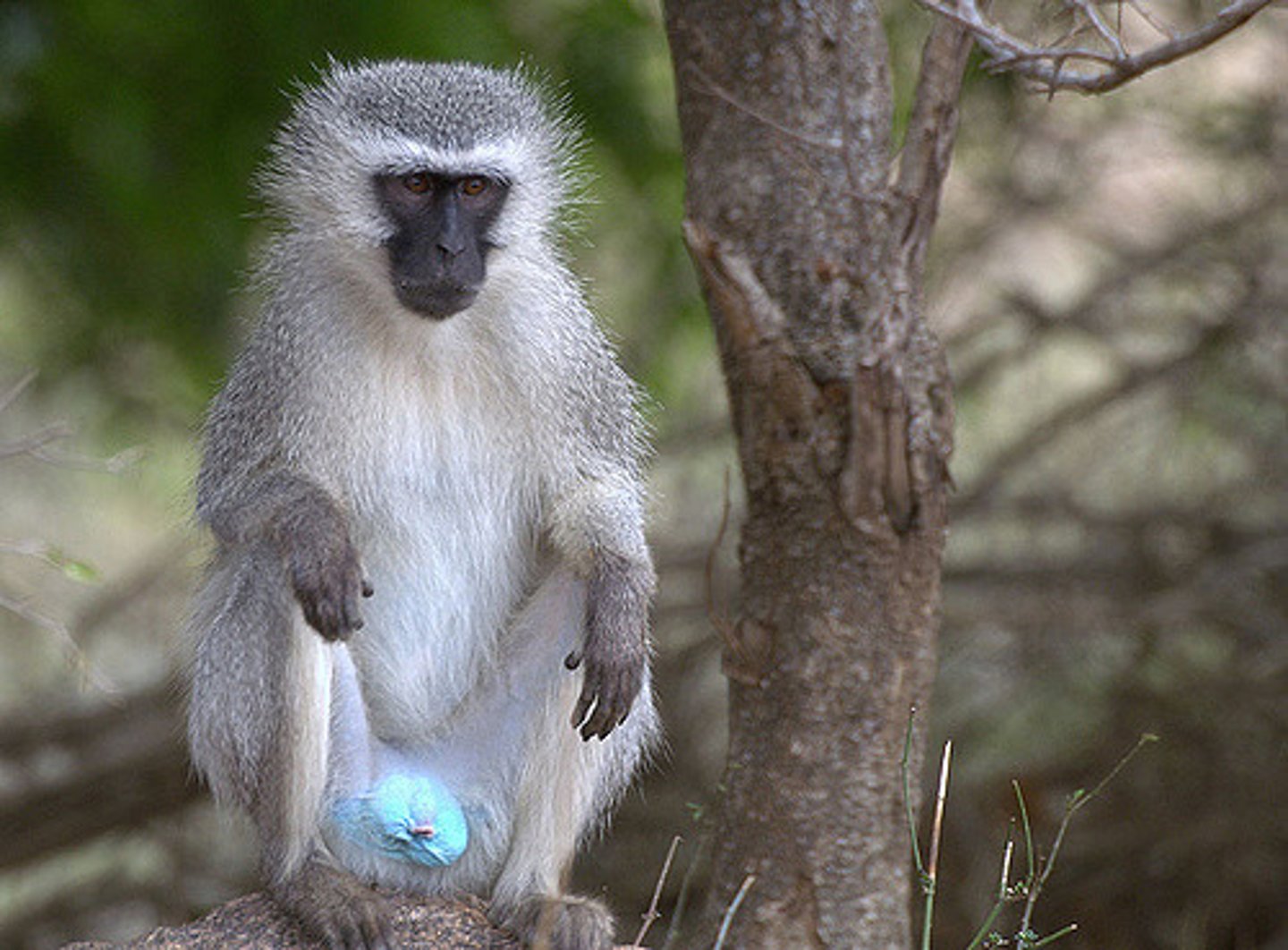
<p> Known for their complex social structures and communication. ei. drinking alcohol at human resorts.</p>
3
New cards

Imo the Japanese macaque

New innovative behavior in washing sweet potatoes, demonstrating cultural transmission.
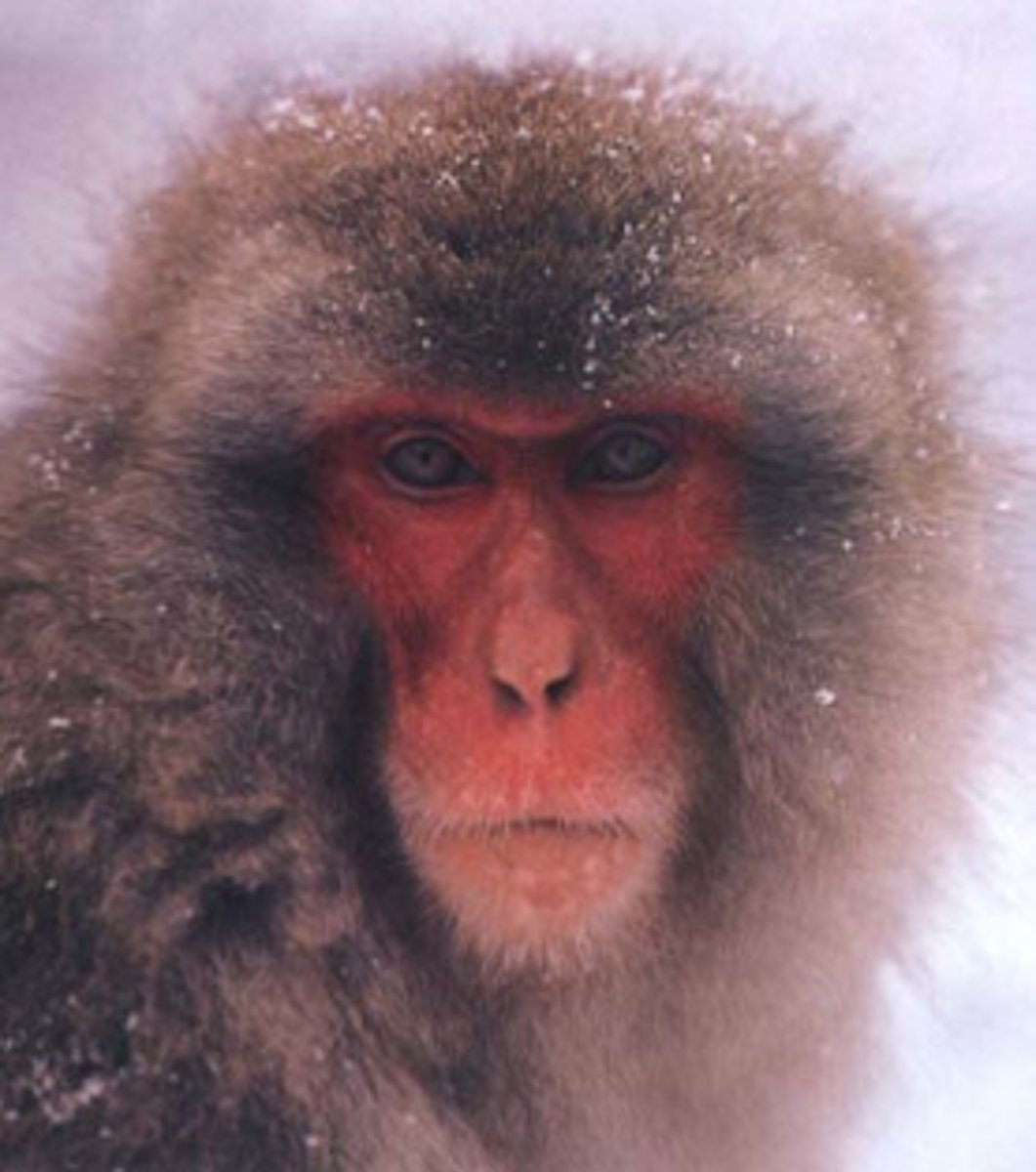
<p>New innovative behavior in washing sweet potatoes, demonstrating cultural transmission.</p>
4
New cards

Theory of Mind

The ability to attribute mental states, such as beliefs and intentions, to oneself and others, crucial for social interactions.

<p>The ability to attribute mental states, such as beliefs and intentions, to oneself and others, crucial for social interactions.</p>
5
New cards

Bonobos

Closely related to chimpanzees, known for their peaceful social structures and use of sexual behavior for conflict resolution.
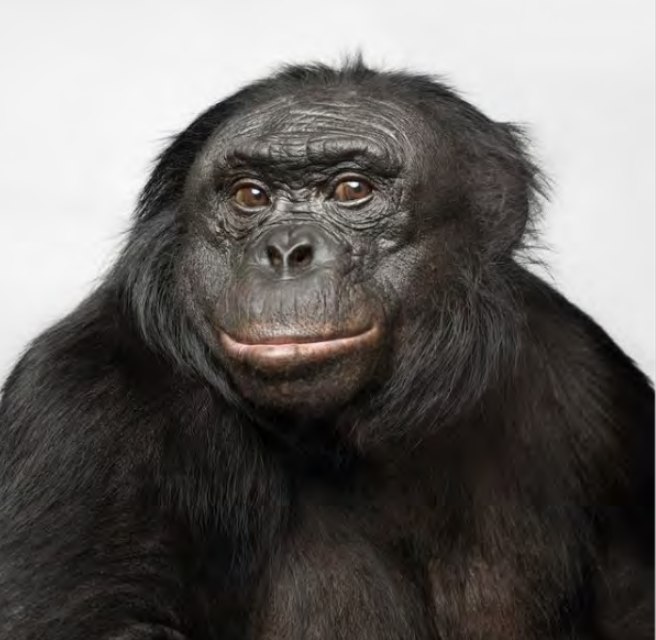
<p>Closely related to chimpanzees, known for their peaceful social structures and use of sexual behavior for conflict resolution.</p>
6
New cards

Capuchin cognitive abilities

Known for their intelligence, tool use, and ability to learn through observation.
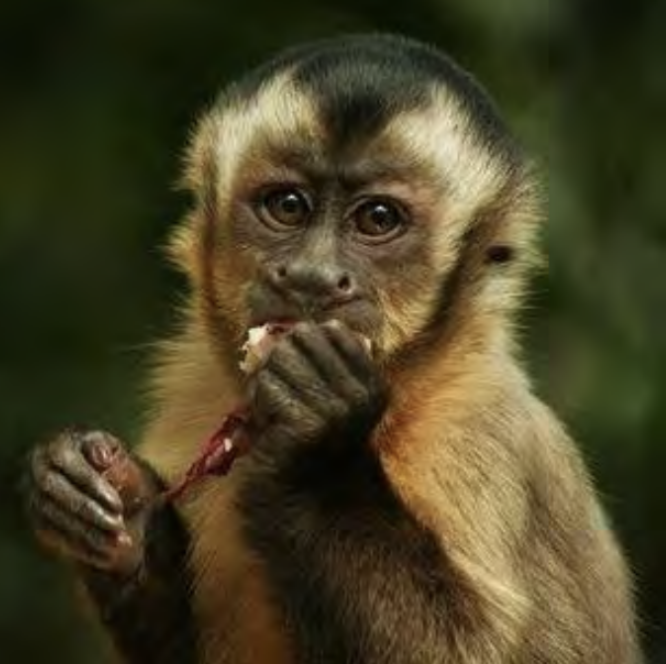
<p>Known for their intelligence, tool use, and ability to learn through observation.</p>
7
New cards

Chimpanzee cognitive abilities

Demonstrate advanced cognitive functions, including problem-solving, tool-making, and social learning.
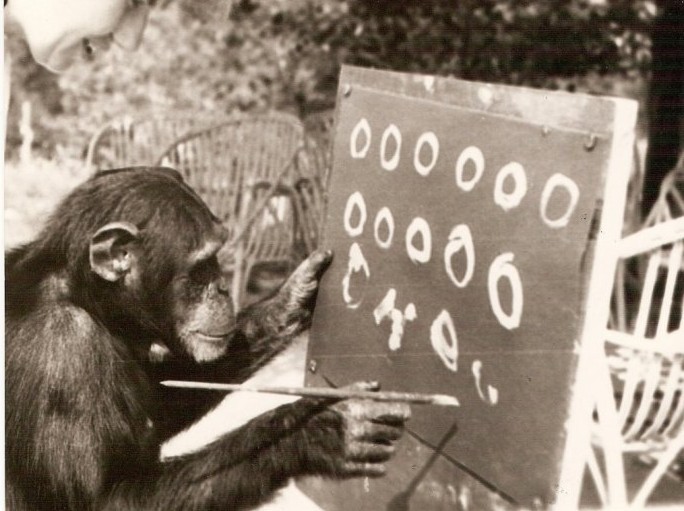
<p>Demonstrate advanced cognitive functions, including problem-solving, tool-making, and social learning.</p>
8
New cards

Mimetic musculature

Muscle structure that allows for facial expressions, used in social interactions among primates.

<p>Muscle structure that allows for facial expressions, used in social interactions among primates.</p>
9
New cards

Harlow experiments

Psychological experiments by Harry Harlow that studied attachment and social behavior in rhesus monkeys, highlighting the importance of comfort and attachment security.
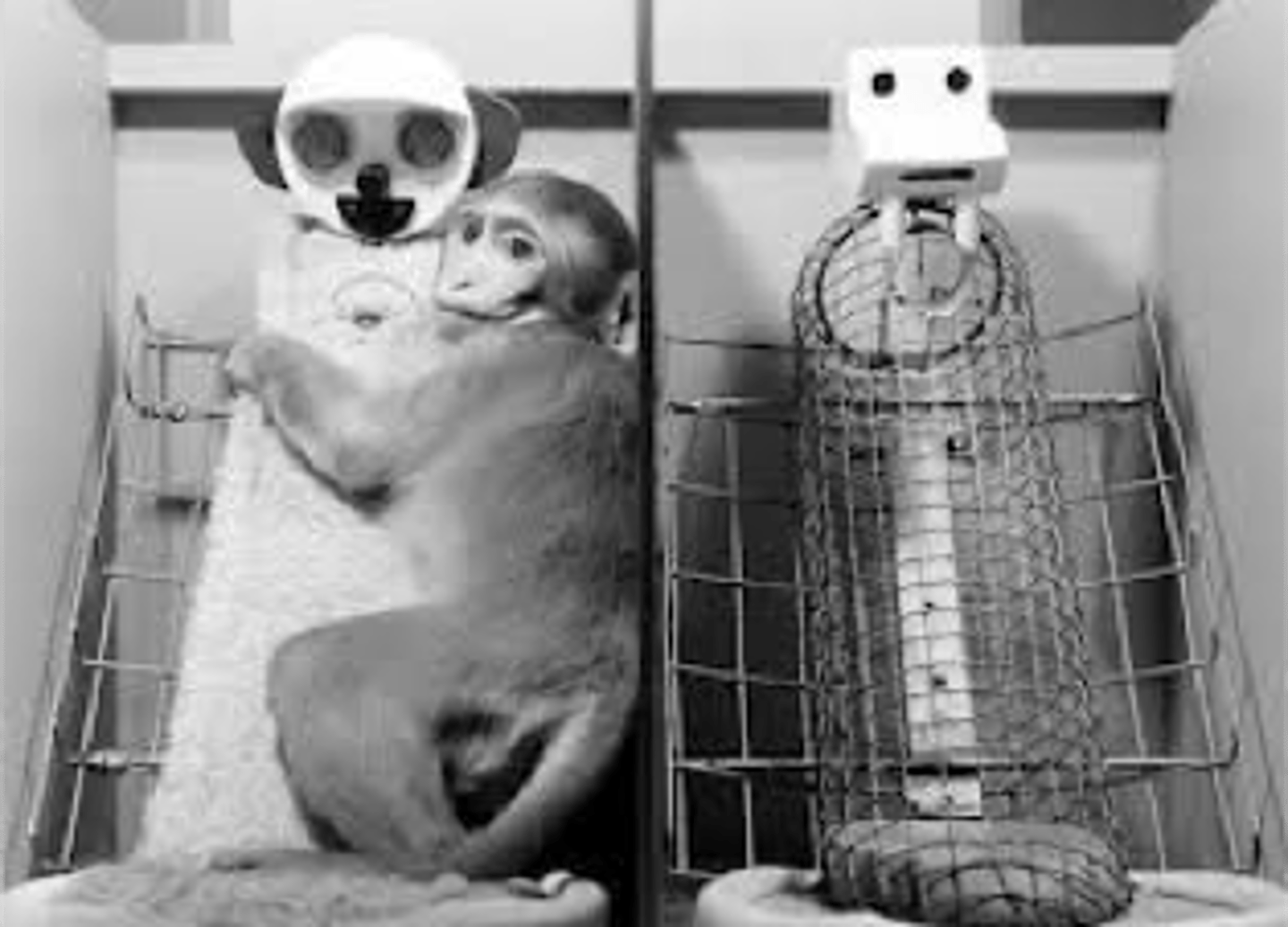
<p>Psychological experiments by Harry Harlow that studied attachment and social behavior in rhesus monkeys, highlighting the importance of comfort and attachment security.</p>
10
New cards

Jane Goodall

A primatologist known for discovering that chimpanzees could make and use tools. Also found out chimps could go to war with each other.
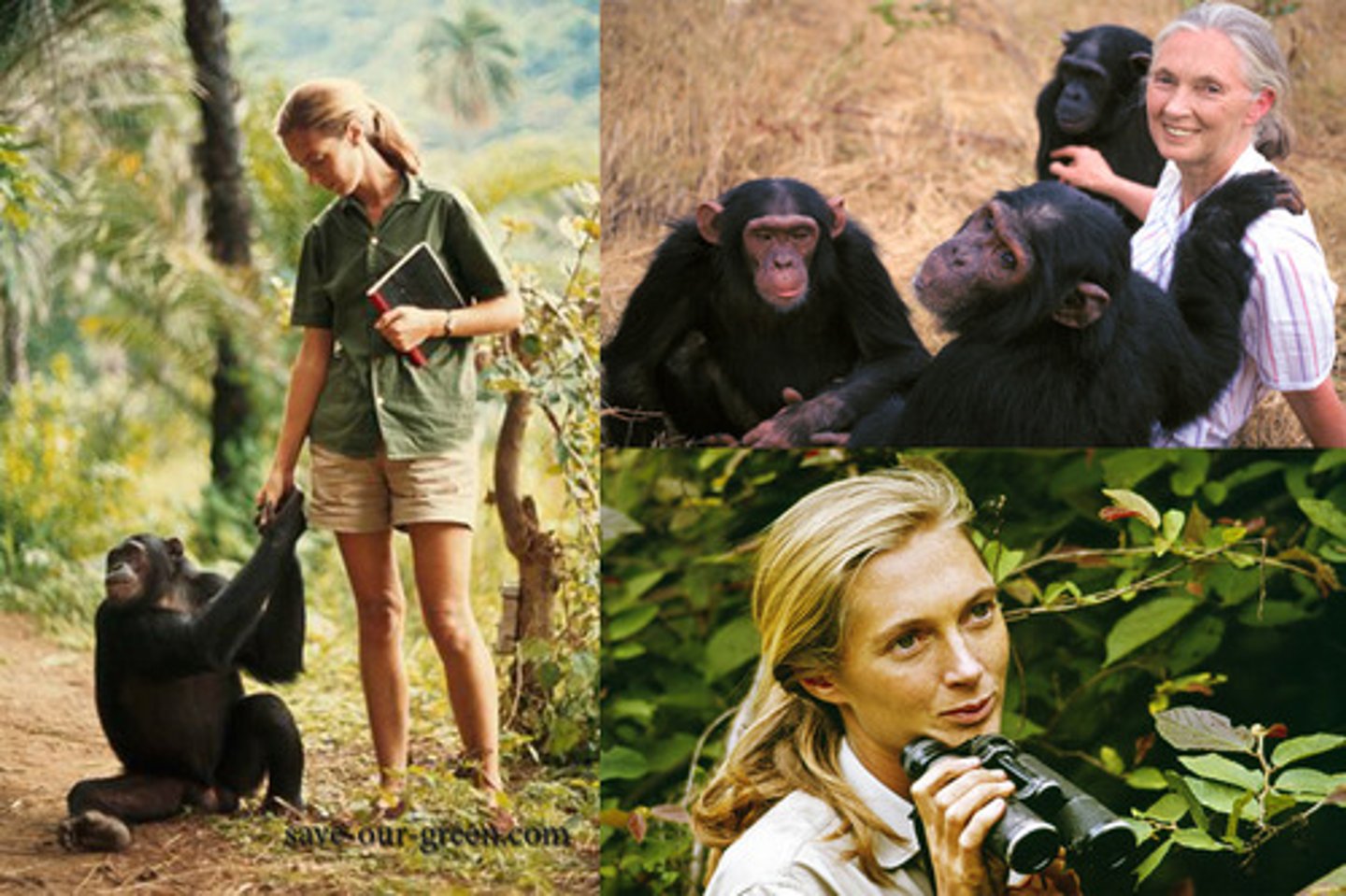
<p>A primatologist known for discovering that chimpanzees could make and use tools. Also found out chimps could go to war with each other.</p>
11
New cards

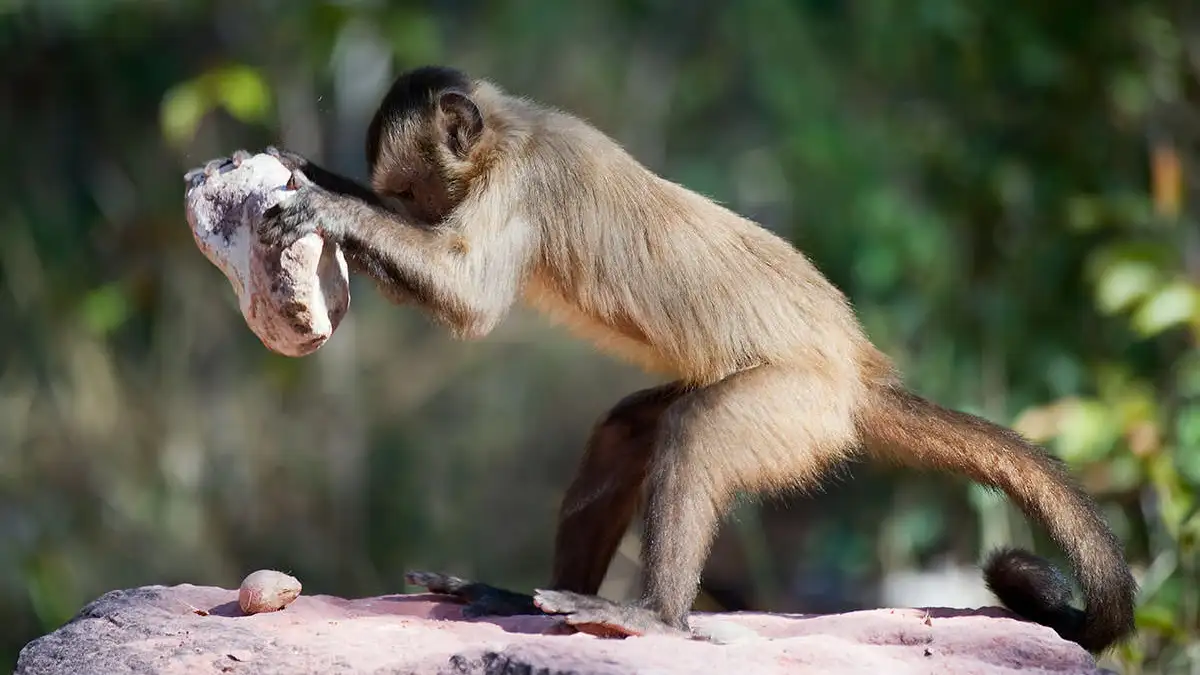
Dietary challenges

Obstacles primates face in obtaining adequate nutrition are often due to environmental or competition.
<p>Obstacles primates face in obtaining adequate nutrition are often due to environmental or competition.</p>
12
New cards

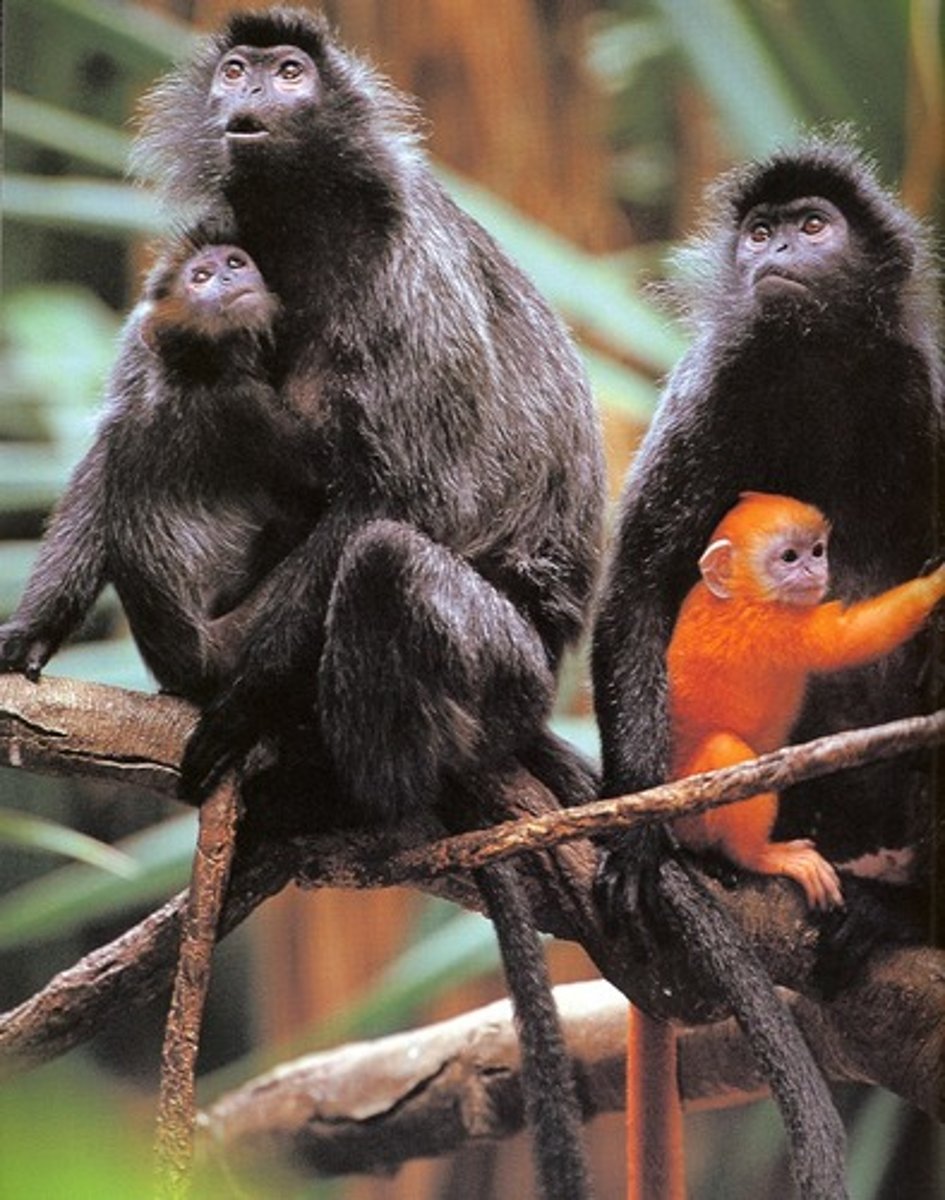
Colobines

A subfamily of Old World monkeys known for their specialized digestive systems, adapted to a leaf diet.
<p>A subfamily of Old World monkeys known for their specialized digestive systems, adapted to a leaf diet.</p>
13
New cards

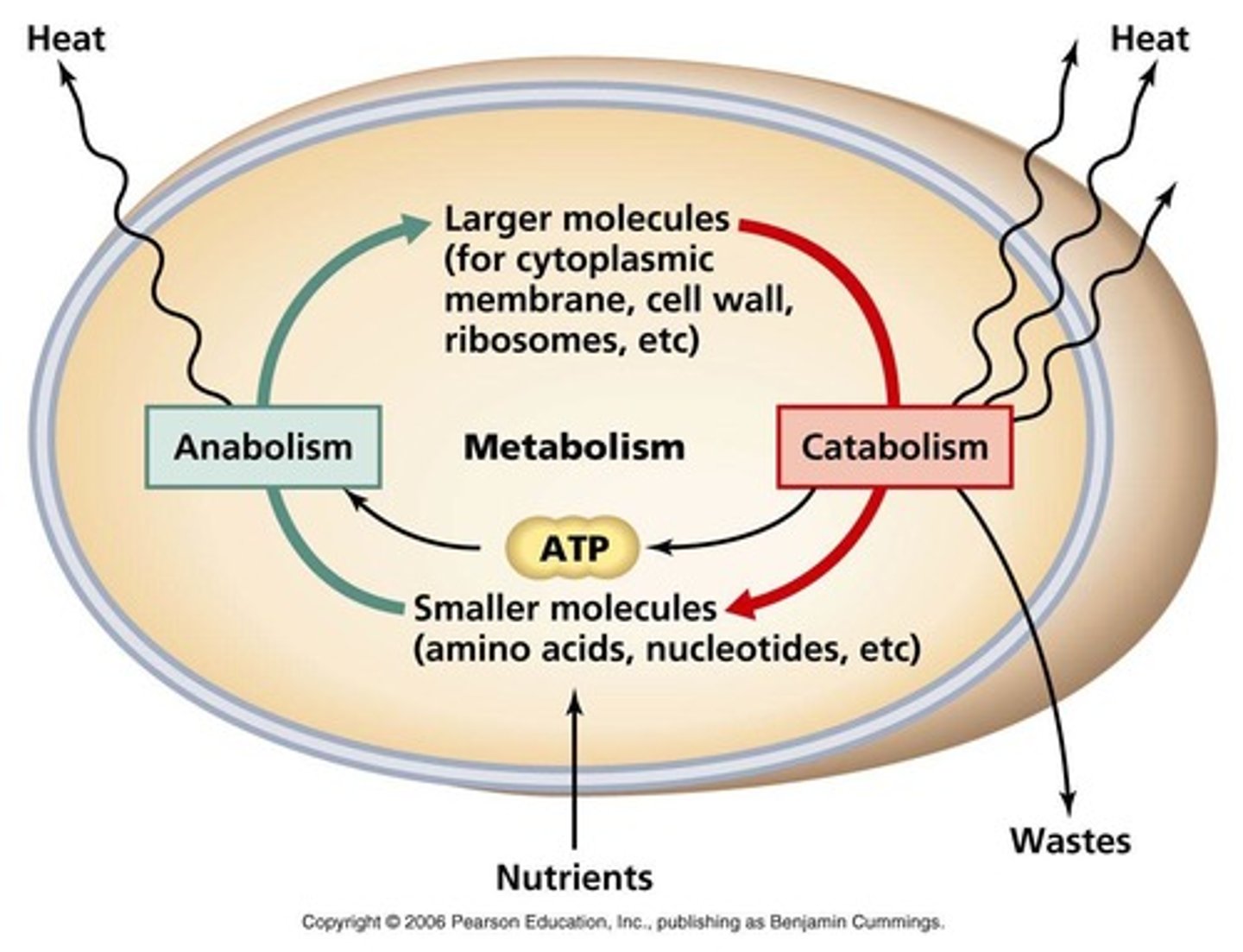
Anabolism and catabolism

Metabolic processes where anabolism builds up molecules for energy storage, and catabolism breaks down molecules for energy release.
<p>Metabolic processes where anabolism builds up molecules for energy storage, and catabolism breaks down molecules for energy release.</p>
14
New cards

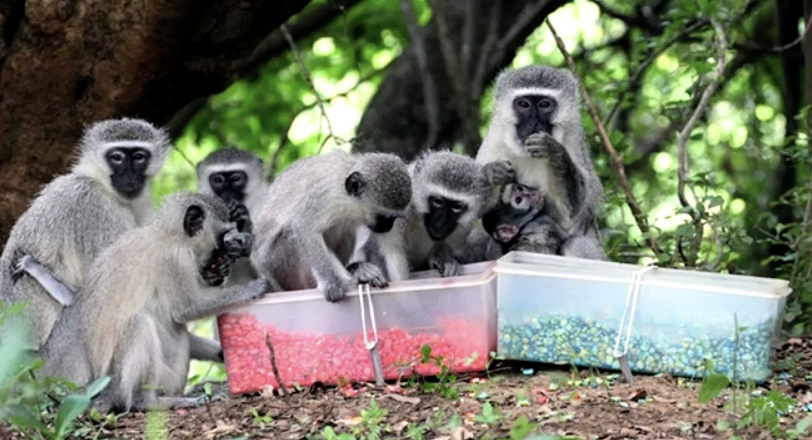
Taste perception

The ability to detect and interpret flavors, influencing dietary choices and feeding behavior in primates.
<p>The ability to detect and interpret flavors, influencing dietary choices and feeding behavior in primates.</p>
15
New cards

Primate distribution

The geographical spread of primate species across the world, influenced by ecological factors and evolutionary history.
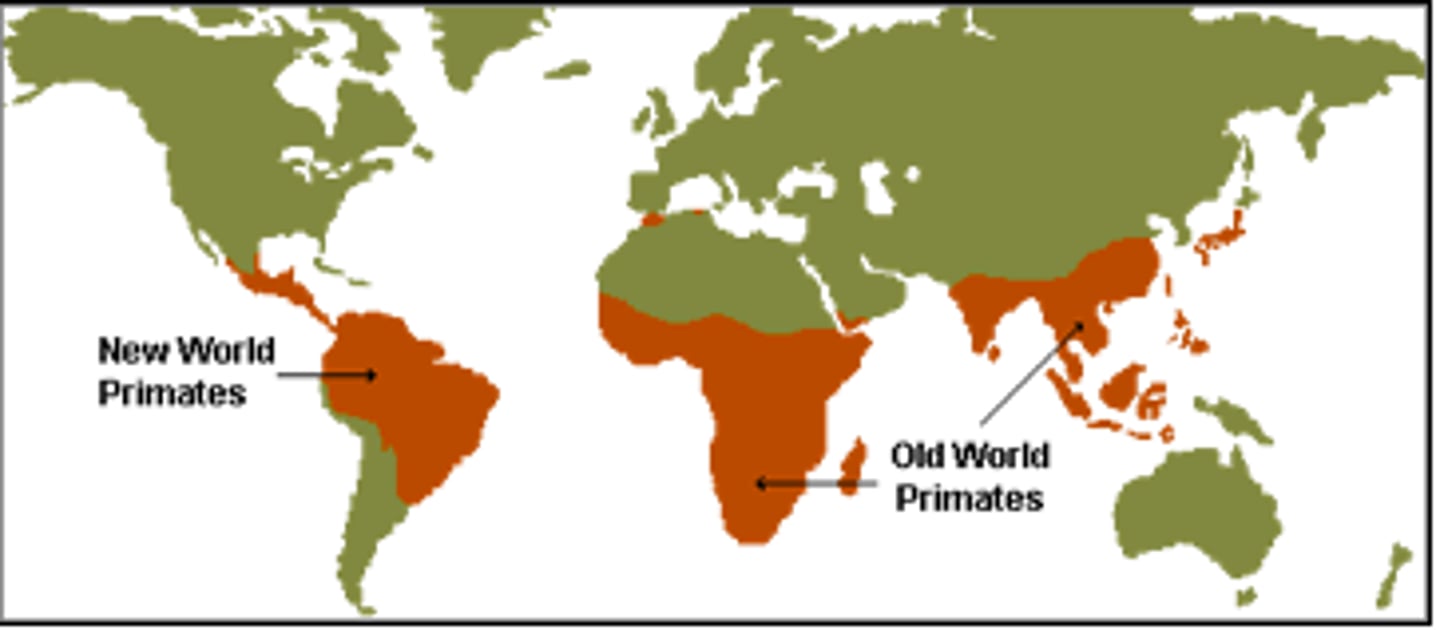
<p>The geographical spread of primate species across the world, influenced by ecological factors and evolutionary history.</p>
16
New cards

Madagascar

An island nation known for its unique primate species, particularly lemurs, which evolved in isolation.
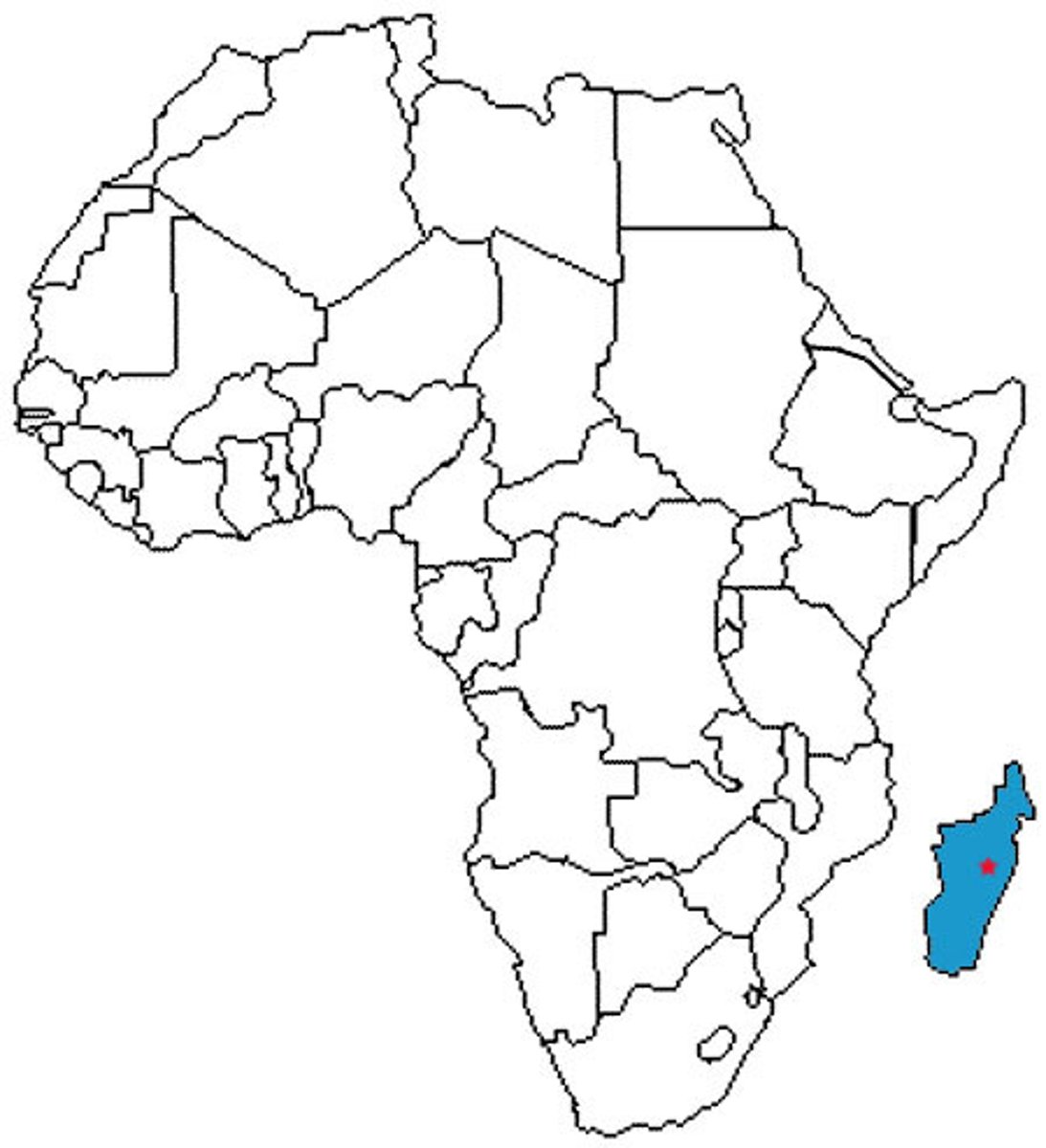
<p>An island nation known for its unique primate species, particularly lemurs, which evolved in isolation.</p>
17
New cards

Primate locomotion

The various modes of movement used by primates, including brachiation, quadrupedalism, and bipedalism.
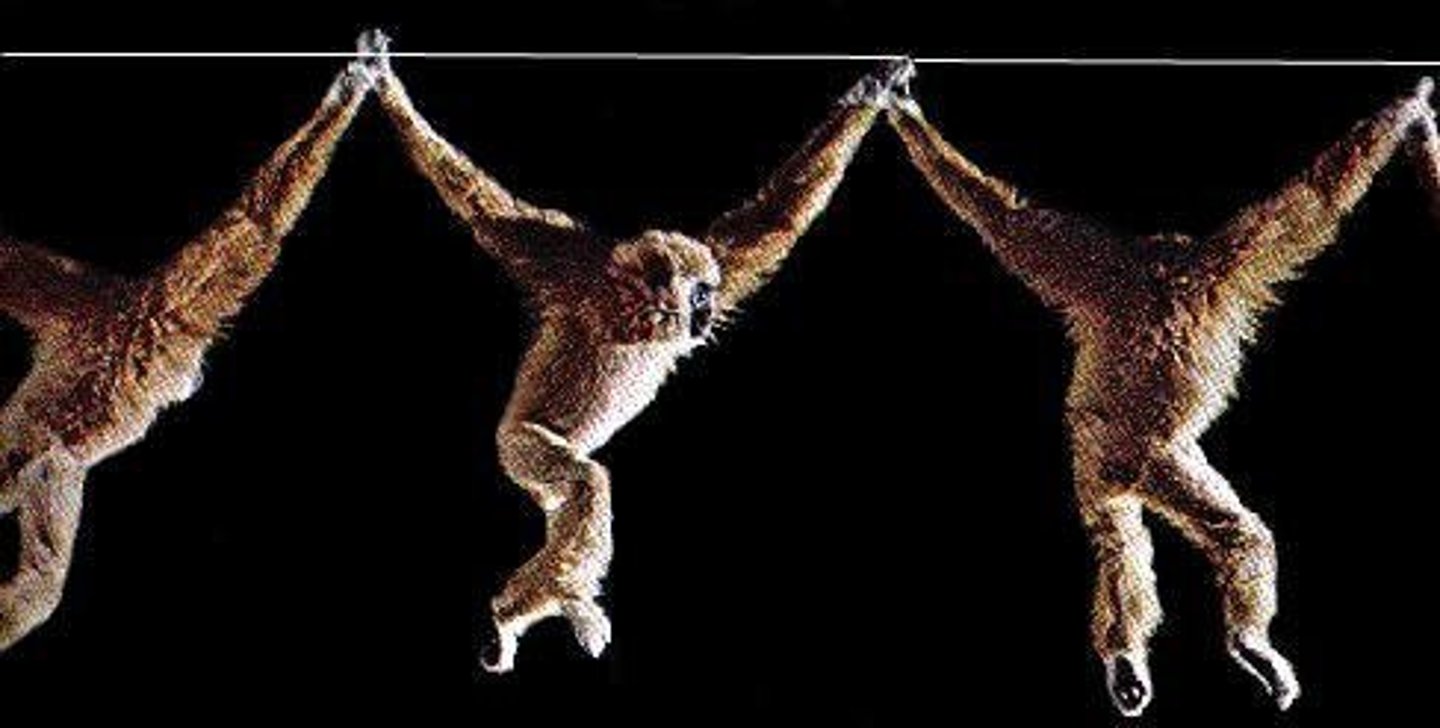
<p>The various modes of movement used by primates, including brachiation, quadrupedalism, and bipedalism.</p>
18
New cards

Primate molar morphology

The shape and structure of molars in primates, which reflect dietary habits and evolutionary adaptations.
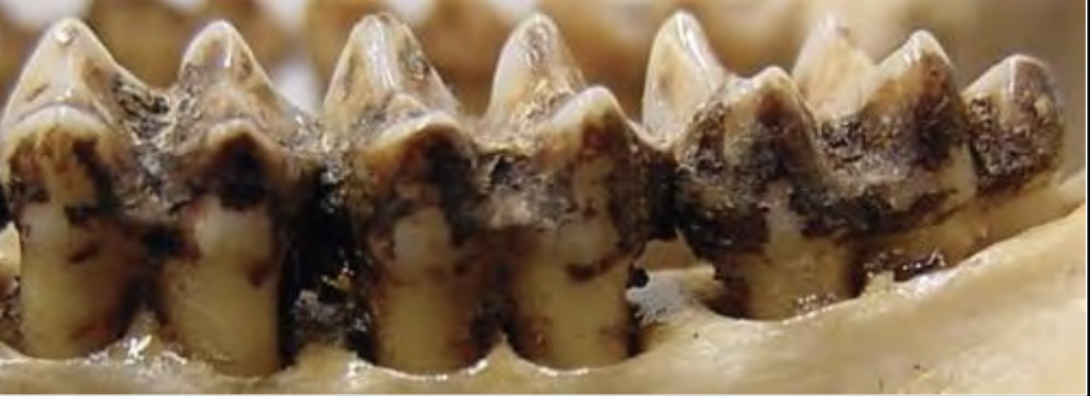
<p>The shape and structure of molars in primates, which reflect dietary habits and evolutionary adaptations.</p>
19
New cards

Hominoid characteristics

Features that define hominoids (apes and humans), including larger brains, lack of tails, and complex social behaviors.
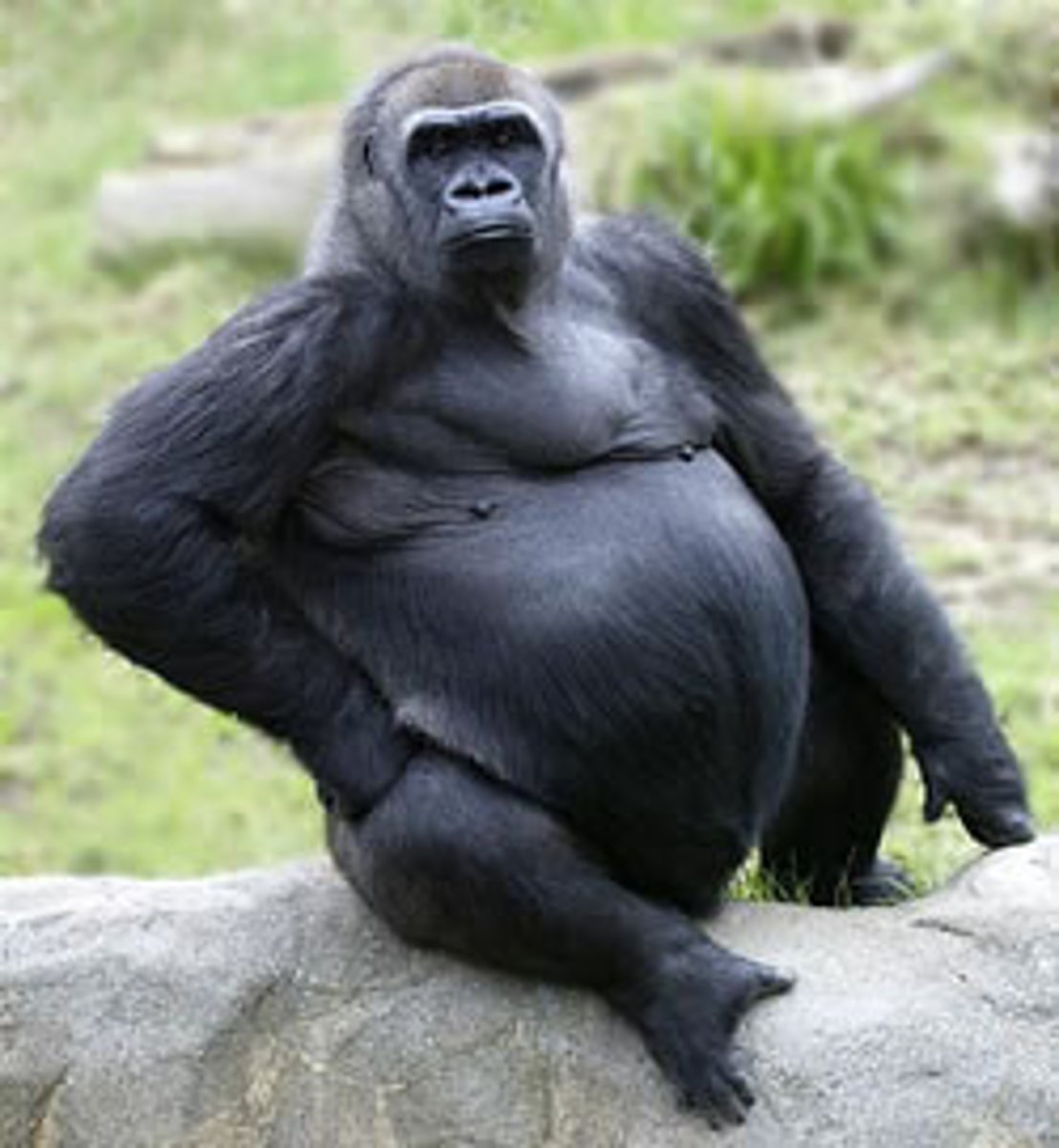
<p>Features that define hominoids (apes and humans), including larger brains, lack of tails, and complex social behaviors.</p>
20
New cards

C/P3 honing complex

A dental feature found in some primates where the upper canine tooth sharpens against the lower third premolar. This is something you don’t find in humans.
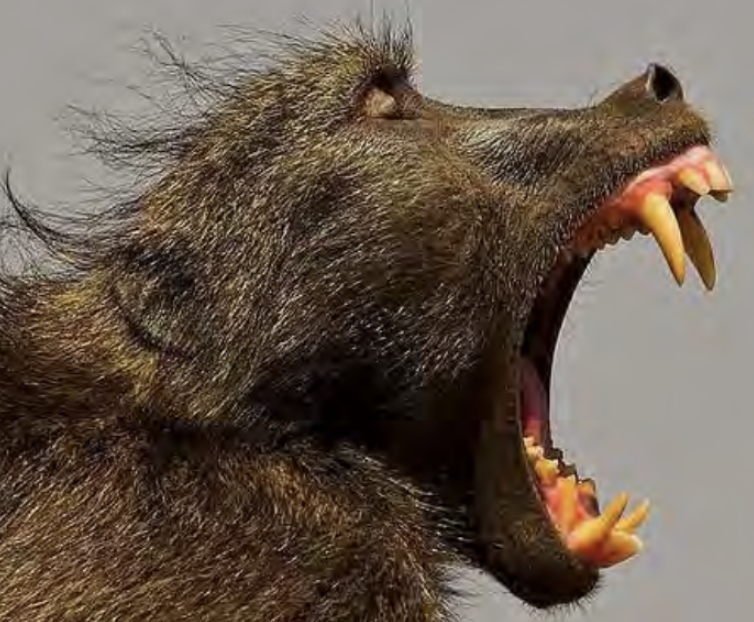
<p>A dental feature found in some primates where the upper canine tooth sharpens against the lower third premolar. This is something you don’t find in humans.</p>
21
New cards

Tapetum lucidum

A reflective layer behind the retina in some primates that enhances night vision.
<p>A reflective layer behind the retina in some primates that enhances night vision.</p>
22
New cards

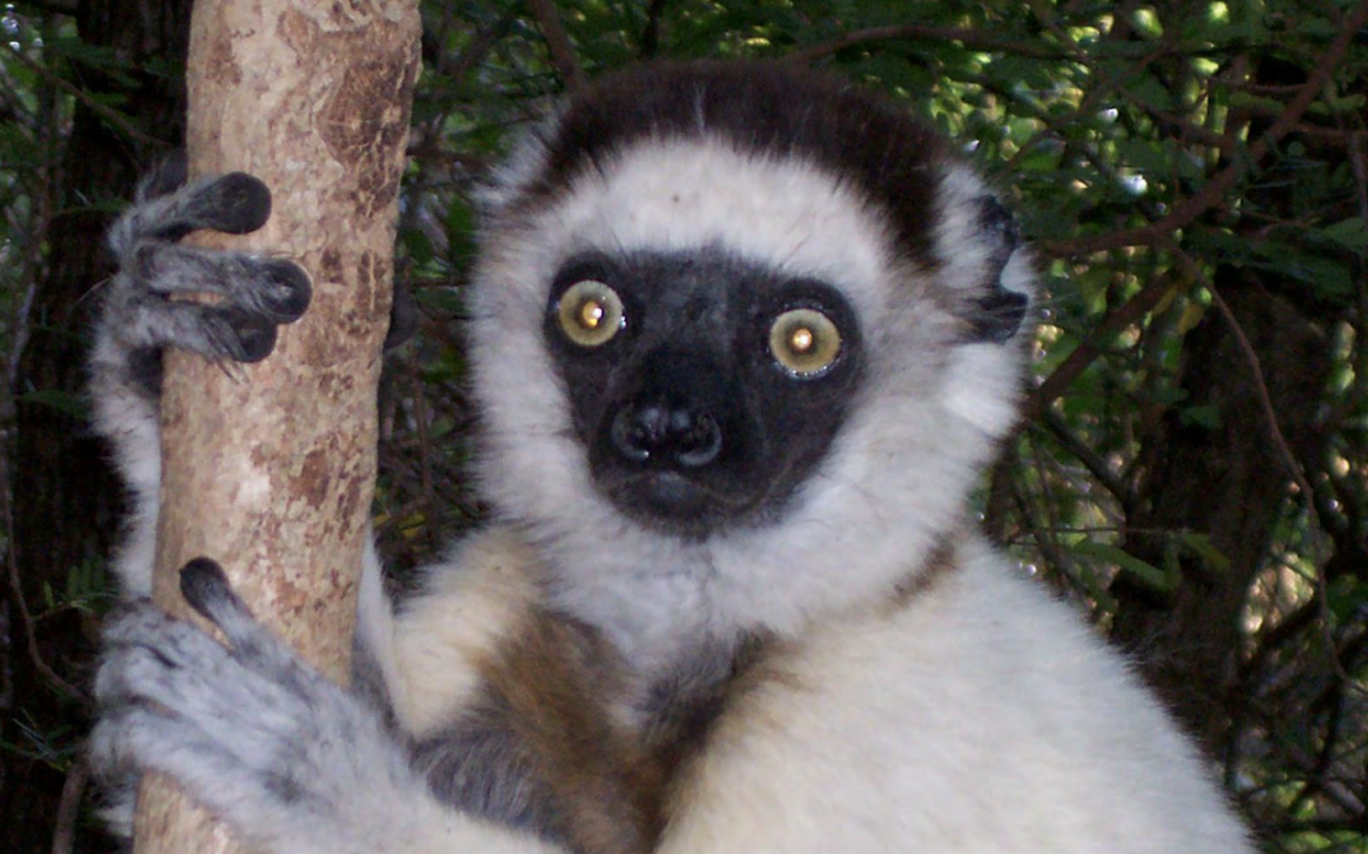
Strepsirrhine characteristics

Features of strepsirrhines (lemurs and lorises), including a wet nose and reliance on smell.
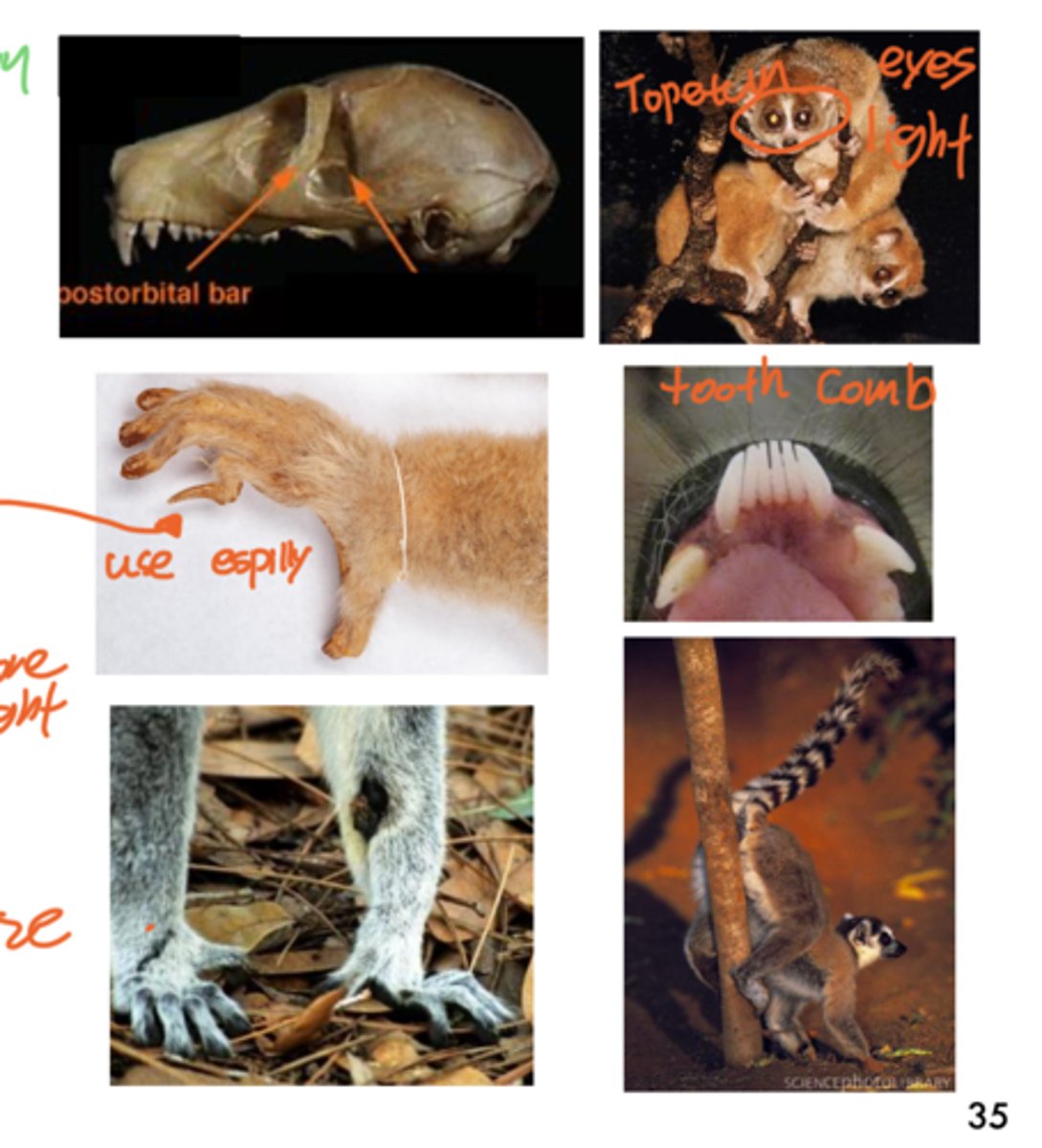
<p>Features of strepsirrhines (lemurs and lorises), including a wet nose and reliance on smell.</p>
23
New cards

Baculum and baubellum

The vacuum is the bone inside the penis and the barbellum is the one inside the clitoris of primates.
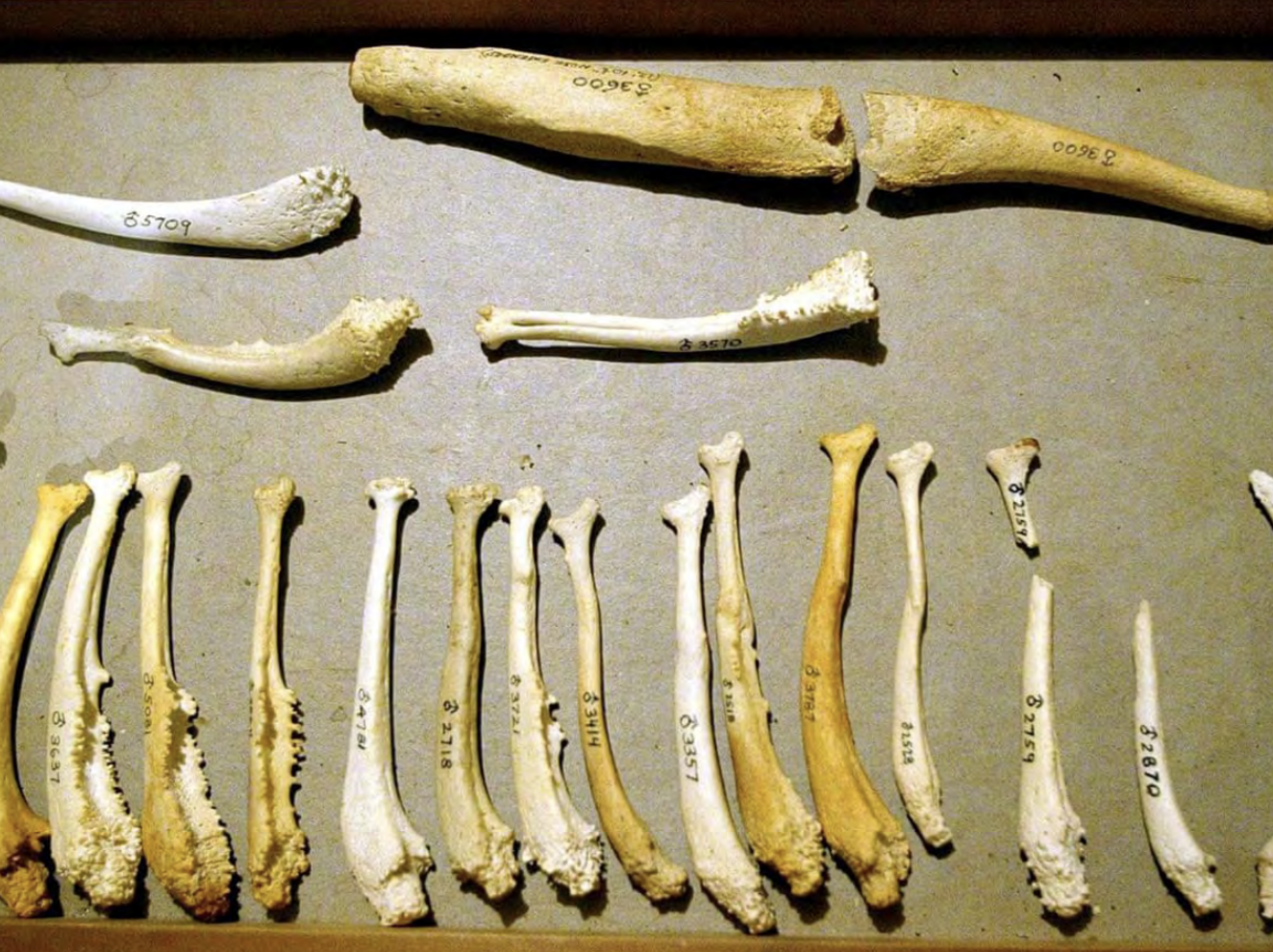
<p>The vacuum is the bone inside the penis and the barbellum is the one inside the clitoris of primates.</p>
24
New cards

Encephalization quotient

A measure of brain size relative to body size, indicating cognitive abilities in primates. Bigger than EQ 1 with humans having EQ 6 intelligence.
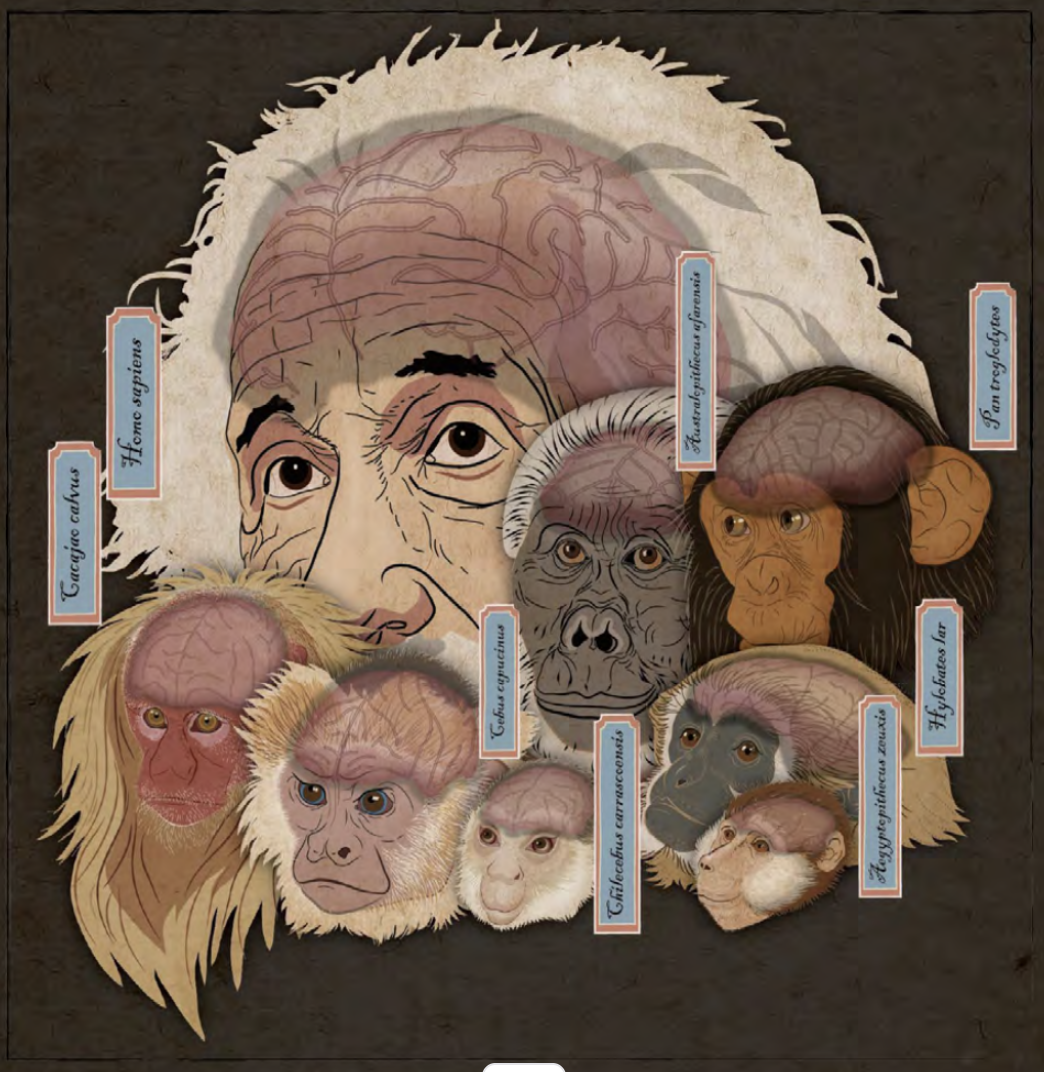
<p>A measure of brain size relative to body size, indicating cognitive abilities in primates. Bigger than EQ 1 with humans having EQ 6 intelligence.</p>
25
New cards

The first primates

Early primates that appeared during the Paleocene epoch, characterized by adaptations for arboreal life.
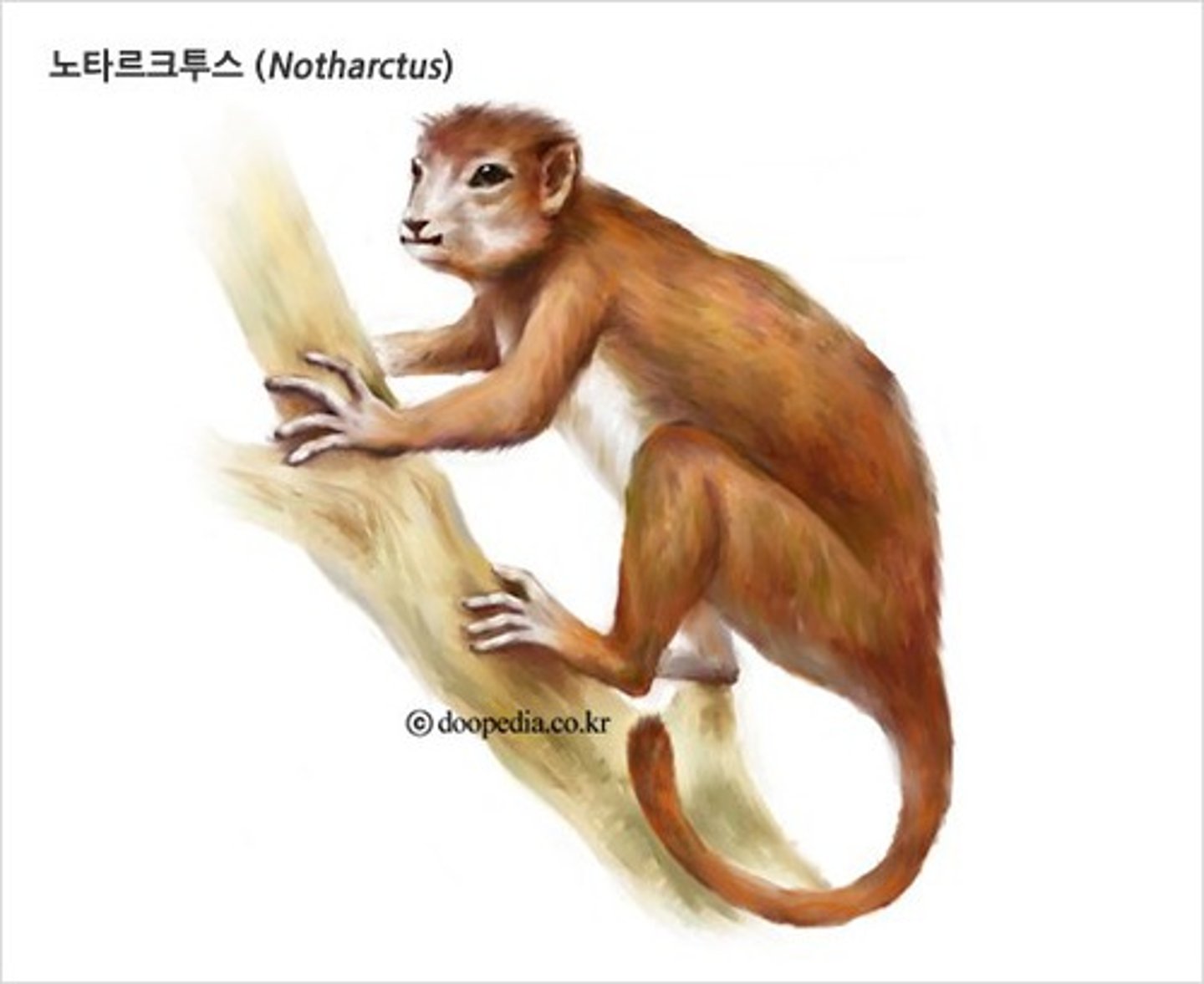
<p>Early primates that appeared during the Paleocene epoch, characterized by adaptations for arboreal life.</p>
26
New cards

Platyrrhines

New World monkeys characterized by their flat noses and prehensile tails, found in Central and South America.
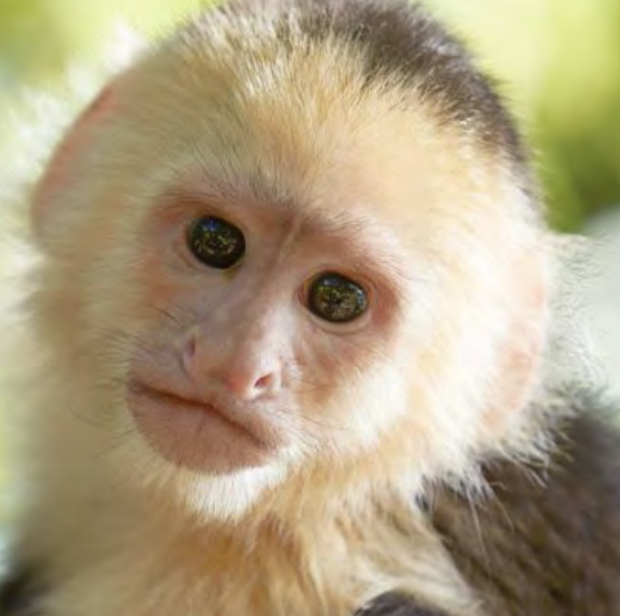
<p>New World monkeys characterized by their flat noses and prehensile tails, found in Central and South America.</p>
27
New cards

Catarrhine evolutionary relationships

The evolutionary connections between Old World monkeys and apes, including humans.

28
New cards

Gigantopithecus

An extinct genus of giant apes that lived in Asia, known for its massive size and herbivorous diet.
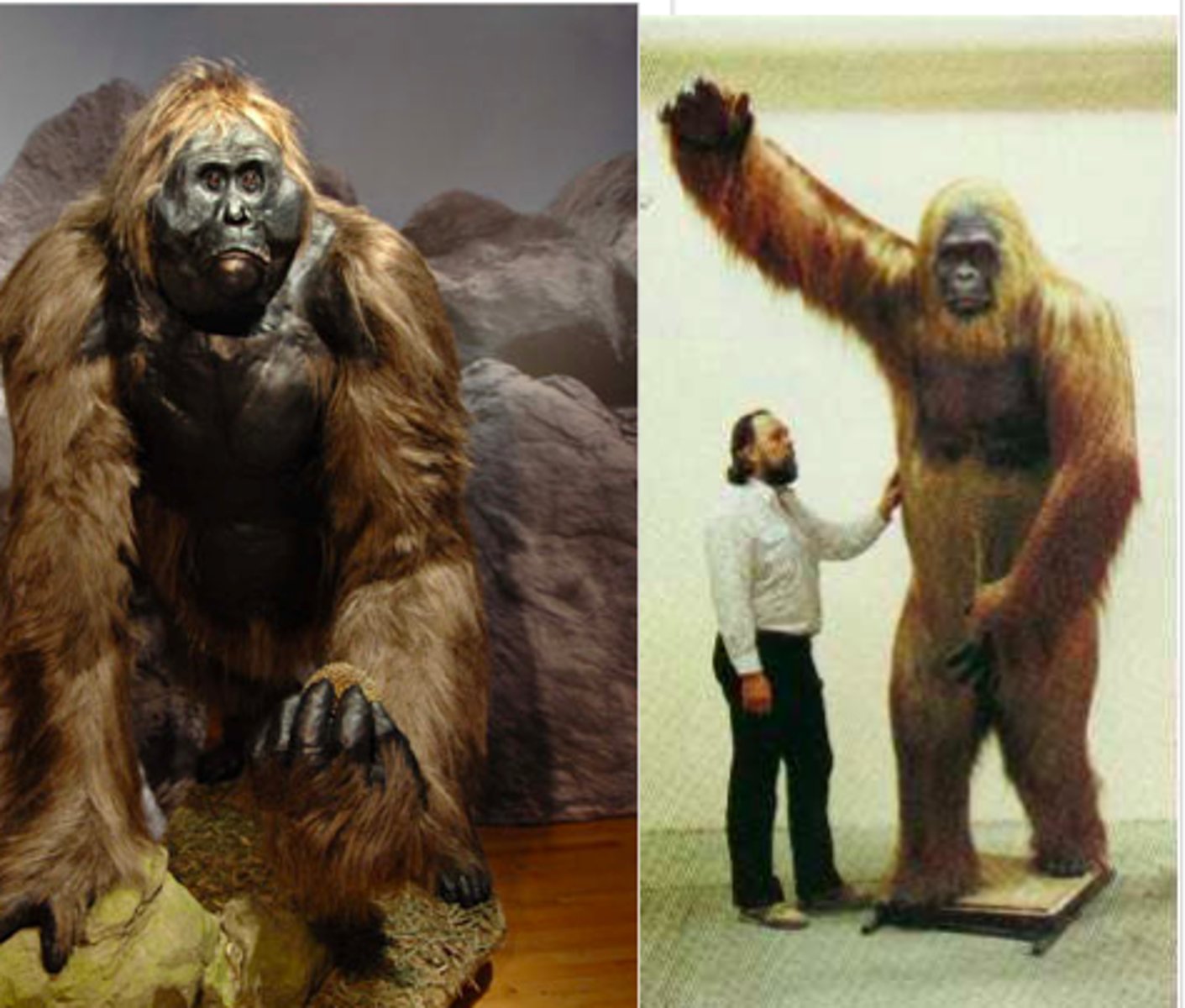
<p>An extinct genus of giant apes that lived in Asia, known for its massive size and herbivorous diet.</p>
29
New cards

Humans: NOT cercopithecoidea

Humans belong to the family Hominidae and are not classified within the Cercopithecoidea, which includes Old World monkeys.
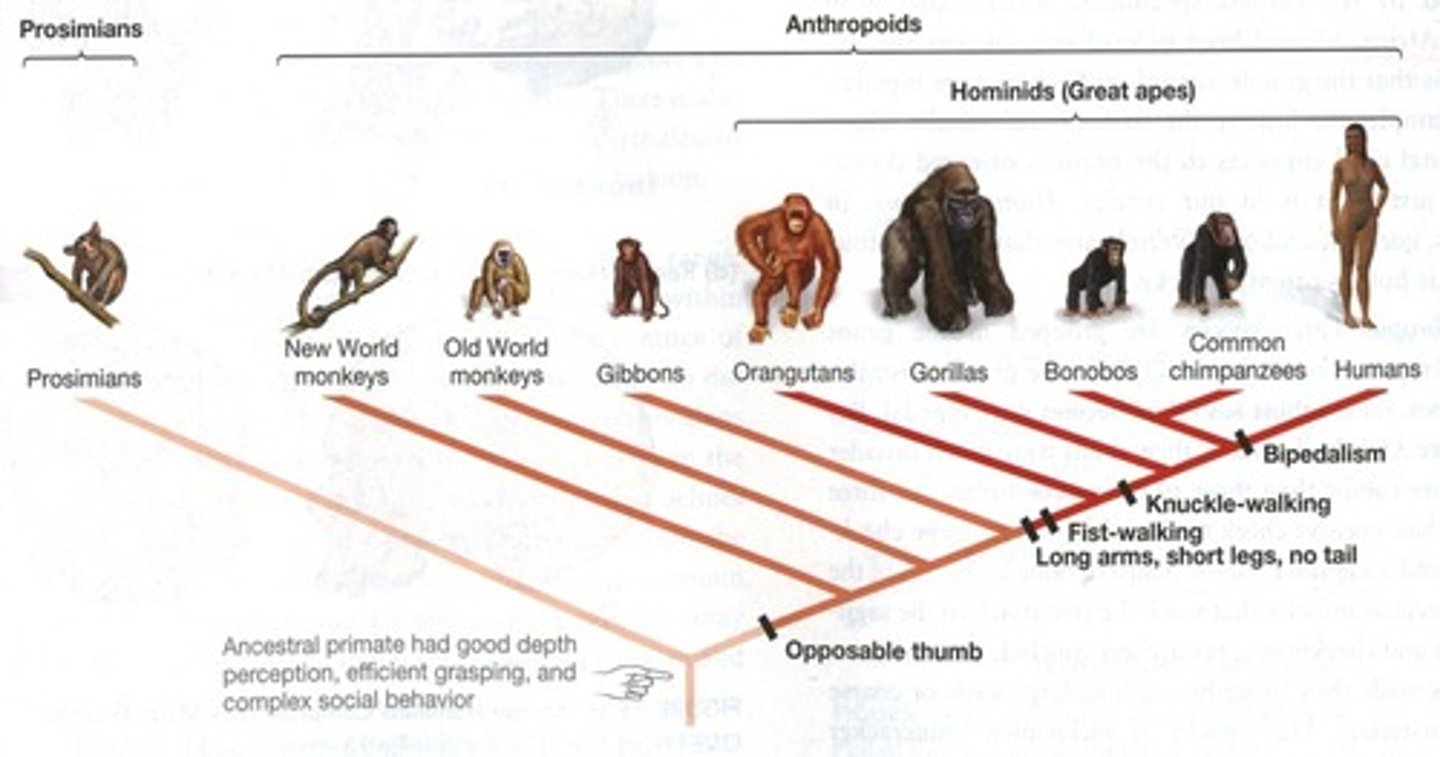
<p>Humans belong to the family Hominidae and are not classified within the Cercopithecoidea, which includes Old World monkeys.</p>
30
New cards

Strepsirrhines: lemurs + lorises

A group of primates that includes lemurs and lorises, characterized by their unique adaptations and behaviors.
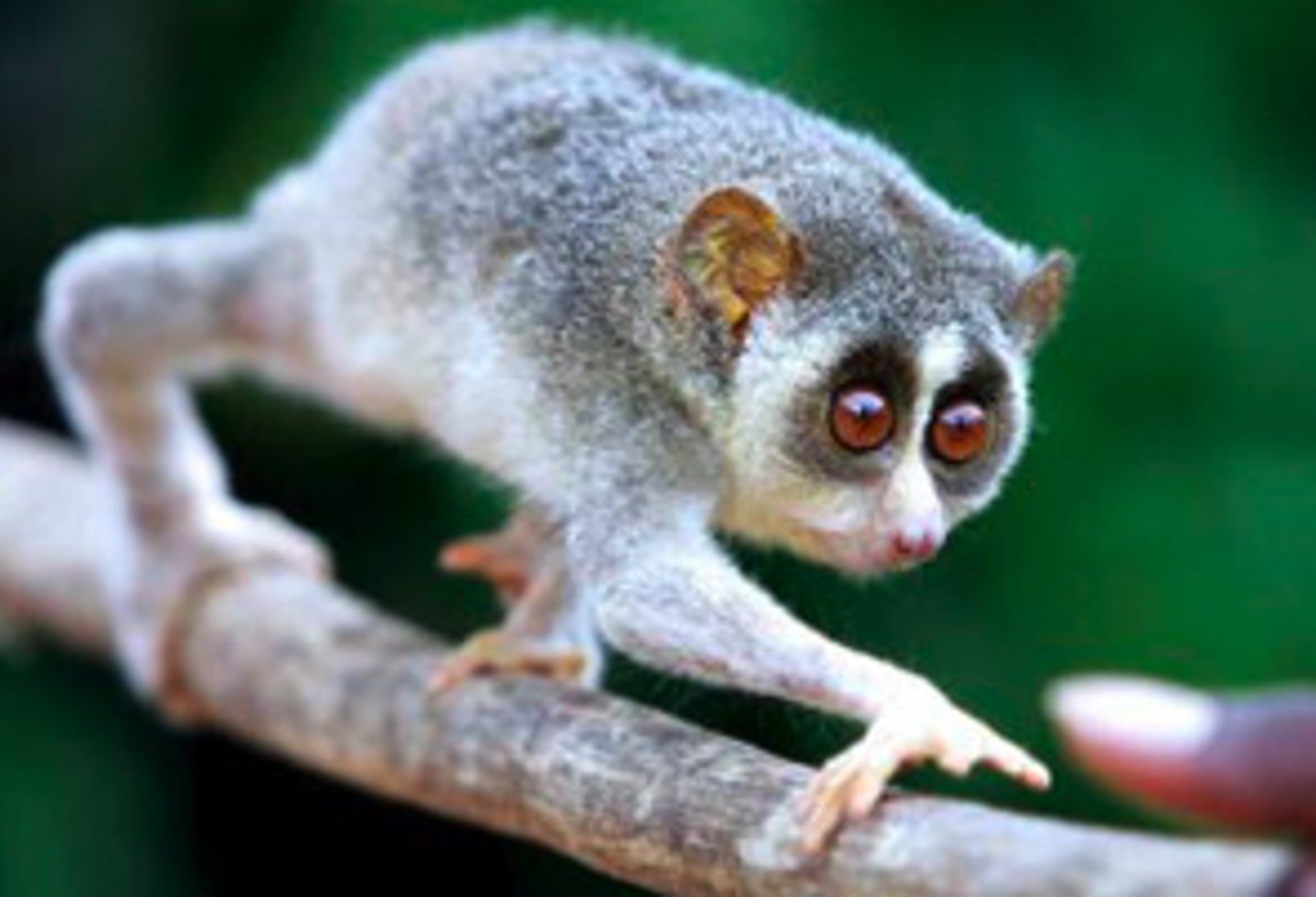
<p>A group of primates that includes lemurs and lorises, characterized by their unique adaptations and behaviors.</p>
31
New cards

No primates native to Australia

Australia lacks native primate species, although some have been introduced.

<p>Australia lacks native primate species, although some have been introduced.</p>
32
New cards

Tarsiers

Tarsiers are small primates that primarily eat insects and small vertebrates, making them obligate carnivores.
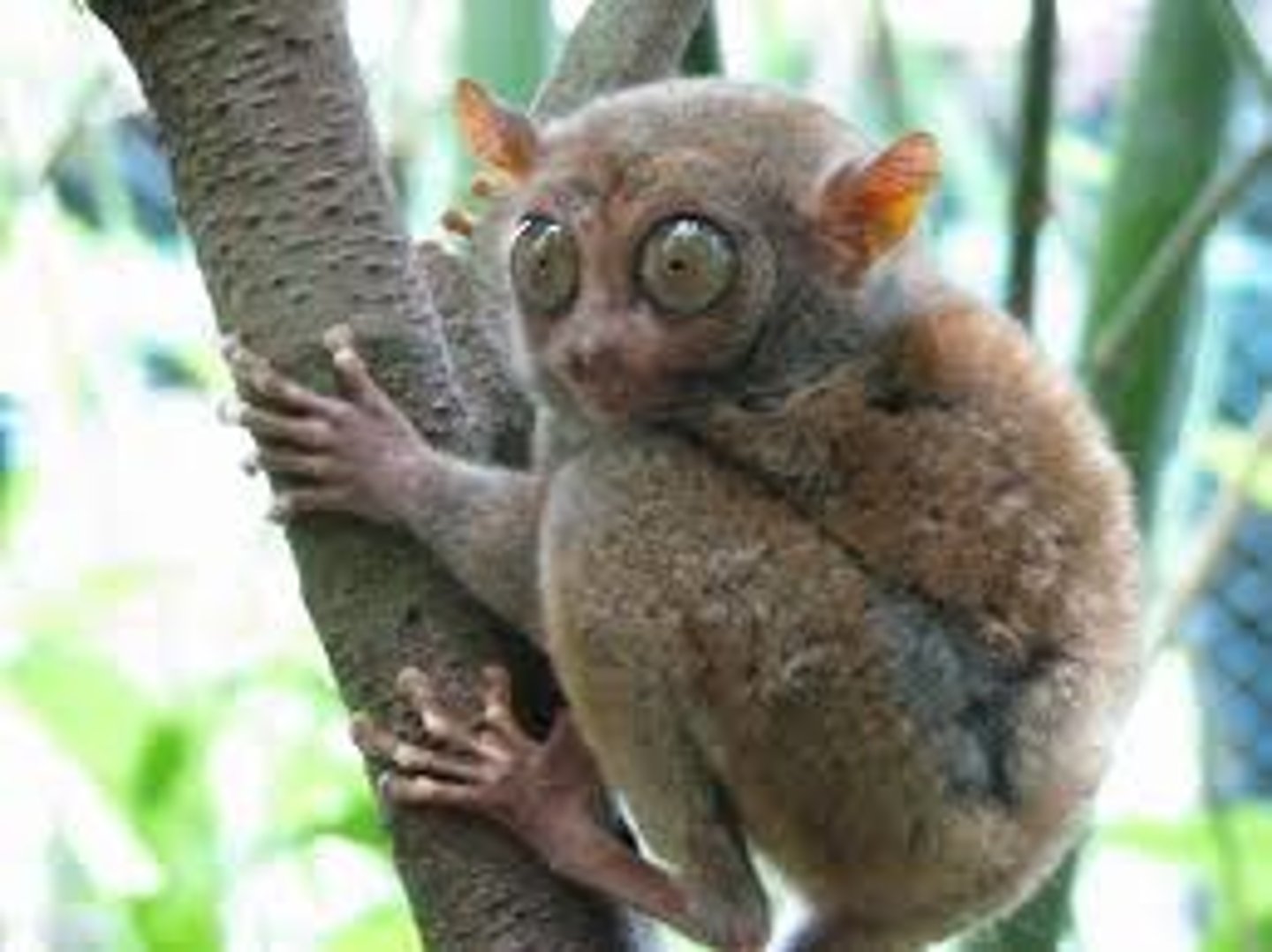
<p>Tarsiers are small primates that primarily eat insects and small vertebrates, making them obligate carnivores.</p>
33
New cards

Rules of taxonomy

The principles and guidelines used to classify and name organisms, including primates, based on shared characteristics.
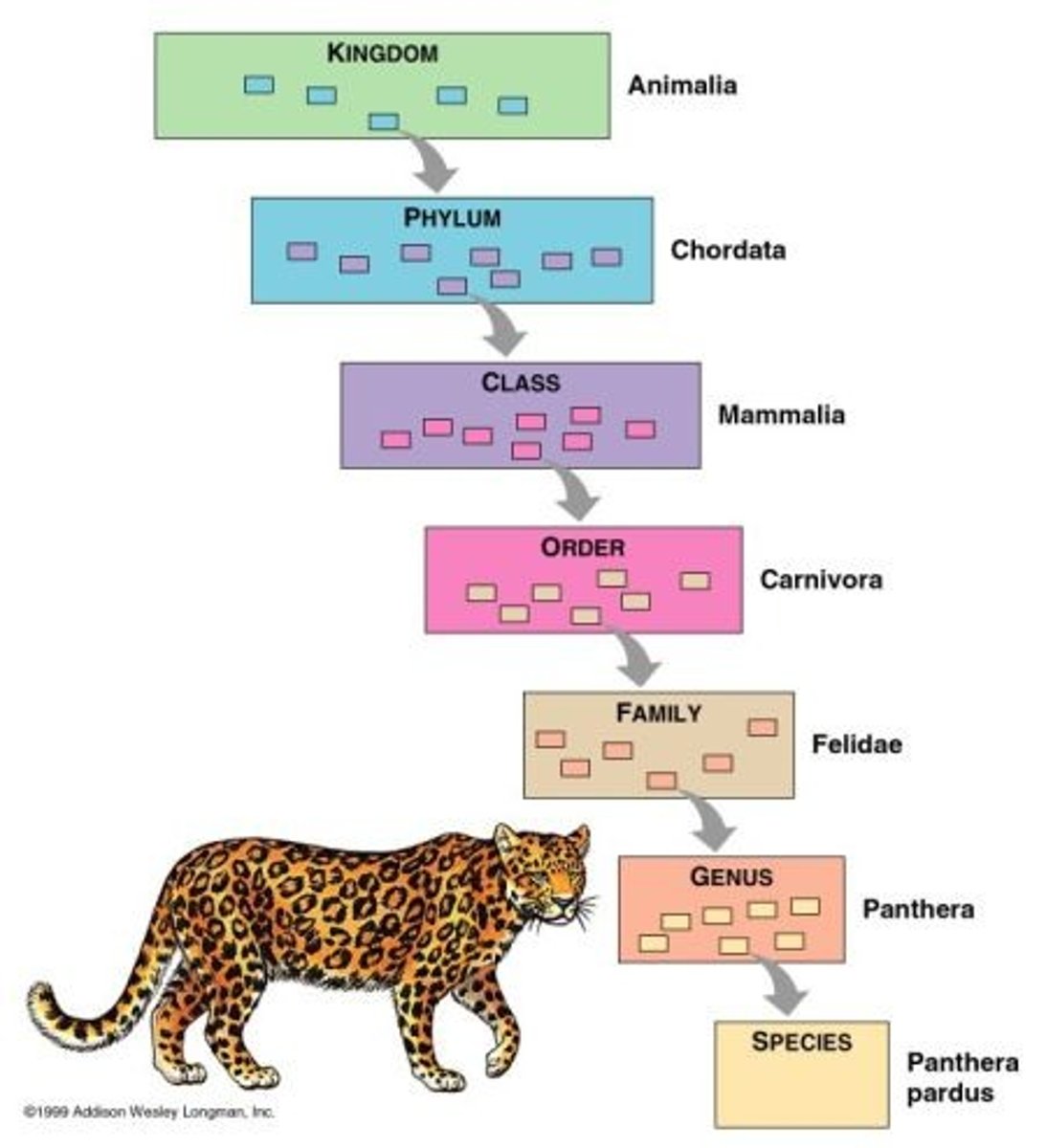
<p>The principles and guidelines used to classify and name organisms, including primates, based on shared characteristics.</p>
34
New cards

Ring-tailed lemurs

A species of lemur known for its distinctive tail and social behavior, often living in matriarchal groups.
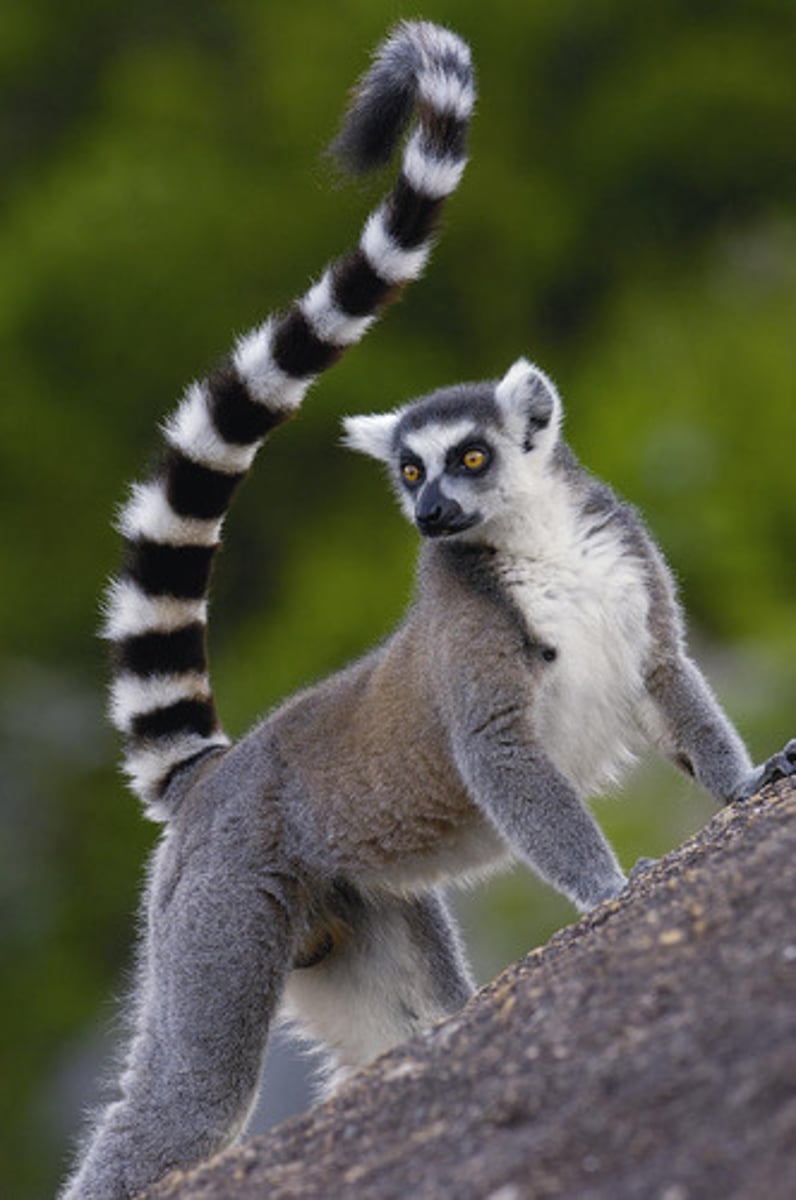
<p>A species of lemur known for its distinctive tail and social behavior, often living in matriarchal groups.</p>
35
New cards

Primate mating systems

The various reproductive strategies employed by primates, including monogamy, polygyny, and polyandry.

<p>The various reproductive strategies employed by primates, including monogamy, polygyny, and polyandry.</p>
36
New cards

Orangutan bimaturism

A phenomenon in orangutans where males exhibit two distinct forms of maturity: flanged and unflanged, influencing their mating strategies.
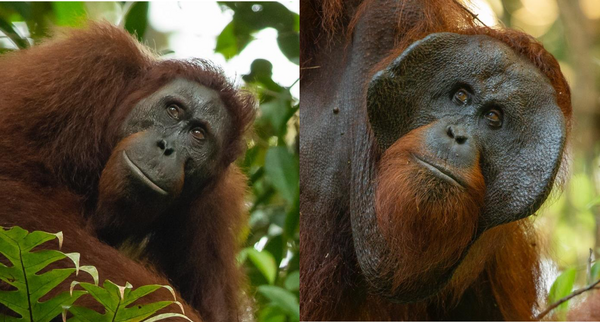
<p>A phenomenon in orangutans where males exhibit two distinct forms of maturity: flanged and unflanged, influencing their mating strategies.</p>
37
New cards

Global language diversity

The variety of languages spoken around the world, reflecting cultural differences and communication methods.

<p>The variety of languages spoken around the world, reflecting cultural differences and communication methods.</p>
38
New cards

Great ape language experiments

Research studies that explore the ability of great apes to learn and use human language or symbols for communication.
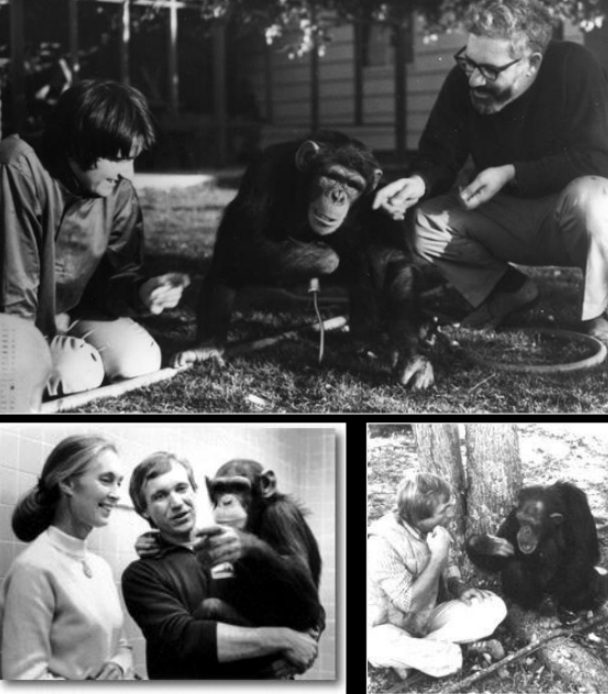
<p>Research studies that explore the ability of great apes to learn and use human language or symbols for communication.</p>
39
New cards

Nutrients→ 449 rule

Calories important for survival
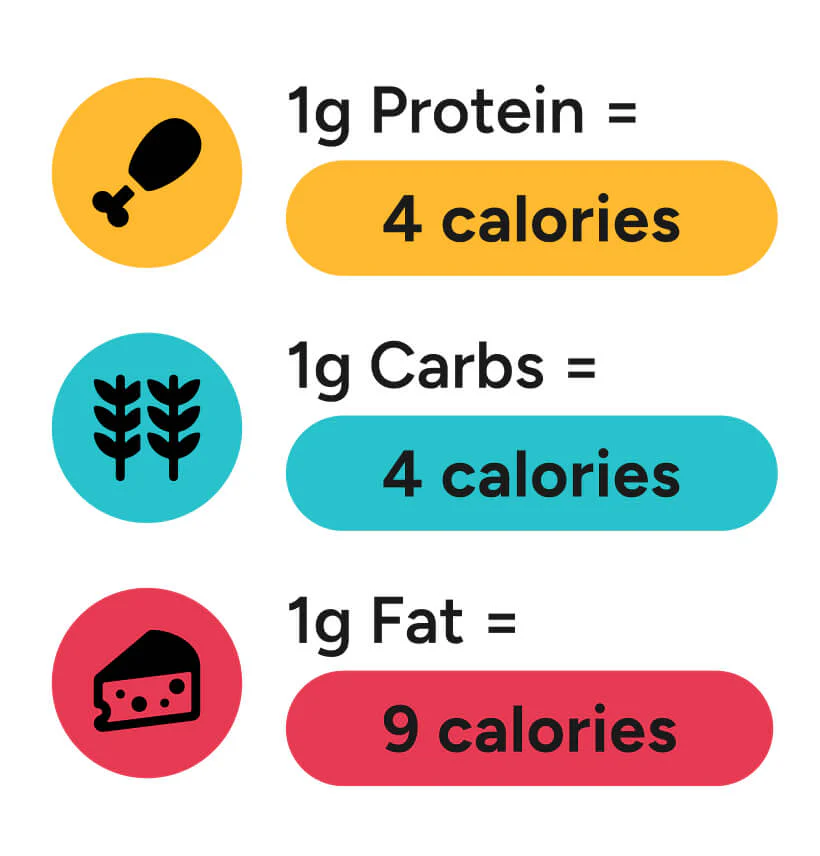
<p>Calories important for survival</p>
40
New cards

Primate Feeding Strategies

Primates have fallback food sources when they can’t find their favorite food.

Explore top notes

Explore top flashcards

flashcards
Microbio Final: Week 12
50
Updated 684d ago
0.0(0)
flashcards
APUSH unit 5/6
39
Updated 1113d ago
0.0(0)
flashcards
Macbeth Quotes
28
Updated 528d ago
0.0(0)
flashcards
Alabama's Driver Test
80
Updated 1206d ago
0.0(0)
flashcards
AP LANG VOCAB UNIT 2
20
Updated 802d ago
0.0(0)
flashcards
Spanish II - Air Travel
62
Updated 1133d ago
0.0(0)
flashcards
Ecología
21
Updated 1020d ago
0.0(0)
flashcards
Biol 1031 Practical
56
Updated 1126d ago
0.0(0)
flashcards
Microbio Final: Week 12
50
Updated 684d ago
0.0(0)
flashcards
APUSH unit 5/6
39
Updated 1113d ago
0.0(0)
flashcards
Macbeth Quotes
28
Updated 528d ago
0.0(0)
flashcards
Alabama's Driver Test
80
Updated 1206d ago
0.0(0)
flashcards
AP LANG VOCAB UNIT 2
20
Updated 802d ago
0.0(0)
flashcards
Spanish II - Air Travel
62
Updated 1133d ago
0.0(0)
flashcards
Ecología
21
Updated 1020d ago
0.0(0)
flashcards
Biol 1031 Practical
56
Updated 1126d ago
0.0(0)



