iGCSE Geography - Urban environments - Terms and definitions
 Studied by 0 people
 Call Kai
 Learn
Learn Practice Test
 Spaced Repetition
 Match
Match Flashcards
 Knowt Play
1/19

There's no tags or description
Looks like no tags are added yet.
Name | Mastery | Learn | Test | Matching | Spaced | Call with Kai |
|---|
No analytics yet
Send a link to your students to track their progress
20 Terms
the ease with which one location can be reached from another; the degree to which people are able to obtain goods and services, such as housing and healthcare.
Accessibility
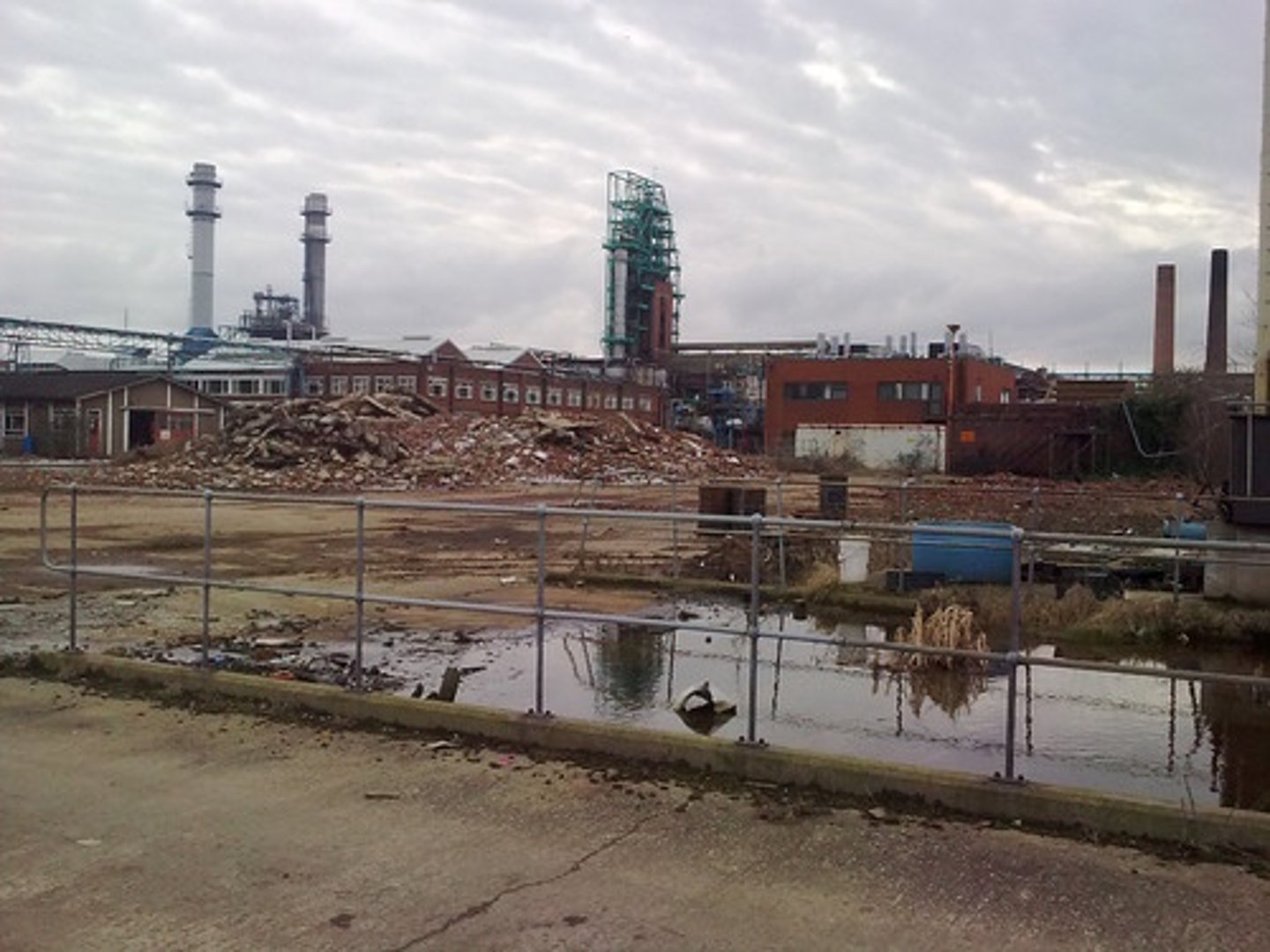
land that has been previously used, abandoned, usually old factories and now awaits a new use.
Brownfield site
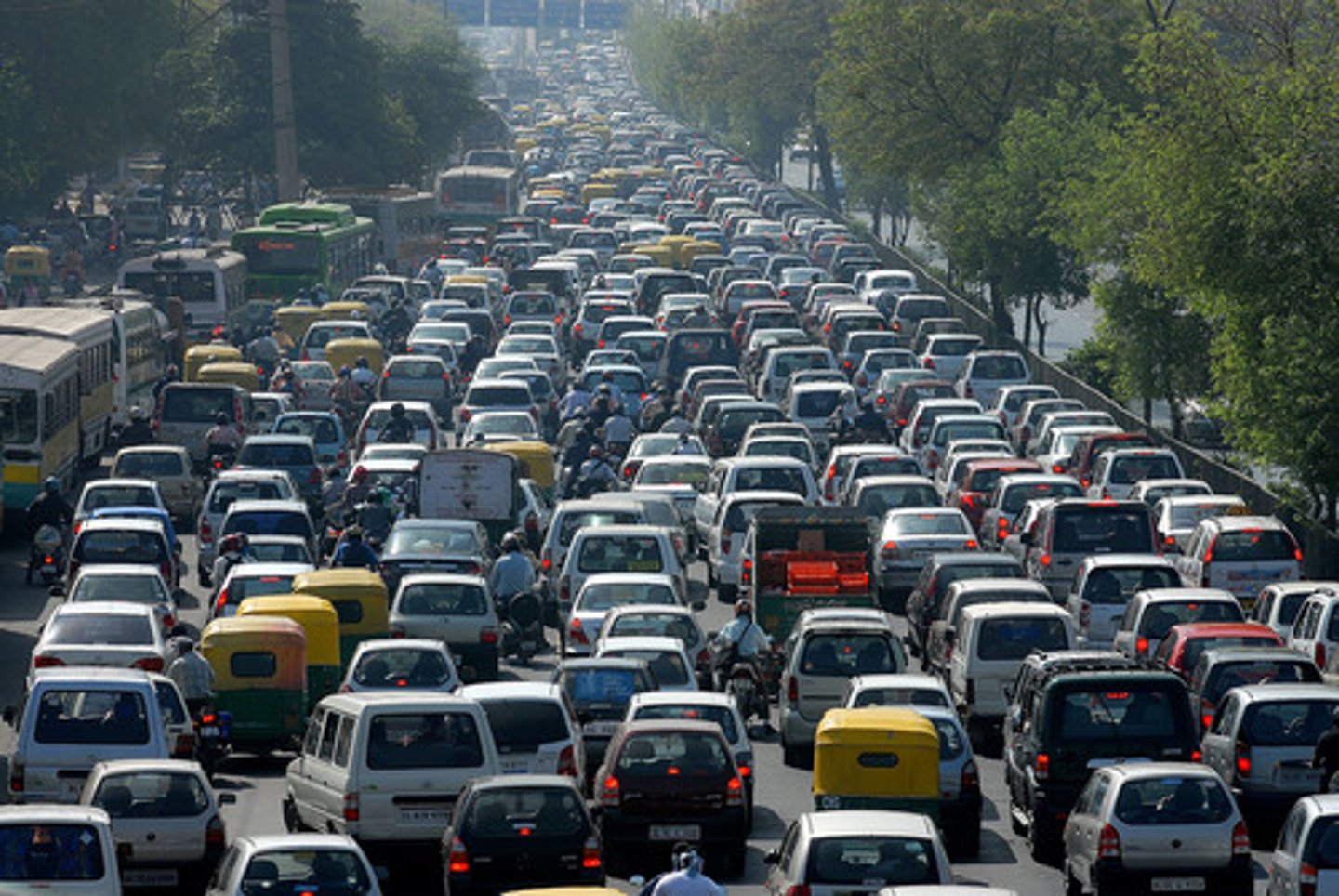
severe overcrowding caused by high densities of traffic, business and people.
Congestion
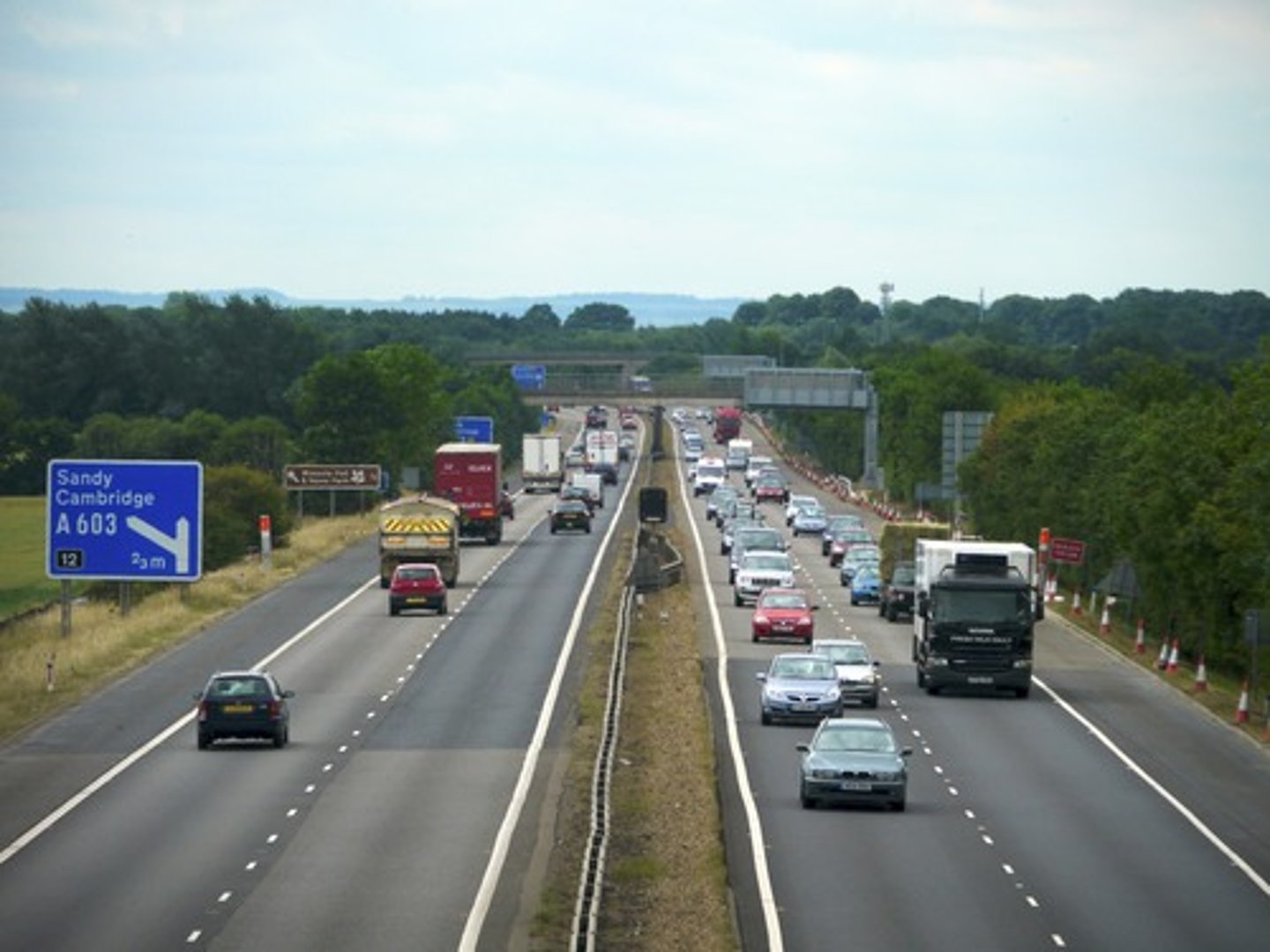
the movement of people and employment from major cities to smaller cities and towns as well as to rural areas.
Counterurbanisation

the degree to which an area is free from air, water, noise and visual pollution.
Environmental quality
a group of people united by a common characteristic such as race, language or religion.
Ethnic group
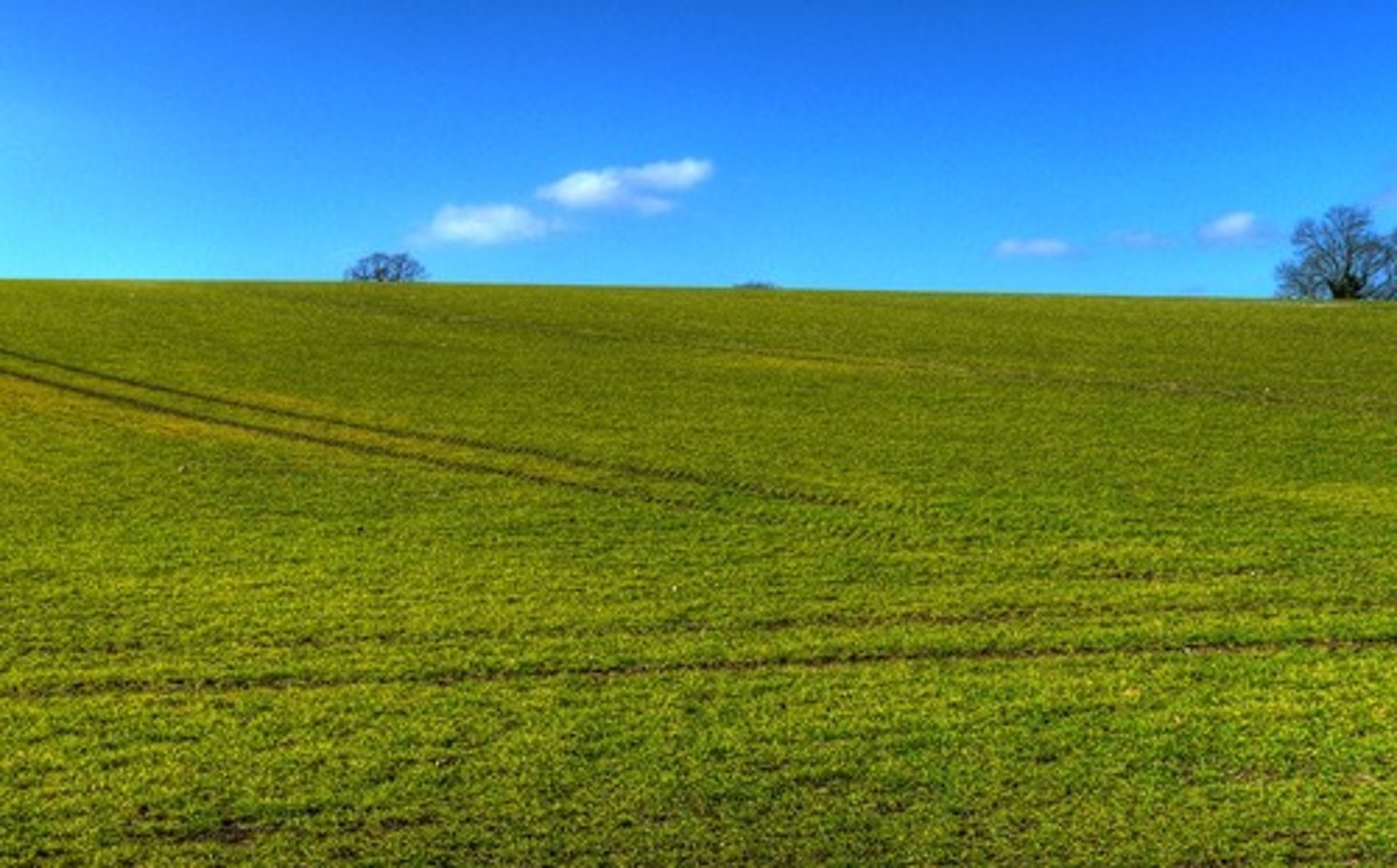
land that has not been used for urban development
Greenfield site
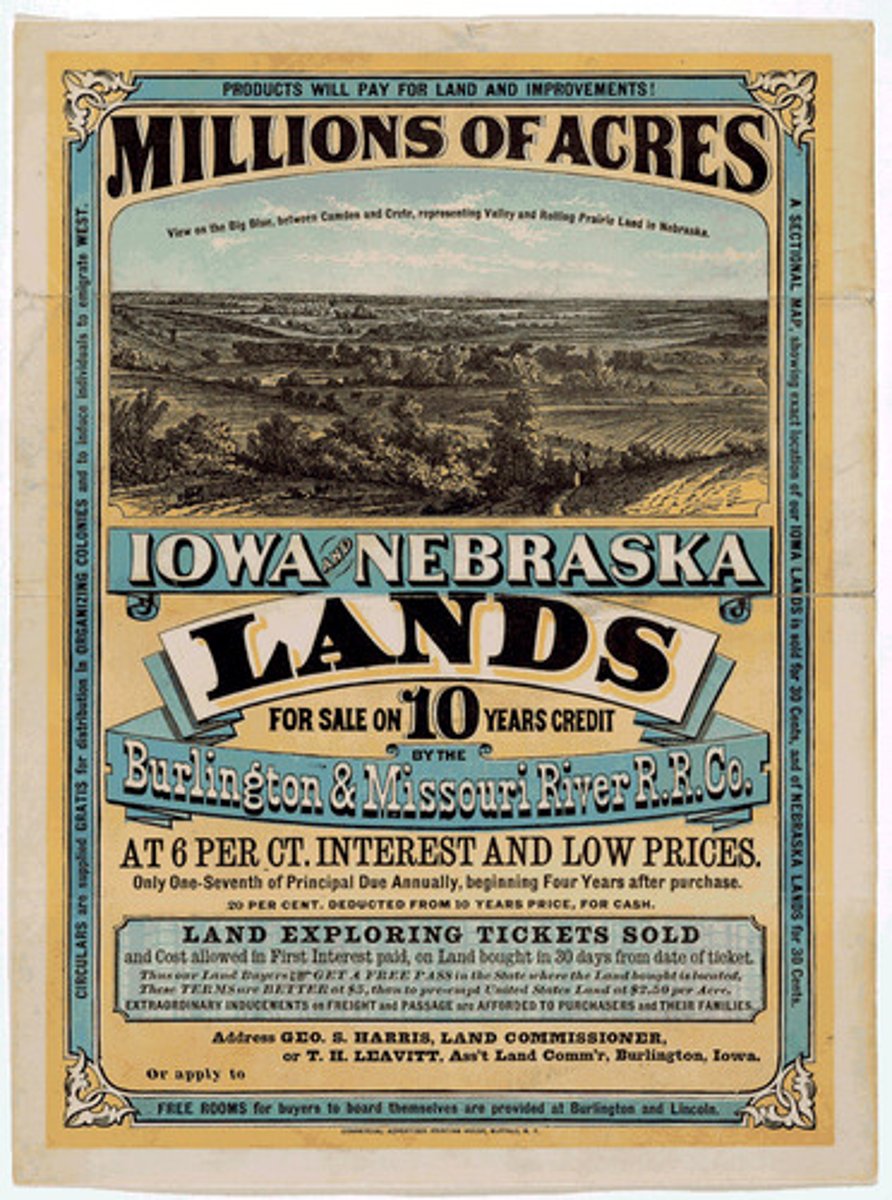
the market price of a piece of land; what people or businesses are prepared to pay for owning and occupying it.
Land value
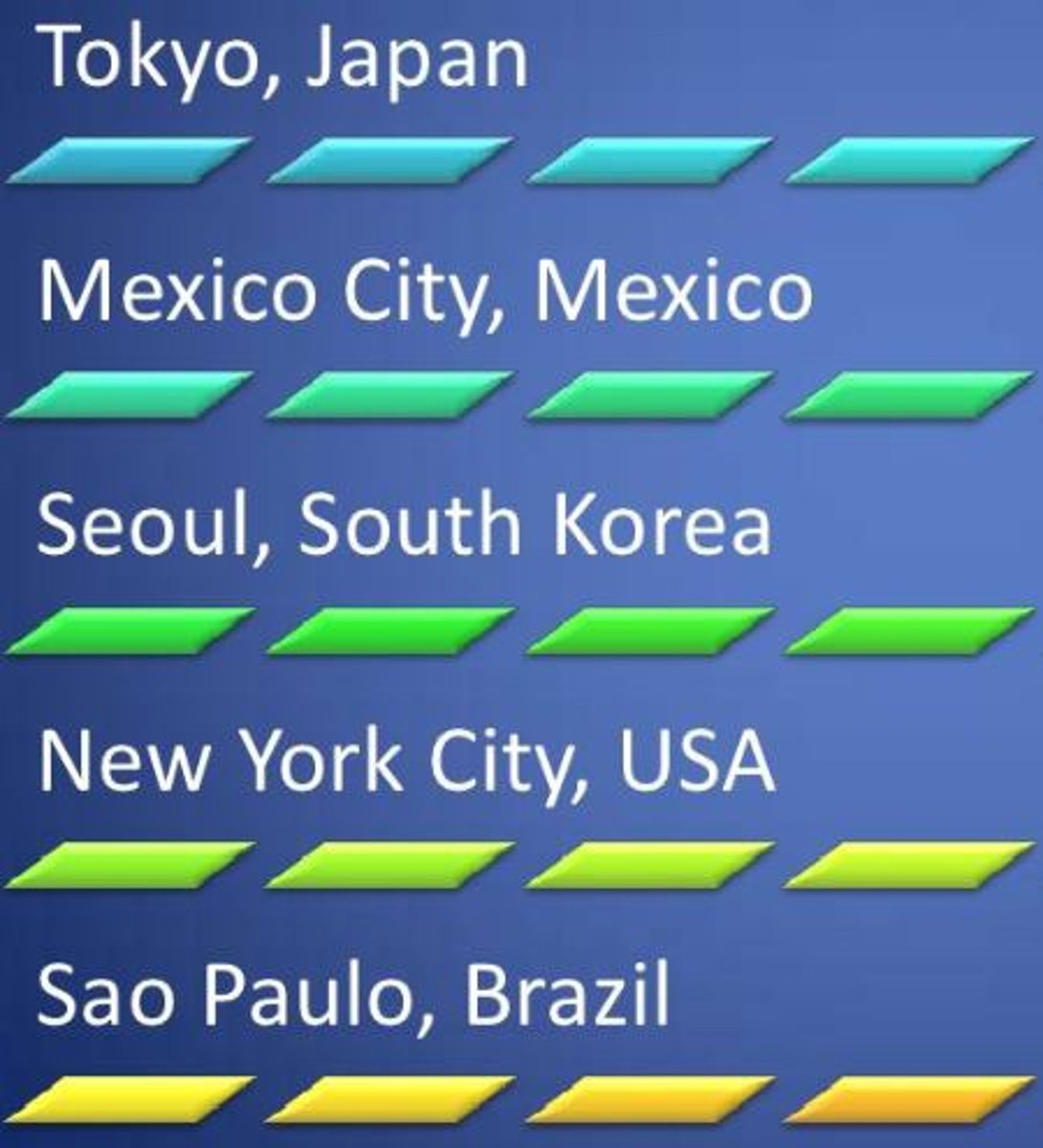
a city or urban area with a population larger than 10 million.
Megacity
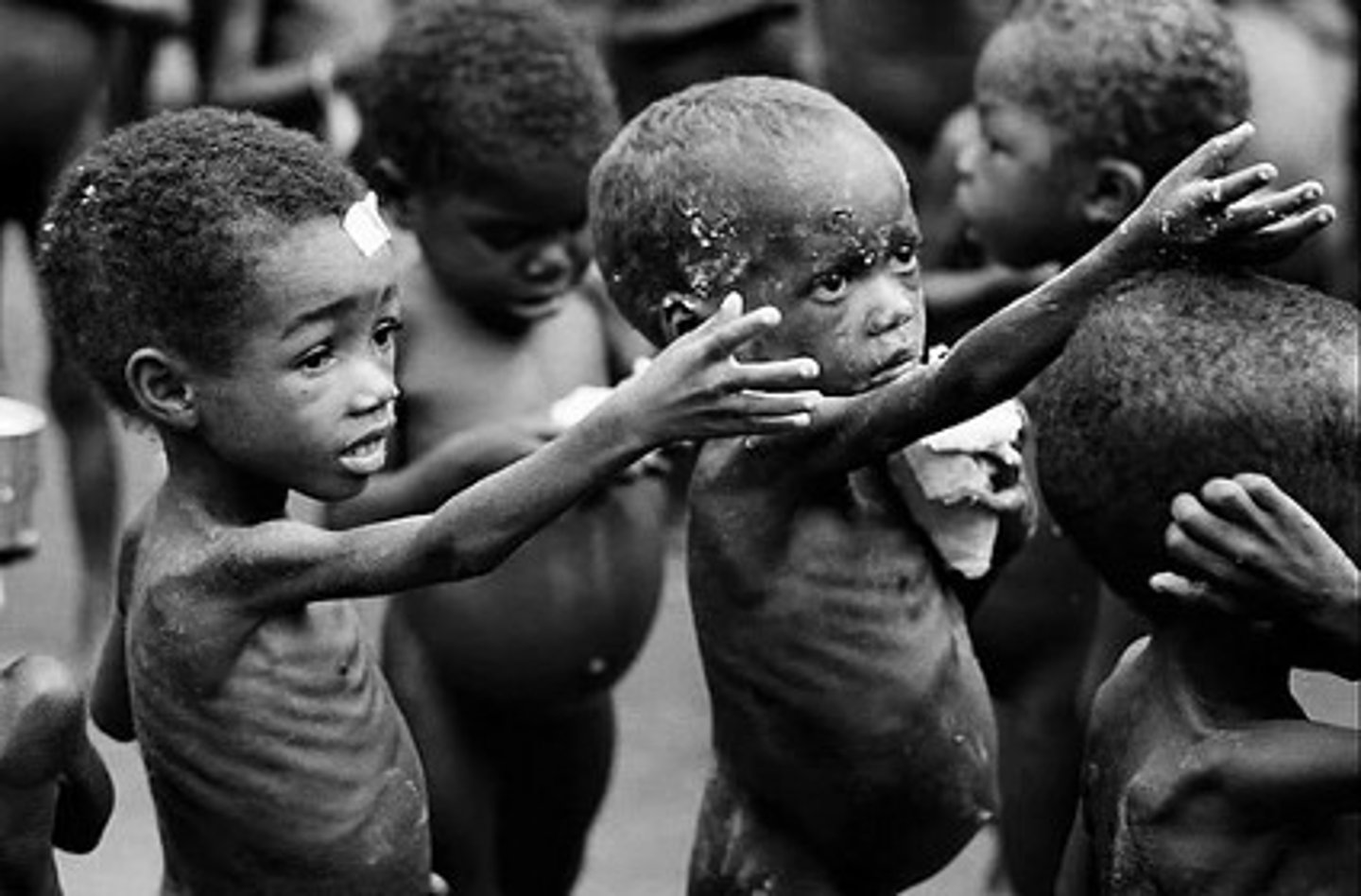
where people are seriously lacking in terms of income, food, housing, basic services (clean water and sewage disposal) and access to education and healthcare. See also Social deprivation.
Poverty
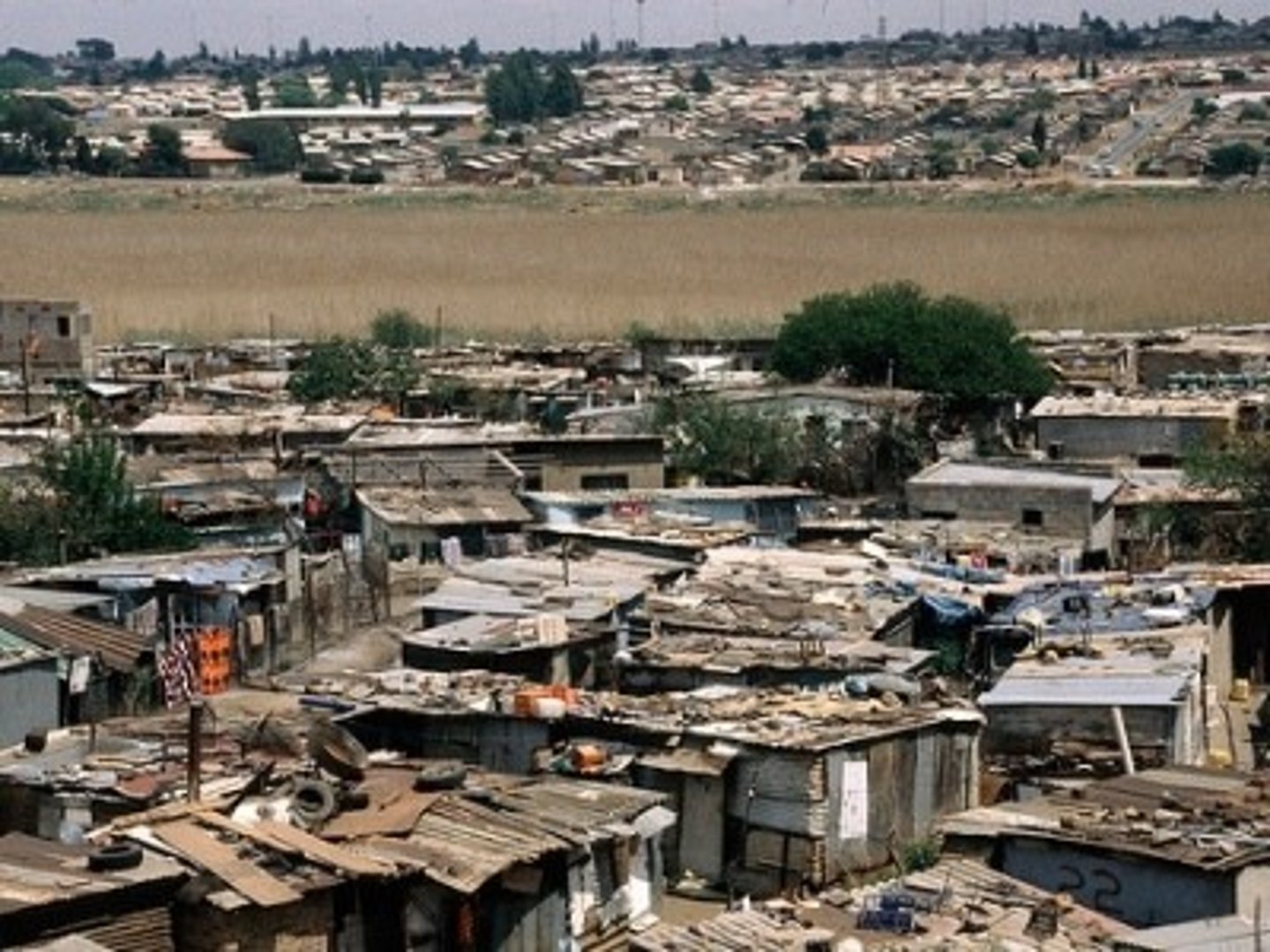
an area of slum housing built of salvaged materials and located either on the city edge or within the city on hazardous ground previously avoided by urban development.
Shanty town
when the well-being and quality of life of people falls below a minimum level
Social deprivation
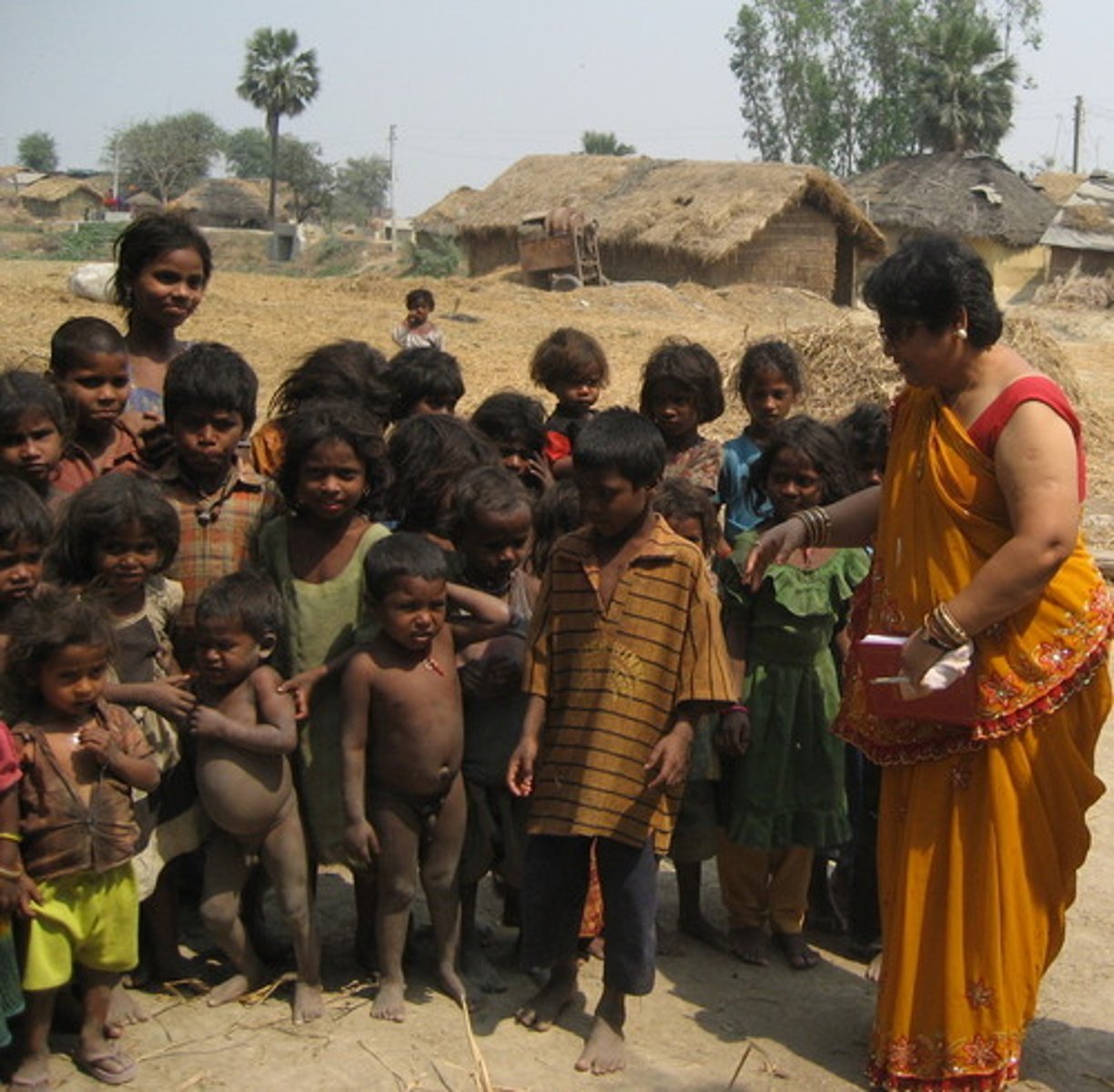
the clustering together of people with similar characteristics (class, ethnicity, wealth) into separate residential areas.
Social segregation
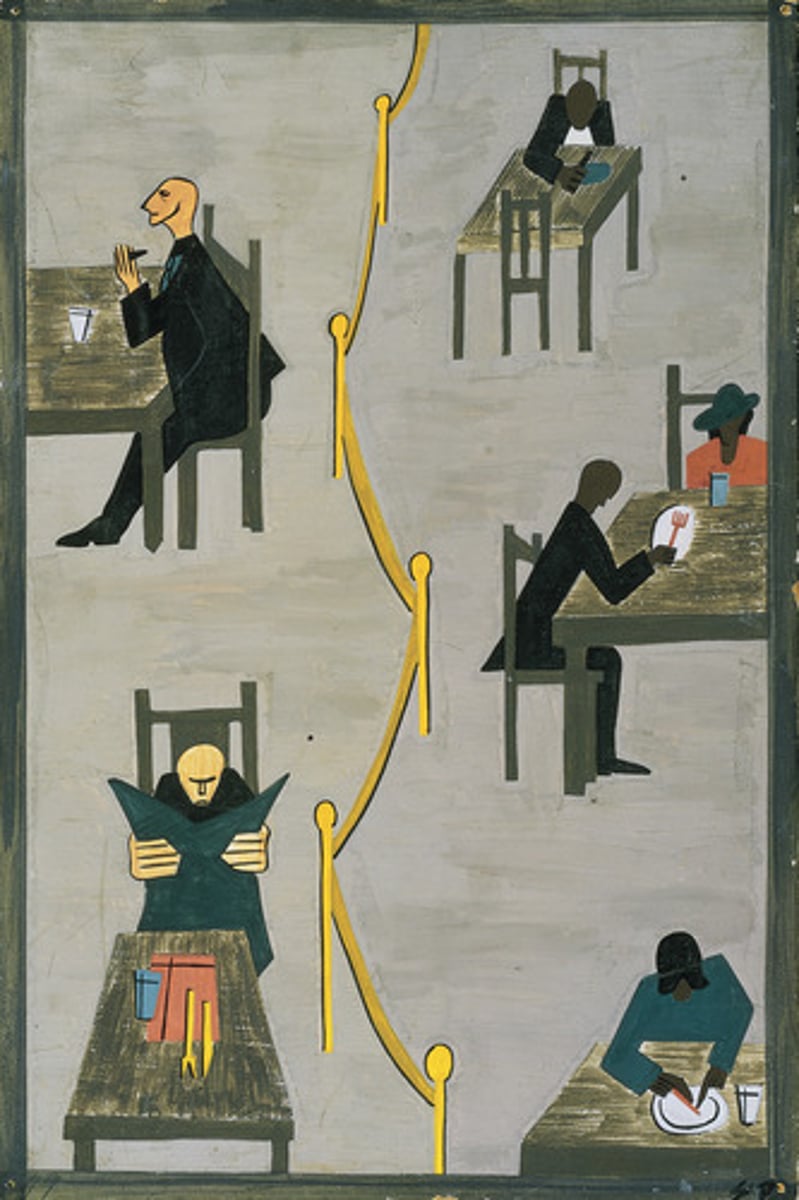
the outward spread of the urban area, often at lower densities compared with the older parts of a town or city.
Suburbanisation
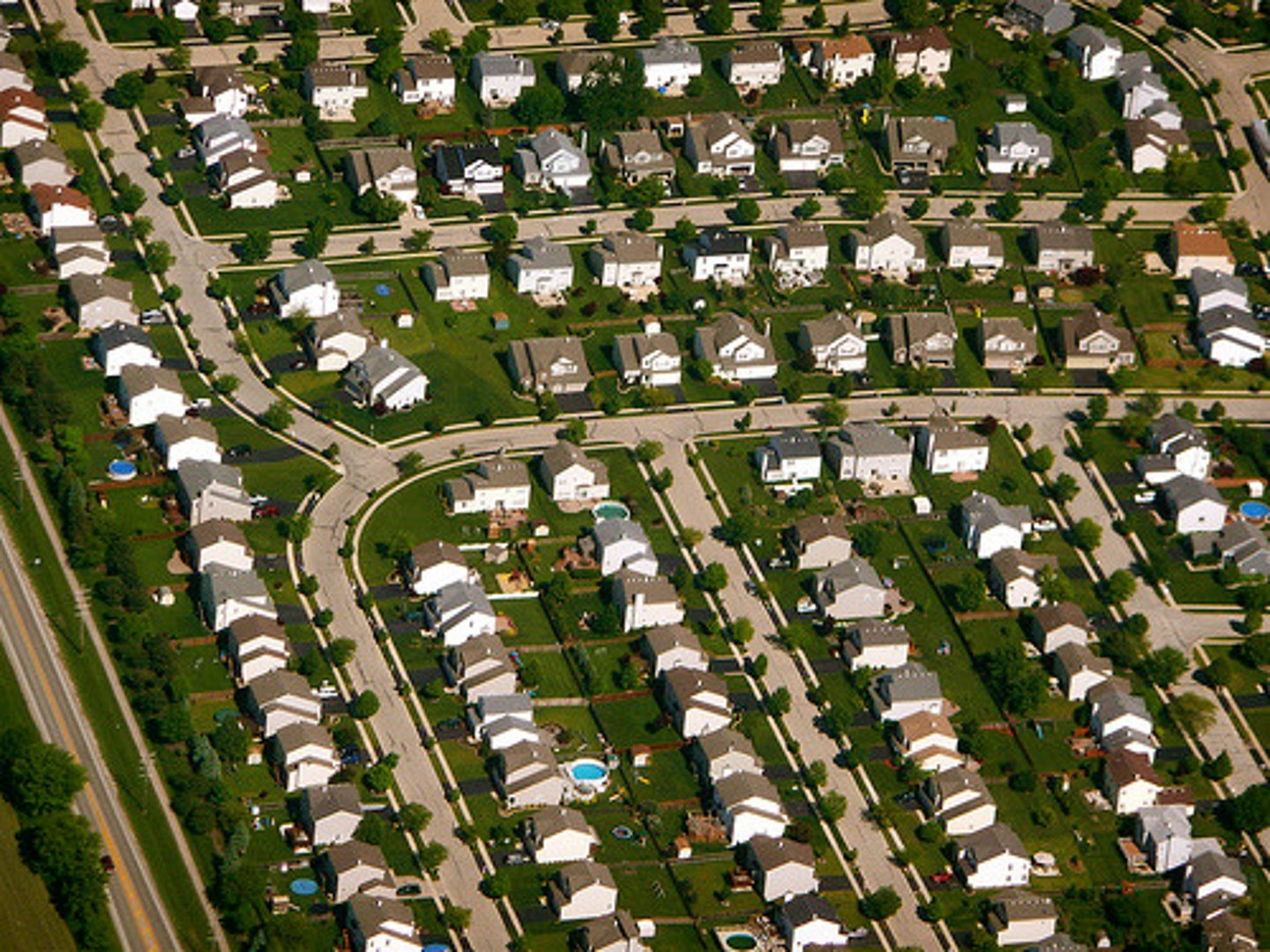
the investment of capital in the revival of old, urban areas by either improving what is there or clearing it away and rebuilding.
Urban regeneration
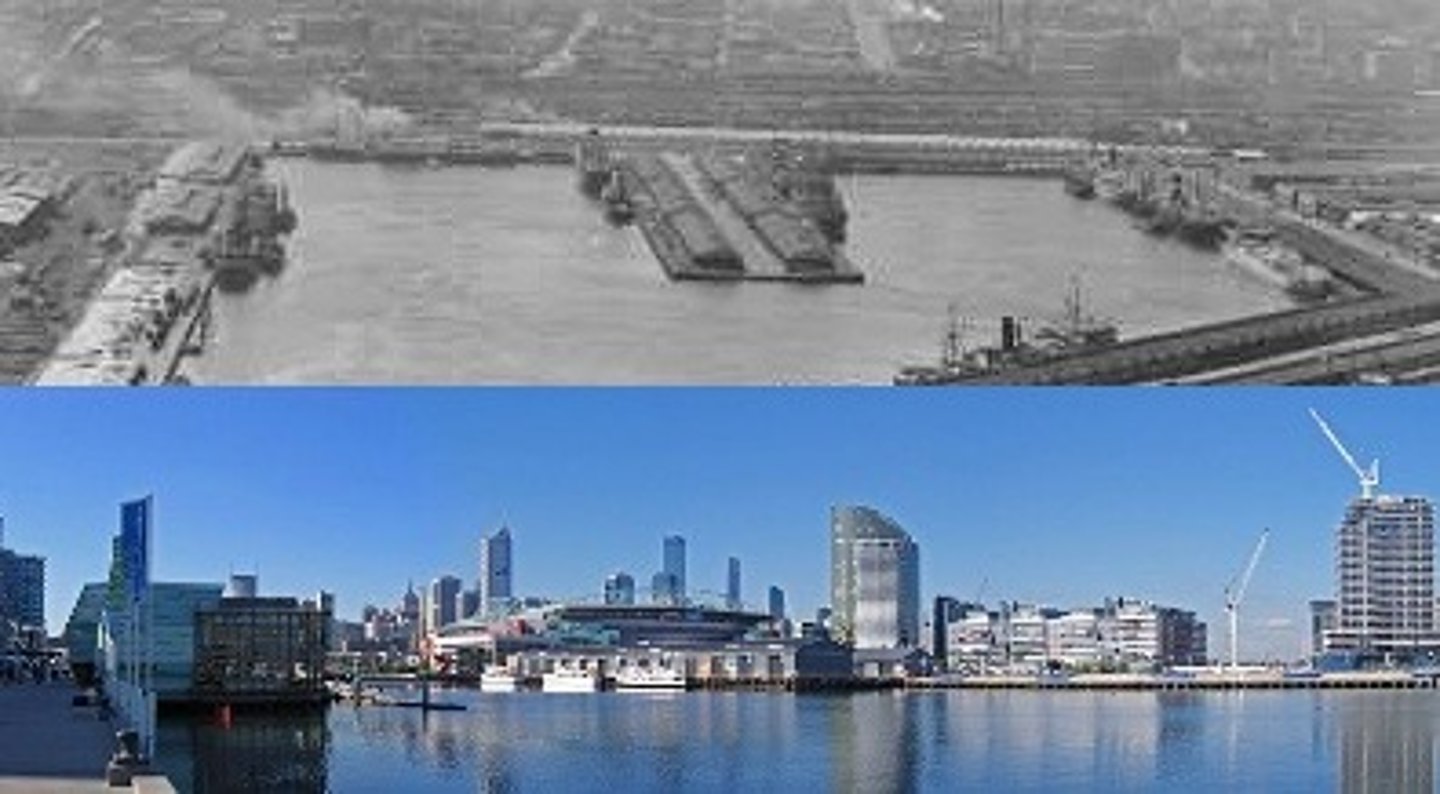
changing the image of an urban area and the way people view it. Urban managers: people who make important decisions affecting urban areas, such planners, politicians and developers.
Urban re-imaging
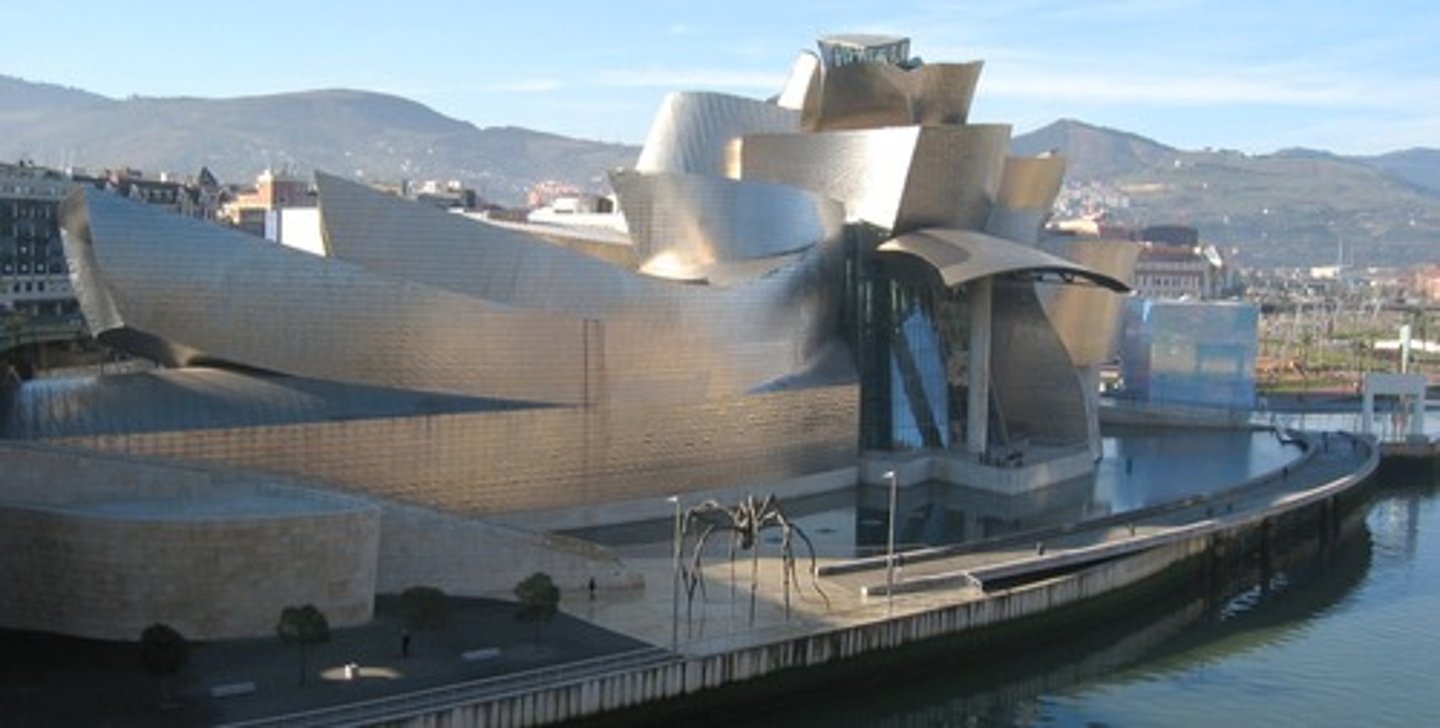
growth in the percentage of a population living and working in urban areas.
Urbanisation
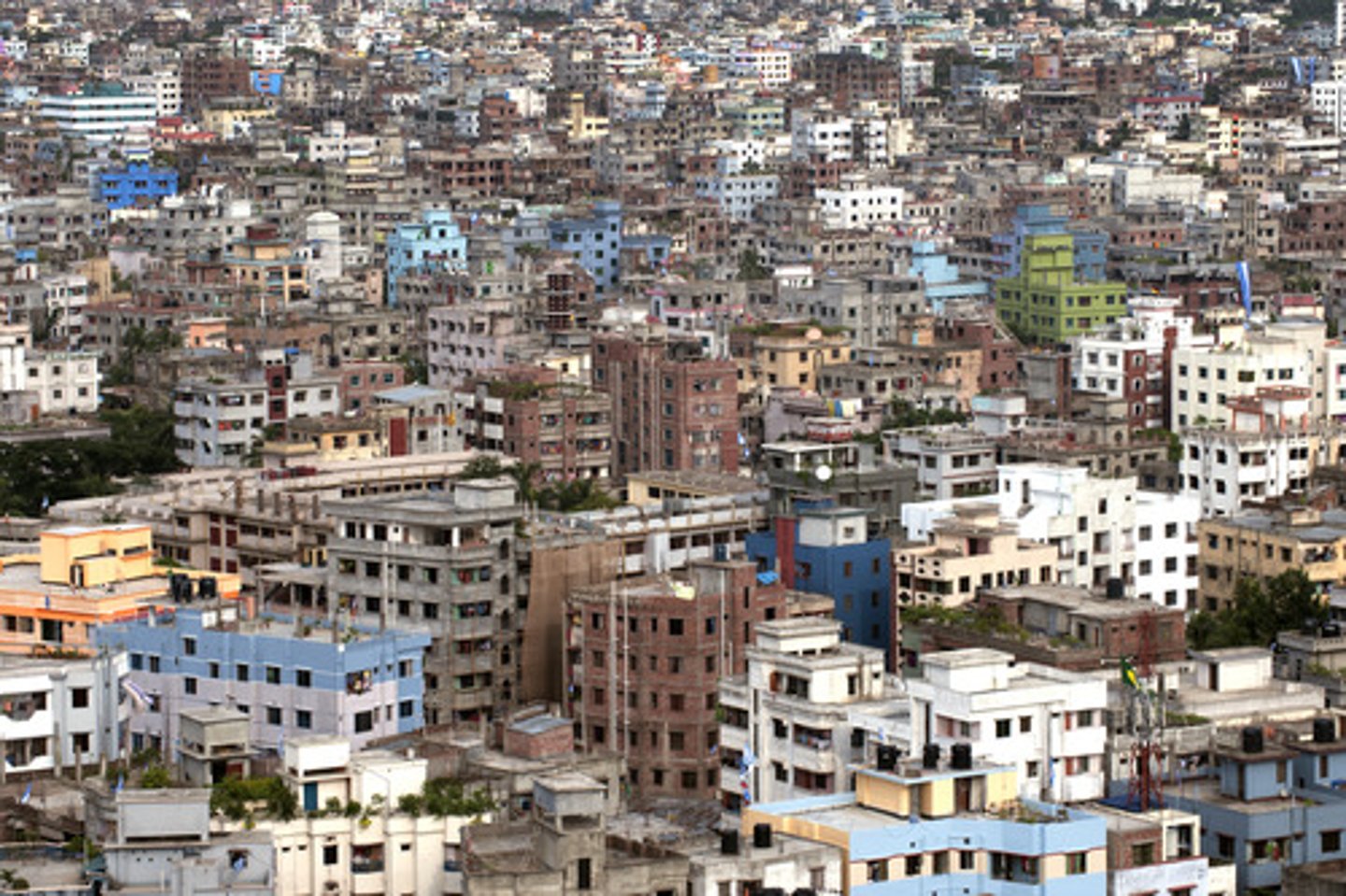
Different from urban regeneration as redevelopment will demolish and replace old buildings for something new.
Urban redevelopment
A.k.a. "snow-balling" As more money passes through an area, there comes increasing investment and development.
E.g. more people -> wages -> more small shops open -> more migration -> more shops open -> more services to serve the growing area
Multiplier effect
Cities build new or remodeled to create spaces and infrastructure to absorb, hold and release water to manage potential floods
Sponge cities
 Note
Note  Flashcards (49)