National 5 Physics - Radiation
 Call Kai
 Learn
Learn Practice Test
 Spaced Repetition
 Match
Match Flashcards
 Knowt Play
1/25

There's no tags or description
Looks like no tags are added yet.
Name | Mastery | Learn | Test | Matching | Spaced | Call with Kai |
|---|
No analytics yet
Send a link to your students to track their progress
26 Terms
Nucleus
central part of an atom composed of protons and neutrons.
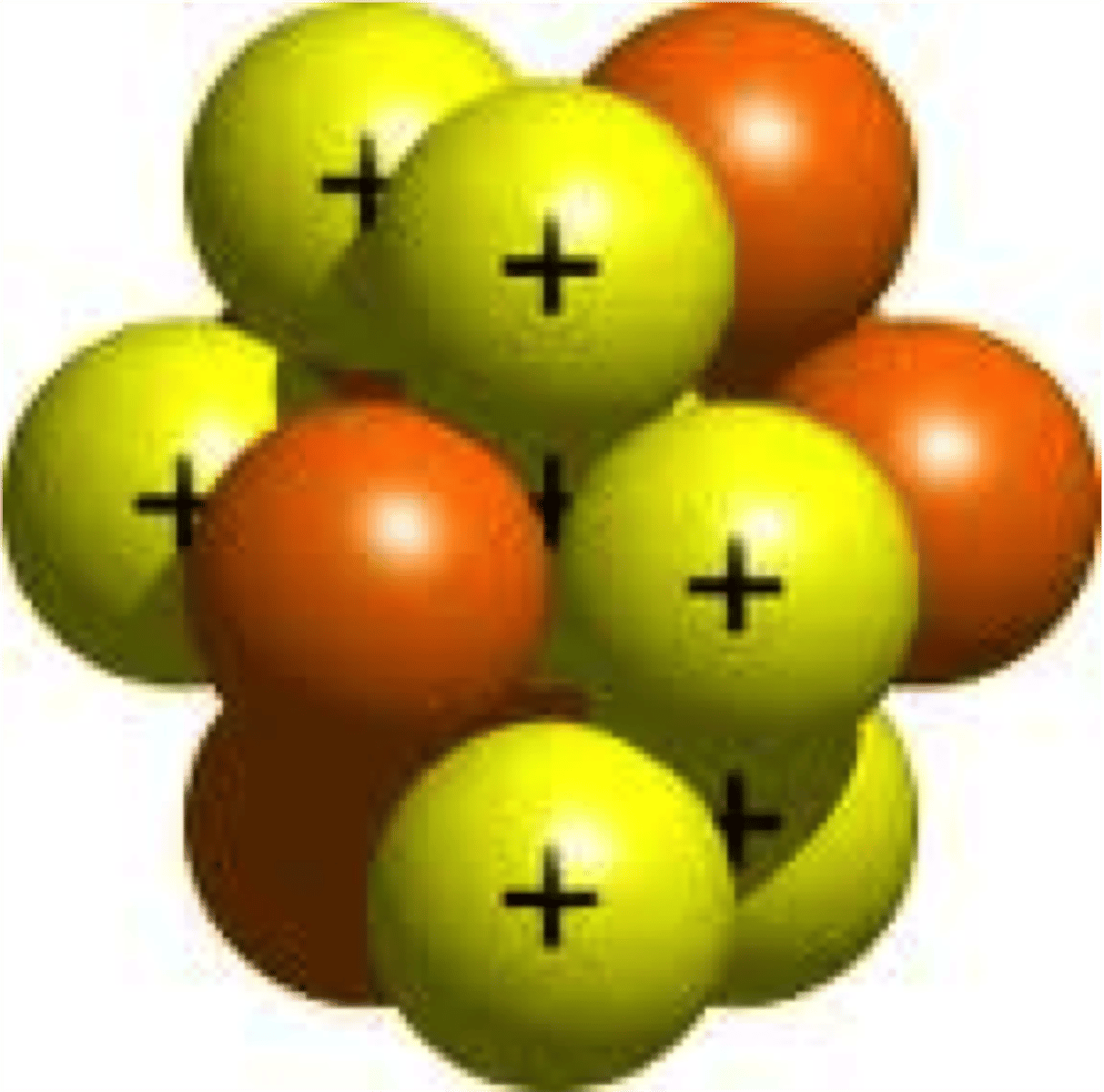
Neutral
something with no overall electric charge
Atom
a neutrally charged particle composed of a nucleus containing protons (and neutrons) orbited by electrons
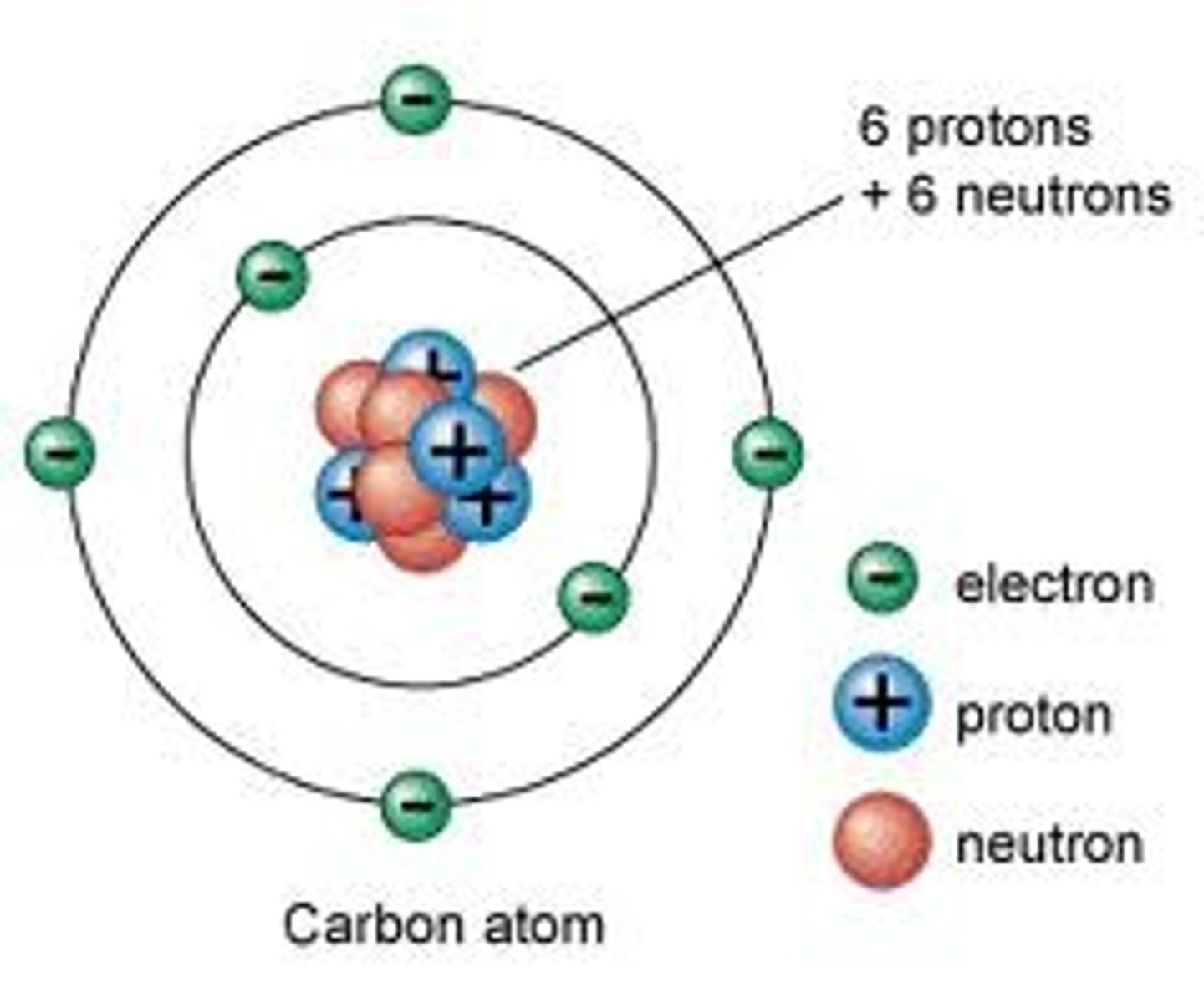
Electron
small negatively charged particle of negligible mass
Proton
positively charged particle with a mass of 1 atomic mass unit
Neutron
neutral particle with a mass of 1 atomic mass unit
Alpha (α)
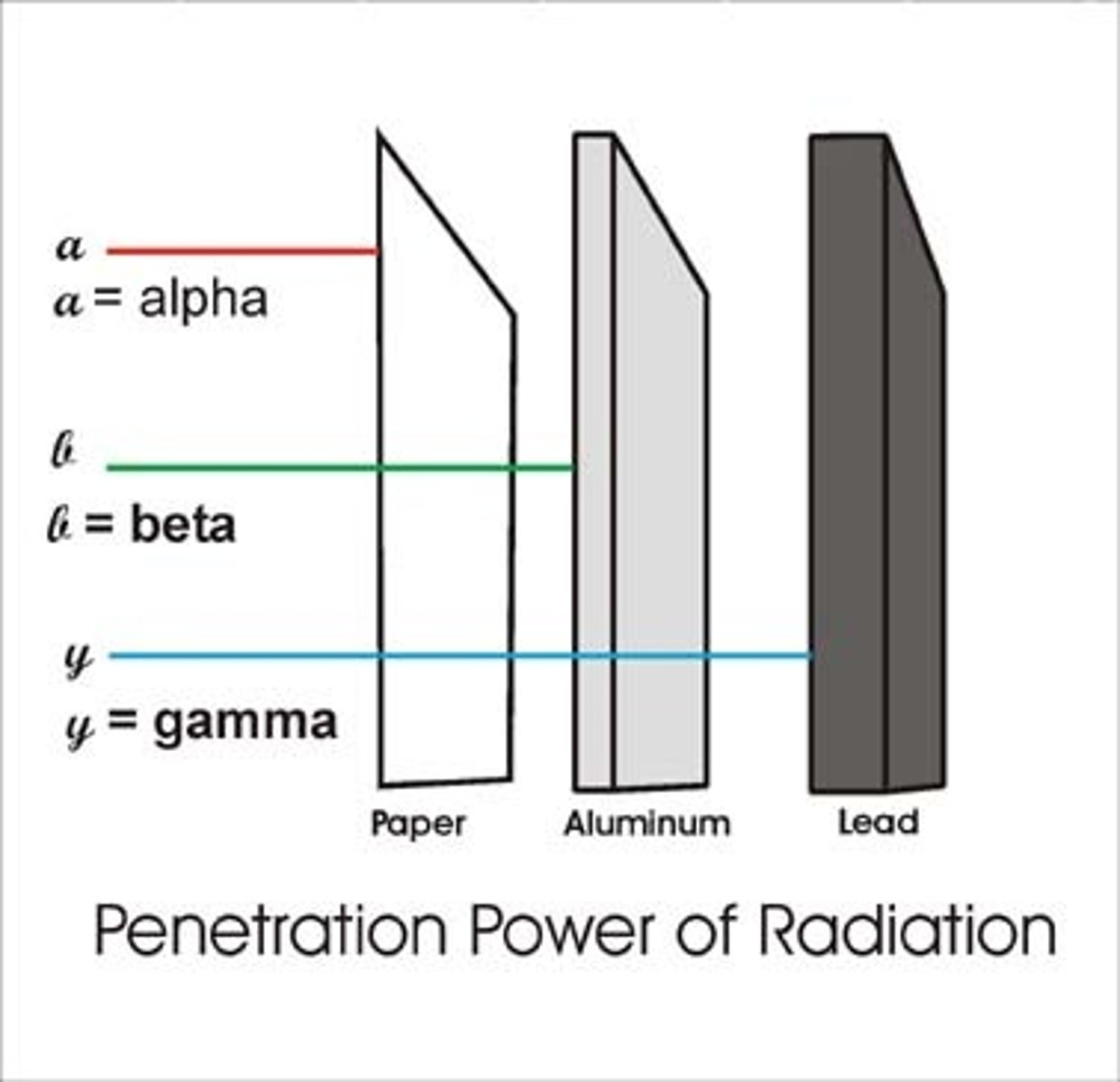
nuclear radiation composed of 2 protons and 2 neutrons (helium nucleus), travels a short distance in air and is stopped by paper
Beta (β)
nuclear radiation composed of an electron, travels about 30-60 cm through air and is stopped by a thin sheet of aluminium or Perspex.
Gamma (γ)
nuclear radiation composed of an electromagnetic wave, travels an infinite distance through air and can be absorbed by thick lead or concrete.
Ionisation
the charging of an atom by the loss or gain of electrons.
Ionising radiation
particles or waves that can cause atoms to be ionised, examples include alpha particles, beta particles, neutrons, gamma rays, x-rays, UV.
Ionisation density
a measure of how much ionisation radiation can cause as it travels through other materials. Slow moving particles with higher charges have higher ionisation densities.
Penetration (of radiation)
distance through a material that radiation can travel before it is absorbed.
Activity
the number of nuclear disintegrations per second
Nuclear disintegration
the breakup of an unstable nucleus by the emission of nuclear radiation into a new more stable state
Background radiation
naturally occurring sources of radiation such as cosmic rays, radon gas, granite, potassium, etc.
Absorbed dose
the radiation energy absorbed per kilogram of absorbing tissue
Equivalent dose
a measure of the biological harm caused by radiation.
Equivalent dose rate
the equivalent dose per unit of time
Radiation weighting factor
a value assigned to each type of radiation to quantify the ionisation and biological harm they cause.
Annual effective equivalent dose
a measure of the risk of biological harm, taking into account type of radiation and absorbing tissue, over the course of a year.
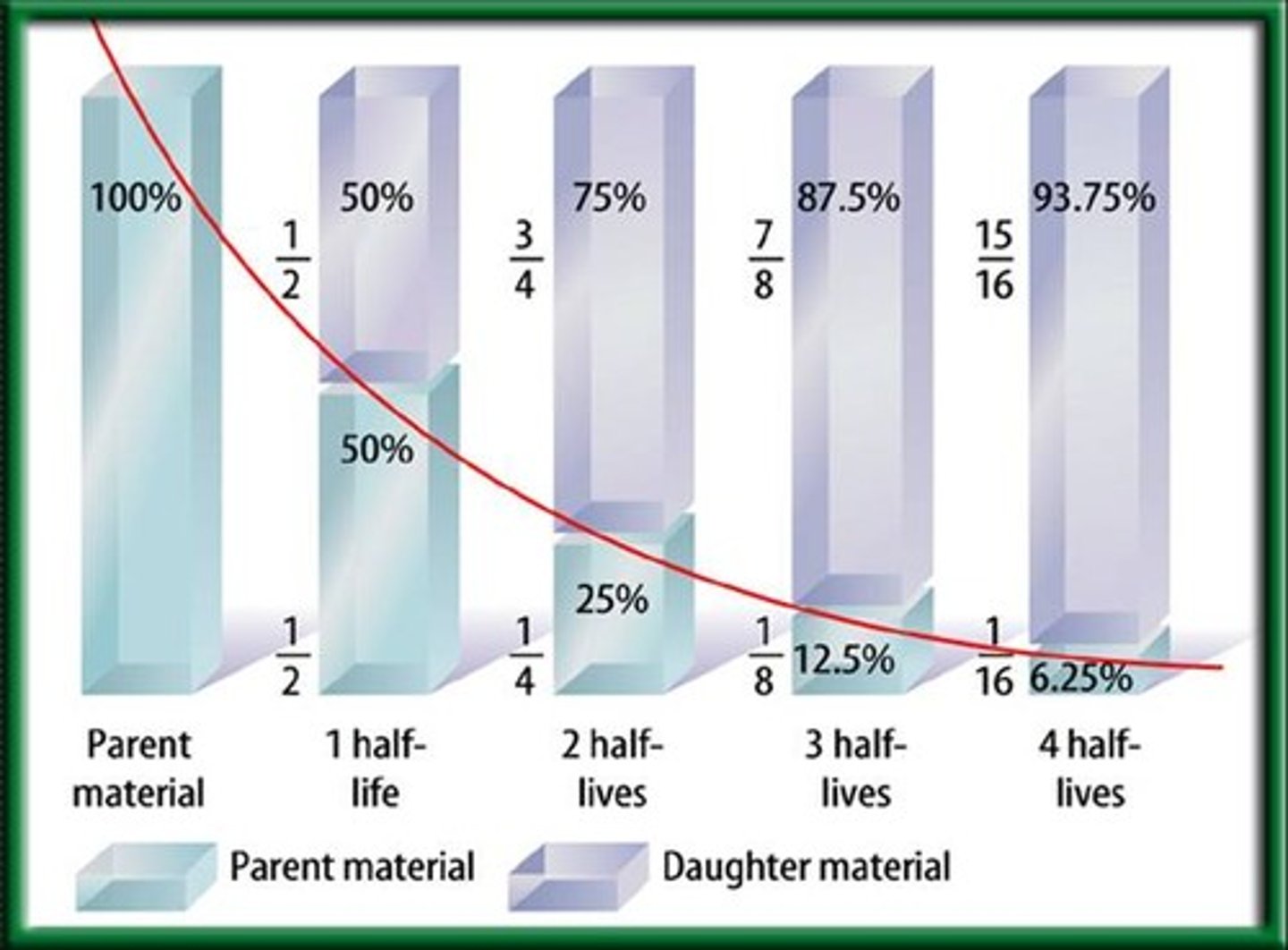
Half-life
the time taken for the activity of a radioactive source to decrease to half of its original value
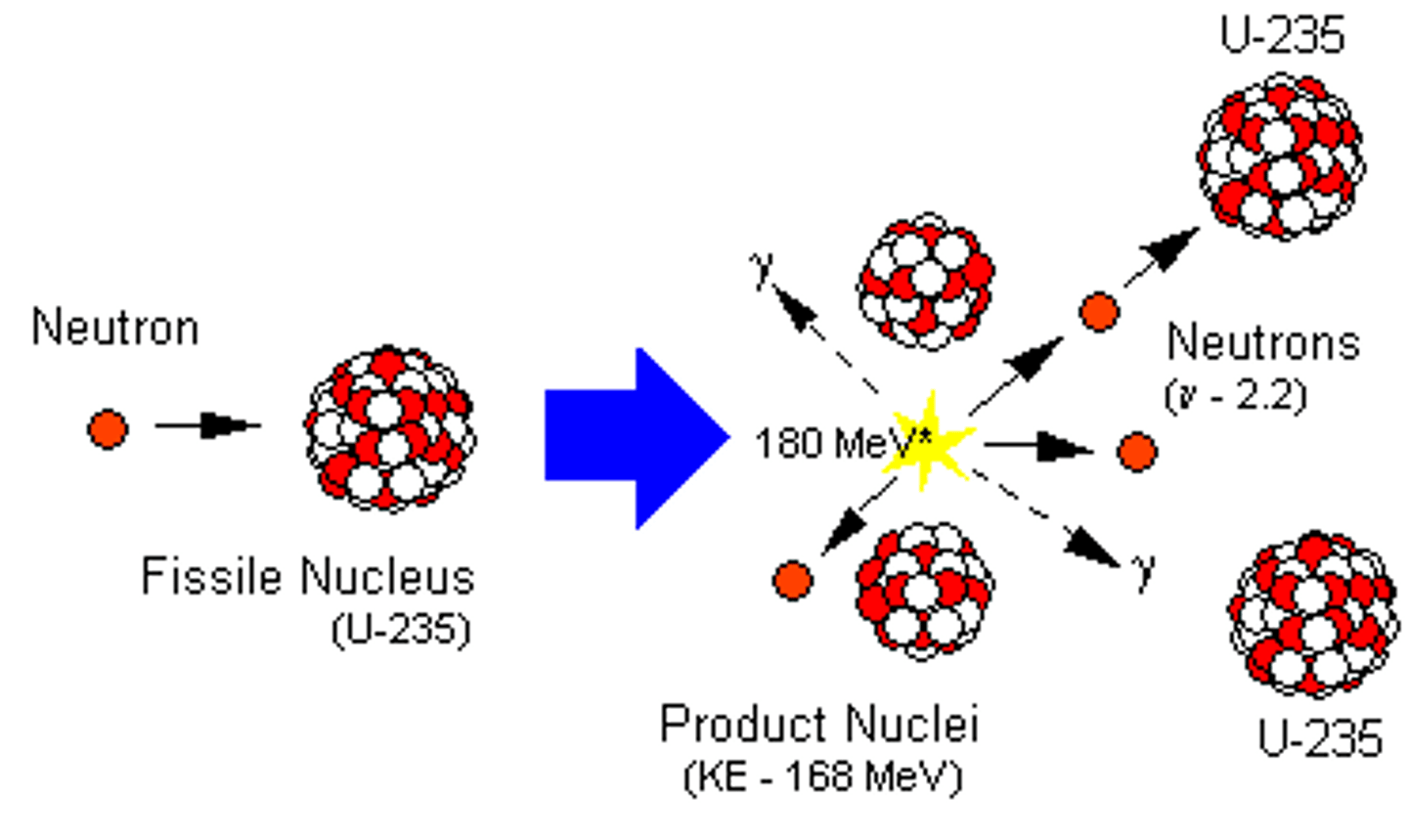
Fission
the splitting of a large nucleus into smaller nuclei, releasing neutrons and energy
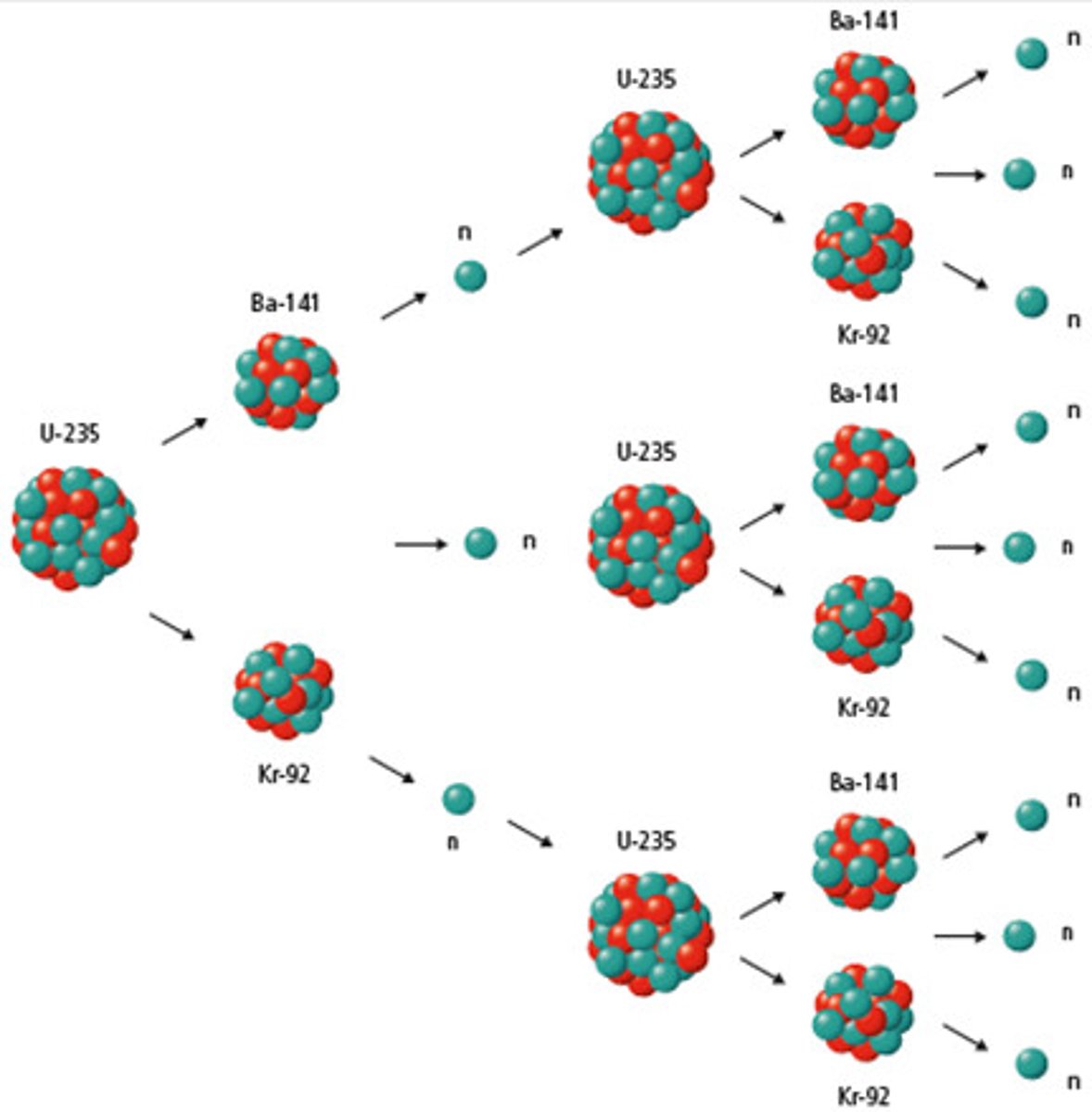
Chain reaction
a self-sustaining series of fission reactions, with each reaction being started by a nucleus absorbing a neutron released by a previous reaction.
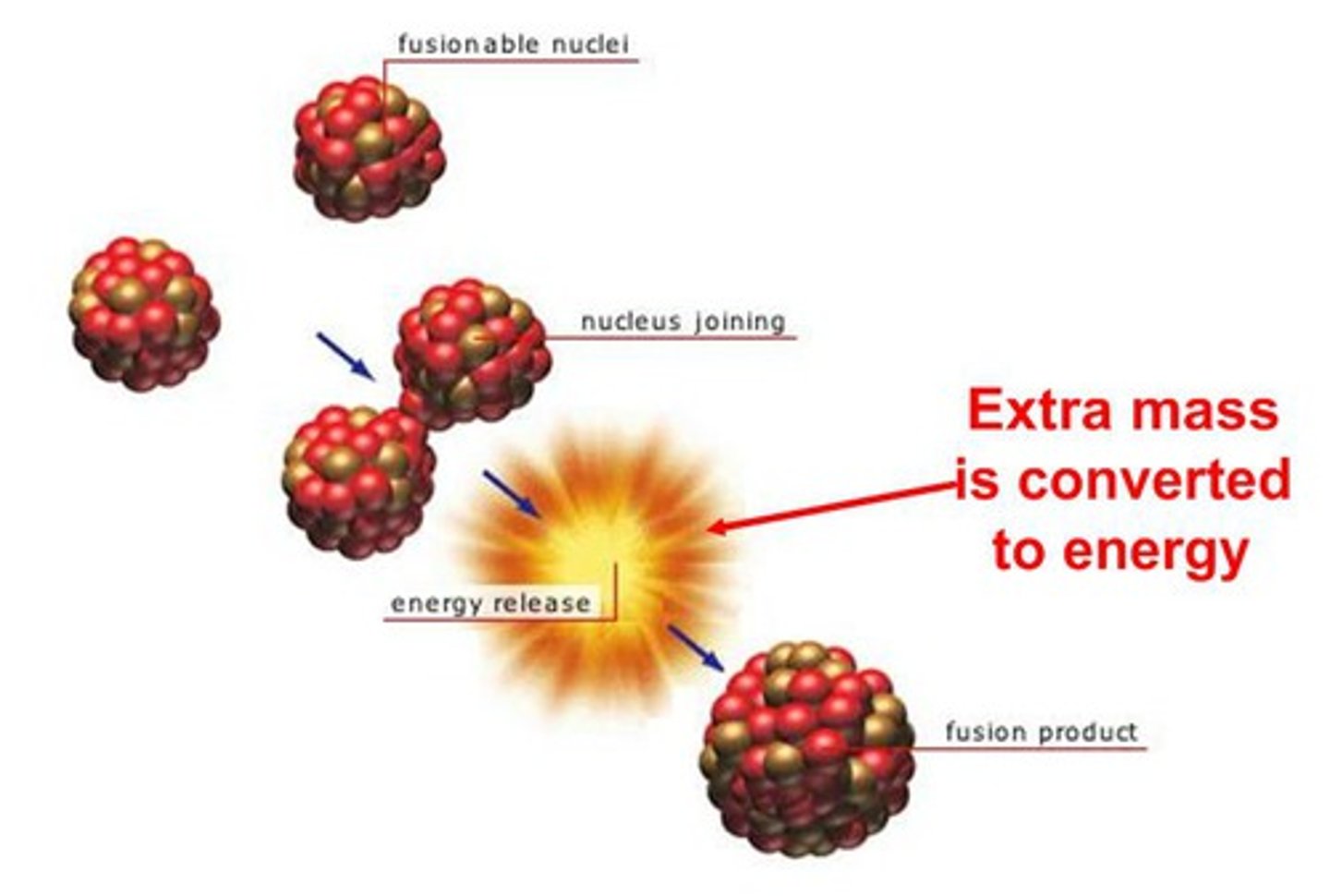
Fusion
the joining together of small nuclei, such as hydrogen, to form a larger nucleus and release energy
Plasma containment
the use of magnetic fields to hold a plasma within a fixed volume to allow nuclear fusion reactions to take place
Explore top notes

