ancient to medieval AH midterm 2
 Call Kai
 Learn
Learn Practice Test
 Spaced Repetition
 Match
Match Flashcards
 Knowt Play
1/60

There's no tags or description
Looks like no tags are added yet.
Name | Mastery | Learn | Test | Matching | Spaced | Call with Kai |
|---|
No analytics yet
Send a link to your students to track their progress
61 Terms
Amphitheatre
Greek, “double theater.” A Roman building type resembling two Greek theaters put together. The Roman amphitheater featured a continuous elliptical cavea around a central arena.
Archaic Smile
the way that Greek sculptors of this era indicated that the person portrayed is alive. Archaic Greek statues always smile, even in the most inappropriate contexts
Architectural Orders
In the Archaic period, two basic systems, or orders, evolved—the Doric and the Ionic, which differ both in the nature of the details and in the relative proportions of the parts. The orders are like sentences in a language, which are constructed according to rules of grammar and syntax.
Barrel Vault
Also called the tunnel vault, the barrel vault is an extension of a simple arch, creating a semicylindrical ceiling over parallel walls.
black-figure technique
The black-figure painter first put down black silhouettes on the clay surface, as in Geometric times, but then used a sharp, pointed instrument to incise linear details within the forms, usually adding highlights in white or purplish red over the black figures before firing the vase.
canonization
The declaration by the Catholic Church of a person as a saint after his or her death, often as a martyr.
caryatid
A female figure that functions as a supporting column.
coffering
A sunken panel, often ornamental, in a vault or a ceiling.
contrapposto
Counterbalance
corinthian order
A more ornate form of the ionic order utilizing Corinthian capitals
cornice
The projecting, crowning member of the entablature framing the pediment; also, any crowning projection.
doric order
One of the two systems (or orders) invented in ancient Greece for articulating the three units of the elevation of a classical building—the platform, the colonnade, and the superstructure (entablature). The Doric order is characterized by, among other features, capitals with funnel-shaped echinuses, columns without bases, and a frieze of triglyphs and metopes. See also Ionic.
engaged column/pilaster
Columns attached to walls
entablature
The part of a building above the columns and below the roof. The entablature has three parts: architrave, frieze, and pediment.
fresco (buon fresco)
Painting on lime plaster, either dry (dry fresco, or fresco secco) or wet (true, or buon, fresco). In the latter method, the pigments are mixed with water and become chemically bound to the freshly laid lime plaster. Also, a painting executed in either method.
frieze
The part of the entablature between the architrave and the cornice; also, any sculptured or painted band.
groin vault
A groin (or cross) vault is formed by the intersection at right angles of two barrel vaults of equal size.
ionic order
A lighter, airier architectural style that came after the Doric. Characterized by Ionic column capitals, a subdivided architrave, and an open frieze.
keystone
The topmost voussoir in a stone arch; the stone that holds the arch together
kore/kouros
“Youth:” the preferred form of grave marker in the sixth century bce. The Greeks also used kouroi as votive offerings in sanctuaries.
metope
The square panel between the triglyphs in a Doric frieze, often sculpted in relief.
oculus
Latin, “eye.” The round central opening of a dome. Also, a small round window in a Gothic cathedral.
pax romana/pax augustus
Latin, “Augustan Peace/Roman Peace”
pediment
In classical architecture, the triangular space (gable) at the end of a building, formed by the ends of the sloping roof above the colonnade; also, an ornamental feature having this shape.
praxiteles
One of the three greatest sculptors of the Late Classical period. His sculptures retained period-typical superhuman beauty, but gained a worldly quality
red-figure painting
Red-figure is the opposite of black-figure. What was previously black became red, and vice versa. The artist used the same black glaze for the figures, but instead of using the glaze to create silhouettes, the painter outlined the figures and then colored the background black. The ceramist reserved the red clay for the figures themselves and used a soft brush instead of a stiff metal graver to draw the interior details. This gave the red-figure painter much greater flexibility.
triglyph
A triple projecting, grooved member of a Doric frieze that alternates with metopes.
verism
True to natural appearance; super-realistic.
voussoir
A wedge-shaped stone block used in the construction of a true arch. The central voussoir, which sets the arch, is called the keystone.
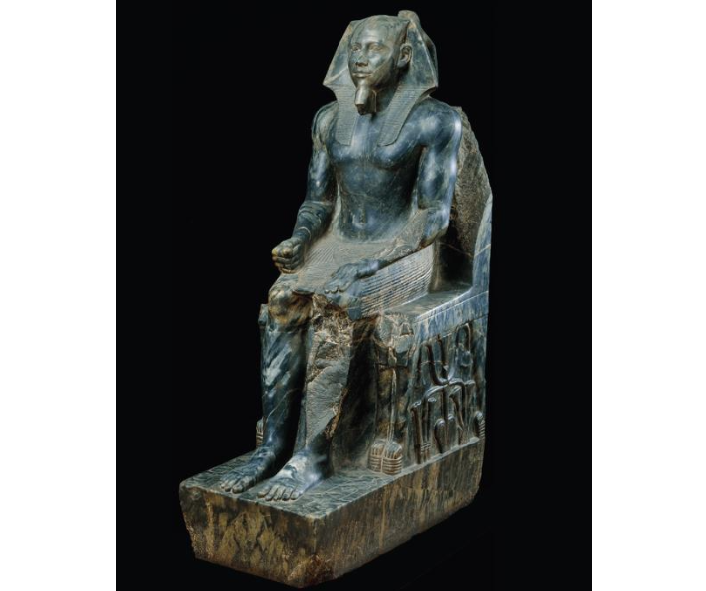
Khafre Enthroned, from Gizeh, Egypt, Old Kingdom
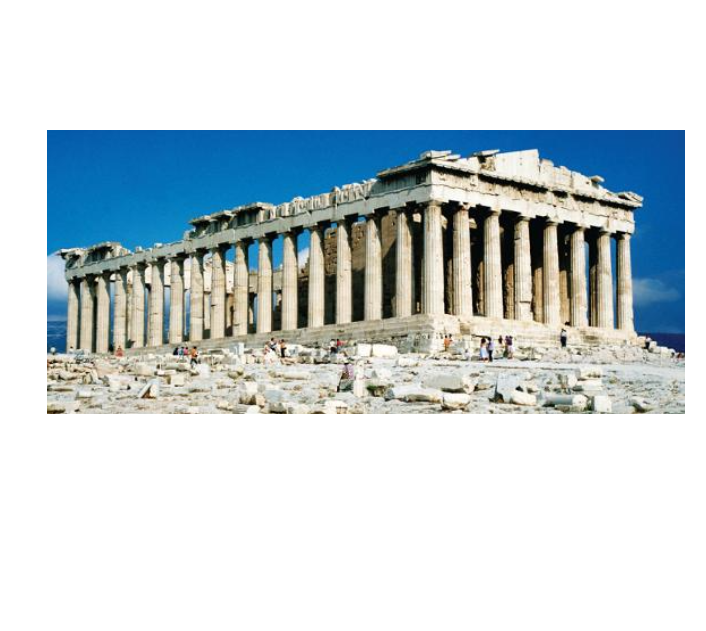
Iktinos’ Parthenon Acropolis, Athens, Greece, Early Classical greek
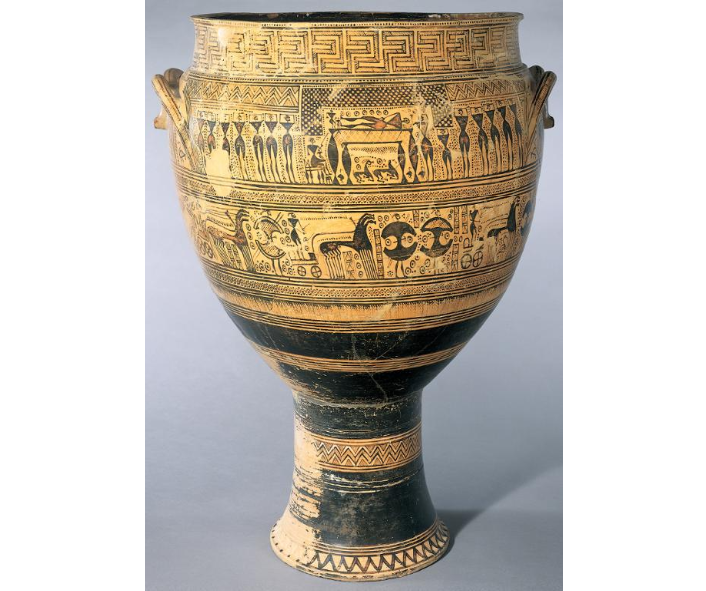
Geometric krater, from the Dipylon cemetery, Athens, Geometric greek
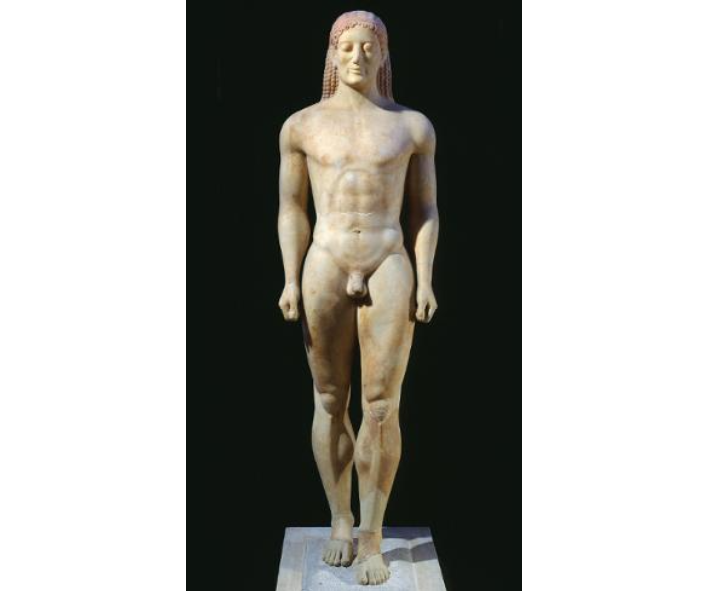
Kroisos, from Anavysos, Greece, Archaic greek
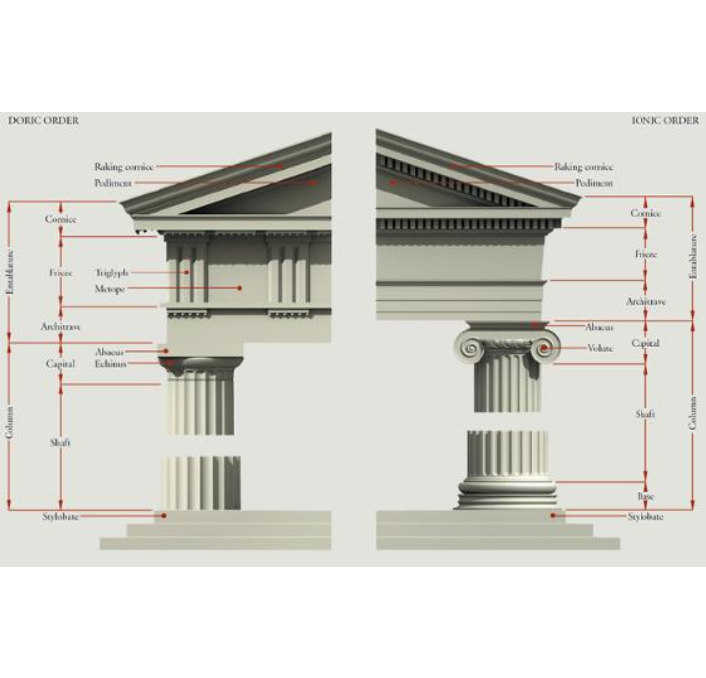
Elevations of the Doric and Ionic orders, greek
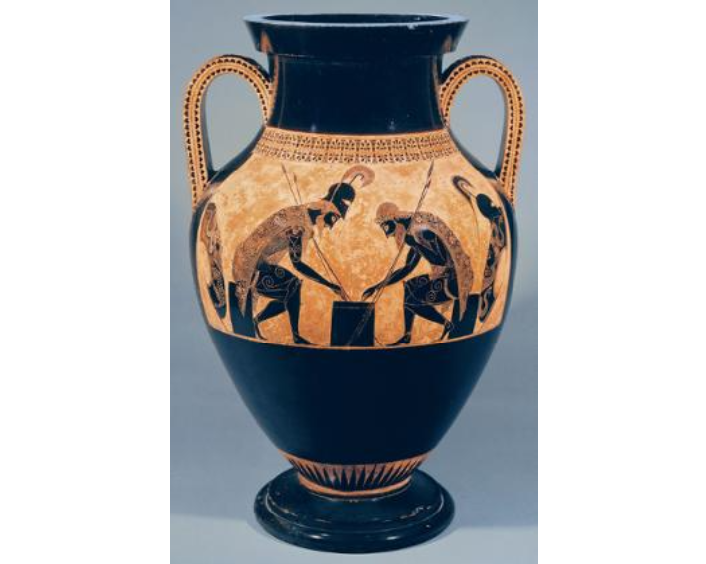
Exekias, Achilles and Ajax playing a dice game, archaic greek
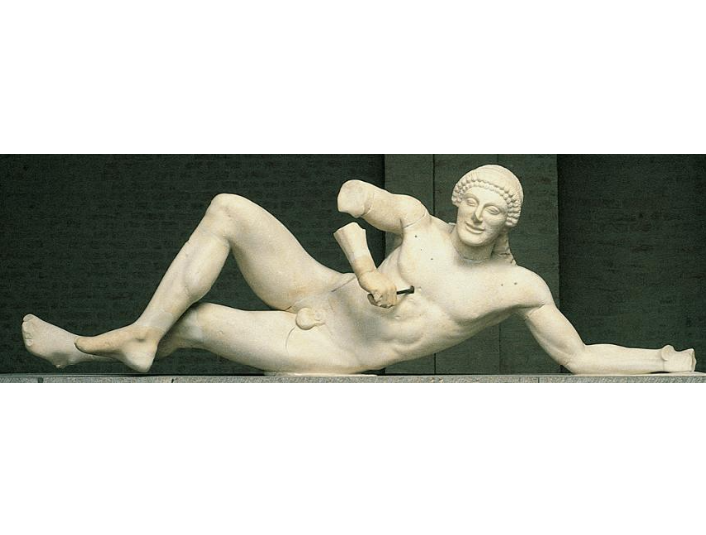
Dying warrior, from the west pediment of the temple of aphaia, archaic greek
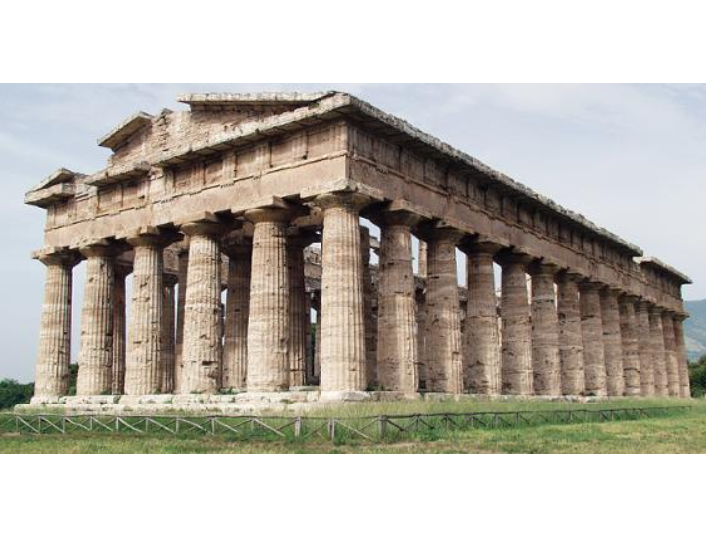
Temple of Hera II or Apollo, early classical greek
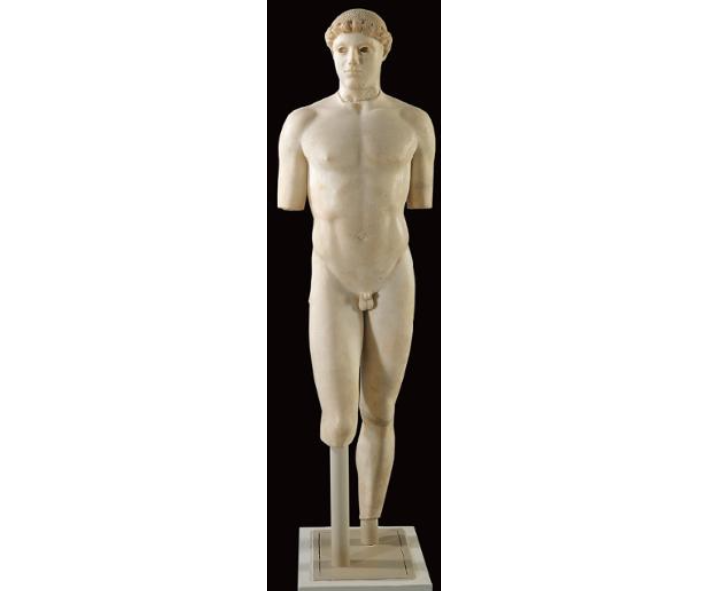
Kritios Boy, from the acropolis, Athens, early classical greek
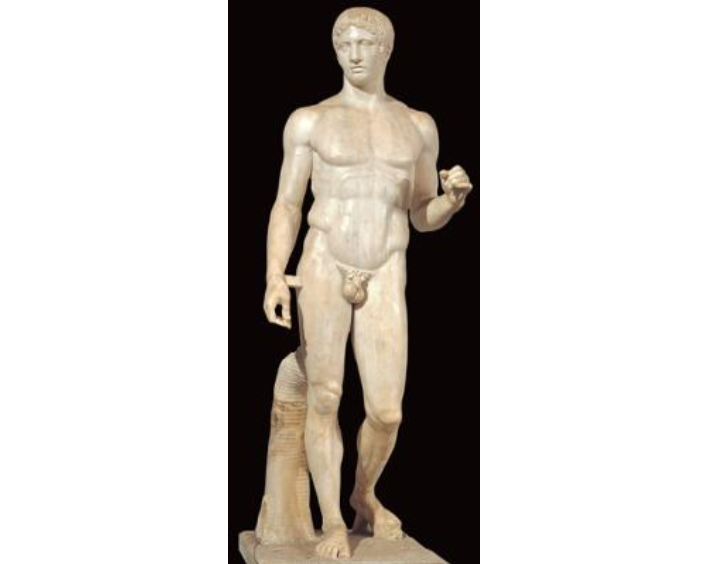
Polykleitos’ Doryphoros (Spear Bearer), early classical greek
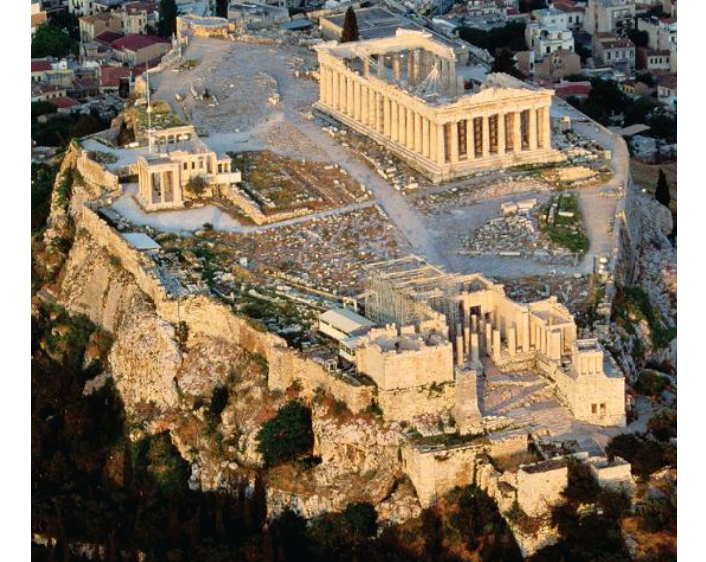
Aerial view of the acropolis, athens, greece, Classical greek
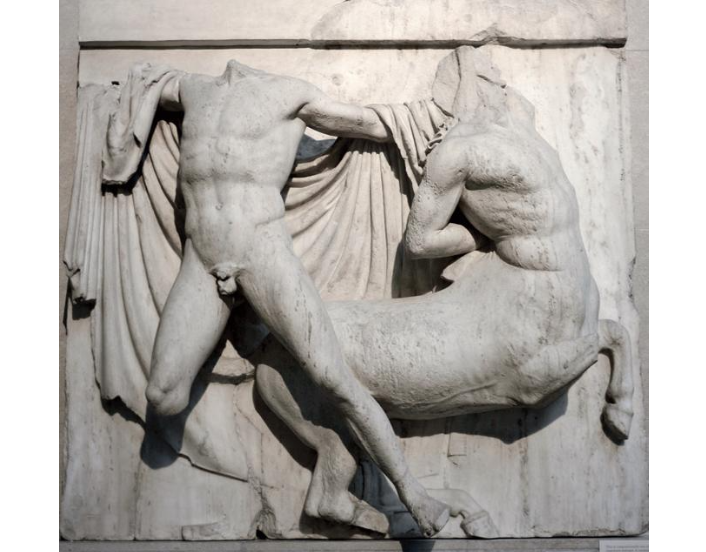
Centauromachy, metope 28 from the parthenon, classical greek
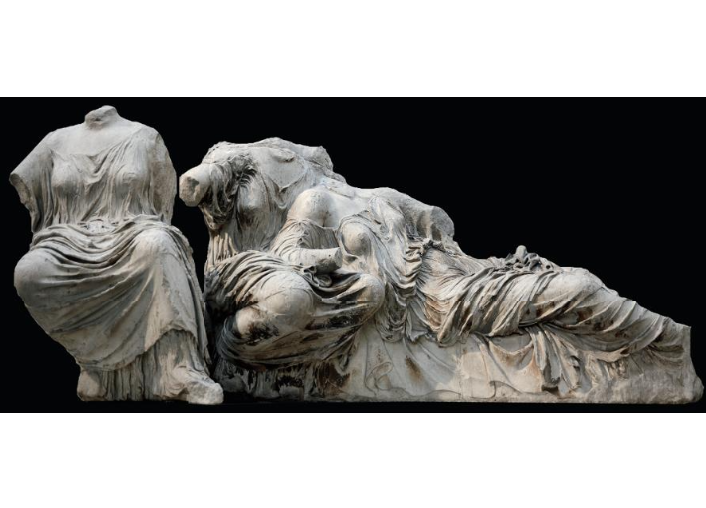
three goddesses, pediment of parthenon, classical greek
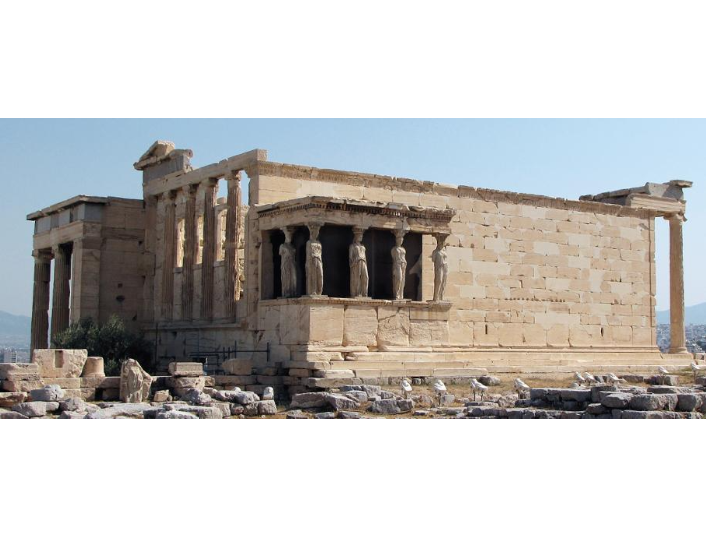
Erechtheion acropolis, athens, classical greek
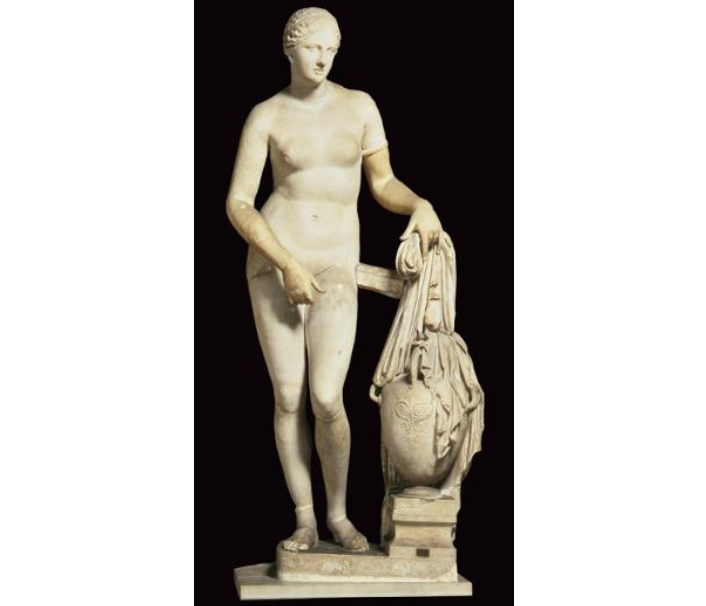
Praxiteles’ Aphrodite of Knidos, high classical greek
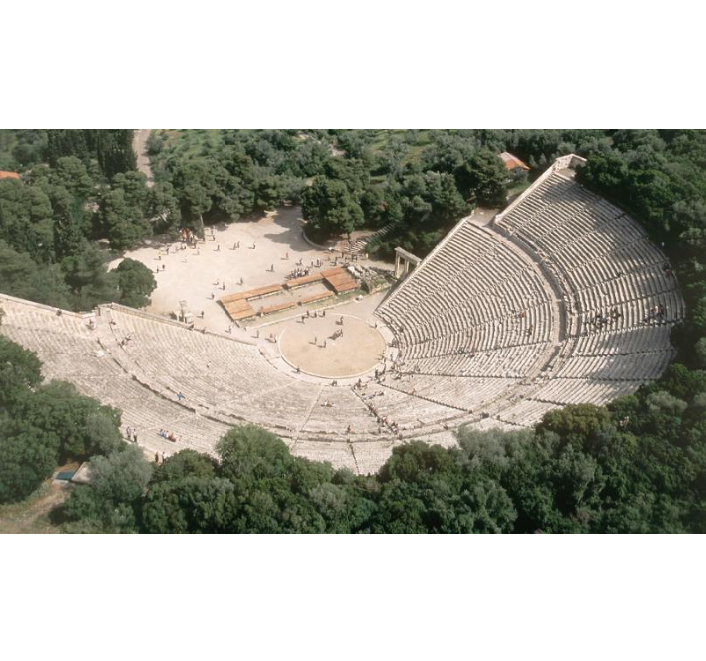
Polykleitos the Younger’s theater, Epidauros, Greece, late classical greek
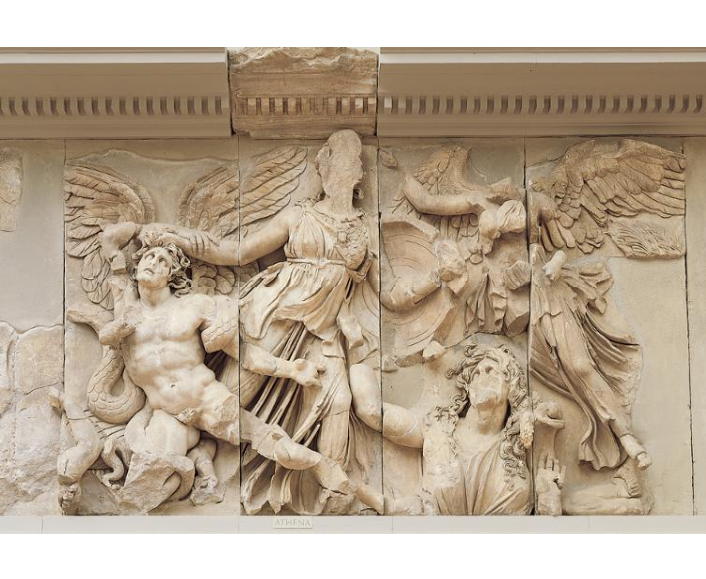
Athena battling Alkyoneos, detail from Altar of Zeus, Pergamon, Turkey, Hellenistic greek
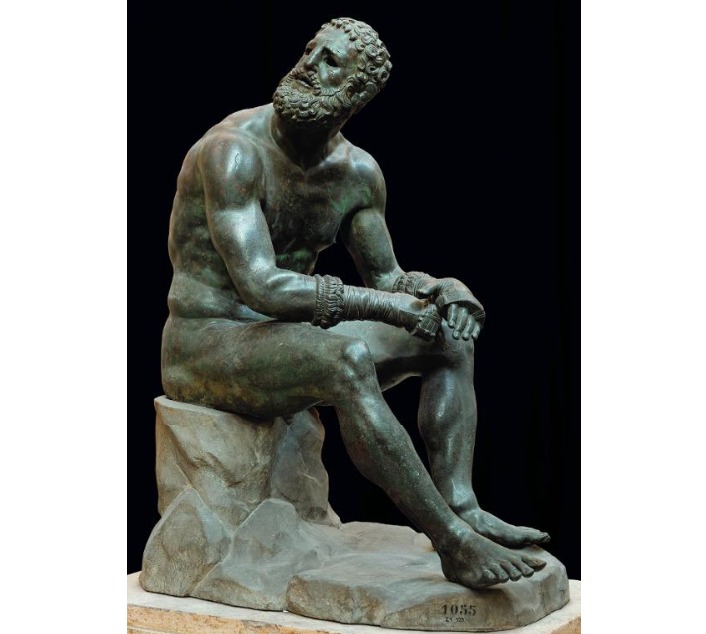
Seated boxer, baths of constantine, hellenistic greek
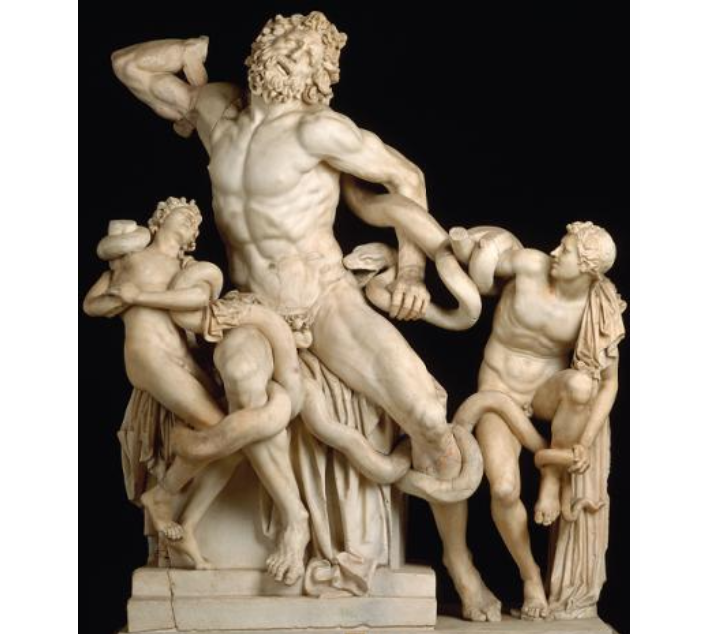
Laocoon and his sons, from Rome, Italy, Hellenistic Greek
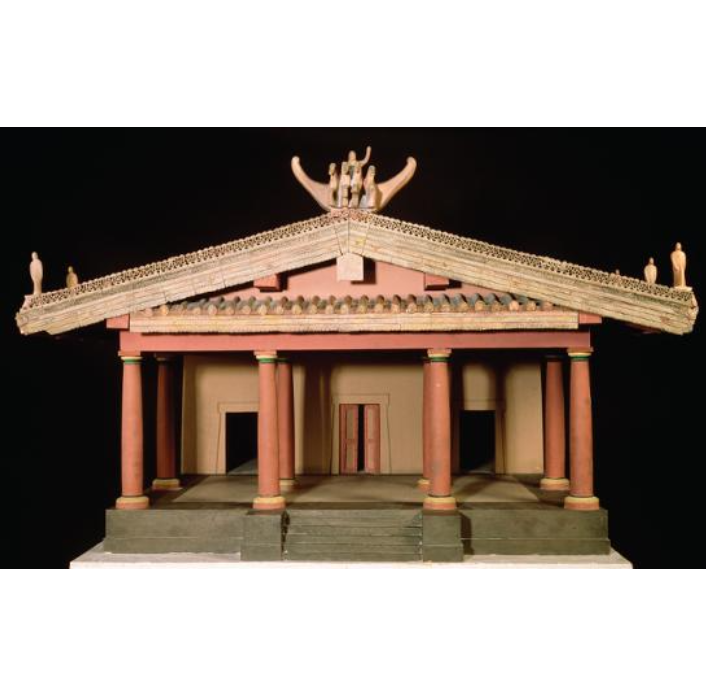
Model of a typical etruscan temple, archaic etruscan
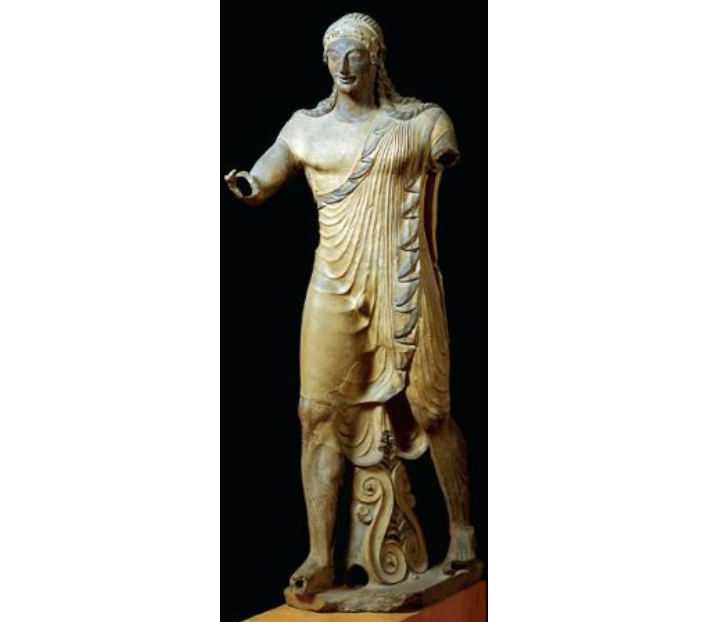
Apulu (Apollo of Veii), Veii, Italy, archaic etruscan
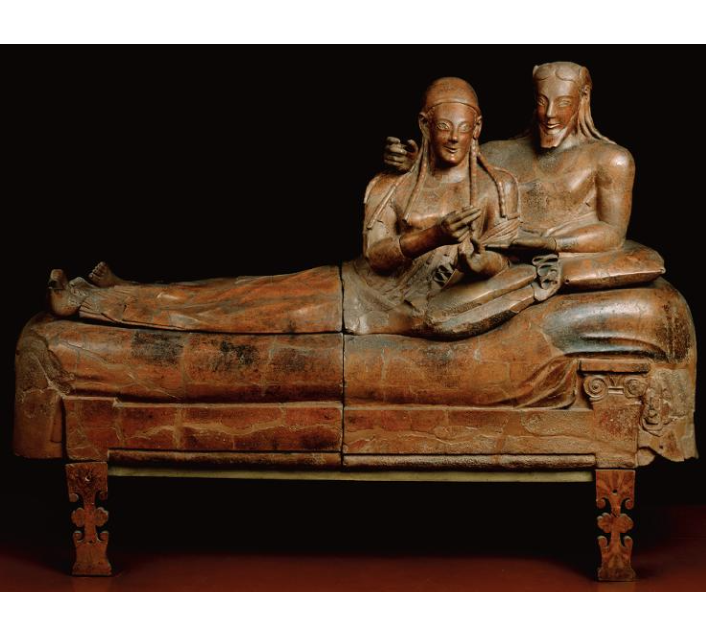
Sarcophagus with reclining couple, archaic etruscan
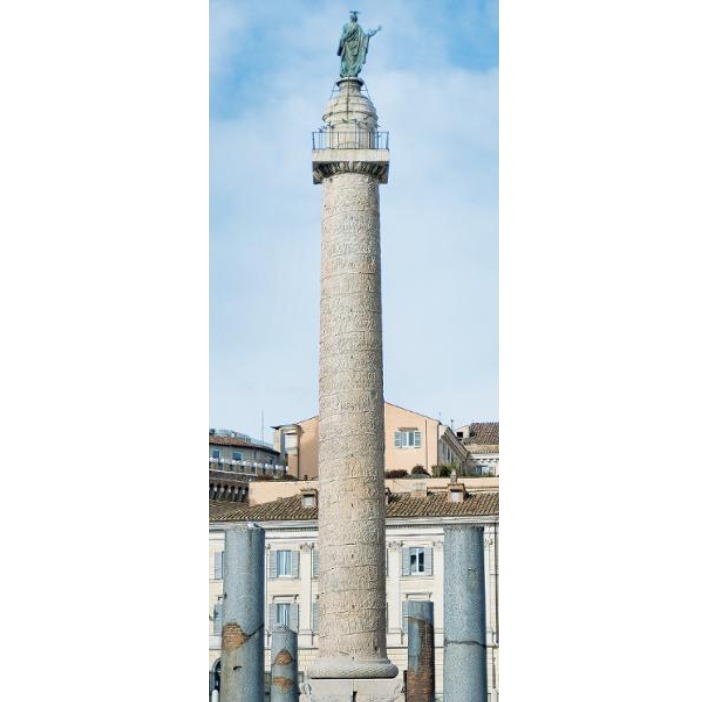
Column of Trajan, forum of trajan, Rome, italy, imperial
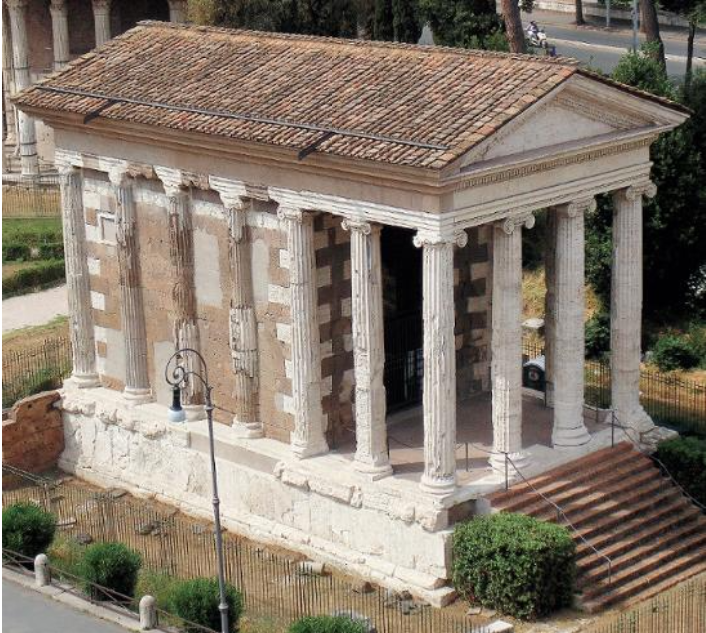
Temple of Portunus, Rome, Italy, Republic
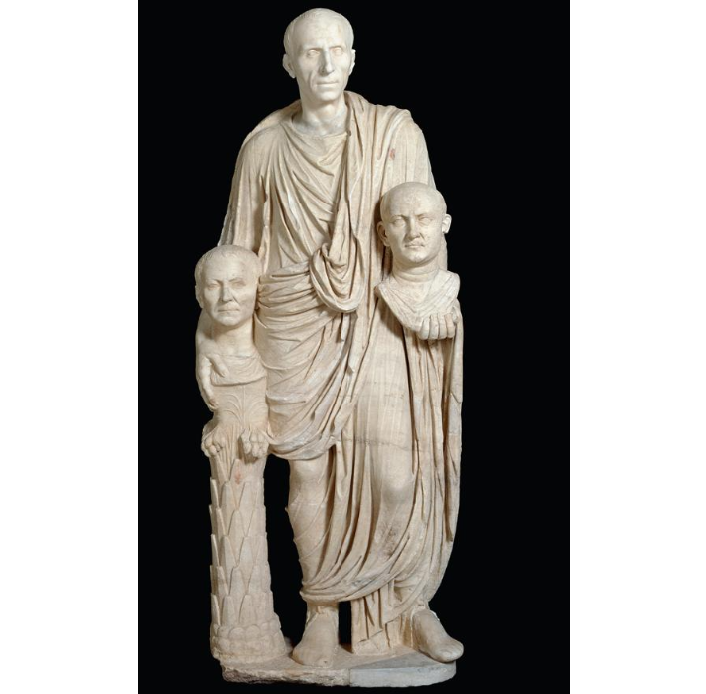
Man w/ portrait busts of his ancestors, rome, republic
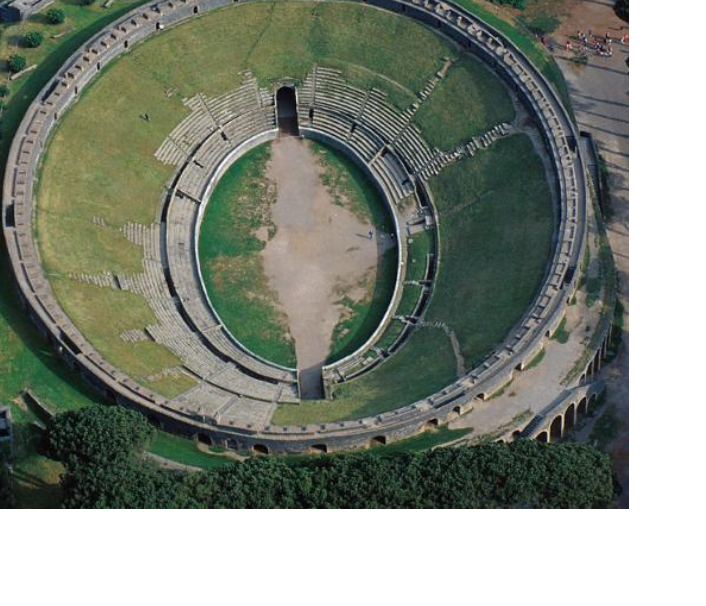
Aerial view of the amphitheater, pompeii, augustan
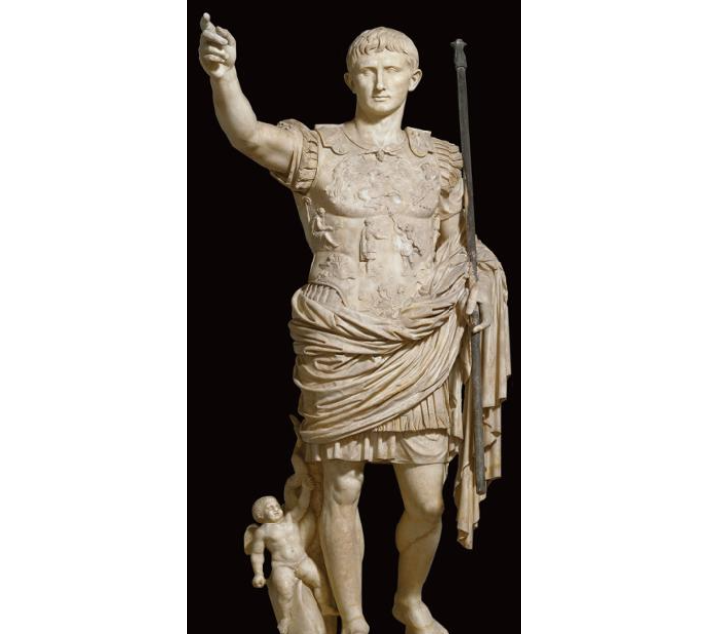
Portrait of Augustus as imperator/general, primaporta, italy, augustan
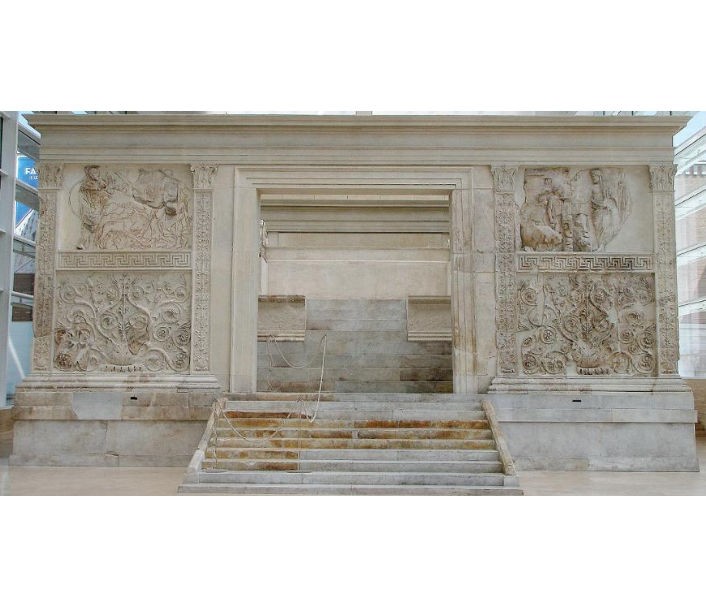
Ara pacis augustae, rome, augustan
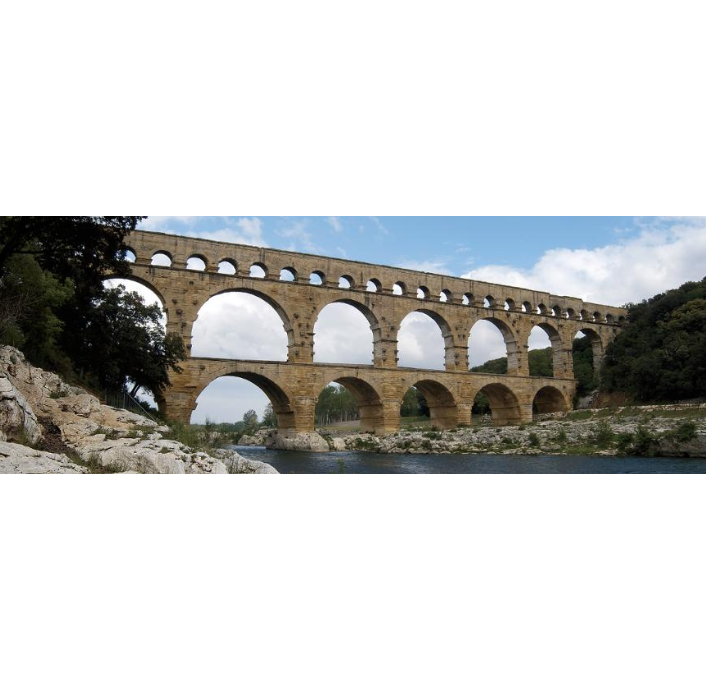
pont-du-gard, nimes, france, Augustan
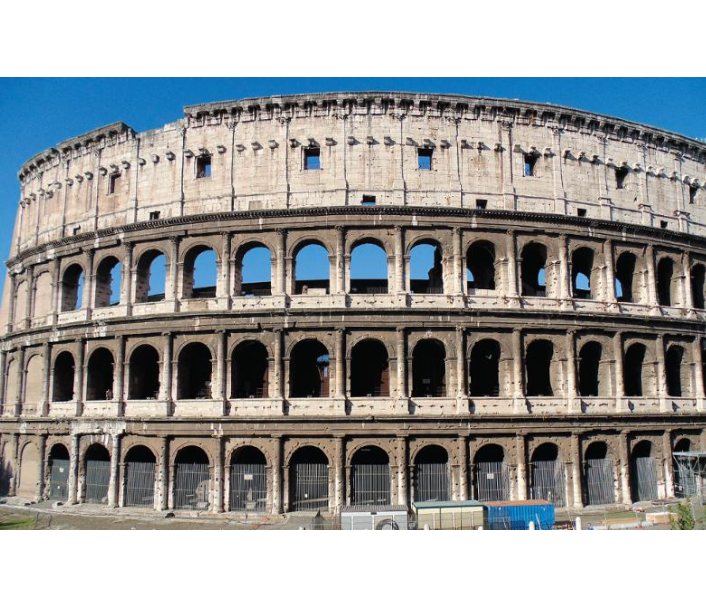
Colosseum/Flavian Amphitheater, imperial
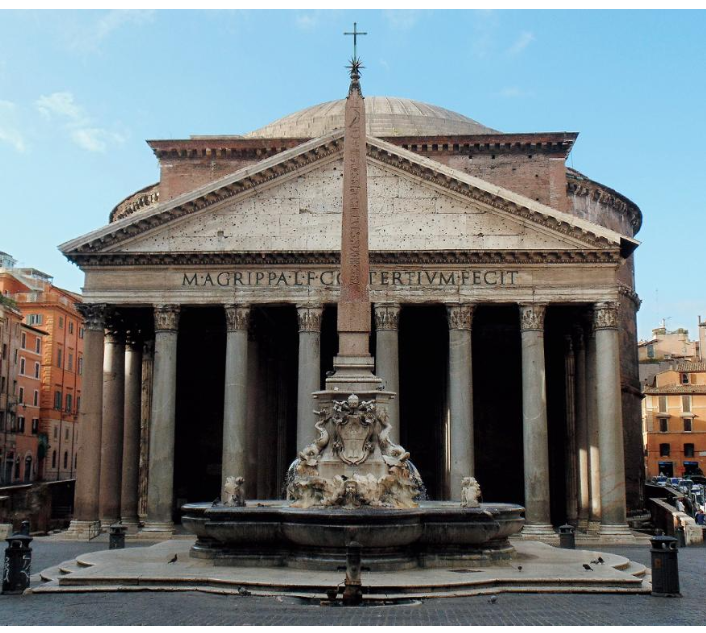
Pantheon, Rome, Imperial
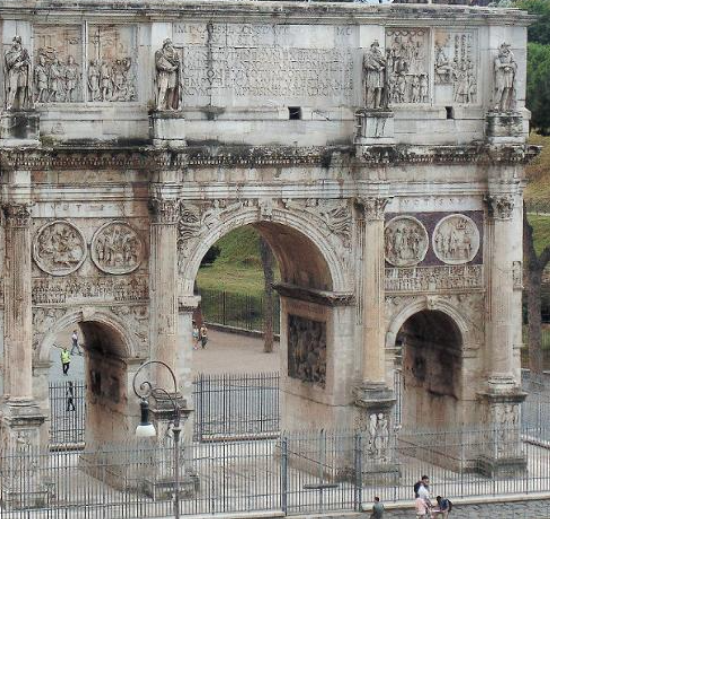
Arch of Constantine, Rome, imperial

