food tech prelims
 View linked note
 Call Kai
 Learn
Learn Practice Test
 Spaced Repetition
 Match
Match Flashcards
 Knowt Play
1/145

There's no tags or description
Looks like no tags are added yet.
Name | Mastery | Learn | Test | Matching | Spaced | Call with Kai |
|---|
No analytics yet
Send a link to your students to track their progress
146 Terms
microwaving
converting electromagnetic energy into thermal energy to generate heat.
Retains vitamins well as not lost in water
steaming
Indirectly using hot steam to cook food.
Not as much heat damage and fat-soluble vitamins are retained
poaching
heating food submerged in a liquid
decreases nutrient retention
boiling
heating food in boiling water
washes away 60-70% of minerals and water-soluble vitamins
grilling
Food at a high heat source
ruin heat sensitive vitamins
stir-frying
cooking ingredients in hot oil
loss of vitamin c
baking
dry heat in an oven
vitamin c destroyed
frying
dry heat cooking with oil
damages fat soluble vitamins
broiling
cooking food under high heat for short time
five food groups
developed in the 1950 with 5 groups, whole grain, fruit and veg, meat, milk, butter
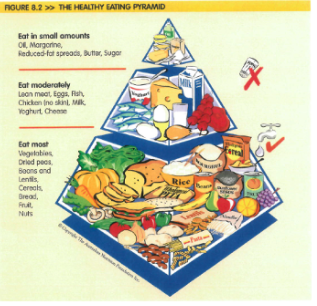
healthy eating pyramid
top is small amounts (oil, butter), middle (meat and dairy), bottom in large amounts (plants)
Australian dietary guidelines
To achieve and maintain a healthy weight, be physically active and choose amounts of nutritious food and drinks to meet your energy needs
Enjoy a wide variety of nutritious foods from the Five Food Groups every day and drink plenty of water
Limit intake of foods containing saturated fat, added salt, added sugars and alcohol
Encourage, support and promote breastfeeding
Care for your food; prepare and store it safely
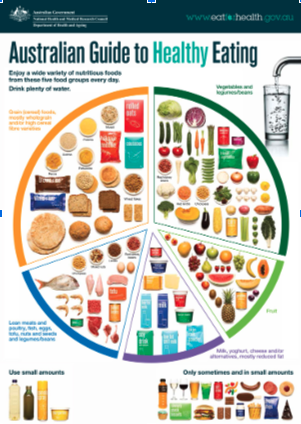
Australian guide to healthy eating
five food groups recommended to eat each day
Technology’s impact on food availability
Humans learned to cultivate plants and domesticate animals, causing farms to become industrialised and global
food processing definition
actions that change raw plant or animal materials into foodstuff suitable for consumption
improvement of food processing
palatability, increased shelf life, safe to eat, assist with transport and distribution
palability
quality of taste
physiological (the body) need for food
meeting nutritional needs, hunger, age, appetite, gender, activity level, sensory perception, satiety
hunger
the physiological need to eat food. can cause crankiness, pain, weakness
age requirement for food
different ages require different amount of nutrients
appetite
desire or craving for food even when the body isn’t hungry. Can be suppressed or stimulated
gender requirement for food
male and females need different requirements
activity level
level of exercise of movement
sensory perceptions
texture, sound, odour, appearance
satiety
physical feeling of fullness
social factors for food selection
lifestyle, religion, media influence, traditions, celebrations
lifestyle that impact food selection
employment, eduction, household role and structures, interests, location
religion impacting food selection
certain practises, can’t eat certain foods
media infleunce
trends, taboos, misinformation
psychological factors affecting food selection
values, beliefs, attitudes, emotions, past experiences
values
deep personal feeling about what is important that reflects our upbringing
beliefs
opinions
taboo
restriction placed on a food due to unproven belief held by a group of people
fad
short lived popular belief around scientific knowledge that reflects society’s current views
fallacies
false ideas on misinterpretation, misinformation
attitudes
established way of thinking and habits
anorexia
not eating to a point where no longer hungry
bulimia
vomiting food or taking laxatives
economic factors affecting food selection
money available, economy, occupation, finances, resources
money available affecting food selection
inflation and rising costs of food
poverty
state or condition of lacking basic needs for food, clothing and shelter
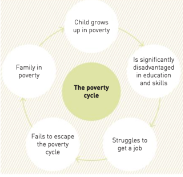
poverty cycle
child grows in poverty → is disadvantaged → cannot get a job → family in poverty
relative poverty
when a person cannot afford to satisfy one or more basic human needs and standards which is below the rest of community
absolute poverty
life threatening inability to supply basic human needs over time
affluence
great wealth and abundance
embargoes
partial or complete prohibition of trade with certain country
tariff
tax on the cost of imported food
technology can do with farming
irrigation, genetic modification of plants, pesticides, cross breeding, labour intensive work
future types of farming
vertical farms, hydroponic farms, 3d printing of food
minimally processing of food
food has small alterations but similar to original state
moderately processing of food
Food with other ingredients for flavour or texture but still mostly in raw form
heavily processed foods
foods have multiple ingredients and processes
electricity affecting food availability
refrigeration, ovens
tools that affecting food availability
knifes, frying pans, packaging
marketplace
where consumers purchase goods and services they want and need
food security
the state of having reliable access to sufficient quantity of affordable nutritious food for any people of class, gender or religion to sustain a healthy and active life
factors affecting food availability
access to farming land, conflict, food wastage, location, trade rules
staple foods
food that is affordable and readily available to the population that is plentiful and a major source of energy
staple plant foods
potato, rice, wheat, corn, banana, soybean
staple animal foods
beef, pork, chicken, tuna, salmon
vacuum packaging benefits
increase storage life
value adding packaging
increases convenience, ready made meals, prewashed salads)
gas barrier packaging
manipulating atmosphere inside packaging
subsistence agriculture
farming for farmers benefit and survival
industrial agriculture
production of livestock, poultry, fish and crops
plastic packaging
wrapping perishable food for protection
senses affecting food
sight, smell, touch, hearing, taste
5 types of taste
sweet, salty, bitter, umami, sour
mouthfeel
texture types felt in the mouth
appearance examples that influence food choices
colour, shape, size, gloss, transparency
odour judging food quality
can sense the freshness of products and compare to its standard
mouthfeel definition
tactile sensations and phsyical propertyies in the mouth
preference taste test
supply information about likes and dislikes, opinion based
hedonic descriptors
rate foods using words or on a scale of 1-10 or using facial descriptors
paired comparison
picking best product out of 2 samples
scoring methods
ranking products on a scale
discrimination tests
seeing if consumers can tell the difference between samples of food in relation to specific attribute
paired comparison
2 samples that appear alike to see difference
triangle test
3 samples with 2 the same to see which one is different
2 out of 5 test
3 samples the same and 2 are different
ranking
ranking in order of one attribute
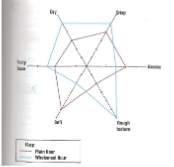
star diagram
compare products with competitors in a star formation
garnish
edible ingredients normally on top of savoury dishes
decoration
edible ingredients in sweet foods to embellish
purpose of garnish and decoration
enhance flavour, texture and colour for visual appeal
food styling
preparing a visual display of food
colour for food presentation
fruits and vegetables colour, contrasts to look appealing, match food with plates and crockery
considerations for food presentation
colour, shape, arrangement, texture, focal point, garnishing, plating
arrangement for food presentation
Height, stacking foods, grouping, odd numbers and not overcrowding
texture for food presentation
different textures for appeal
focal point for food presentation
one food stand out with colour, texture or garnish
plating for food presentation
size, shape, colour, portion, clean, sauces
example of a food stylists
Donna Hat
physical contamination of food
occurs during food processing and production, soil in ground or hair in food
chemical contamination of food
chemicals from farm, cleaning products, sprays when preparing food
bacterial contamination of food
autolysis, microbial spoilage
autolysis
self destruction cause by enzymes present in the food
microbial spoilage
cause by the growth of bacteria, yeasts and moulds
oxidation autolysis
loss of nutrients such as vitamin A and C in food
FATTOM
food, acid, time, temperature, oxygen, moisture