Art History Final Exam
 Studied by 0 people
 Call Kai
 Learn
Learn Practice Test
 Spaced Repetition
 Match
Match Flashcards
 Knowt Play
1/98

There's no tags or description
Looks like no tags are added yet.
Name | Mastery | Learn | Test | Matching | Spaced | Call with Kai |
|---|
No analytics yet
Send a link to your students to track their progress
99 Terms
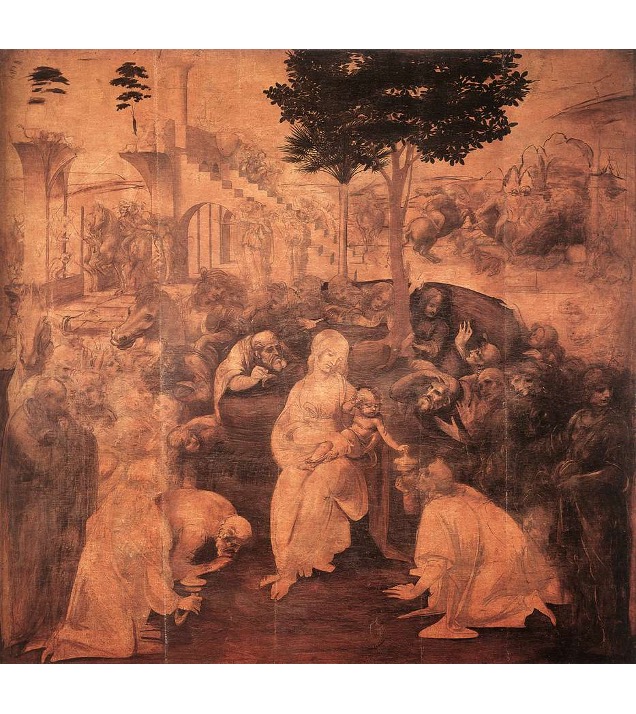
Leonardo da Vinci’s Adoration of the Magi, late 15th, Florence, Uffizi
COMPARE TO Leonardo’s Architectural perspective for the Adoration of the Magi, late 15th, Florence Uffizi
coloring technique (sfumato)
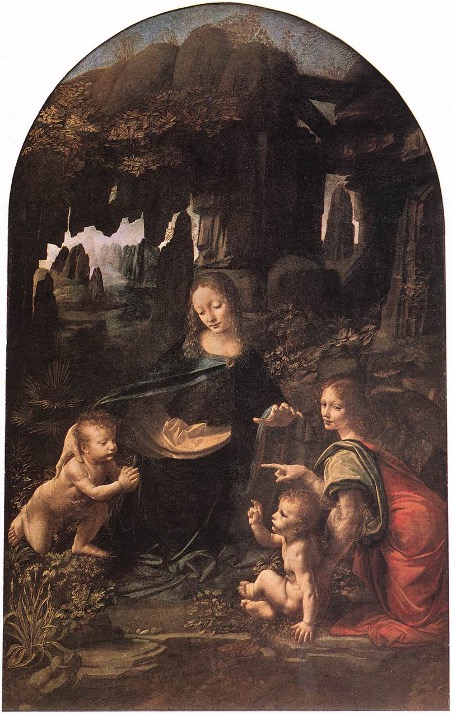
Leonardo da Vinci’s Virgin of the Rocks, late 15th, Paris, Louvre
SFORZA COMMISIONED
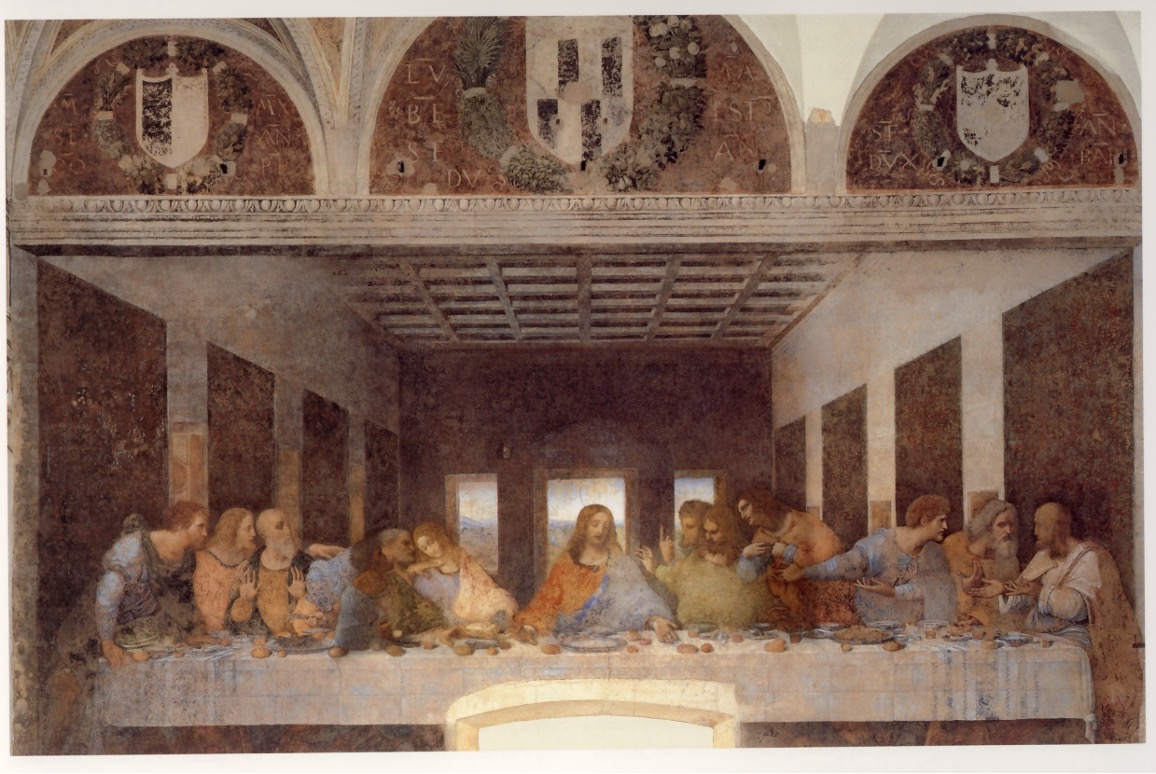
Leonardo da Vinci’s The Last Supper, Refectory of S. Maria delle Grazie, Milan
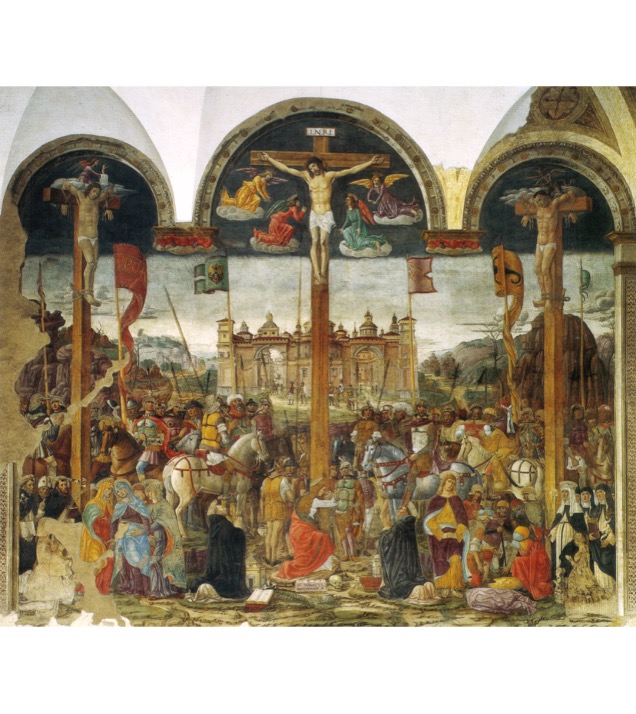
Giovanni Donato Montorfano’s Crucifixion, late 15th, Refectory of S. Maria delle Grazie, Milan
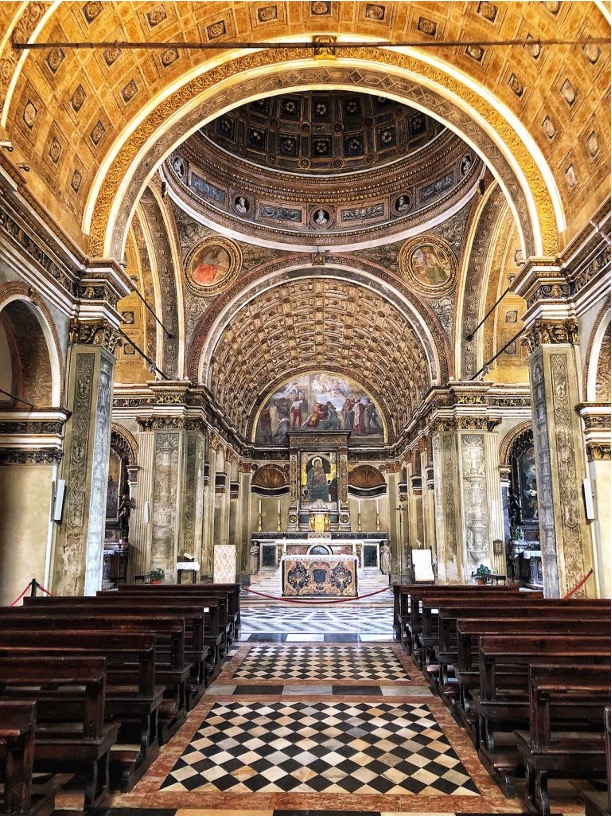
Donato Bromante’s S. Maria presso S. Satiro, late 15th, Milan
illusion/impression of depth on a completely flat wall
compare to the last supper
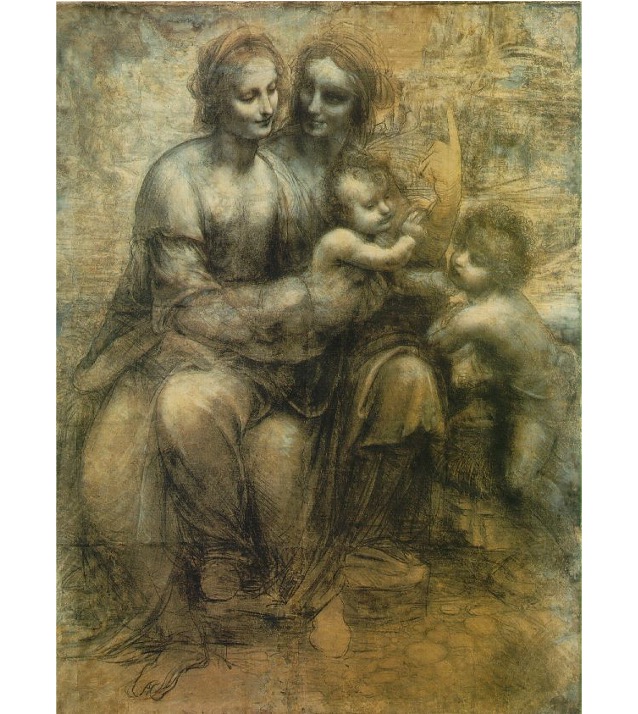
Leonardo da Vinci’s Burlington House Cartoon, late 15th, London National Gallery
compare to Michelangelo’s Doni Tondo
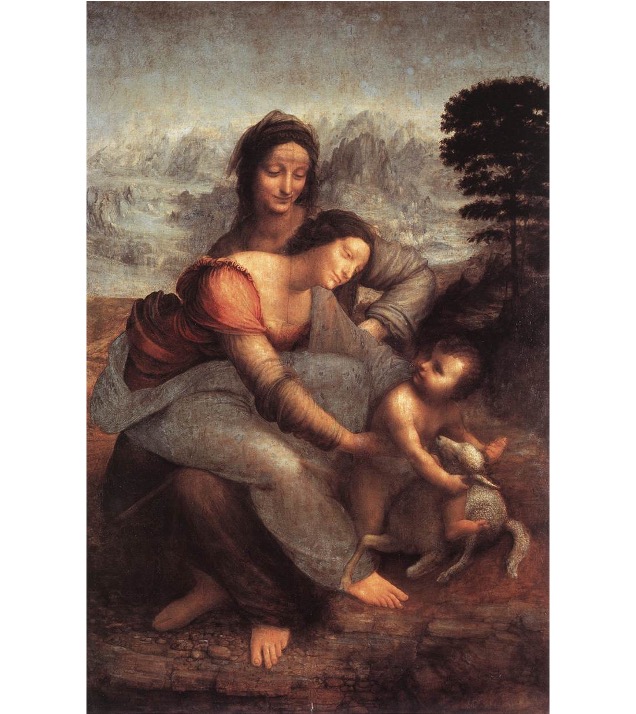
Leonardo da Vinci’s Madonna and Child with St. Anne, early 16th, Paris, Louvre
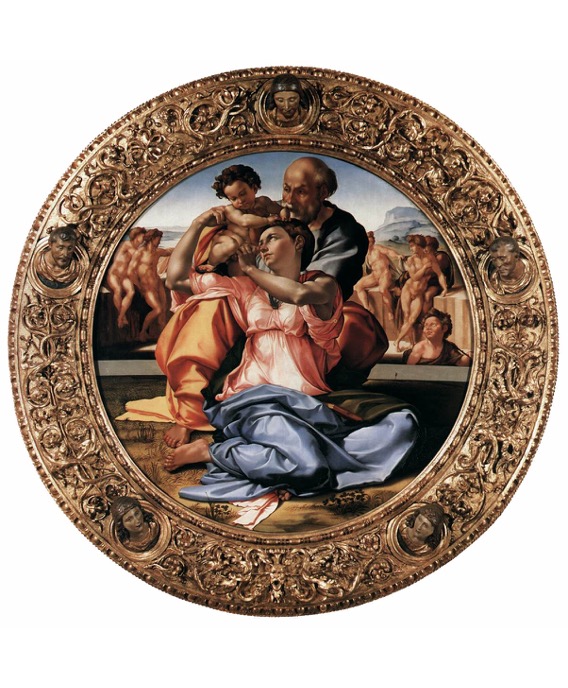
Michelangelo’s Doni Tondo, early 16th, Florence, Uffizi
commissioned for their wedding
Michelangelo is PAINTING like it is a SCULPTURE
compare to Leonardo’s Burlington House Cartoon
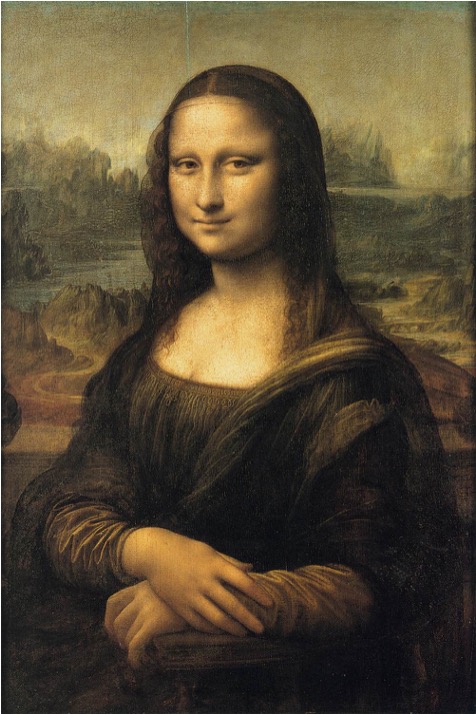
Leonardo da Vinci’s Mona Lisa, early 16th, Paris, Louvre
example of SFUMATO (earthy colors used to blend and create a softer visual more appealing to the eye)
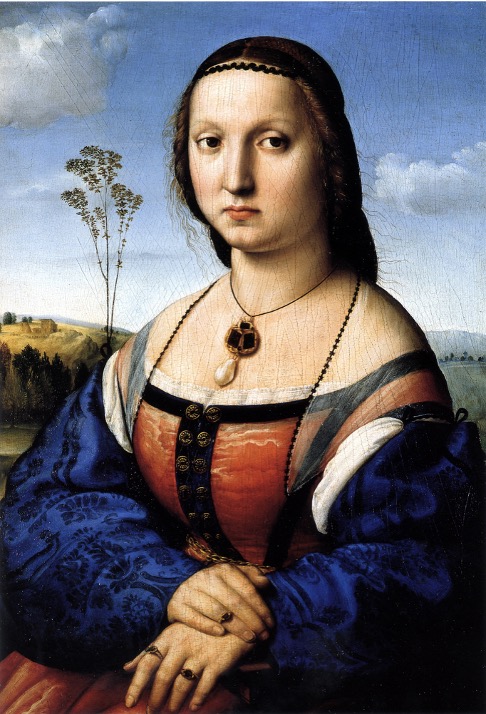
Raphael’s Portrait of Maddalena Doni, early 16th, Florence, Galleria Palatina
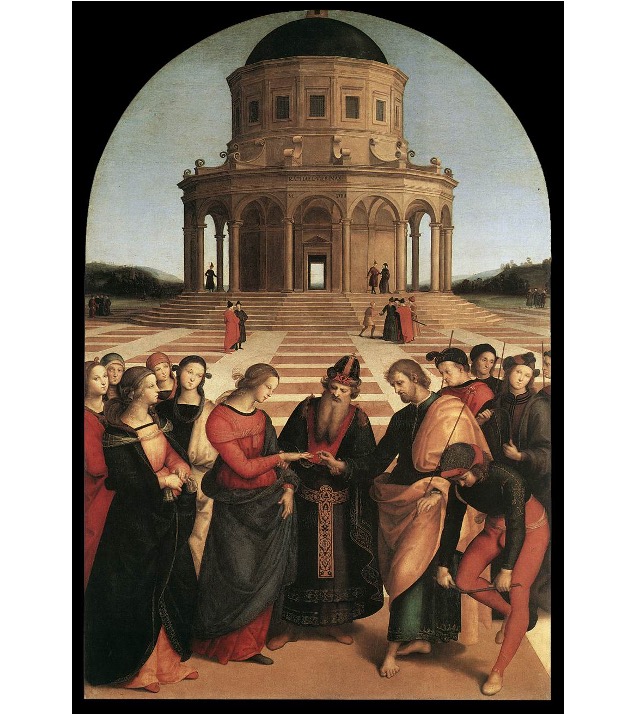
Raphael’s Marriage of the Virgin, early 16th, Milan, Pinacoteca di Brera
SPRIZZATURA EXAMPLE
put his signature above the priest on the temple, shows his perception of himself as an artist
mastery of compostion
studied under Perugino, builds off of Perugino’s to bring you into the action throught eh semi circle the people are standing
references Donato Bramante’s S. Pietro in Montorio, early 16th, Rome
compare to Perugino’s Marriage of the Virgin
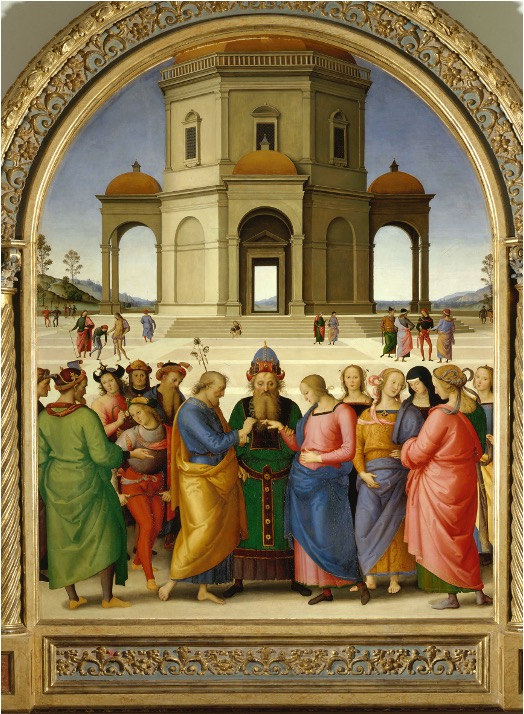
Perugino’s Marriage of the Virgin, early 16th, Caen, Musée des Beaux-Arts
flat, no depth
not nearly as much movement as Raphael’s (Raphael studied under Perugino)
compare to Raphael’s Marriage of the Virgin
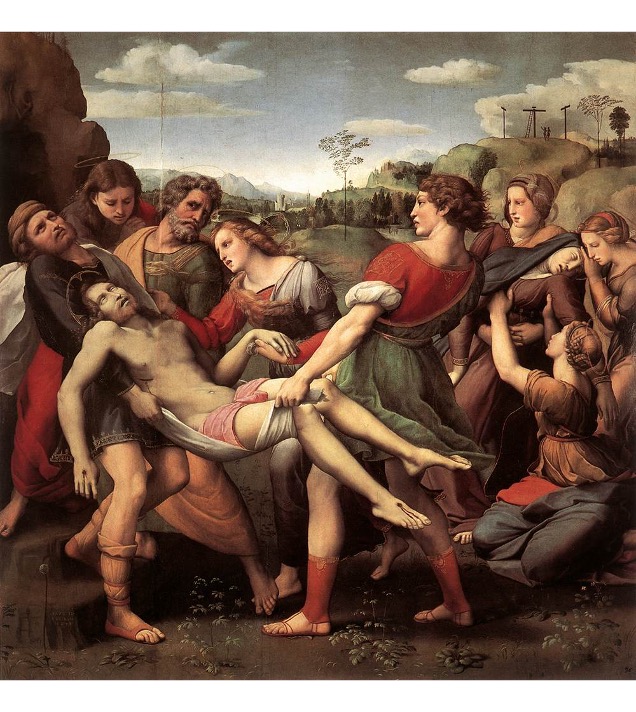
Raphael’s The Entombment, early 16th, Rome, Galleria Borghese
altarpiece at the Baglioni Chapel
divinity of Raphael
importance: he was born and died on good friday, further connecting him to catholicism
compare to Michelangelo’s Doni Tondo
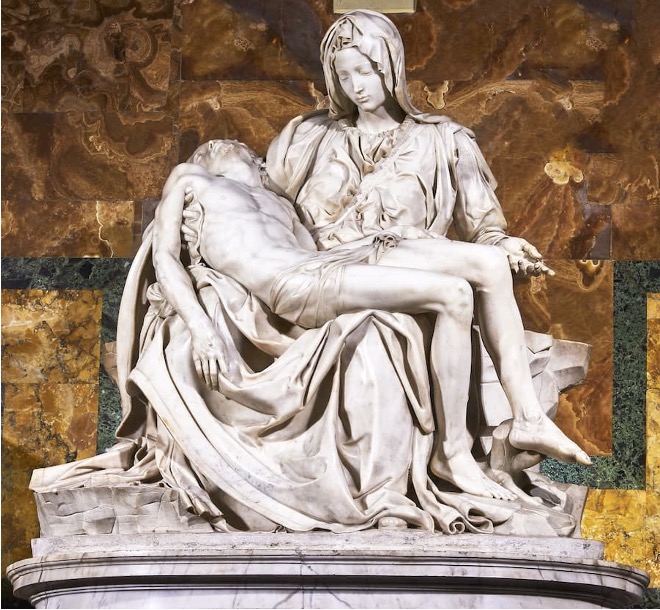
Michelangelo’s Pietà, late 15th, Vatican, Basicila of S. Pietro
made in just one block of marble
left arm is free and pointing to viewers
Michelangelo signs band across the Madonna
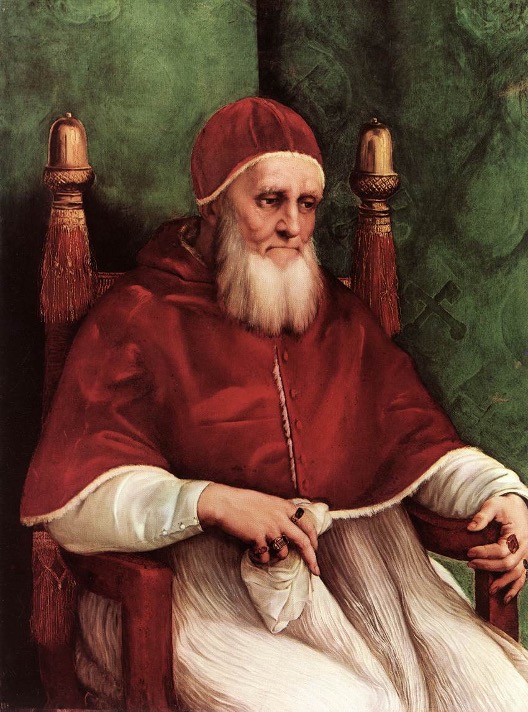
Raphael’s Portrait of Julius II, early 16th, London, The National Galley
Julius II commissioned this piece
considered himself a warrior, however his eyes are sunken in and he looks exhausted in his portrait as it was done a year before he passed
introduces the psychological aspect as it shows the tension between his powerful image and physical decline as he reflects on his life
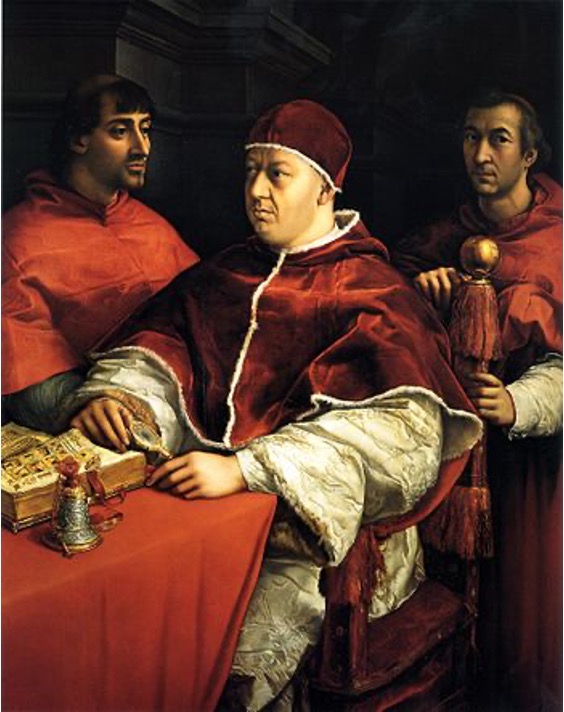
Raphael’s Portrait of Leo X with cardinals Giulio de’Medici and Luigi de’Rossi, early 16th Florence, Uffizi
Leo X commissioned this piece
he has a face of “power” in his portrait, closely backed by the cardinals
seems more powerful with the two men behind him
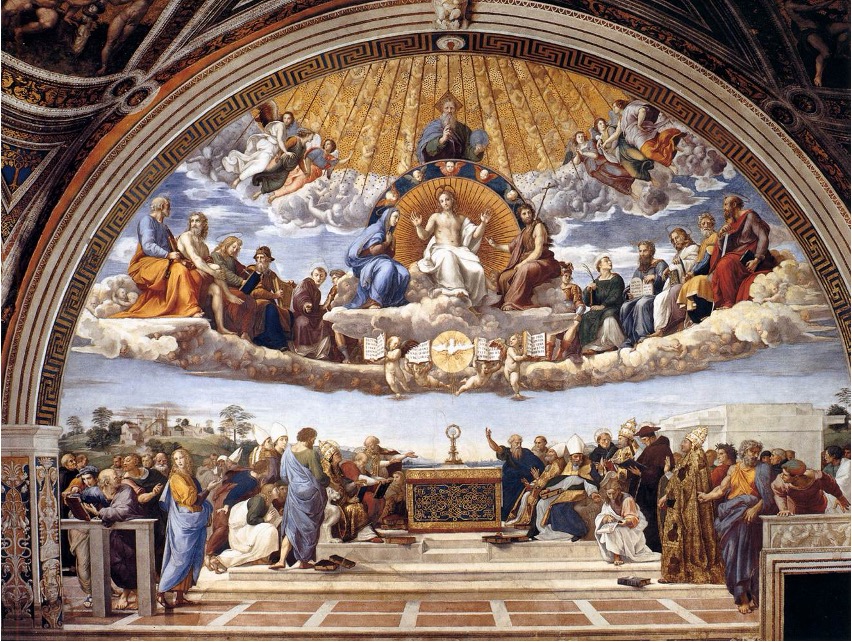
Raphael’s Theology, early 16th, Florence, Vatican Museum, Stanza della Segnatura
monstrance with wafer as focal point
people are seen arguing over the transubstantiation (body of christ as wafer)
across from the philosophy wall
divinity of raphael
importance: he was born and died on good friday, further connecting him to catholicism
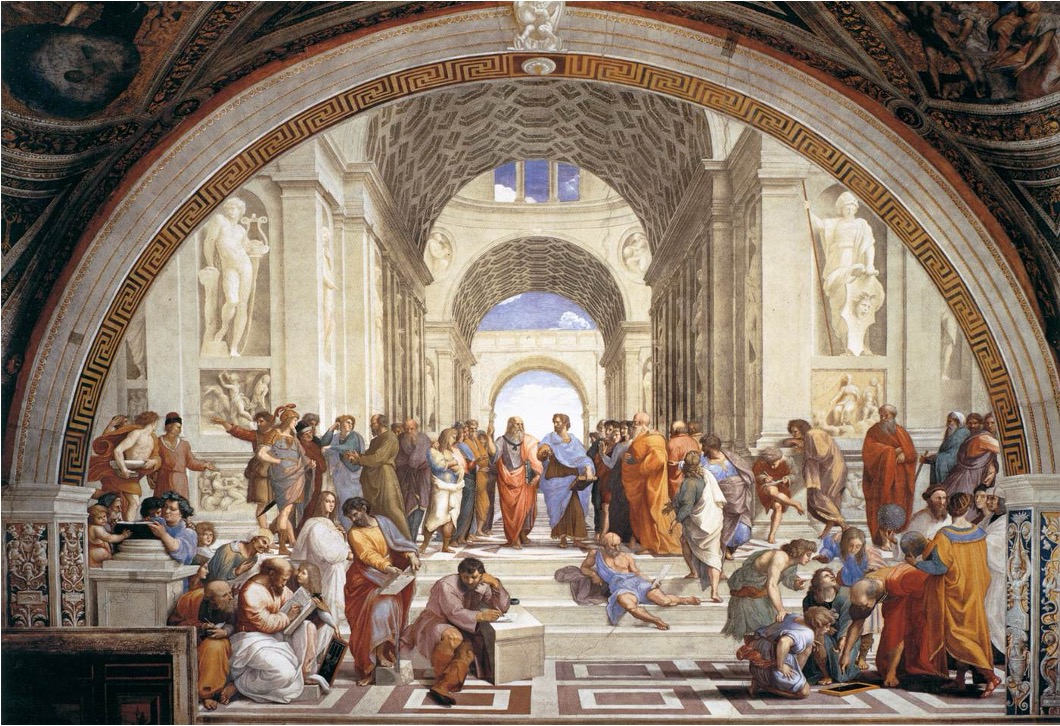
Raphael’s Philosophy, early 16th, Florence, Vatican Museum, Stanza della Segnatura
the basilica is reminiscent of Alberti’s work in Rome
across from the theology wall
2 figures in the center: Plato and Aristotle
Plato is pointing up (grounded in higher vision) and Aristotle is pointing down (empiricist, based on real life)
features Raphael, Bramante-Euclid, and Michelangelo-Heractidus
Michelangelo was a late addition to the work
divinity of raphael
importance: Raphael was born and died on good friday, further connecting him to catholicism
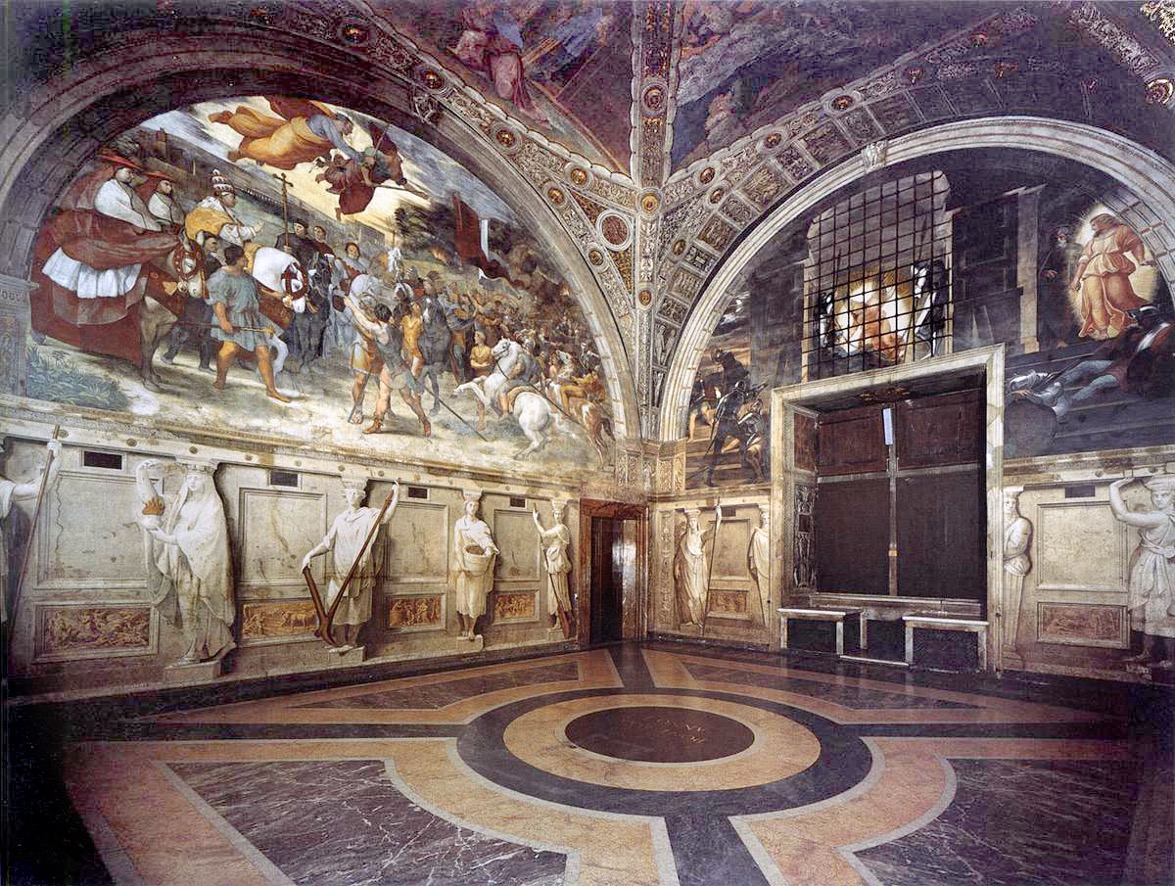
Stanza di Eliodoro, Vatican
Commissioned Raphael’s workshop in Stanza dell’Incendio
Pope Leo
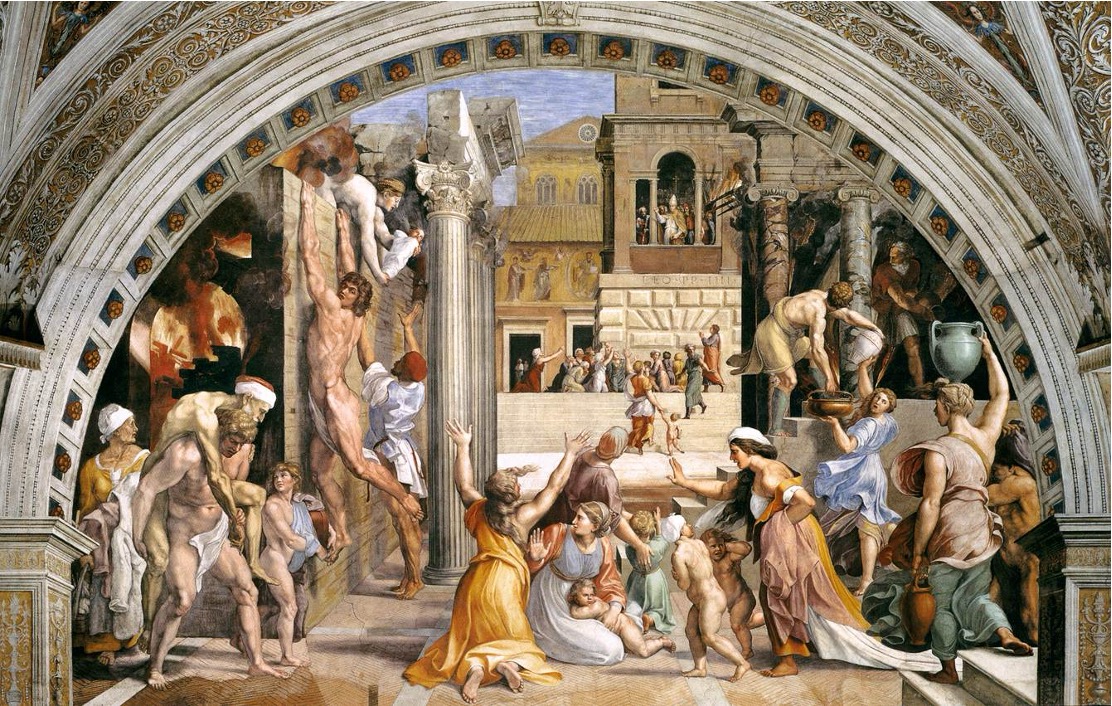
Raphael’s Fire in the Borgo, early 16th
copying Michelangelo
action is in the foreground (movement, panic, anatomically correct)
studying antique art (vases) to study women
quotation of the Burning of Troy
strong yellow vs. pale blue —> very different from his usual colors (used Michelangelo’s typical coloration
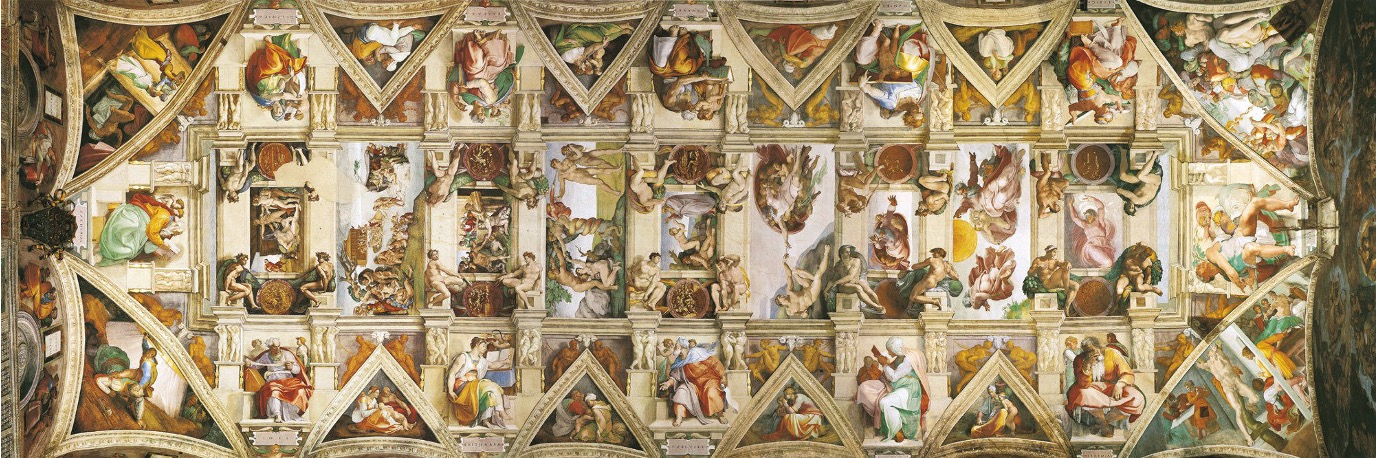
Michelangelo’s Sistine Chapel
Julius II commissioned this
acorns, oak trees everywhere to remind us of Julius II
Old Testament scenes related to the lives of Genesis
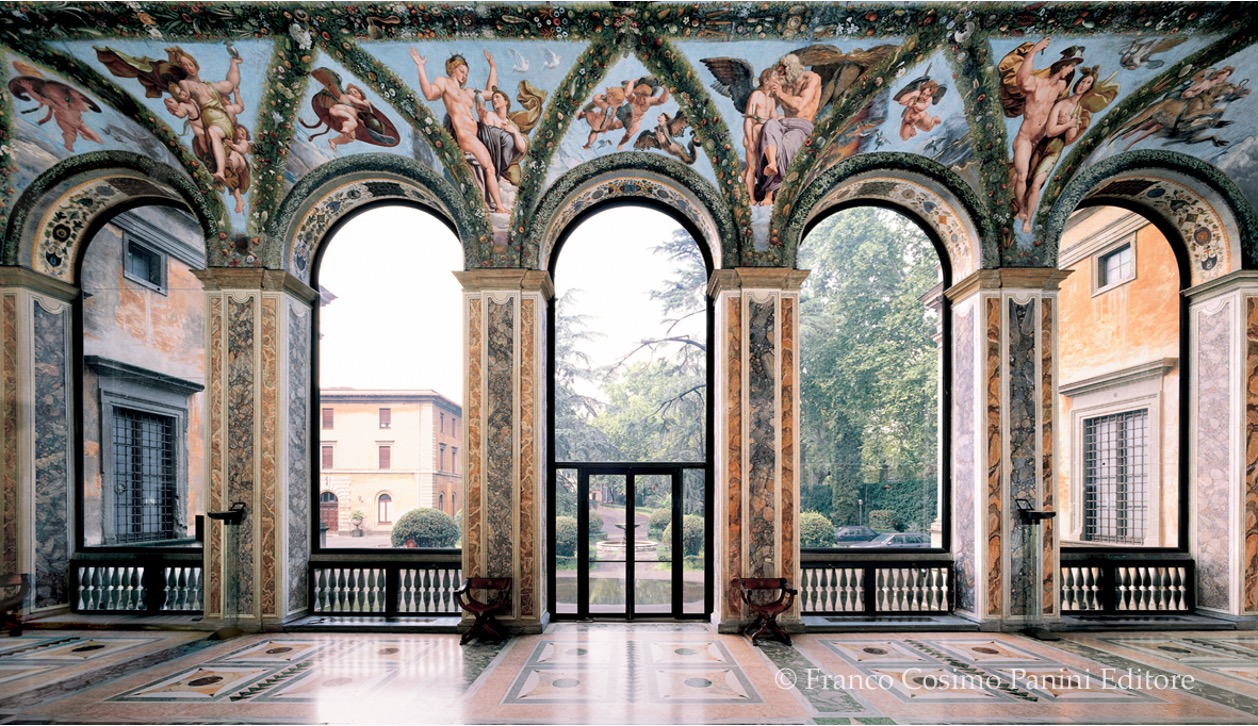
Villa Farnesina/Villa Chigi, Rome, owned by Agostine Chigi, who commissioned Raphael
palace vs villa
city vs country
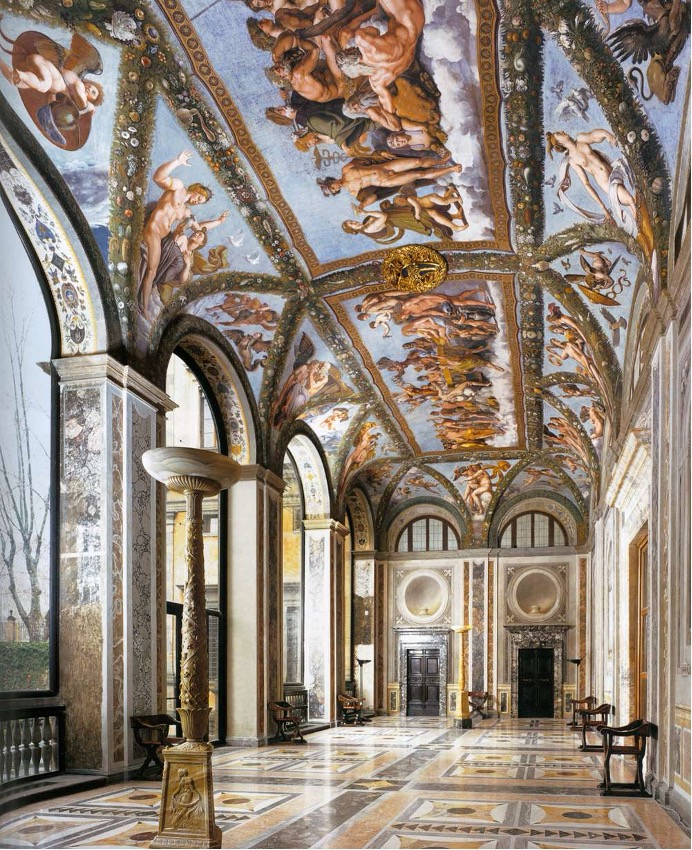
Raphael’s The Loggia of Cupid and Psyche, early 16th, Villa Farnesina, Rome
Venus = boy mom who disliked Psyche for her beauty
Psyche endures trials
Chigi was one of the patrons
painted on tapestries inside and painted sky behind it so that there is a soft passage from the inside to the outside
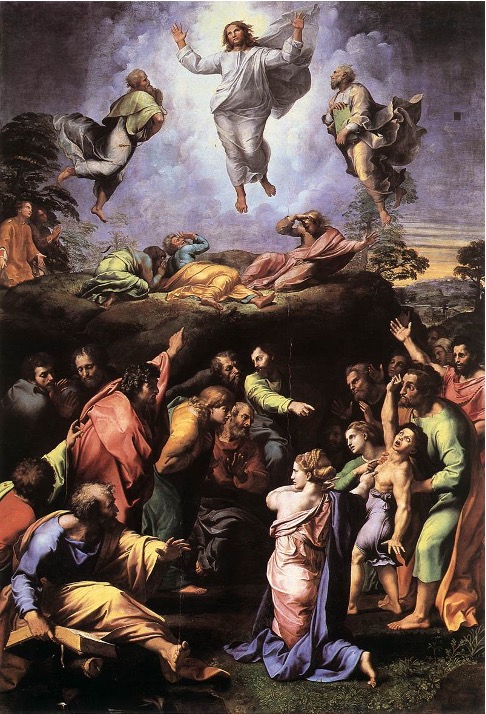
Raphael’s Transfiguration, early 16th, Rome, Vatican museums
his last altarpiece for Giulio di Medici (future Pope Clement VII)
pure white used
possessed boy and Christ as 2 subjects
serpentina
sprezzatura
female figure in the front gives way to the maniera
divinity of raphael
importance: he was born and died on good friday, further connecting him to catholicism
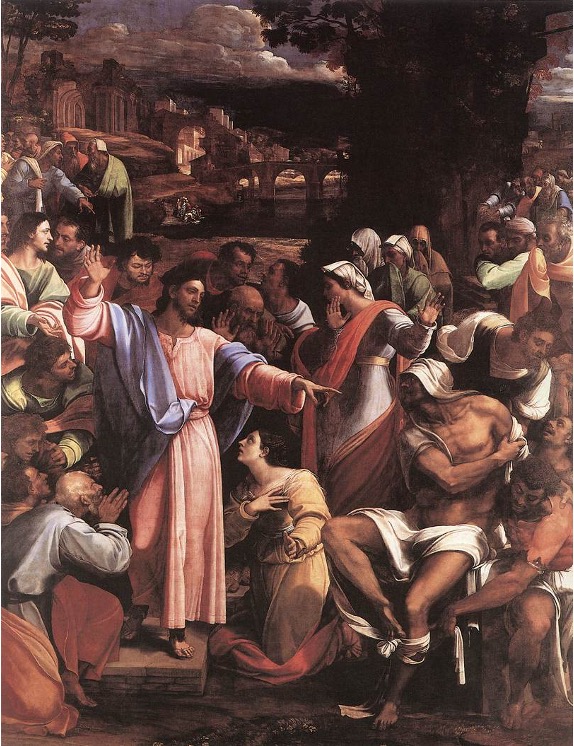
Sebastiano del Piombo, Raising of Lazarus, London, National Gallery
not as sophisticated or graceful
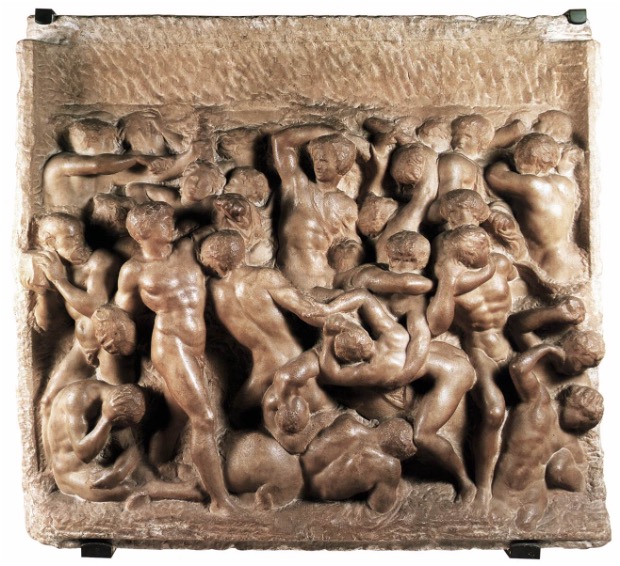
Michelangelo’s Battle of the Centaurs and Lapiths, late 15th, Cosa Buonnarroti, Florence
“serpentina”, no space or background, lots of chaos, seems unfinished
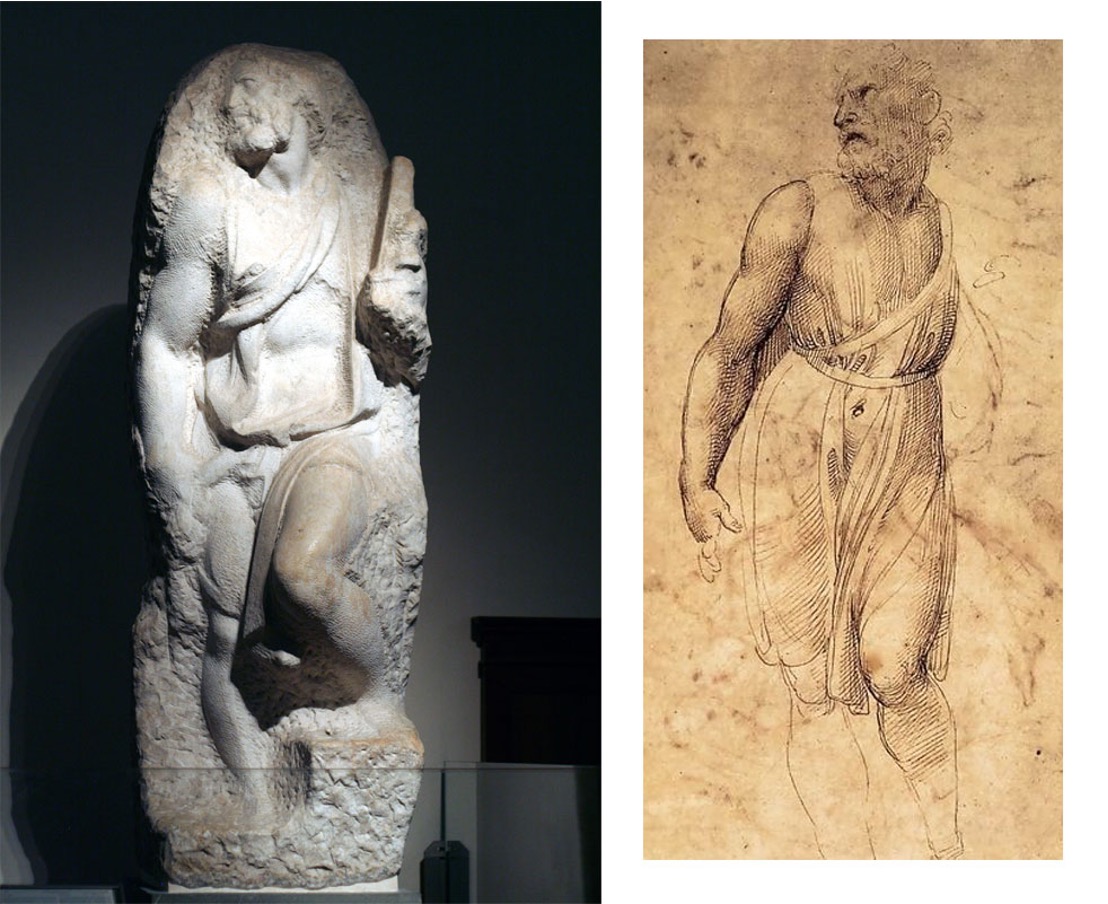
Michelangelo’s St. Matthew, early 16th, Florence’s Galleria dell’Academia
Plato is grounded in higher vision/preparation for theology
seen in sculpture
major ties to theology
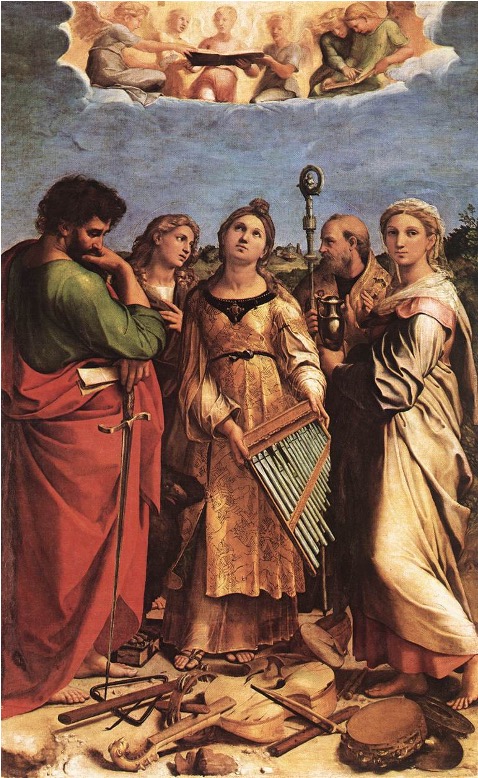
Raphael’s Ecstasy of S. Cecilia, early 16th, Bologna, National Gallery (formerly in the church of S. Giovanni in Monte in Bologna, Beata Elena Duglioli Dall’Olio chapel)
the voices of singing angels
saints are all posed differently to give movement
instruments broken on ground because no noise could compare to the sound of the angels
St. Paul (the thinker) —> all the saints have charity and visions in common
sacred conversation behind her
different theological meanings
divinity of raphael
importance: he was born and died on good friday, further connecting him to catholicism
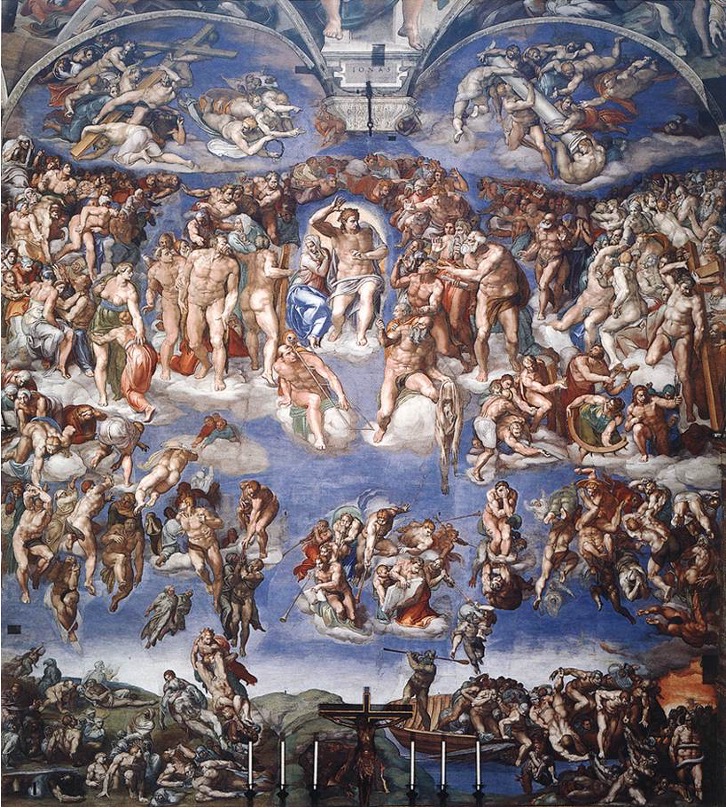
Michelangelo’s The Last Judgment, early 16th, Vatican, Sistine chapel detail
commissioned by Paul III Farnese —> started the Council of Trent, Pope of the Counter reformation
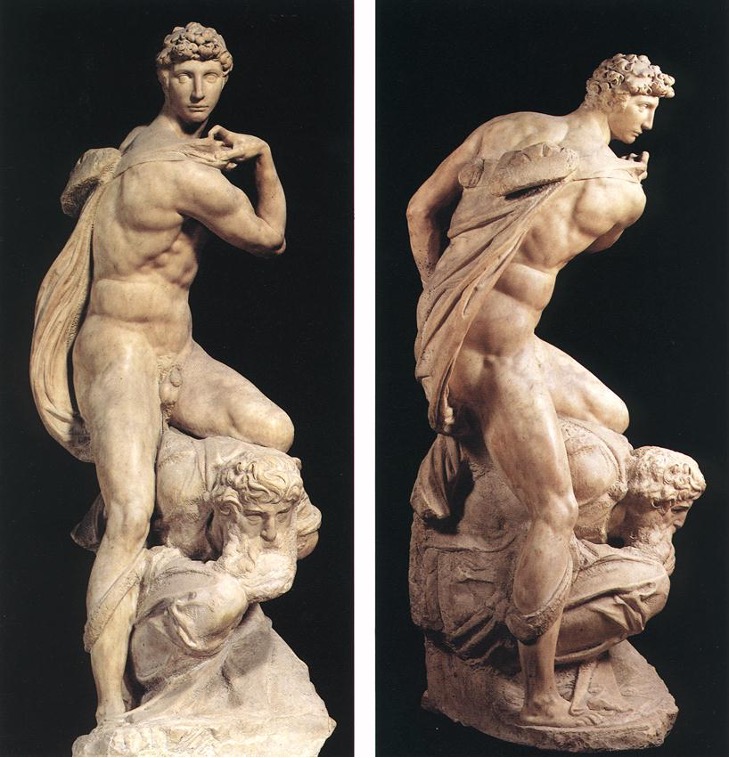
Michelangelo’s Victory (1530 ca.), Florence, Palazzo Vecchio
FIGURA SERPENTINA
Mannerism —> Parigianino, Madonna with the Long Neck
skill and virtuosity of artists is more important than the subject
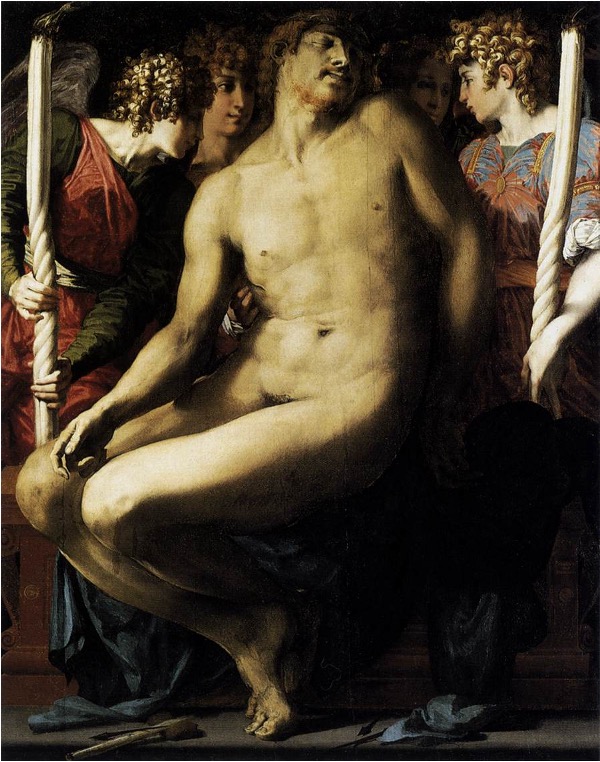
Rosso Fiorentino’s Dead Christ with angels, early 16th, Boston, Museum of Fine Arts
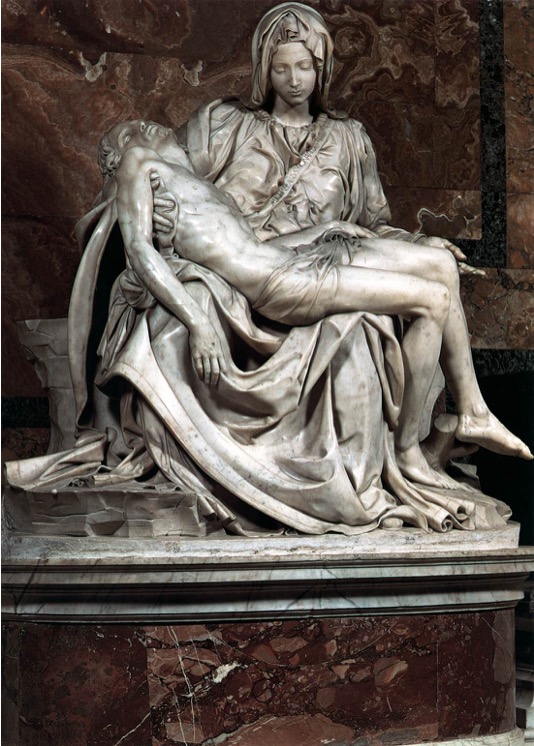
Michelangelo’s Pietà, late 15th, Vatican, Basilica of S. Pietro
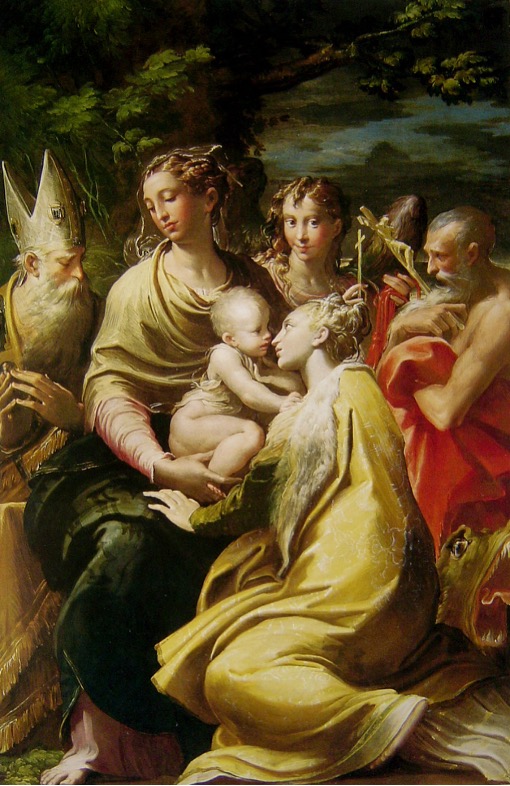
Parmigianino’s Mystic Marriage of St. Margareth, early 16th, Bologna, National Gallery
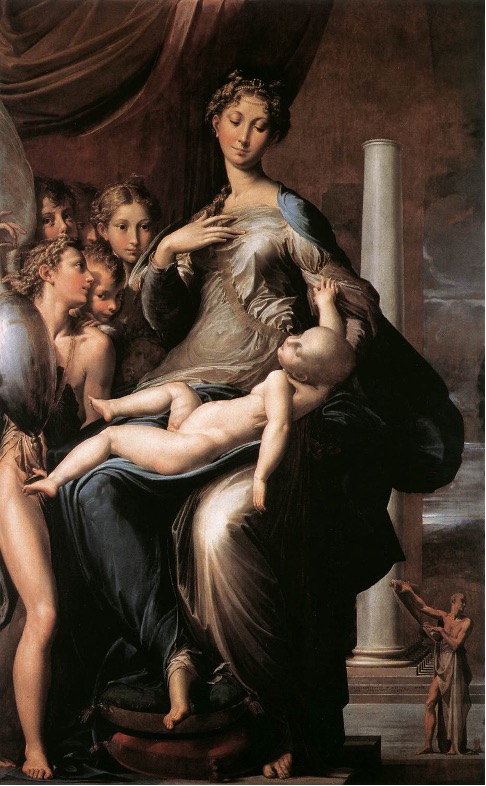
Parmigianino’s Madonna with the long neck, early 16th, Florence, Uffizi
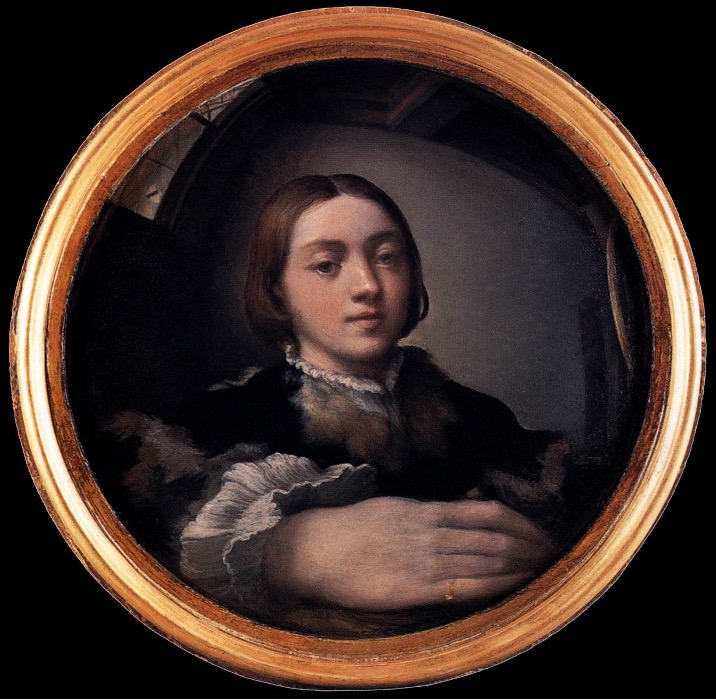
Parmigianino’s Self-portrait in a Convex Mirror, early 16th, Vienna, Kunsthistorisches Museum
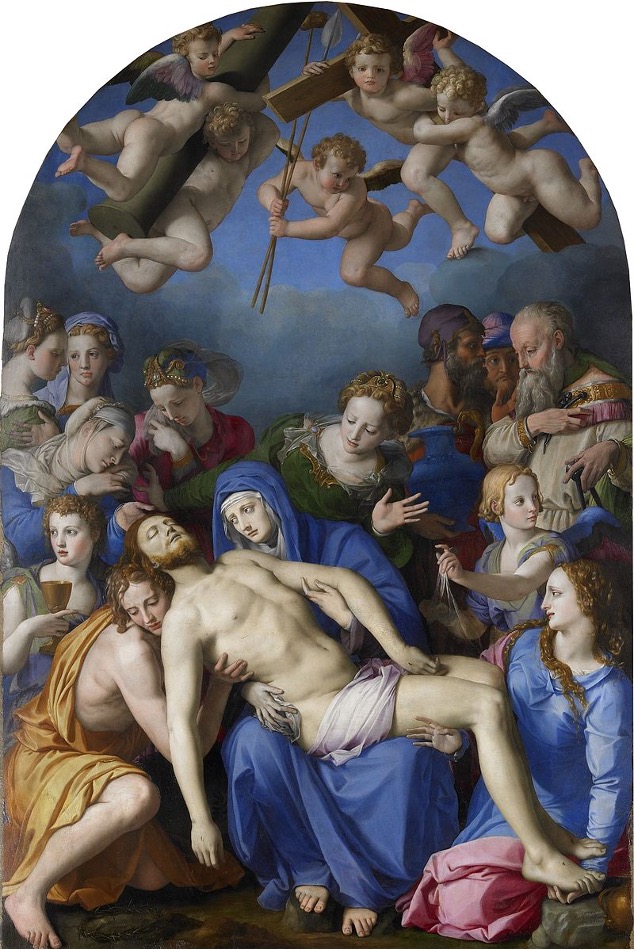
Agnolo Bronzino’s Deposition of Christ, early 16th, Besançon, Musée des Beaux-Arts
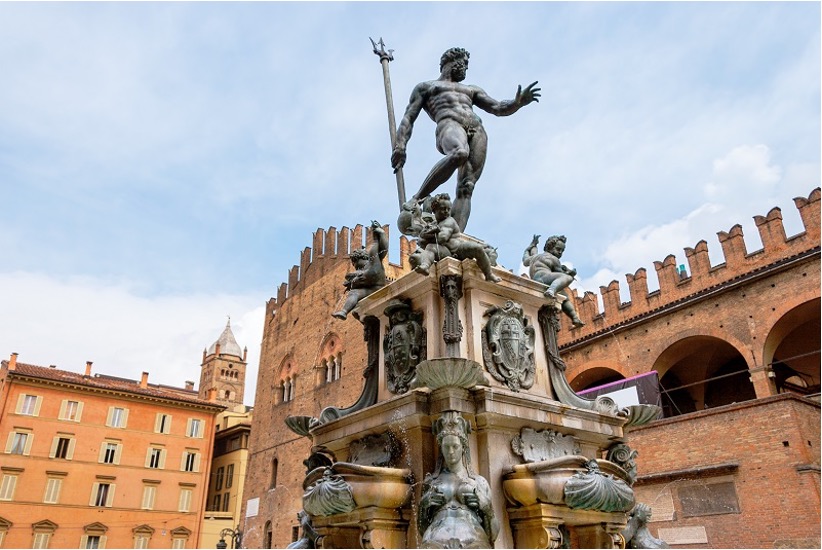
Tommaso Laureti and Giambologna’s Neptune Fountain, late 16th, Bologna, Piazza Maggiore
Neptune is in an evolved contrapposto position from the front, and is in figura serpentina if you look at him from the sides
Neptune is entirely FREE. You can walk around it, and you are actually invited in
Syrens invite you to walk around
THE ELEMENT OF FREEDOM LEADS TO THE BAROQUE
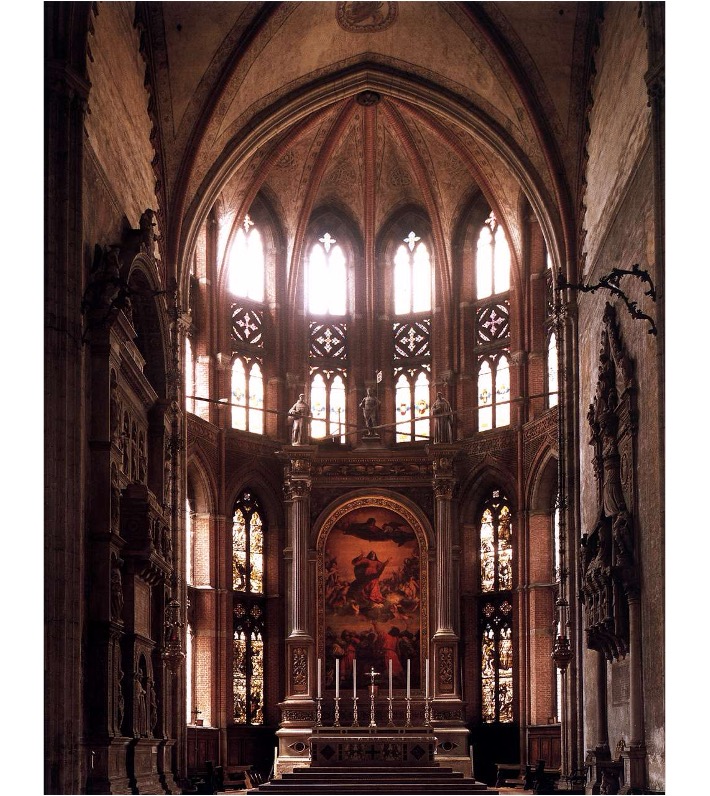
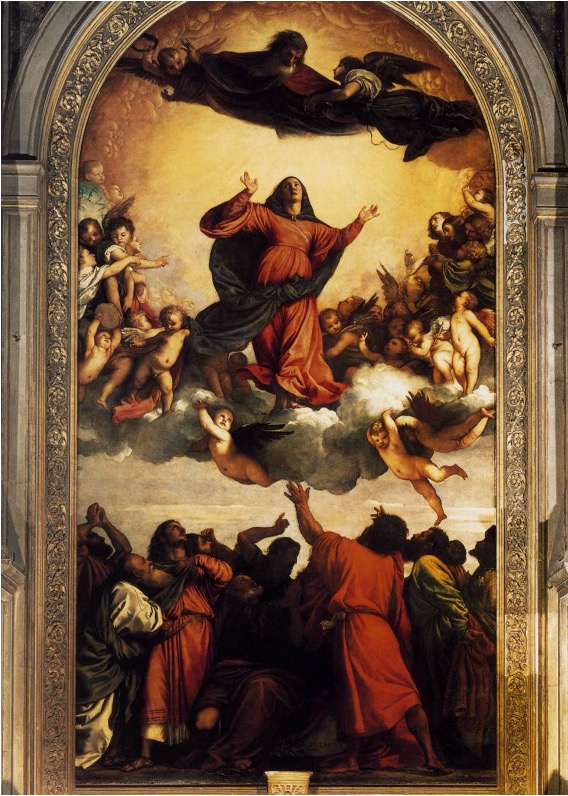
Titian’s Assumption of the Virgin, early 16th, Venice, Santa Maria Gloriosa dei Frari
Compare to Theology
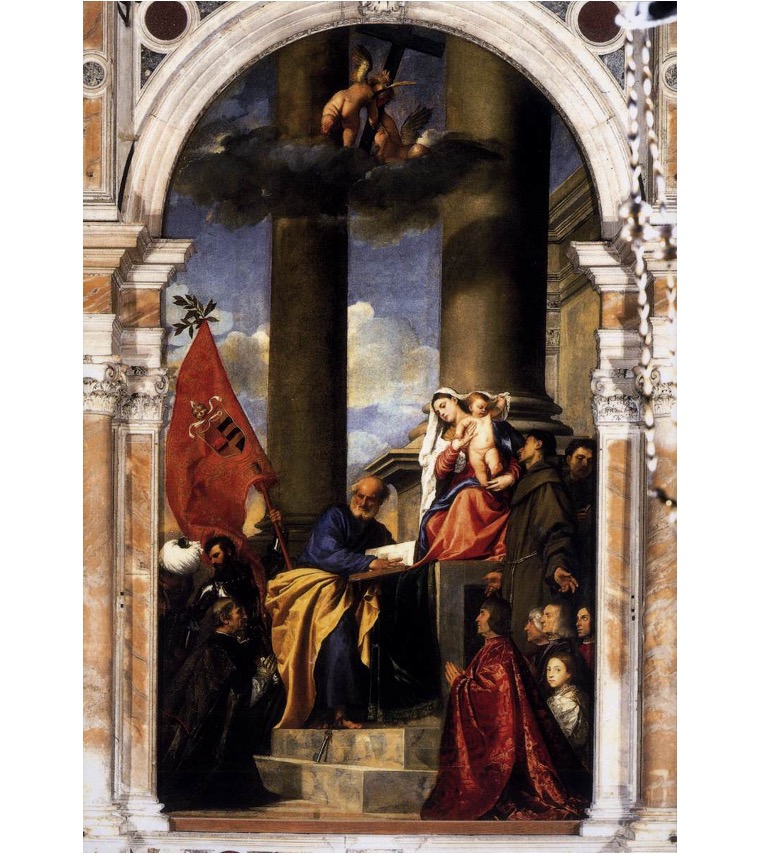
Titian’s Madonna with saints and members of the Pesaro family, early 16th, Venice, Santa Maria Gloriosa dei Frari
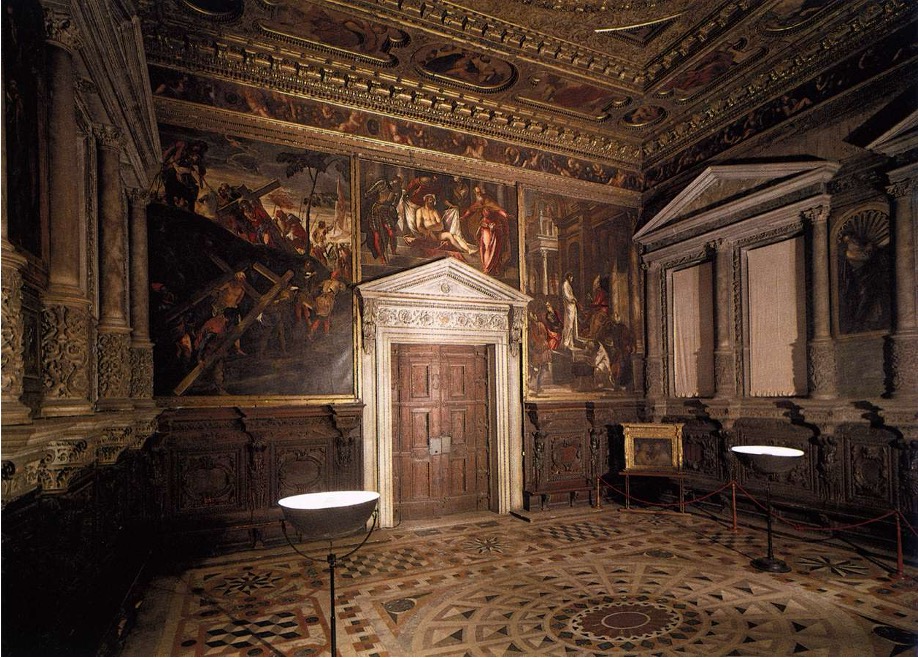
Sala dell’Albergo, Scuola Grande di San Rocco, Venice
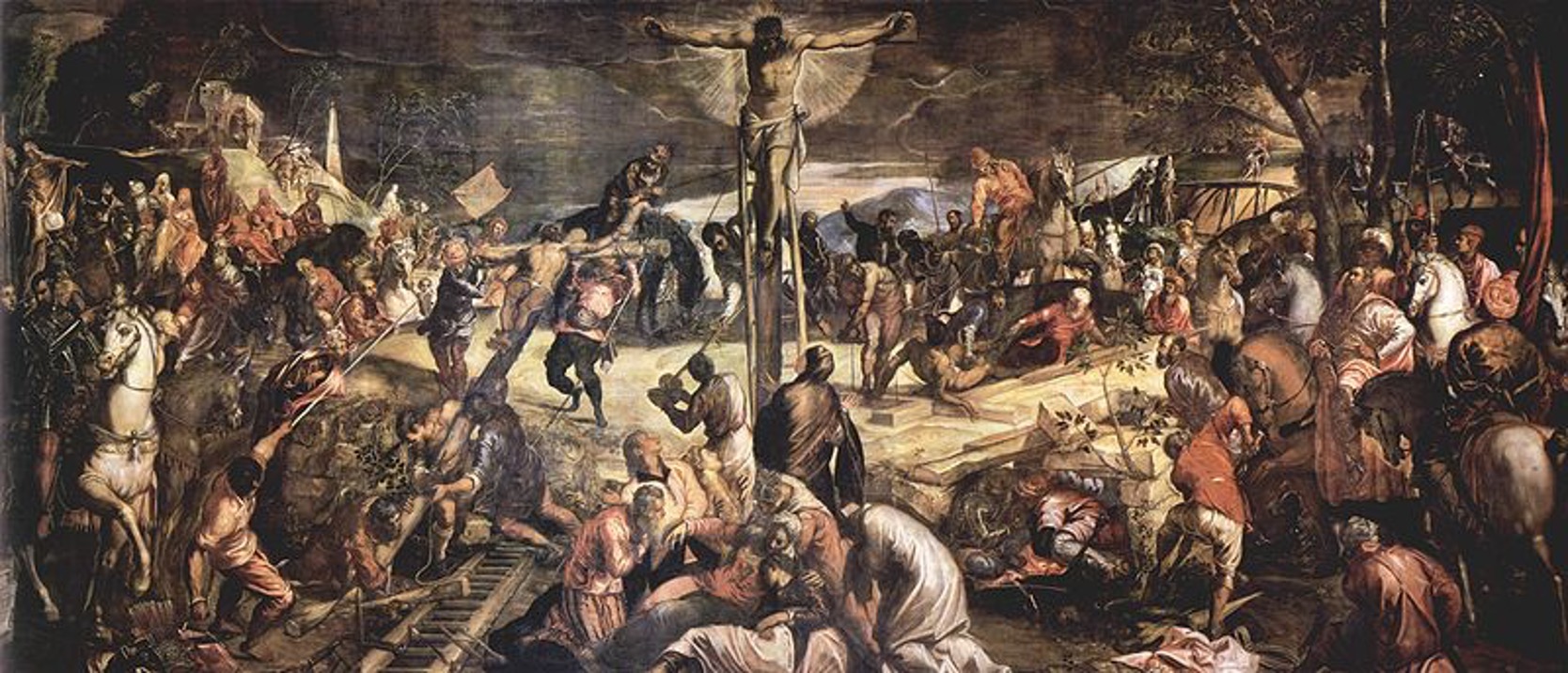
Tintoretto’s Crucifixion, late 16th, Sala dell’Albergo, Scuola Grande di San Rocco, Venice
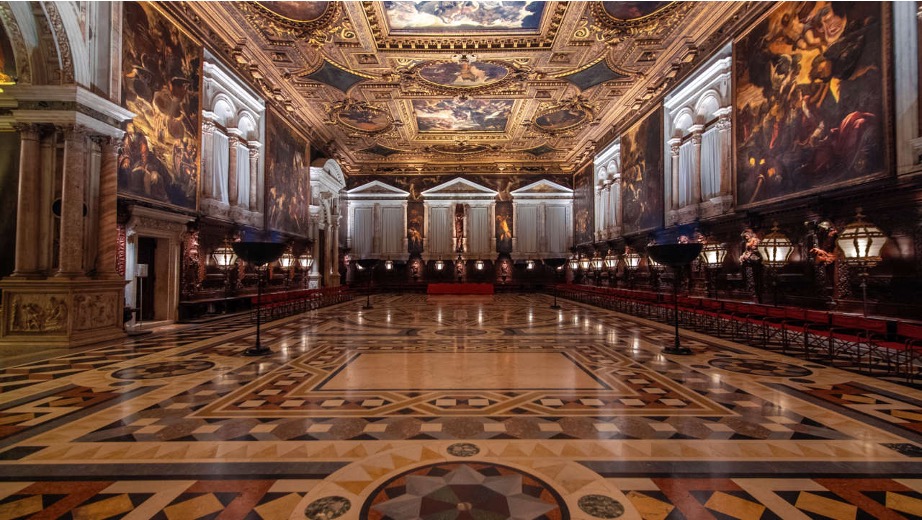
Venice, Scuola di San Rocco, Sala Superiore, late 16th
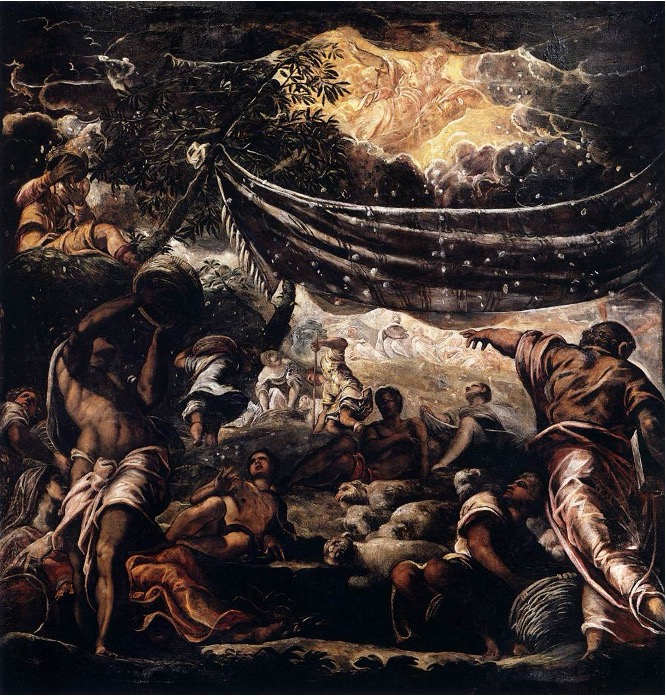
Tintoretto’s The Gathering of the Manna, late 16th, Sala Superiore, Scuola Grande di San Rocco, Venice
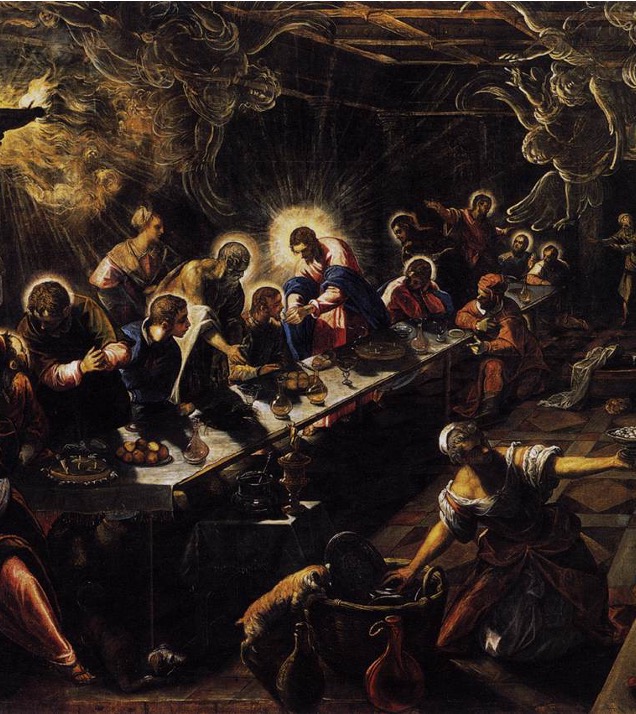
Tintoretto’s Last Supper, late 16th, San Giorgio Maggiore, Venice
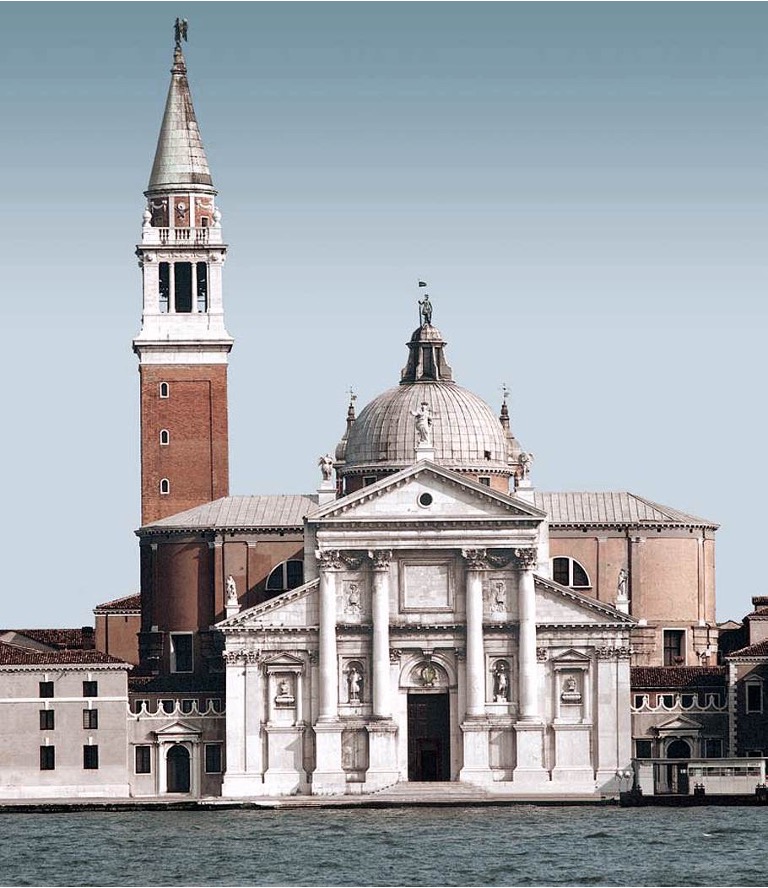
Andrea Palladio’s façade of S. Giorgio Maggiore, late 16th, Venice
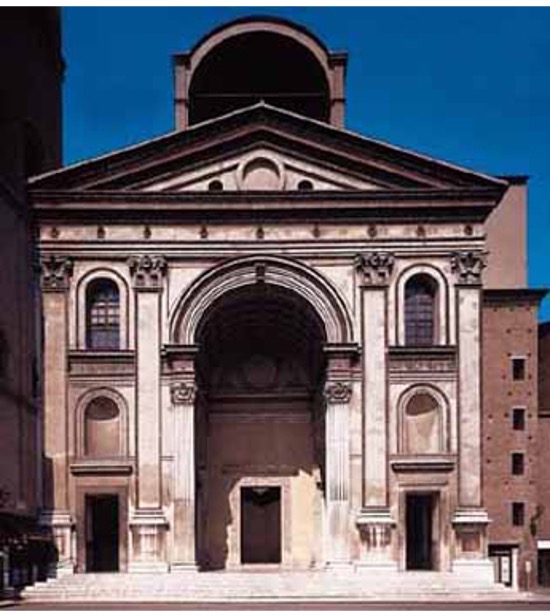
Leon Battista Alberti’s Church of Sant’Andrea, late 15th, Mantua
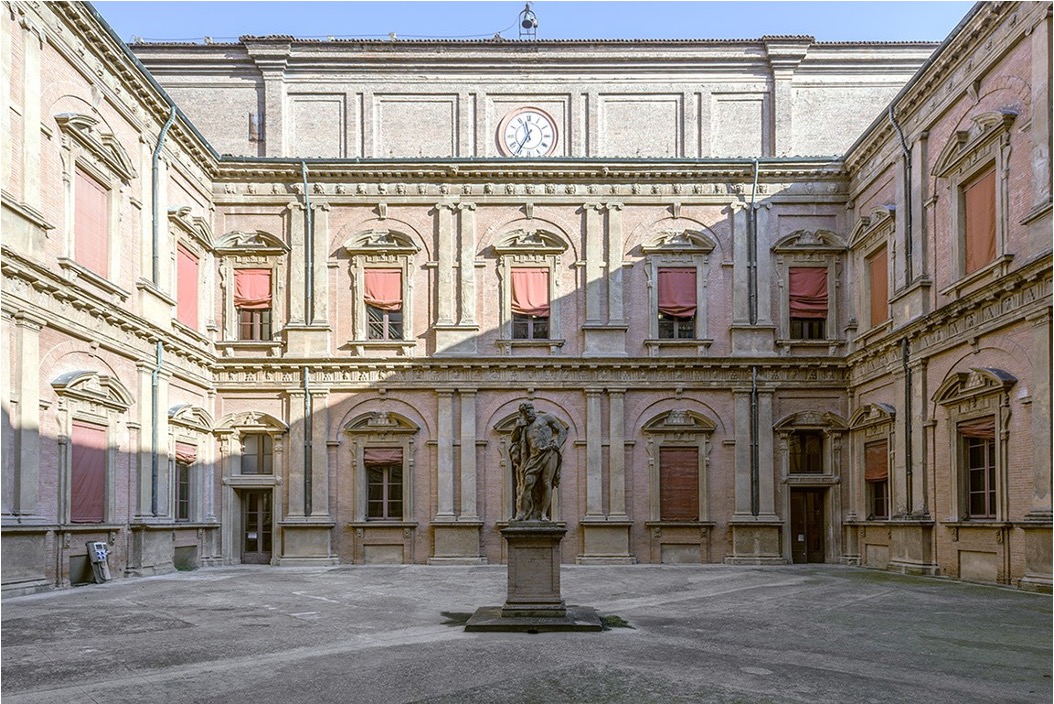
Pellegrino Tibaldi (attr.), Courtyard, mid 16th, Bologna, Poggi Palace
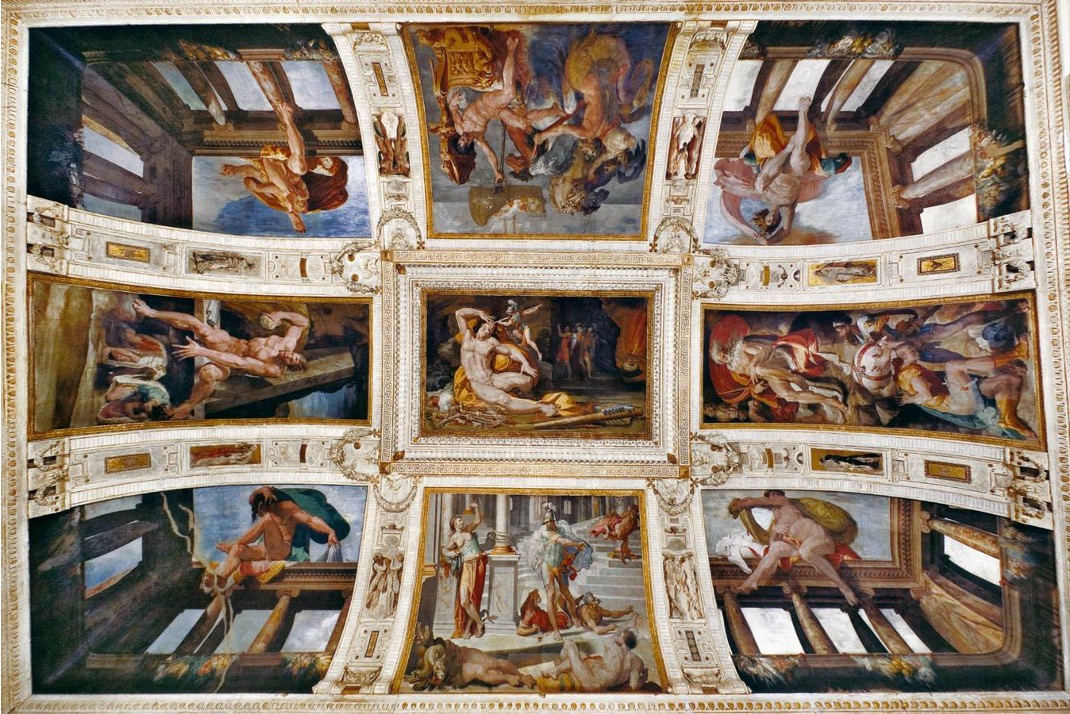
Pellegrino Tibaldi, Ulysses Room, late 16th, Bologna, Poggi Palace
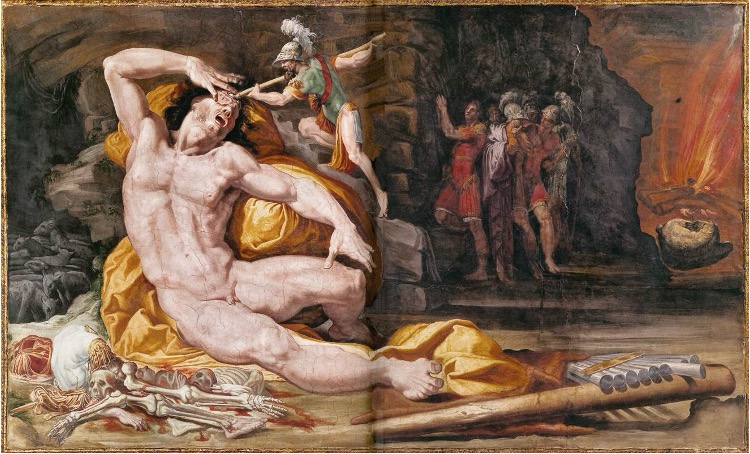
Pellegrino Tibaldi, The blinding of Polyphemus and Neptune and the ship of Odysseus, late 16th, Bologna, Poggi Palace
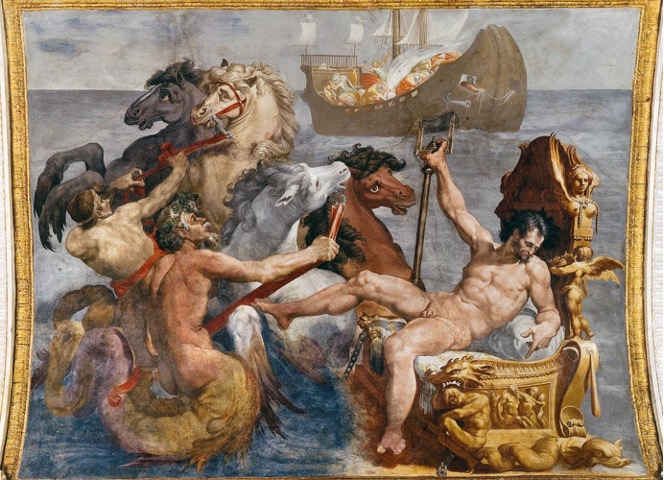
Pellegrino Tibaldi, The blinding of Polyphemus and Neptune and the ship of Odysseus, late 16th, Bologna, Poggi Palace
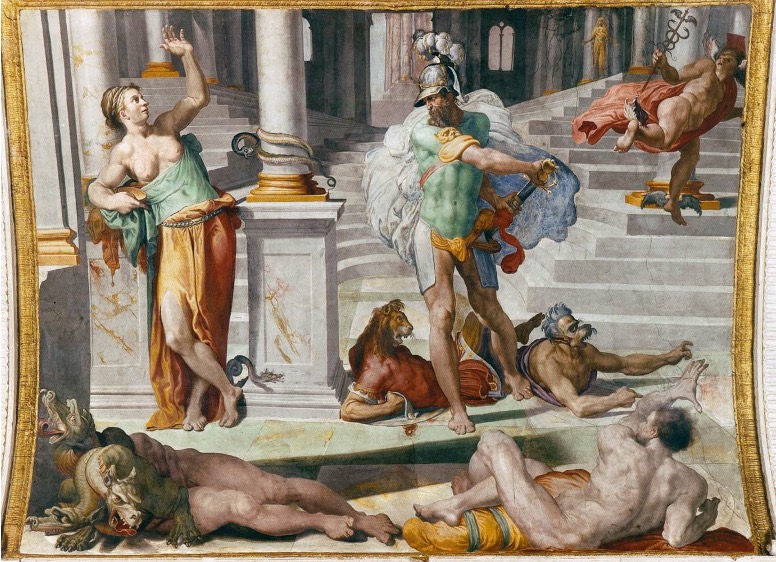
Pellegrino Tibaldi, Odysseus and Circe and Ignudo, late 16th, Bologna, Poggi Palace
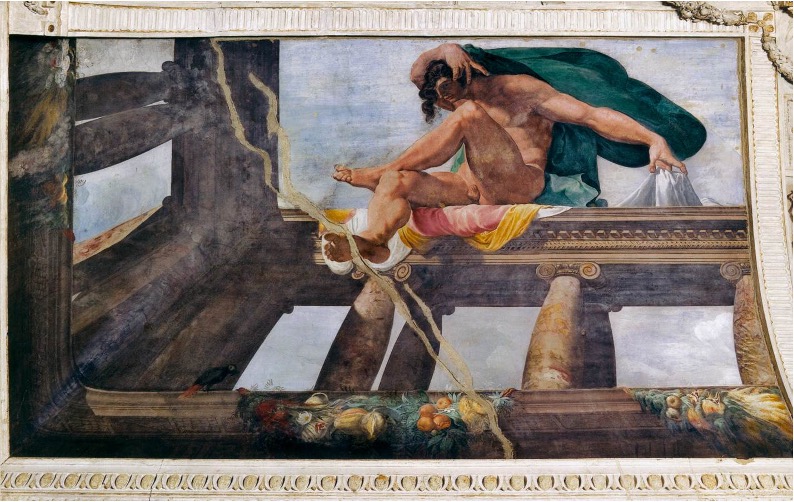
Pellegrino Tibaldi, Odysseus and Circe and Ignudo, late 16th, Bologna, Poggi Palace
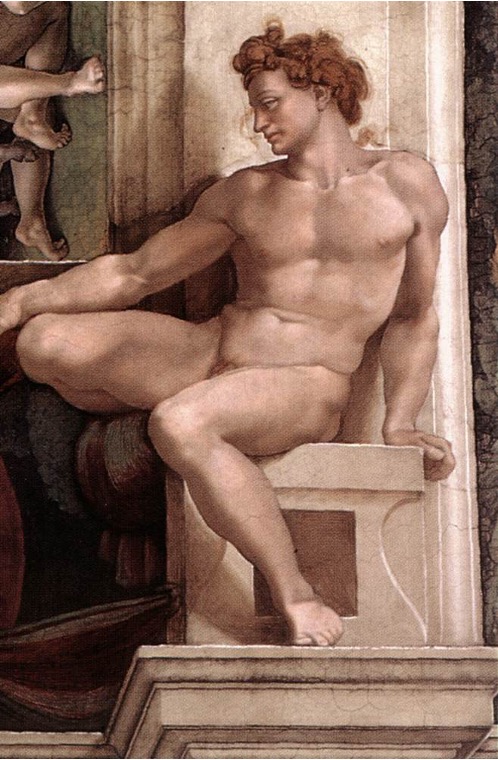
Michelangelo, Ignudo, early 16th, Vatican, Sistine Chapel, detail from the vault
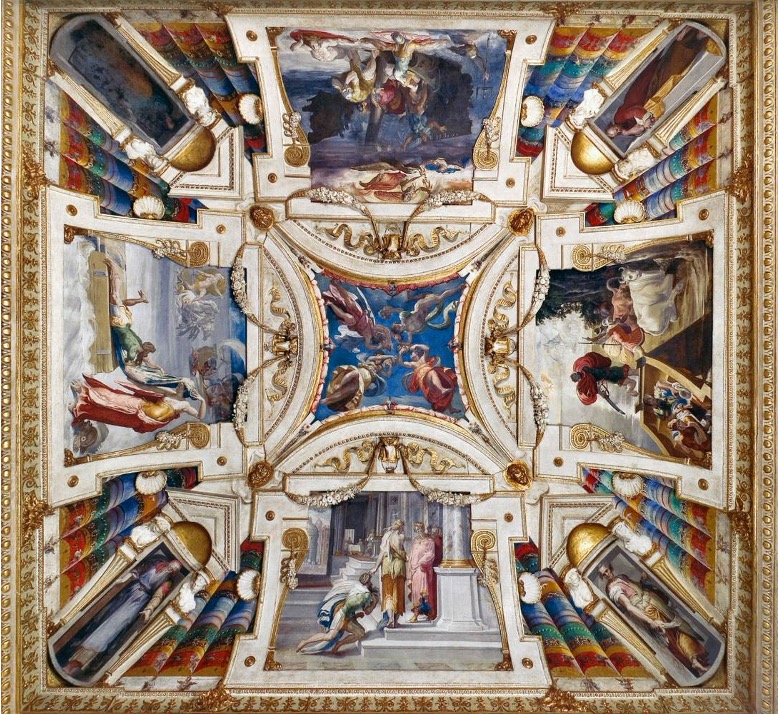
Pellegrino Tibaldi, Saletta di Ulisse, late 16th, Bologna, Poggi Palace
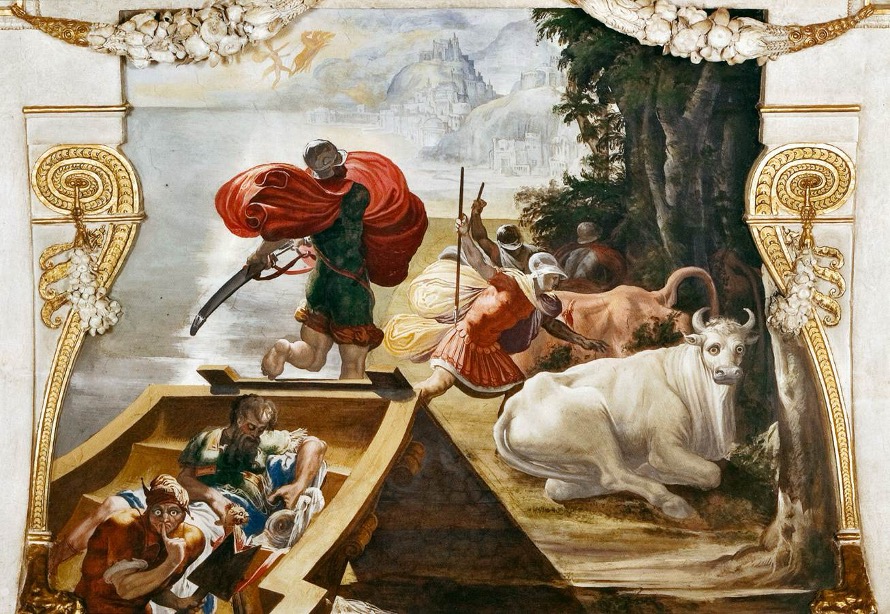
Pellegrino Tibaldi, Theft of the cattle of Helios and Odysseus and Ino Leucothea, late 16th, Bologna, Poggi Palace
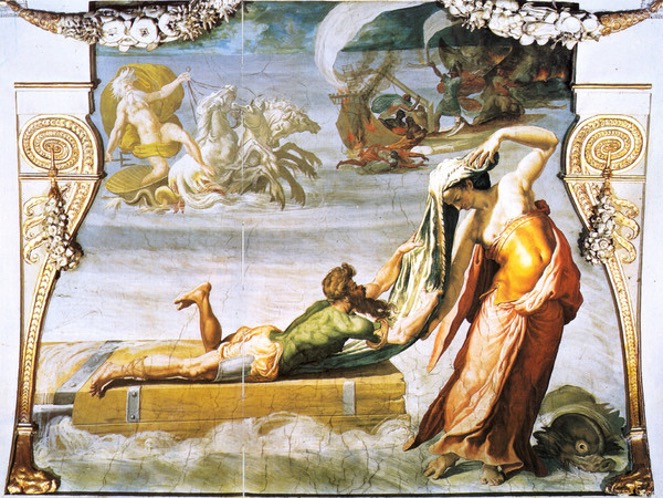
Pellegrino Tibaldi, Theft of the cattle of Helios and Odysseus and Ino Leucothea, late 16th, Bologna, Poggi Palace
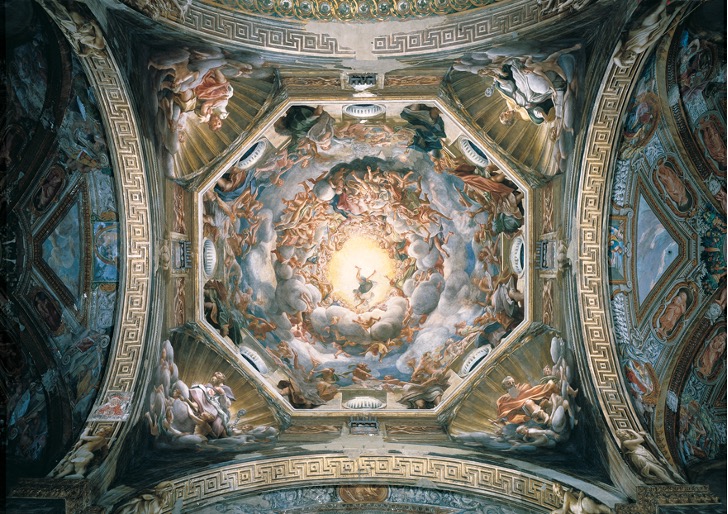
Correggio, Assumption of Virgin Mary, early 16th, Parma, Cathedral
meticulous foreshortening
accentuating the octagon (8 religious number)
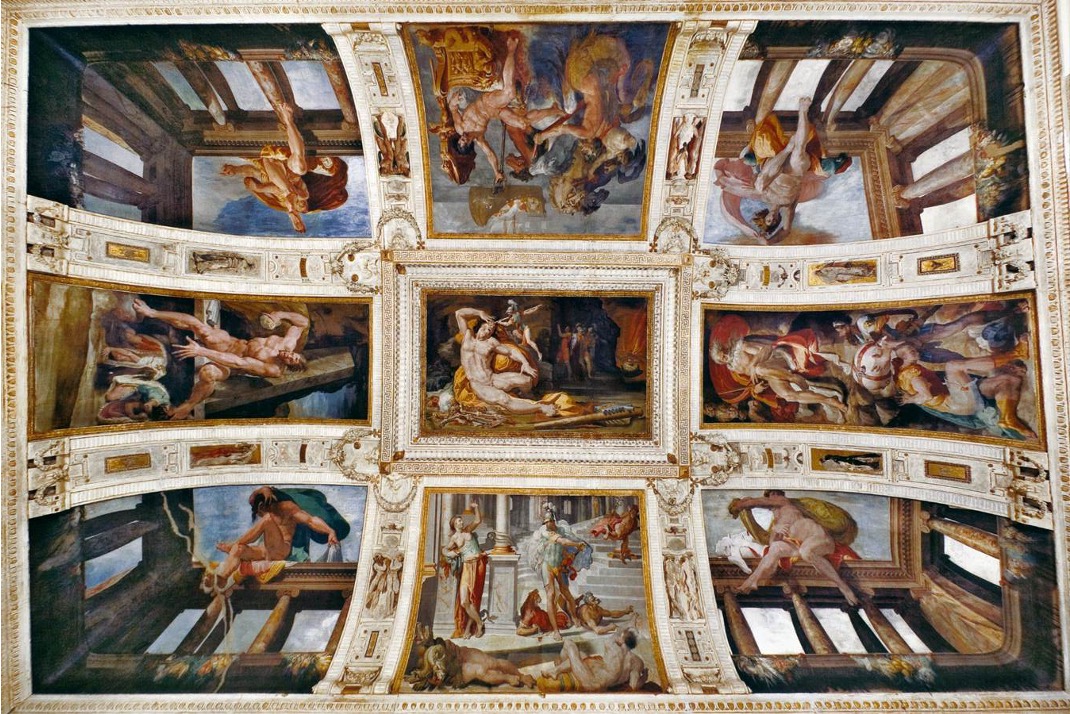
Pellegrino Tibaldi, Ulysses Room, late 16th, Bologna, Poggi Palace
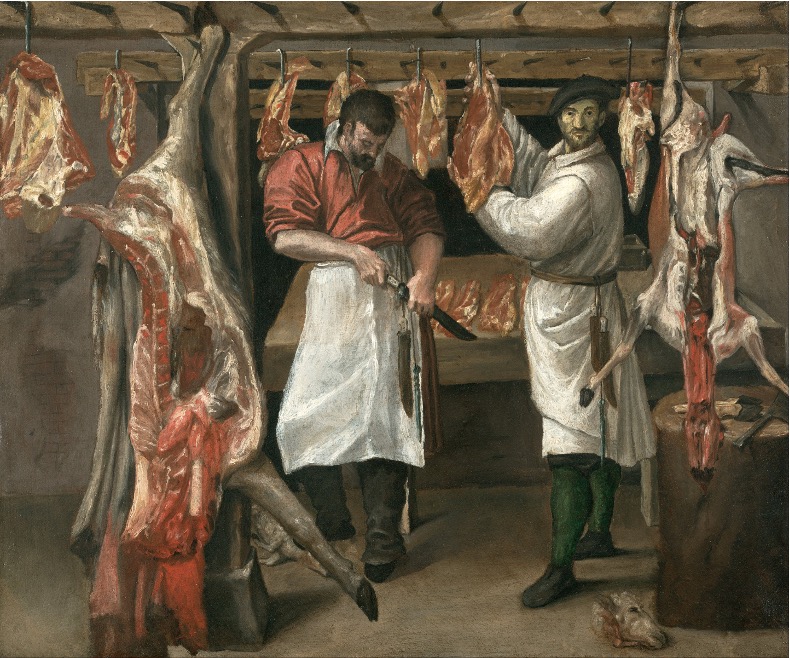
Annibale Carracci, Butcher’s shop, late 16th, Fort Worth, Kimbell Art Museum
painting ordinary people in a noble manor (left guy is holding knife like a sword, right guy is showing the meat in a noble manor)
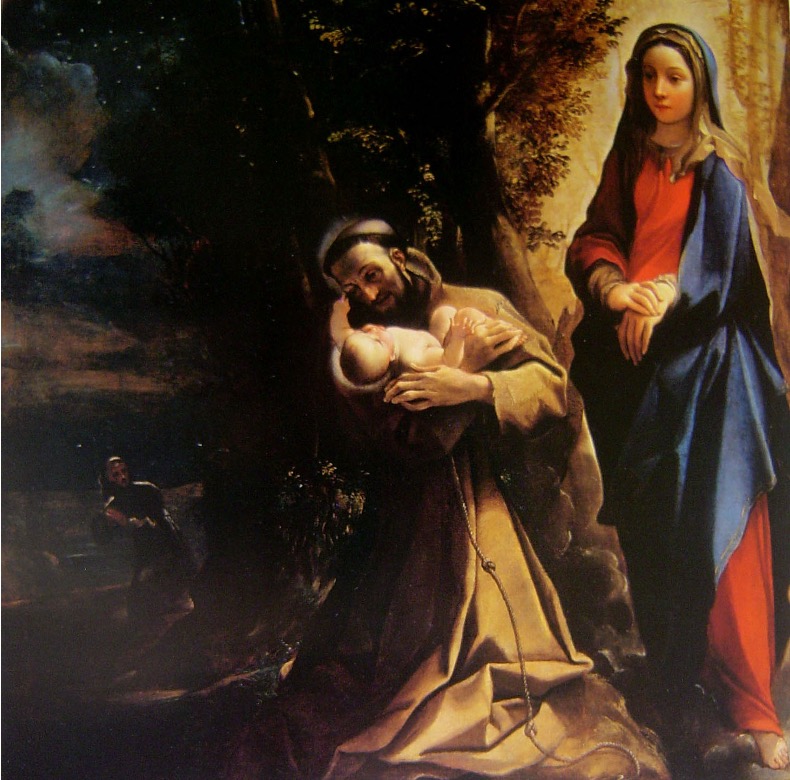
Ludovico Carracci, Vision of St. Francis, Amsterdam, Rijksmuseum, late 16th
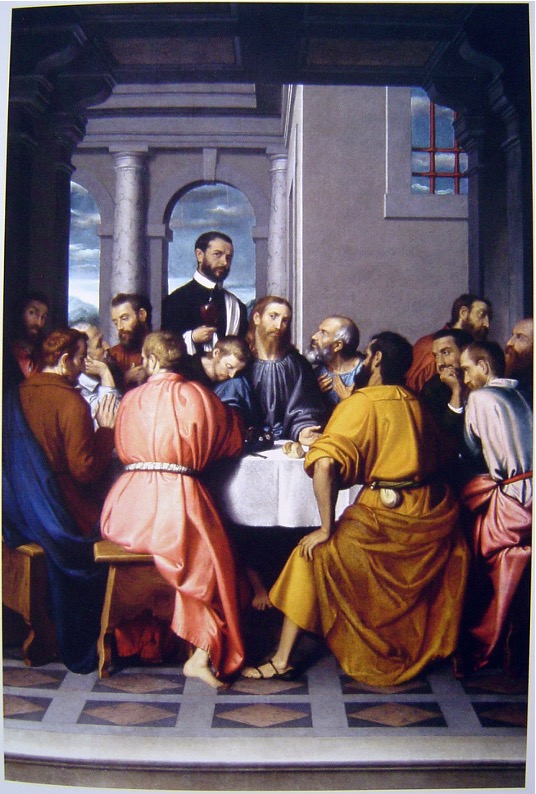
Giovanni Battista Moroni’s Last Supper, late 16th, Romano di Lombardia (Bergamo), Church of S. Maria Assunta e S. Giacomo
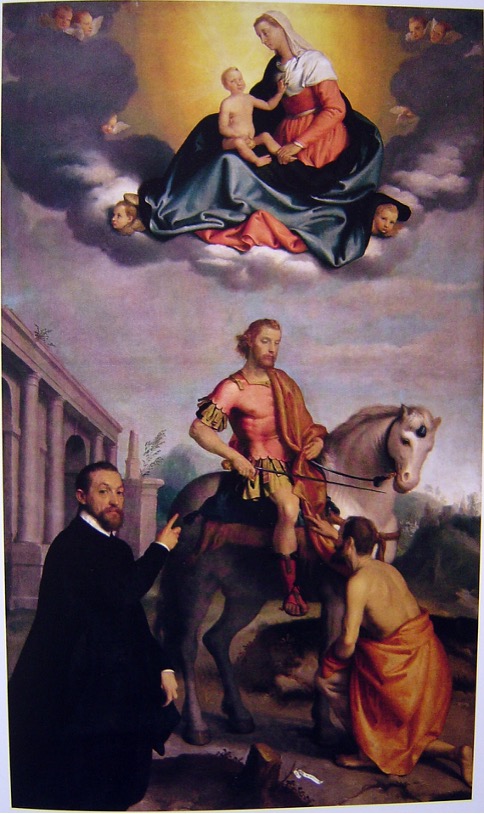
Giovan Battista Moroni’s Don Leone Cucchi with Saint Martin and the beggar, and the Madonna and Child, late 16th, Cenate Sotto (Bergamo), Church of St. Martino
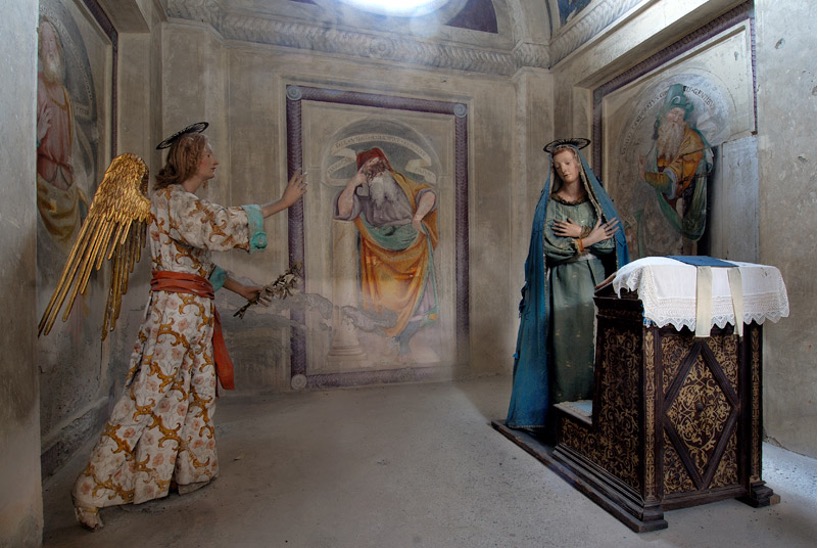
Gaudenzio Ferrari and workshop’s Annunciation, late 16th, Varallo, Holy Mountain
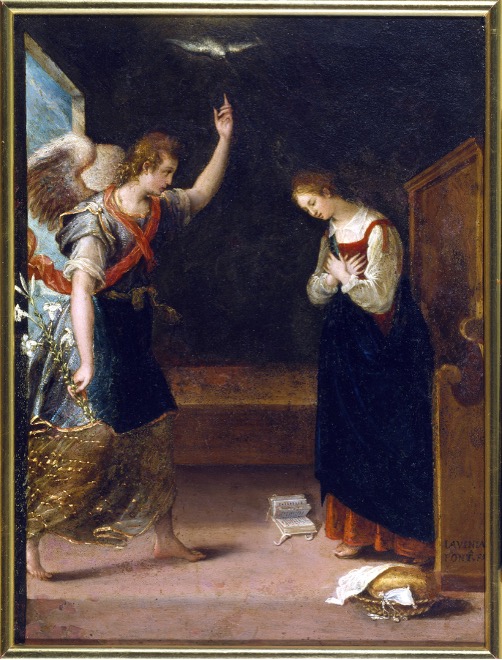
Lavinia Fontana’s Annunciation, late 16th, Baltimore, The Walters Art Museum
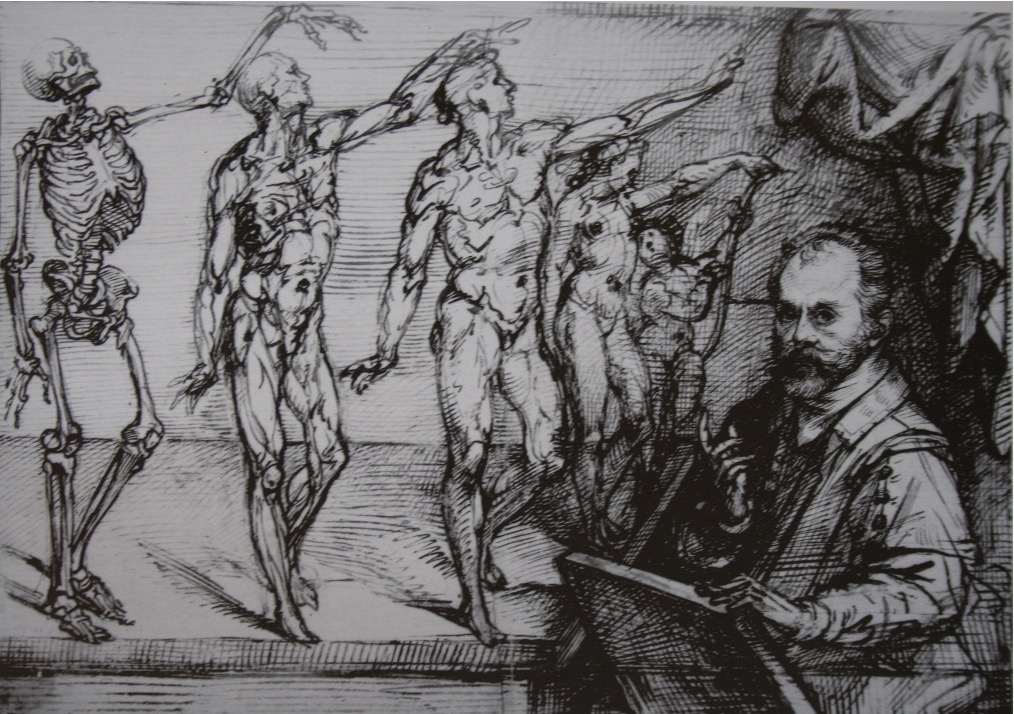
Bartolomeo Passerotti, Anatomy Lecture, Paris, Musée du Louvre
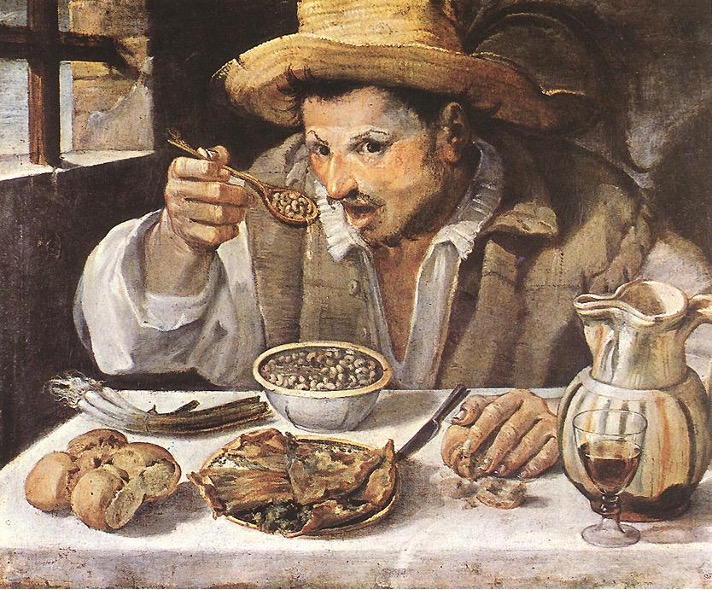
Annibale Carracci, The Beaneater, late 16th, Rome, Galleria Colonna
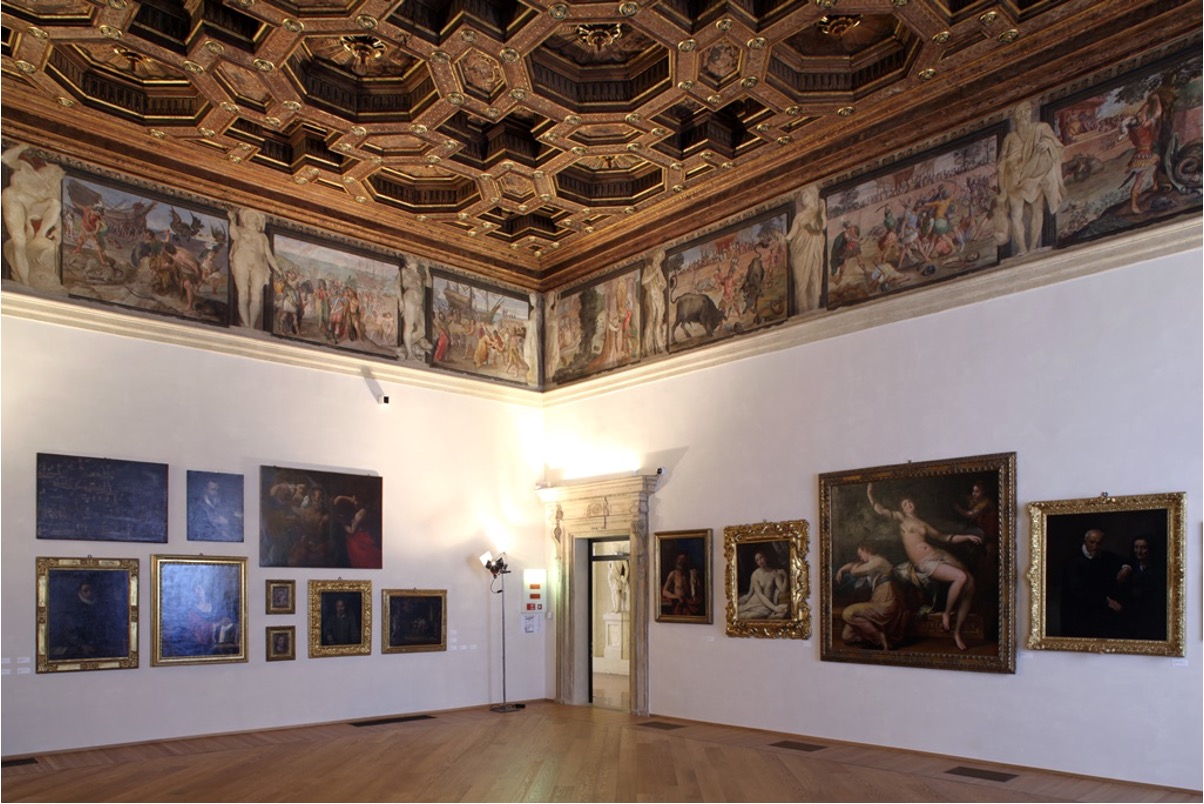
Jason Room, late 16th, Bologna, Fava Palace
typical wooden ceiling separated by sculptures between the narratives
common Carracci theme because the same thing was done in Palazzo Magnani
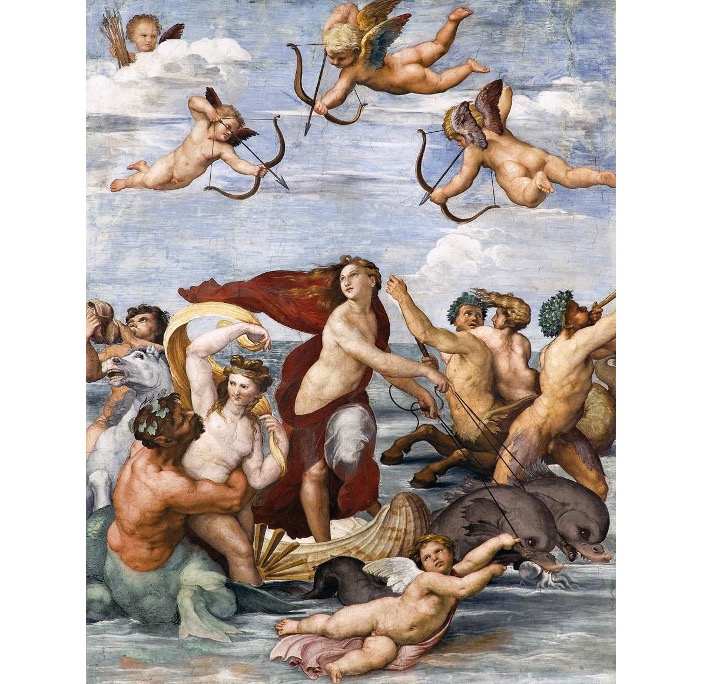
Raphael’s Galatea, early 16th, Rome, Villa Farnesina
Giotto (late 13th to early 14th) - Proto-Renaissance
Major fresco work: Arena (Scrovegni) Chapel, Padua
Importance:
Broke away from Byzantine flatness
Introduced naturalistic figures, emotional expression, and believable space
Established fresco as a narrative, human-centered medium
Why he matters: The Foundation of Renaissance painting in Italy
Masaccio (early 15th) - Early Renaissance
Major fresco work: Brancacci Chapel, Florence (The Tribute Money, Expulsion from Eden)
Importance:
First consistent use of linear perspective in fresco
Realistic anatomy and light modeling
Figures occupy rational, measurable space
Why he matters: Transformed fresco into a scientifically grounded art form
Fra Angelico (late 14th to mid 15th) - Early Renaissance
Major fresco work: San Marco Monastery, Florence
Importance:
Combined Renaissance realism with spiritual clarity
Calm compositions designed for meditation
Why he matters: Demonstrated fresco’s role in devotional and monastic settings
Piero della Francesca (early 15th to late 15th) - Early Renaissance
Major fresco work: Legend of the True Cross, Arezzo
Importance:
Mastery of geometry, light, and perspective
Quiet monumentality and balance
Why he matters: Advanced the intellectual and mathematical approach to fresco
Michelangelo (late 15th to late 16th) - High Renaissance
Major fresco works: Sistine Chapel Ceiling, Last Judgment
Importance:
Monumental, sculptural figures
Intense physical and emotional power
Why he matters: Elevated fresco to a heroic, expressive peak
Raphael (late 15th to early 16th) - High Renaissance
Major fresco work: School of Athens, Vatican Stanze
Importance:
Harmonious composition
Balance of philosophy, theology, and classical learning
Why he matters: Perfected the fresco as a vehicle for Renaissance humanism
Parmigianino (16th) - Mannerism
Major fresco work: Santa Maria della Steccata
Importance:
Elongated figures
Artificial color and complex poses
Why he matters: Marked a shift away from High Renaissance balance toward expressive tension
Annibale Carracci (late 16th to early 17th) - Baroque
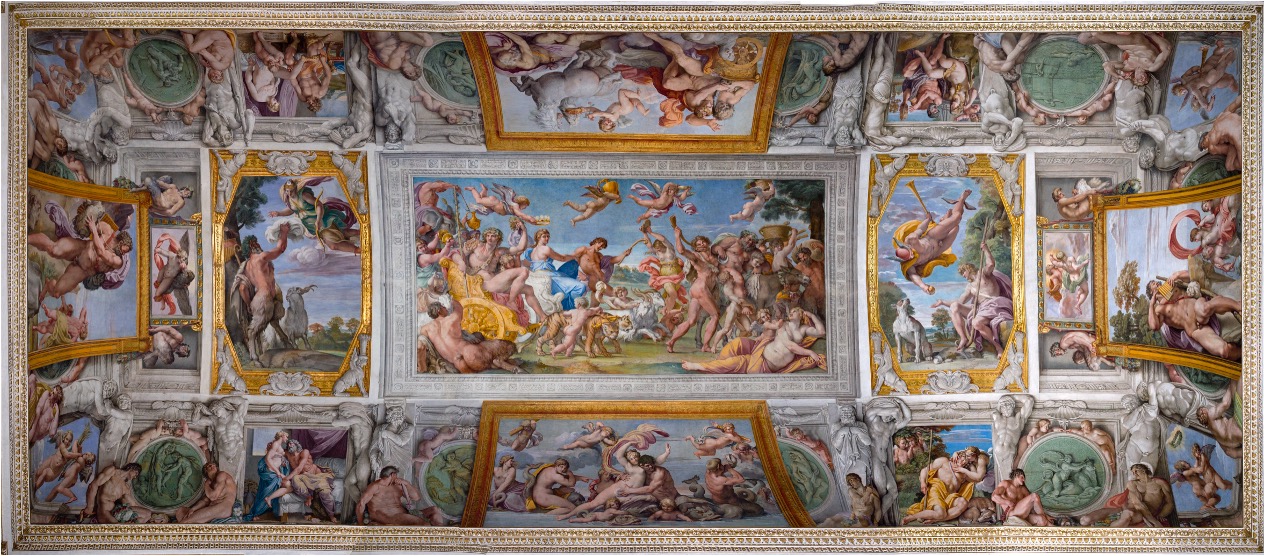
Major fresco work: Farnese Gallery Ceiling, Rome
Importance:
Revived classical balance and clarity within Baroque decoration
Combined Renaissance ideals with dynamic movement
Why he matters: Laid the foundation for Baroque ceiling fresco painting
Fresco decoration evolution
Giotto’s human realism, through Renaissance perspective and harmony, to Baroque illusion and drama
Difference between fresco and canvas painting
fresco is a wall-based, architectural painting technique that becomes part of the building, while canvas painting is a flexible, portable format
Most important commissioners for Julius II and Leo X
Julius II and Leo X
Commissioner of Leonardo’s works
Sforza family in Milan (Last Supper, Virgin of the Rocks)
Figura serpentina
a compositional technique used by Renaissance artists characterized by a spiral or twisting pose that creates a dynamic sense of movement
Sprizzatura
painting with “ease”, Baldassar Castiglione comes up with the term
Sfumato
earthy colors used to blend and create a softer visual more appealing to the eye, the opposite of Michelangelo, Da Vinci especially uses it
Raphael and Michelangelo’s Rivalry
competing for prestigious commissions from Pope Julius II and Leo X, clashing personalities (charming Raphael vs. gruff Michelangelo)
Michelangelo: focus on form and struggle, beauty trapped within the material (like marble creating a sculpture)
Raphael: focus on harmony and ease (ex. School of Athens
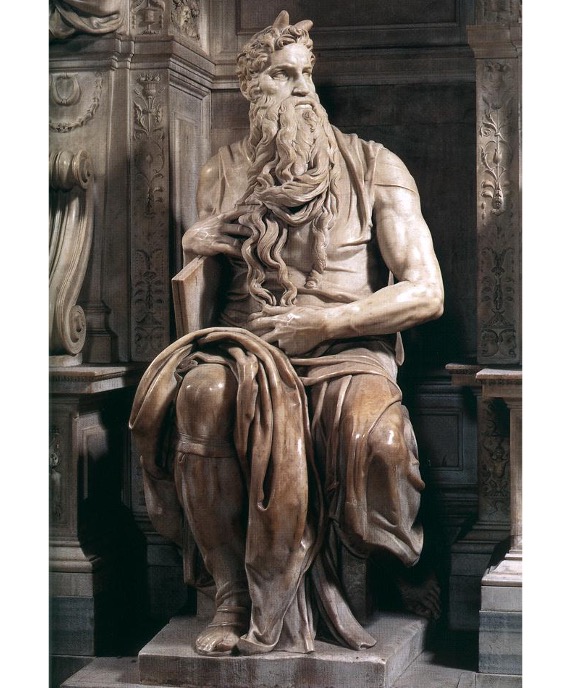
Michelangelo’s Tomb of Julius II, early 16th, Rome, S. Pietro in Vincoli
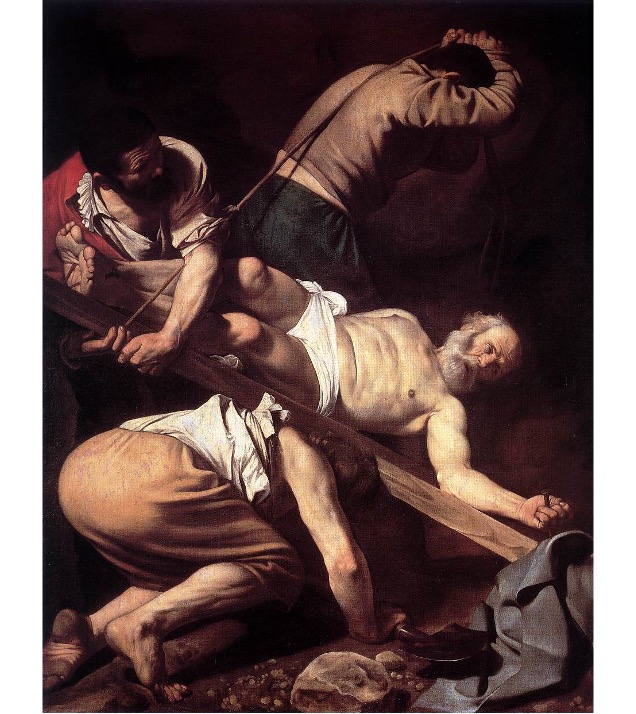
Caravaggio’s Crucifixion of St. Peter, early 17th, Rome, S. Maria del Popolo, Cerasi chapel
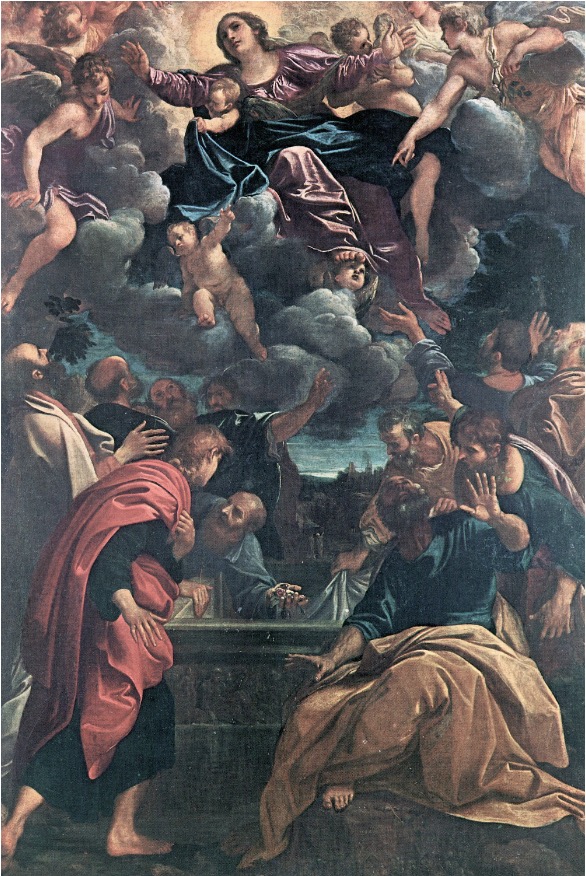
Annibale Carracci’s Assumption of the Virgin, late 16th, Bologna, National Gallery
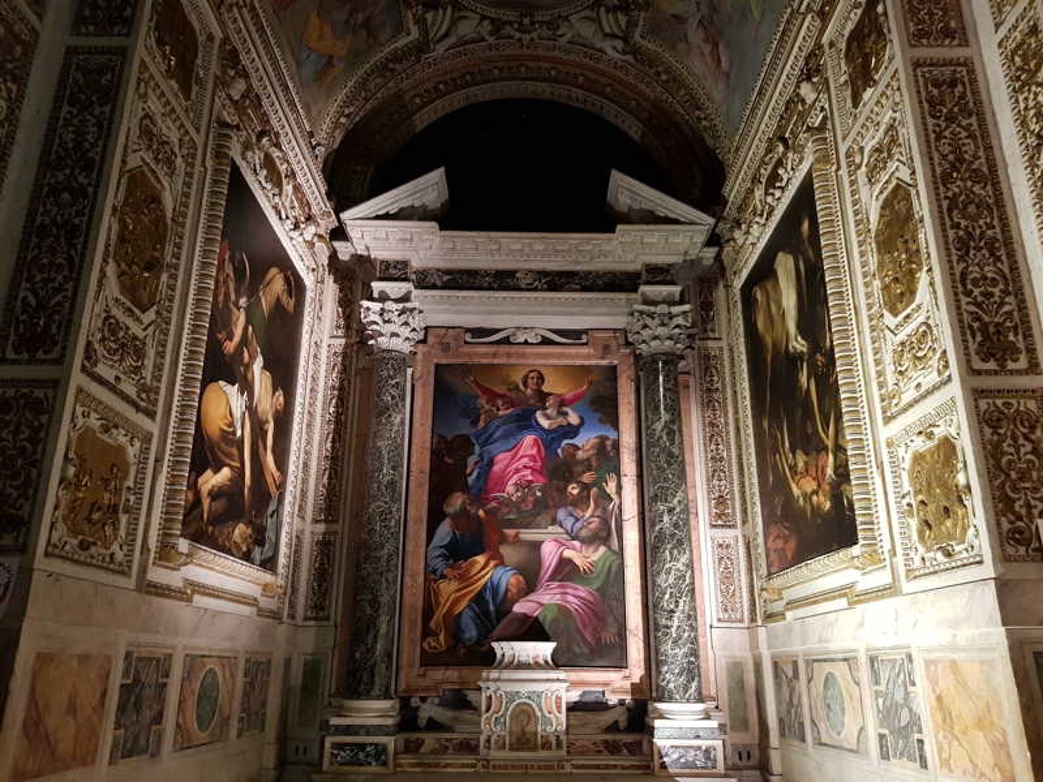
Rome, S. Maria del Popolo, Cerasi Chapel
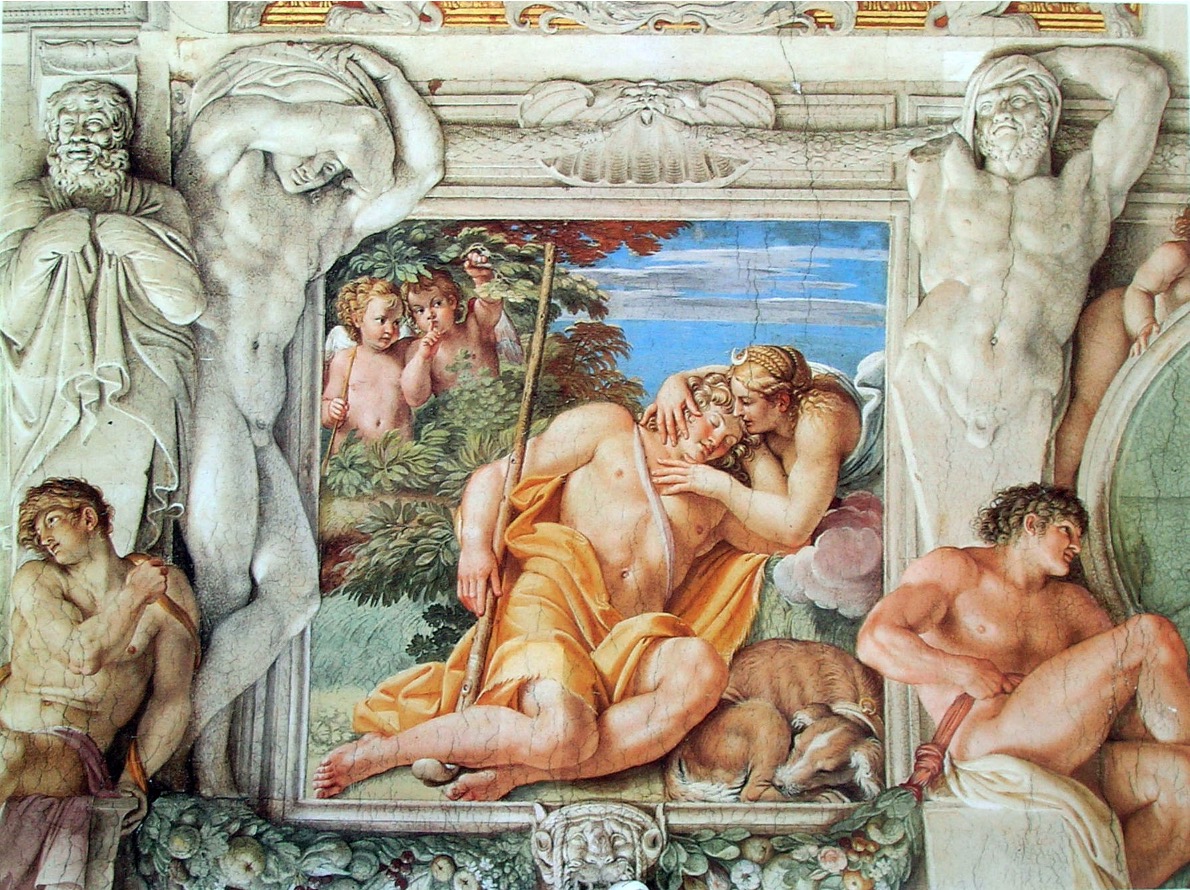
Annibale Carracci, Diana and Endymion, late 16th, Rome, Farnese Gallery
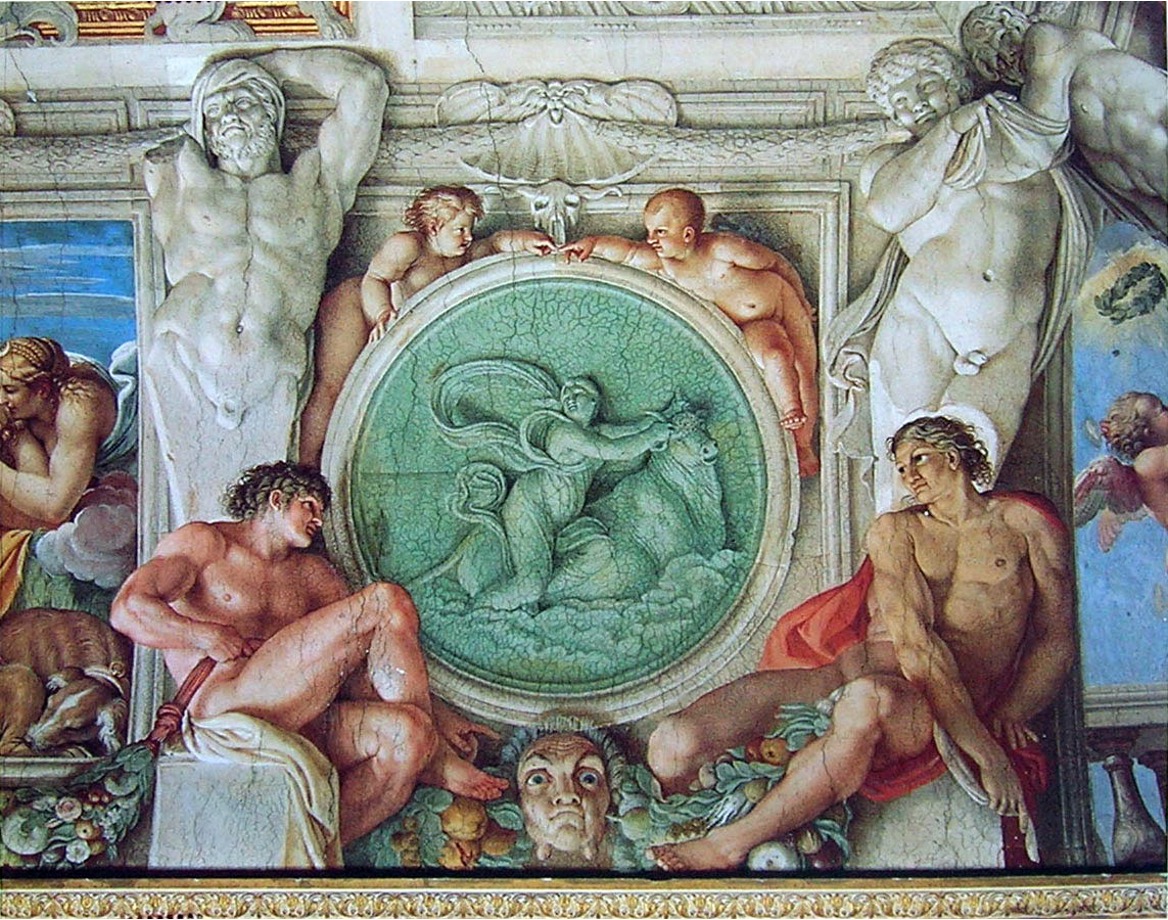
Annibale Carracci’s Europa and the Bull, late 16th, Rome, Farnese Gallery
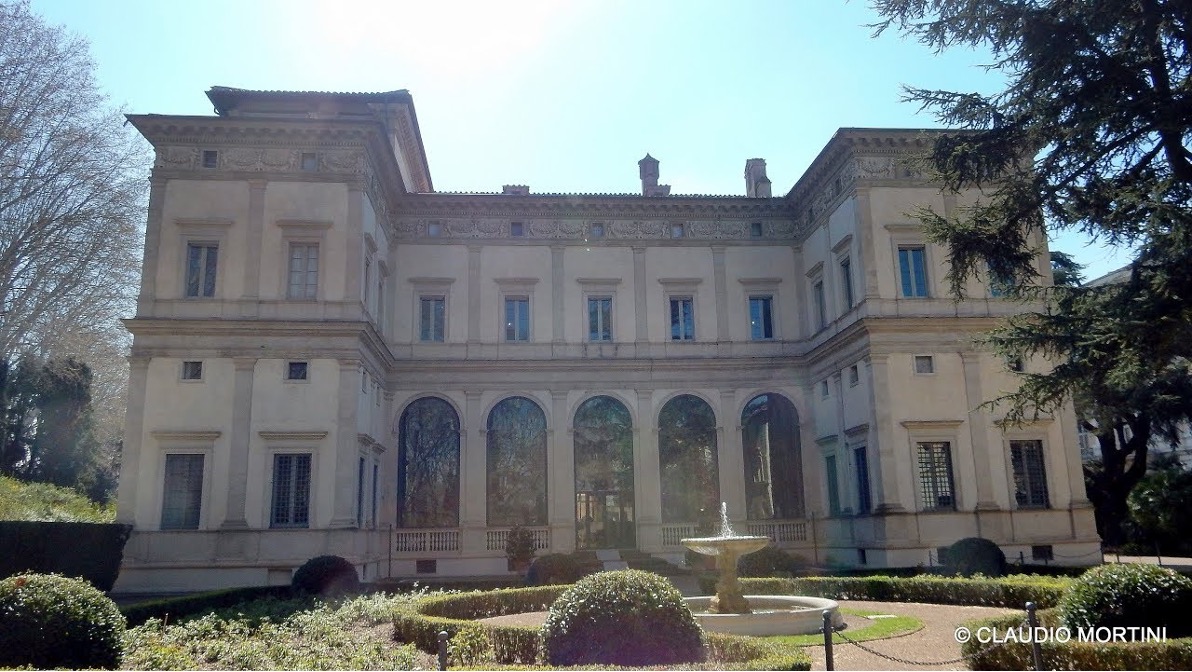
Villa Farnesina
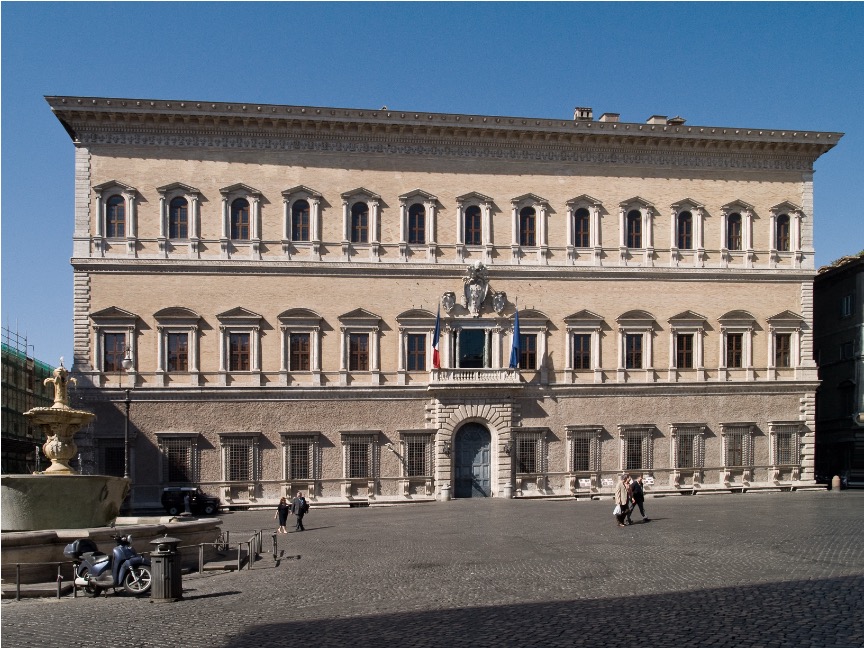
Rome, Farnese Palace
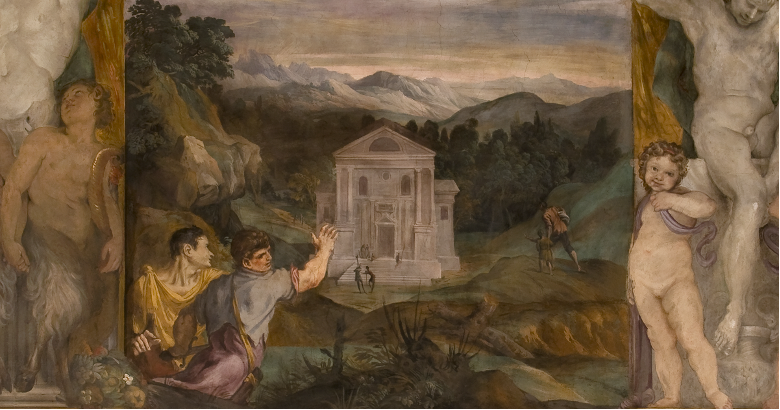
Agostino Carracci’s Asylum at the Capitoline Hill, late 16th, Bologna, Magnani Palace
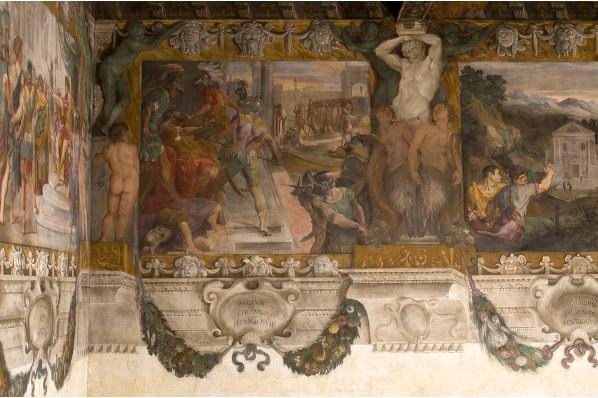
Ludovico Carracci’s The Death of Amulius, late 16th, Bologna, Magnani Palace
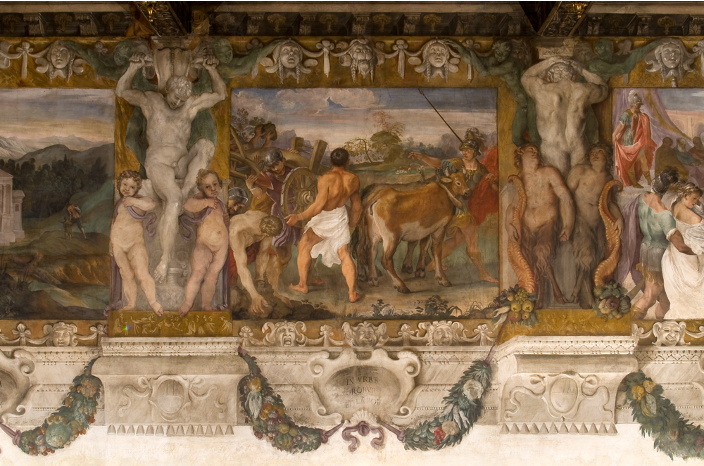
Annibale Carracci’s Romulus marking the boundaries of Rome, late 16th, Bologna, Magnani Palace
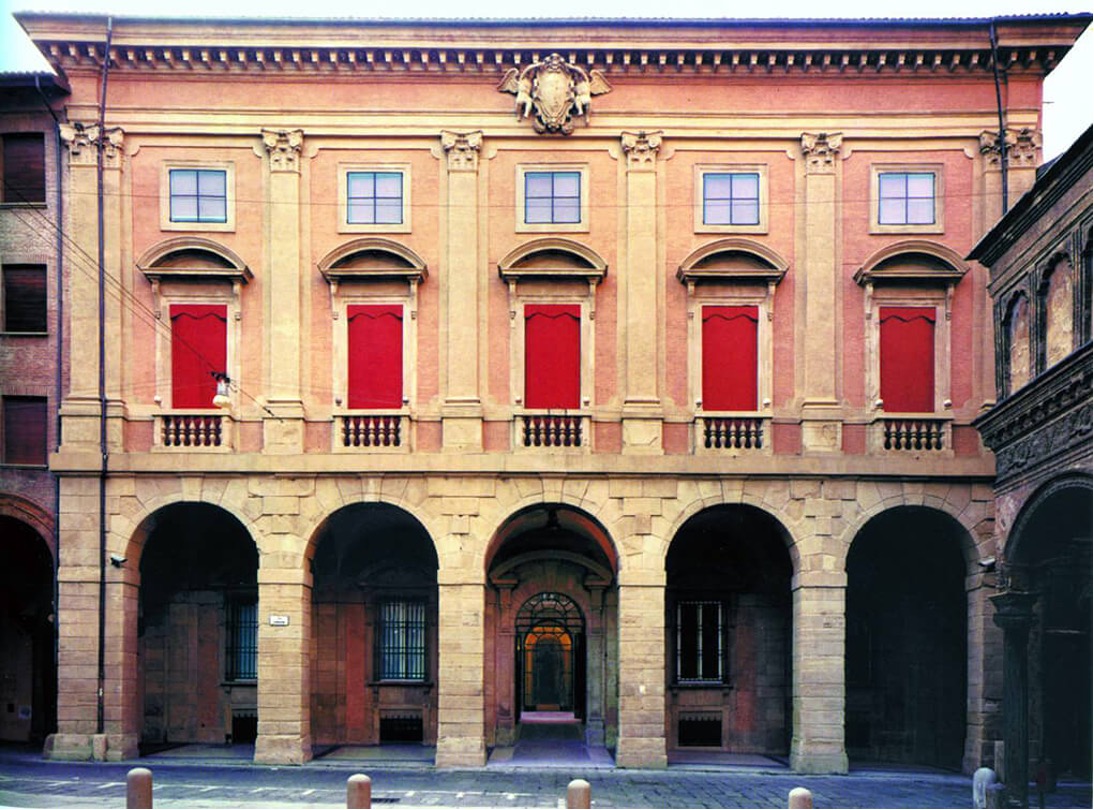
Bologna’s Palazzo Magnani (begun in late 16th)
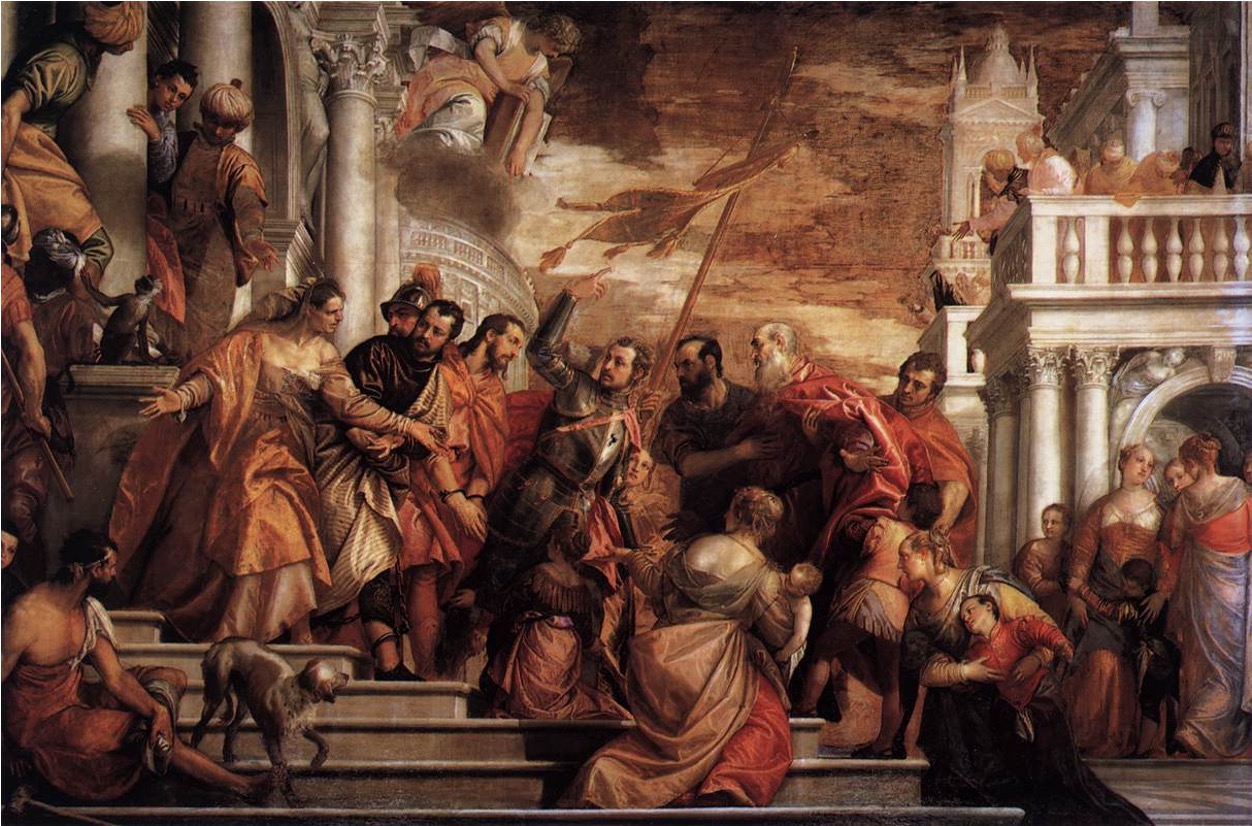
Paolo Veronese’s Sts Mark and Marcellinus being led to martyrdom, late 16th, Venice, San Sebastiano
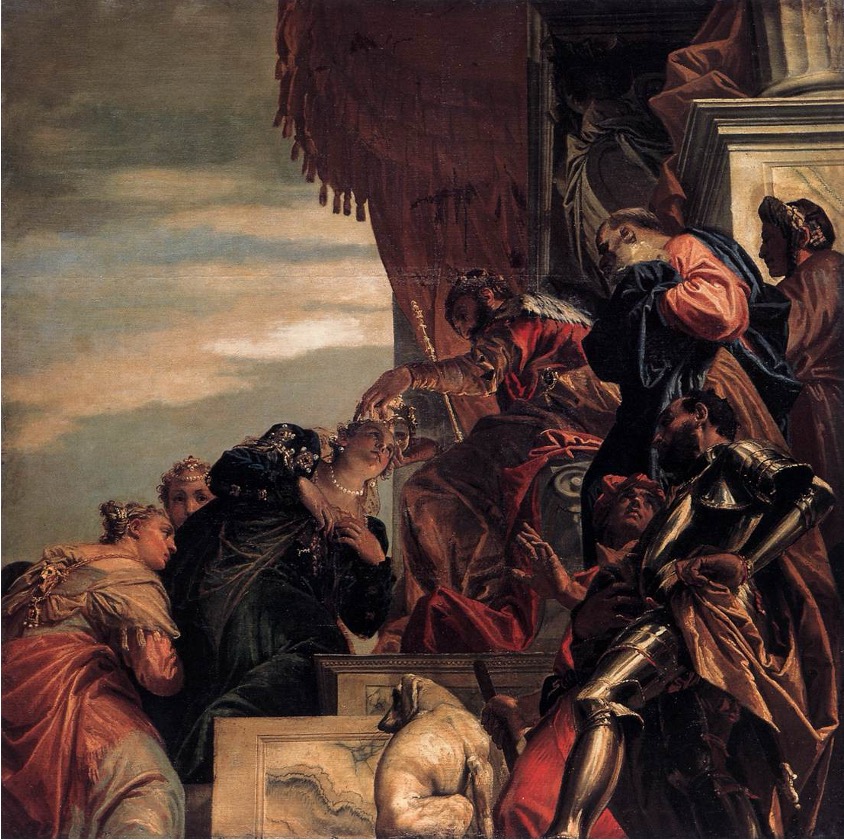
Paolo Veronese’s Esther Crowned by Ahasuerus, late 16th, Venice, San Sebastiano
 Note
Note  Flashcards (30)