AP Biology FINAL Collegeboard MCQ Units 1-6
 Call Kai
 Learn
Learn Practice Test
 Spaced Repetition
 Match
Match Flashcards
 Knowt Play
1/182

There's no tags or description
Looks like no tags are added yet.
Name | Mastery | Learn | Test | Matching | Spaced | Call with Kai | Chat |
|---|
No analytics yet
Send a link to your students to track their progress
183 Terms
Figure 1 represents a segment of DNA. Radiation can damage the nucleotides in a DNA molecule. To repair some types of damage, a single nucleotide can be removed from a DNA molecule and replaced with an undamaged nucleotide. Which of the four labeled bonds in Figure 1 could be broken to remove and replace the cytosine nucleotide without affecting the biological information coded in the DNA molecule?
C. Bonds Y and Z at the same time
Which feature of model 1 best illustrates how biological information is coded in a DNA molecule?
D. The linear sequence of the base pairs
Which of the following best describes a structural similarity between the two molecules shown in Figure 1 that is relevant to their function?
C. Both molecules contain nucleotides that form base pairs with other nucleotides, which allows each molecule to act as a template in the synthesis of other nucleic acid molecules.
Different polysaccharides are used by plants for energy storage and structural support. The molecular structures for two common polysaccharides are shown in Figure 1. Starch is used by plants for energy storage, and cellulose provides structural support for cell walls. The monomer used to construct both molecules is glucose.
A study determined the effect of two different digestive enzymes, A and B, on these two polysaccharides. Table 1 presents the data from the study.
Mammals do not produce digestive enzyme B. However, sheep and cattle are two types of mammals that contain microorganisms in their digestive tract that produce enzyme B.
Which of the following would most likely occur if cattle lost the ability to maintain a colony of microorganisms in their digestive tract?
D. Cattle would no longer be able to use cellulose as a primary source of glucose.
Figure 1 shows a short segment of a double-stranded nucleic acid molecule.
Figure 1. A short segment of a double-stranded nucleic acid molecule
Which of the following statements is correct about the molecule shown in Figure 1 ?
D. It is DNA because of the nucleotides present.
Different polysaccharides are used by plants for energy storage and structural support. The molecular structures for two common polysaccharides are shown in Figure 1. Starch is used by plants for energy storage, and cellulose provides structural support for cell walls. The monomer used to construct both molecules is glucose.
A study determined the effect of two different digestive enzymes, A and B, on these two polysaccharides. Table 1 presents the data from the study.
Mammals do not produce digestive enzyme B. However, sheep and cattle are two types of mammals that contain microorganisms in their digestive tract that produce enzyme B.
Which of the following best describes the process that adds a monosaccharide to an existing polysaccharide?
C. A specific enzyme removes the hydrogen ( H ) from the monosaccharide and the hydroxide ( OH ) from the polysaccharide, creating a bond between the two and creating a water ( H2O ) molecule.
As shown in the diagram, when environmental temperatures drop below freezing, a layer of ice typically forms on the surface of bodies of freshwater such as lakes and rivers.
Which of the following best describes how the structure of ice benefits the organisms that live in the water below?
C. The water molecules in ice are farther apart than those in liquid water, so the ice floats, maintaining the warmer, denser water at the lake bottom.
Different polysaccharides are used by plants for energy storage and structural support. The molecular structures for two common polysaccharides are shown in Figure 1. Starch is used by plants for energy storage, and cellulose provides structural support for cell walls. The monomer used to construct both molecules is glucose.
A study determined the effect of two different digestive enzymes, A and B, on these two polysaccharides. Table 1 presents the data from the study.
Mammals do not produce digestive enzyme B. However, sheep and cattle are two types of mammals that contain microorganisms in their digestive tract that produce enzyme B.
Based the information provided, which of the following statements best describes why starch and cellulose provide different functions in plants?
A. The differences in the assembly and organization of the monomers of these two polymers result in different chemical properties.
Phosphorous (P) is an important nutrient for plant growth. Figure 1 shows Arabidopsis thaliana plants grown under phosphorus‐sufficient (left) and phosphorus‐starved (right) conditions for six weeks.
Which of the following is the most likely reason for the difference in leaf growth?
C. The phosphorus-starved plant was unable to synthesize both the required nucleic acids and lipids, limiting growth.
Which of the following describes a key difference among the 20 amino acids that are used to make proteins?
C. Some amino acids are hydrophobic.
Which of the following is common feature of the illustrated reactions showing the linking of monomers to form macromolecules?
C. Monomers are joined by a covalent bond, and a water molecule is produced.
A student wants to modify model 1 so that it represents an RNA double helix instead of a DNA double helix. Of the following possible changes, which would be most effective in making model 1 look more like RNA than DNA?
B. Changing the deoxyriboses to riboses by adding −OH groups
Water molecules are polar covalent molecules. There is a partial negative charge near the oxygen atom and partial positive charges near the hydrogen atoms due to the uneven distribution of electrons between the atoms, which results in the formation of hydrogen bonds between water molecules. The polarity of water molecules contributes to many properties of water that are important for biological processes.
Which of the following models best demonstrates the arrangement of hydrogen bonds between adjacent water molecules?
D
Figure 1 shows three amino acids that are part of a polypeptide chain. Figure 2 shows the same section of the chain after a mutation has occurred.
How might this change affect the structure and function of the protein?
A. The R-group of the new amino acid, valine, has different chemical properties than the R-group of cysteine. This will cause the protein to misfold and not function properly in the cell.
Different polysaccharides are used by plants for energy storage and structural support. The molecular structures for two common polysaccharides are shown in Figure 1. Starch is used by plants for energy storage, and cellulose provides structural support for cell walls. The monomer used to construct both molecules is glucose.
A study determined the effect of two different digestive enzymes, A and B, on these two polysaccharides. Table 1 presents the data from the study.
Mammals do not produce digestive enzyme B. However, sheep and cattle are two types of mammals that contain microorganisms in their digestive tract that produce enzyme B.
Based on Figure 1, which of the following best compares the atomic structures of starch and cellulose?
B. Starch and cellulose are composed of repeating glucose monomers; however, in cellulose every other glucose monomer is rotated 180 degrees.
In vascular plants, water flows from root to leaf via specialized cells called xylem. Xylem cells are hollow cells stacked together like a straw. A student explains that evaporation of water from the leaf pulls water up from the roots through the xylem, as shown in Figure 1.
Which statement describes how water is pulled up through the xylem to the leaves of the plant?
A. As water exits the leaf, hydrogen bonding between water molecules pulls more water up from below.
A polypeptide is polymer of amino acids held together by peptide bonds. The process of dehydration synthesis creates these peptide bonds, as shown in Figure 1.
As shown in Figure 1, an amino acid must have which of the following properties in order to be incorporated into a polypeptide?
D
The ability to form a covalent bond with both its NH2 group and its COOH group.
The figure shows the results of an experiment to investigate the effects of an enriched CO2 environment on plant growth. Identical plants were separated into different groups and grown either in a standard CO2 environment (400 ppm CO2) or in an enriched CO2 environment (700 ppm CO2). Of the plants in each environment, half were grown under ideal conditions and half were grown under stressed conditions.
Based on the figure, which statement best describes the observed relationship between atmospheric CO2 enrichment and plant growth under ideal and stressed conditions?
C. The increase in atmospheric CO2 resulted in a greater increase in plant growth under stressed conditions than under ideal conditions.
A certain type of specialized cell contains an unusually large amount of rough endoplasmic reticulum (ER).
Which of the following functions is this cell type most likely specialized to perform?
Answer (D): The production and secretion of proteins
Explanation: The cytosolic surface of the rough ER is covered by ribosomes that synthesize proteins that are then transported into the rough ER, then to the Golgi complex, and finally out of the cell.
Which of the following cellular deficiencies would most likely be related to mutations in mitochondrial proteins?
Answer (D): The cell is unable to complete reactions related to electron transport and ATP production.
Explanation: The electron transport chain and ATP production are associated with proteins in the inner membrane of the mitochondrion. Nonfunctional proteins in the mitochondrion are likely to result in reduced ATP production.
A scientist is studying the various prokaryotic and eukaryotic species found floating in a sample of water taken from a marine ecosystem.
Which cellular component will be found in the widest range of organisms in the sample?
Answer (B): The ribosome, since all organisms need to synthesize proteins.
Explanation: Ribosomes are found in all forms of life, allowing for comparison of the widest possible range of plankton species.
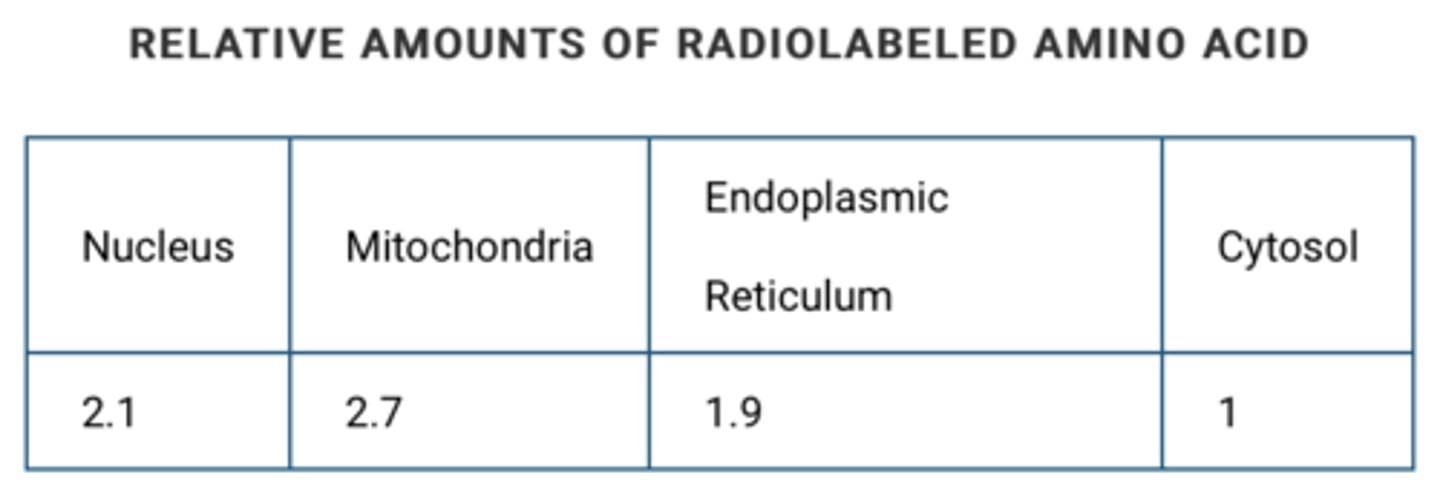
In an experiment, researchers provided a radiolabeled amino acid to living plant cells. After one hour, the researchers determined the amount of the radiolabeled amino acid that was in each of several subcellular compartments. The results of the experiment are represented in the table.
Which of the following conclusions about the radiolabeled amino acid is best supported by the results of the experiment?
Answer (B): It was mostly incorporated into proteins that regulate and manage metabolic reactions.
Explanation: Amino acids are the building block of proteins, and the data indicate that most of the radiolabeled amino acid was in the mitochondria. Therefore, the data best support the conclusion that most of the amino acid molecules were incorporated into proteins that regulate and manage the metabolic reactions that occur in mitochondria.
Researchers conducted an experiment to investigate the effects of a valinomycin treatment on skeletal muscle cells. Valinomycin is a naturally occurring substance that can be used as a drug. The results of the experiment are presented in the table.
Which of the following claims about the effects of the valinomycin treatment is best supported by the data presented in the table?
Answer (D): The valinomycin treatment caused a decrease in the activity of the mitochondria.
Explanation: The data indicate that the valinomycin treatment caused a decrease in the relative rate of ATPATP production, which likely resulted from impaired mitochondrial function.
In an experiment, researchers compared the growth of two different plants, plant X and plant Y. The researchers maintained the plants under nearly identical conditions and observed that plant X grew faster than plant Y. The researchers also observed that the inner mitochondrial membranes of plant X had more folds than did those of plant Y.
Which of the following conclusions about increasing the number of folds in the inner mitochondrial membrane is best supported by the results of the experiment?
Answer (B): It increases the surface area available for ATP production, which results in faster cell growth.
Explanation: The increased surface area of the folds will contain more ATP synthase, allowing for more efficient use of the chemiosmotic gradient and more efficient production of ATP. The observation that plant X grew faster than plant Y supports this conclusion.
Some cells, such as intestinal cells, exchange a lot of material with their surroundings. The surface-to-volume ratio of these cells affects the efficiency of material exchange.
The table provides measurements of four different eukaryotic cells.
Based on the data, which cell is likely to be most effective in the exchange of materials?
Answer (B): Cell 2
Explanation: The surface area to volume calculation is 60/10=6. Of the four cells, this one has the highest ratio of surface area to volume and is likely to be most effective in the exchange of materials.
Hereditary spherocytosis (HS) is a disorder of red blood cells that causes the cells to be smaller and spherical instead of having the usual flattened, biconcave shape. The average diameter of normal red blood cells is 7.2μm, and the average diameter of red blood cells in a person with HS was found to be 6.7μm. The normal red blood cell has an average surface area of 136μm^2 and an average volume of 91μm^3.
Which of the following provides an accurate calculation of the surface area to volume ratio of an HSHS red blood cell, as well as a prediction of its effect on the efficient transferring of oxygen compared to a normal red blood cell?
Answer (C): The ratio is 0.89, and the cells are less efficient at transferring oxygen.
Explanation: The correct calculation of the surface area to volume ratio of the HSHS cell is 0.89. This ratio is less than the ratio found in a normal red blood cell, 1.49, so the cell would be less efficient at transferring oxygen.
Stomata are pores on the surfaces of the leaves and stems of plants that regulate gas exchange between the plants and the atmosphere.
Researchers found that the stomata density on the leaves of a species of plant change as the concentration of CO2 in the atmosphere changes. When grown at 350 ppm CO2 the plant has an average density of 300 stomata per mm^2, but when grown at 400 ppm CO2 the plant has an average density of 250 stomata per mm^2.
Which of the following best describes how the ratio of the density of stomata (stomata per mm^2) per CO2 concentration (ppm CO2) changes as the CO2 concentration increases?
Answer (A): The ratio decreases from 0.86 to 0.63, because fewer stomata are needed at higher CO2 concentrations.
Explanation: The ratio of 300 stomata per mm^2 to 350 ppm CO2 is 0.86, and the ratio of 250 stomata per mm^2 to 400 ppm CO2 is 0.63. This reflects that fewer stomata are needed as the concentration of CO2 increases.
Figure 1. Testosterone movement across the cellular membrane
Testosterone is a small steroid hormone that is important in cell signaling. Which of the following describes where testosterone enters a cell and why it is able to cross at that point?
Answer (A): 1, testosterone is nonpolar and can diffuse through the membrane.
Explanation: Steroids such as testosterone are hydrophobic lipids. Therefore, testosterone can cross the hydrophobic inner region of the phospholipid bilayer.
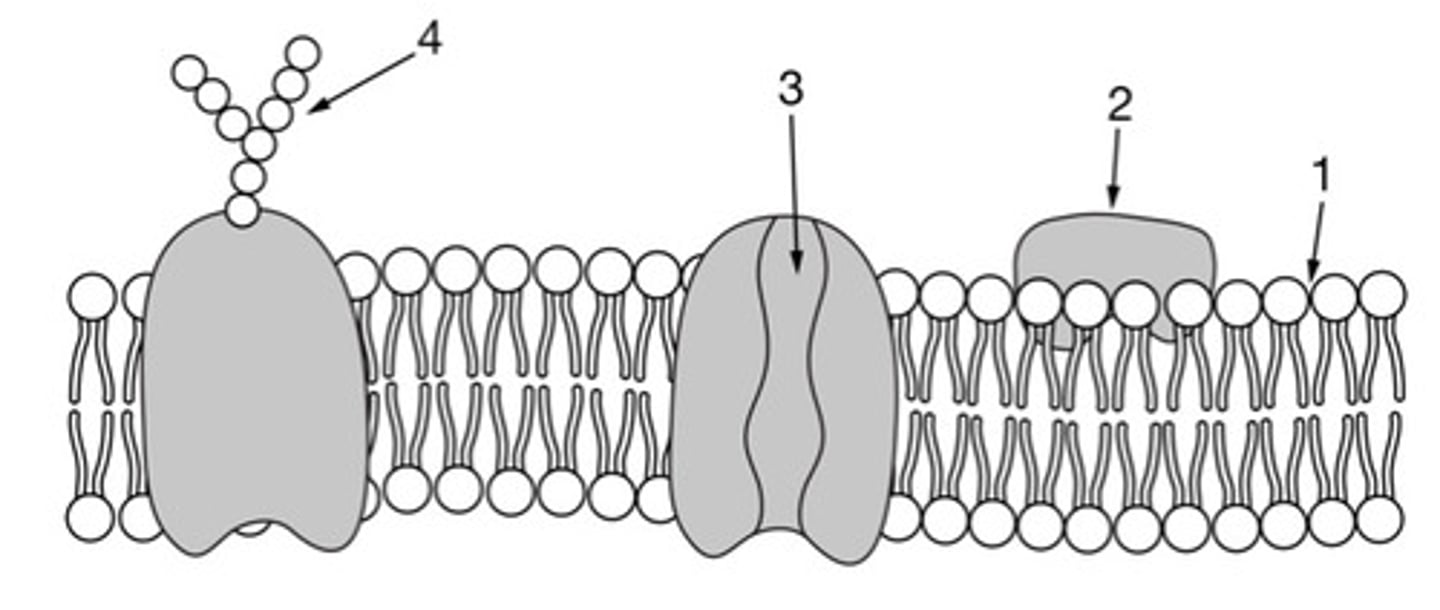
The figure shows a representation of a protein embedded in a cell membrane. The numbers indicate different structural regions of the protein.
Based on the figure, which of the following statements best describes the relationship between regions 1 and 2 of the protein?
Answer (B): Region 1 is hydrophilic because it interacts with an aqueous environment, whereas region 2 is hydrophobic because it interacts with the interior of the membrane.
Explanation: A cell membrane is a phospholipid bilayer that separates one aqueous environment from another. The interior of a phospholipid bilayer is a hydrophobic environment. Because region 1 interacts with the aqueous environment on one side of the phospholipid bilayer, it is most likely hydrophilic. Because region 2 interacts with the interior of the phospholipid bilayer, it is most likely hydrophobic.
Cholesterol is a naturally occurring substance that helps regulate the fluidity of a cell's plasma membrane. A cholesterol molecule can be represented as having a polar head and a nonpolar region, as shown in the figure.
Which of the following models shows how cholesterol molecules most likely interact with the phospholipid bilayer of a cell's plasma membrane?
Answer (D):
Explanation: The model correctly shows the polar heads of the cholesterol molecules interacting with the polar heads of the phospholipids. Also, the model correctly shows the nonpolar regions of the cholesterol molecules interacting with the hydrophobic interior of the phospholipid bilayer.
Intravenous (IV) therapy is used for fluid replacement in instances of dehydration in humans and other animals. One type of IV fluid is essentially a saltwater solution. To determine the best concentration for therapy in people, a team of students is researching the effects of solutions of different salt concentrations on red blood cells. The following observations were made from three different red blood cell samples viewed under a microscope.
The team wants to extend the research project. What should the team of students do next to obtain data that are more conclusive?
Answer (A): Repeat the process with other salt concentrations.
Explanation: The figures illustrate the extremes of hypotonic (swollen cells) and hypertonic (shriveled cells) environments, so an extension would be to investigate the small range of acceptable salt concentrations in IV fluid solutions.
Certain bacteria can use both ethyl alcohol and acetate as sources of nutrients. In an experiment where both nutrients are available to a bacterial population, the following results were obtained and graphed.
What additional procedure would best help determine whether these movements are due to active transport or to passive transport?
Answer (D): Use two additional treatments, one containing only ethyl alcohol and one containing only acetate. Include a substance known to block ATP use by the plasma membrane. Compare the graphs of these two treatments to the original graph.
Explanation: Active transport requires the availability of ATP. If the nutrients are actively transported, blocking ATP use should reduce the rate of transport along the whole concentration range. If these two graphs are the same as the original graph, the transport is passive. Separation of the nutrients eliminates the possibility that the two transport processes could interfere with each other.
Researchers investigate the transport of a certain protein into cells by endocytosis. In an experiment, the researchers incubate the cells in the presence of the protein and measure the amount of the protein that is absorbed into the cells over a five-minute period.
Based on their observations, what should the researchers do to further clarify how the availability of the protein outside the cells affects the rate of endocytosis of the protein?
Answer (C): Incubate the cells in the presence of several different concentrations of the protein.
Explanation: Changing the concentration of the protein will change the availability of the protein outside the cells.
Lysosomes digest food particles brought into a cell by endocytosis. After a vesicle containing food particles fuses with a lysosome, H+ ions are transported into the lysosome from the cytosol. This significantly lowers the pH of the lysosome relative to the cytosol and activates the enzymes that digest the particles.
Which of the following best predicts what will happen to the lysosomal enzymes if the proteins that transport H+ ions from the cytosol into the lysosome are damaged?
Answer (A): The lysosomal enzymes will not become active, since there will be no active transport of H+ ions.
Explanation: Since the pH of the lysosome has to become lower than that of the cytosol, active transport is needed to move H+ ions into the lysosome, against the H+ ion concentration gradient, to activate the enzymes.
Which of the following transport mechanisms will be affected most directly by a temporary shortage of ATP molecules inside the cell?
Answer (C): The transport of glucose molecules against a concentration gradient
Explanation: The active transport of glucose molecules against a concentration gradient requires an input of energy. Biological processes that require an input of energy typically incorporate the hydrolysis of ATP, an energy-rich molecule.
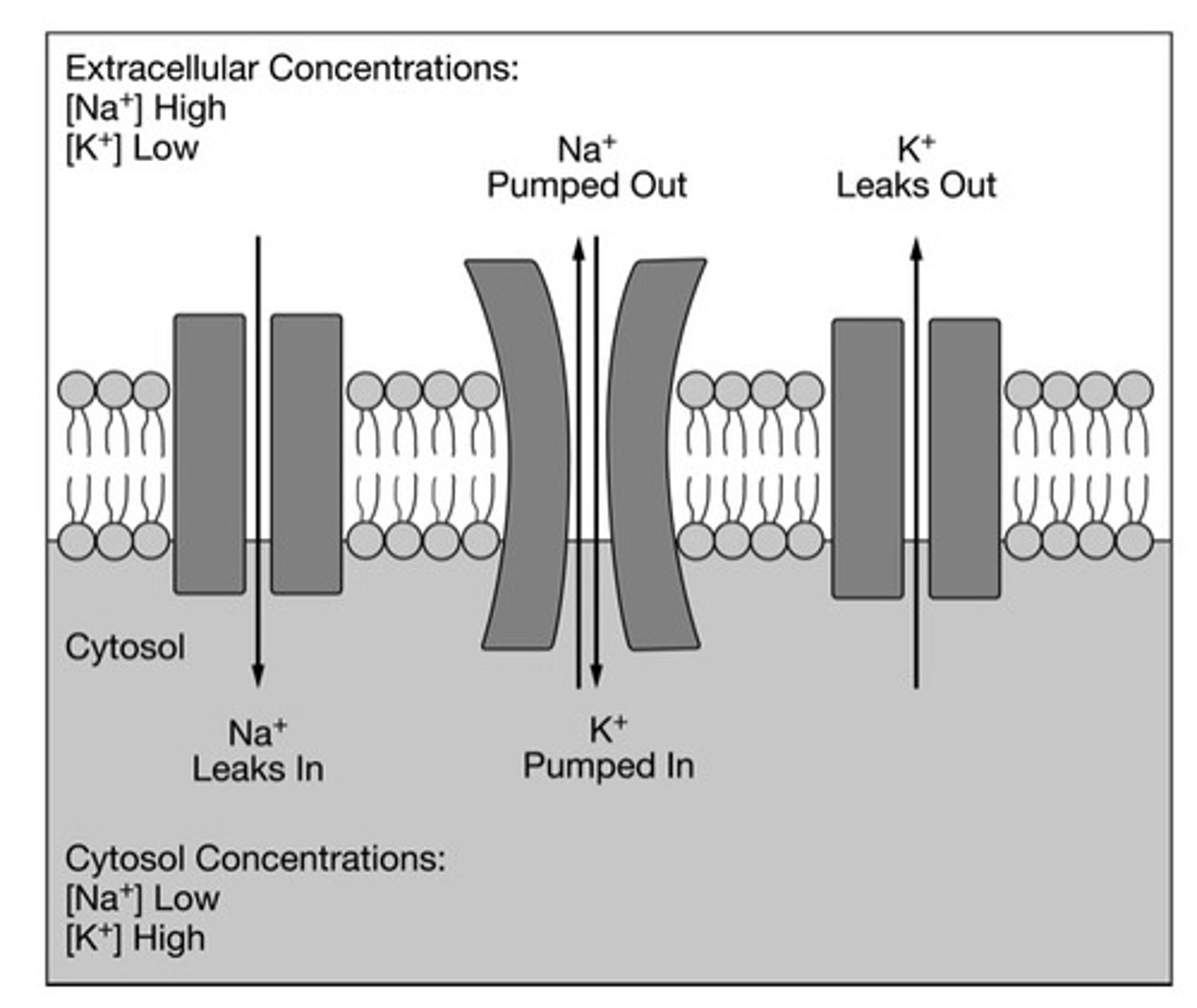
Some membrane proteins help maintain the concentrations of ions inside a cell by transporting the ions across the cell's plasma membrane. Other membrane proteins form pores in the plasma membrane through which the ions can diffuse. A model showing the influence of membrane proteins on the movement of sodium (Na+) and potassium (K+) ions across a plasma membrane is presented in Figure 1.
Figure 1. Section of a cell's plasma membrane, showing ion concentrations and membrane proteins
Based on the model presented in Figure 1, which of the following changes will most likely result from a depletion of available ATP stores inside the cell?
Answer (B): The Na+ concentration inside the cell will increase.
Explanation: Without ATP, the Na+ ions will continue to leak into the cell but will not be pumped out of the cell, resulting in a concentration increase inside the cell.
A study was conducted to understand the factors controlling the rate at which molecules or ions travel across cell membranes. An artificial membrane was created that was composed of a phospholipid bilayer only. The speed at which various substances crossed this membrane was measured.
Some substances can pass through an actual cell membrane much faster than they passed through the artificial membrane in this study. Which of the following statements best explains this finding?
Answer (B): Actual cell membranes have a variety of proteins embedded in the membrane that are absent in the artificial membrane.
Explanation: Actual cell membranes have a variety of embedded proteins that increase the movement of substances across the membrane by both active and passive transport.
A magnesium sulfate solution taken orally can cause a net movement of water into the large intestine, which results from water molecules diffusing through aquaporins embedded in the cells of the intestinal lining.
By which of the following mechanisms do the water molecules most likely move into the large intestine?
Answer (A): By passive transport from an area of low osmolarity to an area of high osmolarity
Explanation: Based on the information presented, the water molecules move through aquaporins by diffusing from an area of low osmolarity to an area of high osmolarity, which is an example of passive transport.
Aldosterone (a steroid hormone) is a small, nonpolar, hydrophobic molecule that enters a target cell by moving across the plasma membrane, down a concentration gradient.
Based on the information presented, how does aldosterone most likely enter target cells?
Answer (A): By simple diffusion because aldersterone can enter a cell by moving across the plasma membrane and moving down the concentration gradient.
Explanation: Small, nonpolar, hydrophobic molecules can enter a cell by moving across the plasma membrane and down a concentration gradient by simple diffusion.
Figure 1
A student is using dialysis bags to model the effects of changing solute concentrations on cells. The student places one dialysis bag that contains 25 mL of distilled water into each of two beakers that are filled with 200 mL of distilled water. (Figure 1). The membrane of each dialysis bag membrane contains pores that allow small solutes such as monoatomic ions to pass through but are too small for anything larger to pass. After 30 minutes, 5 mL of a concentrated solution of albumin (a medium-sized, water-soluble protein) is added to one of the two beakers. Nothing is added to the other beaker. After two more hours at room temperature, the mass of each bag is determined. There is no change in the mass of the dialysis bag in the beaker to which no albumin was added.
Which of the graphs below best represents the predicted change in mass over time of the dialysis bag in the beaker to which albumin was added?
Answer (B):
Explanation: The graph indicates no change in the mass of the dialysis bag for the first 30 minutes in an isotonic environment and then shows a decrease in mass when the environment became hypertonic with the addition of albumin.
Some viral infections can lead to the rupture of the lysosome membrane. Which prediction of the effect of this disruption of cellular compartmentalization is most likely correct?
Answer (C): Hydrolytic enzymes will be released, which will cause cell death.
Explanation: Hydrolytic enzymes will be released, resulting in cell death and preventing further viral reproduction.
Gaucher disease is an inherited disorder in which cells of the body are unable to break down a particular type of lipid, resulting in a buildup of the lipid in some tissues and organs.
Based on the information provided, Gaucher disease results most directly from a defect in the function of which of the following organelles?
Answer (C): The lysosome
Explanation: The lysosome contains specific enzymes used to break down a variety of molecules and cellular waste products. A defect in the function of the lysosomal enzymes that are needed to break down lipids is the most direct cause of Gaucher disease.
Researchers have proposed a model of chloroplast evolution. According to the model, chloroplasts evolved from a small prokaryotic organism that was engulfed by an ancestral eukaryote. The engulfed prokaryote then formed an endosymbiotic relationship with the eukaryotic host.
Which of the following observations best supports the model?
Answer (D): Chloroplasts and some prokaryotes share similar photosynthetic reactions.
Explanation: Photosynthesis is a feature of only a limited number of organisms, including cyanobacteria, algae, and plants. The fact that this specialized process is similar in prokaryotes, such as cyanobacteria, and in eukaryotes, such as algae and plants, provides evidence in support of the model.
Which of the following observations best supports the claim that mitochondria evolved from once-free-living prokaryotic cells by the process of endocytosis?
Answer (D): Mitochondria are surrounded by a double membrane.
Explanation: The double membranes of mitochondria provide evidence that an ancestor of mitochondria, which was most likely a type of free-living aerobic bacterium, was ingested via endocystosis by a primitive eukaryotic cell.
Euglenids are single-cell eukaryotes that live in aquatic environments. The chloroplasts found inside euglenids are enveloped by three membranes, as represented in Figure 1. The inner membrane of euglenid chloroplasts resembles the thylakoid membrane.
Figure 1. Simplified diagram of a euglenid, showing the structure of the chloroplast envelope
Which of the following claims about the origin of the euglenid chloroplast is best supported by the three-membrane structure of the envelope?
Answer (D): It originated from the incorporation of a photosynthetic prokaryote into a eukaryotic cell by two endosymbiotic events.
Explanation: The three-membrane structure of the chloroplast envelope best supports the claim presented in this answer choice. The three-membrane structure most likely resulted from two endosymbiotic events, with the middle membrane originating from the first event and the outer membrane originating from the second event.
Beetroot cells contain a family of dark red pigments called betalains. The selectively permeable nature of the beetroot cells keeps the internal environment of the cell separate from the external environment of the cell. Researchers are interested in determining whether the selective permeability of beetroot cells is due to the cell membrane or if it is due to the cell wall.
Exposure to cellulase is known to damage the structure of the cell wall. An experiment is set up in which beetroot cells are placed in an aqueous solution with cellulase and in one without cellulase.
Which of the following results best refutes the alternative hypothesis that selective permeability is a consequence of the cell wall?
Answer (B): When beetroot cells are placed in a solution with cellulase, the solution remains clear.
Explanation: Cellulase digests cellulose and damages the structure of the cell wall, not the cell membrane. The lack of color change in the solution indicates that the betalain is not leaking out of the beetroot cells even though the cell wall has been damaged. This refutes the alternative hypothesis.
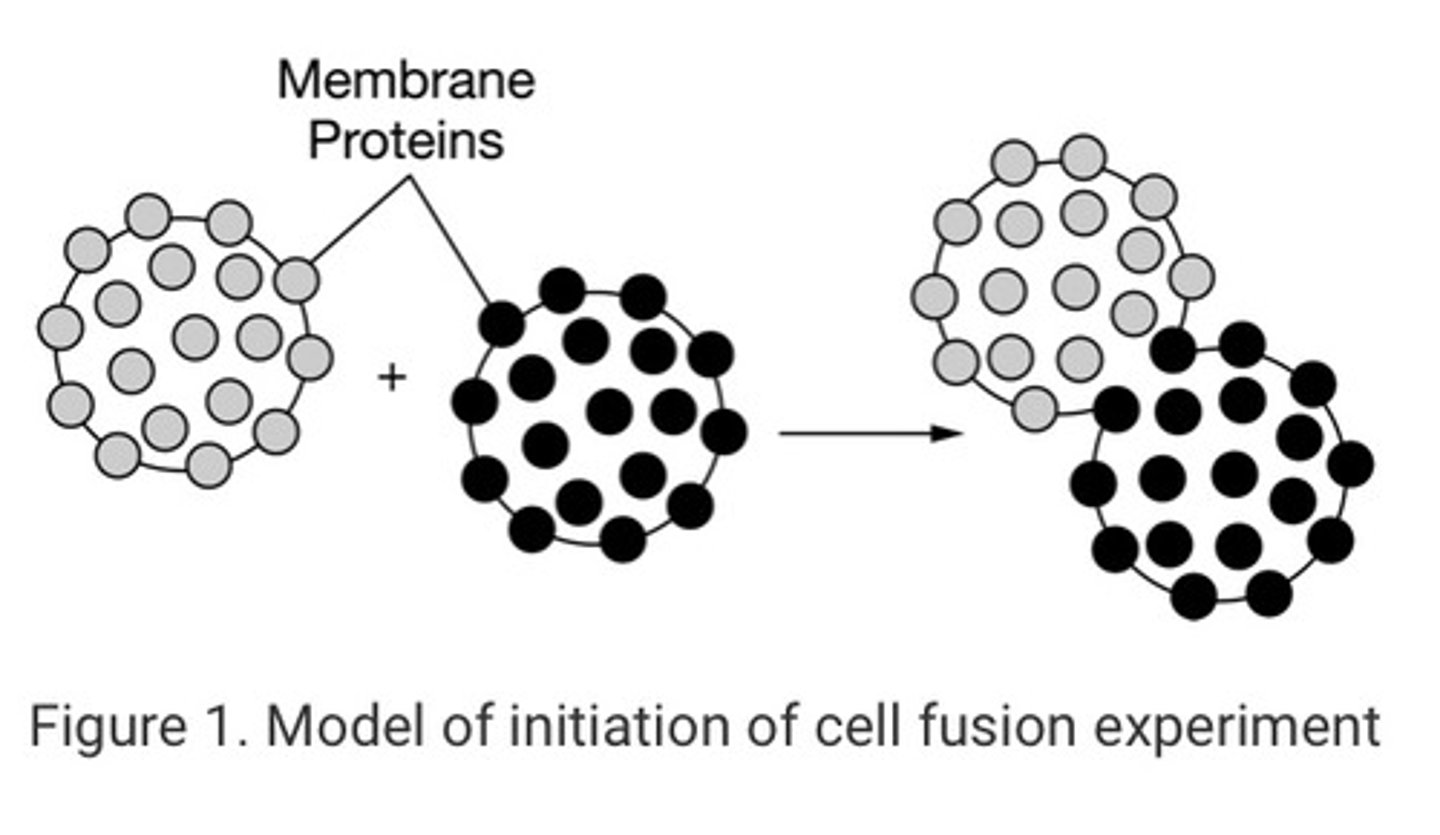
Two competing hypotheses exist regarding the cell membrane structure. One hypothesis states that membrane structure is static and membrane components throughout the bilayer are rigidly bound. Alternatively, the other hypothesis states that cell membranes are a fluid mosaic in which membrane components may drift within the bilayer around the surface of the cell. An experiment is set up in which membrane proteins of two different cells are fluorescently labeled with two different colors and then fused as shown in Figure 1.
Figure 1. Model of initiation of cell fusion experiment
Which of the following results, one hour after membrane fusion, best supports the alternative hypothesis that the cell membrane is a fluid mosaic?
Amswer (D):
Explanation: The membrane proteins from each cell have mixed and drifted within the bilayer, which supports the fluid mosaic model of cell membranes. Cell membranes consist of a structural framework of phospholipid molecules that is embedded with proteins and steroids that may flow around the surface of the cell within the bilayer.
The cell membrane is selectively permeable due to its structure. Thus, the internal environment of the cell is distinct from the external environment of the cell. One biologist hypothesizes that small nonpolar molecules readily pass through the membrane. Another biologist alternatively hypothesizes that these types of molecules require channel and transport proteins that are embedded in the membrane in order to move across the membrane.
Which of the following data would best refute this alternative hypothesis?
Answer (C): CO2 and N2 movement in and out of cells is unaffected when membrane protein activity is blocked.
Explanation: Both CO2 and N2 are small nonpolar molecules. Their ability to enter and leave cells normally when membrane protein activity is blocked would refute the alternative hypothesis.
Alcohol dehydrogenase (ADHADH) is an enzyme that aids in the decomposition of ethyl alcohol (C2H5OH)(C2H5OH) into nontoxic substances. Methyl alcohol acts as a competitive inhibitor of ethyl alcohol by competing for the same active site on ADHADH. When attached to ADHADH, methyl alcohol is converted to formaldehyde, which is toxic in the body.
Which of the following statements best predicts the effect of increasing the concentration of substrate (ethyl alcohol), while keeping the concentration of the inhibitor (methyl alcohol) constant?
Competitive inhibition will decrease because the proportion of the active sites occupied by substrate will increase.
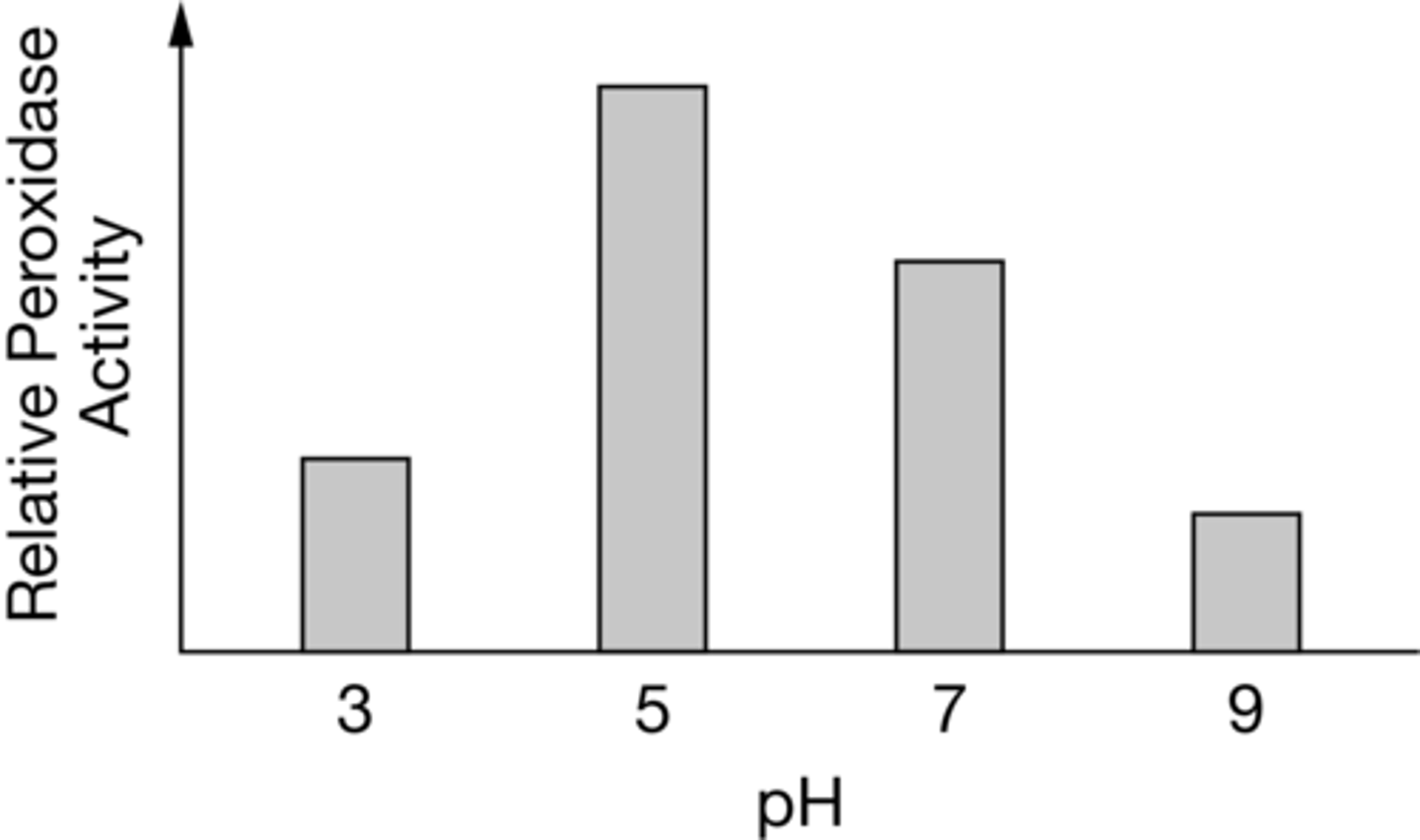
The enzyme peroxidase is found in many organisms. It catalyzes the breakdown of hydrogen peroxide into water and oxygen gas. The rate of peroxidase activity at different pH values was assessed by students in the lab. The students' results are shown in graph 1.
If the experiment is repeated at pH 11, the observed activity level of the enzyme will most likely be
lower than the level at pH 9
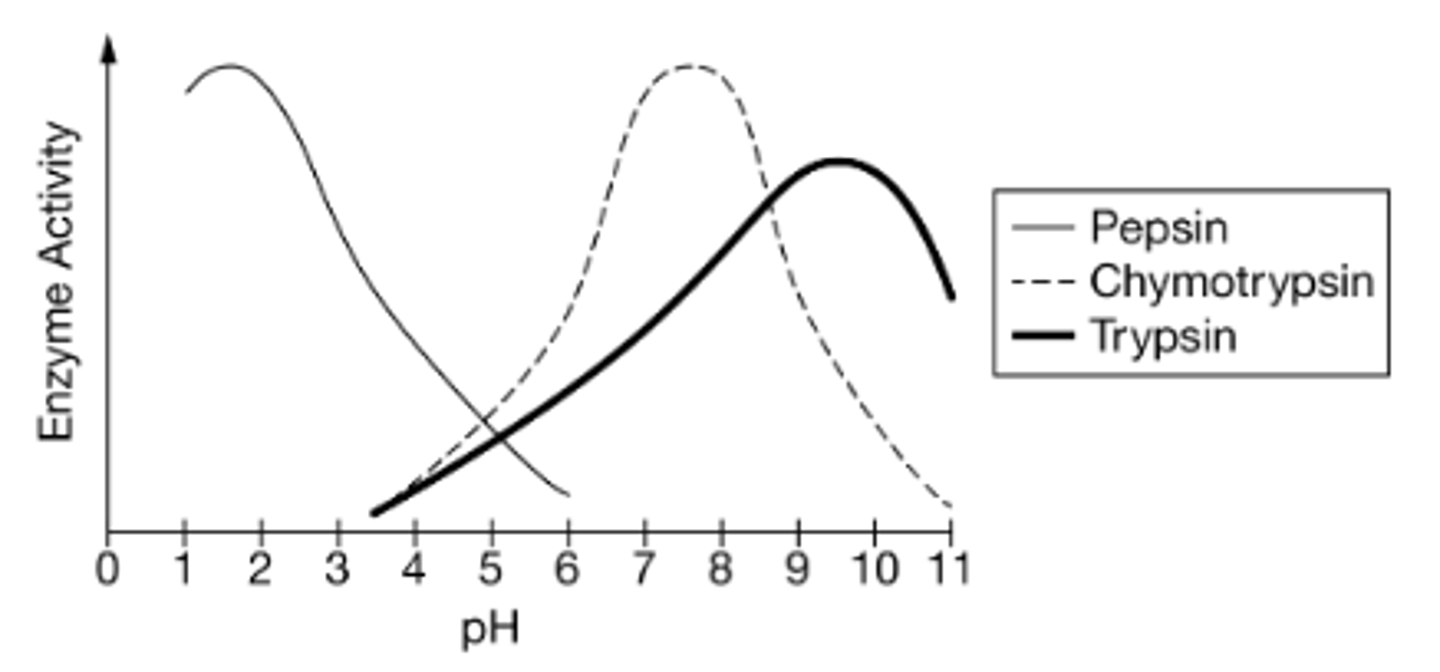
Protein digestion in humans is primarily carried out by three enzymes. Pepsin is found in the stomach (pH2), where it aids in the breakdown of large proteins into smaller peptides, while trypsin and chymotrypsin are found in the small intestine (pH8), where they aid in the further breakdown of the proteins into amino acids and dipeptides that can be absorbed into the bloodstream. Graph 1 shows the effect of pH on the activity levels of the three enzymes.
Graph 1. Relative activity of pepsin, trypsin, and chymotrypsin at pH 0 through 11
Which of the following best predicts how the structure and function of pepsin will change as it enters the small intestine?
Pepsin will change in shape because of the basic environment of the small intestine; therefore, its enzymatic activity will decrease.
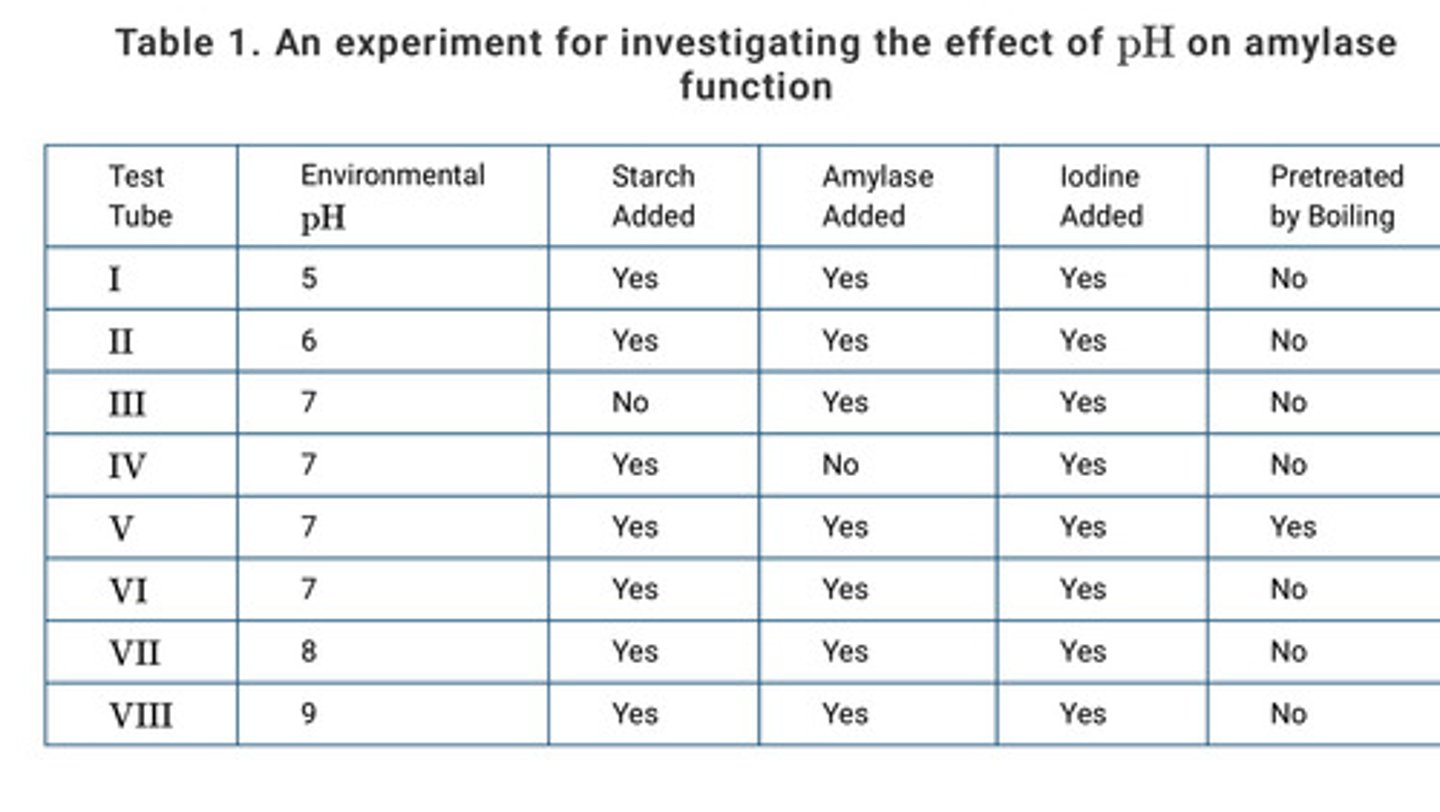
Amylase is a protein that catalyzes the conversion of starch to simple sugars. Amylase activity in an aqueous solution can be measured by using iodine as a starch indicator. A solution containing iodine and starch will have a dark-blue color, whereas a solution containing iodine but no starch will have a light-brown color. The color change of an iodine solution from dark blue to light brown can be used to measure the rate at which starch is converted to simple sugars.
A student designs an experiment to investigate the effect of environmental pH on amylase function. The design of the experiment is presented in Table 1.
Which of the following statements best justifies the inclusion of test tube VV as a control in the experiment?
It will show the color change that occurs in the absence of enzyme activity.
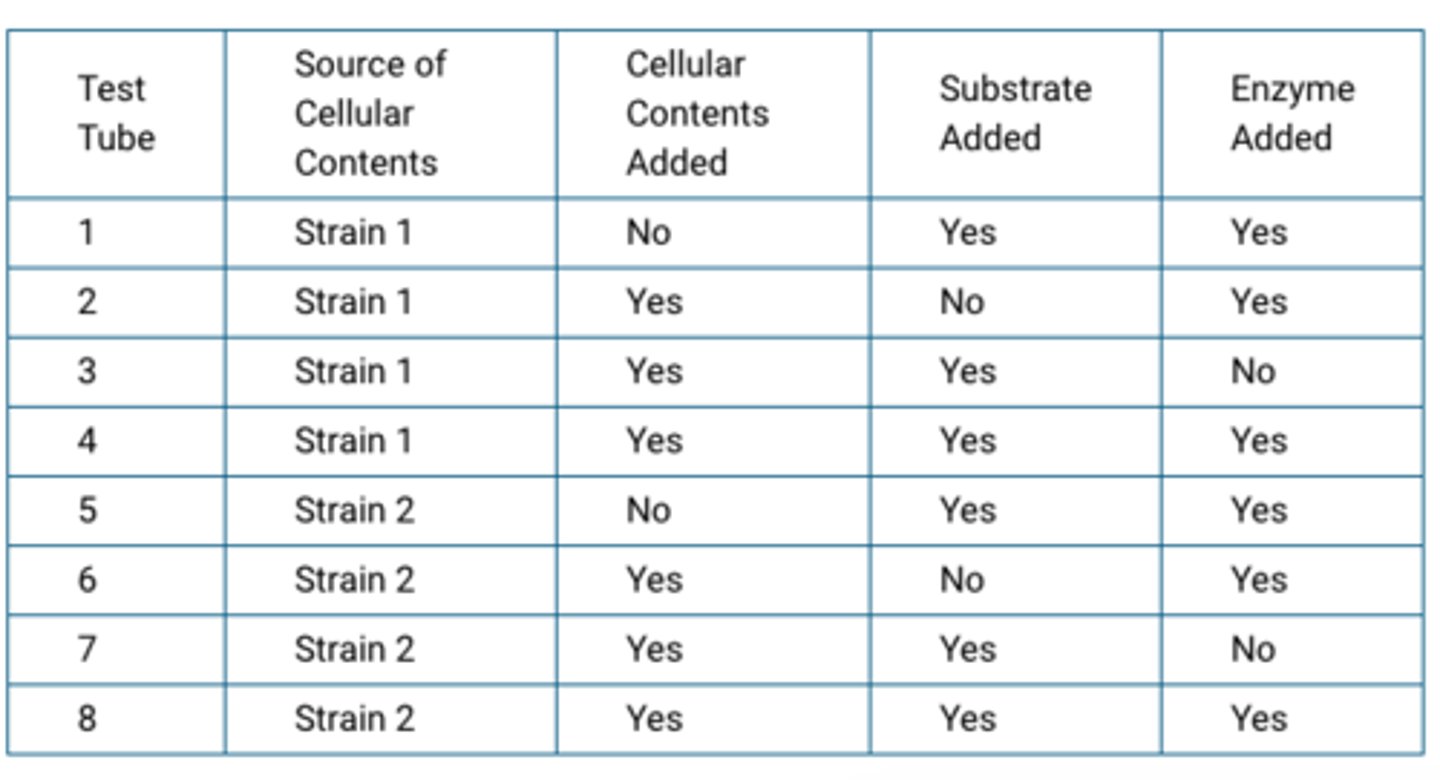
A researcher claims that some bacteria contain factors that influence the function of a particular enzyme but other bacteria do not. To test the claim experimentally, the researcher will grow two different bacterial strains in separate liquid cultures and isolate the contents of the cells in each culture. The researcher will add different combinations of cellular contents, substrate, and enzyme to test tubes containing a buffer solution adjusted to the optimal pH of the enzyme and then measure the rate of product formation. The design of the researcher's experiment is presented in Table 1.
They will show whether the isolated cellular contents have enzymatic activity.
A researcher designs an experiment to investigate the effect of environmental temperature on the function of an enzyme. For each trial included in the experiment, the researcher will add the enzyme and its substrate to an aqueous buffer solution and then measure the amount of product formed over 20 minutes.
Which of the following must remain the same for all trials of this experiment?
The initial concentration of the substrate
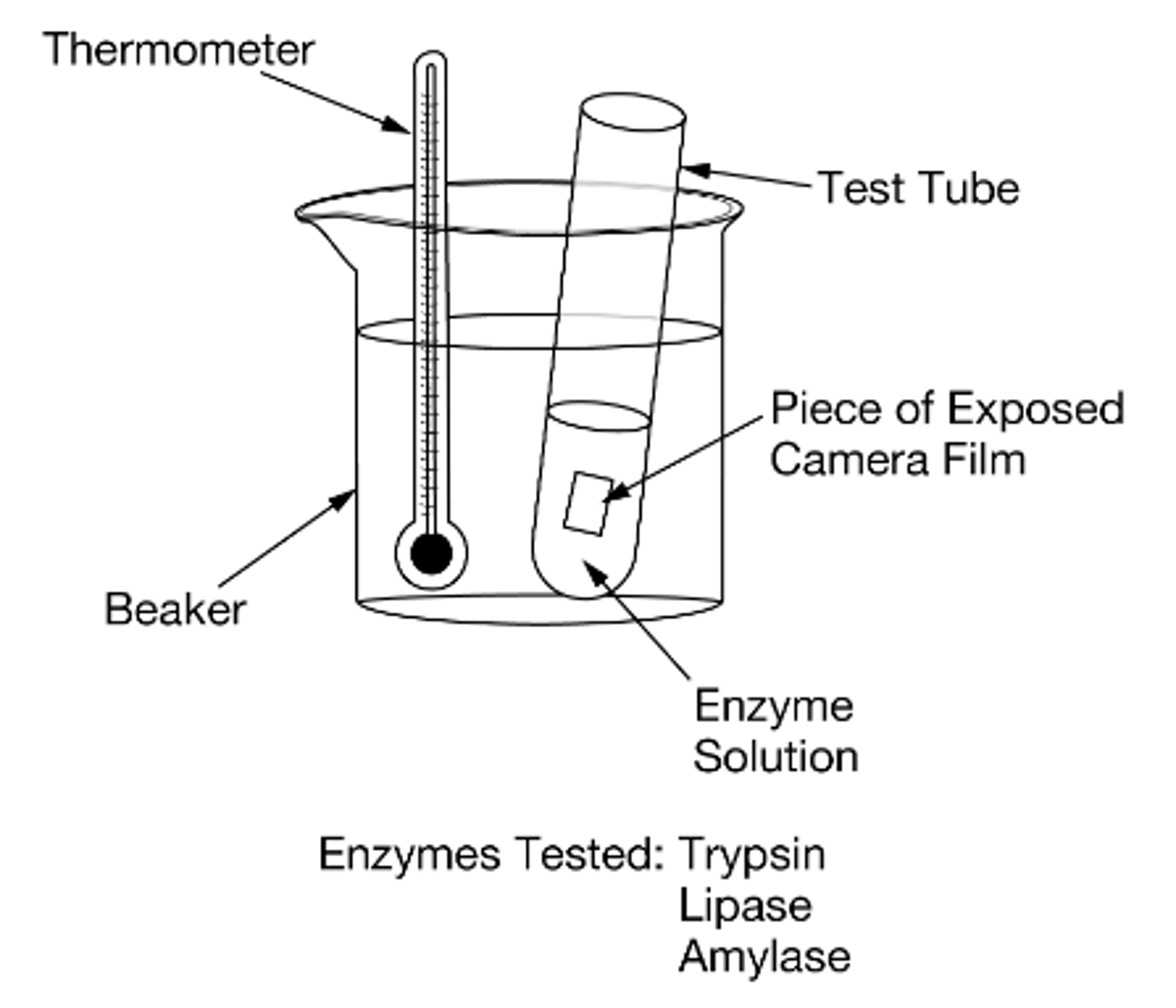
Gelatin is a protein that is derived from collagen which is found in the bones, skin, and connective tissue of animals. To investigate the ability of various enzymes to digest gelatin, a group of students set up an assay involving camera film. Camera film contains gelatin and appears black when exposed to light but turns clear as the gelatin gets broken down. The students incubated pieces of exposed camera film in test tubes, each containing one of three different enzyme solutions (trypsin, lipase, or amylase) as indicated in Figure 1. The students recorded the time it took for the enzymes to digest the gelatin in each test tube, turning the film from black to clear.
Figure 1. Diagram of experimental setup.
Which of the following would be the most appropriate control for this experiment?
A test tube containing a piece of exposed camera film submerged in water
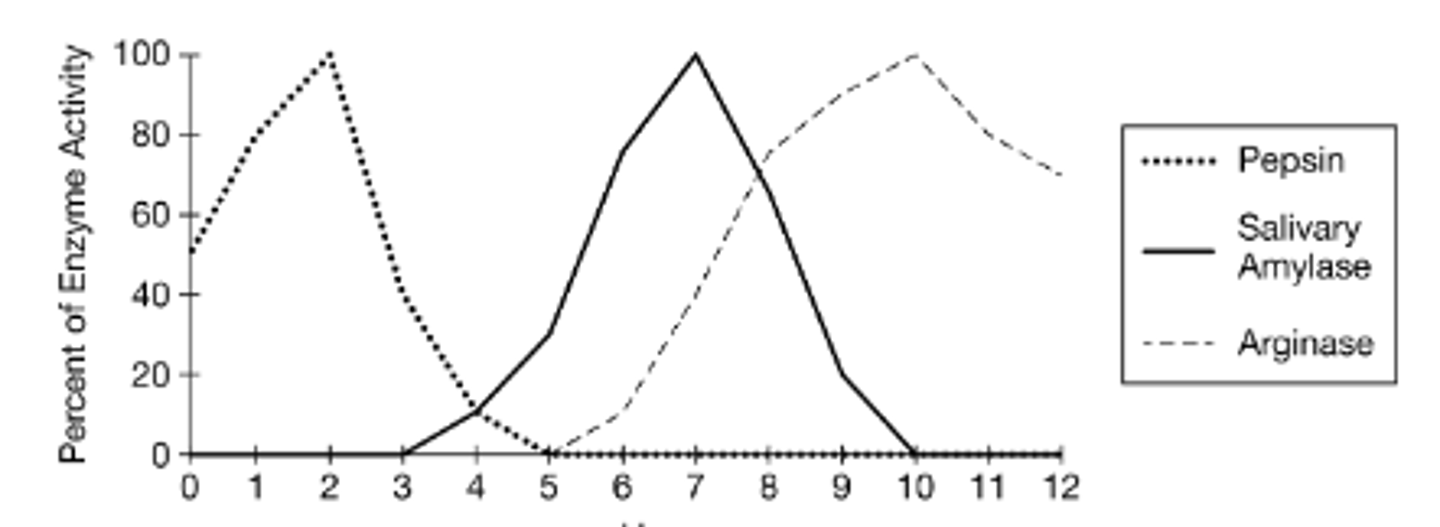
A researcher claims that different enzymes exhibit maximal function over different pH ranges. To test the claim, the researcher carries out an experiment that includes three different enzymes: pepsin, salivary amylase, and arginase. The results of the experiment are represented in Figure 1.
Which of the following actions will provide the most appropriate negative control for the experiment?
Repeating the experiment with denatured enzymes
A researcher claims that increasing the environmental temperature by 10°C will double the rate of an enzyme-catalyzed reaction. To test the claim, the researcher designs an experiment that uses a particular enzyme isolated from plants. The design of the experiment is presented in Table 1. For each test tube in the experiment, the researcher will measure the rate of product formation.
Which of the following statements best helps justify the inclusion of test tube 5 as a control in the experiment?
It will provide a measurement of product formation in the presence of a denatured enzyme.
A researcher proposes a model of an enzyme-catalyzed reaction in which a reactant is converted to a product. The model is based on the idea that the reactant passes through a transition state within the enzyme-substrate complex before the reactant is converted to the product.
Which of the following statements best helps explain how the enzyme speeds up the reaction?
The enzyme's active site binds to and stabilizes the transition state, which decreases the activation energy of the reaction.
Which of the following statements best helps explain the reaction specificity of an enzyme?
The shape and charge of the substrates are compatible with the active site of the enzyme.
The enzyme hexokinase catalyzes the conversion of glucose to glucose-6-phosphate, which is an important step in glycolysis. The reaction involves the transfer of a phosphate group from ATP to glucose.
Either a glucose molecule or a water molecule can fit in the active site of hexokinase. The presence of a water molecule in hexokinase's active site would result in the hydrolysis of ATP to ADP instead of the conversion of glucose to glucose-6-phosphate.
Which of the following statements best helps explain the reaction specificity of hexokinase?
Glucose has the right shape and charge to cause hexokinase to undergo a structural change needed for catalysis, whereas water does not.
Researchers investigated the influence of environmental pH on the activity of peroxidase, an enzyme that catalyzes the conversion of hydrogen peroxide to water and oxygen gas. In an experiment, the researchers added a hydrogen peroxide solution containing guaiacol to several identical test tubes and adjusted the solution in each test tube to a different pH . The researchers included the guaiacol because it caused the solutions to change color as the reactions proceeded, which the researchers relied on for measuring reaction rates. Finally, the researchers added the same amount of peroxidase to each test tube and measured the rate of each reaction at 23°C . The results of the experiment are represented in Figure 1.
Based on Figure 1, which of the following statements best predicts the effect that a change from a moderately acidic environment (pH near 6) to a basic environment will have on peroxidase activity?
Peroxidase activity will decrease.
Researchers investigated the influence of environmental pH on the activity of peroxidase, an enzyme that catalyzes the conversion of hydrogen peroxide to water and oxygen gas. In an experiment, the researchers added a hydrogen peroxide solution containing guaiacol to several identical test tubes and adjusted the solution in each test tube to a different pH. The researchers included the guaiacol because it caused the solutions to change color as the reactions proceeded, which the researchers relied on for measuring reaction rates. Finally, the researchers added the same amount of peroxidase to each test tube and measured the rate of each reaction at 23°C. The results of the experiment are represented in Figure 1.
Which of the following actions will provide a negative control for the investigation?
Repeating the experiment using heat-denatured peroxidase
Researchers investigated the influence of environmental pH on the activity of peroxidase, an enzyme that catalyzes the conversion of hydrogen peroxide to water and oxygen gas. In an experiment, the researchers added a hydrogen peroxide solution containing guaiacol to several identical test tubes and adjusted the solution in each test tube to a different pH. The researchers included the guaiacol because it caused the solutions to change color as the reactions proceeded, which the researchers relied on for measuring reaction rates. Finally, the researchers added the same amount of peroxidase to each test tube and measured the rate of each reaction at 23°C. The results of the experiment are represented in Figure 1.
One of the researchers proposes using oxygen gas production to measure reaction rates. Which of the following statements best justifies the use of the proposed modification as a way of creating an appropriate control for the investigation?
The experiment can be repeated without guaiacol, which will reveal the effect of guaiacol on the reaction rates.
Aminolevulinate dehydratase (ALAD) is an enzyme that relies on zinc as a coenzyme. A zinc ion binds to the ALAD active site, where it forms favorable interactions with the side chains of three amino acids. Researchers have found that substituting a lead ion for a zinc ion in the ALAD active site causes inhibition of ALAD.
Which of the following statements best helps explain how the lead ion causes inhibition of ALAD?
It changes the three-dimensional structure of the active site so that ALAD is no longer compatible with its substrate.
Acetylcholinesterase (AChE) is a protein that catalyzes the conversion of acetylcholine to acetate and choline. When the concentration of AChE in an aqueous solution is held constant, the rate of the reaction catalyzed by AChE increases with increasing concentrations of substrate. At low concentrations of acetylcholine, a small increase in the substrate concentration results in a large increase in the reaction rate. At high concentrations of acetylcholine, however, a large increase in the substrate concentration results in only a small increase in the reaction rate.
Which of the following statements correctly explains the observed effect of the acetylcholine concentration on the rate of the enzyme-catalyzed reaction?
The active site of AChE is specific for acetylcholine, and only one substrate molecule can occupy the active site at a time.
A researcher proposes a model to explain how enzyme-substrate interactions determine enzyme specificity. The model is based on the idea that substrate molecules form favorable interactions with the amino acid side chains in an enzyme's active site.
Based on the model, which of the following statements best explains an enzyme's specificity for a particular substrate molecule?
A molecule with negative charges interacts with positively charged side chains in the enzyme's active site.
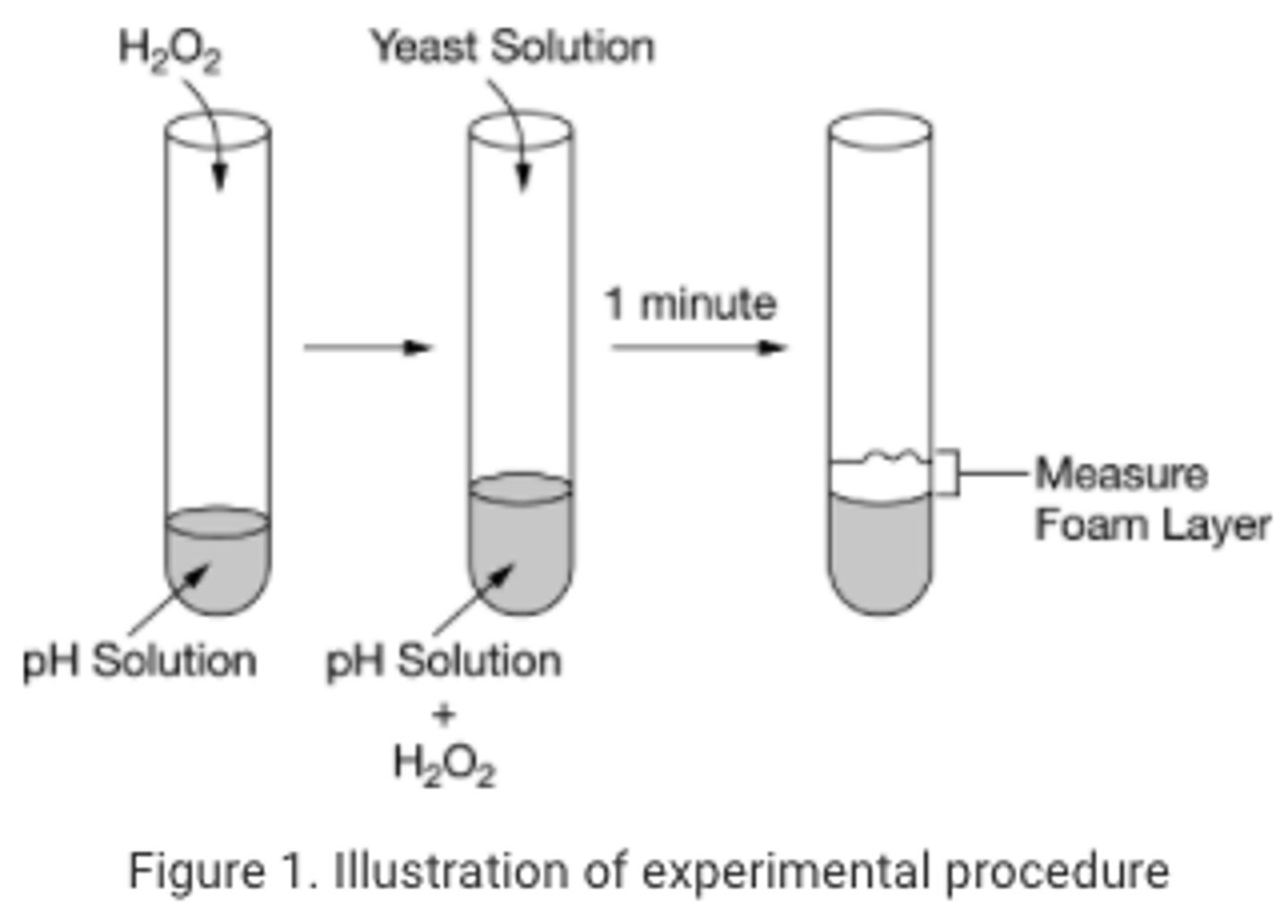
Catalase is an enzyme found in yeast cells that facilitates the chemical breakdown of hydrogen peroxide to water and oxygen gas. An experiment was conducted to determine the effect of pH on catalase function. Five buffer solutions of varying pH (2, 4, 6, 8, and 10) were prepared and added to separate test tubes. Hydrogen peroxide (H2O2) was added to each test tube. Yeast was added, and the reactions were timed. After 1 minute the amount of oxygen gas released was determined by measuring the foam layer produced in each test tube. Figure 1 illustrates the experimental setup.
A set of five additional test tubes were prepared and used as controls. Which of the following best describes the contents expected to be contained in one of the five control test tubes?
pH 4 buffer solution and hydrogen peroxide only
A student designs an experiment to investigate the influence of temperature on enzyme function. The student's plan is presented in Table 1. Which test tubes are controls in the experiment?
Test Tube Substrate Added Enzyme Added Temperature (°C)
1 Yes No 10
2 Yes Yes 10
3 Yes No 20
4 Yes Yes 20
5 Yes No 30
6 Yes Yes 30
7 Yes No 40
8 Yes Yes 40
Test tubes 1, 3, 5, and 7
A researcher designs an experiment to investigate whether soil bacteria trigger the synthesis of defense enzymes in plant roots. The design of the experiment is presented in Table 1. For each group in the experiment, the researcher will determine the average rate of change in the amount of defense enzymes in the roots of the seedlings.
Group Number of Seedlings Type of Soil Treatment Solution
1 10 Sterile potting soil Contains actively reproducing soil bacteria
2 10 Sterile potting soil Contains heat-killed soil bacteria
3 10 Sterile potting soil Contains no soil bacteria
Which of the following statements best helps justify the inclusion of group 2 as one of the controls in the experiment?
It will show whether the changes observed in group 1 depend on the metabolic activity of soil bacteria.
Pectinase is a protein that catalyzes the breakdown of pectic polysaccharides in plant cell walls. A researcher designs an experiment to investigate the effect of salinity on the ability of pectinase to lower the activation energy of the reaction involved. The design of the experiment is presented in Table 1. For each test tube, the researcher will measure the amount of product formed over 20 minutes.
Test Tube Sodium Chloride Concentration (molar) Temperature (degrees C) Substrate Added Pectinase Added
1 0 23 Yes No
2 0 23 Yes Yes
3 0.5 23 Yes No
4 0.5 23 Yes Yes
5 1.0 23 Yes No
6 1.0 23 Yes Yes
7 1.5 23 Yes No
8 1.5 23 Yes Yes
Which of the following statements best helps justify the inclusion of test tube 5 in the experiment?
It will act as a control for test tube 6 by showing the effect of the presence or absence of the enzyme.
Researchers investigated the effect of urea on the three-dimensional structure of a certain enzyme. The researchers dissolved the enzyme in an aqueous buffer solution and added urea to the solution. The enzyme did not appear to have a secondary or tertiary structure. The researchers carefully removed the urea from the solution and determined that the enzyme had the original secondary and tertiary structure again.
Based on the results of the experiment, which of the following statements best predicts the effect of urea on the enzyme's function?
Function will be disrupted by adding the urea and regained by removing the urea.
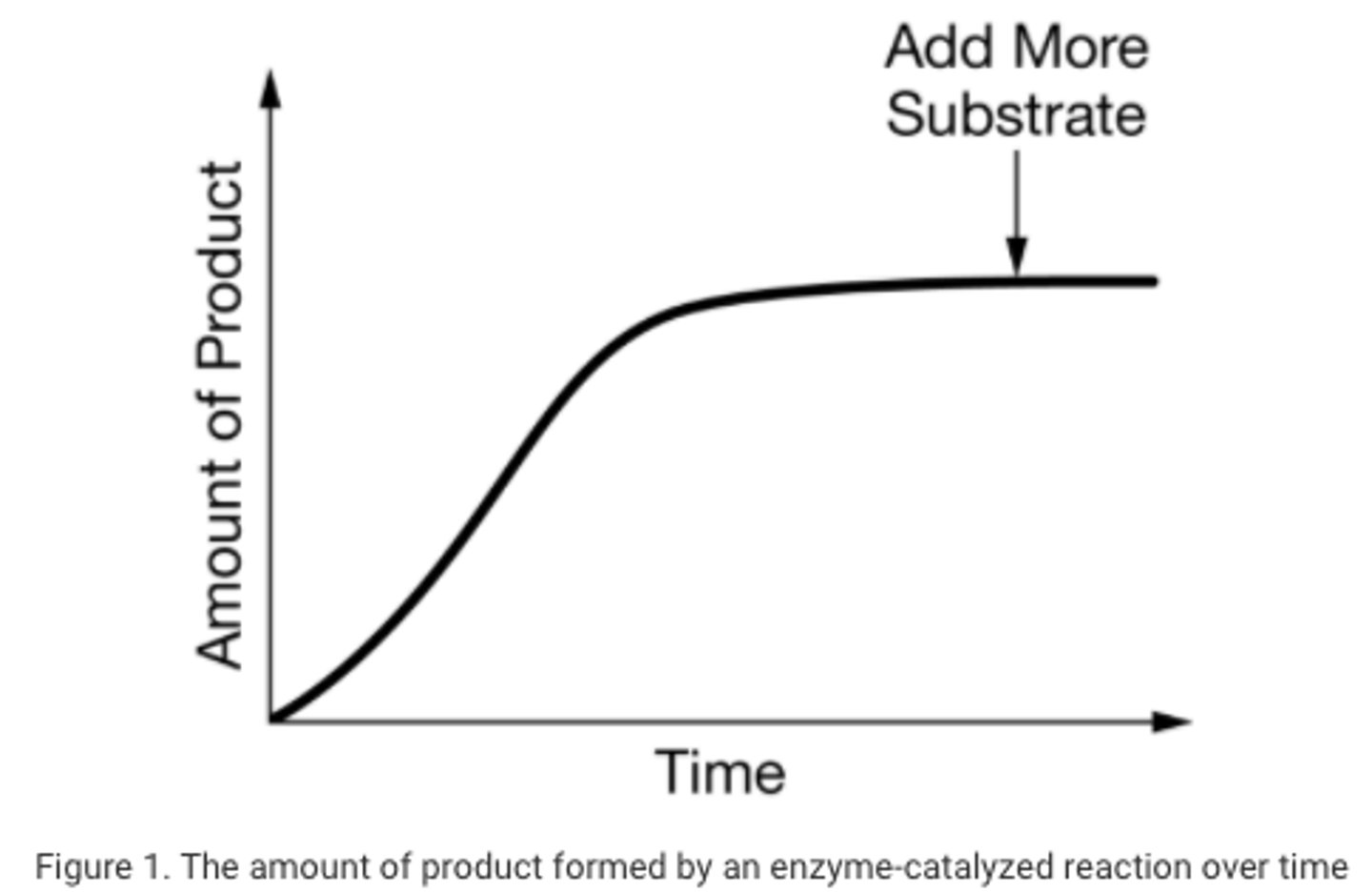
In an experiment, a researcher prepares a reaction mixture by dissolving a substance in a buffered solution. The substance is the substrate of a certain enzyme. The researcher adds a small amount of the enzyme to the reaction mixture and measures the amount of product that is formed over time. The data are represented in Figure 1.
Which of the following best predicts the immediate result of adding more substrate to the reaction mixture at the point indicated by the arrow in Figure 1?
The amount of product will increase until the reaction reaches its equilibrium point or until the substrate is used up by the reaction.
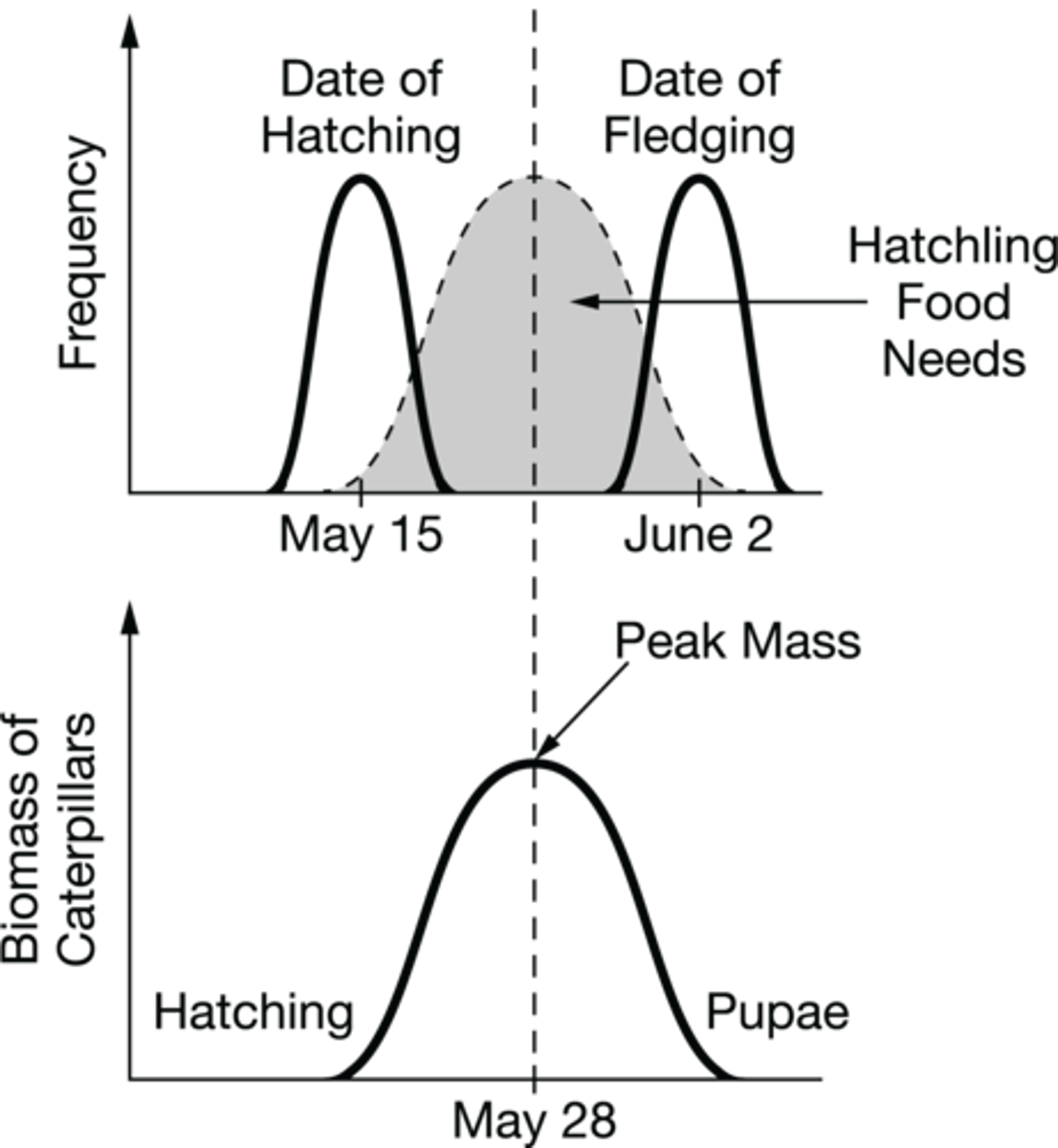
European flycatchers feed caterpillars to their hatchlings. Graph 1 shows the average dates of hatching and fledging (leaving the nest), and the biomass of the caterpillars between early May (when flycatcher young hatch) and June (when fledging of young occurs).
Based on the data, scientists claim that the reproductive behavior of European flycatchers is influenced by the availability of energy sources. Which of the following statements best justifies this claim?
Young European flycatchers hatch from eggs when caterpillar biomass is available for the young birds to consume and convert into energy for growth.
A researcher claims that the incorporation of carbon dioxide into organic molecules during photosynthesis does not violate the second law of thermodynamics.
Which of the following statements best helps justify the researcher's claim?
The total system that includes photosynthetic organisms and the Sun becomes less ordered over time.
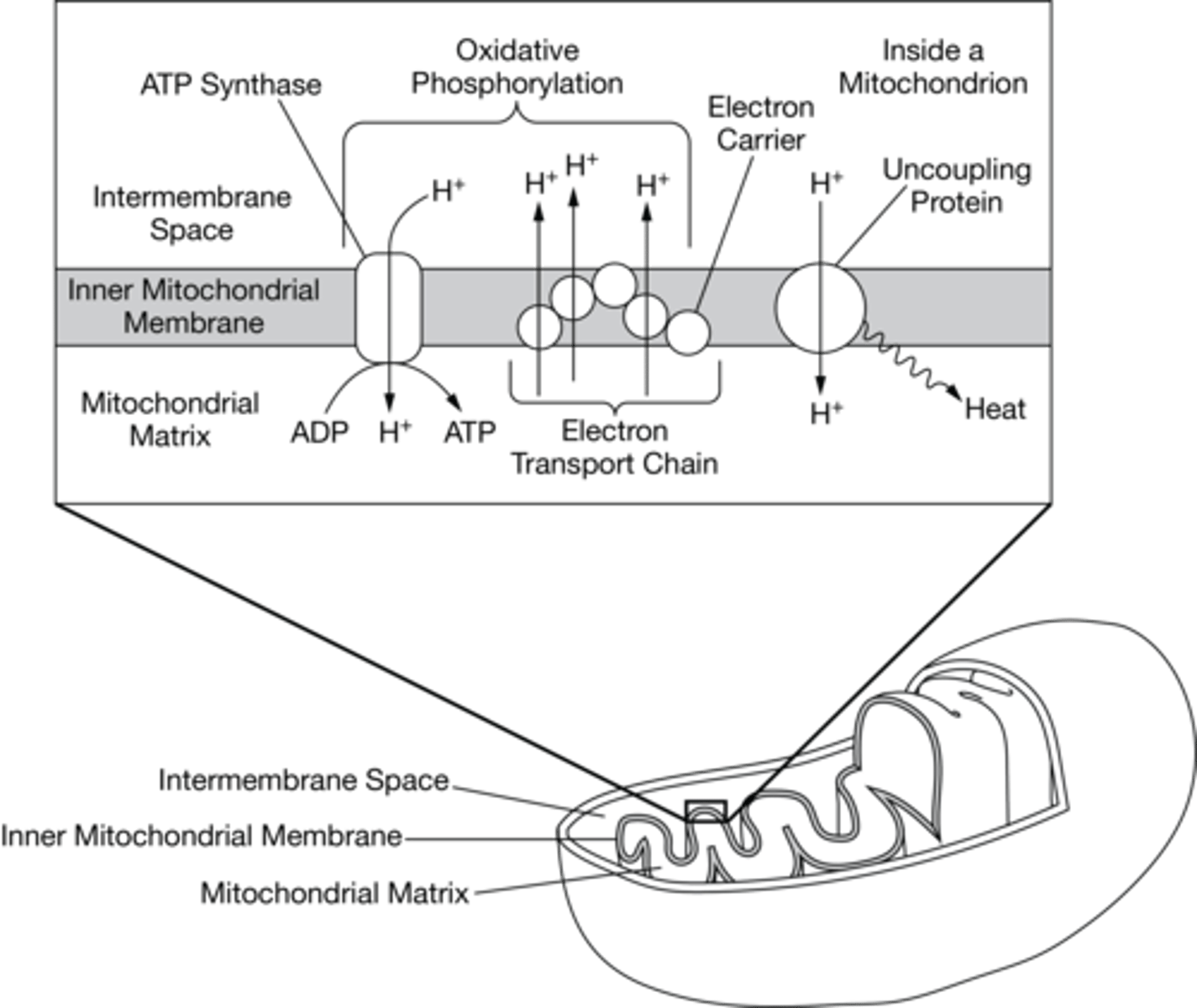
Brown fat is a type of fat tissue found in hibernating mammals. Inside the mitochondria of these fat tissue cells, these mammals have an uncoupling protein embedded in the inner mitochondrial membrane. This uncoupling protein allows hydrogen ions to leak from the intermembrane space back into the mitochondrial matrix. Figure 1 shows details of the processes in the inner mitochondrial membrane.
Which of the following statements provides reasoning that supports the claim that brown fatty tissue keeps an animal warm?
The uncoupling protein in this tissue reduces the proton gradient across the membrane and thus produces heat to warm the animal without ATP production.
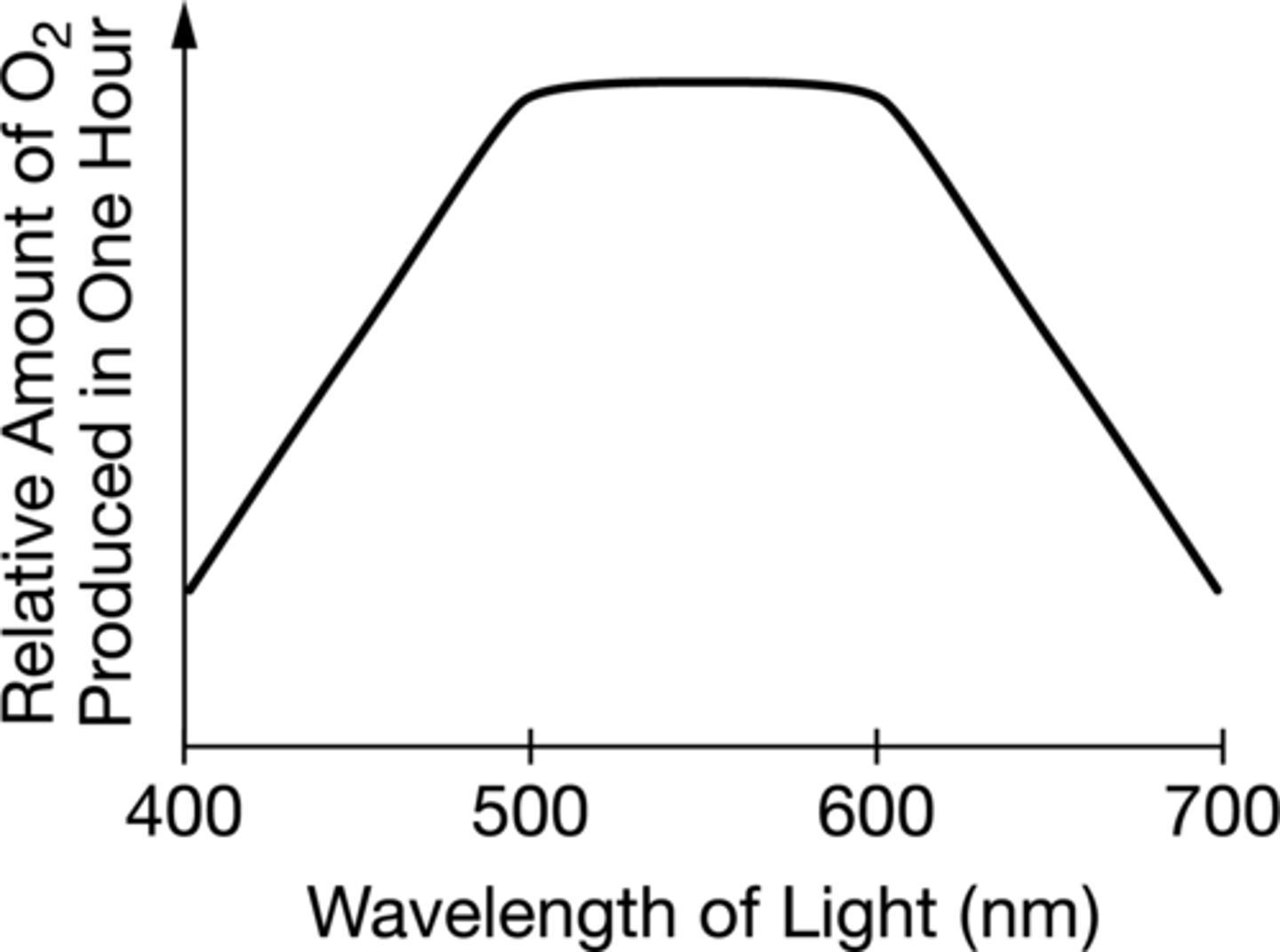
A researcher claims that spinach leaves capture the most energy from light waves in the range of 500 nm to 600 nm. To test the claim, the researcher will place spinach leaves in separate chambers and expose the leaves to different wavelengths of light. For each chamber, the researcher will measure the amount of oxygen gas (O2) that is produced in one hour.
Which of the following graphs best represents data from the experiment that will support the researcher's claim?
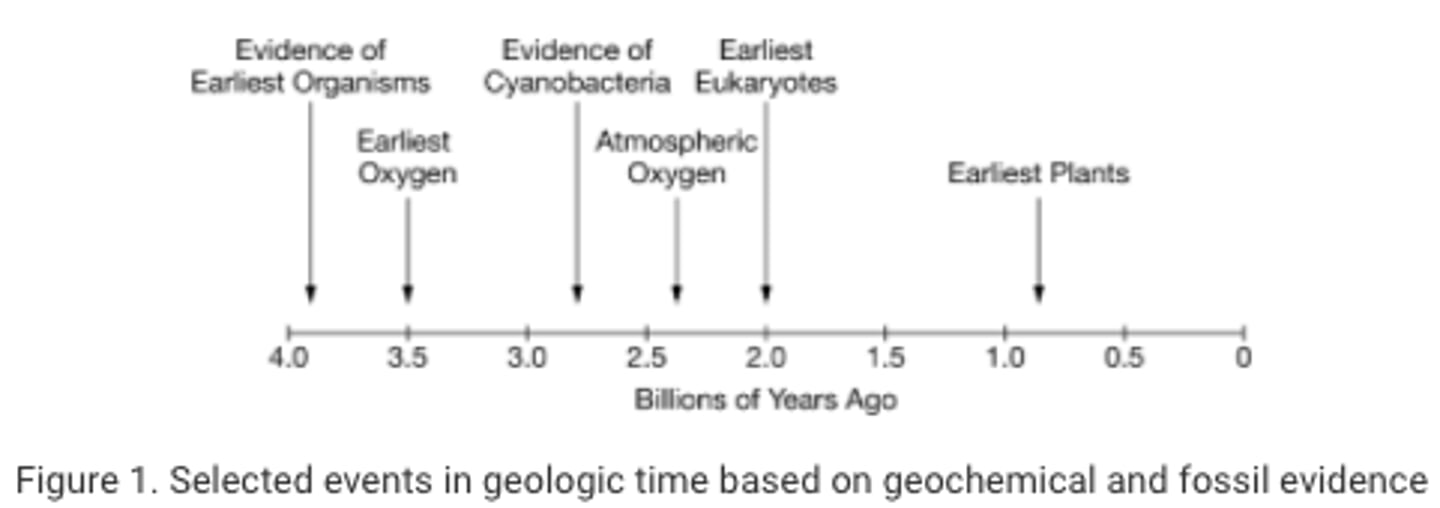
A researcher claims that the initial rise of oxygen in Earth's early atmosphere, which occurred approximately 2.3 billion years ago, resulted from the metabolic activity of prokaryotic organisms. The claim is based on an interpretation of the geochemical and fossil evidence represented in Figure 1.
Which of the following types of evidence will best support the researcher's claim?
Evidence that the cyanobacteria produced oxygen as a by-product of photosynthesis
A researcher claims that a certain herbicide suppresses plant growth by inhibiting chloroplast function. To test the claim, the researcher treats isolated chloroplasts with increasing concentrations of the herbicide. The data from the experiment are presented in Table 1.
Herbicide Concentration (μg/L) pH Difference across Thylakoid Membrane ATP Production
0 3.5 Very high
2 2.5 Moderate
8 0.5 Very low
32 0 Very low
Which of the following statements best clarifies how the data support the researcher's claim?
ATP synthase activity depends on a proton gradient across the thylakoid membrane.
A researcher claims that genetic variation provides organisms with the ability to survive and reproduce in different environments. To support the claim, the researcher makes the following observation: bacteria that contain plasmids (small DNA molecules) are resistant to a wider range of antibiotics than are bacteria that contain no plasmids.
Which of the following statements best establishes a connection between the observation and the researcher's claim?
Some plasmids contain antibiotic resistance genes
Phycobiliproteins are a complex of accessory pigments and proteins found in cyanobacteria but not in green algae. A researcher claims that the phycobiliprotein pigments in cyanobacteria allow the cyanobacteria to survive in certain aquatic niches better than green algae can.
Which of the following statements best justifies the researcher's claim?
The additional pigments absorb light at wavelengths that green algae cannot absorb; this may allow cyanobacteria to capture more light energy for photosynthesis than green algae can in certain areas.
A researcher claims that budding yeast are able to survive in different environments because they produce enzymes that allow them to use different molecules as sources of matter and energy.
Which of the following statements best helps justify the researcher's claim by providing a relevant example?
Yeast cells produce invertase, which is an enzyme that catalyzes the conversion of the disaccharide sucrose into glucose and fructose.
An antigen can induce an immune response in a host organism. Antigens are targeted by antibodies that are produced by the organism’s immune system in response to contact with the antigen. Antibodies are specific to antigens. Many different cell types are involved in immune responses.
Which of the following best explains the role of cell-to-cell communication during a response to an invasion of antigens?
a.Chemicals that are secreted from antigen-presenting cells then activate helper T cells.
b.A macrophage cell engulfs a pathogen in the blood.
c.Antigens attaching to receptors on memory B cells stimulate the memory B cells to become plasma cells.
d.Antigen-presenting cells engulf antigens at the first exposure.
a.Chemicals that are secreted from antigen-presenting cells then activate helper T cells.
Adjacent plant cells have narrow channels called plasmodesmata that pass through the cell walls of the connected cells and allow a cytoplasmic connection between the cells.
Which of the following statements best explains a primary function of plasmodesmata?
a. They allow the movement of molecules from one cell to another, enabling communication between cells.
b. They prevent the cell membrane from pulling away from the cell wall during periods of drought.
c.They eliminate the need to produce signaling molecules and eliminate the need for cells to have receptors for signaling molecules.
d.They increase the surface area available for attachment of ribosomes and thus increase protein synthesis.
a. They allow the movement of molecules from one cell to another, enabling communication between cells.
A hydrophilic peptide hormone is produced in the anterior pituitary gland located at the base of the brain. The hormone targets specific cells in many parts of the body.
Which of the following best explains a possible mechanism that would enable the hormone to efficiently reach all of the target cells in the body?
A.The hormone interacts with the nerves at the base of the brain and directs signals to the target cells through the nervous system.
B.The hormone diffuses into target cells adjacent to the anterior pituitary gland, where the hormone is degraded.
C.The hormone is released into the bloodstream where it can be transported to all cells with the correct receptors.
D.The hormone moves through cytoplasmic connections between cells until it has reached all cells with the correct intracellular binding sites.
C.The hormone is released into the bloodstream where it can be transported to all cells with the correct receptors.
G proteins are a family of receptor proteins that are involved in transmitting signals from outside a cell to inside a cell. When a signaling molecule binds to a G protein, the G protein is activated. The G protein then activates an enzyme that produces a second messenger called cAMP.
Which of the following describes a critical role of cAMP during the transduction stage of a G protein signal transduction pathway?
A. cAMP carries the signal to the nucleus of the cell and results in new sequences of nucleotides being added to the cell’s DNA.
B. cAMP binds the extracellular signal molecule and carries it to the intracellular target specified by the signal.
C. cAMP modifies a specific monomer so that it can be added to an elongating structural macromolecule.
D. cAMP results in the activation of an enzyme that amplifies the signal by acting on many substrate molecules.
D. cAMP results in the activation of an enzyme that amplifies the signal by acting on many substrate molecules.
Metformin is a drug used to treat type 2 diabetes by decreasing glucose production in the liver. AMP-activated protein kinase (AMPK) is a major cellular regulator of glucose metabolism. Metformin activates AMPK in liver cells but cannot cross the plasma membrane.
Which of the following best describes the component that metformin represents in a signal transduction pathway that regulates glucose production in the liver?
A. It is a secondary messenger that amplifies a signal through a cascade reaction.
B. It is a ligand that activates the signal transduction pathway of the activation of AMPK.
C. It is an allosteric regulator that binds to a crucial section of the DNA that makes the enzymes needed for glucose uptake.
D. It is a competitive inhibitor that binds to glucose and prevents it from entering the cell.
B. It is a ligand that activates the signal transduction pathway of the activation of AMPK.
Which of the following steps in a signaling pathway typically occurs first once a chemical messenger reaches a target cell?
A. Specific genes are activated.
B. A second messenger molecule is produced.
C. A ligand binds to a receptor.
D. Specific proteins are synthesized.
C. A ligand binds to a receptor.
Which of the following justifies the claim that differences in components of cell signaling pathways explain the different responses to epinephrine?
A. Cell signaling depends on the ability to detect a signal molecule. Not all cells have receptors for epinephrine. Only cells with such receptors are capable of responding.
B. Cell signaling depends on the transduction of a received signal by the nervous system. Not all cells are close enough to a synapse to receive the signal and respond.
C. Cell signaling depends on the signal being able to diffuse through the cell membrane. Epinephrine is incapable of diffusing through some plasma membranes because of the membrane’s phospholipid composition.
D. Cell signaling requires reception, transduction, and response. All cells can receive epinephrine, all cells respond with a pathway, but only select cells have the proper coding in their DNA to respond.
A. Cell signaling depends on the ability to detect a signal molecule. Not all cells have receptors for epinephrine. Only cells with such receptors are capable of responding.
Signal transduction may result in changes in gene expression and cell function, which may alter phenotype in an embryo. An example is the expression of the SRY gene, which triggers the male sexual development pathway in mammals. This gene is found on the Y chromosome.
Which statement provides the evidence to justify the claim that signal transduction may result in an altered phenotype?
A. If the SRY gene is absent or nonfunctional, the embryo will exhibit male sexual development.
B. If the SRY gene is absent or nonfunctional, the embryo will exhibit female sexual development.
C. An embryo with a male sex chromosome will always exhibit male sexual development.
D. An embryo with two male sex chromosomes will always exhibit male sexual development.
B. If the SRY gene is absent or nonfunctional, the embryo will exhibit female sexual development.
Researchers have discovered details about apoptosis (programmed cell death) by studying embryologic development of a nematode worm, Caenorhabditis elegans. Apoptosis is a normal developmental process in C. elegans. They found several genes involved in apoptosis, including ced−9 and ced−3 . The ced−3 gene was found to promote cell death, and ced−9 to inhibit it.
Which of the following statements best justifies the claim that changes in the expression of ced−9 in C. elegans can affect regulation of apoptosis in the cell?
A. An experiment showed that a mutation in the ced−9 gene led to excessive cell death in C. elegans.
B. An experiment showed that the ced−9 gene normally produces a protein that promotes excessive cell death in C. elegans.
C. A mutation in ced−3 will cause ced−9 to be incorrectly transcribed.
D. Apoptosis is dependent on a signal from the ced−9 gene in C. elegans.
A. An experiment showed that a mutation in the ced−9 gene led to excessive cell death in C. elegans.
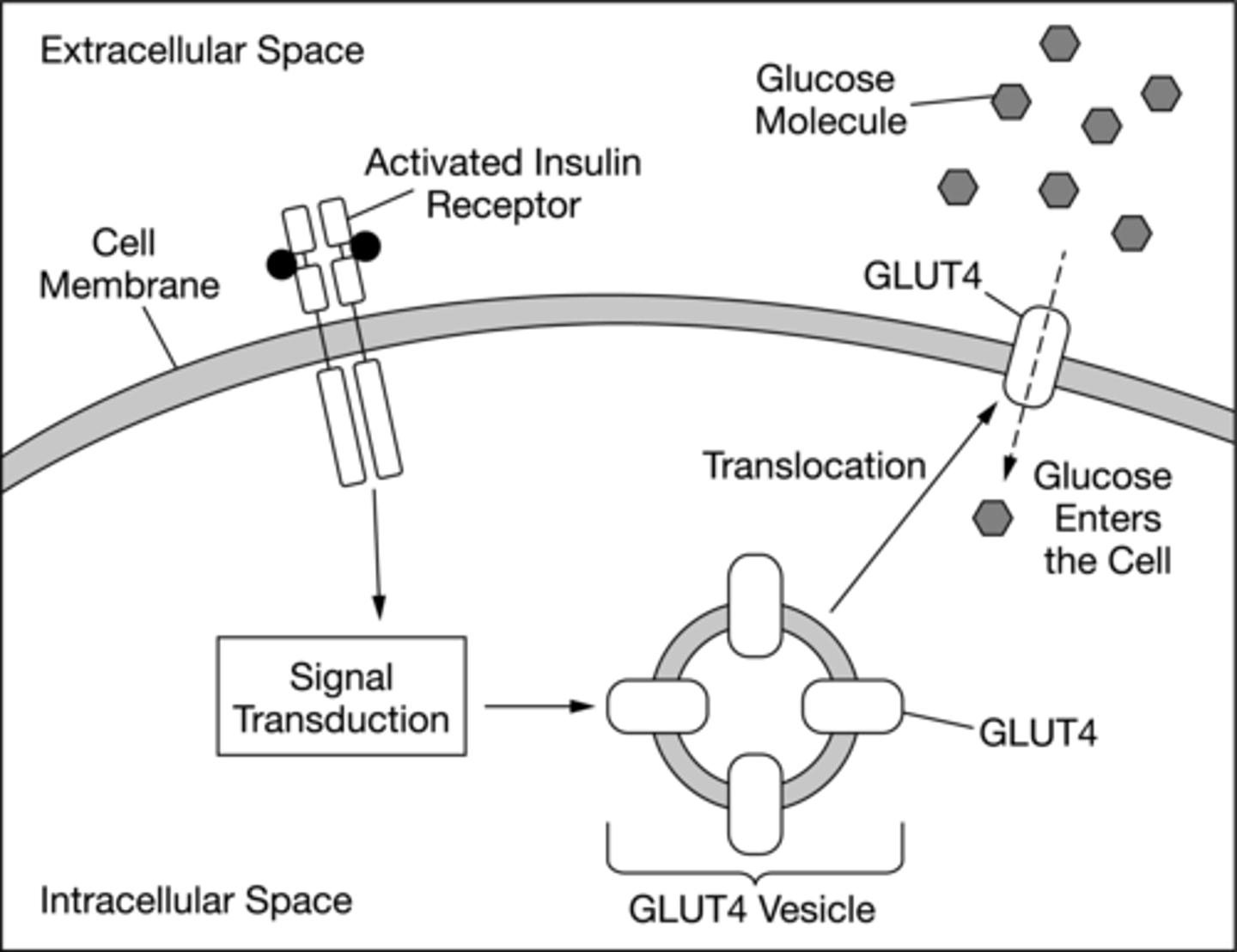
The insulin receptor is a transmembrane protein that plays a role in the regulation of glucose homeostasis. The receptor’s extracellular domain binds specifically to the peptide hormone insulin. The receptor’s intracellular domain interacts with cellular factors. The binding of insulin to the receptor stimulates a signal transduction pathway that results in the subcellular translocation of GLUT4, a glucose transport protein that is stored in vesicles inside the cell.
Which of the following statements best predicts the effect of a loss of function of the insulin receptor’s intracellular domain?
A. The stimulation of the signal transduction pathway will increase.
B. The storage of GLUT4 in vesicles inside the cell will increase.
C. The number of GLUT4 molecules in the plasma membrane will increase.
D. The concentration of glucose inside the cell will increase.
B. The storage of GLUT4 in vesicles inside the cell will increase.
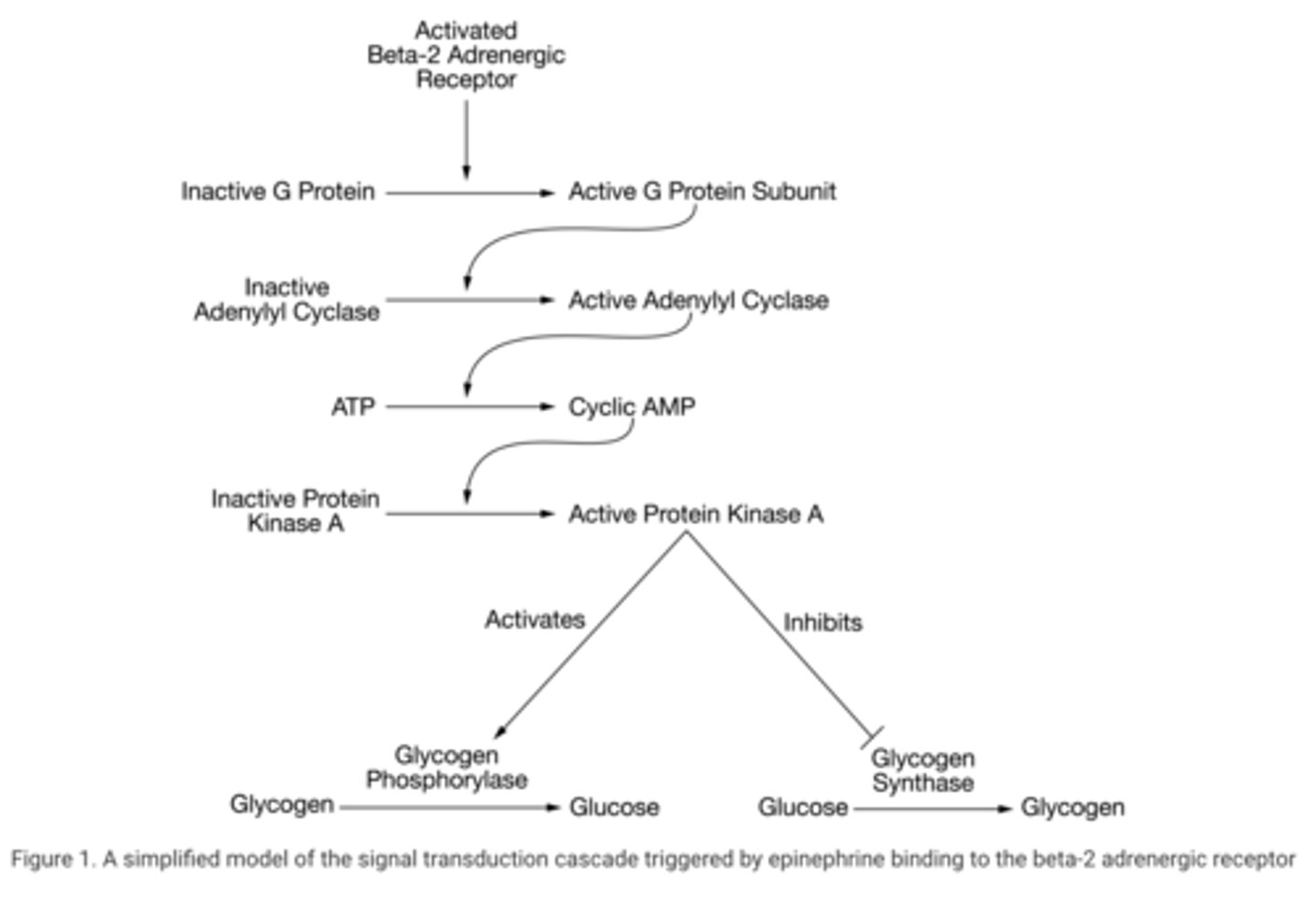
The beta-2 adrenergic receptor is a membrane-bound protein that regulates several cellular processes, including the synthesis and breakdown of glycogen. The receptor binds specifically to the hormone epinephrine. The binding of epinephrine to the beta-2 adrenergic receptor triggers a signal transduction cascade that controls glycogen synthesis and breakdown in the cell. A simplified model of the signal transduction cascade is represented in Figure 1.
Which of the following outcomes will most likely result from the inactivation of the beta-2 adrenergic receptor?
A. The cellular concentration of cyclic AMP will increase.
B. The enzymatic activity of protein kinase A will increase.
C. The activation of glycogen phosphorylase will increase.
D.The rate of glycogen synthesis in the cell will increase
D.The rate of glycogen synthesis in the cell will increase
Fibroblast growth factor receptors (FGFRs) are transmembrane proteins that regulate cellular processes such as cell proliferation and differentiation. The extracellular domains of FGFR proteins bind specifically to signaling molecules called fibroblast growth factors. The intracellular domains of FGFR proteins function as protein kinases, enzymes that transfer phosphate groups from ATP to protein substrates.
Which of the following changes in the FGFR signaling pathway is most likely to result in uncontrolled cell proliferation?
A. The irreversible association of FGFR proteins
B. The loss of the FGFR protein kinase function
C. A decrease in the intracellular concentration of ATP
D. A decrease in the extracellular concentrations of fibroblast growth factors
A. The irreversible association of FGFR proteins
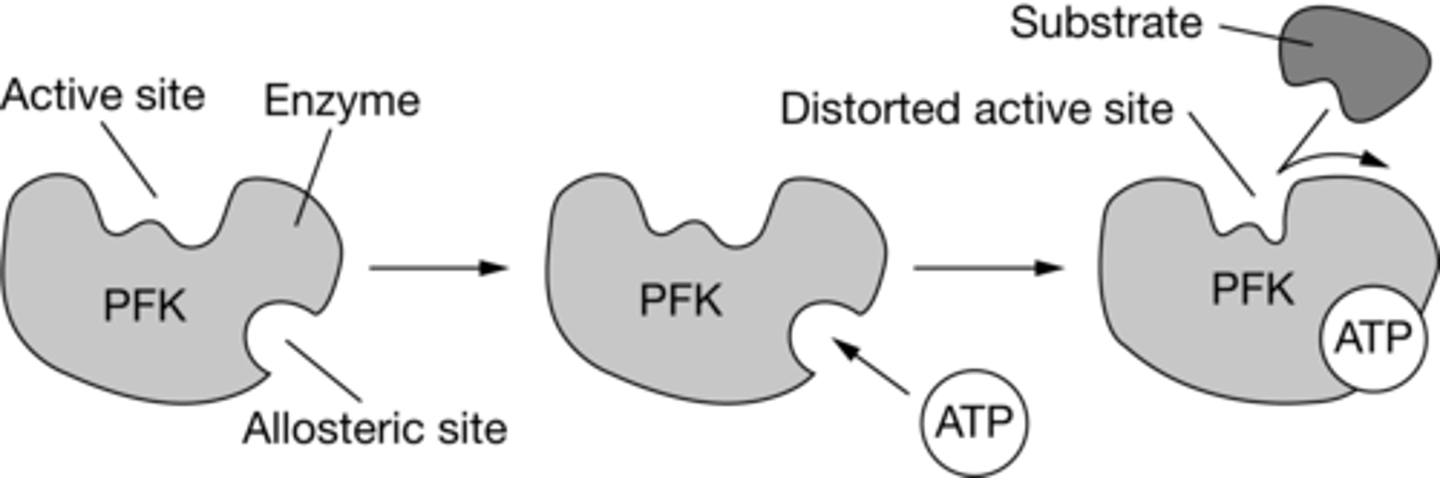
Phosphofructokinase (PFK) is a key enzyme in glycolysis. ATP is one of the two substrates for the reaction catalyzed by PFK. ATP is also an allosteric regulator of PFK. Figure 1 shows the enzyme-substrate interactions of PFK.
A researcher found a mutation that resulted in the PFK enzyme being unable to bind ATP to the allosteric site. Which of the following best predicts the effect of the mutation?
A.The activity of the enzyme will not be affected because the active site is not involved in substrate binding at the allosteric site.
B. Negative feedback regulation does not occur, so the enzyme will be active when glycolysis is not needed.
C. Positive feedback does not occur, and the activity of the enzyme will decrease when glycolysis is needed.
D. The activity of the enzyme will fluctuate independent of the ATP concentration.
B. Negative feedback regulation does not occur, so the enzyme will be active when glycolysis is not needed.
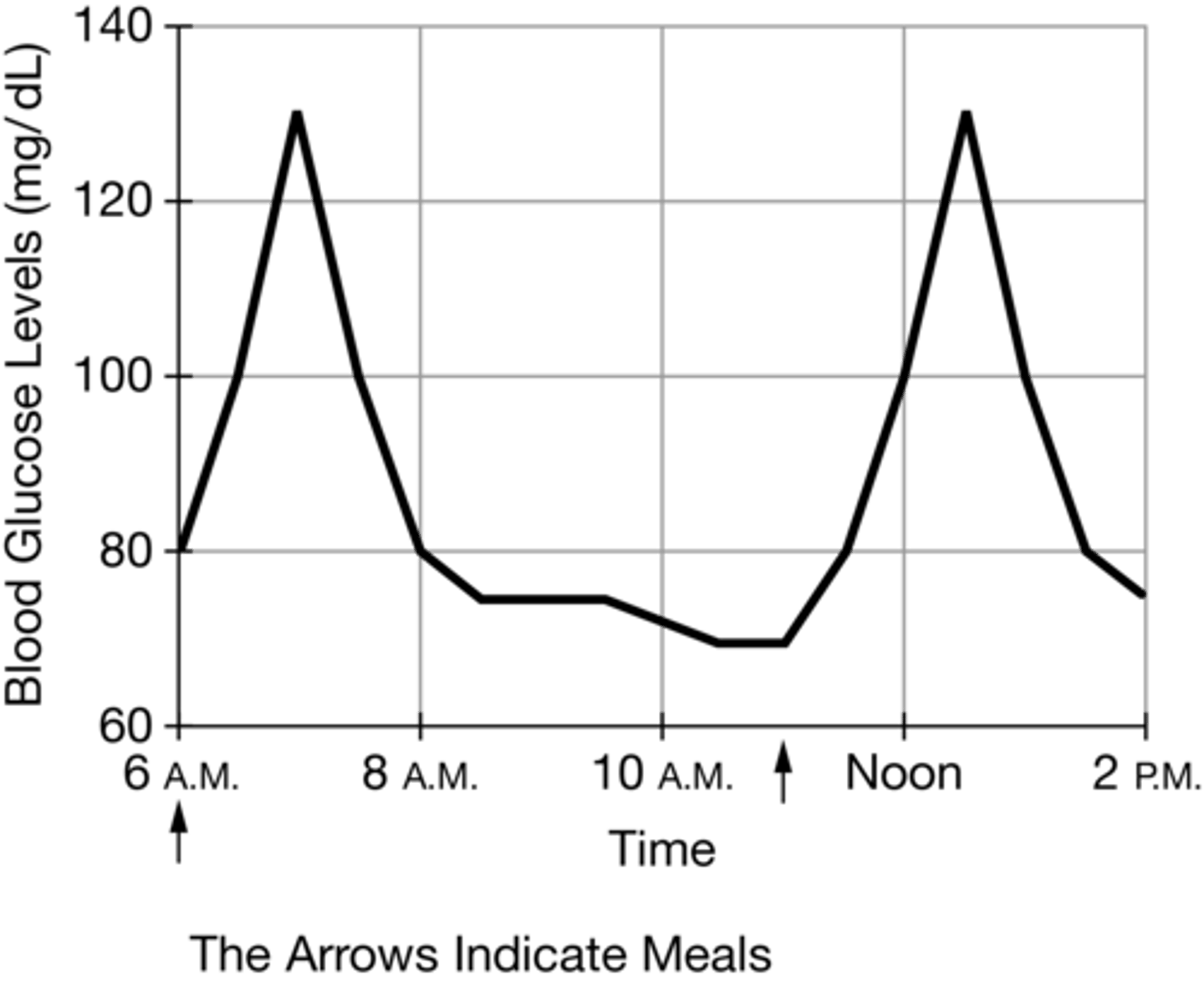
A person’s blood glucose level fluctuates during the day,. Two hormones, insulin and glucagon, are directly involved in regulating the blood glucose level to maintain a healthy level. Insulin acts to lower the blood glucose level, and glucagon acts to increase the blood glucose level.Which of the following best predicts what will happen to the blood glucose level if the person has another meal at 5 p.m.?
A.Immediately after the meal, the blood glucose level will decrease because of the increase in glucagon levels.
B.Immediately after the meal, the blood glucose level will increase, and then insulin will be secreted to counter the increase.
C.Several hours after the meal, the blood glucose level will increase sharply because of an increase in the amount of glucagon secreted.
D.The blood glucose level will not change after the 5 p.m. meal because the person has already consumed two meals
B.Immediately after the meal, the blood glucose level will increase, and then insulin will be secreted to counter the increase.
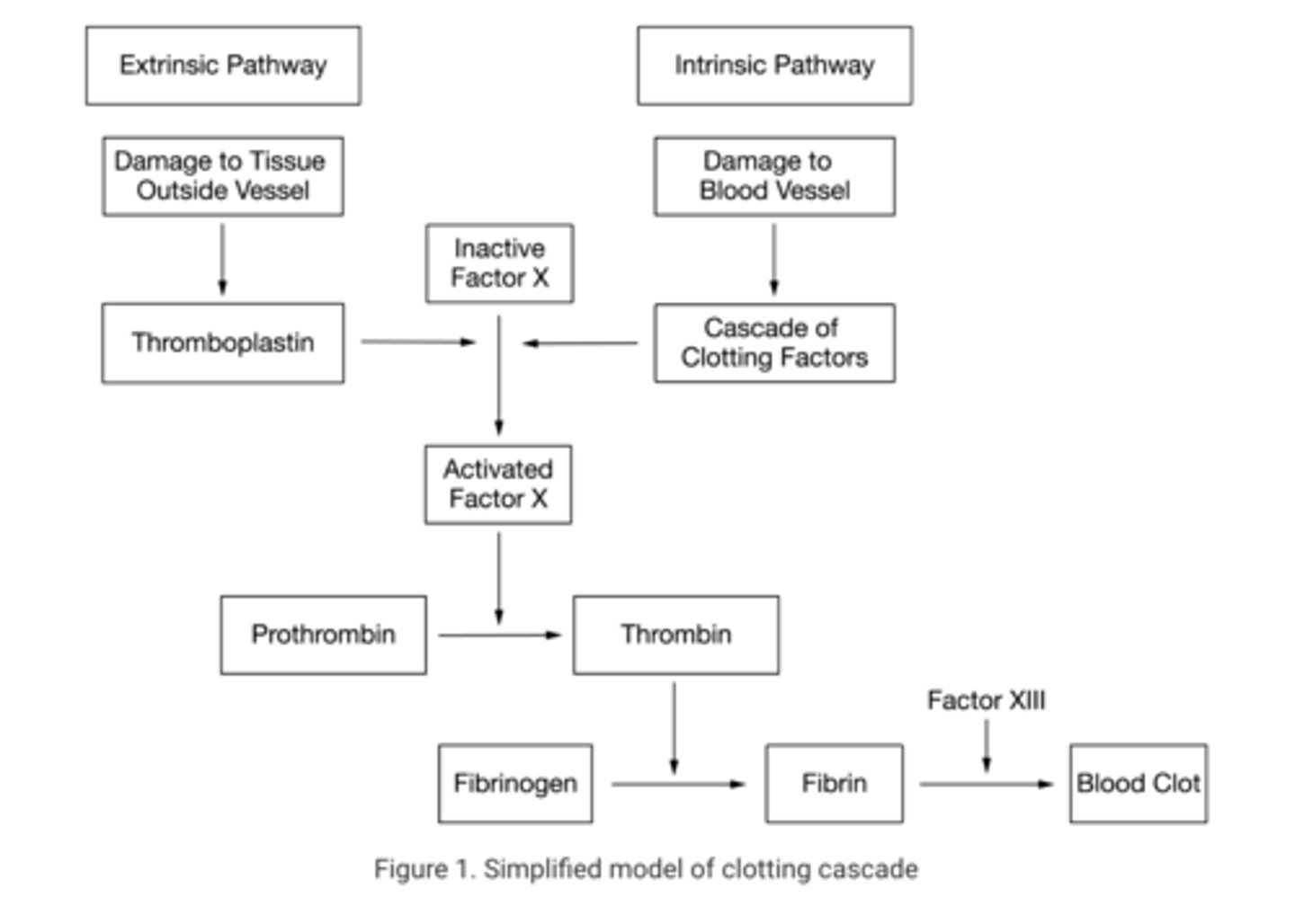
Blood clots are formed by a positive feedback loop. Two pathways exist, the extrinsic and intrinsic pathways, which converge during clot formation. There are many clotting factors involved, most of which are proteins. Vitamin K is required for the formation of the active form of several of the clotting factors, including Factor X. Warfarin is a drug used to treat certain blood clots. . Based on the model, which of the following best predicts the effects of warfarin on a patient?
A. Fibrinogen will form fibrin, but the clot will not form because Factor XIII will not be synthesized.
B. The intrinsic pathway will take over because the clotting factors are part of that pathway.
C.Thrombin will be converted to prothrombin because Factor X will reverse the reaction.
D.Factor X will not be activated, which will prevent thrombin from forming.
D.Factor X will not be activated, which will prevent thrombin from forming.
Scientists have estimated that it takes yeast cells approximately 20 hours to complete the entire cycle. Table 1 shows the amount of time in each phase of the life cycle for yeast cells.
Based on Table 1, what percent of the life cycle of yeast cells is spent in DNA replication?
A. 5 percent
B. 10 percent
C. 25 percent
D. 50 percent
C. 25 percent
Researchers grew seedlings of corn, Zea mays, in loose and compact sand.
Based on the sample means, which of the following conclusions about the cells in the growing root tips of Zea mays seedlings is best supported by the results of the experiment?
A. The cells of the root tips grow to larger sizes when the seedlings are planted in compact sand than when the seedlings are planted in loose sand.
B. The average rate of mitotic cell division is greater for the root tips growing in loose sand than for the root tips growing in compact sand.
C. The average cell cycle time is greater for the root tips growing in compact sand than for the root tips growing in loose sand.
D. More cells are produced per unit of time in the root tips growing in compact sand than in the root tips growing in loose sand.
D. More cells are produced per unit of time in the root tips growing in compact sand than in the root tips growing in loose sand.
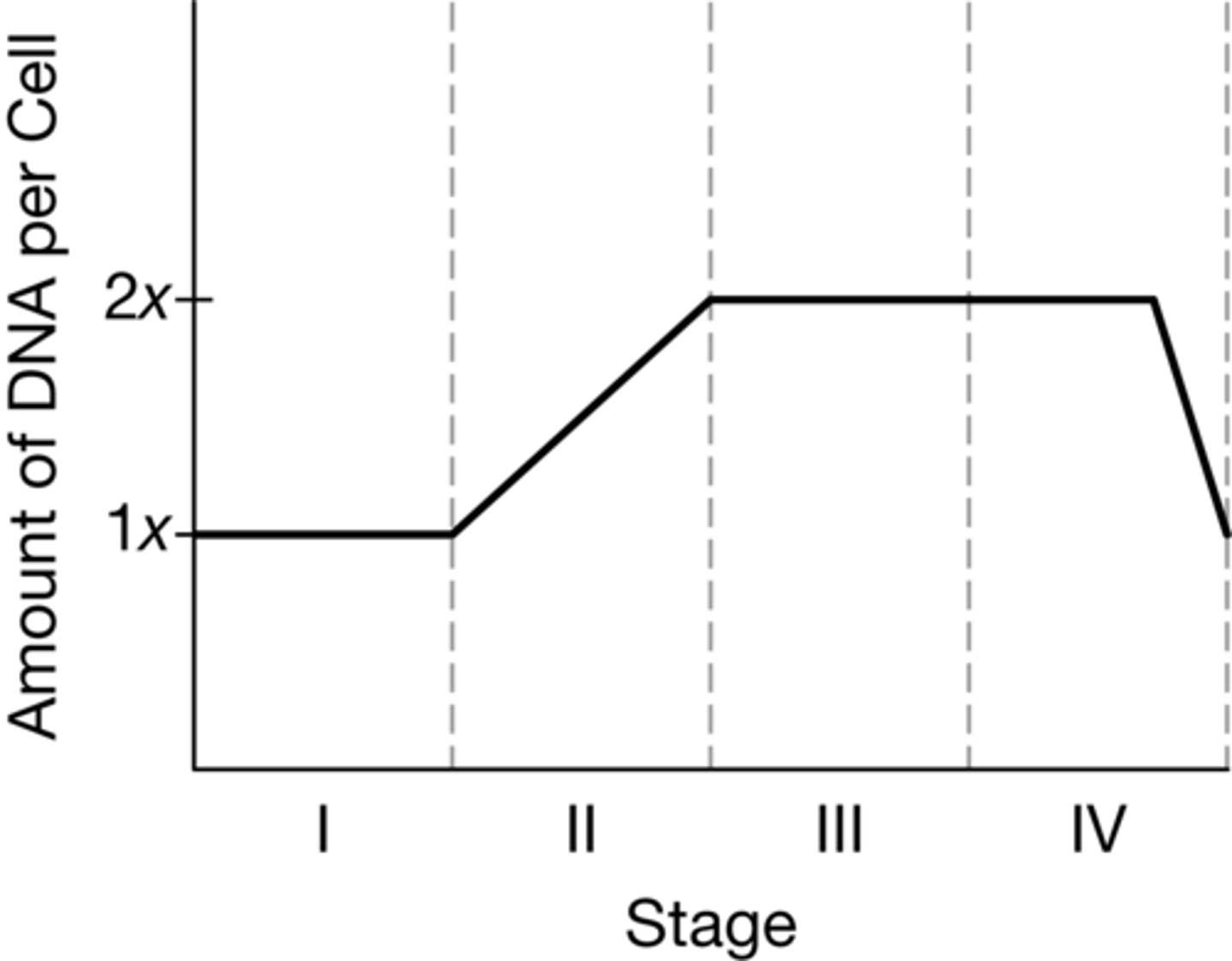
The relative amounts of DNA present in the nucleus of a cell at four different stages of the life cycle are shown in Figure 1.
Based on Figure 1, which of the following statements correctly links a stage of the cell cycle with the event occurring at that stage?
A. Stage I represents the G2 phase of the cell cycle.
B. Synthesis of sufficient DNA for two daughter cells occurs in stage II.
C. Stage III includes mitosis.
D. The replication of genetic material occurs in stage IV.
B. Synthesis of sufficient DNA for two daughter cells occurs in stage II.
Researchers tracked the amount of DNA (measured in picograms) over time beginning with a single cell and continuing through several rounds of cell division. The researchers observed threadlike chromosomes prior to cell division. The threadlike chromosomes disappeared from view shortly after each division. The amount of DNA in picograms per cell over several rounds of cell division is shown in Figure 1.
Which of the following statements is consistent with the data in Figure 1?
A. The cells have a haploid chromosome number of 3.
B. The cells have a diploid chromosome number of 6.
C. There is a change from 3 to 6 picograms of DNA because DNA is replicated before each round of cell division.
D. There is a change from 6 to 3 picograms of DNA after each cell division because the chromosomes lengthen following cell division.
C. There is a change from 3 to 6 picograms of DNA because DNA is replicated before each round of cell division