Physiology of Phonation - A&P
 Call Kai
 Learn
Learn Practice Test
 Spaced Repetition
 Match
Match Flashcards
 Knowt Play
1/72

There's no tags or description
Looks like no tags are added yet.
Name | Mastery | Learn | Test | Matching | Spaced | Call with Kai |
|---|
No analytics yet
Send a link to your students to track their progress
73 Terms
what is voicing
adducting the vocal folds together so that they vibrate during the production of vowels and voiced consonants
what is voiceless
abducting the vocal folds during the production of voiceless
consonants.
what is intonation
changing vocal fold vibration rate changes the perceived pitch
of the speaker’s voice (higher rate = higher pitch)
example of falling intonation
“Gracie did not go to school”.
example of rising intonation
“Gracie did not go to school?”
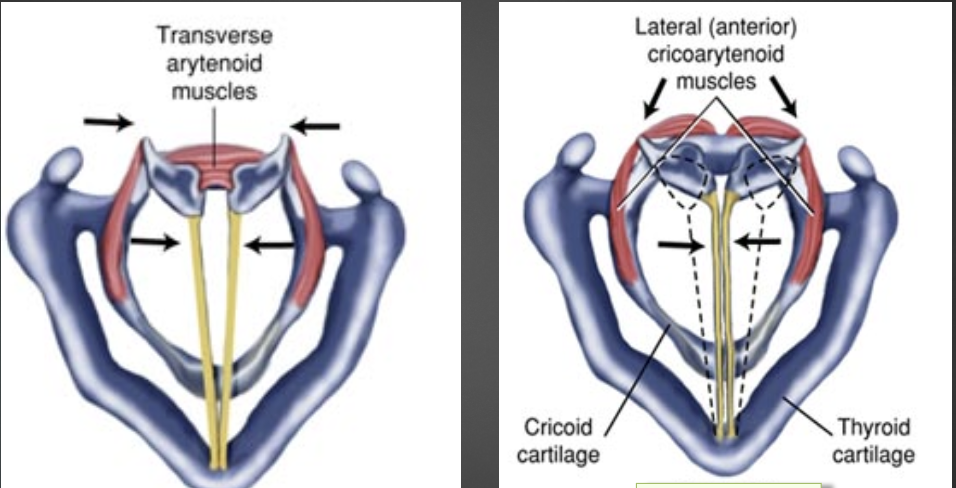
what does this show
adduction of vocal folds
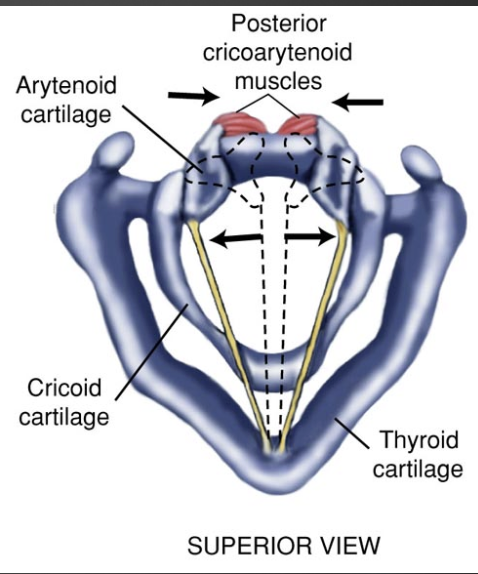
what does this show
abduction of the vocal cords
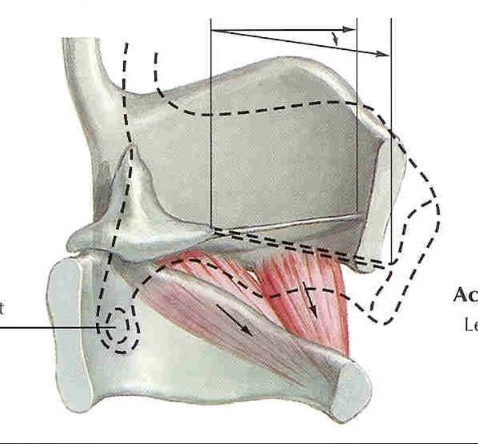
what does this show
stretching the vocal cords
thyrovocalis is a ____
tensor
thyromuscularis is a ____
relaxer
what are the movements of laryngeal housing by extrinsic muscles
upward/downward and forward/ backward
glottal size when abduction happens
larger
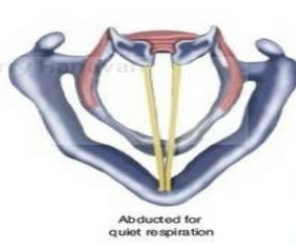
glottal size when adduction happens
smaller (closed)
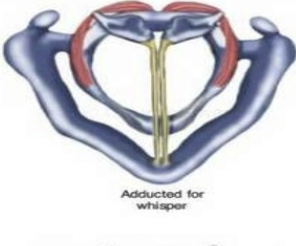
what is the effect of mass on the rate of vocal fold vibration
increasing mass decreases the rate of vibration
stiffness of the vocal cords varies by ________
location of the fold
stiffness is the opposite of _____
compliance
how are /p/, /t/, /k/ (transient sounds) generated
pressurization phase → release phase
glottal configuration change (add-abd) – burst of transient airflow that vibrates supralaryngeal structures
glottal configuration change (add-abd)
how is /h/ (sustained utterance) generated
glottal configuration adjustment → turbulent airflow
how is sound generation for voice (sustained) produced
sustained airflow (VF opening/closing)
gottal configuration: adduction (posturing)
“myo”+”elastic”=
properties of the muscles and tissues
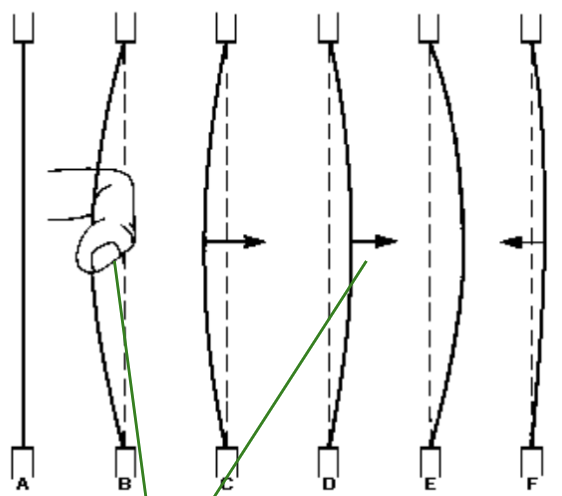
what does aerodynamic mean for opening and closing
opening: positive pressure
closing: bernoulli effect and elasticity
what is the bernoulli effect
as speed increases, pressure decreases, velocity increases
what happens during the myoelastic aerodynamic
1)Vocal folds are appropriately positioned (postured)
2) Subglottal pressure is built up below the folds
3) folds repeatedly open and close because of repeated pressure build-up, drop, etc.
why dont the vocal folds open/ close during phonation
because there is a separate muscle contraction for each opening/closing
movement
under what circumstances do the vocal folds open / close automatically
as long as the folds are in the appropriate positions, and there is sufficient buildup of pressure below them
what is the vocal fold opening and closure like
a wave
what 3 phases are manipulated by subglottal pressure
opening
closing
closed
open posterior → open anterior → close anterior → close posterior
what does fundamental frequency (pitch) reflect
reflects the vibratory rate of the vocal folds. (how many vibrations (open and close) during one sec)
what is intensity
loudness, power from respiratory system, shape of glottis, shape of vocal tract, lip opening
how do we regulate our voice
pitch, intensity, quality
aperiodic sounds are ____ in normal voice production
noisy
periodic sounds are _____ in normal voice production
intense, clear, and involve resonance
in normal voice production, vocal fold abduction is what type of sound
aperiodic
the higher rate of vibration, the _______ the f0, which we percieve as ____ pitch
higher; higher
vocal fold vibration create cyclical waveforms and it’s rate is defined as
cycles/second (Hz)
extremely slow vocal fold vibration is about 60 vibrations per second and produces a ____ pitch.
low
extremely fast vocal fold vibration approaches 2000 vibrations per second and produces a very ___ pitch.
high
men's vocal folds typically vibrate from ___ to __ Hz, mean = 115 Hz
90 to 500
women's vocal folds typically vibrate from __ to __ Hz, mean = 200 Hz.
150 to 1000
is VF tension major determinant of rate of VF vibration true or false
true
is distribution of the VF mass is related to length + mass
no, its length + tension
increased mass = _____
decreased vibration
increased length = ______
decreased vibration
females VF are longer true or false
false, mens are longer
by changing the volume of airflow…
you increase in subglottal pressure
what are vocal registers
we can alter the quality of our voice by making a variety of other changes to the relative position of our vocal folds or their tension
what is glottal fry
lowest f0, VFs close quickly, long closed phase of the cycle
free margins of VFs appear _____ but are tightly ____
flaccid; closed
bubbles of air escaping in glottal fry gives what kind of quality
popcorn
glottal fry is least flexible and has low airflow true or false
true , frequency < 100
what is modal register
widest range of f0, normal speaking voice
what are pressed vocal registers
louder modal phonation where VFs are strongly medially compressed
what are breathy vocal registers
significant gap left between the vocal folds as they vibrate, resulting in excessive airflow
what is falsetto
highest f0, VFs don’t close completely
loudness control is determined by
glottal resistance
objective parameters in vocal quality
all acoustic parameters
f0
intensity
jitter
shimmer
spectrum
open quotient
speed quotient
subjective parameters in vocal quality
hoarse
rough
strained
strangled
breathy
male vs female
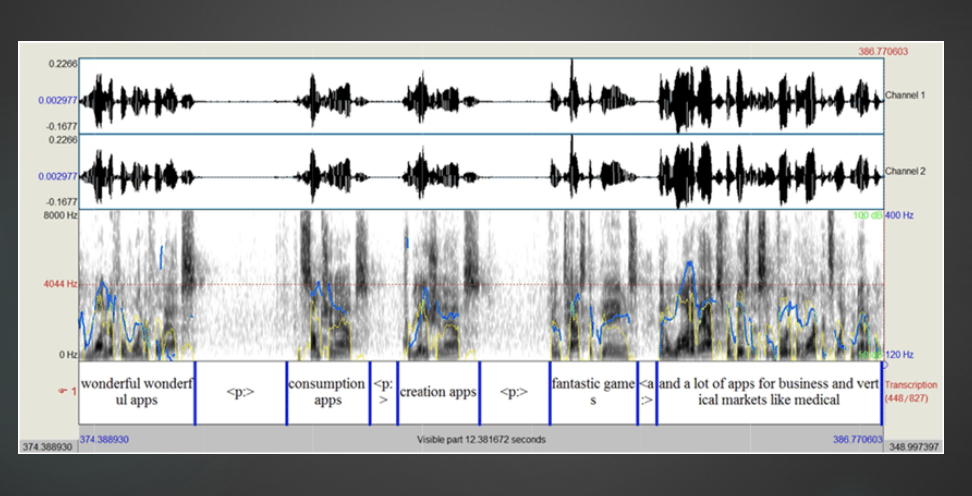
what is this
spectrogram
how can we see the vocal cords
laryngoscopy (endoscopy+larynx), shows the interior larynx
what are the two types of laryngoscopy
direct and indirect
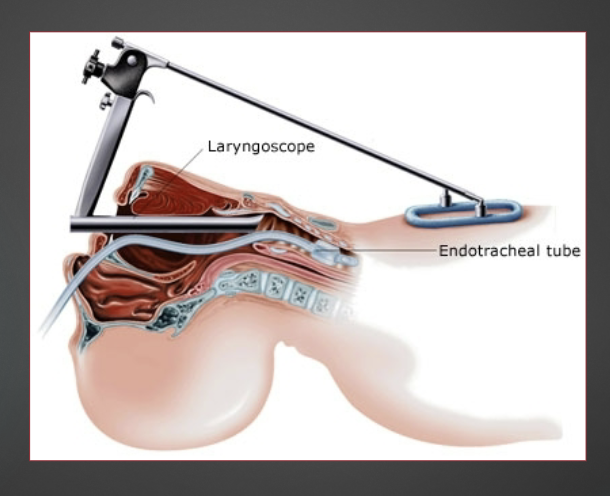
what does this show
direct laryngoscopy (under anesthesia)
how was old-school laryngoscopy performed
dental mirror pushed to the soft palate
why is old school laryngoscopy not ideal
only larynx structures could be seen
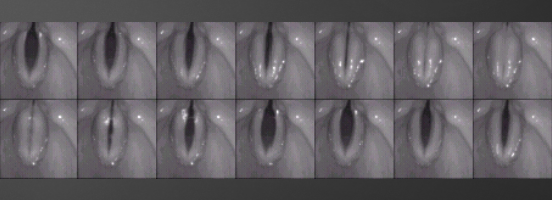
what does this show and how is it conducted
a recording of the larynx, camera fastened to laryngeal mirror
modern methods to see the larynx and what are they like
endoscopy - flexible and rigid, visualizes tissue, nasal
videostroboscopy - allows human eye to see vibratory motion of VF in slow motion
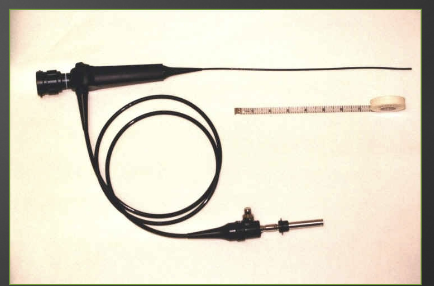
what is this
endoscopy
what happens if there is reduced respiratory drive (hypoventilation)
breathing muscles weaken and breaths become too slow or shallow.
what happens if respiratory airflow is redirected
significant disruption to normal breathing which physiology results in inefficient gas exchange, increased respiratory effort, and a high risk of respiratory distress or failure.
what happens to lesions, aging, and intubation when you increase the mass of the vocal folds
due to lesions; causes lower pitch, persistent gaps and excess air escapes, decreases vibration and increases stiffness
what happens if you conduct a total laryngectomy
breathing occurs through a permanent opening in the neck (stoma), the ability to speak using vocal cords is lost, and the mechanism for swallowing is altered
what happens if you were to paralyze the intrinsic muscle
disrupts the essential functions of breathing, speaking, and swallowing
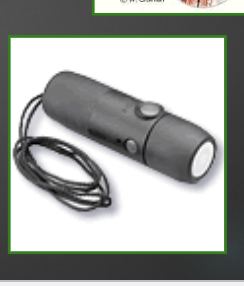
what is this used for
laryngectomy
what happens to lesions, aging, and intubation when you decrease the mass of the vocal folds
due to aging; breathy, weak, trembly voice, thinning that leads to curving which prevents the folds from meeting properly, loss of atrophy and thins tissue layers

