alcohol pt 1
 Call Kai
 Learn
Learn Practice Test
 Spaced Repetition
 Match
Match Flashcards
 Knowt Play
1/44

There's no tags or description
Looks like no tags are added yet.
Name | Mastery | Learn | Test | Matching | Spaced | Call with Kai |
|---|
No analytics yet
Send a link to your students to track their progress
45 Terms
types of alcohol
methyl alcohol
ethyl alcohol
isopropyl alcohol
proof
twice the percentage of alcohol
alcohol can cross
BBB
amount of alcohol to produce a measurable effect
0.04%
Alcohol readily crosses
cell membranes
why is drinking alcohol on an empty stomach danger
on an empty stomach, ingestion of an intoxicating dose does not reach even suboptimal intoxicating levels for at least 20 mins. it takes time to be absorbed so it lasts longer.
LD50
lethal dose for 50% of the population
0.31 to 0.45%
significant risk of coma and/or death due to suppressio of vital functions
absorption occur
from the GI tract (passive diffusion)
10 % from stomach
90% from small intestine
food slows down
absorption
carbonated alcoholic beverages
absorbed more rapidly
first pass metabolism of alcohol by stomach ADH, which is greater in males, may also contribute to the higher blood alcohol levels found in women
alcohol metabolism
95% is metabolized by the liver
5% metabolized by the stomach
ADH and ALDH
liver enzymes not in CYP450 family
ADH higher in stomach
pathway for alcohol

ALDH genes and asians
about 10% of Asians are homozygous for the inactive form of the ALDH gene
40% are heterozygous for inactive form
a marker for low risk of alcoholism
2 enzyme in alcohol metabolism
CYP2E1; aka: MEOS
• only is active after a person has consumed large
amounts of alcohol
• Can be induced>>>with repeated exposure system’s
capacity can more than double within 2 weeks—> metabolic tolerance
• metabolizes many other drugs too—> cross tolerance
Catalase
▪metabolizes only a small fraction of alcohol in the body
acute tolerance
occurs within a single exposure to alcohol
• Drug effects are
greater while the
blood level of alcohol
is increasing and
smaller while the
blood level is falling
With high BAC they have a sober response
metabolic tolerance
increase in CYP450 liver
microsomal enzymes that
metabolize alcohol
pharmodynamic tolerance
neurons adapt to the continued presence of alcohol by making compensatory changes in cell functions
behavior tolerance
practicing behaviors while under the influence of alcohol allows adjustment and compensation, the idea of the functional alcoholic
withdrawal of alcohol
2-4 days
tremor (the
“shakes”), anxiety, high blood
pressure, rapid heart rate, sweating,
rapid breathing, nausea and vomiting
DT
DT
rare:
convulsions, hallucinations,
disorientation, panic attacks,
unstable blood pressure, etc.
rebound phenomena
CNS causes hyperexcitability because the body adjusts to alcohol removing it, the body goes into overexcitation.
withdrawal
motivates the user
to take the drug again
relief from withdrawal
negative-
reinforcement
• Leads to a continuous
loop of repeated
abstinence followed by
relapse
way to treat addiction to alcohol
because alcohol shows cross dependence with other drugs that are sedative hypnotic (barbiturates and BDZs) you can ease the symptoms.
thiamine defiency
critical for brain glucose metabolism
▪ Low levels>>> cell death
• ethanol interferes with thiamine uptake
in the GI tract
wernicke korsakoff syndrome
confusion and disorientation, tremors,
poor coordination, ataxia
▪ First stage: confusion/disorientation
▪ later stages: patient remembers the
remote past, nothing else
▪ a result of permanent damage to
thalamic nuclei and brain regions
involved with memory due to lack of
thiamine
▪ Animals fed thiamine deficient diets
have similar brain lesions and
deficits in learning and memory
loss in medial thalamus and mammillary bodies
wernicke-korsakoff syndrome treatment
thiamine treatment can stop the degeneration, cannot reverse it
important to neurodegnerative processes and loss of it causes cell death
alcohol induced brain damage
ventricle enlargement
frontal lobe cell loss- personality changes
hippocampal and MTL cell loss- contributes to memory dysfunction
cerebellar cell loss- associated with ataxia
cerebellum- impacts motor loss
systemic effects of alcohol
dilation of peripheral blood vessels: flushing and warmth
body is losing heat
vasodilation in the brain may improve cognitive function in older adults
Note: the hypothetical beneficial effects are counteracted when consumption is greater
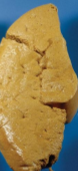
fatty liver
alcohol is metabolized first in the liver leaving the fat on storage
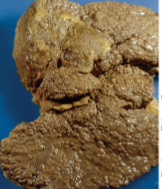
alcoholic cirrhosis
death of liver cells stimulates scar formation
blood vessels carrying ozygen are cut off
very long time to develop and rare
cause of liver cell damage
abnormal ER function may be a major contributor to liver cell damage following heavy and prolonged alcohol consumption
CYP2E1 located on the smooth ER is induced by chronic alcohol use
enhanced metabolism causes the release of free radicals producing oxidatie stress that induces cellular injury
FAS
fetal alcohol syndrome
alcohol easily goes through the placental barrier and the fetus quickly reaches the same BAC as the mom
amount and pattern of alcohol ingestion and the developmental stage of the fetus when it is exposed are critical in determining the specific effects
alcohol from 4 to 9 weeks produces most serve effects
fas symptoms
low iq and developmental delays
low birthweight
neurological problems
distinctive craniofacial malformations
glutamate and alcohol (acute)
alcohol acts as
ndma antagonist
ampa antagonist
mGluR autoreceptor agonist in the hippocampus
impaired LTP= a mechanism for alcohol induced amnesia
glutamate and alcohol (chronic)
upregulation of NDMA receptors in response to reduced glutamate activity
number of nmda receptors in the cortex and hippocampus is increased in alcoholics
rebound increase in glutamate release during withdrawal
rebound hyperexcitability
animals receives intragastric ETOH every 6 hrs for 6 days
glutamate was correlated with withdrawal score
rapid increase of glutamate in straitum
correlation of high glutamate and a high withdrawal score which explains CNS hyperexcitability and seizures
GABA and alcohol (acute)
binds to the GABA a receptors and opens cannel
allows Cl- to enter the cell to hyperpolarize the membrae
GABA a receptors that are highly sensitive to alcohol contains delta subunit along with alpha 4 or alpha 6 subunits
rats that had fewer delta and a4 or a6 subunits showed a lower preference for alcohol
delta KO mice show reduced preference
GABA and alcohol chronic
repeated exposure to ethanol reduces GABAa mediated Cl- flux
more animals more sensitive to seizure inducing doses of the GABA antagonist
A decrease in GABA function without a change in receptor number
dopamine and alcohol acute
increase DA transmission in the mesolimbic pathway
rats in operant chambers self admin alcohol directly into the VTA (gives a reinforcement effects)
DA independent mechanisms of reinforcement
DA antagonist in the NAC and 6OHDA destruction of DA nerve terminals in NAC reduce self admin of ETOH
even with stopping DA, the animals still self adminster at the same place so there has to be something else
dopamine and alcohol chronic
withdrawal of alcohol after chronic use reduces the firing rate of mesolimbic neurons
decrease da release in the na
animals also show behavioral signs of withdrawal which are slightly delayed
dopamine and alcohol icss paradiagm
elevation of threshold for intracranial self stimulation, reinforcement is less rewarding than it was during alcohol use, reward system is damaged in withdrawal. much more current to produce an effects

