18: Enzyme Categories and their role in human health
 Studied by 0 people
 Call with Kai
 Learn
Learn Practice Test
 Spaced Repetition
 Match
Match Flashcards
 Knowt Play
1/75

There's no tags or description
Looks like no tags are added yet.
Name | Mastery | Learn | Test | Matching | Spaced | Call with Kai |
|---|
No study sessions yet.
76 Terms
which enzymes can break peptide bonds and how do they do it?
proteases
hydrolysis of peptide bonds (add water to break bond)
which reaction is thermodynamically favorable and kinetically extremely slow? what is the halflife of this reaction without an enzyme?
hydrolysis of peptide bonds
10-1000 years
explain the hydrolysis of peptide bonds
water added to break bonds
OH added to cut carbonyl (making carboxylic acid)
H added to N creating amine
proteolytic enzyme that participates in the breakdown of proteins in the digestive system
chymotrypsin
chymotrypsin cleaves peptide bonds selectively on the carboxyl terminal side of large hydroPHOBIC residues such as
phenylalanine
methionine
tryptophan
tyrosine
what makes chymotrypsin a serine protease?
there is a serine in its active site where the peptide will bind
how does chymotrypsin (serine protease) bind to its protein substrate?
covalent and transiently (only for a short amount of time)
which two phosphorus based agents modify reactive serine residues?
why is this toxic?
Malathion and Sarin
serine residue on enzyme is needed to break apart gut proteins (chymotrypsin)
which proteases can cleave peptides at other places besides serine residues?
cysteine proteases
aspartyl proteases
metalloproteases
which protease relies on a cys residue to be activated by a His residue to play the role of the nucleophile that attacks the peptide bond
cysteine protease
which protease uses a pair of Asp residues to allow a water molecule to attach the peptide bond (hydrolysis)?
aspartyl protease
which proteases use a bound metal ion (typically zinc) to activate a water molecule to act as a nucleophile to attach the peptide carbonyl group?
metalloprotease
which enzyme is essential for the following industries?
dairy
food
detergent
leather
waste
pest
contact lens cleaning
prion protein degradation
wool bio polishing
animal feed
therapeutics
silk degumming
peptide synthesis
biofilm degradation
PROTEASE
the human carbonic anhydrase II is bound to
zinc and carbon dioxide
what is the end product to aerobic metabolism?
what do carbonic anhydrases do to the end product of aerobic metabolism?
carbon dioxide
carbonic anhydrase converts CO2 into HCO3- and H+ in red blood cells
it can also do the REVERSE and dehydrate bicarbonate ion (HCO3-) in the blood to form CO2 for exhalation
does carbonic anhydrase only convert CO2 into H+ and HCO3- (bicarbonate) ?
NO
it can also dehydrate the bicarbonate and turn it into H+ and CO2
Carbonic Anhydrase has an essential role in regulating
BLOOD pH
instead of serine like many proteases, what is bound to carbonic anhydrase that allows it to catalyze its reaction?
Zinc
bacterial enzymes that degrade viral DNA
restriction endonucleases (restriction enzymes)
what can restriction endonucleases be used for?
eliminate viral infections
recognize base sequences called RECOGNITION SEQUENCES in DNA molecules (cognate DNA)
characterize and manipulate DNA
which type of restriction enzymes cleave DNA within their recognition sequences?
type 2 restriction enzymes
restriction enzymes catalyze the hydrolysis of
what is the end result
phosphodiester backbone of DNA
between 3” oxygen atom and phosphorous atom
DNA strands with a free 3’ hydroxyl group and 5’ phosphoryl group at the cleavage site
what is attached to the active site of the restriction enzymes that is required for hydrolysis
what does this cofactor do?
magnesium or other divalent cations (2+)
forms bridge between the enzyme and DNA substrate
cofactor for
chymoprotase
carbonic anhydrase
restrcition enzymes
serine
Zn2+
Mg2+ or other 2+
what forms the bridge between the DNA substrate and restriction enzyme
Mg2+ or other divalent cation
can restriction enzymes cut any DNA you want it to?
what is a caution to have when dealing with restriction enzymes?
NO there must be a recognition sequence
you want it to cut DNA at recognition sequences of VIRAL DNA not your OWN DNA
what prevents restriction enzymes from cutting human host DNA that is found within the recognition sequence?
how is this done?
host DNA within the recognition sequence is methylated at their adenosine bases
methylation is done by DNA methylase
what is the restriction modification system?
restriction enzyme + DNA methylase
hydrolyzing only Viral DNA without attacking the methylated adenosine bases of the host DNA
how are restriction enzymes utilized in the following:
DNA profiling (DNA fingerprinting): detects ___________ _______ responsible for disease and determine whether food is free of _____________ ____________
Genetic engineering
Medicine: mass production of human _______, __________ ____________, ____________ ____________, antihemophilic factor, vaccines, and other drugs
Industry:
mass production of _________ by growing the transformed organism in bioreactors using ________, then purifying the ________ (enzymes for laundry detergents or cheese)
Agriculture: create ________ __________ crops and organisms (resistant to insecticides)
bacterial strains pathogenic bacteria
insulin, growth hormones, monoclonal antibodies
molecular motor proteins
myosins
how do myosins drive molecular motion?
they use thermodynamically favorable reactions
use conformational changes to harness ATP hydrolysis to mechanical work
myosin coverts __________________ energy —> ___________ energy
chemical —→ mechanical
Myosins have elongated structures with
__________ ATPase domains that carry out _______ ________ at one end
extended ___-_______ structures that promote _________ FORMATION
ancillary associate proteins termed ________ _________
globular ATP hydrolysis
a-helical DIMER
light chains
what must happen for ATP to be hydrolyzed by myosin
what does ATP hydrolysis allow the myosin to do?
conformational change
move along actin filamints
the actin filament has a ______________ structure
each actin monomer contains a bound _________ ( ______ or ________)
polymeric
nucleotide ATP or ADP
Myosin Movement along Actin SEQ
what happens once ATP binds to myosin?
what happens when ATP is reversibly hydrolyzed?
once ATP is hydrolyzed into ADP it stays bound to ________ allowing myosin to bind to actin once again
The release of _____ reorients the lever arm (a-helix) and concomitant motion of actin relative to myosin
________ is released
Myosin head is released from actin
the a-helix lever arm of myosin reorients (conformation change)
actin
Pi
ADP
SEQ Myosin + Actin
ATP binds to myosin releasing it from actin
ATP hydrolysis allows conformational change movement of a-helix tail
ADP + Pi allow myosin to reattach to actin
Pi leaves allowing for conformational change and myosin to move along actin
ADP leaves
at what steps does the lever arm (a-helix) of myosin undergo conformational change?
once ATP is hydrolyzed and once Pi is released
How can you control Enzyme Activity?
_____________ control by regulatory molecules
__________ enzymes that catalyze the same reactions but exhibit different _________ and ____________ properties
reversible ___________ modifications
____________ proteolytic cleavage to yield an active enzyme product
controlling the _____ of enzyme present
allosteric (bind to another location on the enzyme to prevent substrate binding)
alternate catalytic regulatory
covalent
irreversible
amount
_________- binding includes many active sites and/or regulatory sites
allosteric
allosteric enzymes usually consist of multiple _________
the binidng of substrate to one active site can alter the __________ of the other active sites in the same molecule through __________ changes
subunits
properties conformational
do allosteric enzymes obey michaelis-menten kinetics?
V= Vmax [S] / Km + [S]
NO
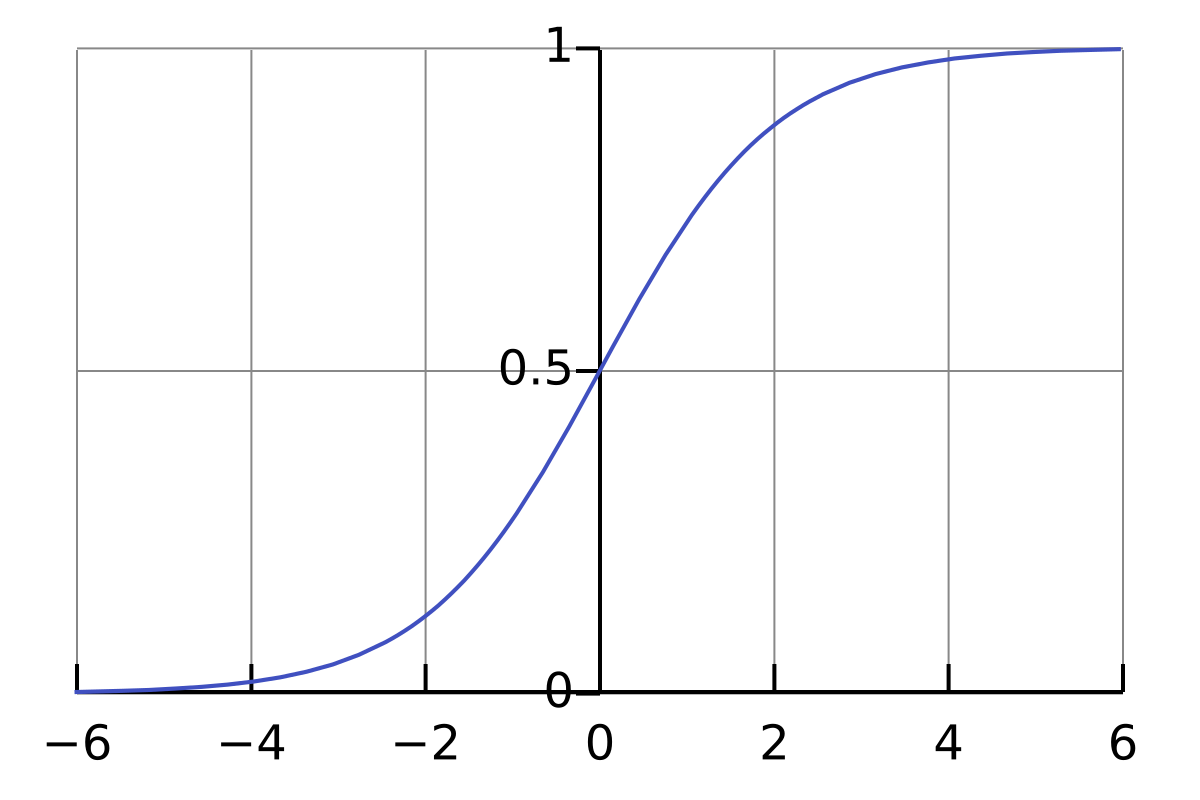
what does the graph of the substrate ([S]) vs Reaction Velocity (Vo) look like?
sigmoidal plot
T vs R state of Allosteric Enzymes:
which is preferred when there is a high amount of substrates? why?
which has low catalytic activity?
which has a higher affinity to bind to substrates?
R state because the allosteric enzyme is active and ready to bind to substrates
T
R
the following describes
low affinity for substrate
low catalytic activity
is favored in the absence of substrate
T state of allosteric enzymes
the following describes
has higher affinity for substrate
most active form
favored upon binding of substrate
R state of allosteric enzyme
What is the allosteric coefficient (L)
[T] / [R]
are only [R] allosteric enzymes present when there is a lot of substrates?
NO both exist and interconvert but [R] is preferred when there are a lot of substrates
the sigmoidal curve for an allosteric enzyme is a composite of two _____________curves
what are the two curves?
Michaelis- Menten
R state curve at high [S]
T state curve at low [S]
_____________push towards the T curve
_____________push towards the R curve
inhibitors
activators
what is a common allosteric regulation method?
feedback inhibition
explain the feedback inhibition of the allosteric regulation
if there is too much product then negative feedback will lower the activity of the first enzyme of the chain reaction of enzymes that led to the product
cells use allosteric feedback regulation to
slow down production
conserve energy
keep a state of balance and homeostasis within the cell
__________ provide a means of regulation specific to distinct tissues and developmental stages
isozymes
enzymes that differ in amino acid sequence that catalyze the same reaction
isozymes
isozymes
typically display different _________ parameters or respond to different _______ molecules
encoded by different _________
may be expressed in a ______-specific or ________ stage- specific pattern
kinetic regulatory
genes
tissue development
catalyzes a step in anaerobic glucose metabolism and glucose synthesis
Lactase Dehydrogenase
humans have two _____________ polypeptide chains for Lactase Dehydrogenase (LDH)
isozymic
what are the two isozymic polypeptide chains for Lactase Dehydrogenase?
what is different about them? what is the same?
H= heart muscle
M= skeletal muscle
they are both involved in ANAerobic glucose metabolism and synthesis but they differ in their tissue-specificity and genes
can the isozymes for lactase dehydrogenase exist within the same tissues?
where is each mainly found?
YES in the red blood cell, brain, kidney ect.
BUT MAINLY
H = heart
M= muscle
there are two isozymic polypeptide chains for LDH but how many isozymes exist? what are they?
5
H4
M4
H2M2
HM3
H3M
phosphorylation, dephosphorylation, acetylation, and deacetylation are all ___________________ ____________
are they reversible?
covalent modifications
YES
Kinases transfer a _______-______ group from __________ to a _______ ________ or __________ residue of a protein
gama phosphate
ATP
serine threonine tyrosine
phosphatases transfer the phosphate from a ______________ to a _______ molecule
phosphoprotein water
many folded forms of enzymes are activated by specific ___________ ______________ which is irreversible/reversible
proteolytic cleavage
IRREVERSIBLE
what is the folded inactive enzyme which is only activated through proteolytic cleavage called ?
zymogen
does proteolytic cleavage require ATP or any other energy source
NO
which digestive zymogens in the stomach and pancreas must first be proteolyzed before they can hydrolyze foodstuffs themselves?
what are their activated forms after proteolysis?
pepsinogen—> pepsin
chymotrypsinogen—>chymotrypsin
trypsinogen —→ trypsin
procarboxypeptidase—> carboxypeptidase
Apoptosis is mediated by _________ which are synthesized as ___________
caspases procaspases
Blood clotting is mediated by a cascade of ___________ activators
proteolytic
hormones including _______ are synthesized as inactive precursors which will be activated once they are proteolysed
insulin
__________, the major constituent of skin and bone is derived from __________
collagen procollagen
which systems have proteolytic cleavage to activate enzymes?
digestive
apoptosis
blood clotting
hormones
collagen
cleavage of Chymotrypsinogen by _________ initiates the conformational transition into active Chymotrypsin
trypsin
how can you change the amount of enzyme in order to regulate it?
alter transcription of enzymes gene
degrade messenger RNA for enzyme
post-translational changes (protein translocation/degradation)
 Note
Note  Flashcards (23)