W7: Dispute resolution
 Studied by 0 people
 Call Kai
 Learn
Learn Practice Test
 Spaced Repetition
 Match
Match Flashcards
 Knowt Play
1/21

There's no tags or description
Looks like no tags are added yet.
Name | Mastery | Learn | Test | Matching | Spaced | Call with Kai |
|---|
No analytics yet
Send a link to your students to track their progress
22 Terms
What is a dispute?
Occurs when “a claim has been made by one party and rejected by the other party”
Not simply about exchanging resources
3 Characteristics of a dispute
High emotional reactions
Often, no bad intentions
BATNAs are linked (both sides will suffer without a deal and neither side can get everything they want)
A model of dispute resolution (3 routes)
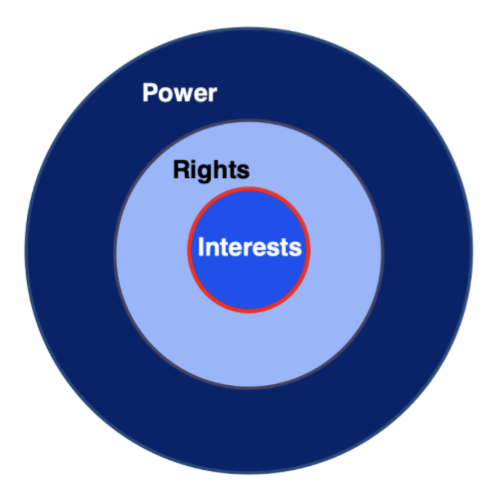
What approach should you use? - 4 criteria to evaluate (Ury, Brett, & Goldberg, 1988)
Transaction costs (time, money, emotional energy)
Mutual satisfaction with outcomes
Effect on the r/s
Recurrence of disputes (whether it produces a durable solution)
What is Power?
The ability to coerce someone to do something they would not otherwise do
What does using power involve?
Usually imposing costs on the other party
Use threats, anger, status
Eg. force, war, strike
What are Rights?
Independent standards or perceived legitimacy or fairness
What does using rights involve?
Past-oriented, blame-focused
“I deserve this; this is fair”
Rely on contracts and legal rights
What are interests?
Needs, desires & concerns
What does using interests involve?
Future-oriented
Understand other’s motivation and perspective
Focus on the “why” (what does this allow them to do?)
Benefits of going by the interest route
Hardest zone to hit, but the most valuable
Allow for substantial negotiation
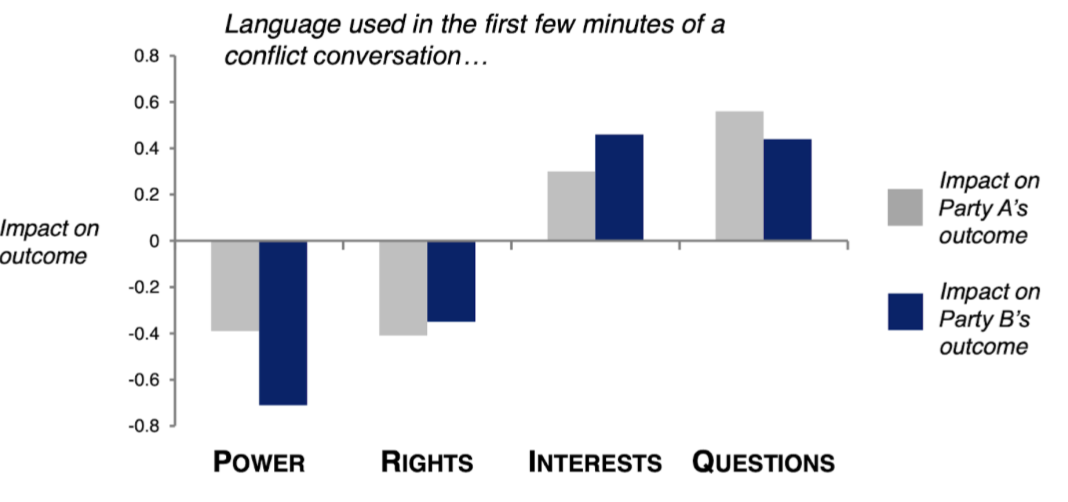
What does the route you choose to start off with determine?
The outcome
Choosing rights and power often leads to impasse
Choosing interests and asking questions leads to a positive outcome (// integrative nego)
What is a good way to start to defuse anger and tension?
Apologising
What to do if you are low in power?
Resist ever leaving interests and try to link back to THEIR interests
Even if you are high in power
Might still prefer interests because:
Your source of power might change
Interest-based agreements are often easier to enforce
Interest-based conversations preserve positive r/s
What happens when you move from interests to rights?
The other party will likely follow, and it’s very hard to return back
Often escalates to power → likely to drift away from the core interests
What is the most effective system?
Start off with interests and remain there (most cases), if the convo is stalling and opponent not willing to compromise, then use rights & power as a backup (fewest cases)
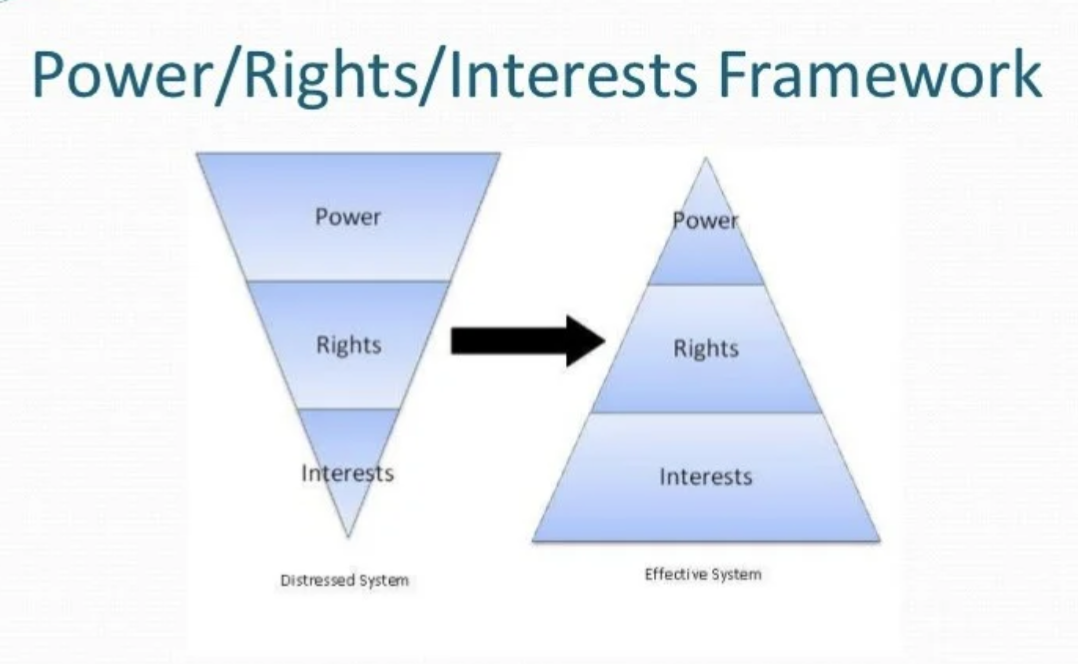
4 strategies to get back on track from rights and power: (BLTP)
Be a role model
Labelling
Transitions
Process intervention
Be a role model
Not reciprocating contentious communications, instead ask questions, offer information and stay calm
Labelling
Consider labelling (eg. assigning blame) unhelpful, not going to solve the problem
Transitions (to interests)
Offer mid-course corrections & transitions to interests
Eg. “Let’s focus on our respective goals…”
Process interventions
Create a structural break to get some perspective
Eg. take a break, find a mediator, restate e/o’s view
 Note
Note  Flashcards (88)