Unit 1 Flashcards (Daily Videos)
 Multiple Choice
 Call Kai
1/215

Earn XP
Description and Tags
Name | Mastery | Learn | Test | Matching | Spaced | Call with Kai |
|---|
No analytics yet
Send a link to your students to track their progress
216 Terms
Noam Chomsky
Said that because babies babble every language then refine it to the language(s) that are spoken in their household, it shows universal grammar (genetic language)
John B. Watson
Said that he could shape how someone would be (nurture argument)
genetics
determines sex, temperament, eye color, hair color, body shape
environment
helps influence culture, social groups, norms, and family
rat licking studies
Showed a genetic component change based on how they were raised (long term potentiation)
identical twins
share the same DNA, same sex, and are monozygotic (one egg)
fraternal twins
have different DNA, same or opposite sex, dizygotic (two eggs)
identical; genetics
similarities in _____ twins that are raised away from one another are due to ______
fraternal; environment
similarities in _____ twins that are raised together are due to ______
62
____ percent of academic performance is attributed to genetic factors in twin studies
brain and spinal cord
the central nervous system is made up of the
autonomic; somatic
the peripheral nervous system is made up of the _____ nervous system and the _____ nervous system
somatic nervous system
brings sensory information to the central nervous system through sensory neurons and tells how/what to move from the central nervous system to the muscles through motor neurons
sympathetic; parasympathetic
the autonomic nervous systems is made up of the ______ nervous system and the ______ nervous system
autonomic nervous system
the _______ regulates involuntary functions such as breathing, blood pressure, and heart rate
sympathetic nervous system
the ________ speeds up the nervous system and activates the fight or flight response
muscles
during the fight or flight response, the sympathetic nervous system decreases digestion to reroute the blood to the _____
parasympathetic nervous system
the ______ activates rest and digestion after the fight or flight response
glial cells
________ are helper cells for neurons that send and receive chemical signals
sensory neurons
different for each sense
respond to non-chemical stimulation
send afferent signals
ex: neurons in the eye respond to certain light wavelengths
afferent
_____ signals arrive at the brain
motor neurons
connected to all muscles
the only way our thoughts can exist in the real world
receive efferent signals
ex: neurons in the arm can react to involuntary+voluntary signals
efferent
______ signals exit the brain
neurons
______ are the building blocks of the nervous system
330 mph
What is the maximum speed a neuron can send a signal?
myelin sheath
a fatty substance encasing most neurons in the brain
protect; insulate
myelin sheaths _____ and ______ axons, which speeds up the transmission of nerve impulses
multiple sclerosis
What is an example of a disorder where there are problems with the creation or deterioration of myelin sheaths?
electrical energy
neurons fire when there is a shift in __________, which creates an action potential
synapse
when action potential reaches an axon terminal, neurotransmitters are released into the ______
excitatory neurotransmitters
________ makes the next neuron more likely to fire
inhibitory neurotransmitters
_______ make the next neuron less likely to fire
-70 millivolts
resting potential, when the neuron
all-or-none law
the _______ states that once at threshold, the neuron will fire and always with the same intensity
action potential
an electrical impulse that travels down an axon
refractory period
a brief period where a neuron cannot fire again (lasts a few milliseconds)
reuptake
when the sending neuron recollects the neurotransmitters from the synapse
glutamote
enhances learning and memory by strengthening synaptic connections
glutamote
What is the most abundant excitatory neurotransmitter?
GABA (gamma aminobutyric acid)
associated with various anxiety-related disorders
GABA (gamma aminobutyric acid)
What is the most abundant inhibitory neurotransmitter?
acetylcholine
involved in learning+memory and is associated with Alzheimer’s with diminished functioning
acetylcholine
all movements require ______
dopamine
linked to the anticipation of pleasurable and rewarding activities and involved with movement, attention, and learning
Parkinson’s
What is associated with a lack of dopamine?
schizophrenia
What is associated with excess levels of dopamine?
endorphins
the body’s natural painkiller (involved in pain reduction and reward) that can be stimulated by intense exercise and creating euphoric feelings
epinephrine
the neurotransmitter and hormone that boosts energy and is the primary chemical in “fight or flight” responses
norepinephrine
heavily involved with the sleep cycle for arousal, alertness, and vigilance
serotonin
plays a significant role in mood, sleep, appetite, and dreams
norepinephrine; serotonin
Low levels of which two neurotransmitters are associated with depression?
tolerance
needing more amounts of a drug to create its original effect
physical dependence
drug is needed to prevent withdrawl symptoms
agonists
enhance neurotransmitters and bind to receptors to make a neuron fire
direct agonists
mimic a neurotransmitter and bind with receptors
indirect agonists
can block the reuptake of a neurotransmitter (reuptake inhibitors)
heroin
an agonist for endorphins; the receptor cannot distinguish
nicotine
an agonist for acetylcholine; stimulates skeletal muscles and increases heart rate
black widow venom
an agonist for acetylcholine; causes acetylcholine to be release continuously at neuromuscular junctions, which causes spasms and dangerously high heart rate
prozac
inhibits serotonin reuptake; floods the synapse with serotonin causing the neuron to continuously fire; used as a treatment for depression and anxiety
cocaine
an agonist that inhibits dopamine reuptake; elevates serotonin and norepinephrine; creates intense euphoria, alertness, and heightened self-confidence; highly addictive
antagonists
inhibits the actions of neurotransmitters by binding to a receptor without stimulating it
botox
an antagonist for acetylcholine; freezes muscles
thorazine
an antagonist for dopamine; blocks dopamine receptors; used as a drug for schizophrenia
blood-brain barrier
a semipermeable membrane that allows some chemicals to pass from the blood to brain
depressants
slow/inhibit central nervous system functions to create drowsiness, sedation, or sleep; combining can be deadly
alcohol
an agonist for GABA; lessens inhibitions by depressing brain centers responsible for judgement, self-control, and movement
opioids
agonists for endorphins; incredibly addictive and create powerful withdrawal symptoms
heroin
oxycodone
fentanyl
stimulants
activate sympathetic nervous system by increasing brain activity, mental alertness, and arouse behavior
caffeine
a stimulant that is an agonist for adenosine; blocks sleep-inducing effects and stimulates the release of dopamine; physically addictive and can create withdrawal symptoms
hallucinogens
create sensory and perceptual distortions, alter mood, and affect thinking; research in therapeutic settings
THC
a mild hallucinogen found in marijuana that produces a sense of well-being, mild euphoria, and dreamy states of relaxation; interferes with muscle coordination, learning, memory, and cognitive function
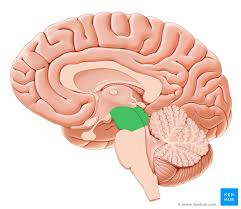
midbrain
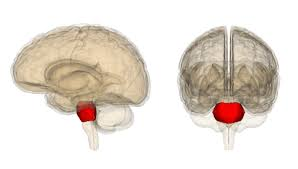
pons
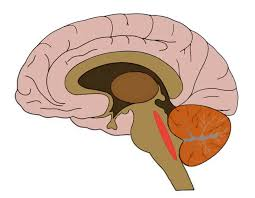
reticular activating system
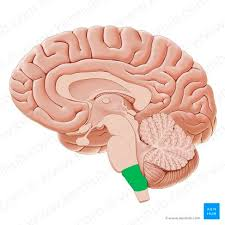
medulla
cerebellum
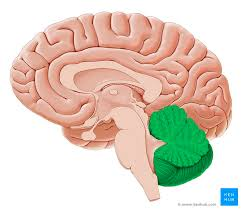
medulla
helps regulate heart rate, blood pressure, and breathing as well as nonvital functions like swallowing, vomiting, and sneezing
pons
helps coordinate movements and plays a role in sleep and dreaming; connects brainstem and cerebellum
reticular activating system
a network of nerve fibers involved in arousal, attention, and alertness
cerebellum
helps coordinate sequences of movement and balance; involved in implicit memory
midbrain
connects portions of the brain; relays information between the brain and eyes/ears
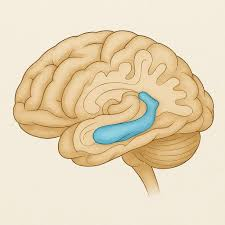
hippocampus
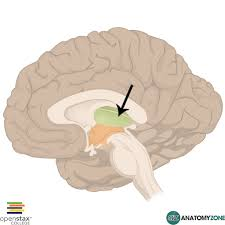
thalamus
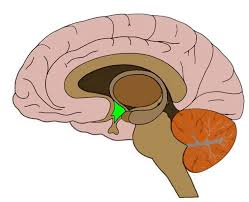
hypothalamus
amygdala
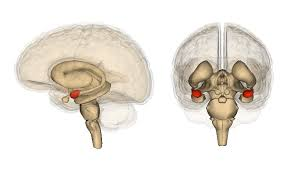
thalamus
receives and sorts sensory information (except smell) and sends it to the cortex for further interpretation
hypothalamus
initiates fight or flight, initiates motivation to eat as well as fullness levels, and initiates sexual motivation; connected to the brain’s reward systems
amygdala
involved with emotions+aggression, fear responses, and helps ingrain emotional memories
hippocampus
converts short-term memory to long-term memory, but does not store memory; also involved with spatial memories
hippocampus
dysfunction of the ______ is associated with Alzheimer’s and anterograde amnesia
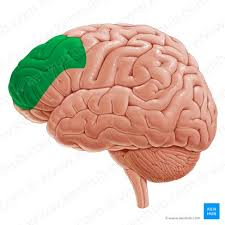
prefrontal cortex
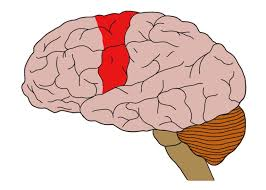
motor cortex
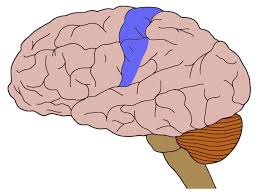
somatosensory cortex
primary visual cortex
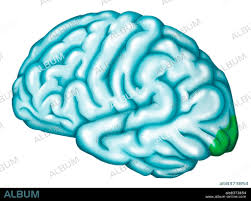
primary auditory cortex
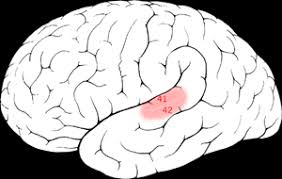
auditory association cortex
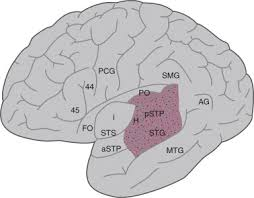
broca’s area
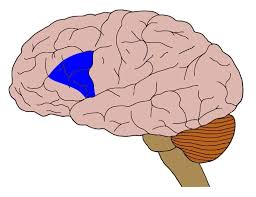
wernicke’s area
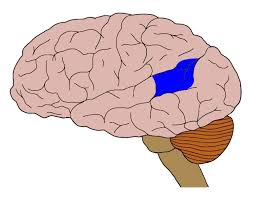
prefrontal cortex
is involved in the highest-level cognitive functions such as thinking, planning, decision-making, and impulse control

