An Inspector Calls - Dilan & Sagun
 Call Kai
 Learn
Learn Practice Test
 Spaced Repetition
 Match
Match Flashcards
 Knowt Play
1/34

There's no tags or description
Looks like no tags are added yet.
Name | Mastery | Learn | Test | Matching | Spaced | Call with Kai |
|---|
No analytics yet
Send a link to your students to track their progress
35 Terms

“A man has to make his own way — has to look after himself — and his family too.” - Mr Birling - Power
The repetition of the modal verb phrase “has to” conveys certainty and authority, presenting Birling’s capitalist ideology as unquestionable. The focus on the individual “himself” highlights selfishness and rejects collective responsibility. Priestley presents this as misused power, rooted in wealth rather than morality.

“If you don’t come down sharply on some of these people, they’d soon be asking for the earth.” - Mr Birling - Power
The violent adverbial phrase “come down sharply” suggests oppression, showing how employers used power to control the working class. The hyperbolic phrase “asking for the earth” exaggerates workers’ demands, revealing Birling’s fear of losing power and wealth.

“I can’t accept any responsibility.” - Mr Birling - Power
The blunt declarative sentence demonstrates Birling’s refusal to change. The verb “accept” implies responsibility is optional, exposing his moral weakness. Priestley uses Birling to criticise those in power who deny accountability.

“We are members of one body. We are responsible for each other.” - Inspector Goole - Power (Moral and ideological)
The collective pronoun “we” and metaphor “one body” create unity, contrasting sharply with Birling’s individualism. The Inspector’s power is moral rather than social, suggesting true authority comes from ethical responsibility, not class or wealth.

“If men will not learn that lesson, then they will be taught it in fire and blood and anguish.” - Inspector Goole - Power
The prophetic tone gives the Inspector almost biblical authority. The violent imagery “fire and blood and anguish” foreshadows world wars, suggesting that abuse of power leads to mass suffering. Priestley warns his audience of the consequences of ignoring social responsibility.

“Each of you helped to kill her.” - Inspector Goole - Responsibility
The determiner “each” distributes blame individually, preventing any character from evading responsibility. The verb “kill” is deliberately strong, stripping away euphemisms and confronting both characters and audience with the moral consequences of their actions. Priestley uses the Inspector to enforce the idea of shared social responsibility, showing that neglect or selfishness can have devastating effects on vulnerable people.

“I know I’m to blame.” - Sheila - Responsibilty
The possessive pronoun “my” emphasises ownership of guilt, showing Sheila’s moral awareness. Unlike her parents, she accepts responsibility rather than deflecting it. The declarative tone reflects honesty and maturity, reinforcing the theme of personal responsibility. Sheila’s acceptance suggests that responsibility is tied to conscience rather than social rank.

“The fact remains that I did what I did.” - Eric - Responsibility
The repetition of “did” underscores the inescapable truth of Eric’s actions. The phrase “the fact remains” signals that moral responsibility is unavoidable and cannot be ignored. Priestley presents Eric as slowly recognising the consequences of his actions, demonstrating that guilt and responsibility are crucial for personal growth.

“One Eva Smith has gone.” - Inspector Goole - Responsibilty
The numeral “one” implies Eva represents countless others, showing that responsibility extends beyond a single case. Priestley uses Eva as a symbol of society’s oppressed, suggesting that neglect of responsibility harms more than one individual. This makes the audience reflect on their own moral accountability.

“I didn’t feel about her as she felt about me.” - Gerald - Responsibilty
The contrasting clause structure highlights emotional imbalance and moral detachment. Gerald attempts to minimise his culpability, framing his actions as emotionally neutral. Priestley shows how the upper class often denies responsibility, reinforcing the idea that social position can distort moral perception.

“Lower costs and higher prices.” - Mr Birling - Capitalism vs Socialism
The listing reduces workers to economic inputs, revealing how capitalism prioritises profit over people. The phrase lacks any reference to human life, highlighting the dehumanising nature of capitalist ideology. Priestley critiques the moral coldness of those who value wealth over human welfare.

“A hard-headed practical man of business.” - Mr Birling - Capitalism ve Socialism
The adjective “hard-headed” conveys emotional detachment, suggesting that capitalism discourages empathy. The description frames Birling as authoritative, yet Priestley presents this as morally flawed power.

“We don’t live alone.” - Inspector Goole - Capitalism vs Socialism
The short, simple sentence communicates socialist ideology clearly. Priestley contrasts this with Birling’s convoluted and self-serving rhetoric, presenting collective responsibility as morally superior.

“There are millions and millions of Eva Smiths.” - Inspector Goole - Capitalism vs Socialism
The repetition universalises Eva’s suffering, highlighting systemic social injustice. By turning one individual into a symbol, Priestley emphasises the widespread consequences of capitalist neglect.

“Their lives, their hopes and fears.” - Inspector Goole - Capitalism vs Socialism
The triplet humanises the working class, showing that capitalism reduces real human experiences to abstract statistics. Priestley emphasises that moral responsibility involves recognising these human dimensions.

“The famous younger generation who know it all.” - Mr Birling - Generation / Age
Sarcasm highlights his insecurity and the crumbling of traditional authority. Priestley uses generational tension to emphasise moral progress is more likely among youth.

“You mustn’t try to build up a kind of wall.” - Sheila - Generation / Age
The metaphor “wall” symbolises ideological and class divisions. Sheila challenges older attitudes, showing the younger generation’s awareness of social injustice.

“You’re not the kind of father a chap could go to.” - Eric - Generation / Age
The informal noun “chap” and conversational tone highlight emotional distance. Generational failure is depicted as part of moral irresponsibility.
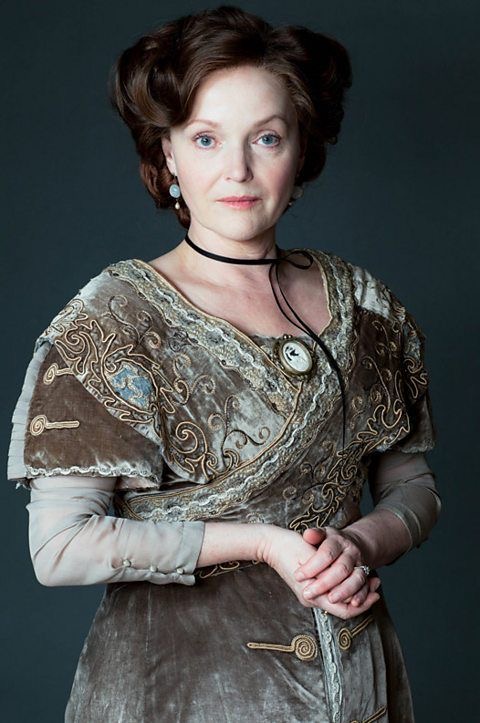
“I did nothing I’m ashamed of.” - Mrs Birling - Generation / Age
Absolute phrasing demonstrates moral stagnation. Priestley contrasts this with Sheila and Eric’s growth to highlight generational differences. (‘Nothing’ is crazy bro, she litro turned Daisy down man.. you could lowkey talk ab that)

“It frightens me the way you talk.” - Sheila - Generation / Age
The verb “frightens” expresses moral shock. Sheila recognises her parents’ flawed thinking, representing generational awareness and the potential for change.

“I’ll never, never do it again.” - Sheila - Guilt
Repetition highlights genuine remorse and acceptance of guilt. Priestley presents guilt as a catalyst for moral transformation.

“My God — I’m not likely to forget.” - Eric - Guilt
The exclamatory phrase conveys psychological burden. Guilt is shown as lasting, demonstrating the weight of moral failings.
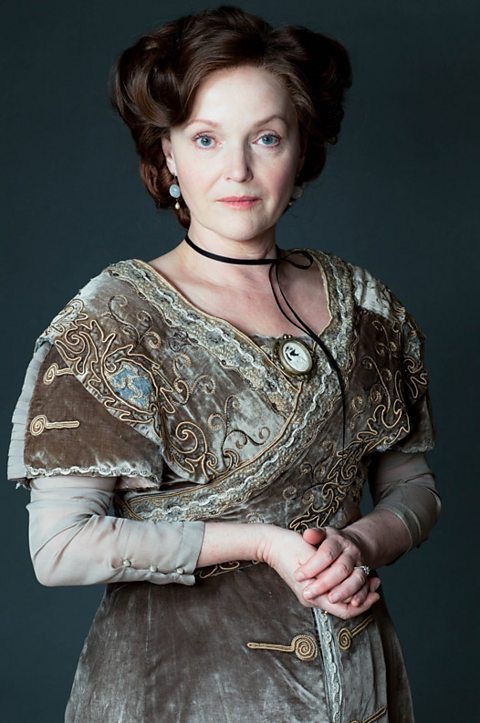
“I blame the young man.” - Mrs Birling - Guilt
The verb “blame” shows deflection. Priestley critiques the upper class’s refusal to confront guilt.

“Everything’s all right now, Sheila.” - Gerald - Guilt
The reassuring tone minimises guilt. Priestley exposes shallow remorse and a desire to return to comfort rather than accountability.

“You’ll be able to divide the responsibility.” - Inspector Goole - Guilt
Irony highlights attempts to reduce moral obligation. Priestley shows guilt is not something that can be neatly allocated—it’s moral, not mathematical.
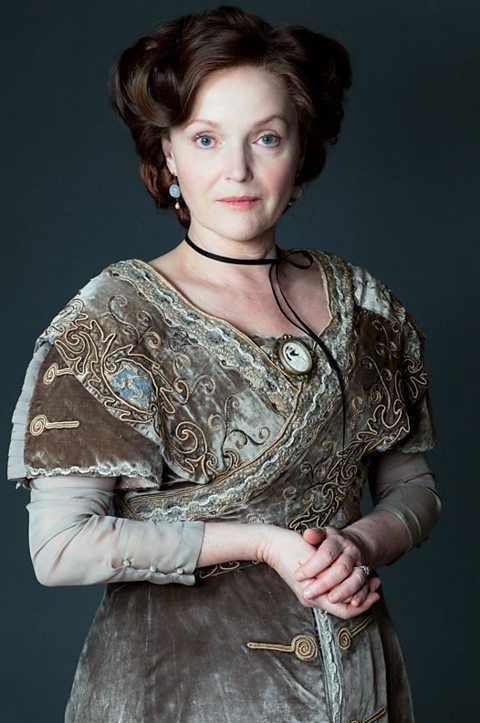
“Girls of that class.” - Mrs Birling - Class
Dehumanising phrasing reduces Eva to a social category. Priestley exposes class prejudice as a moral failing.
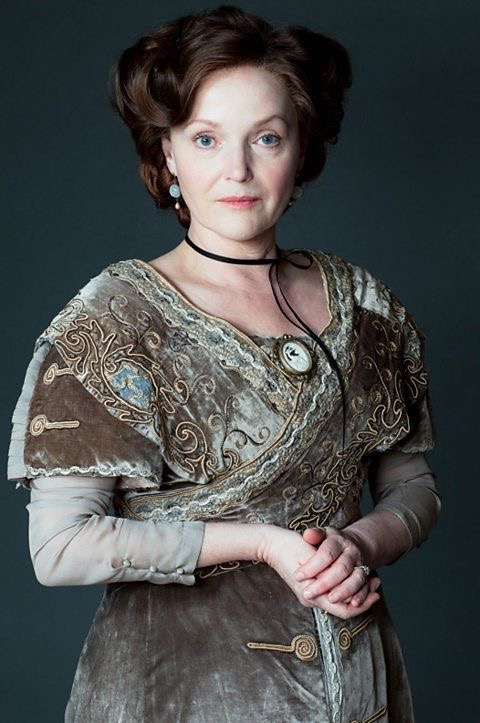
“She was claiming higher wages.” - Mrs Birling - Class
The verb “claiming” implies entitlement is unreasonable, demonstrating exploitation of the working class.

“Public men have responsibilities as well as privileges.” - Inspector Goole - Class
Juxtaposition of status and duty challenges social power. Priestley promotes accountability among the privileged.

“She was young and pretty.” - Gerald - Class
Adjectives reduce Eva to superficial qualities, showing how class and gender intersect to enable exploitation. (so baso the higher the class, the easier person you can pull)

“She died in misery and agony.” - Inspector Goole - Class
Emotive nouns highlight the human cost of class inequality. Priestley forces audience empathy.

“Nothing to do with you, Sheila. Run along.” - Mr Birling - Gender
The imperative “run along” infantilises Sheila, demonstrating patriarchal authority and the suppression of women’s voices.

“I’m not a child, don’t forget.” - Sheila - Gender
Sheila asserts agency, challenging gendered authority. Priestley shows women can wield moral power.

“I’m very busy tonight.” - Mr Birling - Gender
Dismissal of Eric’s concerns shows gendered social power; she uses class and age to assert authority over her son.

“We are responsible for each other.” - Inspector Goole - Gender
Though not gendered, the line undermines patriarchal privilege by presenting moral responsibility as universal, inclusive of women’s moral power.

“It frightens me the way you talk.” - Sheila - Gender
Her reaction to her parents’ attitudes positions her as morally authoritative despite youth and gender, subverting Edwardian norms.

