Exam 2 Inherited Diseases
 Call Kai
 Learn
Learn Practice Test
 Spaced Repetition
 Match
Match Flashcards
 Knowt Play
1/37

There's no tags or description
Looks like no tags are added yet.
Name | Mastery | Learn | Test | Matching | Spaced | Call with Kai |
|---|
No analytics yet
Send a link to your students to track their progress
38 Terms
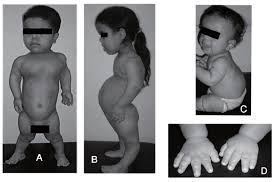
Achondroplasia
Autosomal dominant: Dwarfism associated with defects in growth regions of long bones.
Brachydactyly
Autosomal dominant: Malformed hands with shortened fingers.
Camptodactyly
Autosomal dominant: Stiff, permanently bent little fingers.
Crouzion Syndrome
Autosomal dominant: Defective development of midface region; protruding eyes and hooked nose.
Familial Hypercholesterolemia
Autosomal dominant: Elevated cholesterol levels; predisposes to plaque formation and cardiovascular disease.
Adult Polycystic Kidney Disease
Autosomal dominant: Formation of cysts in kidneys; leads to hypertension and kidney failure
Huntington Disease
Autosomal dominant: Progressive degeneration of the nervous system and dementia in mid-age; early death; associated with CAG repeats.
Hypercalcemia
Autosomal dominant: Elevated levels of calcium in blood serum
Marfan Syndrome
Autosomal dominant: Connective tissue defect; may cause death from aortic failure; individuals often have tall height phenotype.
Nail-Patella Syndrome
Autosomal dominant: Absence of nails and kneecaps
Ehlens Donlon’s Syndrome
Connective Tissue Disorder
Loose joints
Porphyria
Autosomal dominant: Inability to metabolize porphyrins; episodes of mental disturbance
Albinism
Autosomal recessive: Absence of melanin pigment in skin, eyes, and hair; also occurs in plants (lack of chlorophyll).
Ataxia Telangiectasia
Autosomal recessive: Progressive degeneration of the nervous system.
Bloom Syndrome
Autosomal recessive: Dwarfism, skin rash, and increased cancer risk.
Cystic Fibrosis
Autosomal recessive: Mucus production blocks ducts of glands and lung passages; often fatal in early adulthood; associated with defective chloride ion channels
Fanconi Anemia
Autosomal recessive: Slow growth, heart defects, and high rate of leukemia.
Galactosemia
Autosomal recessive: Accumulation of galactose in the liver; leads to mental retardation.
Phenylketonuria (PKU)
Autosomal recessive: Excess accumulation of phenylalanine in blood; causes mental retardation if untreated.
Sickle Cell Anemia
Autosomal recessive: Abnormal hemoglobin leads to blood vessel blockage and relatively early death.
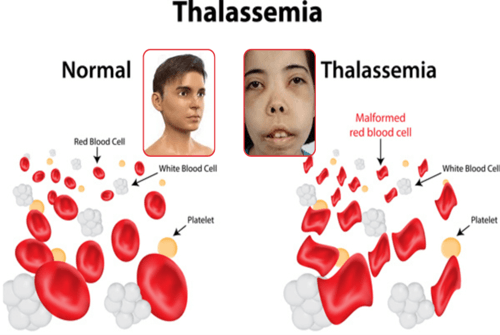
Thalassemia
Autosomal recessive: Improper hemoglobin production; symptoms range from mild to severe
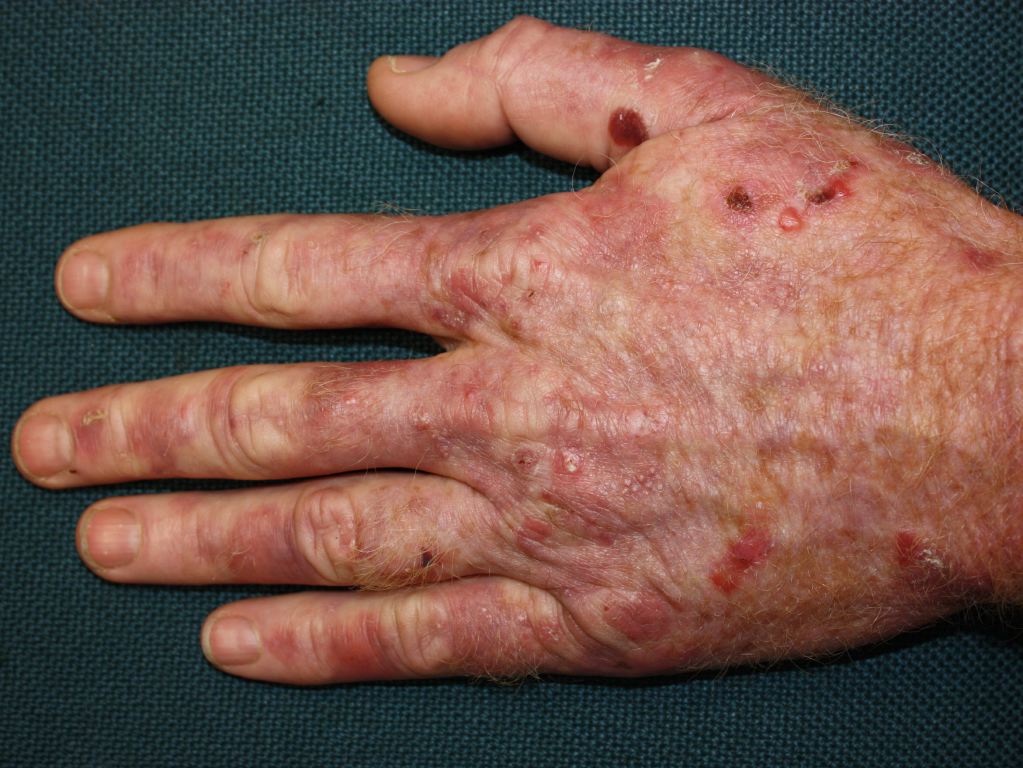
Xeroderma Pigmentosum
Autosomal recessive: Lack of DNA repair enzymes; extreme sensitivity to UV light; high risk of skin cancer and early death.
Tay-Sachs Disease
Autosomal recessive: Impaired metabolism of gangliosides in nerve cells; associated with Ashkenazi Jewish population; early death.
Lesch-Nyham Syndrome
X-linked recessive: mental retardation, self-multilation, early death
Color Blindness
X-linked recessive: Inability to distinguish certain colors.
Green blindness: insensitivity to green light; ~60–75% of colorblind cases
Red blindness: insensitivity to red light; ~25–40% of colorblind cases
Hemophilia
X-linked recessive: Inability of blood to clot.
A: caused by lack of clotting factor VIII (8)
B: caused by lack of factor IX (9)
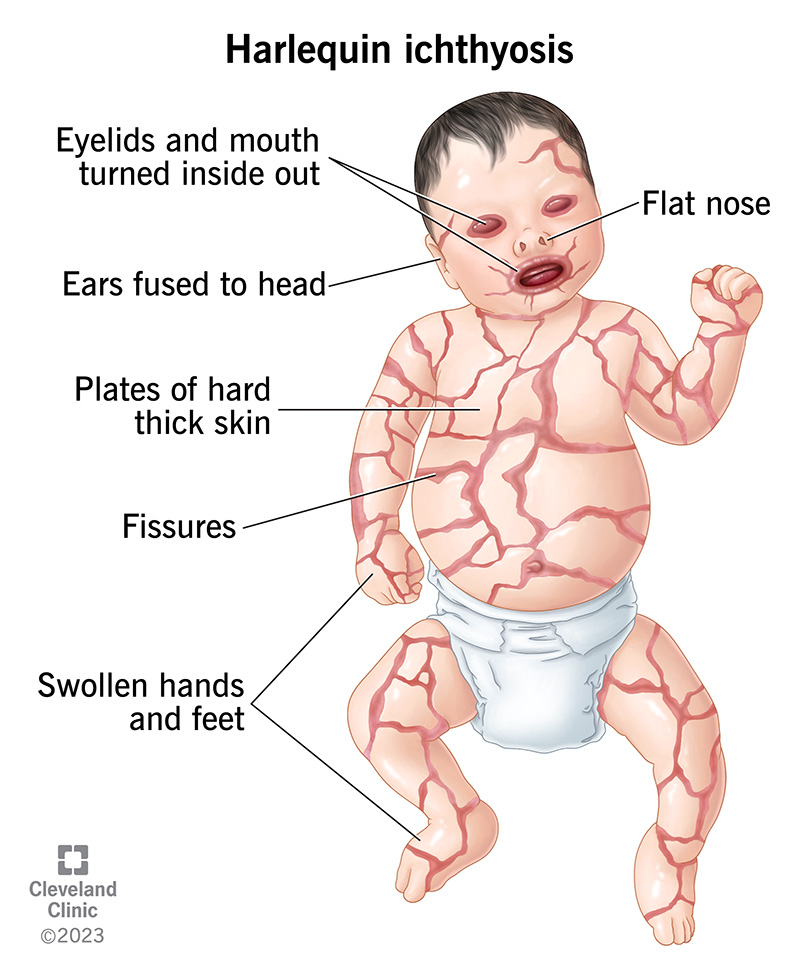
Ichthyosis
X-linked recessive: Skin disorder caused by large, dark scales on extremities and trunk.
Muscular Dystrophy
X-linked recessive: Progressive, fatal condition causing muscle wasting.
Fabry Disease
X-linked recessive: Metabolic defect caused by lack of enzyme alpha-galactosidase A; leads to progressive cardiac and renal problems and early death.
Adrenoleukodystrophy
X-linked recessive: Atrophy of adrenal glands; mental degeneration; death 1–5 years after onset.
Glucose-6-Phosphate Dehydrogenase (G6PD) Deficiency
X-linked recessive: Usually benign but can cause severe or fatal anemia when exposed to certain foods (e.g., fava beans) or drugs.
Congenital Generalized Hypertrichosis
X-linked dominant: Excessive hair growth over the entire body (except palms and soles); historically referred to as “ape men” or “werewolves.”
Alport Syndrome
X-linked dominant: Deafness and inflammation of kidney tubules.
Incontinentia Pigmenti:
X-linked dominant: Swirls of skin color; hair loss; seizures; abnormal teeth.
Fragile X Syndrome:
X-linked dominant: Mental retardation; characteristic facial features; large testicles.
Coffin-Lowry Syndrome:
X-linked dominant: Facial dysmorphism; digit abnormalities; psychomotor and growth retardation.
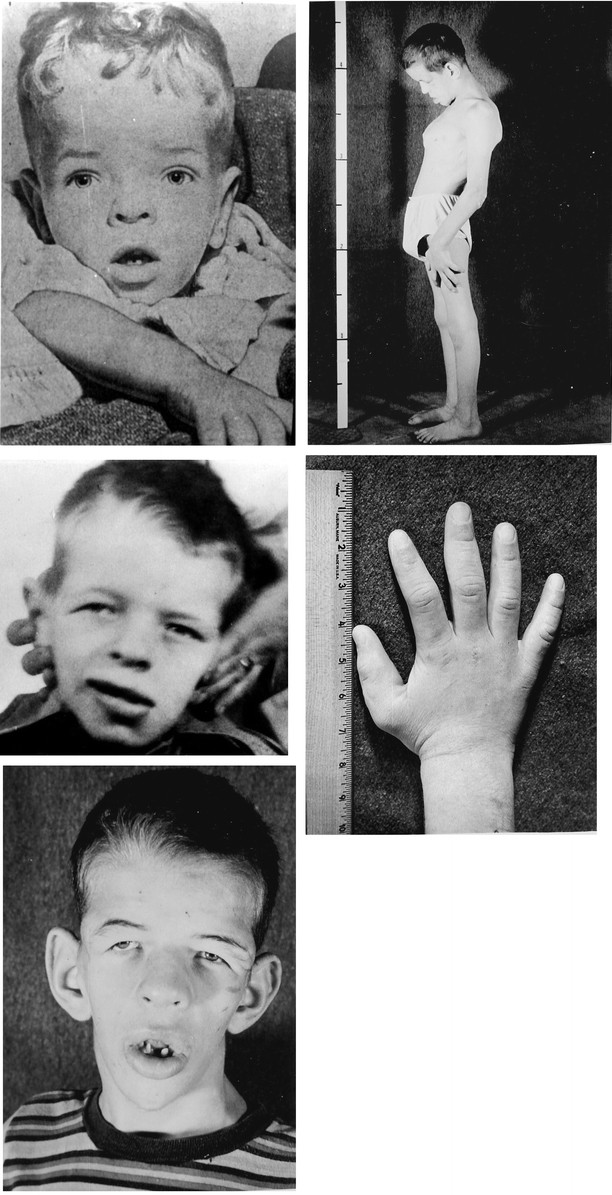
Rett’s Syndrome:
X-linked dominant: Occurs almost exclusively in girls; causes severe impairments affecting speech, walking, eating, and breathing.
Familial Rickets:
X-linked dominant: Short stature; skeletal deformities; bone pain; muscle weakness

