Adolescence, Self-Concept, and Moral Development in Psychology
 Call Kai
 Learn
Learn Practice Test
 Spaced Repetition
 Match
Match Flashcards
 Knowt Play
1/51

There's no tags or description
Looks like no tags are added yet.
Name | Mastery | Learn | Test | Matching | Spaced | Call with Kai |
|---|
No analytics yet
Send a link to your students to track their progress
52 Terms
Working self-concept
The immediate experience of the self in the here and now.
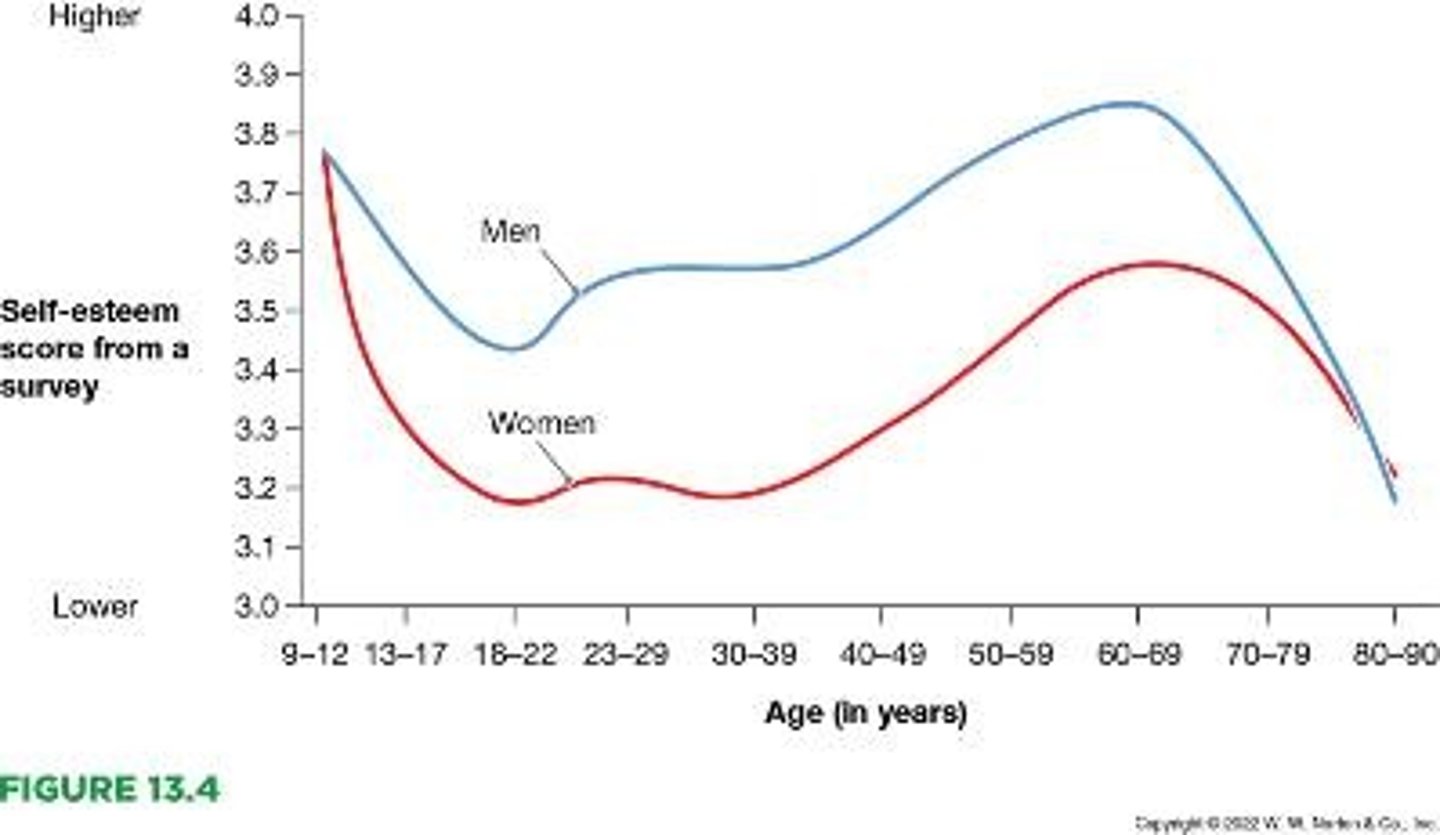
Self-esteem
The evaluative aspect of self-concept that indicates how you value or feel about your sense of self.
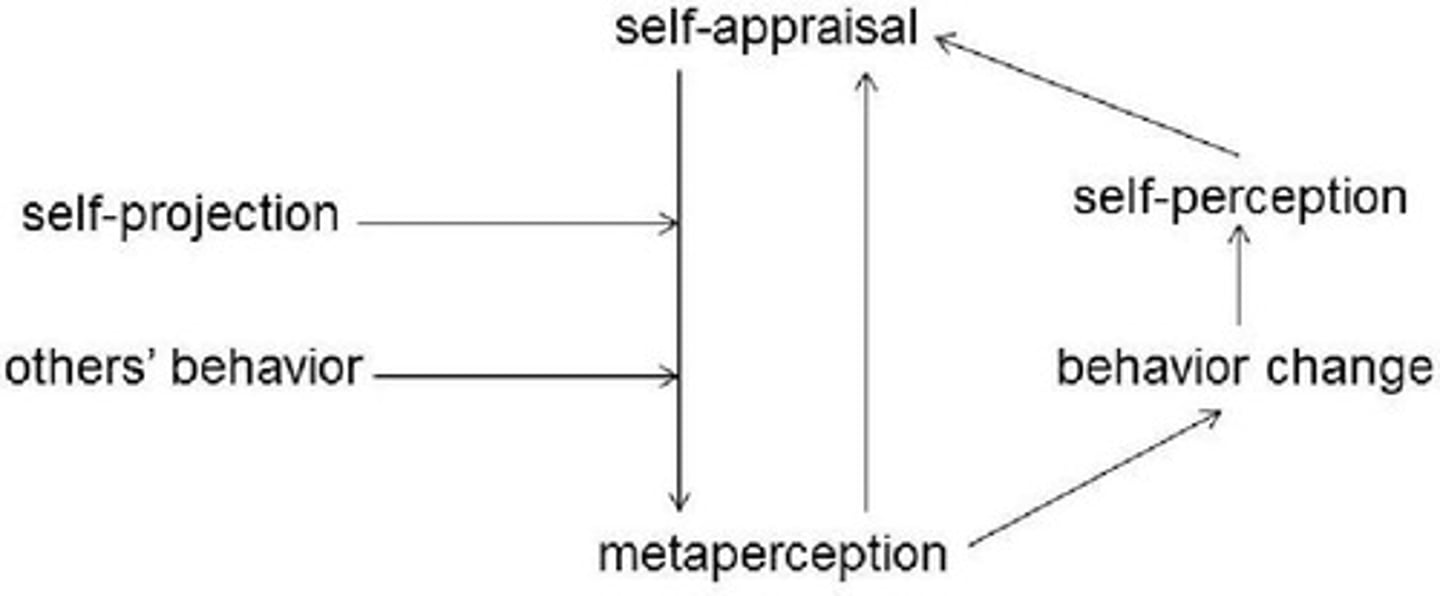
Reflected appraisal
How we believe others perceive us.
Gender Schemas
Cognitive frameworks that help individuals organize information about gender: what behaviors, roles, and traits are masculine or feminine.
Adolescence
Starts at the end of childhood around ages 11 to 14 and lasts until ages 18 to 21.
Synaptic connections
Refined during adolescence; gray matter increases.
Frontal cortex
Not fully developed until the early 20s.
Limbic system
The motivational and emotional center of the brain, tends to be more active than the frontal cortex in adolescents.
Puberty
The physical changes in the body that are a part of sexual development.
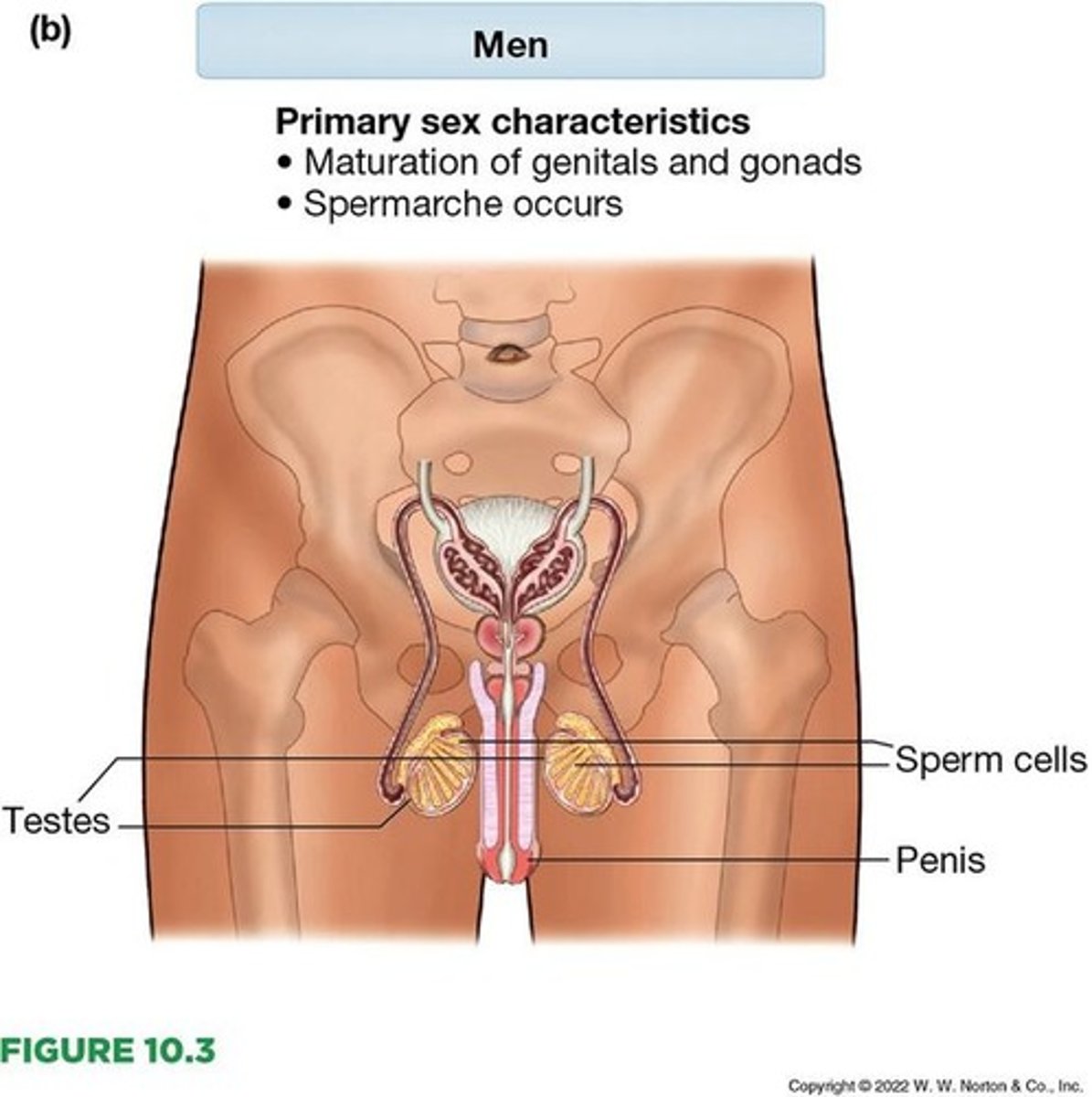
Primary sex characteristics
Physical development during puberty that results in sexually mature reproductive organs and genitals.
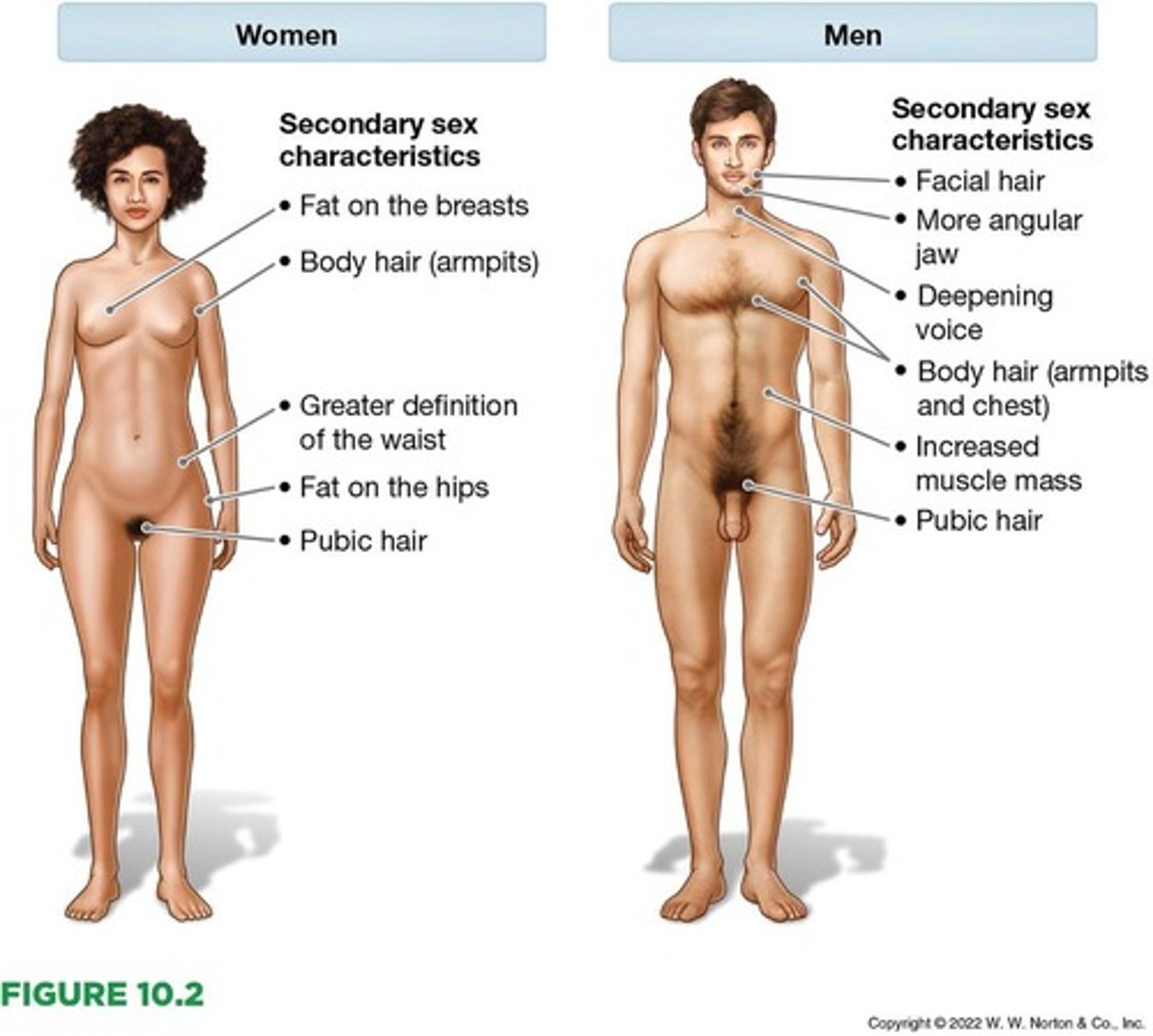
Secondary sex characteristics
Physical changes during puberty that are not directly related to reproduction but indicate the difference between the sexes.
Menarche
The first menstrual period, occurring at about 12 and a half years of age.
Spermarche
The beginning of sperm cell production in the testes, usually occurs at age 12.
Organizational Effects
Changes in the structure or wiring of the brain and body that occur early in development.
Activational Effects
Temporary and reversible changes that occur later in life, typically during puberty or adulthood.
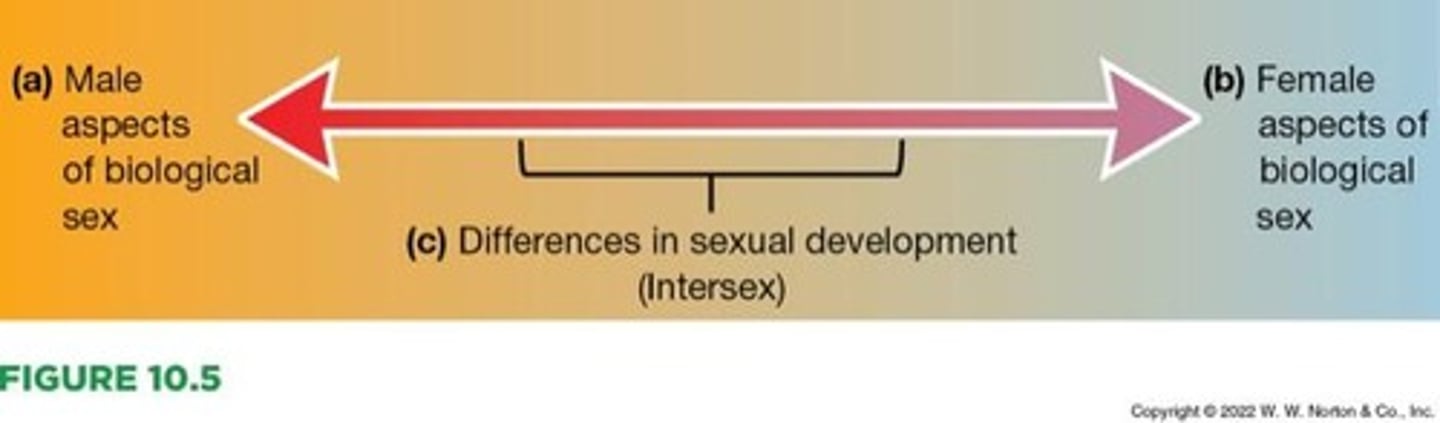
Differences in sexual development (DSD)
Variations in one or more aspects of biological sex, resulting in non-binary sex (intersex).
Klinefelter syndrome (XXY)
Affects typical male development and puberty; results in secondary sex characteristics more typical of women.
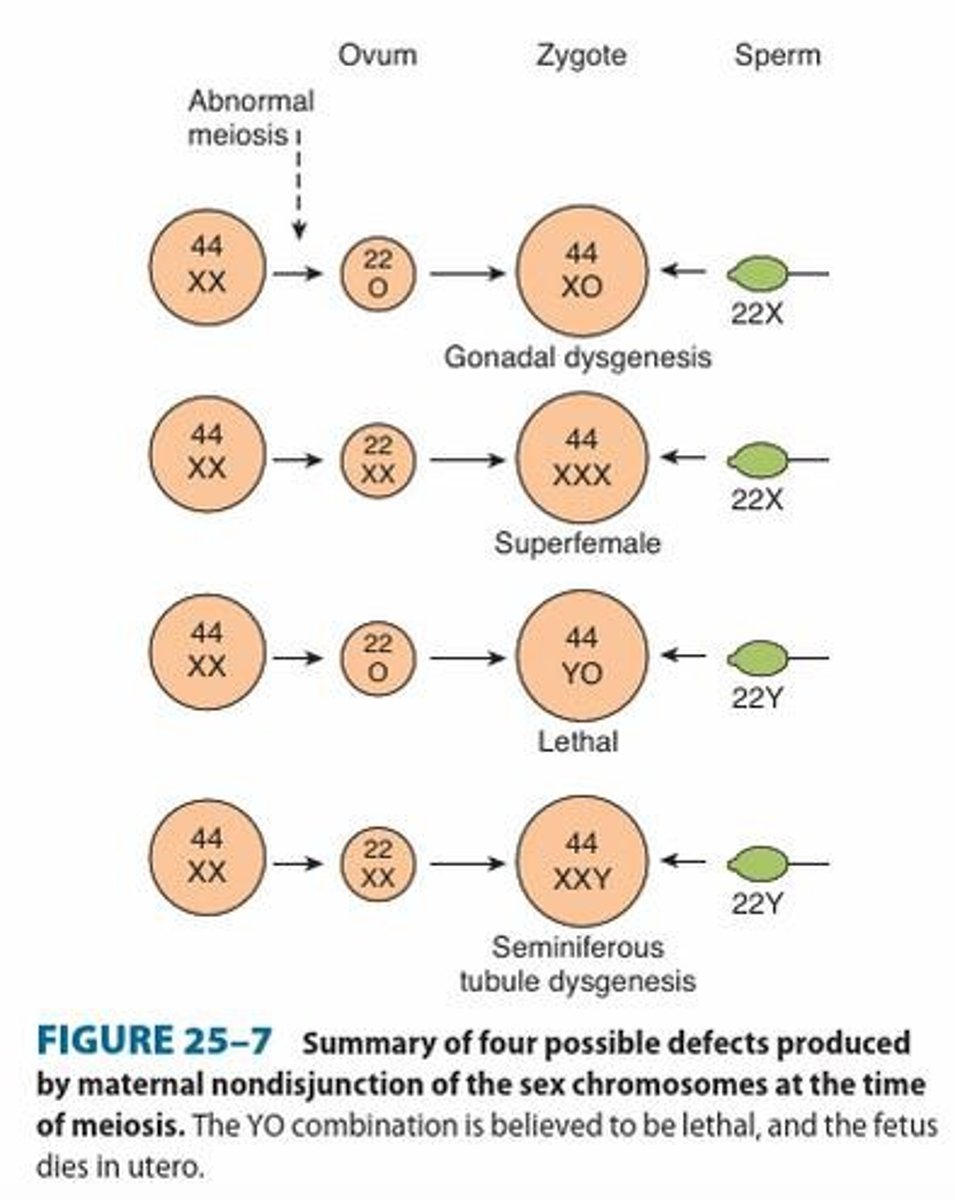
Turner syndrome (X0)
Born with female genitals that appear typical; ovaries do not develop typically.
Congenital adrenal hyperplasia
A group of inherited disorders affecting the adrenal glands, leading to exposure of XX zygotes to greater amounts of androgens.
Androgen insensitivity syndrome
XY sex chromosomes but the cells do not respond to testosterone released by the testes.
Identity
A person's sense of 'Who am I?'; develops through biological maturation, cognitive growth, social experiences, and cultural context.
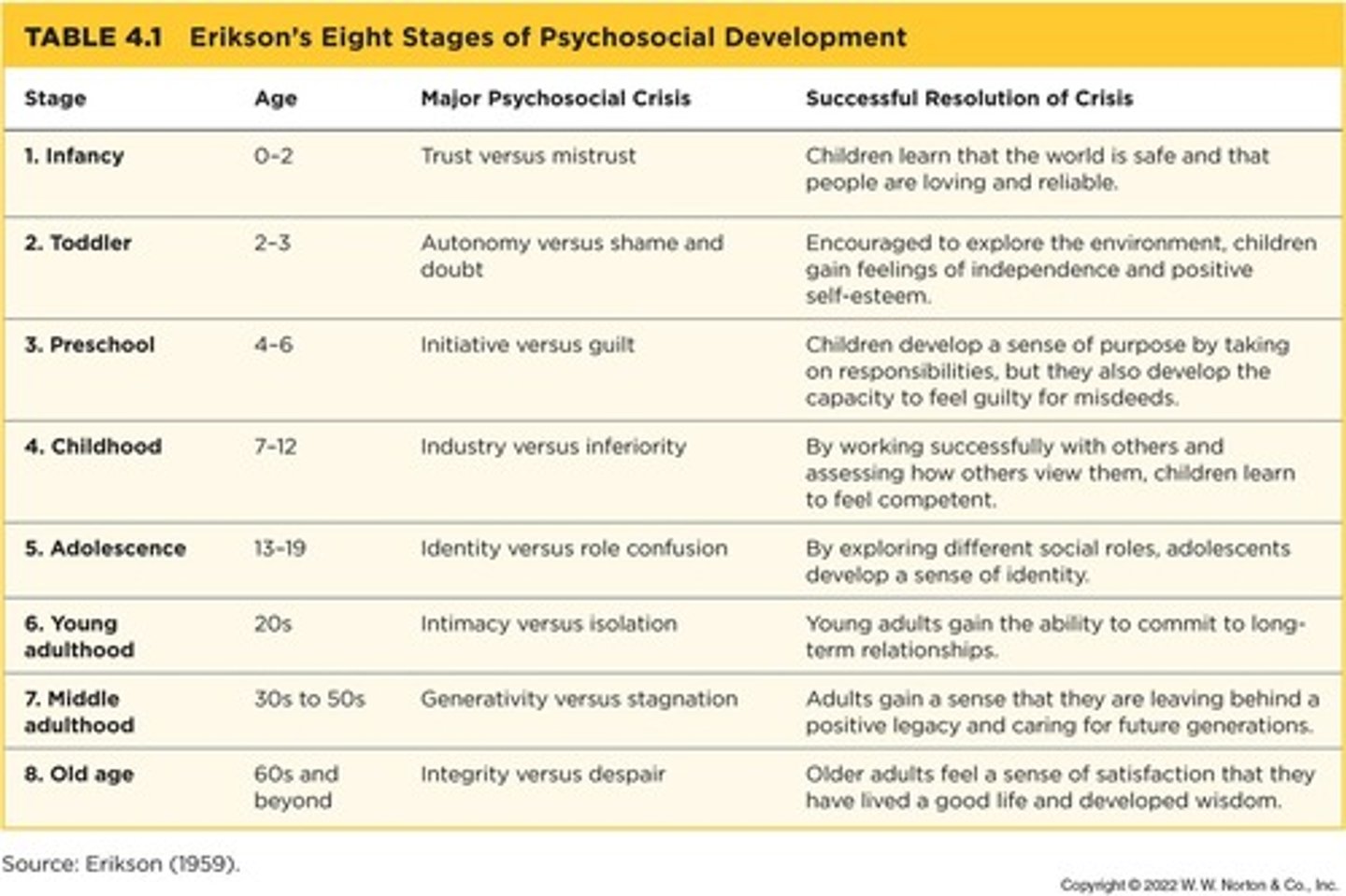
Identity versus role confusion
The central developmental task of adolescence according to Erikson, involving exploration of different roles, beliefs, and values.
Authoritative parenting
High responsive, high demand; most supportive of healthy identity development.
Authoritarian parenting
High demand, low responsive; may lead to identity foreclosure or rebellion.
Permissive parenting
High responsive, low demand; few boundaries.
Neglectful/Uninvolved parenting
Low responsive and low demand; little guidance or support.
Moral Development
The process by which people learn to understand right and wrong and develop ethical values.
Moral emotions
Emotions linked to societal interests that motivate people to do good and avoid bad actions.
Lawrence Kohlberg's moral reasoning stages
Develops through a series of six stages grouped into three levels: Preconventional, Conventional, and Postconventional.
Preconventional level
Focuses on external consequences; includes stages of Obedience & Punishment and Self-Interest.
Conventional level
Focuses on social expectations; includes stages of Interpersonal Conformity and Authority & Social Order.
Postconventional level
Focuses on abstract principles; includes stages of Social Contract and Universal Ethical Principles.
Self-concept
Everything an individual thinks, believes, and feels about him/herself.
Self-schema
An integrated set of memories, beliefs, and generalizations about the self.
Gender Stereotypes
Oversimplified and widely held beliefs about traits, roles, or behaviors expected of men and women.
The 'Blue Eyes/Brown Eyes' Study
Demonstrated how quickly prejudice, discrimination, and social hierarchies can form based on arbitrary traits.
Downward comparisons
Comparing oneself with another person who is seen as less competent or in a worse situation.
Temporal comparison
People view their current selves as better than their former selves.
Upward comparisons
Comparing oneself with another person who is seen as more competent or in a better situation.
Self-serving bias
The tendency for people to take personal credit for success but blame failure on external factors.
Collectivist cultures
Emphasize connections to family, social groups, and ethnic groups, and conformity to societal norms.
Individualist cultures
Emphasize rights and freedoms, self-expression, and diversity.
Proximity
How often people come into contact.
Similarity
People with similar attitudes, values, interests, backgrounds, personalities, and levels of attractiveness tend to like each other more.
Passionate love
A type of romantic relationship that includes intense longing and sexual desire.
Physical/Sexual attraction
Attraction to people based on their sex.
Companionate love
A type of romantic relationship that includes strong commitment to supporting and caring for a partner.
Happy couples vs. unhappy couples
Happy couples overlook bad behavior or respond constructively, while unhappy couples attribute good outcomes to situations and bad outcomes to each other.
Genetic factors in sexual orientation
Identical twins are more likely to have the same sexual orientation than fraternal twins.
Hormonal influence on sexual orientation
Individuals with congenital adrenal hyperplasia have a greater tendency to identify as homosexual or bisexual.
Fraternal birth order effect
Boys who have older brothers are more likely to be homosexual as adults than are first-born males.
Still learning (4)
You've started learning these terms. Keep it up!

